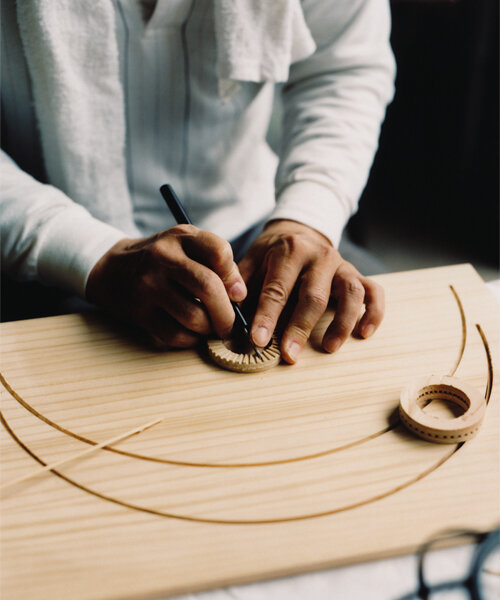
creation as DIALOGUE: modern design meets ancient nagoya crafts at maison&objet 2023
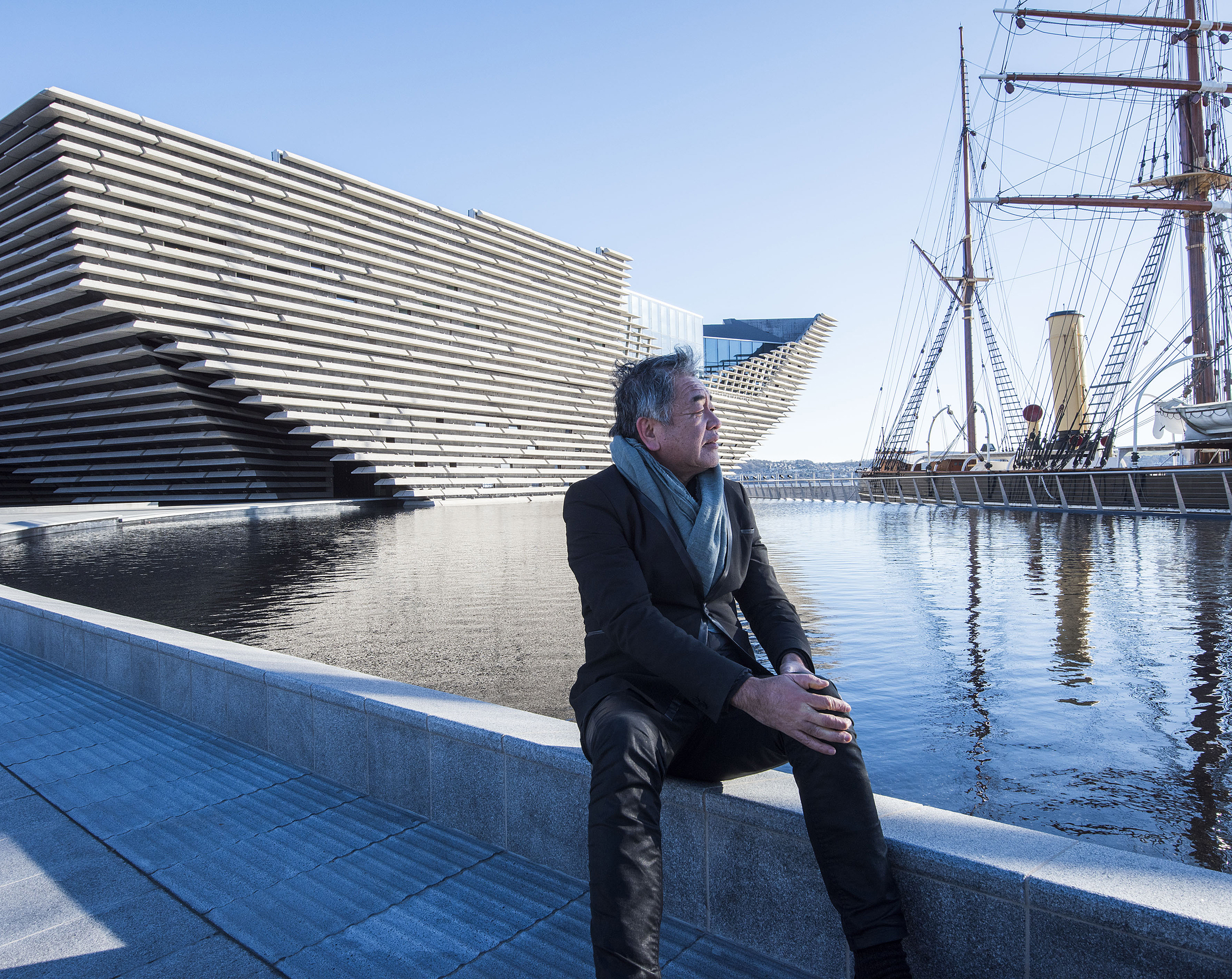
Hiroyuki Murase, founder of suzusan, launched 'Creation as DIALOGUE' in 2020, a collaborative project that bridges Japanese craftsmanship with European design. This initiative, supported by the City of Nagoya, aims to revitalize traditional Nagoya crafts, which have faced decline due to modern lifestyles and a dwindling young artisan population. The project brings together established designers from Europe with Nagoya-based companies specializing in various traditional techniques.
Murase's own journey began with suzusan in 2008, a fashion and home interior brand dedicated to preserving the 400-year-old Arimatsu Narumi Shibori craft. Shibori involves intricate handwork like folding, tying, or sewing textiles before dyeing, resulting in unique patterns and textures. Originally used for kimonos, Murase adapted Shibori to contemporary products, expanding suzusan into a global brand with headquarters in Germany and Japan and a young, growing team.
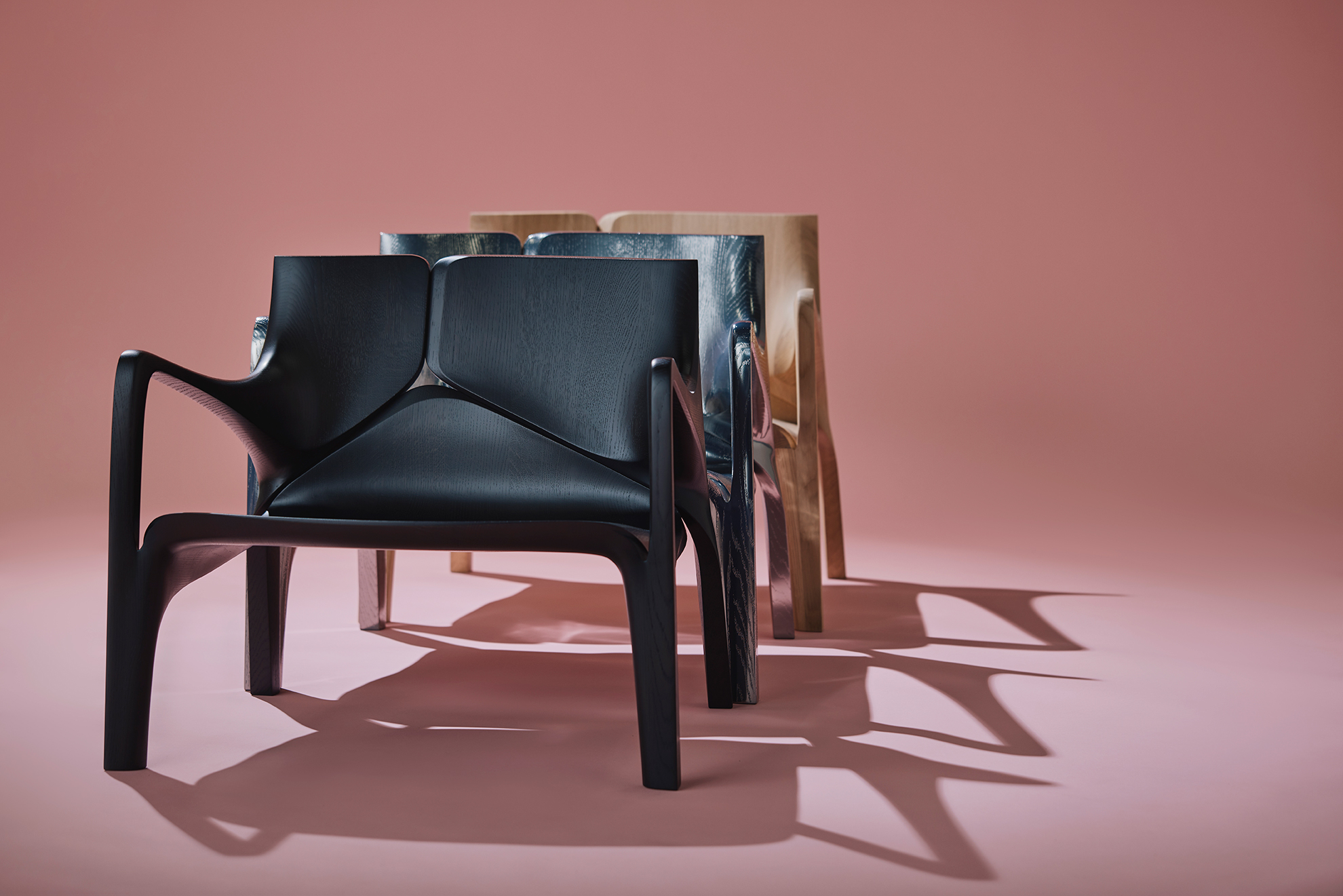
The 'Creation as DIALOGUE' project was recently showcased at Maison&Objet; 2023, featuring 12 pieces developed by three designers—Sawako Furukawa, Daisuke Hirabayashi, and Kodo Nawa—in collaboration with ten Nagoya craft companies. These collaborations resulted in pieces that blend modern aesthetics with the warmth and human touch inherent in traditional craftsmanship, embodying a dialogue between artisan and designer, technique and creativity, and Japan and Europe.
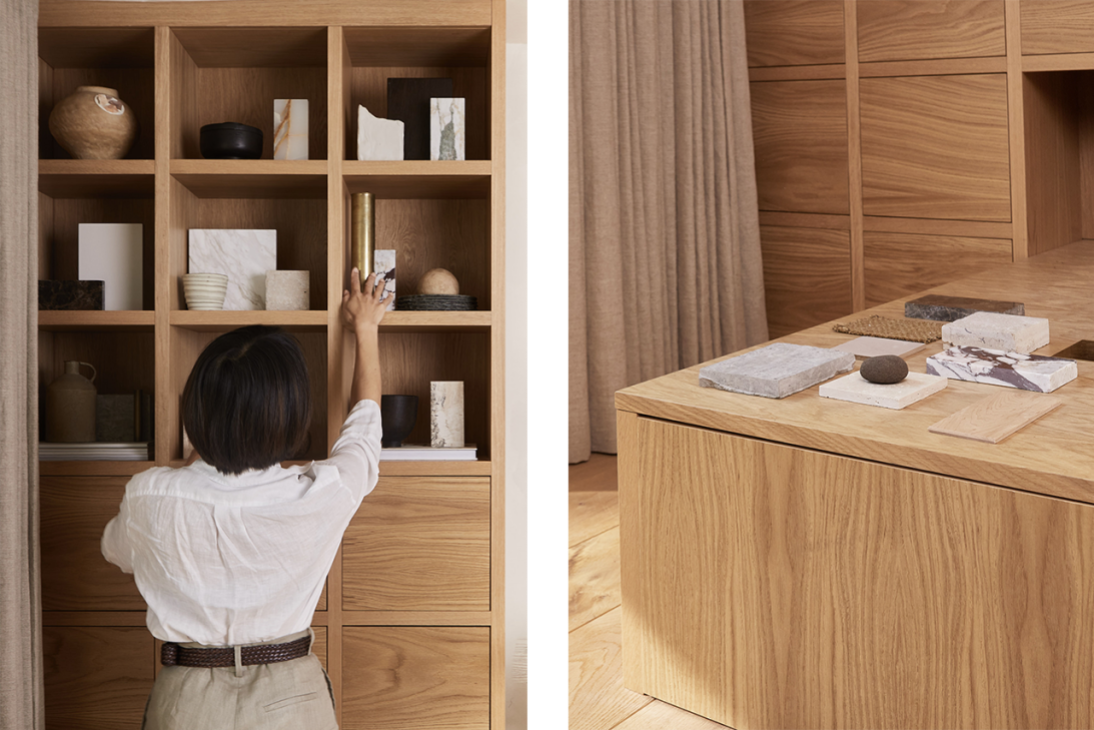
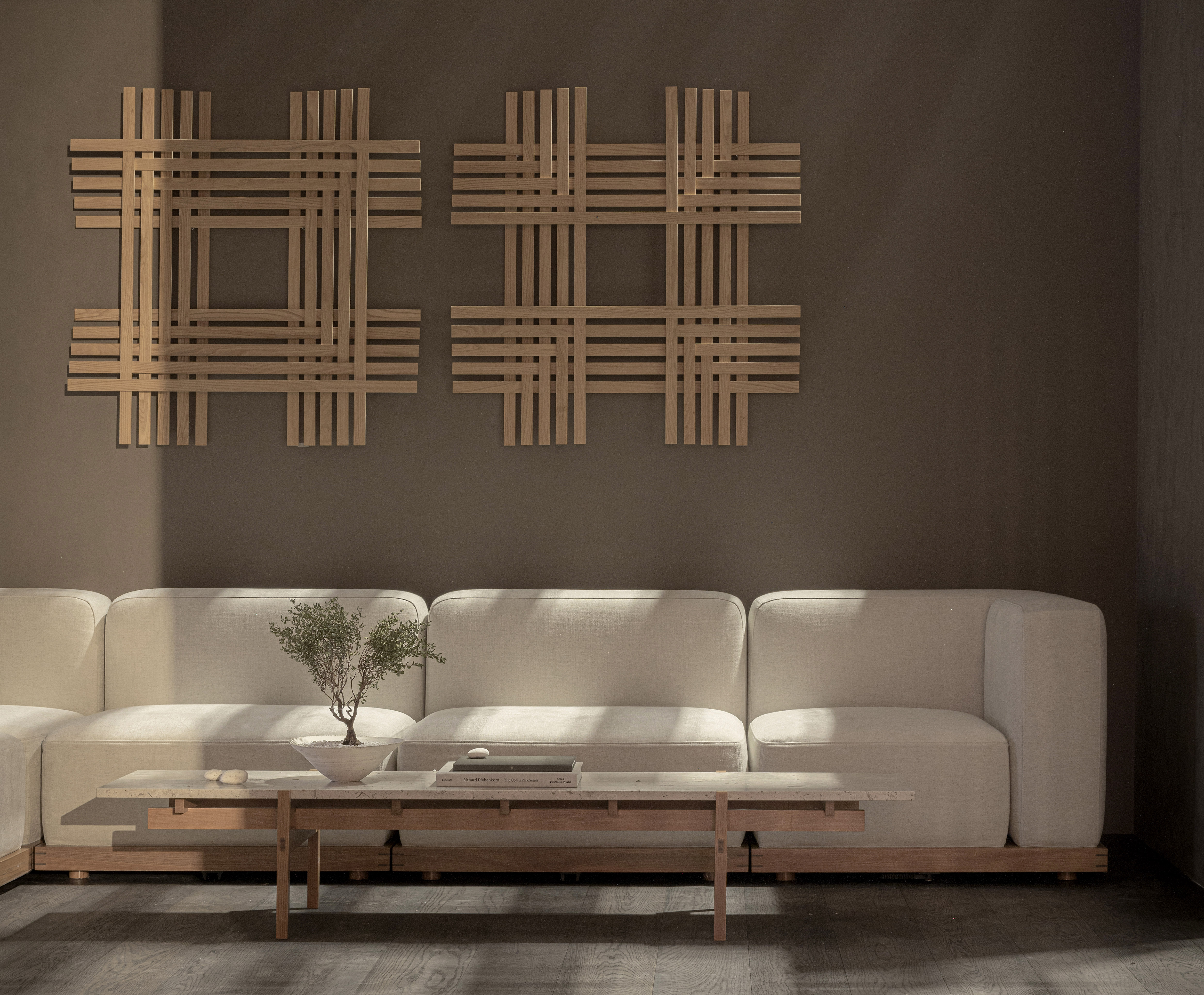

One of the showcased pieces is the 'Hinoki Shelf,' designed by Daisuke Hirabayashi and crafted by Iwata Sanpo, a woodworking atelier with a 300-year history of making Shinto ritual objects. Reinterpreting the Hassokuan, an eight-legged pedestal, the shelf is made from 100-year-old uncoated solid hinoki (Japanese cypress) without metal fittings. The wood undergoes a decade-long drying process, followed by meticulous carving to achieve a smooth, marble-like texture and a subtle earthy aroma. Its asymmetrical pillars evoke a forest, appearing and disappearing from different angles.
Another creation by Daisuke Hirabayashi is the 'Urushi Partition,' made in collaboration with Oonaya Butsudan, specialists in Buddhist altars. This partition reinterprets traditional black lacquered panels, using urushi, a highly durable and glossy sap from Japanese lacquer trees. The design features a gentle, rounded shape and a unique black lacquer finish that appears matte from the front but reflective at an angle, gaining visual depth with age. Initially too heavy, the designers and artisans devised a technique inspired by temple ceilings, combining wooden pieces to create open spaces, reducing its weight to 25 kilos while maintaining structural integrity without nails.
Sawako Furukawa designed the 'Hina Vase,' inspired by Japan's 1,000-year-old Hina dolls. Crafted by Shinya Kitagawa of Nagae Ningyo, a doll maker, this vase abstracts the dolls' collars and color gradients, recalling the elegant kimonos. Its creation involved multiple artisans, each specializing in a different aspect, such as the wooden base, fabric dyeing, and enamel application. The 'Lacquer Candle Stand' by Marusue, a family-run company with historical ties to shrines and temples, exemplifies modern life integration with traditional lacquering, featuring a contemporary mixed color palette.
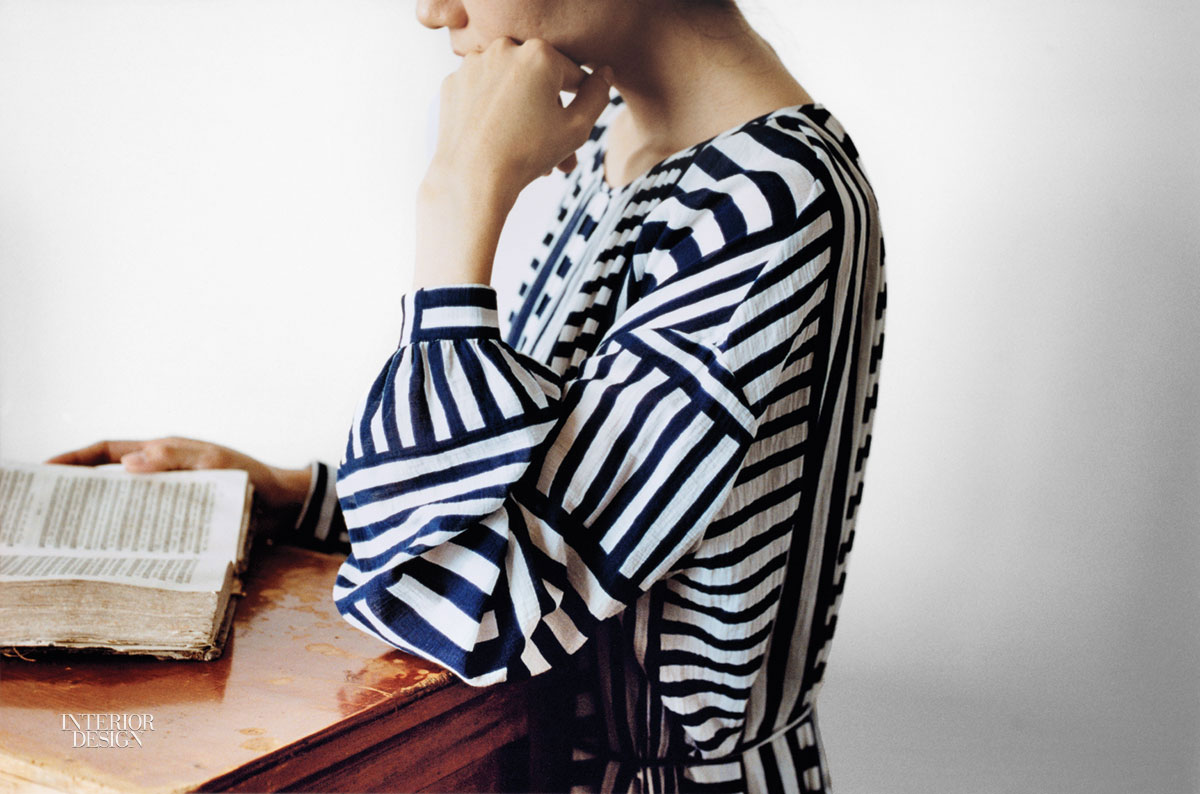
The J.Ando Jewelry collection, a collaboration between Ando Shippo, known for cloisonné enamel since 1880, and one of the designers, introduces modern aesthetics to this ancient art. Cloisonné, or 'Shippo,' meaning 'seven treasures,' involves meticulously painting individual glassy elements with fine brushes before polishing. Similarly, the 'Insho Jewelry' collection by Furuhashi Saneido transforms seal carving, an ancient practice dating back 6,000 years, into pendant necklaces featuring carved Japanese words. Lastly, Takeda Kahei Shoten produced 'Patrimoines,' a gown collection using Arimatsu Shibori techniques on new materials, adapting the traditional craft for a global market beyond its historical use in kimonos.
The 'Creation as DIALOGUE' project, initially planned for three years, is now looking to expand beyond the Maison&Objet; showcase, with future plans to help artisans reach specific clients and markets, ensuring the long-term viability and growth of these traditional crafts.
#Craftsmanship #JapaneseDesign #NagoyaCrafts #MaisonEtObjet #TraditionalArts #ModernDesign #TextileArt #Woodworking #Lacquerware #Craftsmanship #JapaneseDesign #NagoyaCrafts #MaisonEtObjet #TraditionalArts #ModernDesign #TextileArt #Woodworking #Lacquerware
0 комментариев всего
 Комментариев пока нет
Вам также может понравиться

Dancing Squares by Nendo
A conversation with design visionary Naoto Fukasawa

Art Nouveau
This interior design experiment in Tokyo successfully merges traditional Japanese design with contemporary inf

Actually Good Word Art—and More Genre-Defying Decor at This Year’s FOG Design + Art Fair

Akira Minagawa’s Japanese-Nordic Style Spans Fashion to Fabrics

Discover Yūgen: The Japanese aesthetic transforming modern home design
Architecture and design features and interviews | CLADglobal.com - Kengo Kuma
kei atsumi on bridging ancient japanese joinery & 3D printing at dubai design week pavilion
How Two Children Are Keeping Their Father’s Design Legacy Alive (Published 2020)
Japan in Milan! See the highlights of Japanese design at Milan Design Week 2025

2 Interiors Designers Talk Style, Inspiration & The Concept Of ‘Future Heritage’
snarkitecture excavates areas for art within '3110NZ' restaurant and gallery in tokyo
brick and cement furniture collection by nexus
Yankatu Design Combines Traditional and Modern Methods for New Furniture Collection
Interactive floor plan: Division House, Nagano
“Design Feeling” and Neo-Transitional Objects - COOL HUNTING®
Inside the Modern Artisan Look Everyone’s Talking About: Where Craft Meets Contemporary Style

Japan in Milan: the best of Japanese design at Milan Design Week 2024
oculta studio twists traditional vases into kinetic sculptures at milan design week