1/3
5 Simple Solutions for More Efficient Windows This Summer
Windows are a critical component in a home's energy efficiency, significantly influencing heating and cooling costs. Outdated, poorly sealed, or inefficient windows facilitate unwanted heat transfer, compelling HVAC systems to work harder to maintain comfortable indoor temperatures, which directly leads to higher energy bills. Randi Bujnovsky, weatherization product manager at Duck Brand, emphasizes that windows are a primary source of energy loss throughout the year.
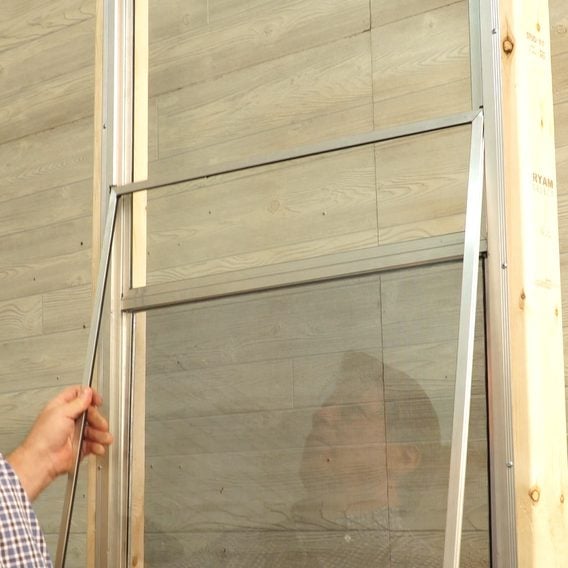
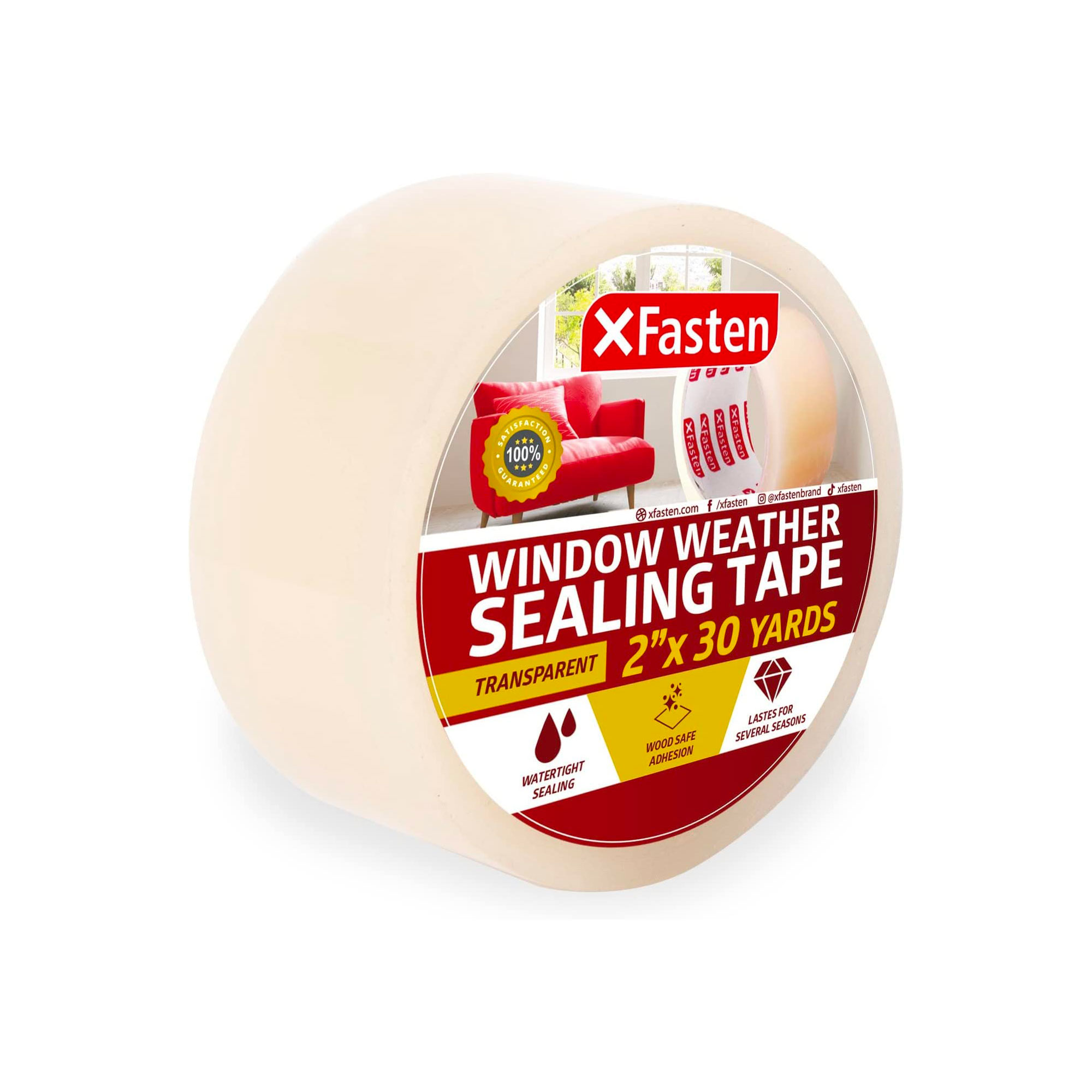
Several effective strategies exist to enhance window performance and reduce energy consumption. One of the most fundamental steps is sealing gaps and cracks around windows. These openings, even small ones, contribute to persistent drafts, making temperature regulation difficult. Bujnovsky suggests installing draft seals or weatherstripping as cost-effective solutions. Alex Atkinson, an HVAC Expert at Super Brothers, recommends using caulk to address air leakage, particularly as window frames settle or old caulking degrades. A simple candle or smoke test can help identify leaks, which should then be filled with a suitable silicone or acrylic latex caulk, applied both internally and externally.
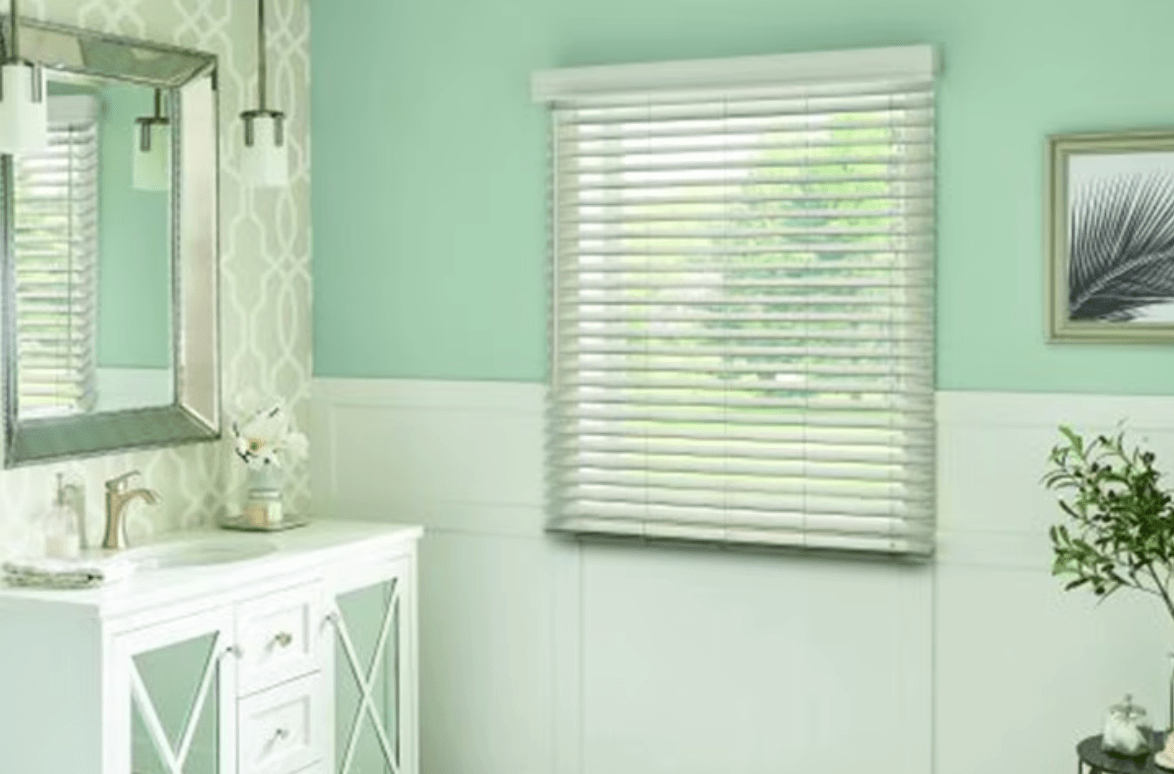
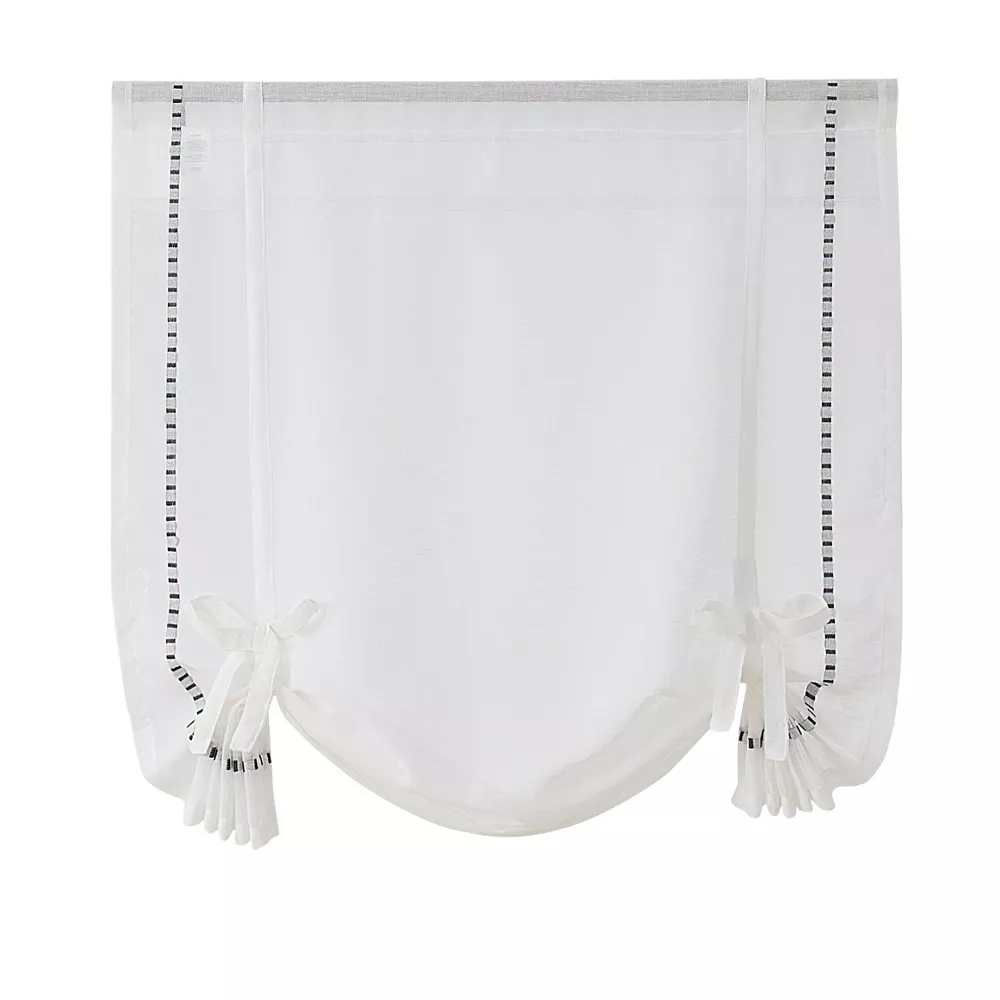
Strategic window usage, aligned with natural climate patterns, can also yield energy savings. During summer nights, opening windows allows cooler air to enter and naturally lower the indoor temperature. Conversely, closing windows and using insulation methods like blackout curtains, thermal drapes, or reflective shades during the day creates a heat barrier, blocking solar heat and reducing the need for air conditioning. Atkinson notes that this simple practice can substantially decrease cooling bills, especially in homes without central air conditioning.
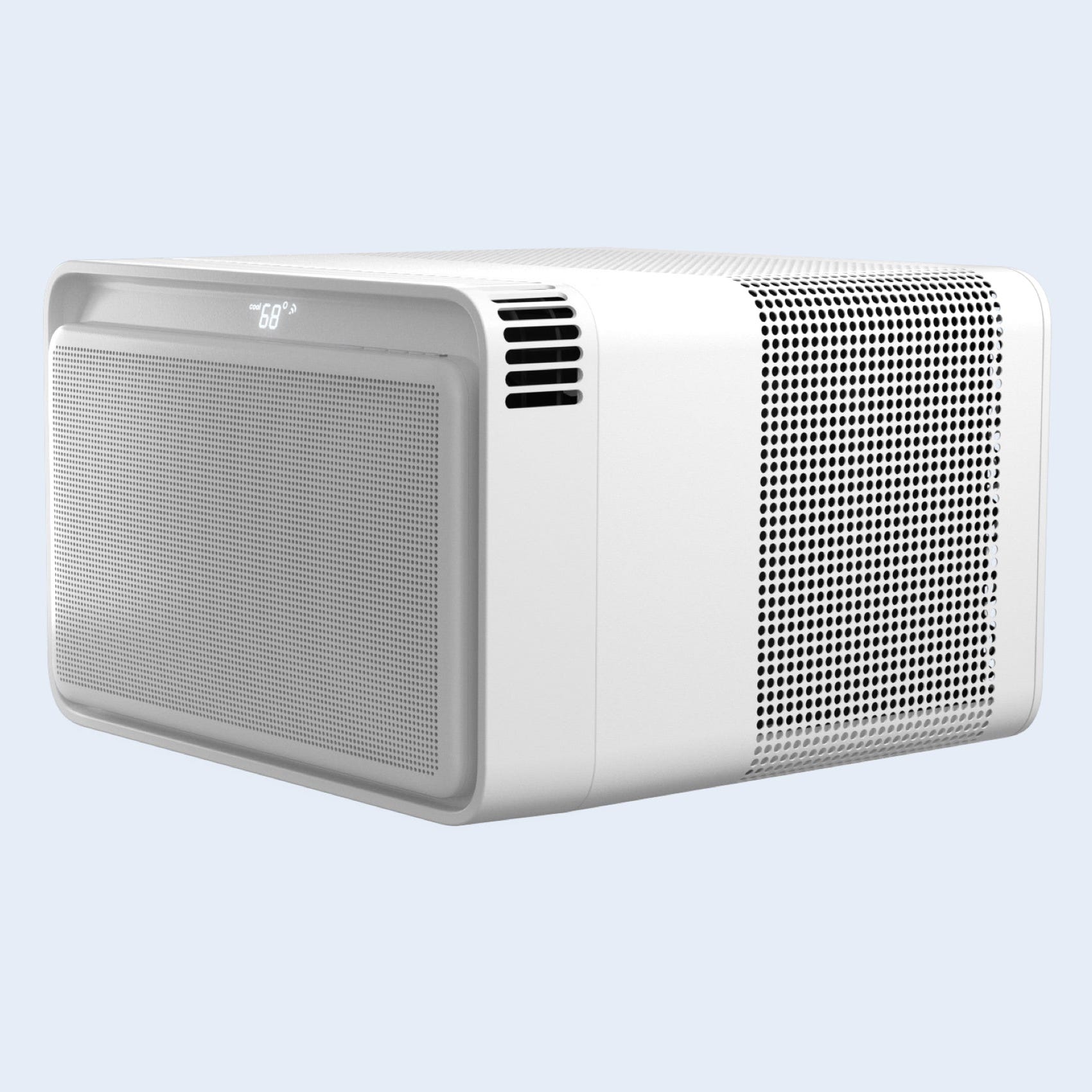
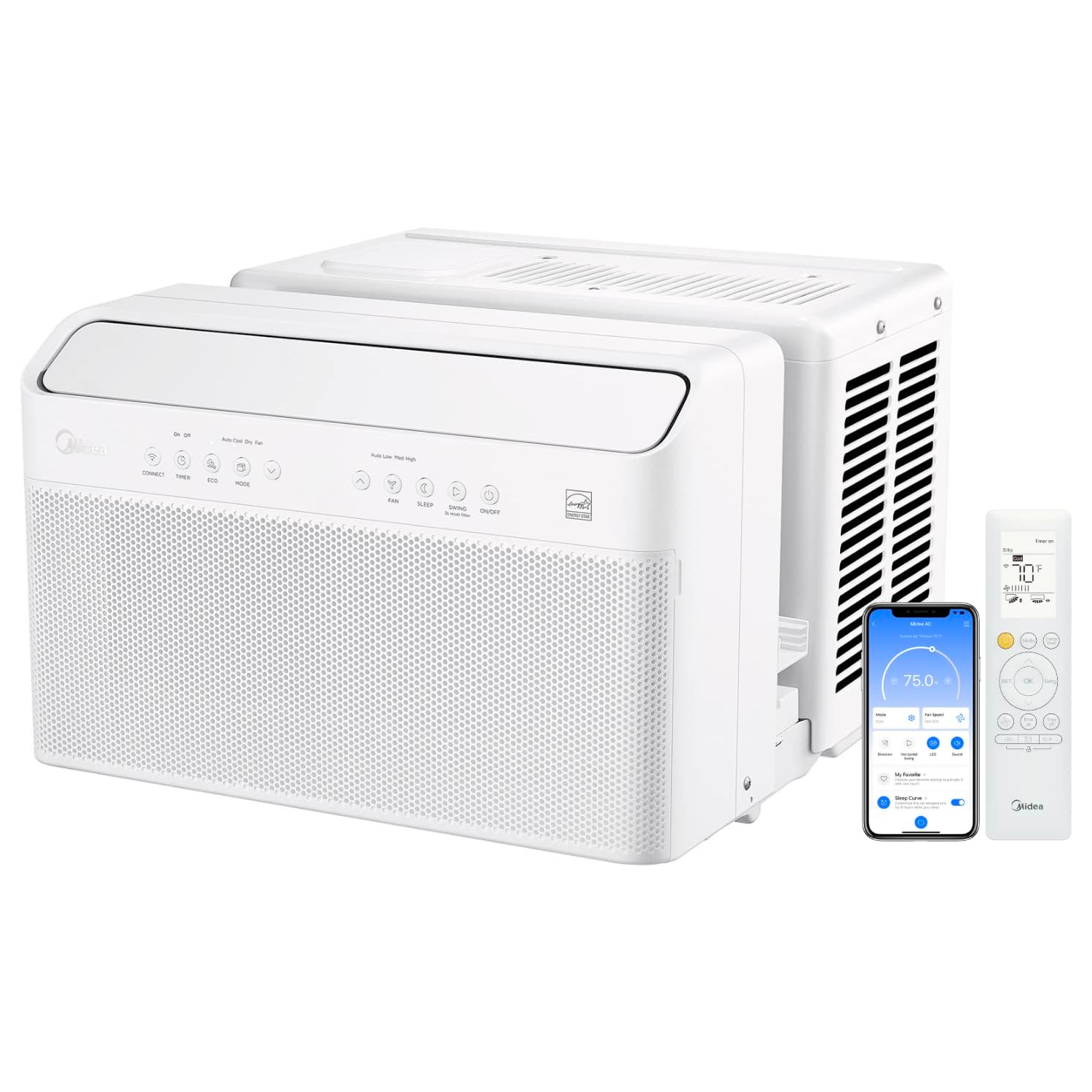
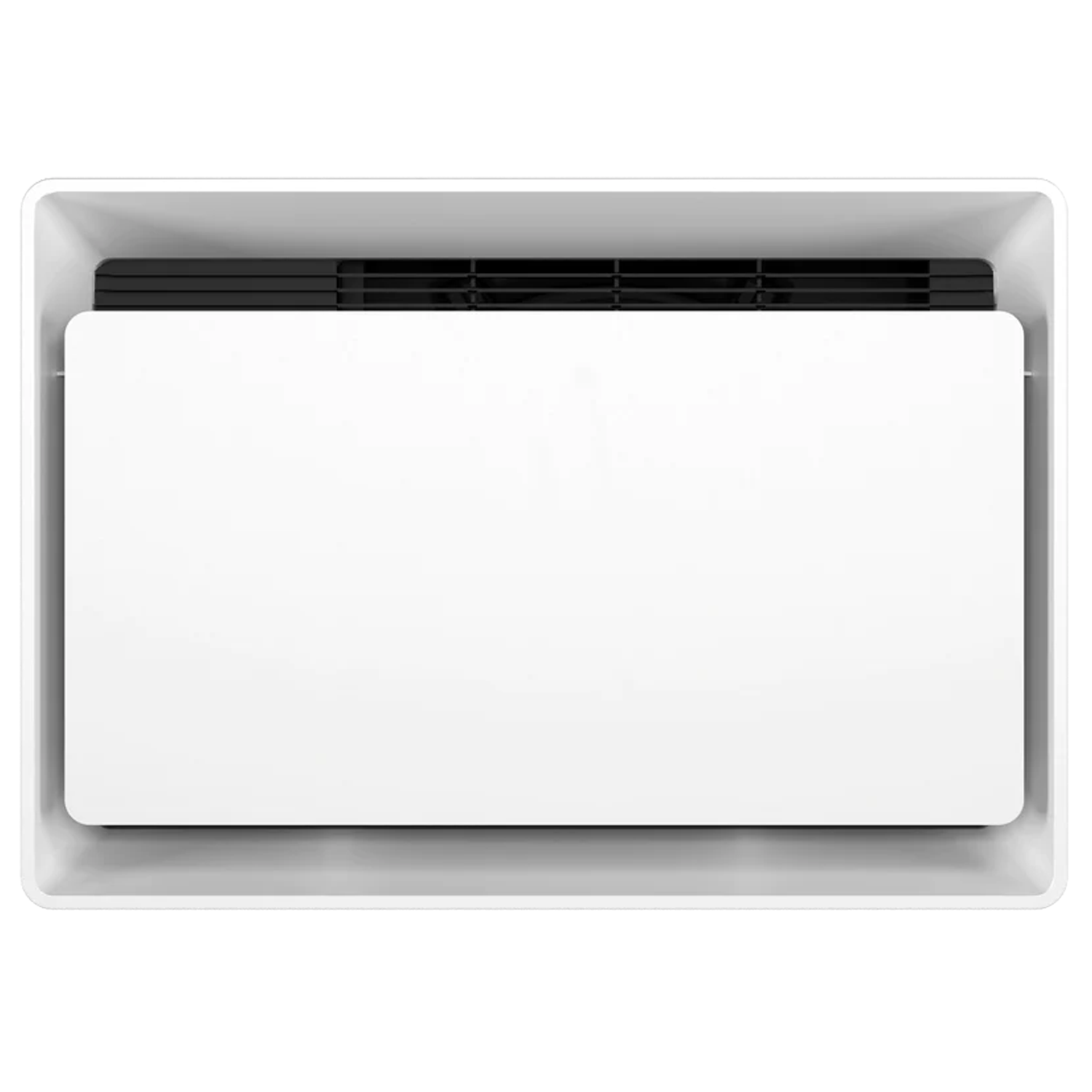
For homes with window AC units, ensuring the surrounding area is tightly covered and sealed is crucial. These units often leave small openings that allow drafts or the escape of cooled air. Bujnovsky advises using an indoor air conditioning cover to seal in climate-controlled air. Atkinson further suggests employing foam insulation panels or AC-specific insulation kits to create an effective seal around the unit, with transient weatherstripping foam being another viable option.
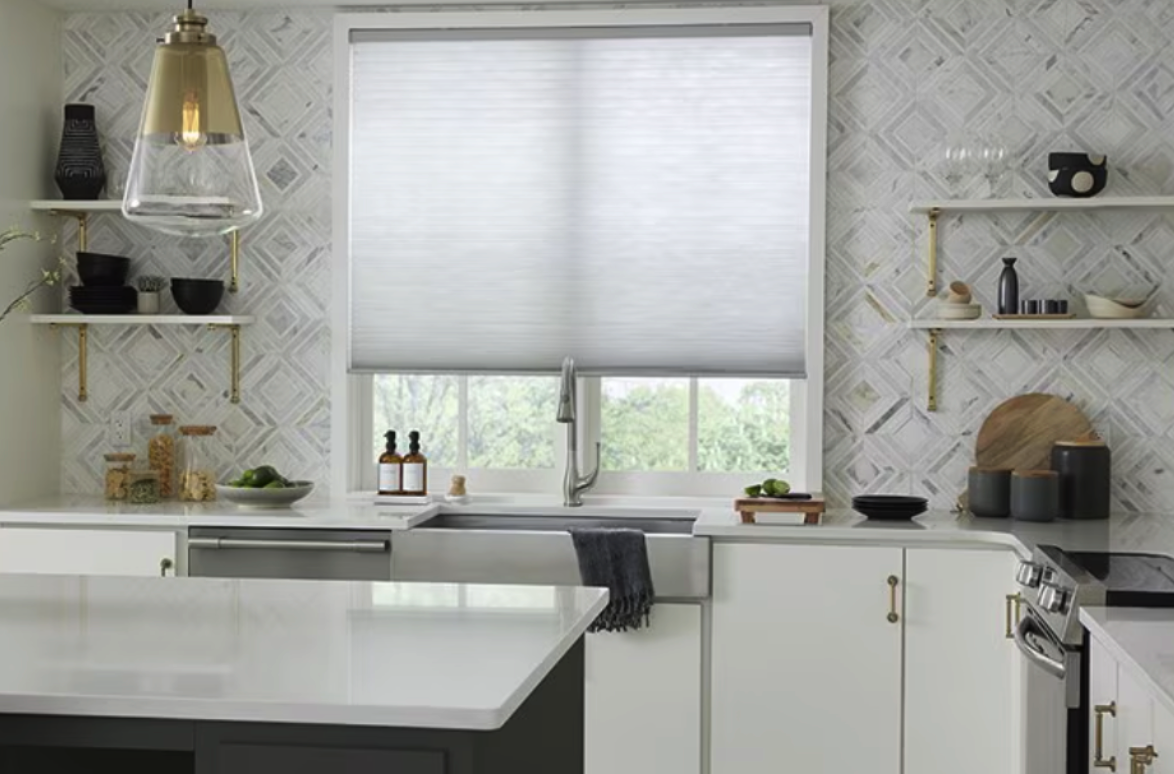
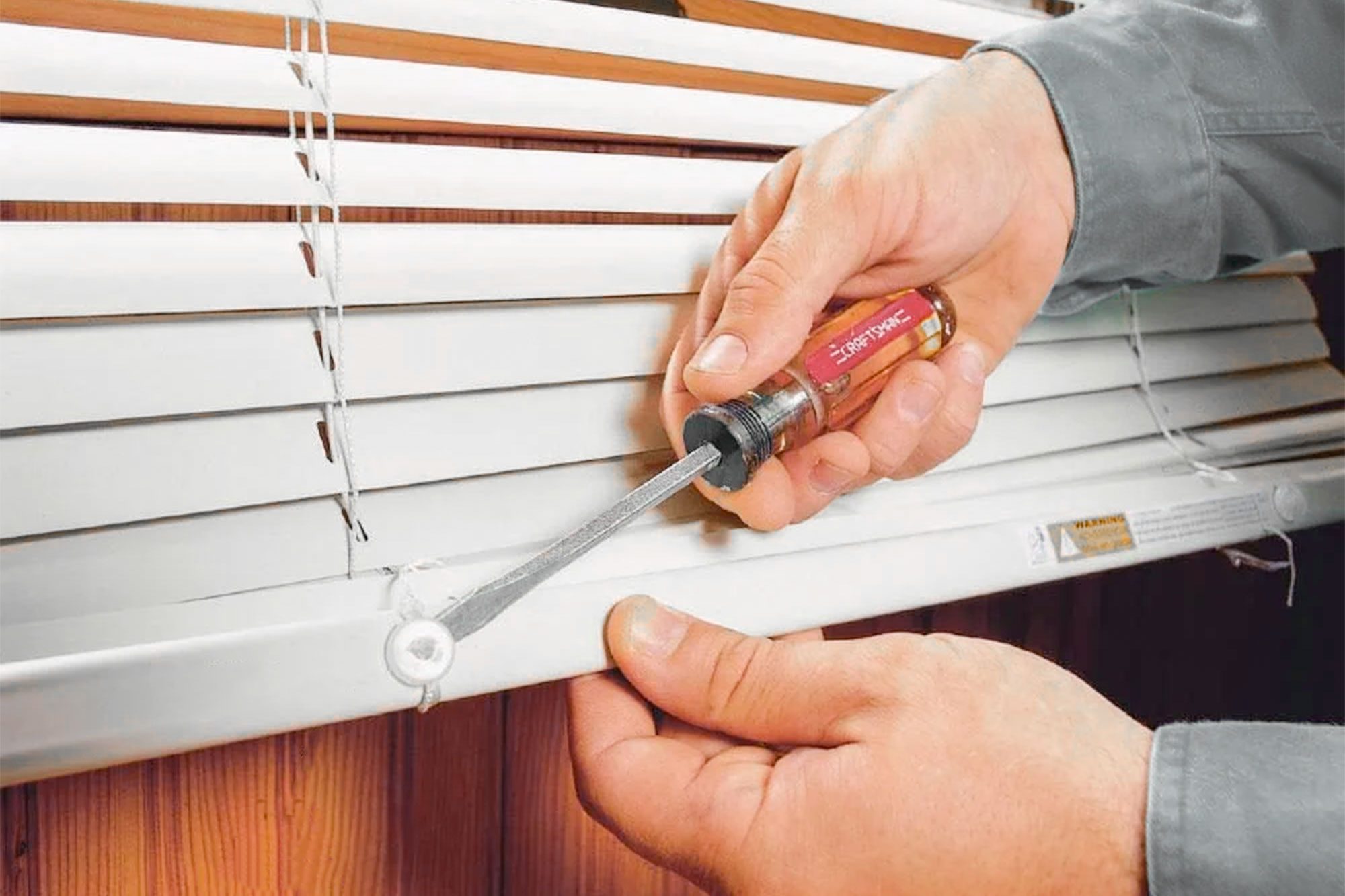
Installing cellular or honeycomb shades is presented as an excellent energy-saving window treatment. These shades are specifically designed to trap air within their formed cells, acting as insulation pockets that resist heat transfer. Studies indicate that well-sealing double-cell cellular shades can reduce heat loss by up to 40 percent in winter and decrease solar heat gain by up to 60 percent in summer. Atkinson recommends inside-mounted blinds for maximum insulation benefits.
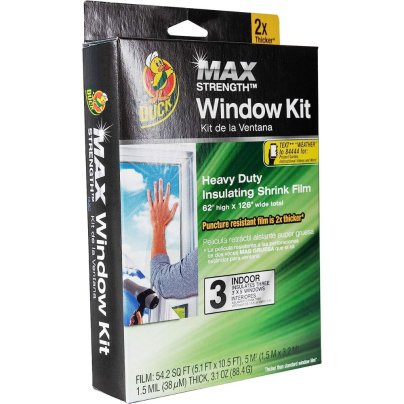
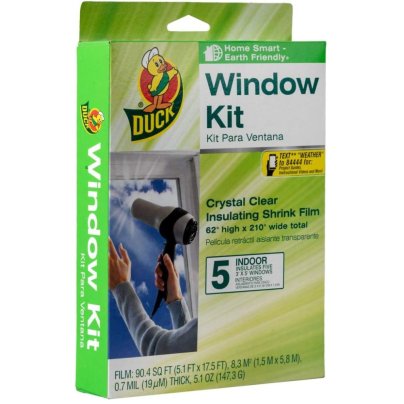
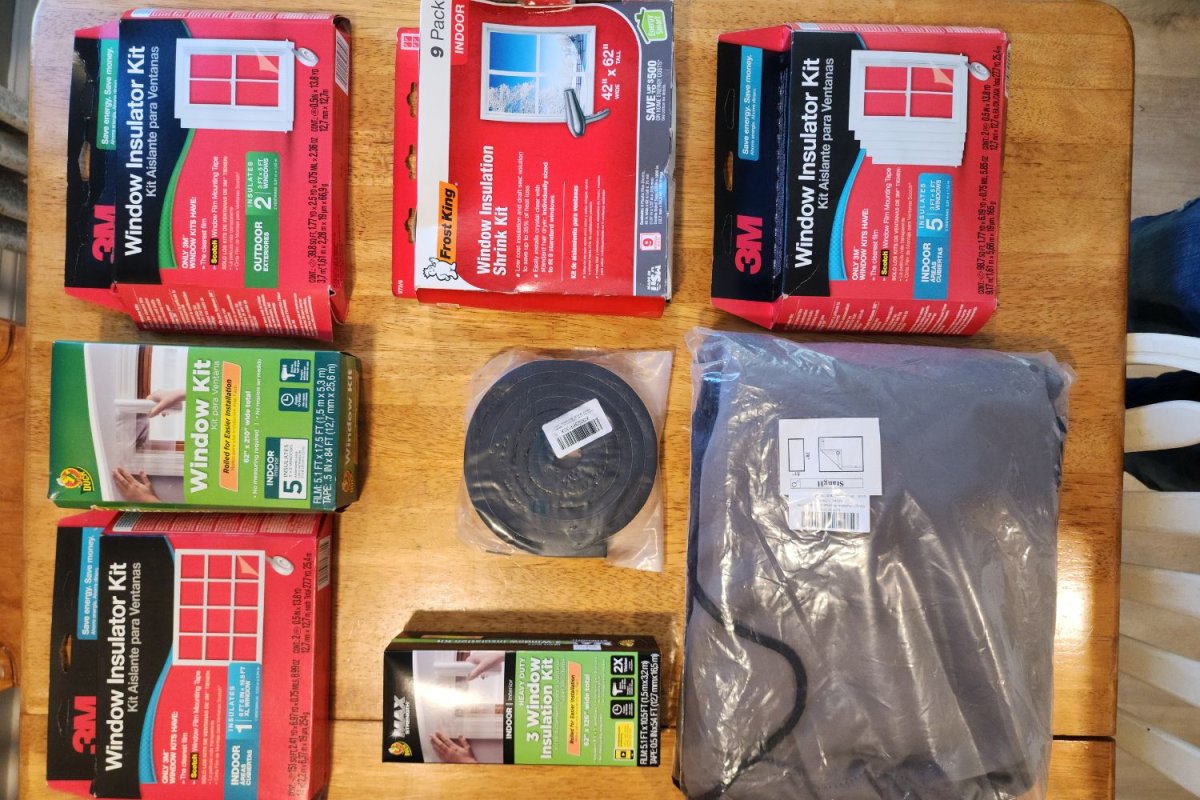
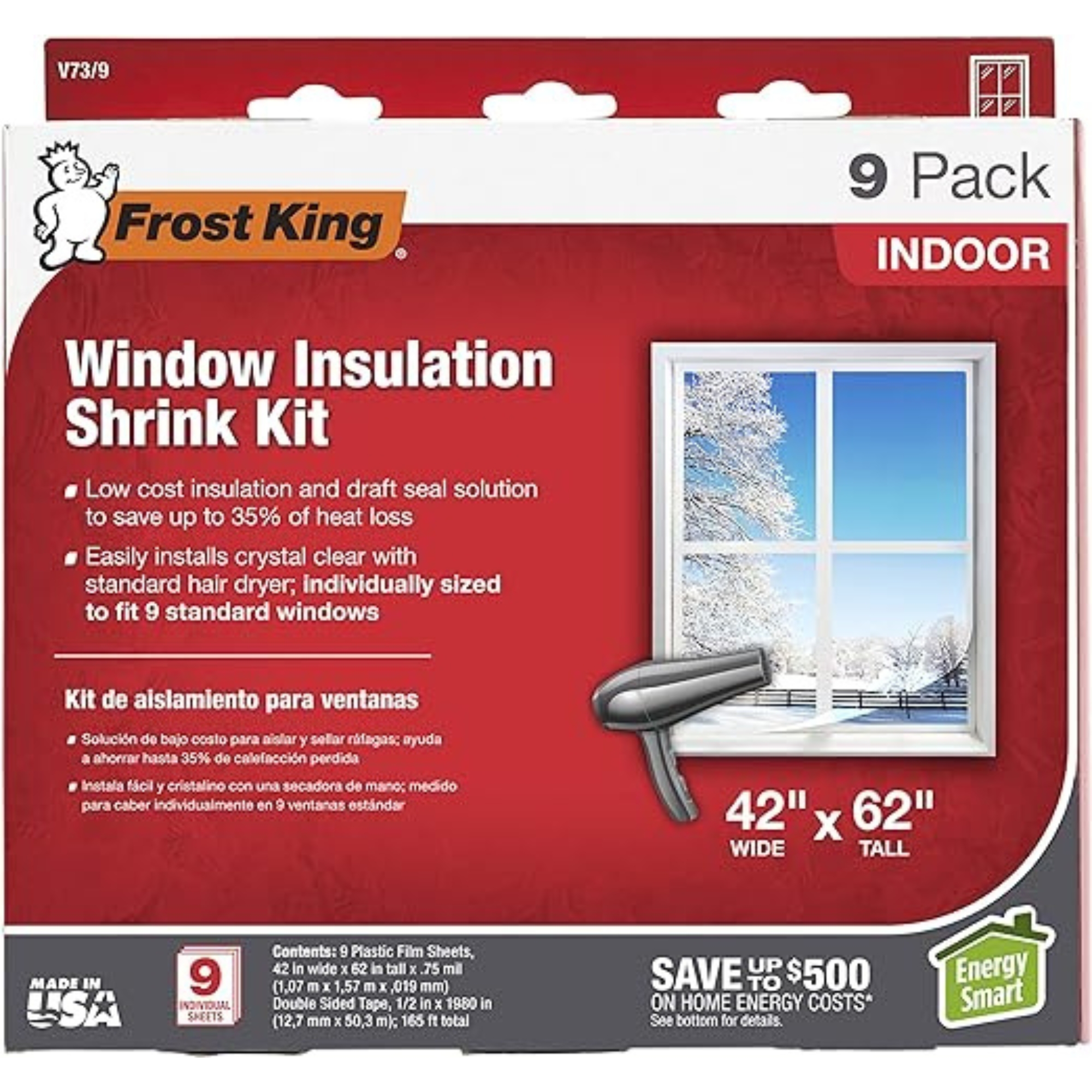
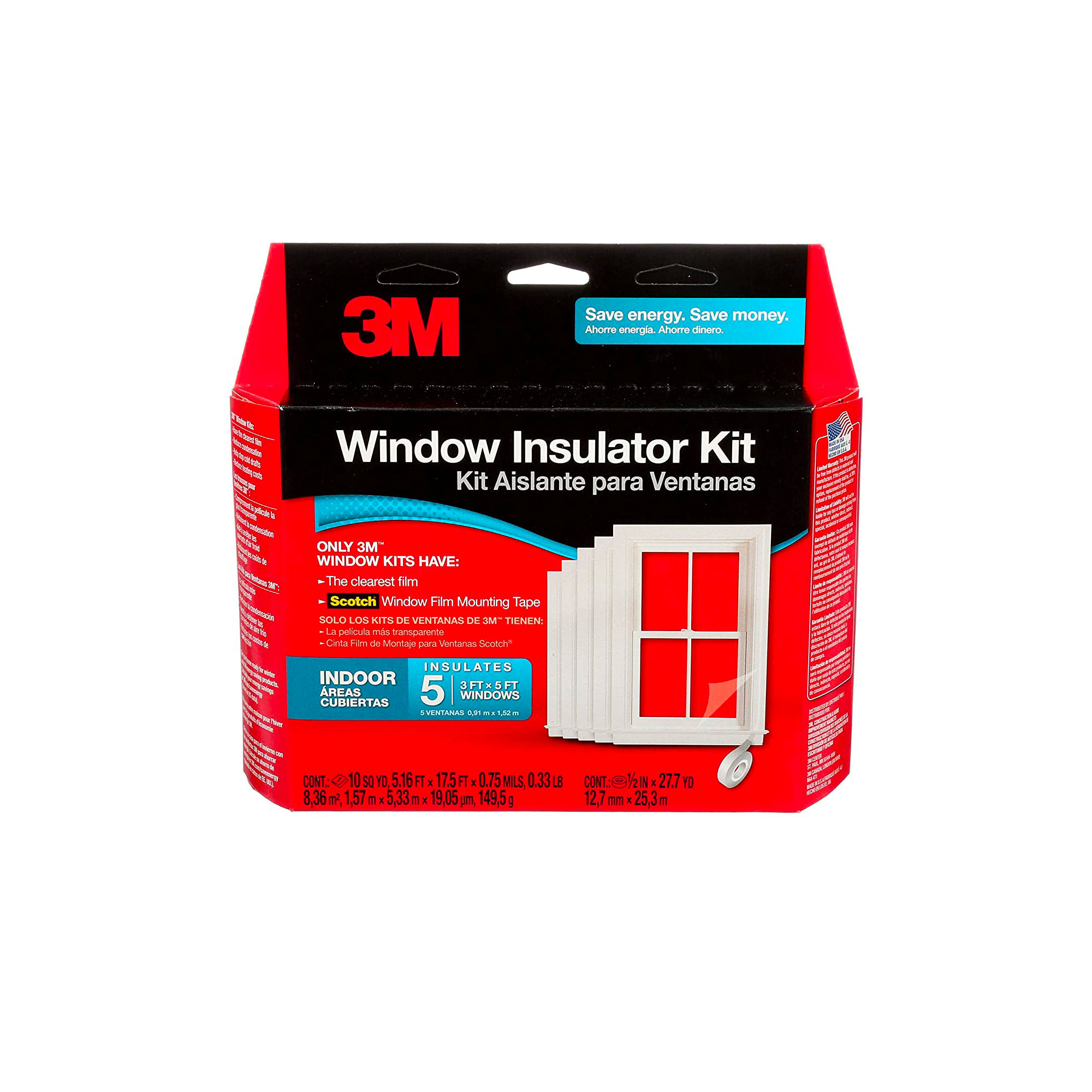
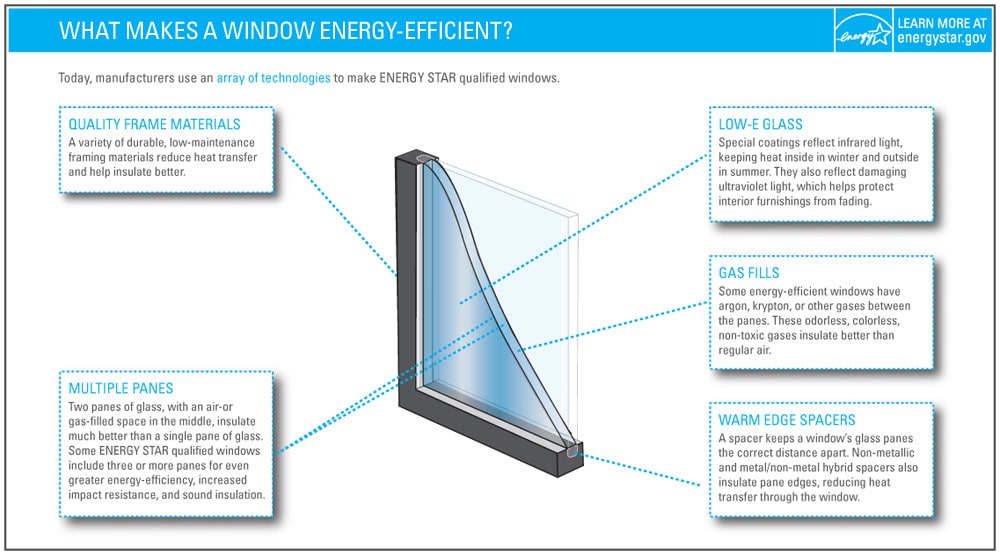
Finally, applying a clear window film, provided it does not void any existing window warranties, offers an additional layer of insulation. Low-emissivity (low-E) window films are particularly effective, reflecting infrared light to keep interiors warm in winter and cool in summer. These films can block up to 70 percent of solar heat and 99 percent of UV rays, contributing not only to temperature regulation but also to the protection of furniture and floors from sun-induced damage.
#EnergyEfficiency #WindowInsulation #HomeEnergySavings #Weatherization #DIYHomeImprovement #SmartHome #ThermalControl #SustainableLiving #HomeMaintenance #EnergyEfficiency #WindowInsulation #HomeEnergySavings #Weatherization #DIYHomeImprovement #SmartHome #ThermalControl #SustainableLiving #HomeMaintenance
0 комментариев всего
 Комментариев пока нет
Вам также может понравиться
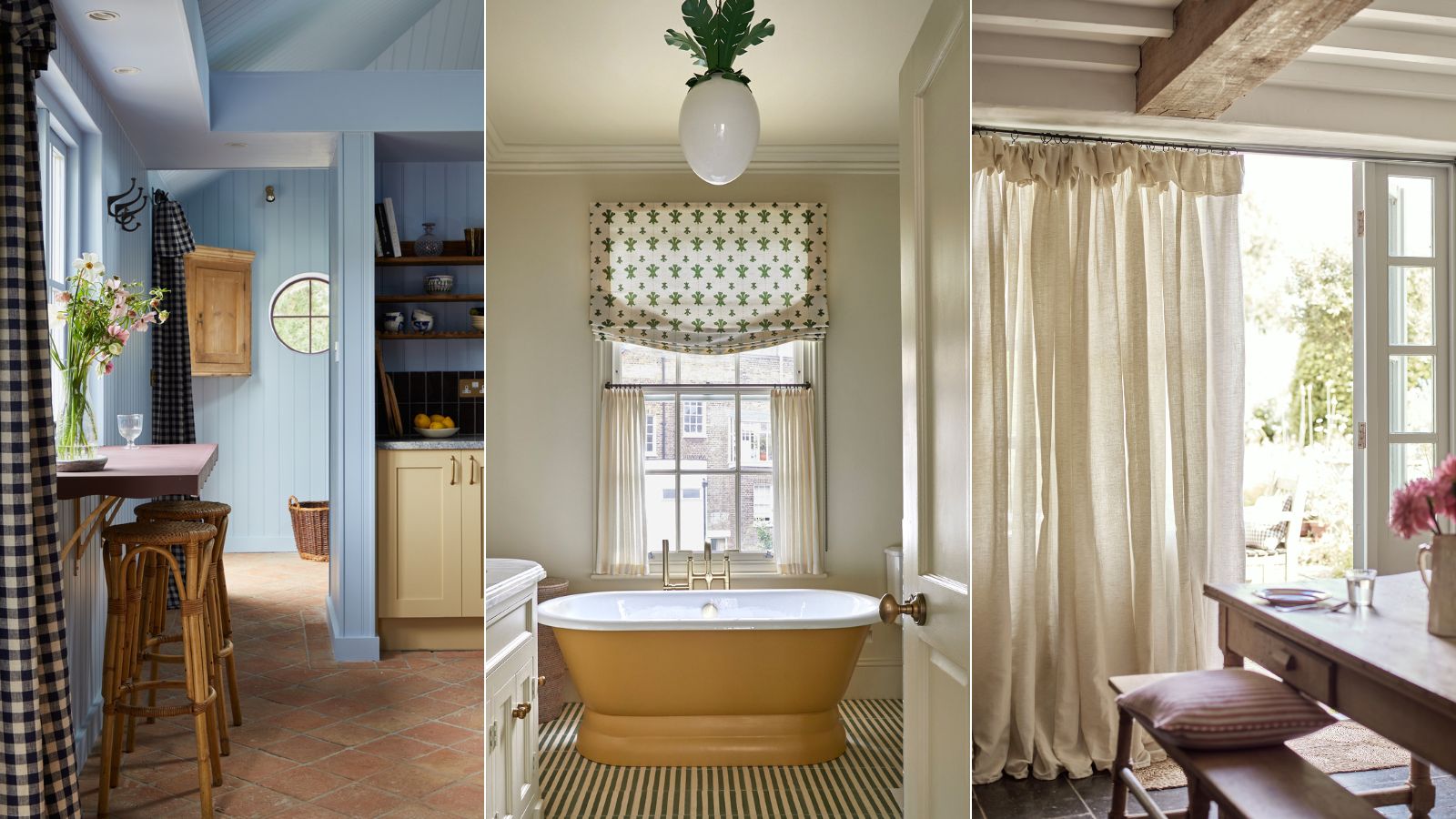
7 summer window treatment ideas that designers say are worth the investment


Compare Most Energy Efficient Windows (2025)


Window Pros Break Down Six Styles

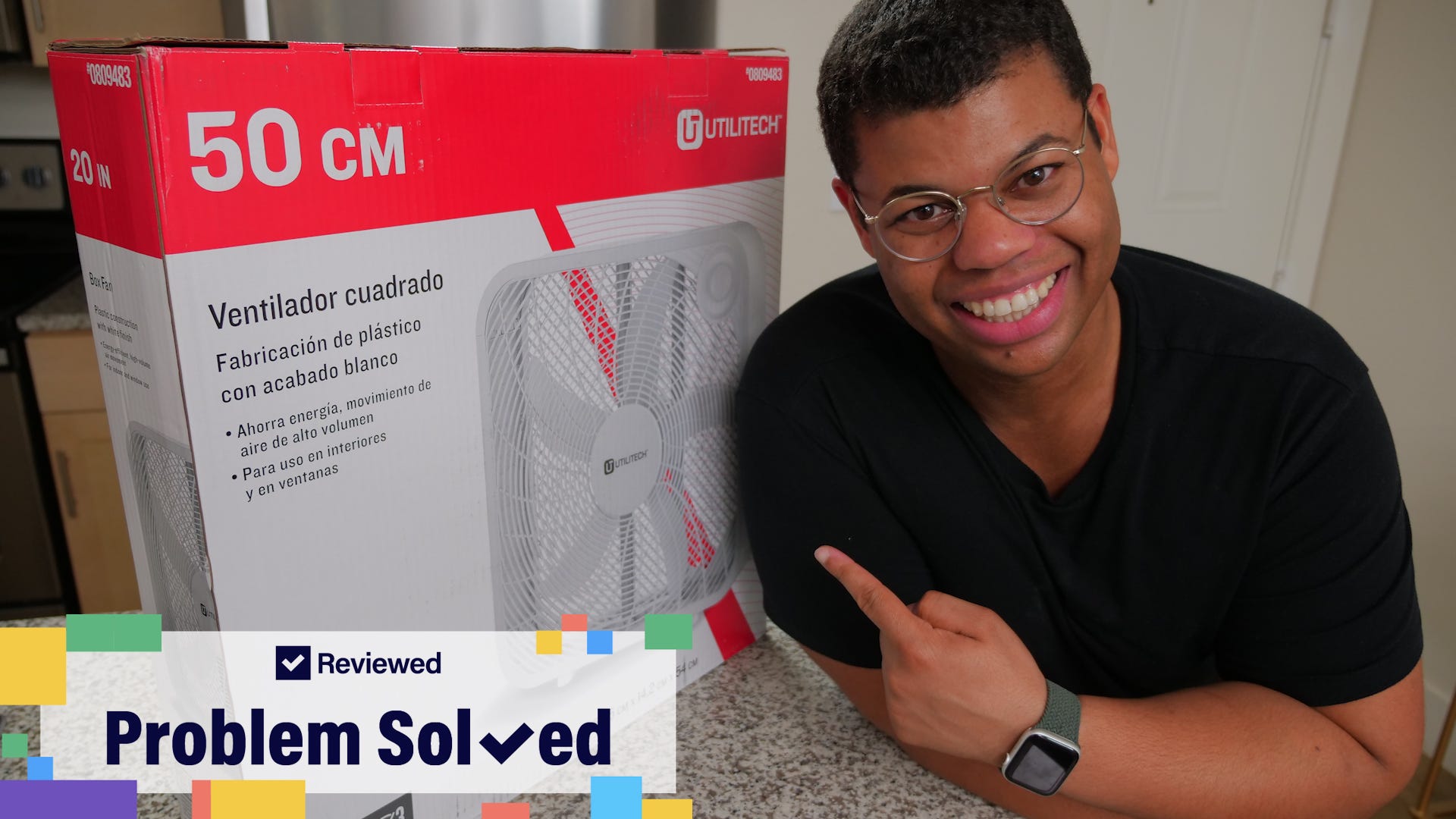
Your window fan is facing the wrong direction. Or not. Here's how to tell and save money.

Interior designers love sheer window treatments – here's why it is the easiest summer update for your home

Buy One, Get One Free: Increase Your Home’s Energy Efficiency With This Simple Upgrade
How Smart Windows Work

8 Best Window Brands, According to Home Renovation Experts


6 window treatment trends that interior designers swear by for a quick and easy update
Learn About Windows (2025)

Home Window Installation, Parts and Repair


Your Apartment + These Top-Rated Window A/C Units = True Summer Love

Block the Sun and Lower Your Energy Costs With Window Coverings
Compare the 5 Best Window Replacement Companies of 2025

Sunny Days Ahead: 5 Ways to Refresh Your Living Room for Summer

These 6 'tie-up' curtains instantly soften a room for summer
Compare the 5 Best Window Replacement Companies of 2026

Surprisingly, Our Favorite Window Insulation Isn’t the Thickest

8 budget fixes for drafty windows — including a $2.99 beauty product I use every single day

Window treatment tips to liven up your living quarters