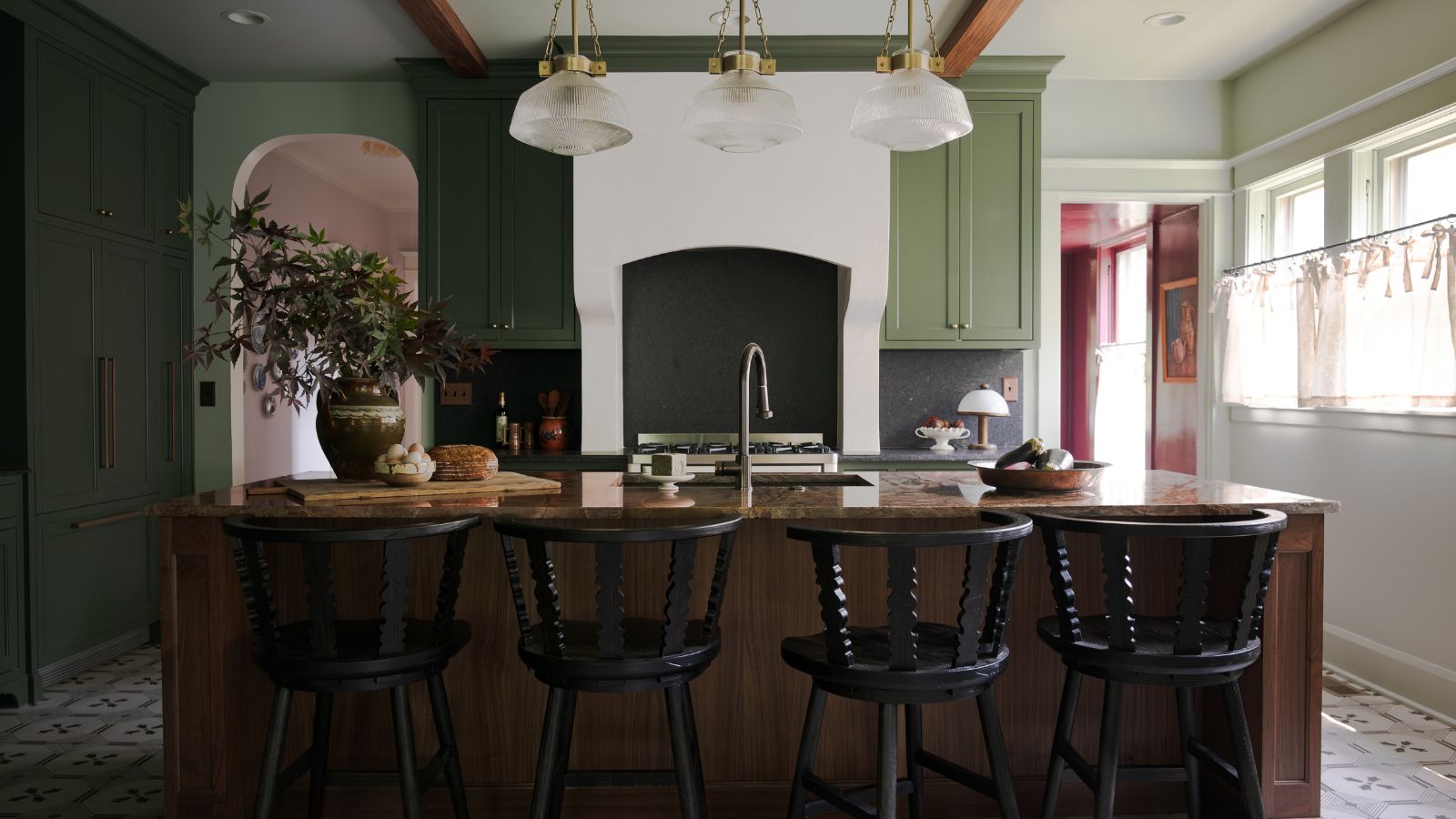
1/5
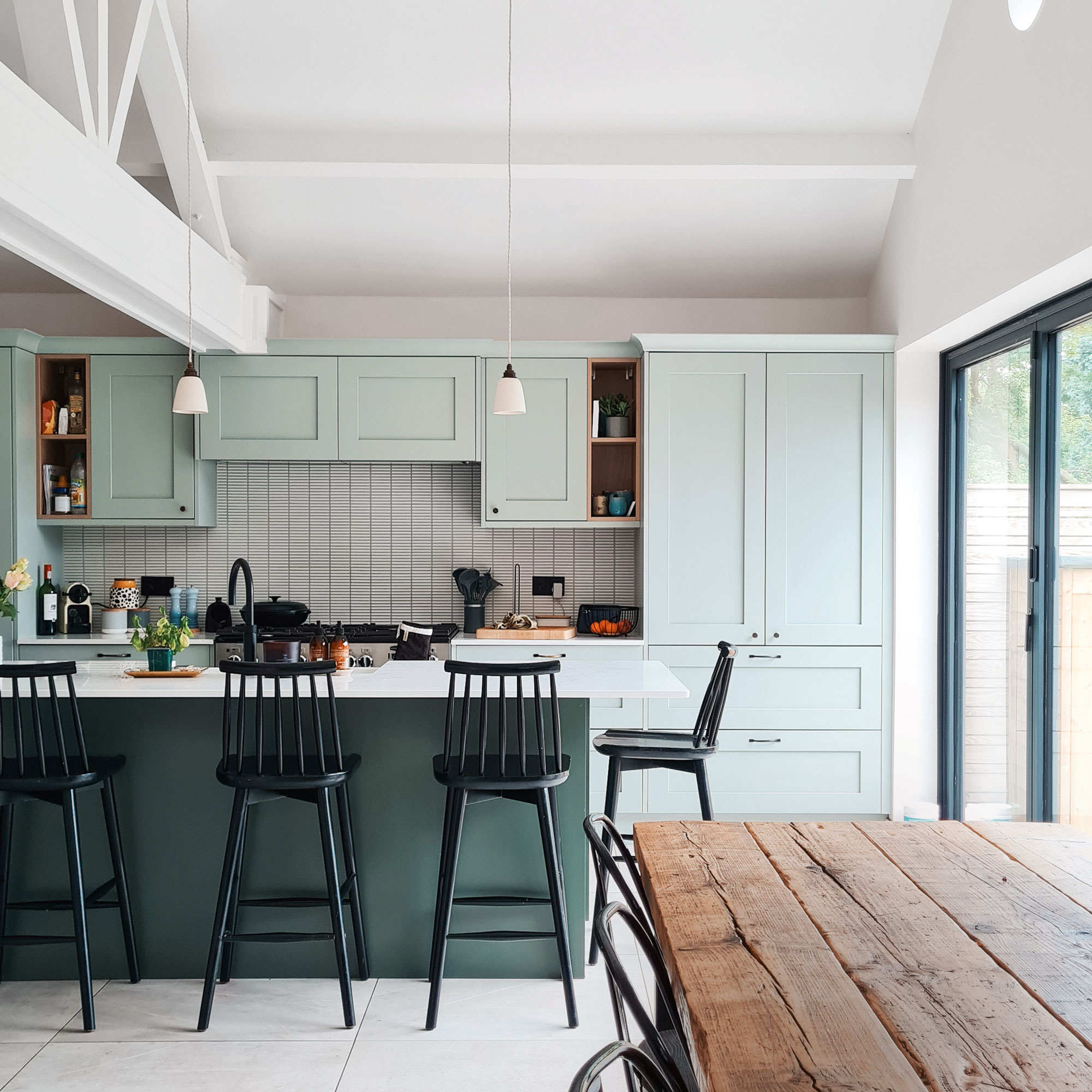
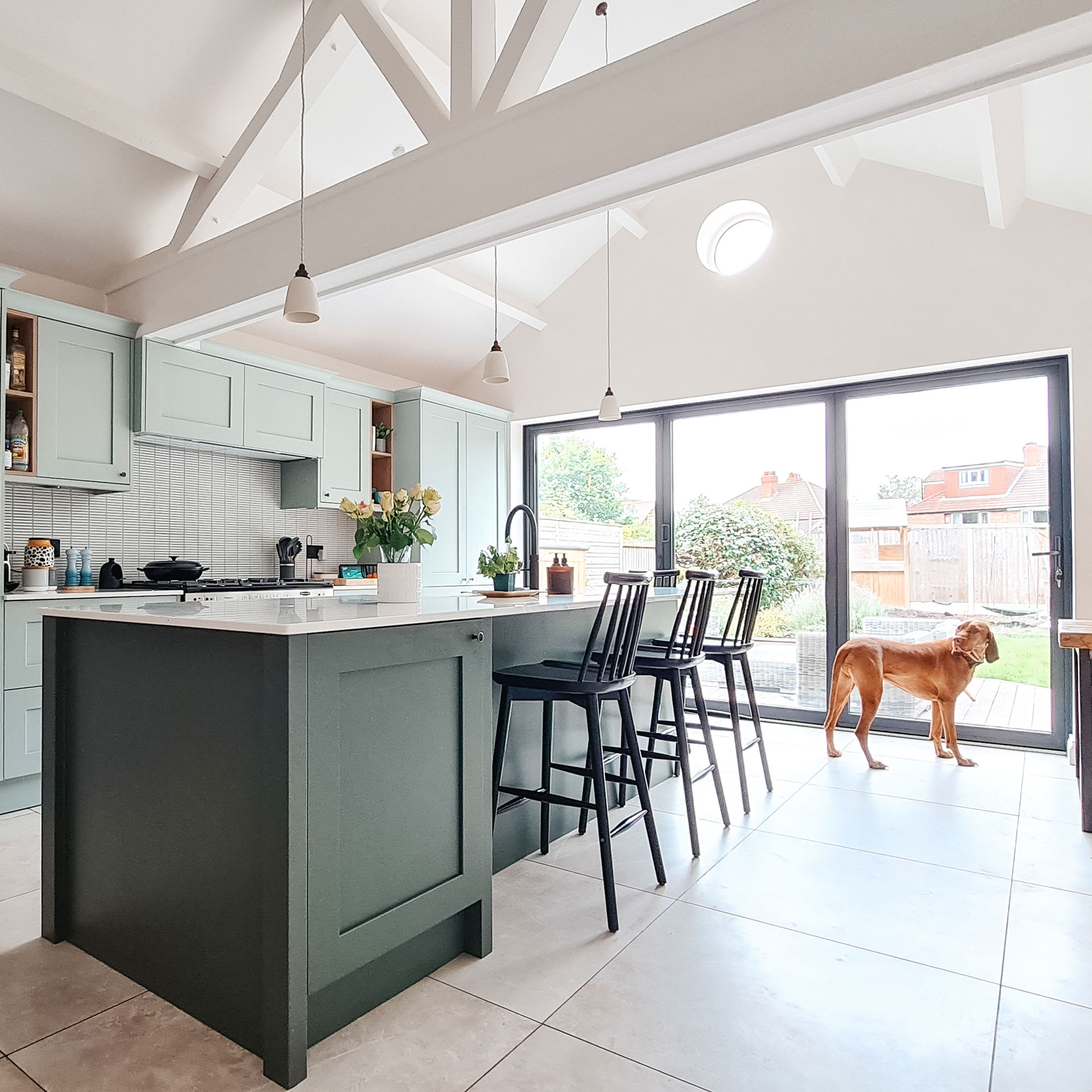
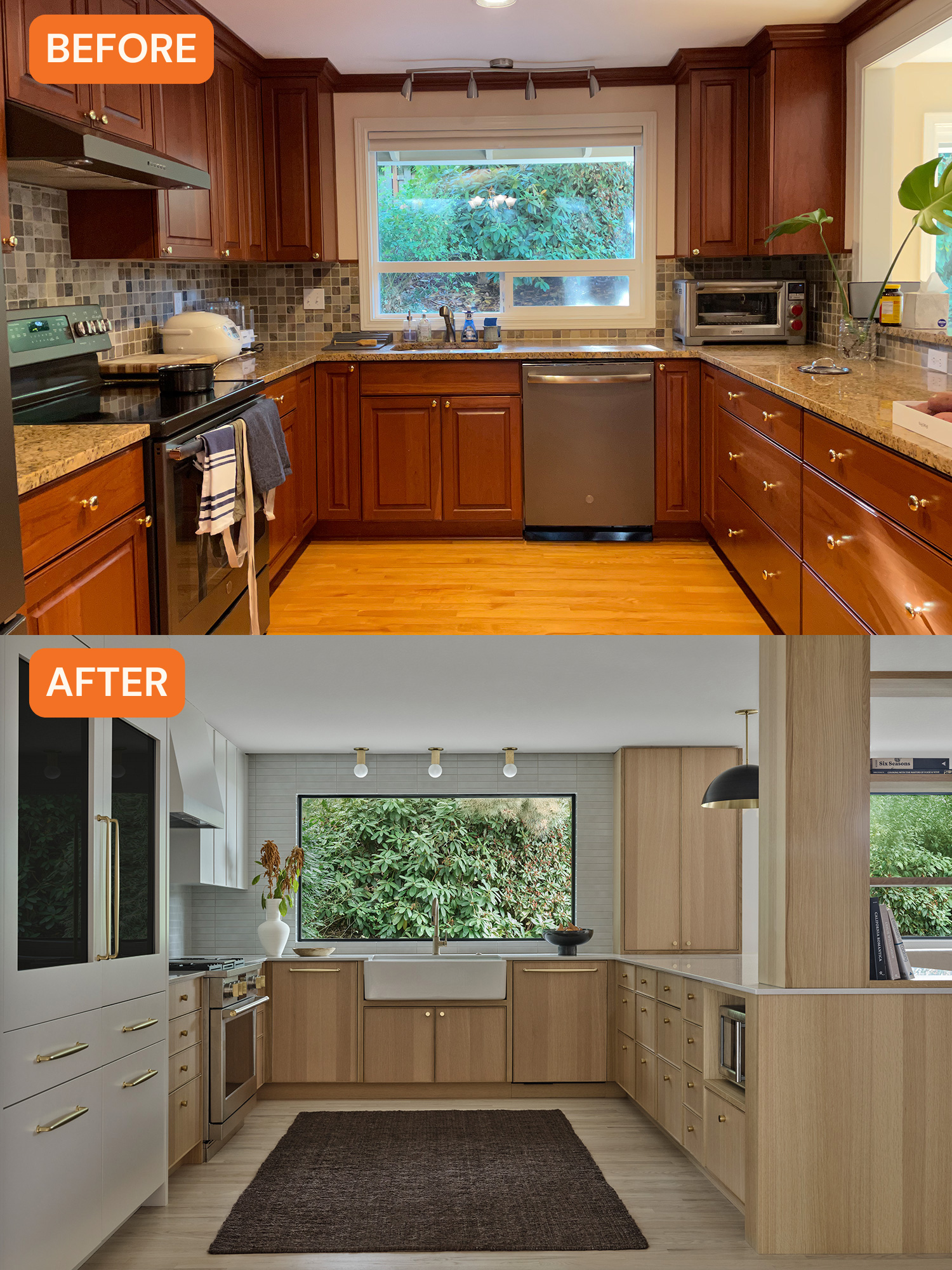
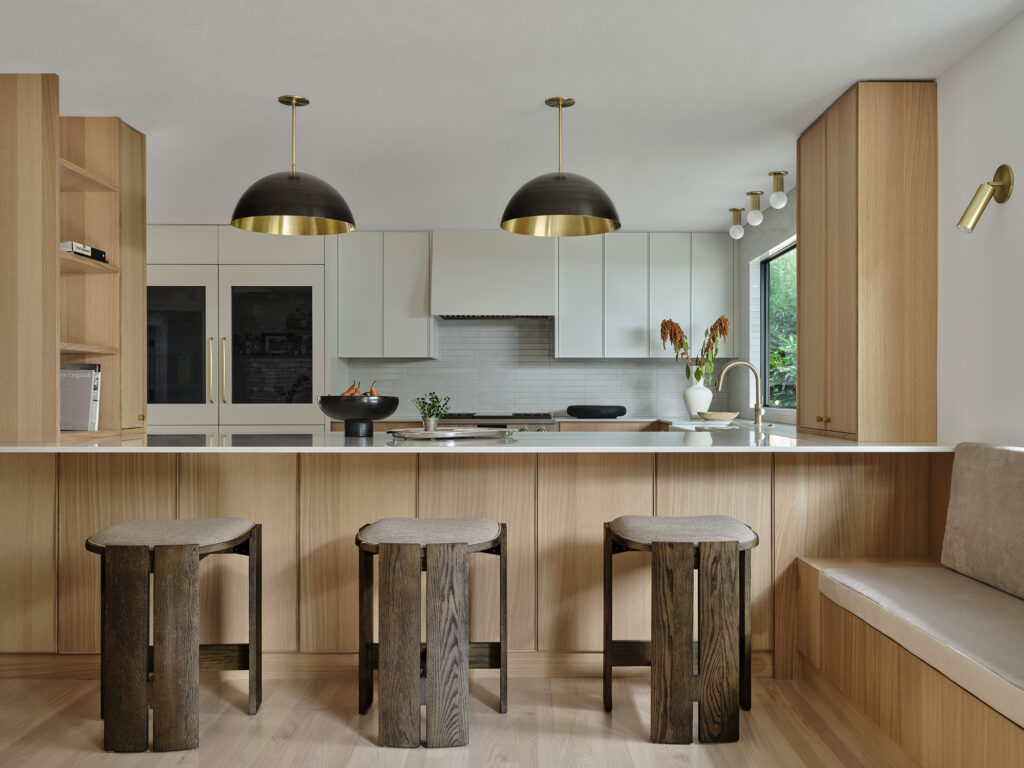
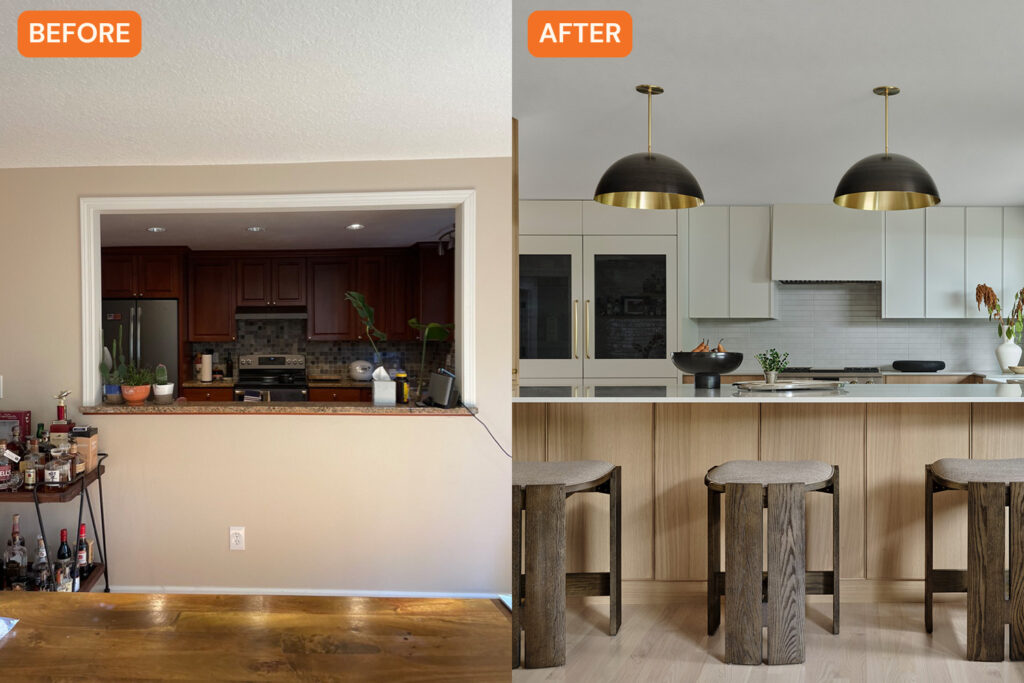
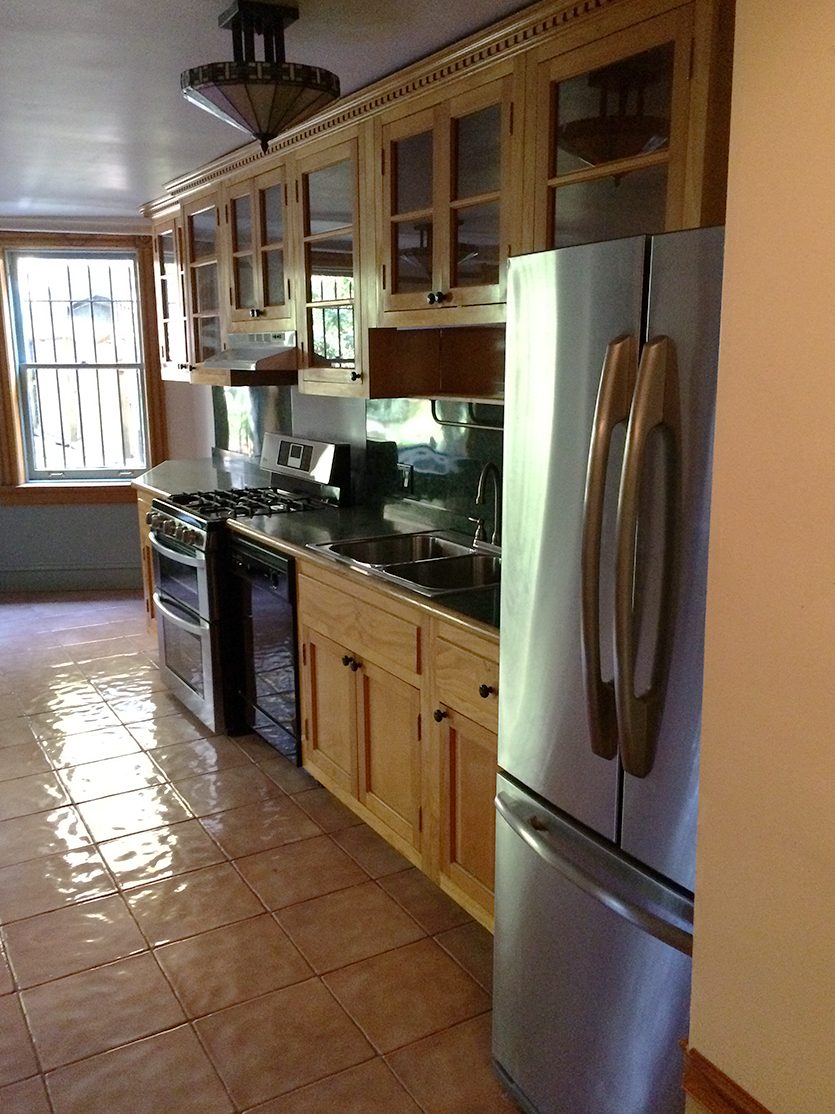
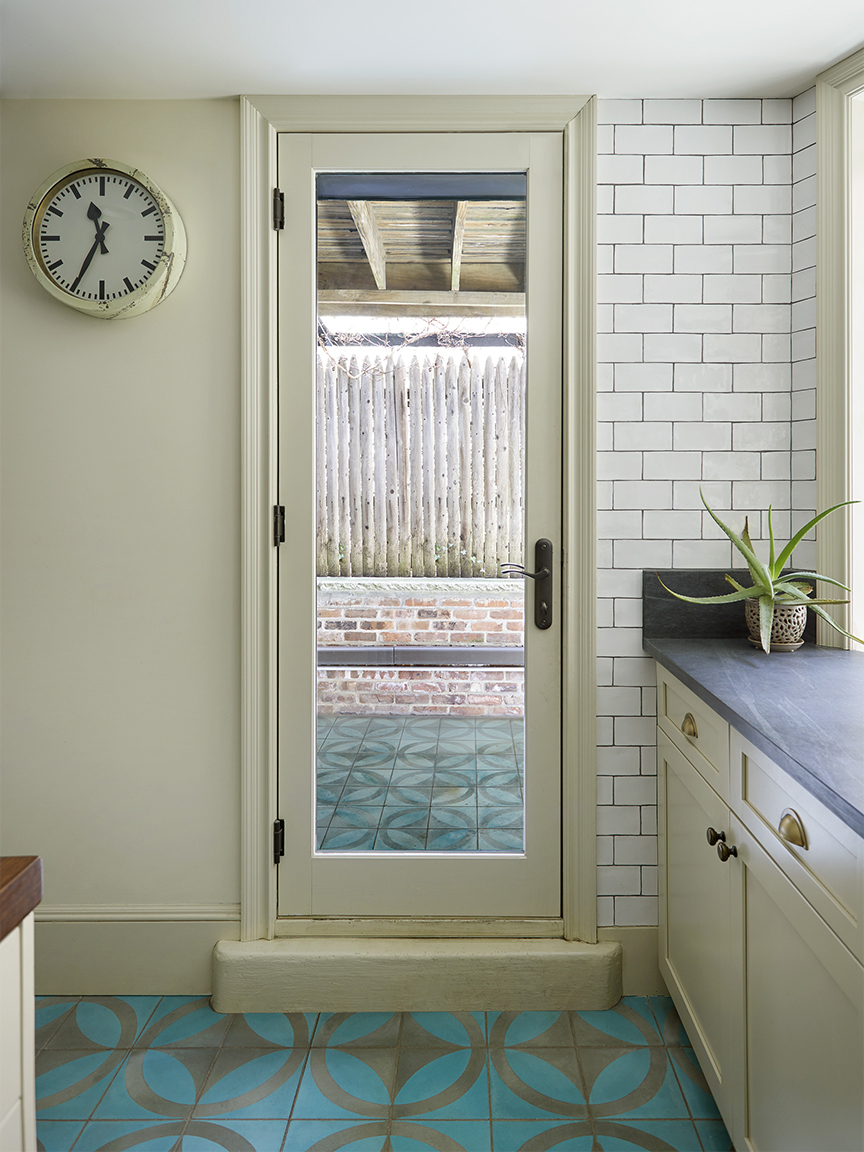
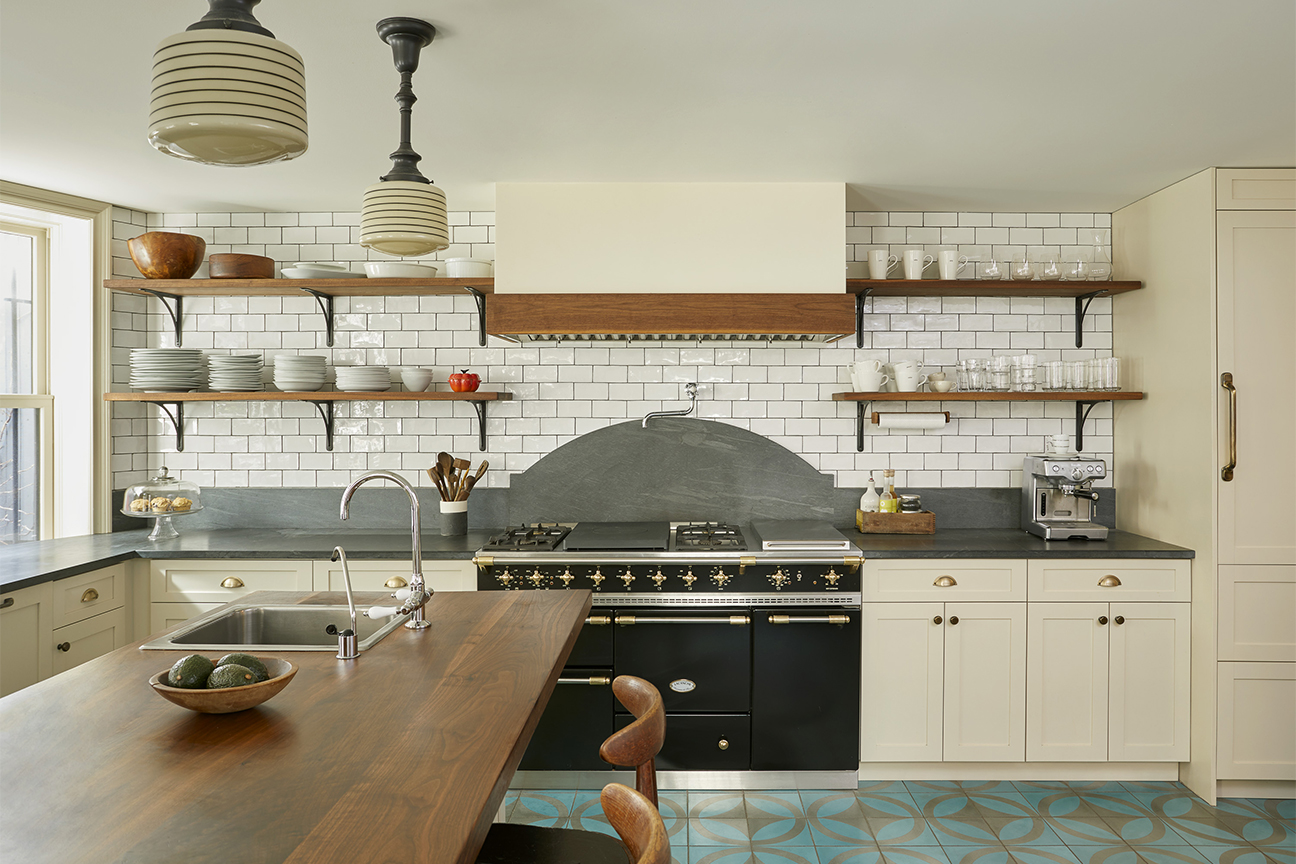
Before and after: this once dated dark pine kitchen has been transformed into a characterful, cozy space that embraces the lack of natural light
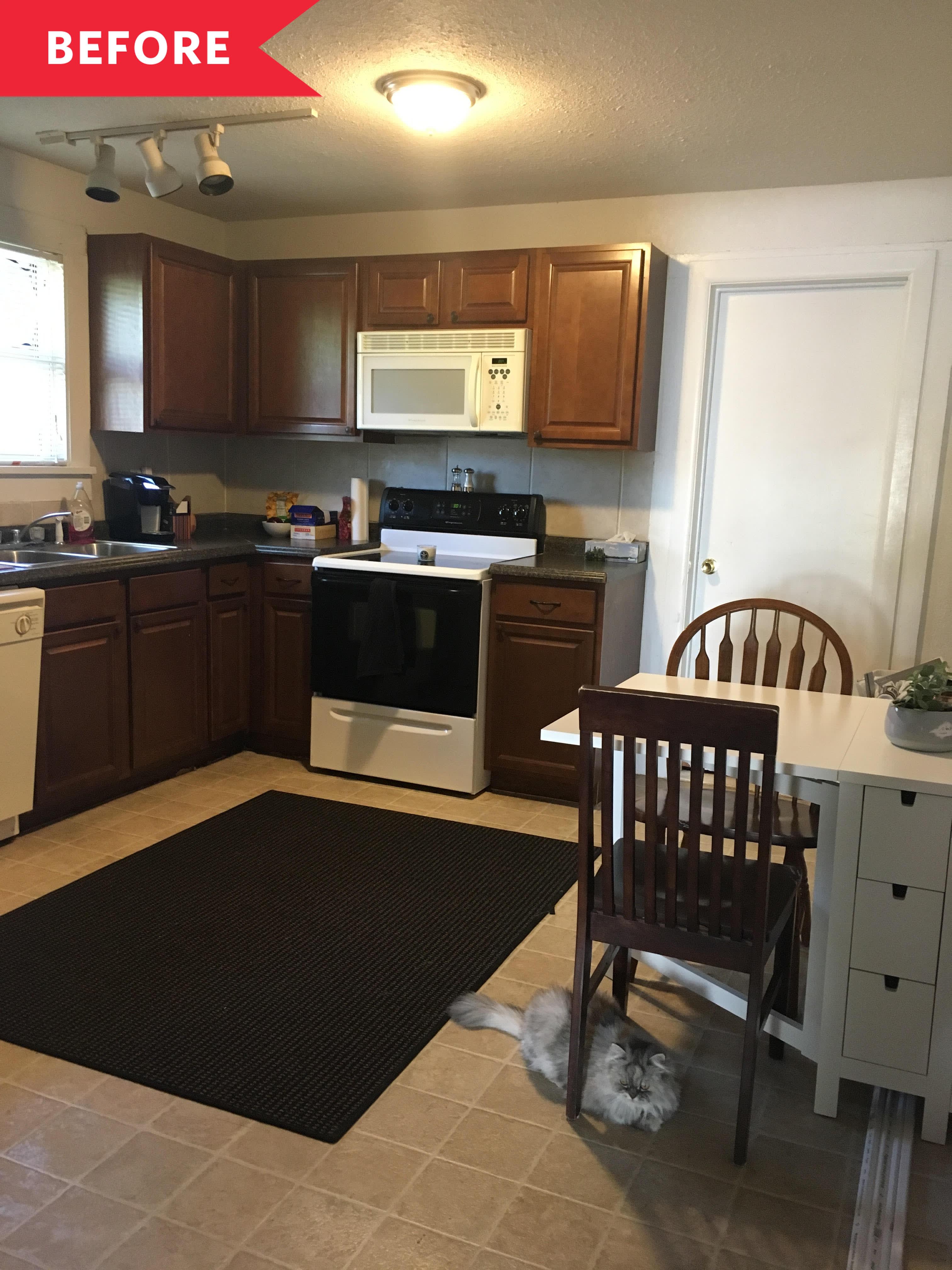
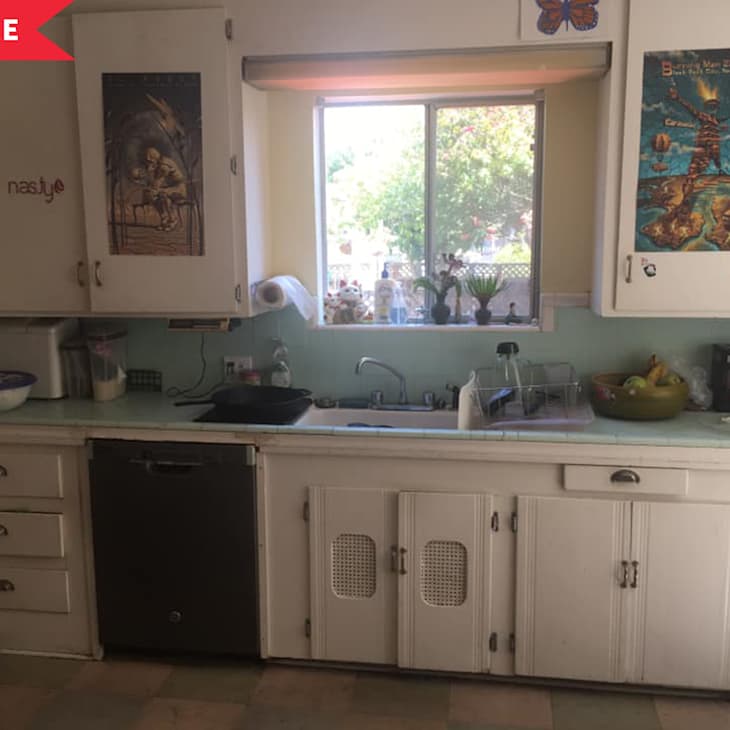
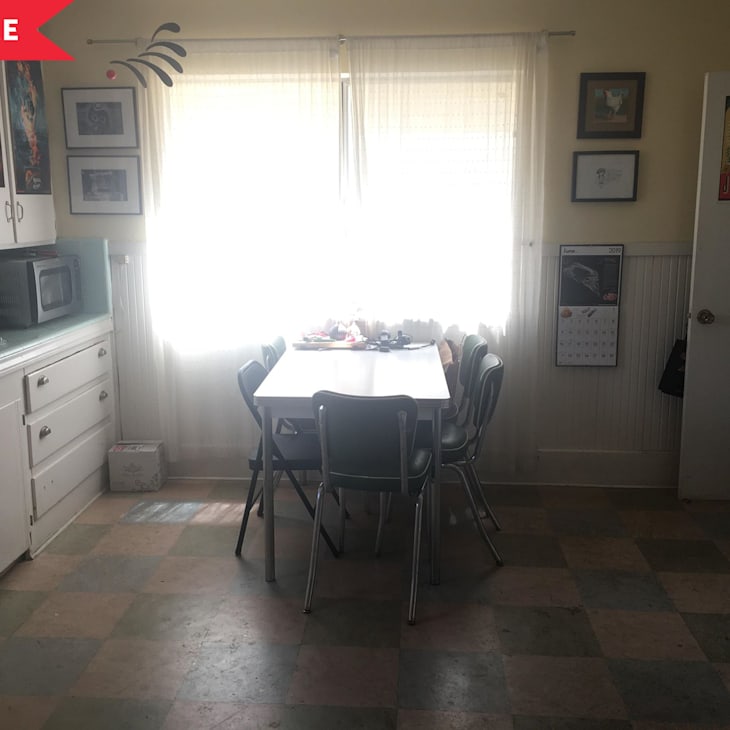
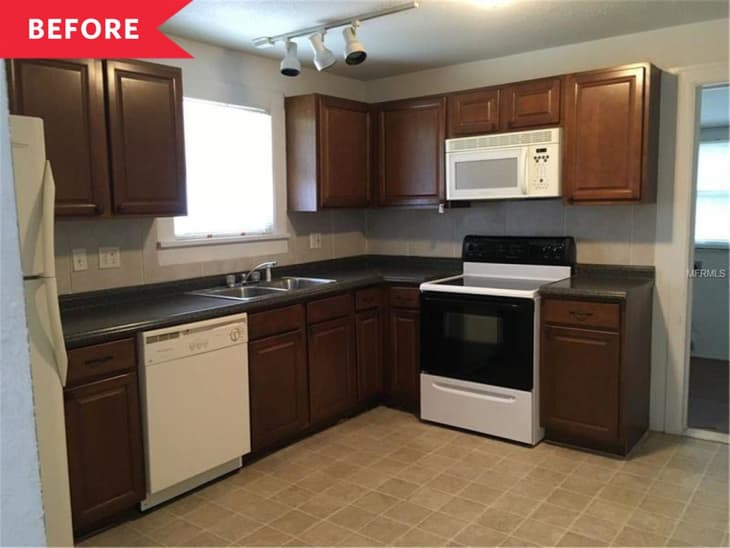
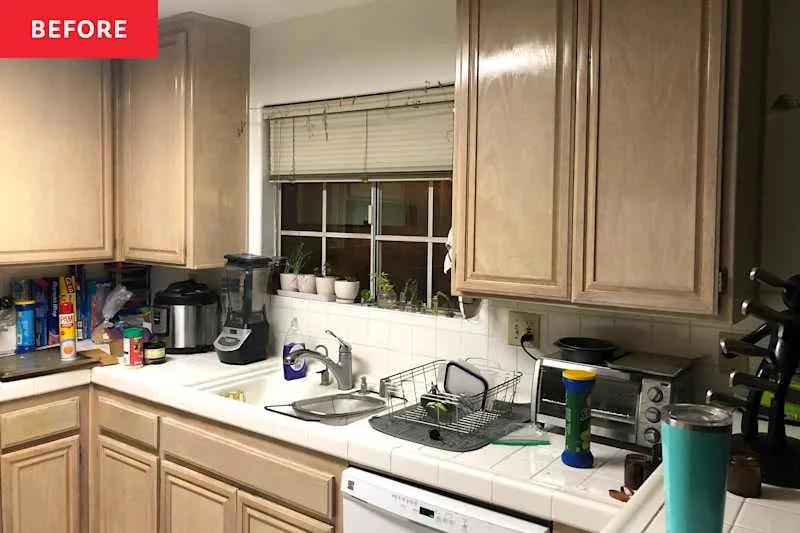
The article details the transformation of a dated, dark, and dysfunctional kitchen in a Craftsman-style house into a moody, yet brighter, traditional space. The original kitchen suffered from orange pine cabinets, black countertops, shiny dark floors, and mismatched appliances, creating an uninviting atmosphere. The design team, led by interior designer Amanda Jacobs, aimed to honor the home's history while infusing unique and personalized elements.
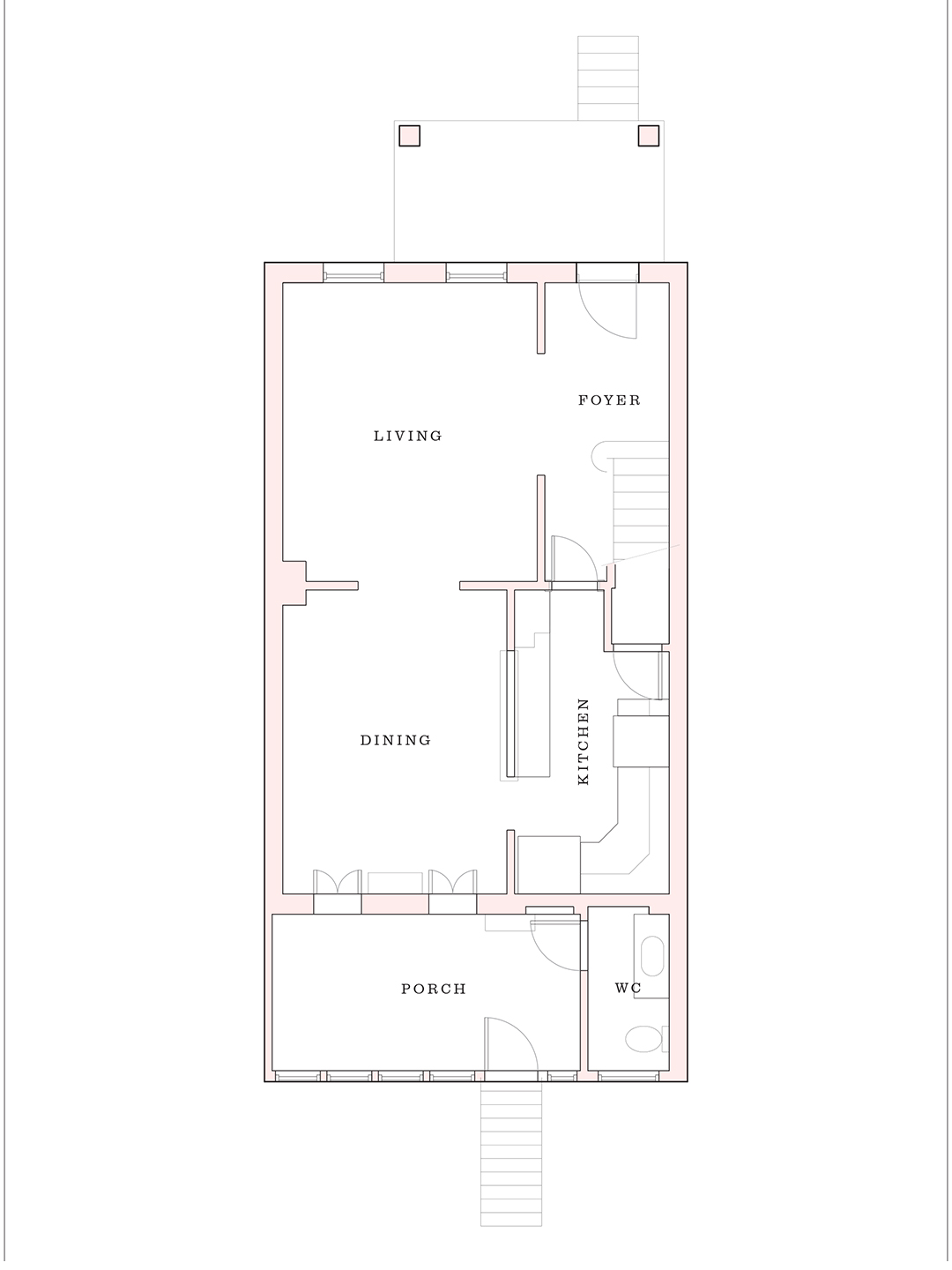
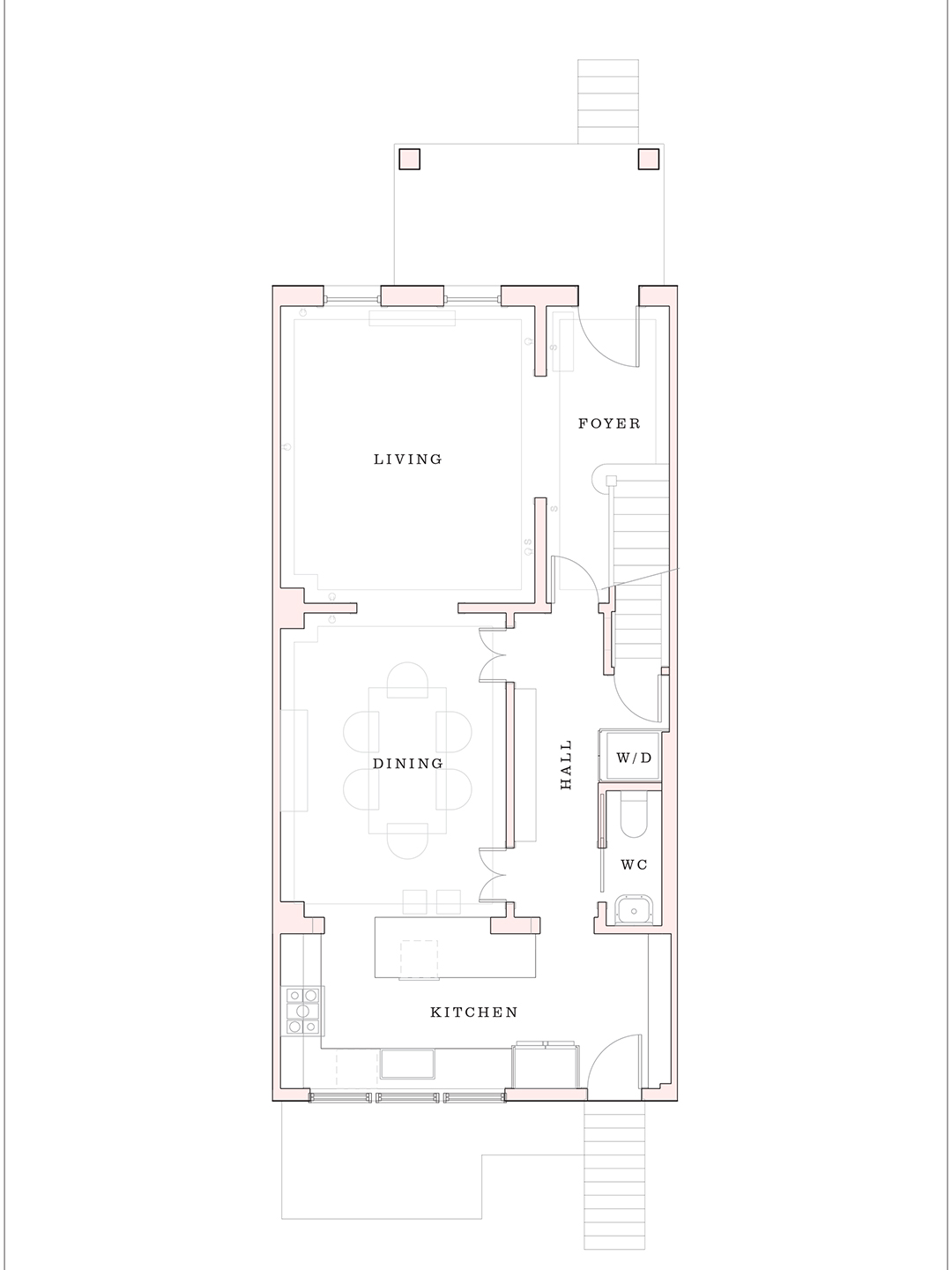
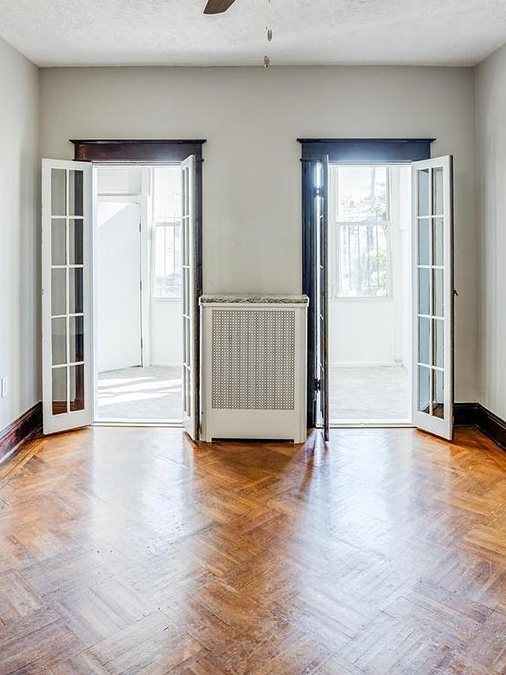
The initial step in the remodel involved reconfiguring the footprint and layout. A significant change was opening up the wall between the kitchen and the sunroom, which dramatically increased natural light and expanded the space. Additionally, a hall bathroom was removed to further enlarge the kitchen in both directions. This strategic merging of rooms was crucial to transforming the kitchen into a more functional and central part of the home, seamlessly connecting it to its surroundings.
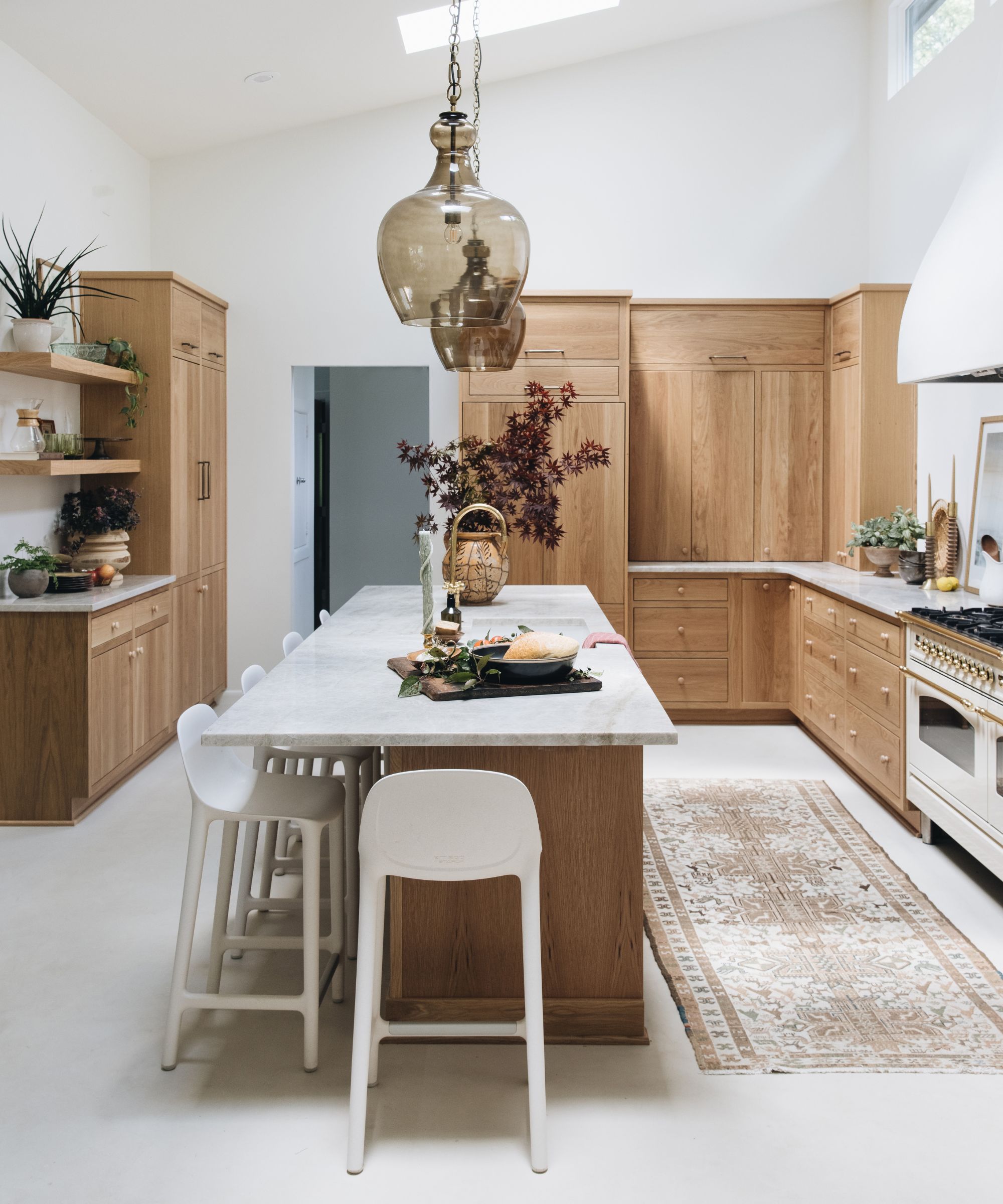
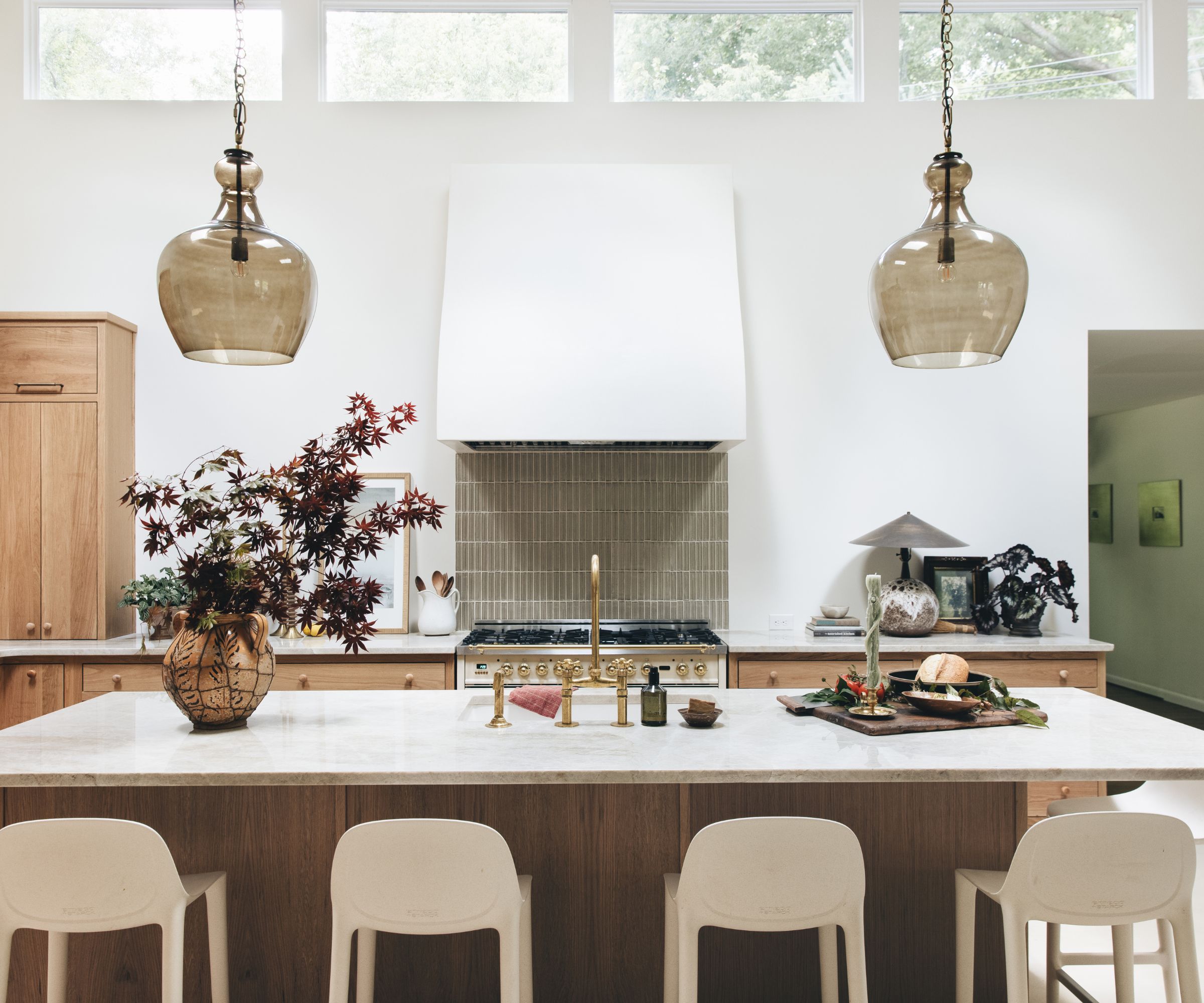
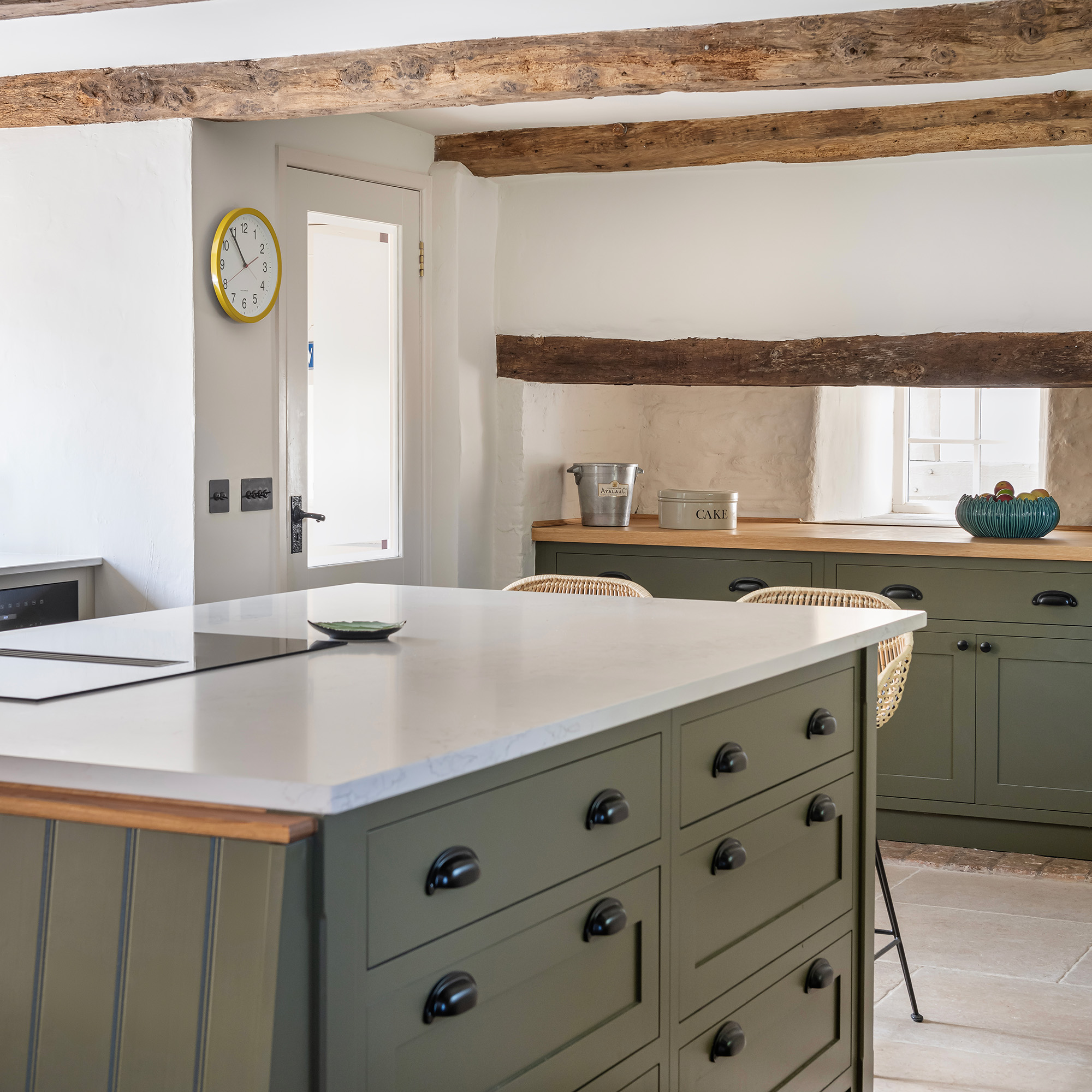
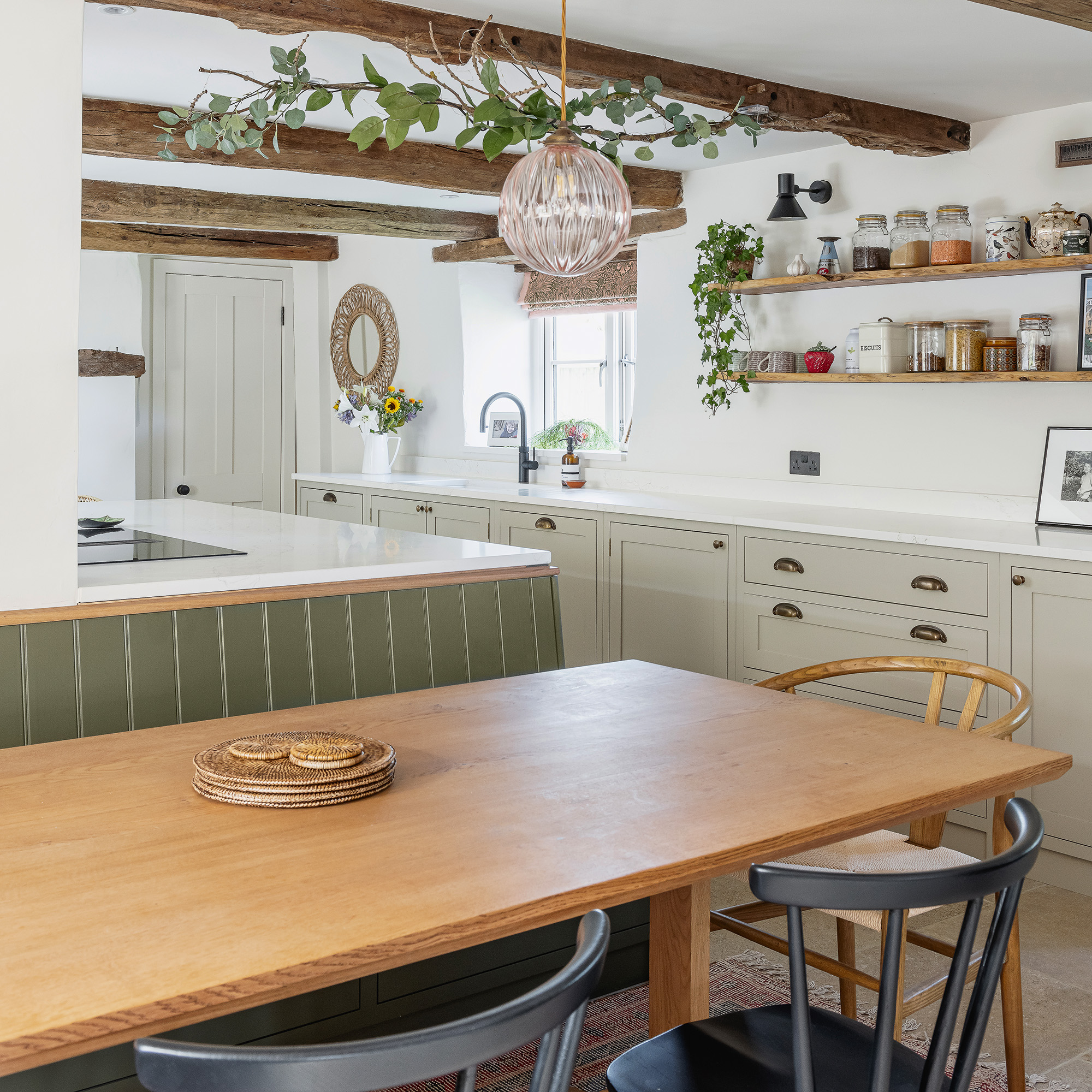
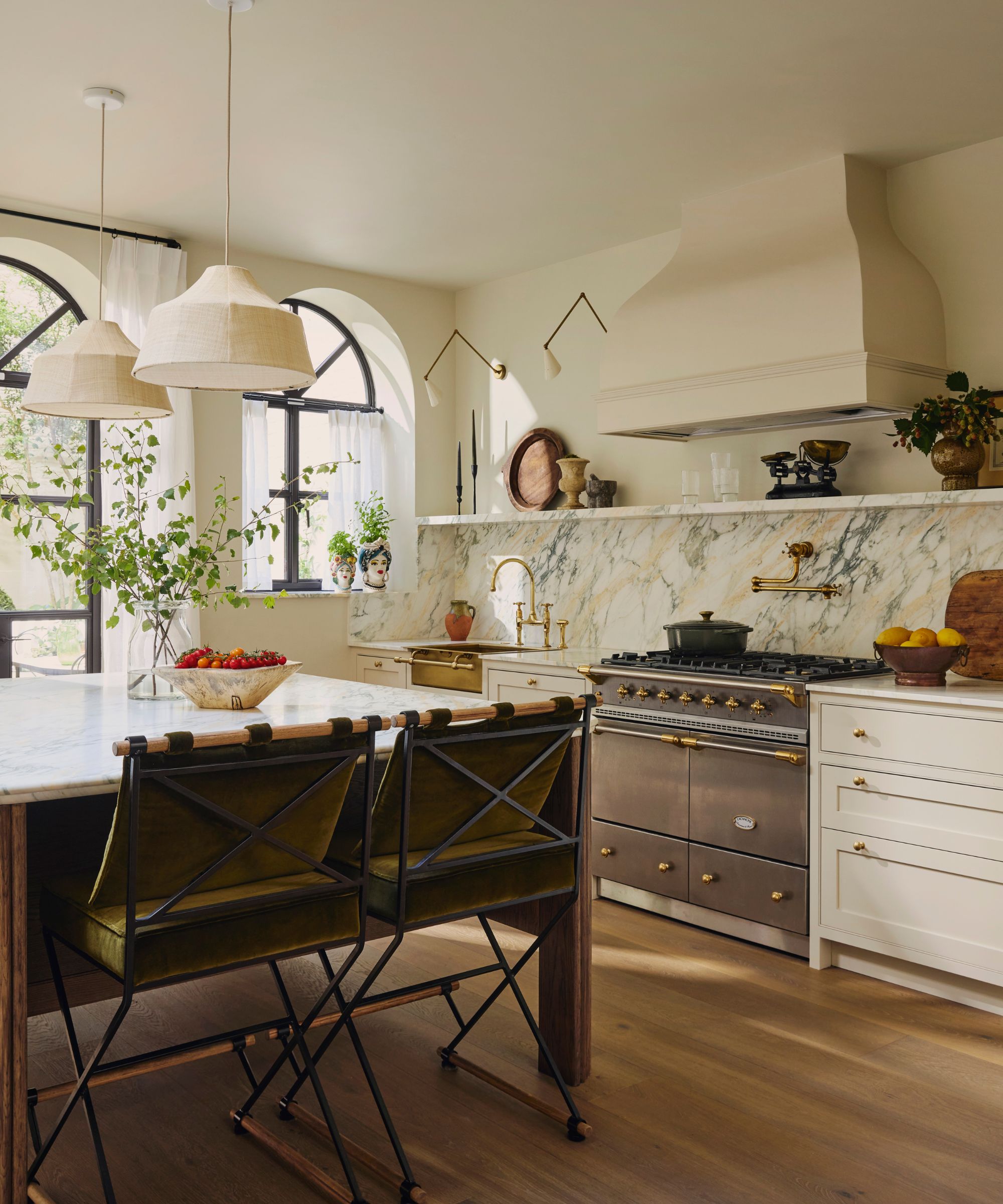
The new design incorporated a blend of traditional English influences with Craftsman details. A key element of the transformation was the central kitchen island, which became the focal point of the room. The island was crafted from dark wood, providing a rich, warm tone that complemented the existing woodwork and a walnut inlay found in the original floors. The choice of a unique, delicate stone slab for the island countertop also influenced its size and underscored the personalized approach to the remodel.
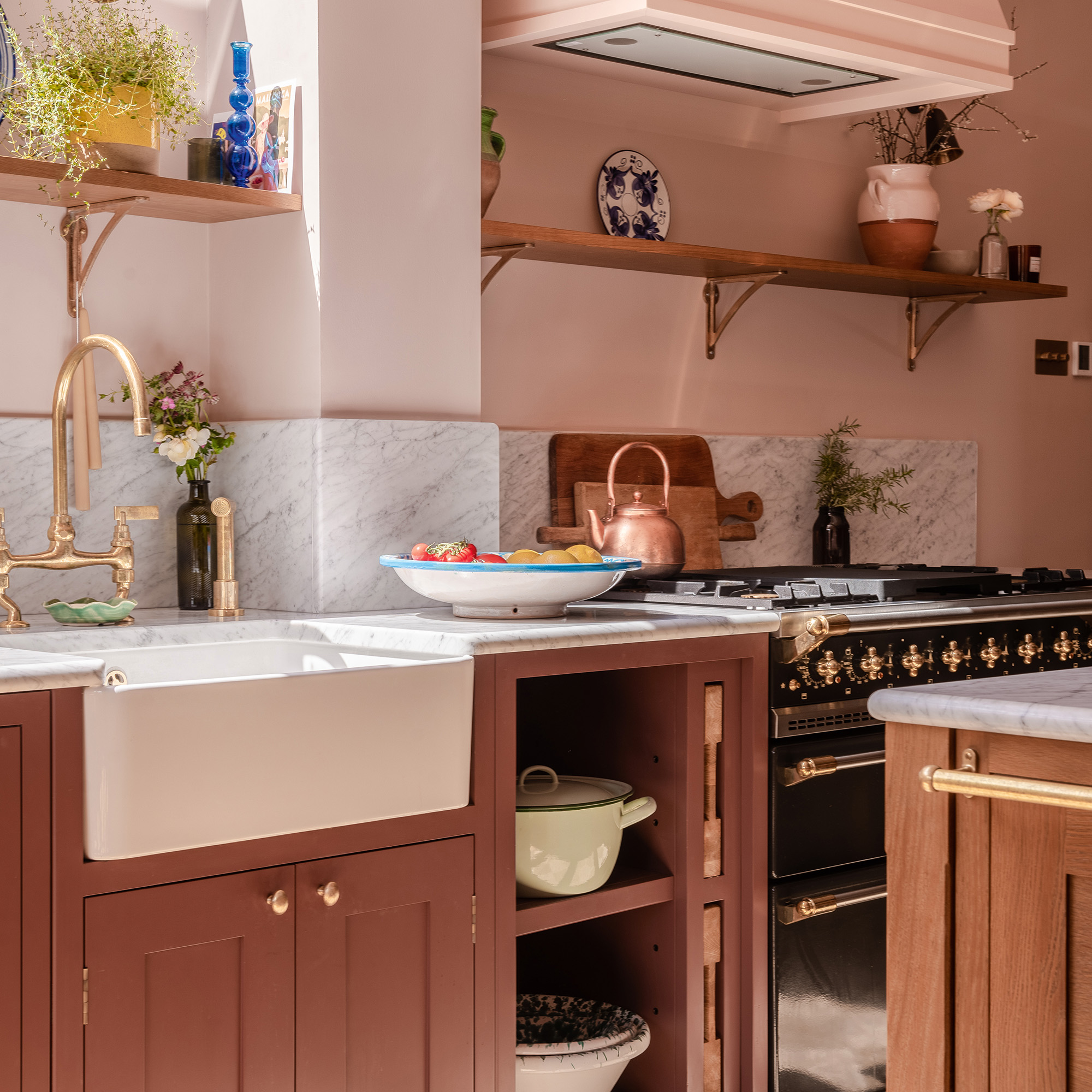
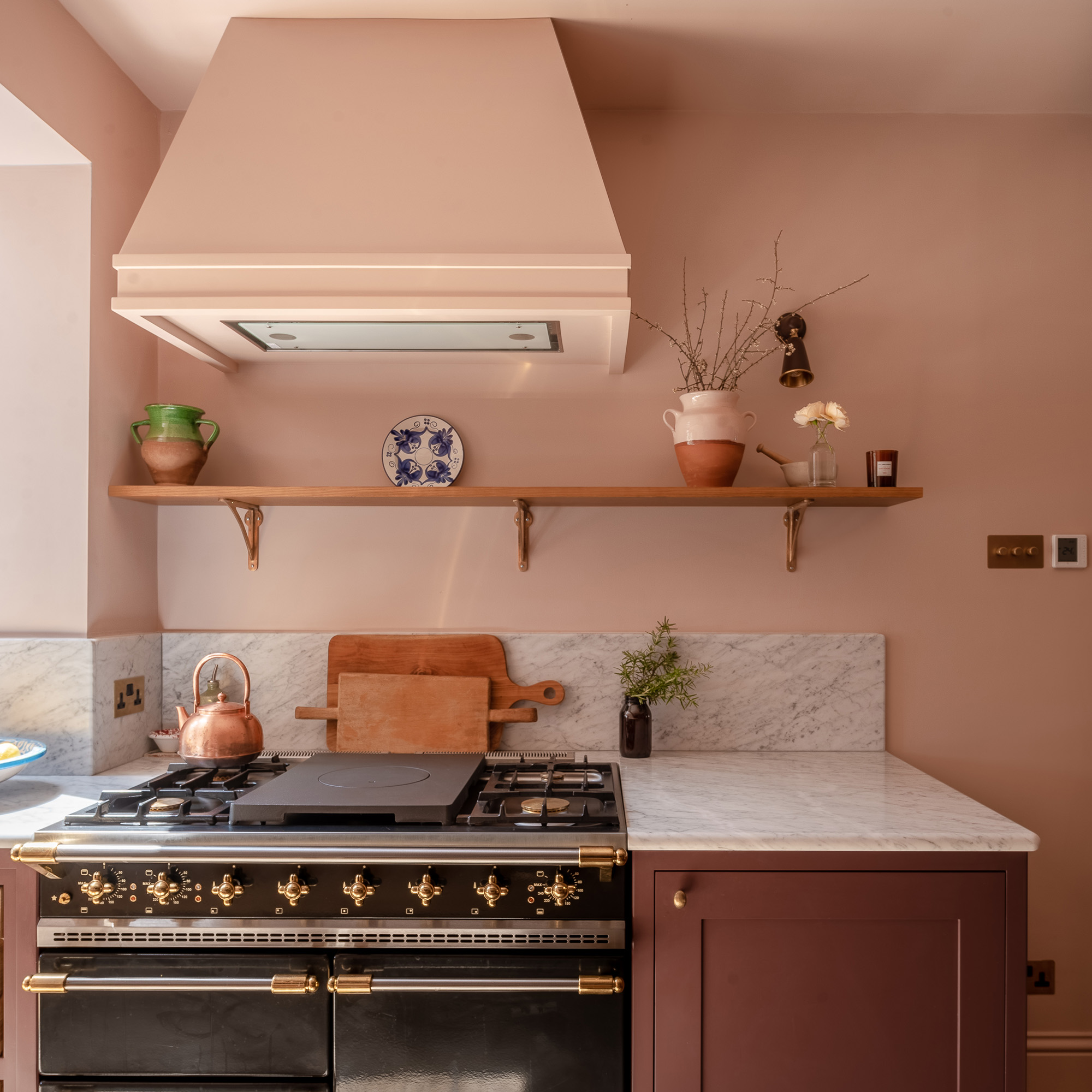
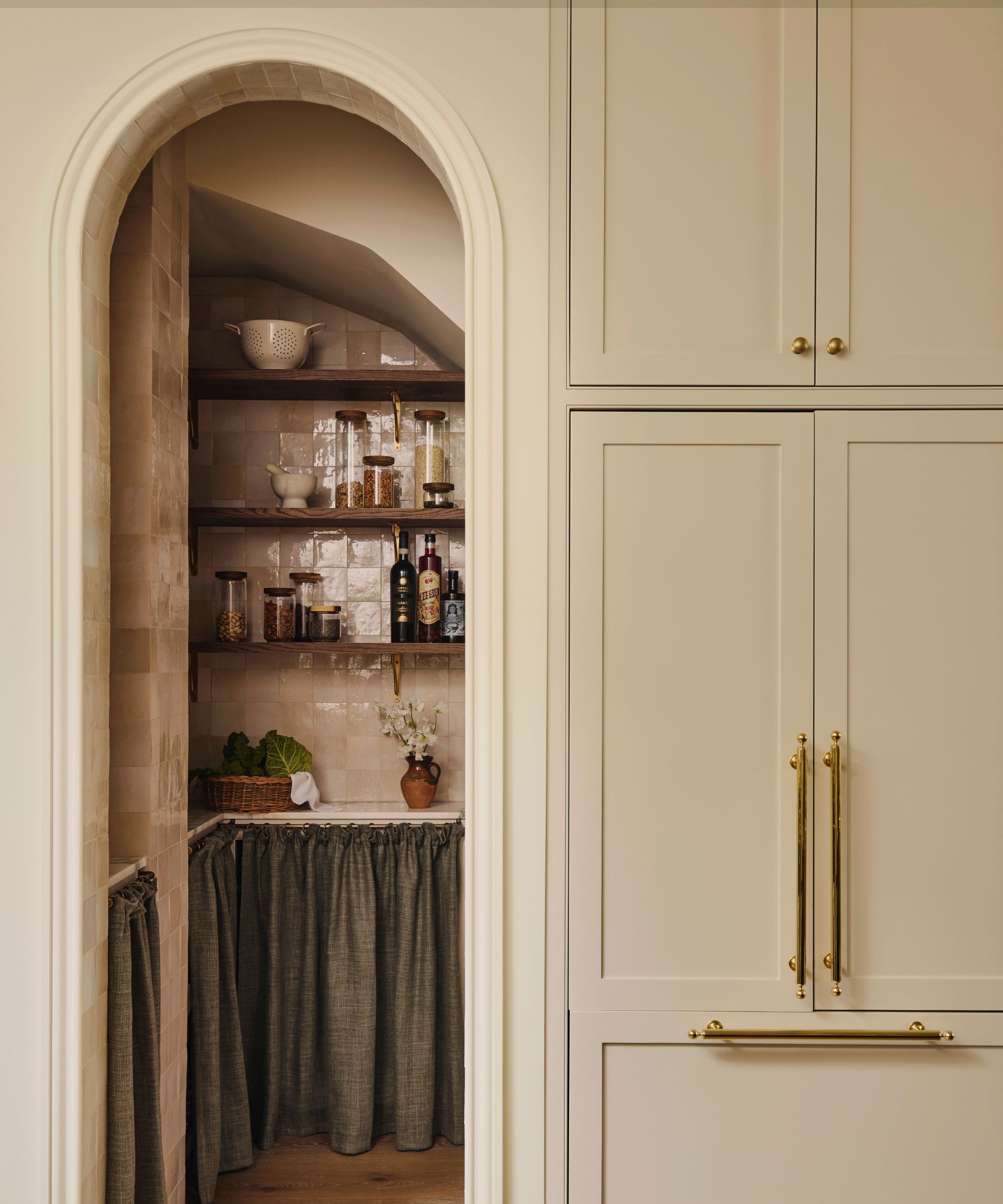
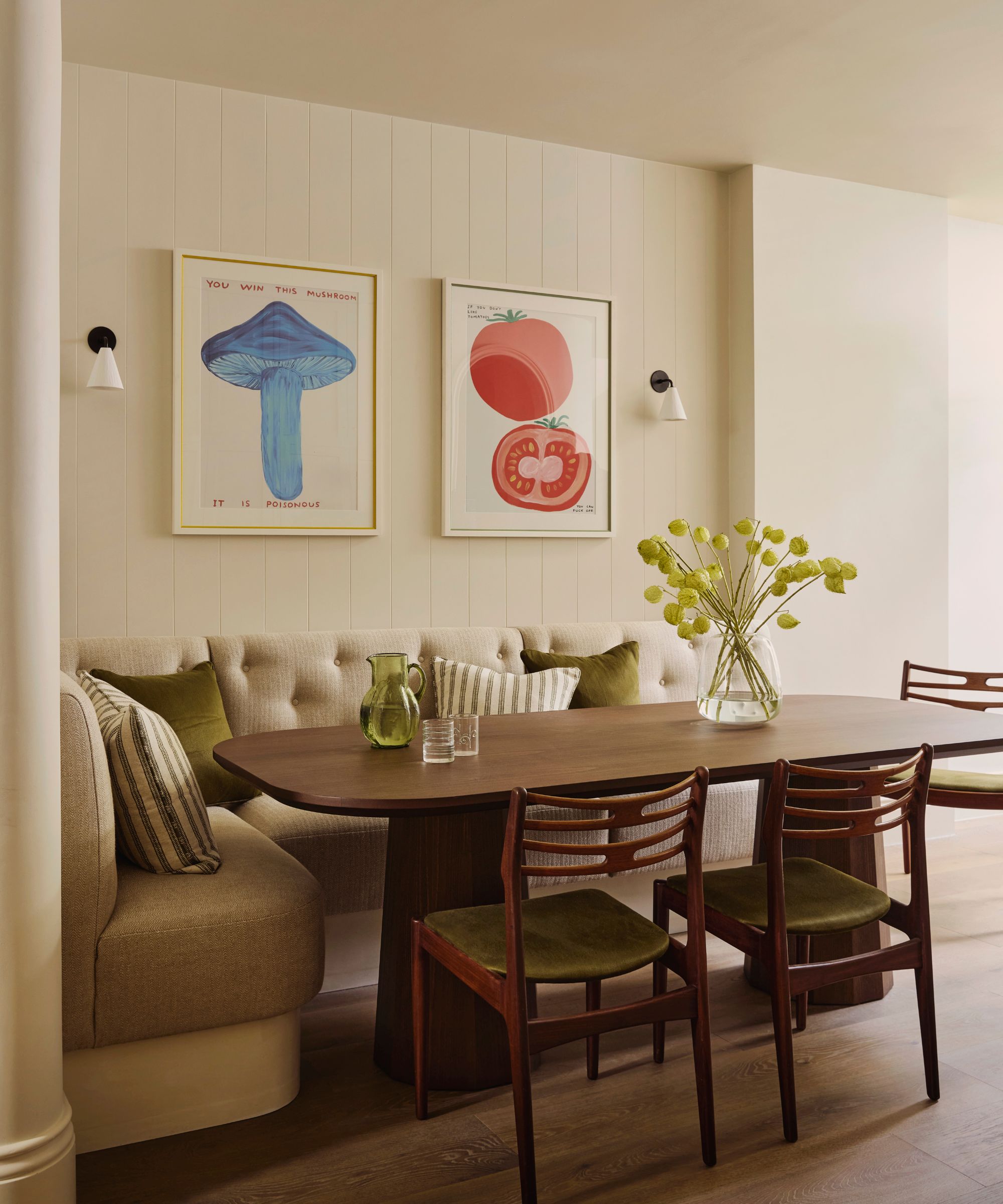
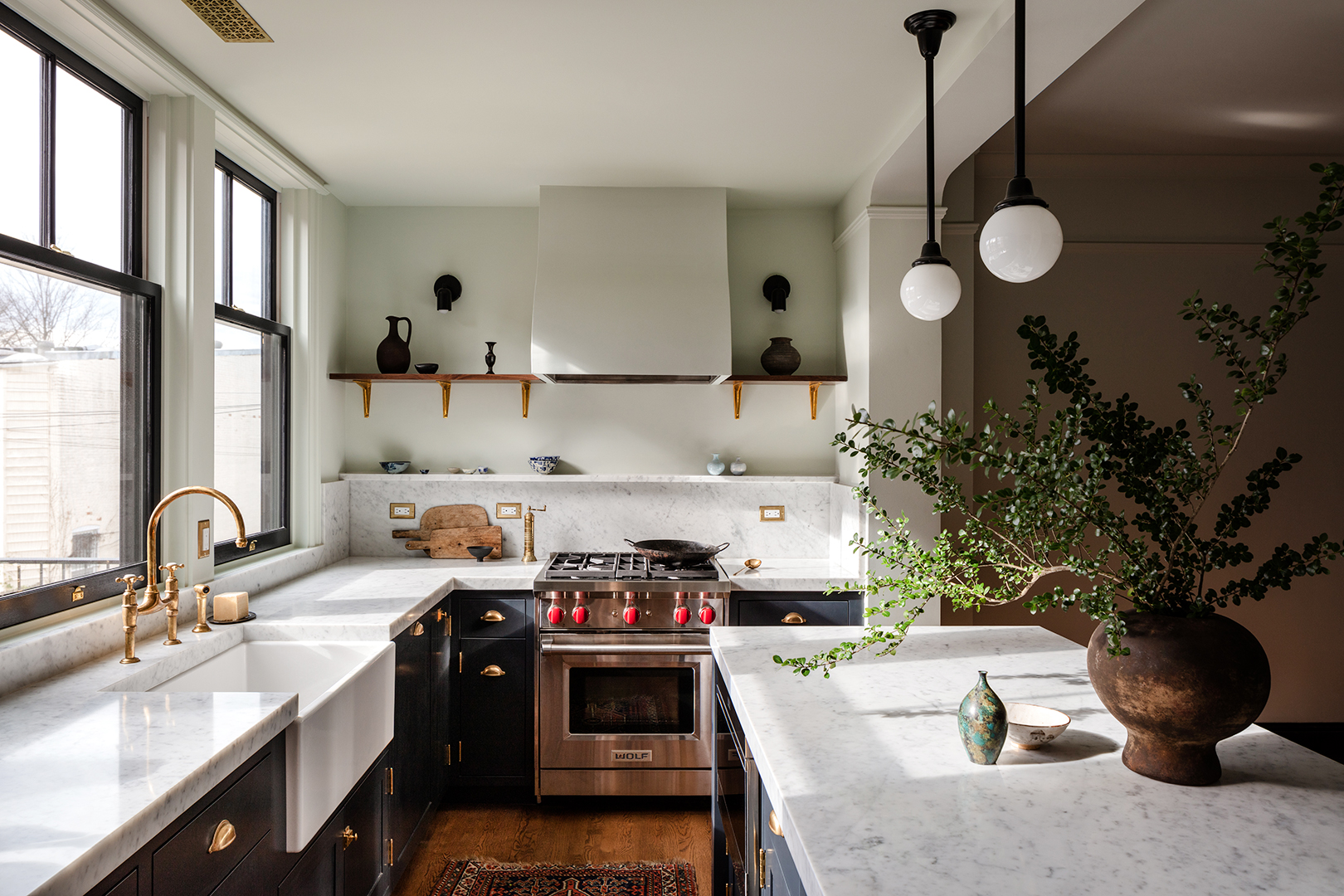
The color palette for the renovated kitchen was inspired by the home's natural landscape, which is surrounded by mature trees and overgrown vegetation. Dark green cabinetry, specifically Vintage Vogue by Benjamin Moore, was chosen for the classic Shaker-style cabinets, creating a cohesive and organic feel. This deep green contrasted beautifully with lighter walls painted in Aganthus Green by Benjamin Moore, balancing light and dark elements effectively.
Personalization was achieved through decorative accents that reflected the homeowners' cultural backgrounds and love for color and pattern. These folk-inspired elements were layered throughout the space to create a lived-in and expressive feel. For instance, the island's decor was kept simple with a wooden board, elevated kitchenware, and a ceramic vase with seasonal branches. Similarly, kitchen counters featured pretty bottles, a vintage crock for utensils, and a small counter lamp, all arranged to enhance the aesthetic without appearing cluttered.
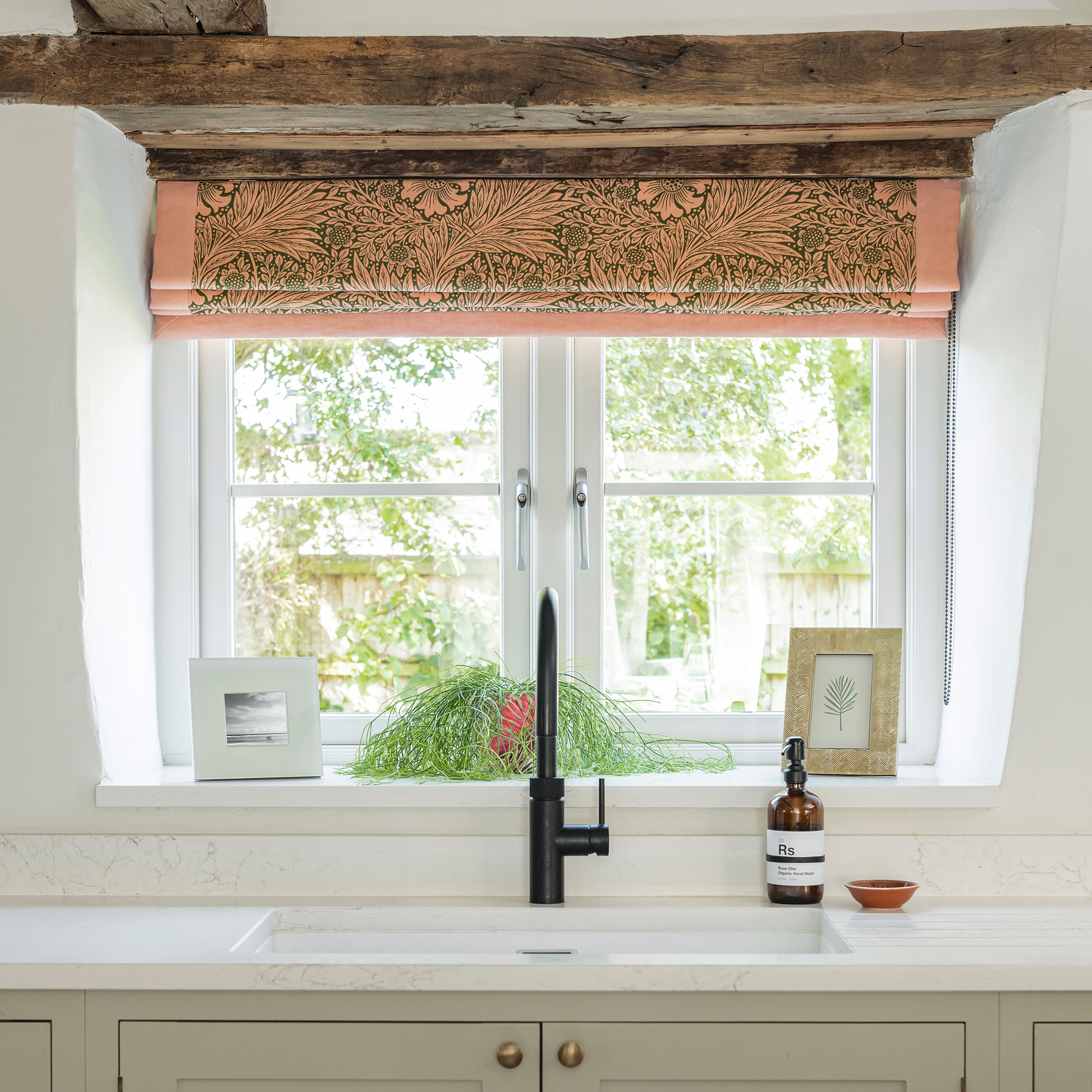
To soften the overall design, various features were incorporated, such as curved counter stools and sheer cafe curtains. These curtains provided privacy while allowing natural light to filter in. The thoughtful selection of every element ensured a balance of tradition and personal style, demonstrating that honoring a home's architectural style does not mean sacrificing individuality. The transformed kitchen serves as an example of how a moody color palette can create a layered, timeless, and bright space, aligning with the home's traditional character while catering to modern functionality.
#KitchenRemodel #CraftsmanStyle #InteriorDesign #DarkColorPalette #TraditionalKitchen #HomeTransformation #KitchenIsland #ColorSelection #ShakerCabinetry #KitchenRemodel #CraftsmanStyle #InteriorDesign #DarkColorPalette #TraditionalKitchen #HomeTransformation #KitchenIsland #ColorSelection #ShakerCabinetry
0 комментариев всего
 Комментариев пока нет
Вам также может понравиться
A reconfiguration and fresh colour scheme have brought new life to this once dark and dreary kitchen
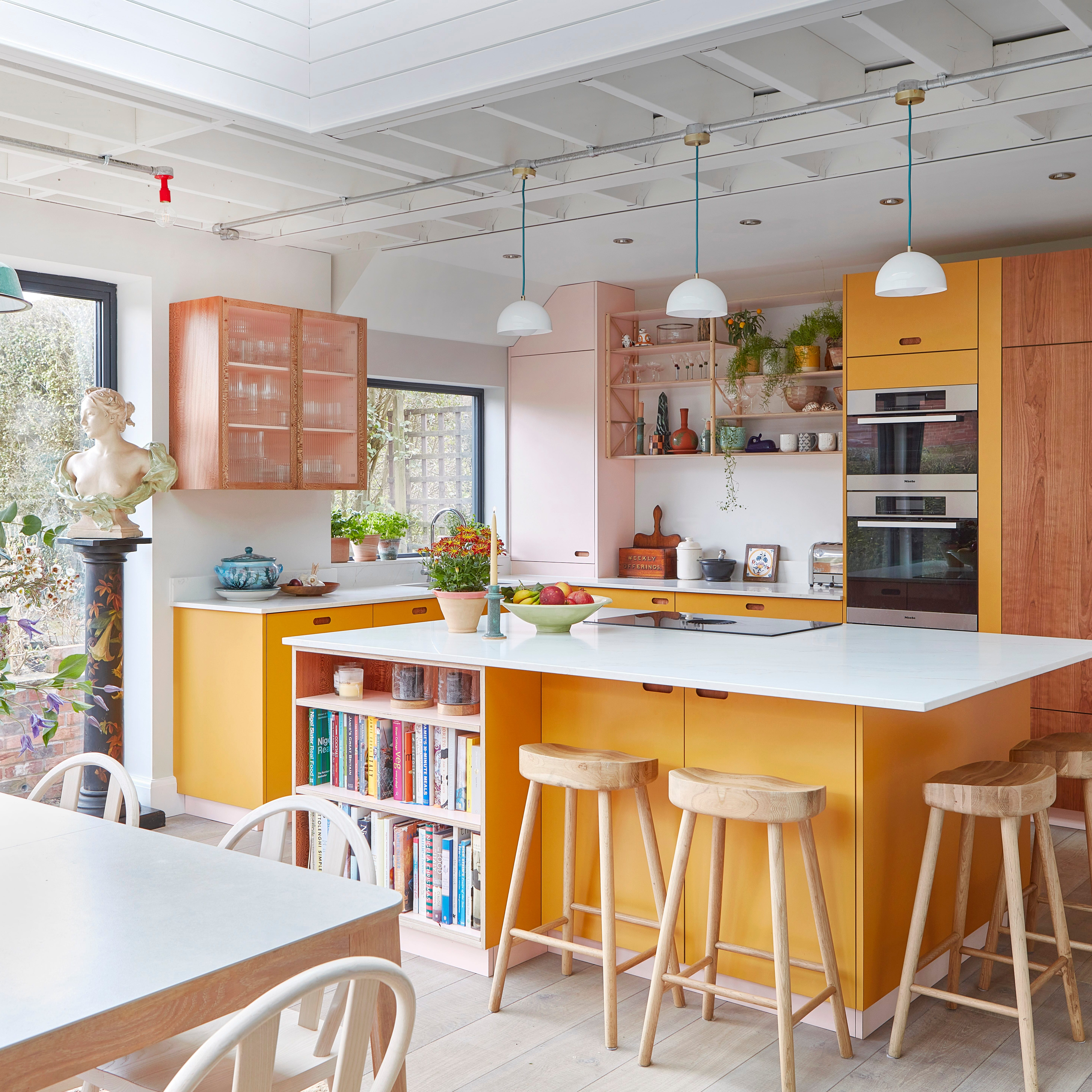
Before & After: Turning A Dark, Cramped Galley Kitchen Into A Colourful Open-Plan Space

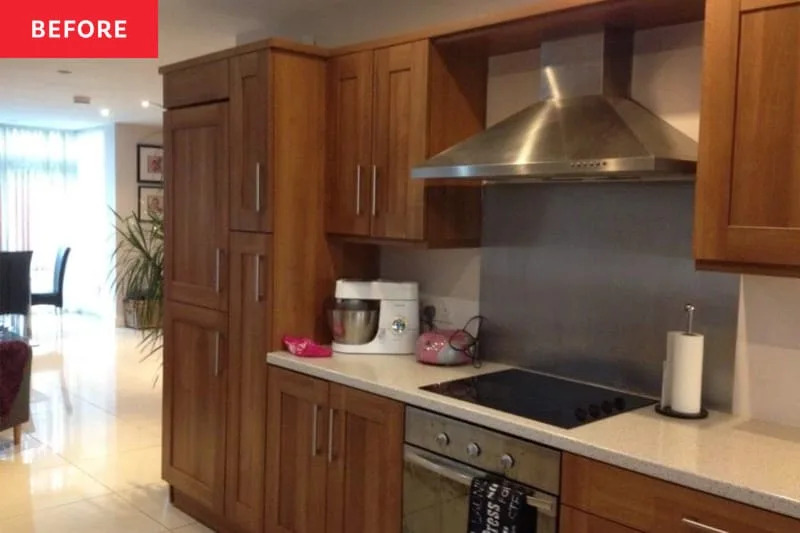
Before & After: Bright, Colorful Cabinets Took This Kitchen from Blah to Breathtaking

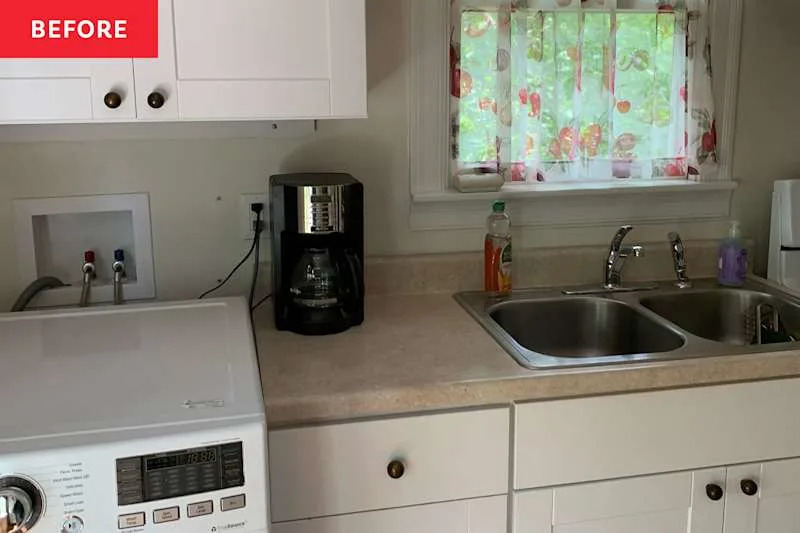
Before & After: A “Dark, Bland” Beige Kitchen Gets an Airy Blue Makeover (It’s So Much Brighter!)
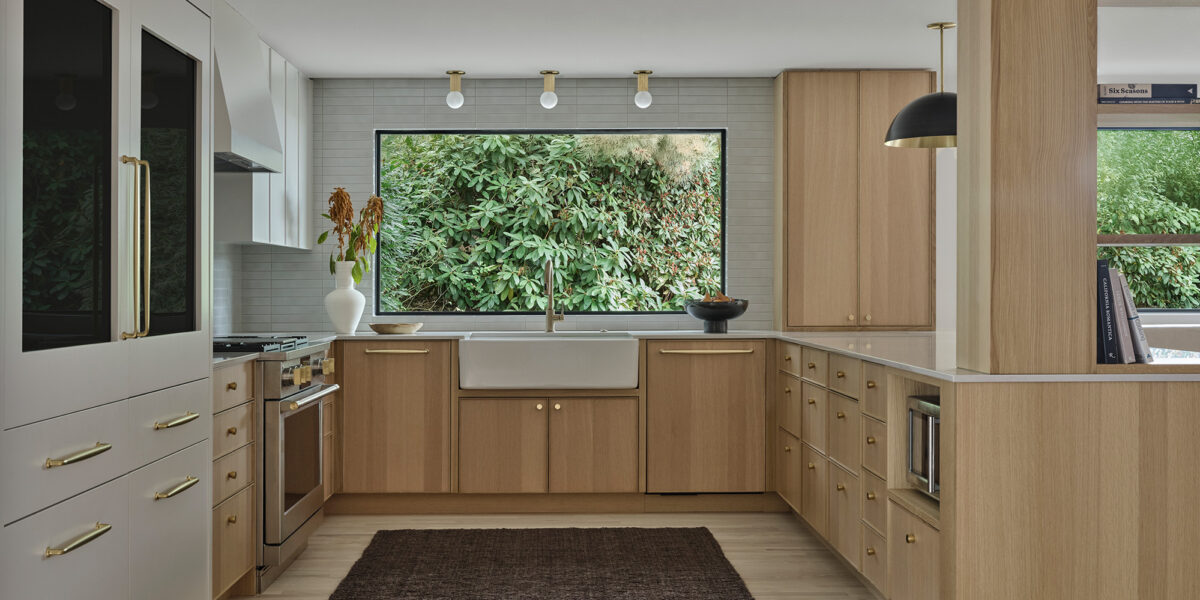
A Dark and Dated Kitchen Gets a Scandi-Style Makeover
Before and After: This Outdated 1920s Kitchen Got A Full Transformation That’s Light, Airy, and Breathtaking
Kitchen remodel before & after: 1950s-inspired reno turns a boring space fab
This once-dated kitchen has been completely reimagined into a timeless, elegant space, thanks to a warm neutral palette and artful layering

This dark galley kitchen was transformed into a warm and bright space
Before & After: Dramatic Green Kitchen Cabinets Completely Revive a “Stale ‘90s” Home

This D.C. Kitchen Was Once Smooshed Under the Stairs—Now It’s Bathed in Light

Adding Windows Isn’t the Only Way to Brighten Up a Gloomy Kitchen
Dark, Disconnected Kitchen Transformed into Spacious, Light and Open Room

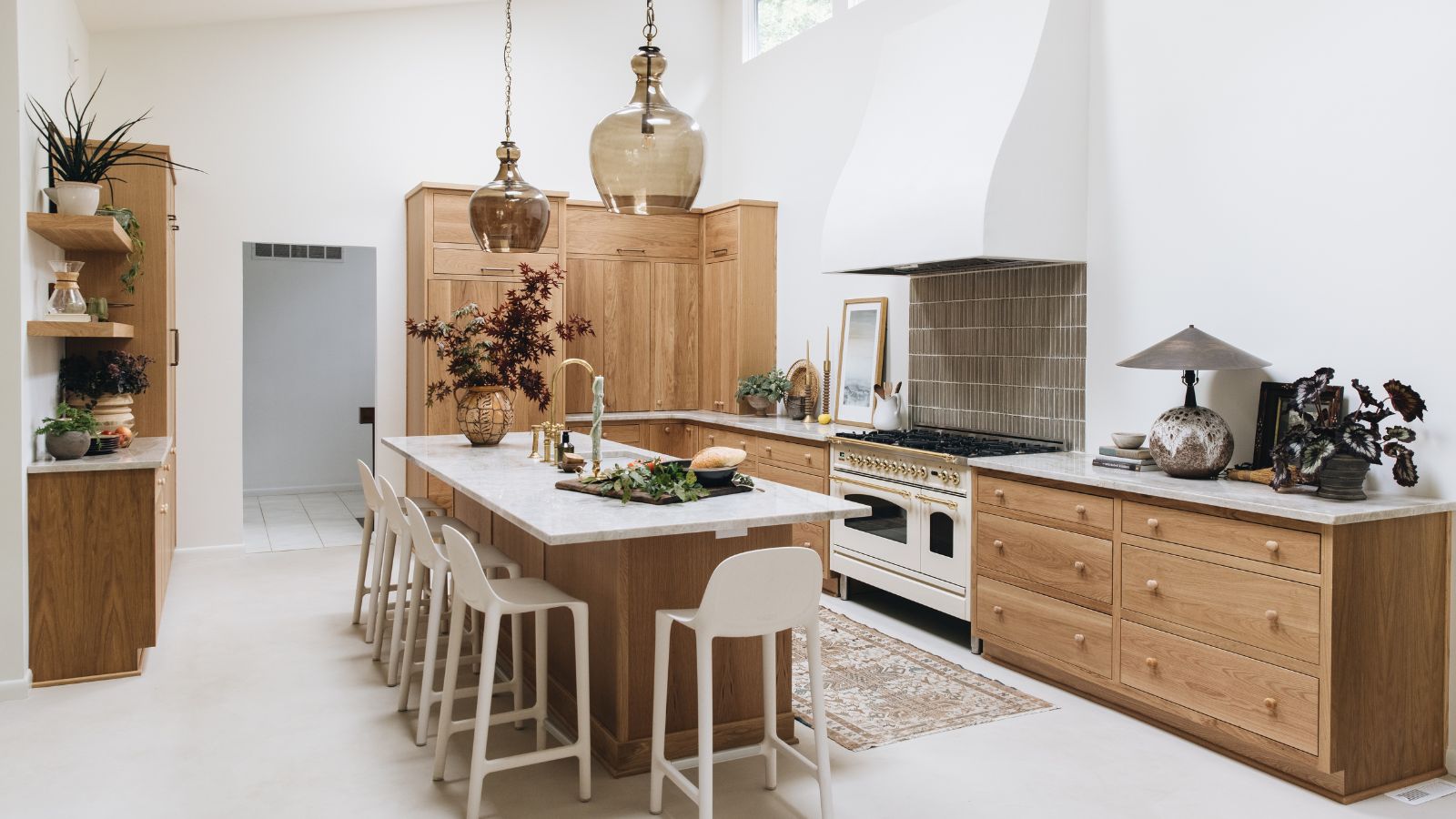
'The space felt dark, dingy, and dated' – how a kitchen that lacked natural light became an open and airy space that nails the midimalist style
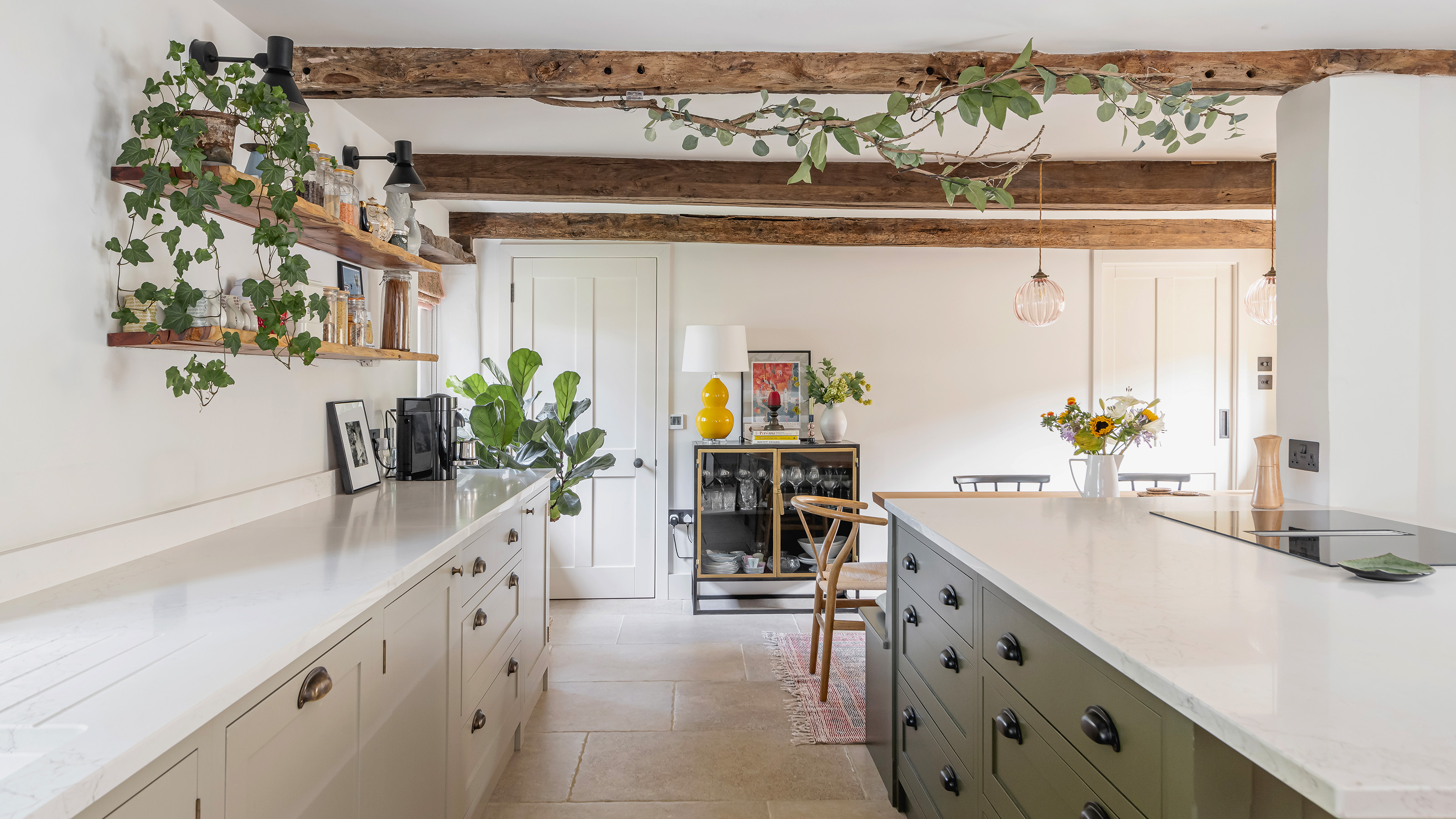
This once cold and compact kitchen has been transformed into a bright open-plan space that works for the whole family
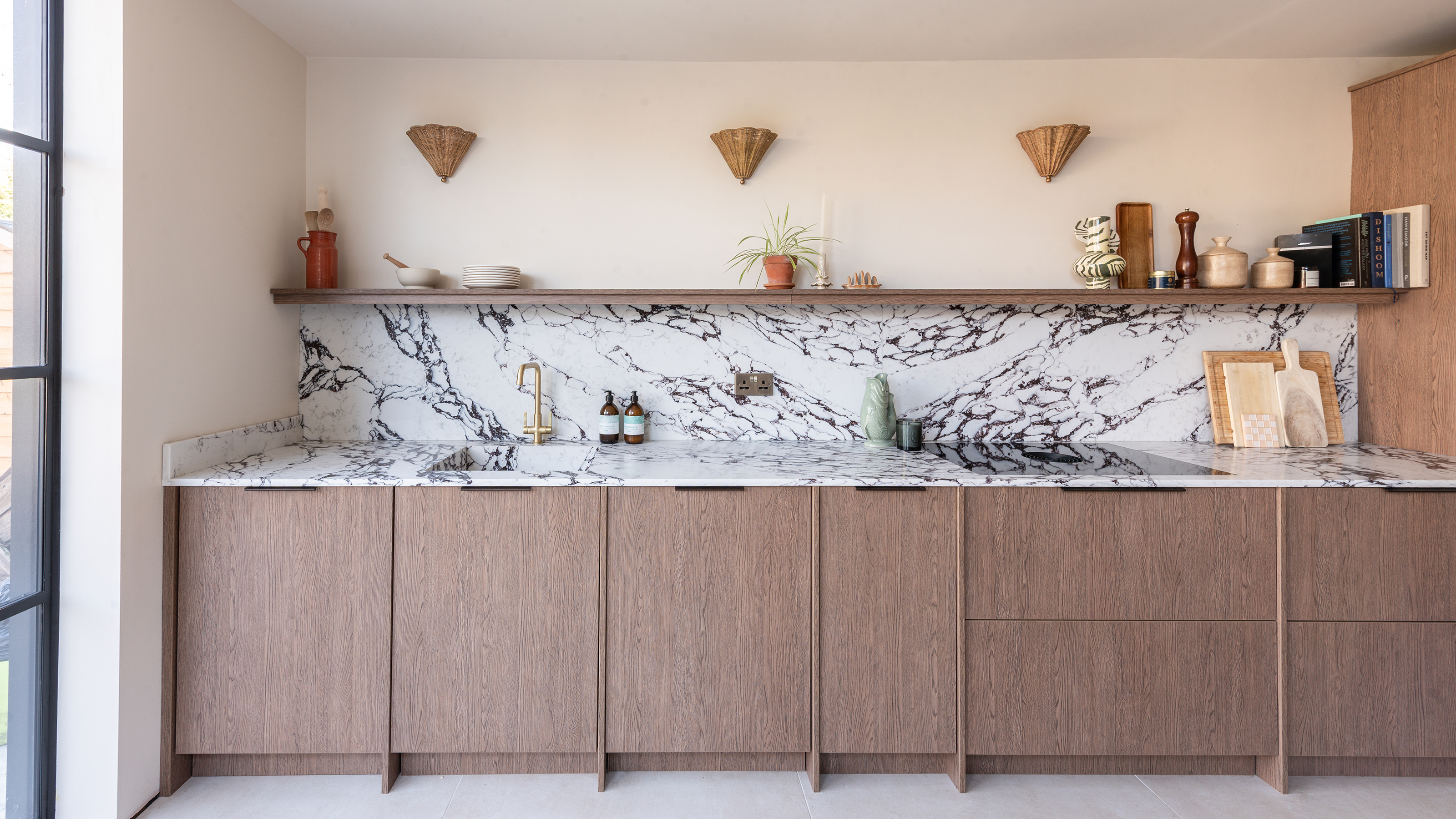
Thoughtful design decisions have transformed this family kitchen from damp and unusable to beautiful and practical

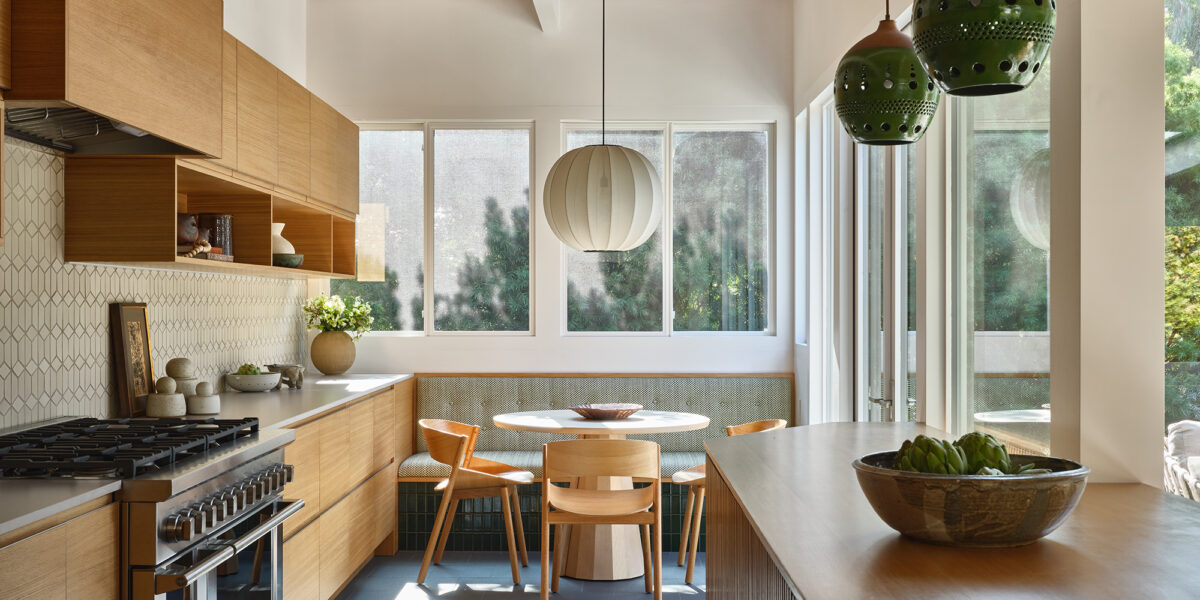
A Small Galley Kitchen Goes from Dark and Dated to Bright and Airy
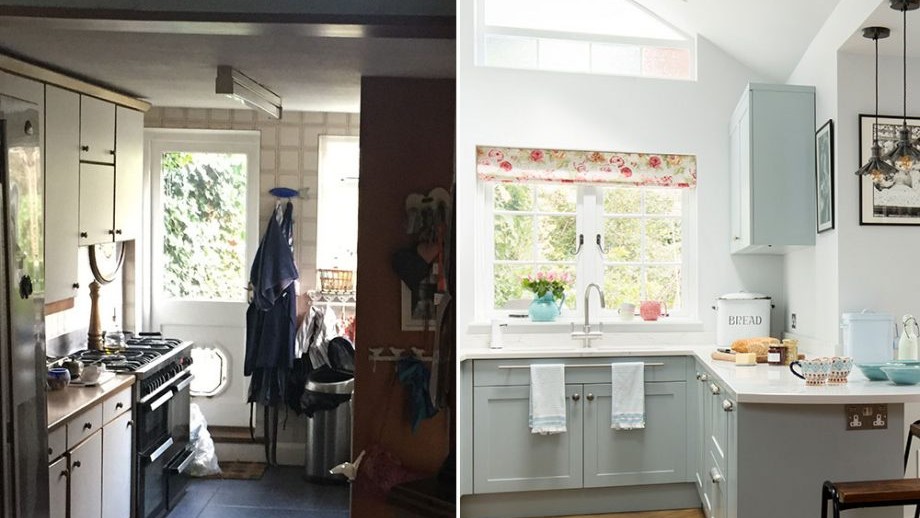
Before and after: this kitchen went from skinny galley to classy cook's dream
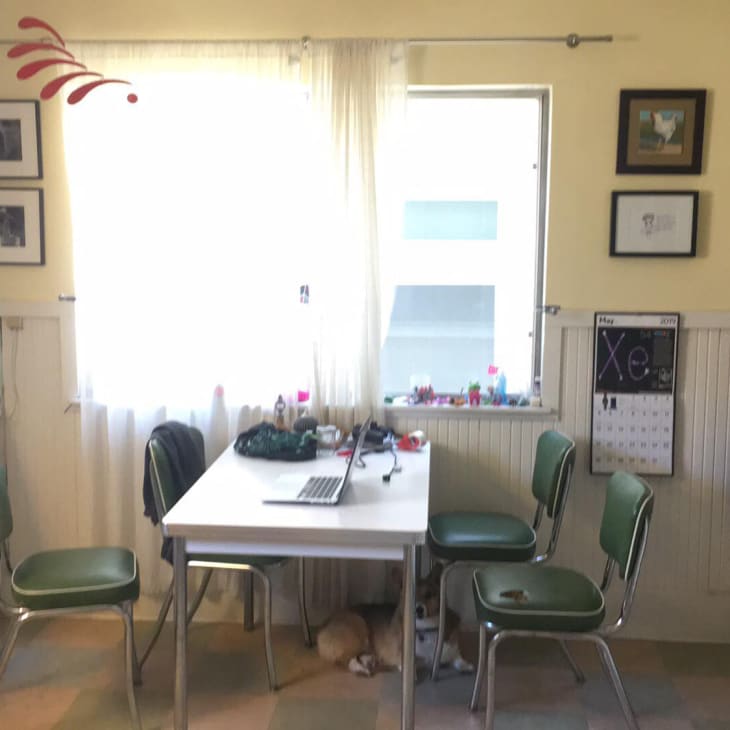
Before & After: A Dated Kitchen’s Incredibly Colorful Remodel Still Honors Its Retro Roots
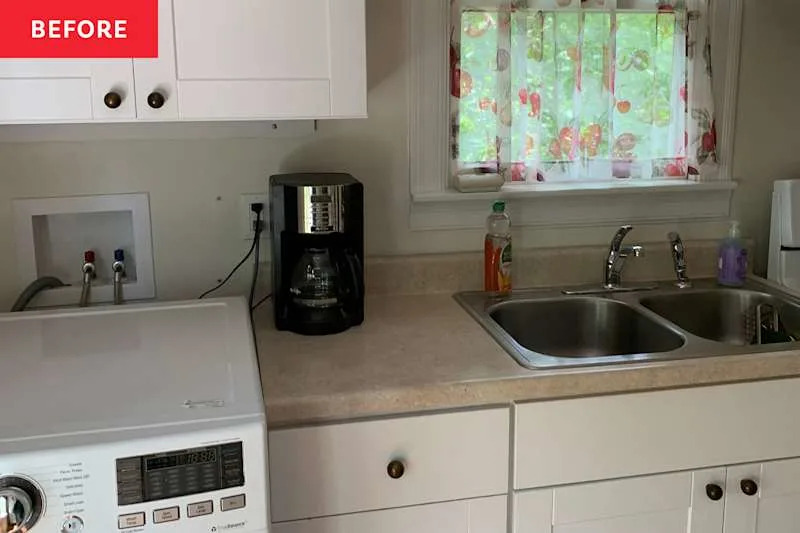
Before & After: A “Dark, Bland” Beige Kitchen Gets an Airy Blue Makeover (It’s So Much Brighter!)