Keep warm for less this winter
Many Australian homes are not optimally designed to retain heat, leading to higher heating costs during colder months. However, various strategies can be implemented to enhance indoor comfort in winter. Ben Brazier, CommBank's retail banking services environmental and social lead, emphasizes the importance of making homes more effective at retaining heat.
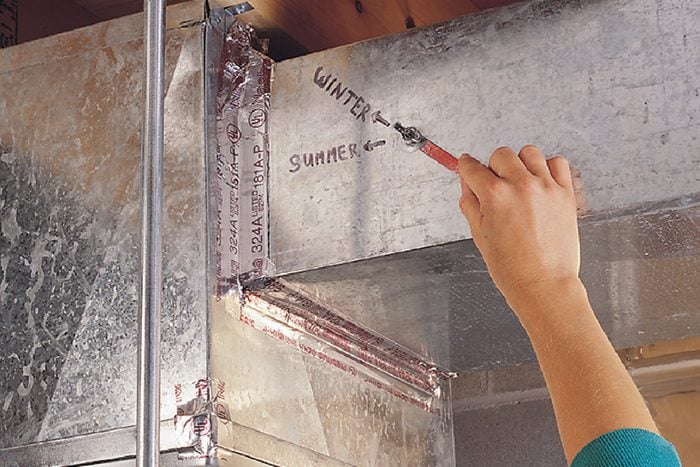
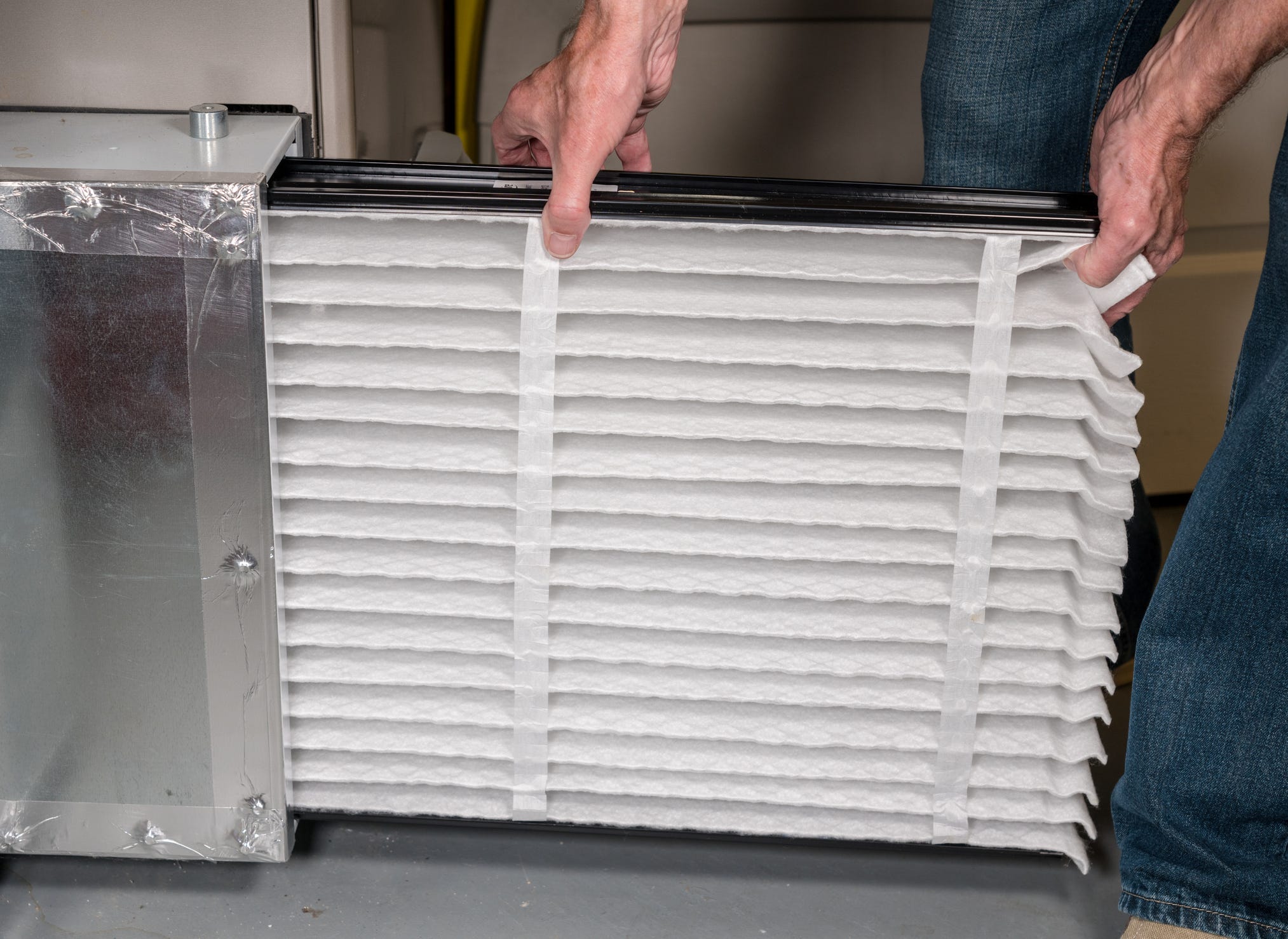
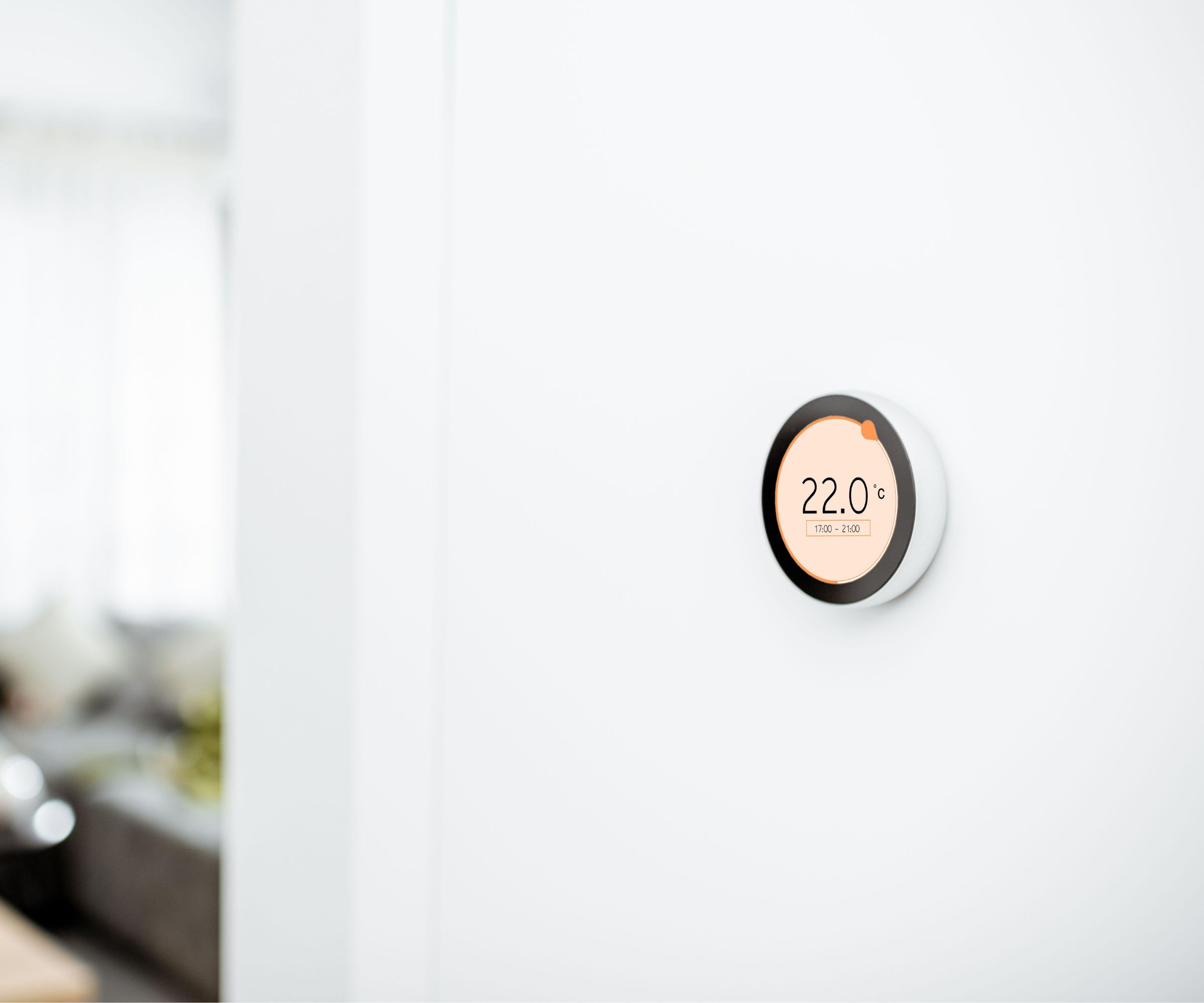
One fundamental aspect involves efficient heating system usage. Older heating systems often operate irrespective of occupancy, leading to wasted energy. Modern smart heating systems, controllable via smartphone, allow users to activate heating only when approaching home, which can be retrofitted. Additionally, closing vents in unoccupied areas of the home prevents unnecessary heating of unused spaces.
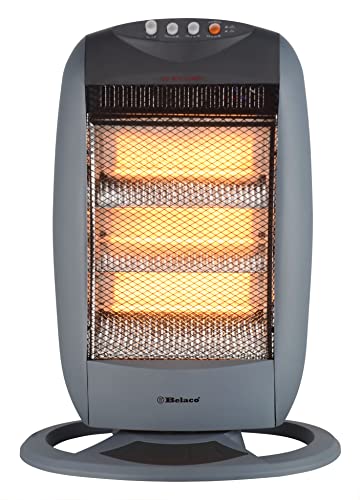
Understanding appliance energy consumption is also crucial. Portable electric heaters can be effective for localized heating, but their wattage, directly correlating to electricity usage, should be considered. A simple calculation comparing wattage, usage duration, and electricity cost can help determine if more energy-efficient alternatives exist.
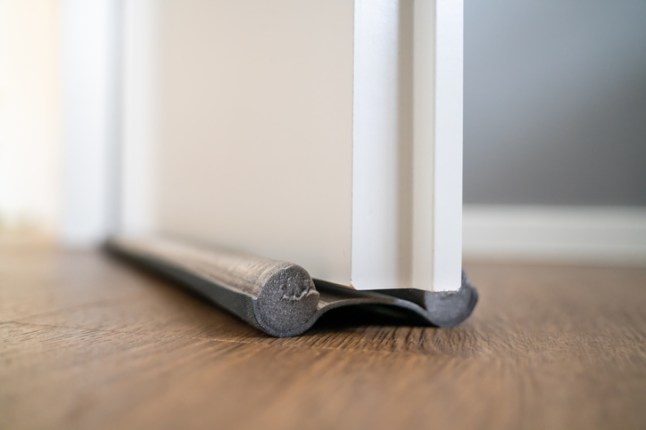
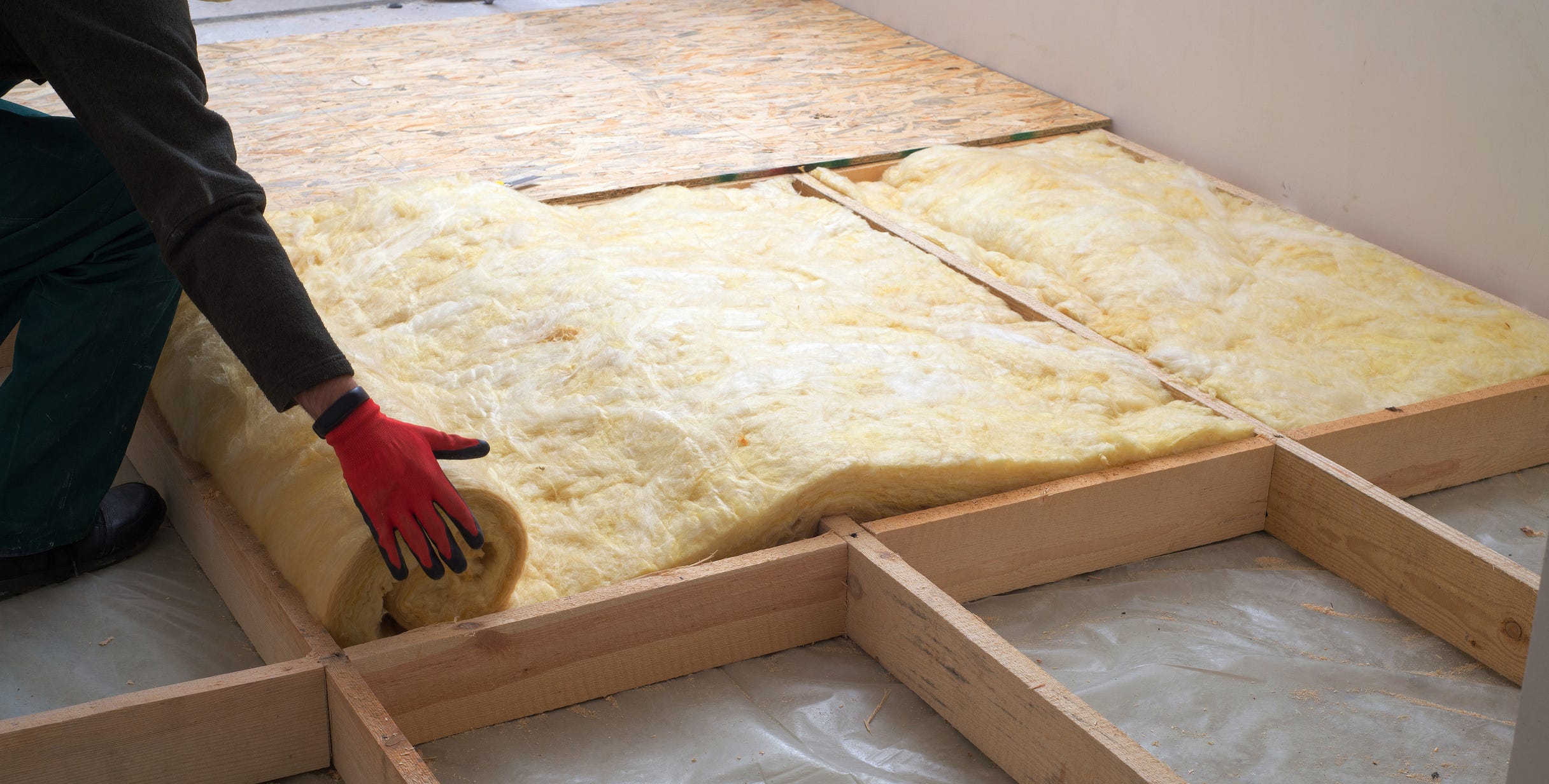
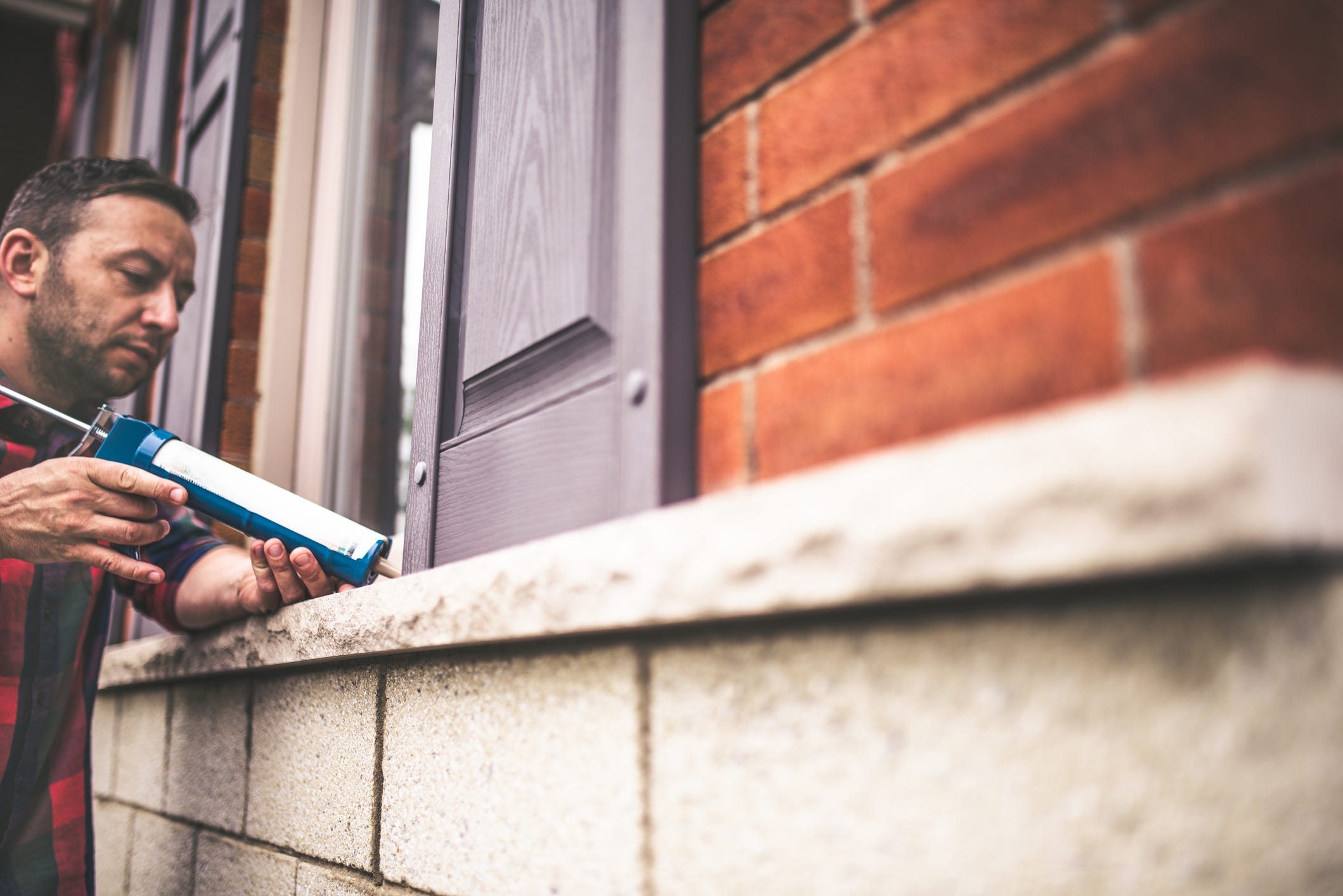
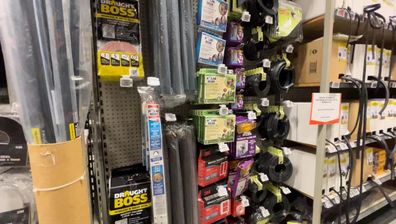
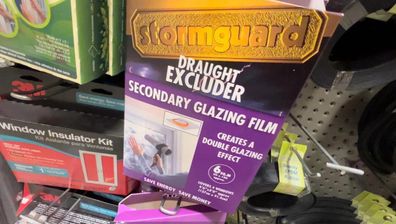
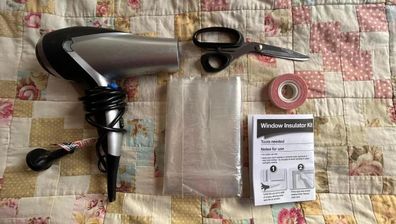
Insulation plays a vital role in maintaining a comfortable indoor temperature. A well-insulated home minimizes heat loss in winter and blocks heat entry in summer. Even minor adjustments, such as sealing drafts around windows and doors, can significantly reduce cold air infiltration. Retrofitting insulation can further enhance energy efficiency and reduce heating expenses.
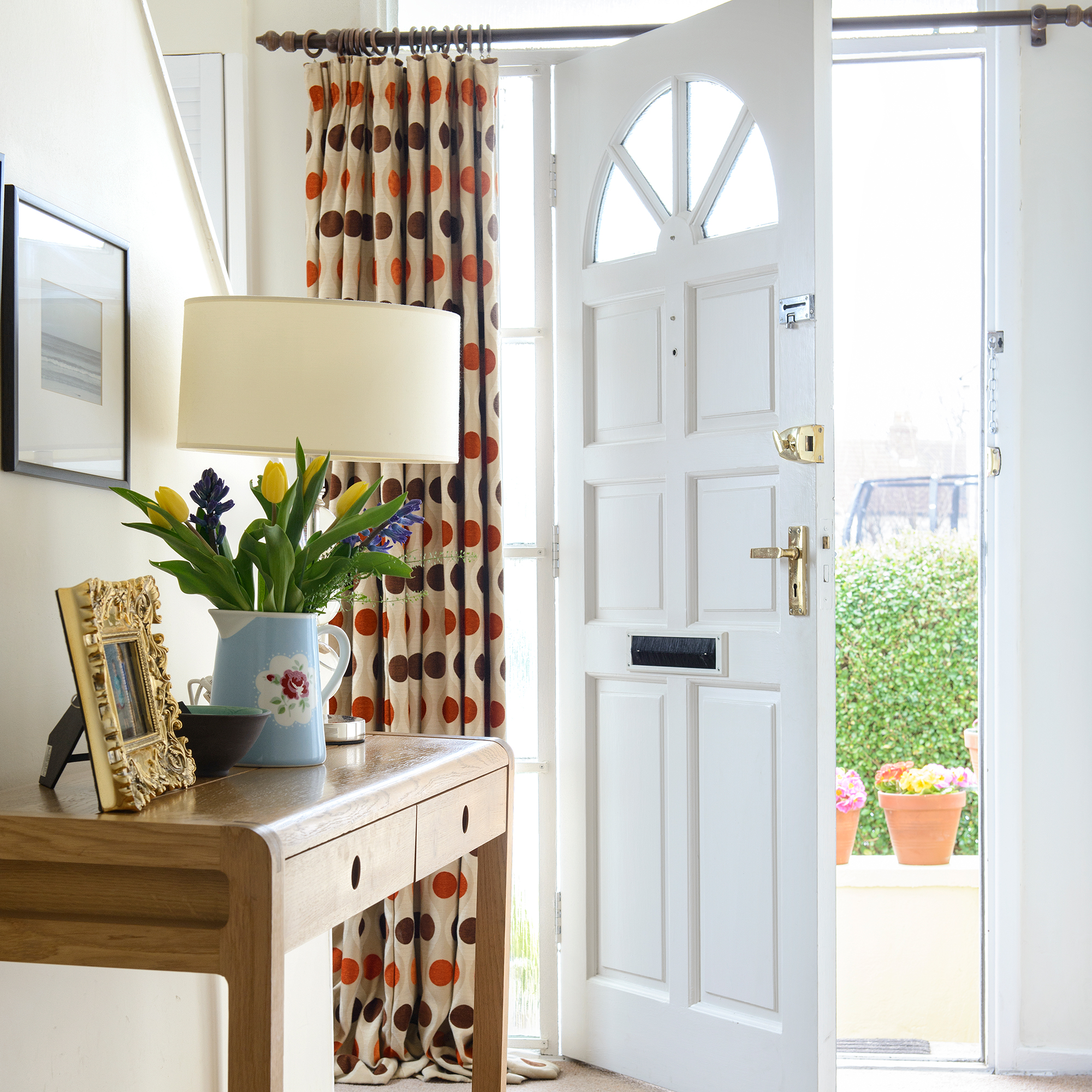
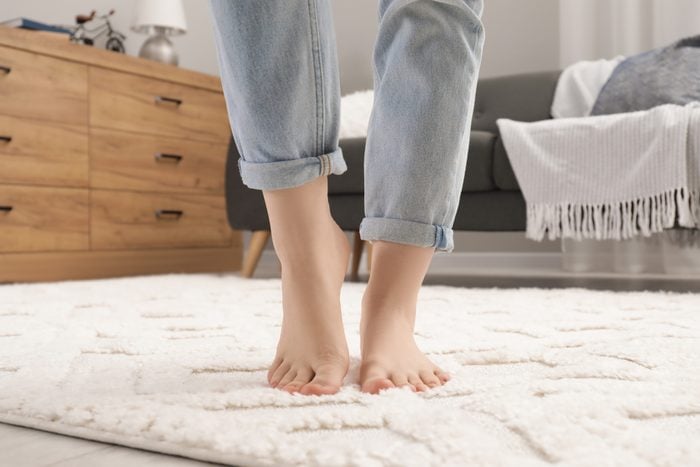
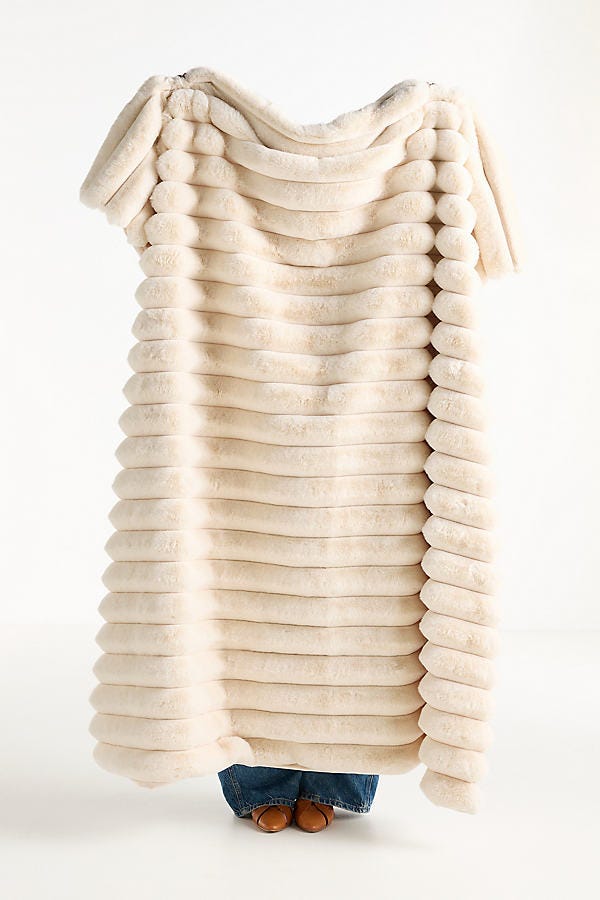
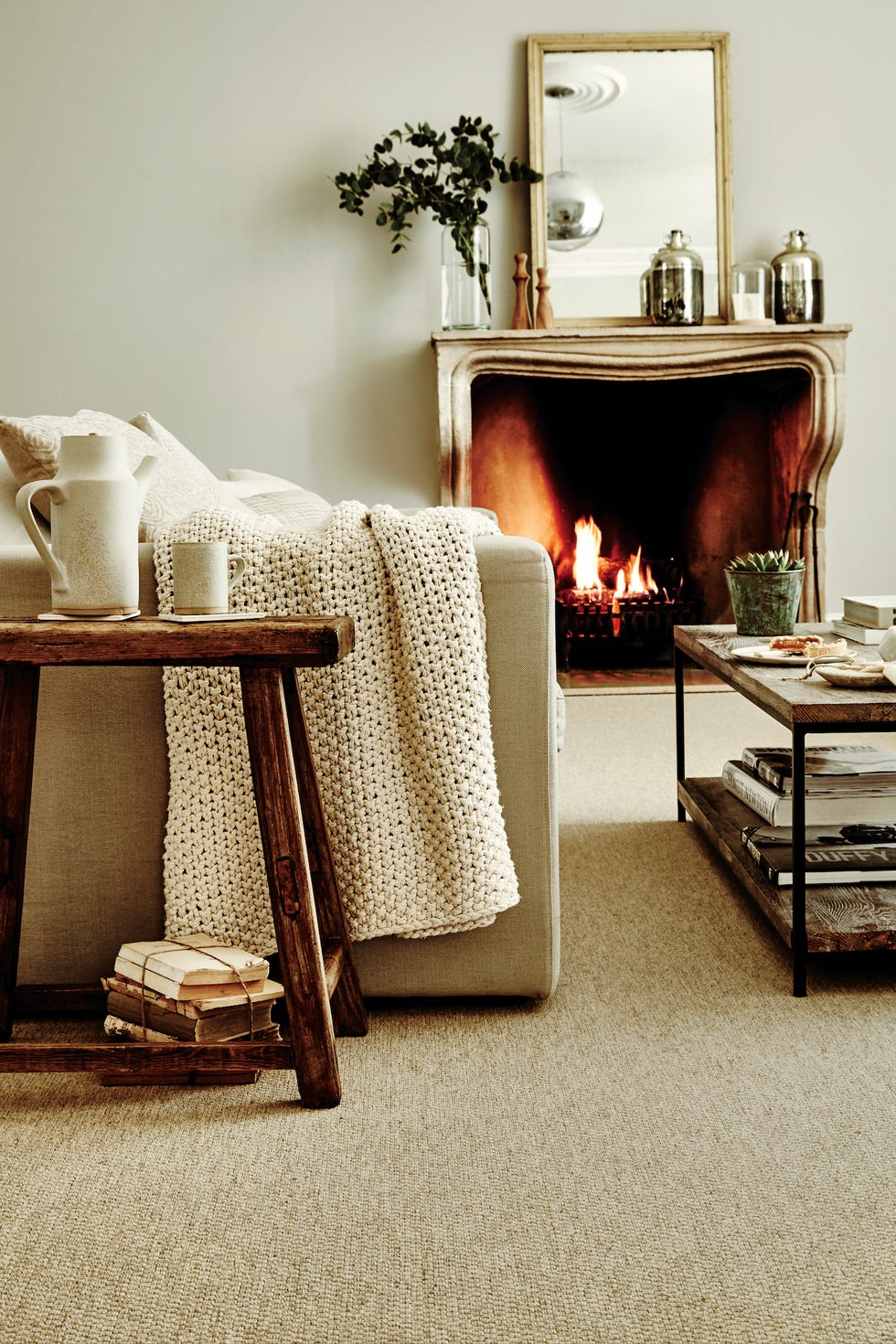
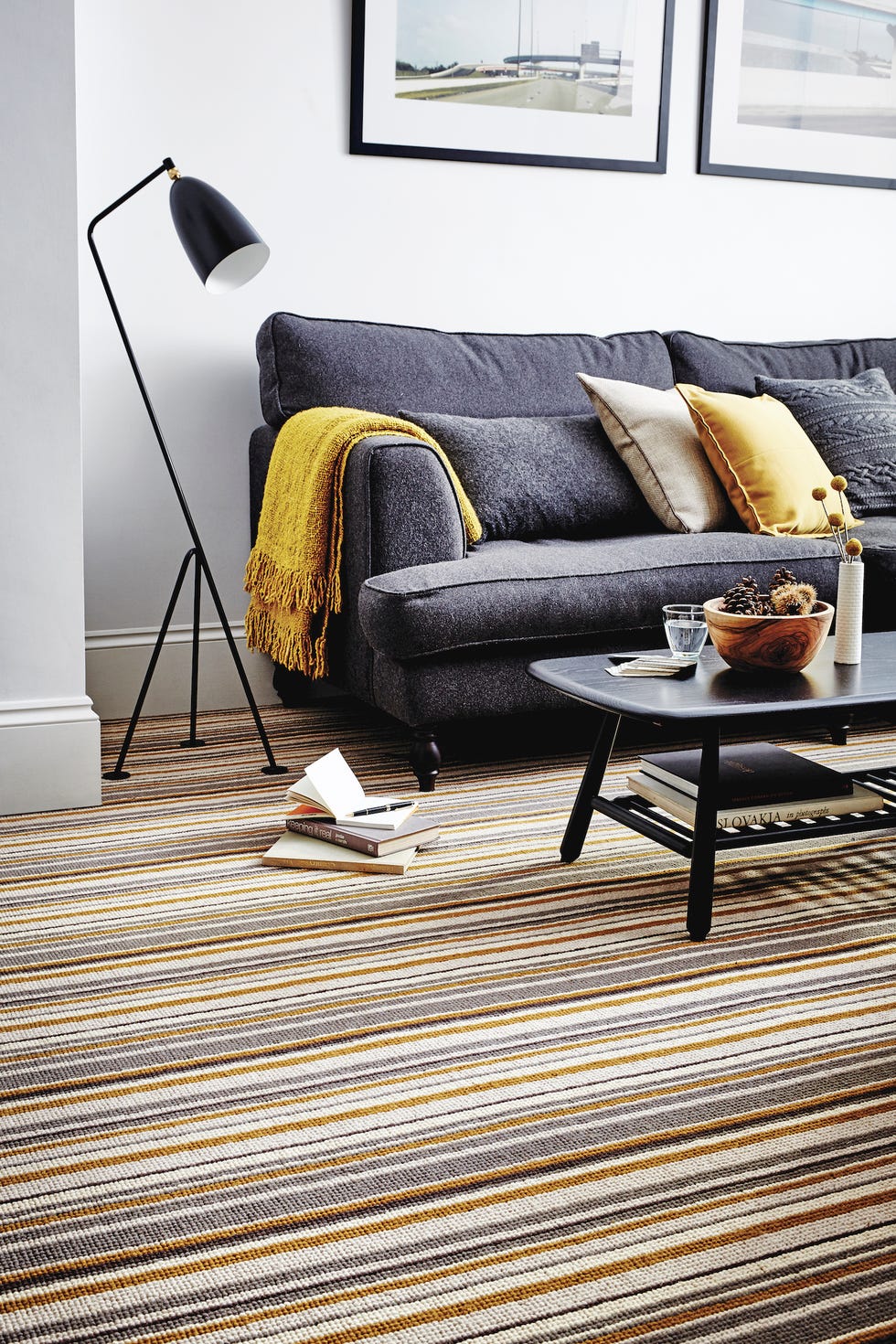
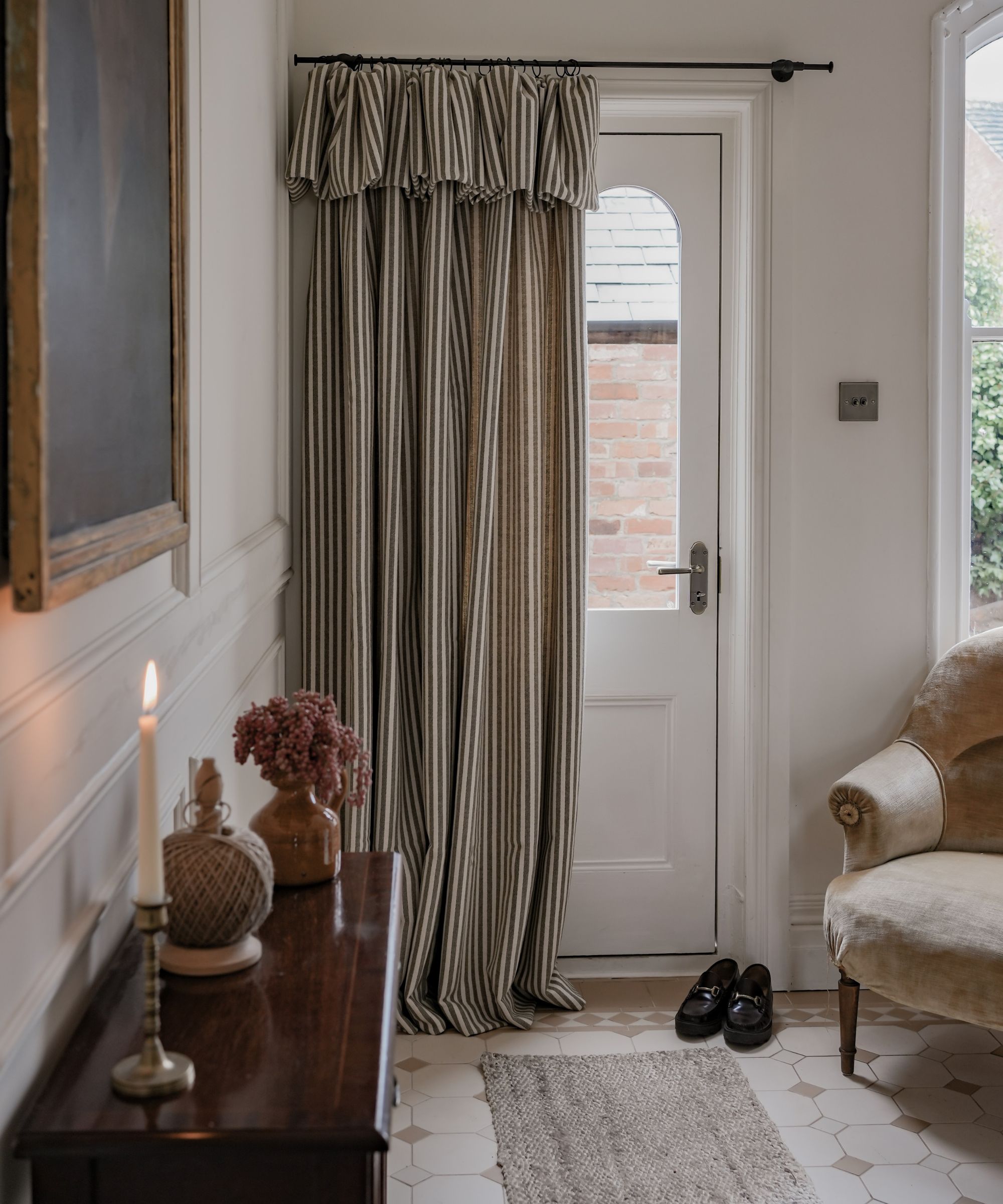
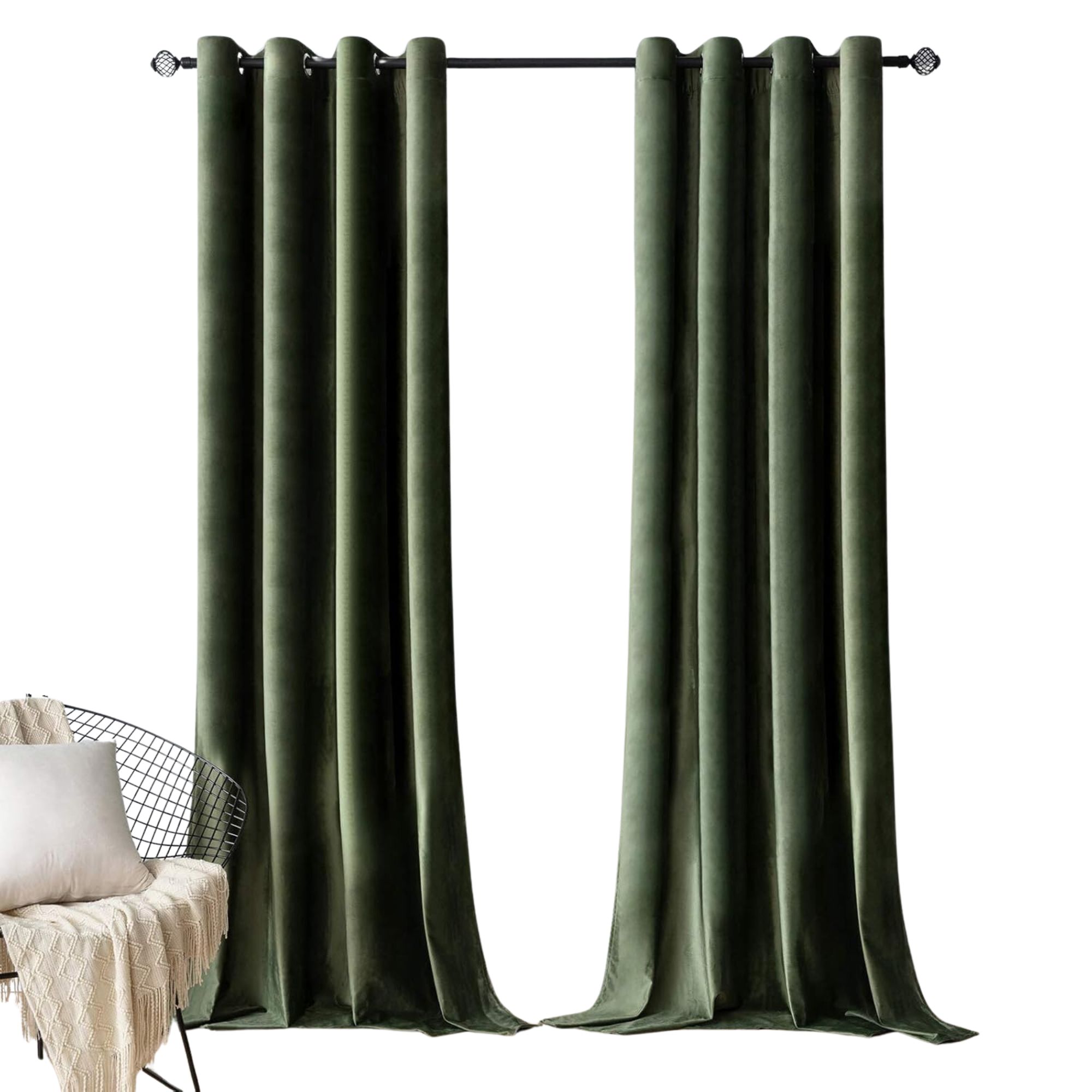
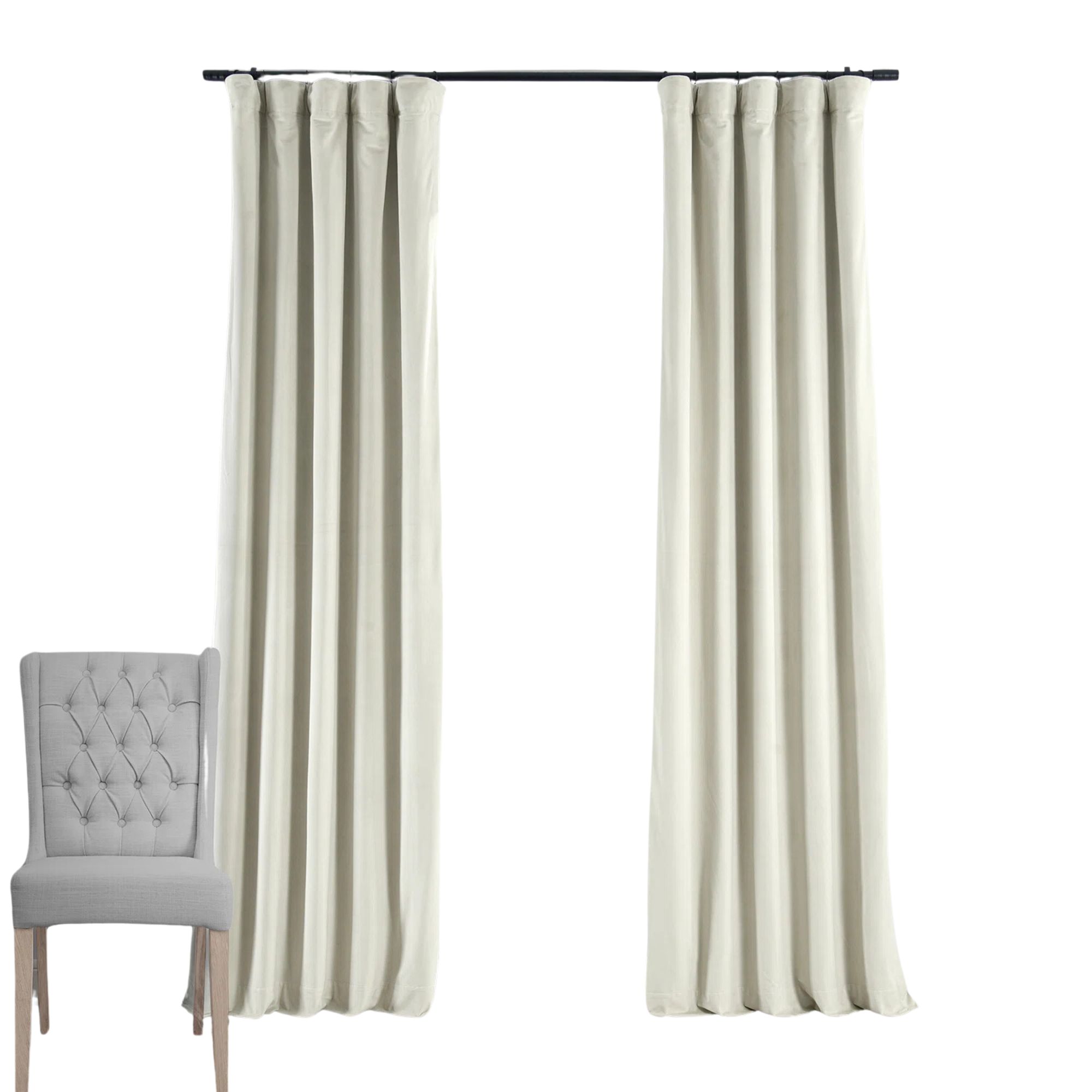
Strategic interior design can also contribute to warmth. Soft furnishings like window covers and rugs not only add a sense of cosiness but also help trap heat. Maximizing natural sunlight by opening curtains during the day allows solar heat to warm the home, reducing reliance on artificial heating and consequently lowering energy bills.
Heat pumps, also known as reverse-cycle air conditioners, offer both cooling and heating functionalities. They remove heat from the home for cooling and absorb cold air from outside to produce warm air for heating. Their energy efficiency can help prevent spikes in energy bills.
For those undertaking home renovations or new constructions, considering thermal performance improvements is opportune. Consulting architects or builders about options like enhanced insulation or double-glazed windows can lead to long-term energy savings. Shading elements such as eaves, awnings, external blinds, trellises, or strategically planted trees and shrubs can also significantly impact energy costs by blocking solar rays.
To mitigate the upfront costs associated with installing renewable energy products like solar panels, heat-pump hot-water systems, smart thermostats, and battery packs, financial assistance is available. CommBank's Green Loan, for eligible home-loan customers, offers a low, secured, fixed rate with no establishment or early repayment fees.
Leveraging solar energy can further reduce heating expenses. Installing solar with a home battery allows for self-generation of electricity. The Australian Energy Council estimates a typical payback period of 3-5 years for a 5kW solar system in a major city. Furthermore, joining energy providers like Amber Electric, which offers access to wholesale energy pricing via an app, enables consumers to monitor energy prices in near real-time and adjust consumption patterns to minimize bills. Eligible CommBank Yello customers may also access exclusive offers from Amber.
#WinterWarmth #EnergyEfficiency #HomeInsulation #HeatingSolutions #RenewableEnergy #SmartHome #EnergySavings #HomeRenovation #ThermalPerformance #WinterWarmth #EnergyEfficiency #HomeInsulation #HeatingSolutions #RenewableEnergy #SmartHome #EnergySavings #HomeRenovation #ThermalPerformance
0 комментариев всего
 Комментариев пока нет
Вам также может понравиться

7 easy and efficient ways to keep your house warm this winter
17 Tips and Hacks to Help Keep Your House Warm This Winter

How to Winterize Your House And Save Yourself Thousands in Repairs Later

6 Expert-Backed Ways to Keep Cold Air—and High Energy Bills—Out of Your House This Winter

How to keep your house warm in winter — 29 budget-friendly and easy ways to stay cosy
It's Time to Prepare Your Home for Winter With These 10 Quick, Easy Ways

5 Ways to Streamline Your Wardrobe to Make Room for Cold Weather


7 curtain hacks for a warmer home this winter

The must-have items to get you through winter
Top 10 Winter Energy Saving Tips

Stay toasty this winter with a pure wool carpet

I used to struggle to keep my open plan layout warm in winter — but these 4 methods now keep it cosy all day long

Heat your home efficiently this winter
Get Ready for Colder Weather—These Throw Blankets Will Keep You Cozy All Winter Long
This $8 hack to keep the cold out works almost as well as double glazing
6 affordable ways to heat your bathroom in winter

9 cheap ways to heat your home this winter for under £10 each

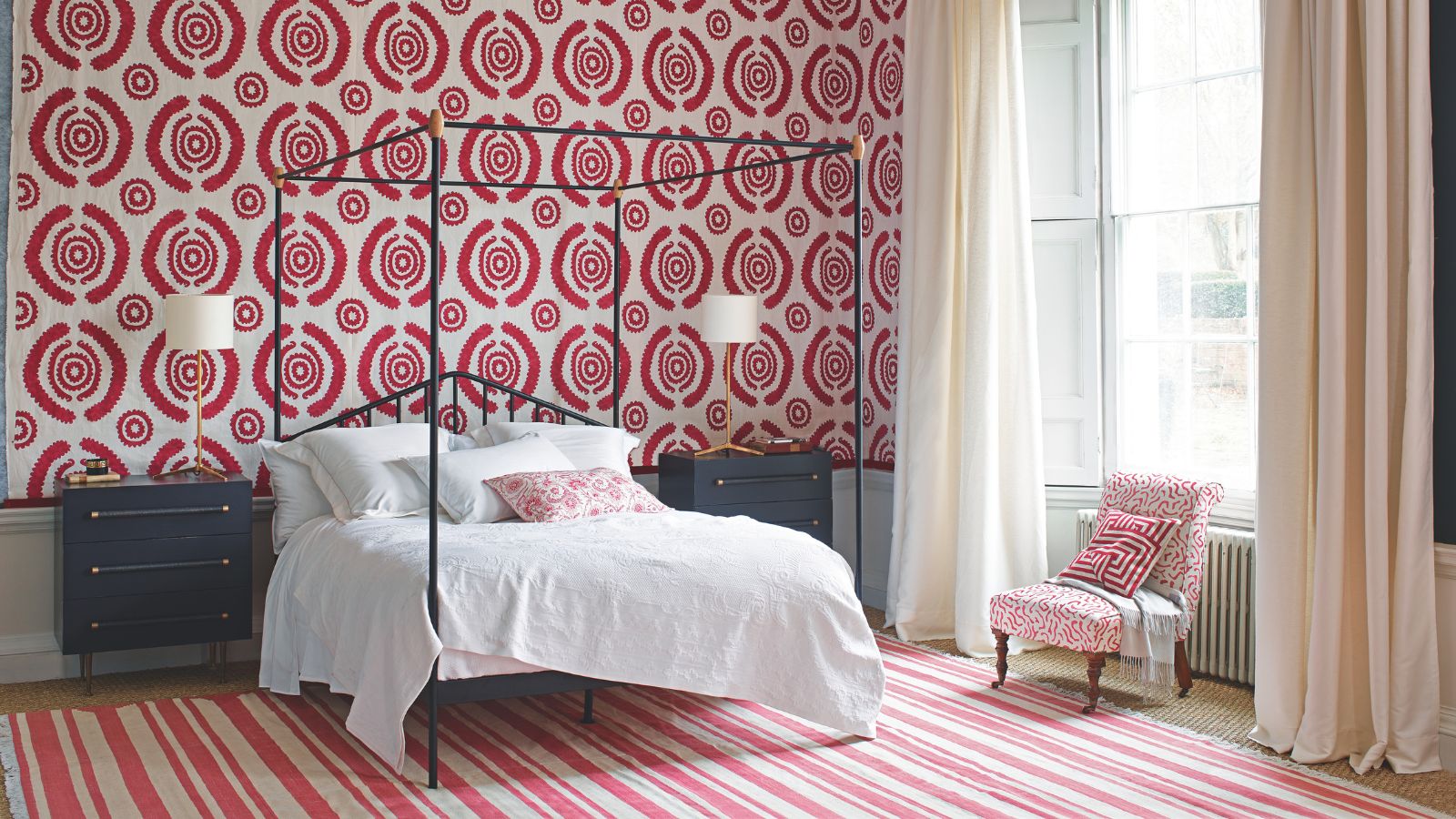
Fed Up with Chilly Nights? HVAC Pros Reveal One Quick and Free Bedroom Tweak to Keep You Warmer Without Raising Bills
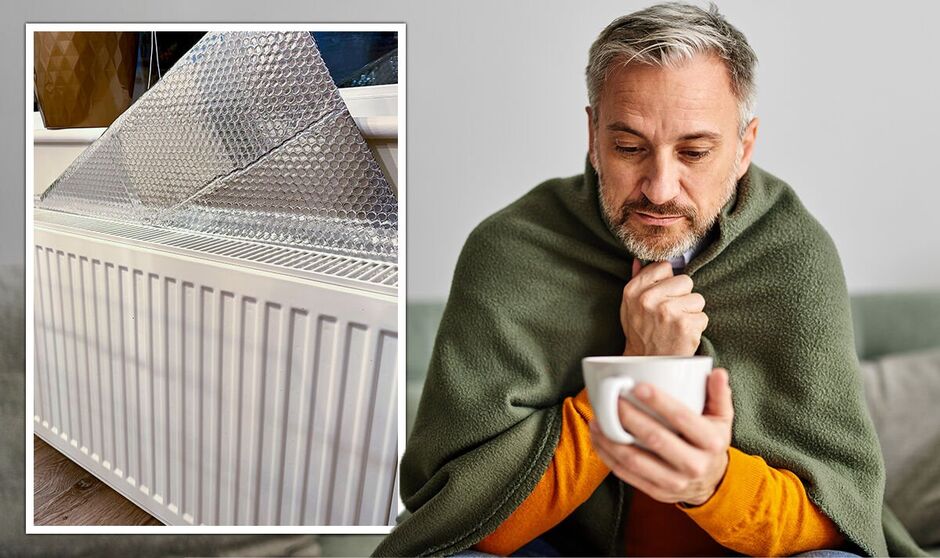
£14 heating trick has kept my house warm and thermostat lower as energy bills set to rise
Styling Tips For Winter Wellness