1/10
10 Biophilic Living Room Ideas That Look and Feel Good — "They Inherently Make Us Feel Grounded"
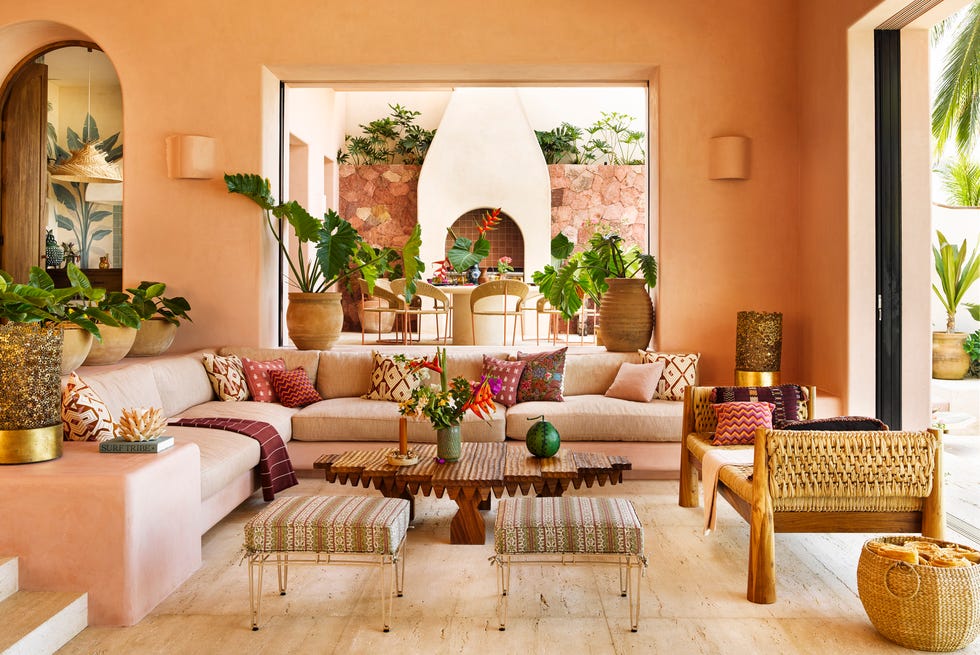
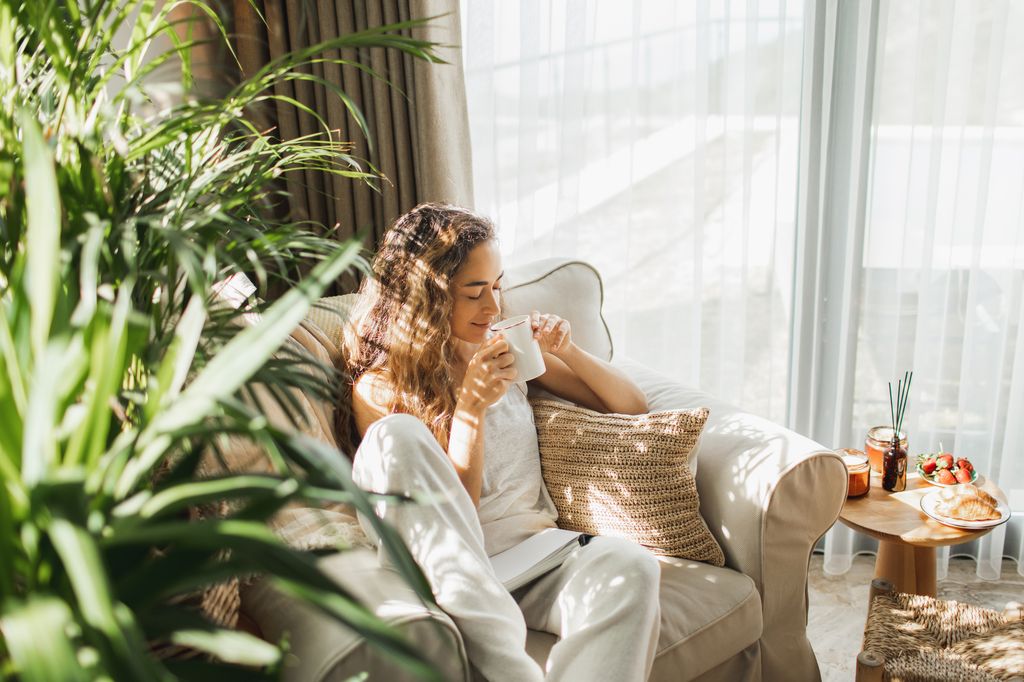
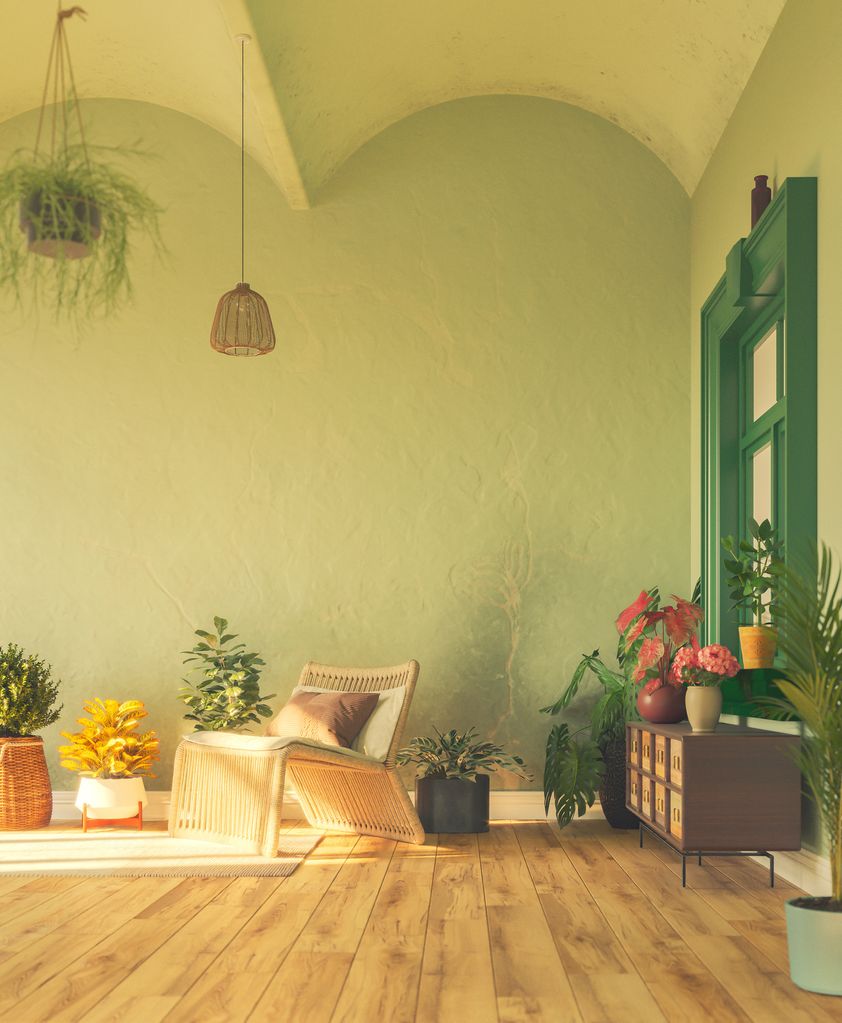
This article explores ten biophilic design ideas for living rooms, focusing on creating spaces that inherently feel grounded and inviting. The core principle of biophilic design is to connect inhabitants with nature, thereby promoting well-being and comfort. The author, Marianna Popejoy, a biophilic designer, emphasizes that this approach is not one-size-fits-all, encouraging readers to identify natural elements they find soothing or invigorating and integrate them into their homes.
The first key idea is to prioritize functionality. Before incorporating any biophilic elements, it's crucial to understand how the living room will be used. This foundational step helps in thoughtfully integrating natural components that align with the room's purpose, whether it's a multi-functional family space or a dedicated relaxation area. By listing essential functions, design decisions can be guided effectively, preventing impulsive choices.
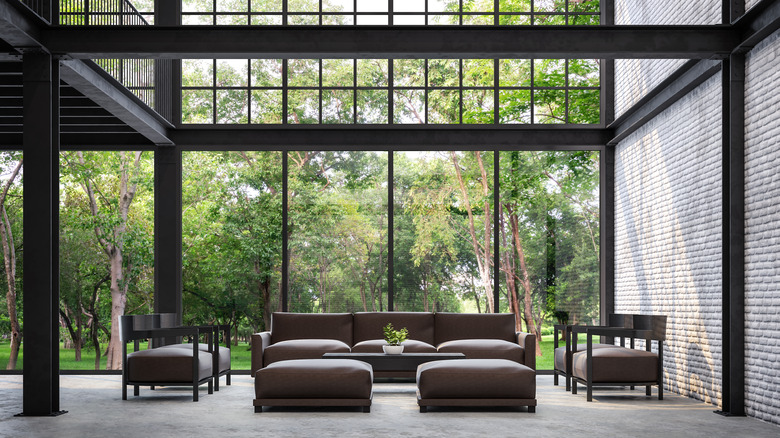
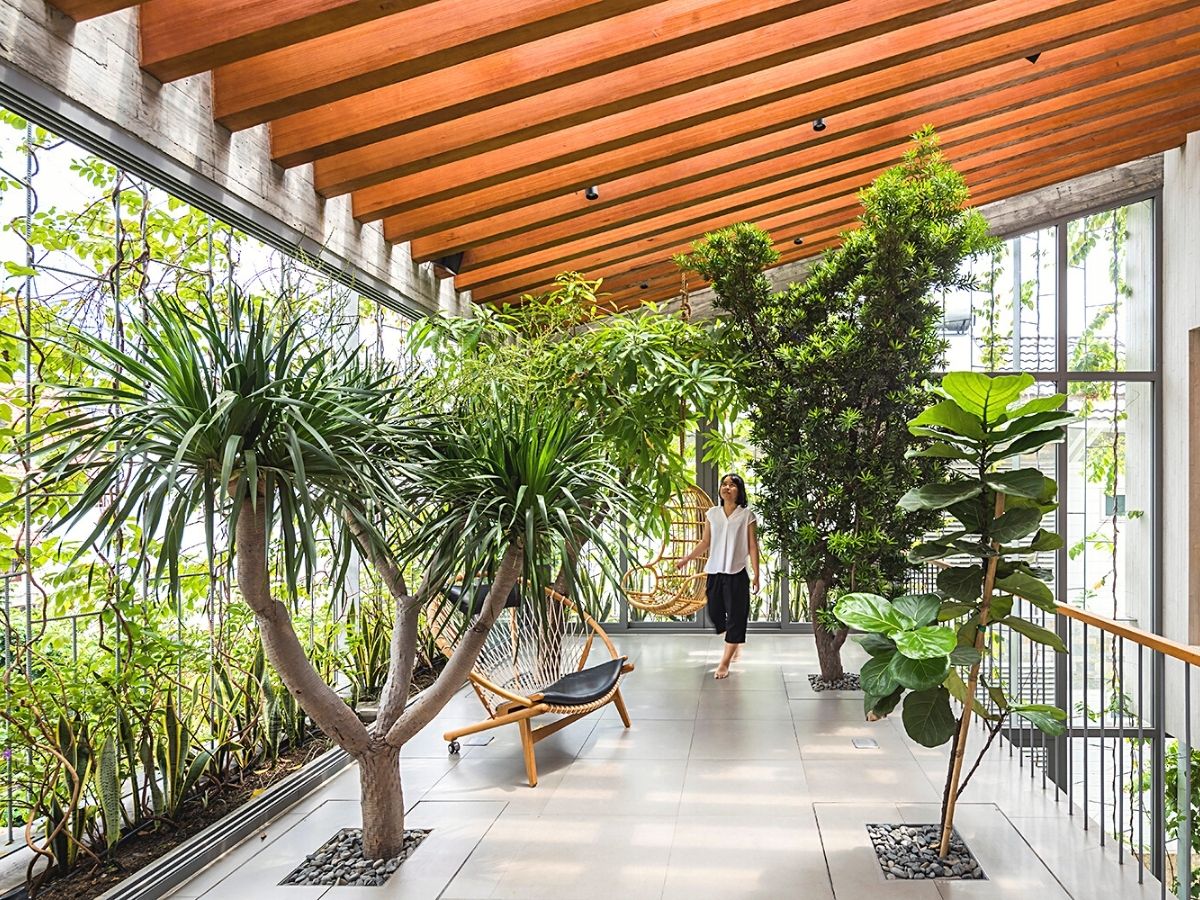
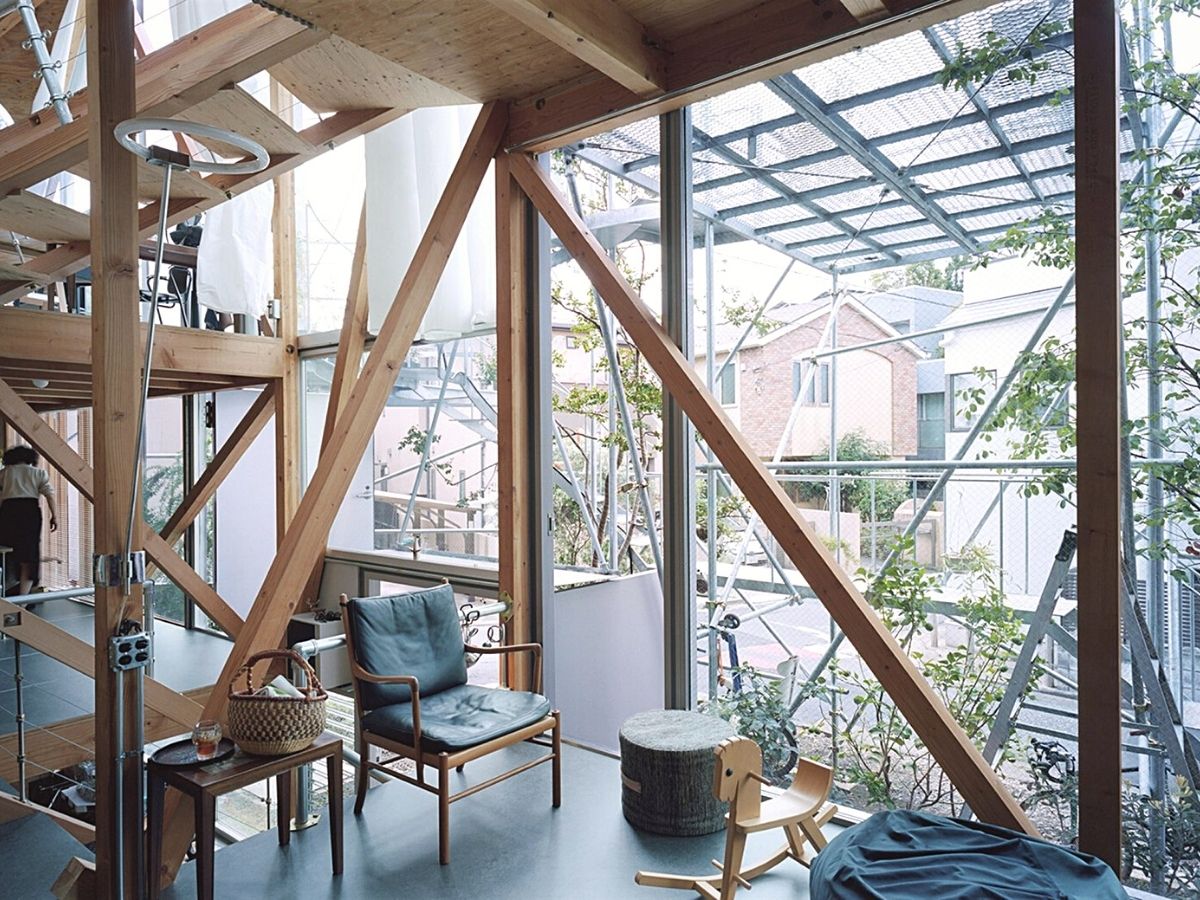
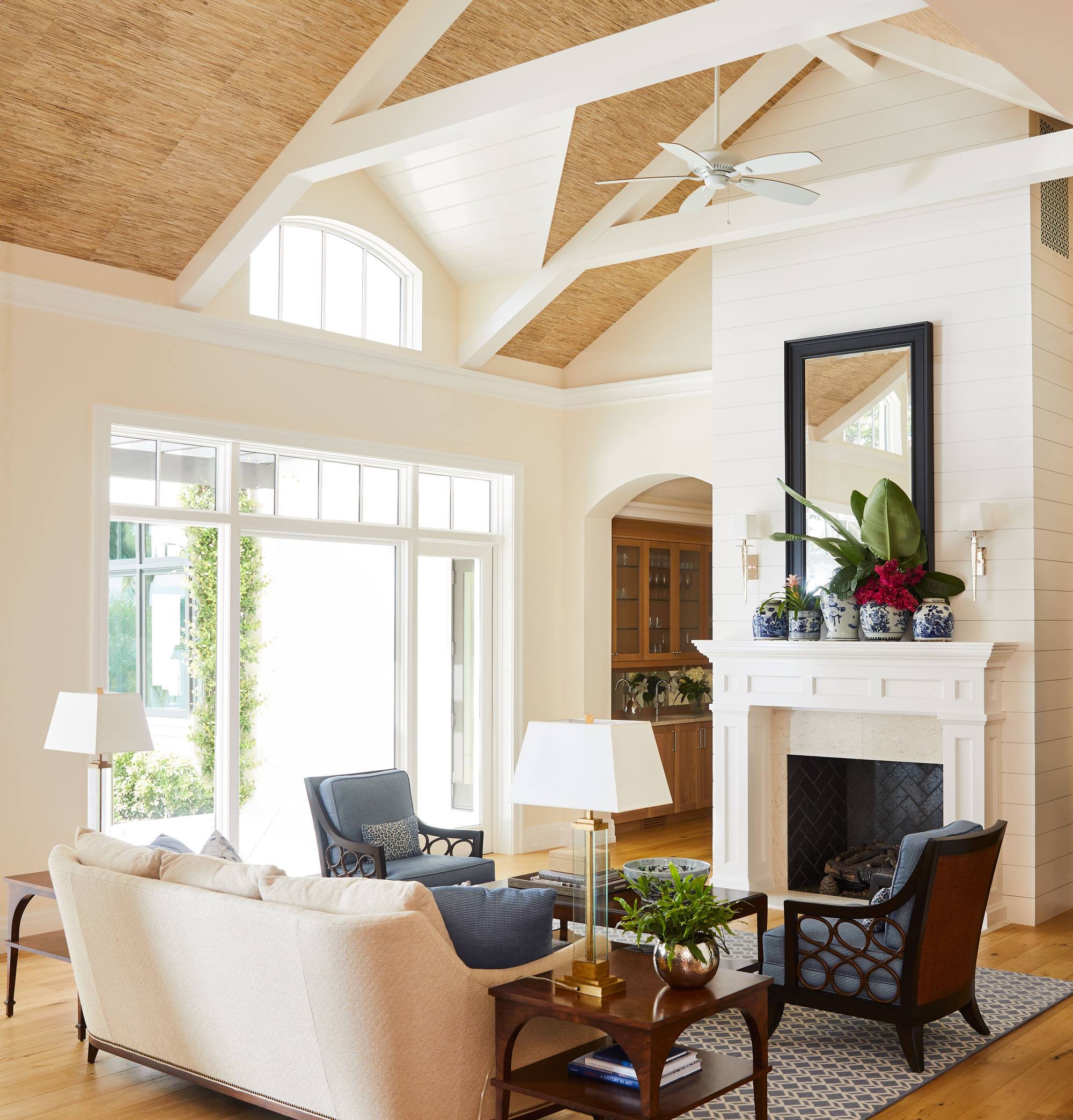
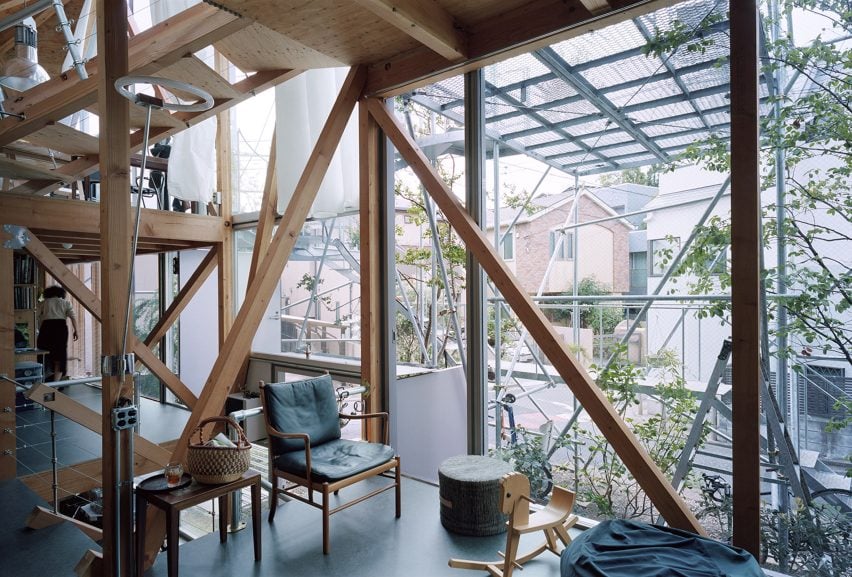
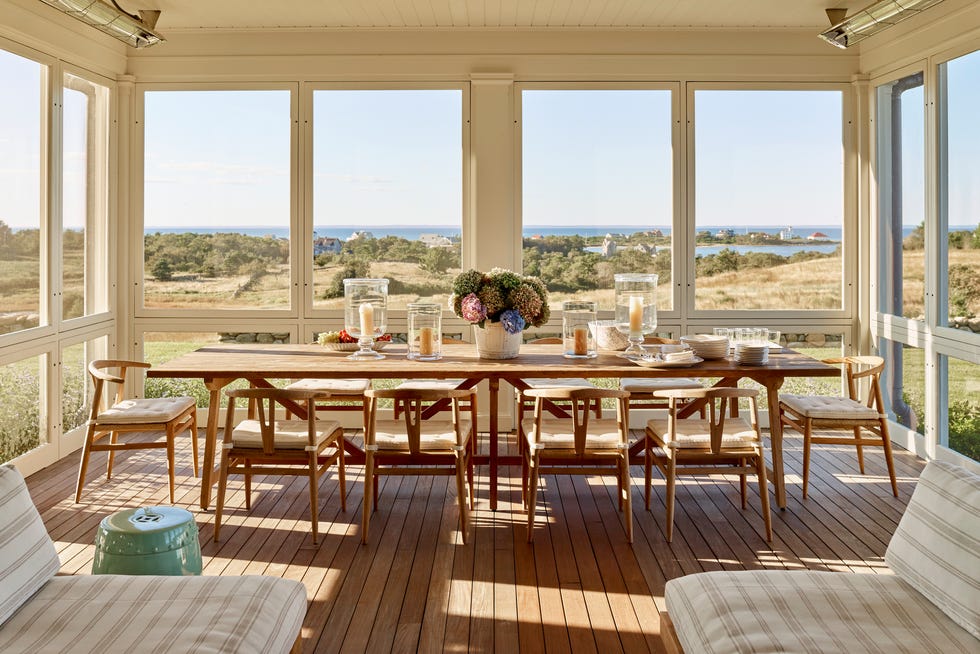
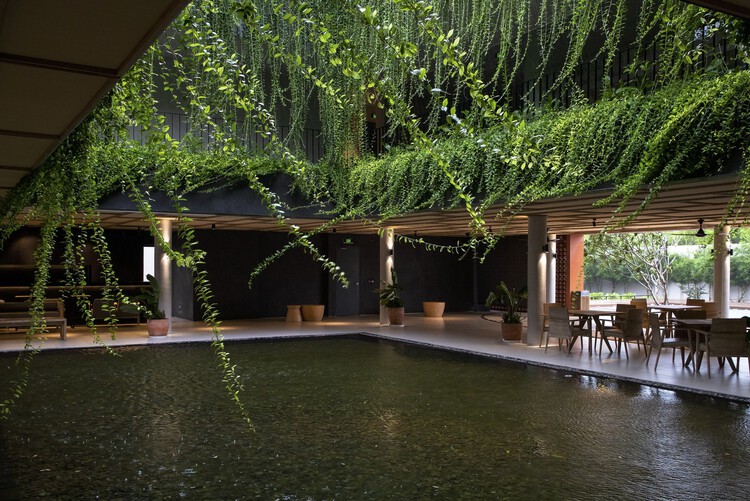
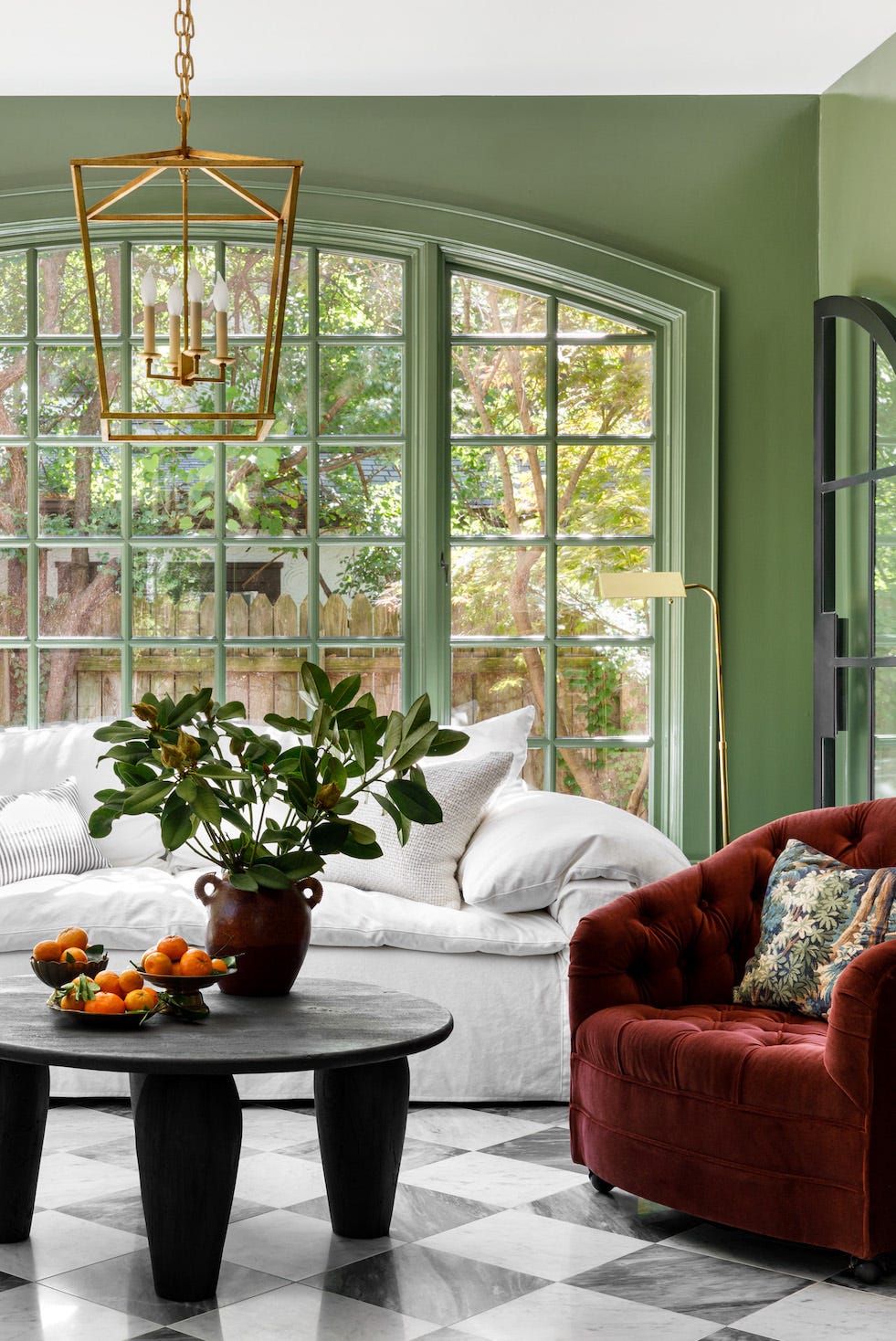
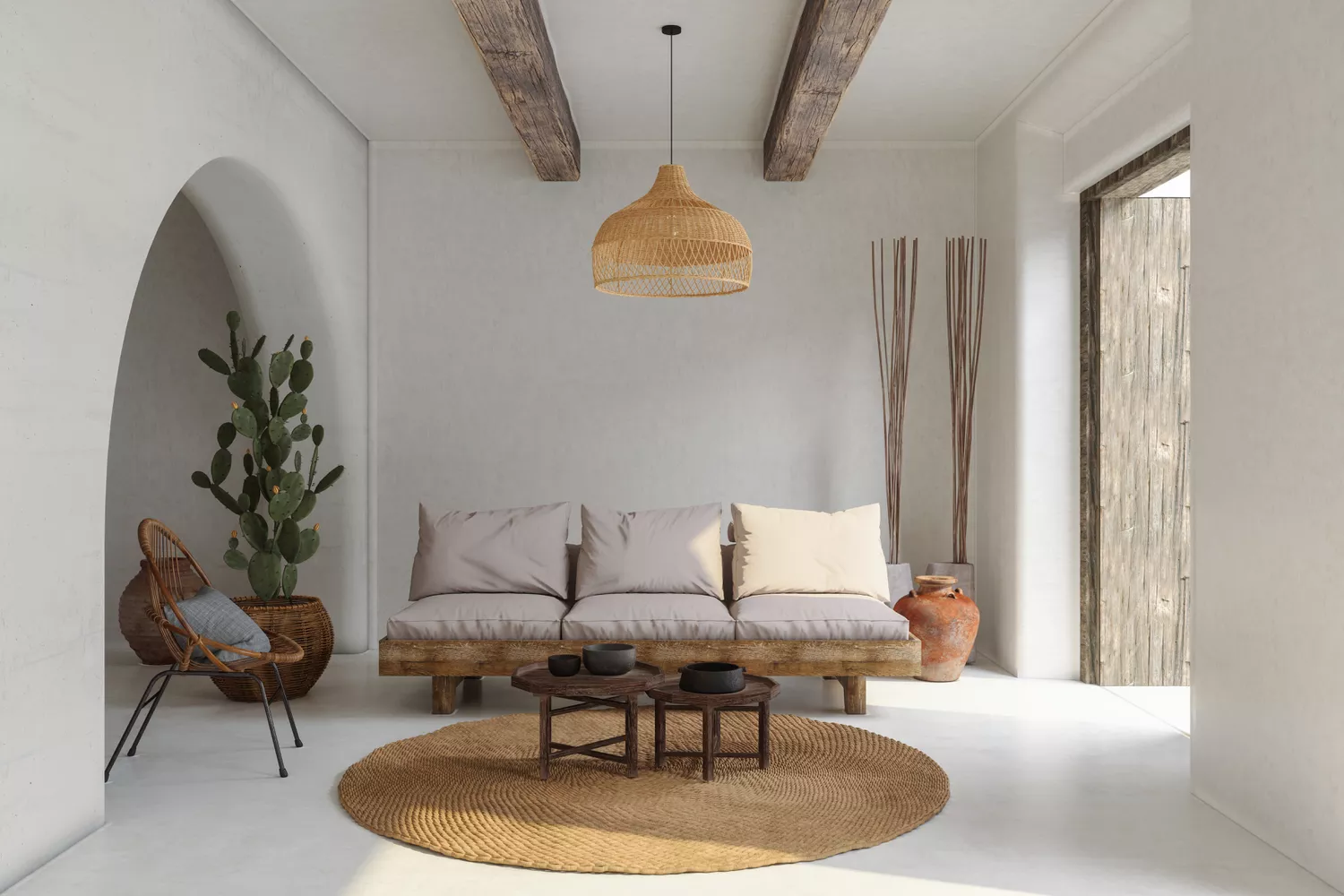
The concept of 'prospect and refuge' is central to creating a cozy and inviting biophilic living room. This involves designing the space to offer both expansive views (prospect) and protected areas (refuge). Features like overhead cover, such as timber ceiling beams, or a wall/screen behind seating, contribute to a sense of security and enclosure. For open-plan spaces, clever zoning or paneling can create a similar cocooning effect, allowing occupants to feel tucked away from distractions.
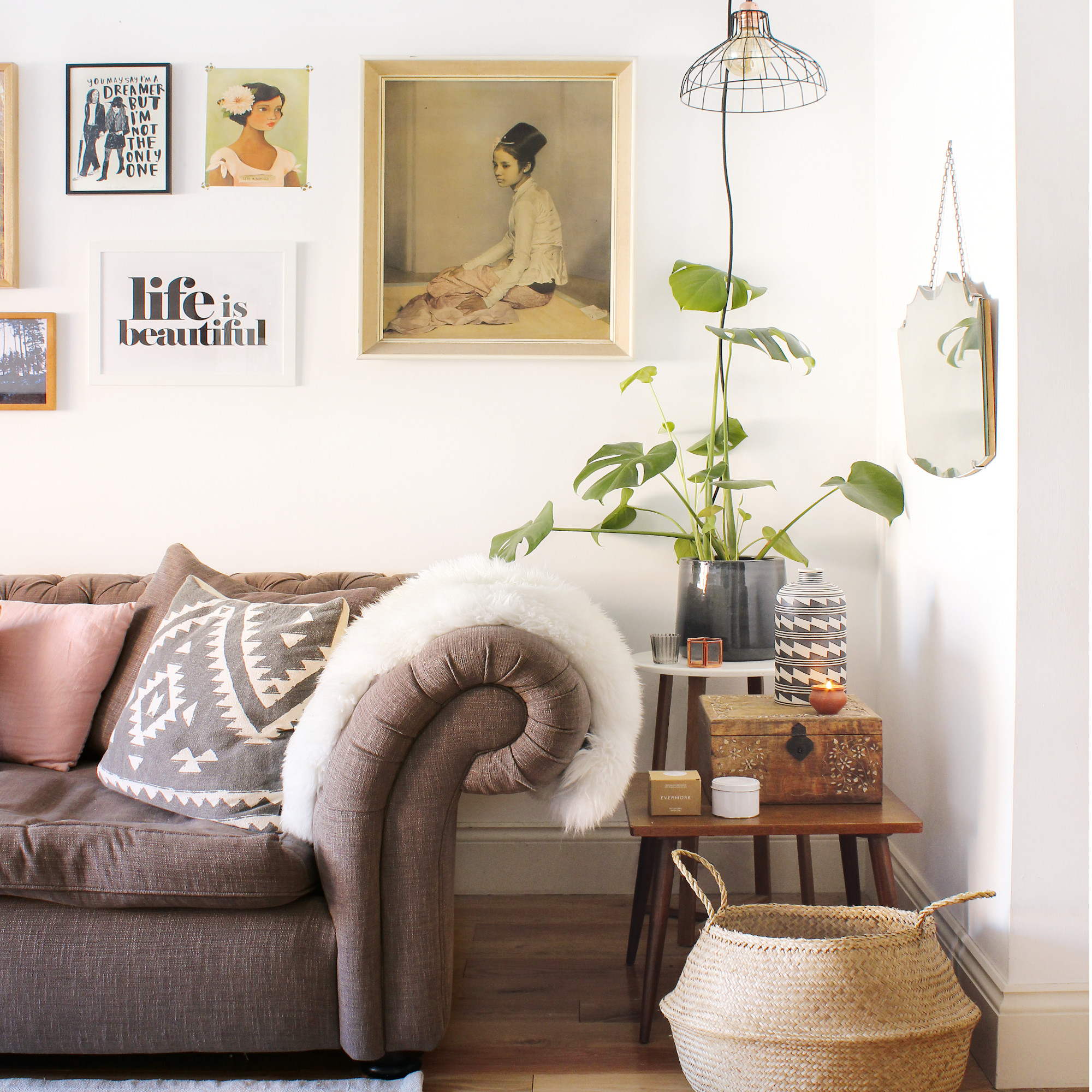
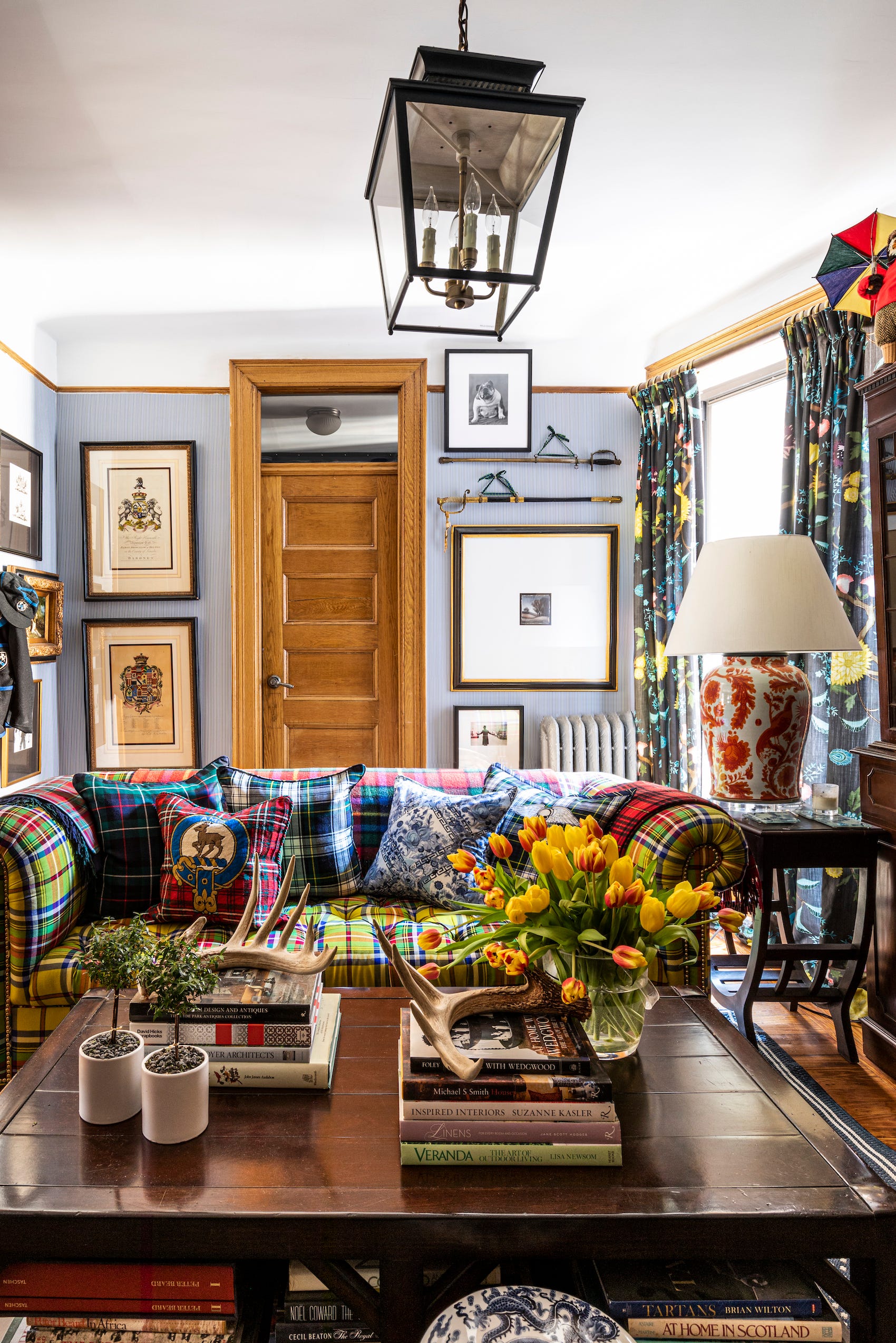
Adding a sense of place through vintage items is another recommendation. Thrifting vintage furniture, especially pieces that evoke memories or have historical significance, not only adds character but also supports environmental sustainability. Vintage ceramics and art can further enhance the room's character, particularly in architecturally modern spaces that might lack inherent structural features, making the living room feel more lived-in and loved.
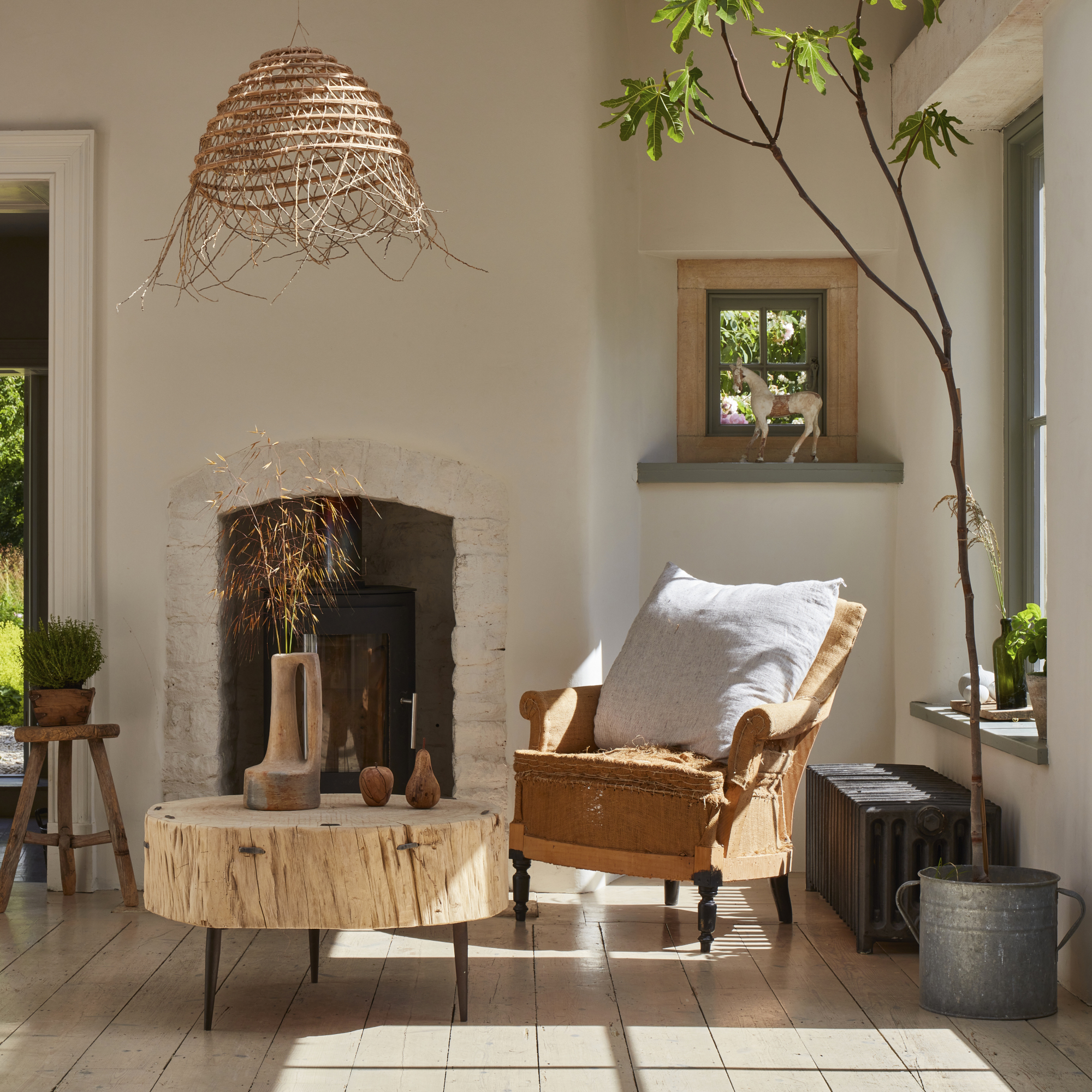
Emulating nature's 'golden hour' through lighting is crucial for creating a relaxed atmosphere. The article suggests focusing on soft, indirect ambient lighting rather than harsh task lighting. Warm-toned bulbs in table or floor lamps can replicate the calming effect of natural golden hour light. Oversized lamps can act as design statements, and portable lamps offer flexibility to extend the living space outdoors during pleasant evenings.
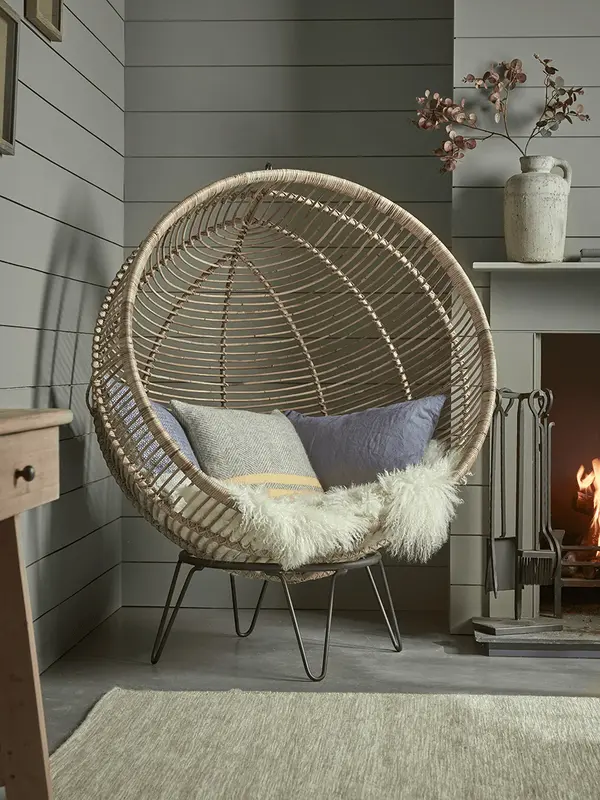
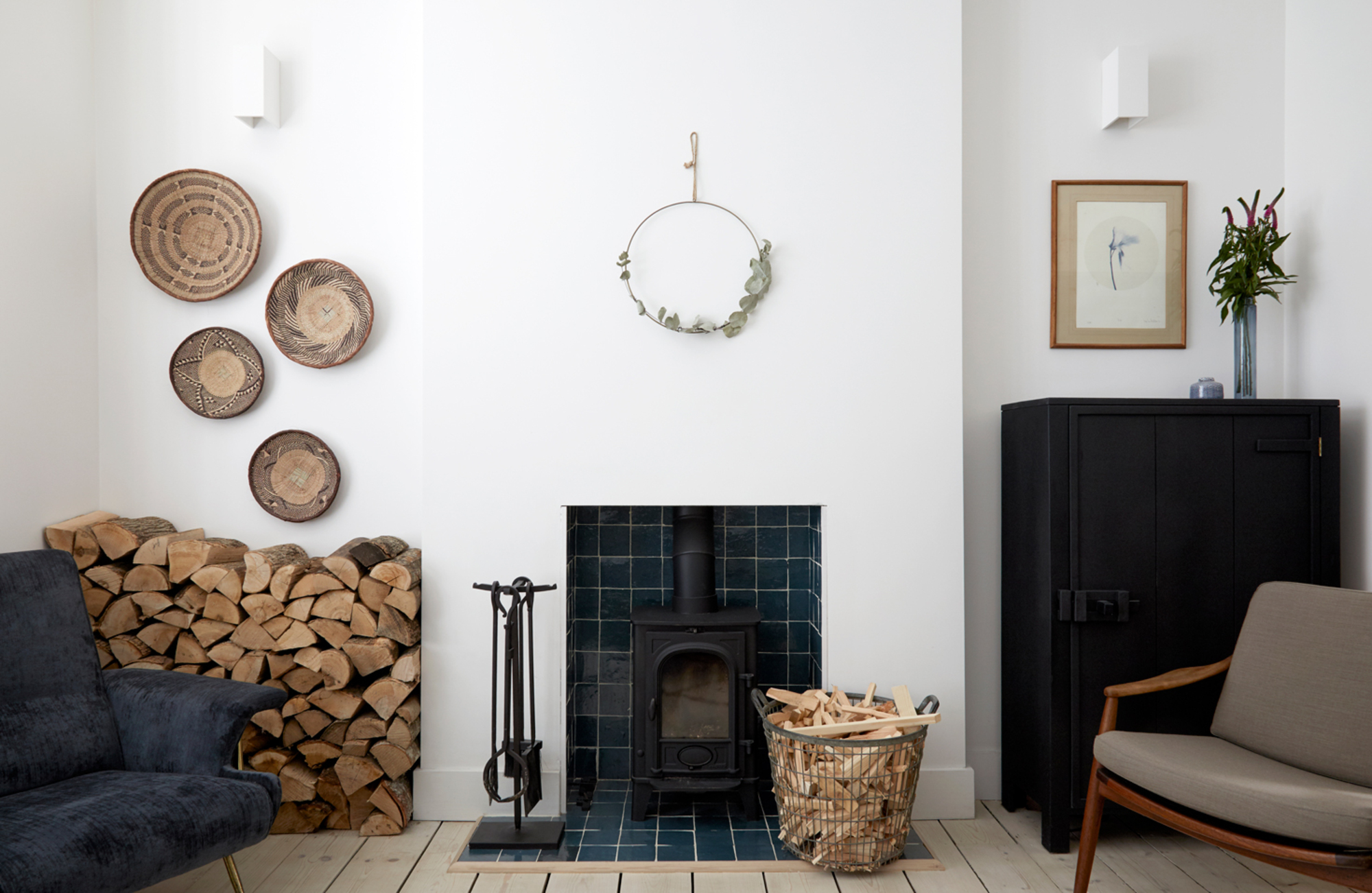
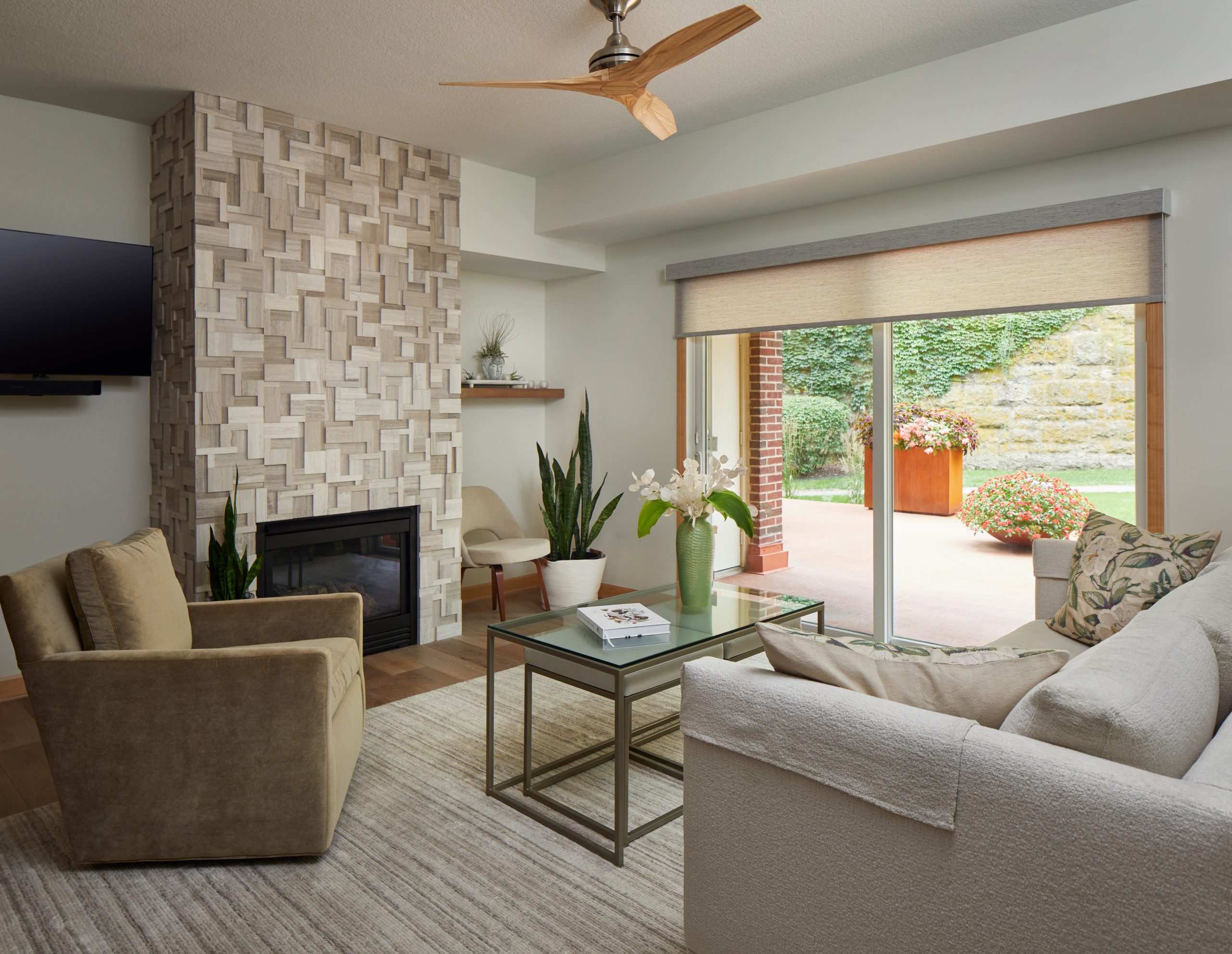
Creating a natural focal point, such as a fireplace, is highlighted. Fire, with its dynamic flickering flames, crackling sounds, and shifting light patterns, provides a rich sensory experience and a grounding element. For homes without traditional chimneys, bioethanol fireplaces offer a contemporary and versatile alternative, allowing for integration into various living room designs without compromising space.
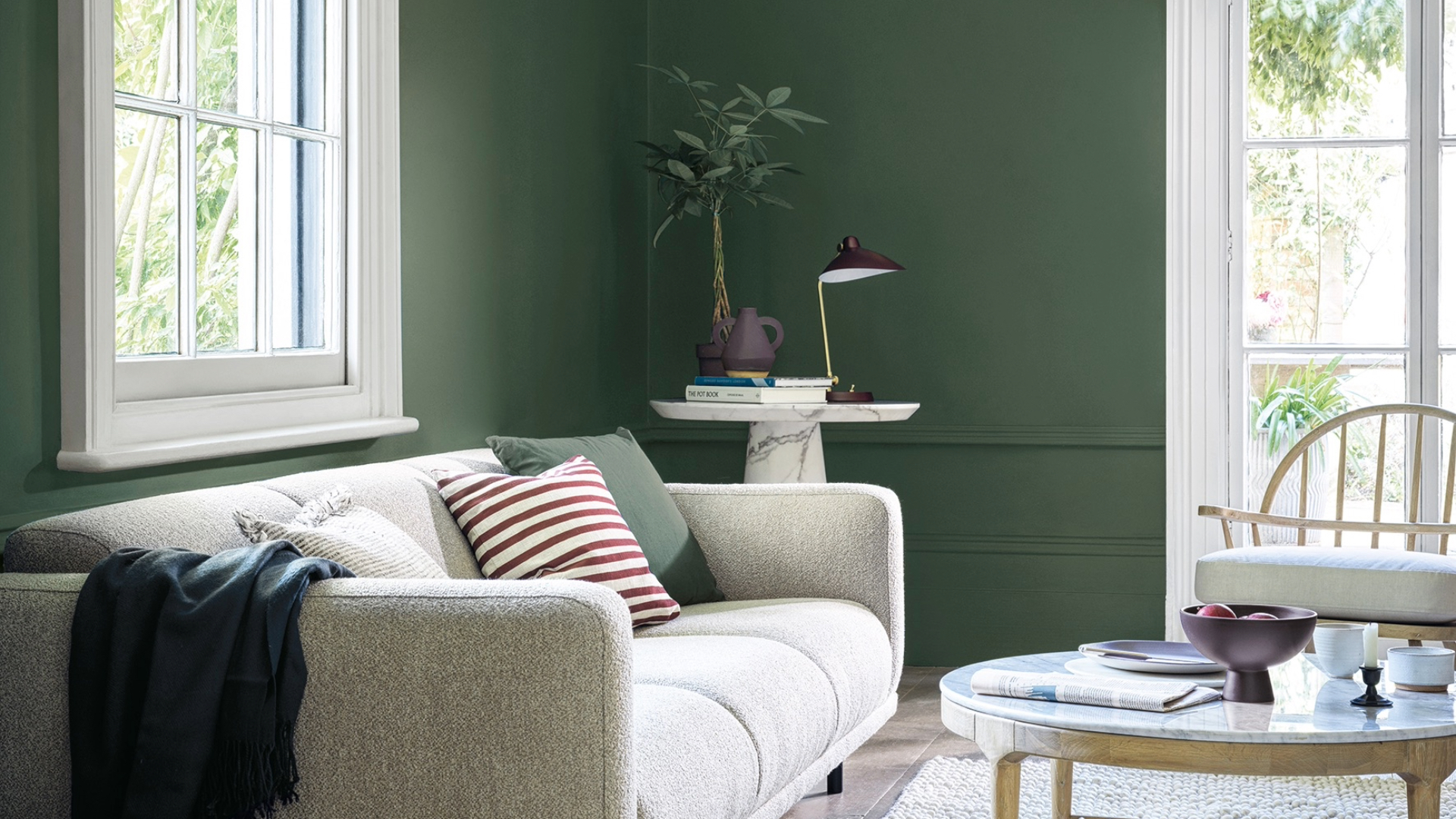
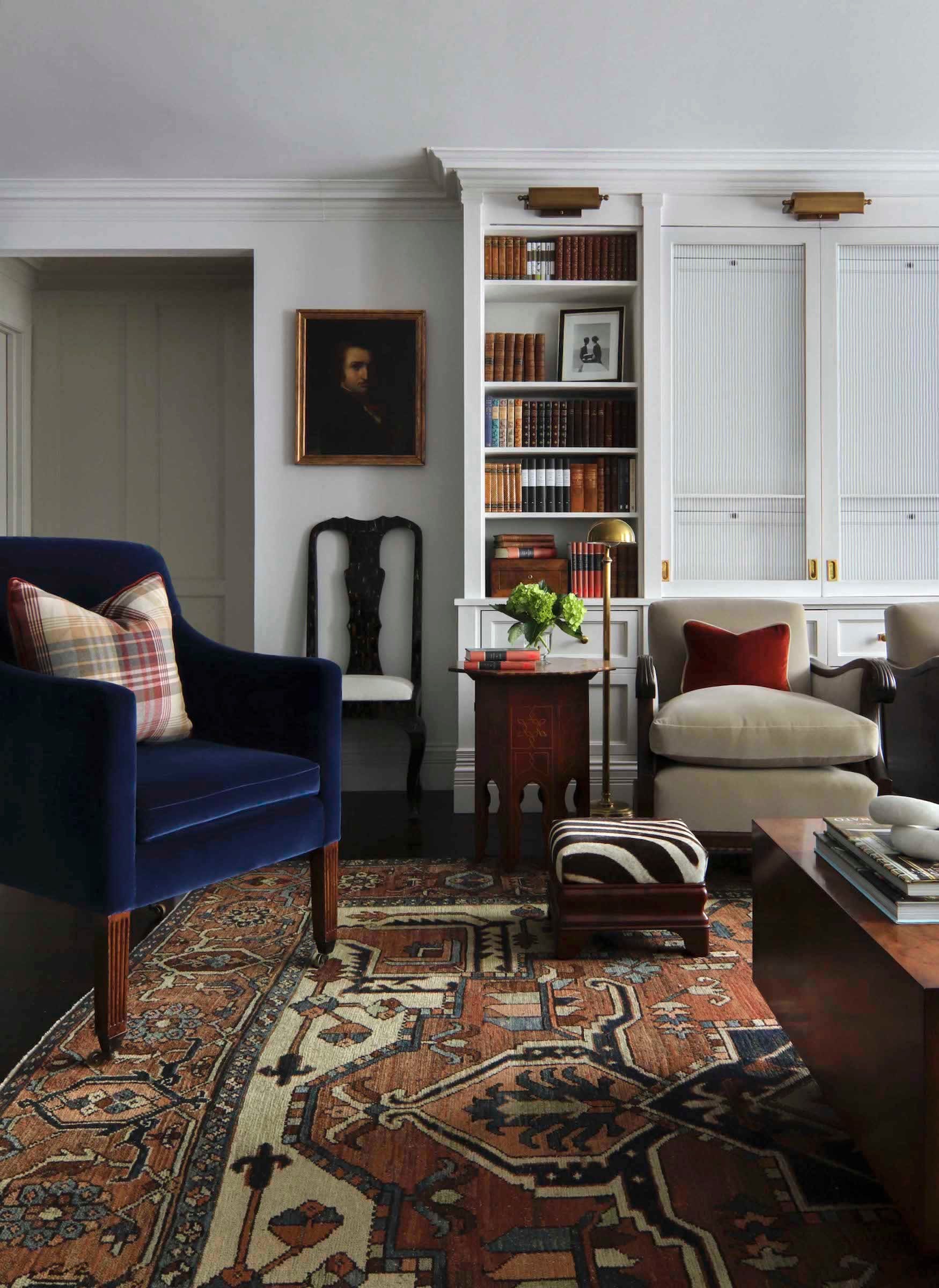
The psychology of color, particularly drawing inspiration from the natural world, is also discussed. The use of darker, earthier shades like rich browns and ochres can evoke associations with twilight landscapes and the earth itself, promoting a sense of stability, security, and rootedness. These darker tones can also make large open-plan rooms feel more intimate. For those who prefer lighter aesthetics, earthy tones can be introduced through art or textiles.
Layering in personal life elements is essential to ensure the home embodies the character of its inhabitants. Creating small, personalized moments like a reading nook, displaying favorite album covers, or setting up a cocktail mixing station encourages engagement with hobbies and personality, fostering a more nourishing environment and reducing reliance on digital devices.
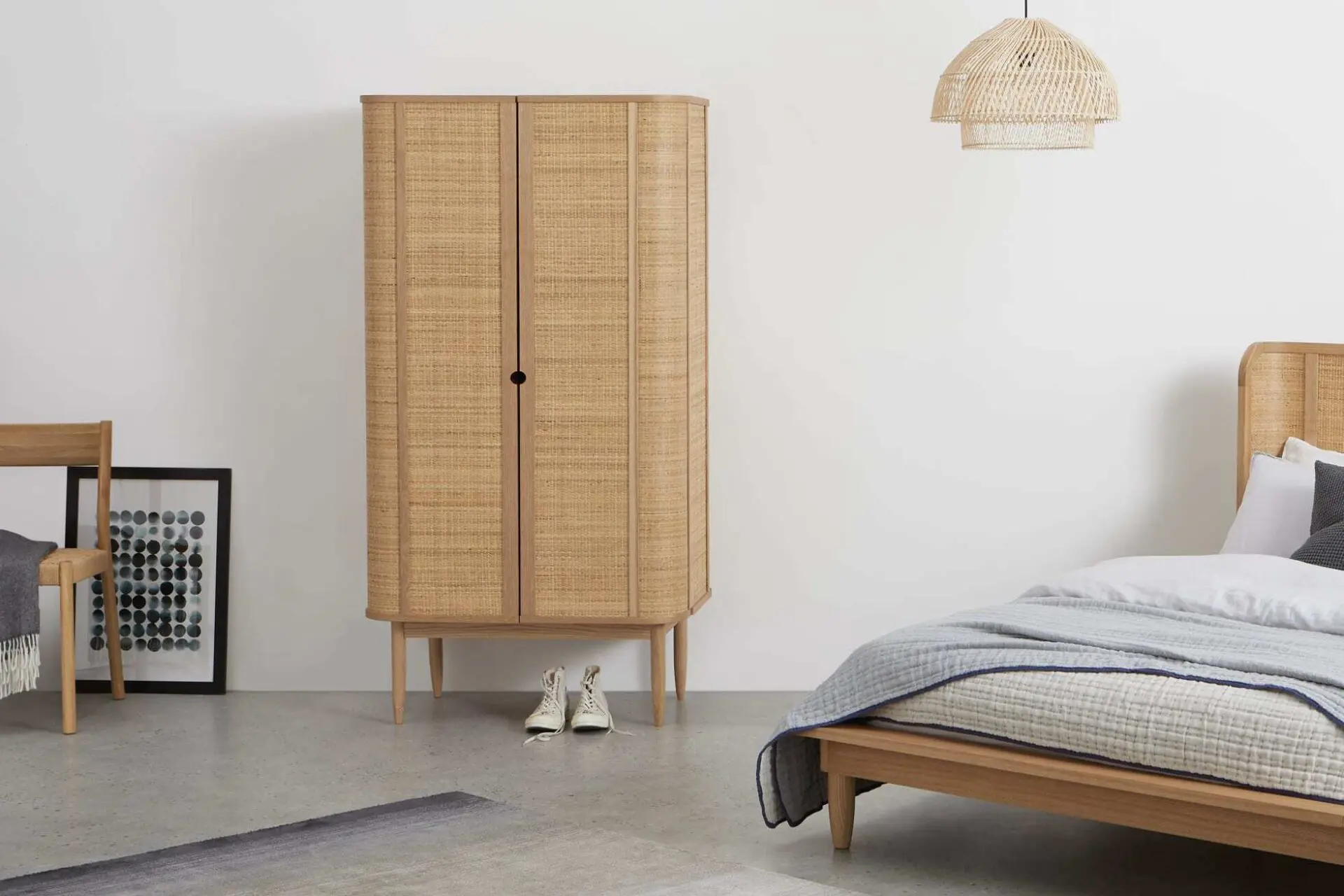
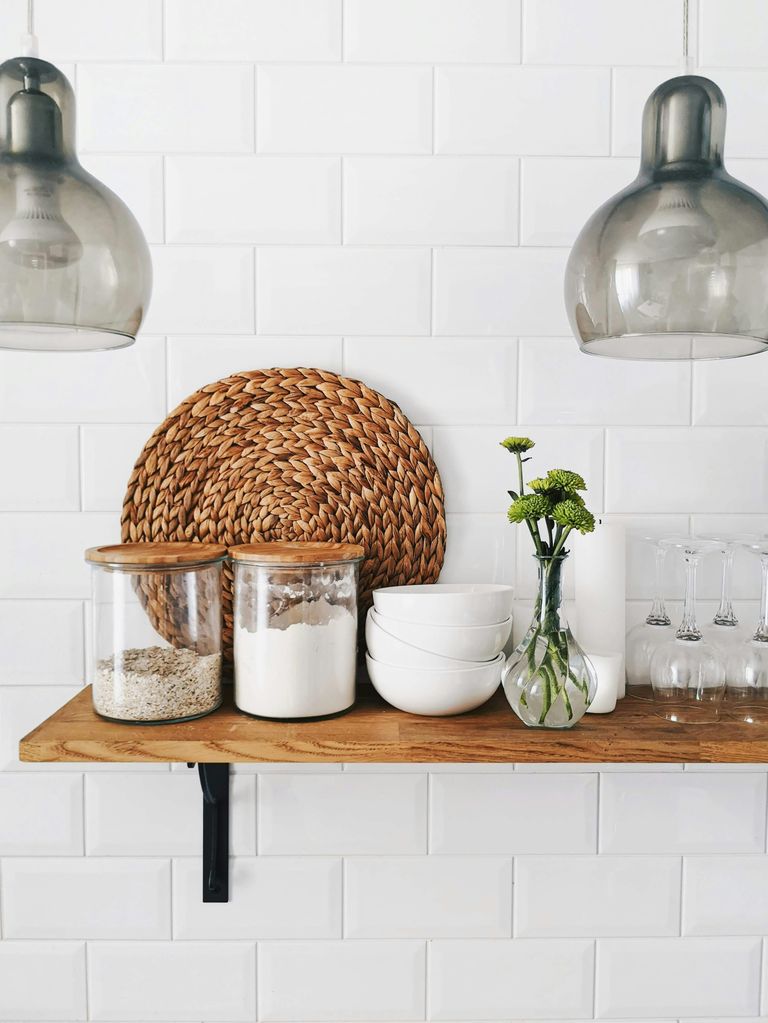
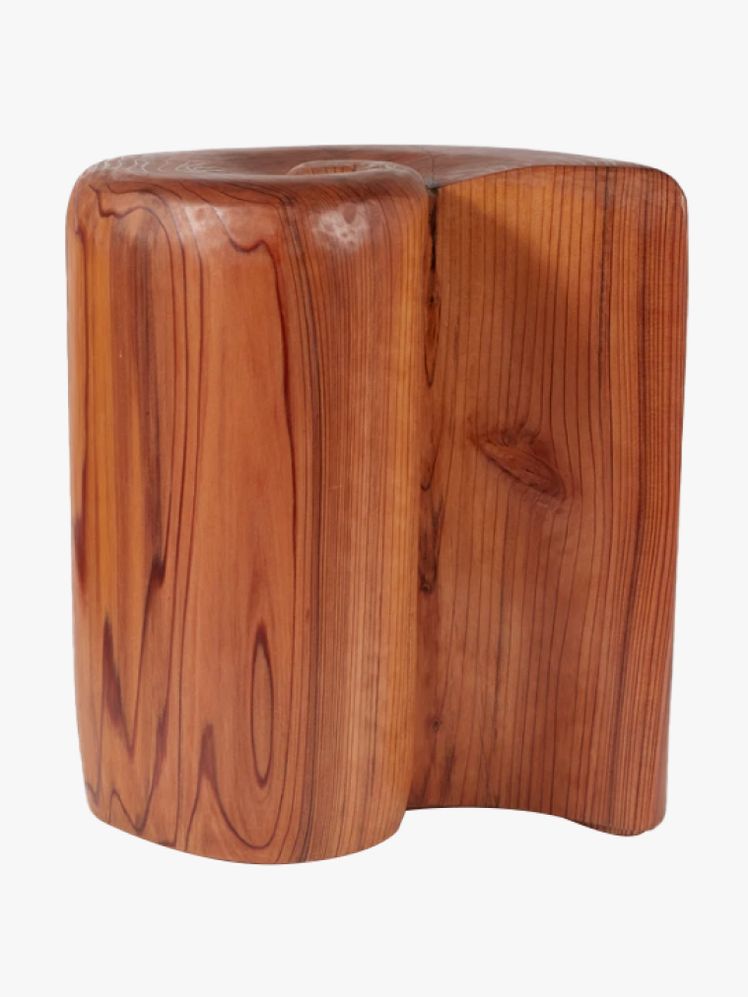
Choosing sensory elements that mimic nature is vital for personal comfort. The article emphasizes the importance of selecting textures and scents that resonate positively with individual preferences, acknowledging neurodiversity. Natural materials like wood, stone, linen, corduroy, and bouclé engage the senses in a more stimulating way than artificial alternatives, contributing to a deeply comfortable and relaxed atmosphere.
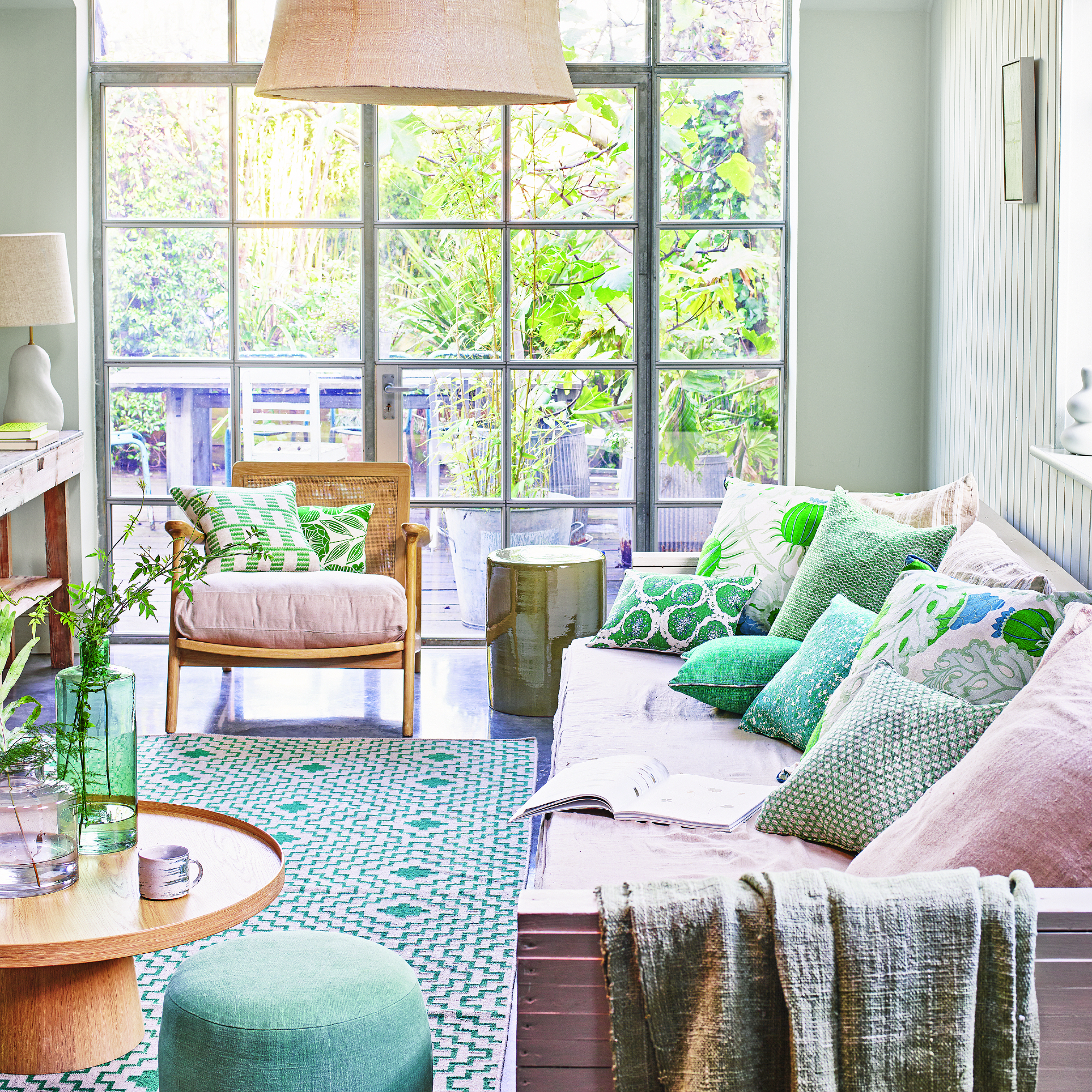
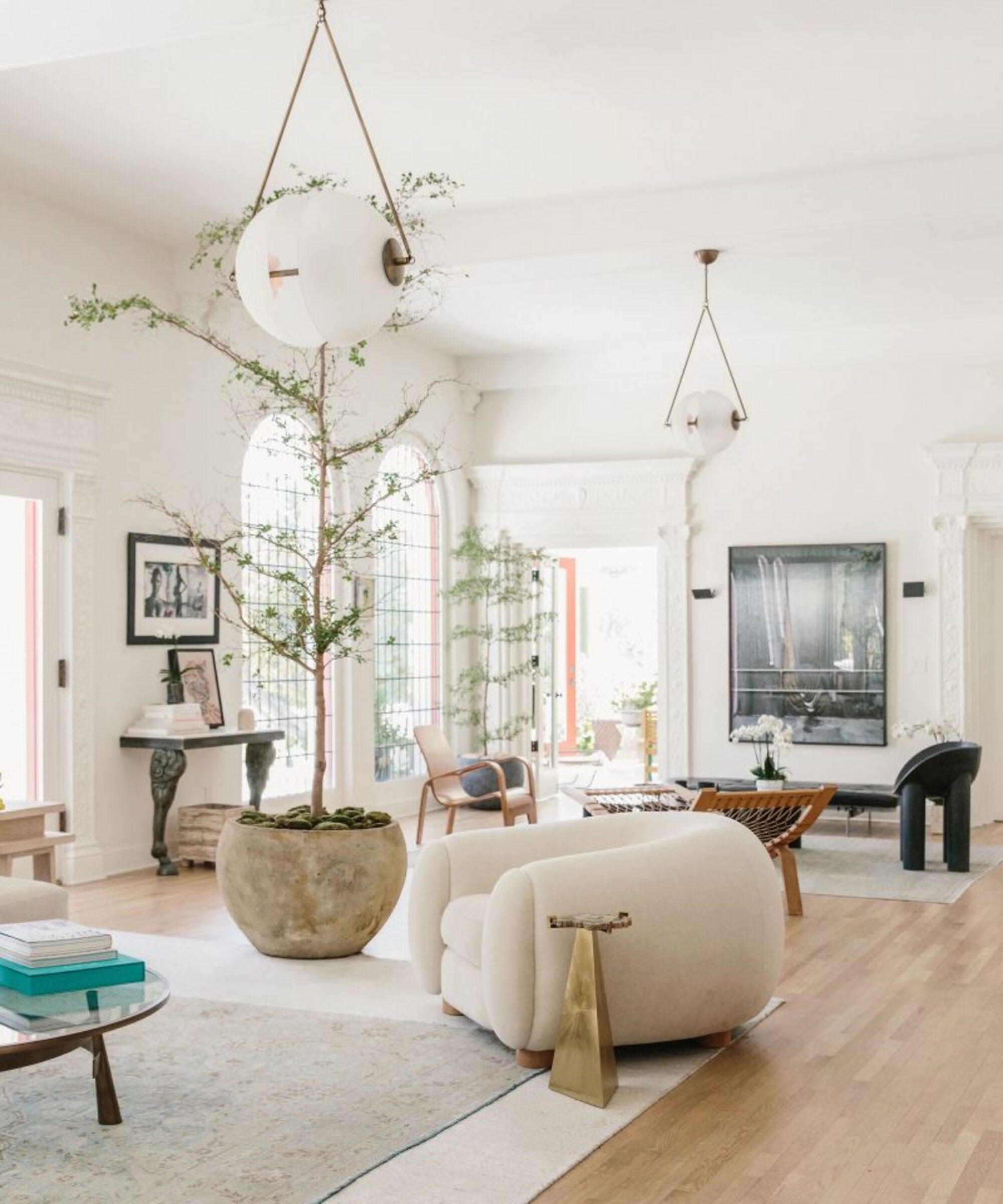
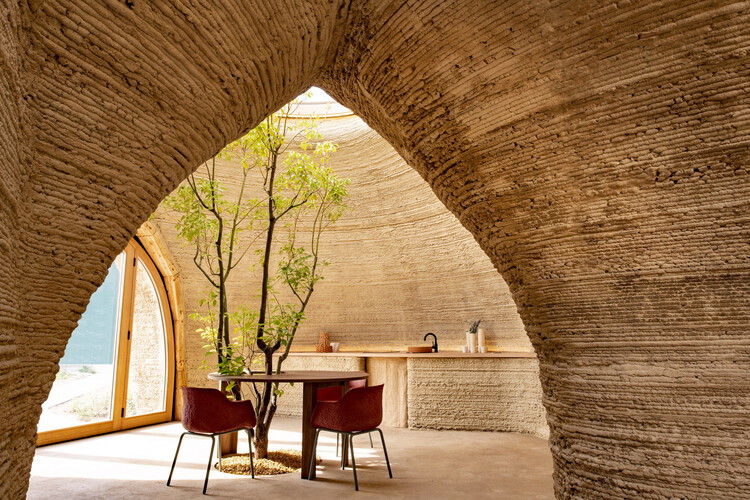
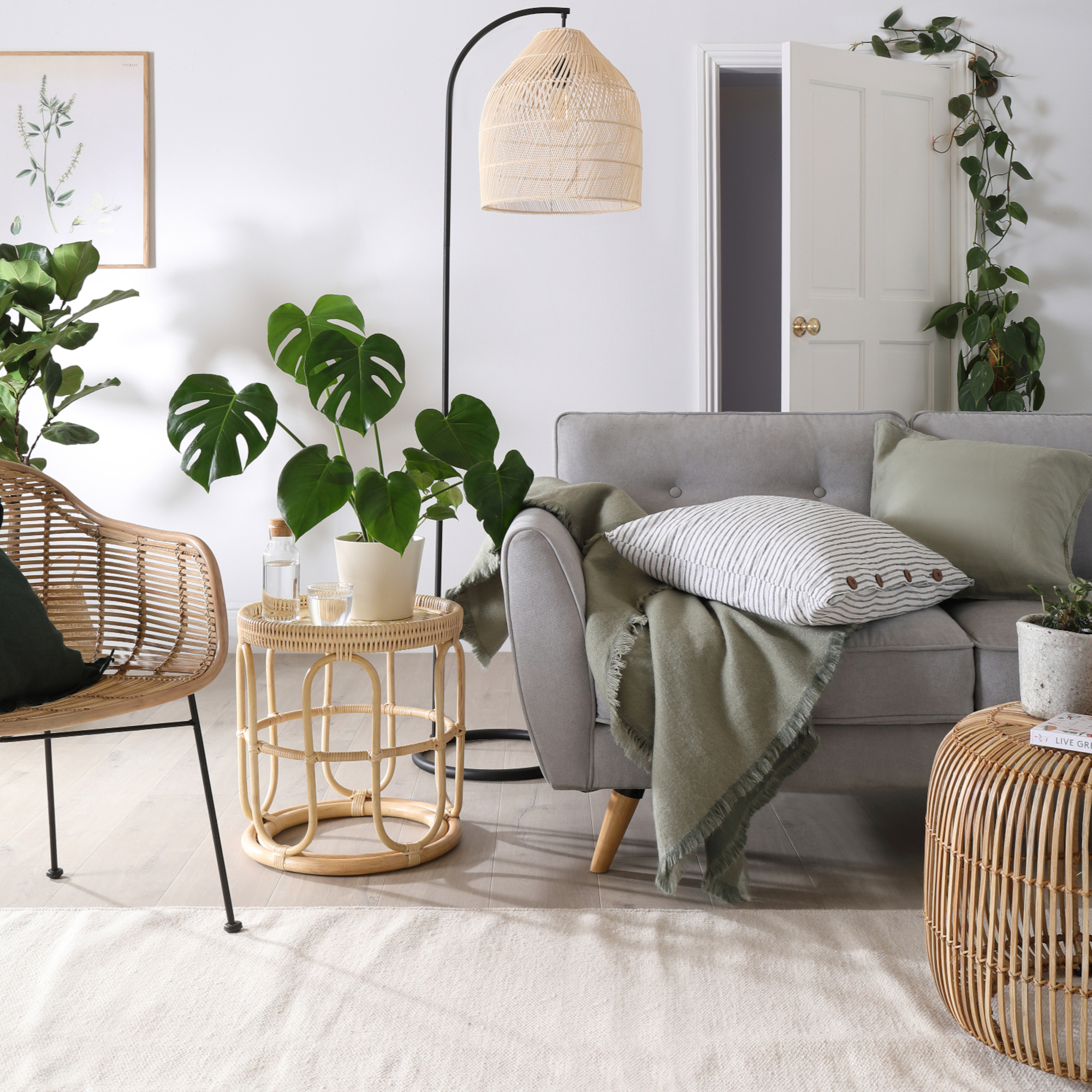
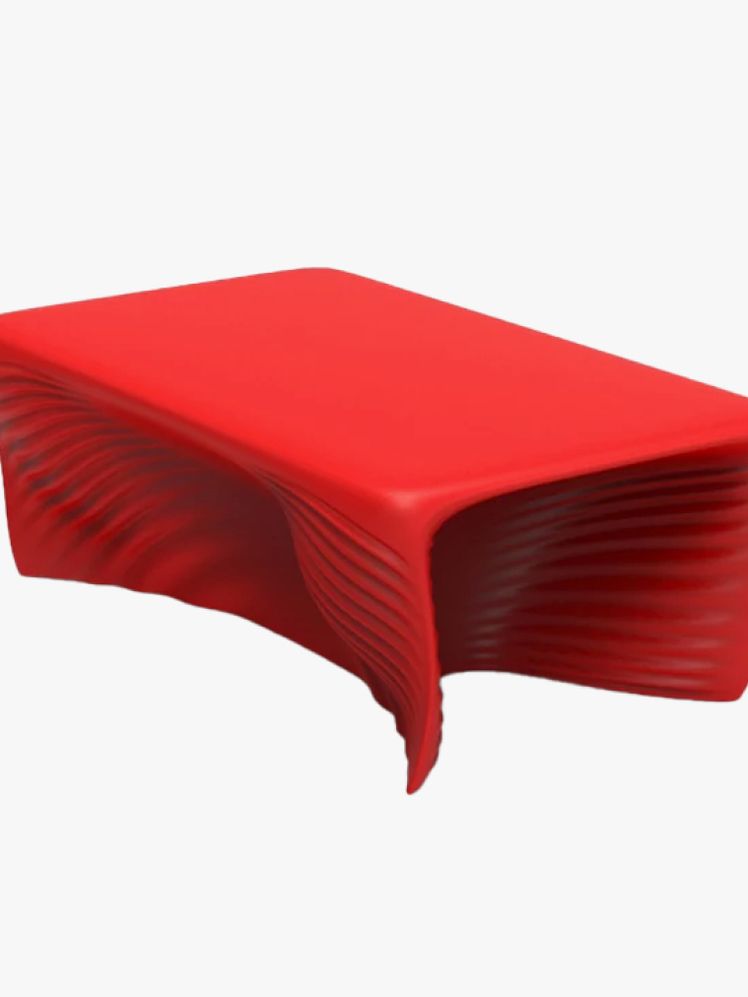
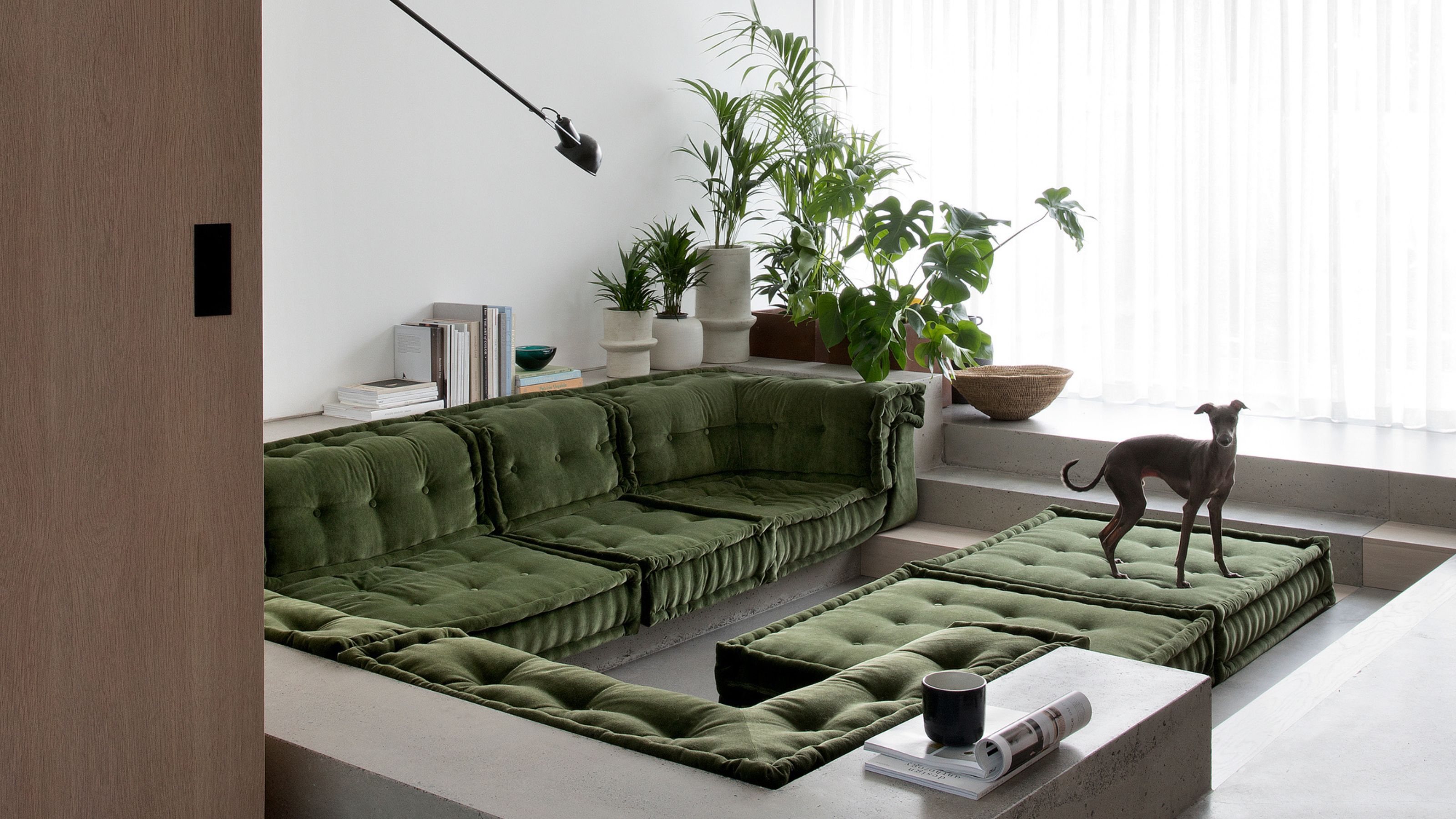
Opting for organic, curved shapes over linear designs is encouraged. Research suggests a preference for curves, which appear softer, more comfortable, and facilitate better interpersonal connection in seating arrangements. Incorporating curved sofas, round cushions, circular rugs, and kidney-shaped coffee tables can soften hard edges, anchor spaces, and make rooms feel more inviting and less formal.
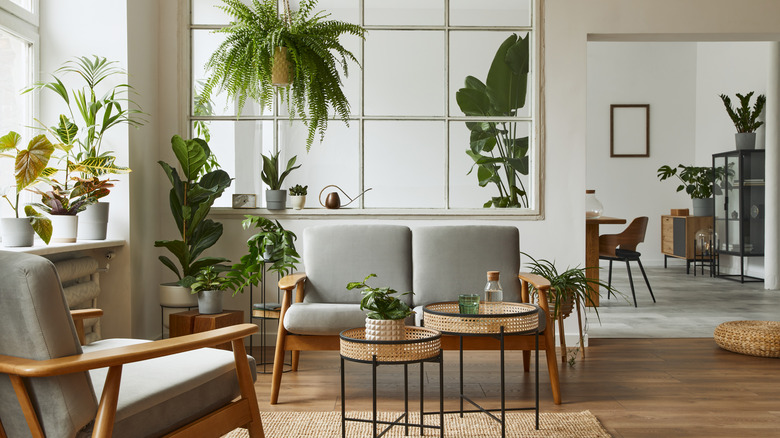
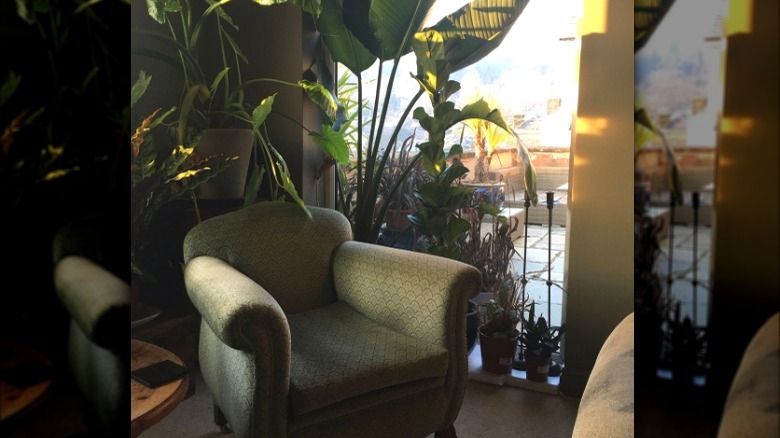
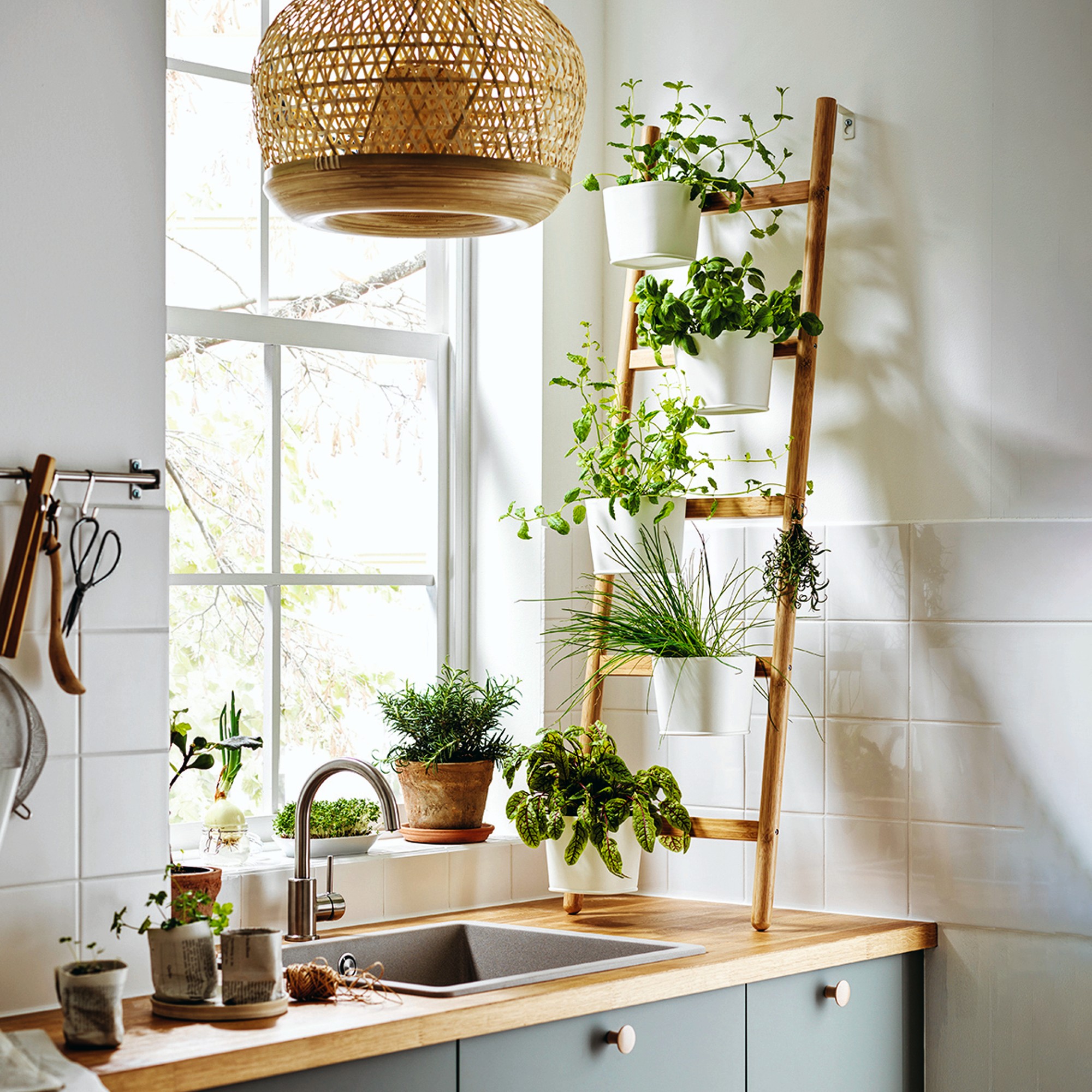
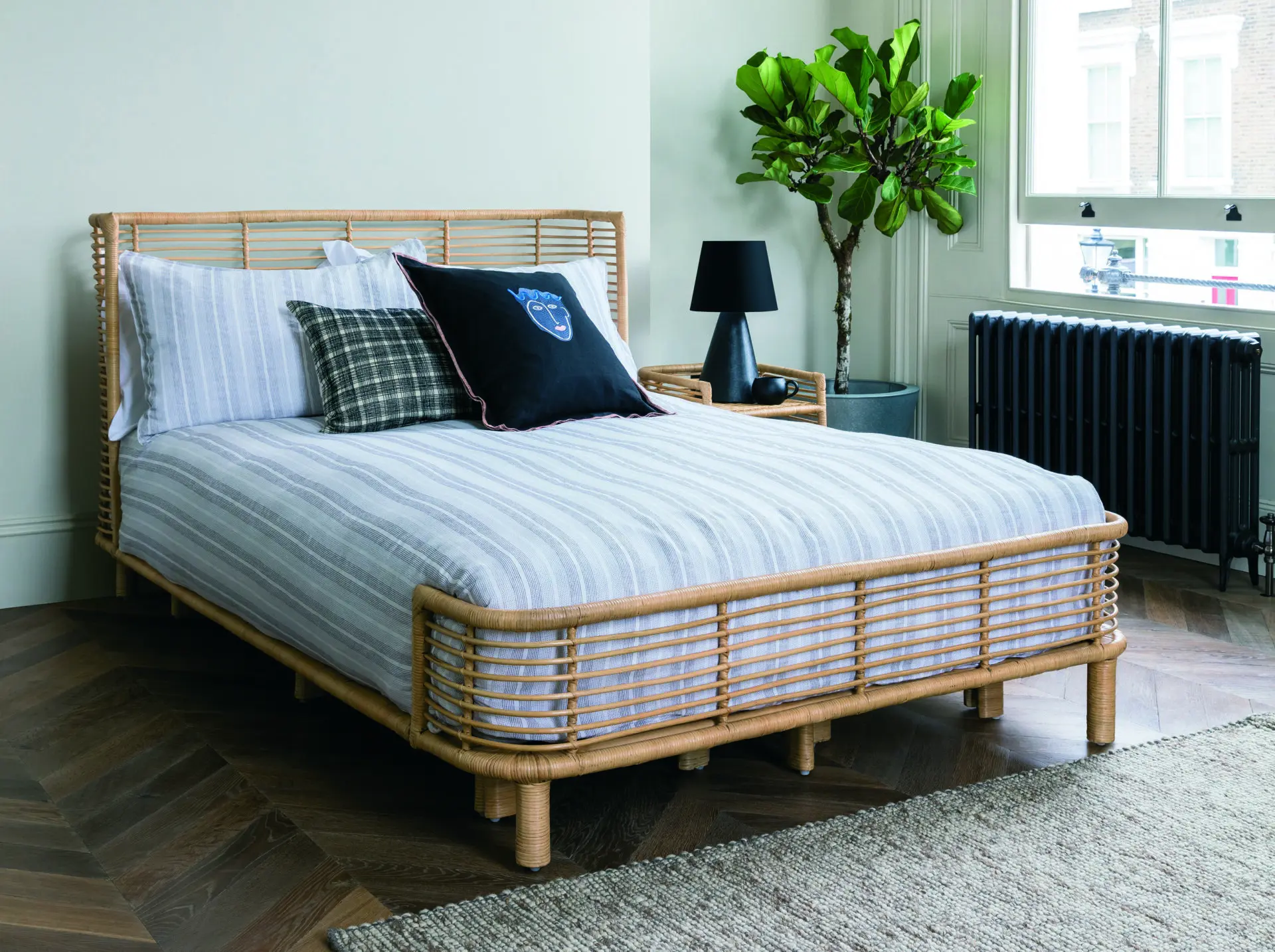
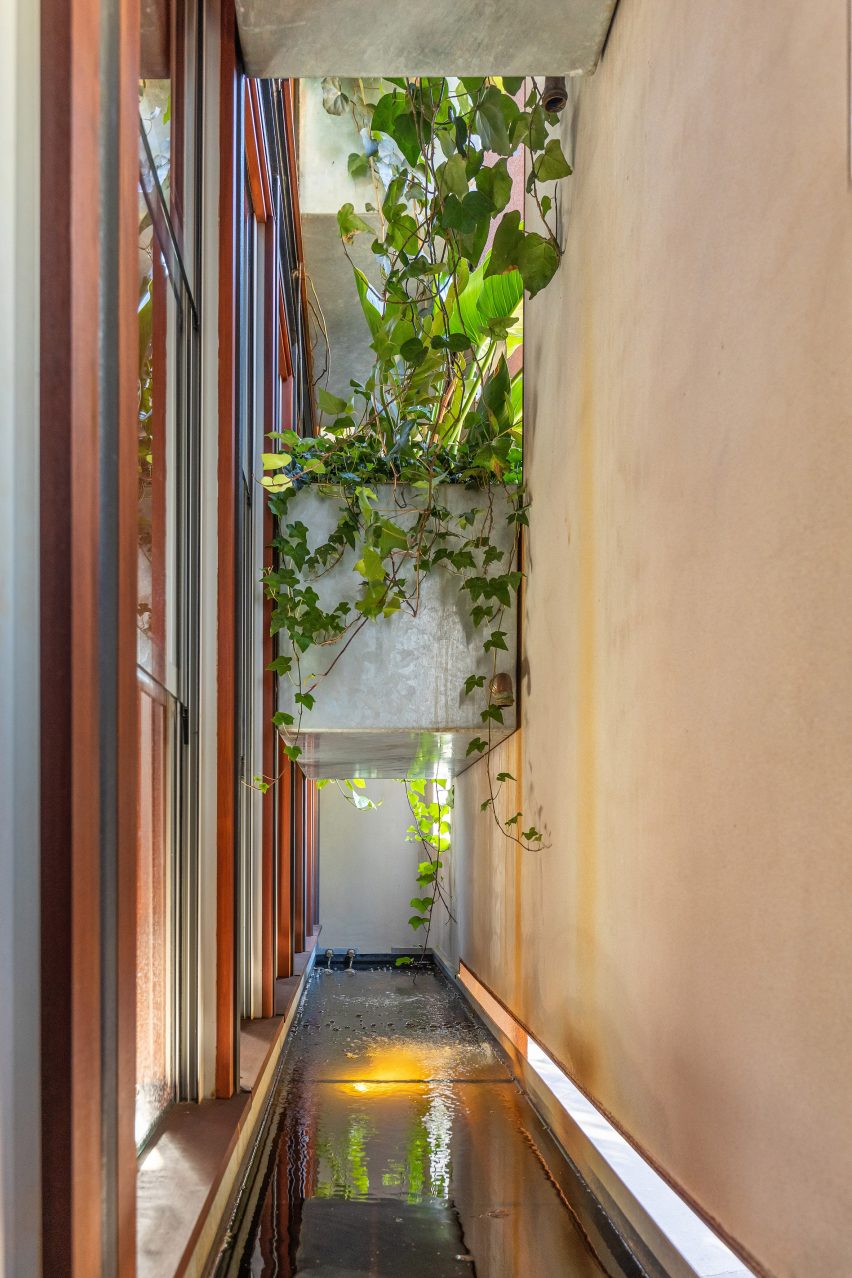
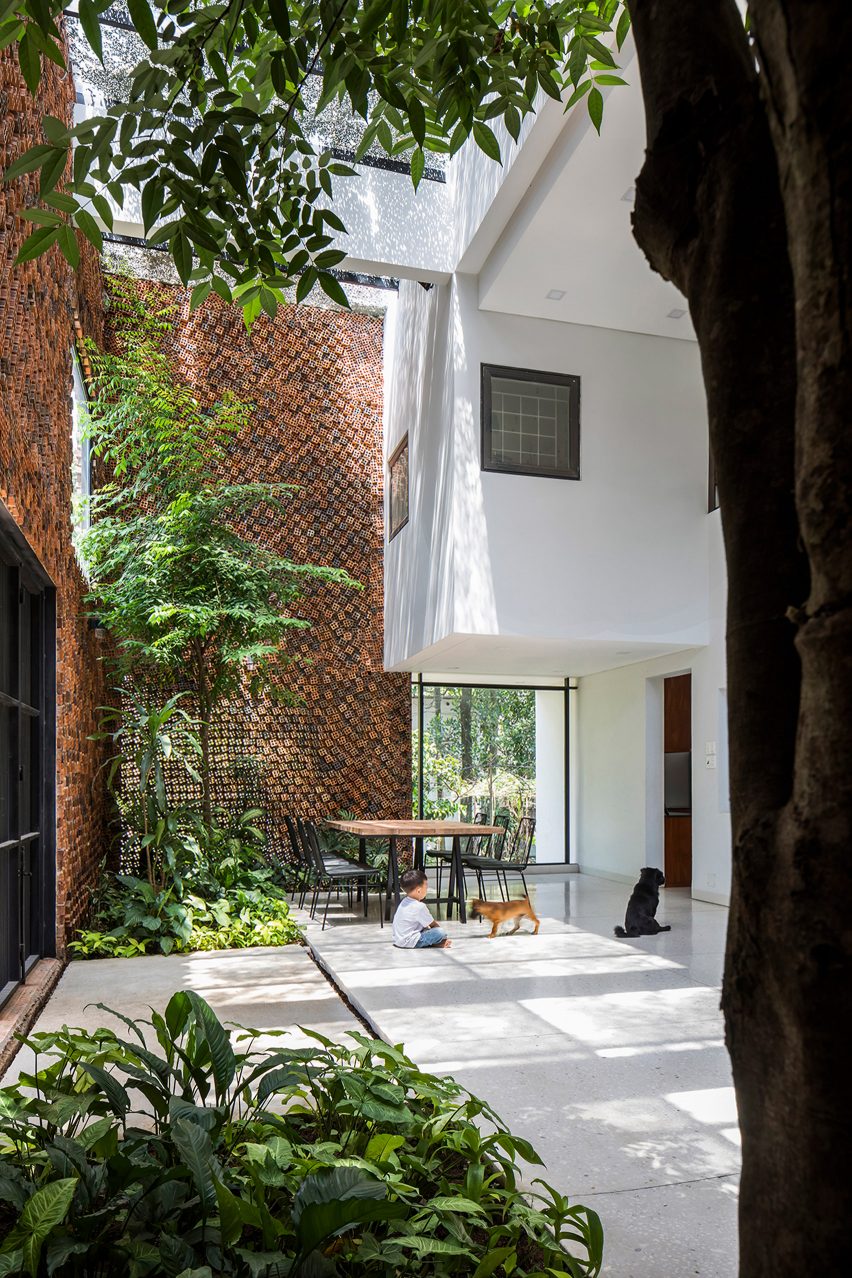
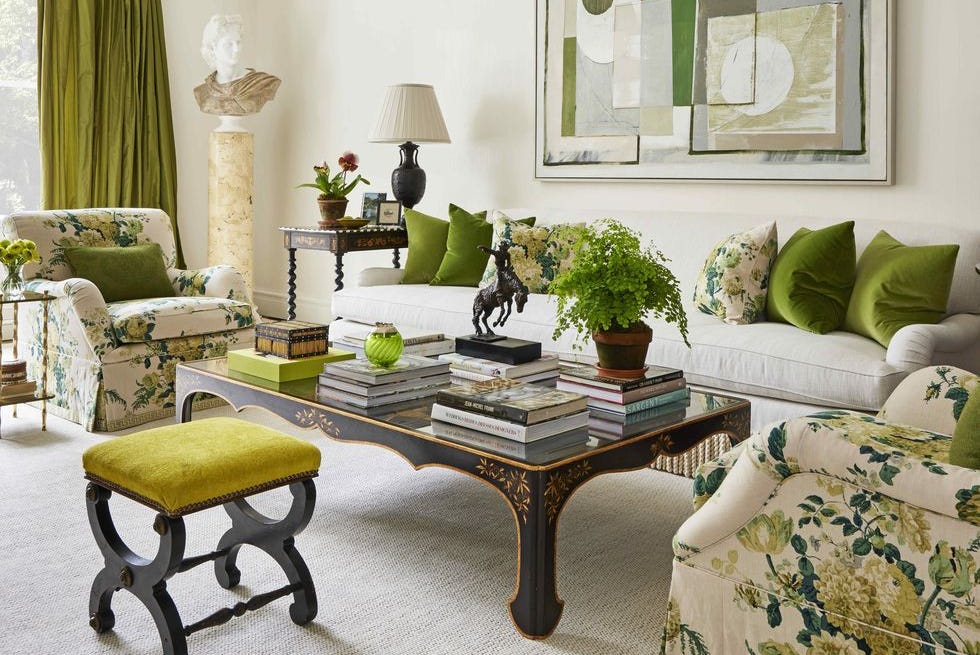
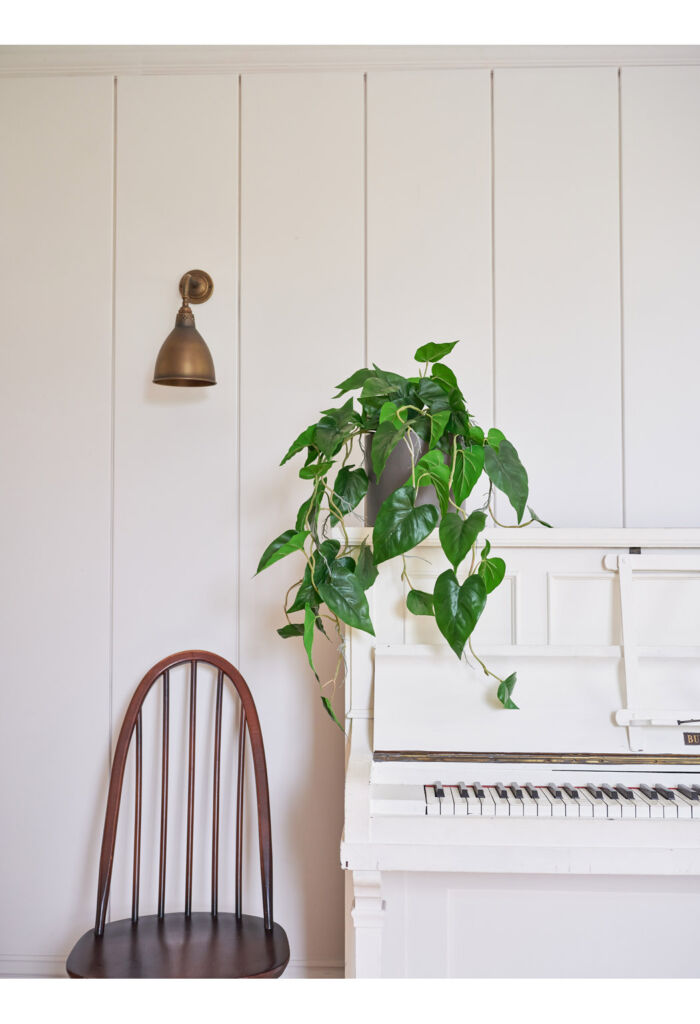
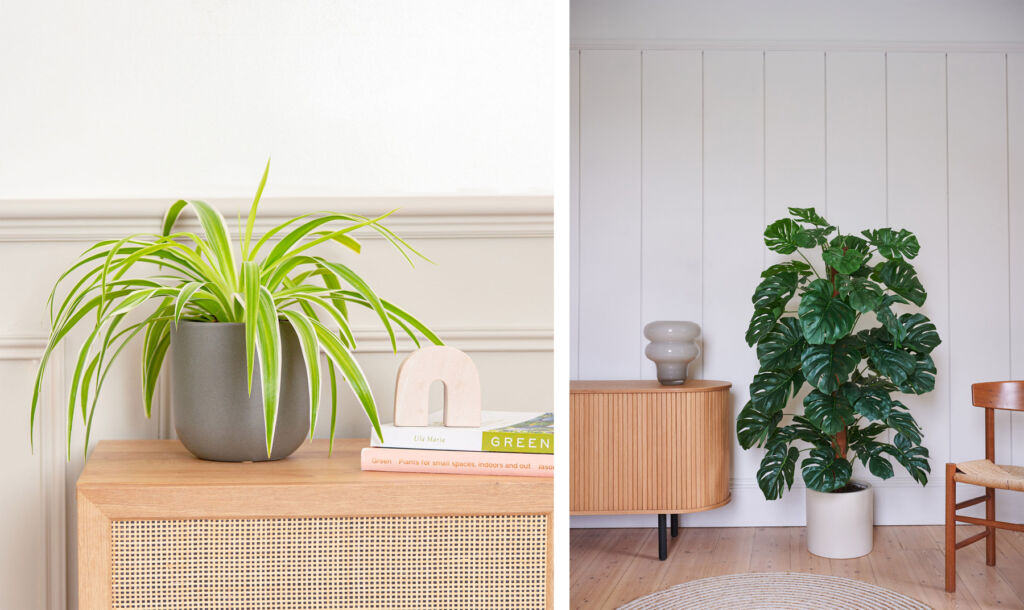
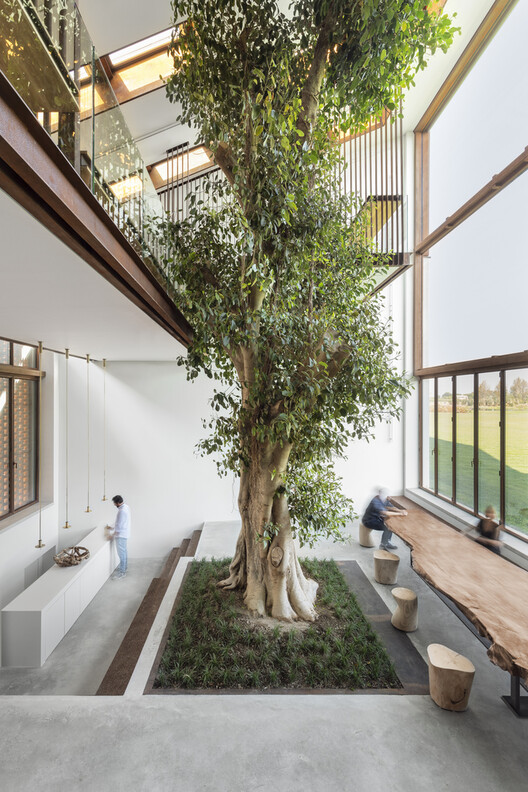
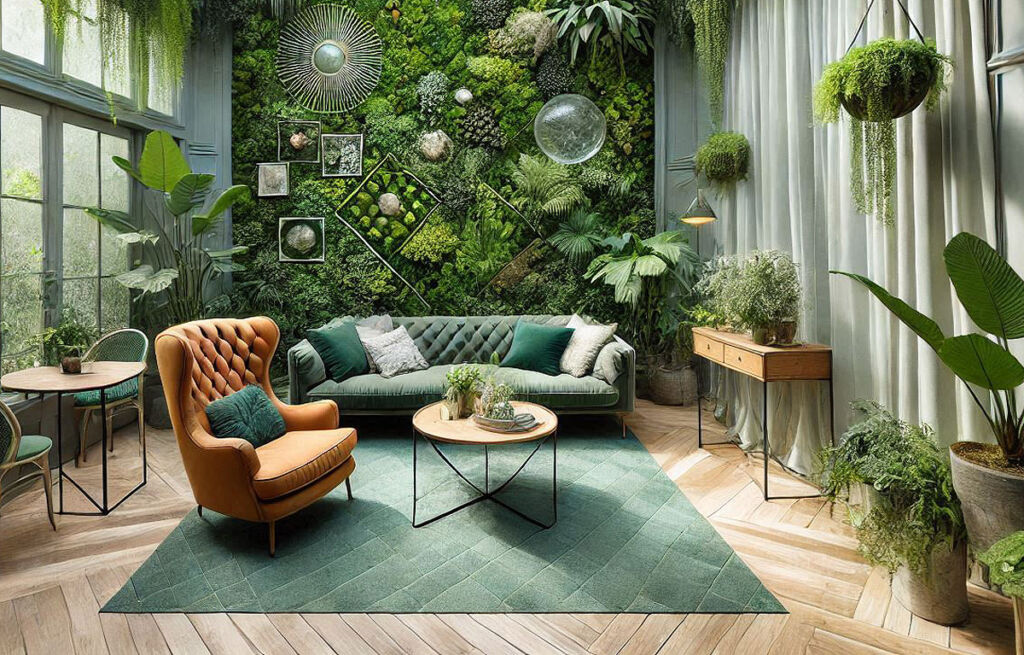
Finally, the most straightforward approach to biophilic design is the inclusion of plants and trees. Large indoor trees like Ficus Benjamina, or clusters of houseplants arranged in odd numbers and varied heights, bring actual biophilia into the living space. These elements not only enhance aesthetics but also elevate spirits, symbolizing life, hope, and renewal, and transforming even the most uninspired areas into vibrant, comforting retreats.
#BiophilicDesign #LivingRoomIdeas #InteriorDesign #HomeDecor #NaturalElements #RoomFunctionality #ColorPsychology #SustainableDesign #OrganicShapes #BiophilicDesign #LivingRoomIdeas #InteriorDesign #HomeDecor #NaturalElements #RoomFunctionality #ColorPsychology #SustainableDesign #OrganicShapes
0 комментариев всего
 Комментариев пока нет
Вам также может понравиться
26 Biophilic Living Rooms That Flawlessly Bring Nature Indoors
These 10 natural living room ideas will bring the warmth of nature into your home
Why Houseplants And Biophilic Design Will Front 2025's Interior Design Trends
21 Earthy Living Room Ideas That Bring Nature’s Beauty into Your Home
Biophilic design ideas - clever ways to bring nature into your home for a calming space
Ten modern homes with interiors informed by biophilic design

8 ways to freshen up your home through natural biophilic design
10 boho living room ideas - create an eclectic relaxed space to kick-back
Biophilic Interiors Invade These 10 Contemporary Residences


Well-Being Through Biophilic Interiors

The Best of Biophilic Design: Bringing Nature Indoors

25 Ways to Make Any Living Room Feel Ten Times Cozier

These 10 Biophilic Design Ideas Will Transform Your Home Into a Natural Oasis
Want Your Home to Feel Happier and Calmer? It's Time to Consider Biophilic Design

Stunning biophilic design ideas to help you bring the great outdoors into your home

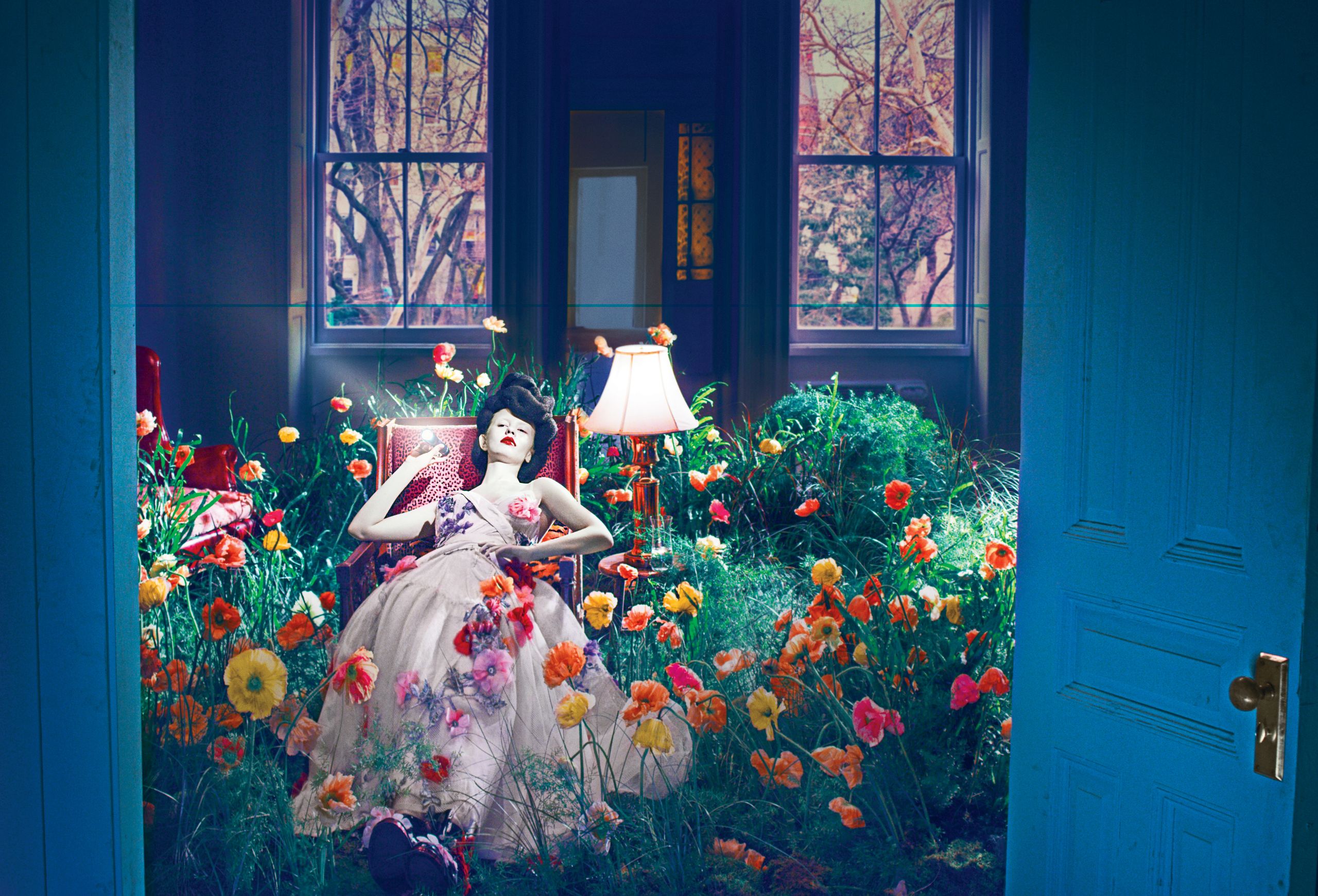
What is Biophilic Design? This Nature-Based Interiors Trend Promises Wellness
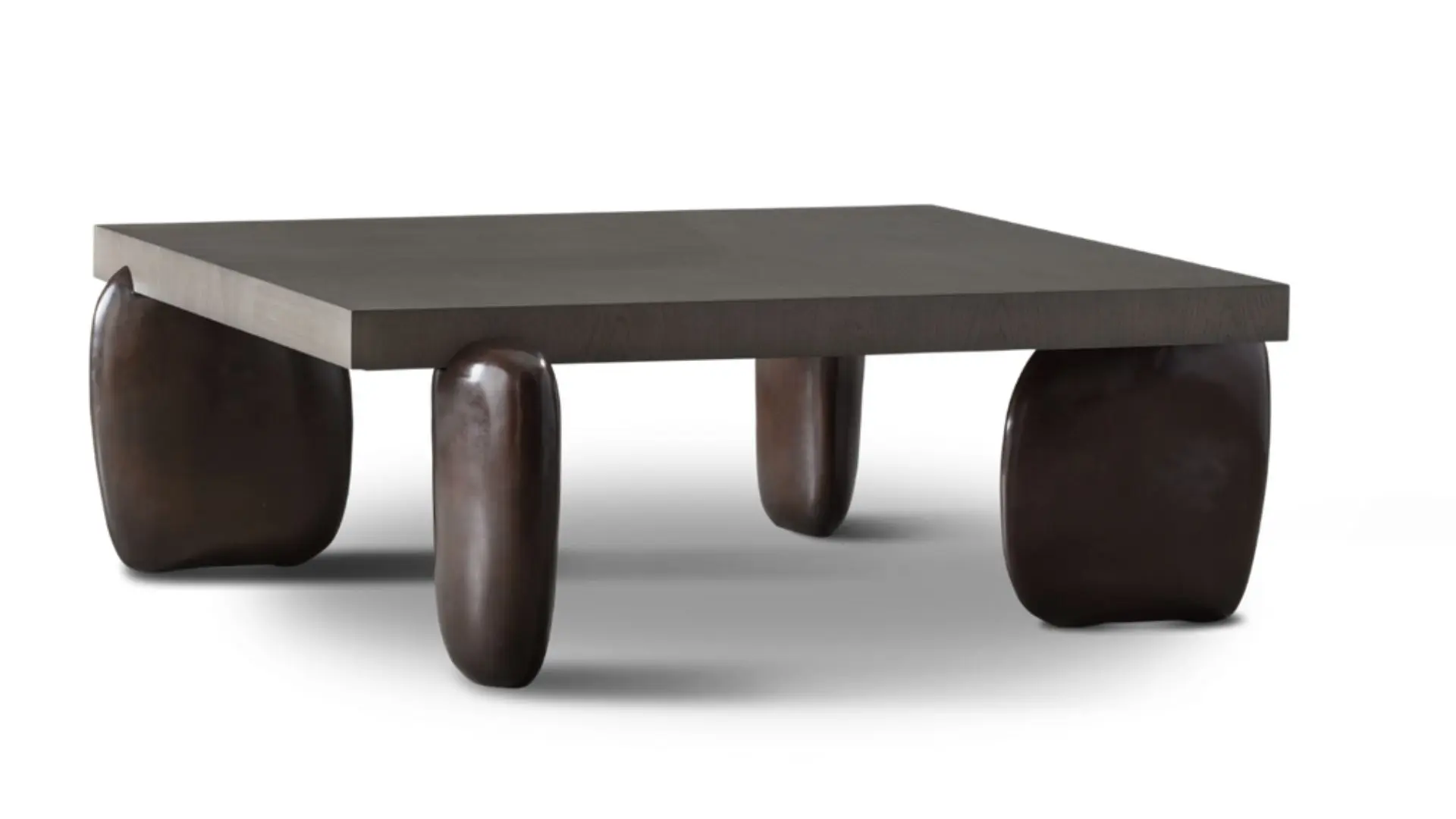
A growing trend: enjoy these 10 biophilic furniture designs

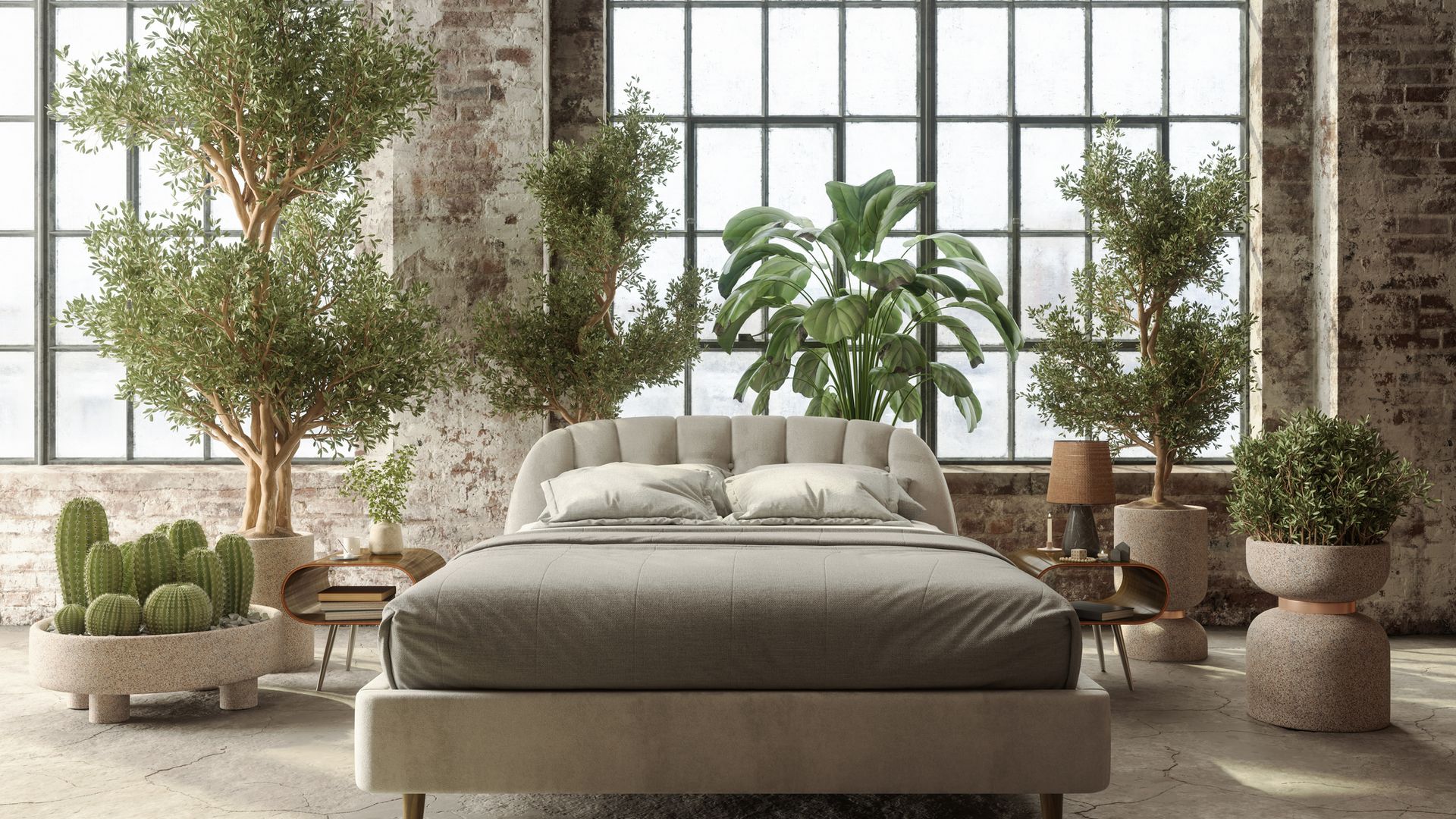
What are Biophilic interiors? How bringing the outdoors in is proven to make you happier

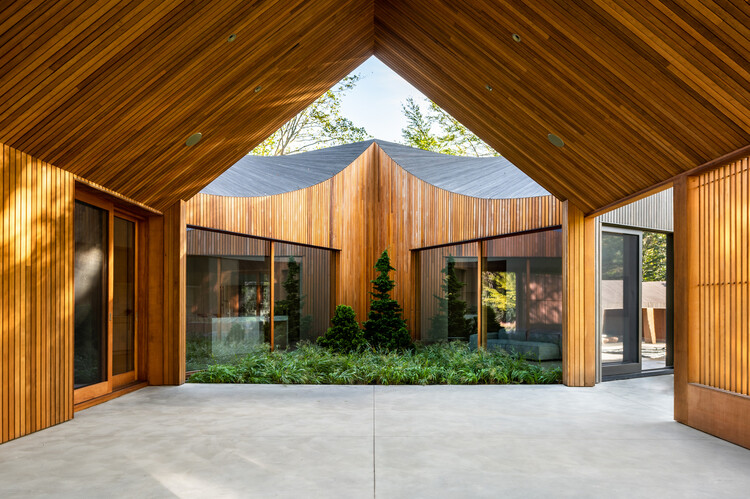
Biophilic Interiors: 21 Projects that Blend Architecture with Nature

Biophilic Design Is About Connecting With Nature—Here's How to Utilize the Décor Trend In Your Home