1/5
Want Your Home to Feel Happier and Calmer? It's Time to Consider Biophilic Design
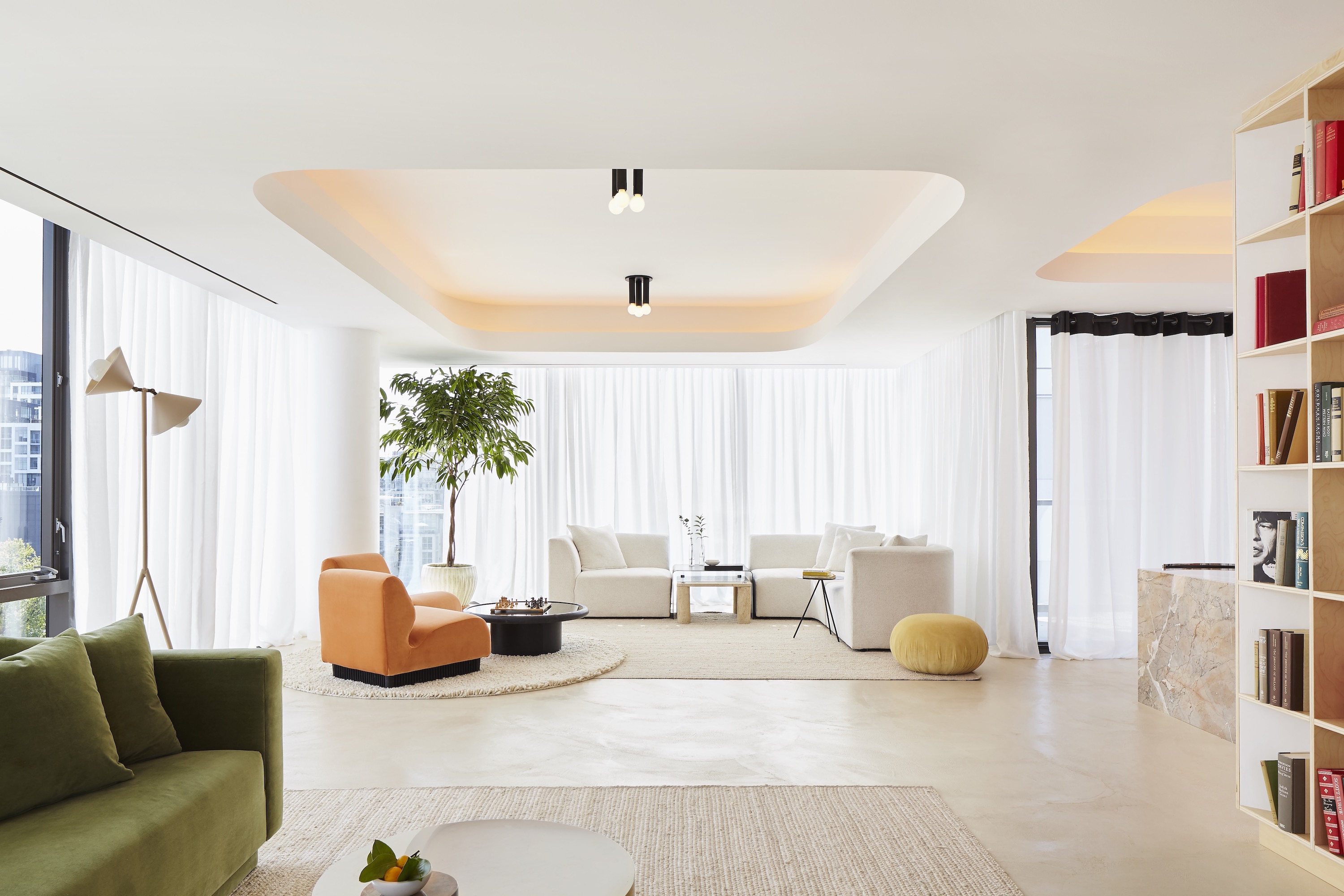
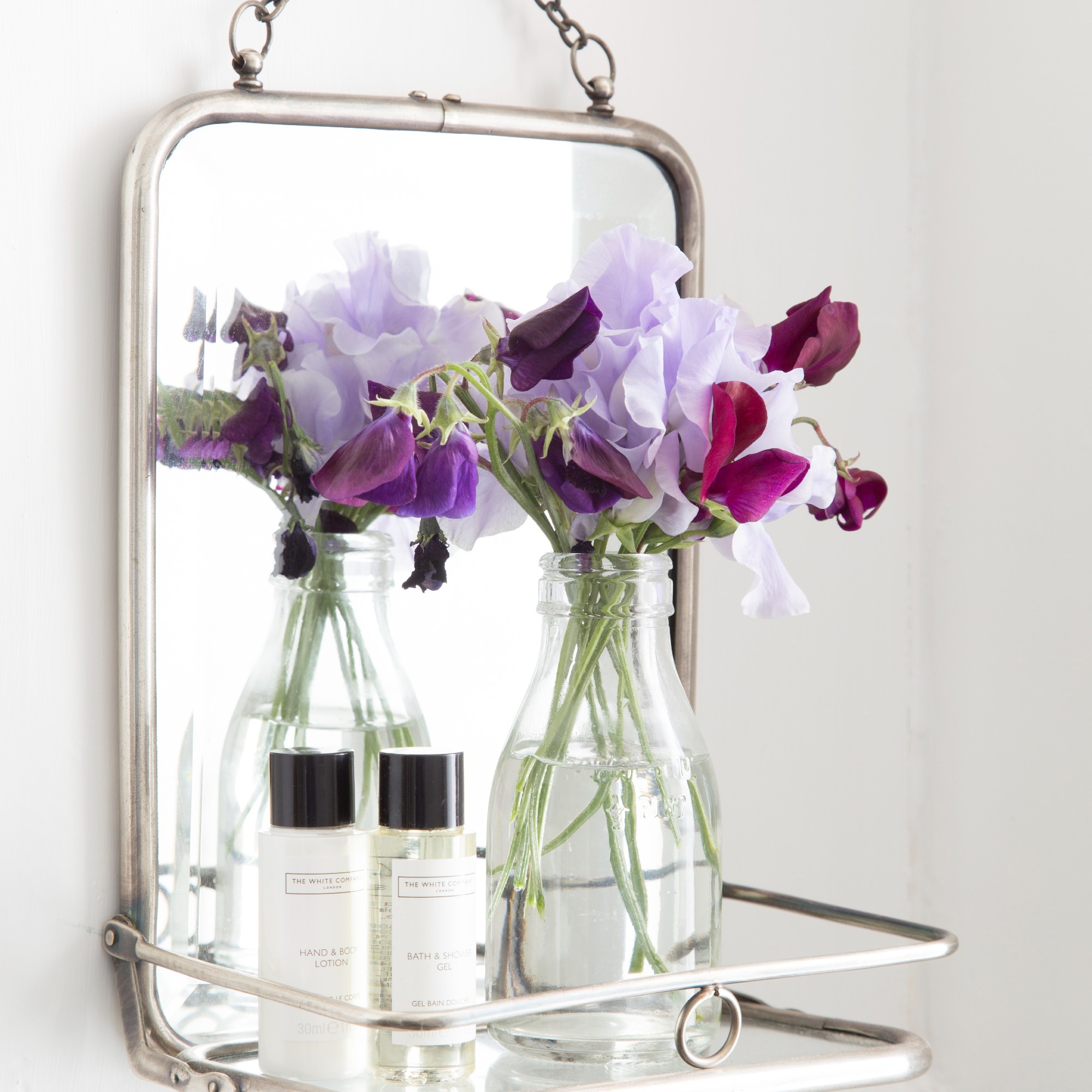
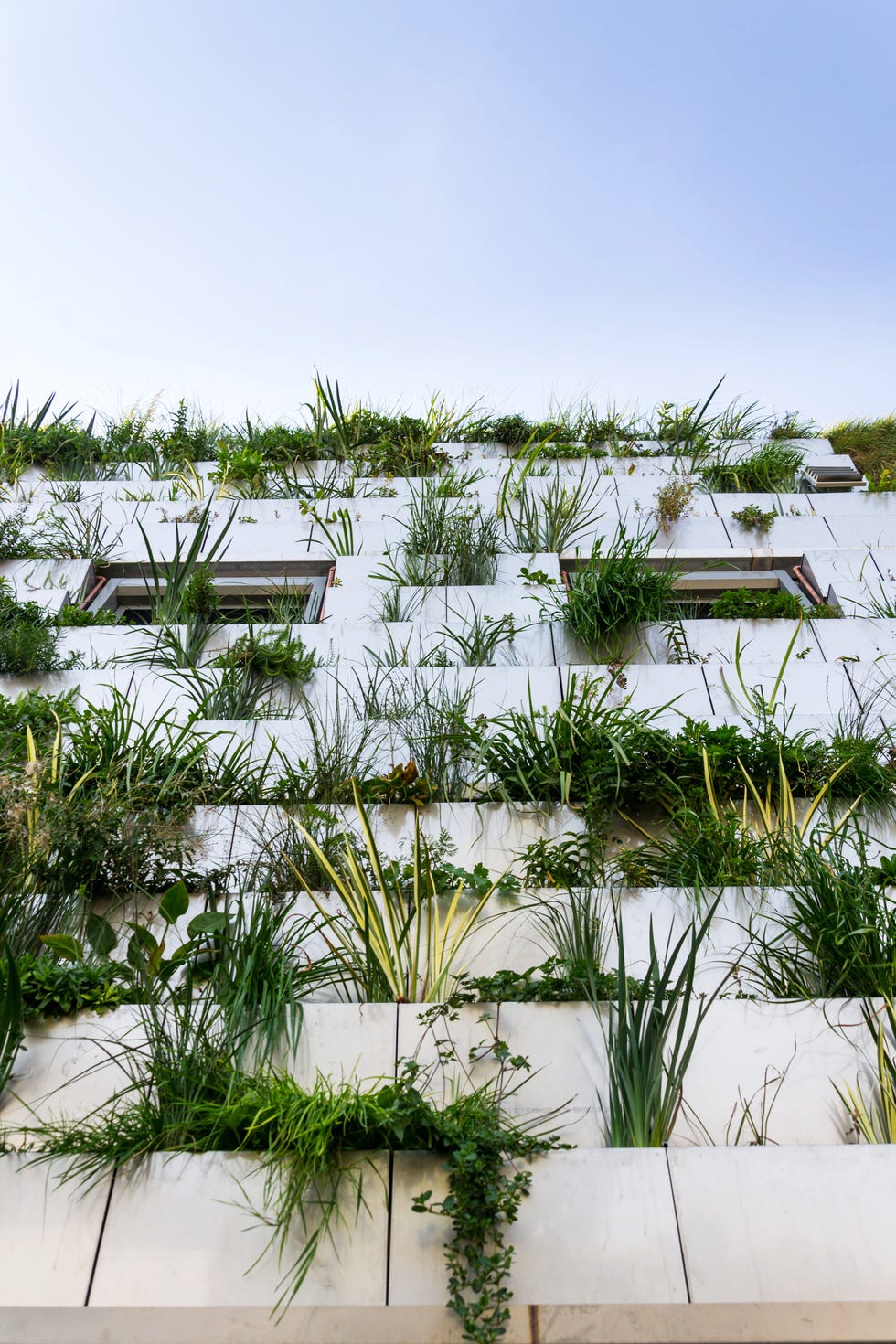
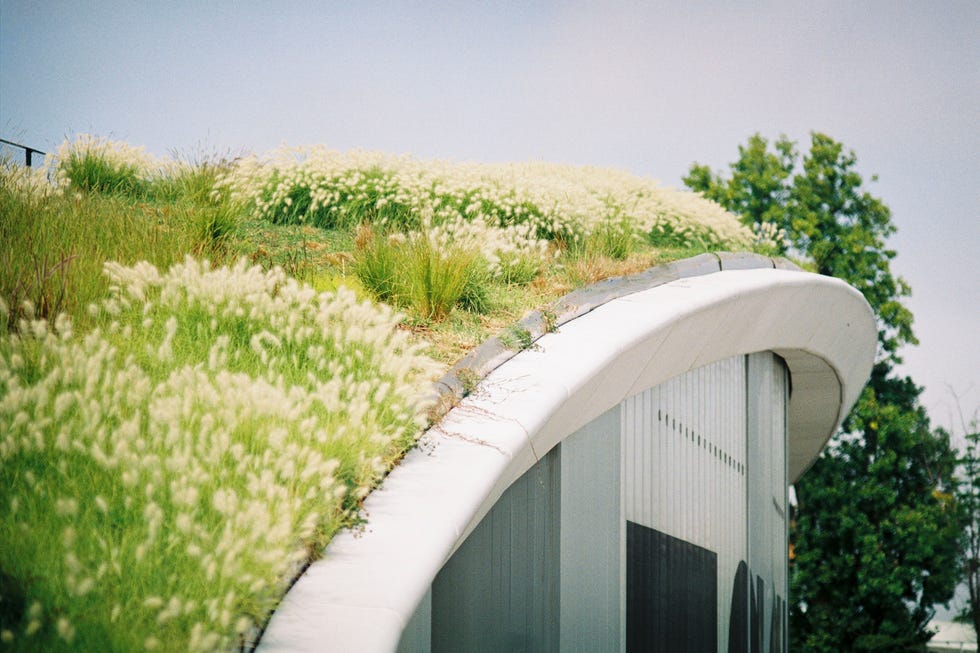
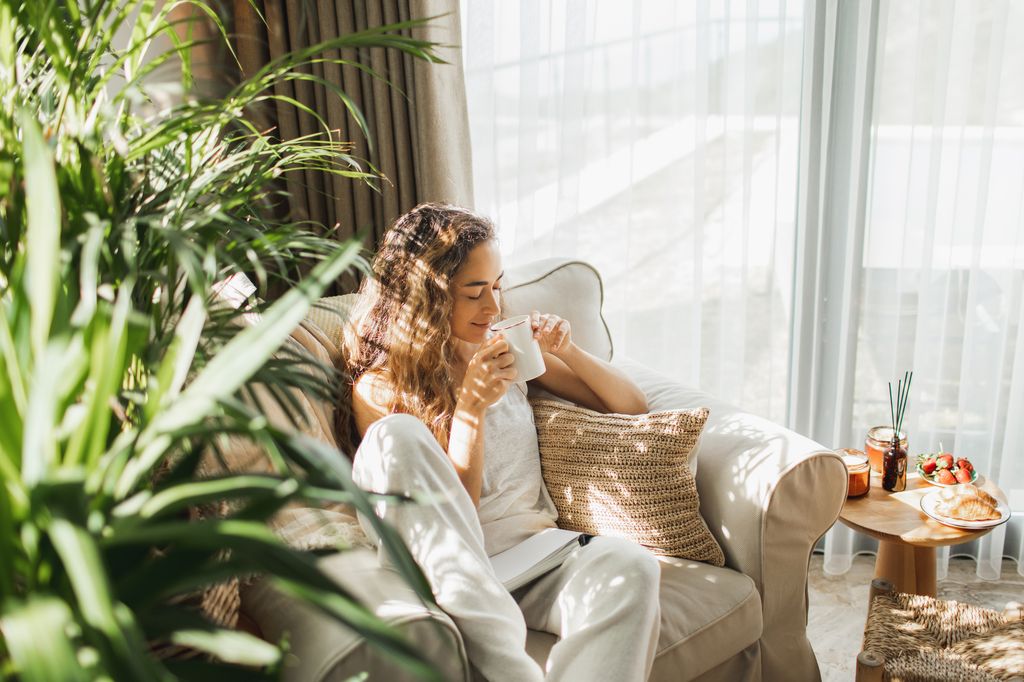
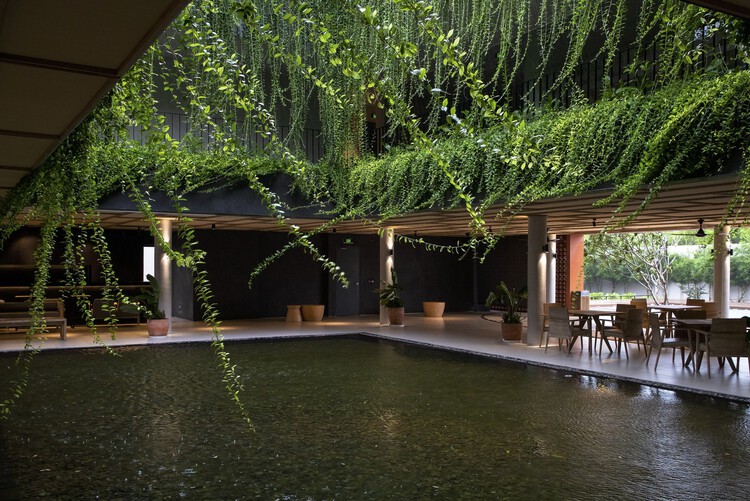
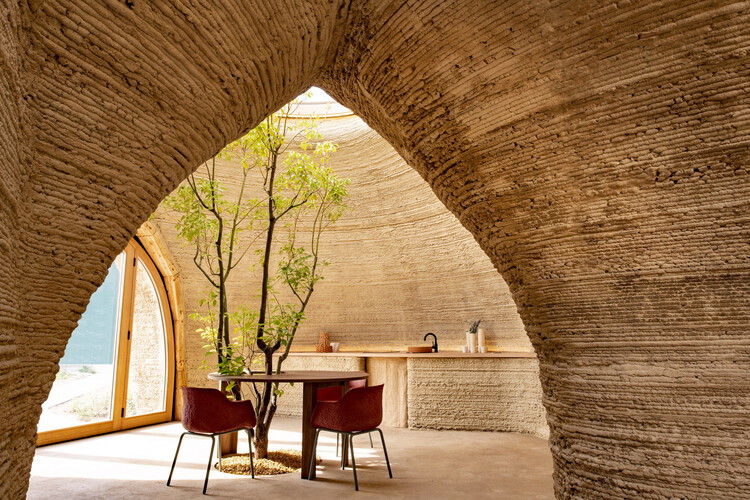
Biophilic design, a concept merging the Greek words for “life” (bio) and “love” (philia), integrates natural elements into architectural and interior spaces. This design philosophy aims to enhance human connection to nature, thereby improving health and well-being. Studies indicate that spending time outdoors can lower cortisol levels, heart rate, and blood pressure, promoting a sense of peace. Bill Browning, co-founder of Terrapin Bright Green and co-author of "Nature Inside, A Biophilic Design Guide," highlights that humans instinctively respond positively to biophilic elements such as natural materials, organic shapes, and patterns, which can significantly benefit health and wellness when incorporated indoors.
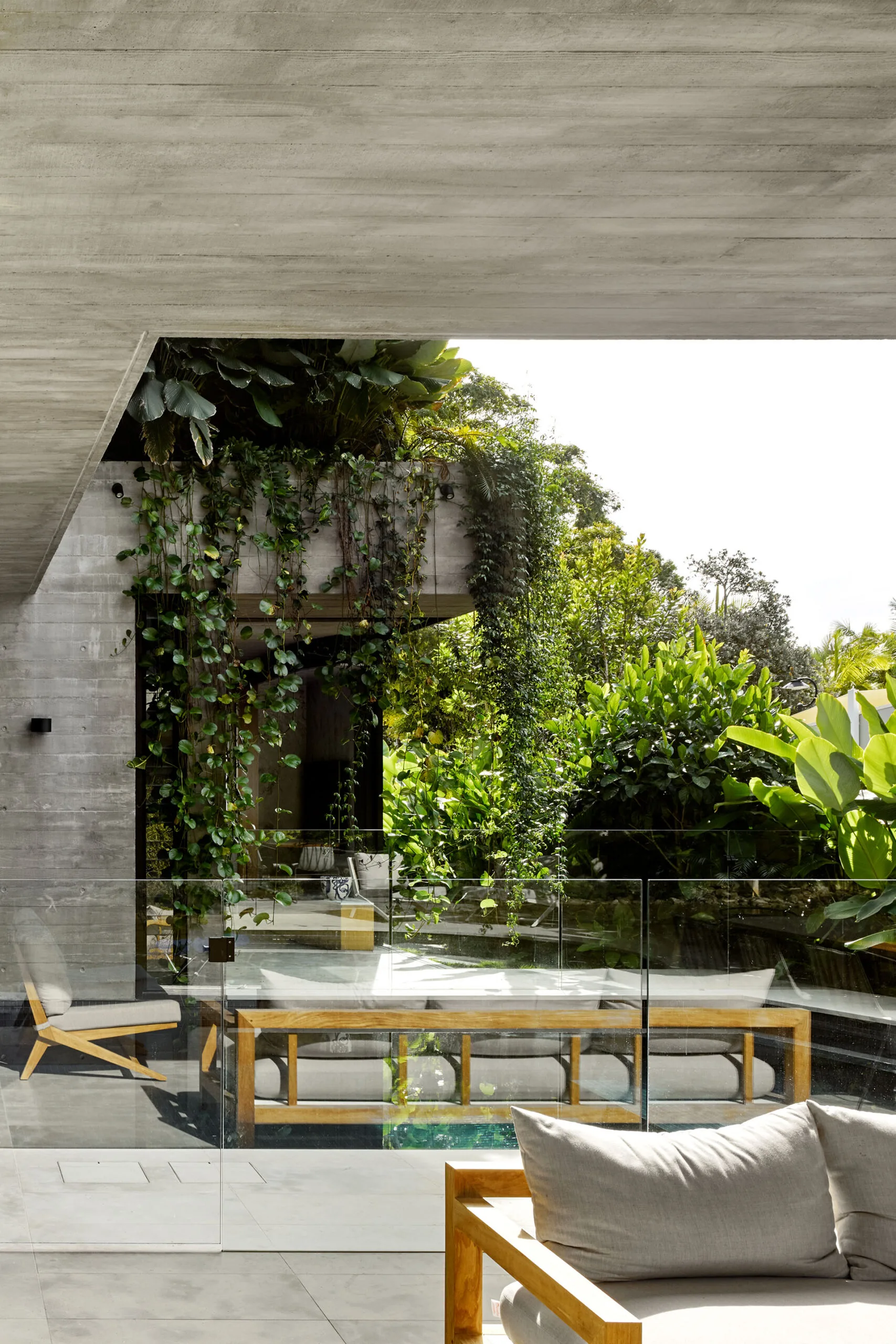
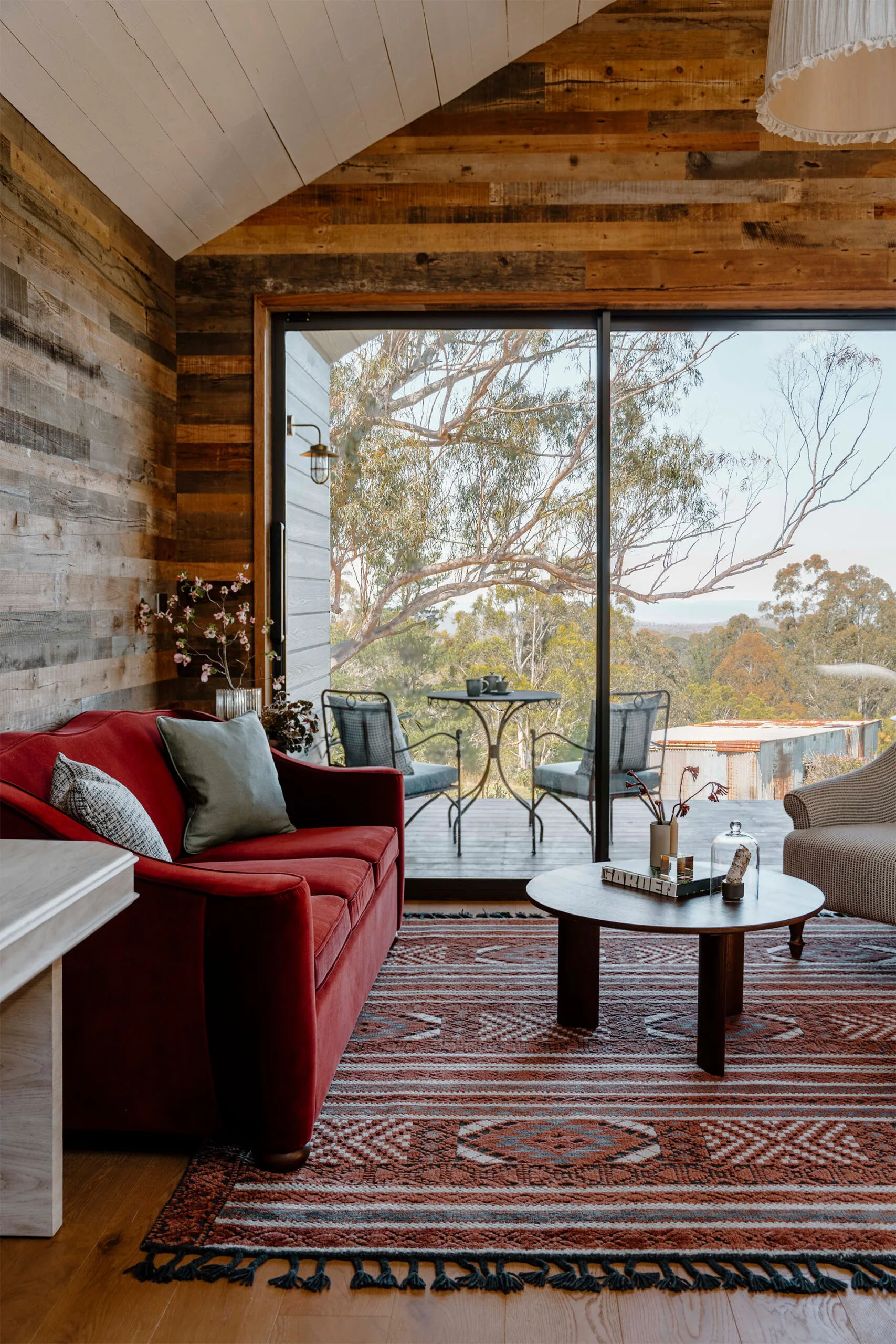
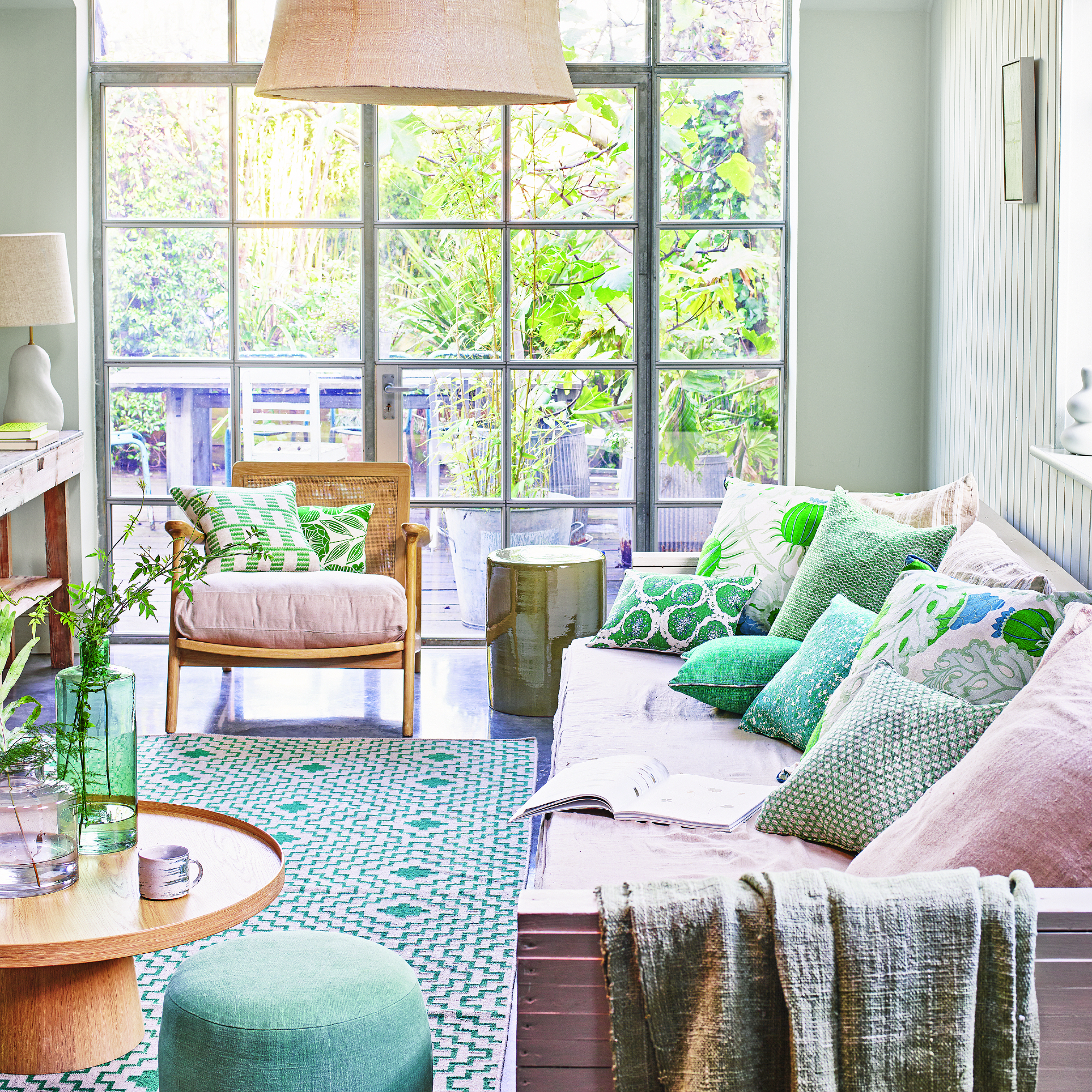
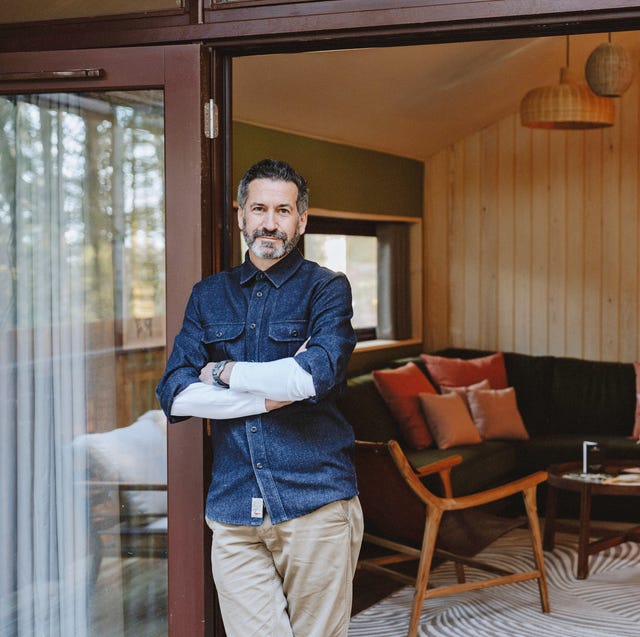
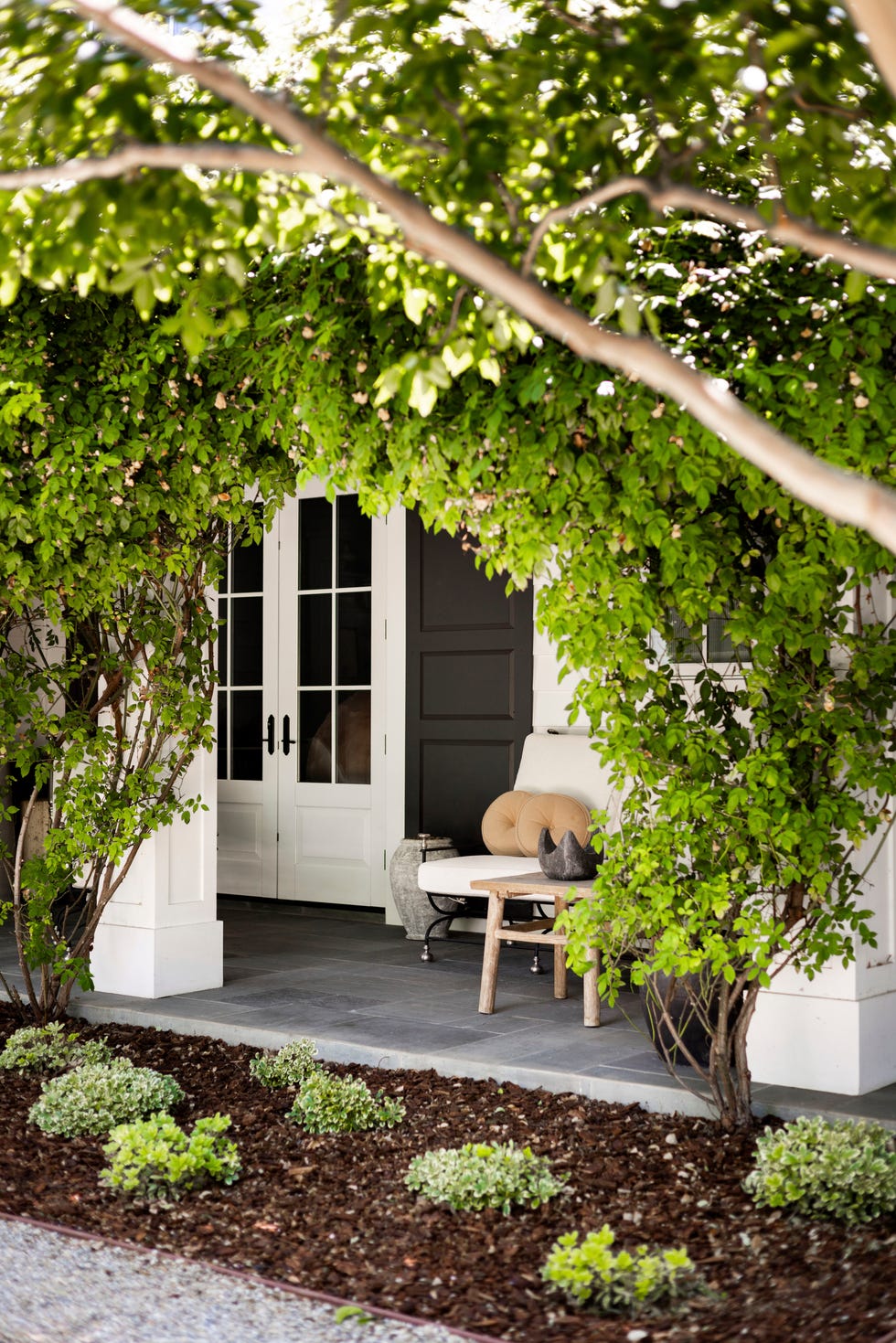
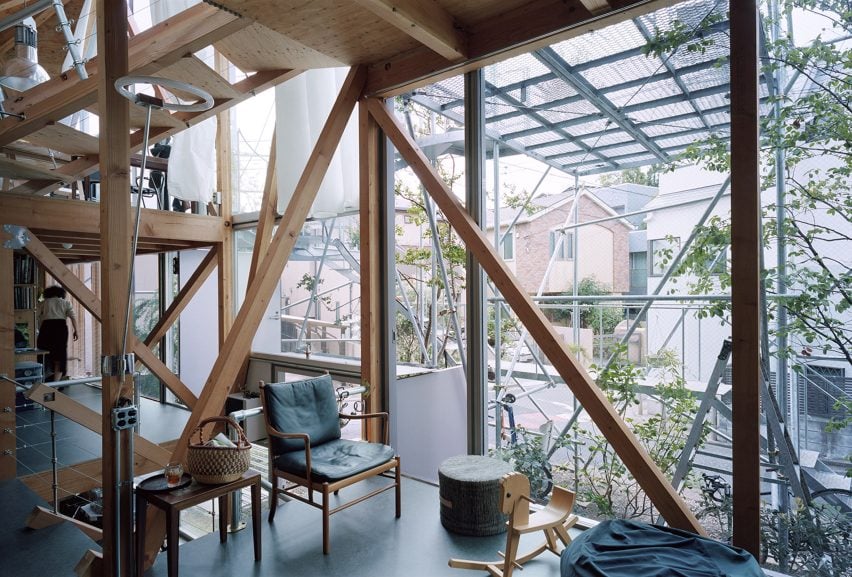
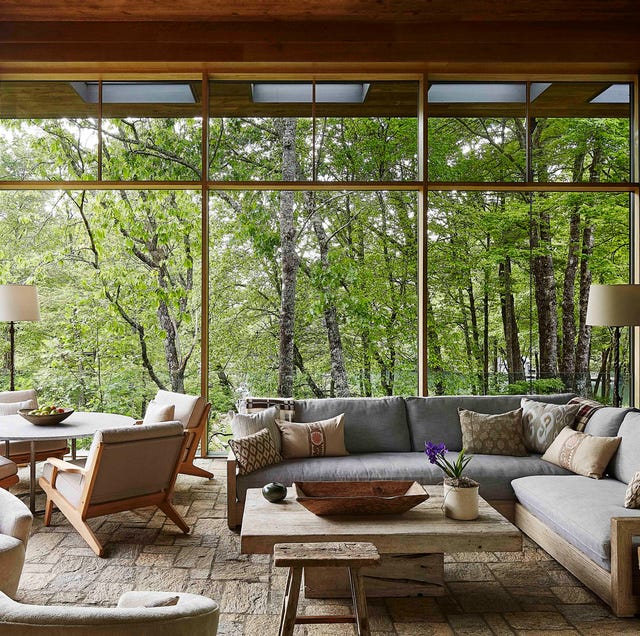
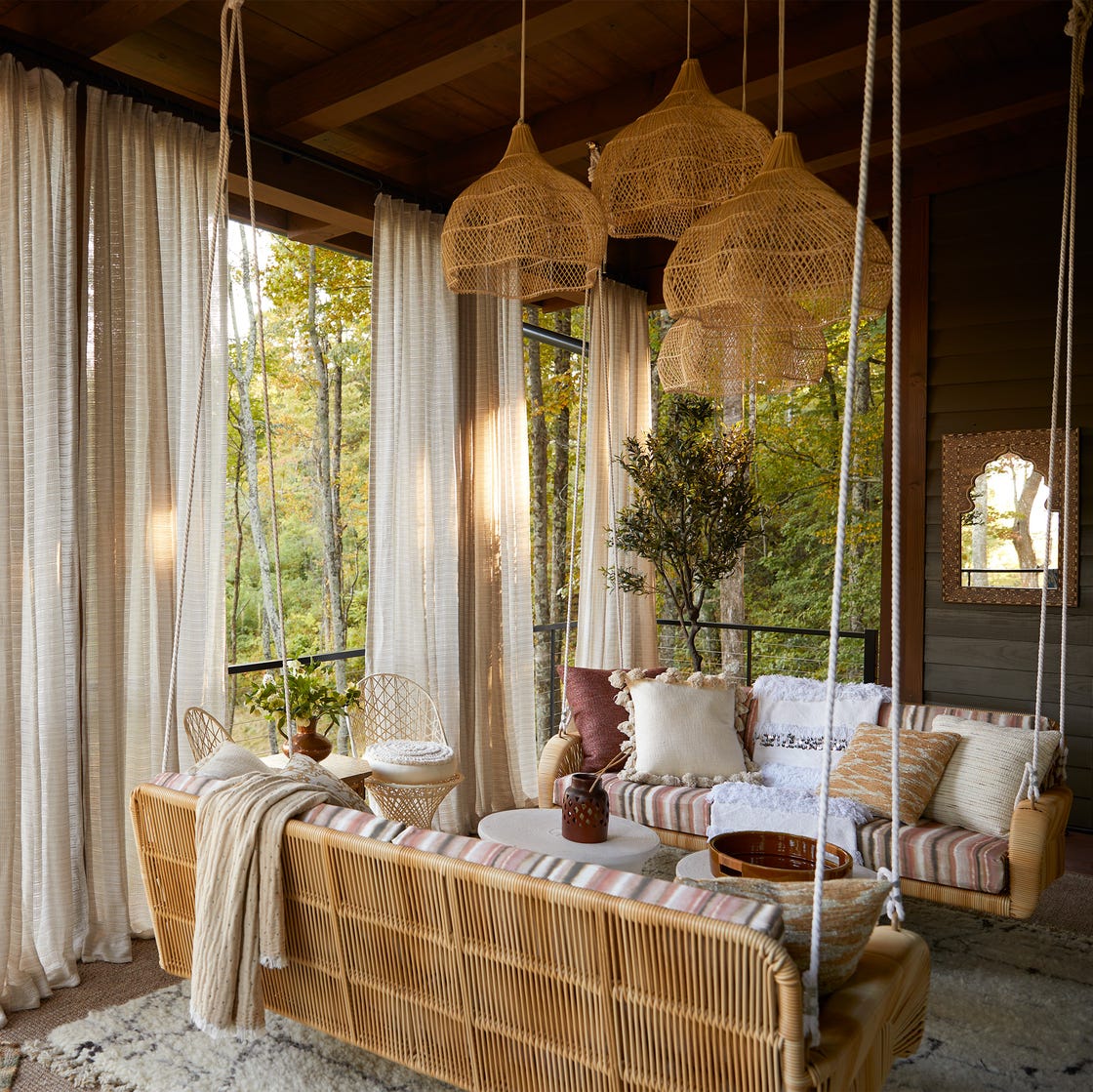
Central to biophilic design is the creation of a sense of safety and wonder. Browning refers to the concept of “prospect and refuge,” derived from a 1970s landscape geographer’s observation. Prospect involves an unimpeded view, evoking opportunity and inspiration, such as a sunrise over the ocean. Refuge describes a feeling of safety and comfort, like having one's back protected or a canopy overhead. Traditional craftsman bungalows with overhanging porches are an excellent example, offering both a broad view and a sense of enclosure. This balance inspires exploration from a secure position. Designer Ashley Cardiel often uses this principle, creating cozy, enveloping spaces within large homes and strategically placing windows to maximize natural views. She recounts a project where a writing desk was placed to overlook a river, and mature trees were preserved near a bedroom to create a forest canopy effect, enhancing engagement with nature.
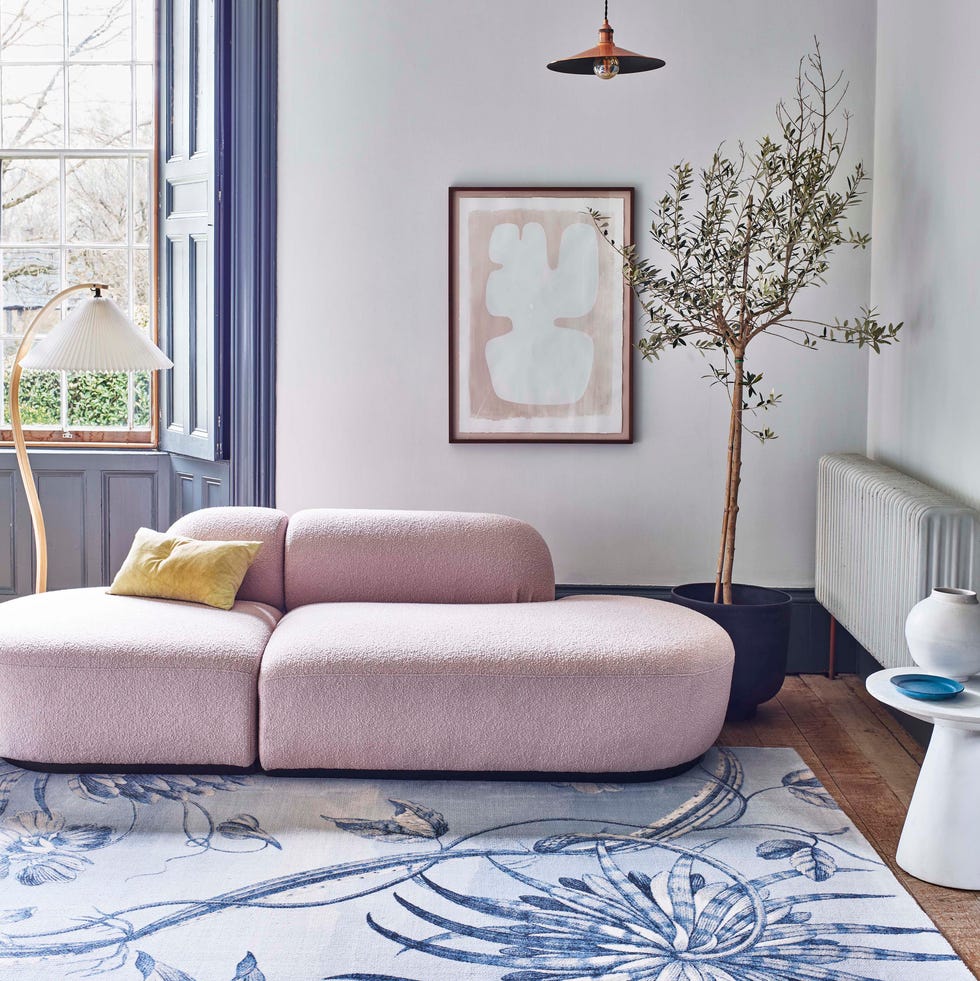
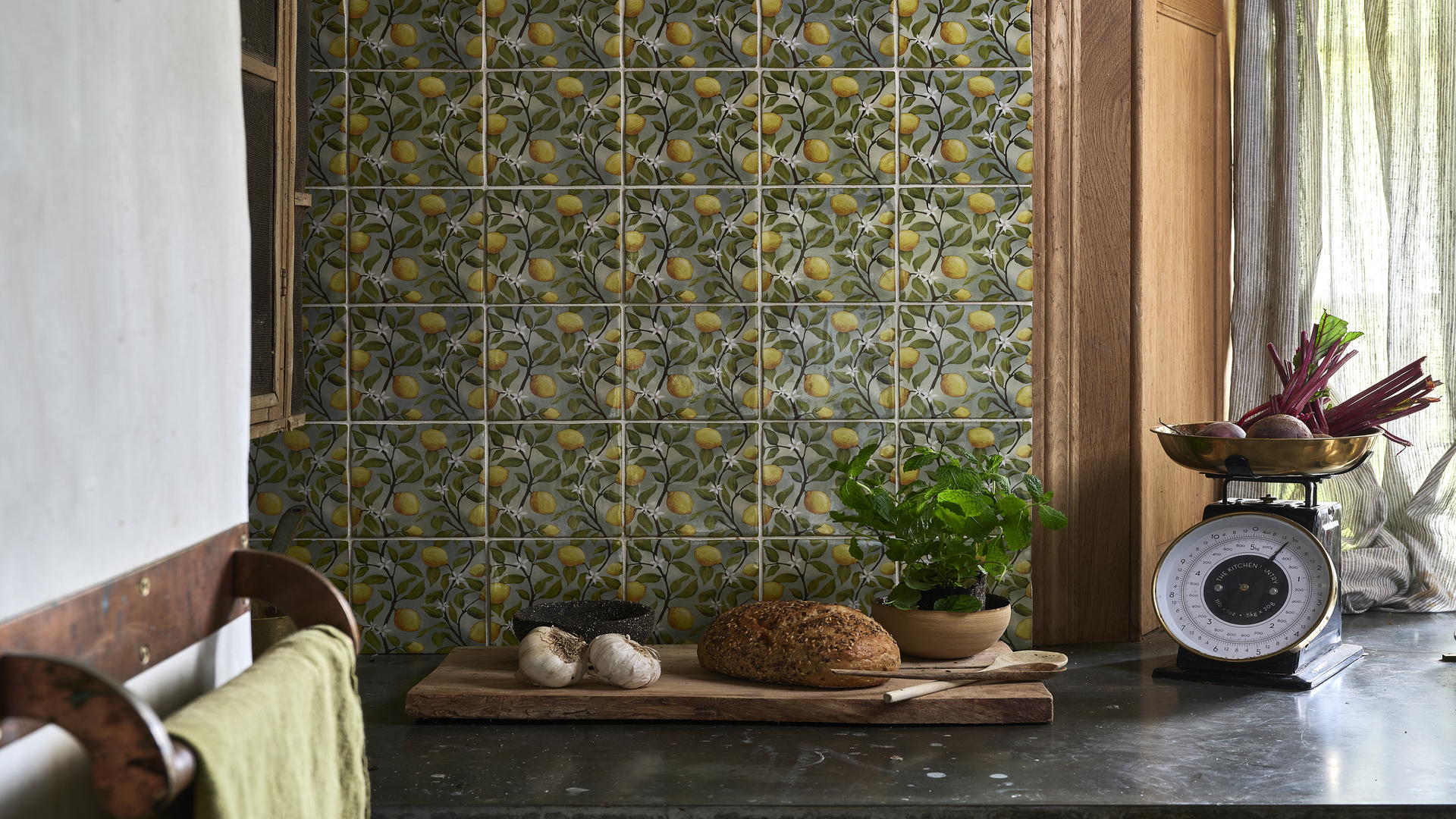
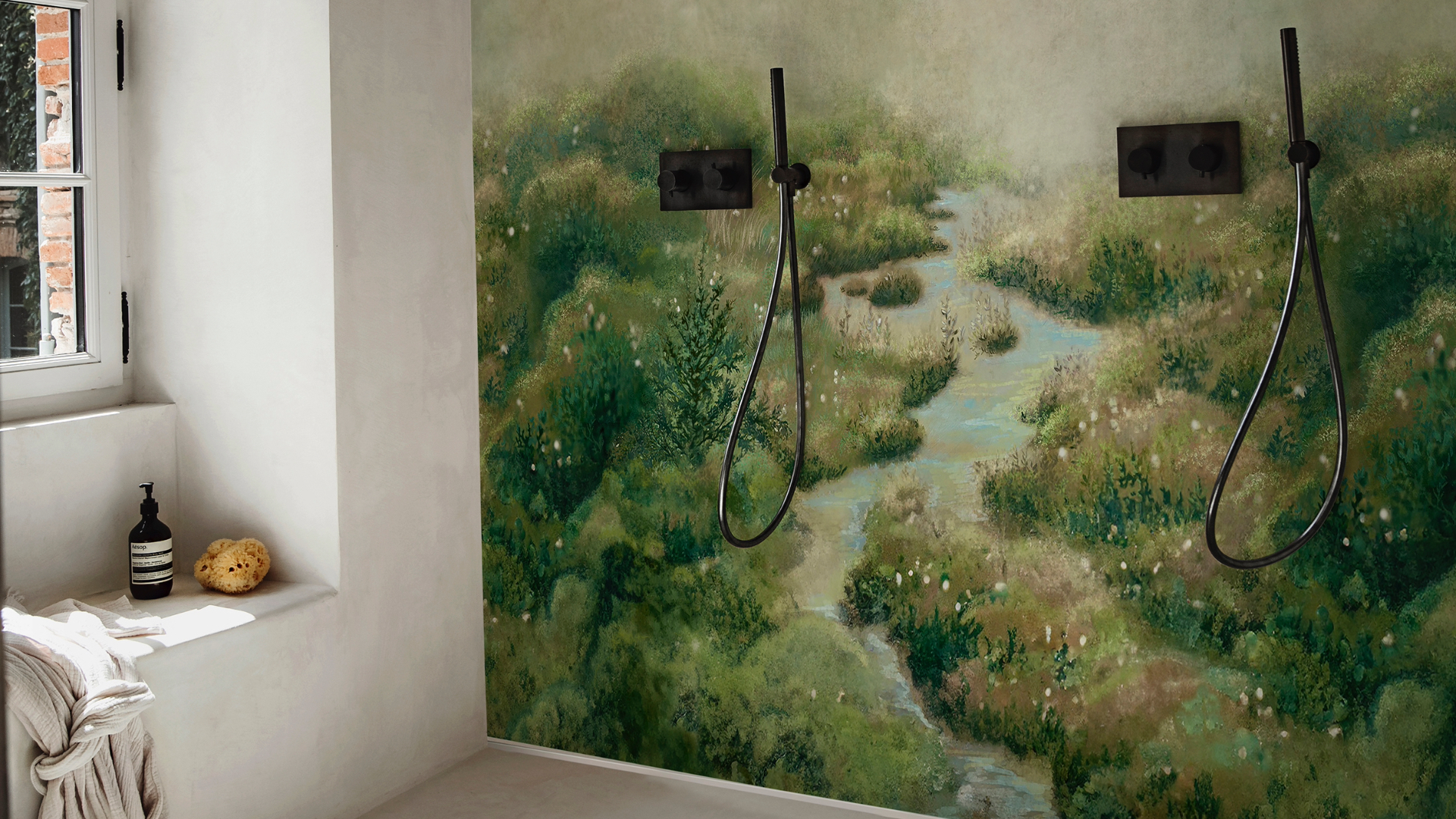
Another aspect of biophilic design is the incorporation of natural pattern language, or fractal fluencies. These are self-repeating mathematical patterns found in nature, like snowflakes, fern leaves, and waves, which elicit positive human responses. These patterns can be easily introduced through textiles, such as fabrics for window treatments, throw pillows, or wallpaper. Cardiel exemplifies this by repurposing antler sheds into a contemporary chandelier, creating intricate shadow play reminiscent of light filtering through tree canopies, thereby adding visual texture even in windowless rooms.
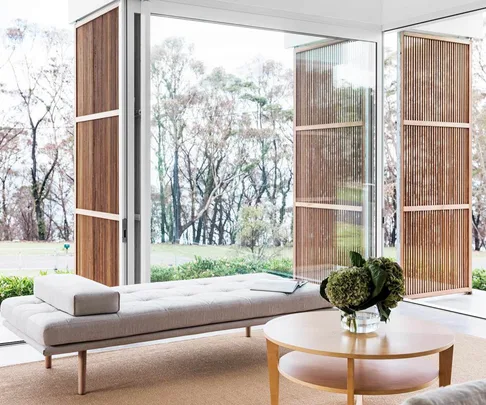
Natural light is crucial for regulating circadian rhythms, improving sleep quality, and boosting energy levels. Designers prioritize unobstructed windows and views. For spaces lacking natural light, innovative biophilic solutions are employed. Cardiel installed circadian rhythm canned lights in one client's home, which automatically adjust color temperature throughout the day to mimic natural sunlight—warmer in the morning, cooler blue at midday, and redder in the evening. This technology aids in adjusting to time zones and can positively impact energy levels, similar to caffeine. Vanity mirrors with cool, white energizing light offer a localized biohack.
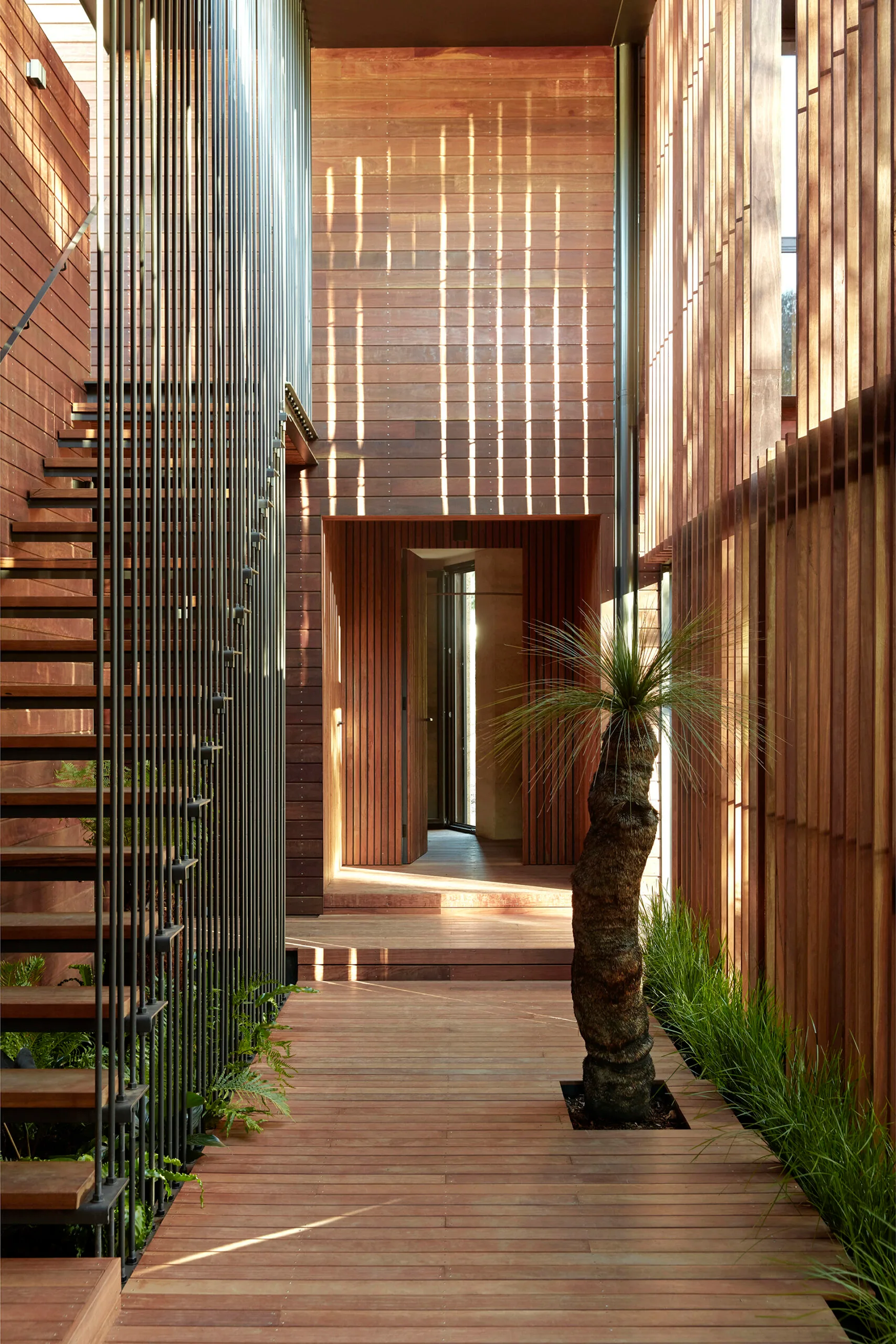
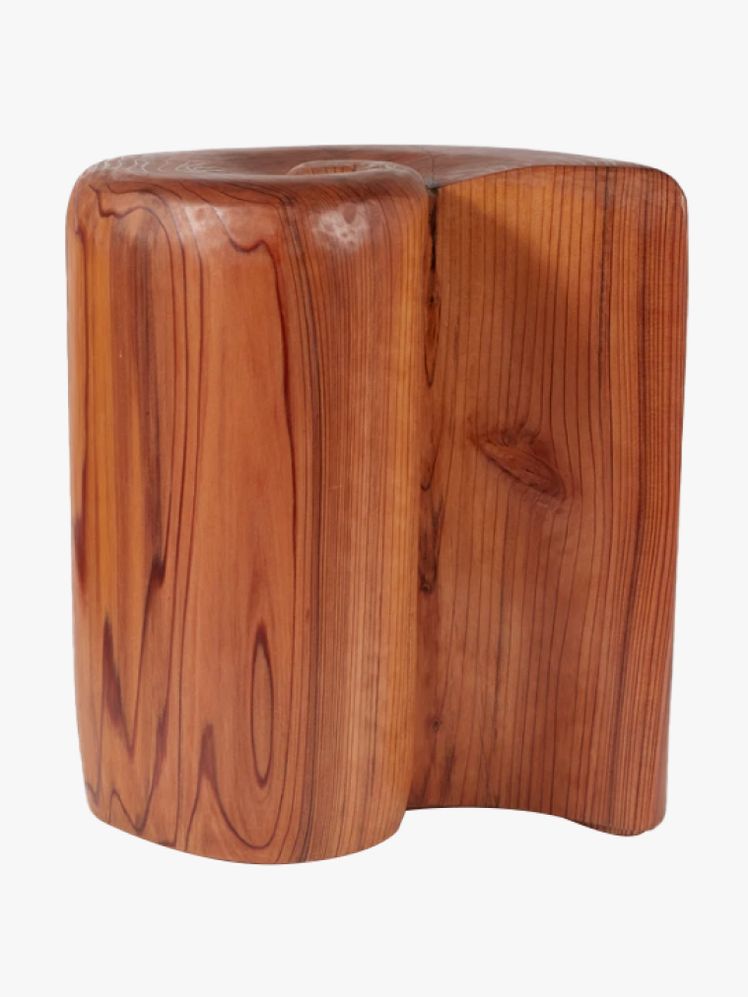
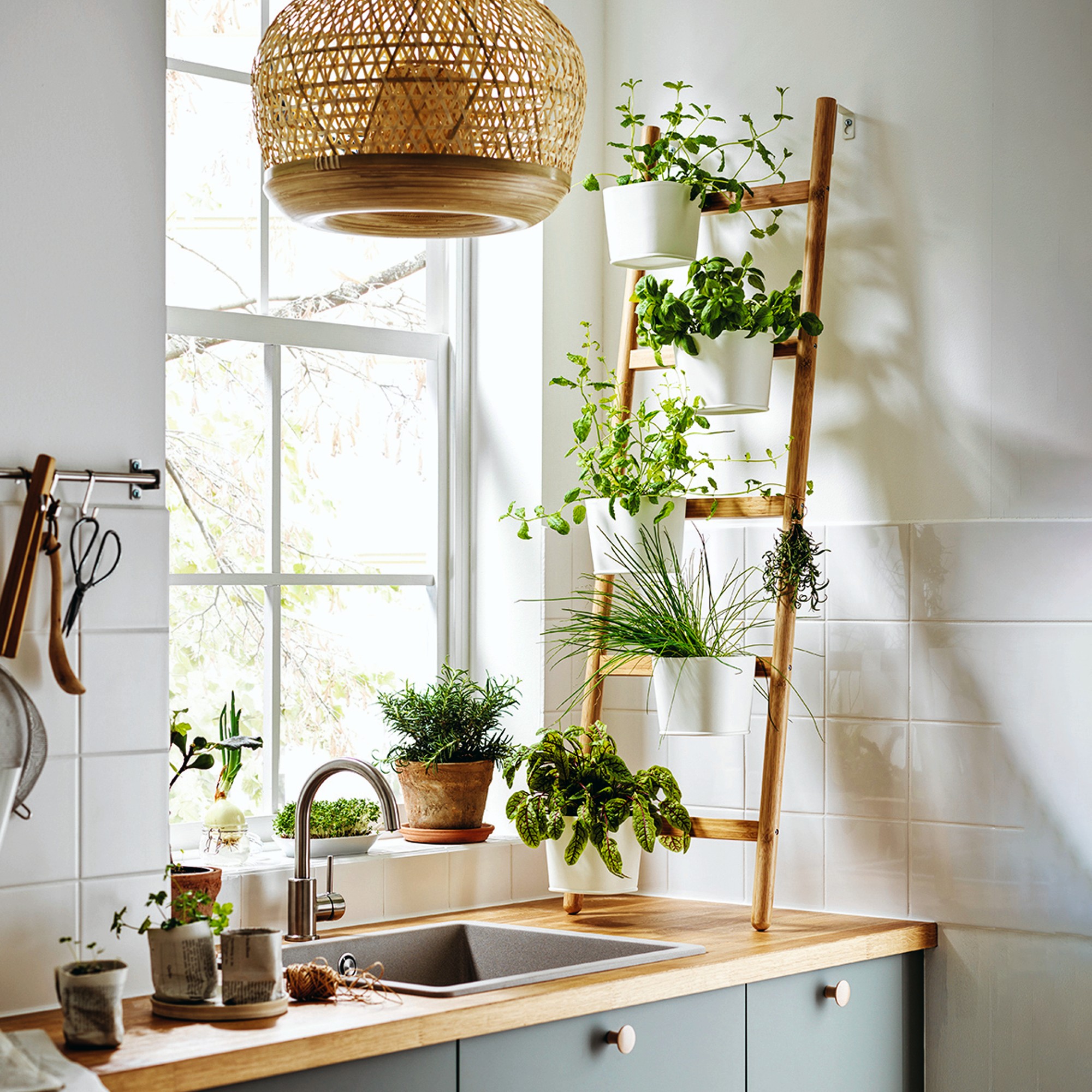
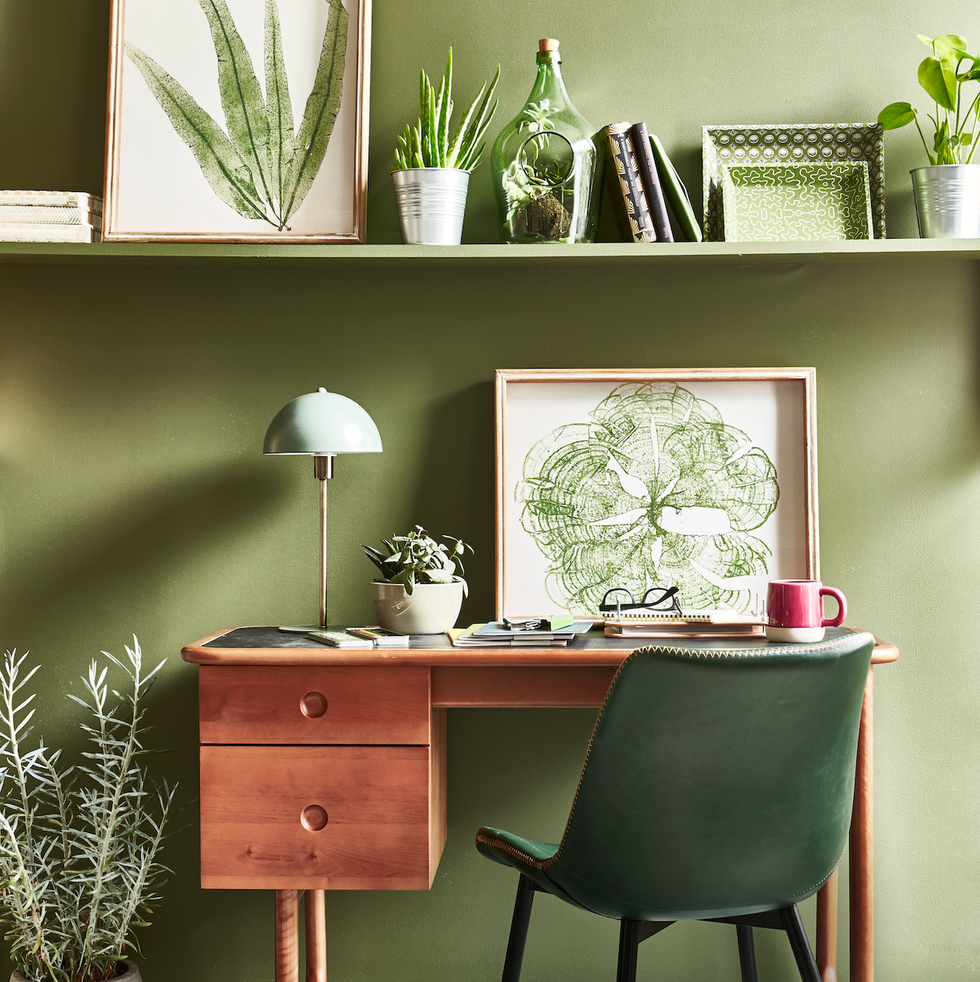
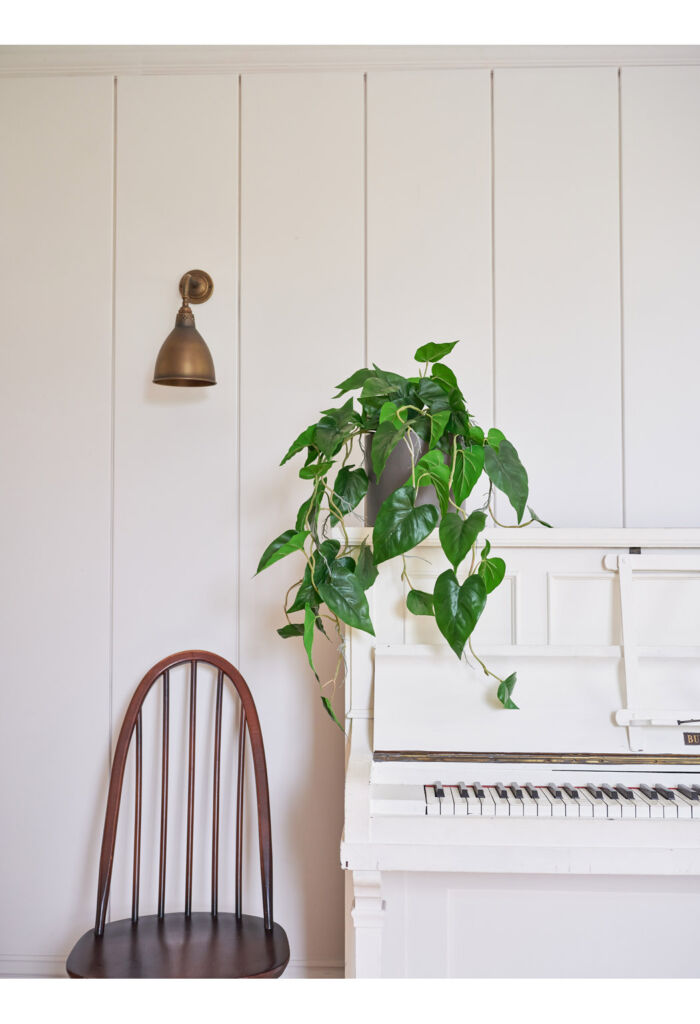
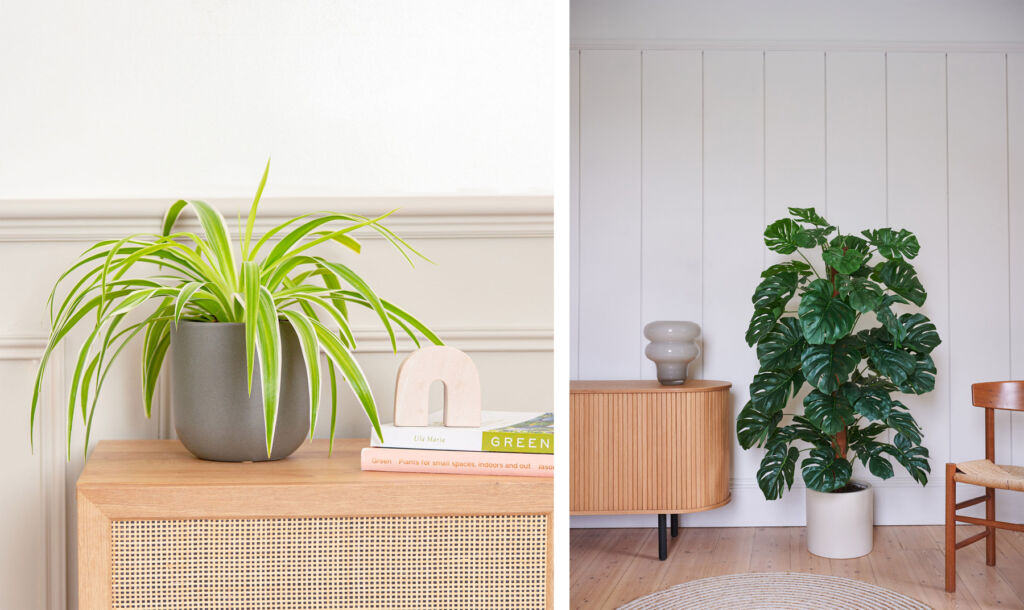
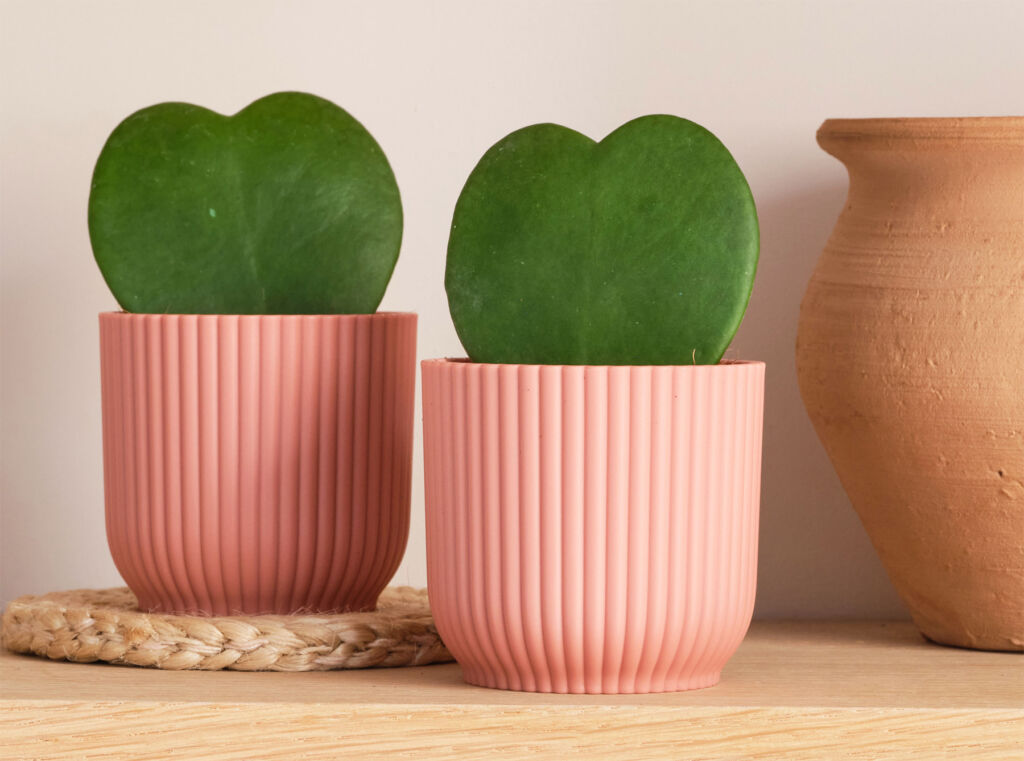
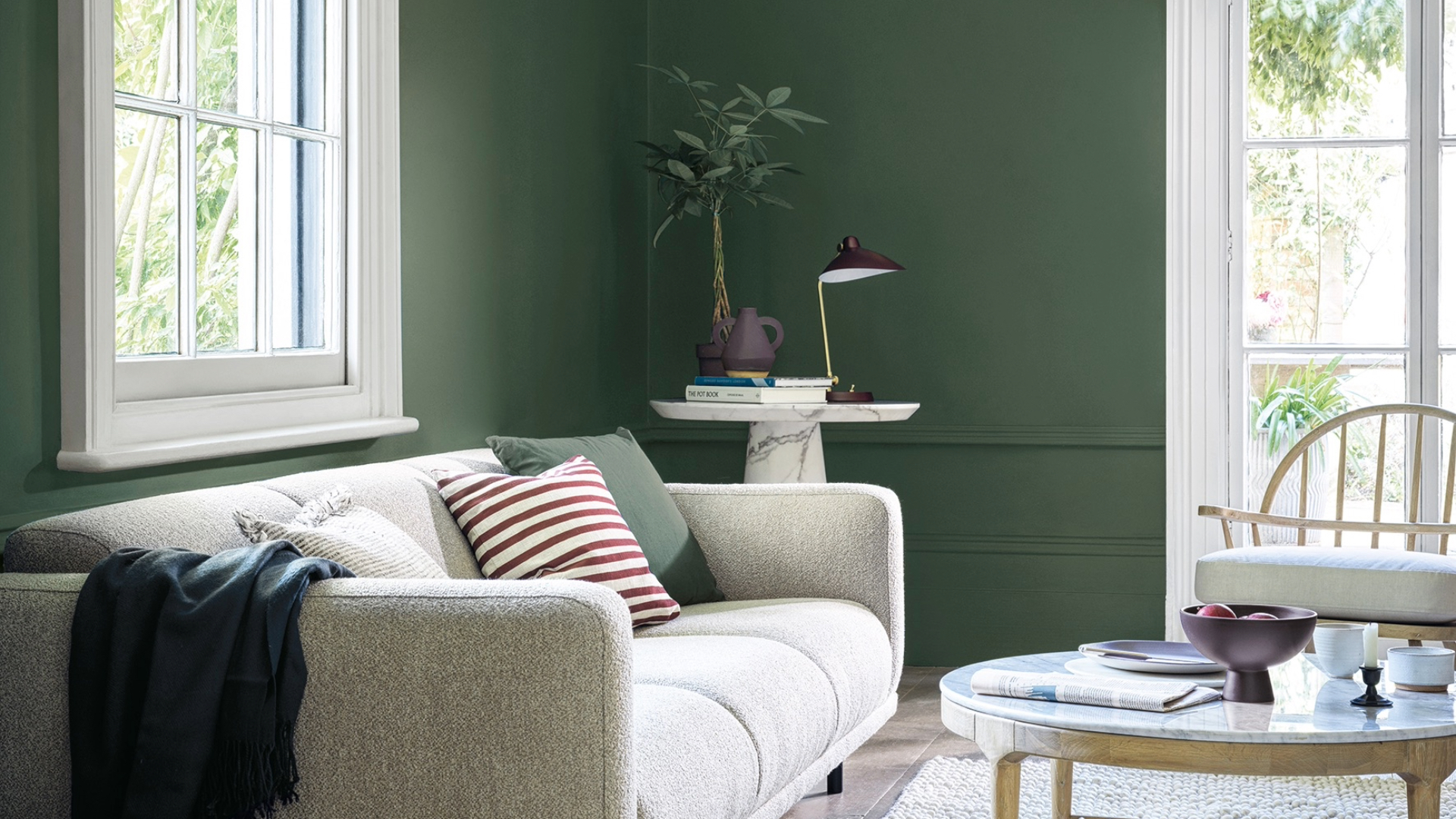
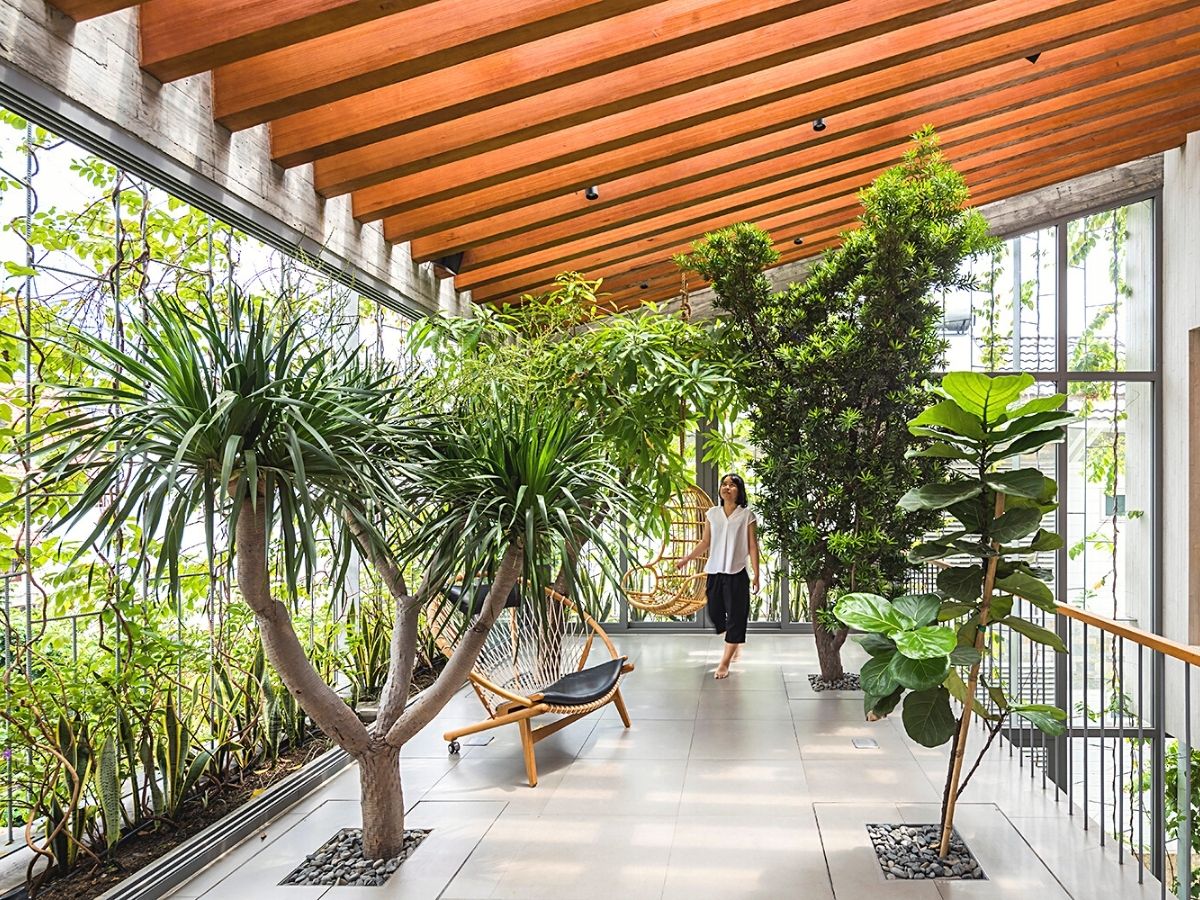
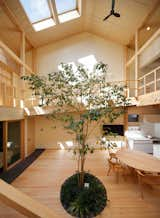
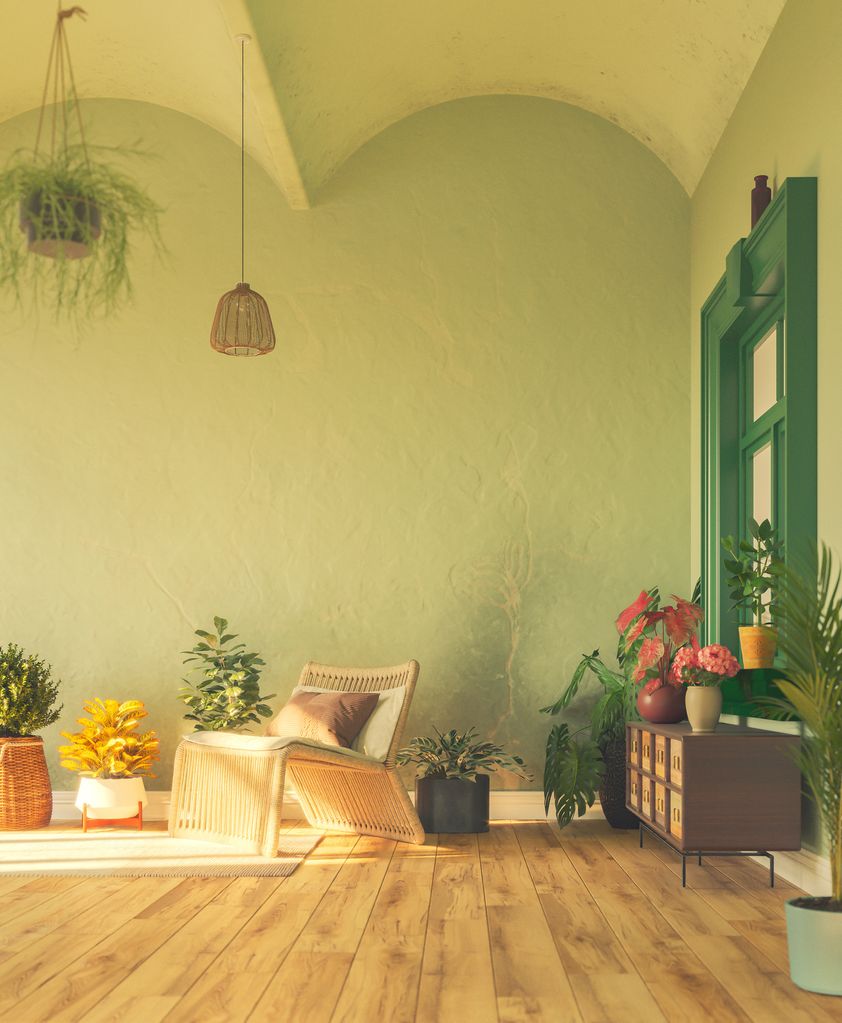
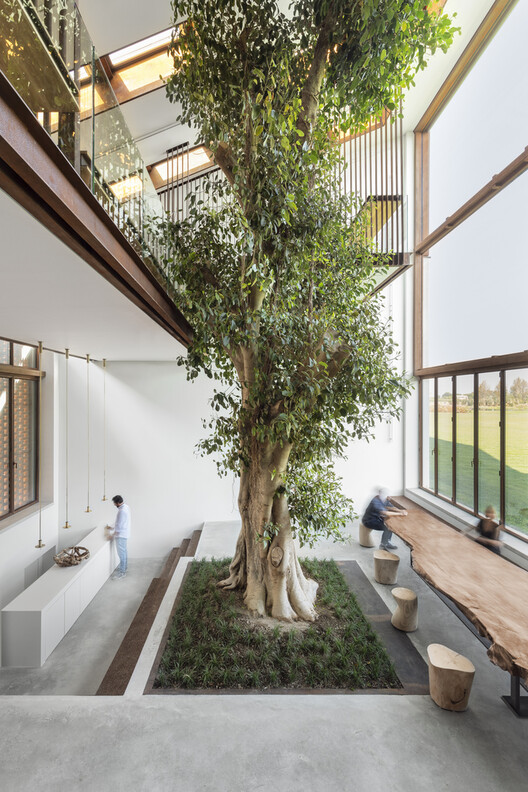
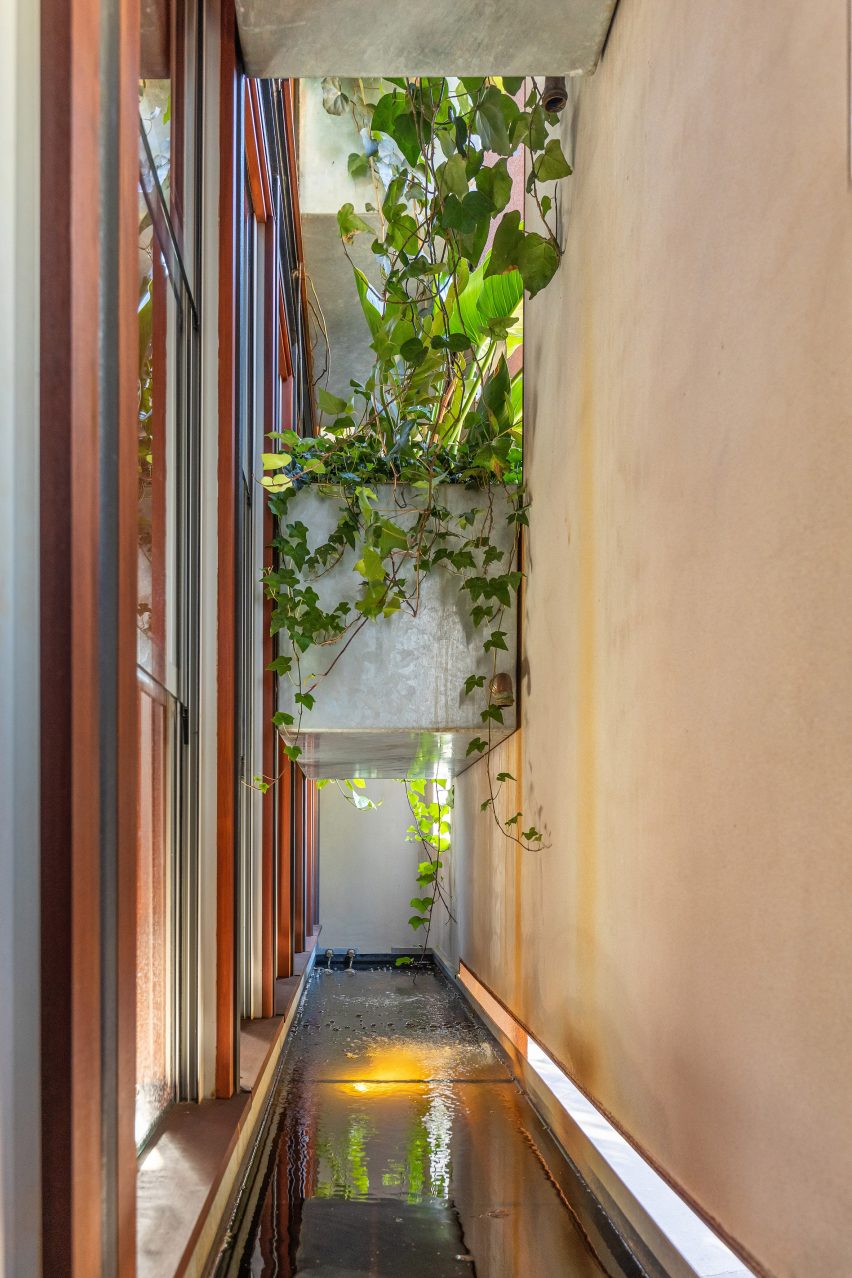
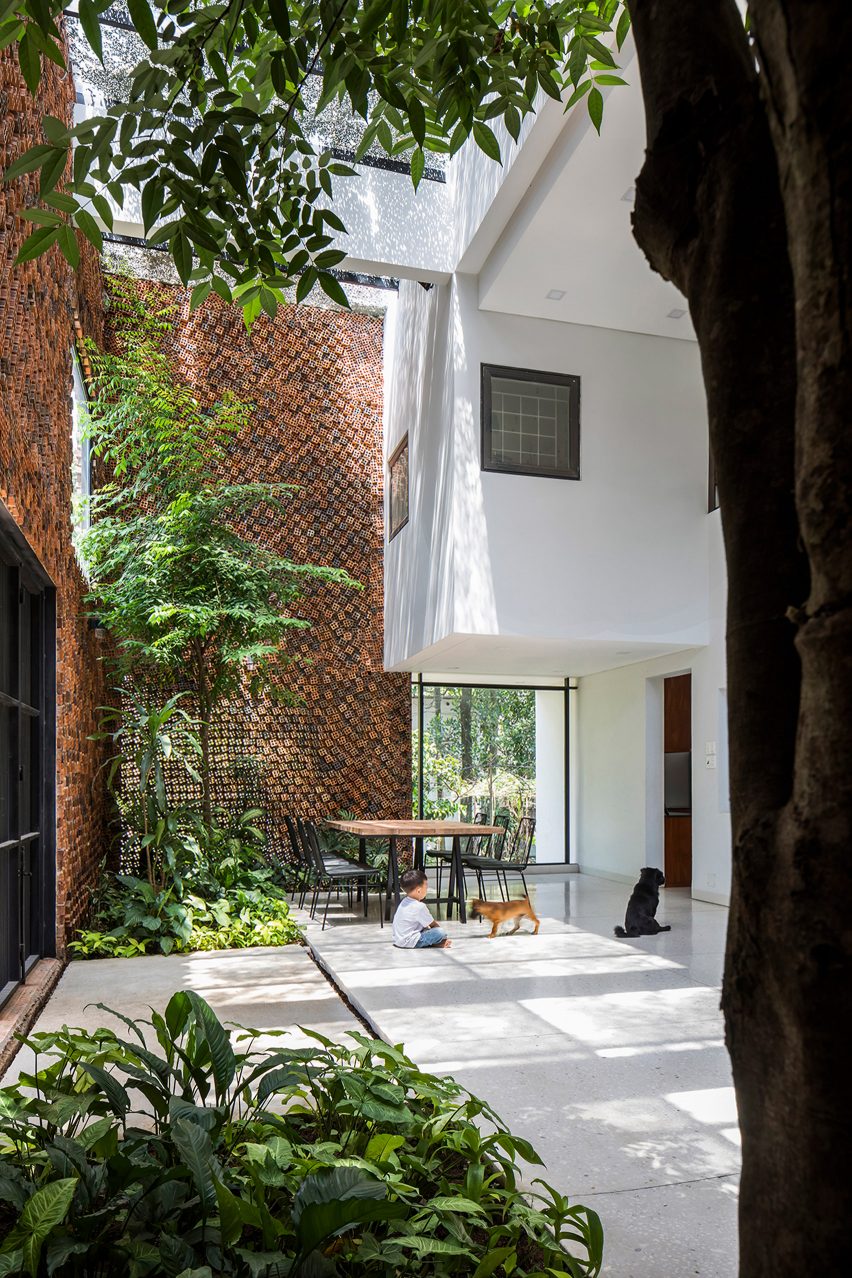
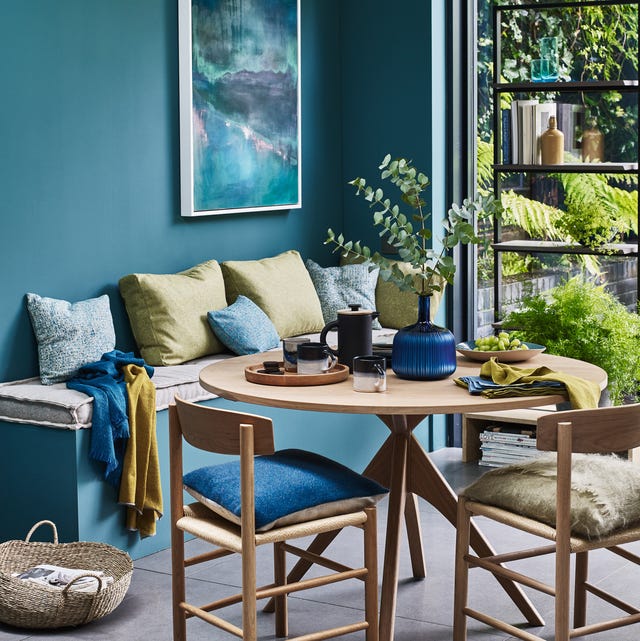
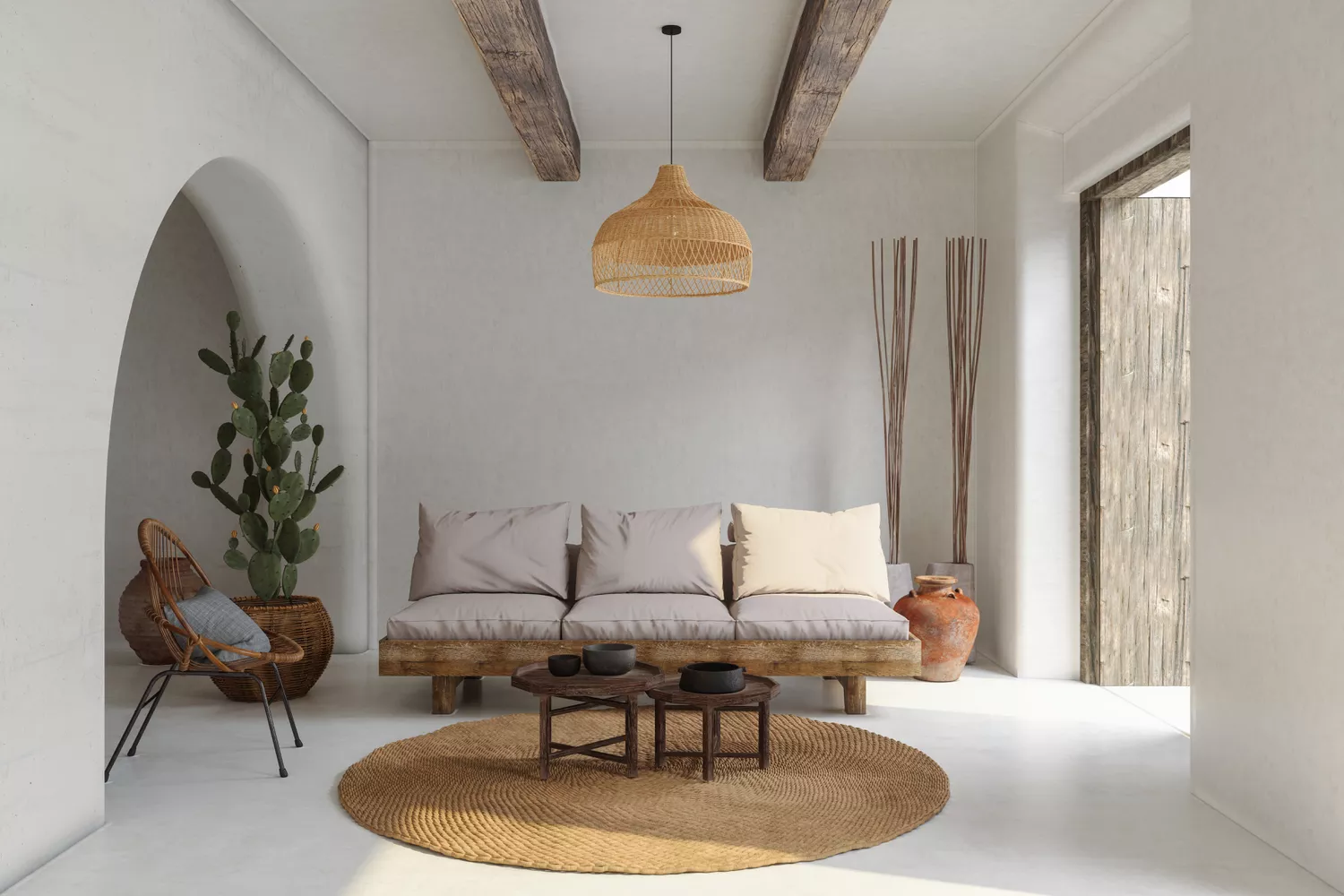
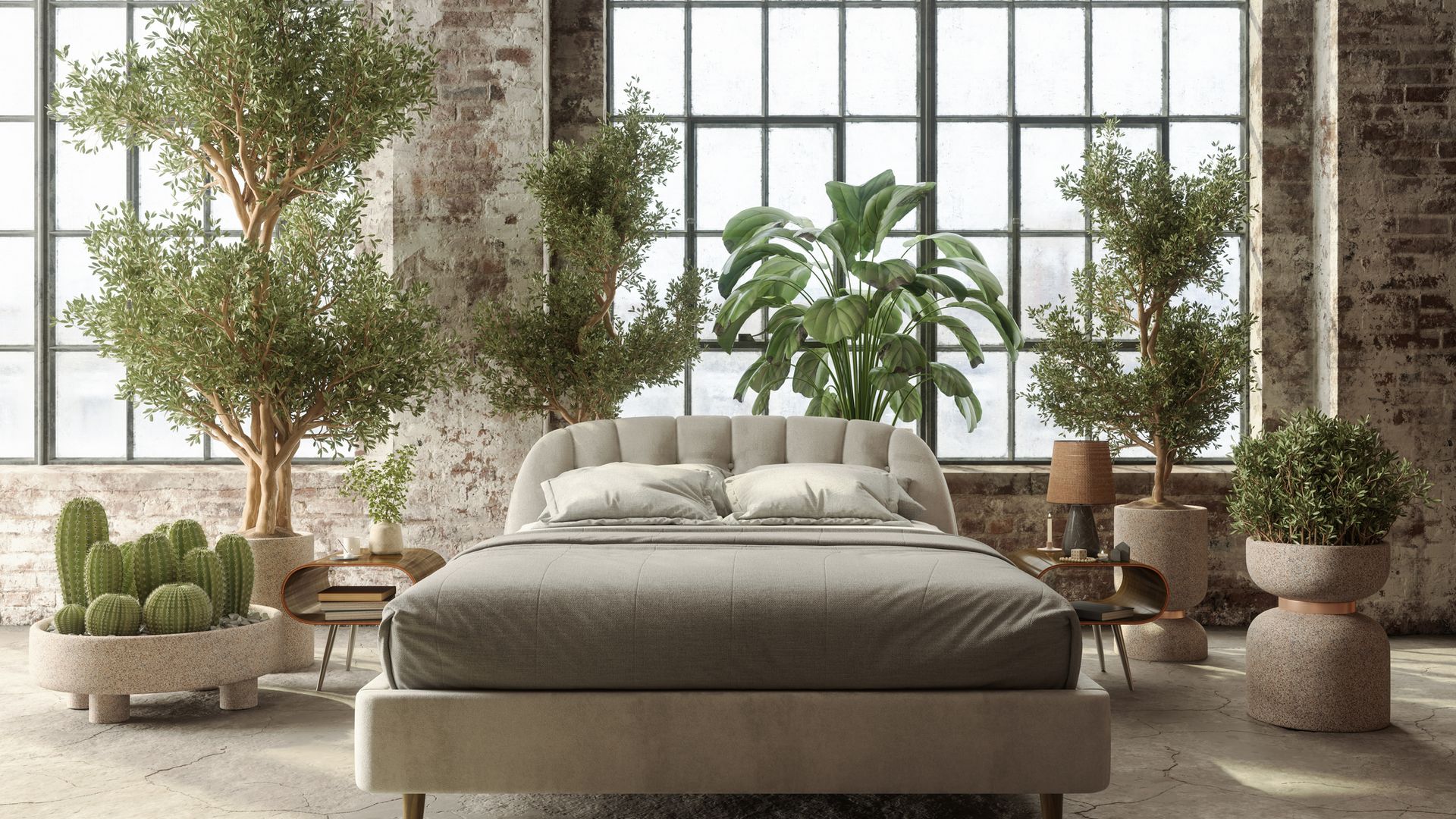
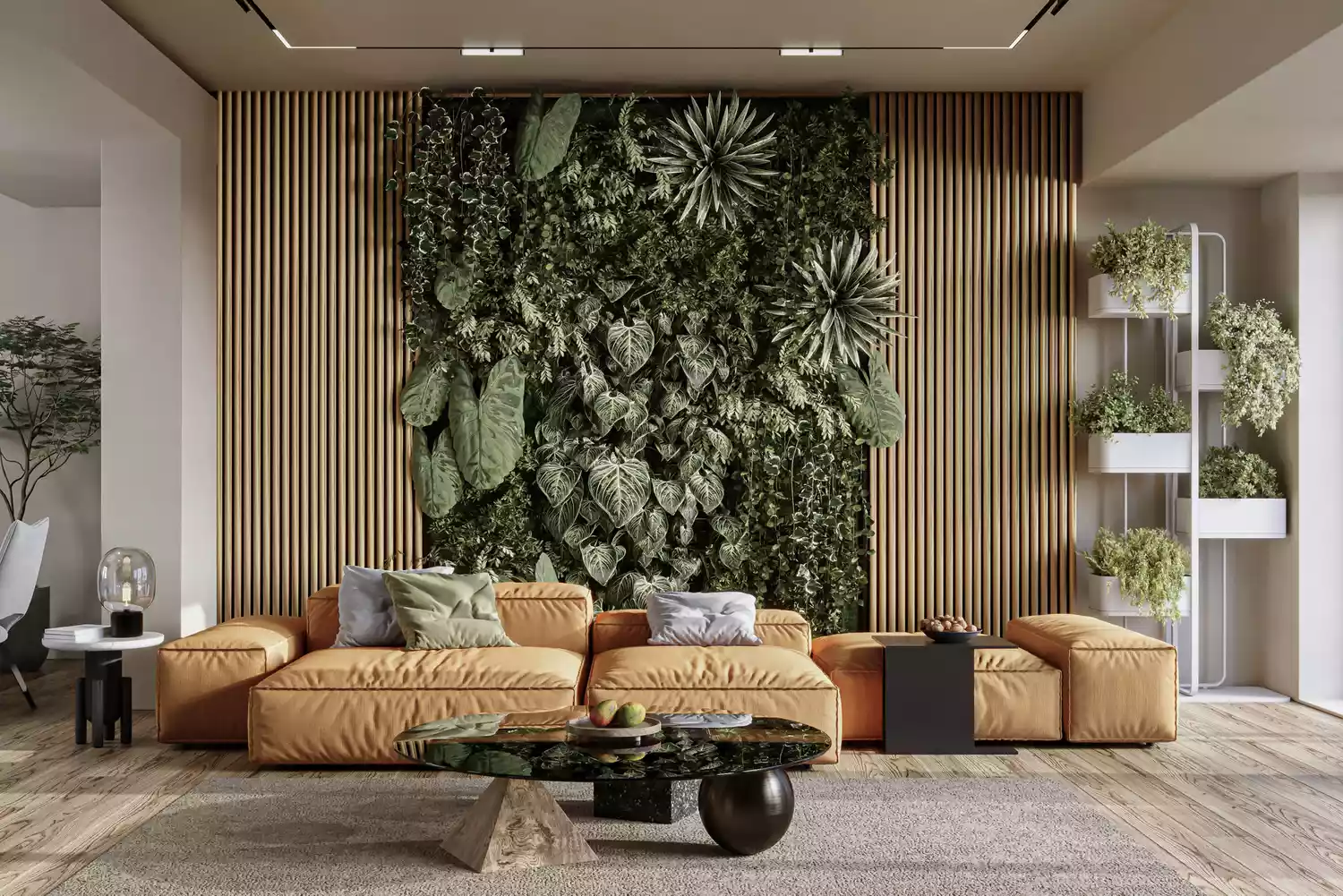
Finally, direct integration of nature is a simple yet powerful biophilic element. This includes bringing plants and animals indoors. Grouping several houseplants, or creating miniature landscapes like terrariums, can evoke a stronger positive psychological response than a single plant, as the brain perceives a thriving habitat. Incorporating stained wood in flooring, paneling, or furniture, and using natural stone in countertops or walls, further connects interior spaces to the natural world. Cardiel notes that these elements inspire clients to personalize their homes, leading to reduced stress, increased calmness, and enhanced cognition and contentment over time. The scientific validation of these fundamental design values underscores their importance in creating healthier, happier living environments.
#BiophilicDesign #HomeDecor #InteriorDesign #WellnessDesign #NaturalElements #FractalPatterns #CircadianLighting #IndoorPlants #SustainableLiving #BiophilicDesign #HomeDecor #InteriorDesign #WellnessDesign #NaturalElements #FractalPatterns #CircadianLighting #IndoorPlants #SustainableLiving
Há 0 comentários no total
 Ainda não há comentários
Você também pode gostar
What the heck is biophilic design?

The biggest wellness interior design trends for 2025

Our Homes Have A Lot To Do With Mental Health — This Architect Is Sharing Ways To Make Yours Less Stressful

Biophilic Design Is About Connecting With Nature—Here's How to Utilize the Décor Trend In Your Home

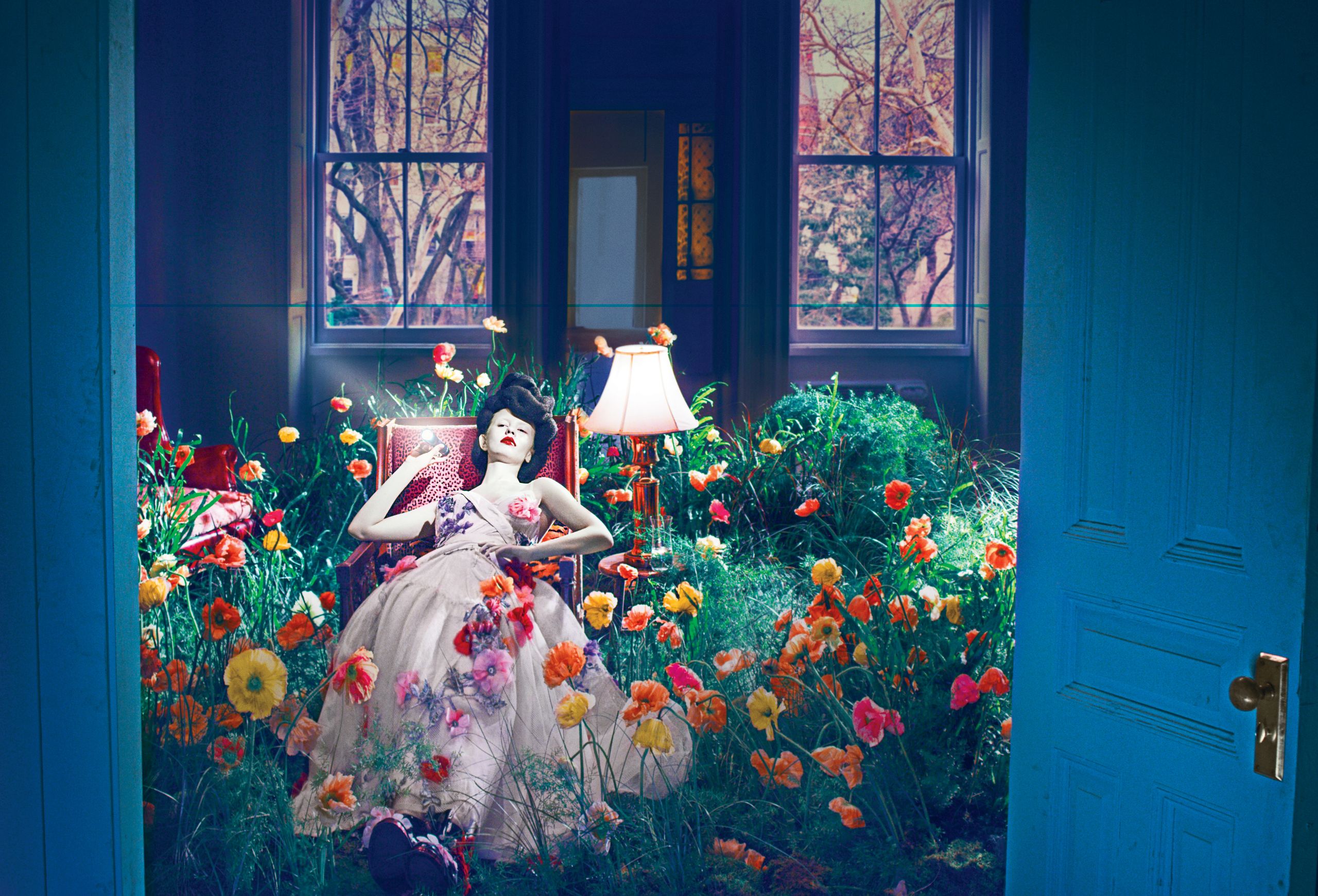
What is Biophilic Design? This Nature-Based Interiors Trend Promises Wellness
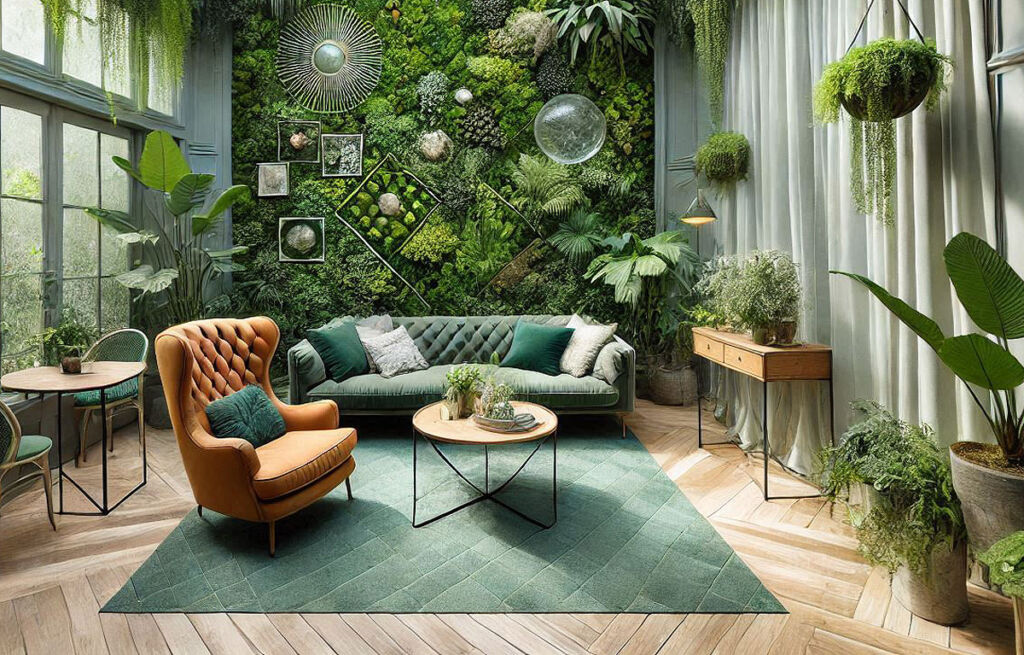
Why Houseplants And Biophilic Design Will Front 2025's Interior Design Trends
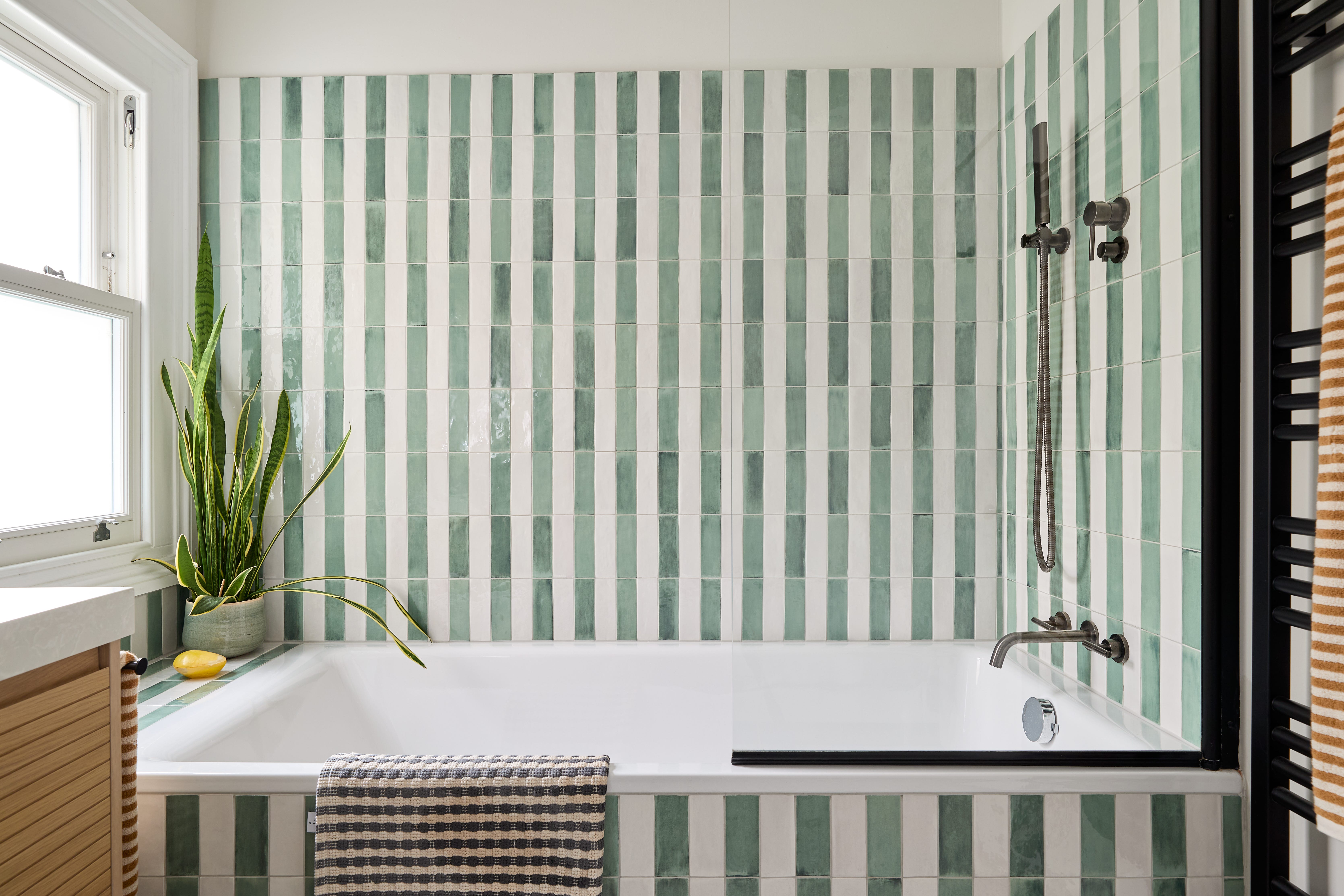
8 ways to freshen up your home through natural biophilic design
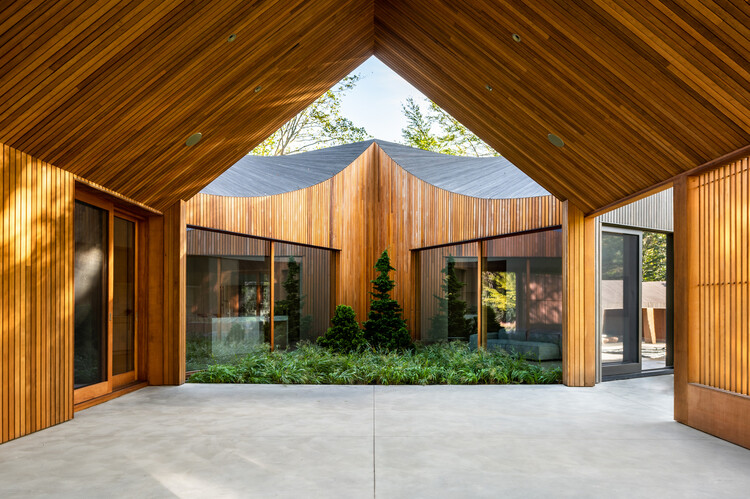
Biophilic Interiors: 21 Projects that Blend Architecture with Nature

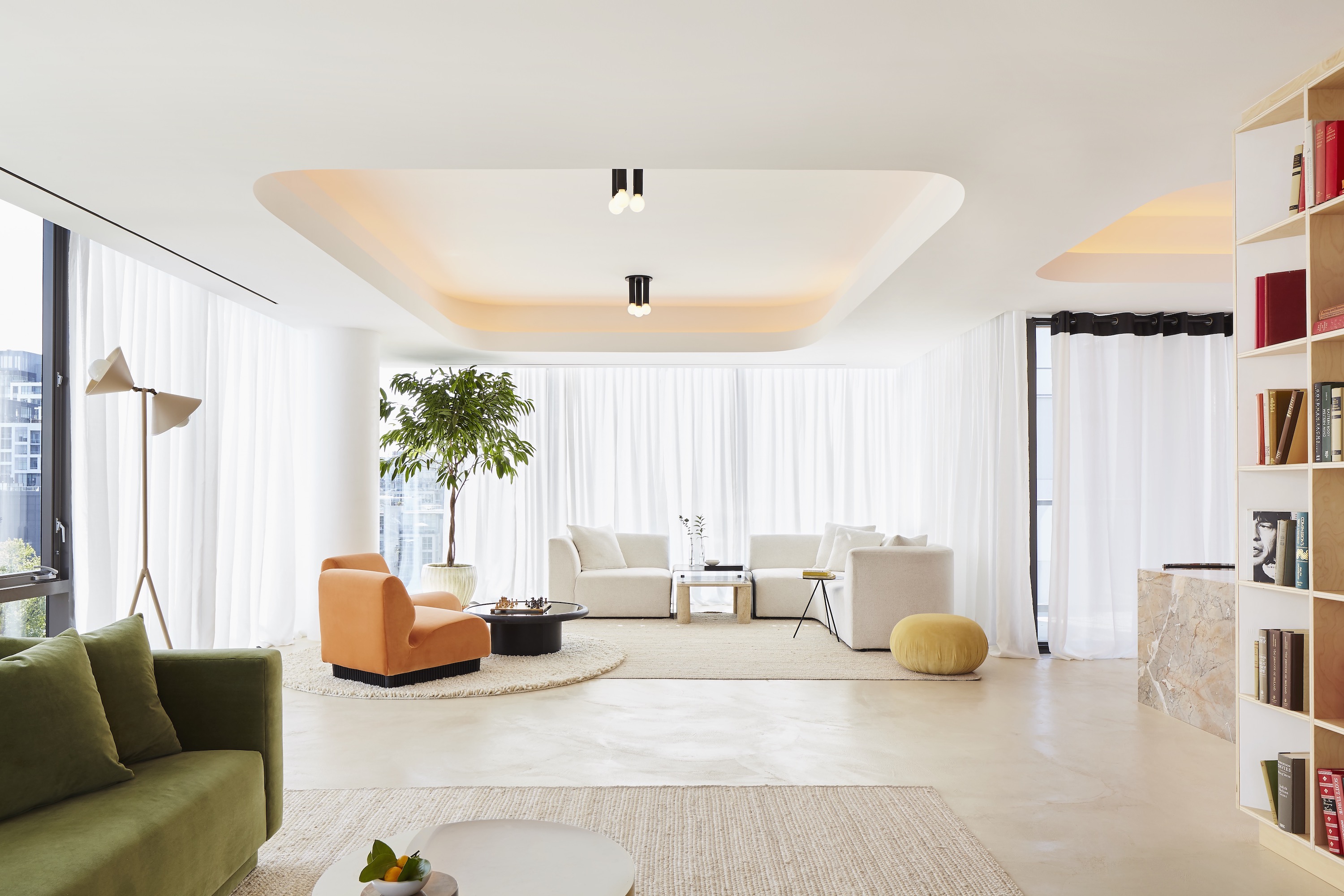
This Biophilic Condo Wants to Improve Your Health — By Design
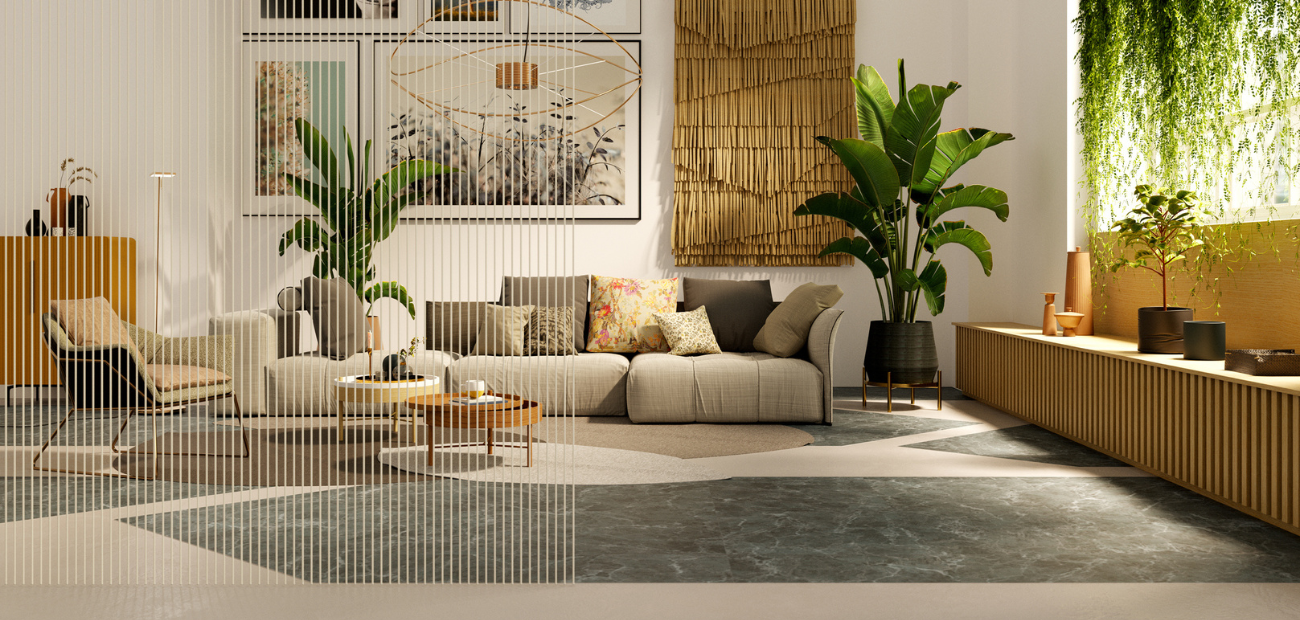
Biophilic Design Helps Homeowners Connect to Nature
20 Nature-Loving Homes Where Biophilia Thrives


The environment in which we live and our mental health are intricately connected


Well-Being Through Biophilic Interiors

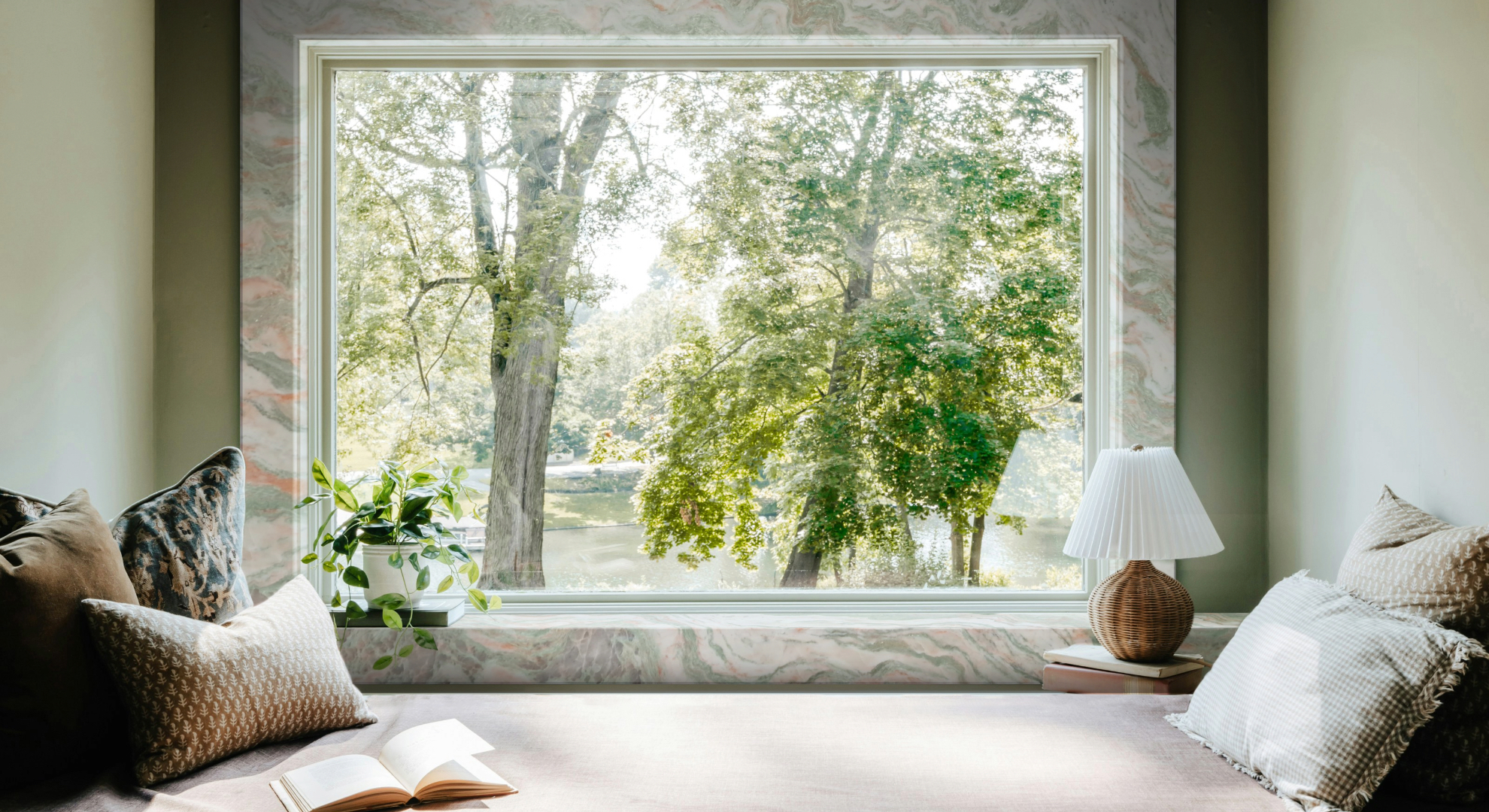
Stunning biophilic design ideas to help you bring the great outdoors into your home

Biophilic Design Is the Signature Style of Plant Lovers Everywhere
Ten modern homes with interiors informed by biophilic design

Biophilic design ideas - clever ways to bring nature into your home for a calming space
Biophilic Interiors Invade These 10 Contemporary Residences

What are Biophilic interiors? How bringing the outdoors in is proven to make you happier

Biophilic Design Is the Decorating Trend You Need To Try if You Love Plants