1/9
Two-tier kitchen islands are the future – 9 reasons why designers want you to invest now
This article explores the growing trend of two-tier kitchen islands, detailing why interior designers consider them a valuable investment for modern homes. These multi-functional islands offer a range of effective design solutions by integrating diverse work and social spaces within a single furniture piece, suitable for both large and compact kitchens. Designers are increasingly using these bespoke islands to create dynamic and highly functional kitchen environments that cater to the multifaceted demands of contemporary living.
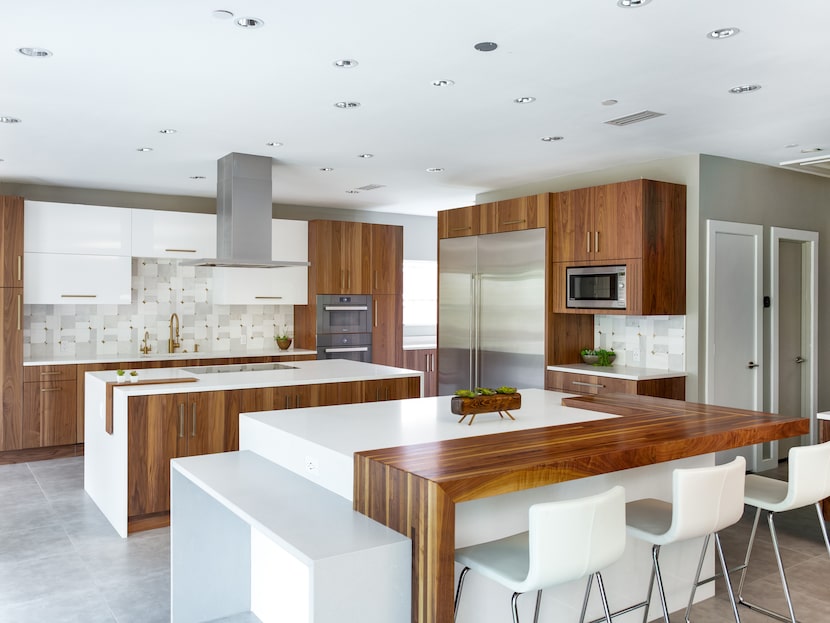
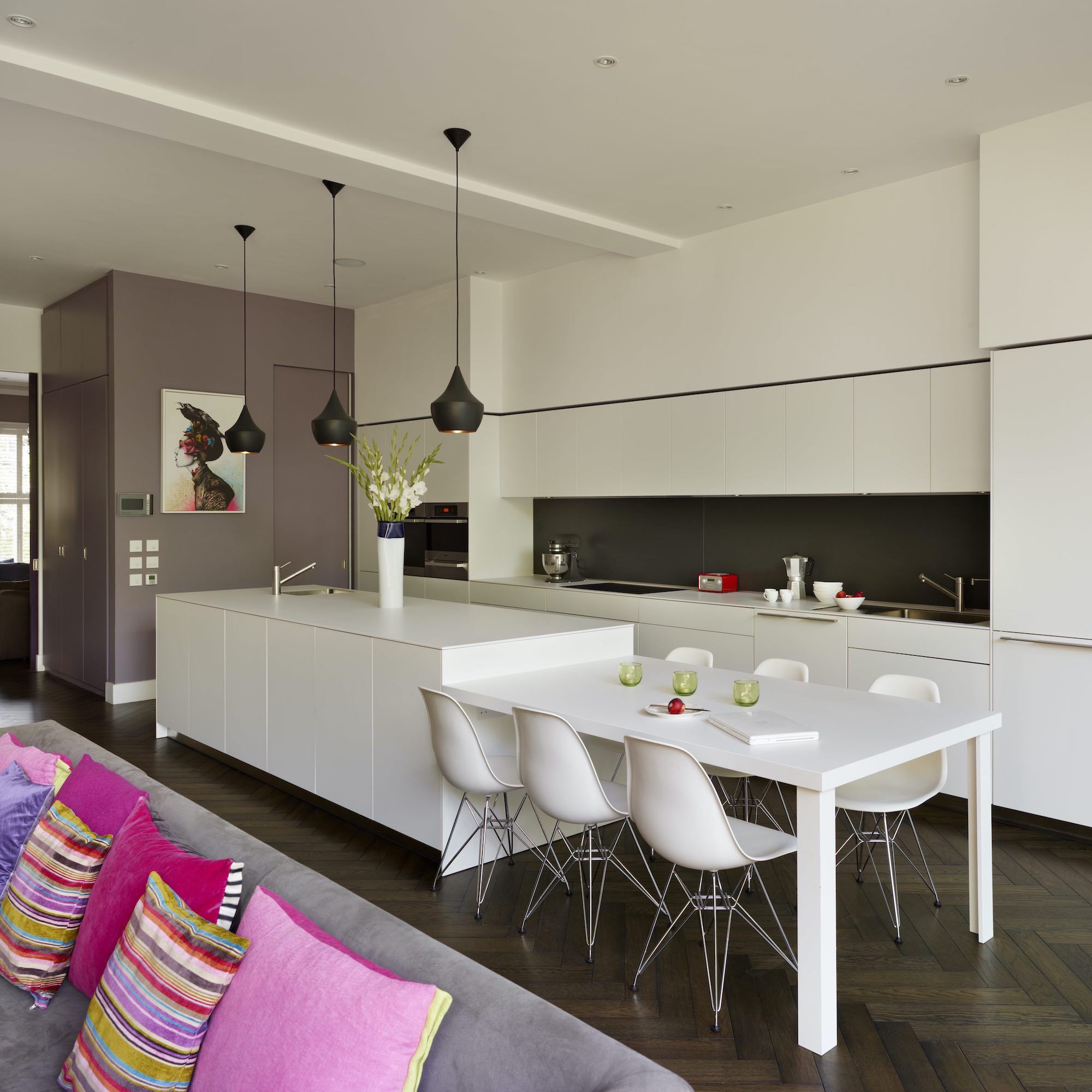
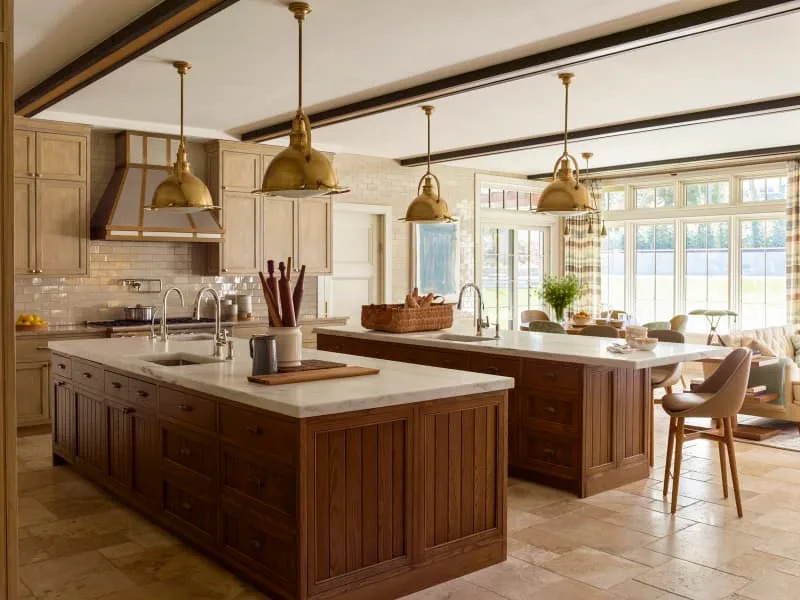
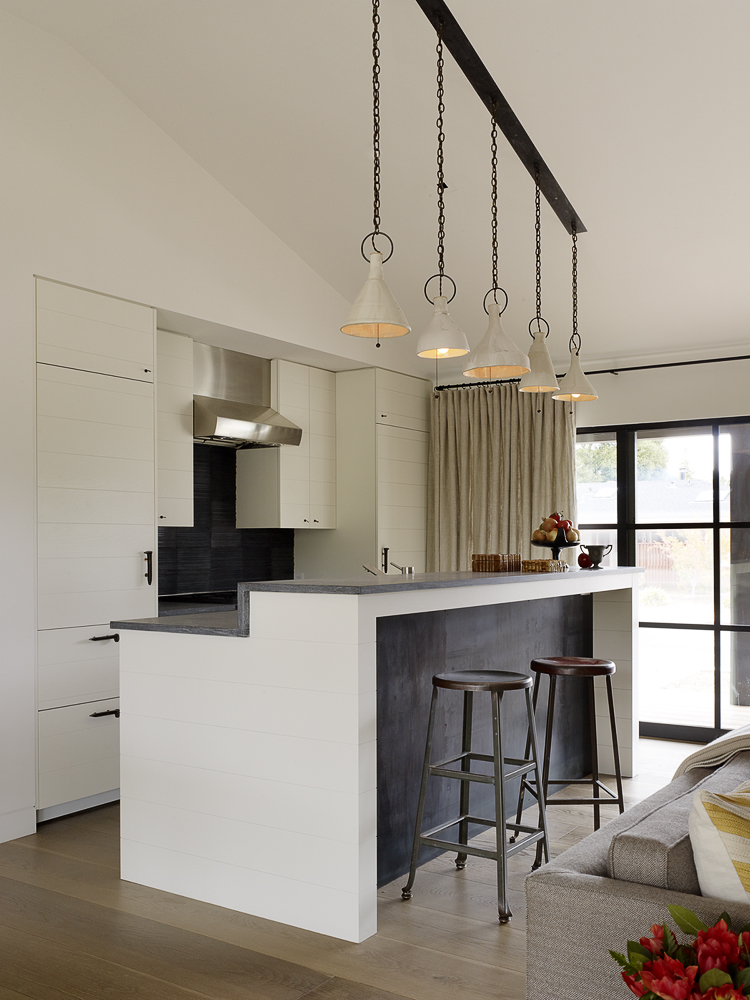
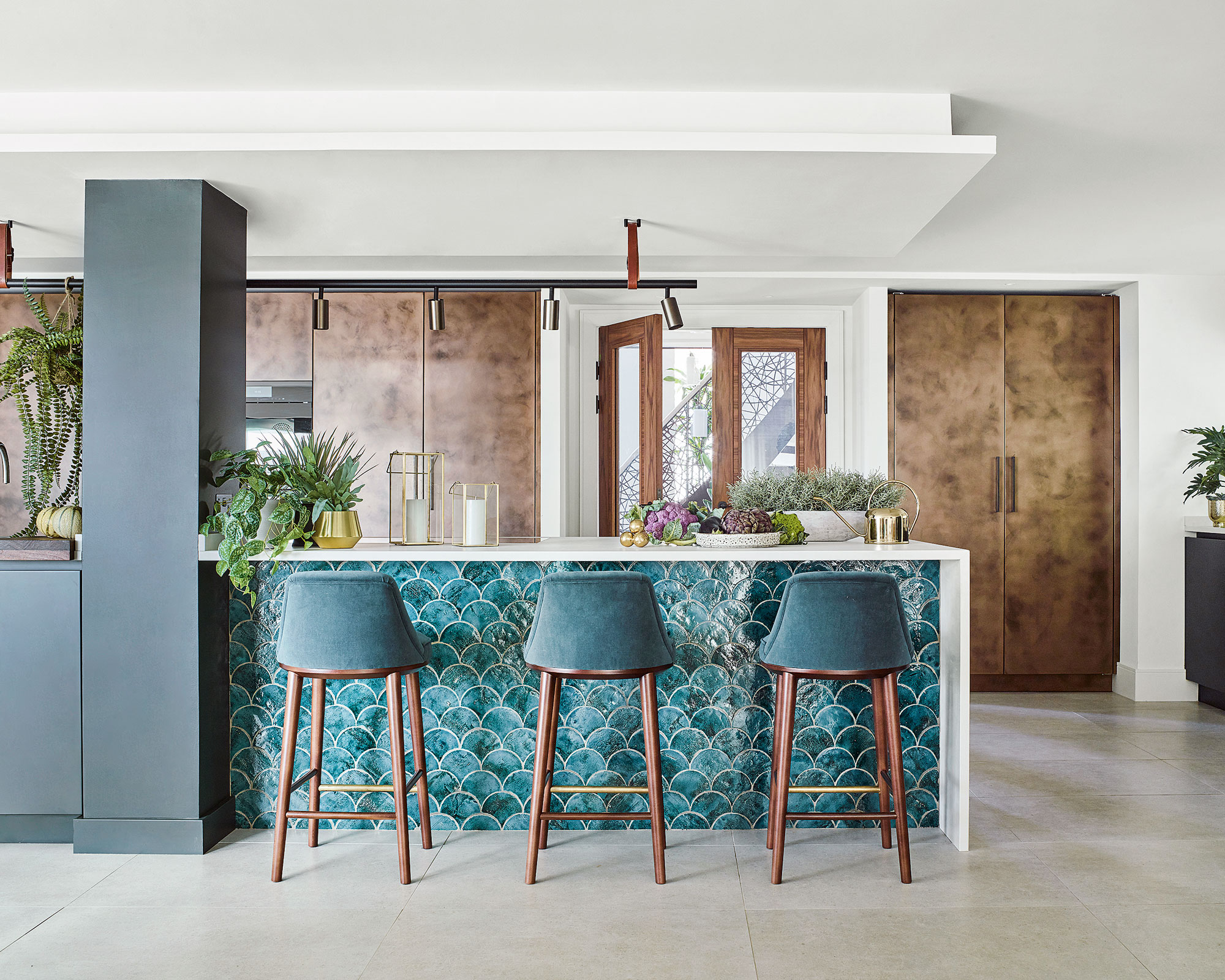
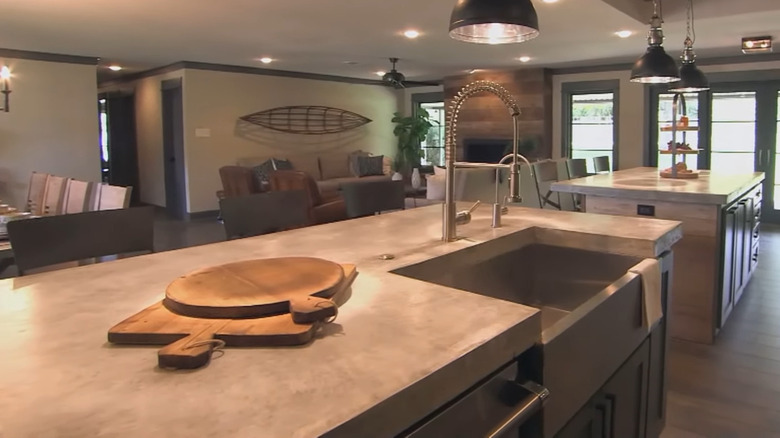
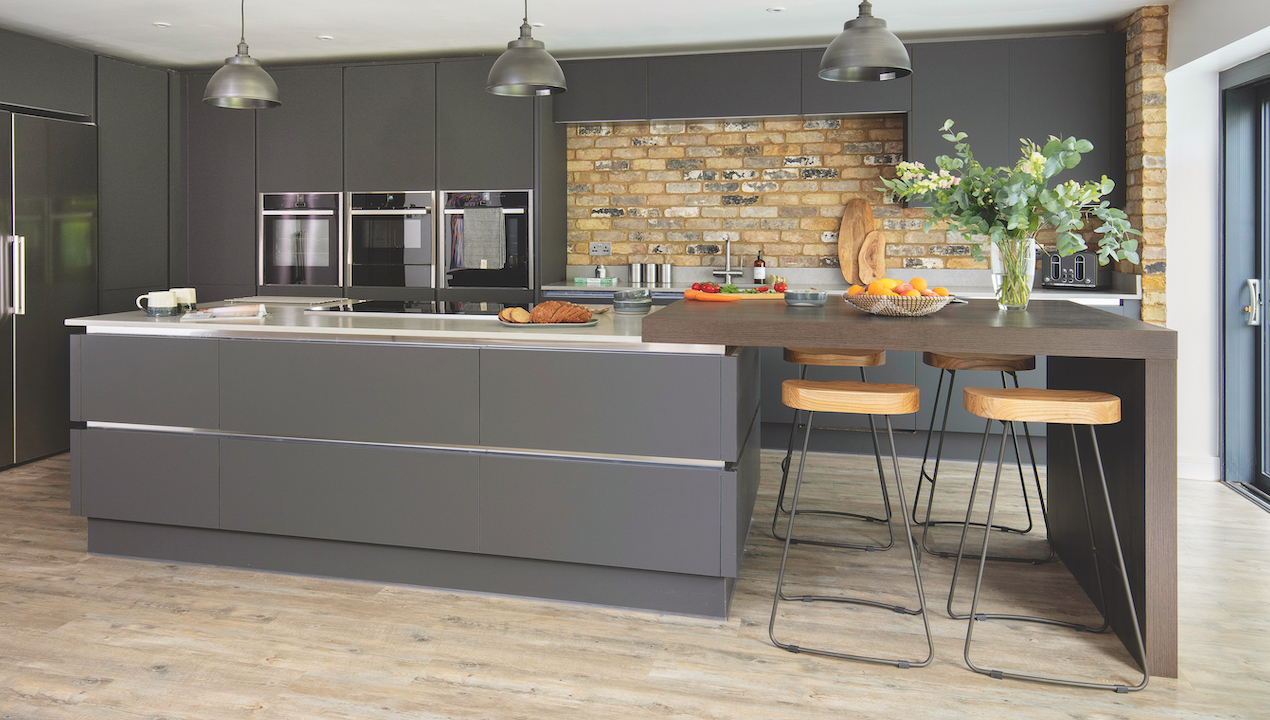
One primary benefit of a two-tier kitchen island lies in its ability to influence the room's layout, particularly in open-plan designs where kitchens merge with dining areas. By varying the height of the island, designers can subtly delineate different zones—one for cooking and preparation, and another for gathering and dining—without the need for physical barriers. This approach helps to integrate the kitchen seamlessly into an open-plan home, ensuring it complements adjacent living spaces rather than feeling isolated or purely utilitarian.
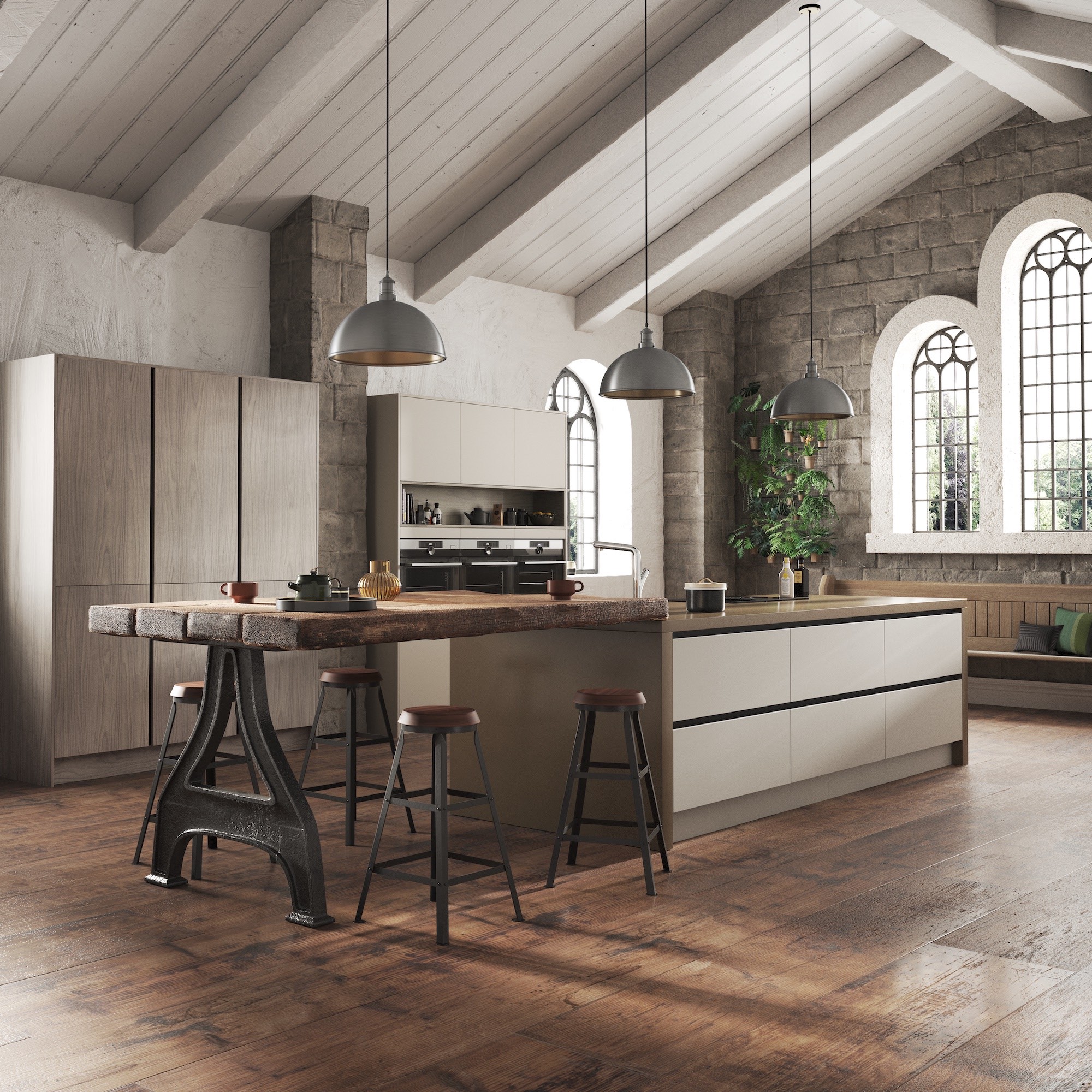
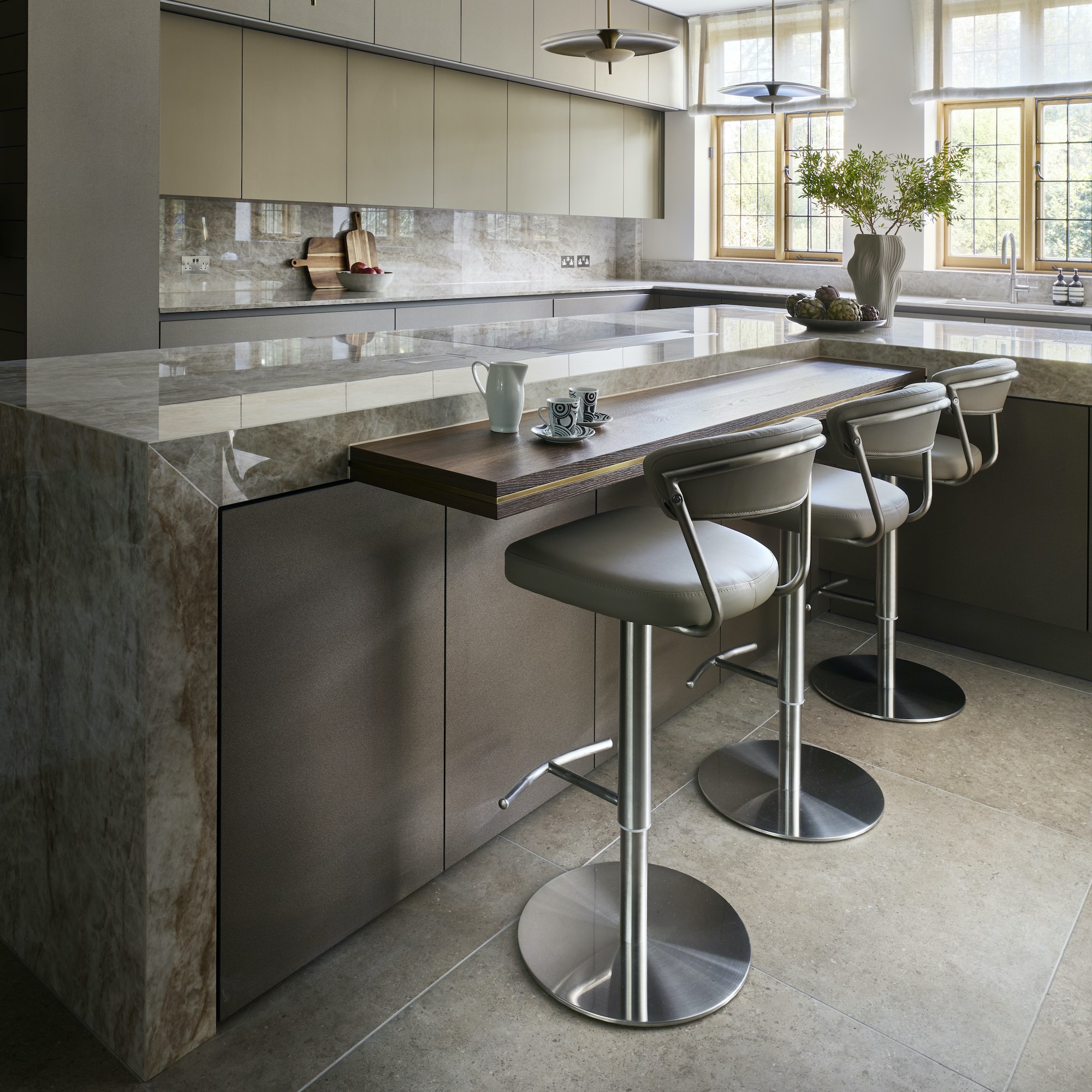
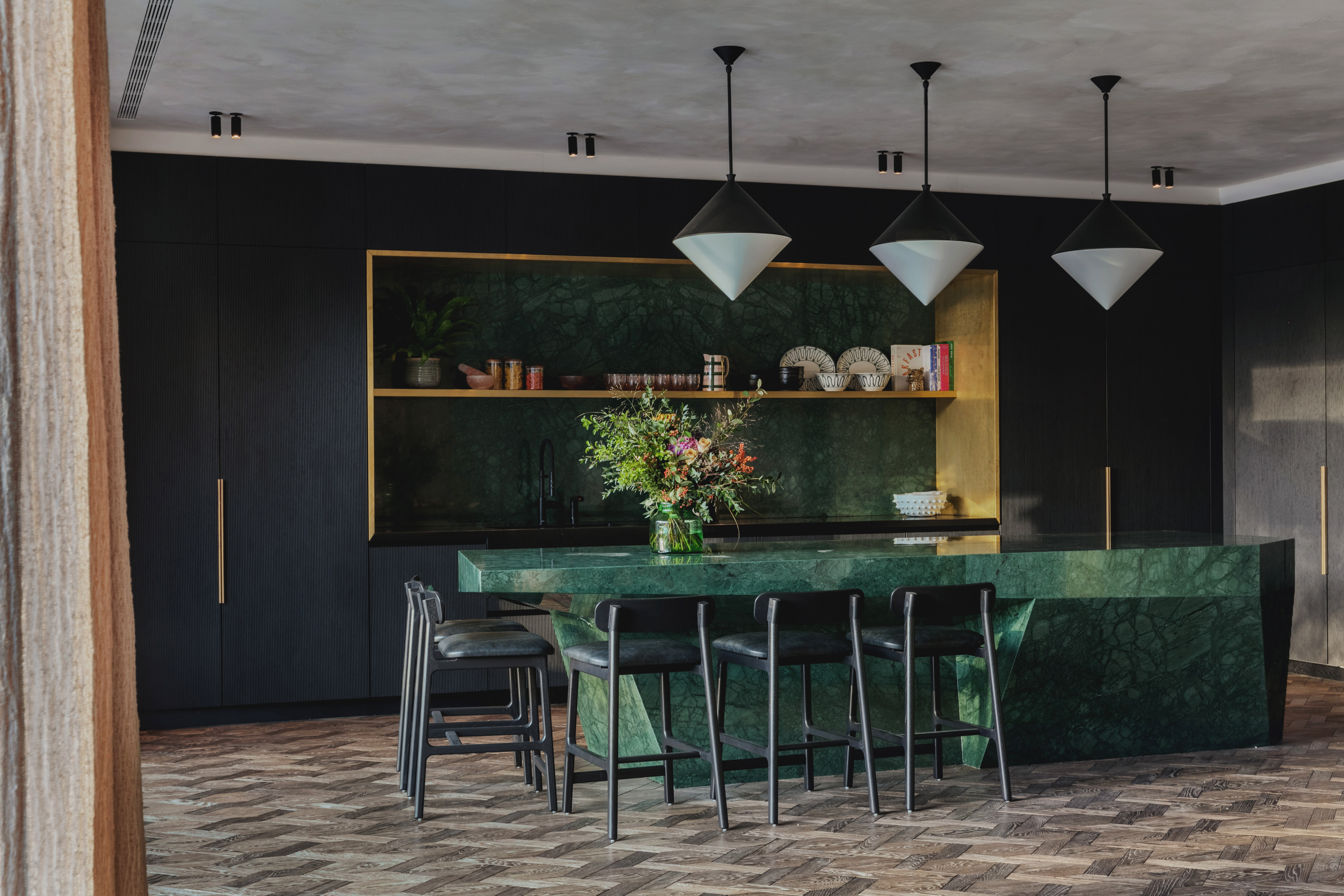
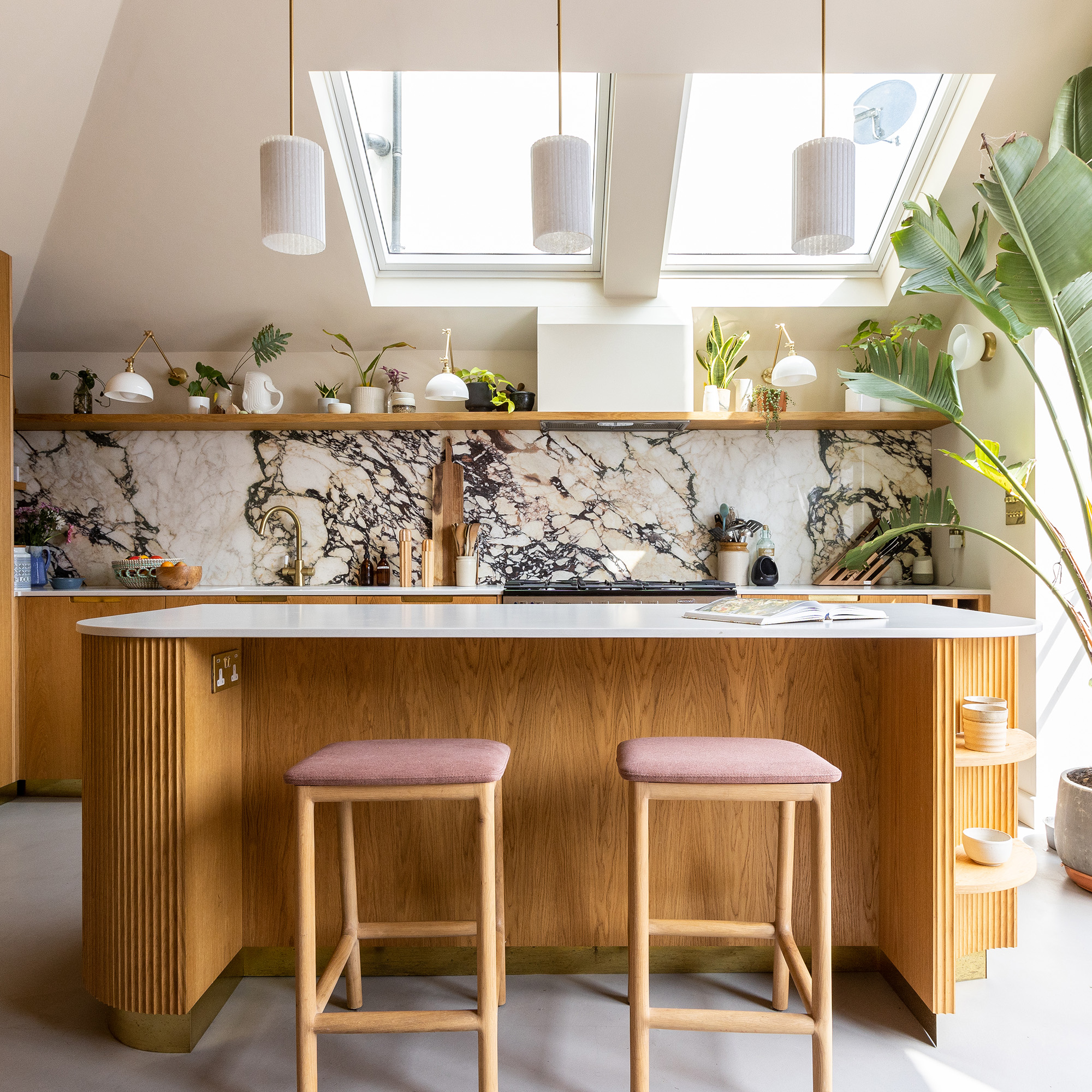
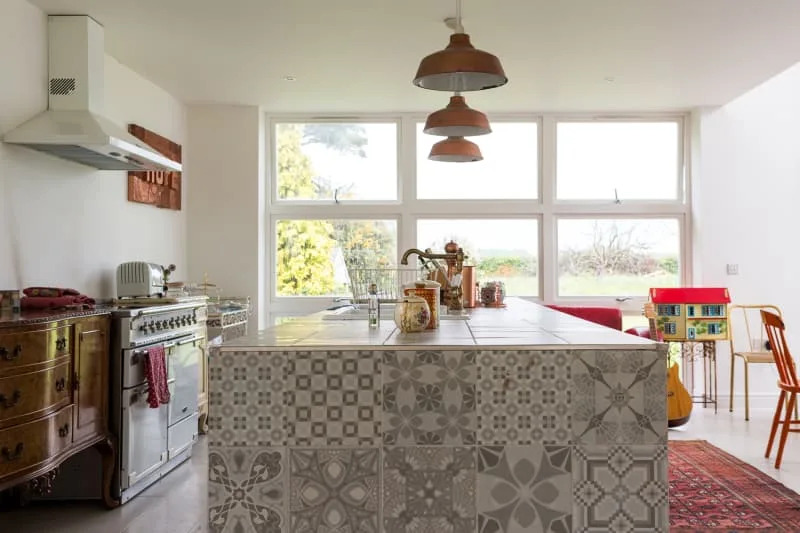
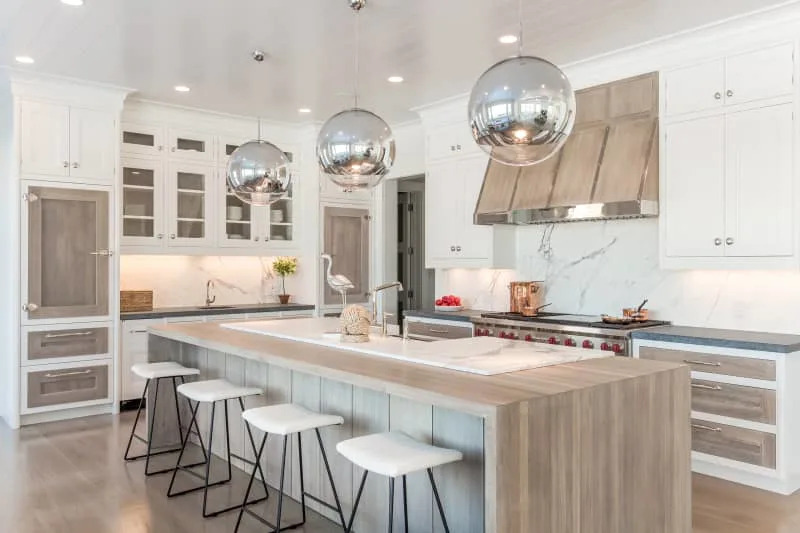
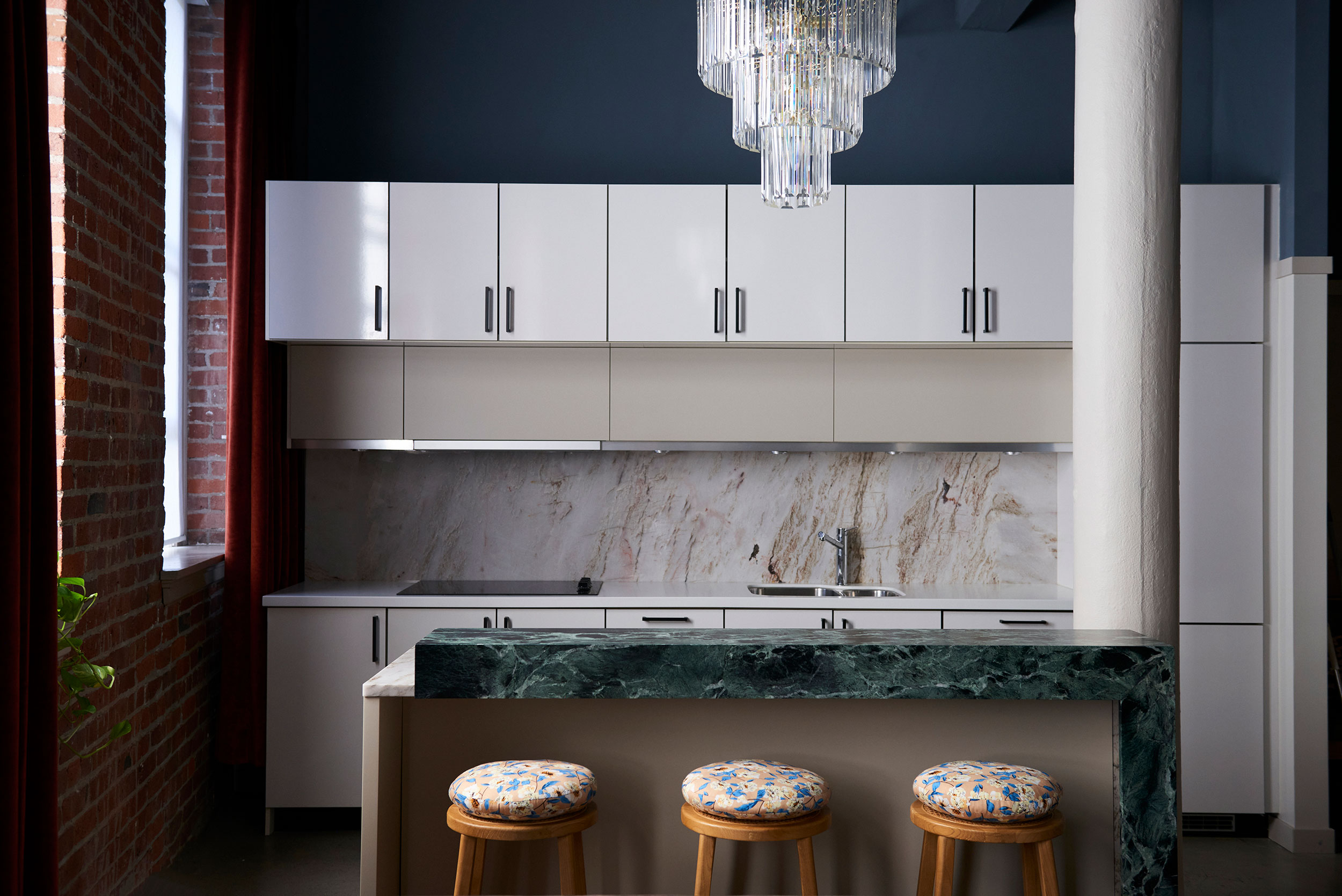
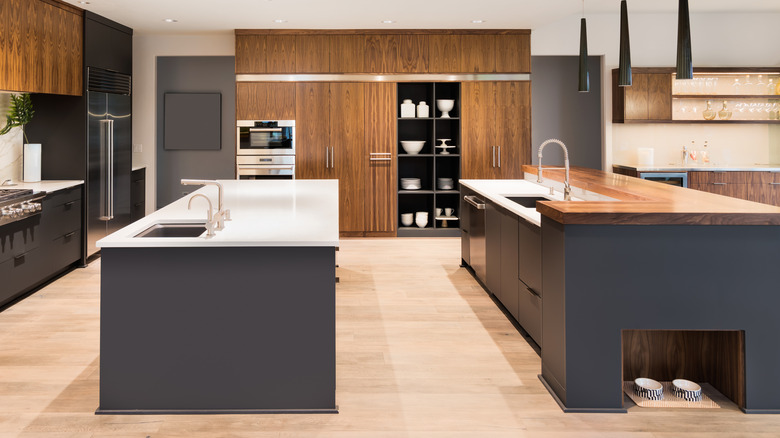
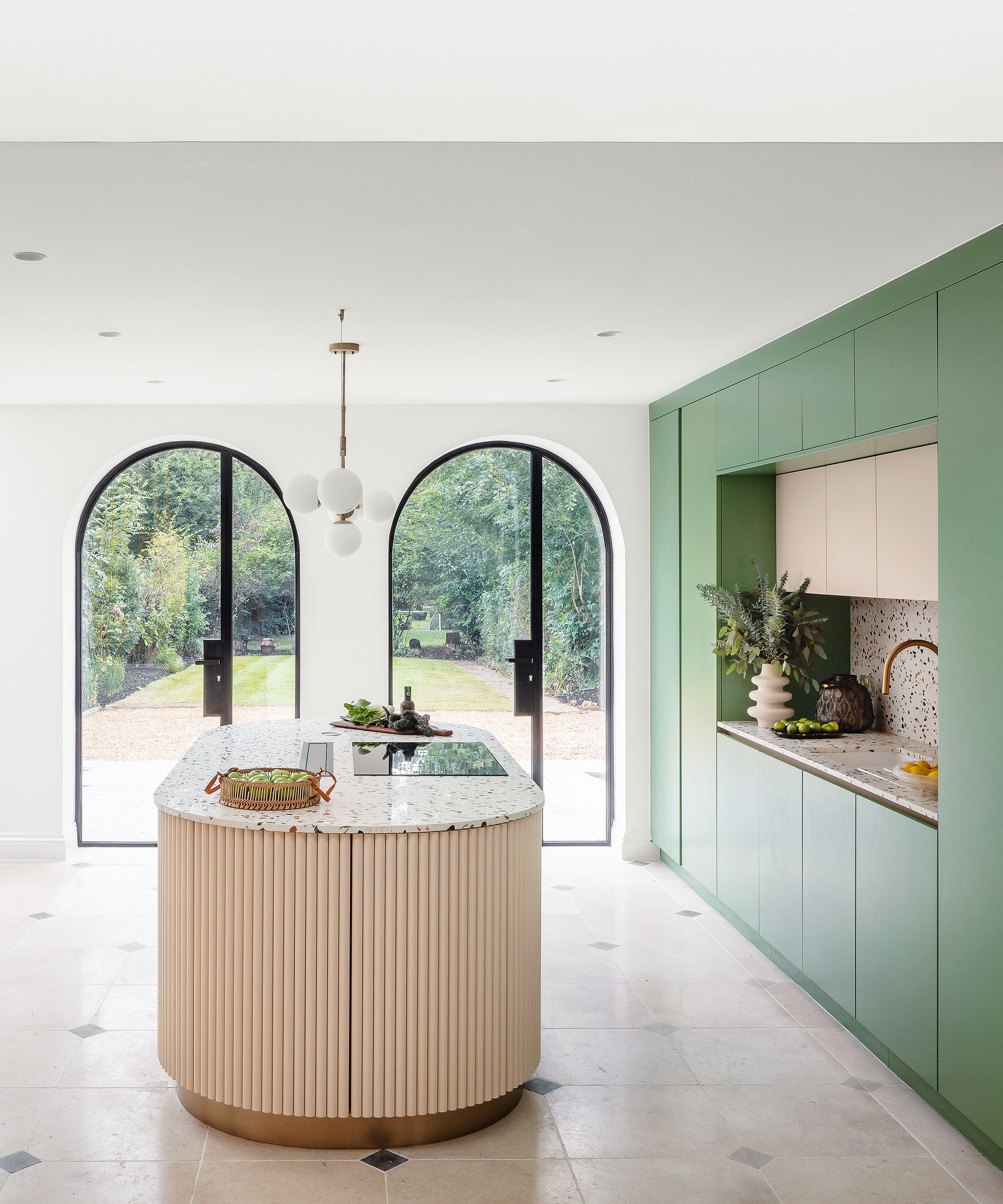
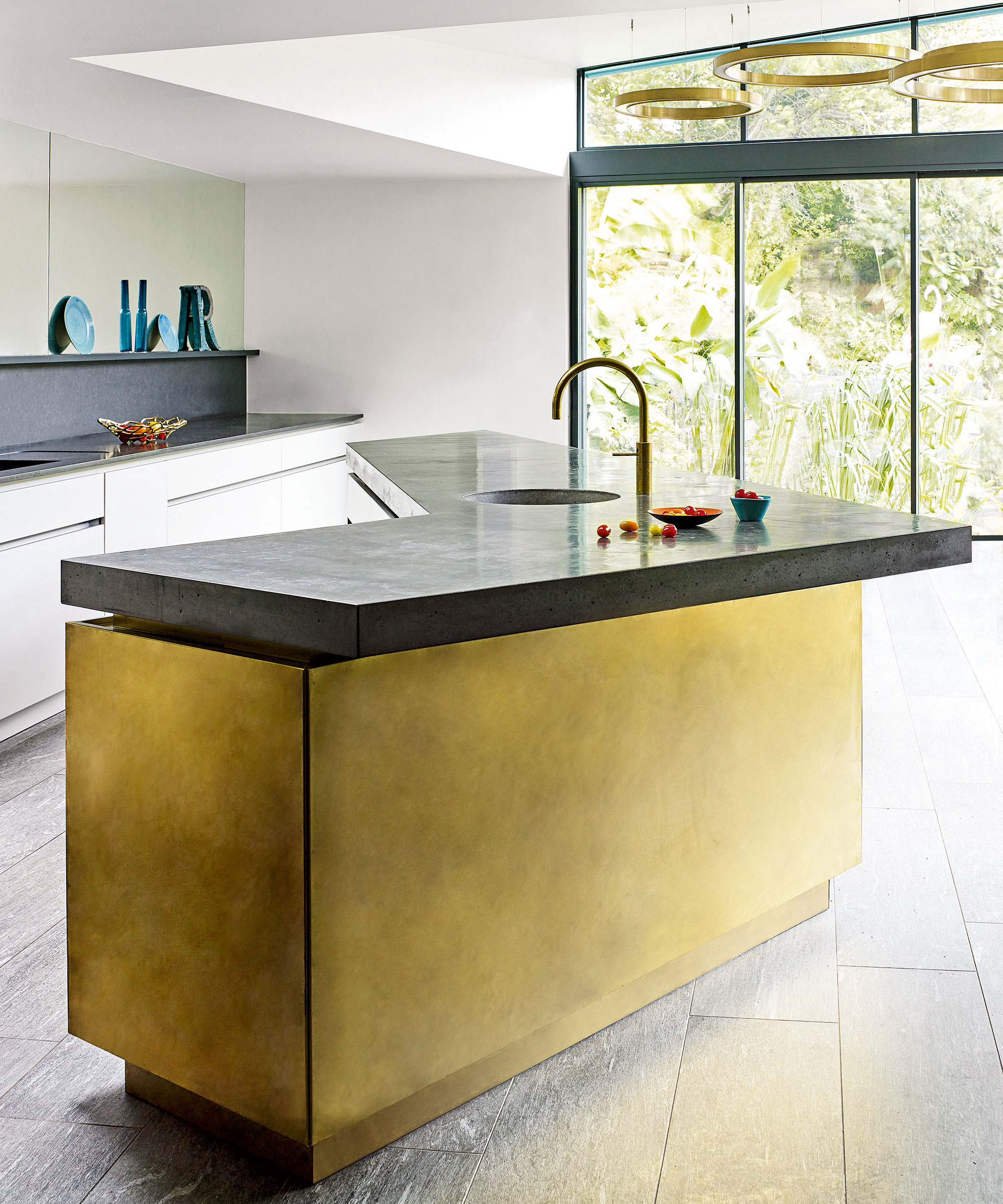
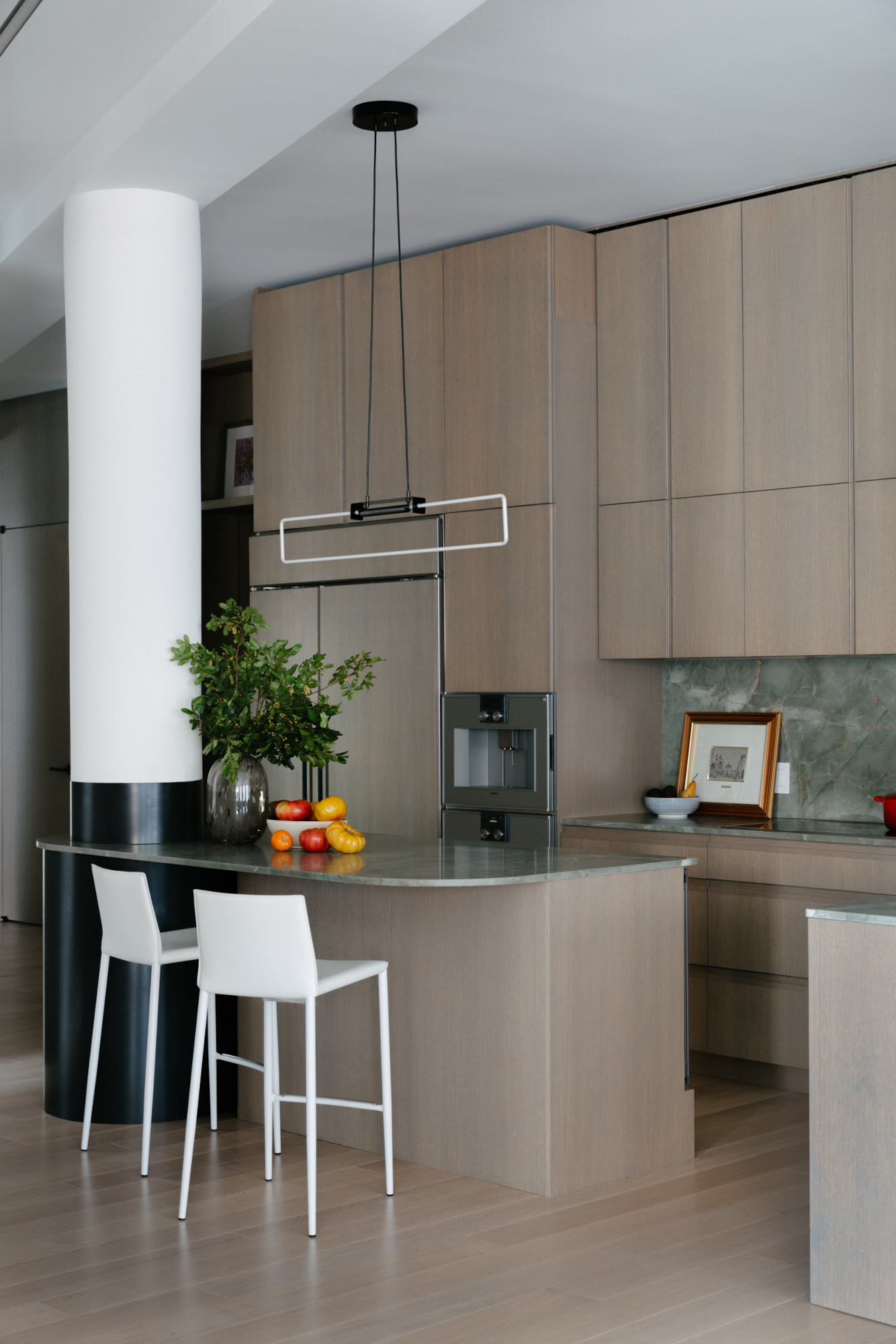
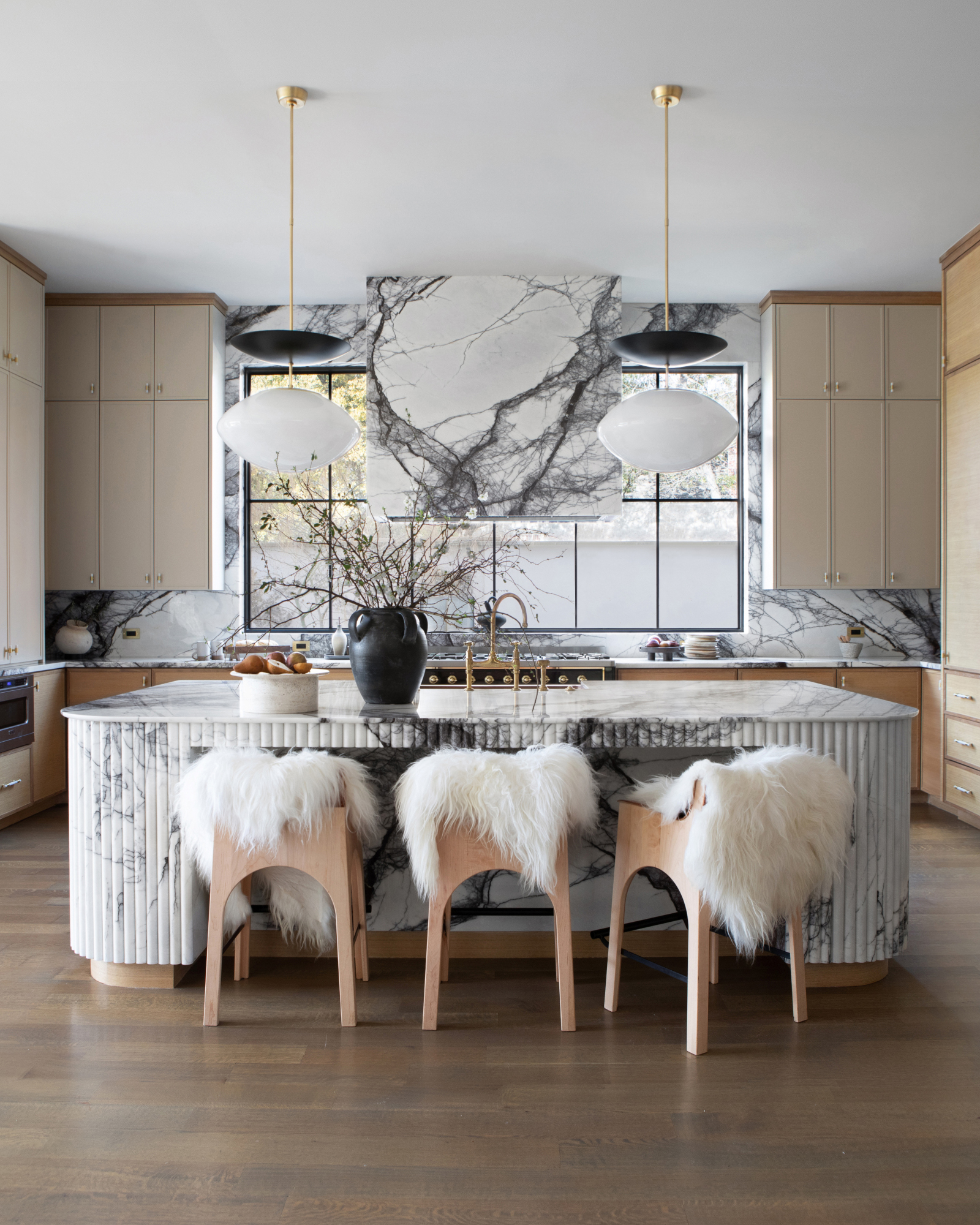
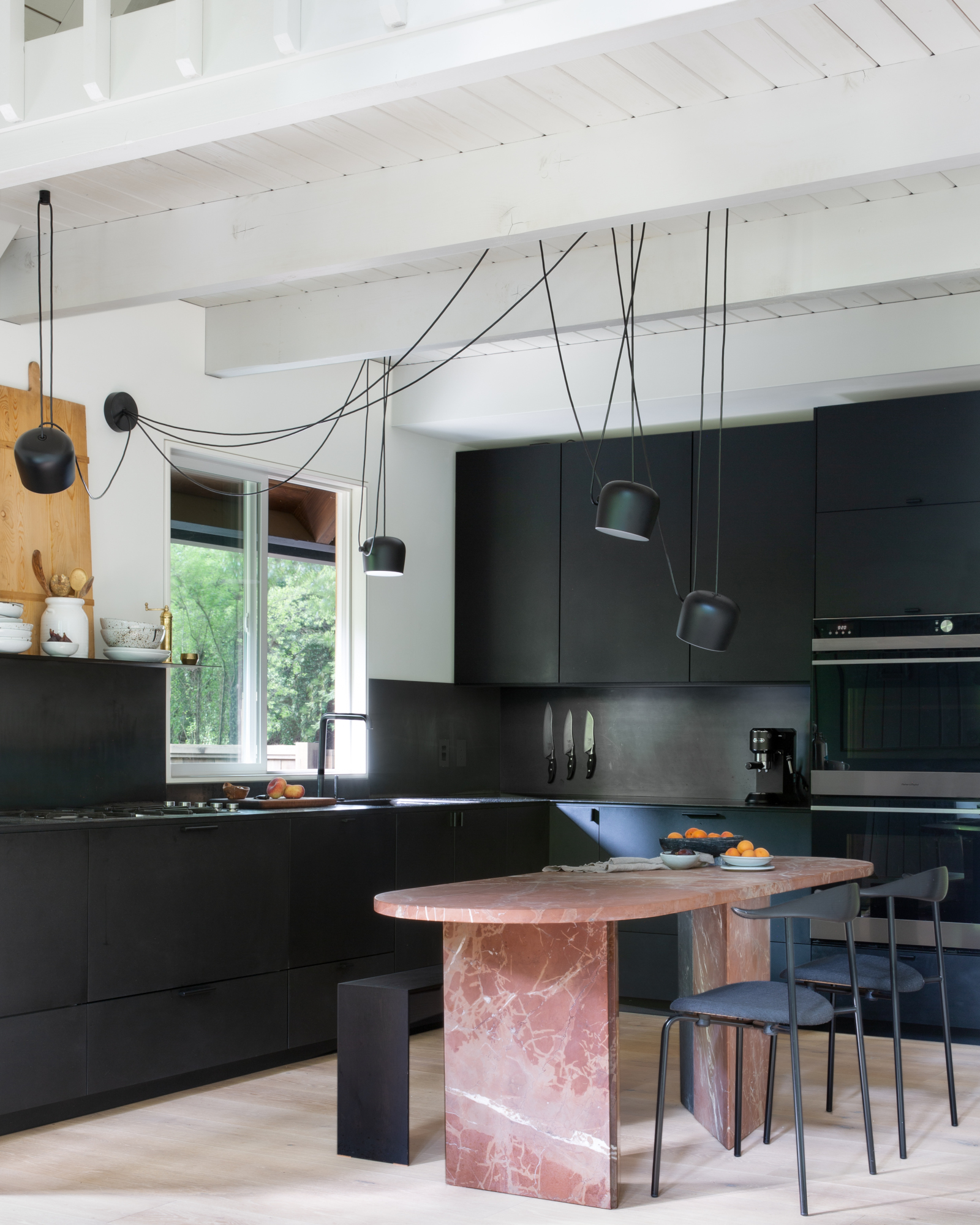
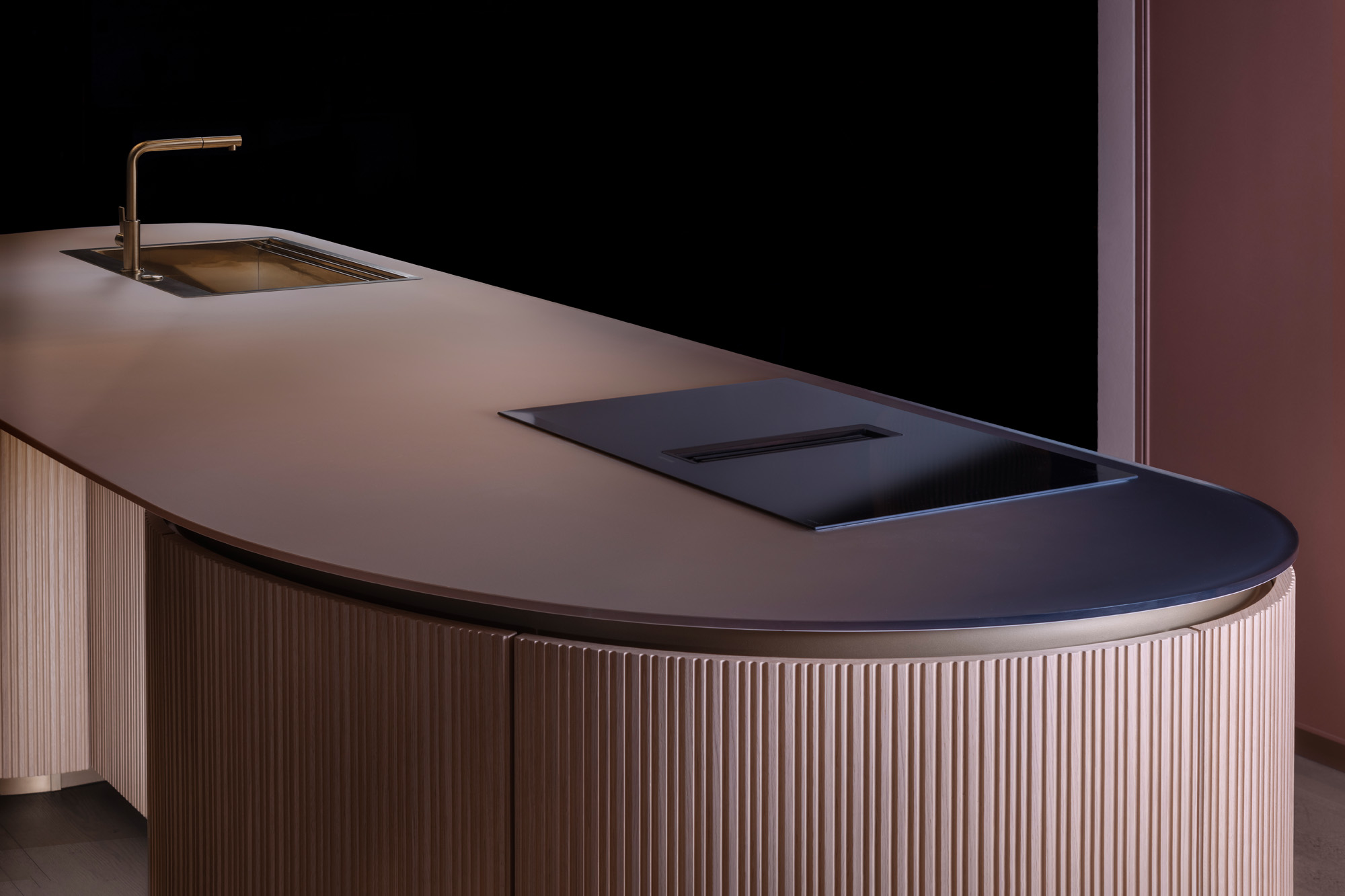
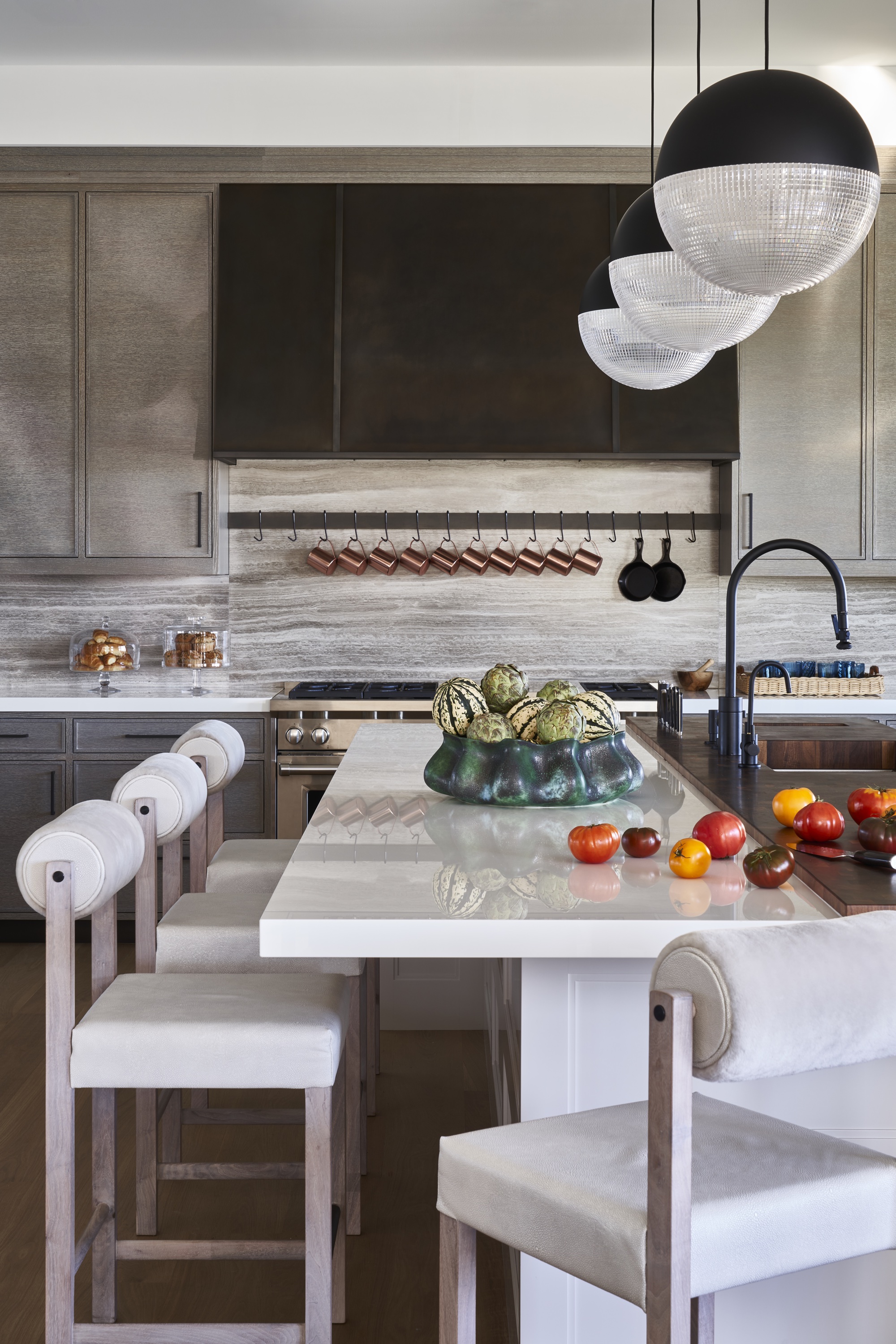
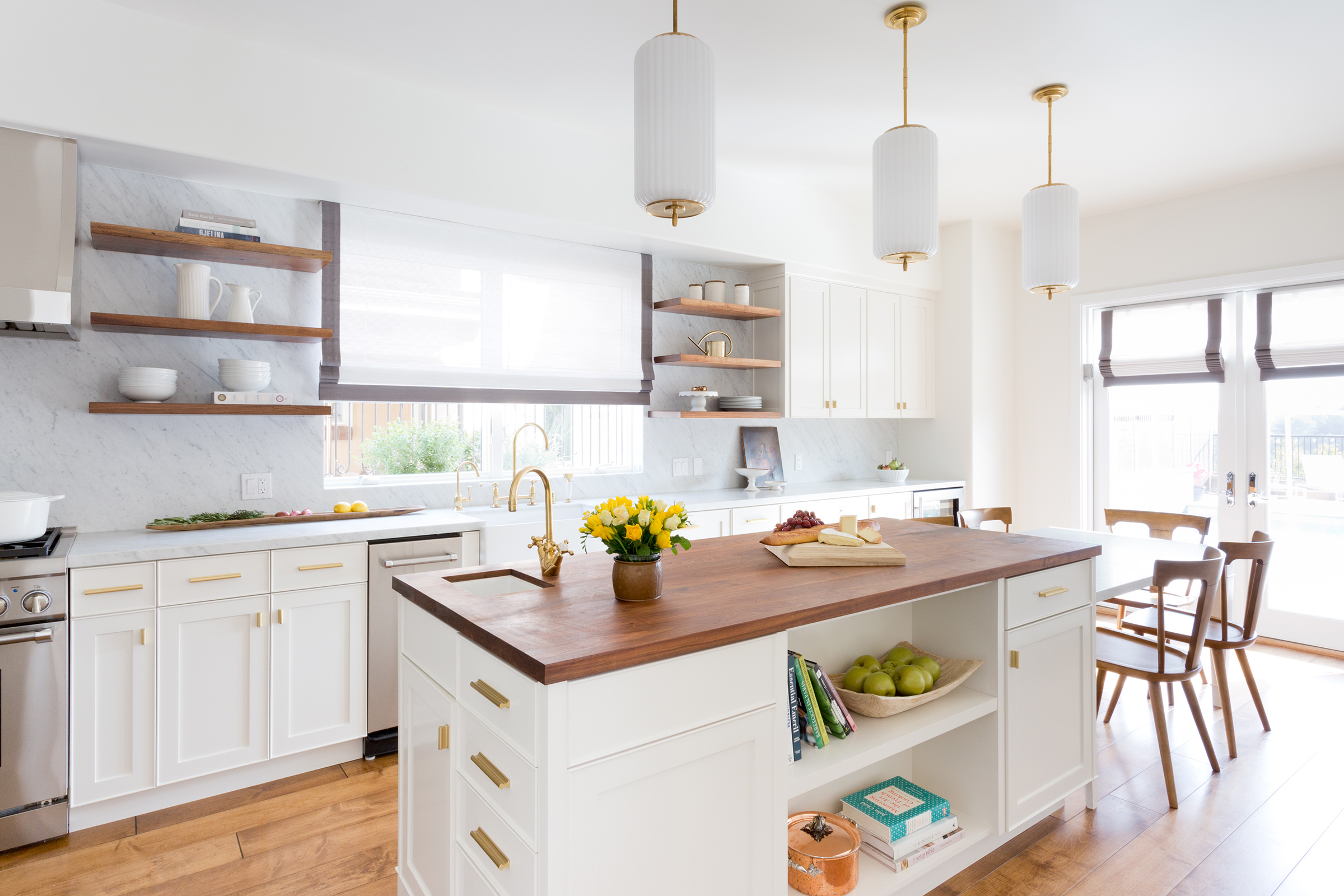
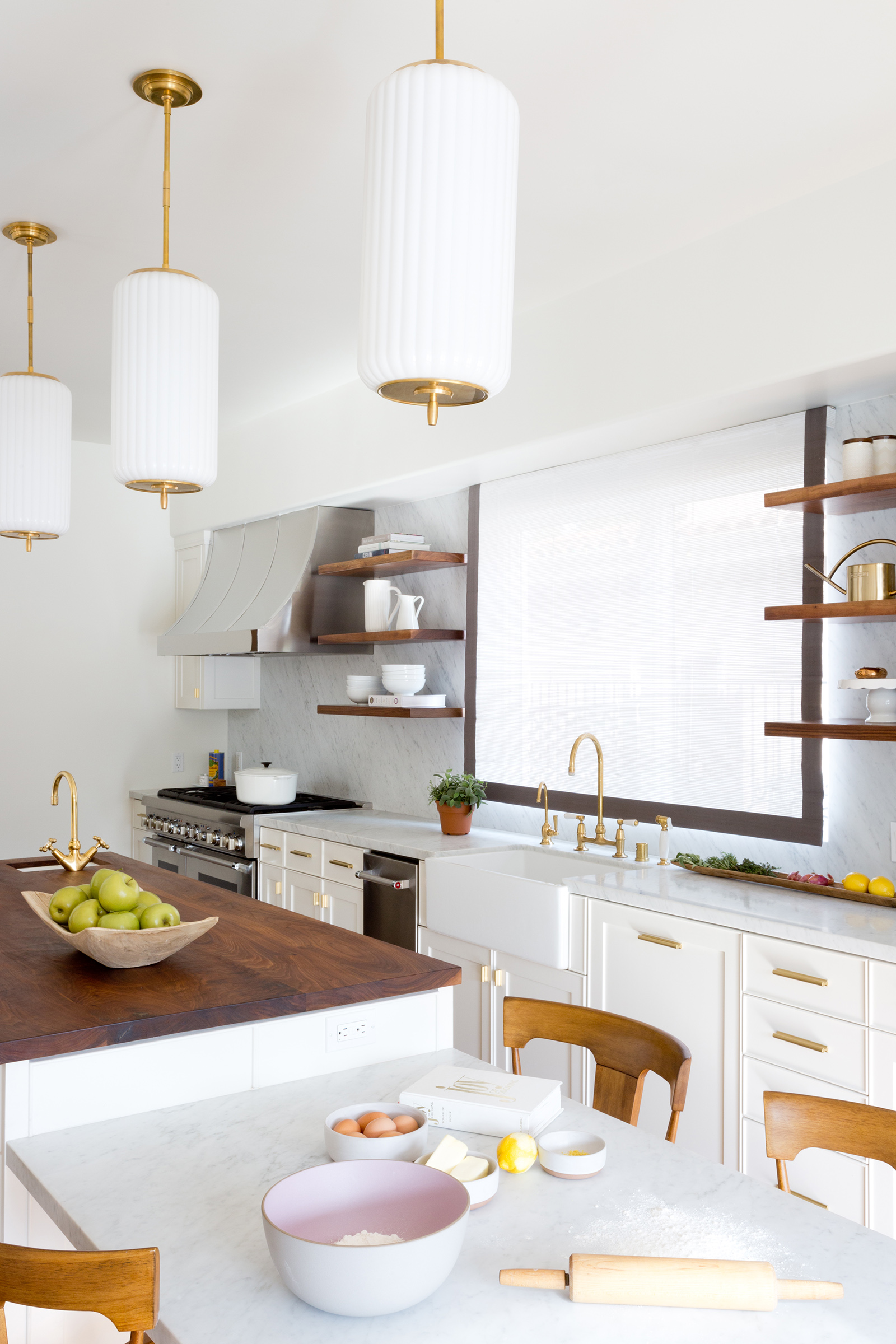
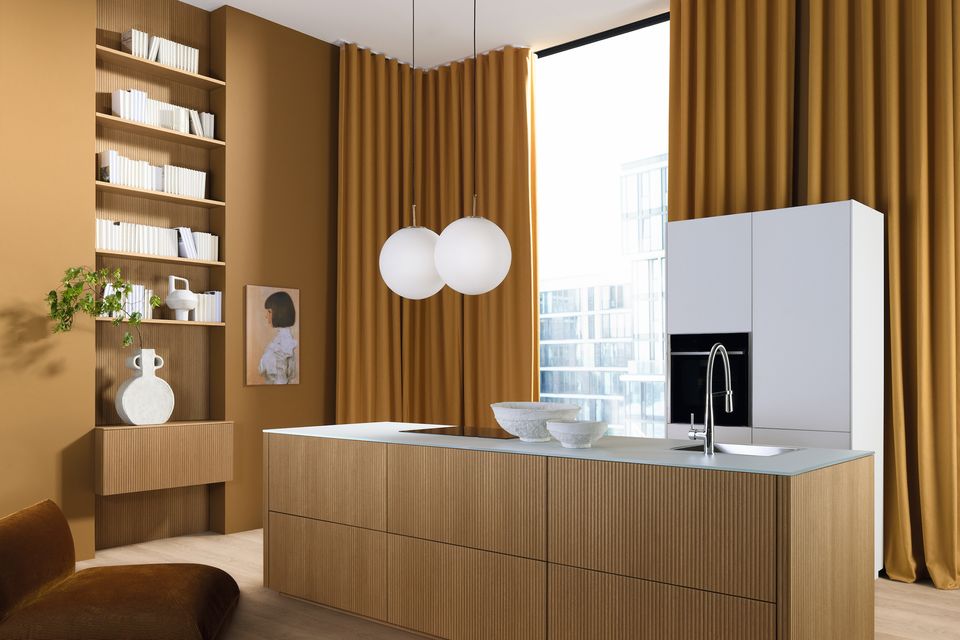
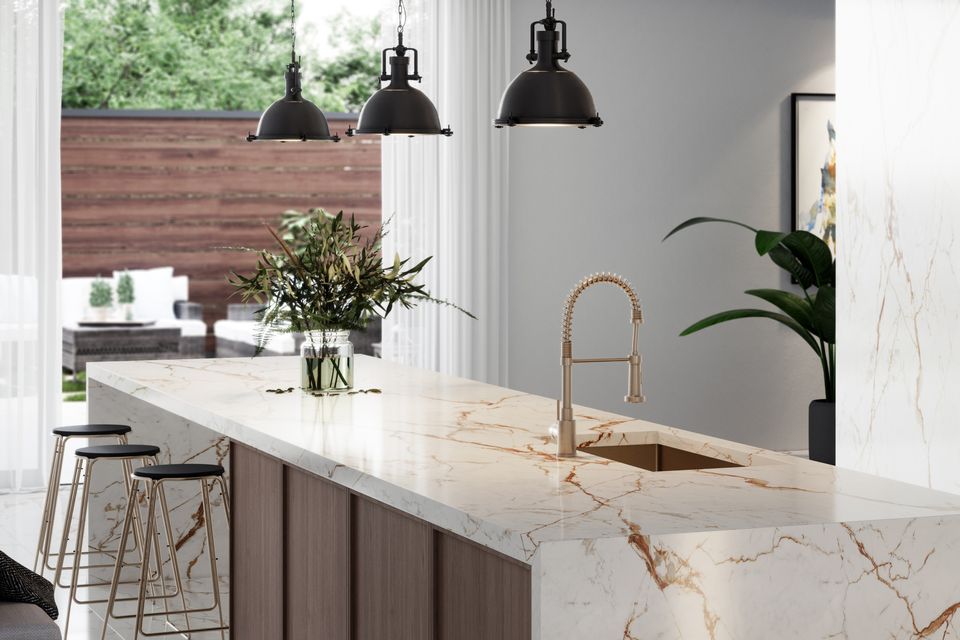
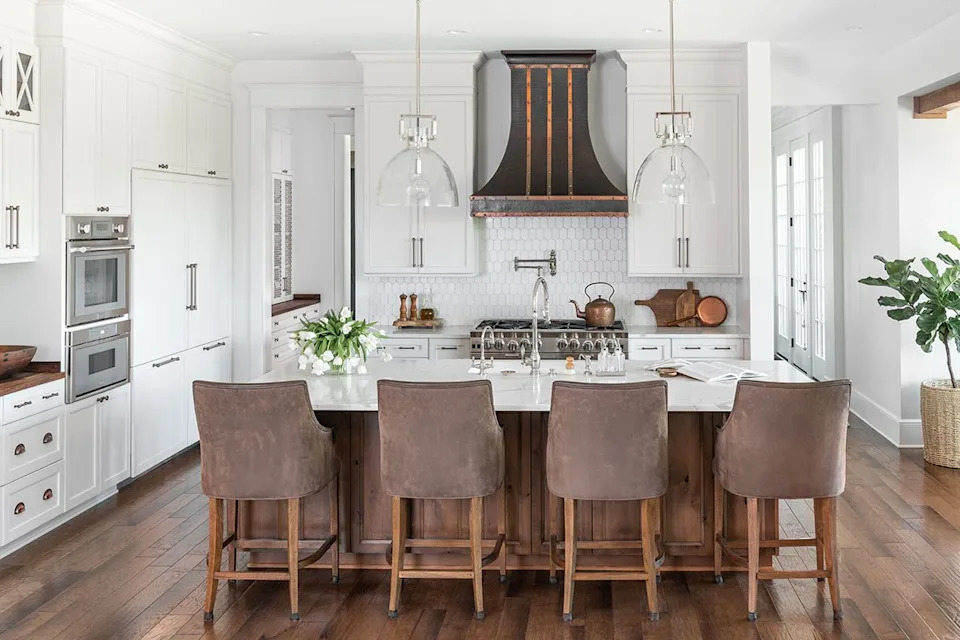
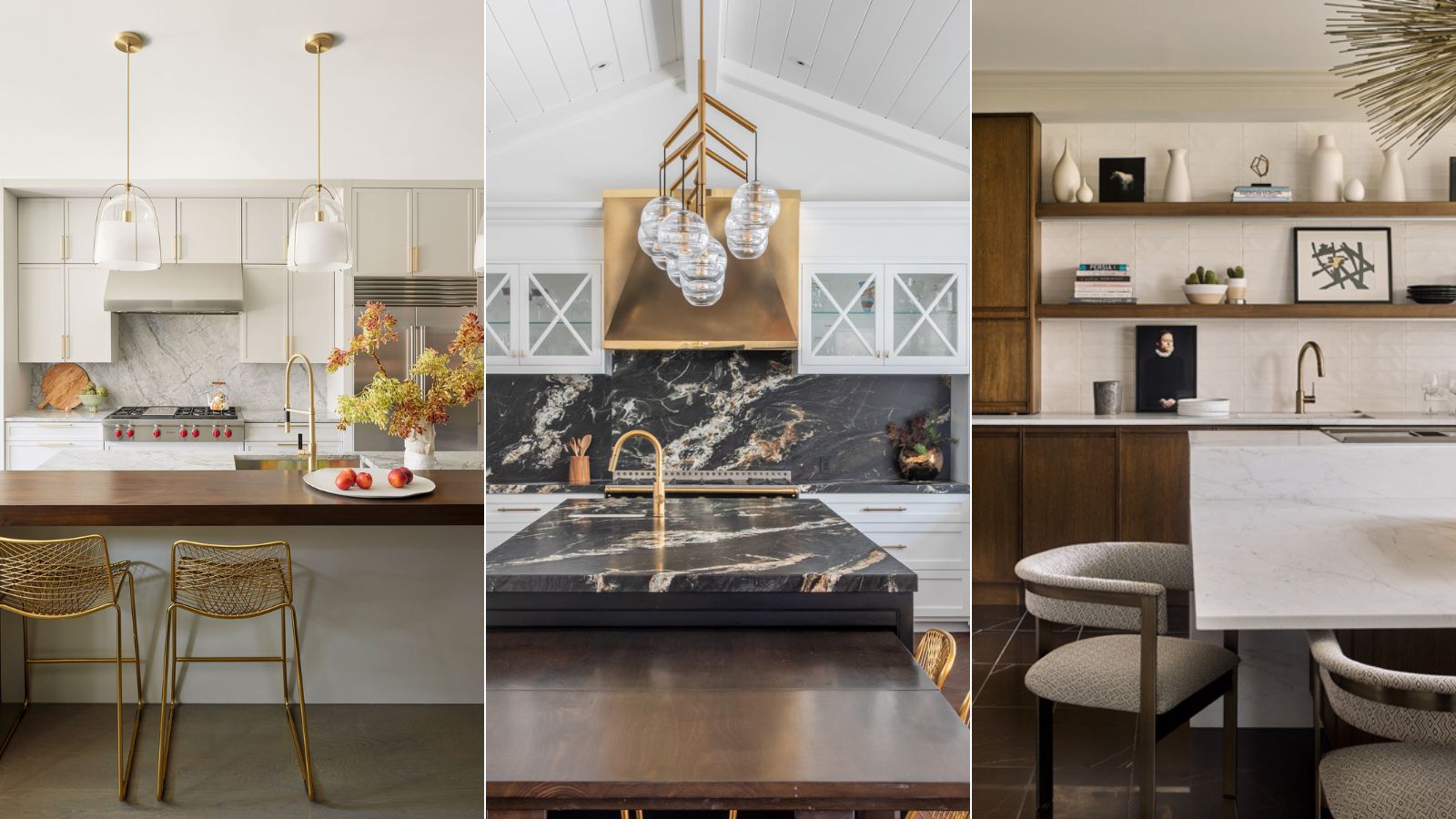
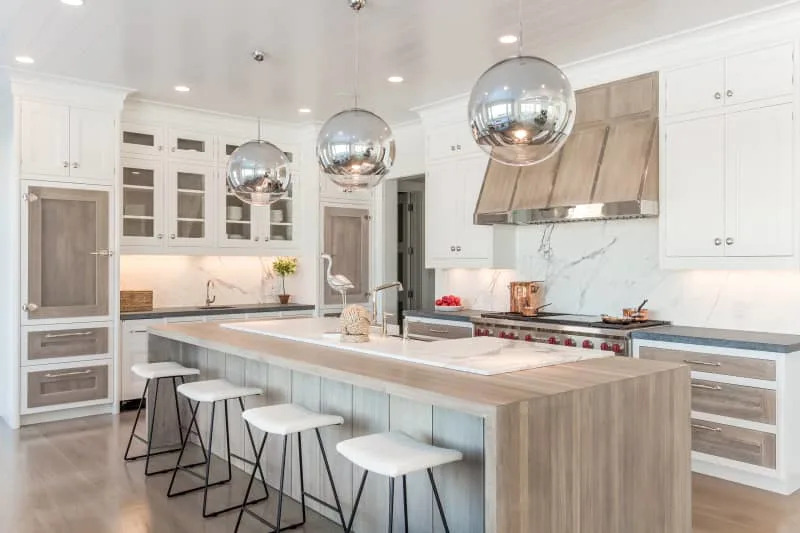
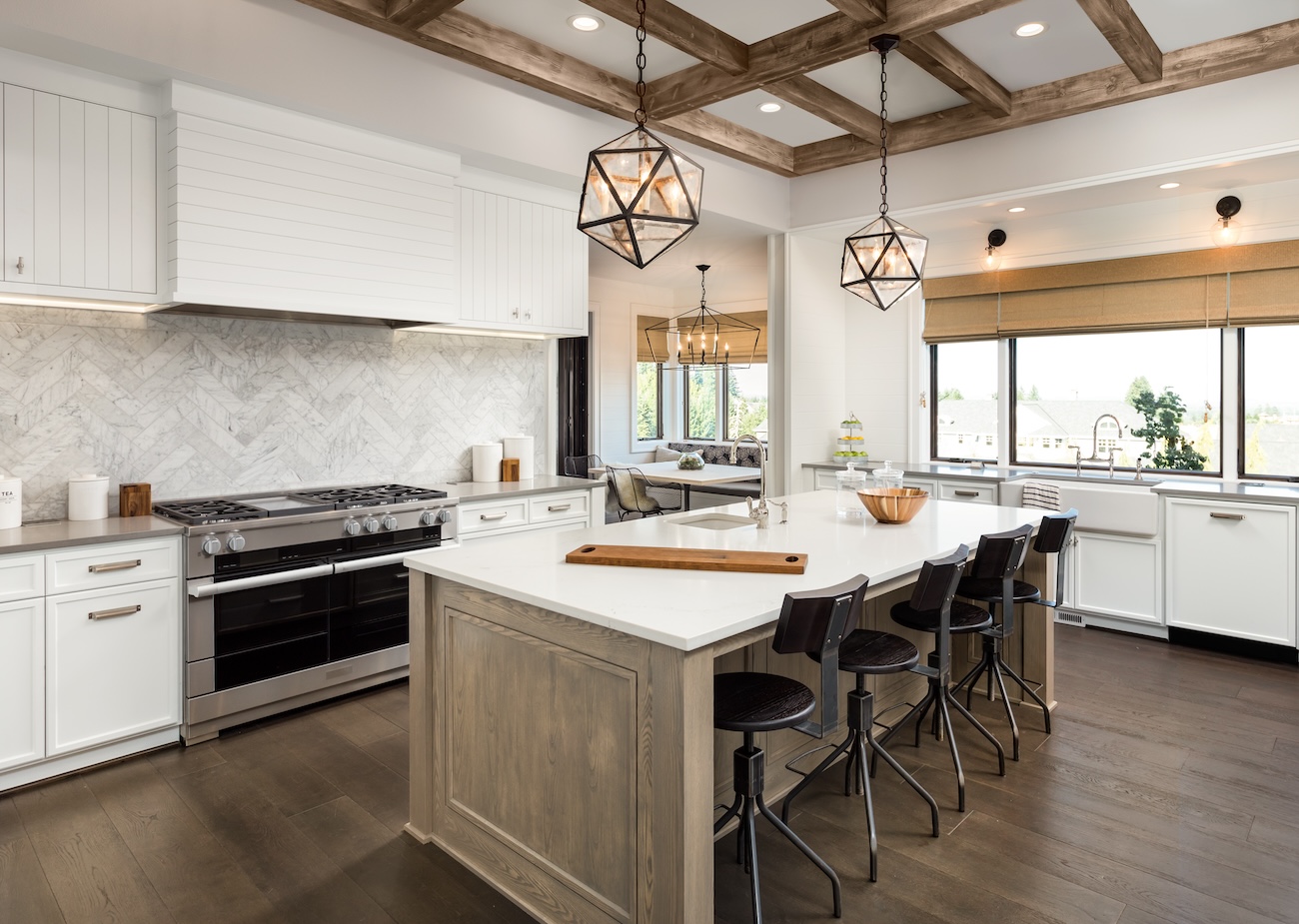
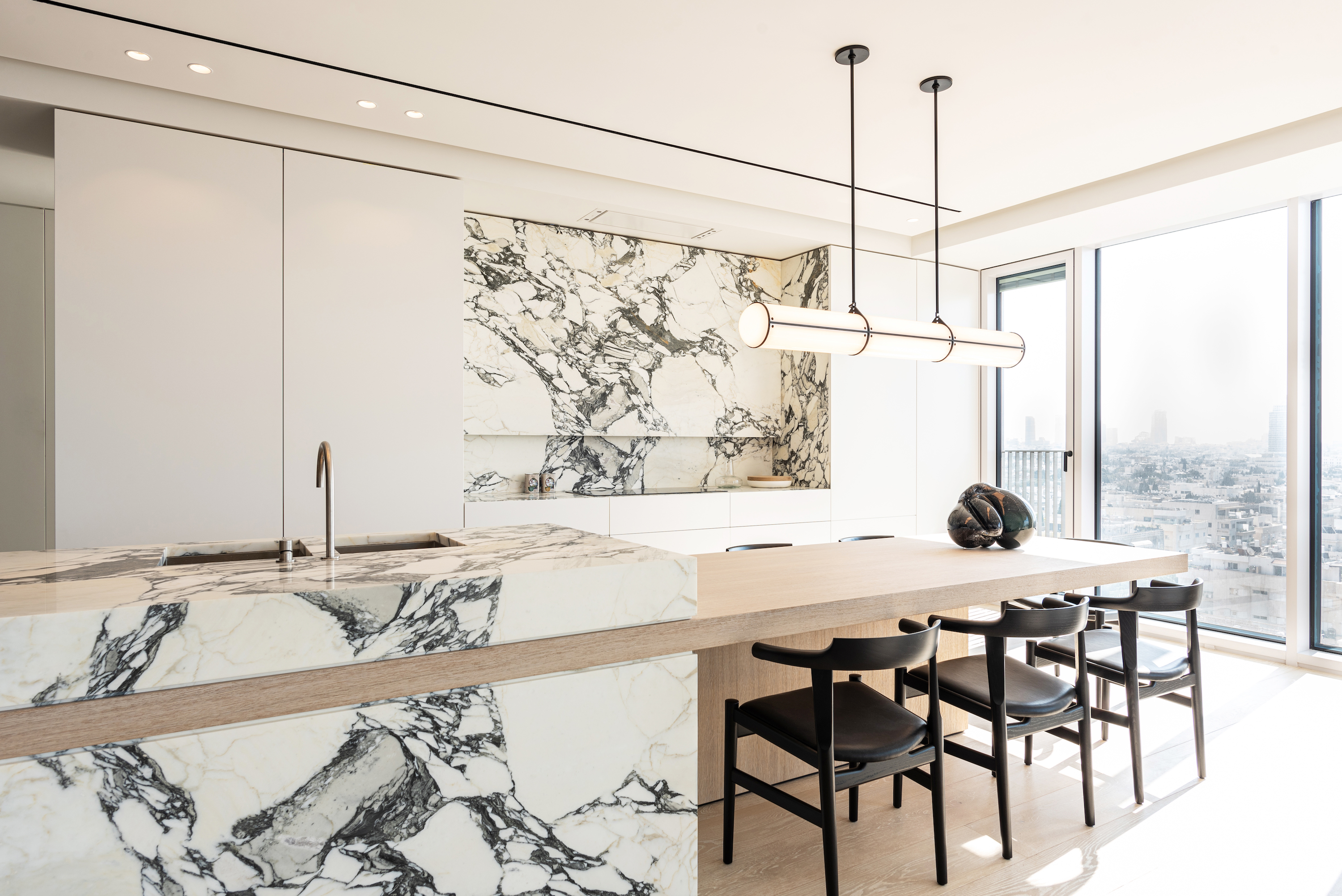
Material selection is another key aspect of two-tier island design. Unlike monolithic blocks, these islands often incorporate a variety of materials such as wood, granite, marble, and slate to differentiate between specific areas and their intended functions. For instance, a timber surface for seating can create a more inviting dining experience compared to a stone countertop used for food preparation. This thoughtful combination of materials enhances both the aesthetics and the practicality of the island, making it an integral part of daily life.
The concept of 'divide and conquer' is central to the design philosophy of multi-use islands. Designers emphasize considering how the kitchen and island will be used, both individually and when entertaining, to ensure optimal functionality. Multi-tiered islands can cleverly conceal cooking messes and appliances on the non-chef side, effectively separating the workspace from social and dining areas. Features like concealed chargers and outlets for electronic devices further support various activities, from recipe viewing to homework, all while maintaining a clean and organized appearance.
Integrating a table into the island is a practical solution for kitchens that lack sufficient space for a permanent dining table. Custom-designed pull-out tables can extend to accommodate a large number of guests and then be discreetly stored away when not in use, offering immense flexibility. This innovative approach maximizes space utility without compromising on dining capacity.
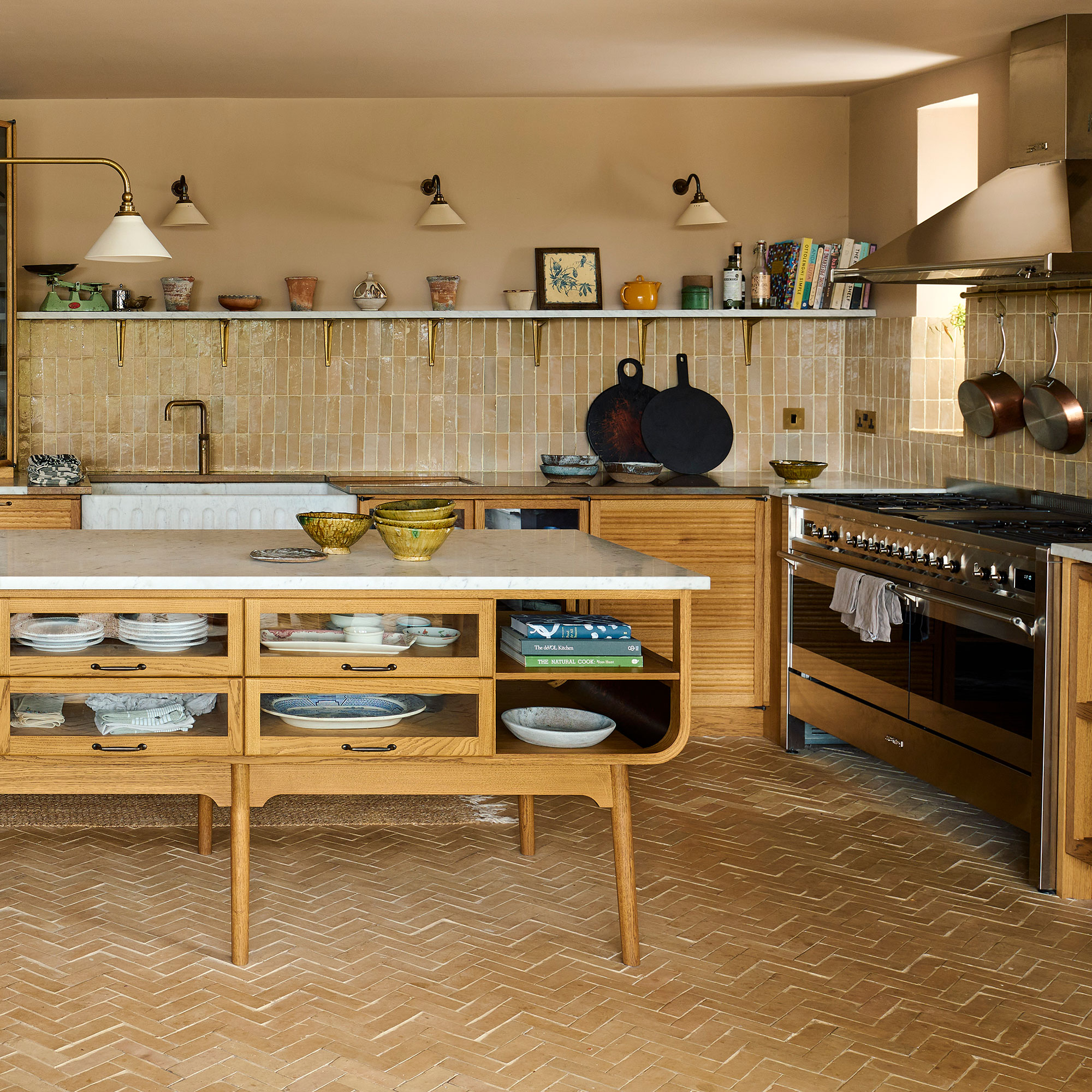
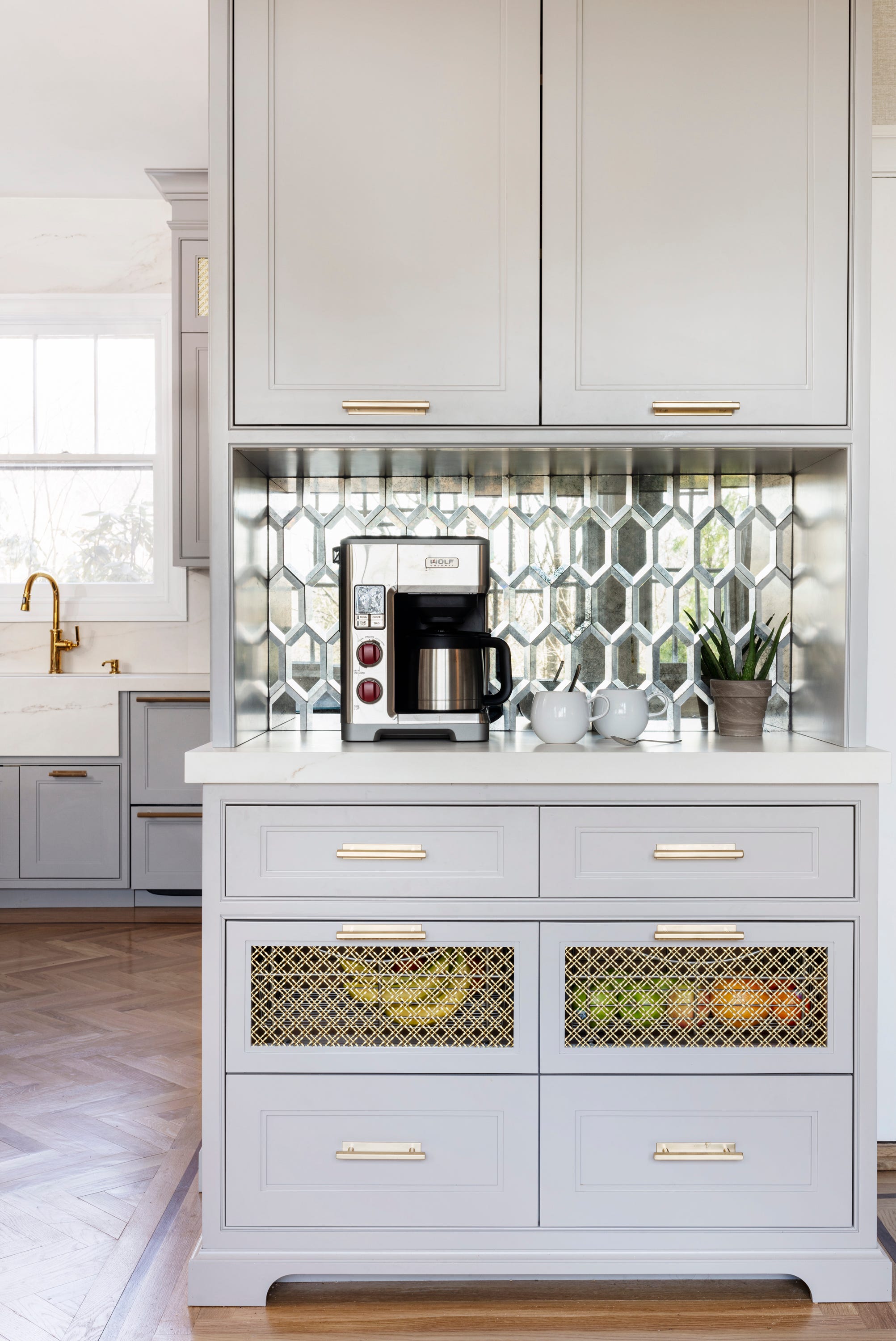
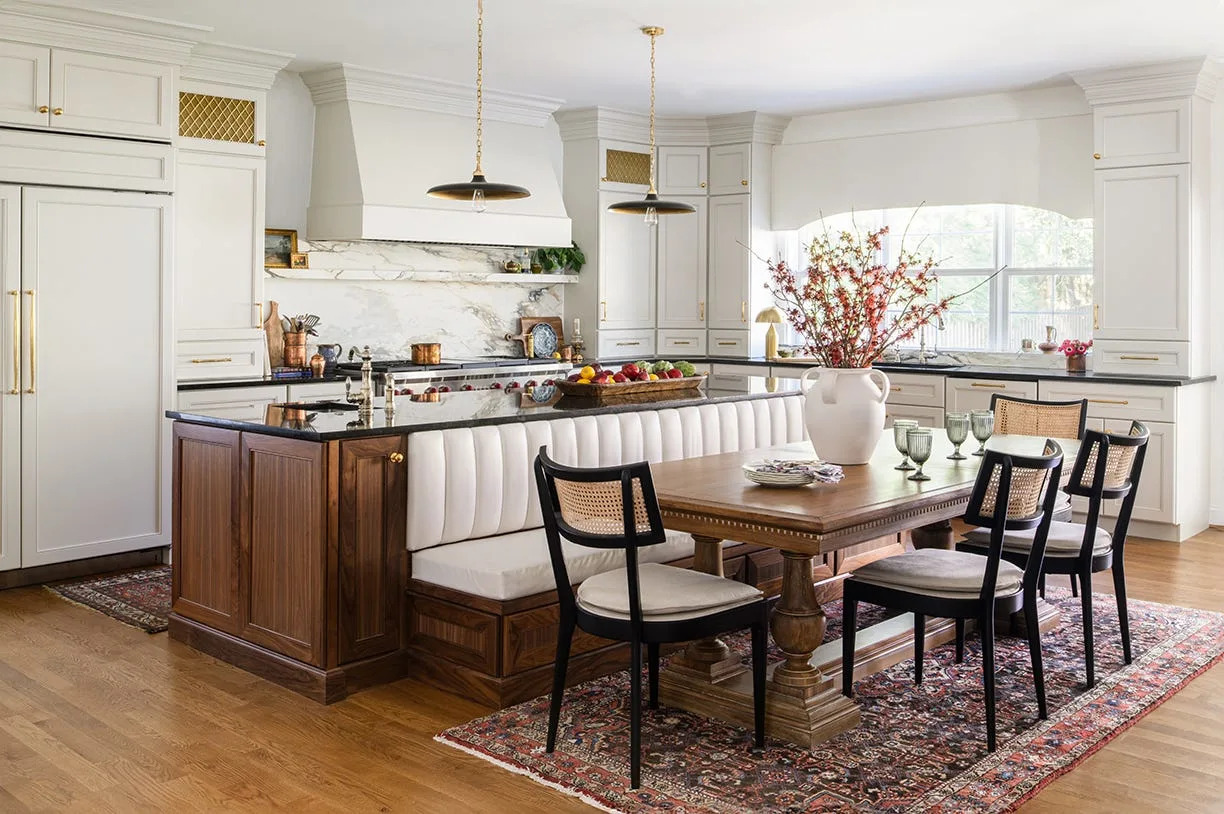
Distinctive storage and seating options are also hallmark features of two-tier islands. These designs can seamlessly incorporate banquettes or built-in seating, transforming the island into a cohesive and comfortable gathering spot. Glass-fronted cabinets below the worktop can be added to display glassware, blending functionality with aesthetic appeal.
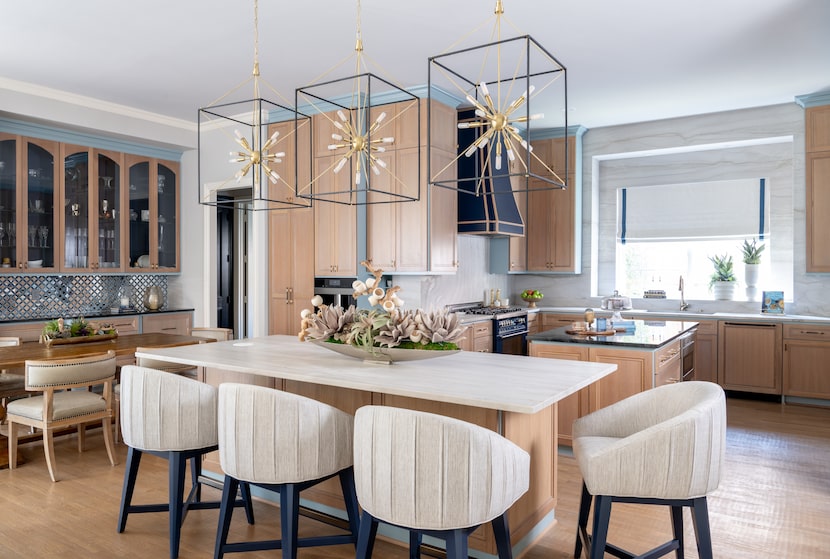
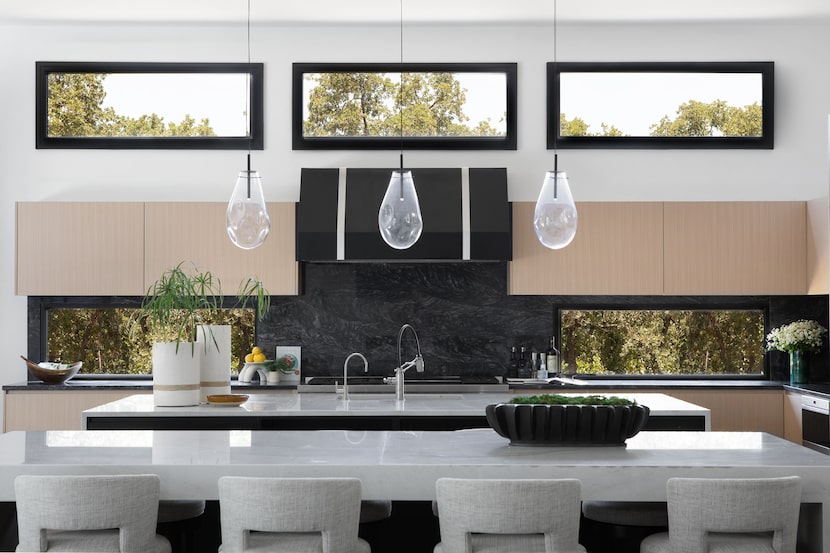
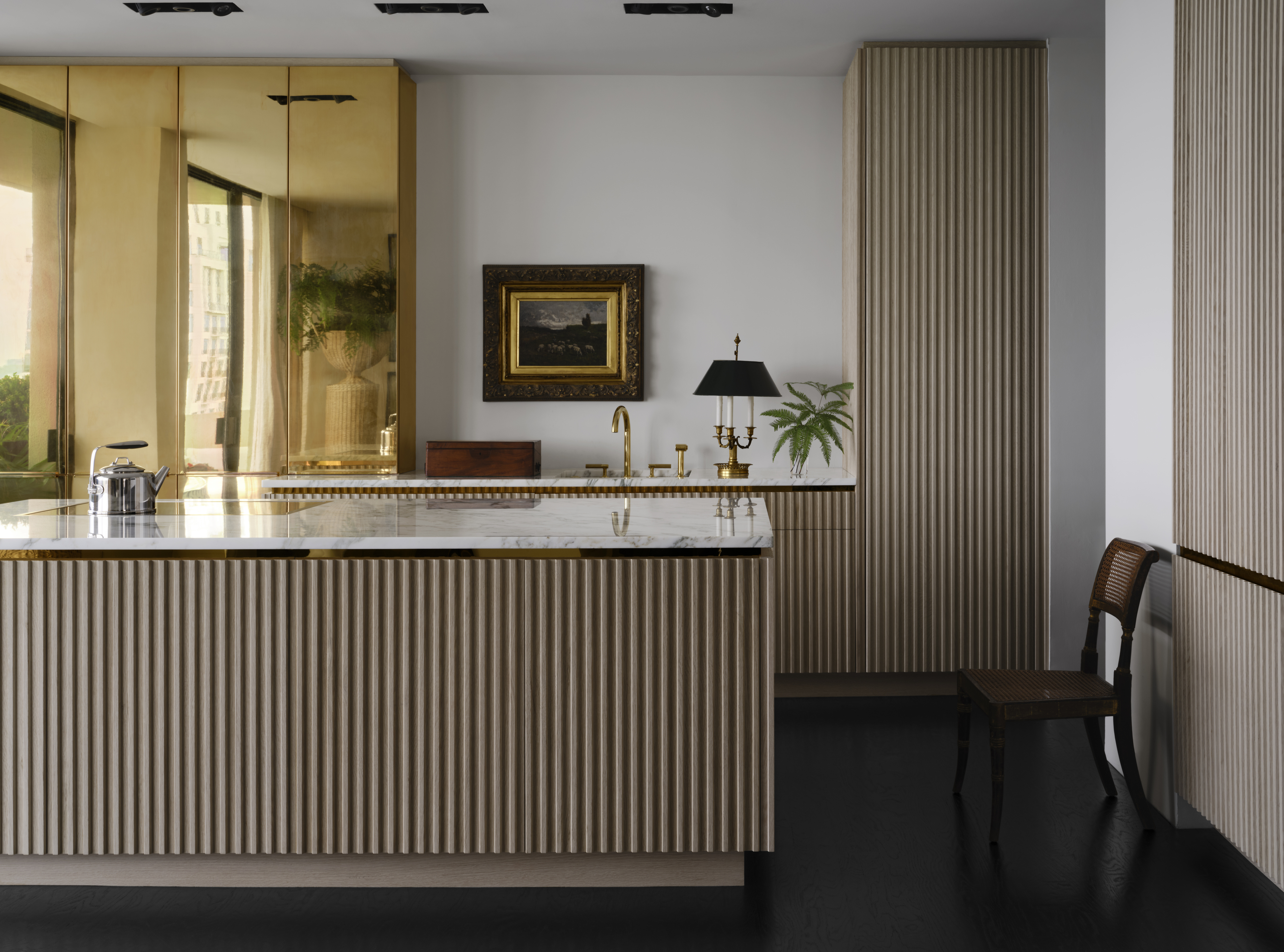
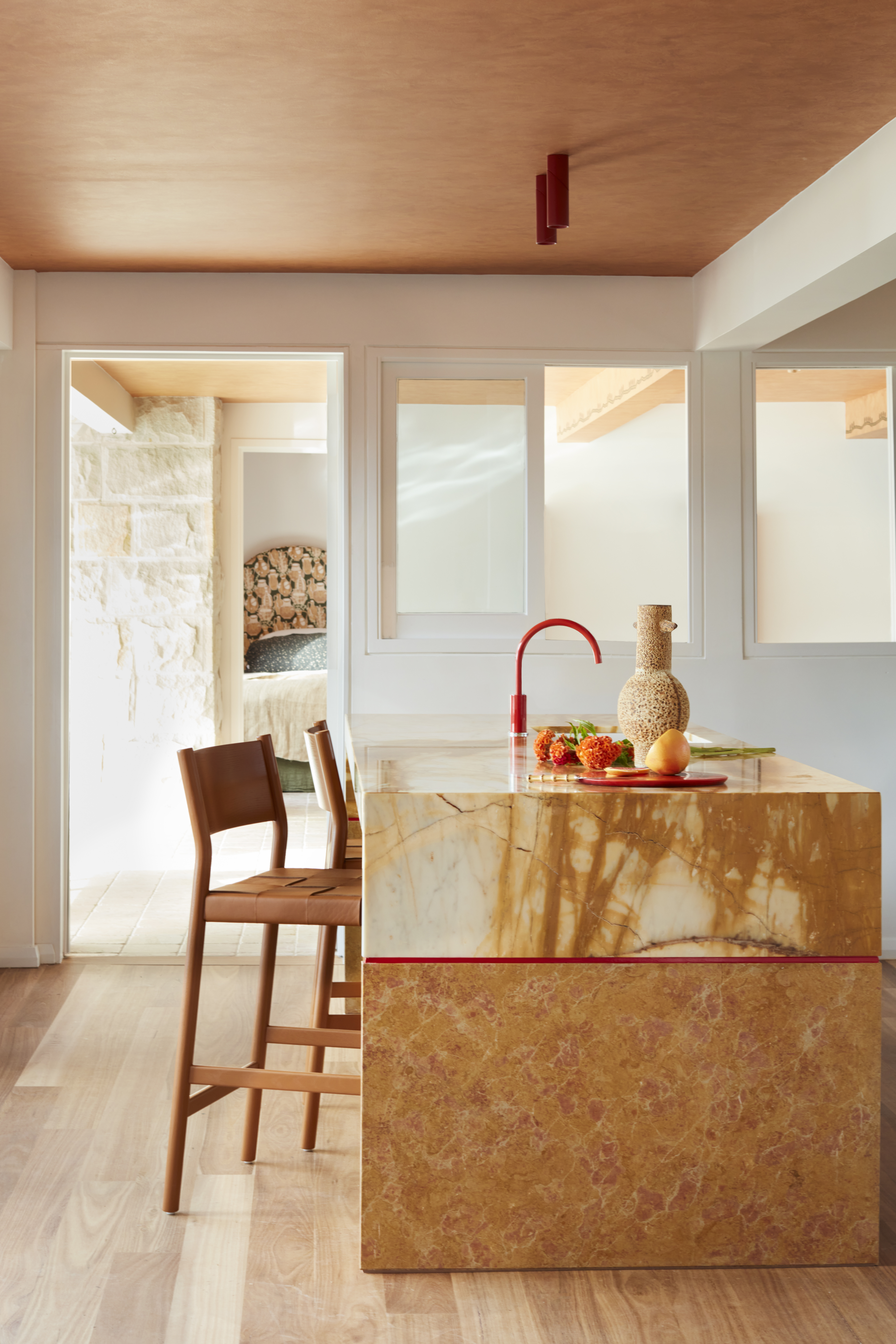
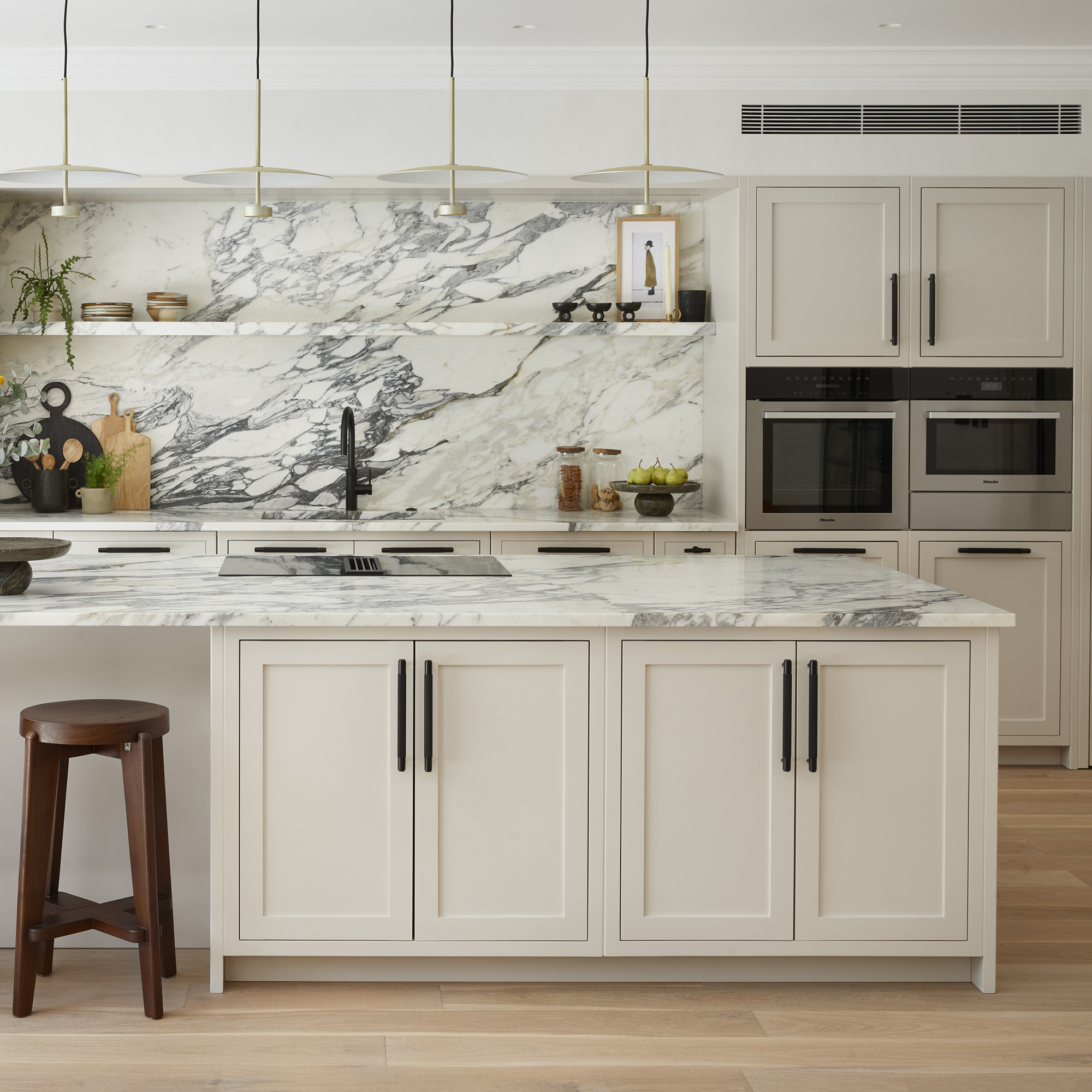
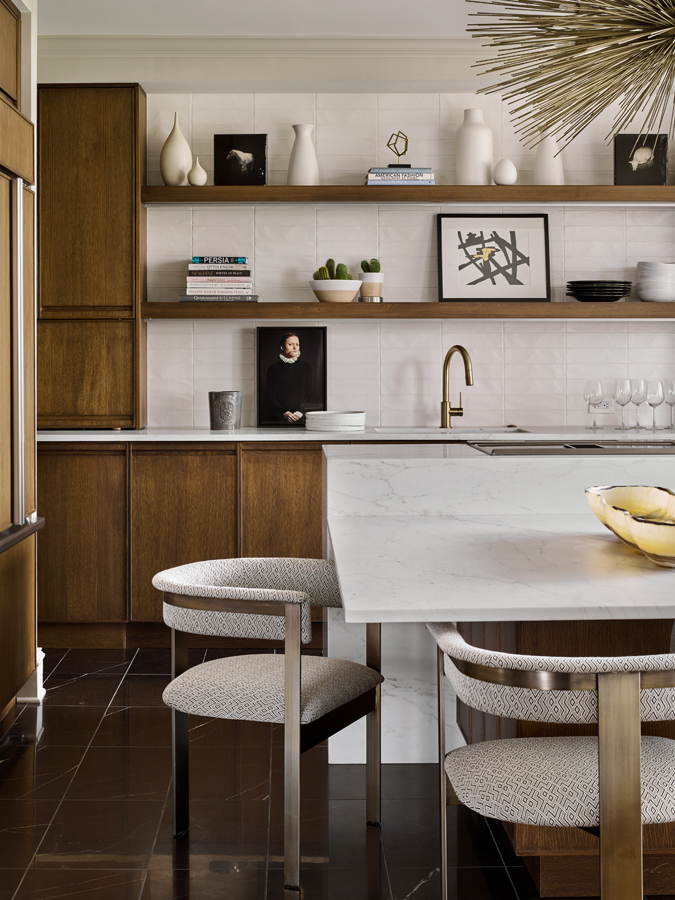
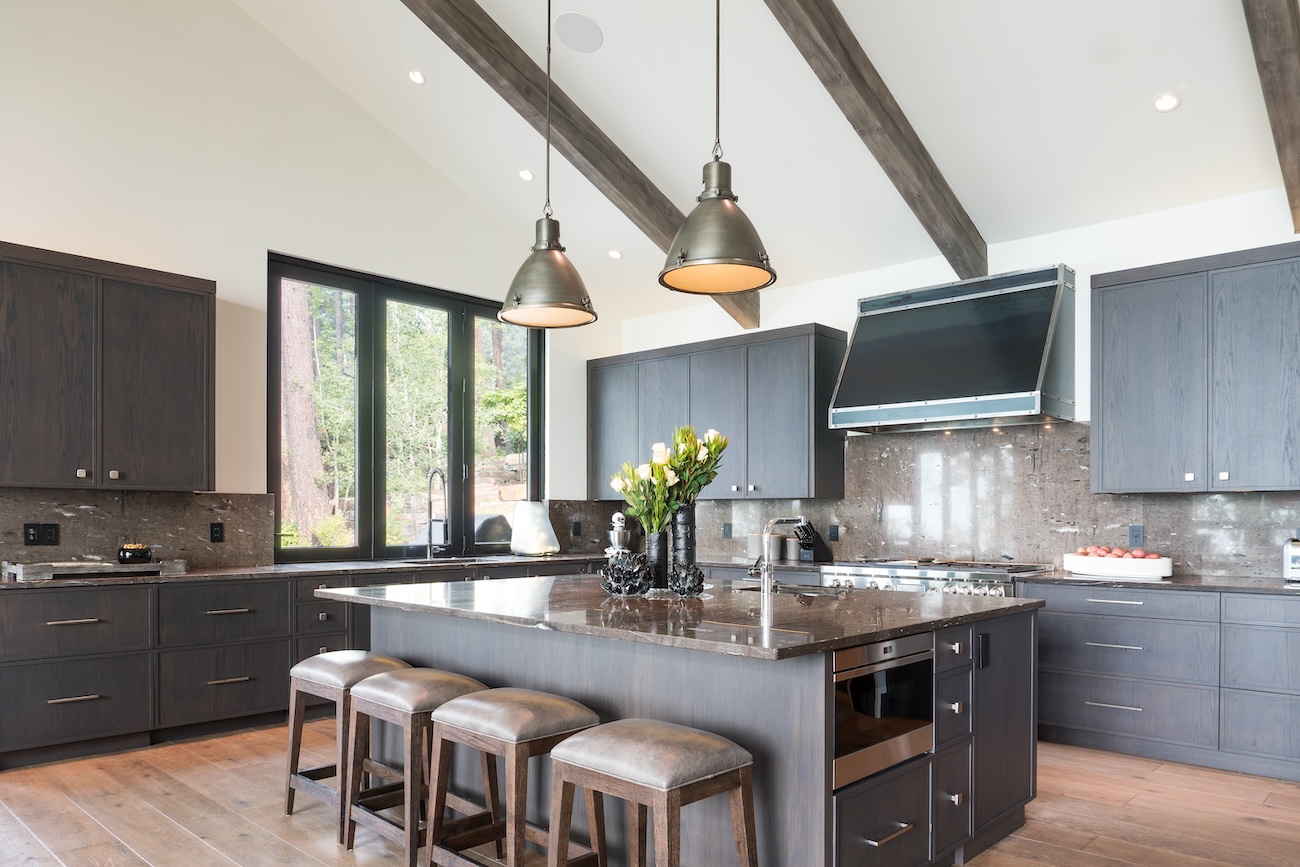
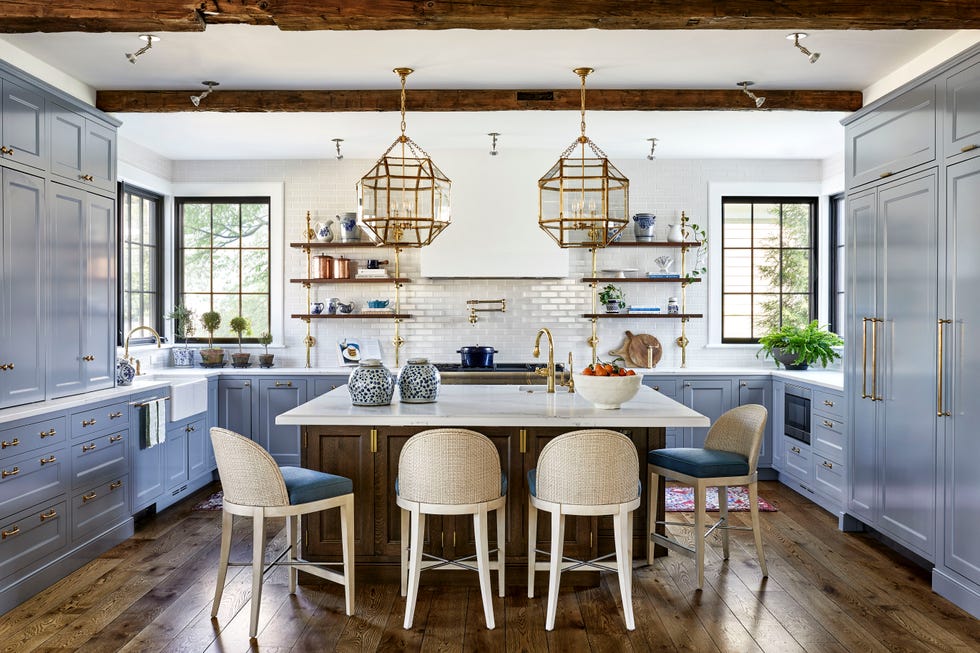
Designers stress the importance of cohesion when integrating a multi-functional island into the overall kitchen design. This can be achieved by using consistent materials, such as extending the kitchen worktop material to the island, or by introducing complementary colors that visually link the island with the rest of the room. For example, a richly painted island can harmonize with softer wall tones, while a marble countertop on the island can echo the main kitchen's surfaces. Such designs often incorporate multiple features like workspaces, sinks, bookcases, and breakfast bars, all contributing to a versatile and stylish kitchen.
Two-tier islands also play a crucial role in creating social spaces. Interior designers frequently use the varying heights to establish a 'counter screen,' acting as a subtle boundary between guests and the working kitchen area. This design allows for social interaction while keeping prep areas discreetly buffered. Finally, cohesive lighting is essential to unify the design, with fixtures carefully chosen to complement the island's materials and the overall kitchen aesthetic. The use of natural elements and neutral tones in lighting, cabinetry, and countertops helps to create a warm and inviting atmosphere, making the kitchen a truly central hub of the home.
#TwoTierKitchenIslands #KitchenDesign #InteriorDesign #KitchenLayout #MultiFunctionalKitchen #KitchenInnovation #HomeRenovation #SpaceSaving #ModernKitchen #TwoTierKitchenIslands #KitchenDesign #InteriorDesign #KitchenLayout #MultiFunctionalKitchen #KitchenInnovation #HomeRenovation #SpaceSaving #ModernKitchen
Há 0 comentários no total
 Ainda não há comentários
Você também pode gostar
Get a second helping of style and functionality with double kitchen islands

3 Kitchen Island Trends That Interior Designers Love (and 2 to Skip)

4 Hot Kitchen Trends: Mixed Up and Multifunctional
This ’90s Kitchen Island Trend Is Being Replaced with Something Far More Practical

Split-level kitchen island ideas – 10 ways to make a practical two-tier design work for you
10 incredible split-level kitchen islands that prove this design trend is the best way to have it all


A Unique Island Feature Is The Star Of This Fixer Upper Kitchen Renovation
Kitchen Trends 2025: these design ideas merge sleek design and utilitarian attitude

13 Trending Kitchen Islands That You'll See in All the Coolest Schemes Next Year
HGTV's Rock The Block Gets Behind A Kitchen Trend Taking Over 2024
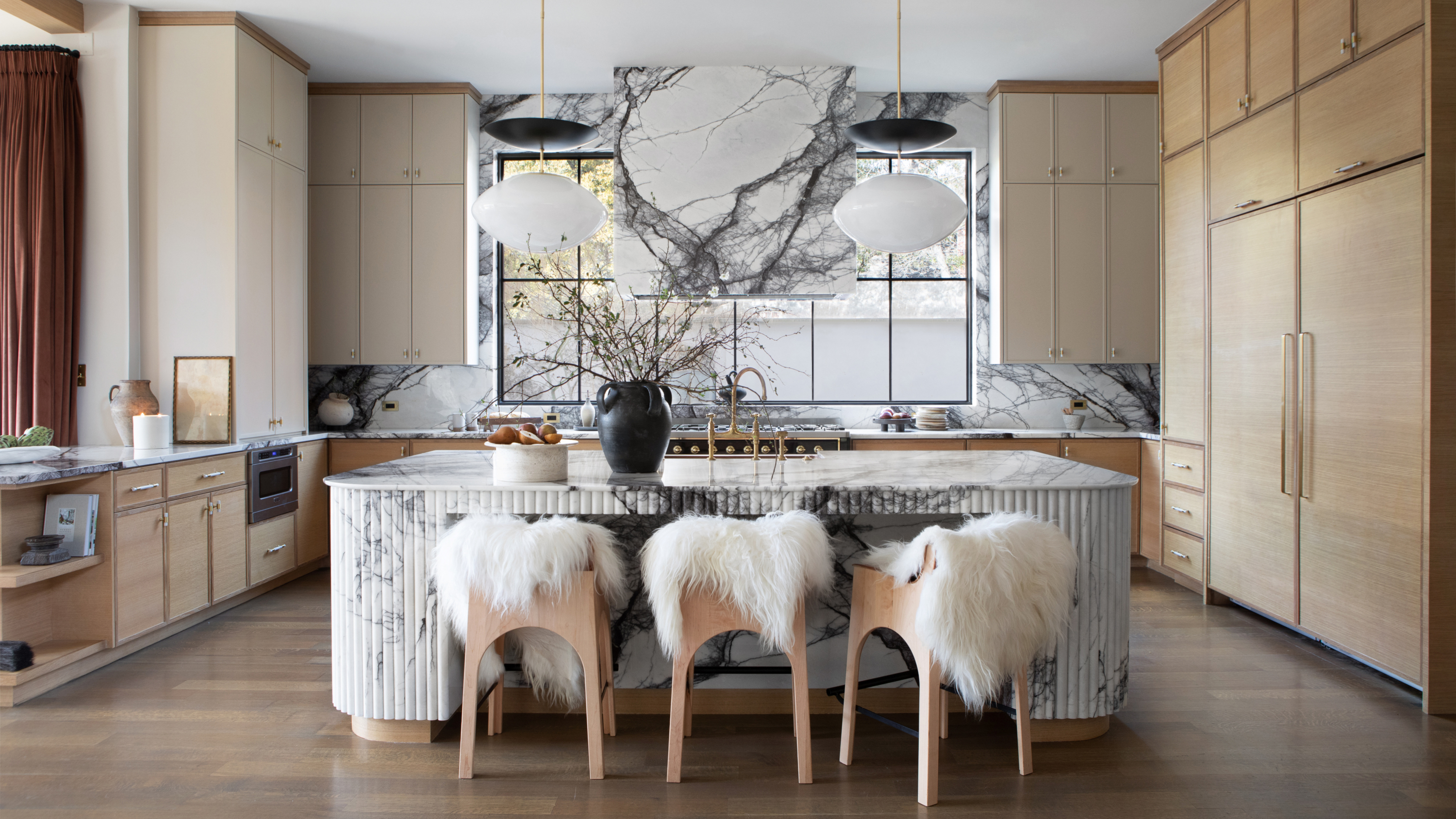
Kitchen island trends – 8 shapes, materials and finishes designers are choosing for elevated spaces
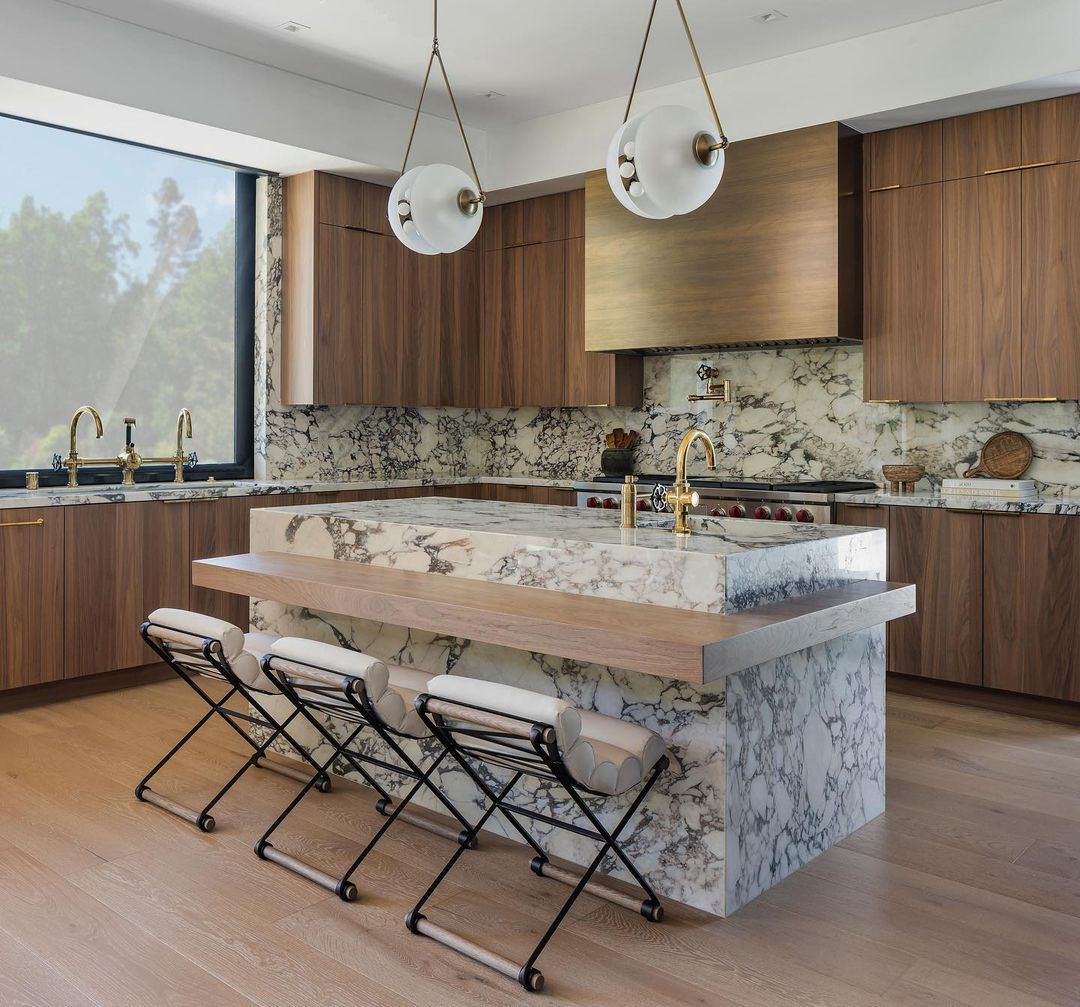
What's the best material for split-level kitchen islands? Designers on getting this luxe decor trend exactly right
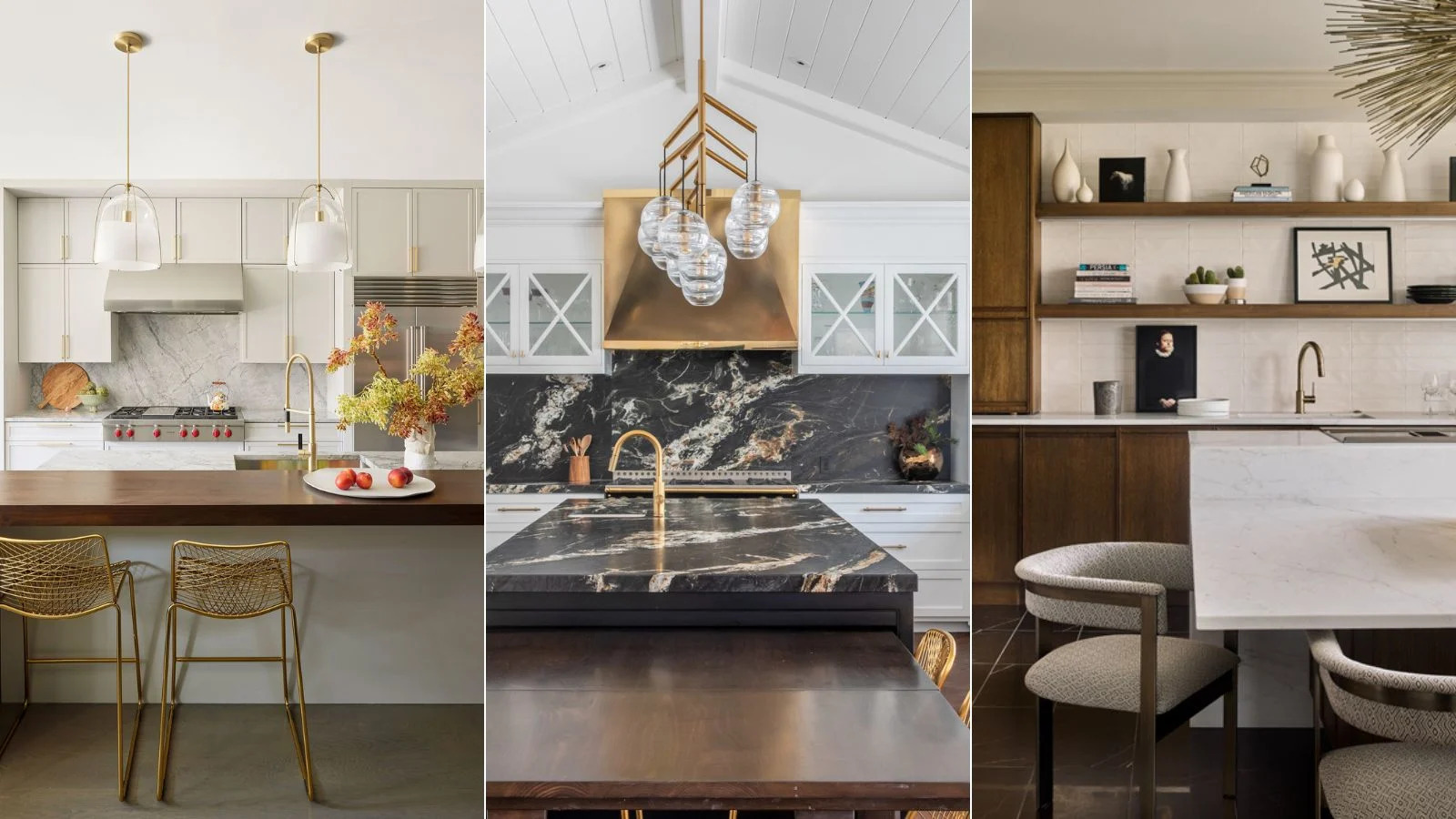
Two-tier kitchen islands are the future – 9 reasons why designers want you to invest now
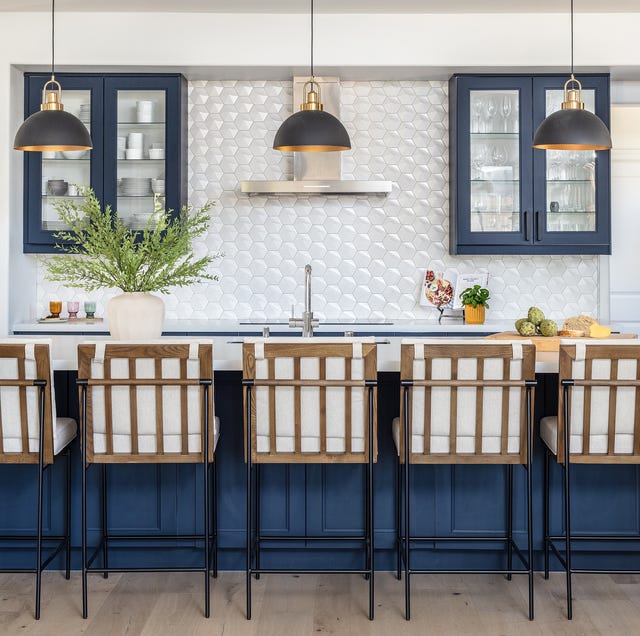
One of 2024's Biggest Kitchen Trends Is Herringbone Flooring


Meet the Next Wave of Design Stars Changing the Way We Look at Our Kitchens

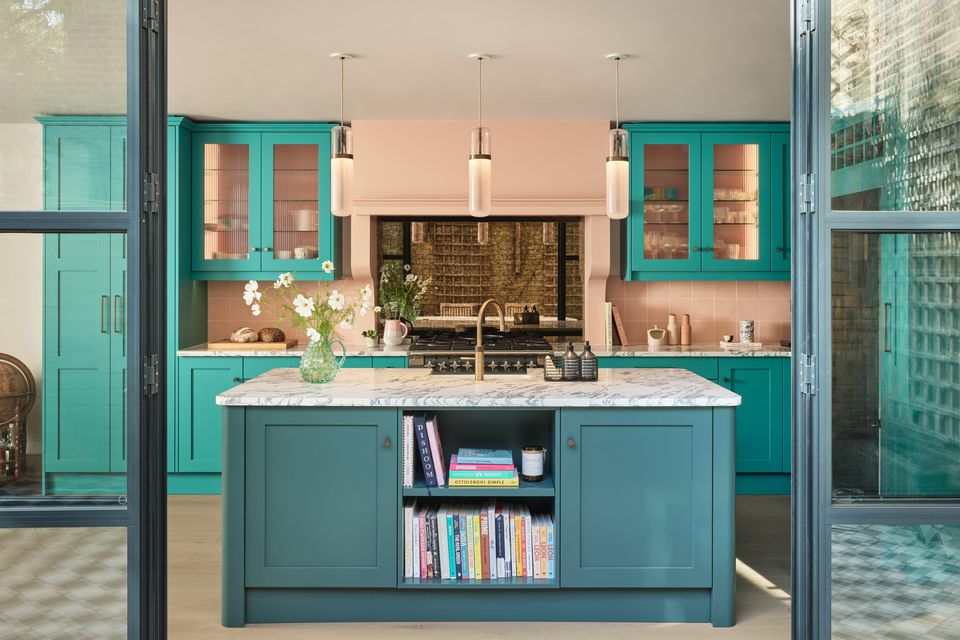
Top kitchen trends of 2024: Where to invest and what to avoid
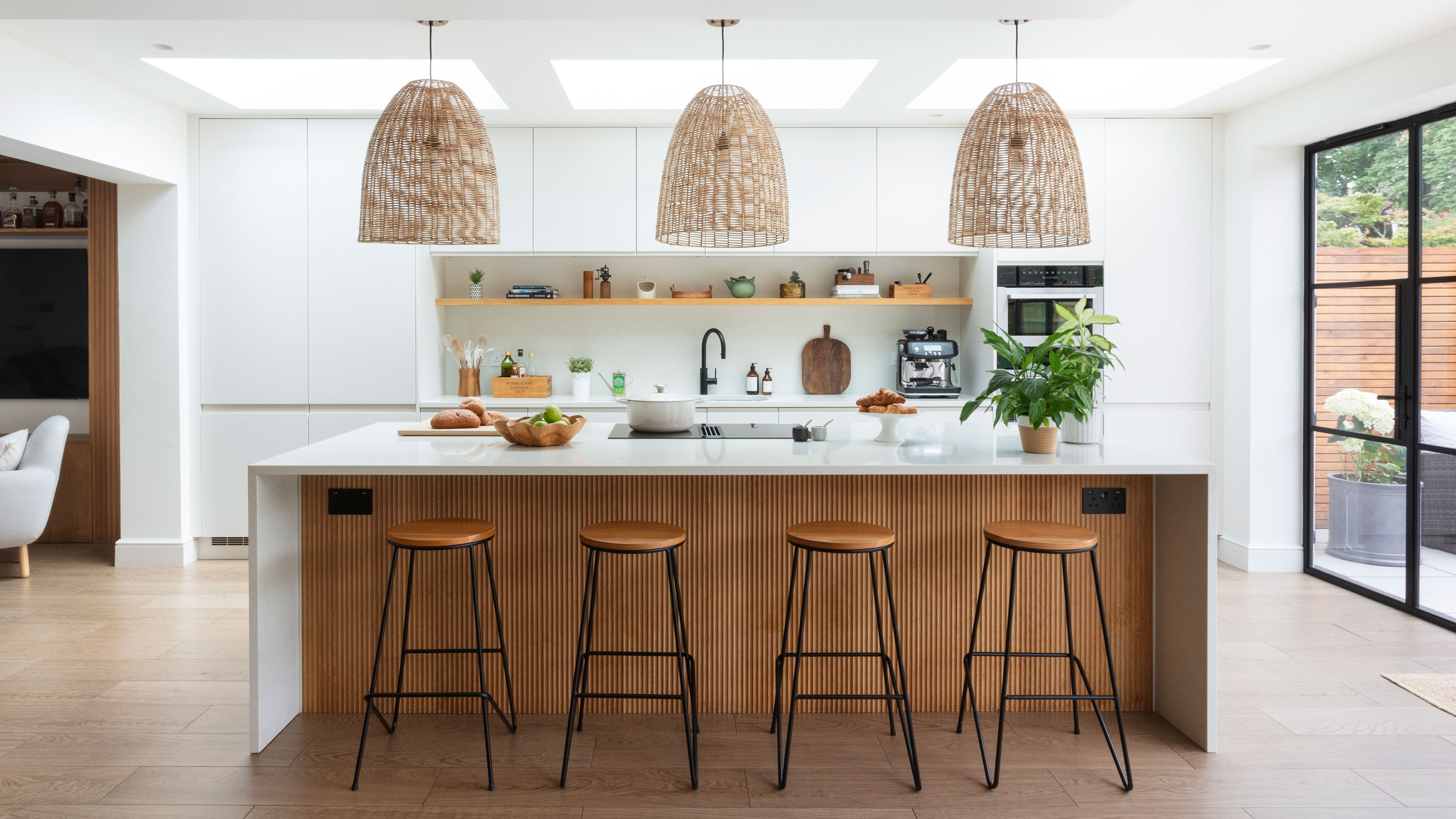
The kitchen island trends dominating 2025 - the liveable looks we predict will become new classics
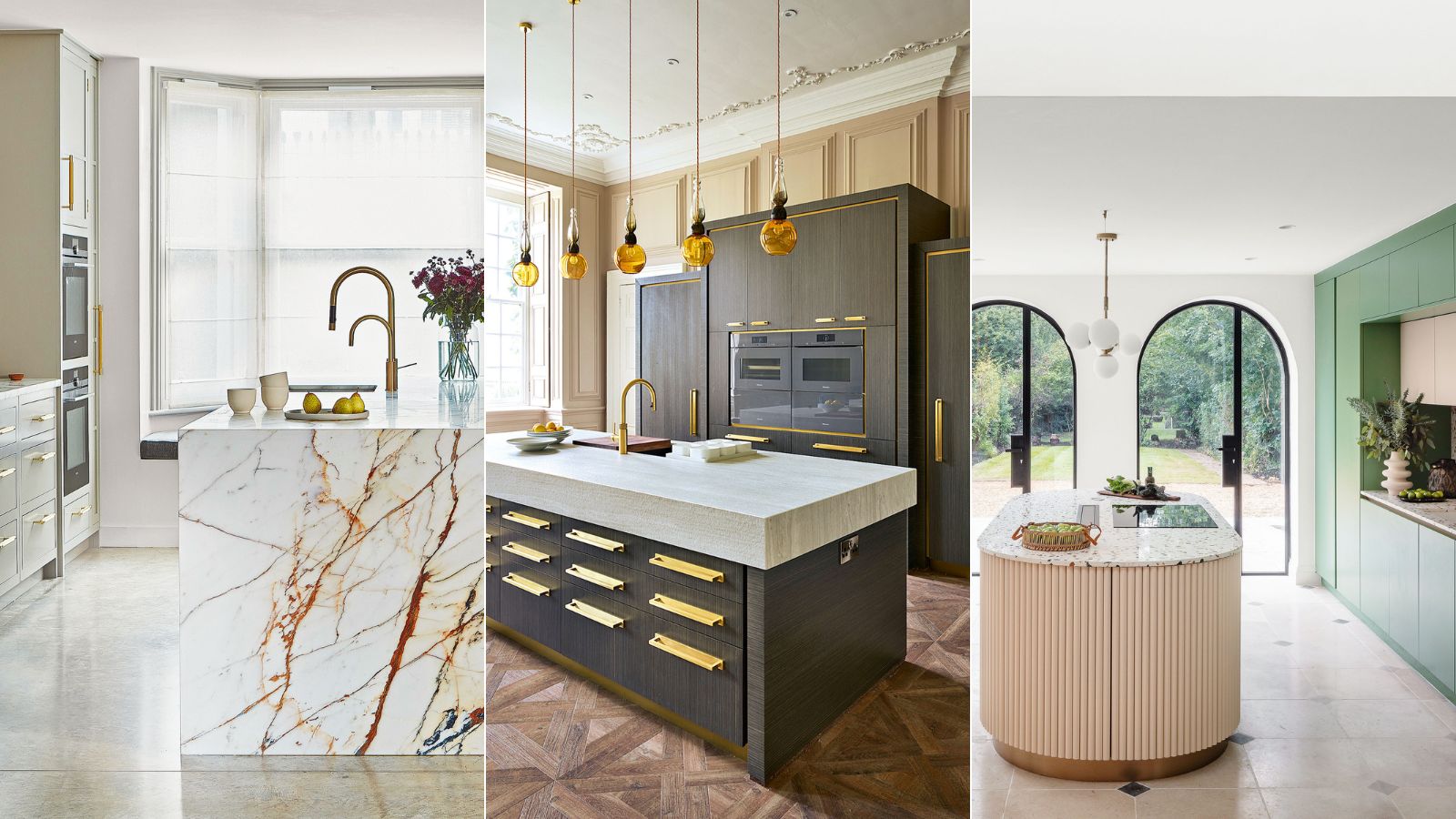
Kitchen island trends 2023 – 9 new looks for your kitchen's focal point that marry style and functionality
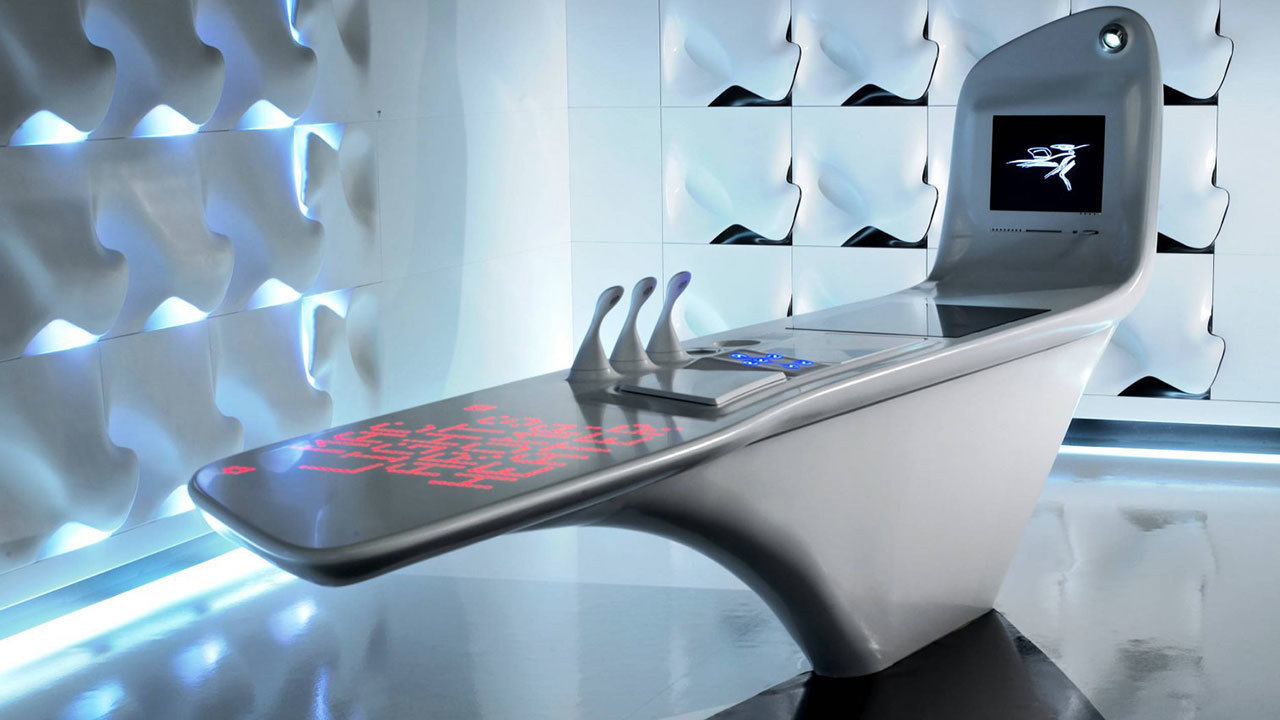
Futuristic Kitchen Islands
Design Experts Agree: This Kitchen Style Is Making a Major Comeback