1/3
The Surprising Paint Trick Designers ALWAYS Rely on for a Custom Look
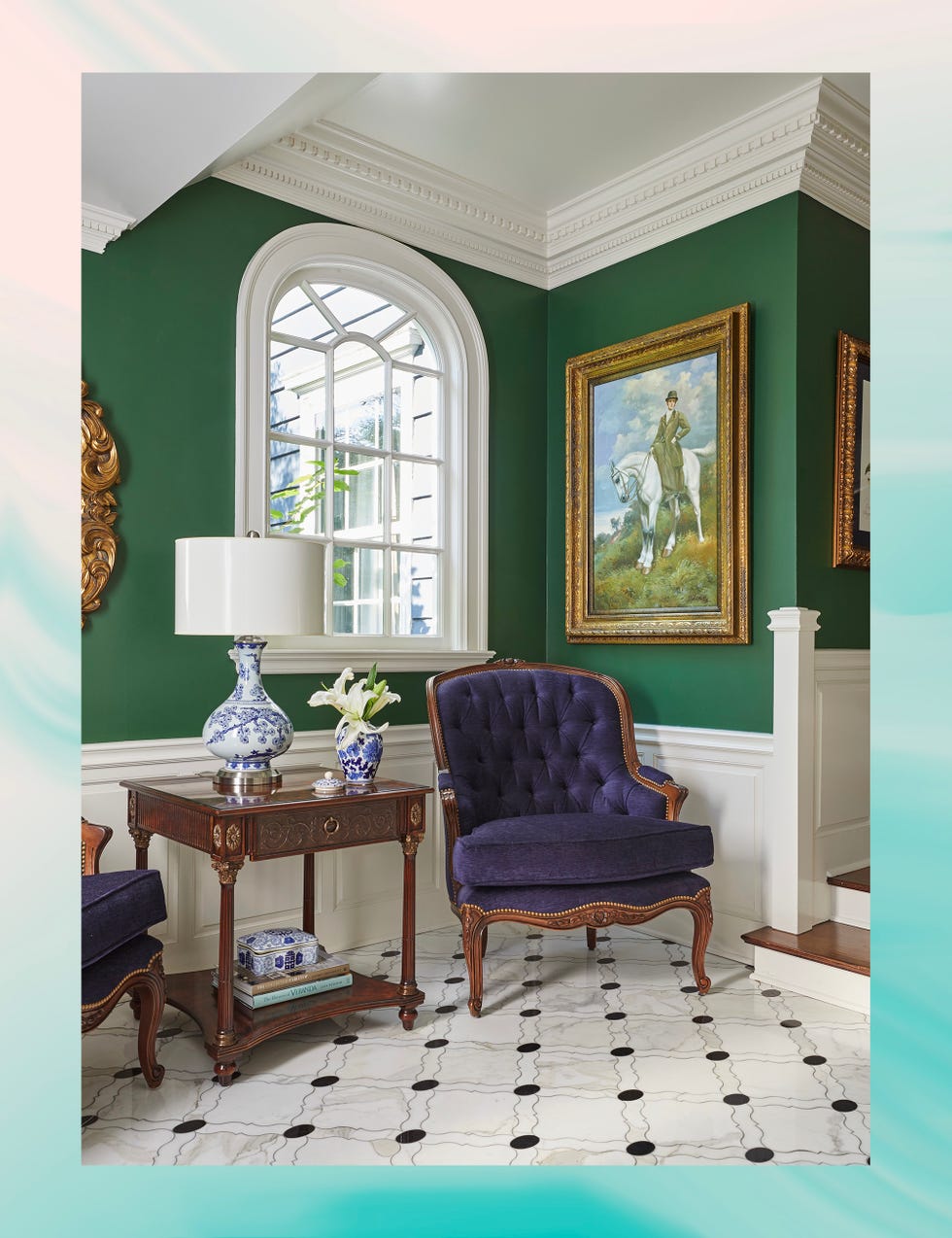
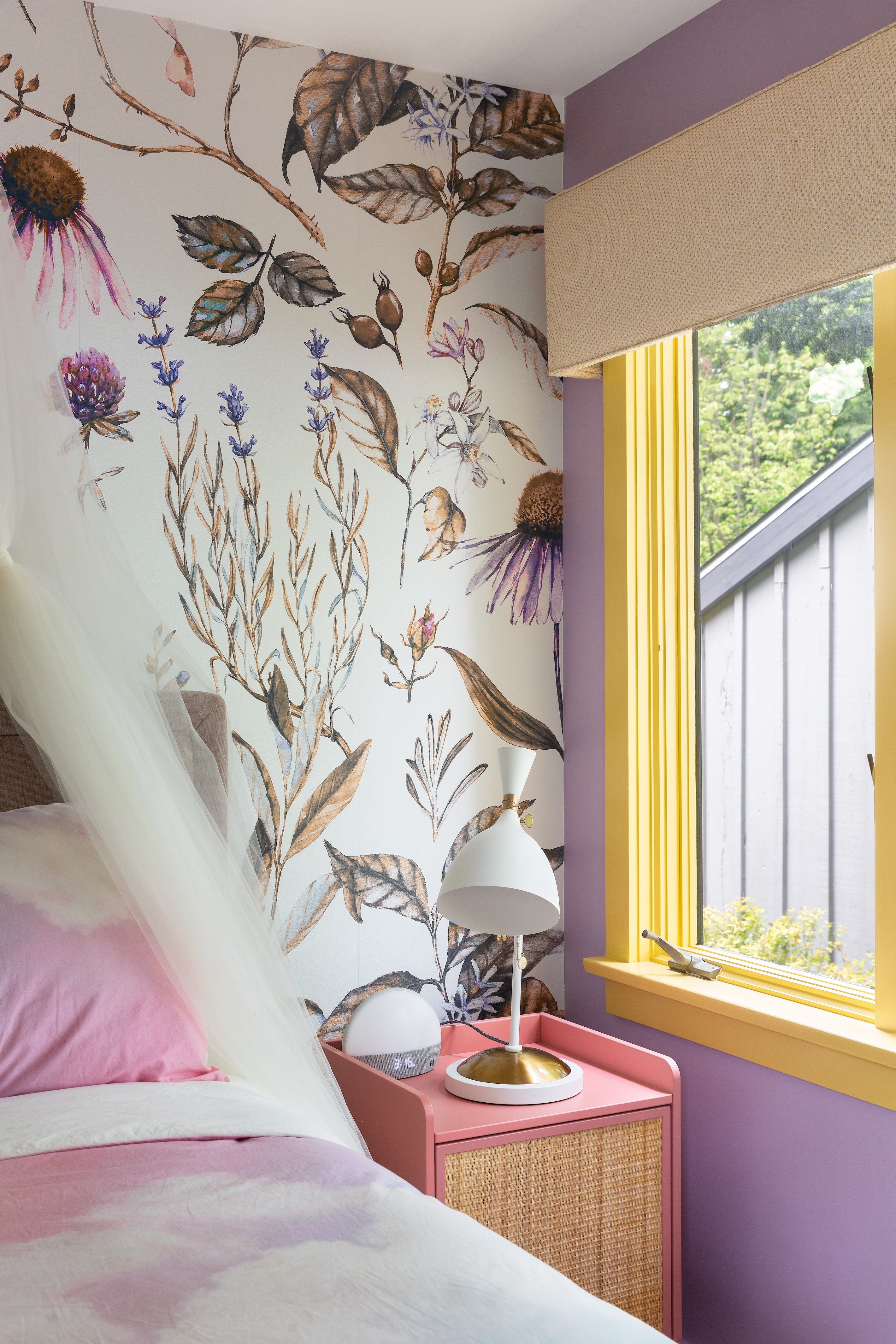
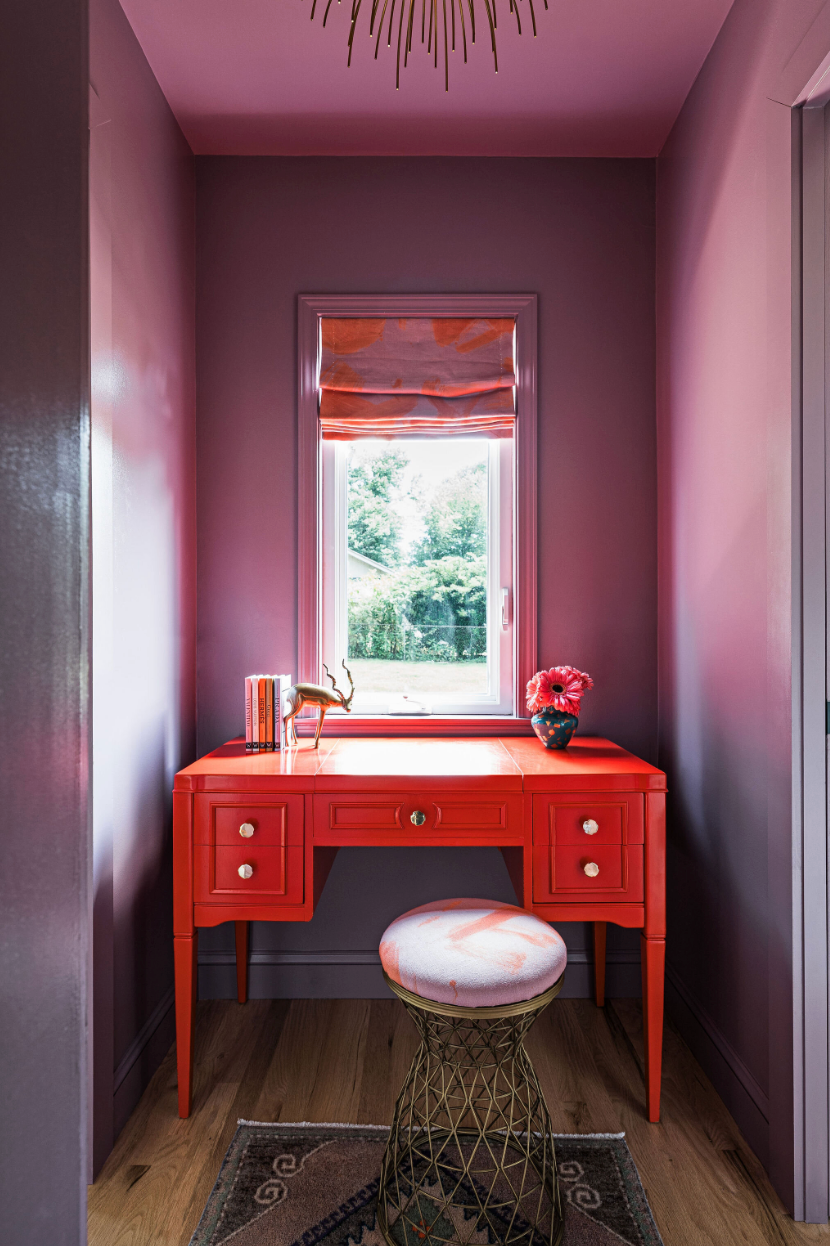
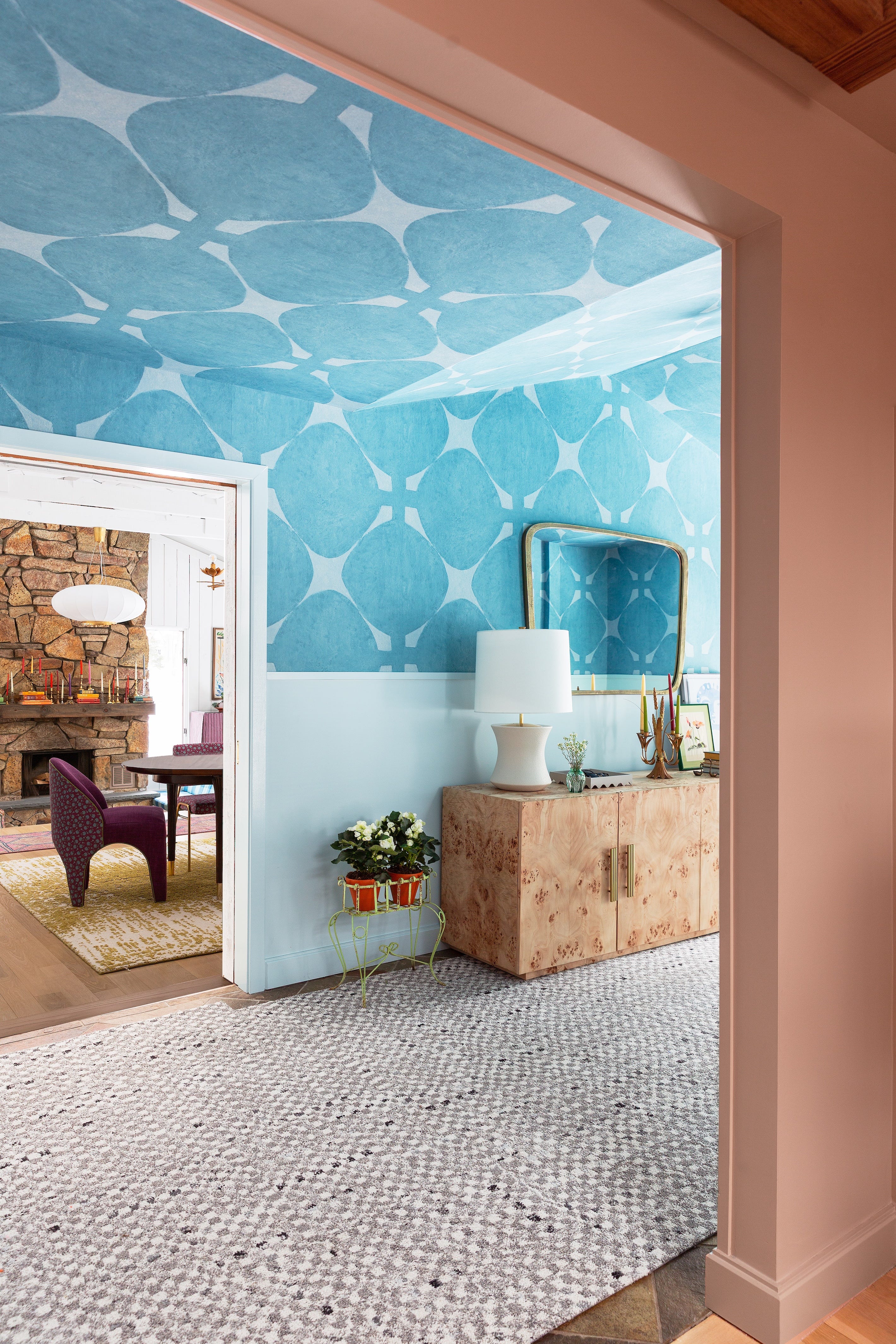
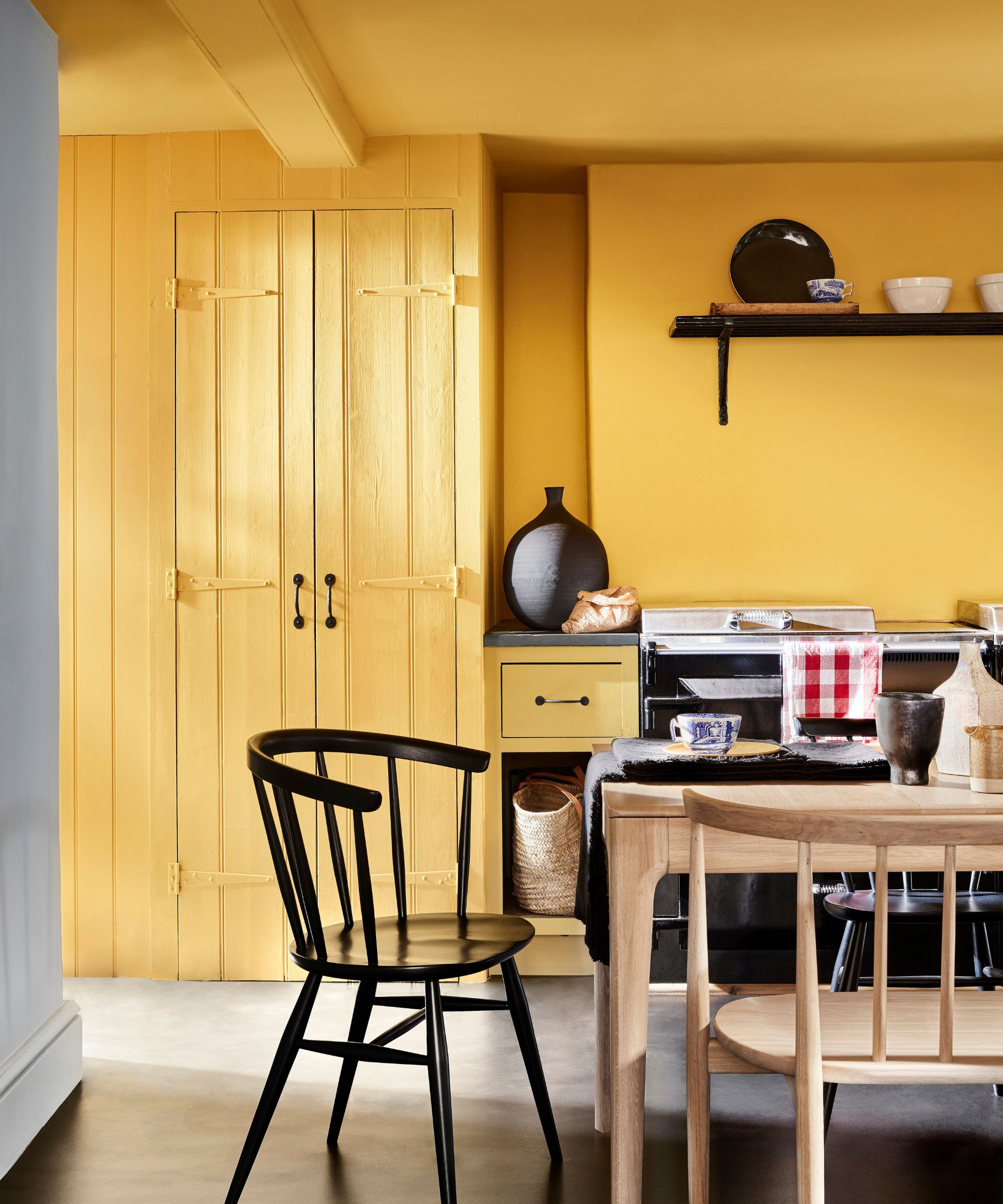
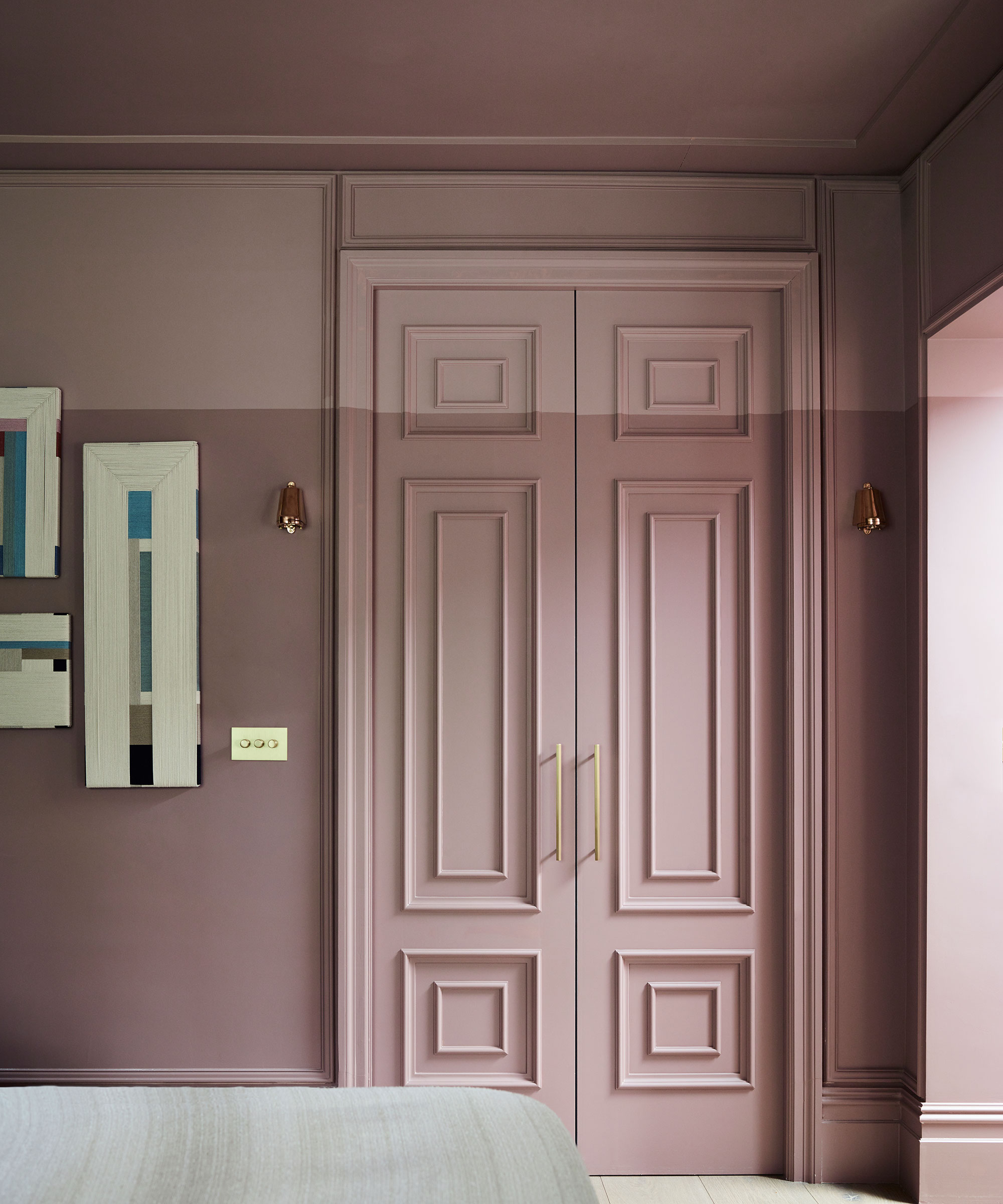
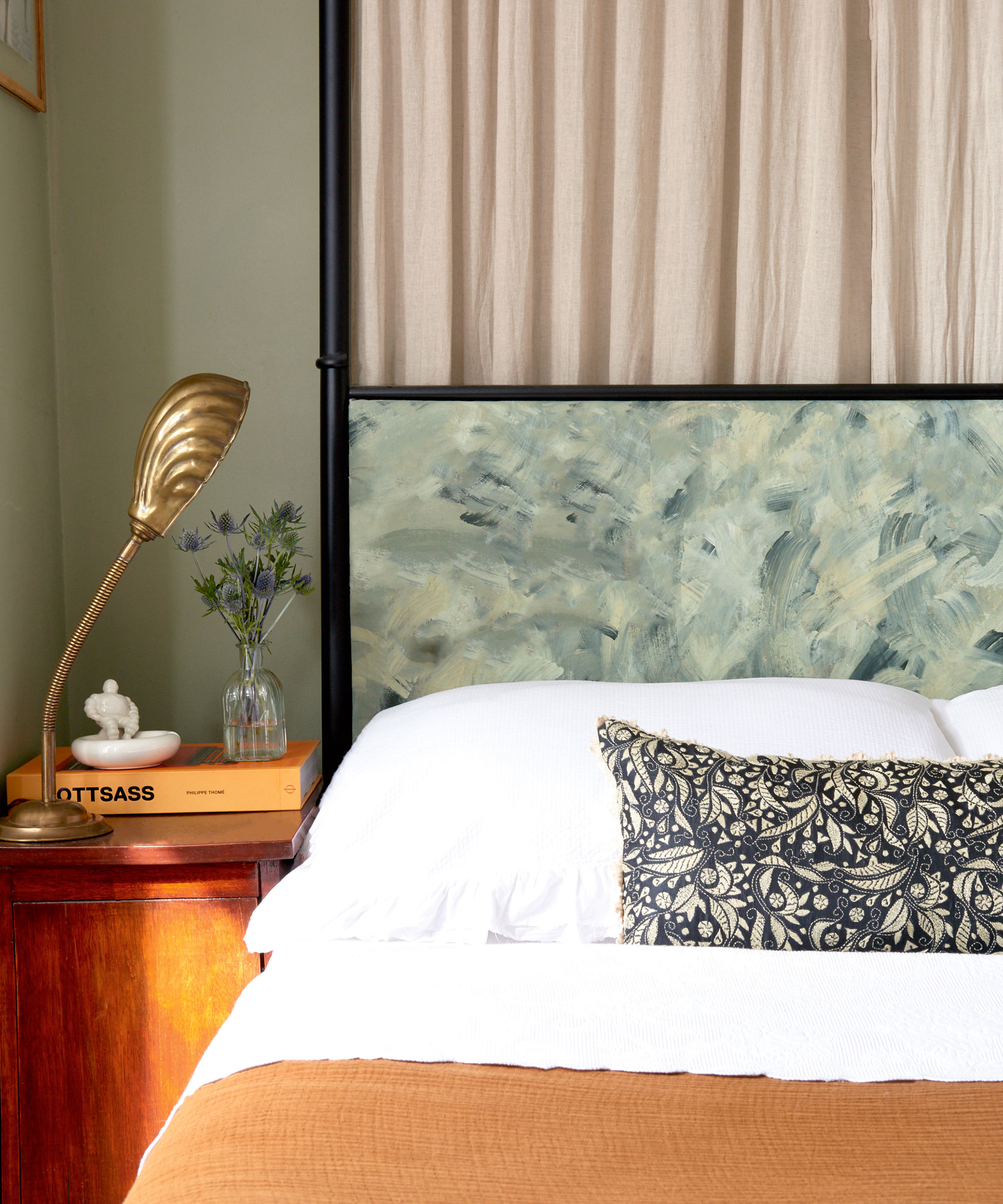
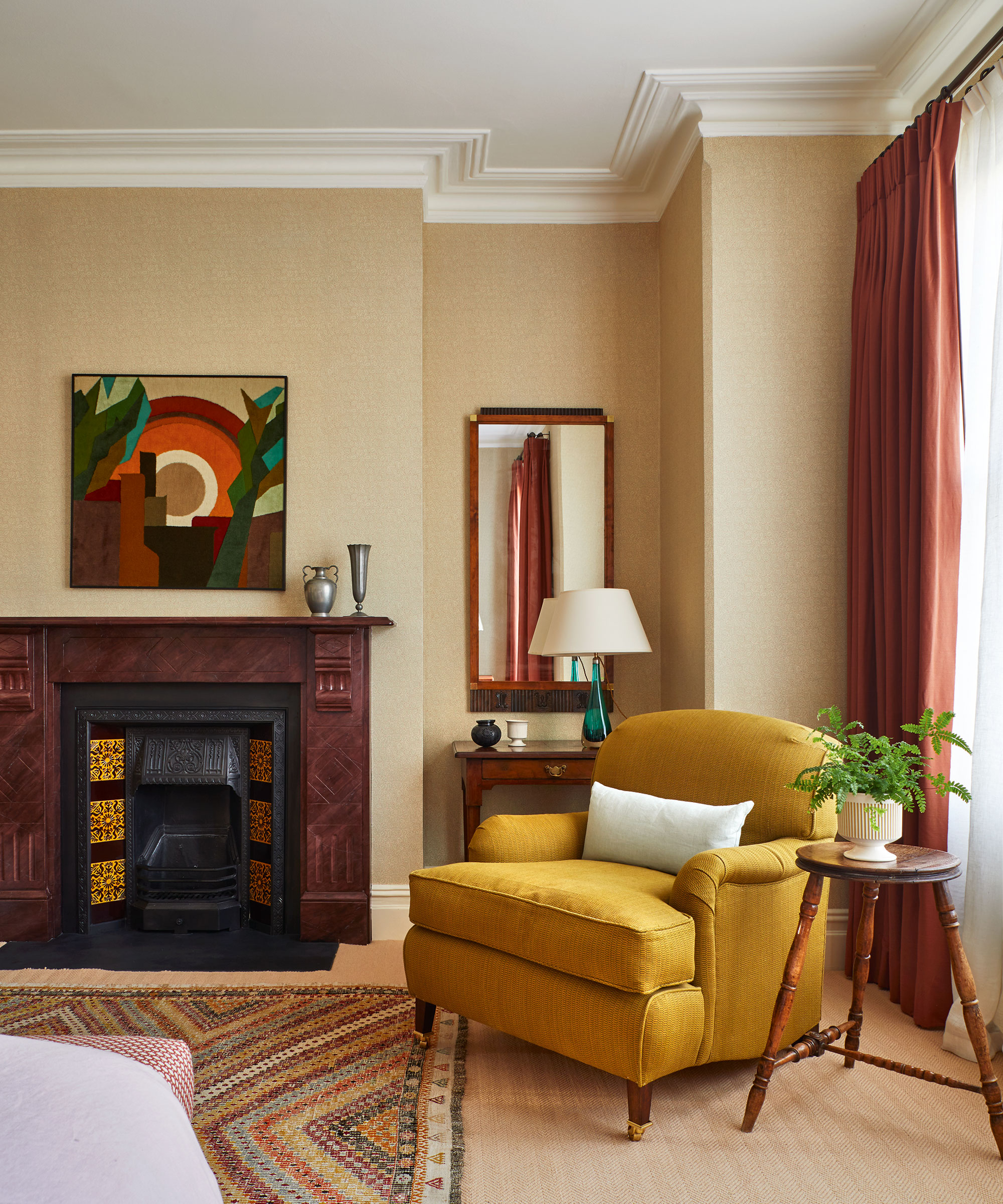
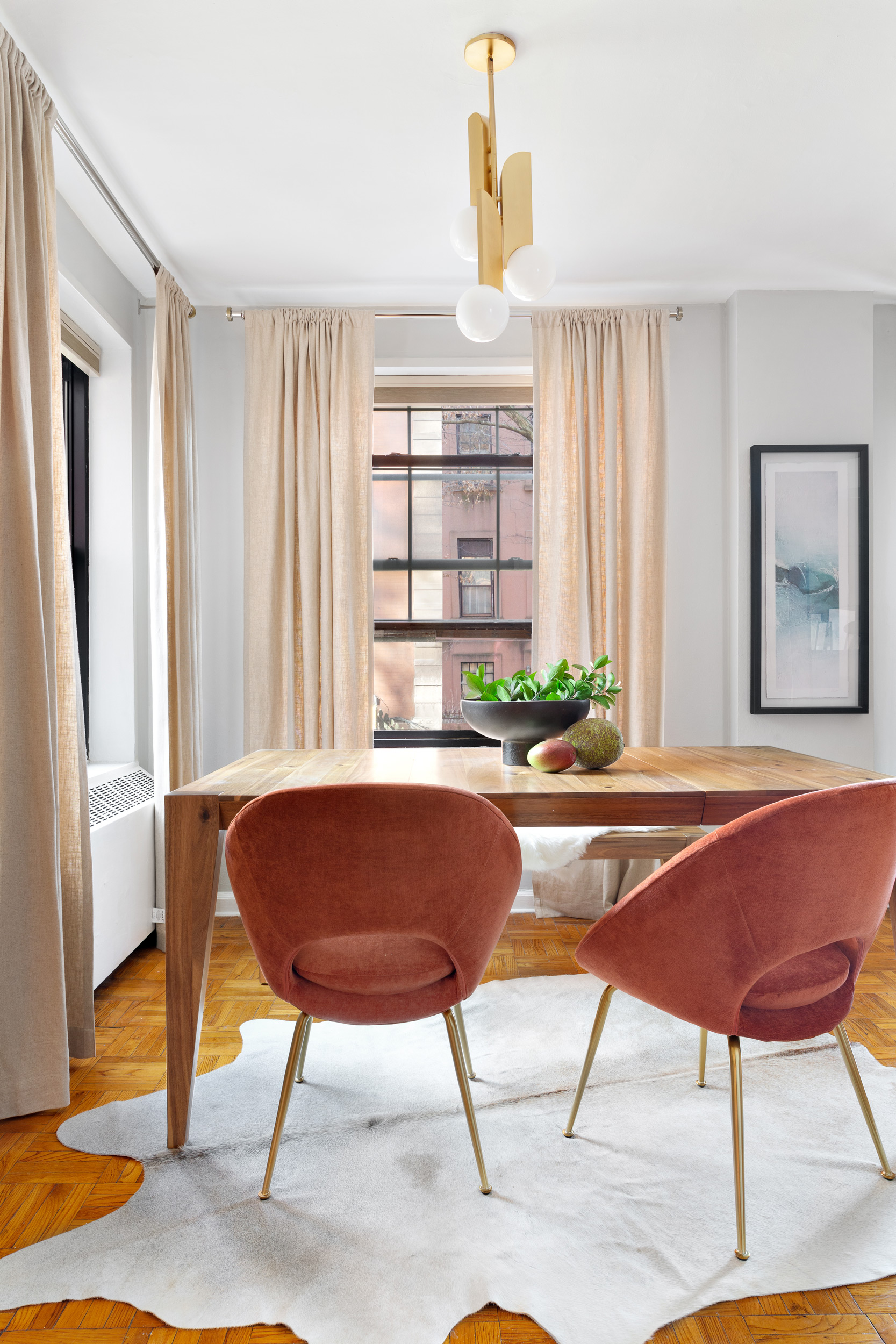
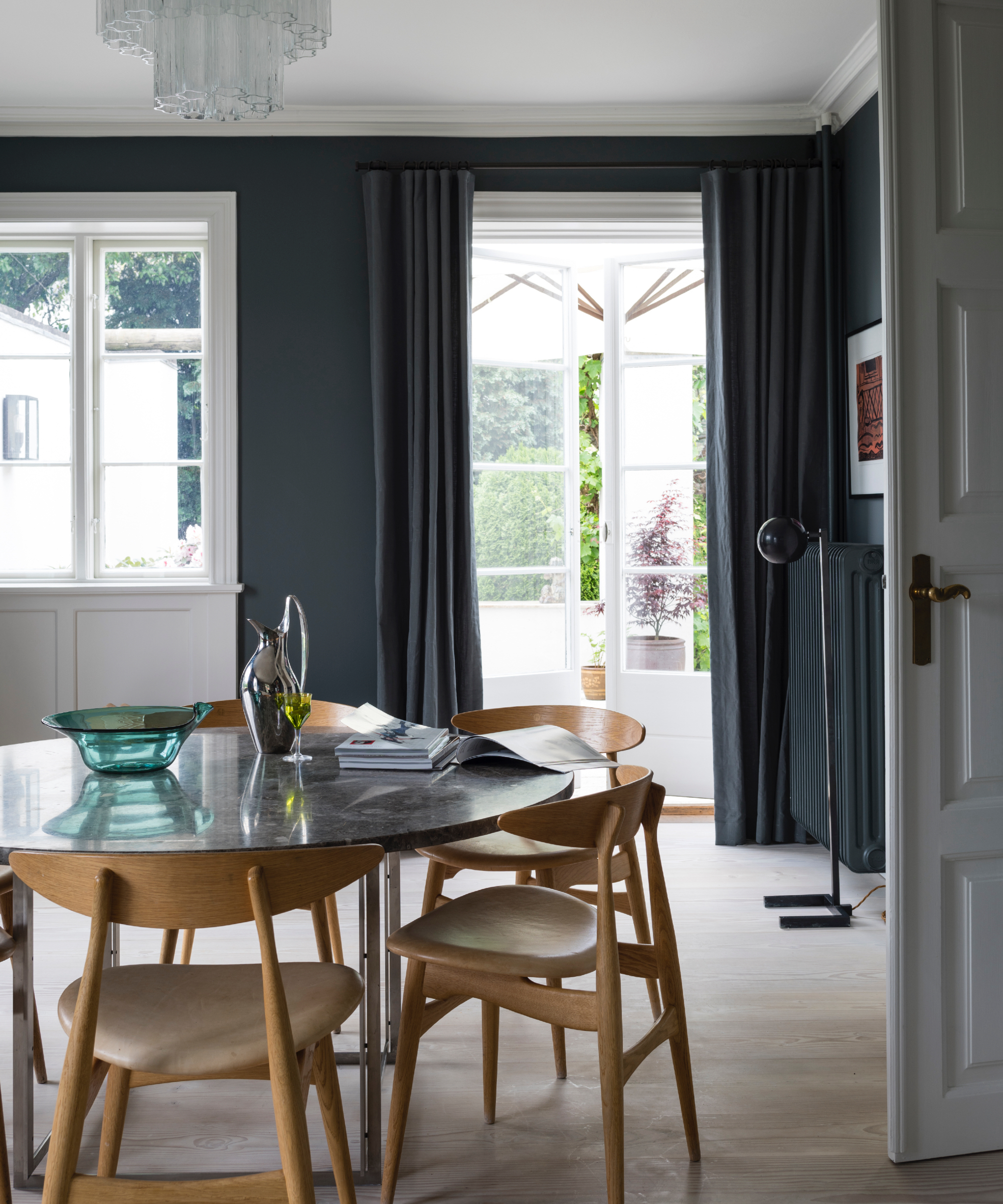
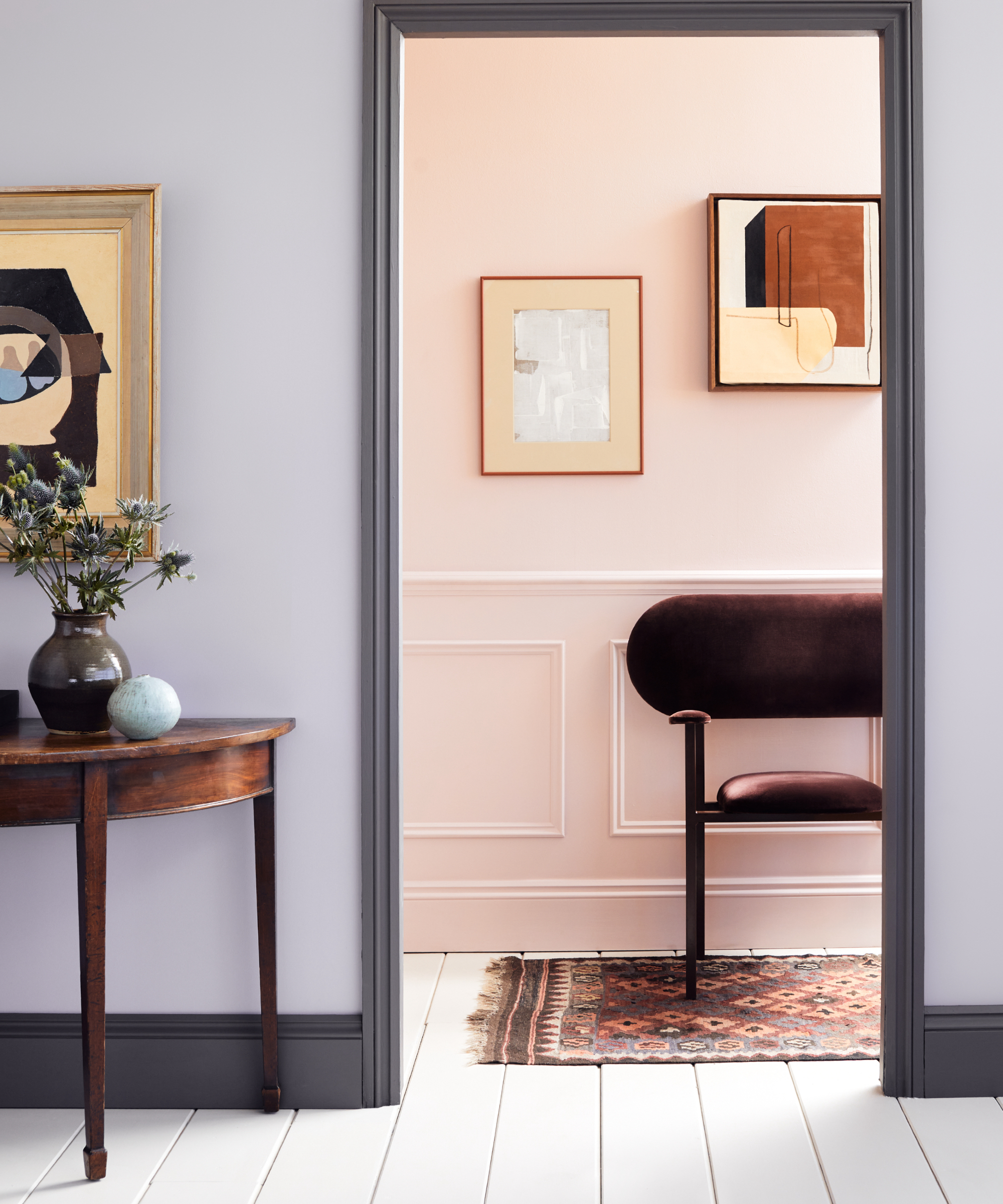
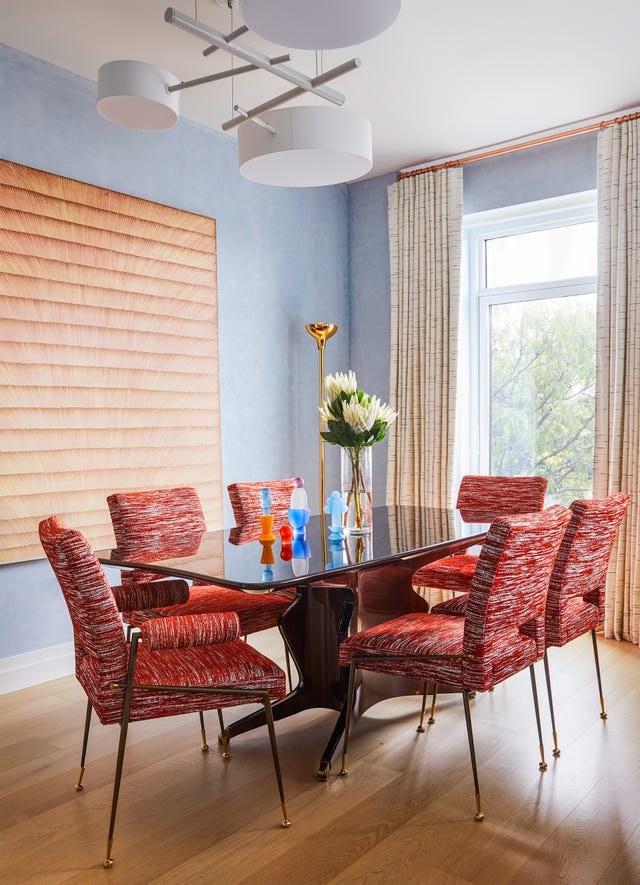
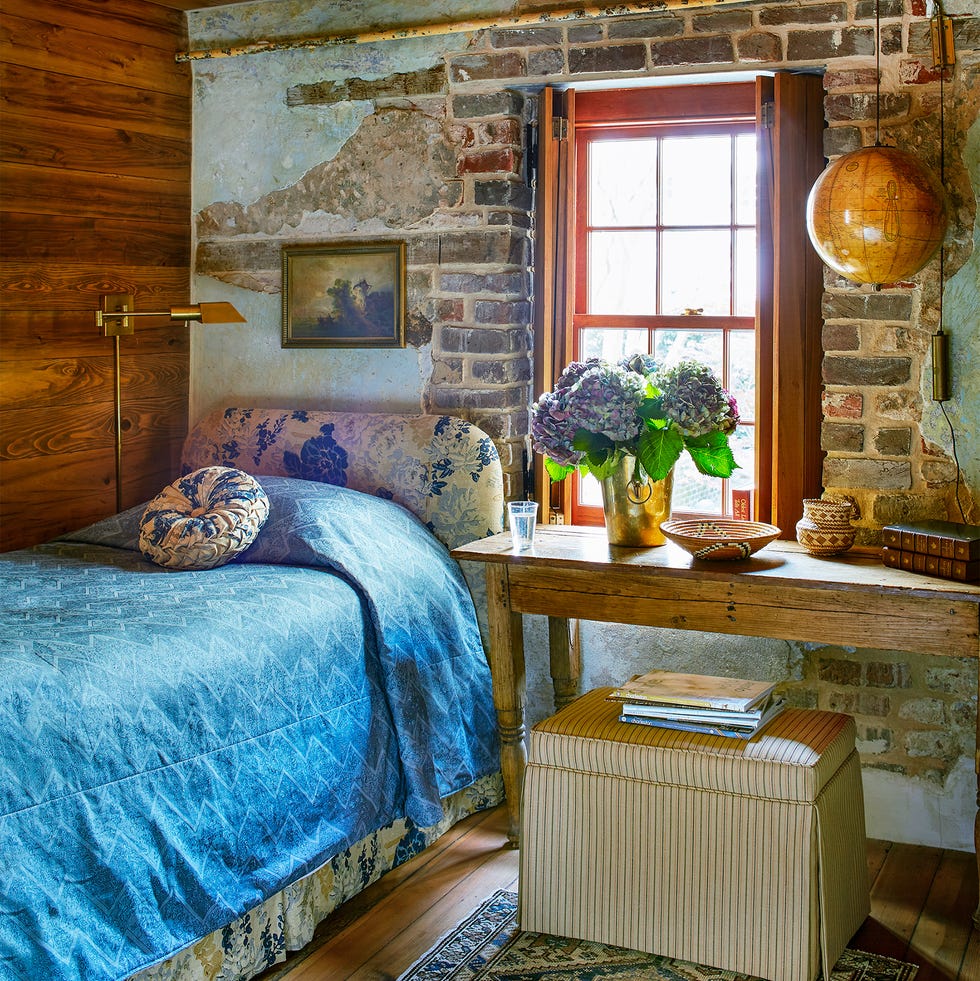
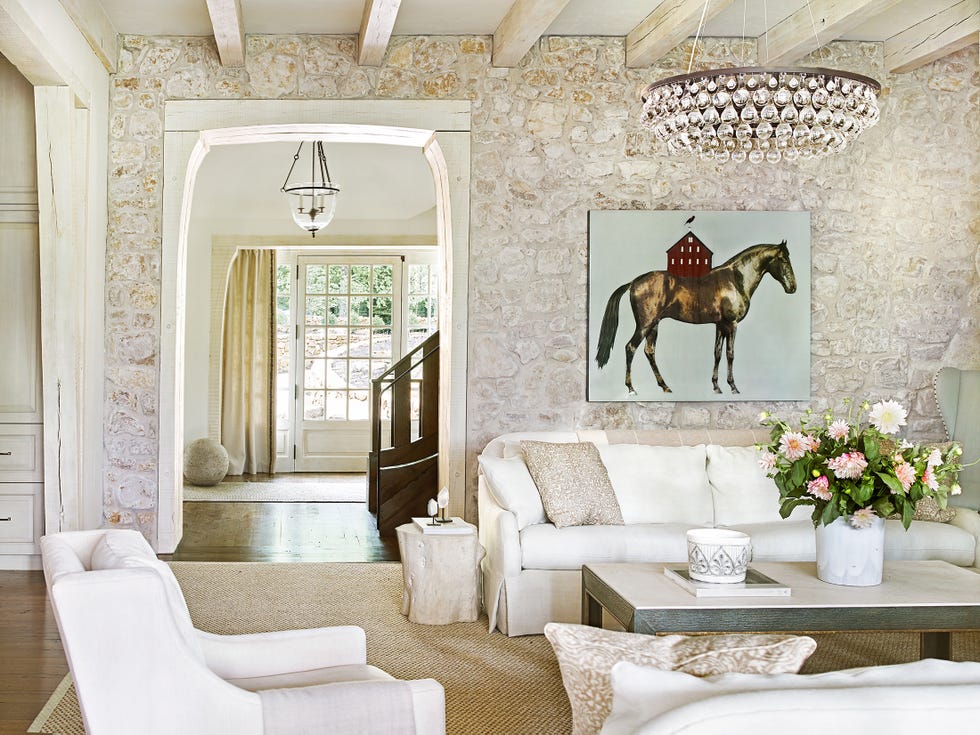
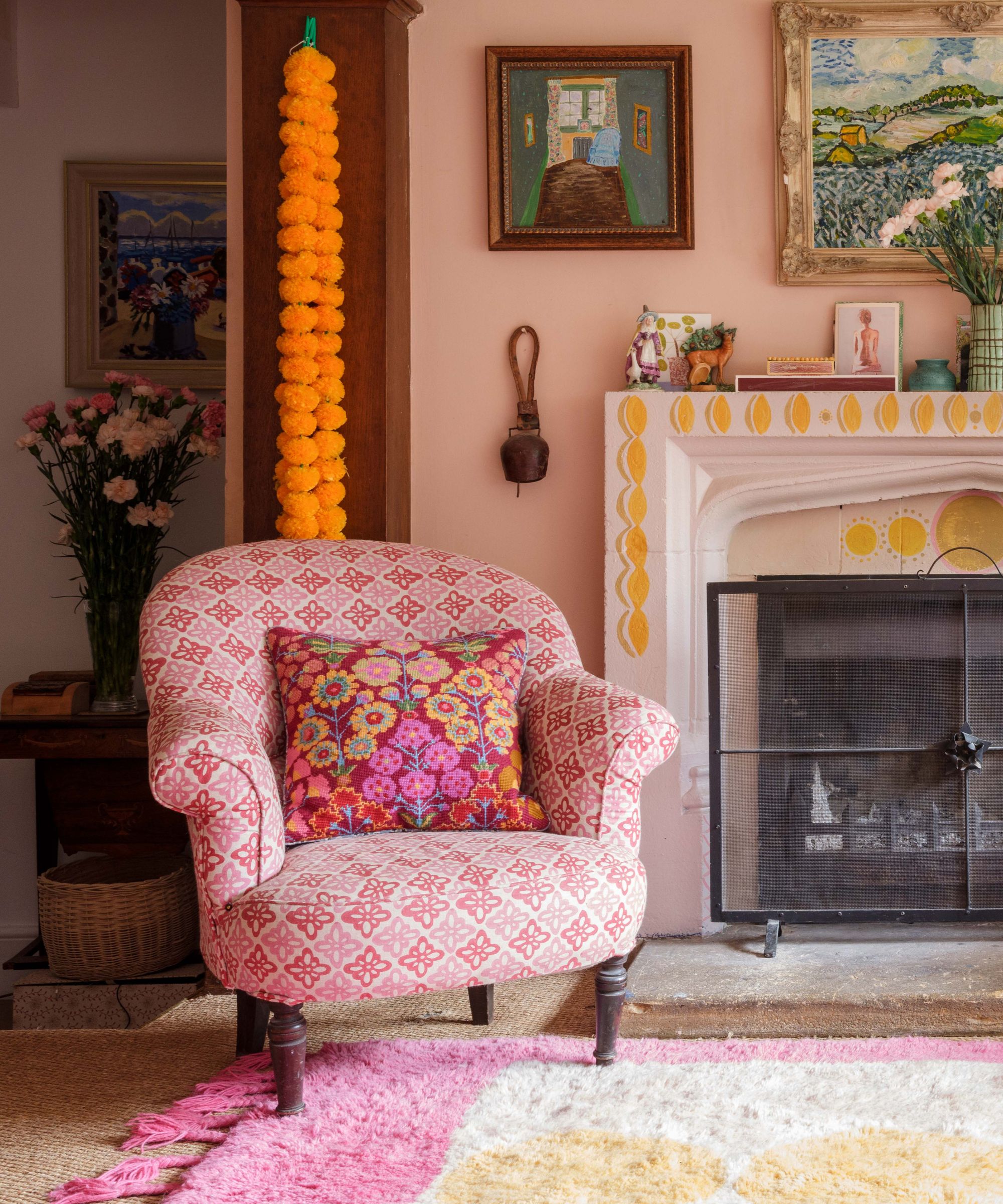
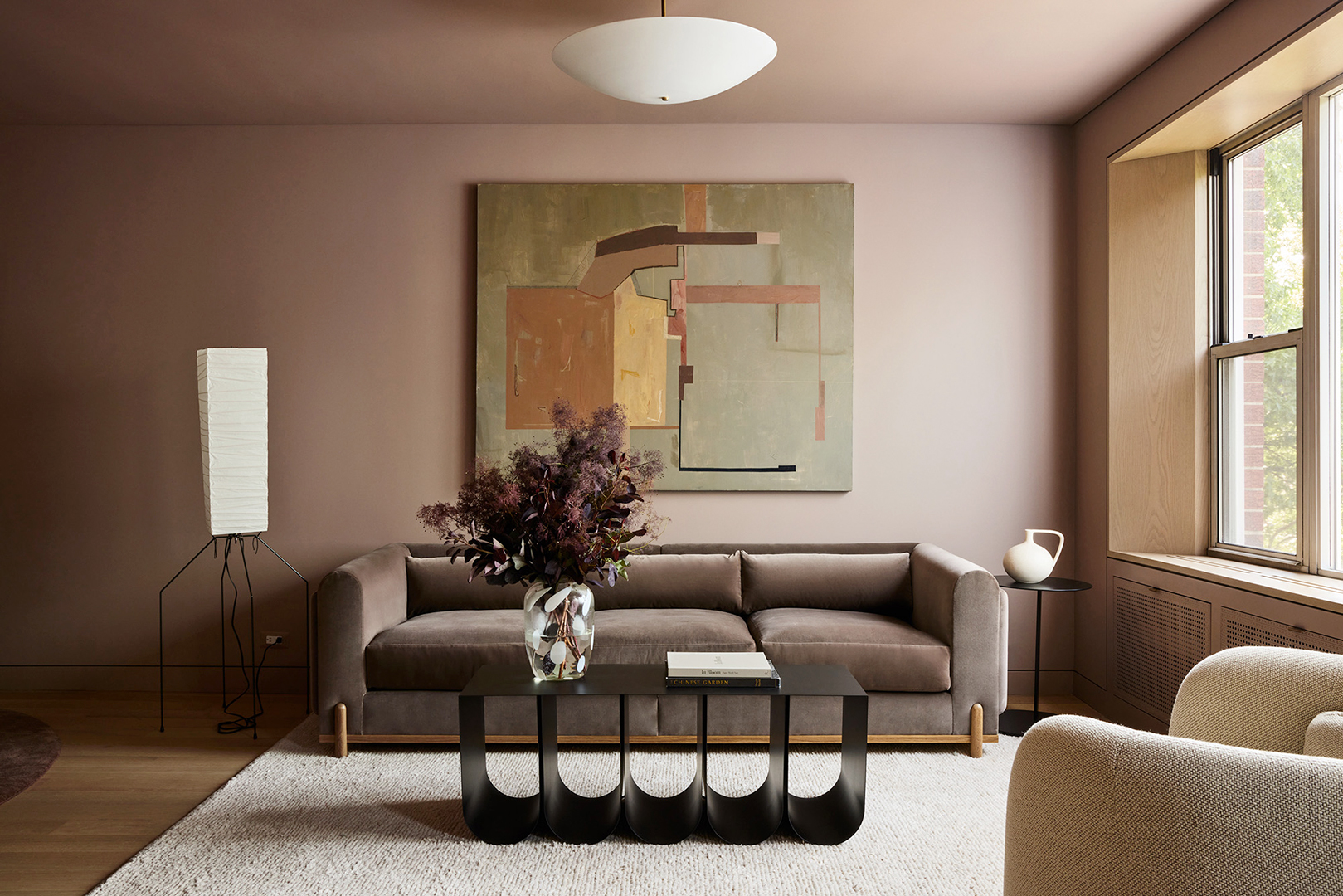
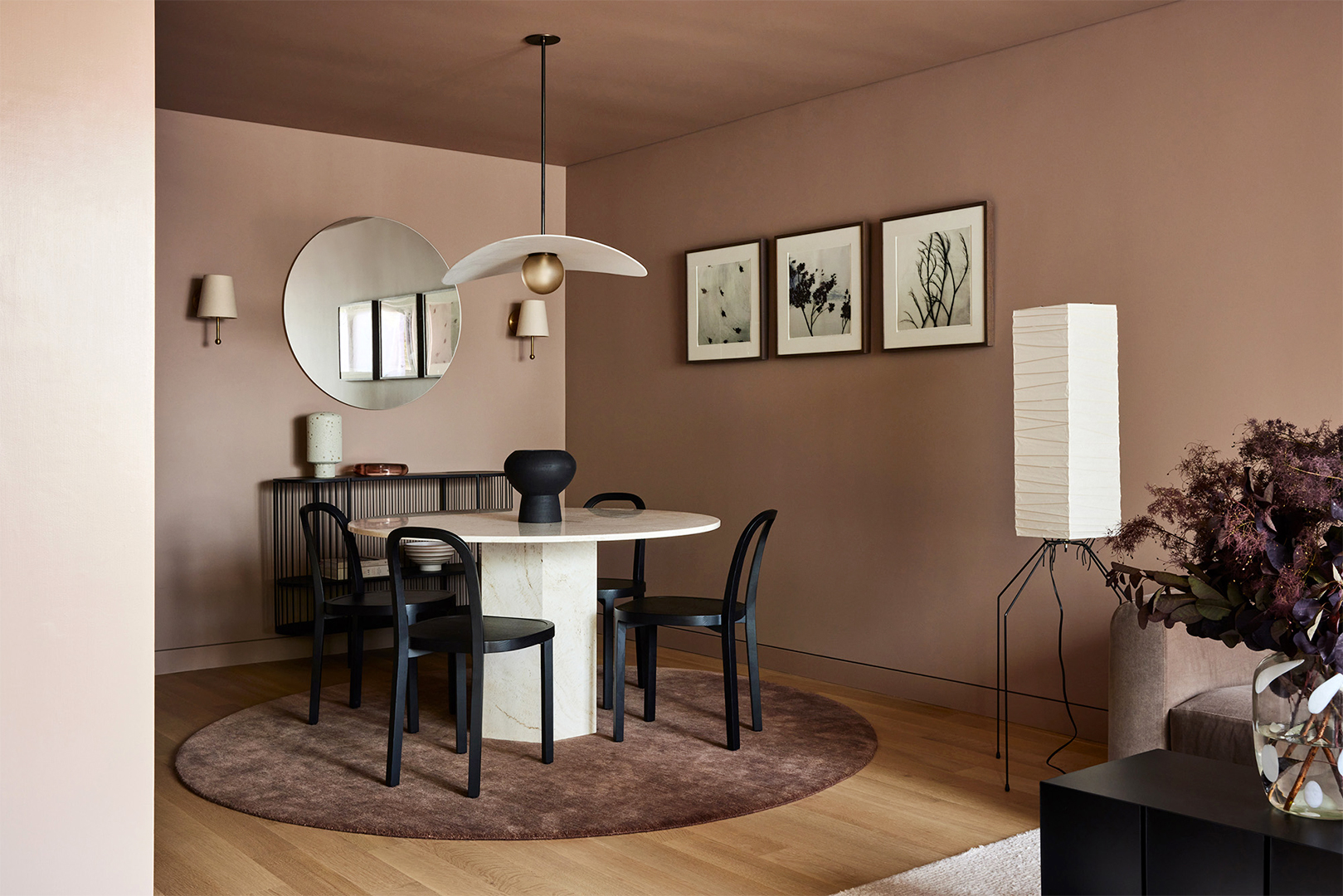
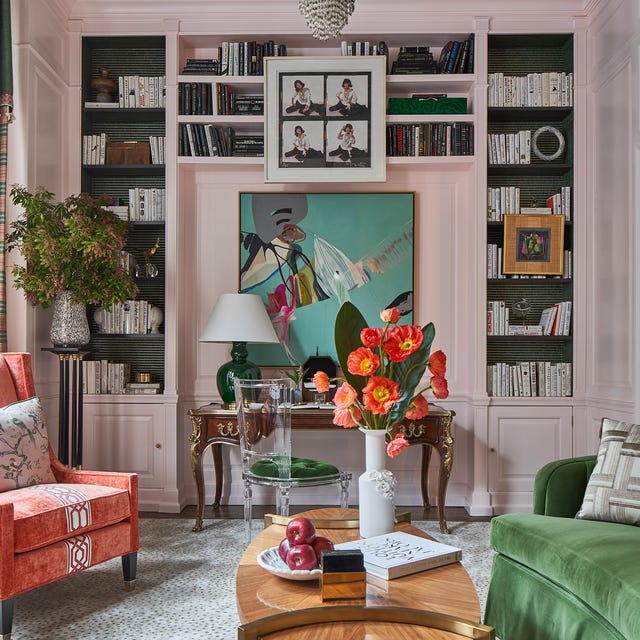
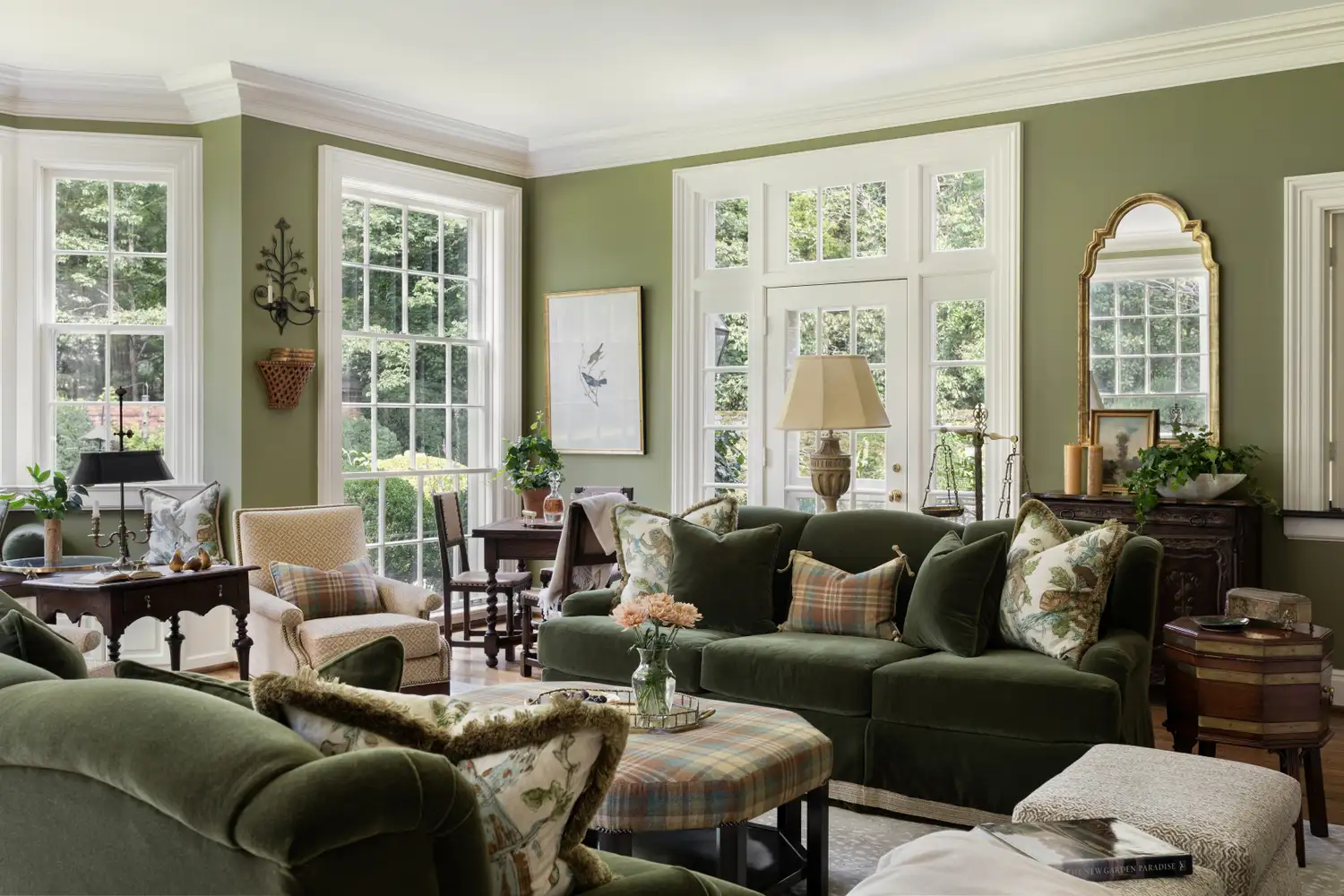
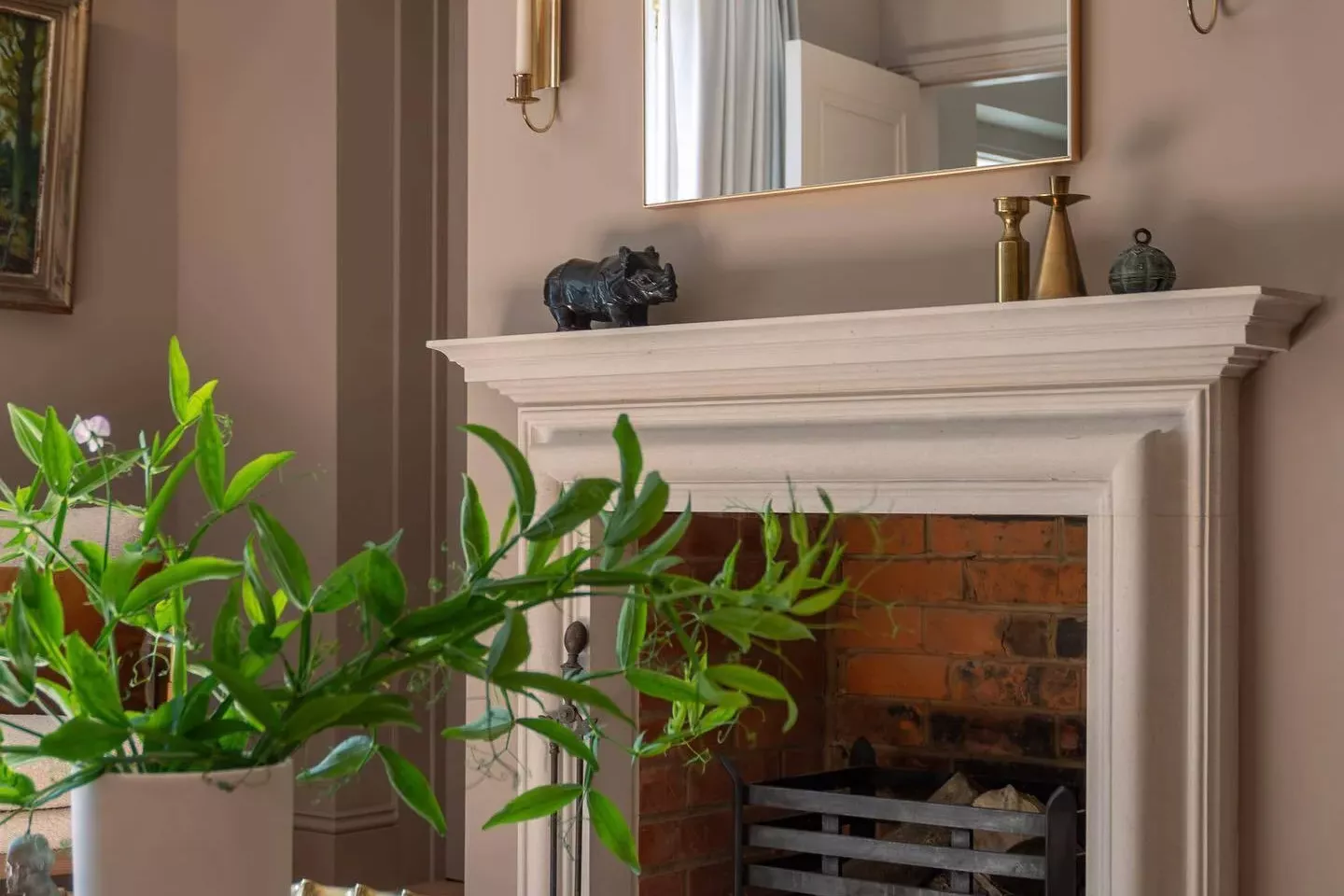
Designers are increasingly embracing custom-mixed paints to achieve a refined and personal aesthetic in interior spaces. This technique goes beyond selecting standard colors, allowing for a deeper integration with a room's light, existing materials, and furnishings. The goal is to create environments that feel calm, cohesive, and uniquely tailored, without necessarily requiring extensive renovations. Custom colors are not just about visual appeal; they are about crafting a specific mood and enhancing the overall feel of a room, often lending an elegant or 'expensive' perception, even if the change is subtle.
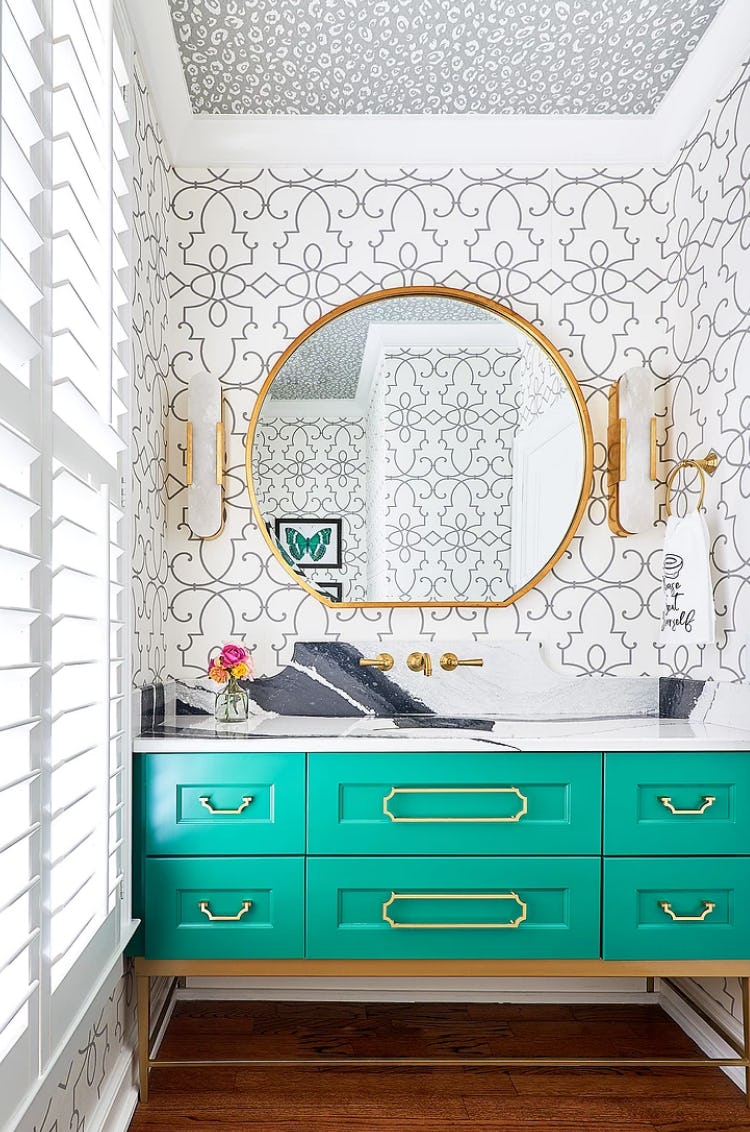
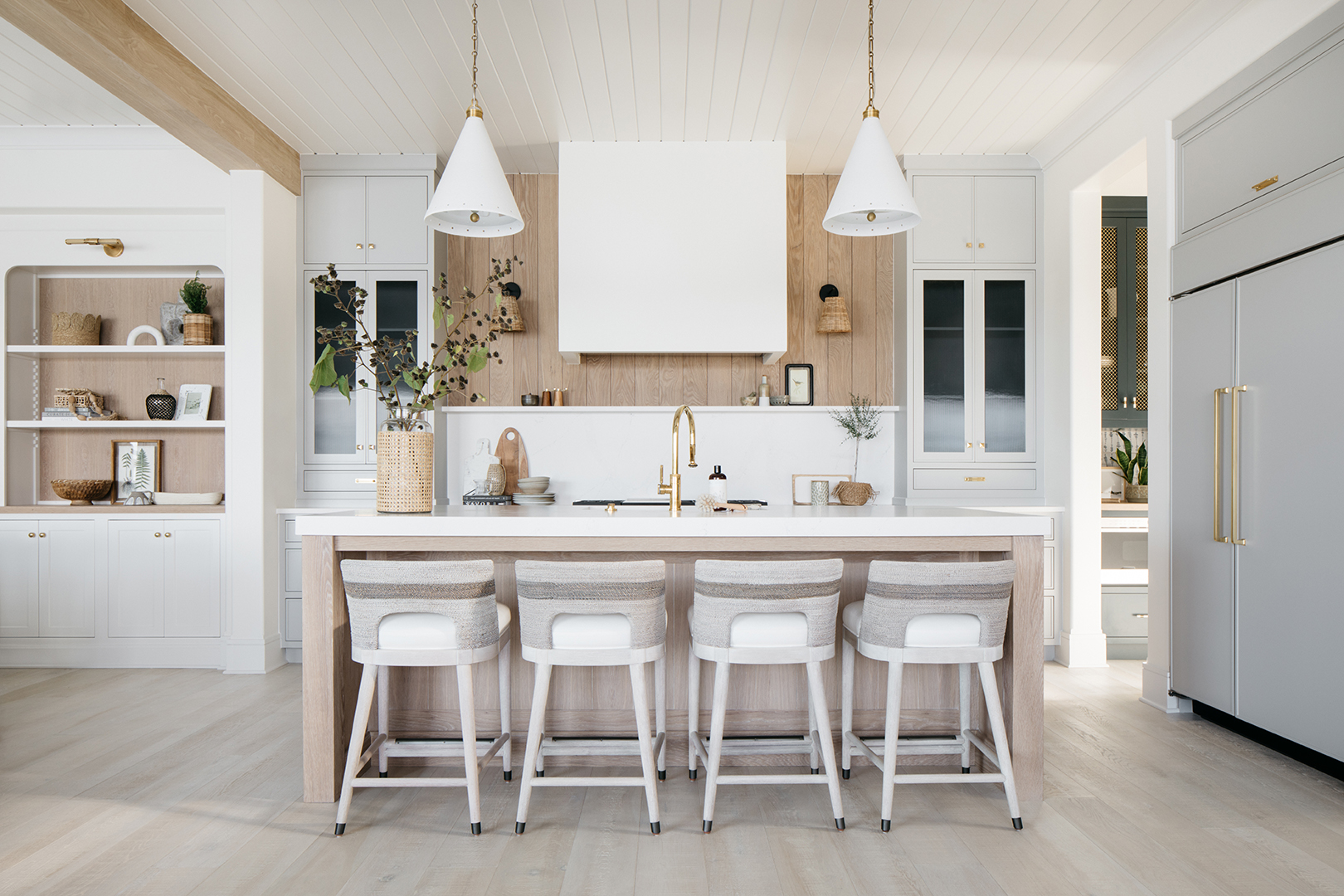
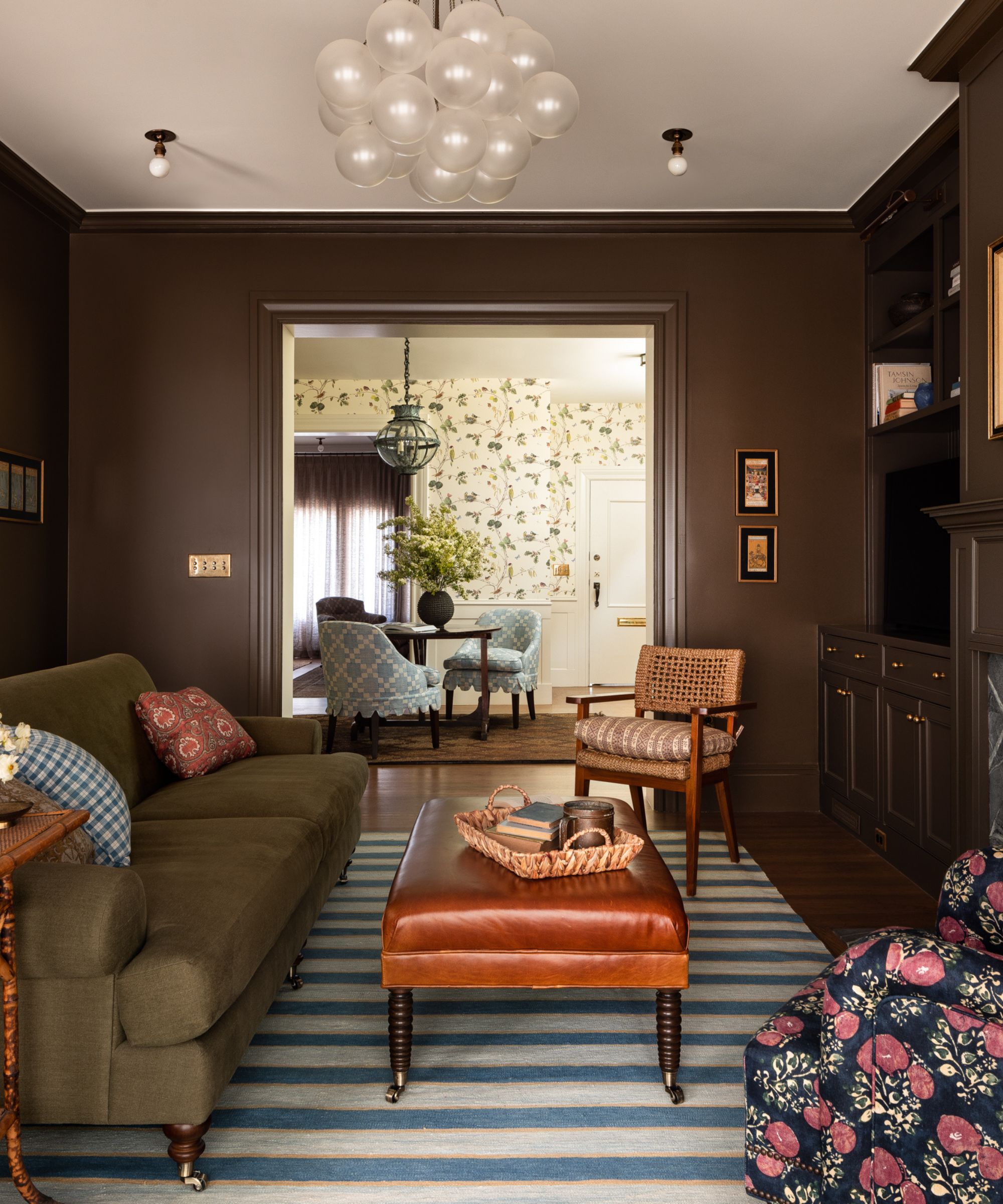
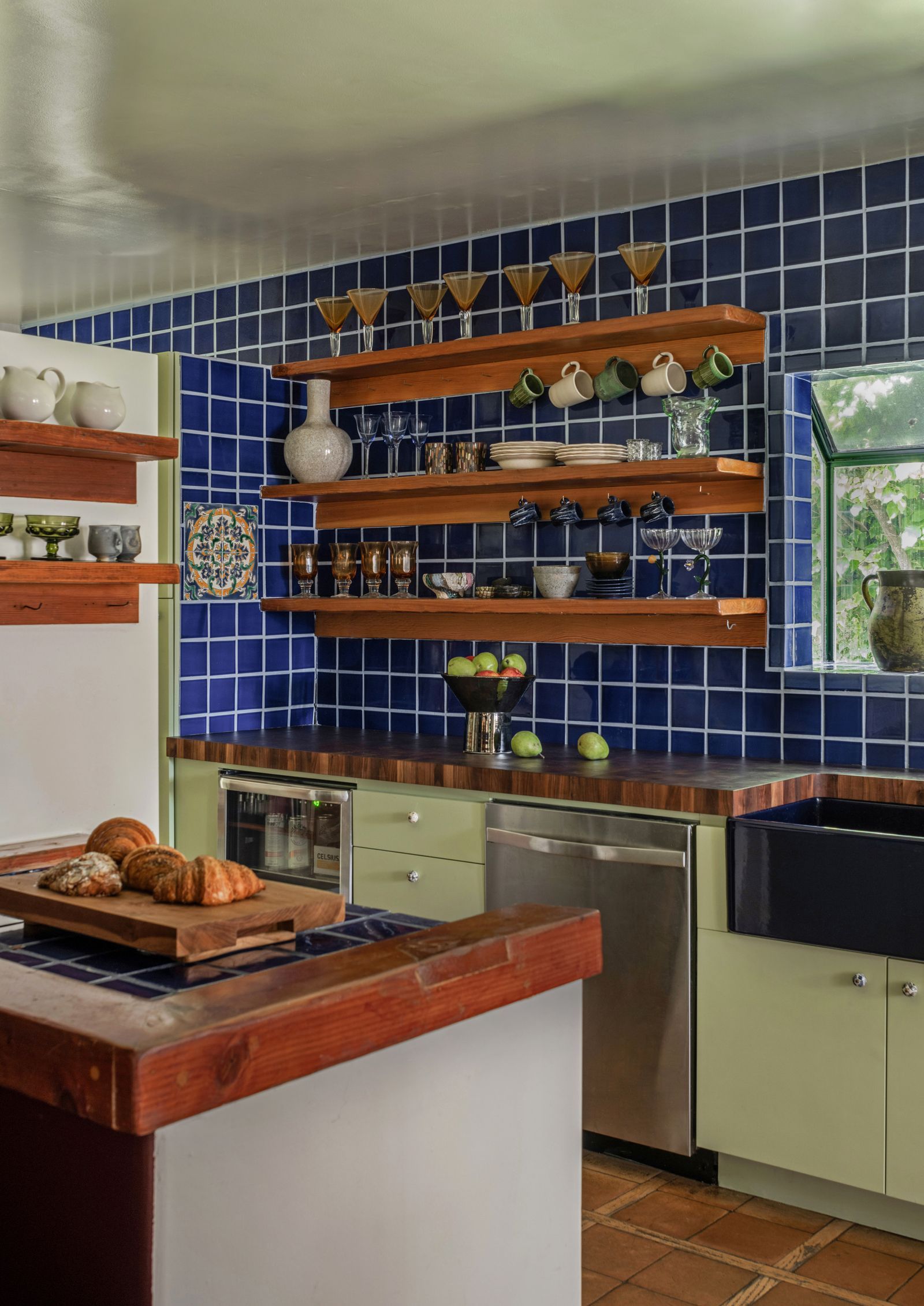
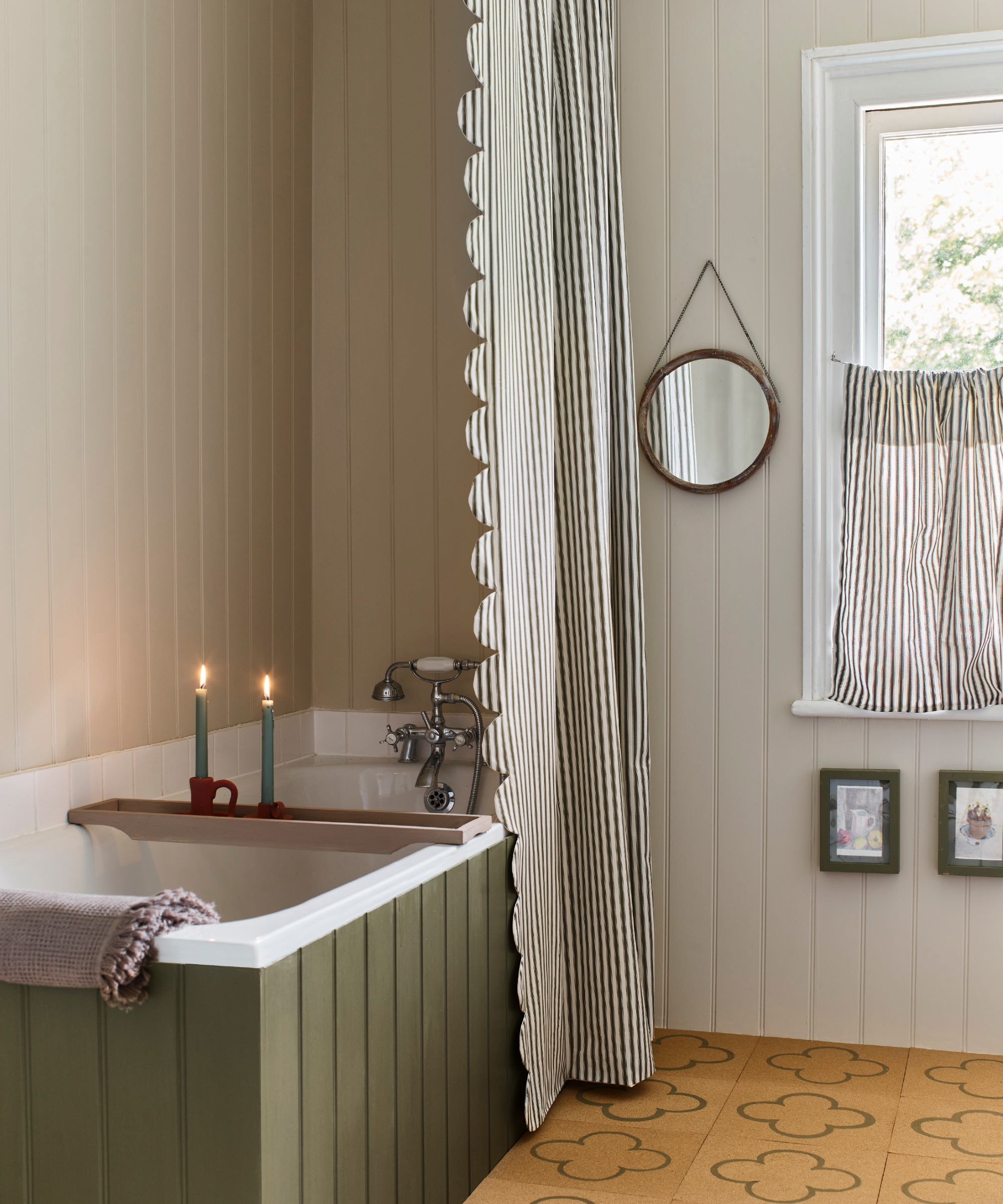
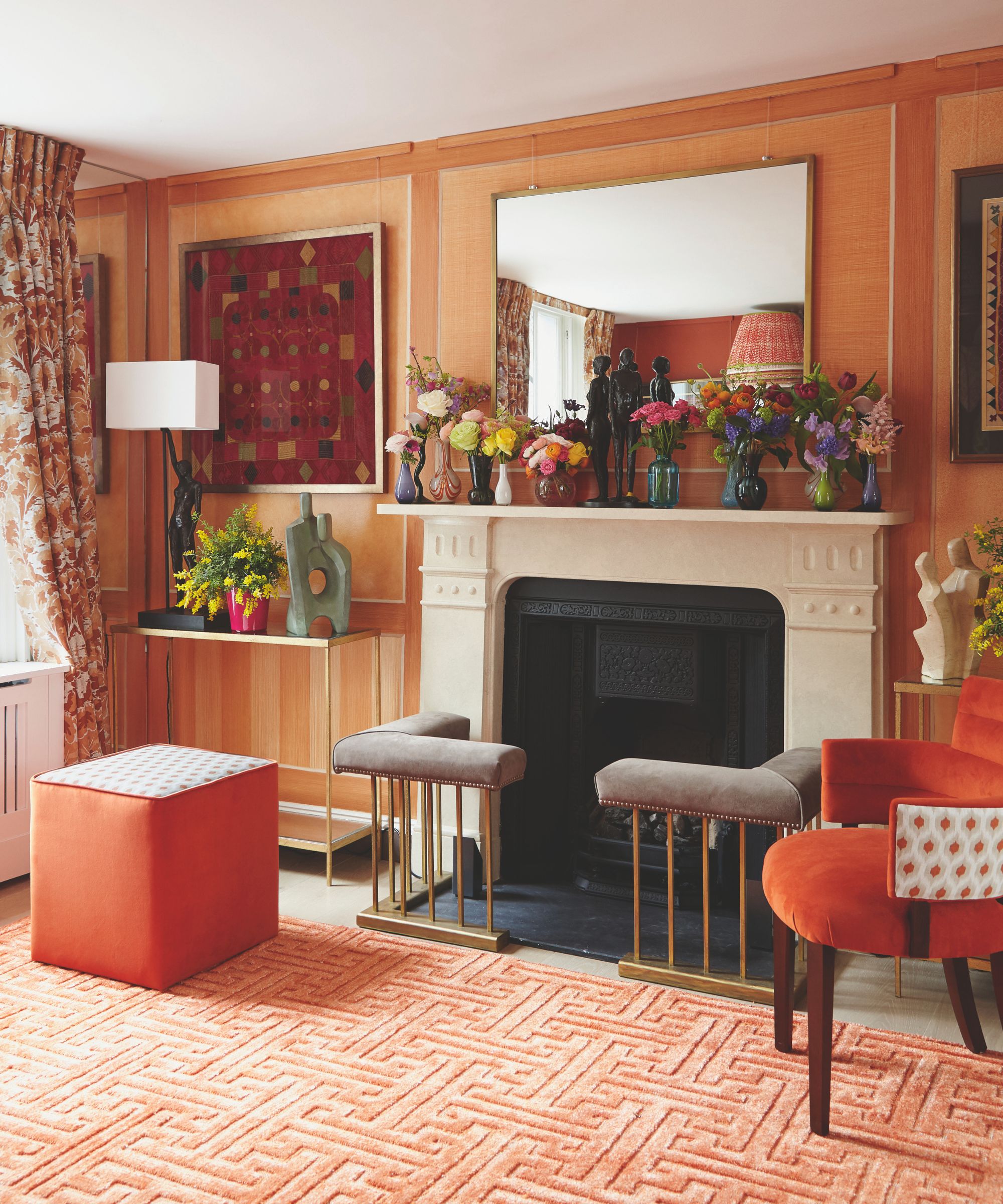
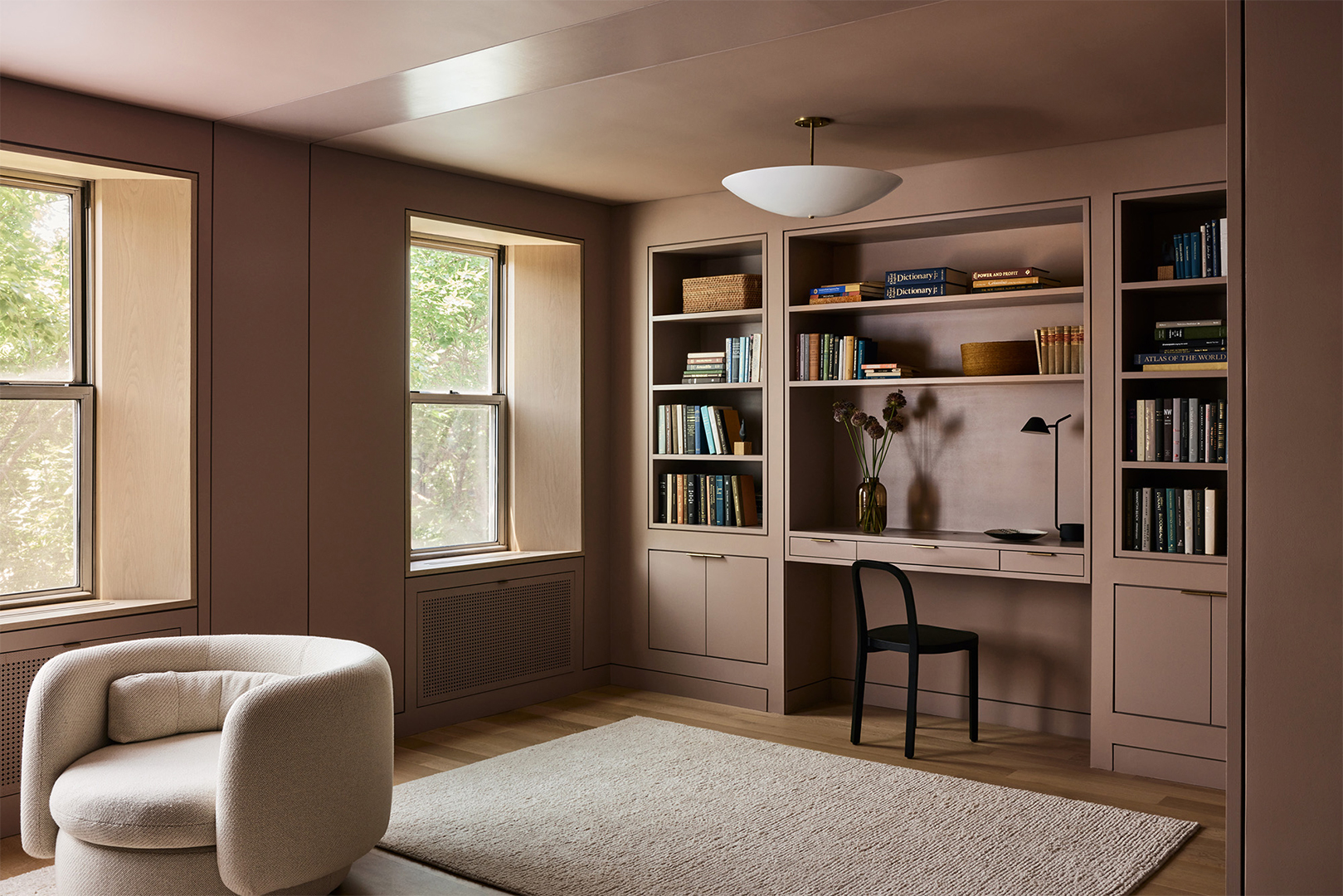
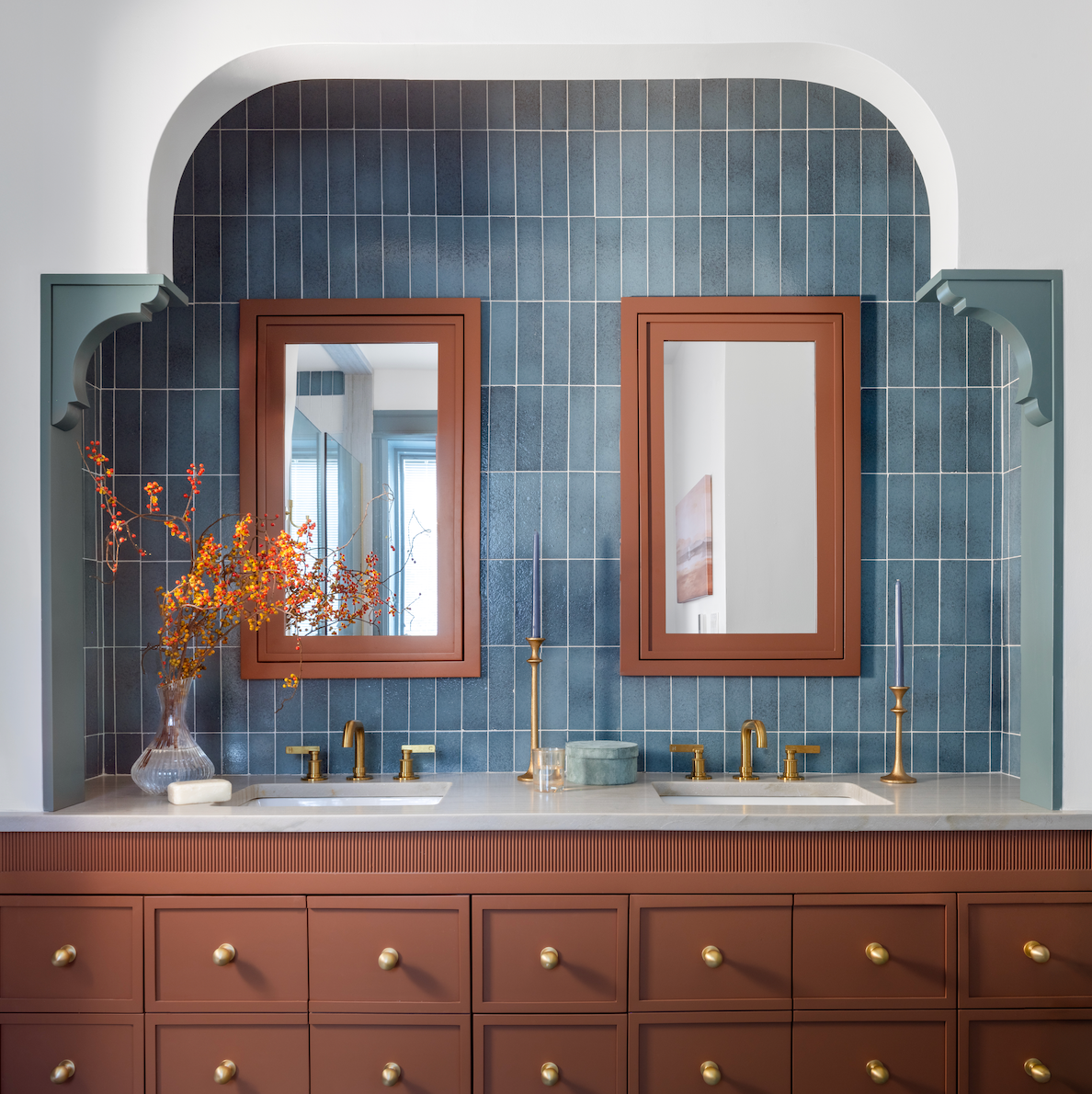
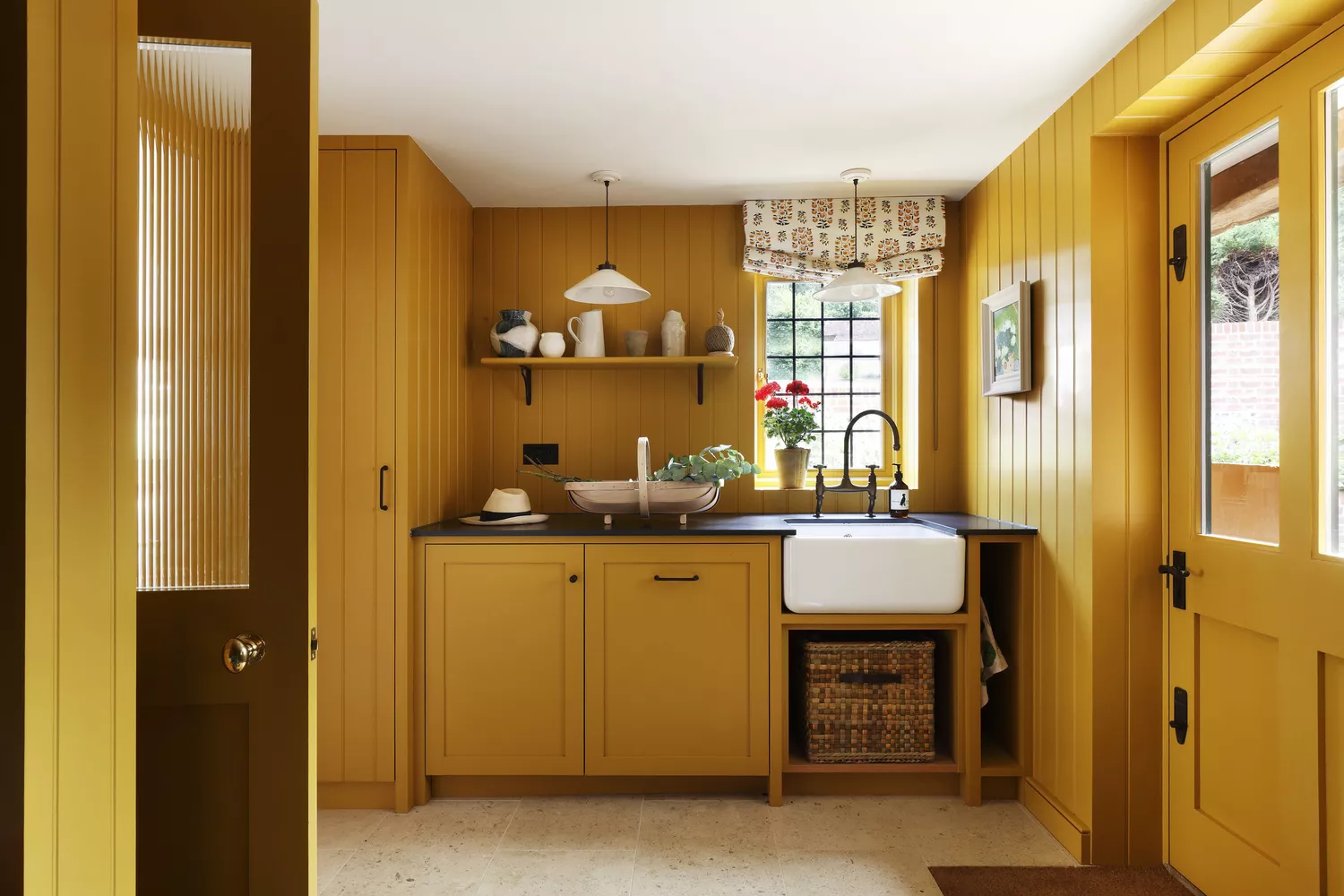
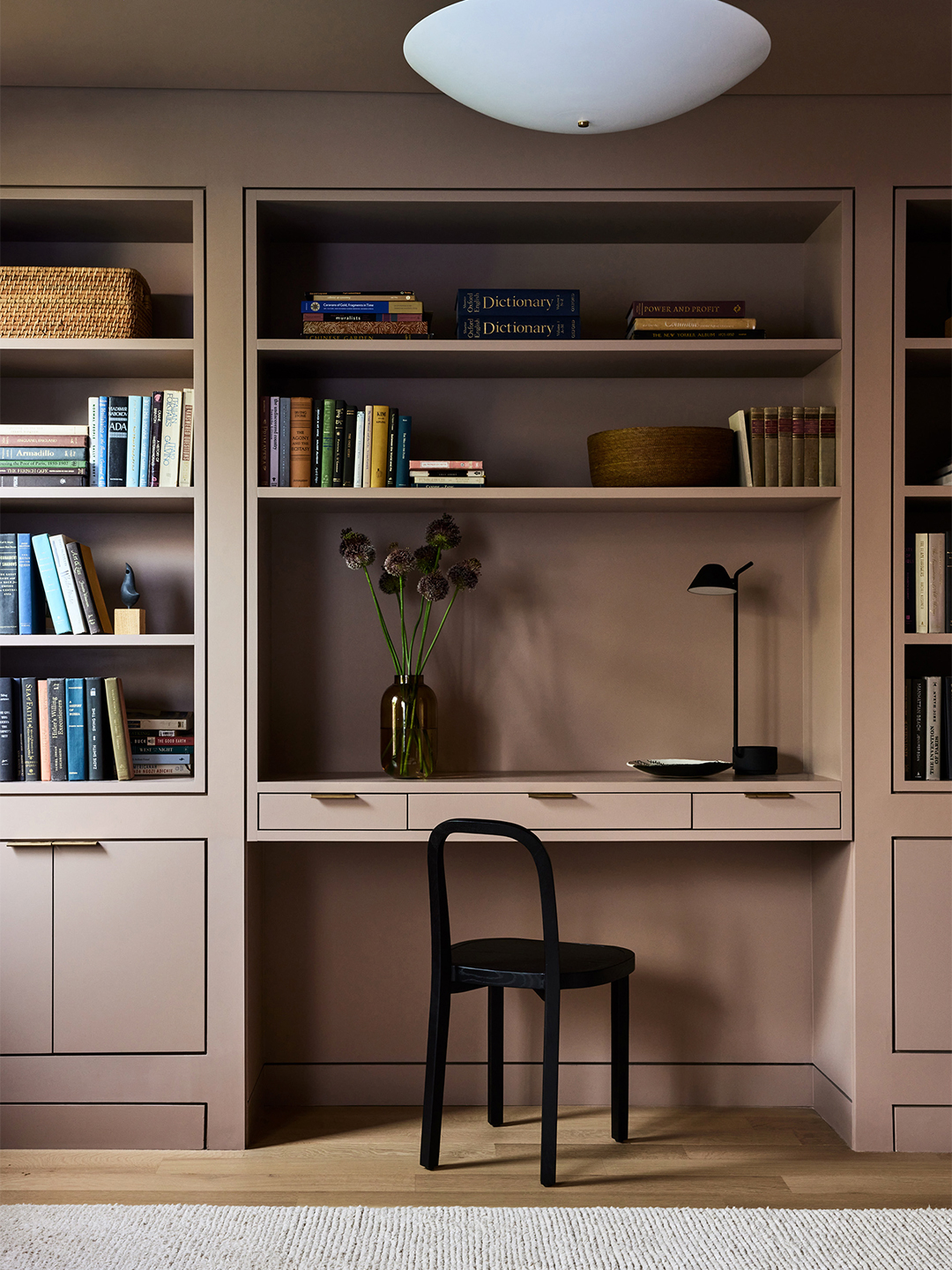
According to interior designers like Colleen Daugherty of Devon Downs Design and Krista Wells of Georgetown On My Mind, custom paint colors contribute significantly to the depth and intentionality of a space. Wells highlights that when people describe a room as elegant, it often stems from a custom color choice that harmonizes with architectural details, lighting, and existing textures. This customization extends beyond walls to cabinetry, bathroom vanities, and other built-ins. Robin Flaherty of North and Madison, for example, customizes colors for their vanity line based on practical project experience, noting how adjusting a color's depth can dramatically alter a room's atmosphere. In one instance, lightening a terracotta color by 25 percent for a vanity in a small, somewhat dark bathroom transformed it from potentially cave-like to cozy.
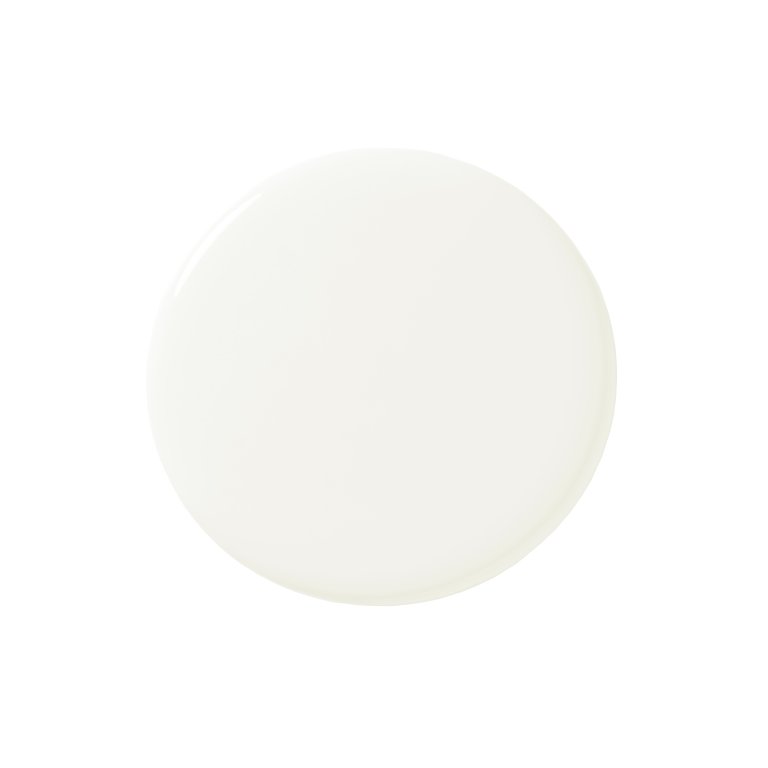
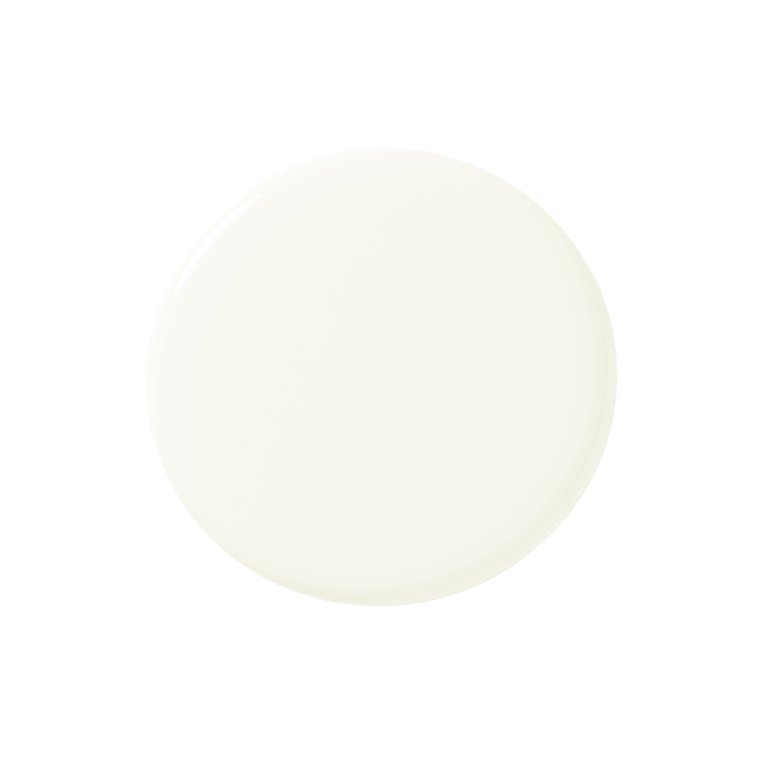
The process of mixing custom colors typically involves starting with a base color and making incremental adjustments to undertones, brightness, or depth. Designers meticulously work with multiple samples, observing how the color interacts with light throughout the day to ensure it achieves the desired effect. Large swatches are crucial for identifying any clashing undertones with other materials in the room. For elements like cabinetry, designers frequently lighten or darken colors by 25 to 50 percent, accounting for how finishes like sprayed varnish can affect the final appearance of the color.
Homeowners can also experiment with custom paint mixes. The approach involves starting with a beloved base color and gradually tweaking it. This could mean adding a touch of white to brighten, black to deepen, or even combining leftover paints for a novel shade. It is recommended to test these custom mixes on large samples on various walls and observe them at different times of the day to understand their full effect. Once a satisfactory shade is achieved, it can be taken to a paint store for professional color-matching if necessary. Another creative application is to create an ombre effect by gradually lightening or darkening a single paint color across a surface. The key is to consider how the custom color integrates with the entire room, ensuring it supports the overall design rather than standing out in isolation. Thoughtful customization of paint on walls, cabinetry, or furniture can result in a polished, layered, and deeply personal living space.
#CustomPaint #InteriorDesign #ColorMixing #HomeRenovation #DesignTips #DIYPaint #RoomTransformation #PaintTechniques #HomeDecor #CustomPaint #InteriorDesign #ColorMixing #HomeRenovation #DesignTips #DIYPaint #RoomTransformation #PaintTechniques #HomeDecor
Há 0 comentários no total
 Ainda não há comentários
Você também pode gostar
These Unusual Paint Colors May Not Be An Obvious Choice, But Designers Can’t Get Enough
The Paint Color That All This Designer's Followers Ask About | domino

9 'good weird' paint colours approved by designers

5 Underrated Paint Colors Designers Always Use in Their Projects (and You Should Too)

An A-List Designer’s Secrets To Picking Perfect Paint Colors

3 Mind-Blowing Ways to Use Paint for an Instant Decor Transformation with DIYer Drew Scott

5 Secrets To Picking Paint Colors Like A Designer
7 different interior designers on ingenious ways they use paint to easily elevate a room

Designers Say These Unusual Paint Color Combos Will Transform Your Home

10 Color Drenching Ideas That Highlight the Beauty of This Paint Trend
Designers Share Their Tried-and-True Shades From the Best Interior Paint Brands
When Your Client Cares About Paint as Much as Furniture, You Go Big With Opposing Colors

We Asked a Pro Painter For His Secret to a Seamless Paint Job Every Time—And We’re Obsessed

The biggest paint trends of 2025 – 17 stylish ways to decorate with paint, according to designers
7 of the most versatile and easy to use paint colors according to designers
How to sponge paint a room with unique textures and patterns and unleash your inner designer, according to the pros
Designers Are Taking Lacquer Way Beyond Trays and Dressers | domino

Paint tricks – 10 painting tips and techniques loved by the experts
This Texture-Rich Finish Is Designers' Go-To for Instant Patina

33 Absolutely Perfect Paint Colors Designers Love