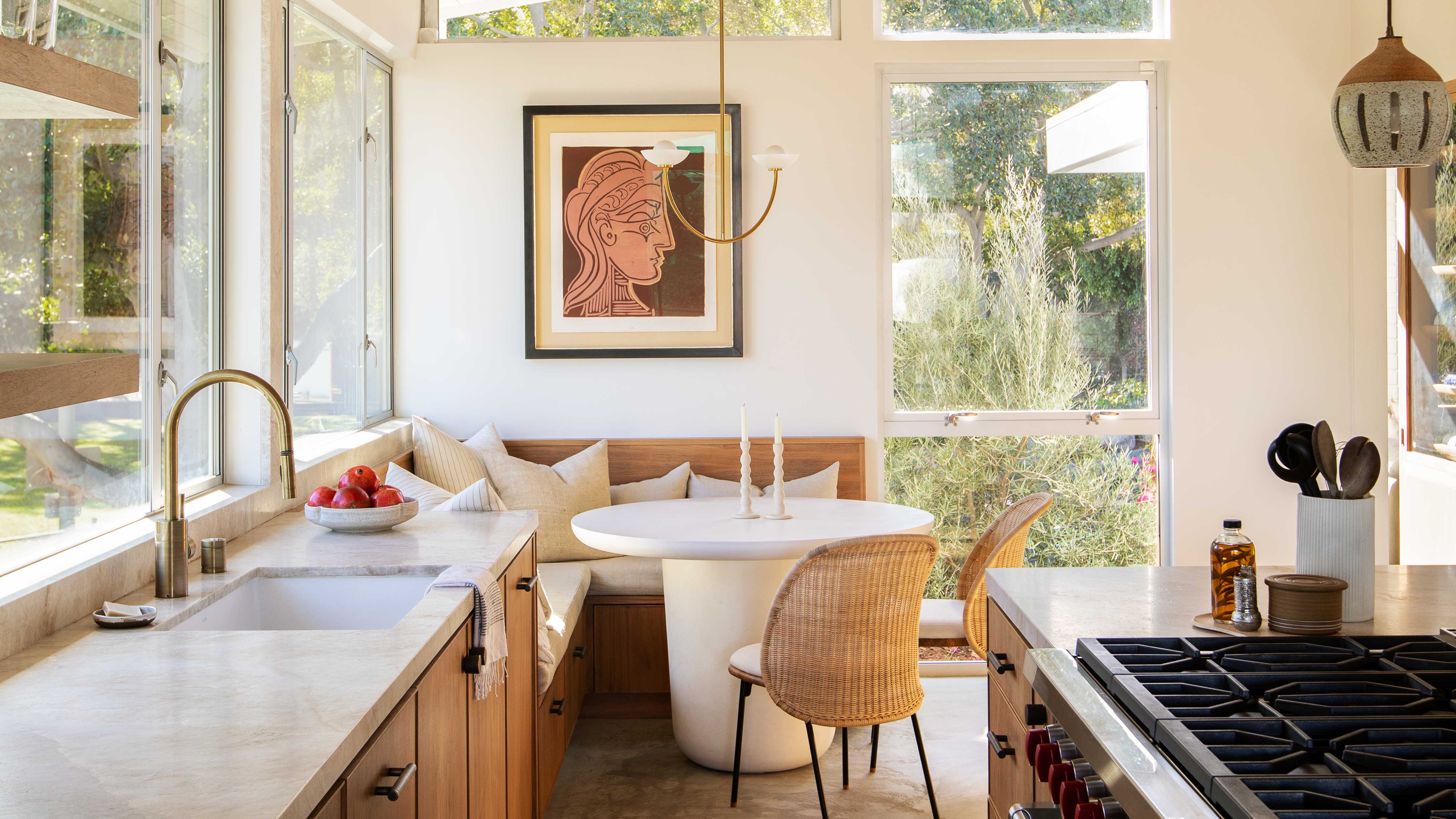
1/5
Should You Always Frame Art? These Are the Golden Rules Gallery Curators and Interior Designers Swear By
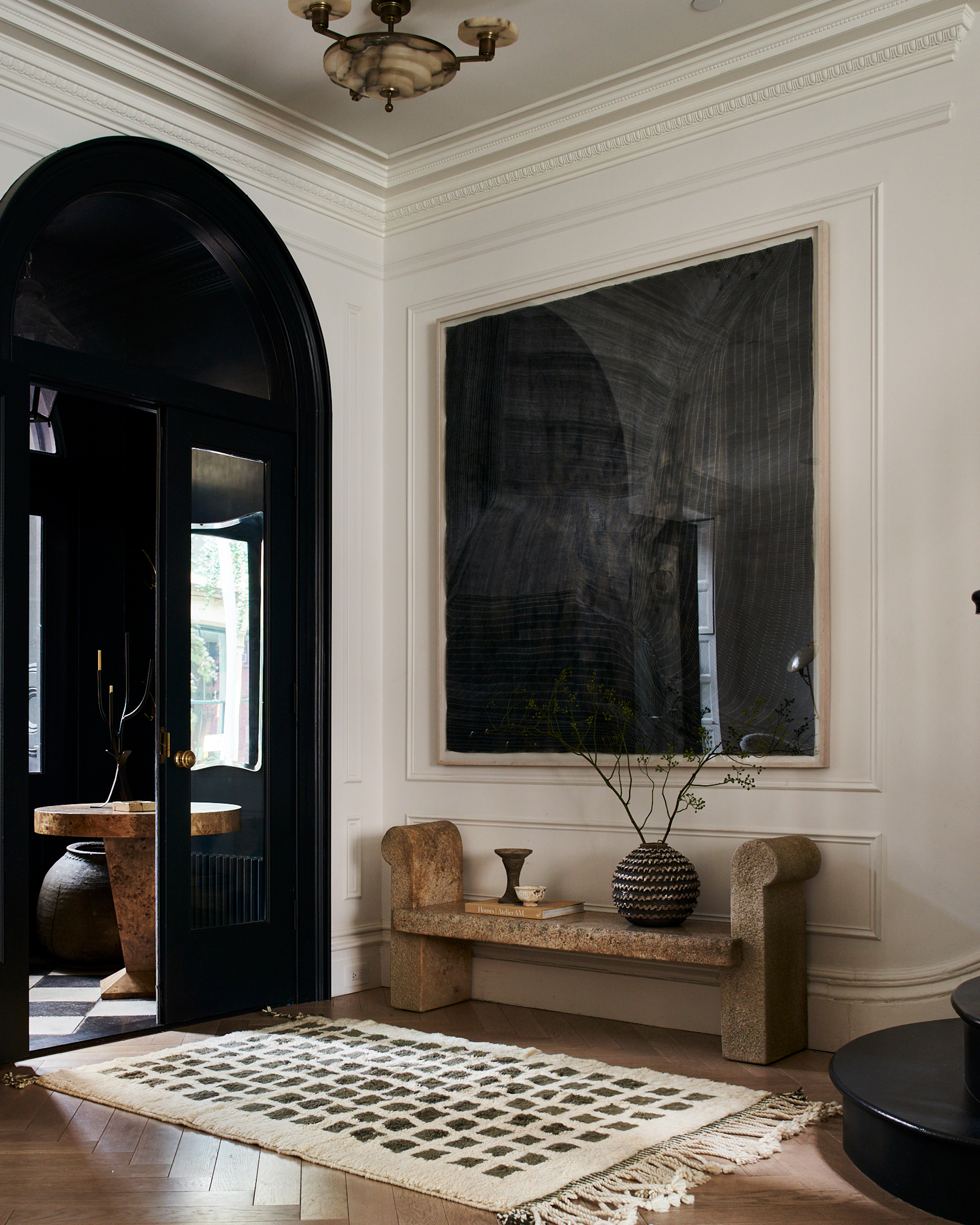
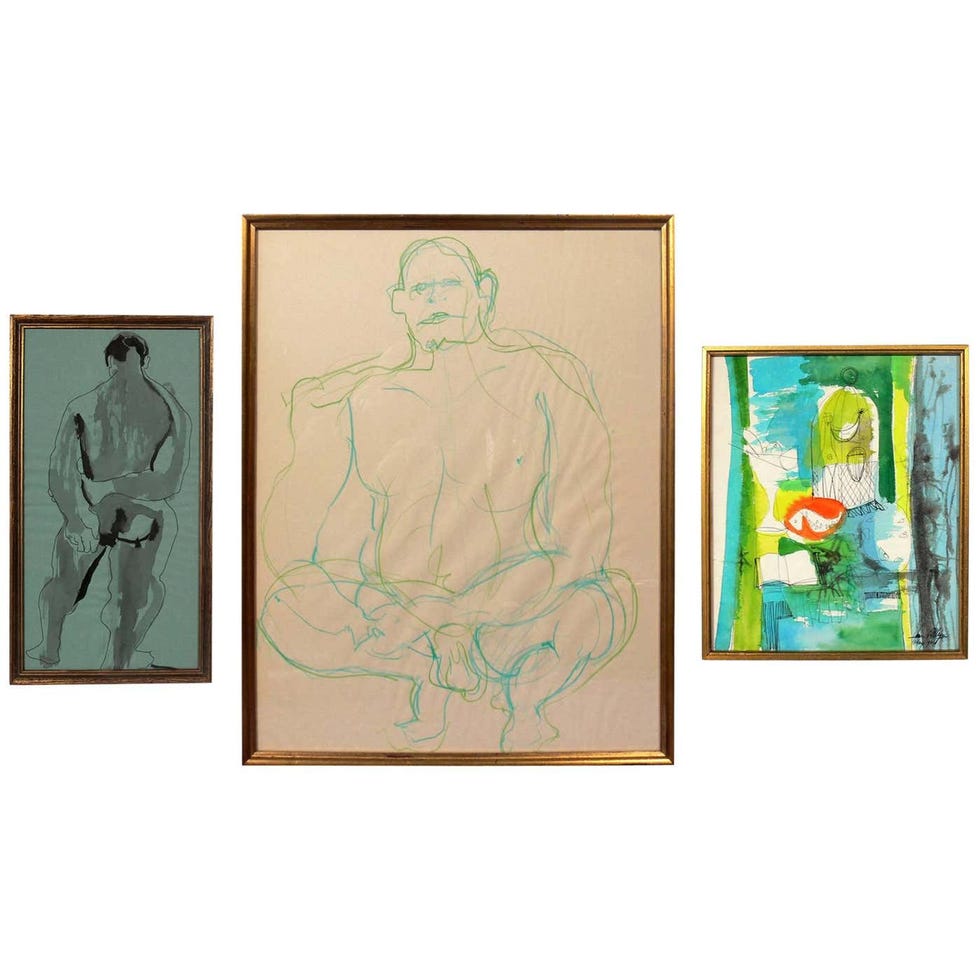
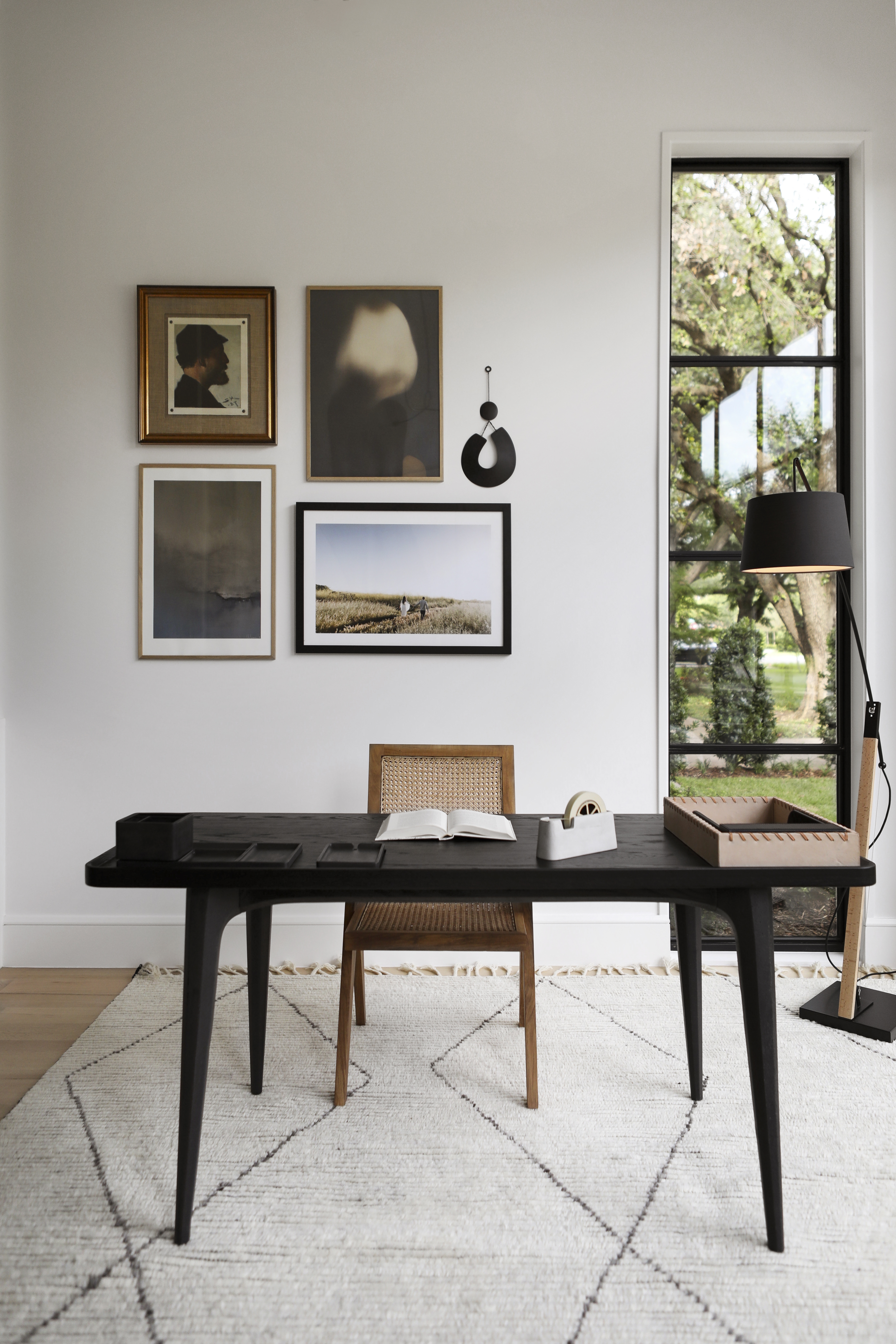
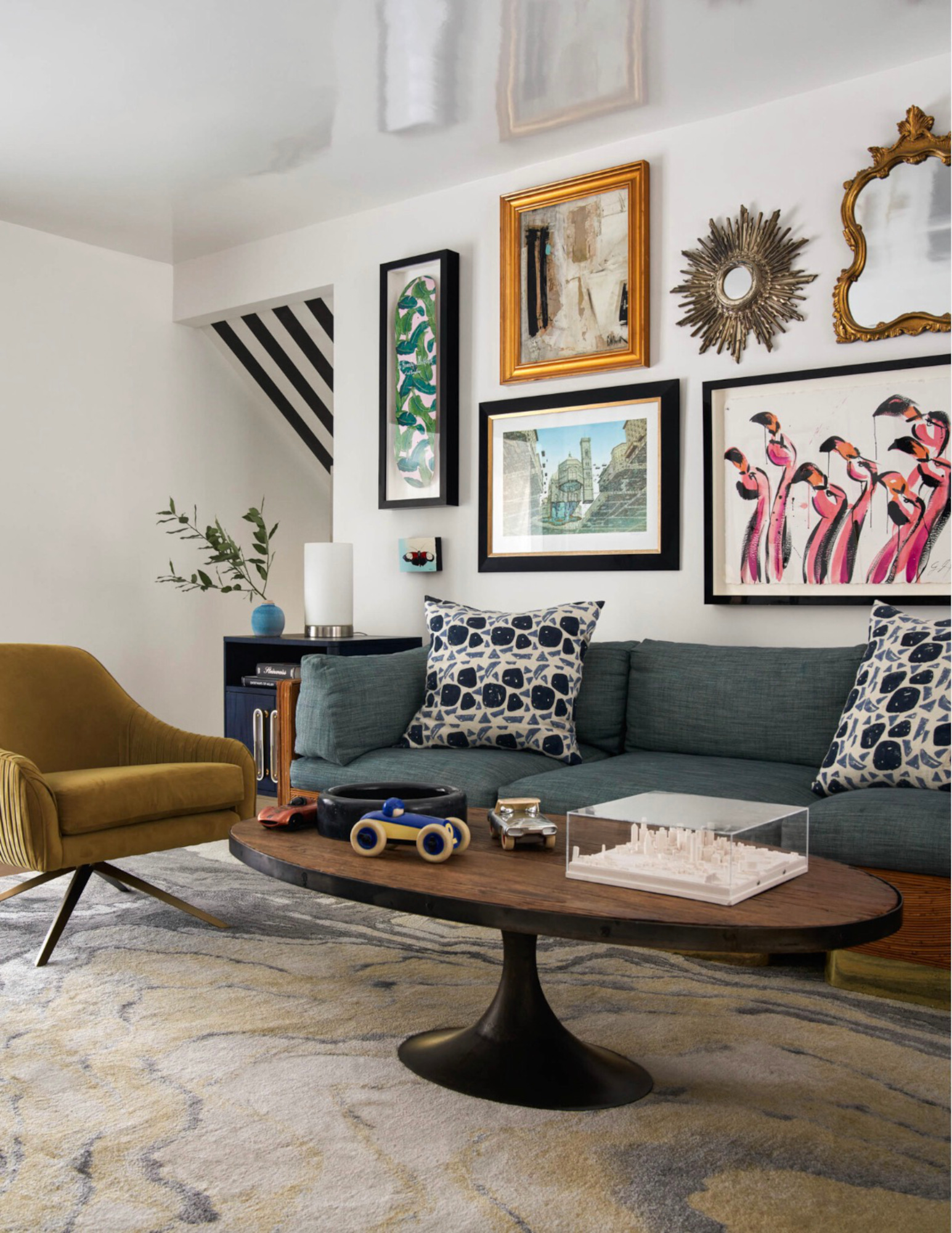
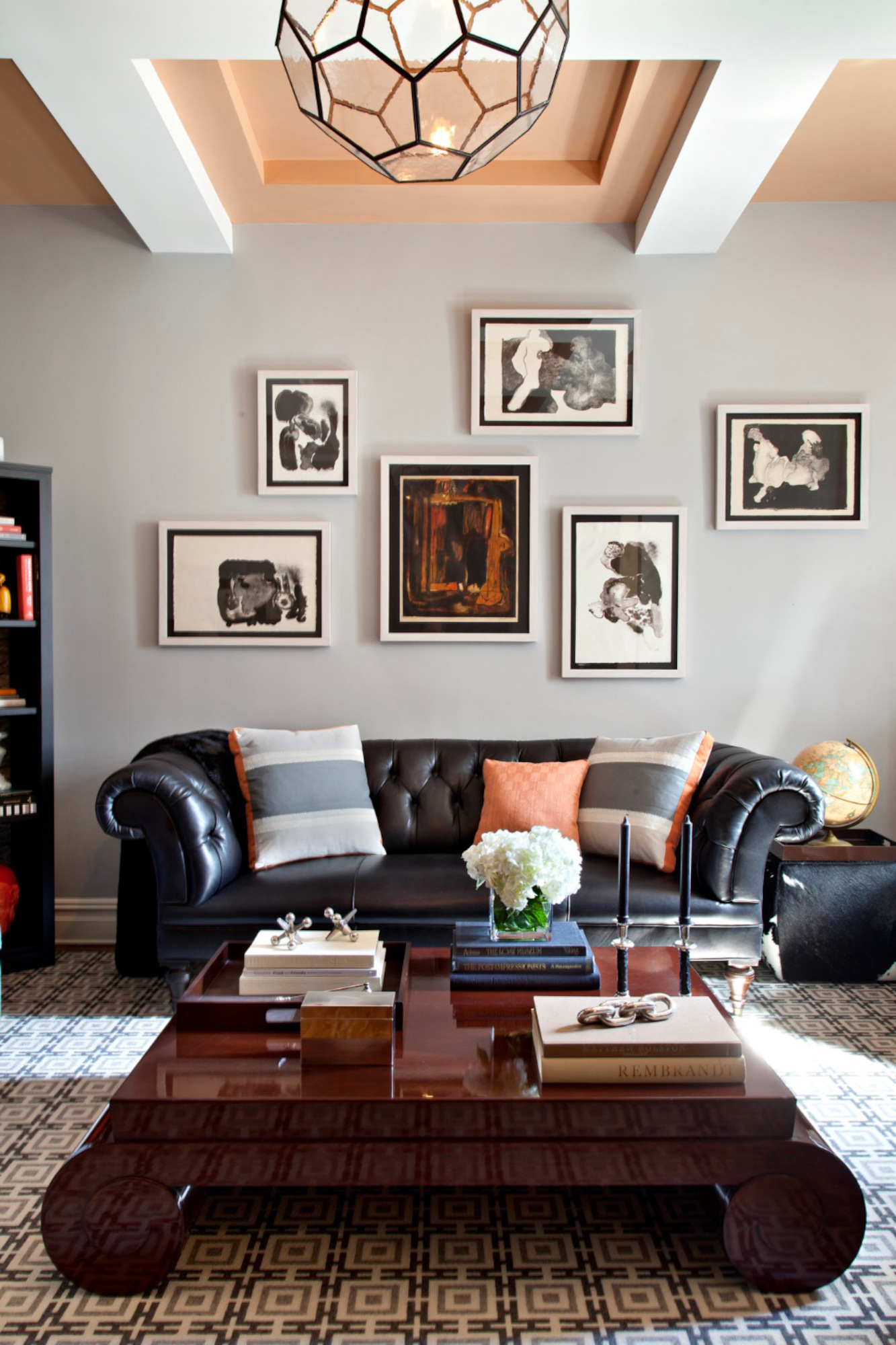
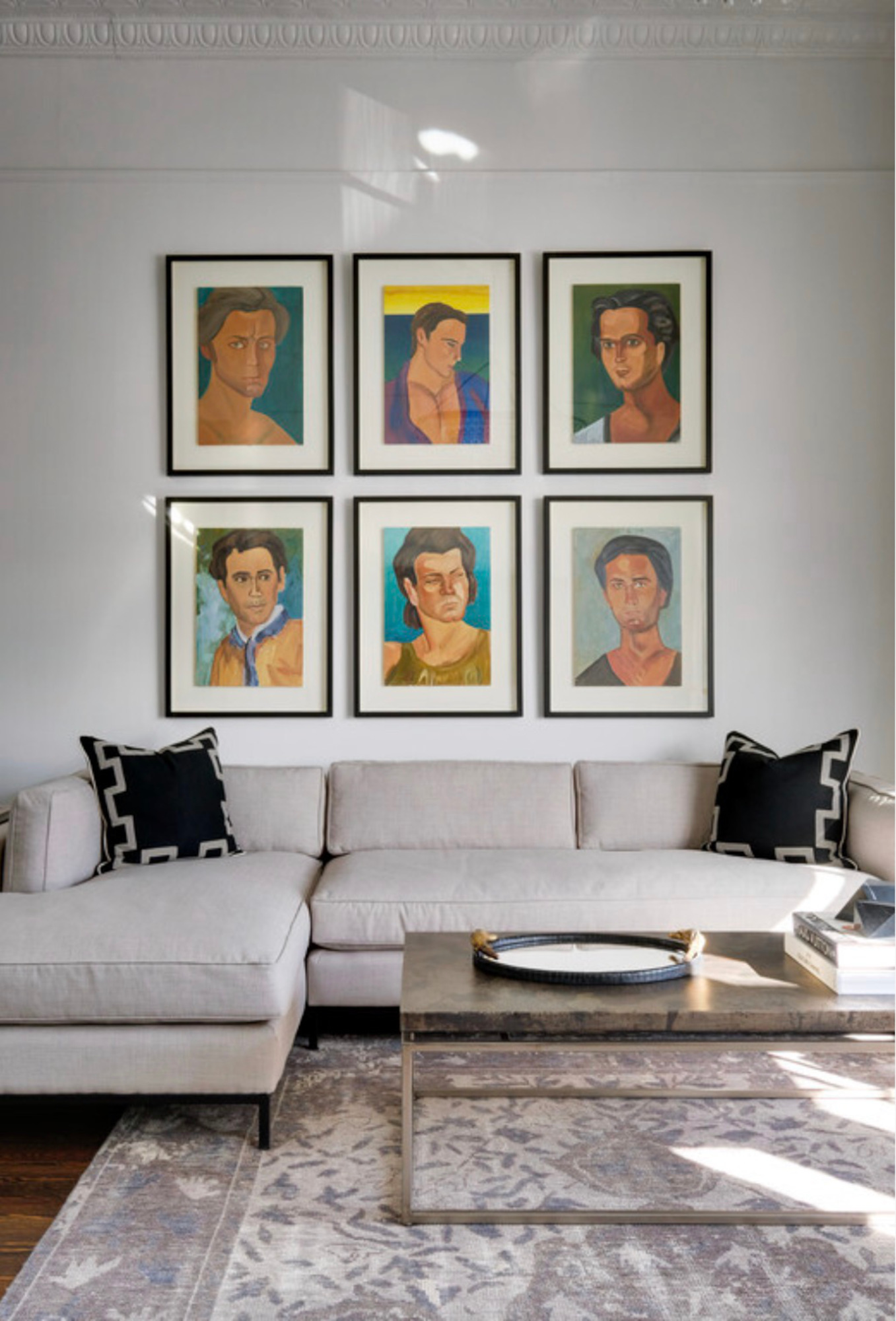
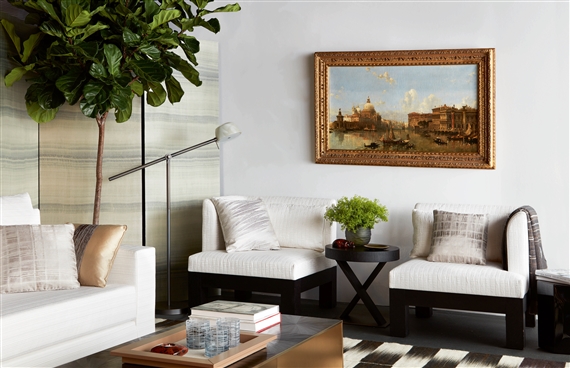
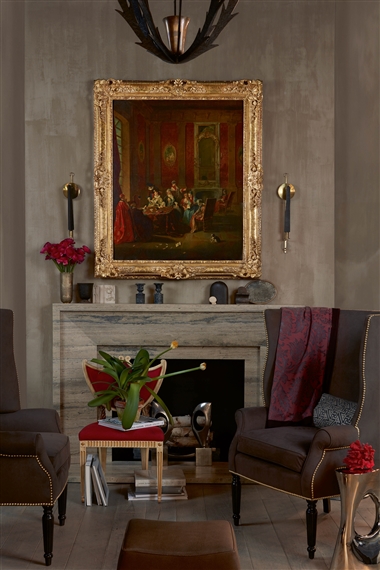
The decision of whether or not to frame artwork is a nuanced one, dependent on a variety of factors beyond mere aesthetics. While framing can undoubtedly enhance the presentation and longevity of a piece, it is not always a requisite, as both framed and unframed art possess unique appeals that can complement diverse interior design schemes. The initial consideration when deciding on framing is the nature of the artwork itself. Different types of art, such as small illustrations, delicate paper collages, antique oil paintings, or large canvases, have distinct needs. Smaller, more fragile pieces, especially those on paper, often benefit significantly from framing, which can provide protection and elevate their visual importance. Conversely, some paintings, particularly larger works or those on canvas where the artist has treated the edges as part of the composition, might be robust enough to stand alone without a traditional frame.
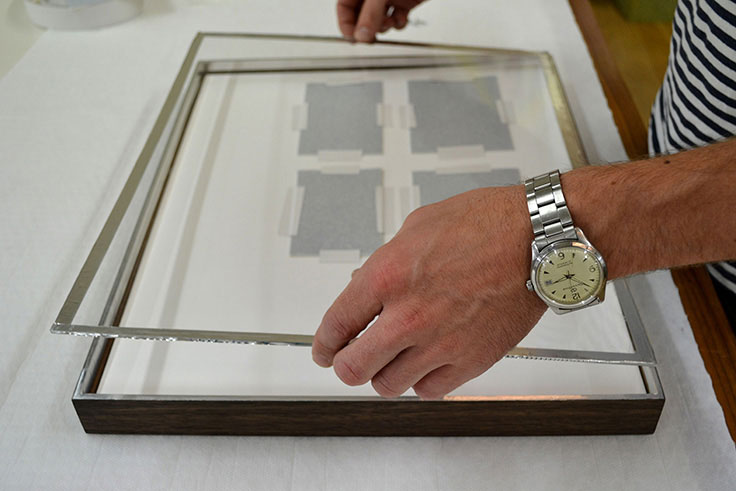
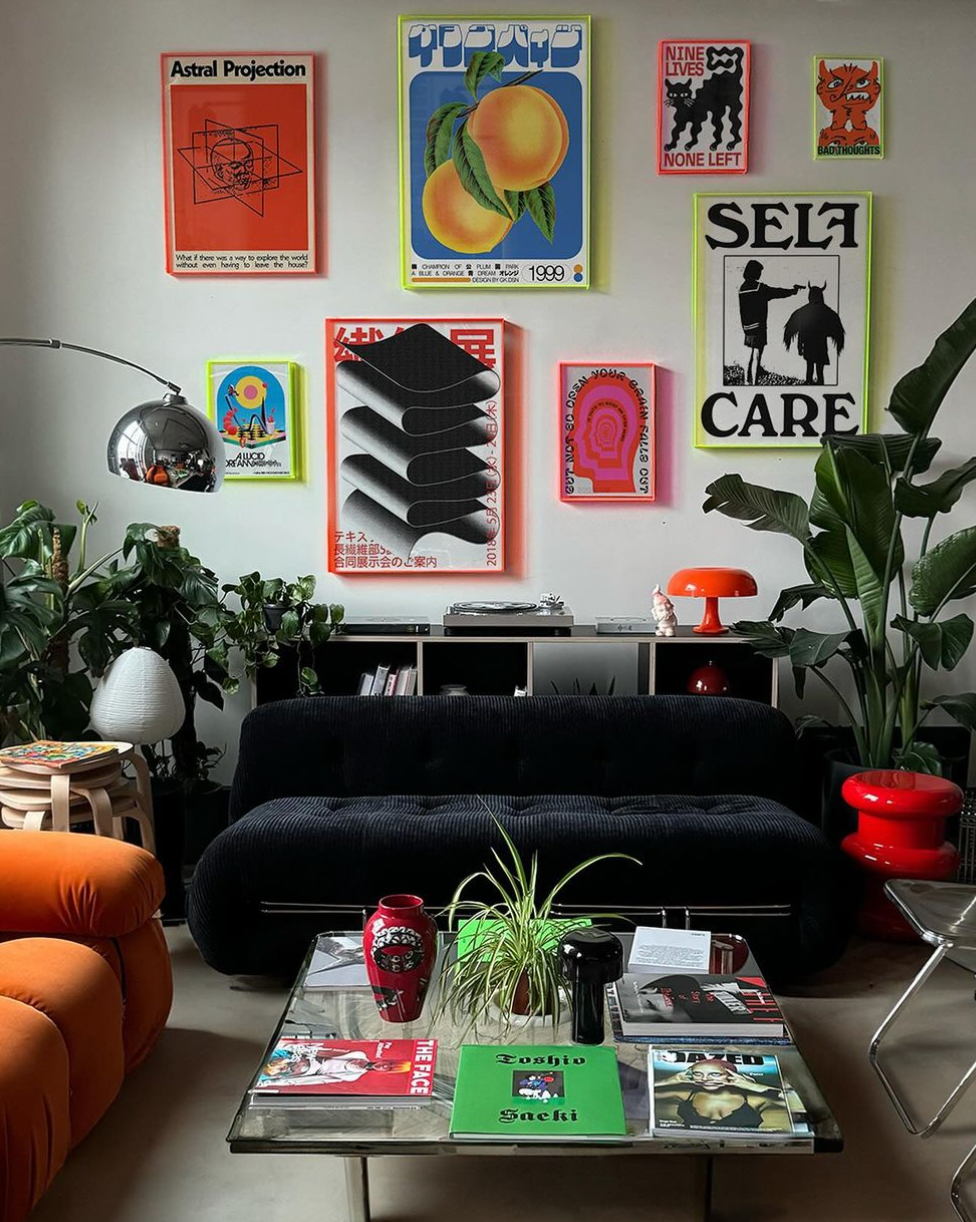
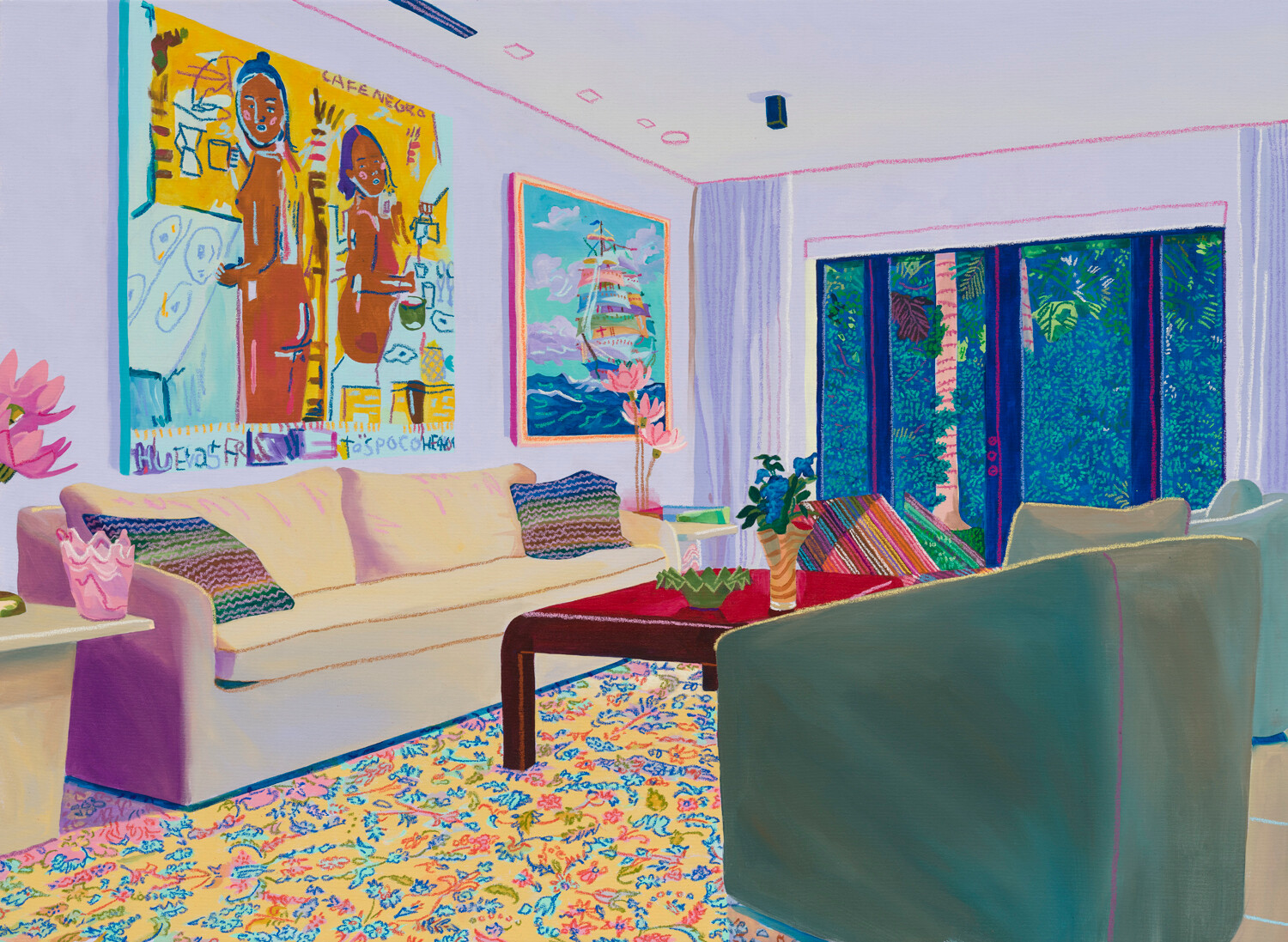
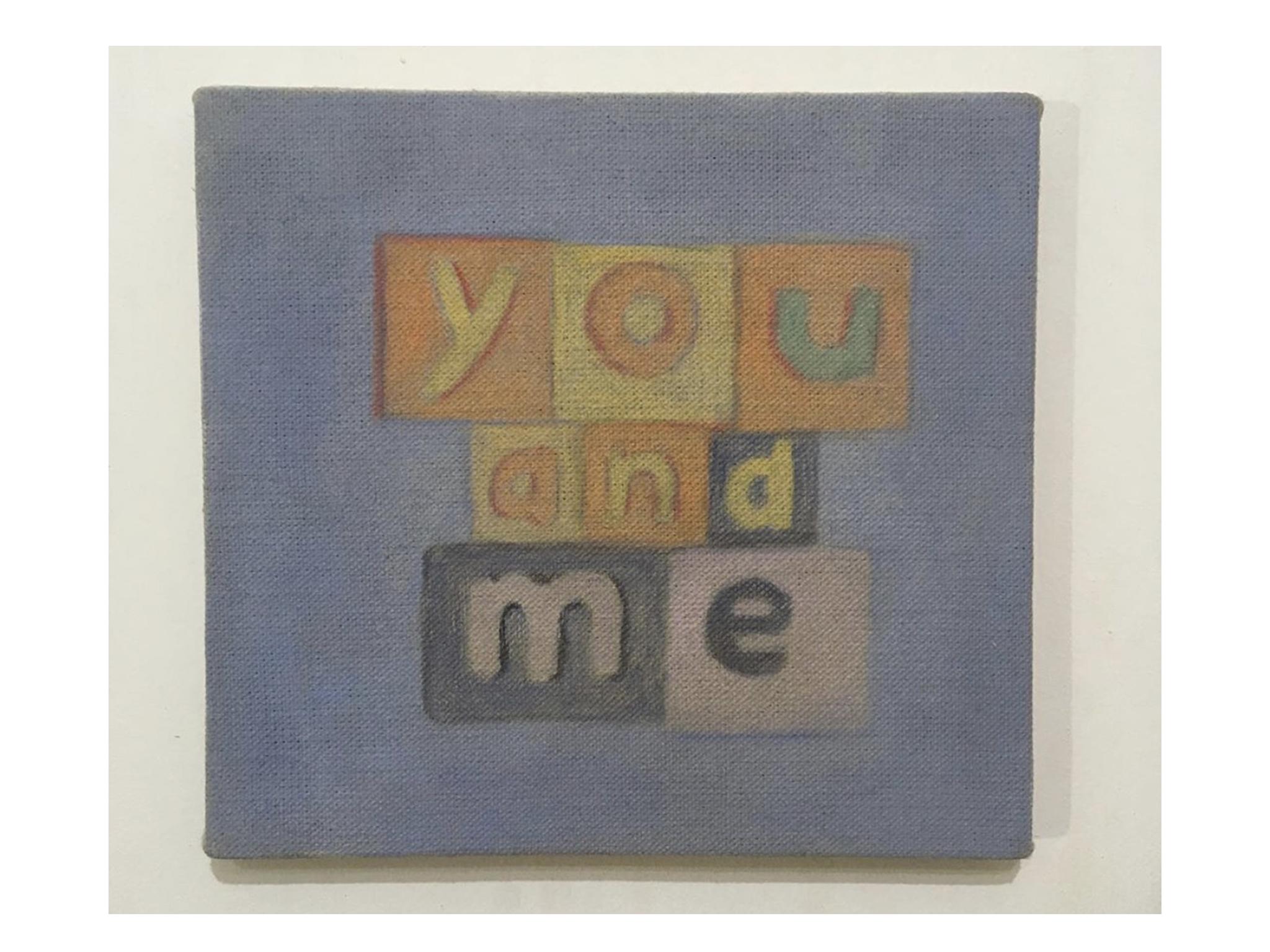
For certain artworks, particularly oil paintings, a 'framing' approach without glass can be adopted. This allows the textural qualities and brushstrokes to be fully appreciated. Experts suggest that for canvas paintings, stretching the canvas over a wooden frame can offer a finished look without needing an external frame. Alternatives such as mounting pieces onto rigid backs, common for posters or prints, or float mounting, which creates a subtle gap between the artwork and its backing for a 'floating' effect, also provide finished presentations without conventional framing. These methods are particularly useful for protecting art while maintaining a minimalist aesthetic.
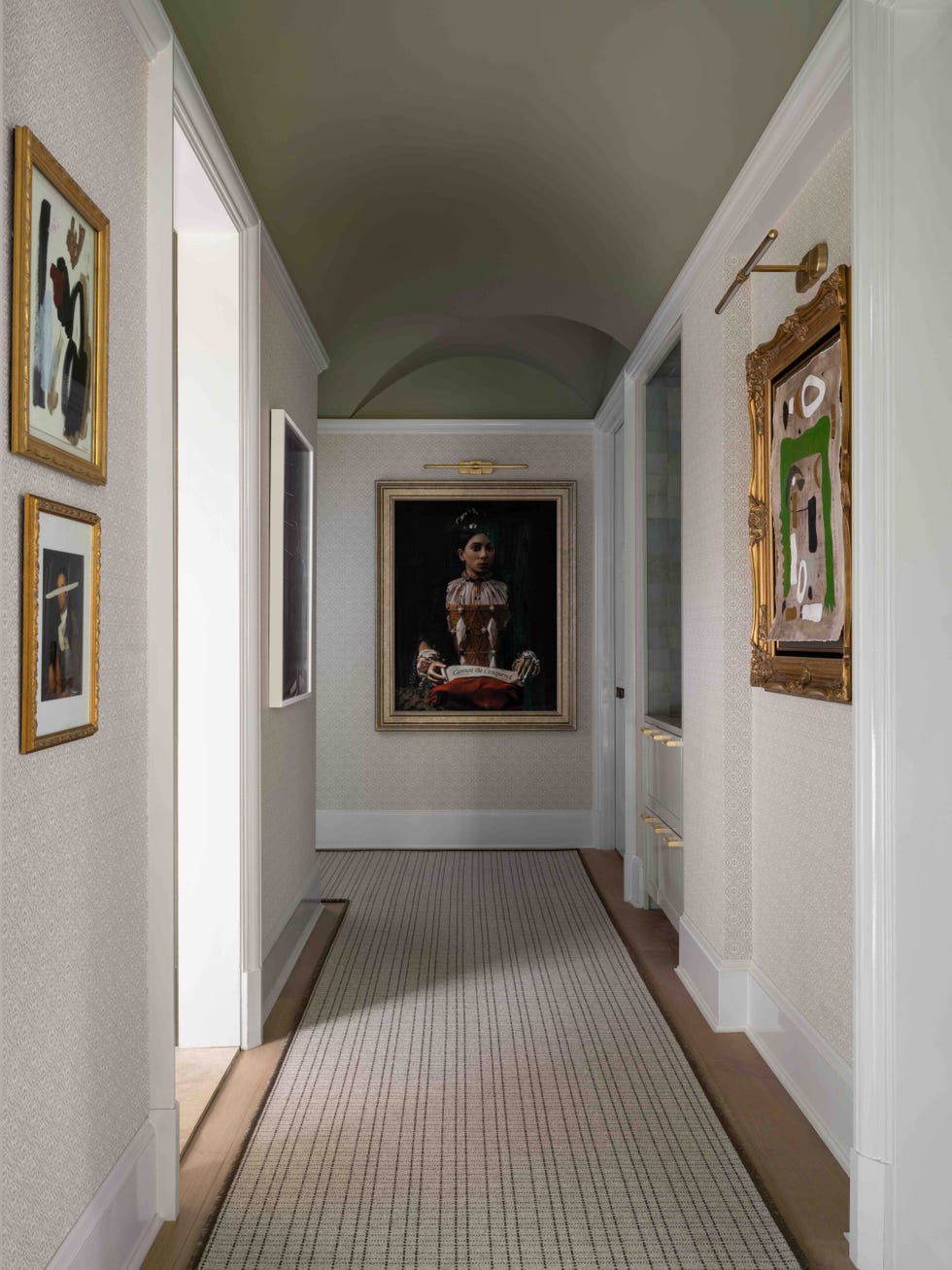
Another critical factor is the intended placement of the artwork within the home. The environment, including sun exposure, surrounding color palettes, and architectural details, can influence framing decisions. For instance, a watercolor painting destined for a south-facing room with significant sunlight exposure would likely necessitate protective glass, such as museum glass, to prevent sun damage. This type of glass, though more expensive, is a worthwhile investment for preserving valuable or sentimentally significant pieces. In contrast, artwork in a shadier room might have different requirements.
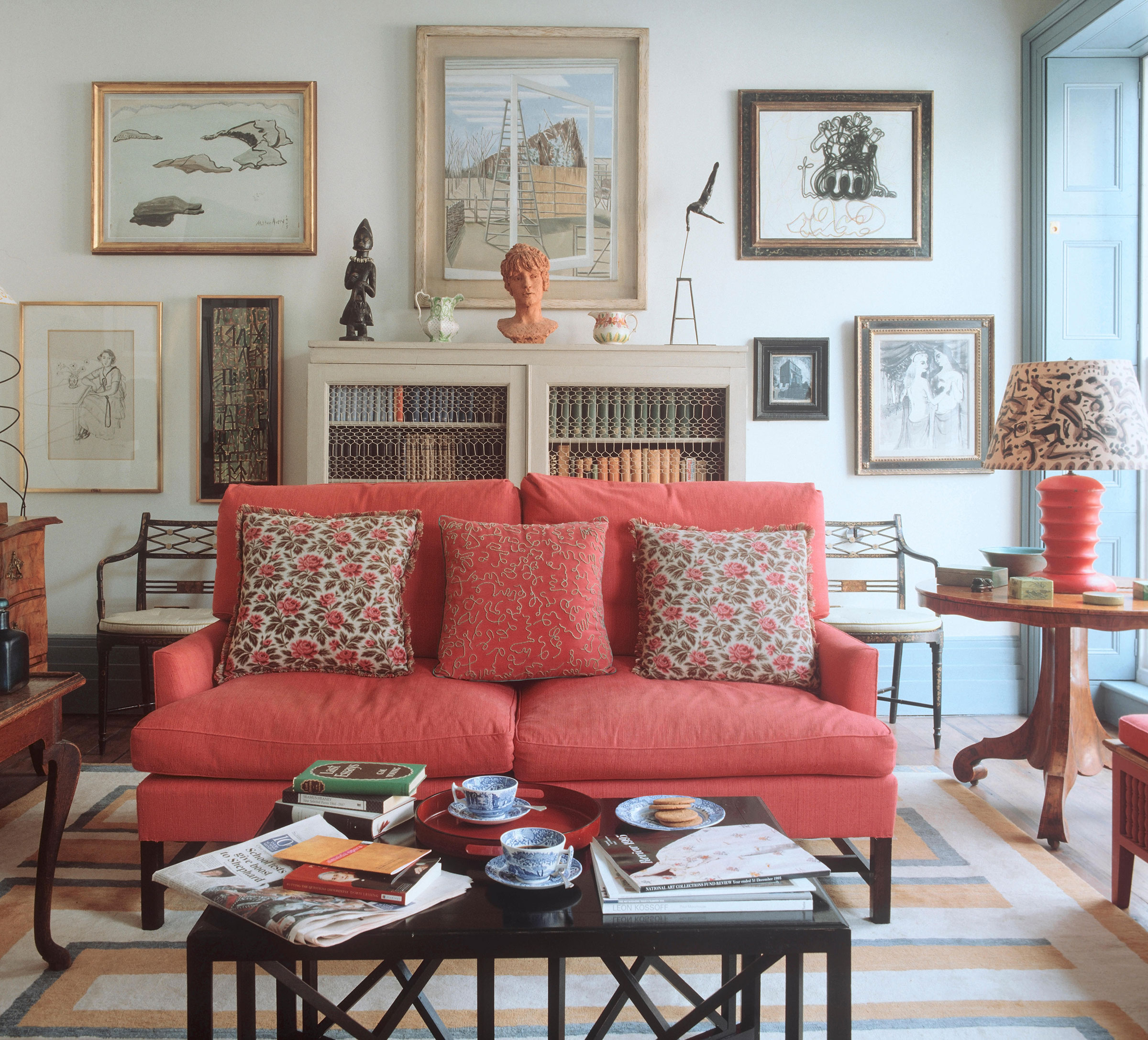
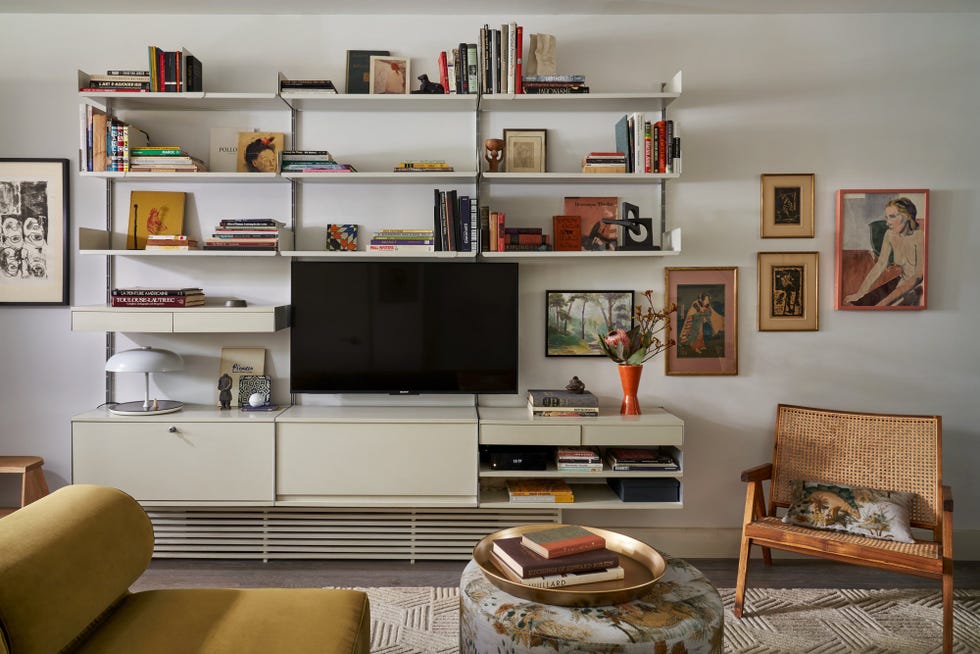
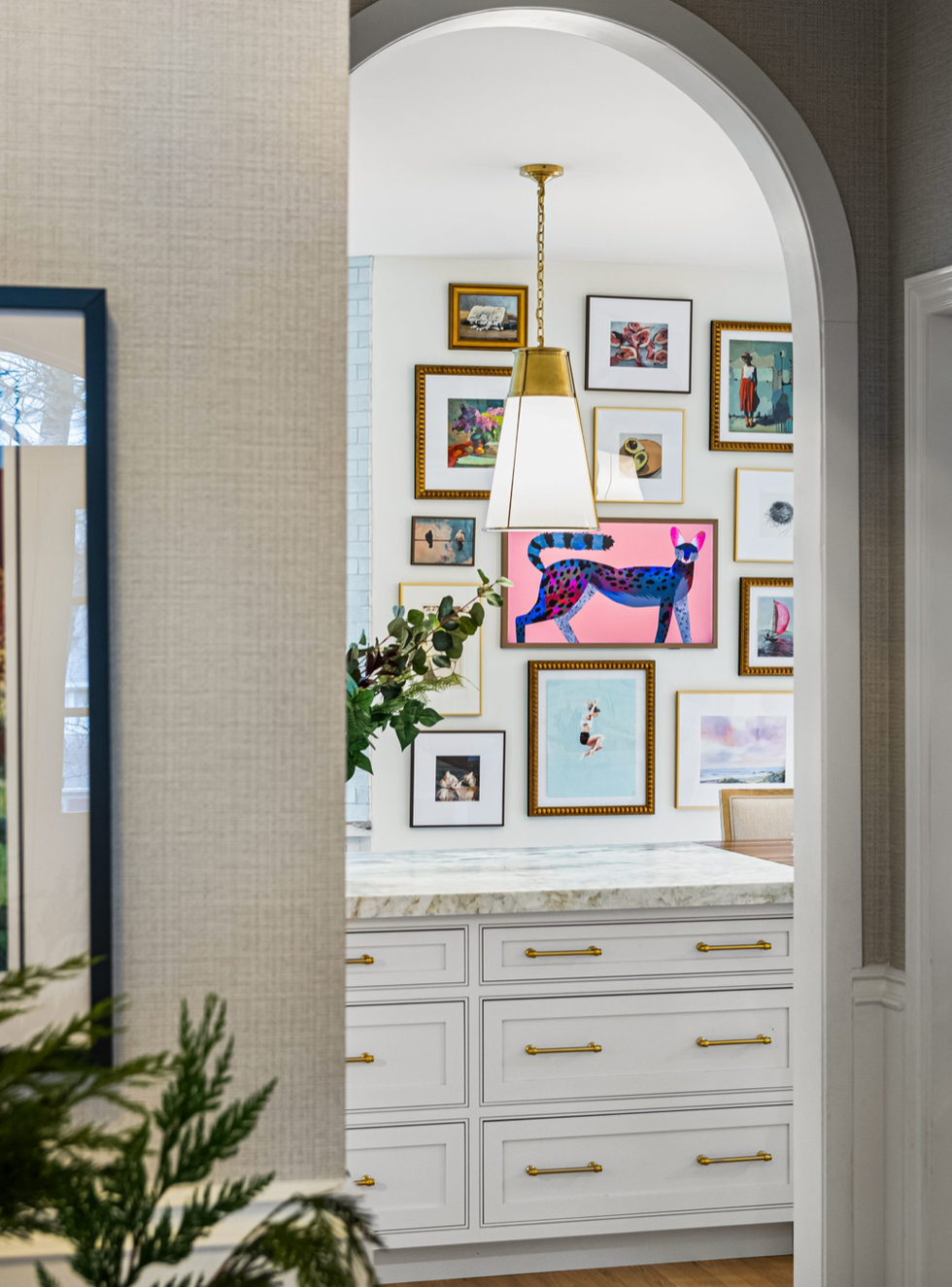
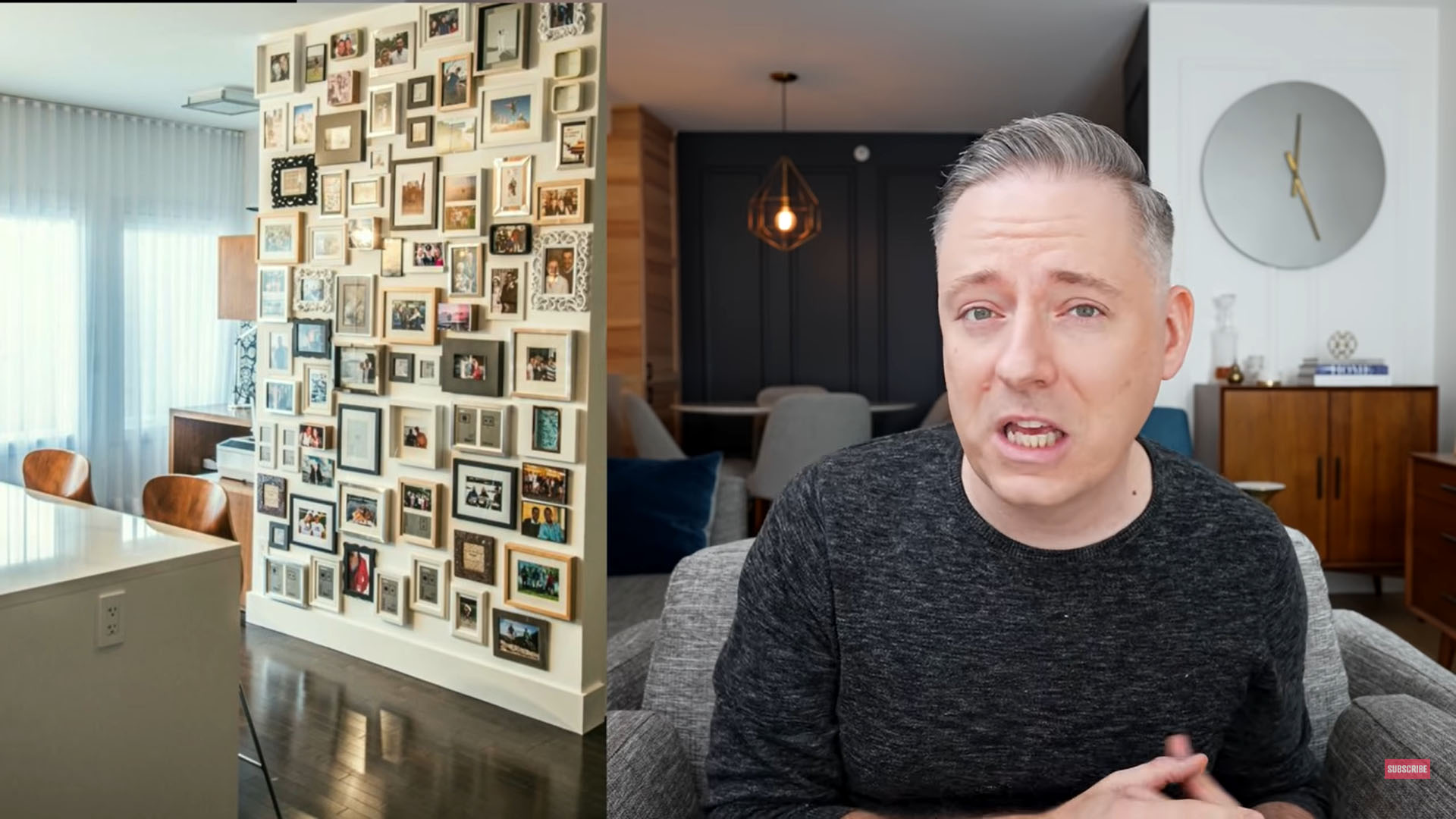
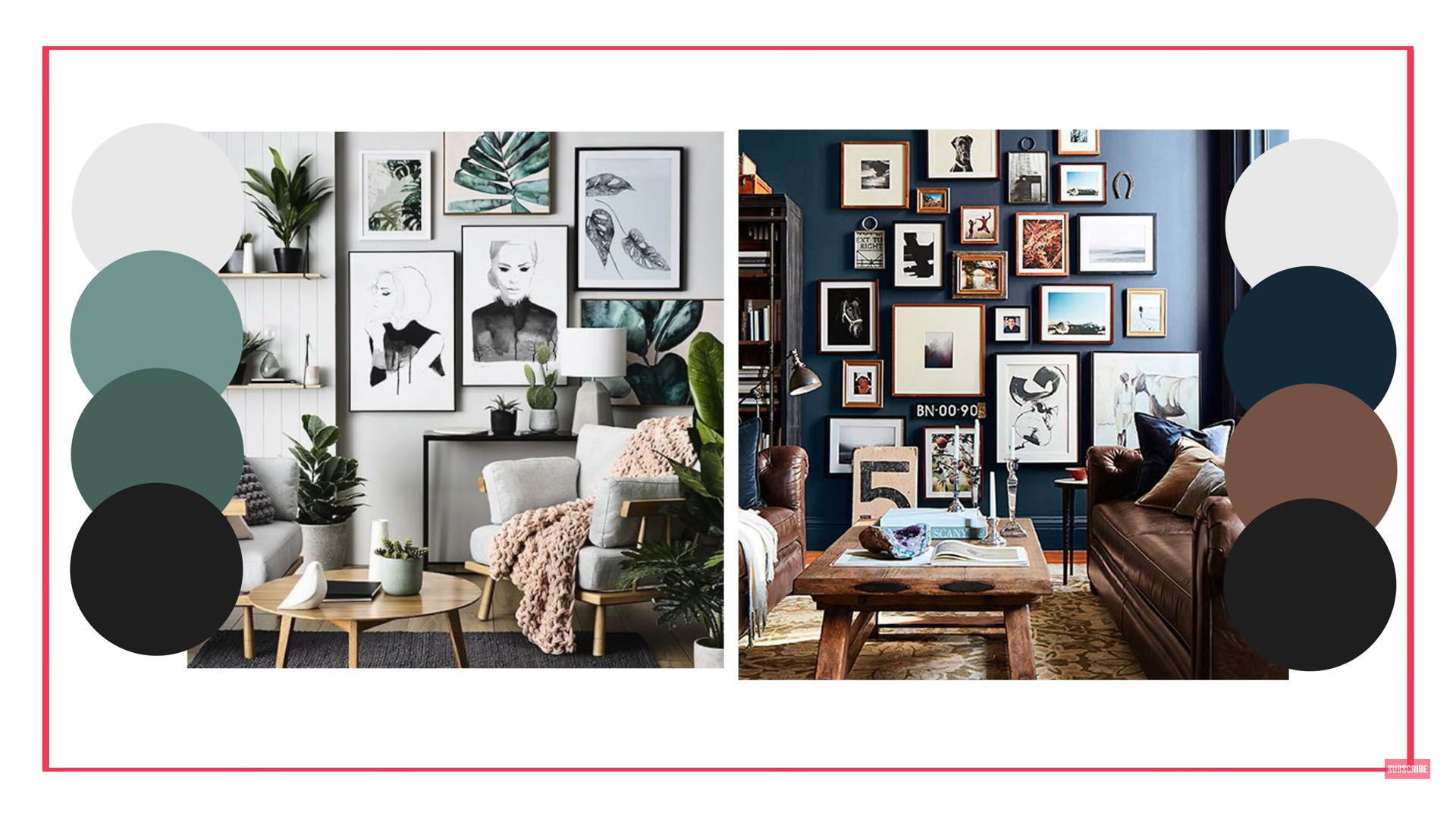
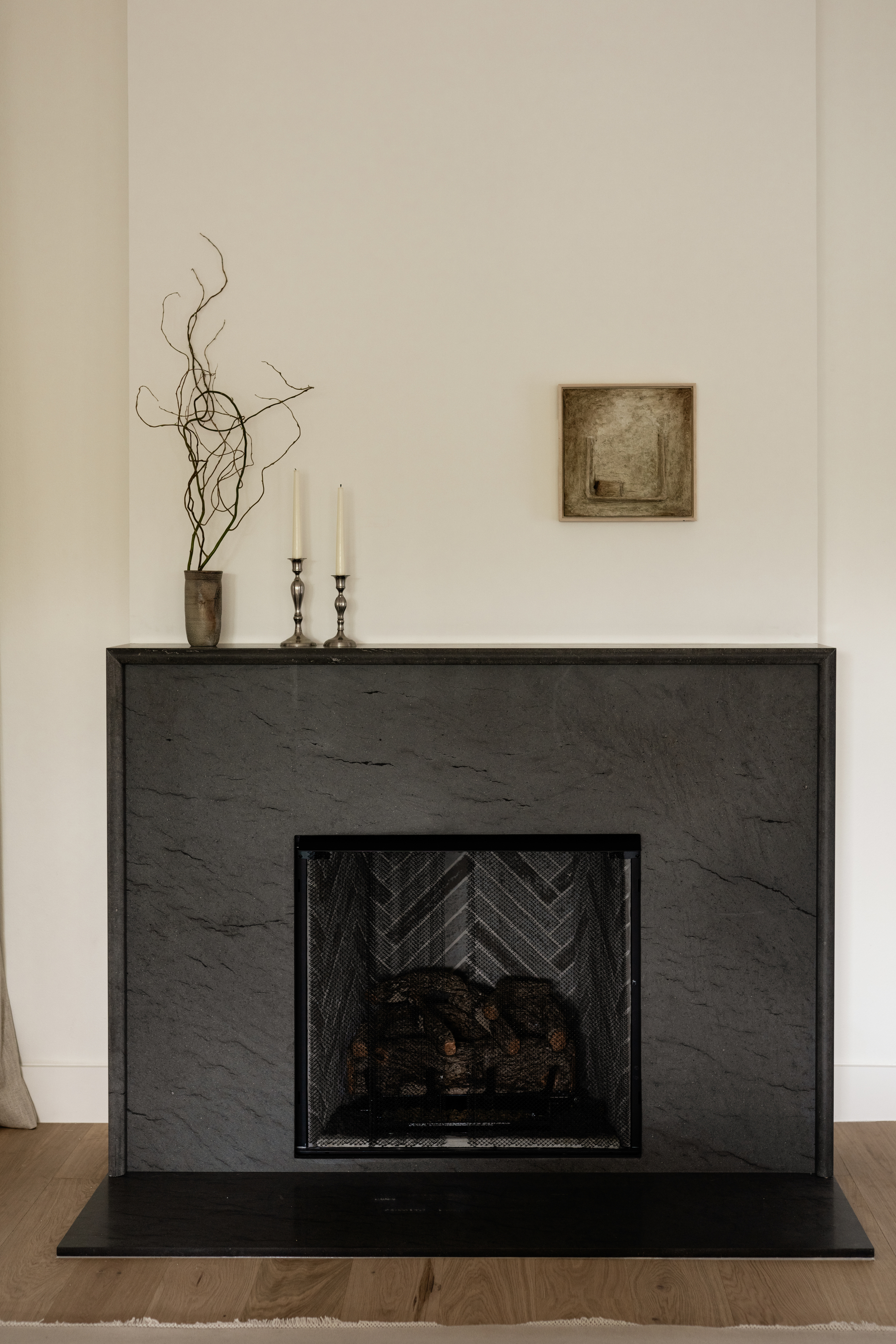
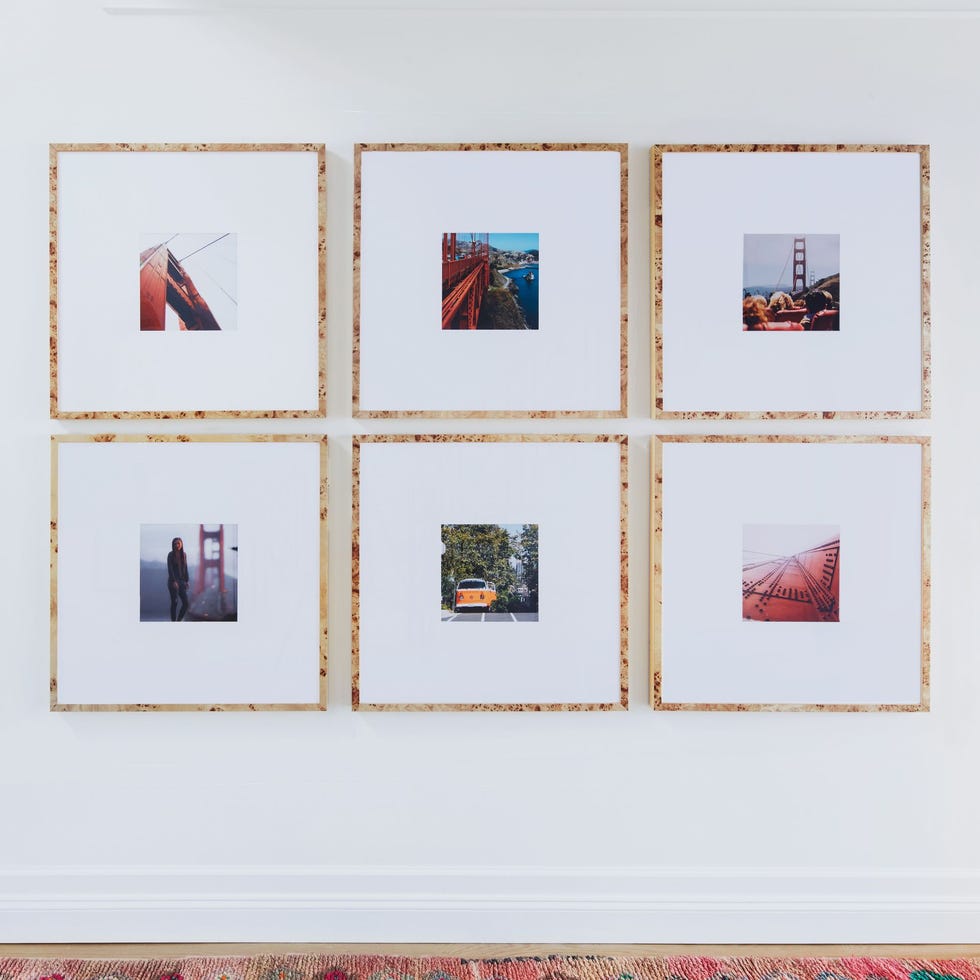
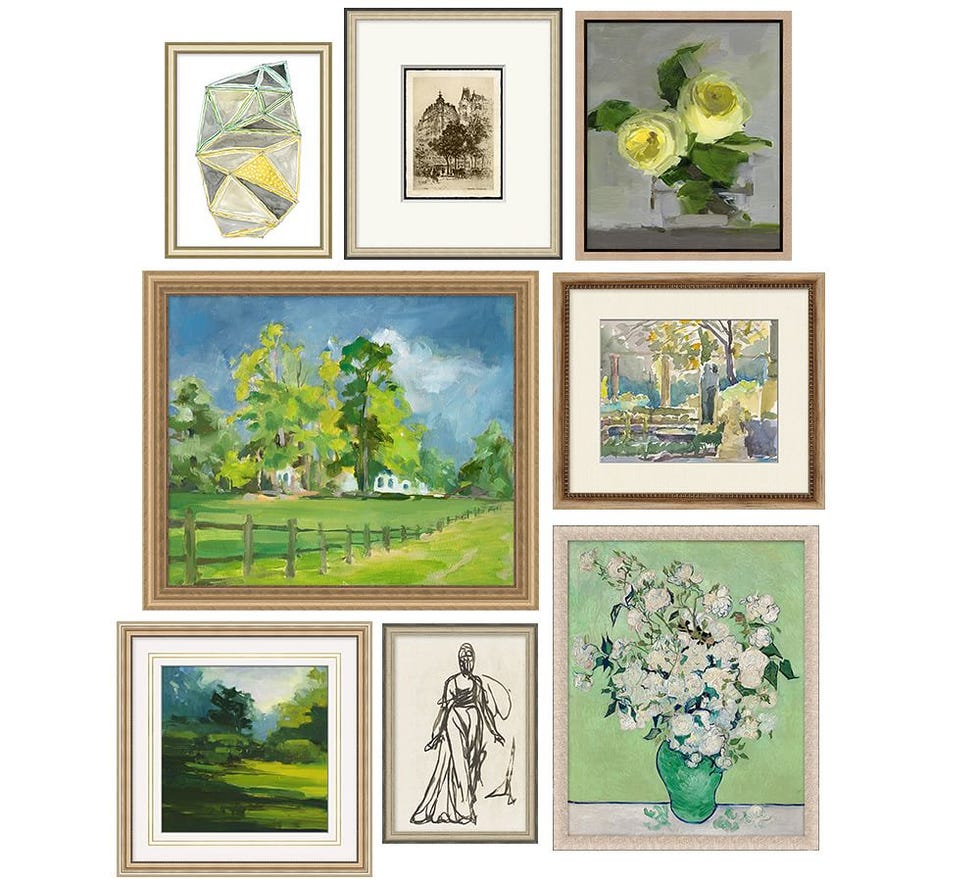
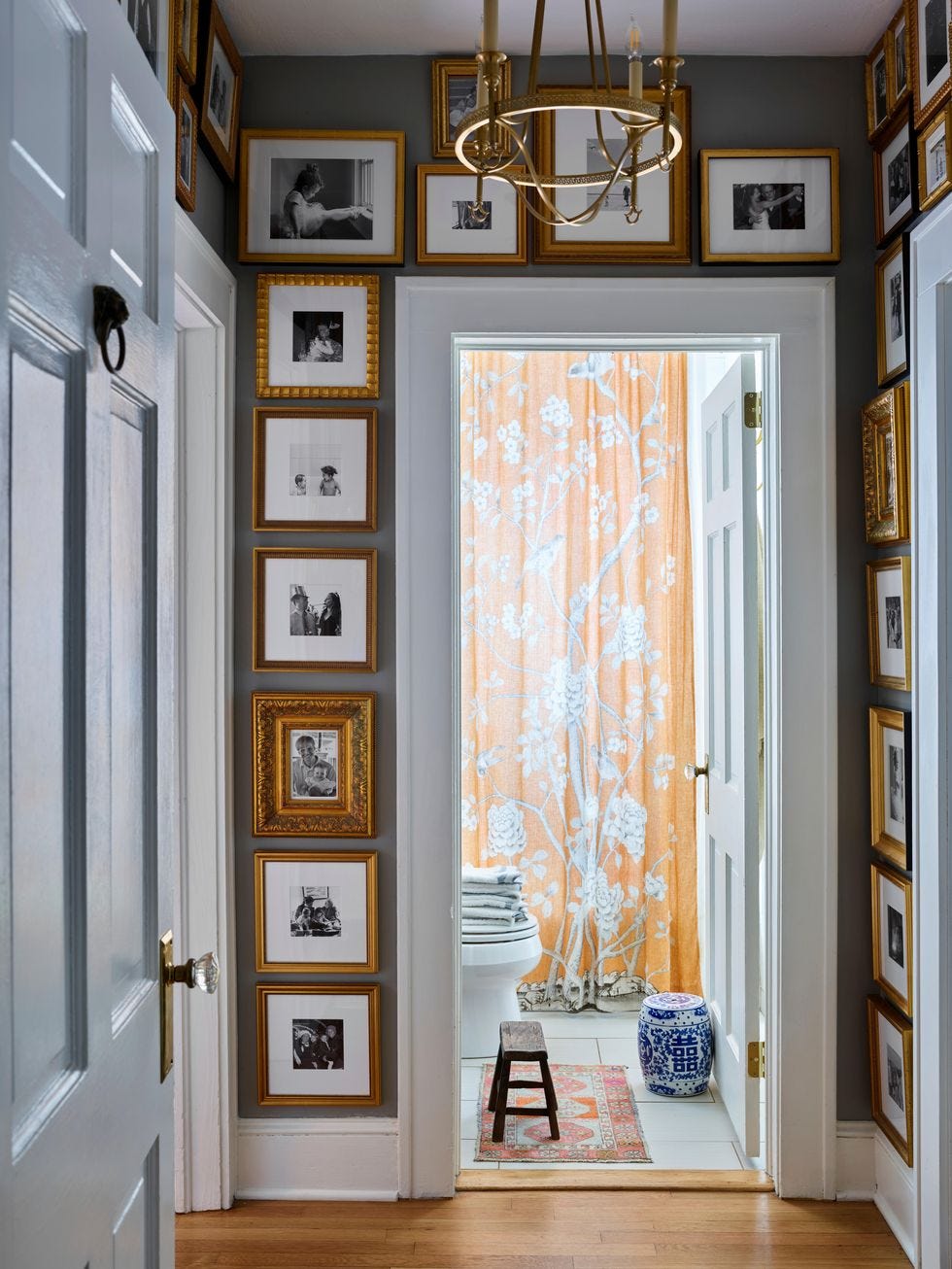
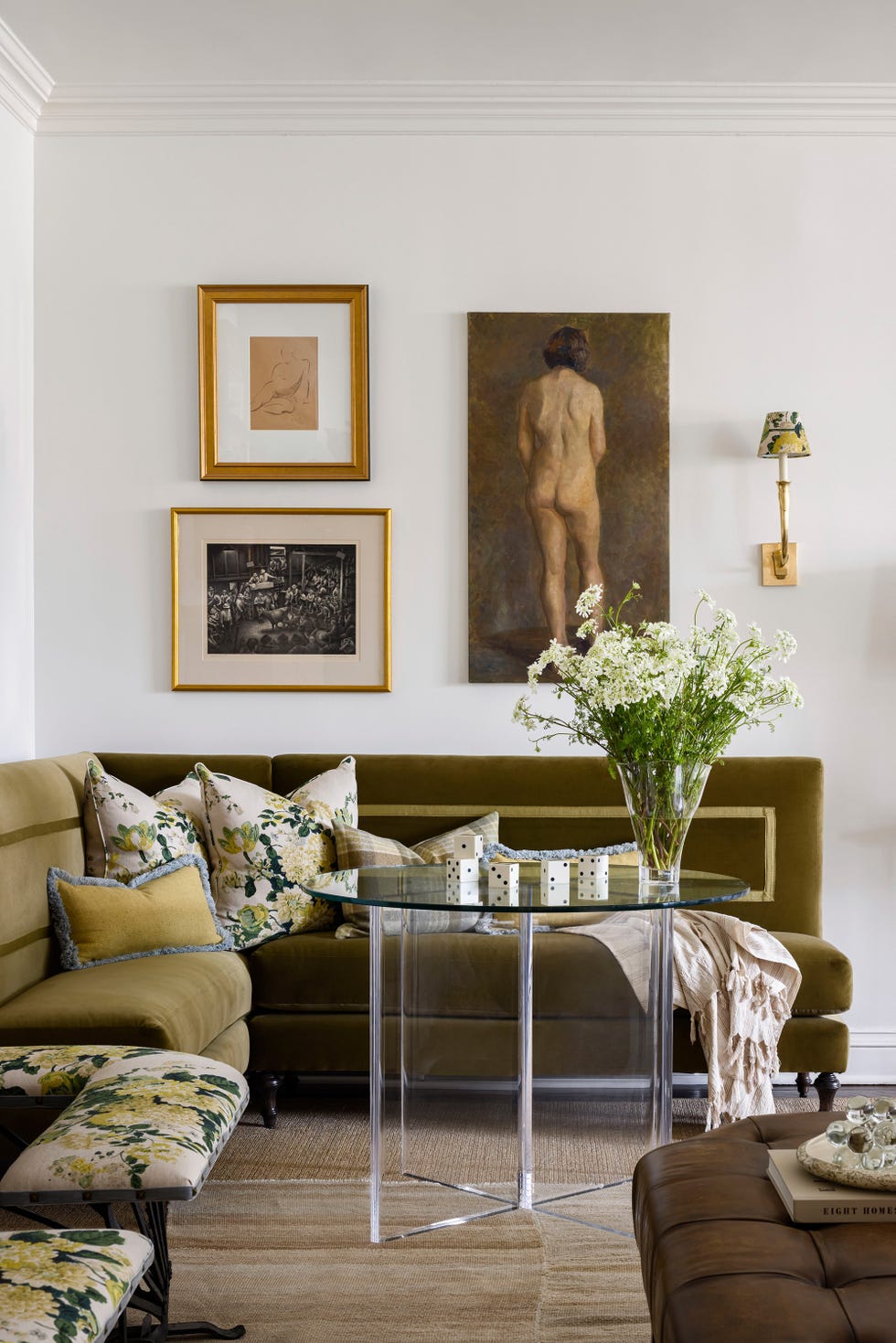
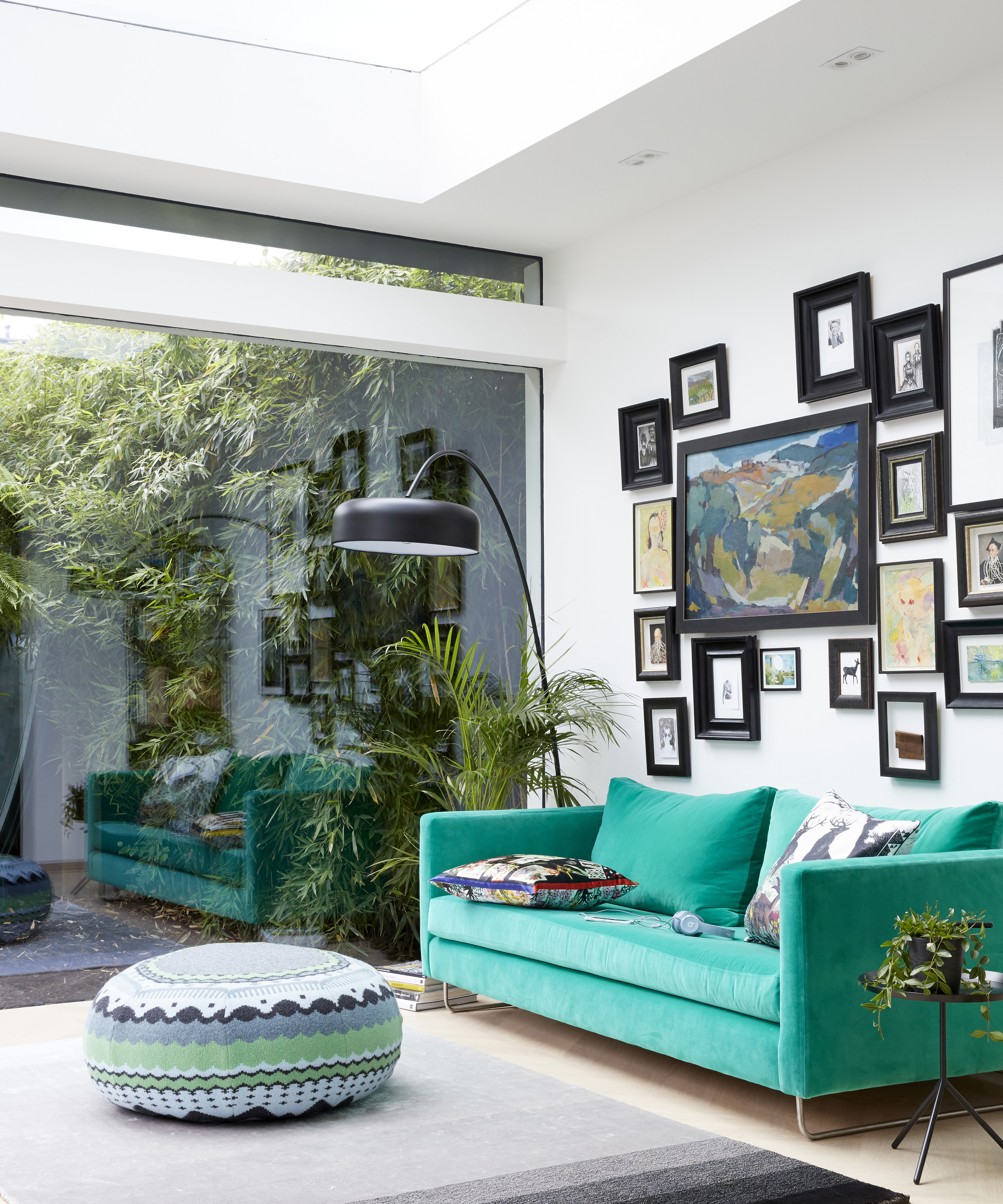
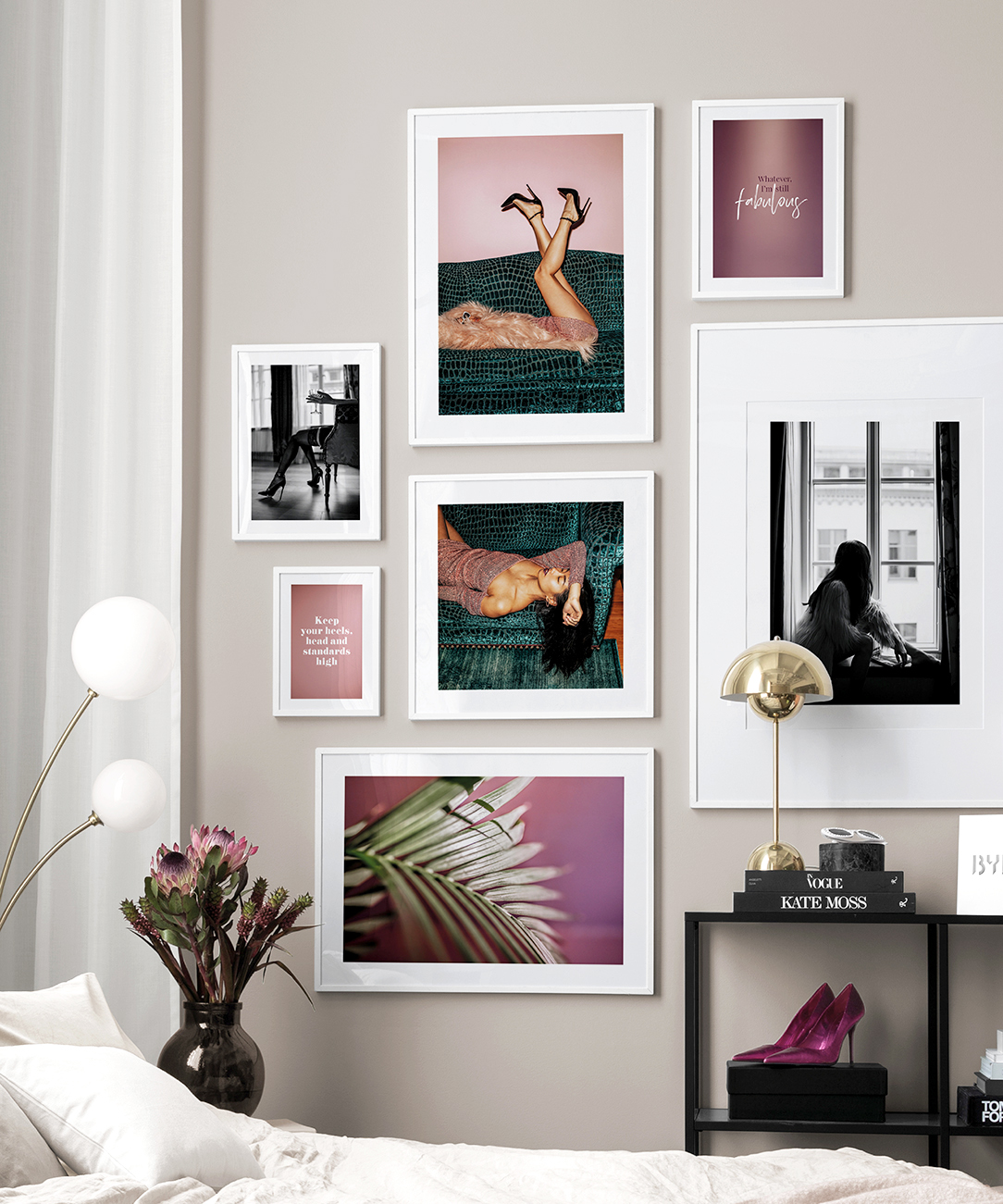
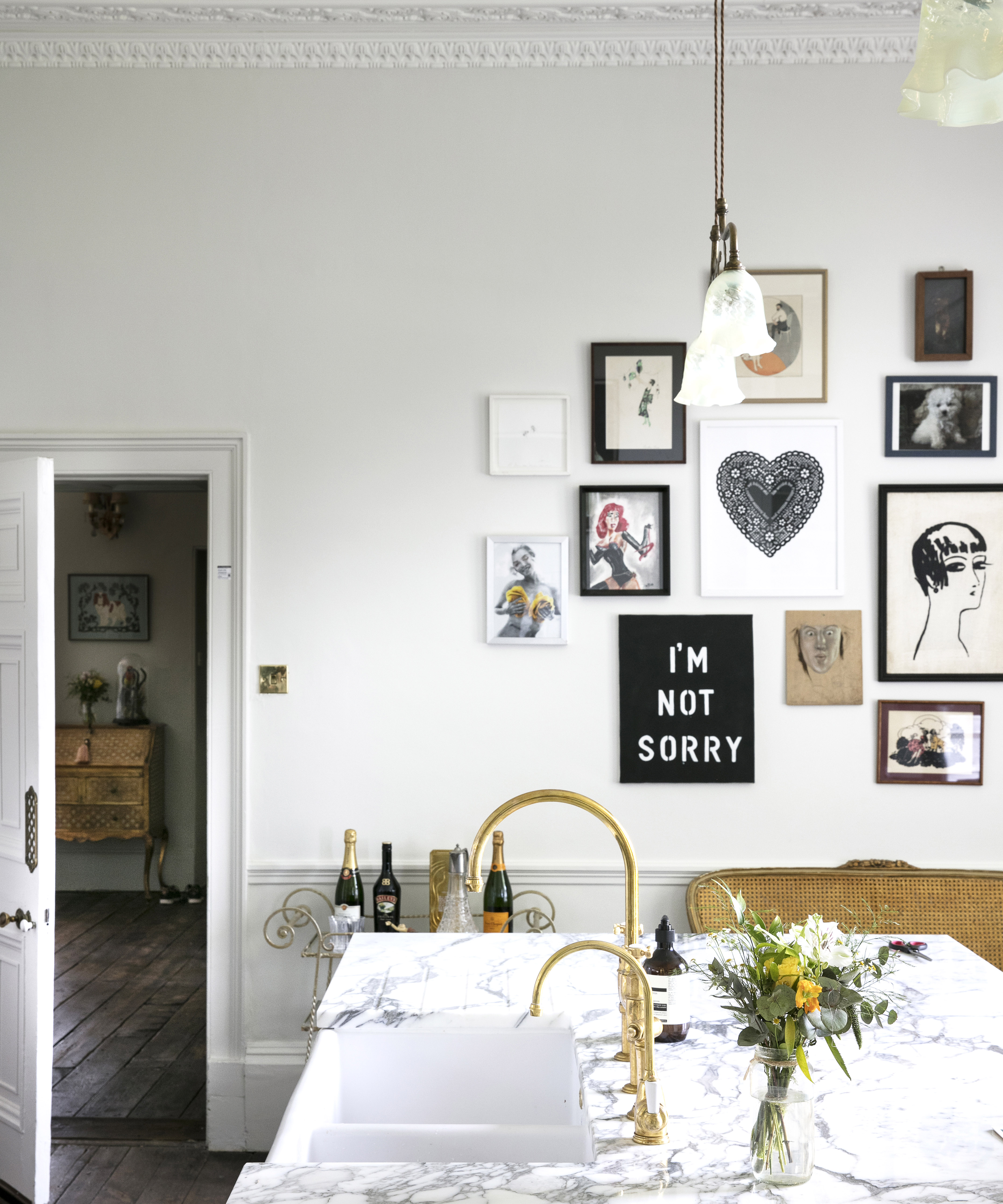
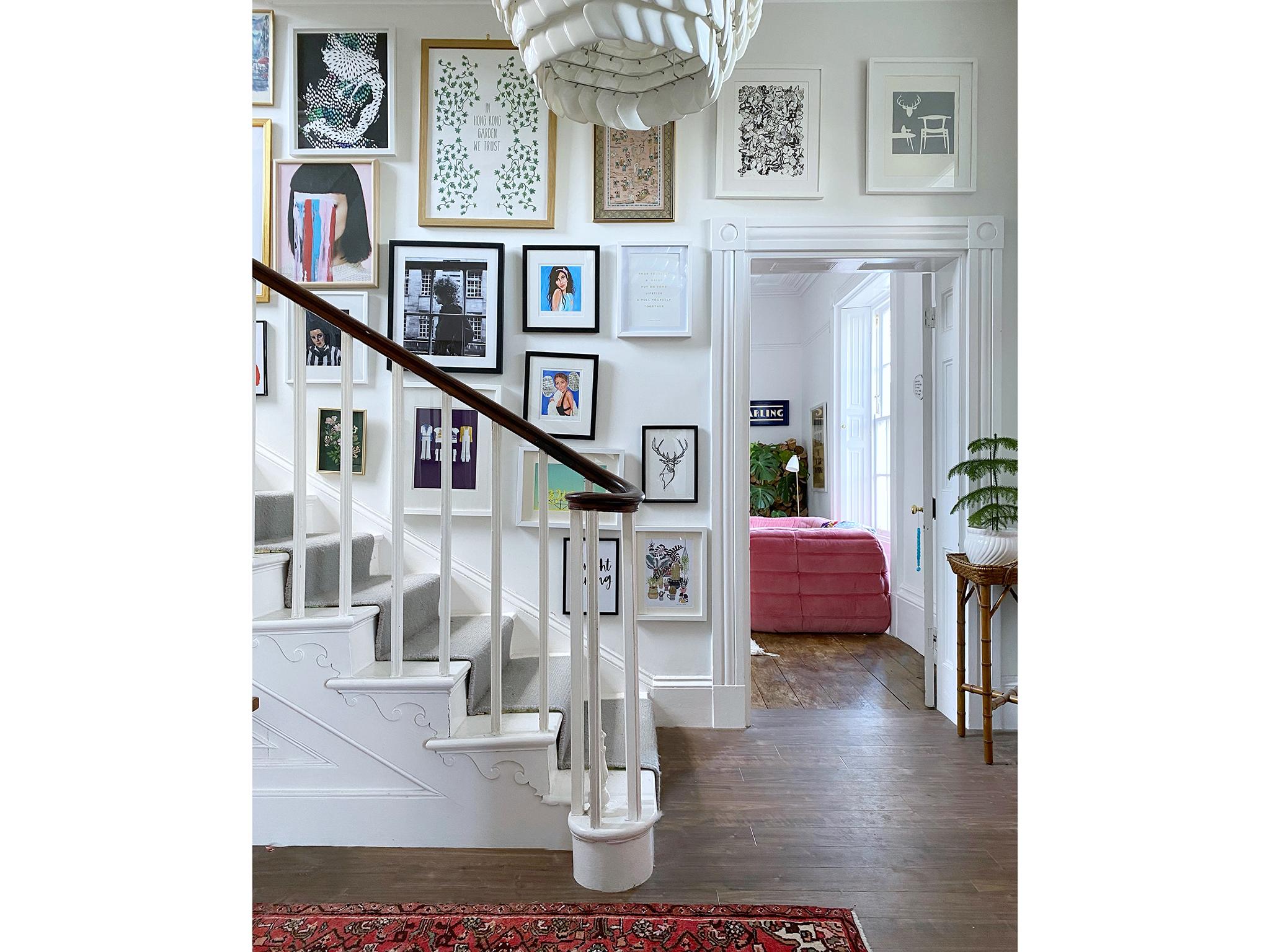
From a decorative standpoint, the choice to frame or not frame artwork profoundly impacts the overall interior design. Unframed pieces often lend a minimalist, approachable feel, opening up spaces organically and allowing the artwork itself to be the primary focus. The visual story being conveyed by the interiors should guide this decision; a frame should either enhance this narrative or its absence should allow the artwork to shine more brightly, thus elevating the space. Some interior designers advocate for a diversified approach, incorporating a mix of framed and unframed pieces, as well as unframeable objects, to create visual interest and inject personality into a collection.
Ultimately, maintaining the integrity of the artist's work and vision should be paramount. While framing can make a piece 'sing,' it should always align with the artist's original intent. Custom framing is a skilled process that, for valuable or sentimental pieces, represents a significant investment. A professional framer considers not only aesthetic appeal but also location and desired ambiance. For pieces where edges are unfinished, artists or galleries might be requested to complete the edges as an alternative to framing. The decision to frame is highly subjective and can evolve as an artwork ages or increases in value. When in doubt, consulting with the artist, maker, or a gallery specializing in similar art styles, eras, and values can provide invaluable recommendations for both preservation and presentation.
#ArtFraming #InteriorDesign #HomeDecor #ArtworkDisplay #GalleryWall #ArtProtection #DesignTips #FramingTechniques #ArtPlacement #ArtFraming #InteriorDesign #HomeDecor #ArtworkDisplay #GalleryWall #ArtProtection #DesignTips #FramingTechniques #ArtPlacement
Há 0 comentários no total
 Ainda não há comentários
Você também pode gostar
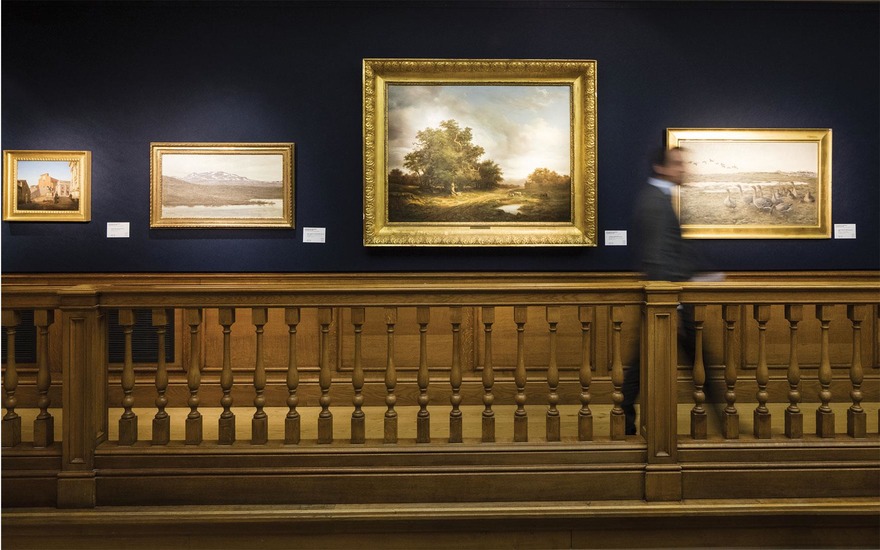
How to hang paintings: Everything you need to know
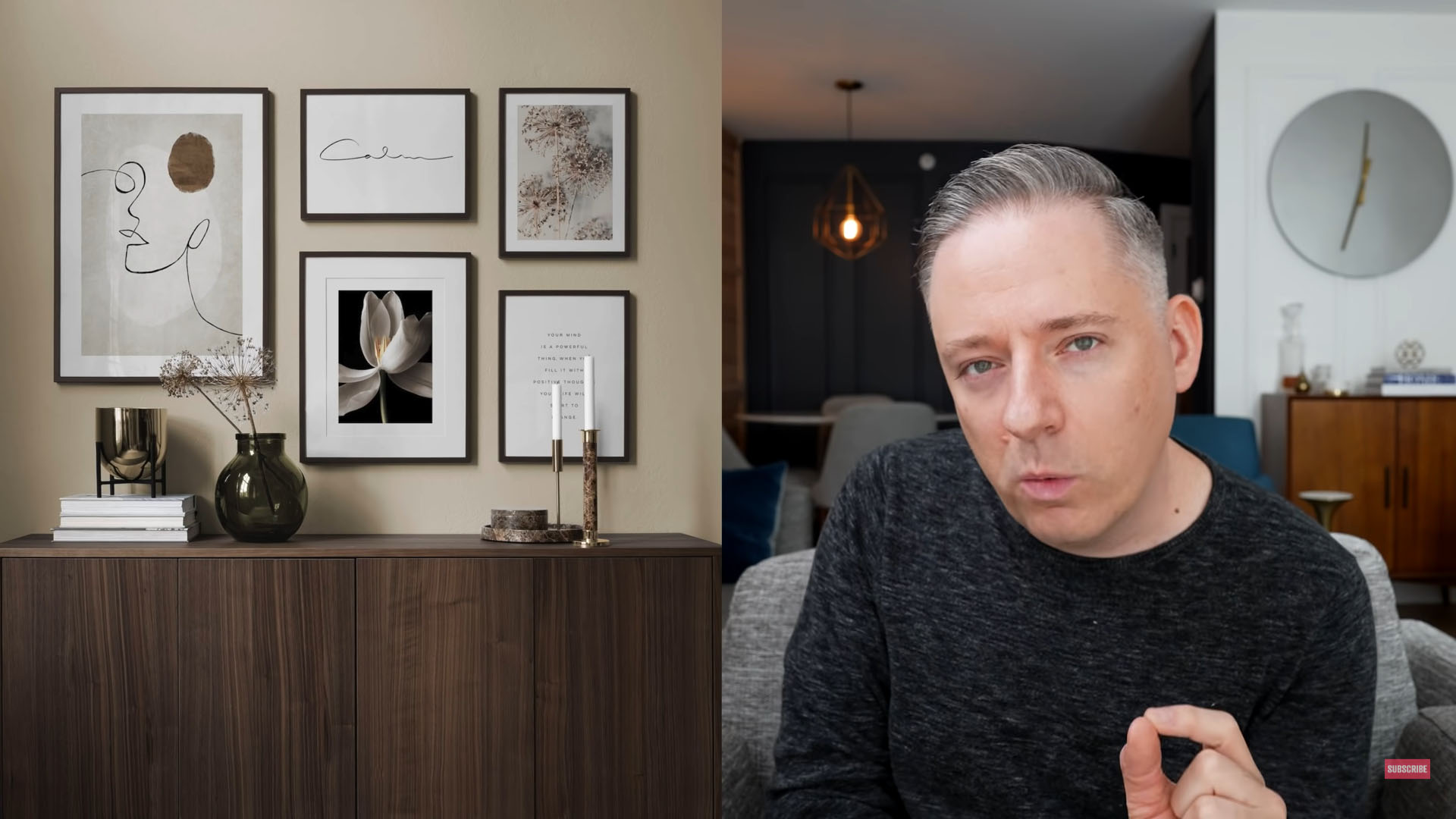
I'm an interior designer - how to create a gallery wall without it looking tacky - people always make the same mistakes

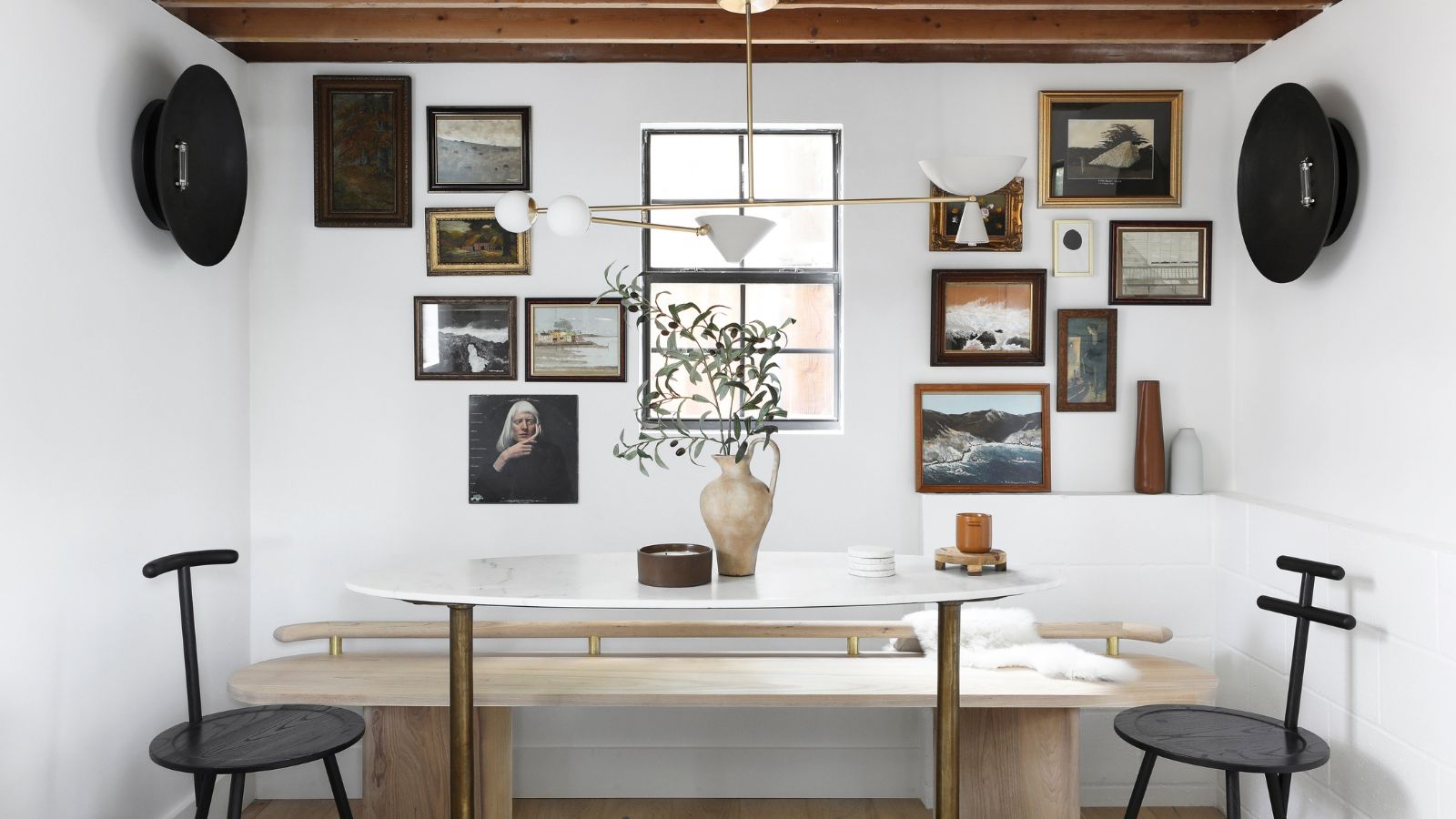
5 common gallery wall mistakes designers warn to always avoid – to create the chicest of displays

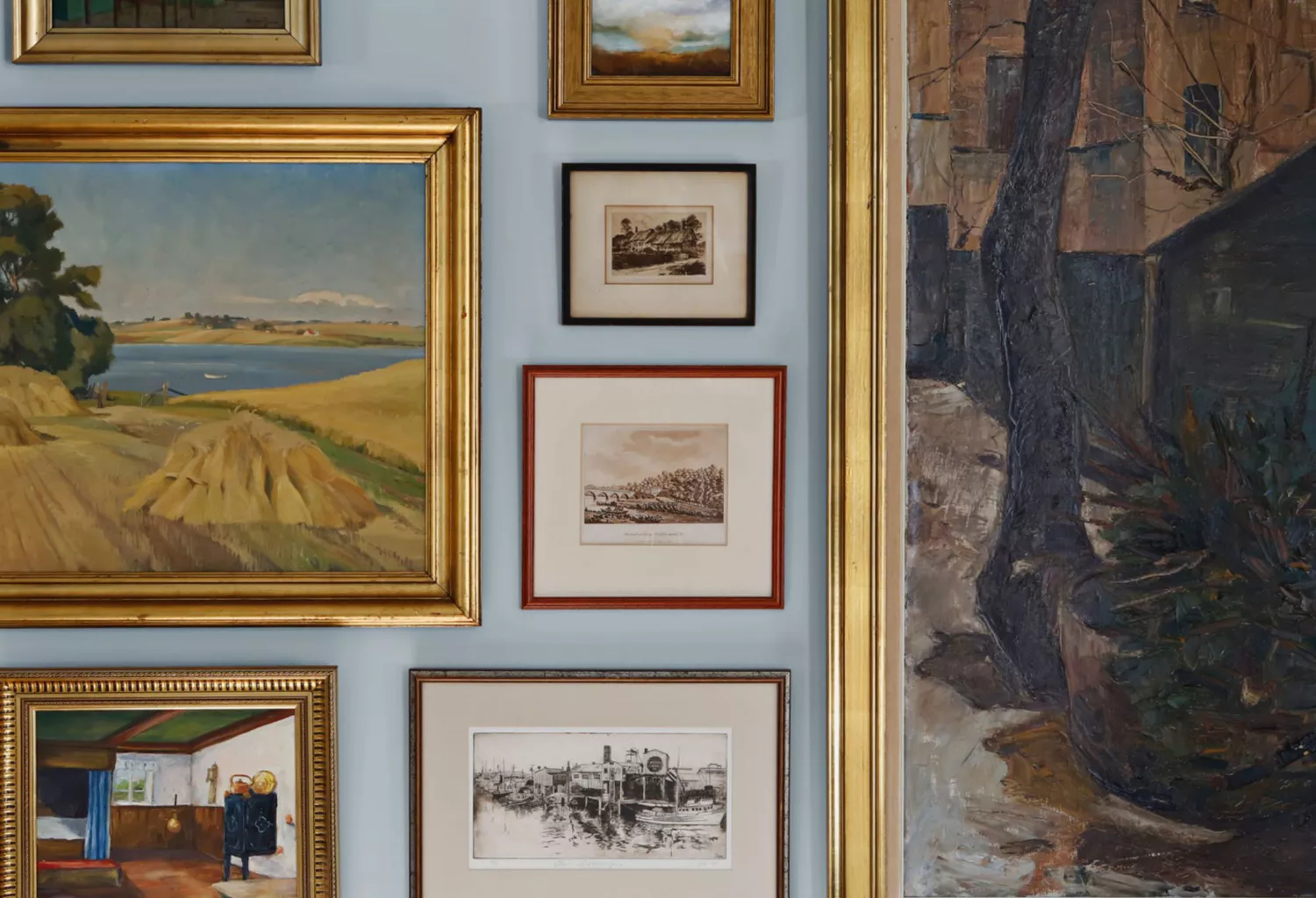
Why Your Gallery Wall Might Actually Look Better With Mismatched Frames

I'm an interior designer - how to create a gallery wall without it looking tacky - people always make the same mistakes

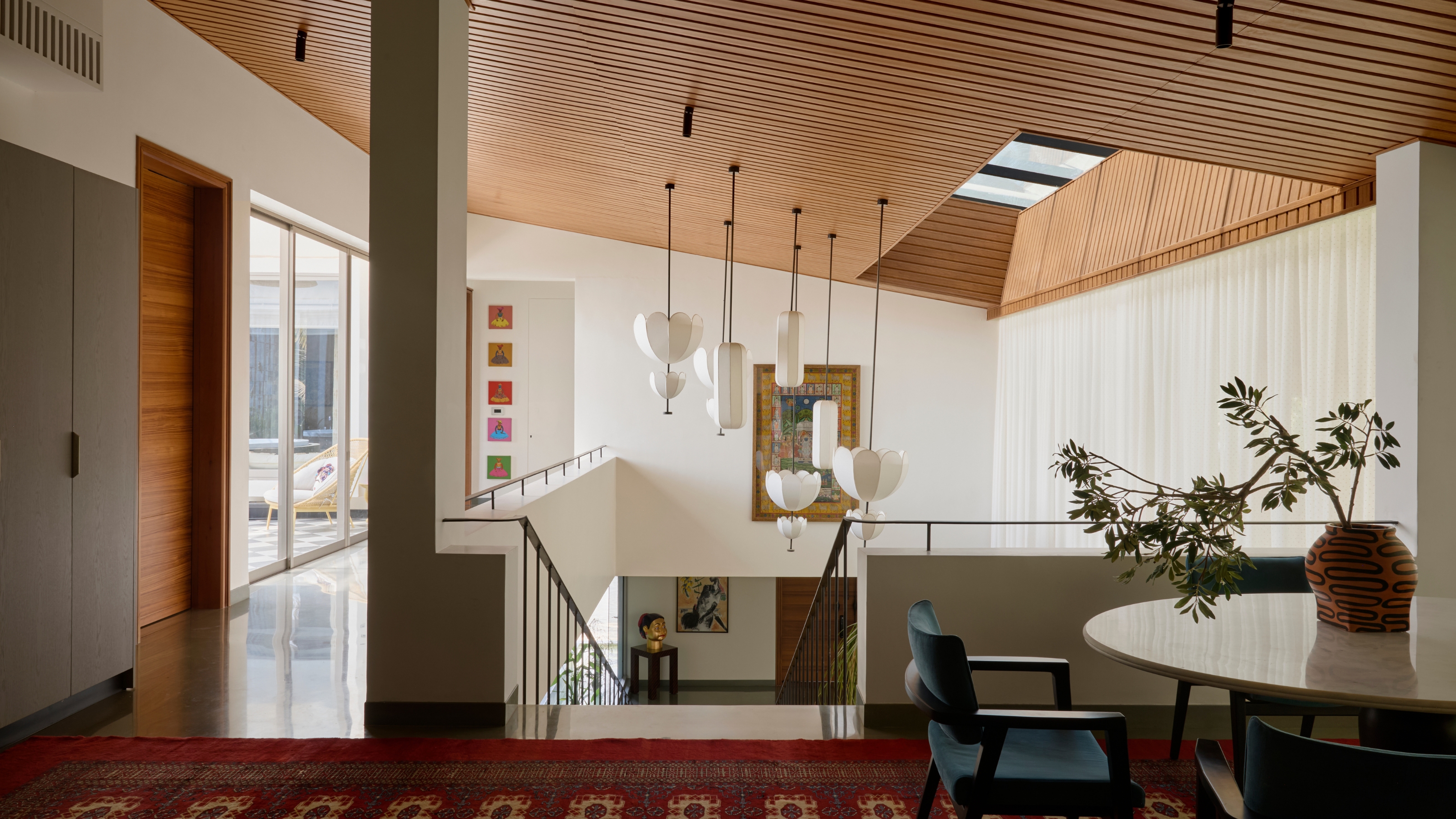
There's Hanging Art, and Then There's Hanging Art Like an Interior Designer — Here's How to Do the Latter

How to nail a gallery wall
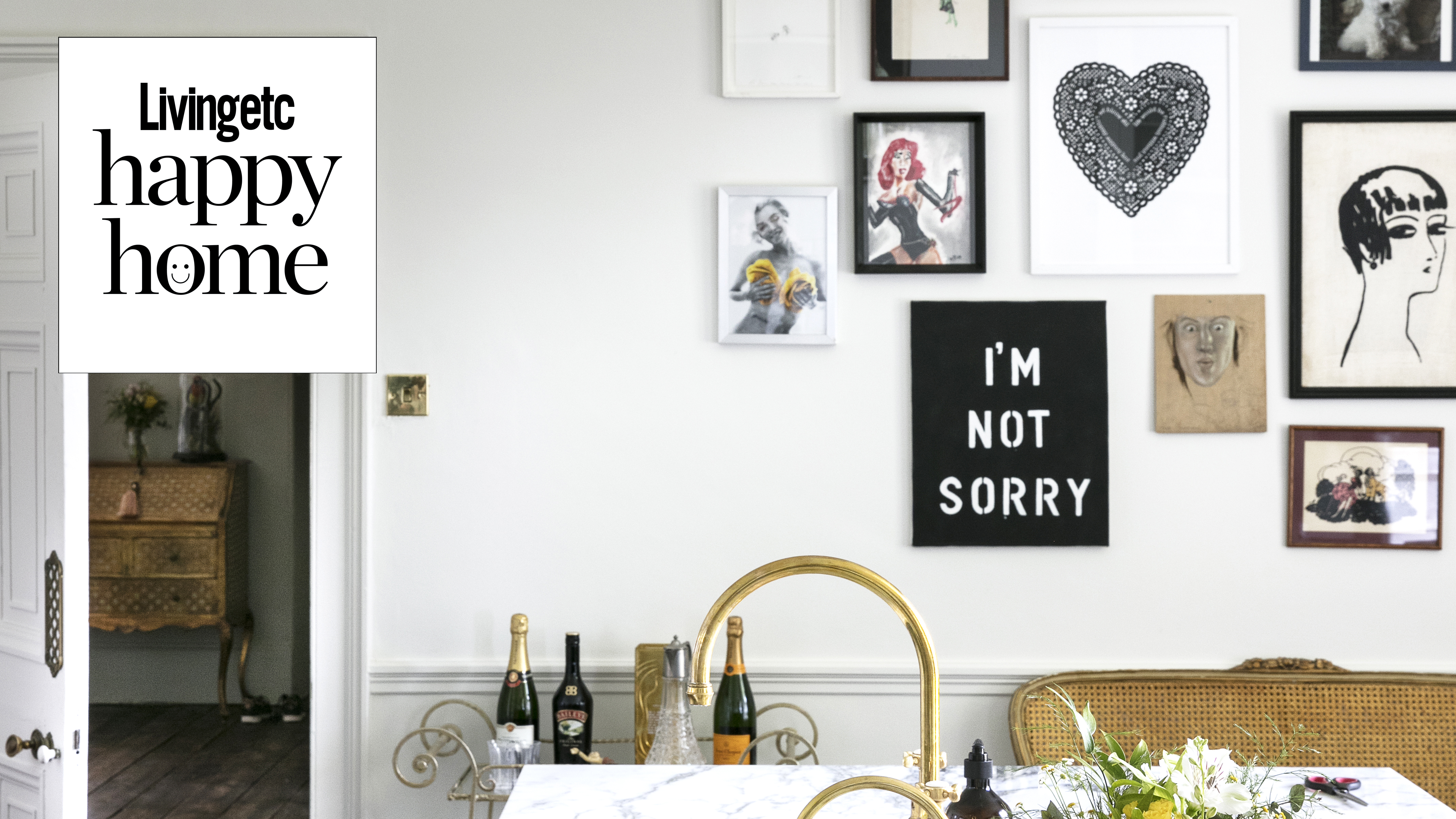
Expert tips for creating a happy gallery wall without sacrificing style
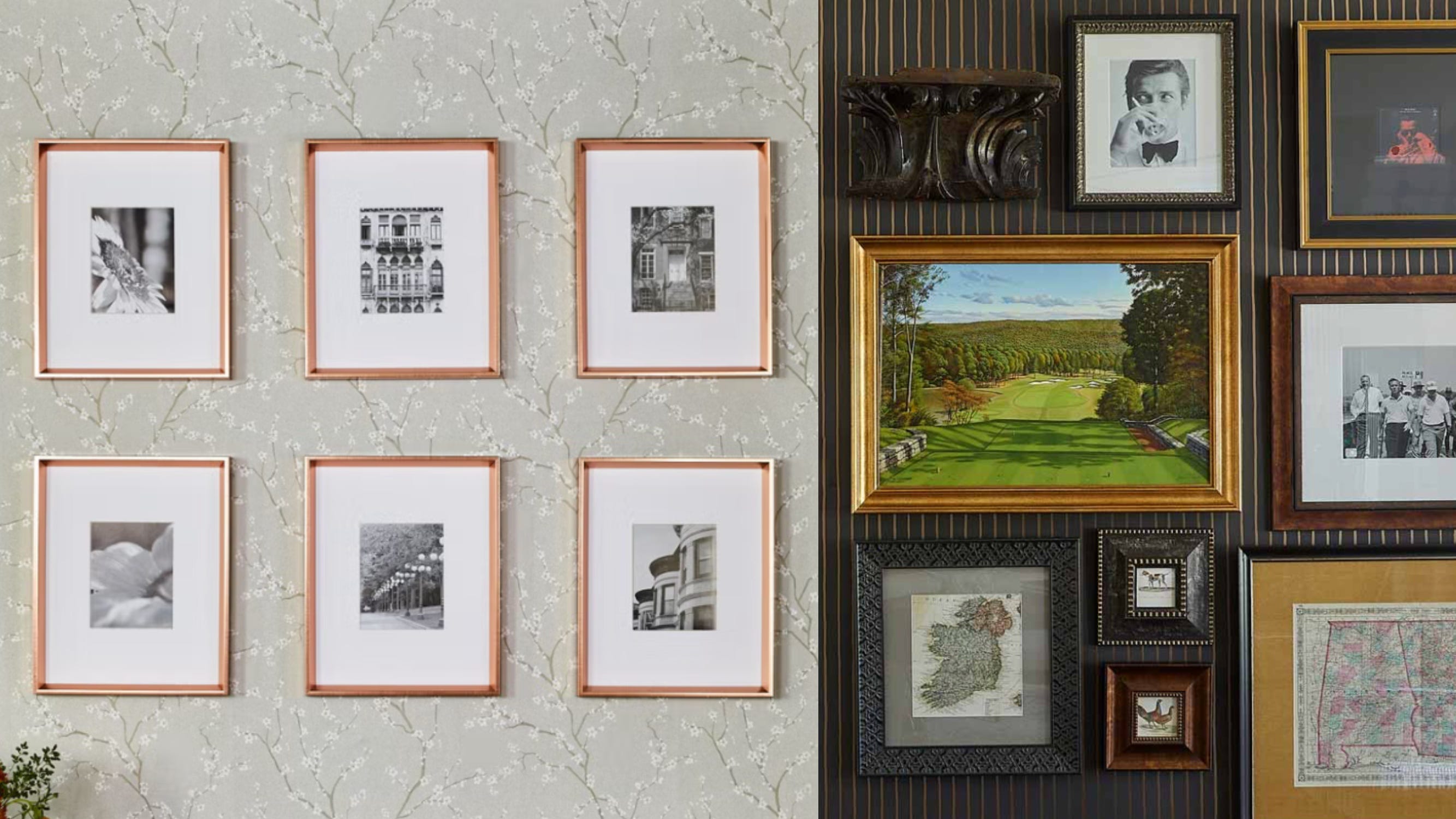
Matching or Mismatched Gallery Wall? Big-Time Designers Have a VERY SPECIFIC Preference

5 Things Design Pros Always Do When Buying Artwork for Their Homes (And You Should Too)

'Your art should be in conversation with each other' – how to coordinate wall decor in a room for a curated display
How to Hang an Art Collection Like an Expert
The Best (and Easiest!) Ways To Hang Pictures, According to Art Pros

Are Gallery Walls Still in Style? Here’s What Designers Say

You're Styling Your Gallery Wall All Wrong—Here's How to Get It Right, According to Experts

How to create an Instagram-worthy gallery wall: Interiors experts on framing and displaying your art
7 Interior Designers Share Their Tips on Buying Art for Your Home
The Best Affordable Wall-Art Frames, According to Experts
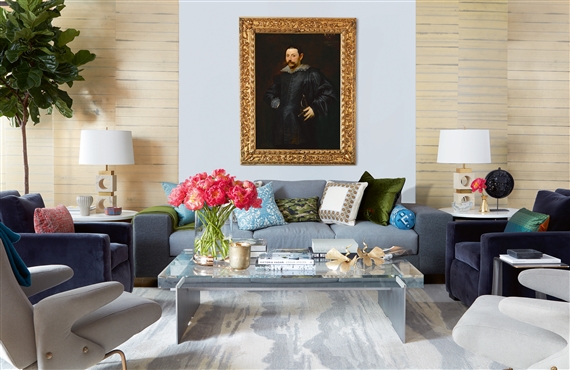
David Pollack Sotheby's Hang Artwork Hanging Old Masters Interior Design Art
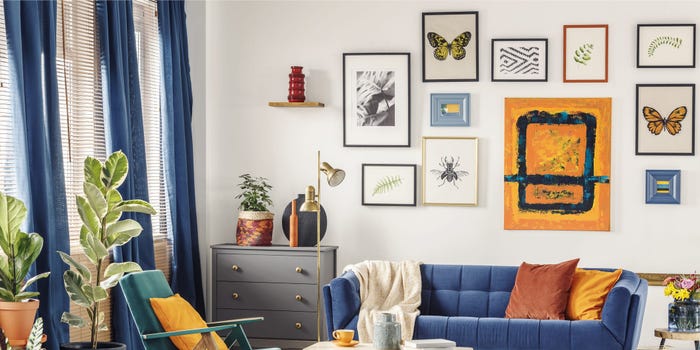
How to put together a gallery wall according to design professionals