1/2
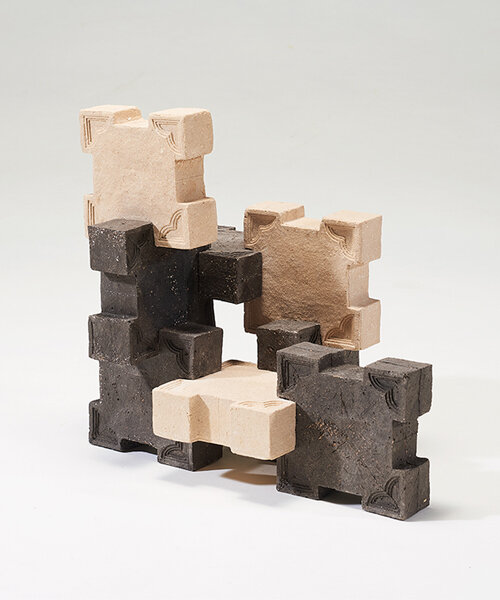
re:shell uses discarded eggshells to create modular, biodegradable building bricks
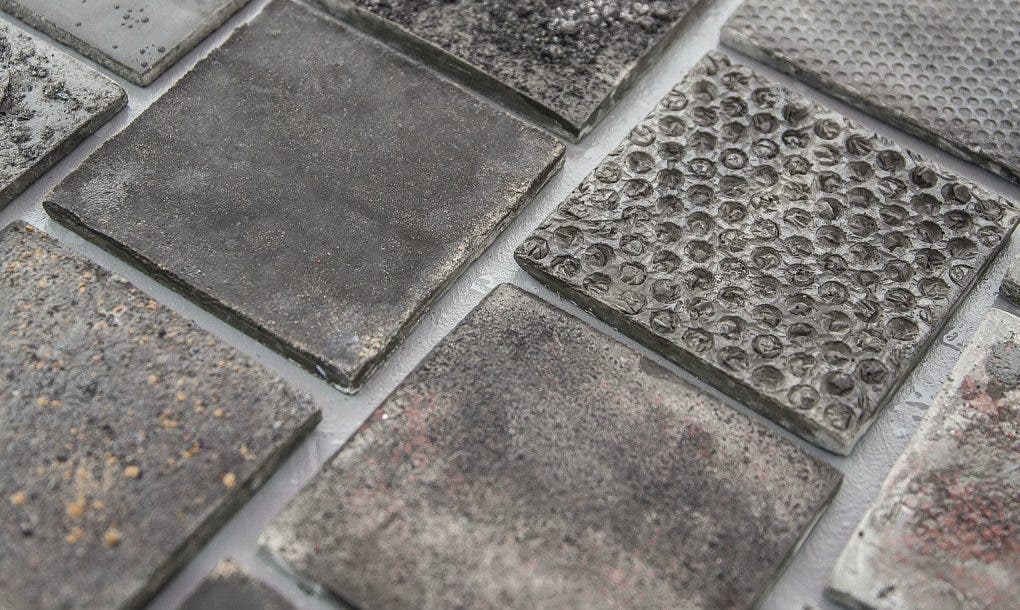
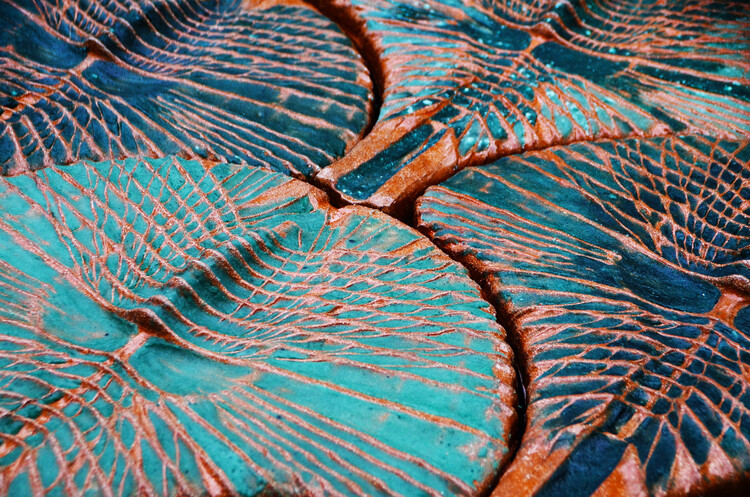
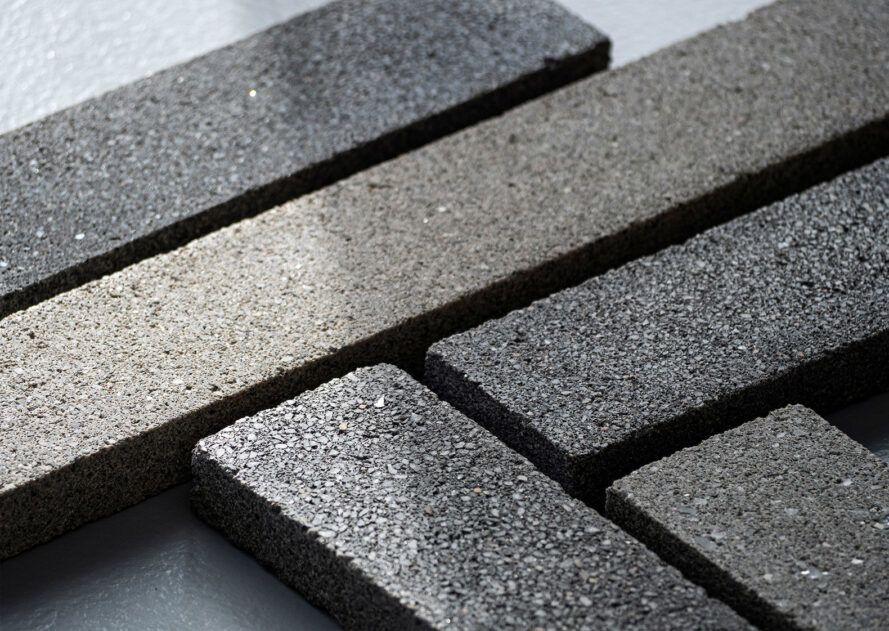
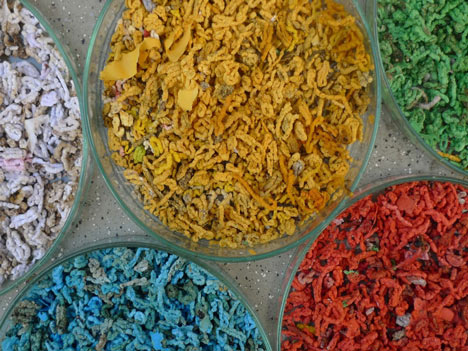
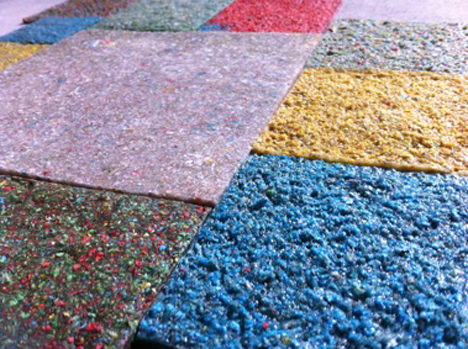
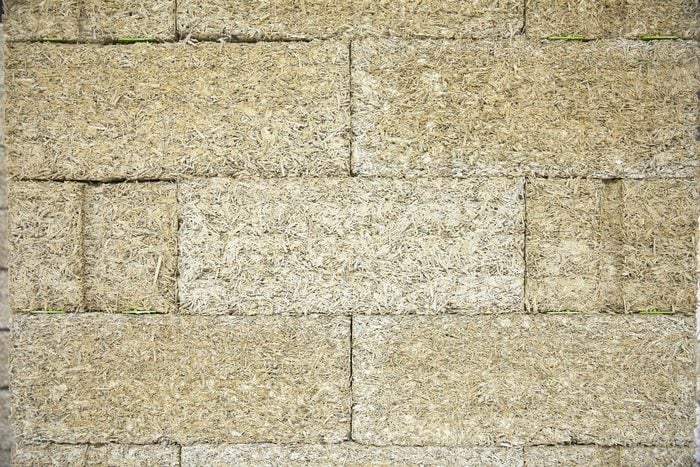
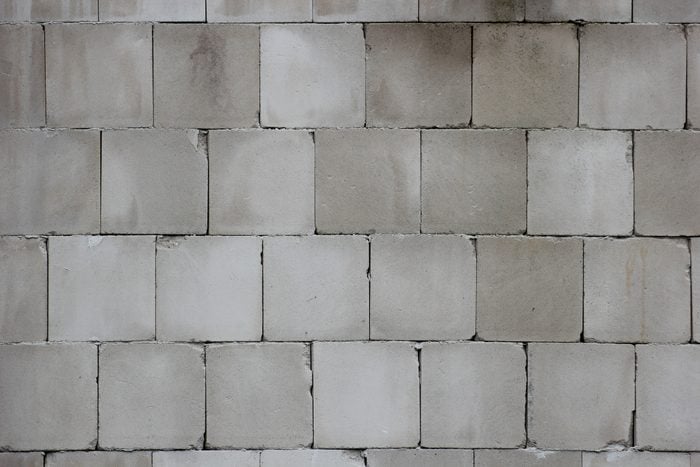
A team of South Korean designers has developed an innovative and sustainable building material called Re:shell, which transforms discarded eggshells into modular, interlocking, biodegradable bricks. This initiative, stemming from the Living Design Lab at Seoul National University – Department of Design, aims to address South Korea's growing construction waste problem. The country's rapid industrialization and urbanization since the 1970s and 80s have led to a significant amount of aging infrastructure slated for redevelopment, with construction materials currently comprising 45% of the nation's total waste. Re:shell offers a promising zero-waste composite solution to this environmental challenge.
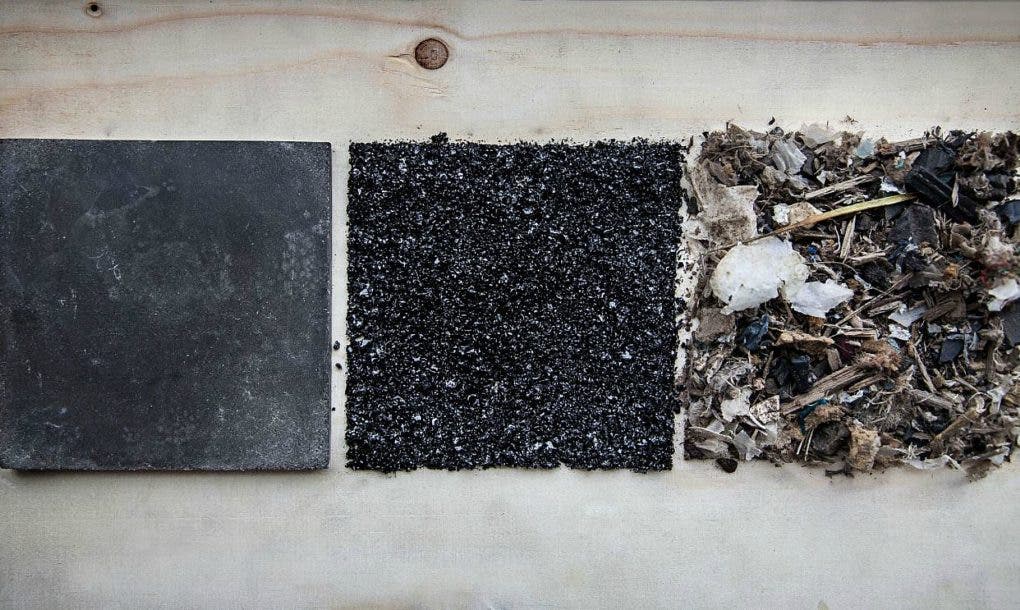
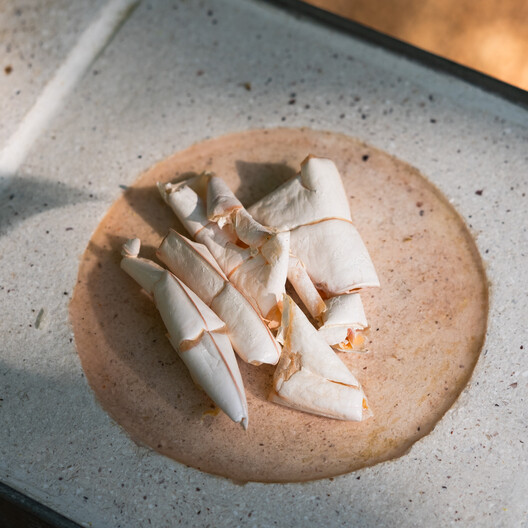
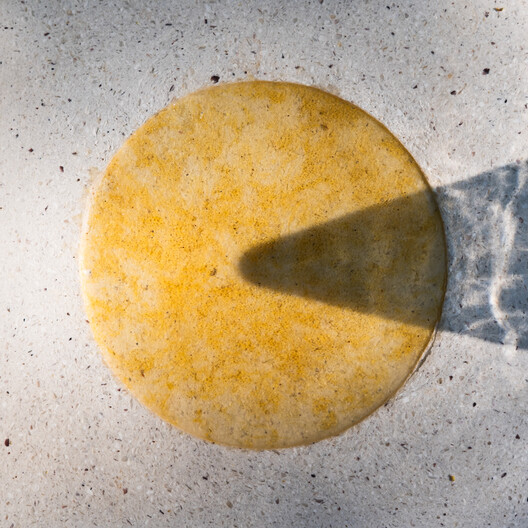
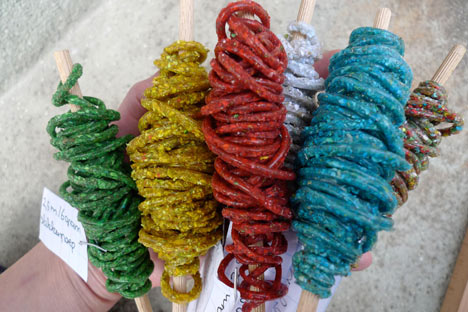
The project leverages the abundant availability of eggshells, easily sourced from local bakeries and restaurants. The primary component of eggshells, calcium carbonate (CaCO₃), is a key ingredient in cement, known for its strong binding and hardening properties. The manufacturing process for Re:shell involves several steps: washing, drying, and grinding the eggshells into a fine powder. This powder is then combined with natural additives to enhance its characteristics. For instance, red clay is incorporated to improve durability, wheat bran is used to achieve a smoother texture, and straw is added to increase flexibility and reduce weight. This careful selection of natural components ensures the material's sustainability and biodegradability.
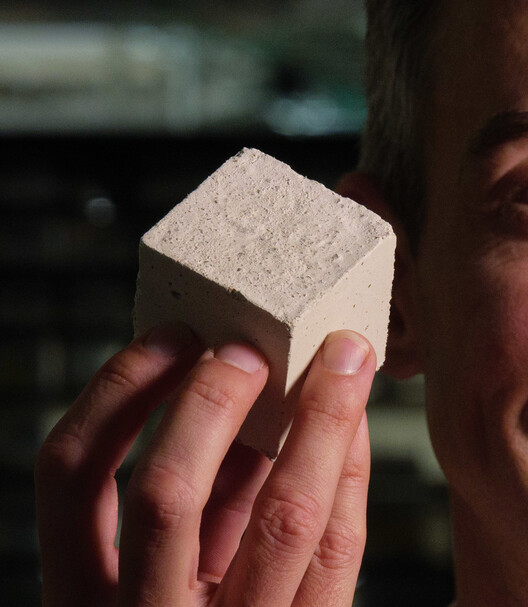
Strength tests conducted on the Re:shell material have demonstrated exceptional hardness, indicating its potential for various construction applications. Crucially, when buried in soil, the material exhibits clear signs of natural decomposition, affirming its zero-residual waste characteristic. This complete biodegradability is a cornerstone of its sustainable design. The design philosophy guiding the Re:shell project is deeply rooted in traditional Korean architectural principles, which emphasize the harmony between nature and human life. This inspiration is reflected in the material's versatile and scalable applications.
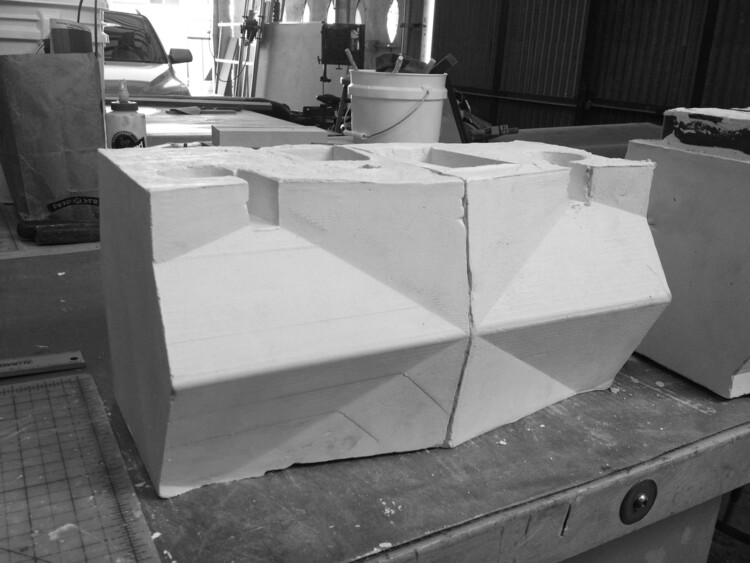
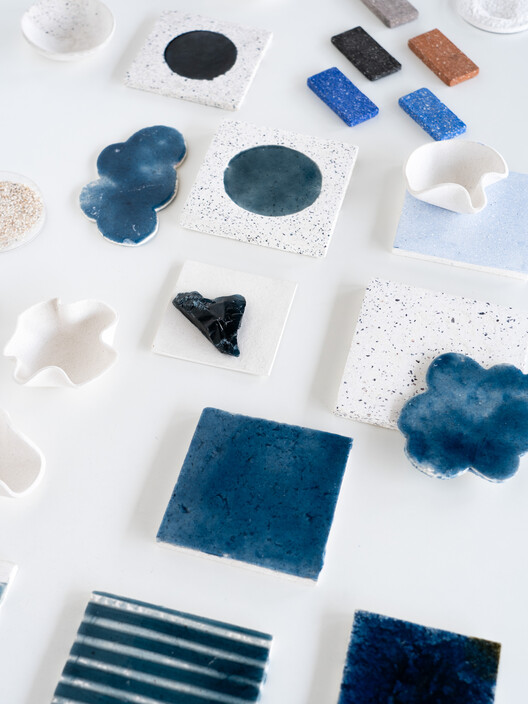
Prototypes developed by the team showcase a broad range of potential uses for Re:shell. These include small-scale products, interior partitions, and even exterior facades. The modular and adaptable nature of the bricks echoes Korean traditions, such as the portable soban table and flexible room layouts, highlighting the material's potential for diverse design needs. The team's future aspirations for Re:shell include developing effective waterproofing solutions that do not compromise its 100% biodegradability. Additionally, they aim to further explore and validate its potential as a structural building material, which would significantly expand its impact on sustainable construction practices.
#SustainableBuildingMaterials #EggshellRecycling #ModularBricks #BiodegradableMaterials #ConstructionWasteManagement #ZeroWasteComposite #KoreanDesignInnovation #LivingDesignLab #EcoFriendlyArchitecture #SustainableBuildingMaterials #EggshellRecycling #ModularBricks #BiodegradableMaterials #ConstructionWasteManagement #ZeroWasteComposite #KoreanDesignInnovation #LivingDesignLab #EcoFriendlyArchitecture
Há 0 comentários no total
 Ainda não há comentários
Você também pode gostar
11 Recycled Building Materials Made From Trash

The BioBased concrete tiles cut carbon emissions and waste


Floor tiles made of coloured snail poo by Lieske Schreuder
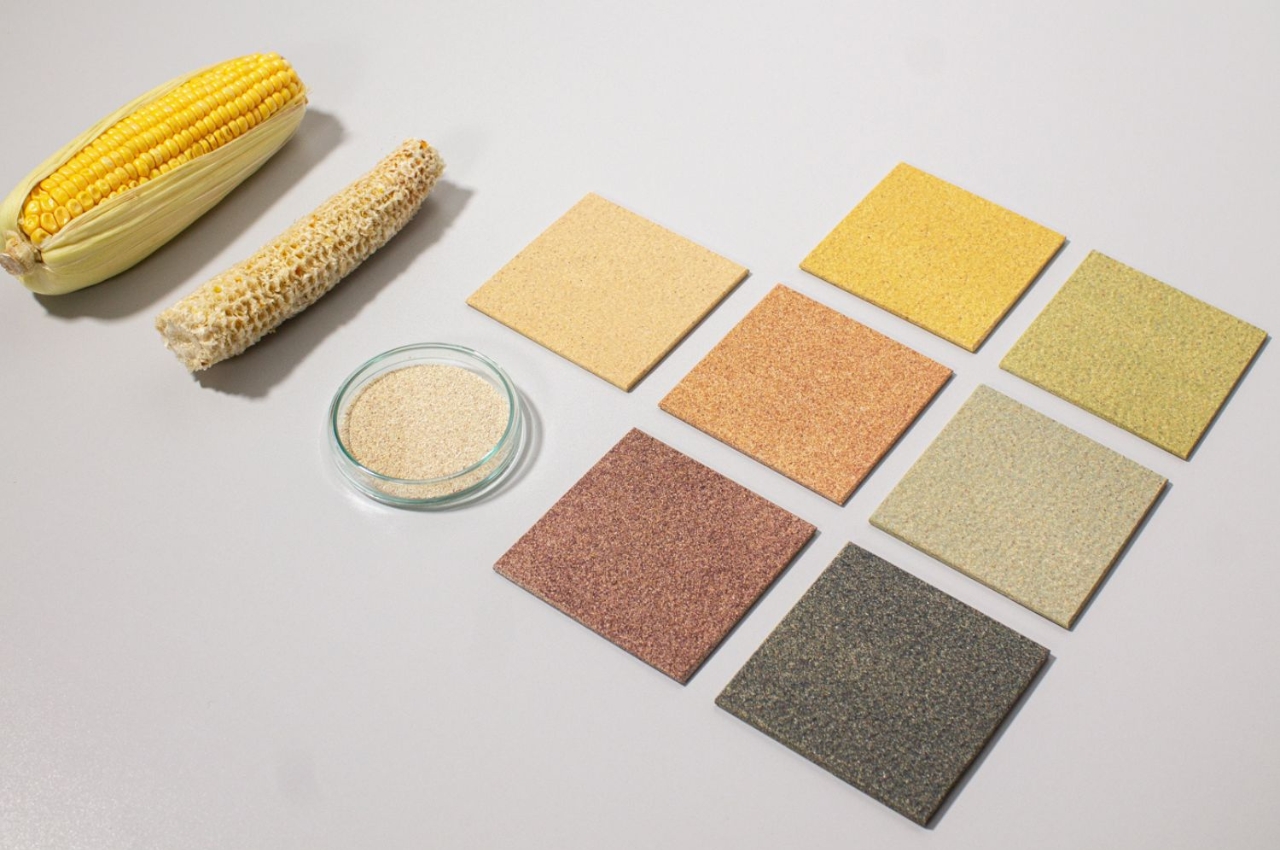
Wall cladding made from corn cob waste brings sustainable construction materials

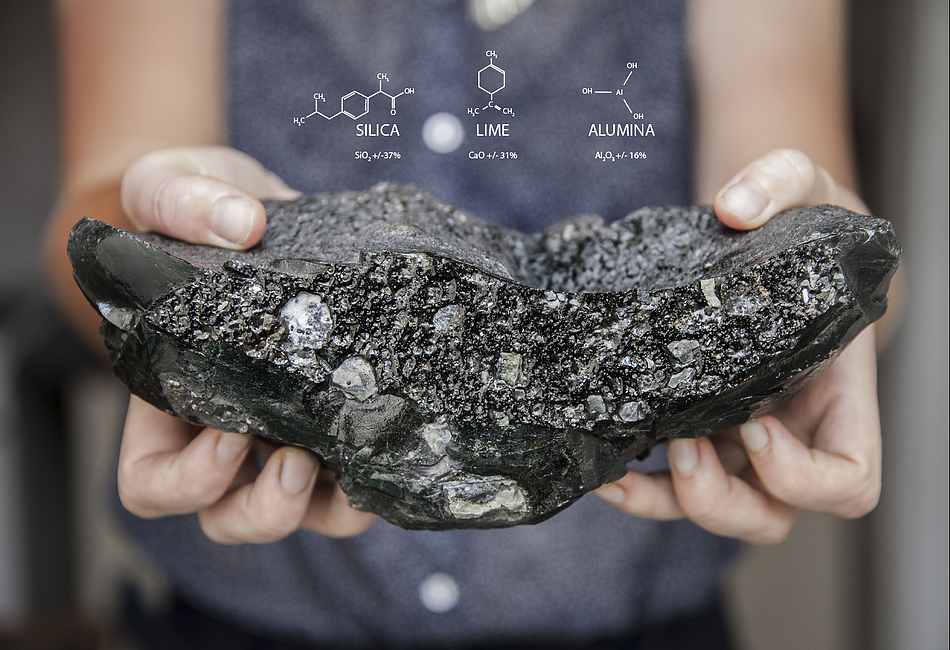
Eco-designer turns landfill waste into ‘plasma rock’ — a sustainable, all-purpose material

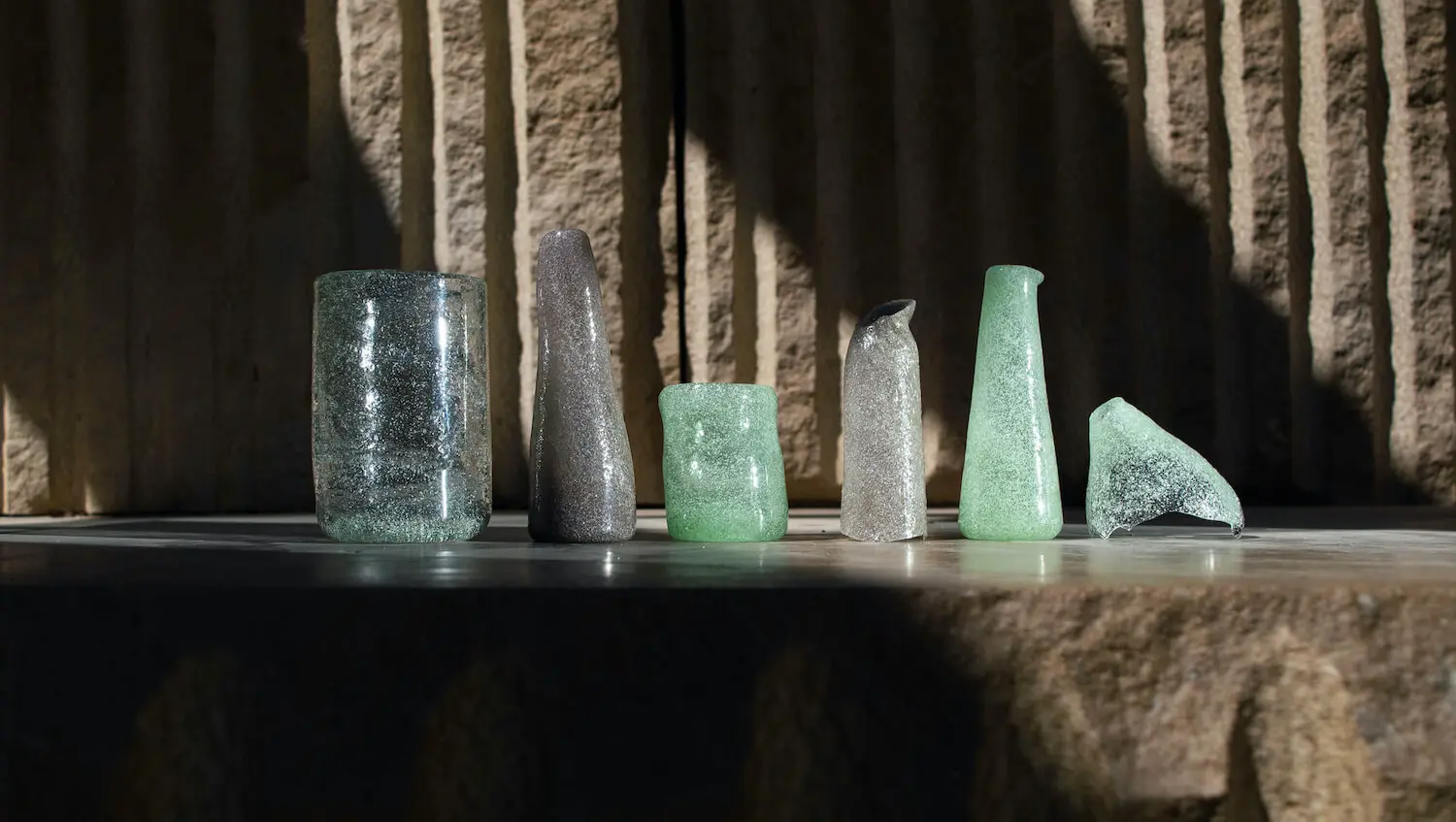
Studio Peipei’s vases use sustainable glass made from seashells

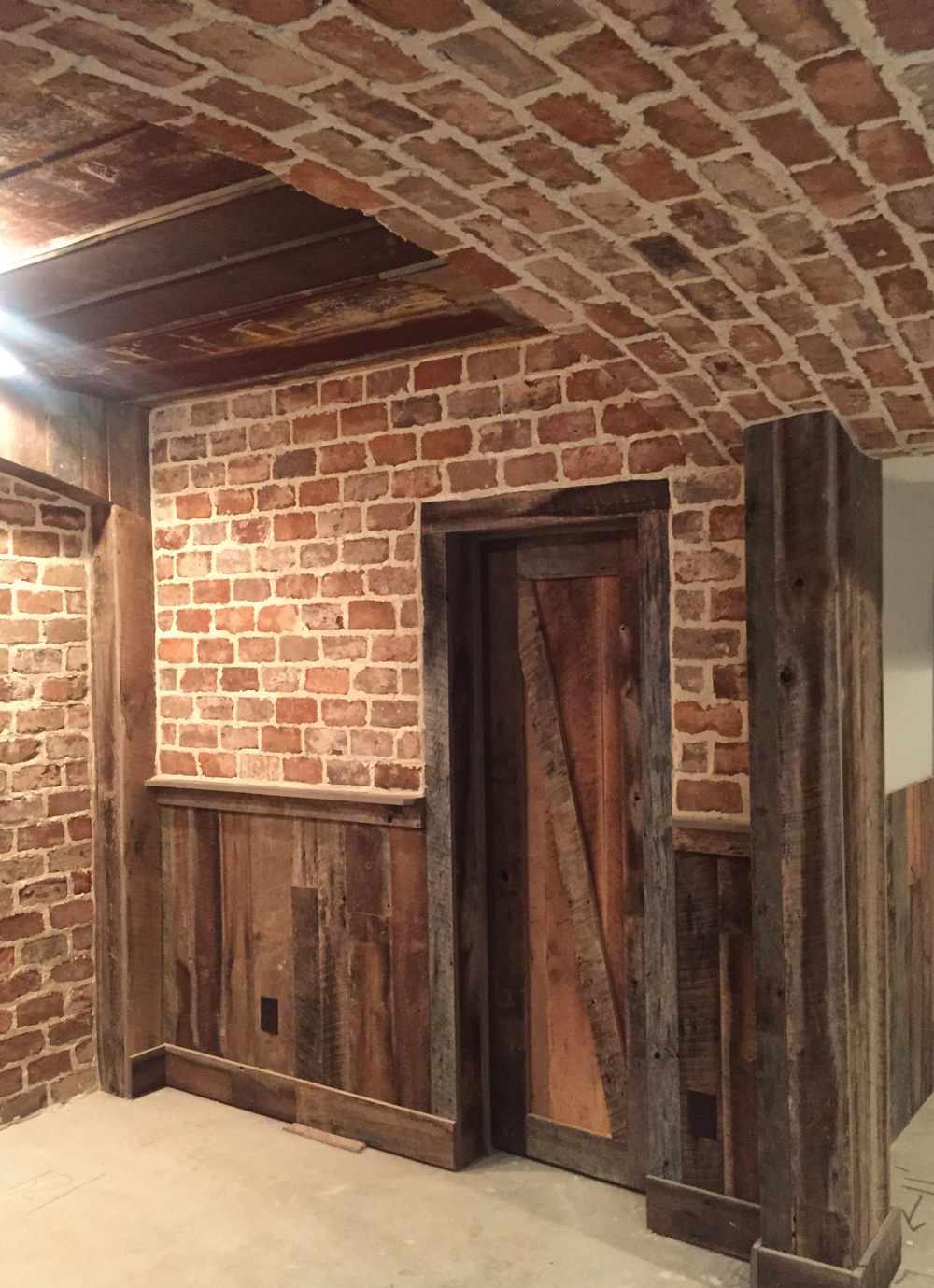
Want to make a new home look historic? Salvaged bricks can do the trick.
FabBRICK reinvents construction materials with recycled textile waste
10 Start-ups Creating Innovative and Sustainable Building Materials, from Mycelium Bricks to Water Purifying Tiles

Building with earth could transform sustainable construction – here’s how

10 Ways to Use Recycled Materials in Your Home Reno

Saving the earth: making the case for rammed earth architecture
Top 10 Things to Recycle at Your Construction Site
For These Designers and Homebuilders, the Best Materials Are Ones That Have Already Been Used

7 Concrete Alternatives
The Sand Castle -Bar Harbor, Maine

Reimagining Lisbon’s Azulejos: Regenerative Biomaterial Tiles from the Tagus River


10 Innovative Materials Poised to Make Home Building More Sustainable
This rammed earth home in India uses recycled materials throughout
W Tiles: Behind the Great Walls