1/12
RCA Product Design Student Invents Stone-Like Material Made from Fish Scales
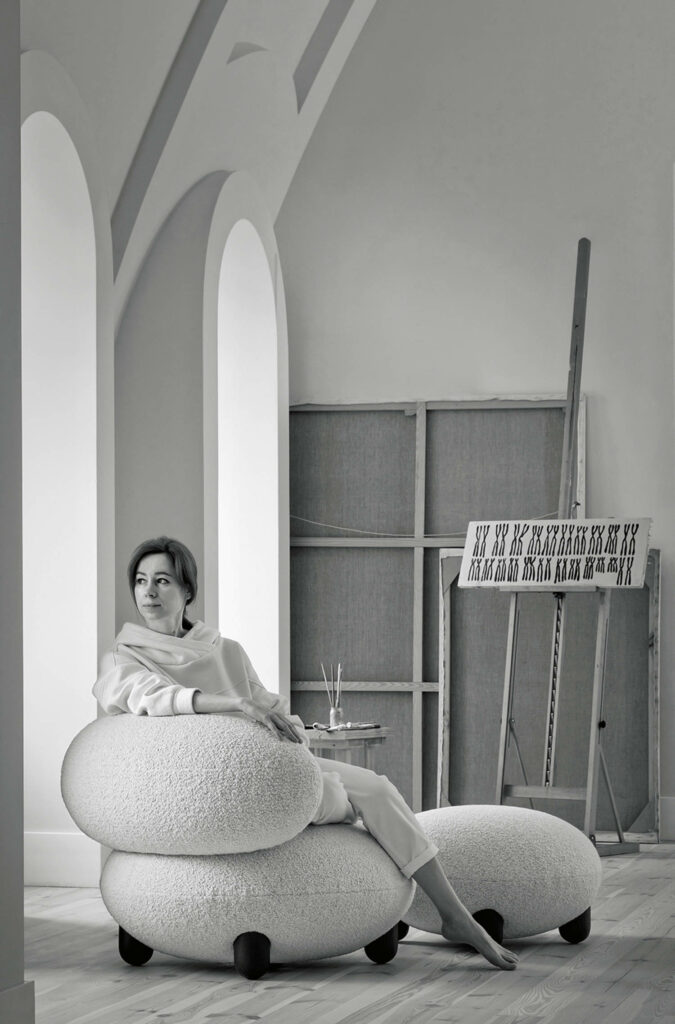
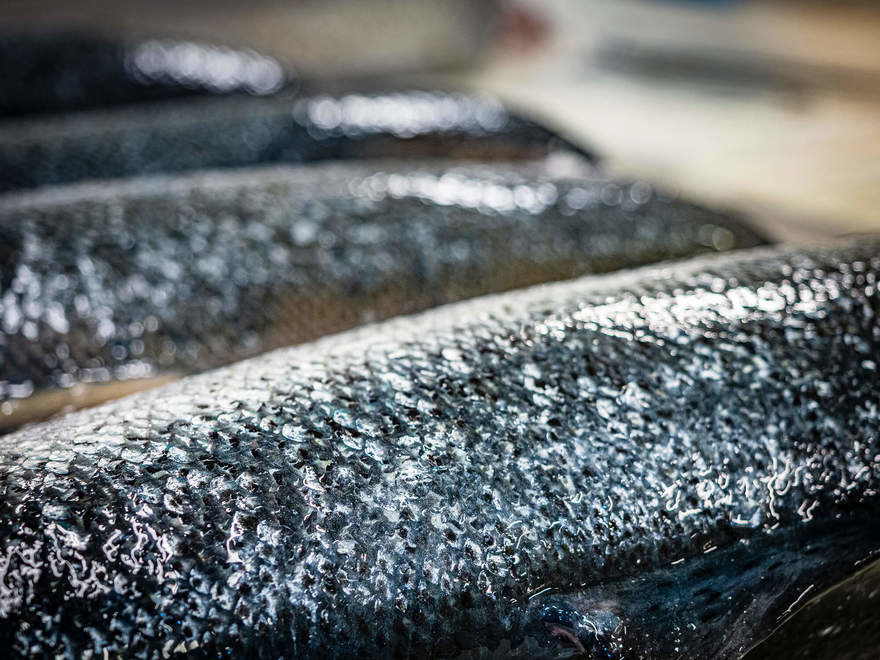
Erik de Laurens, a former Master's student in Product Design at the Royal College of Art (RCA), has developed an innovative and sustainable material named Scalite, derived entirely from fish scales. His work addresses the growing need for environmentally friendly materials in various industries, including interior design and construction. The inspiration for Scalite came from de Laurens's search for a sustainable raw material, leading him to explore the potential of fish scales, which are a significant waste product of the fishing industry and are largely undervalued.
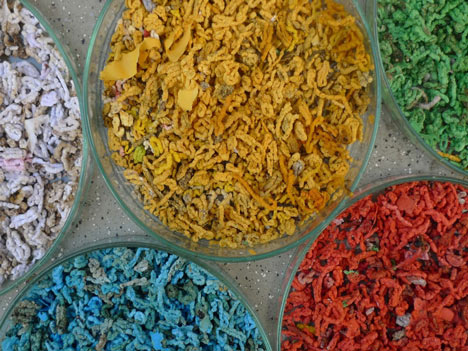
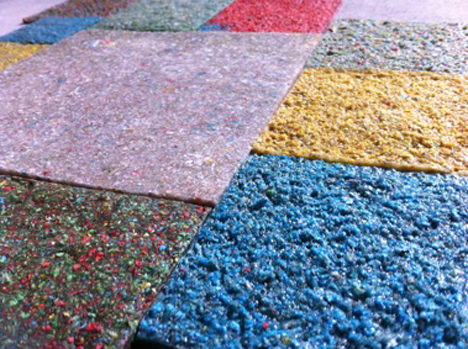
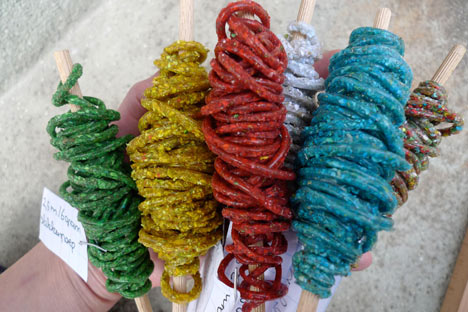
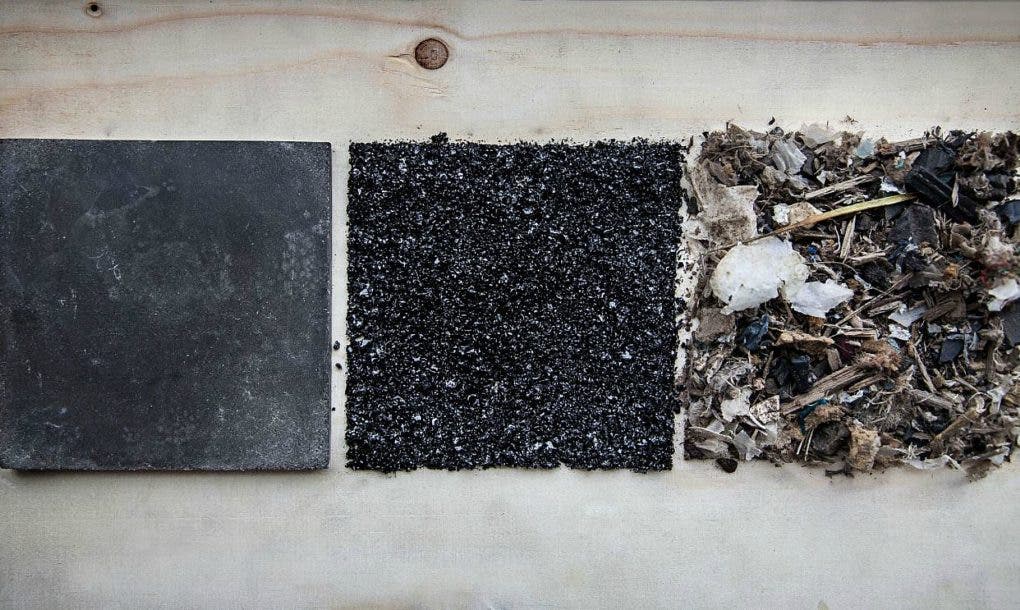
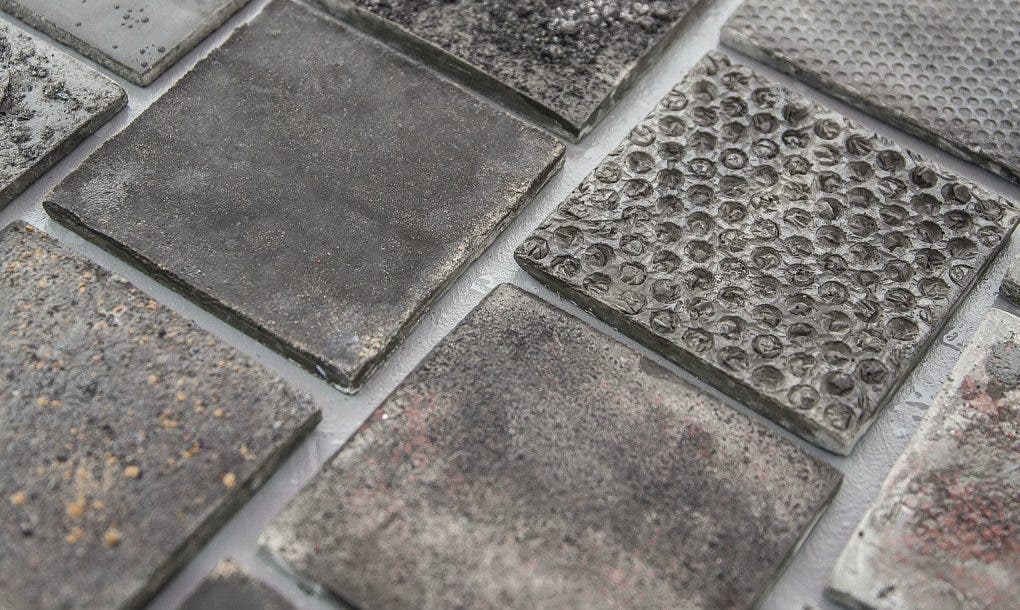
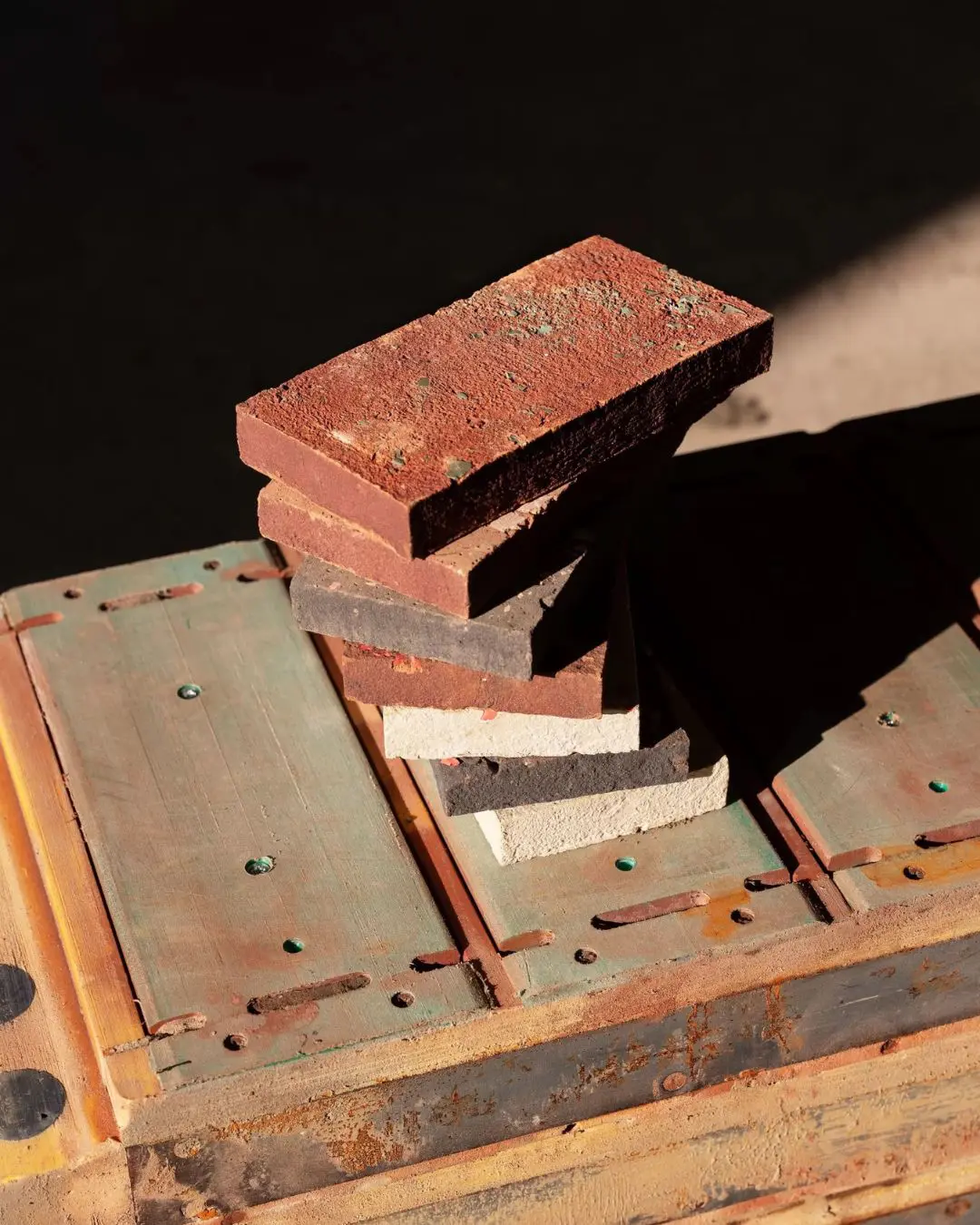
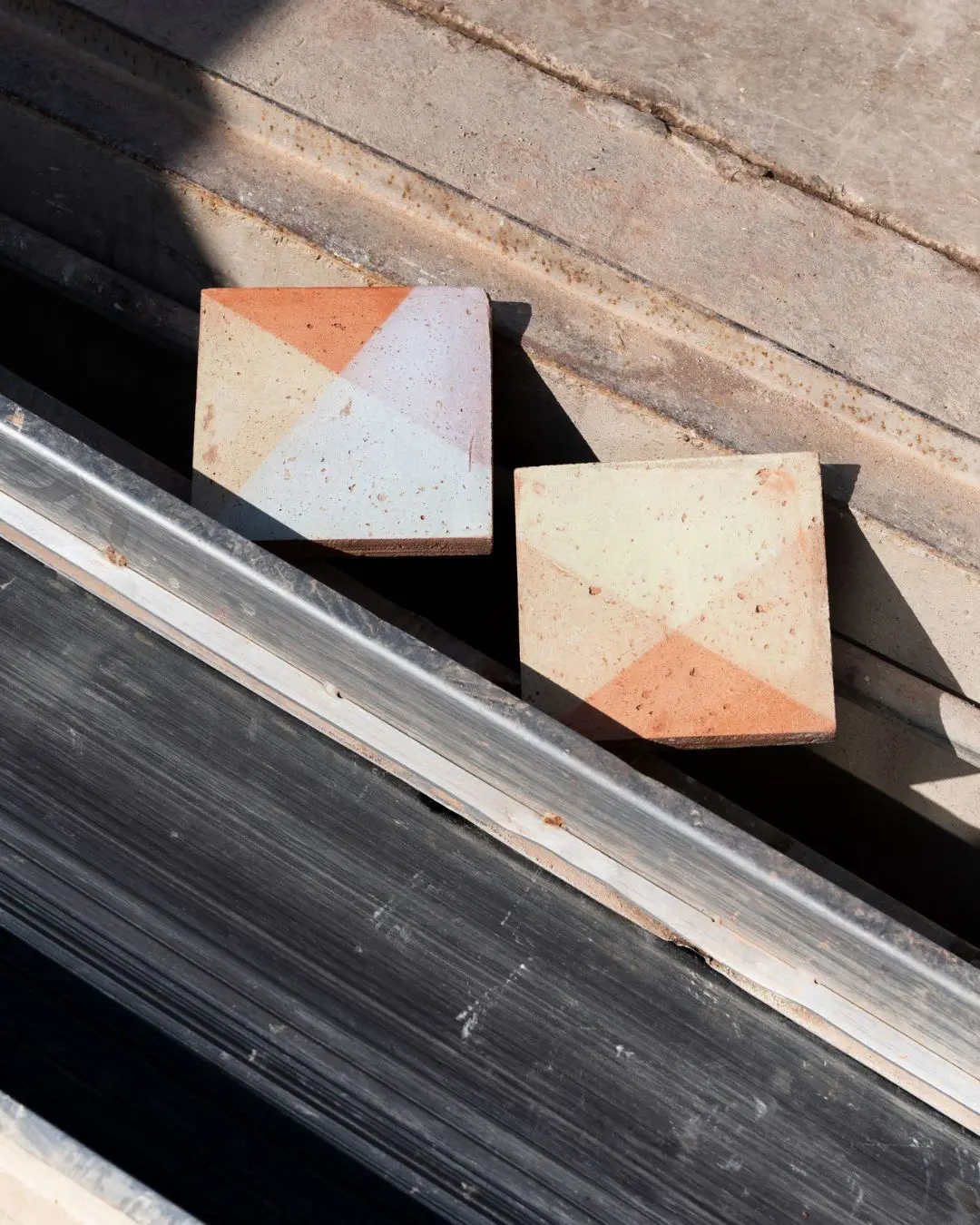
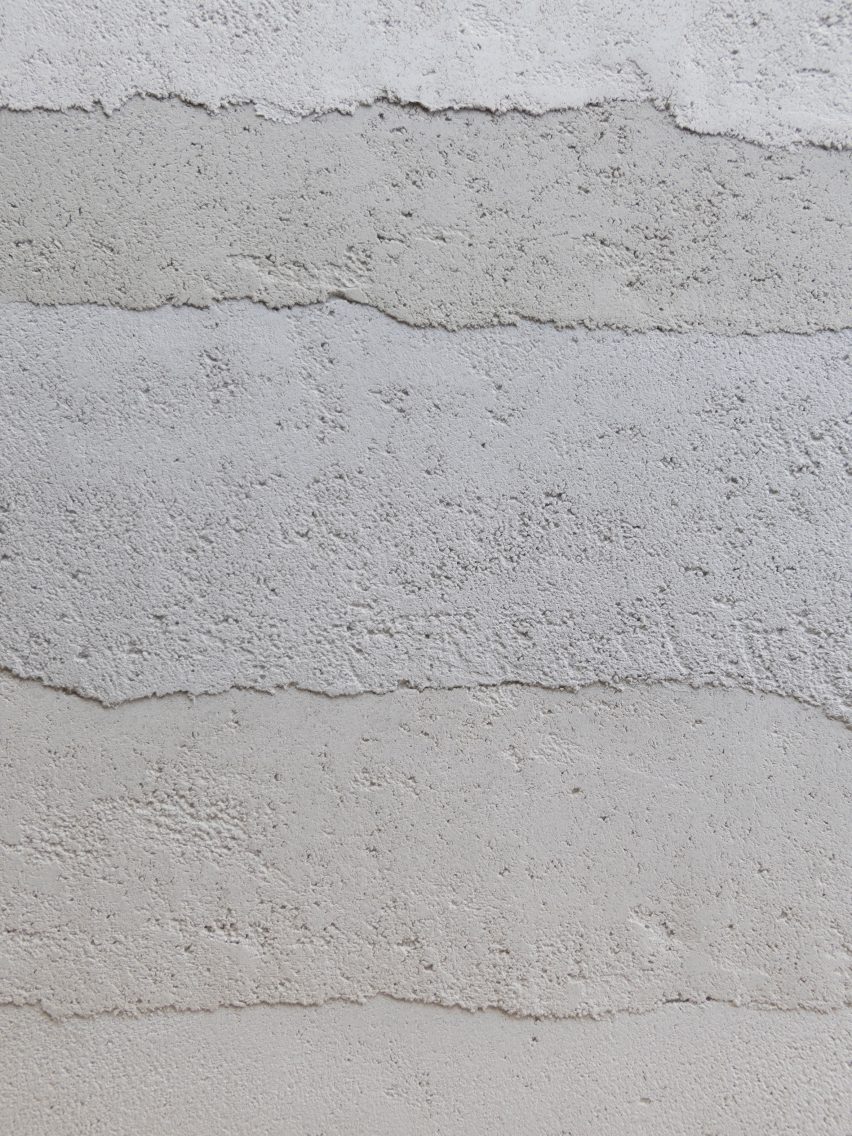
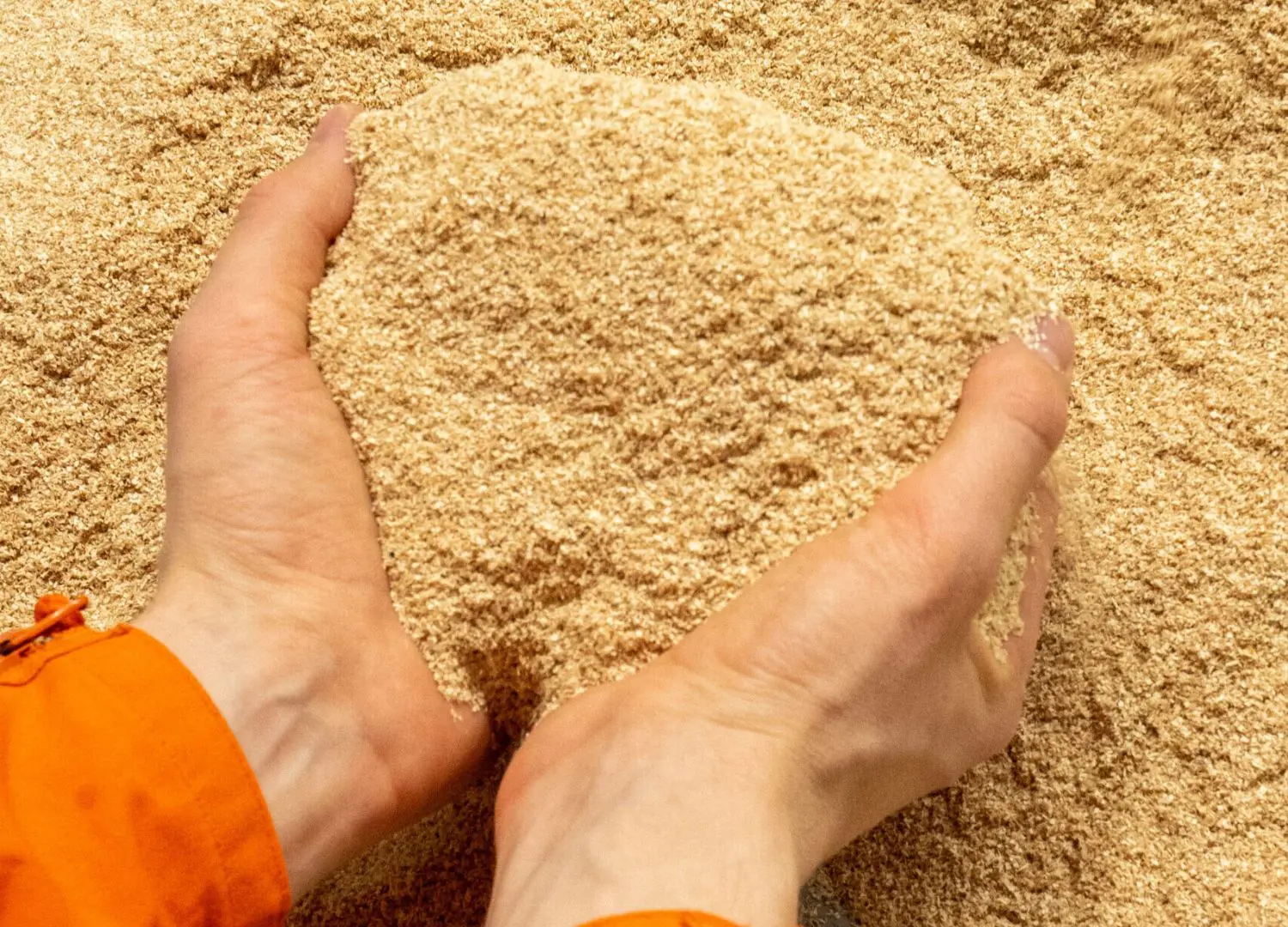
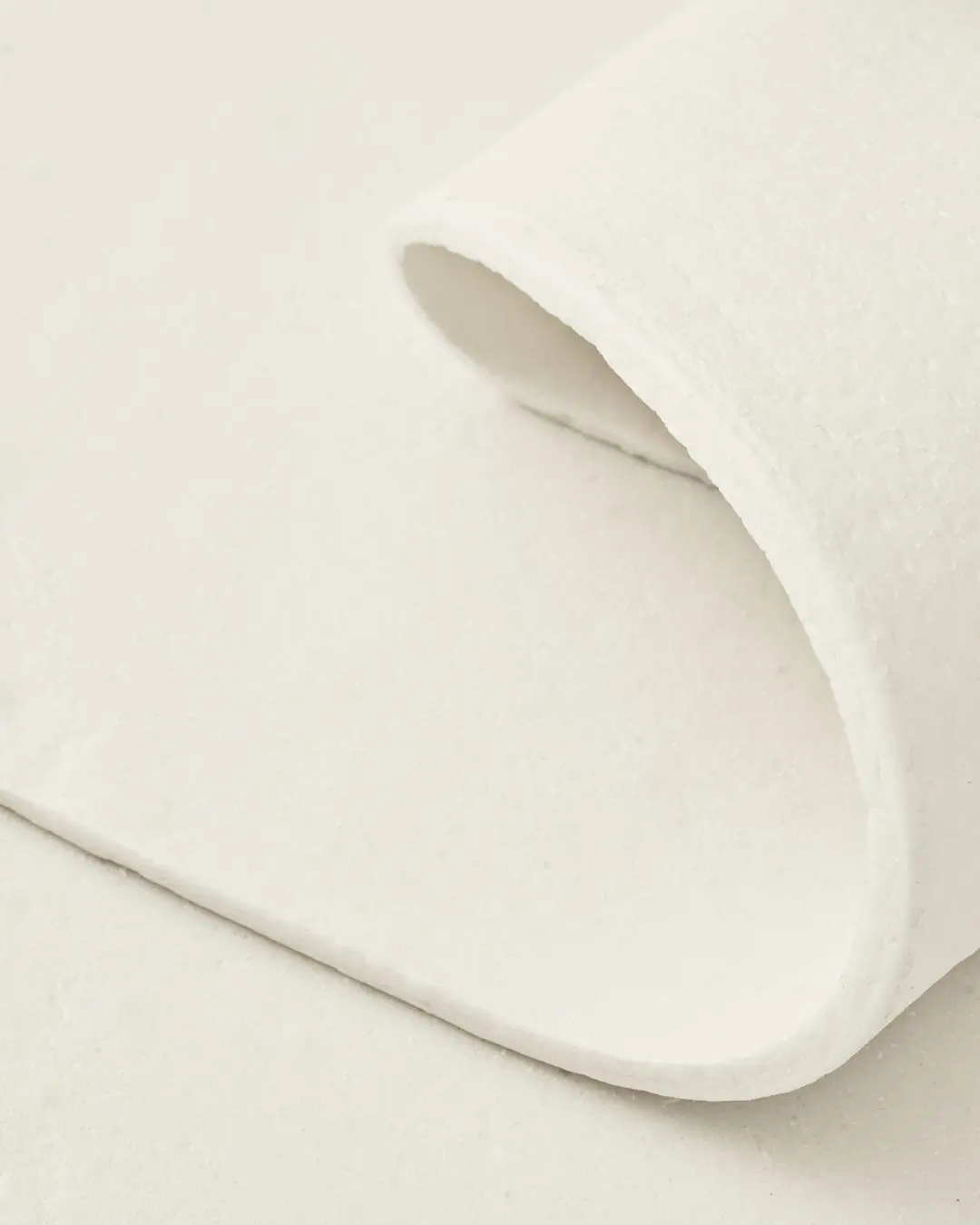
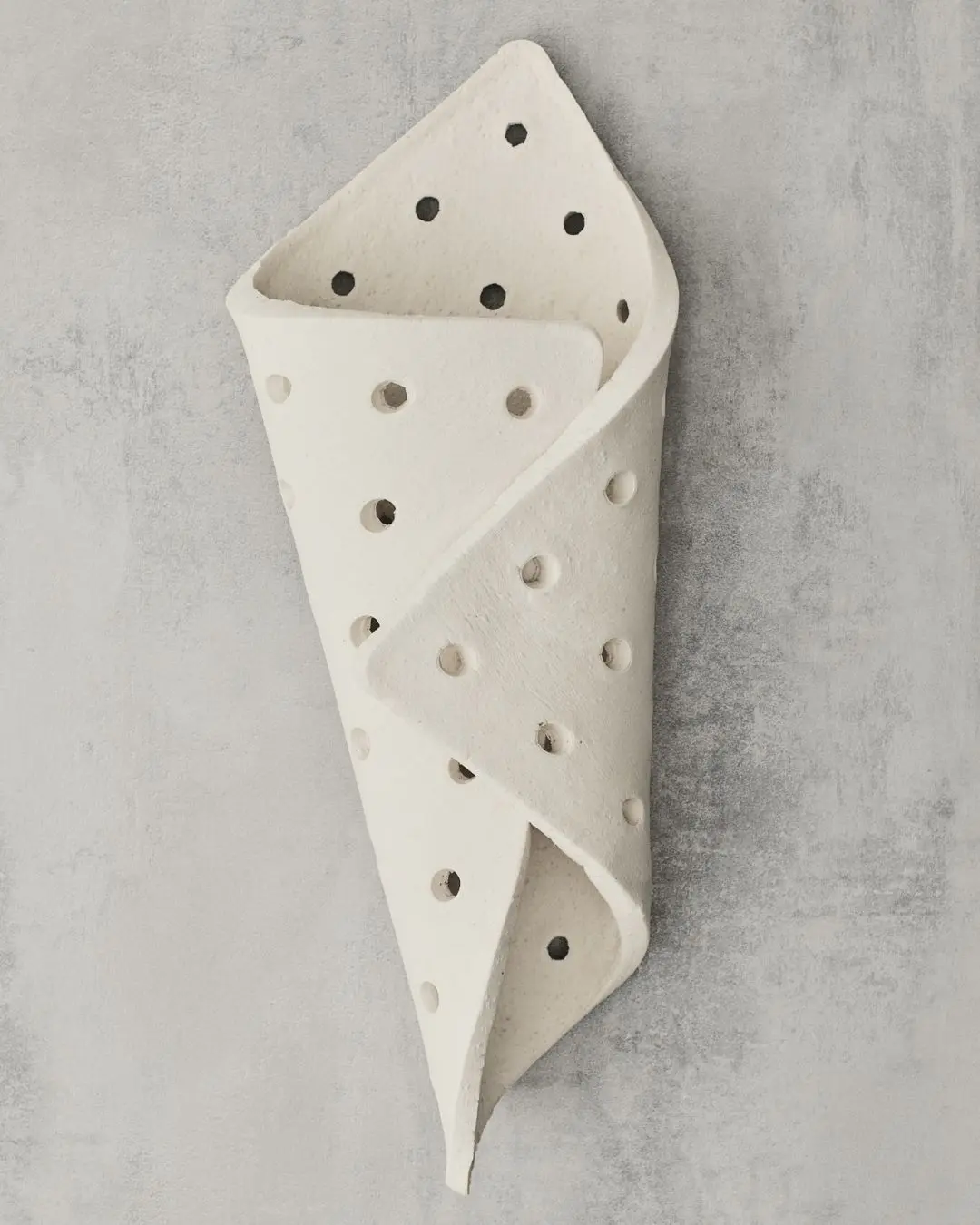
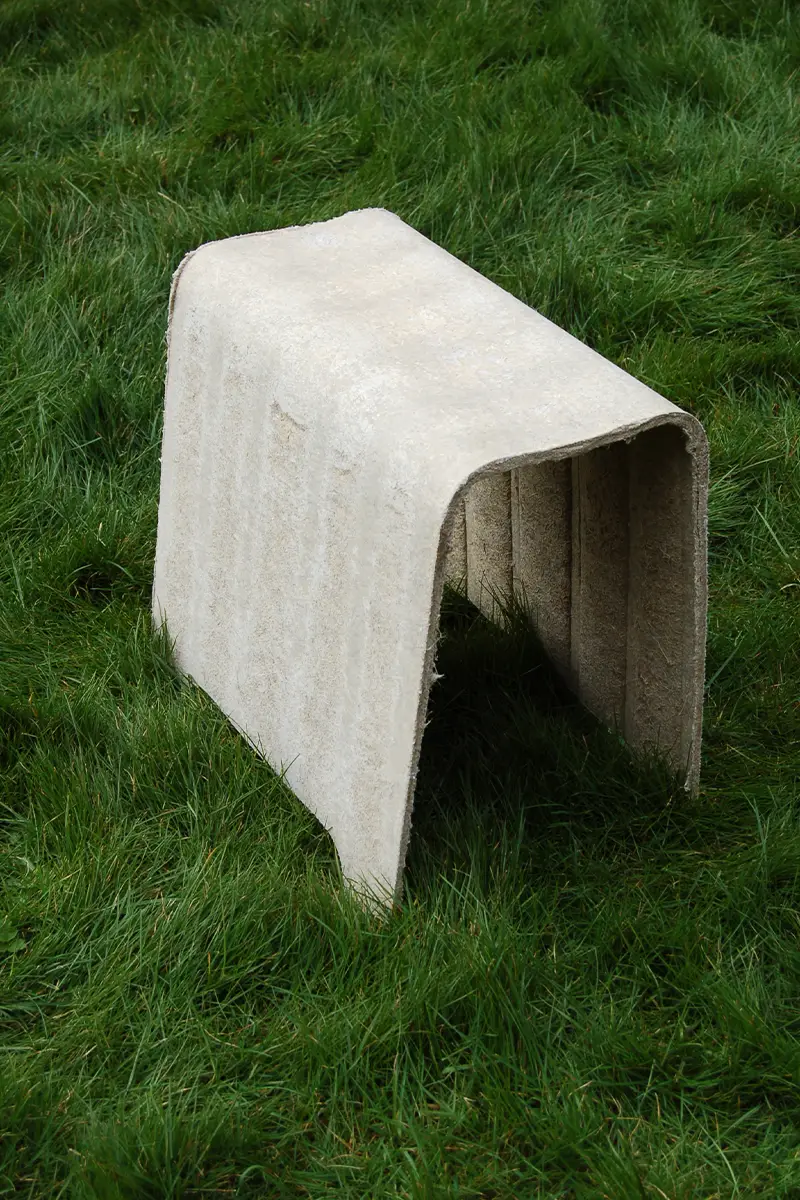
De Laurens discovered that fish scales naturally contain a polymer, which he learned to extract. This extracted polymer is then combined with the mineral elements also present in the scales. The resulting powder undergoes a compression process, transforming it into sheets or tiles that possess characteristics akin to natural stone. The naming of 'Scalite' is a deliberate reference to early plastics like Bakelite, highlighting its foundational role as a novel material.
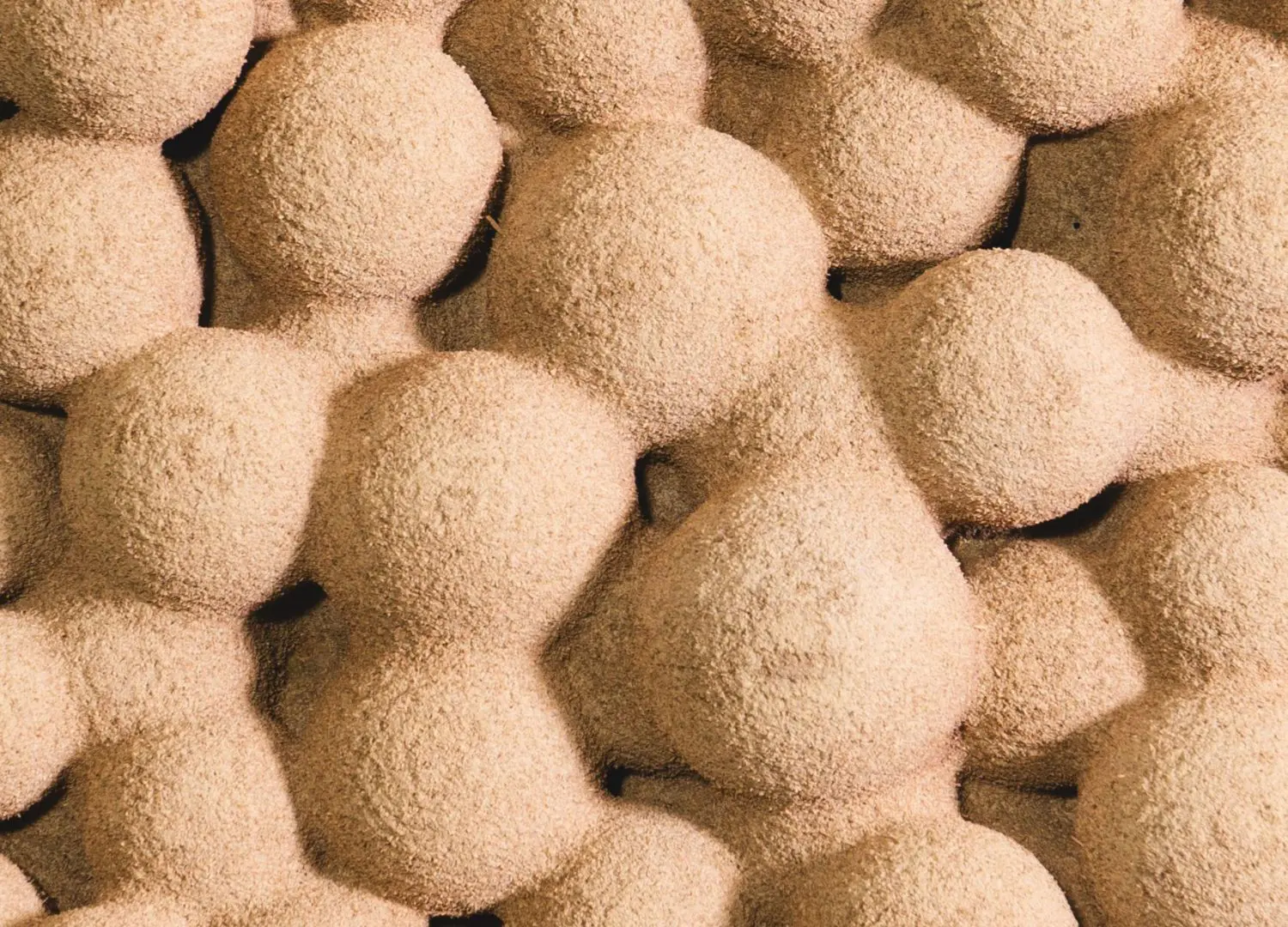
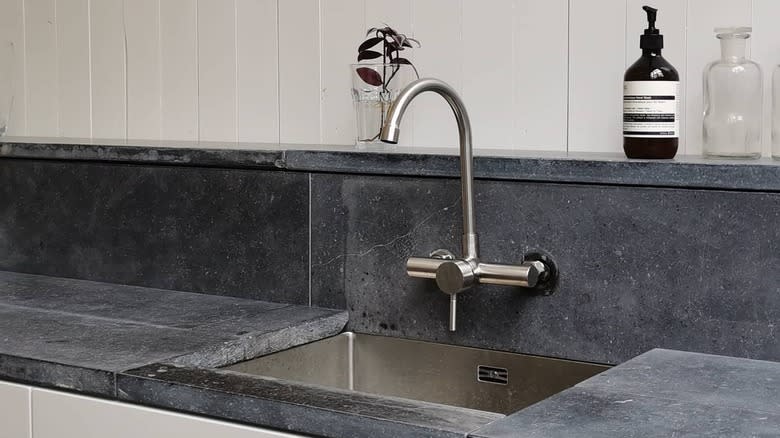
Following his graduation, de Laurens established a company, also named Scalite, to commercialize this material. The company currently offers Scalite in tile form, primarily targeting interior applications. The material boasts impressive environmental credentials; it is 100% bio-based, requiring no chemical additives in its production, and it repurposes a readily available waste product. Beyond its sustainability, Scalite is also aesthetically pleasing, offering a unique visual and tactile quality suitable for modern interior finishes.
The development of Scalite represents a significant step forward in material innovation, showcasing how industrial design can leverage waste streams to create valuable, eco-conscious products. By transforming what was once discarded into a durable and attractive material, de Laurens's work contributes to a circular economy model. The material's application in interior design signifies its potential to replace less sustainable options while offering a distinct aesthetic. This innovation not only provides a practical solution for waste management but also expands the palette of sustainable materials available to designers and architects.
#ProductDesign #SustainableMaterials #FishScales #BioBasedMaterial #MaterialInnovation #CircularEconomy #InteriorDesign #WasteUtilization #RCAAlumni #ProductDesign #SustainableMaterials #FishScales #BioBasedMaterial #MaterialInnovation #CircularEconomy #InteriorDesign #WasteUtilization #RCAAlumni
Há 0 comentários no total
 Ainda não há comentários
Você também pode gostar
Floor tiles made of coloured snail poo by Lieske Schreuder
When it comes to terracotta, we need to think big

Anthro Is Making Scallops and Zigzags the New "It" Shapes

Designers Say This Unexpected Countertop Material Is A Smart Long‑term Investment

Eco-designer turns landfill waste into ‘plasma rock’ — a sustainable, all-purpose material

Material Innovation At Its Best: Explore Design Standouts

3D Printing and Fabrics: The Unique Design Process Behind the Forma Fabrica Vase Collection
Studio Peipei’s vases use sustainable glass made from seashells
FabBRICK reinvents construction materials with recycled textile waste
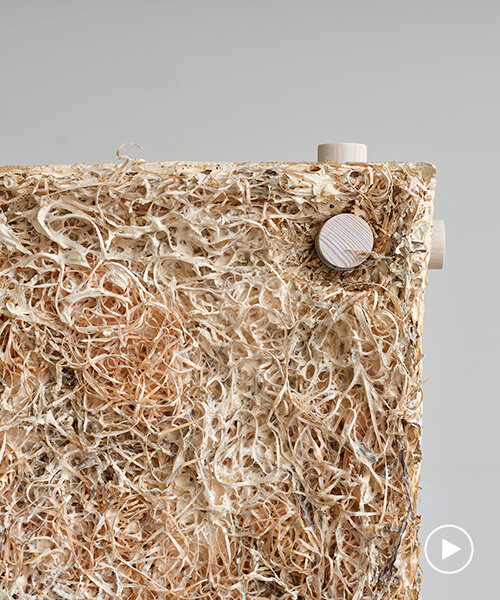
jonas edvard crafts sound-absorbing panel from mushroom mycelium, hemp, and willow
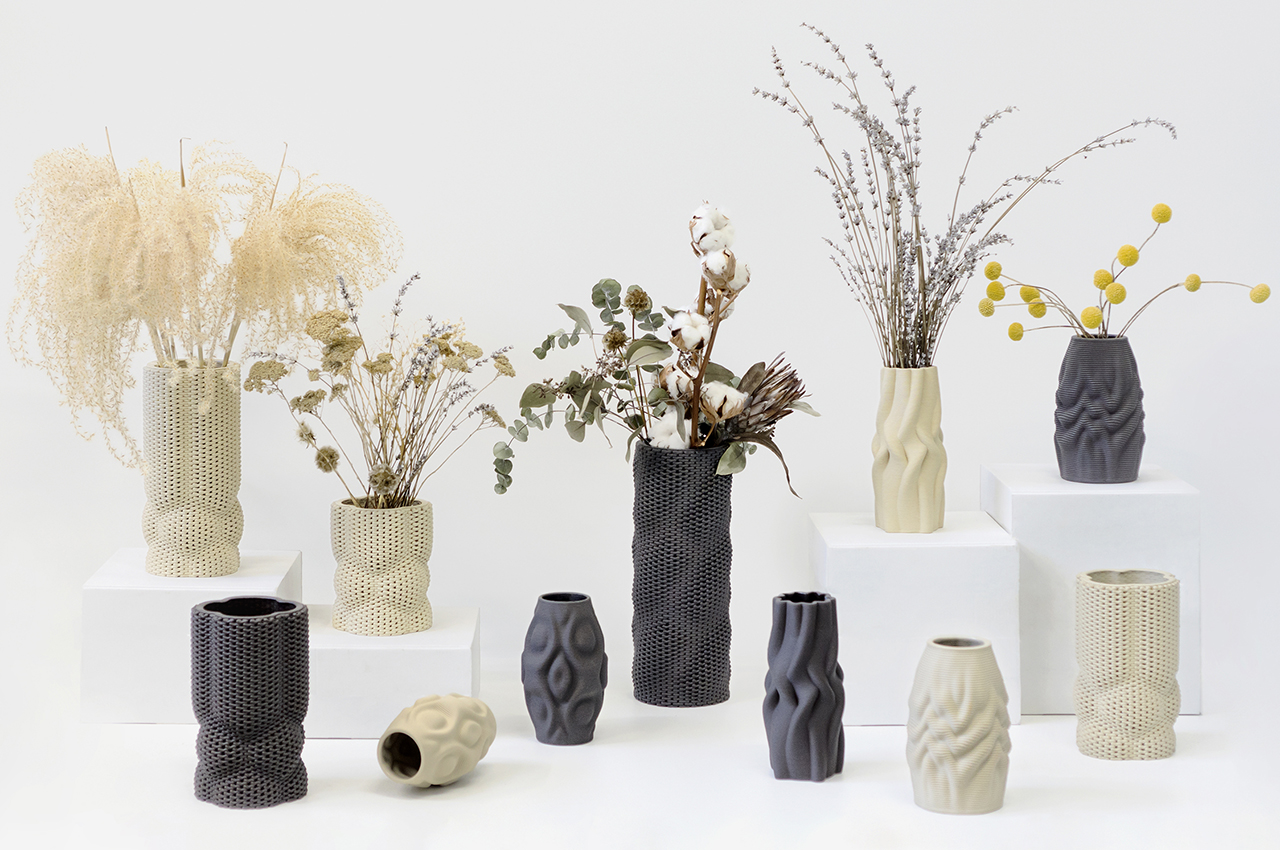
3D-Printed Ceramic Vases That Mimic Nature’s Patterns
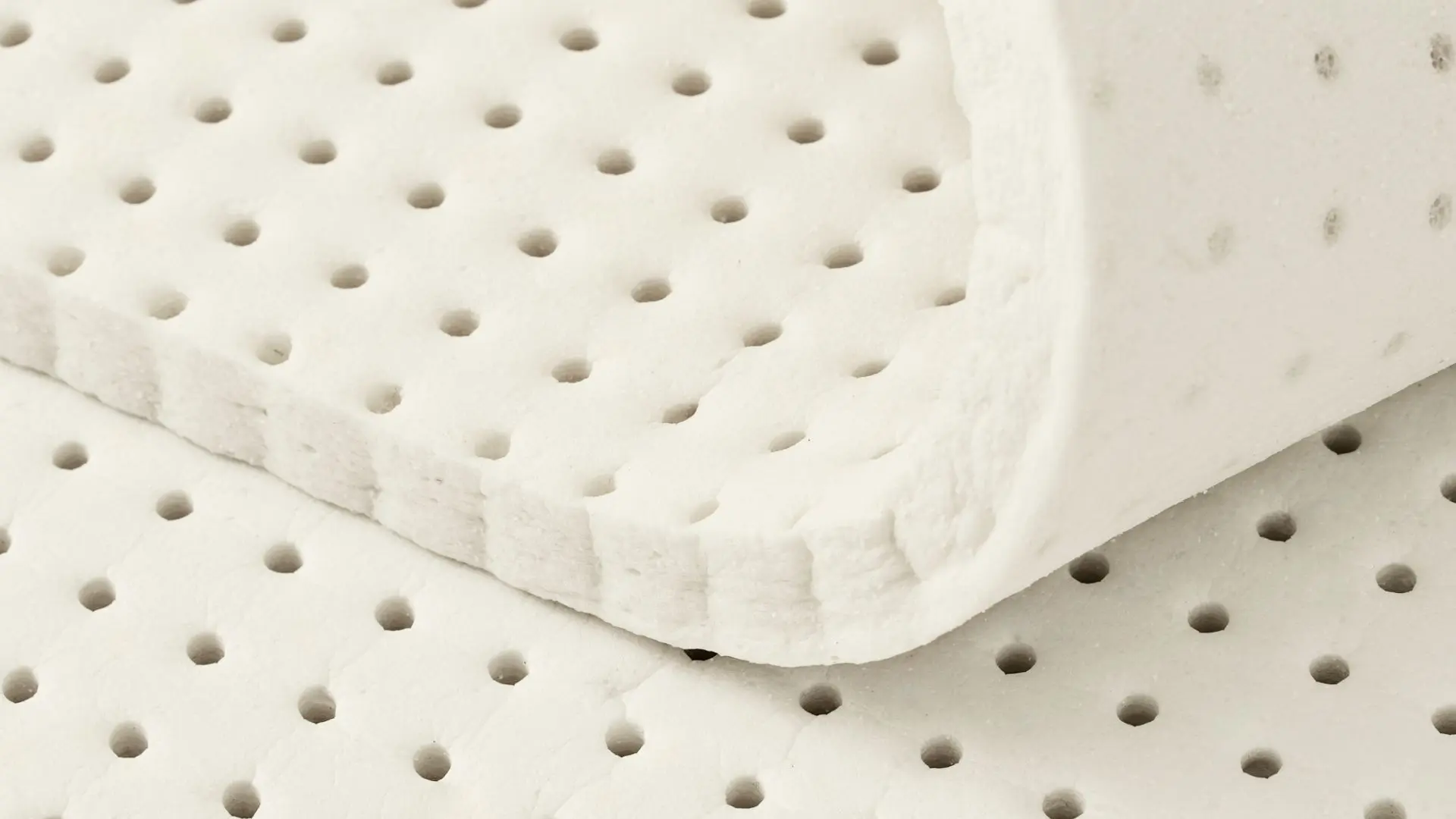
A next-generation material for sustainable padding applications
Could ‘seawool’ – a textile made from mussel waste – be part of the future of sustainable design?
Armourcoat creates durable clay wall covering as "ecological alternative to paint"
econitWood™ turns timber scraps into new material resources
Students Integrate Nature Into Plant-Based Design Objects
Meet the designers using revolutionary eco materials

More Practical Than Plaster and Cement: This Material Is on Our Reno Radar
Cappellini creates experimental furniture using new Bolon material
Natural binders: magnesium and potato starch make hemp products fully circular