Location, location, location: behind the Art Basel floor plan beef
The article discusses the intricacies and tensions surrounding stand placements at major art fairs like Art Basel and Frieze. The issue gained public attention when Air de Paris, a long-standing exhibitor at Art Basel since 1999, publicly withdrew from the fair due to dissatisfaction with their assigned stand. The gallery's co-founders described the process as "brutal and unfair" after declining a new location that was then "imposed" upon them.
Vincenzo de Bellis, Art Basel’s chief artistic officer and global director of fairs, offered a different perspective, stating that stand placement is outlined in the fair's rules and regulations, and galleries are frequently moved. He noted that 58 galleries at the upcoming Art Basel fair had their stands relocated, partly due to the introduction of a new section called Premiere, which focuses on works created in the past five years. The incorporation of new sections or larger initiatives often necessitates a revamp of the fair's layout, which is a regular occurrence. Aesthetics is another significant factor in determining gallery placement, with Art Basel continuously assessing how galleries can best interact with their neighbors as their programs evolve.
Contrary to a common misconception, Art Basel's floor plans are not static. The layout design process, involving De Bellis and individual fair directors, typically spans about four months, followed by three months for exhibitors to customize their assigned spaces. While Art Basel strives for open communication regarding these changes, De Bellis acknowledges that complete satisfaction among all exhibitors is unattainable.
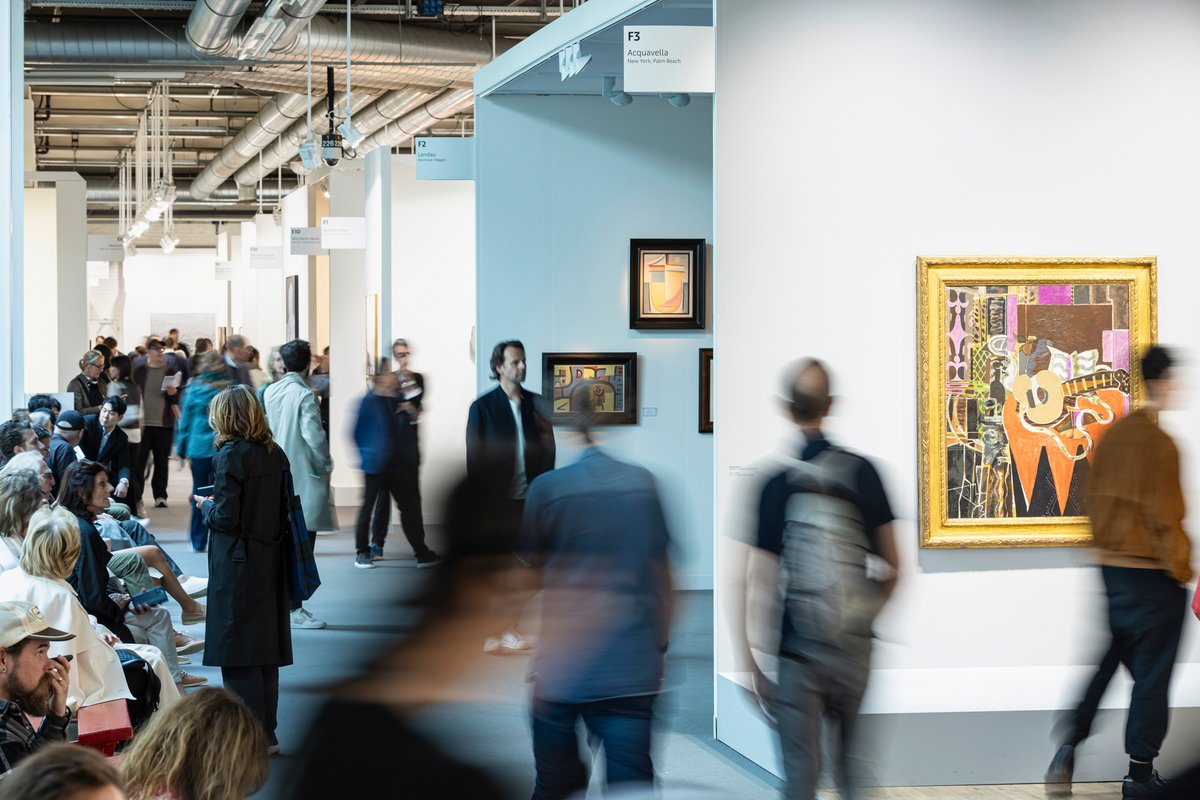
Different gallerists have varied preferences for their stand locations. Some prioritize specific configurations, such as corner units or stands allowing visitor pass-through, while others prefer to be positioned near galleries with complementary artistic programs. The overarching concern for many is visitor flow; galleries benefit significantly when the fair layout directs crowds towards their stands and can suffer when it does not. Katey Acquaro of Silverlens Galleries emphasized the importance of being in prominent locations, stating, "Off the beaten path is not a great place to be at the art fair."
Both Art Basel and Frieze have implemented changes to their floor plans to optimize visitor experience and traffic. In 2023, Art Basel Miami Beach redesigned its layout around five interior plazas to redirect foot traffic. Frieze London, in 2024, transformed its compartmentalized layout into a continuous loop, placing younger galleries near the entrance and established ones at the opposite end to ensure consistent flow. Despite positive feedback on Frieze's new layout, artistic director Eva Langret noted that grievances over stand assignments persist, handled through dialogue rather than a formal dispute resolution process.
#ArtBasel #ArtFairs #GalleryManagement #ExhibitionPlanning #VisitorExperience #ArtMarket #ArtBasel #ArtFairs #GalleryManagement #ExhibitionPlanning #VisitorExperience #ArtMarket
Há 0 comentários no total
 Ainda não há comentários
Você também pode gostar
Bolon installation by Jean Nouvel: a Q&A with the architect
Curating art for the home is an art in itself

Biophilia and Fashion Meet at a Luxury Bag Store

Design Doesn’t Have to Be Polite
Rarares Is The Ultimate Art Gallery For Interior Design Addicts

Quirky Home Decor Ideas, Inspired by the Bell Museum
A Bar in Amalfi Coast Colors, Paloma Wool’s New Store, and More Design Finds
Peek inside these artists’ amazing houses
Bouroullecs in Bretagne: the French duo present works old and new in Rennes

Are Gallery Walls Losing Their Appeal? Here's What Interior Designers Are Doing

How a Former N.F.L. Player Started Designing Sculptural Furniture (Published 2024)
A World In Technicolor Would Look Just Like This

Here’s Where Gallery Wall Enthusiasts *Actually* Shop For Artwork
Interactive floor plan: Artist studio, Australia
To Some, Boston City Hall Is An Eyesore. To These Artists, It's Inspiration
T&C Design Dispatch: New Season, New Decor Starting With RH's Fall 2023 Collection
How to Hang an Art Collection Like an Expert
There's Hanging Art, and Then There's Hanging Art Like an Interior Designer — Here's How to Do the Latter


The Vestibule, former gallery and Airbnb, reopens as Ballard art space
The One Thing You're Doing With Your Wall Art That Makes Your Home Feel Tiny, Designers Say