1/16
I Cut $9K From My Bungalow Renovation Budget by Going With Imperfect Flooring
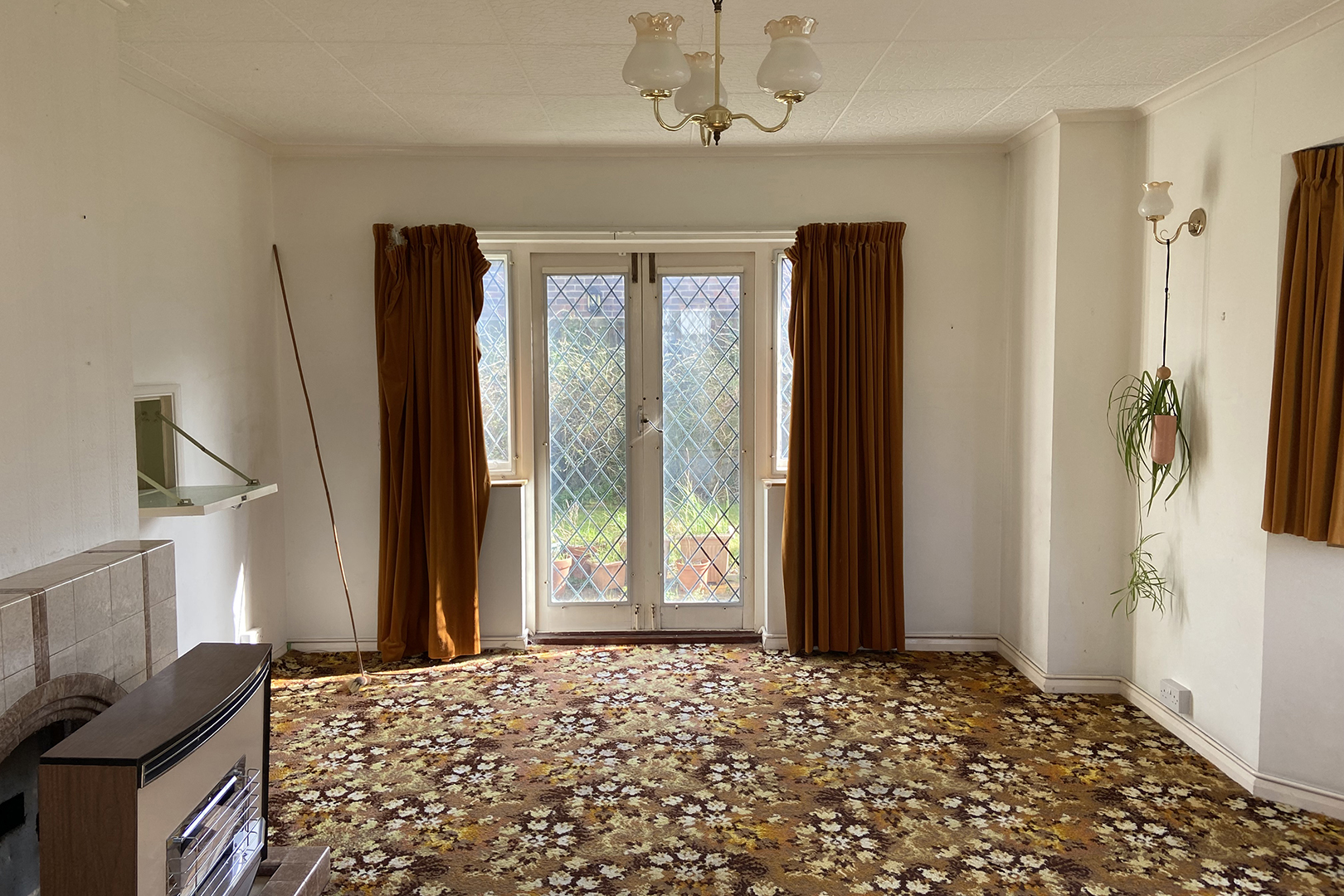
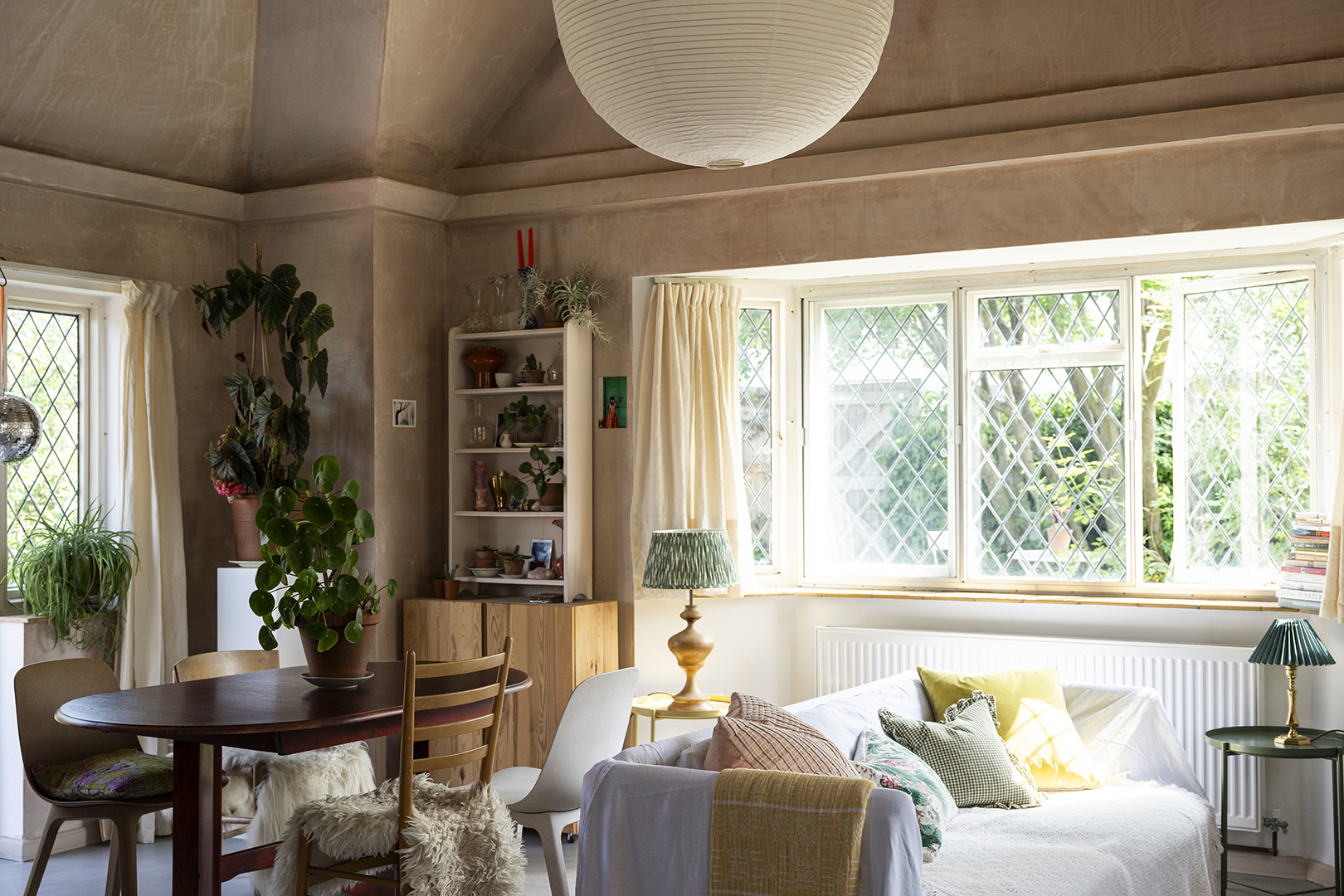
Interior stylist and author Emily Henson undertook her first major renovation of a 1,076 sqft bungalow built in 1954 in Margate, England, with a total budget of $70,000. Her primary goal was to transform the tired bungalow into a versatile live and work space, also suitable for Airbnb rentals and photoshoots. Henson, who moved from London to the Kent coast during Covid, was drawn to the bungalow's corner plot, generous wraparound garden, and abundant natural light, despite its outdated mid-century features like patterned carpets, polystyrene ceilings, and plastic wallpaper. Her renovation strategy focused on creating raw finishes that would not be too precious, acknowledging that high traffic from renters and shoots would lead to wear and tear. Henson handled many time-intensive tasks herself to stretch her budget, while hiring a builder for structural work.
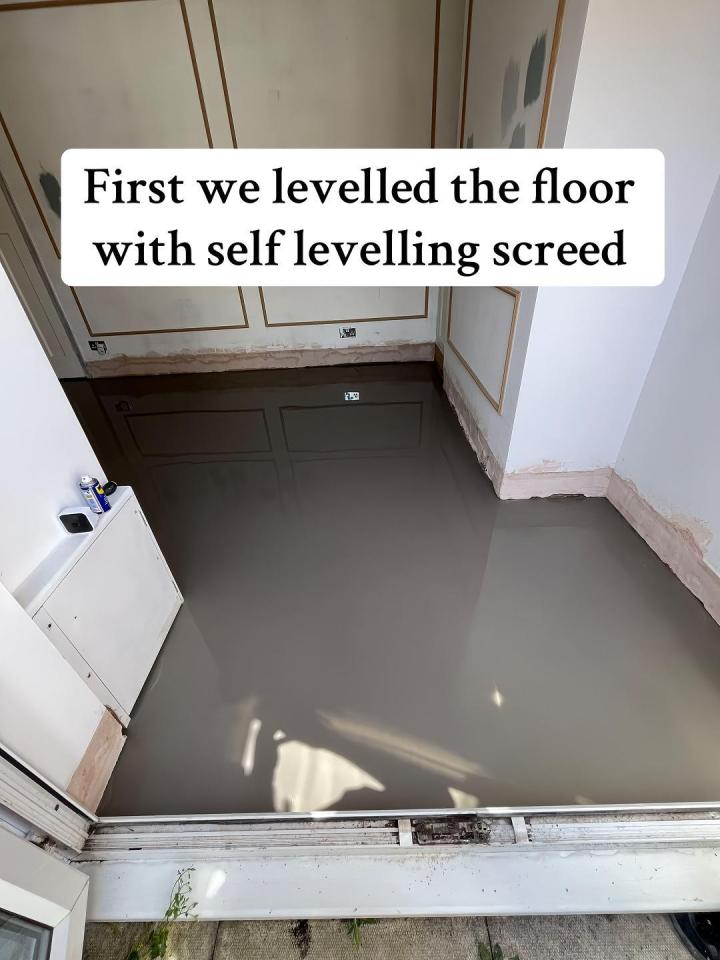
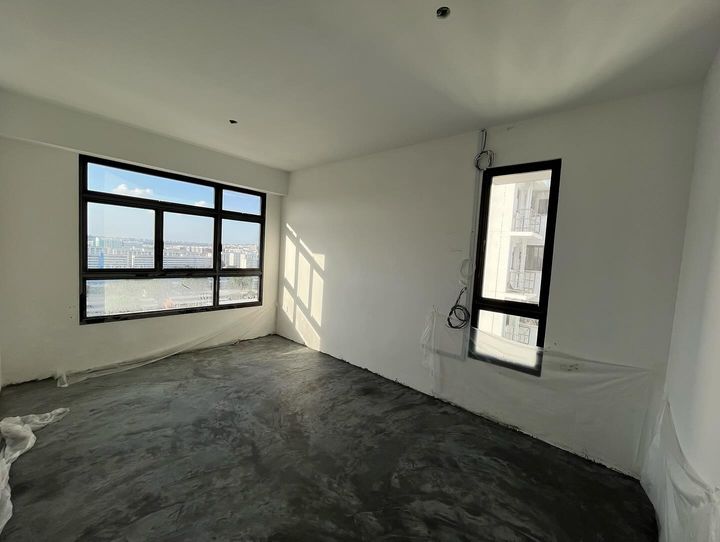
One significant budget-saving decision was the flooring. Upon removing old carpets, Henson discovered asbestos-ridden tiles. Traditional wooden flooring would have cost upwards of $10,000, and polished concrete was even more expensive. To save money, Henson opted for screed, typically used as an underlay for wooden floors. She and her ex-partner poured the self-leveling mixture themselves, costing only $700 for materials. She embraced the lumpy, imperfect appearance, saving about $9,300 compared to wooden floors.
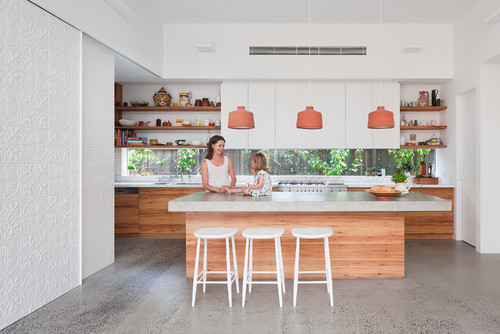
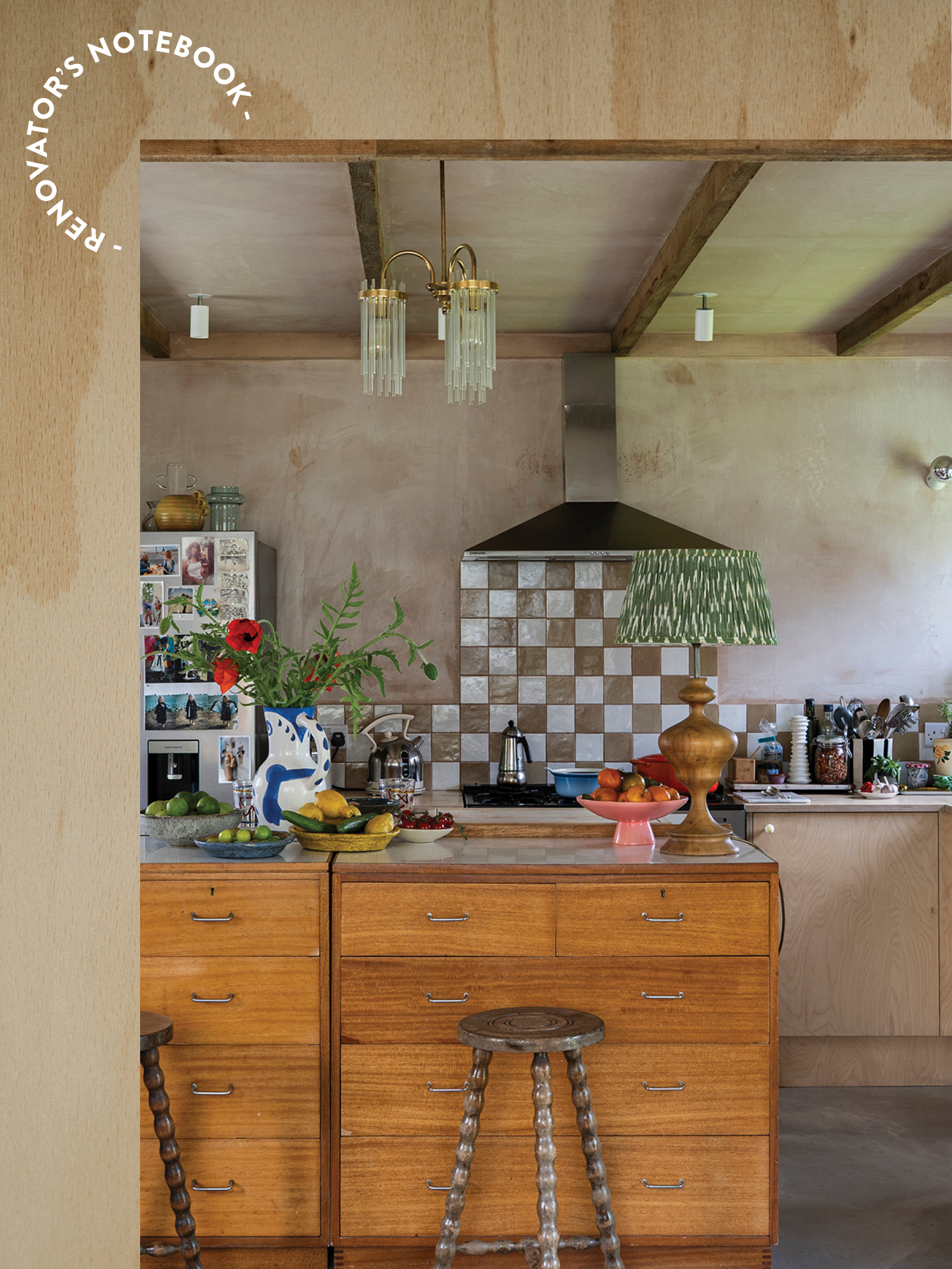
Another innovative and cost-effective transformation involved the kitchen and dining room. Following a friend's suggestion, Henson knocked through the kitchen to the dining room and removed the ceilings, exposing structural beams. This opened up the space and led to the creation of a half-level mezzanine above the kitchen, serving as a den and library. This extra space was carved out with minimal additional cost, primarily using a steel beam and flooring. Henson also repurposed joists from the living room ceiling to create decorative fake beams in the kitchen, adding visual interest. For the kitchen island, Henson sought flexible furniture for maximizing space during shoots. She found four 1960s military base drawers in a vintage shop for $130 each. These were mounted on a birch plywood slab with industrial castor wheels, providing significant storage and negating the need for wall cabinets.
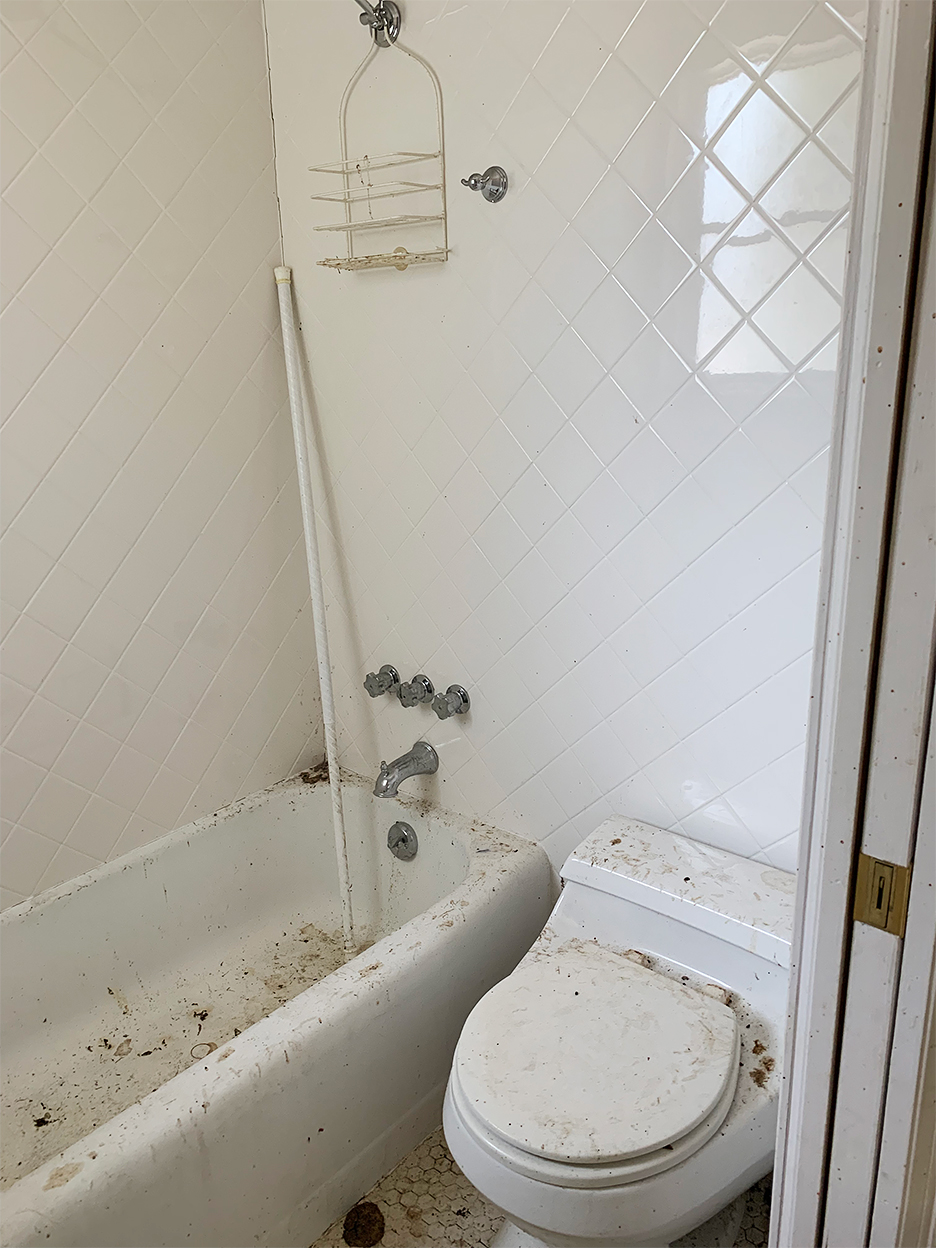
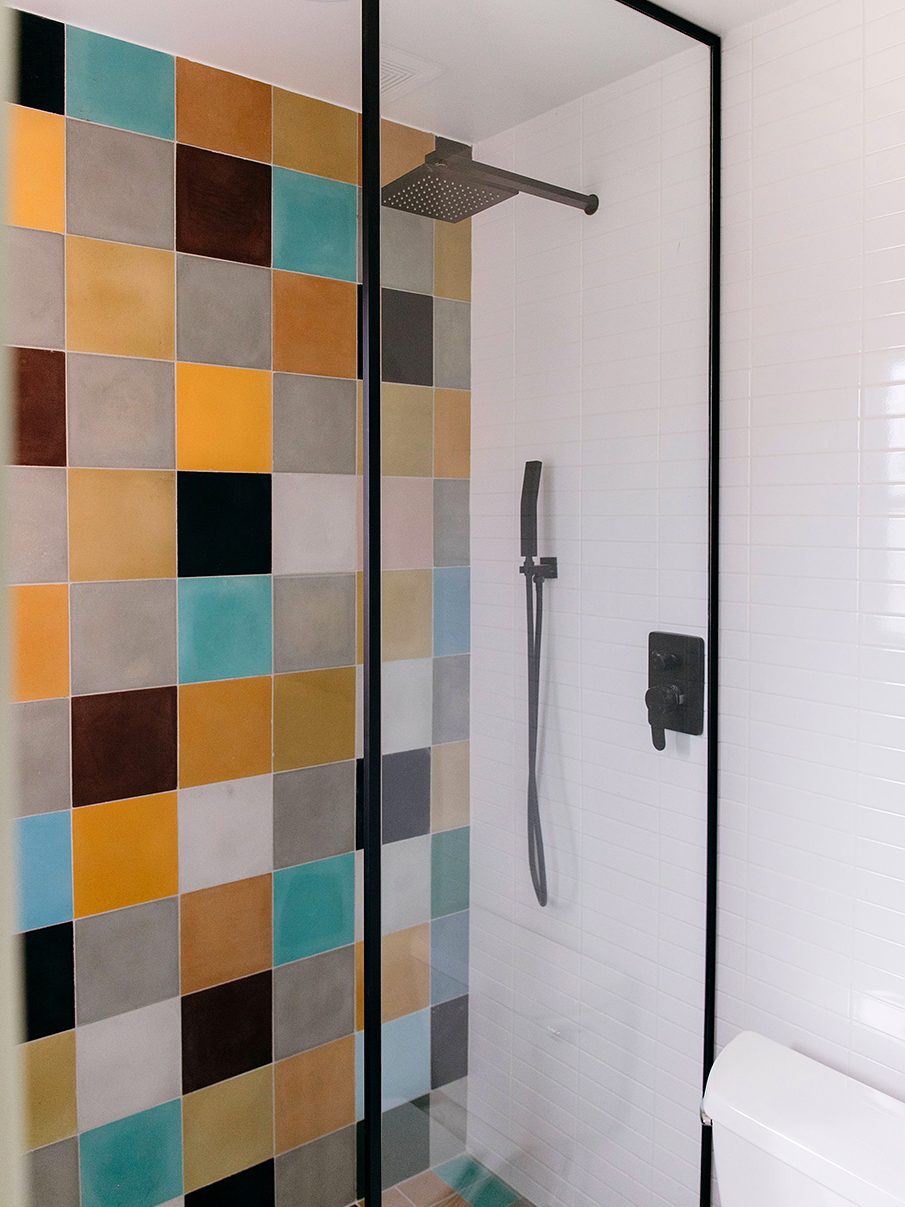
In the primary bedroom, stripping back the walls revealed an accidental yet appealing mix of gray concrete board and wallpaper backing. Henson sanded it to create a smooth, interesting texture that served as another backdrop for shoots. She made all the curtains herself from inexpensive fabric, which tightened its weave after washing, an economical approach to window treatments. For the bathroom, Henson wanted to reuse original yellow tiles but they were too brittle. She opted for super-cheap white square tiles, elevating their appearance with light-brown grout, which garnered positive attention. A sink from a reclamation yard and a free blue tub from Facebook Marketplace further reduced costs. To protect kitchen and bathroom plaster from steam and oil, Henson sealed them with decorator's varnish. The exterior of the bungalow also received an update, with Henson spending a month sanding and painting the siding herself for about $400 in materials, transforming its appearance from derelict to elevated.
#BungalowRenovation #BudgetRenovation #DIYHomeImprovement #InteriorDesign #CostSaving #ImperfectFlooring #KitchenMezzanine #VintageFurniture #EmilyHenson #BungalowRenovation #BudgetRenovation #DIYHomeImprovement #InteriorDesign #CostSaving #ImperfectFlooring #KitchenMezzanine #VintageFurniture #EmilyHenson
Há 0 comentários no total
 Ainda não há comentários
Você também pode gostar
I Cut $9K From My Bungalow Renovation Budget by Going With Imperfect Flooring


How to Know When an Old Wood Floor Is Worth Restoring or Should Be Replaced
Q&A on wood flooring: How much it costs and more
The One Home Renovation Mistake I Wish I Never Made
One Decision Saved This Homeowner $9,000 on Her Kitchen Transformation

Our Real Estate Expert Names The Kitchen Flooring Choice That Can Hurt Your Resale Value
5 Genius Hacks to Revamp Old Flooring That Designers Always Use

My Woodworking Hobby Saved Me $8K on My Lower East Side Reno
I dreamt of parquet flooring but was quoted £6k so I did it myself with £350 buy

This is the Absolute Best Flooring for Increasing Home Value

I Covered My 400-Square-Foot Guesthouse in Tile for $500

Tiles & Flooring Offers

How I Redid My Wood Floors for $50K Less Than I Was First Quoted
This Is the Best Time to Buy Flooring (and the 2 Times When You Absolutely Should Not)

IKEA's $99 Design Service Saved Me From Making This VERY Expensive Mistake

5 flooring mistakes to avoid – according to architects and interior designers

We Spent $10K On Our 4-Room HDB Flat’s Vinyl Flooring
Renter transforms living room with a striking parquet floor for just £183

Cheap Flooring Ideas: 4 Attractive and Inexpensive Alternatives to Hardwood
What you need to know about replacing the wood floors in your NYC apartment or house