How to Save Money and Energy Heating Your Apartment (Published 2018)
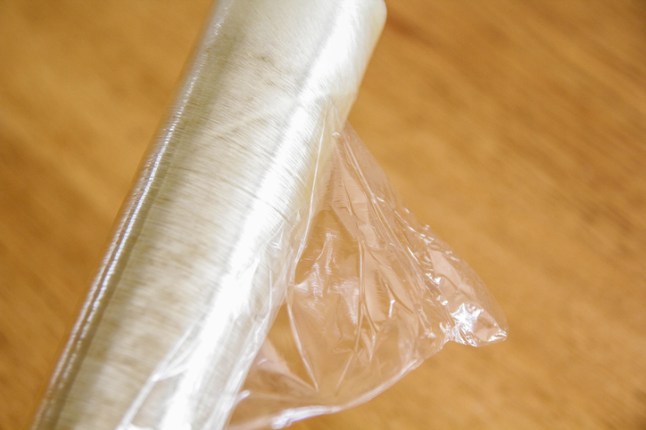
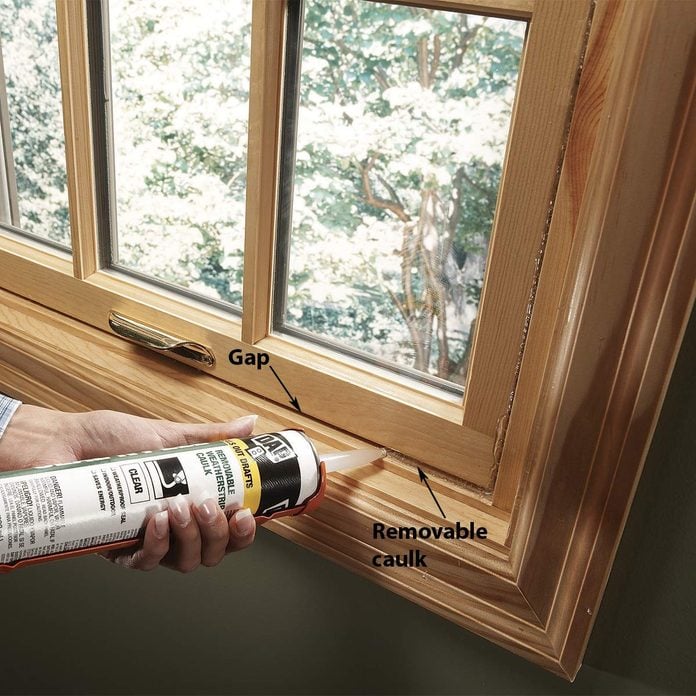
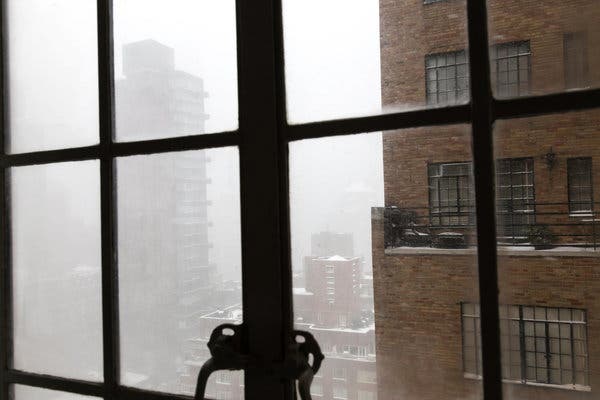
Heating bills during winter can be surprisingly high, impacting renters who often lack the option for major home improvements like window replacement or attic insulation. However, various strategies exist to help renters save on heating costs and enhance comfort. Addressing drafts around windows is a primary step; clay rope caulking, removable caulking, and adhesive V-seal weather stripping can seal gaps around frames and sashes. For single-pane windows, film kits can improve efficiency by up to 70 percent, with costs often recouped in energy savings within a couple of months in colder climates.
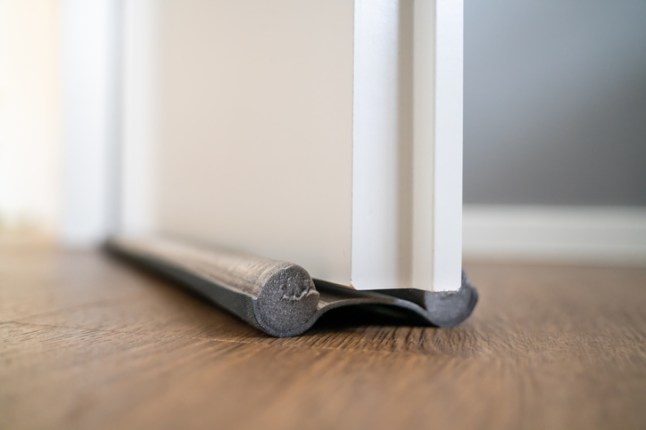
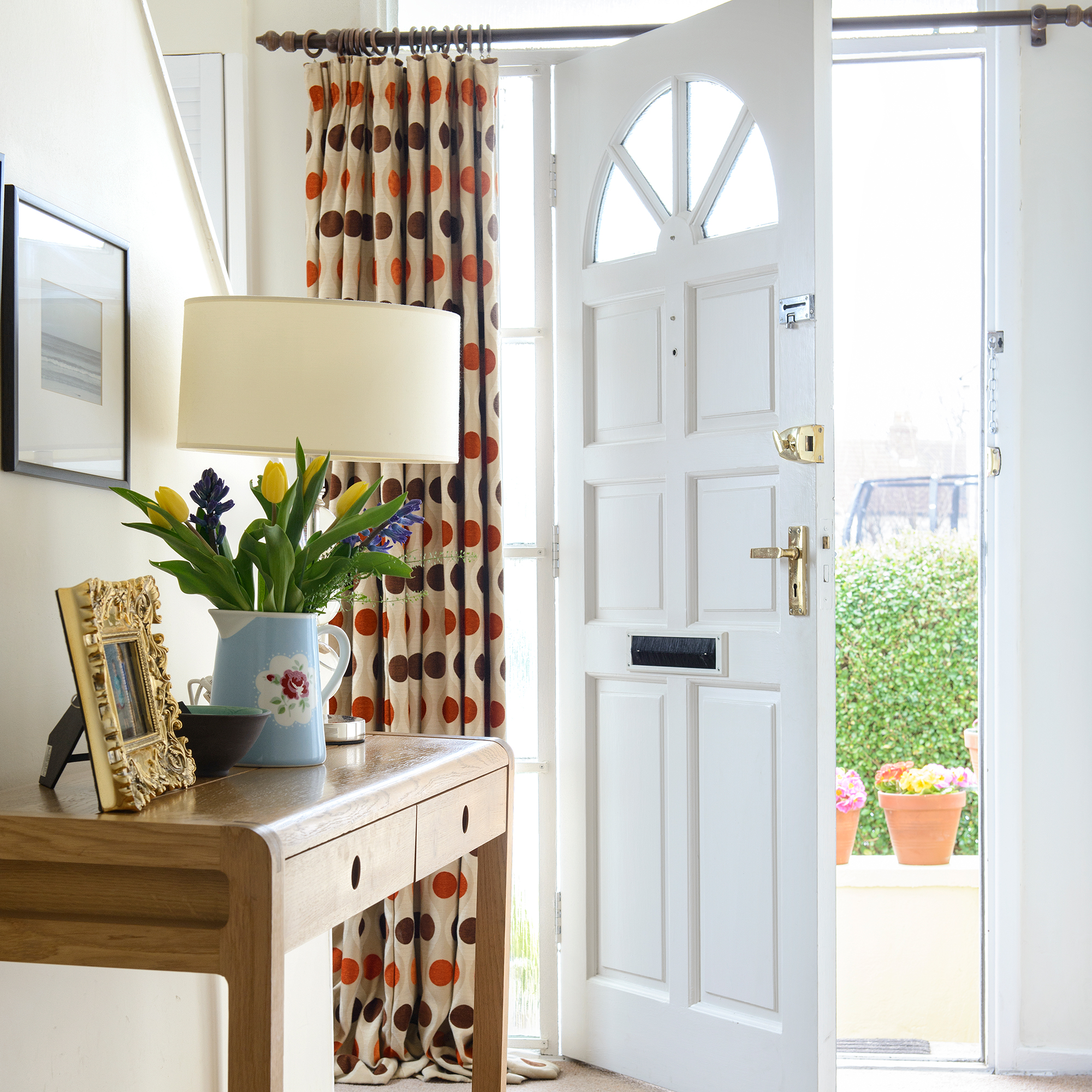
Doors are another significant source of heat loss. Renters can install draft seals at the bottom of doors to fill the space between the door and threshold, or use a cloth draft door stop. Locking doors also helps by sealing them against weather stripping. Beyond windows and doors, drafts can originate from unexpected places such as plumbing areas, electrical sockets, and non-working fireplaces. Expanding spray foam can seal gaps in out-of-the-way spots, while pre-cut gaskets can be fitted behind outlet covers. For decorative fireplaces, a piece of foam core can block cold air.
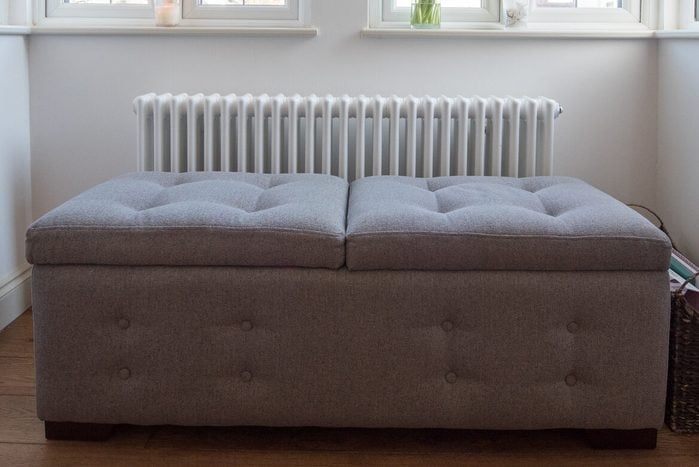
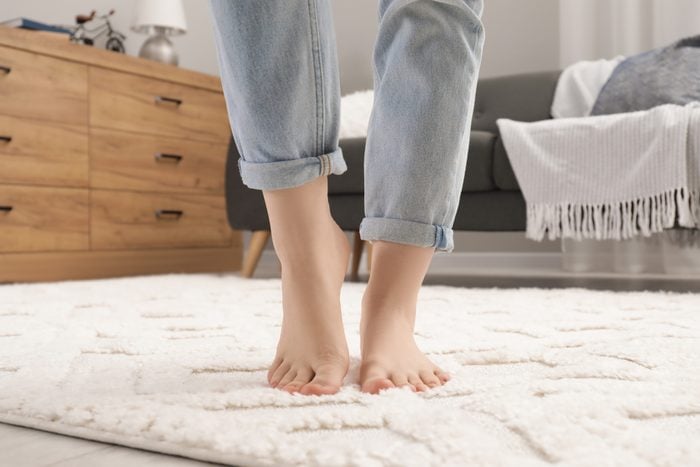
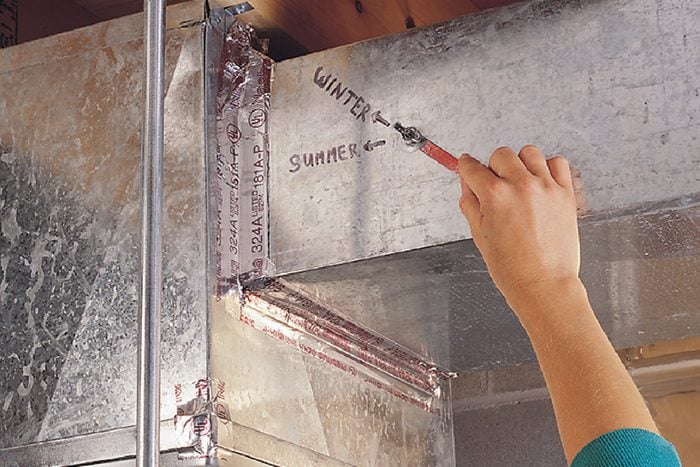
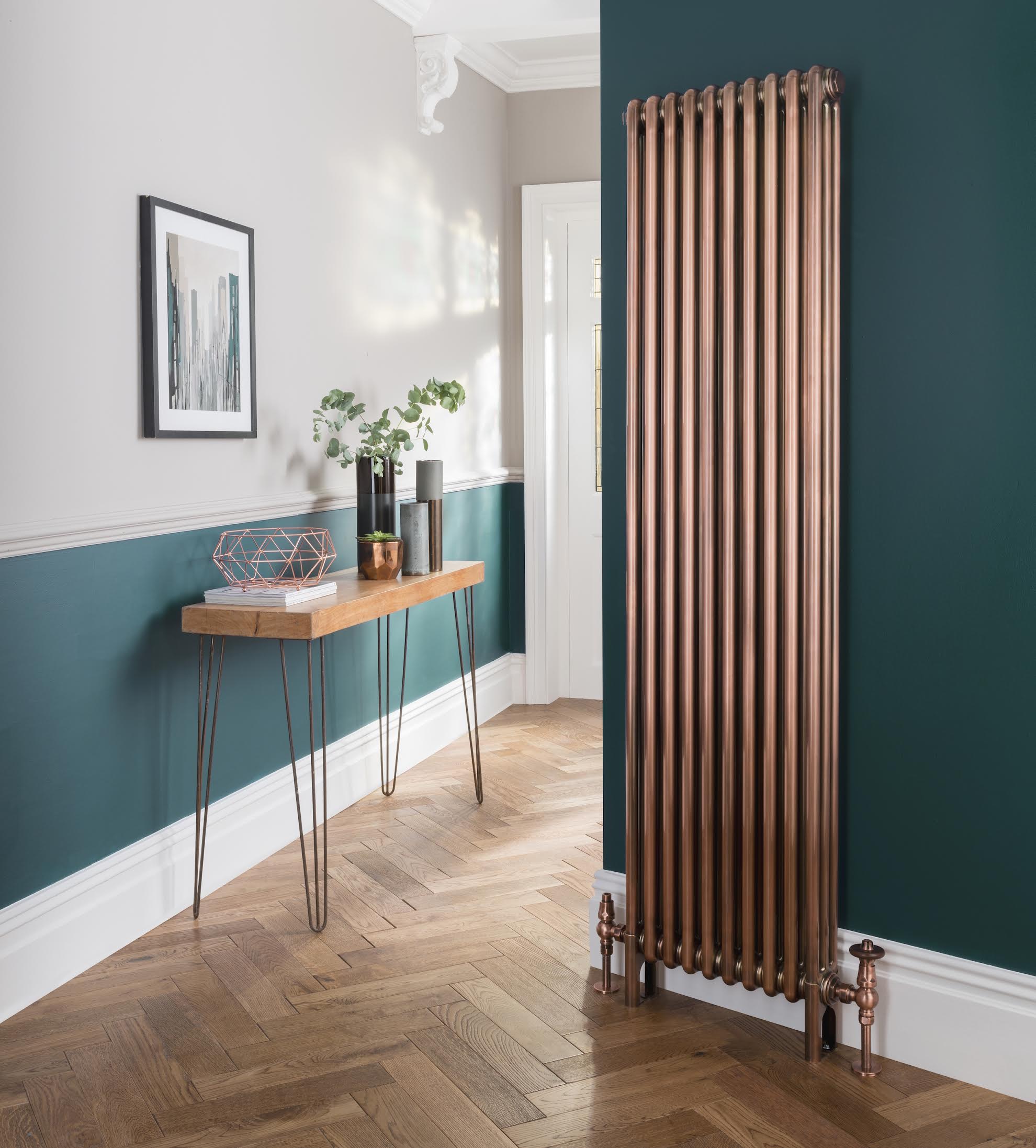
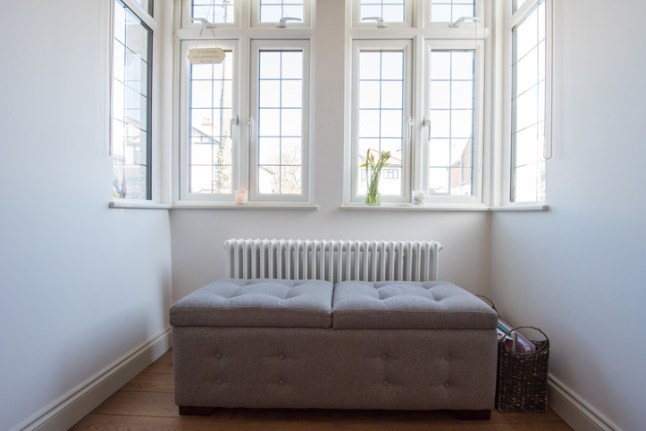
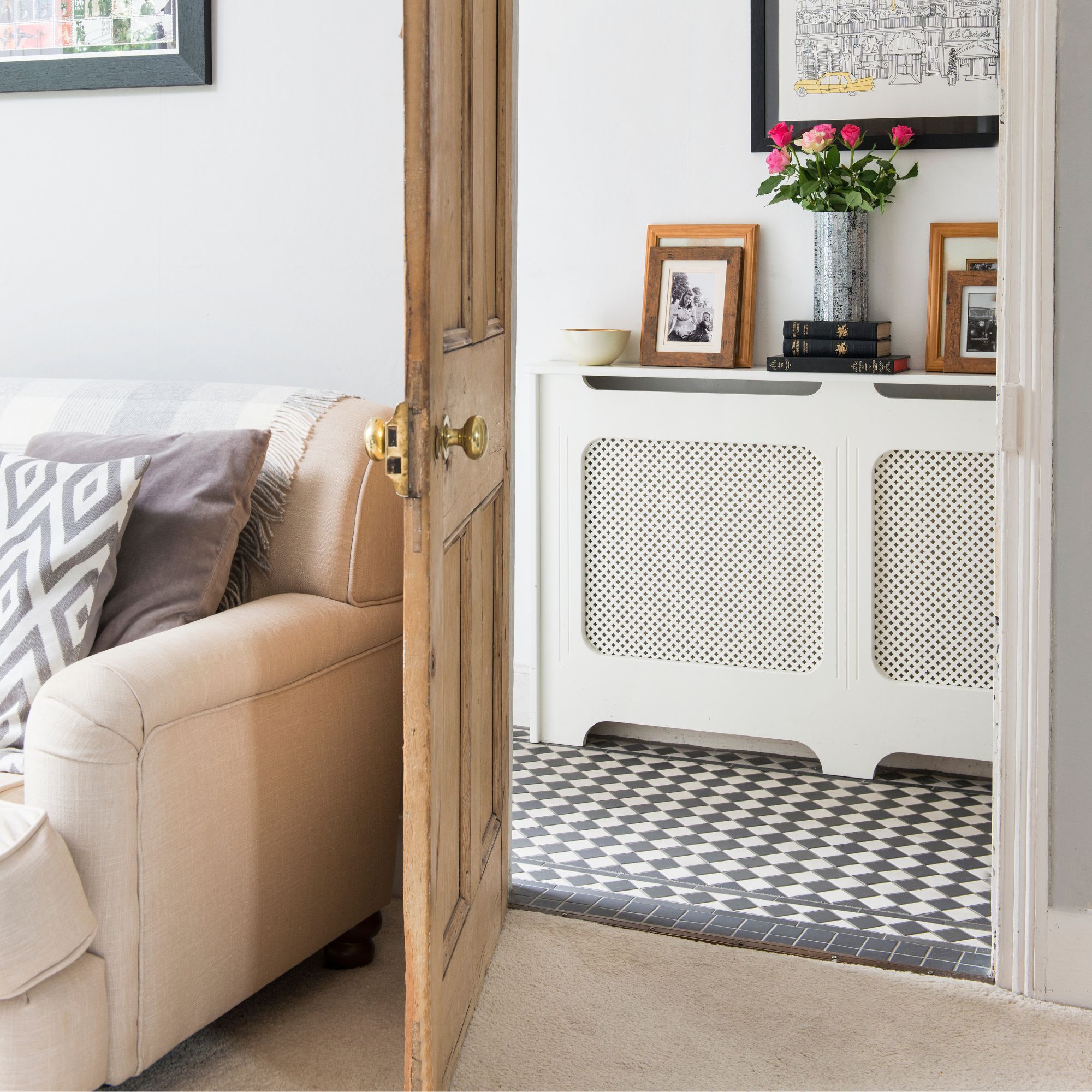
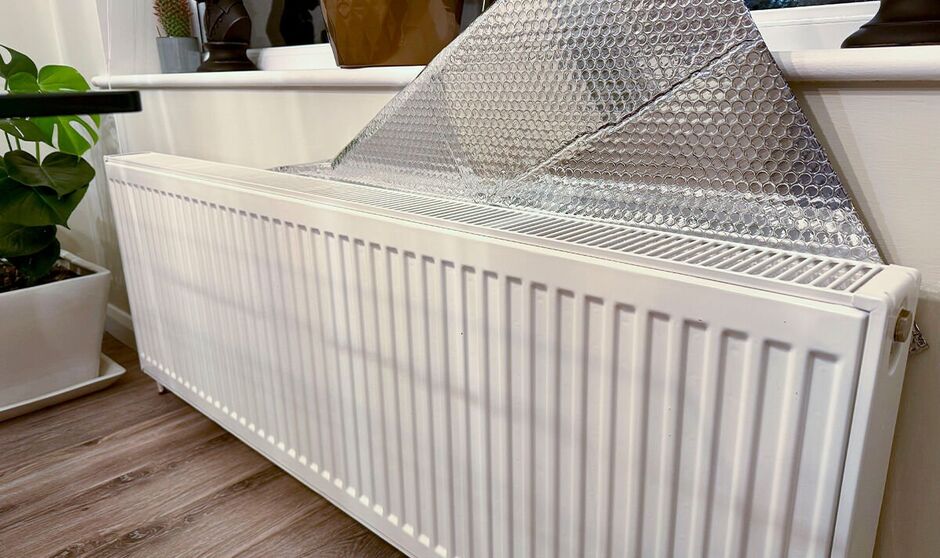
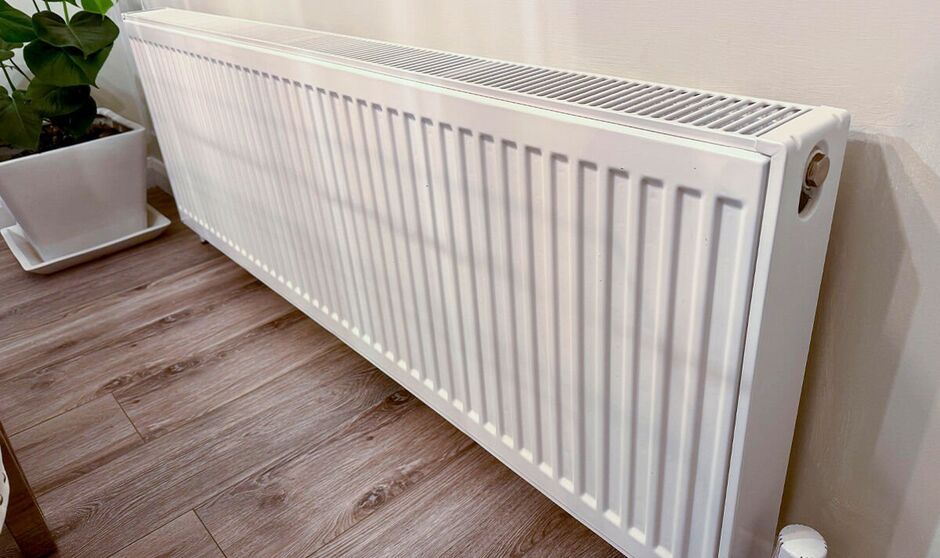
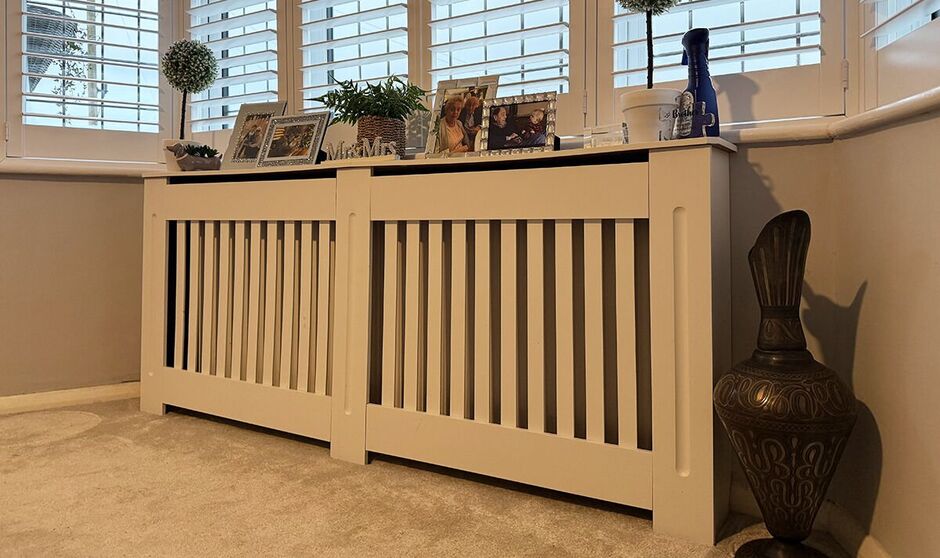
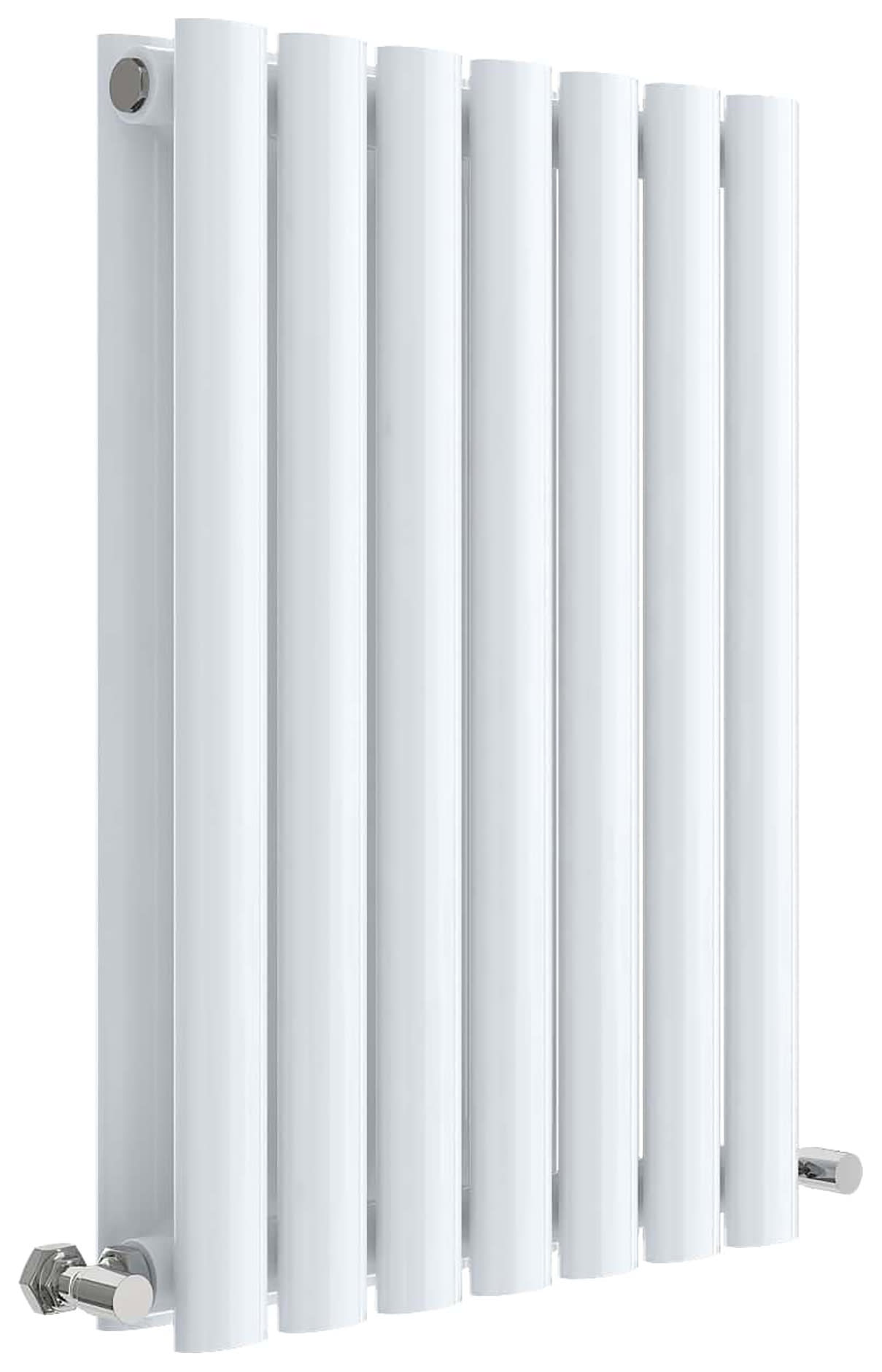
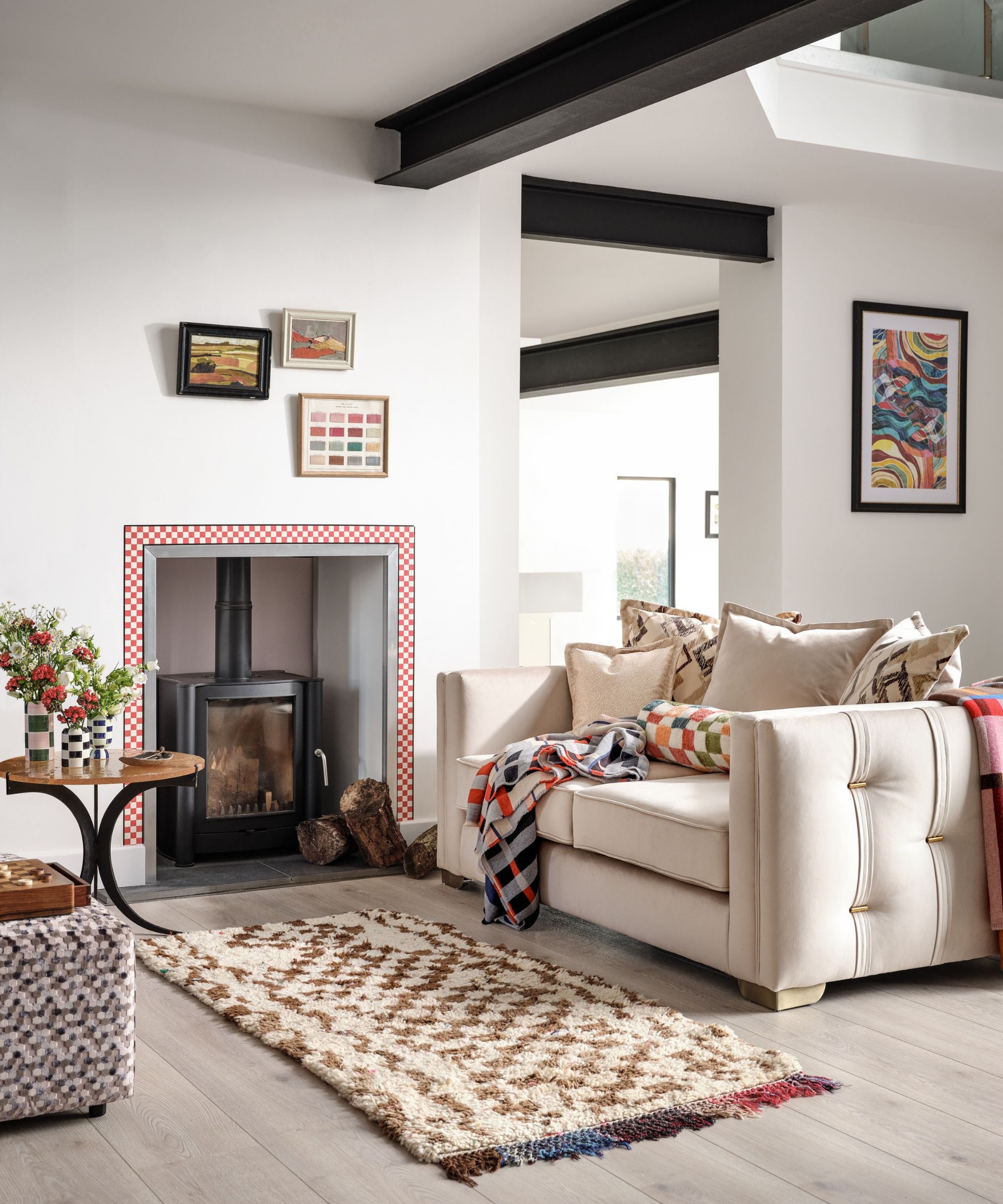
Adding area rugs provides insulation and makes floors feel warmer, especially in chilly rooms. Utilizing rug pads underneath further enhances this insulation. For central heating systems, ensuring an unobstructed flow of heat is crucial. Keeping doors open in rooms without air returns allows the heating unit to warm the entire space efficiently. Adjusting vents can redirect more heat to consistently cooler rooms. Radiators can be made more effective by taping aluminum foil behind them to reflect heat into the room. It is important to avoid placing furniture on top of radiators, as heat rises and obstructions hinder its natural flow.
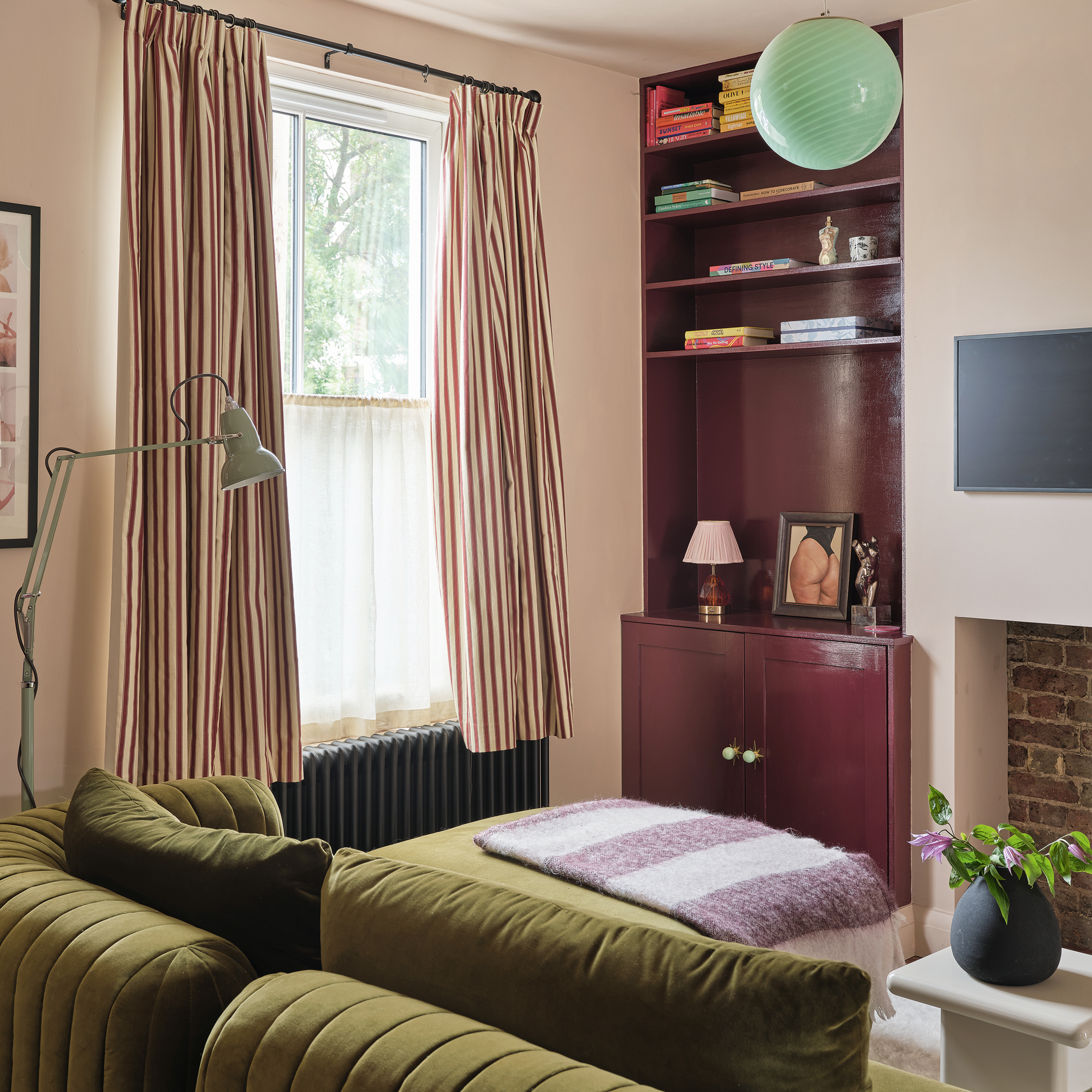
Furniture placement also impacts heating efficiency. Moving furniture away from air vents and radiators allows them to operate effectively. In winter, repositioning furniture towards the center of a room can help, as perimeters are often colder. Circulating warm air with a ceiling fan set to reverse (creating an updraft on a low setting) pushes warm air down from the ceiling, costing very little.
Turning down the thermostat is a straightforward way to save. The Department of Energy suggests setting it to 68 degrees Fahrenheit in winter for maximum energy savings. Lowering the temperature an additional seven to ten degrees for eight hours daily (e.g., while sleeping or at work) can reduce energy bills by up to 10 percent, though a drop exceeding 10 degrees for short periods is counterproductive due to the energy needed to reheat the space. Smart or programmable thermostats can automate these savings, and inexpensive models can be installed with landlord permission.
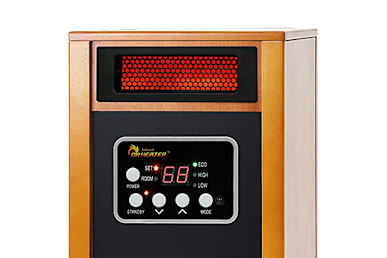
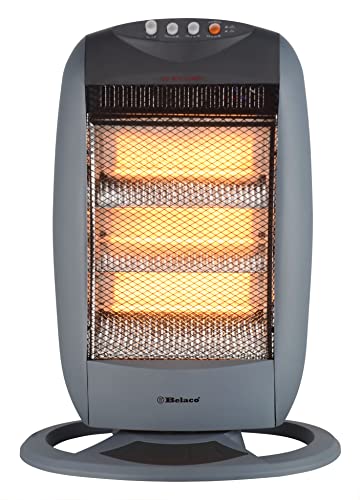
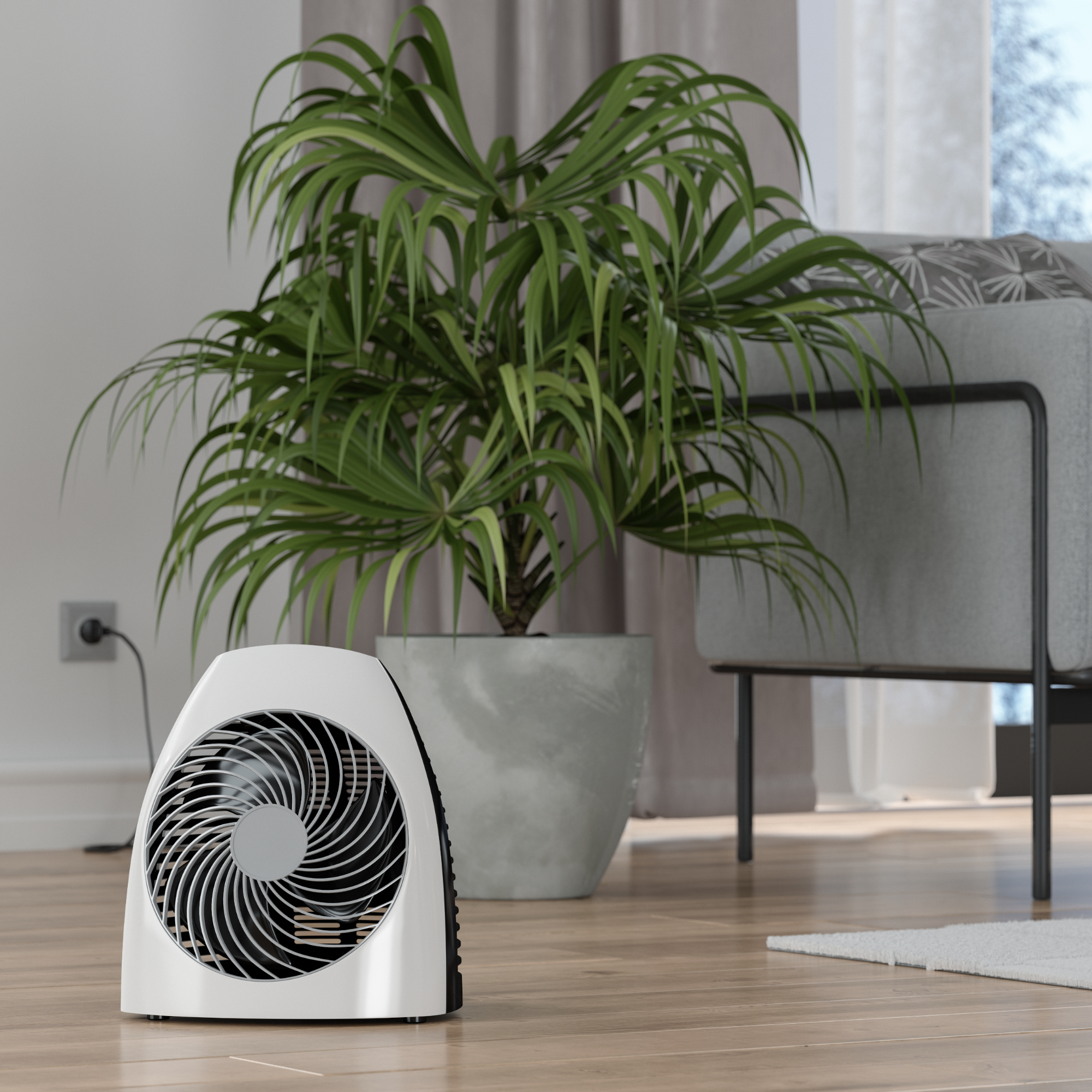
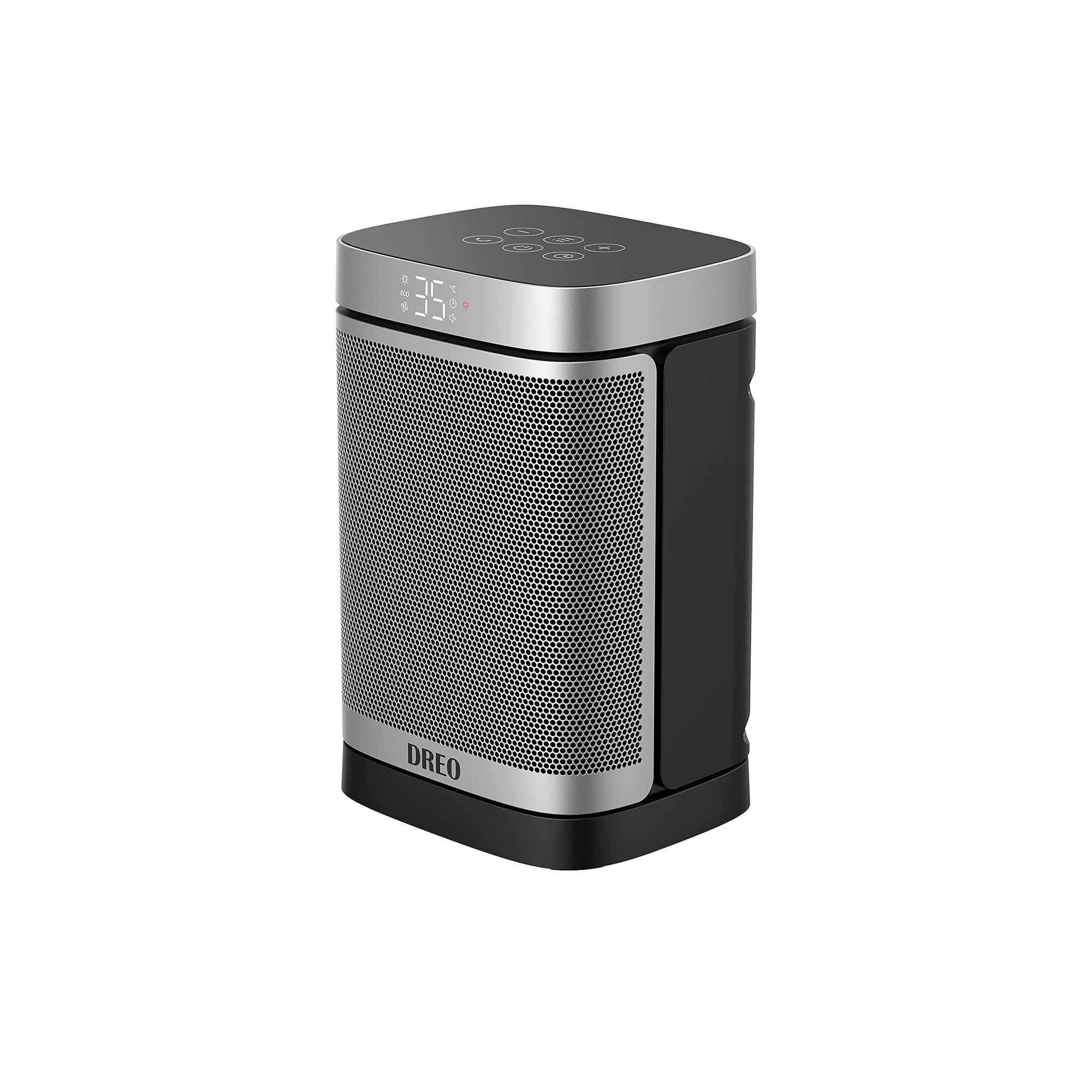
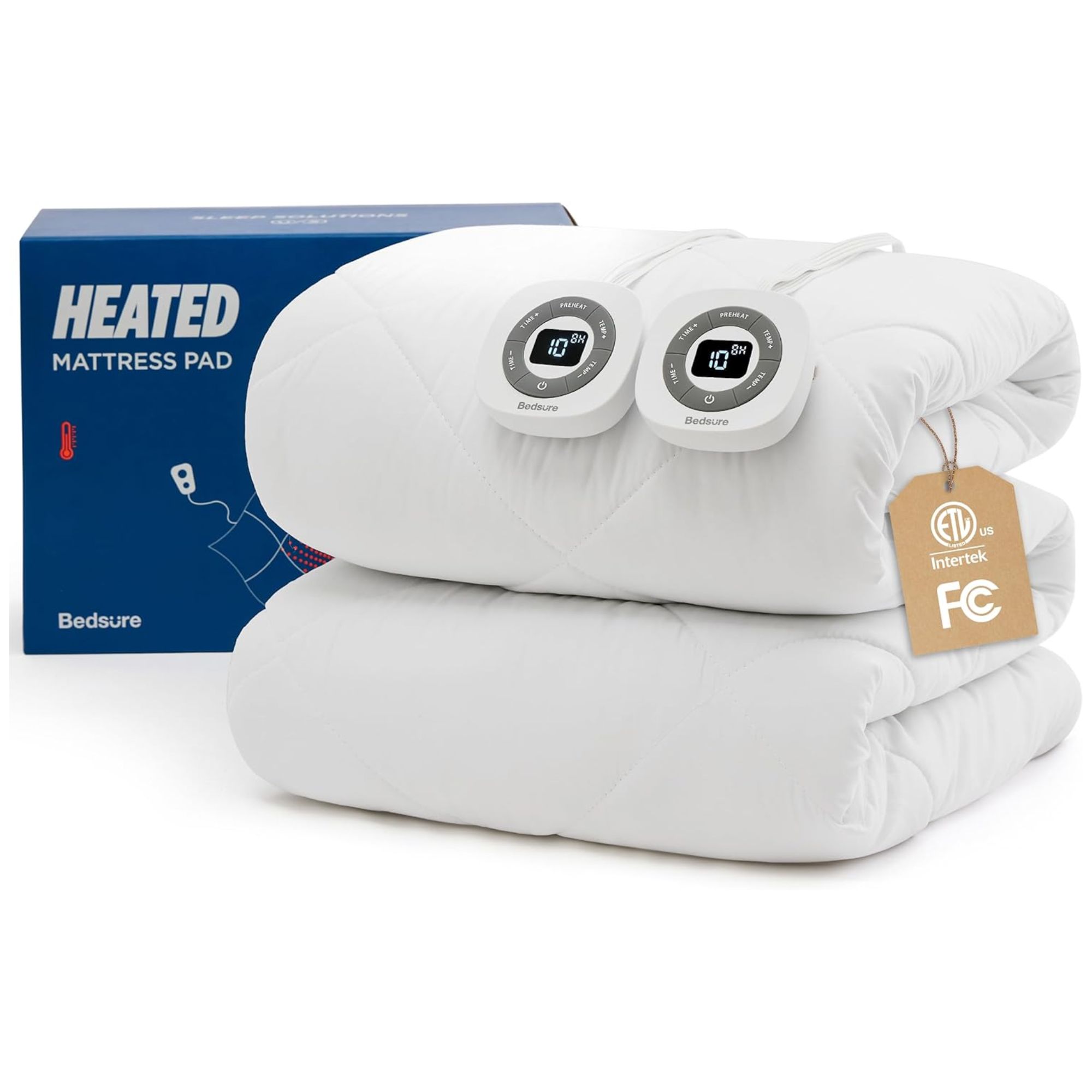
Spot-heating frequently used zones is another strategy. At night, a down comforter or heated mattress pad can provide warmth, allowing the main heat to be lowered. Space heaters, which use about as much energy as a refrigerator, can warm individual rooms efficiently, but require strict safety precautions. Increasing indoor humidity with a humidifier makes the air feel warmer, as moisture retains heat more effectively. Lastly, leveraging natural sunlight by opening south-facing curtains during the day and closing them at night, especially thick, lined ones, helps retain heat. Before signing a lease, inquiring about average energy bills can help assess a unit's energy efficiency.
#EnergySaving #RentalLiving #WinterHeating #HomeComfort #DraftProofing #ThermostatSettings #DIYHomeImprovement #EnergyEfficiency #ApartmentLiving #EnergySaving #RentalLiving #WinterHeating #HomeComfort #DraftProofing #ThermostatSettings #DIYHomeImprovement #EnergyEfficiency #ApartmentLiving
Há 0 comentários no total
 Ainda não há comentários
Você também pode gostar
What’s the most efficient way to heat a house? How to heat your home for less, according to experts

3 home design choices that were increasing my heating bills
£14 heating trick has kept my house warm and thermostat lower as energy bills set to rise

Should You Turn Your Heat Down When You're Not Home?
17 Tips and Hacks to Help Keep Your House Warm This Winter


6 Ways to Get More Heat From Your Fireplace and Stop Wasting It


Heat your home efficiently this winter
What is the cheapest electric heater to run? Experts reveal
18 energy saving ideas

Upgrade your heating system to reduce bills and energy usage

How to keep your house warm in winter — 29 budget-friendly and easy ways to stay cosy

How to arrange a room to maximize heat and cut your energy costs
Top 10 Winter Energy Saving Tips

Warm Up Your Space & Lower Your Bills With This Energy-Efficient Home Swap


Smart Heating

Fed Up with Chilly Nights? HVAC Pros Reveal One Quick and Free Bedroom Tweak to Keep You Warmer Without Raising Bills
9 cheap ways to heat your home this winter for under £10 each

50 Super Simple Ways to Save on Energy Costs
13 instant changes to reduce your electricity bills

How to Weatherize Your Home | Reviews by Wirecutter