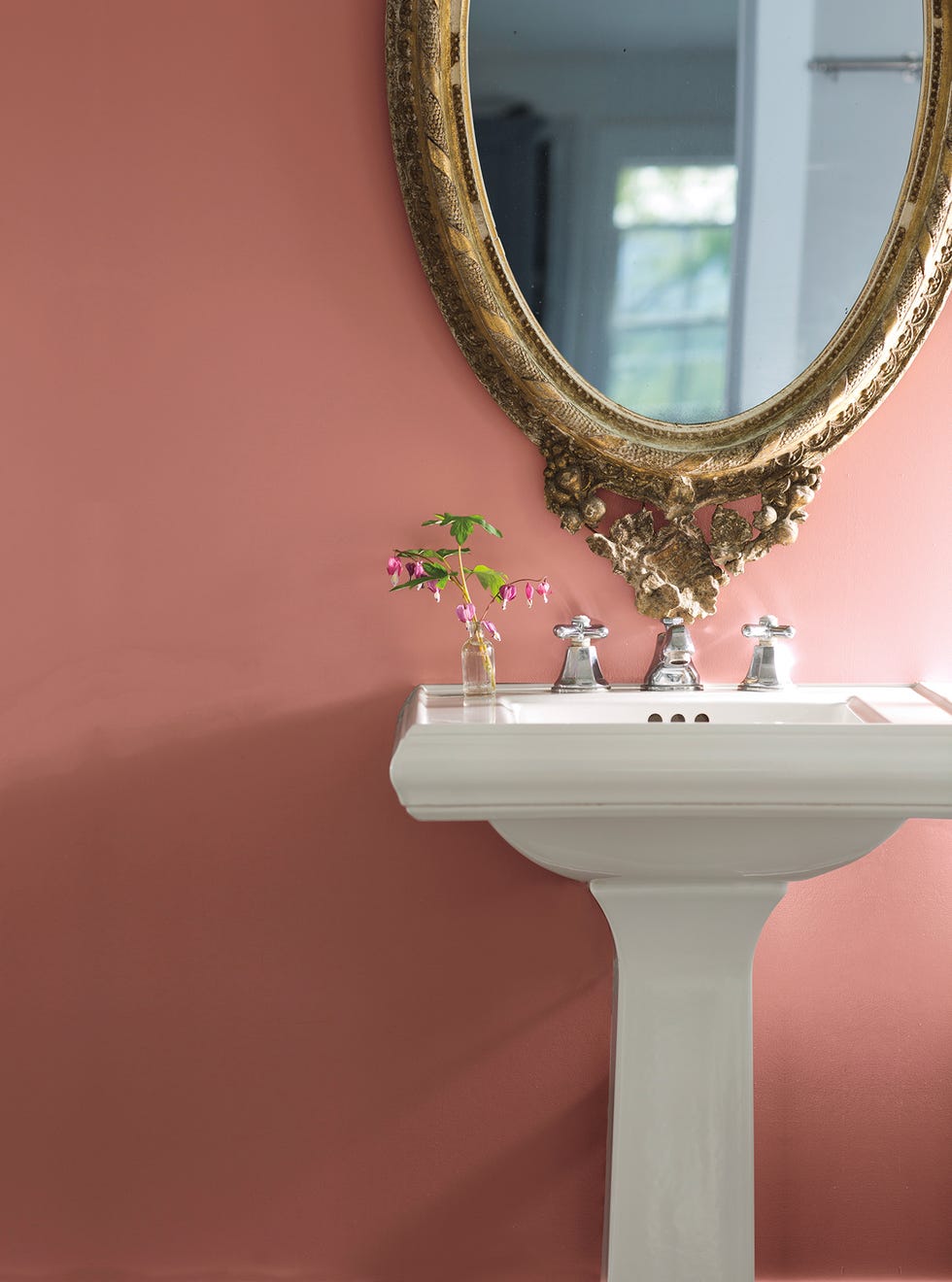
How to choose the right type of paint when decorating a room
The choice of paint is a crucial first step in any decorating project, as selecting the appropriate type can significantly impact the final result and longevity of the finish. Jo Behari, a DIY expert from House Beautiful, provides guidance on navigating the various paint types available, including primers, undercoats, gloss, emulsion, and eco-friendly options like clay and chalk paints.
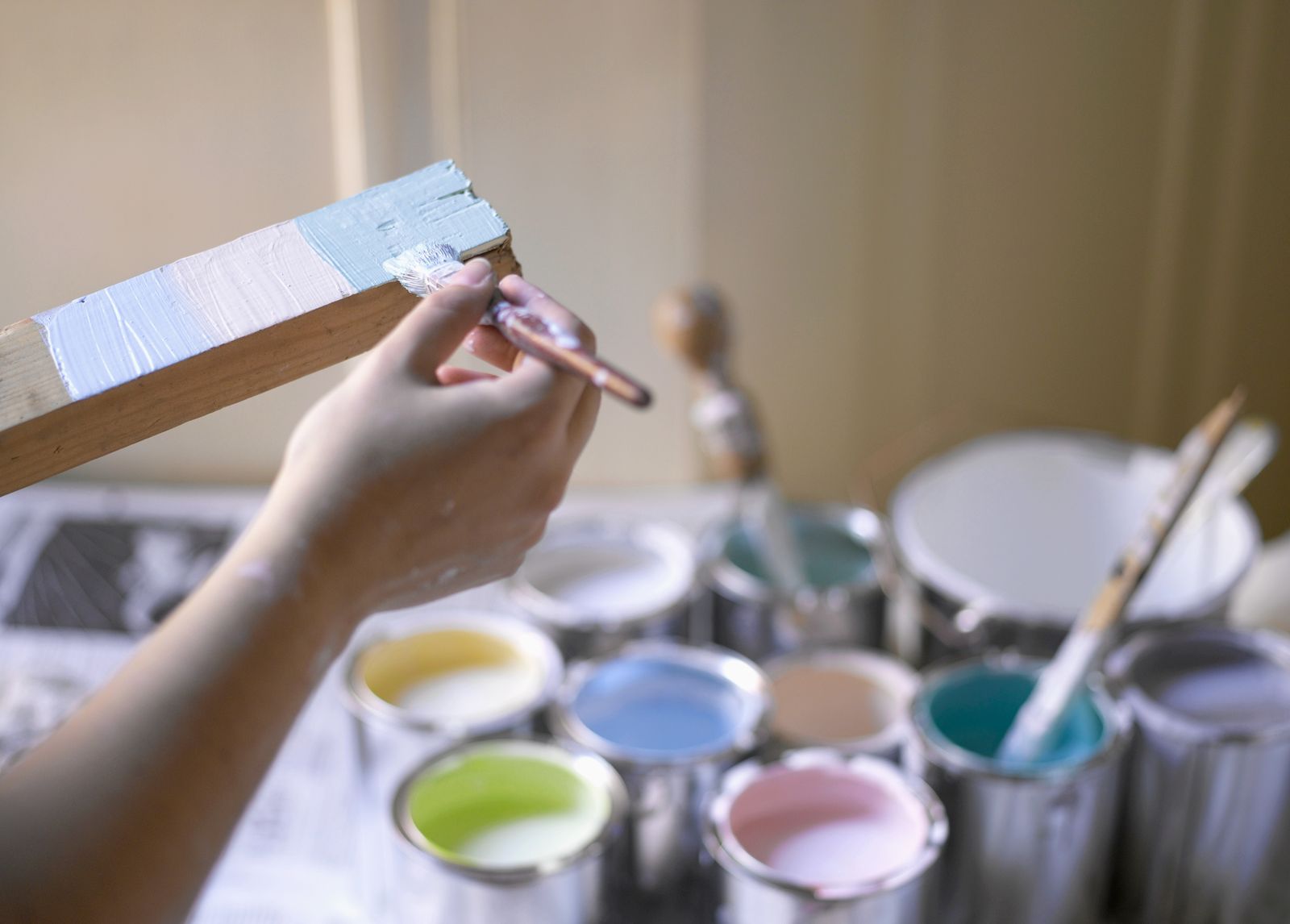
Primers are essential for preparing bare surfaces such as wood and plaster. Their primary function is to seal and protect these surfaces. While combined primer/undercoat products are available, a separate primer and undercoat are recommended for outdoor items to ensure maximum protection. For new plaster, diluting emulsion paint with 10% water creates a suitable primer that reduces absorbency, allowing the topcoat to adhere effectively.
Undercoats are applied after priming or over already painted surfaces. They serve multiple purposes: evening out the surface, offering additional protection, and preventing intense underlying colors from bleeding through the topcoat. The color of the undercoat should be chosen to complement the final paint color; a pale undercoat enhances pale topcoats, while a dark undercoat enriches darker finishes. For indoor projects, a combined primer/undercoat is generally sufficient.
Gloss paints are primarily used for woodwork and have evolved significantly. Historically oil-based with strong fumes, modern gloss paints are water-based, offering faster drying times and fewer odors, though they may be less durable than their oil-based predecessors. An undercoat is always recommended before applying gloss paint to ensure a smooth, lasting finish.
Emulsion paints are water-based and commonly used for walls and ceilings. They contain vinyl or acrylic for increased durability and are available in a variety of finishes. Matt and flat matt finishes provide a non-shiny, non-reflective appearance. Eggshell offers a subtle cracked effect similar to matt woodwork paint. Silk paint, with its slight sheen, is ideal for high-moisture areas like bathrooms and kitchens because it can be easily wiped clean.
Clay and chalk paints are eco-friendly alternatives, as they are free from acrylics and oils. These paints typically come in earthy and muted tones and provide a matt finish. They are generally more expensive due to their specialized production by smaller retailers. These types of paints are particularly suitable for children's bedrooms or other spaces where minimizing strong odors is a priority. When using clay or chalk paints, it is important to follow the manufacturer's specific guidelines to achieve a durable and aesthetically pleasing result. Understanding the characteristics and applications of each paint type is crucial for a successful decorating project, saving both money and time in the long run.
#PaintTypes #HomeDecor #DIYProjects #InteriorPainting #DecoratingTips #SurfacePreparation #EcoFriendlyPaint #WallFinishes #PaintTypes #HomeDecor #DIYProjects #InteriorPainting #DecoratingTips #SurfacePreparation #EcoFriendlyPaint #WallFinishes
Há 0 comentários no total
 Ainda não há comentários
Você também pode gostar
How to choose the best paint color for any room in your house
Here's What Colorists Want You to Know About Picking House Paint

Designers Share Their Tried-and-True Shades From the Best Interior Paint Brands
How to Choose the Best Paint Finish for Every Area of Your Home, From Kitchen Cabinets to Bathroom Walls
How to Pick the Best Paint Colors for Every Space in Your Home

Millennial Gray Is So Over—Here Are 5 Paint Colors to Try Right Now

Real Simple Home Designers Share Their Secrets for Picking the Perfect Wall Color

Paint finishes explained – an expert guide to choosing the perfect type of paint for your projects

Paint color ideas for every room – experts explain the best choices for different spaces

How To Choose The Right Paint Color For Your Home, According To An Interior Design Expert

10 designers on the bedroom colors they always recommend
14 Paint Colors That Can Make a Room Feel Instantly Cozy

Choose The Best Paint Then The Color | Interior Paint Reviews
How to choose the best wall colour for your art
8 ideas for light walls with dark trim that capture this paint trend perfectly
The Best Interior Paints for Every Room of the House, Tested and Approved
Interior Paint: A Guide to Buying the Best Paints for Your Home

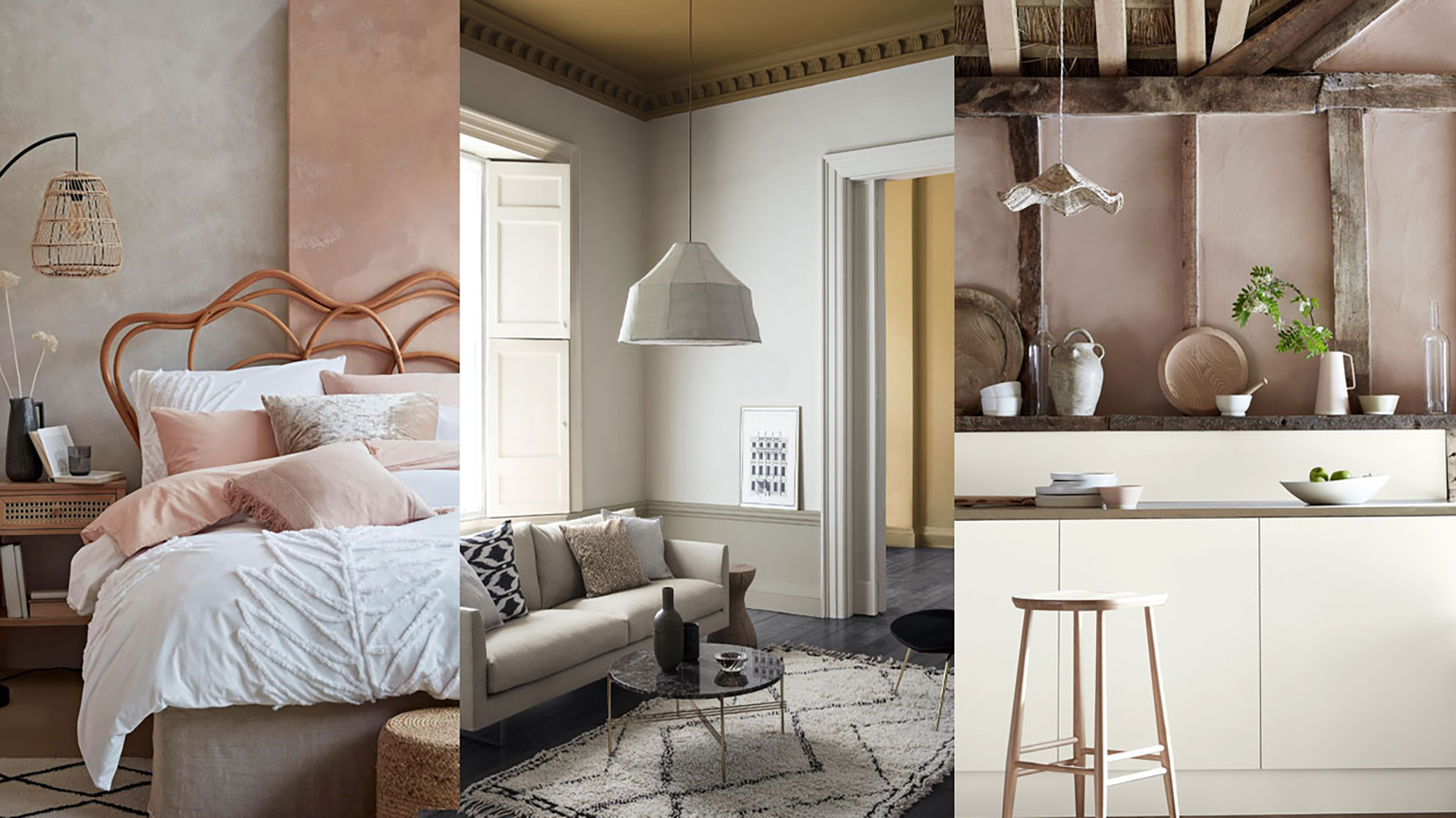
Paint finishes – a guide for every room

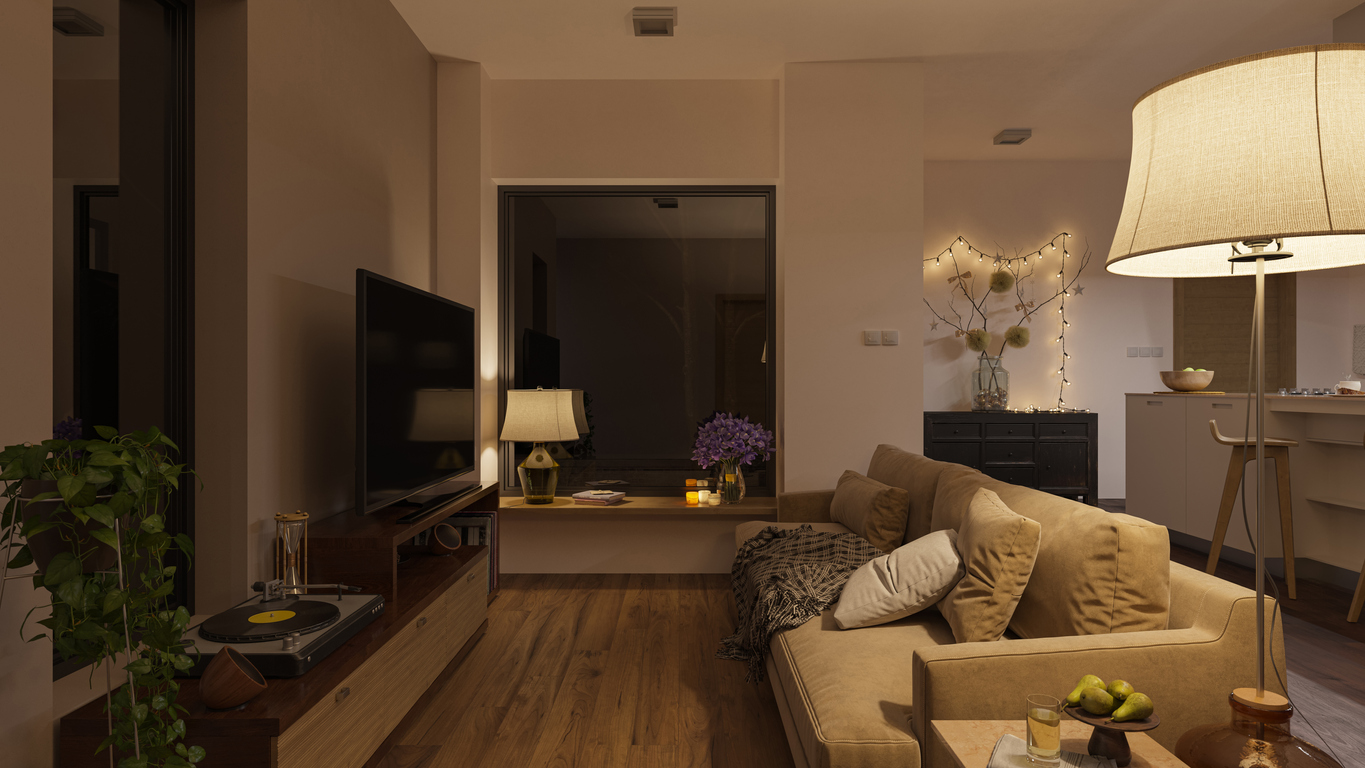
The 13 Best Paint Colors for Low-Light Rooms

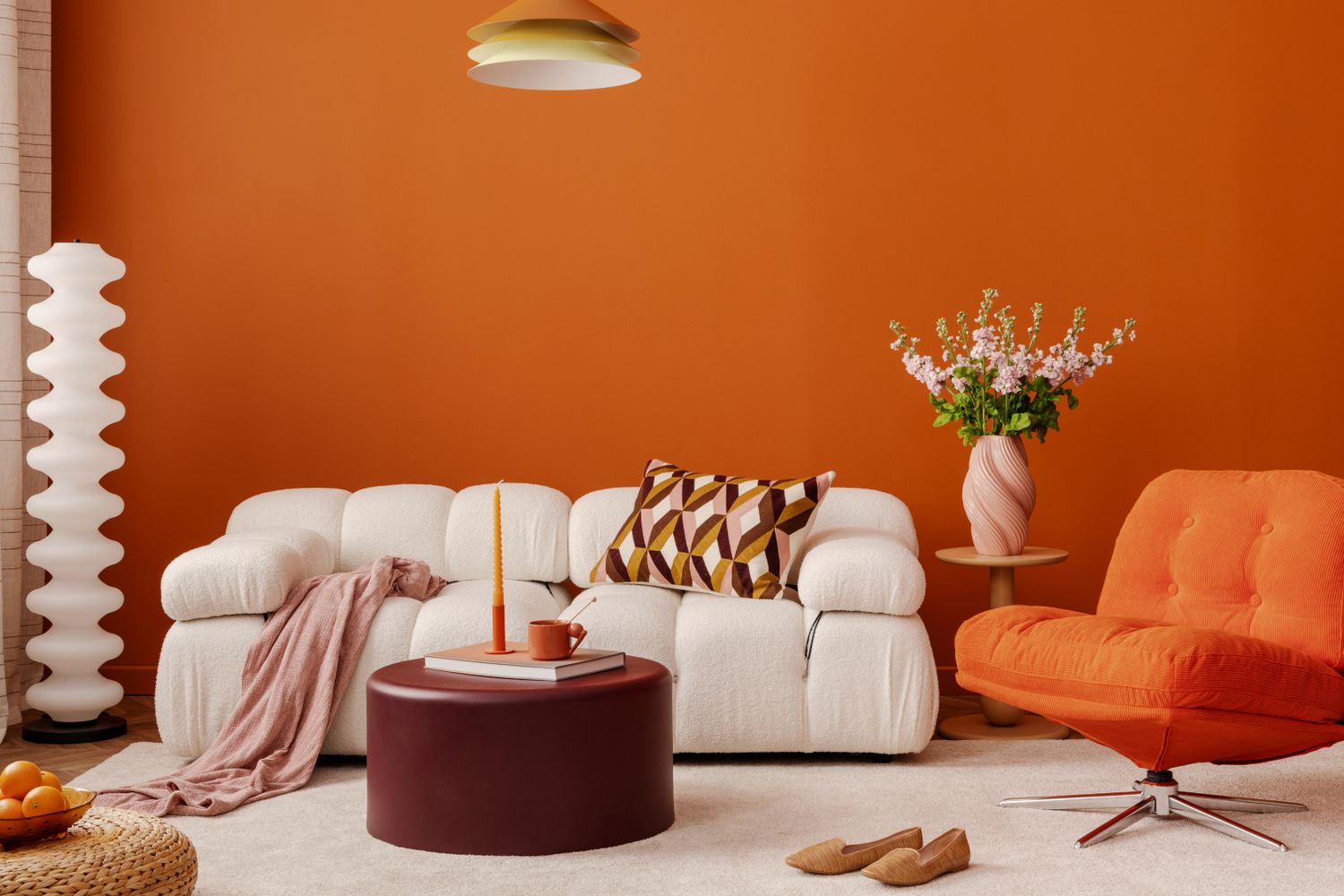
Never Regret a Paint Color Again—Avoid These 6 Common Mistakes