Home Renovations that Insurance Companies Love
Homeowners often seek ways to reduce their insurance premiums, and certain home renovations can be a cost-effective solution. Insurance companies frequently offer discounts for improvements that mitigate risks, enhance safety, or increase a home's resilience to damage. Understanding which renovations are most favored by insurers can help homeowners strategically invest in their properties while also lowering their annual insurance costs. These types of renovations often fall into categories such as structural improvements, enhanced security measures, and updates to essential home systems.
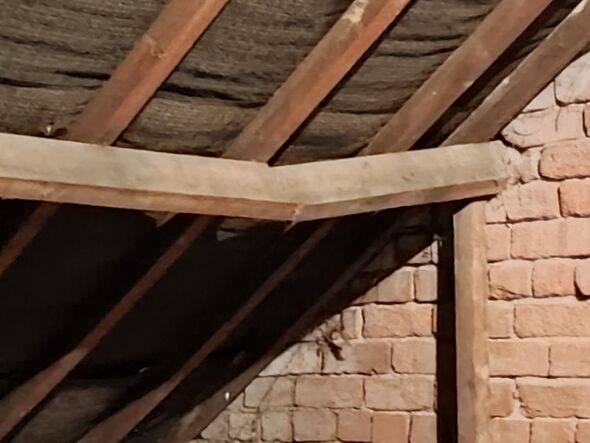
One significant area for potential insurance savings involves structural improvements that make a home more resistant to natural disasters. For example, homes in hurricane-prone regions can benefit from reinforced roofs, impact-resistant windows, and hurricane-resistant garage doors. These upgrades significantly reduce the likelihood of severe damage during a storm, thereby lowering the insurer's risk exposure. Similarly, in areas susceptible to earthquakes, seismic retrofitting, which can involve bracing foundations or securing water heaters, can lead to premium reductions. Even general structural reinforcements, such as updating an older home's framing or foundation to modern building codes, can be viewed favorably by insurance providers.
Another key aspect that insurance companies appreciate is enhanced home security. Modern security systems, particularly those that include central monitoring, motion sensors, and smart home integration, can deter burglars and provide immediate alerts in case of an intrusion. Many insurers offer discounts for professionally installed and monitored alarm systems, as these significantly reduce the risk of theft and vandalism. Beyond alarm systems, installing deadbolt locks on all exterior doors, reinforcing windows, and maintaining good exterior lighting can also contribute to a safer home and potentially lower insurance rates. Some insurers even offer incentives for smart home technologies that allow remote monitoring and control of various home functions, further enhancing security.
Updating and maintaining essential home systems is also crucial for insurance purposes. Old or faulty electrical wiring, plumbing, and heating systems are common causes of fires, water damage, and other expensive claims. Replacing outdated knob-and-tube wiring with modern electrical systems, upgrading to copper or PEX plumbing, and installing new, energy-efficient HVAC systems can reduce these risks. Insurers often provide discounts for homes with updated systems, as these improvements directly prevent common household mishaps. Furthermore, installing leak detection systems or smart water shut-off valves can prevent extensive water damage, which is a frequent and costly claim for insurance companies.
Beyond these major categories, other renovations can also influence insurance premiums. For instance, installing fire suppression systems like sprinklers can significantly reduce fire damage risk. Upgrading roofing materials to more durable options, such as metal or tile, especially those with longer lifespans and better resistance to hail or wind, can also be beneficial. Even small improvements, like clearing brush around the home to reduce wildfire risk or installing a sump pump in a basement, can demonstrate a homeowner's commitment to risk mitigation and may result in minor premium adjustments. It is advisable for homeowners to consult with their insurance providers before undertaking any major renovation to understand the specific discounts and requirements, ensuring that their investment yields the desired insurance savings.
#HomeRenovations #InsuranceSavings #HomeSecurity #PropertyUpgrade #RiskMitigation #StructuralImprovements #HomeMaintenance #FinancialPlanning #HomeRenovations #InsuranceSavings #HomeSecurity #PropertyUpgrade #RiskMitigation #StructuralImprovements #HomeMaintenance #FinancialPlanning
Há 0 comentários no total
 Ainda não há comentários
Você também pode gostar

Home renovation loan benefits & guidelines

5 "Tariff-Proof" Home Renovations That Experts Recommend in 2025

Home Upgrades That Pay Off


Home Renovations That Are Worth Your Time And Money


How to create your own dream home: home renovation trends

5 renovation projects that will add value to your home in 2024

10 Common Home Renovations That Lower Your Property Value in 2025


Rogue builders quoted over £15k for a repair job that cost £185 to fix - my lessons learnt

Home Remodeling Projects That Pay Back The Most In Happiness

When Moving Isn't an Option, How to Turn Your Old Home Into Your Dream Home

9 common home renovation mistakes to avoid

11 Design Features That Make a Home Sell for More, According to a Real Estate Expert

Top 7 home renovations that can increase your property's value — and quality of life as you age

5 Kitchen Upgrades to SKIP if You're Trying to Sell Your Home, Warn Designers

“I Regret Not Installing A Ceiling Fan” 5 Real-Life Renovation Regrets Shared By Singaporeans
You should try to avoid these 10 common home remodeling mistakes, urge experts
Remodeling
Here's What Nobody Tells You About Buying and Renovating a Historic Home
14 fabulous Federation home renovations

These Features Instantly Kill a Home’s Renovation Potential