1/8
Better Vintage: ‘A Visual Language in Cloth’ – How Antique Tapestries Shape Rooms, Not Just Surfaces
The renewed interest in medieval interiors and the 'castlecore' aesthetic signifies a shift towards rooms that exude a layered and thoughtfully composed atmosphere, moving away from visually flat designs. Central to this trend is the reintroduction of decorating with tapestries, which historically served as essential architectural tools for regulating warmth and acoustics in grand halls. These vintage textiles are now being utilized to soften spaces and reinstate depth in contemporary interiors. While European medieval works are prominent, the broader lineage of tapestries encompasses Flemish verdure, Scandinavian folk works, Central Asian suzanis, and embroidered wall hangings from across the Silk Road. All these forms share the common objective of transforming walls into tactile, expressive canvases.
Tapestries represent one of the earliest forms of interior storytelling, predating wallpaper or framed art. They were instrumental in converting drafty castles, churches, and houses into habitable, insulated environments from medieval Europe through the Renaissance. Functioning as both art and portable architecture for the aristocracy, tapestries were frequently moved between properties and rehung to suit different seasons, ceremonies, or personal preferences. Henriette von Stockhausen of VSP Interiors refers to them as the earliest form of 'portable decoration,' accumulating a unique history as they traveled. Georgina Cave of Cave Interiors further notes their dynamic role, often being rolled up and transported between residences.
Across diverse cultures, storytelling remained a core function of tapestries. From the pastoral scenes of Aubusson pieces and the monumental hunting depictions from Flemish workshops to Central Asian suzanis adorned with suns, pomegranates, and vines, these textiles documented belief systems, local flora, social hierarchies, and domestic rituals. Verdure tapestries, depicting lush landscapes and woodlands, were particularly valued for their calming, immersive qualities, bringing the outdoors inside long before the concept of biophilic design emerged. Designer Fleur Liversidge highlights their historical role as a visual language conveying myths, religious narratives, and pastoral ideals, emphasizing that they were the product of an exceptionally slow and disciplined creation process. Textile artist Chloe Jonason echoes this sentiment, describing tapestries as 'records of culture, craft, and daily life,' imbued with the 'rhythm of work' in every stitch, often enriched with silk and metallic thread to showcase wealth, power, and battle victories.
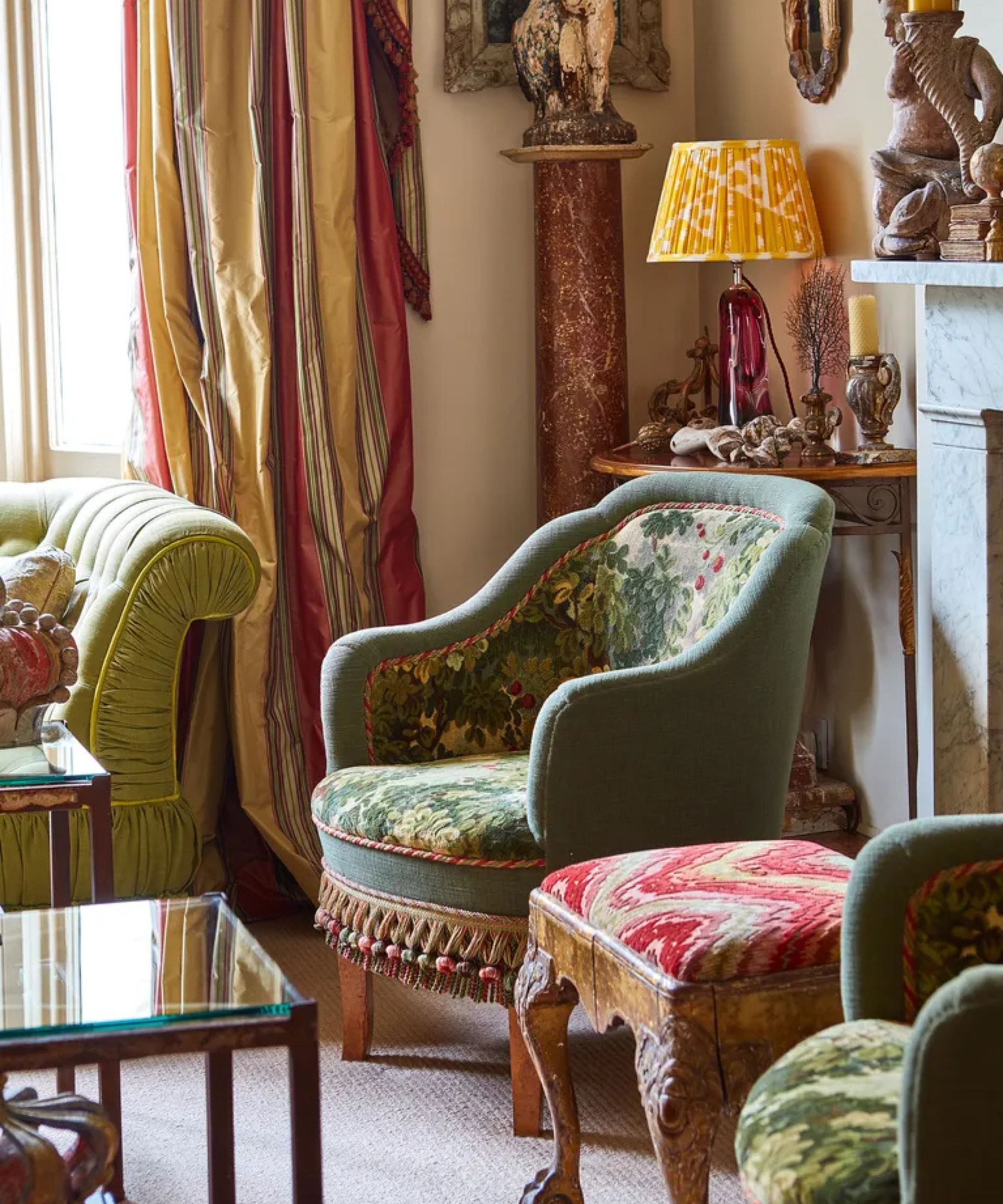
Vintage tapestries possess a tactile complexity that contemporary reproductions struggle to replicate. Time imbues them with a unique character: wool fibers relax, silk subtly catches light, and colors soften rather than merely fade. Designer Jessica Jubelirer characterizes antique tapestries as 'practical artworks,' refined over centuries to be both aesthetically pleasing and functional. Their woven density, originally designed to combat dampness and cold, imparts a presence that modern wall coverings often lack, with older pieces carrying a richer historical narrative. The wear and tear, such as gentle thinning, repaired edges, or areas of abrash, are not imperfections but rather testaments to their enduring quality and history. These signs of age contribute to their narrative, adding character and authenticity, unlike new textiles which often appear pristine and anonymous. Furthermore, there is an ecological benefit to antique tapestries. Meticulously handcrafted over generations using natural fibers and labor-intensive methods, they embody sustainability through repair, reuse, and reverence, offering an alternative to disposable consumerism.
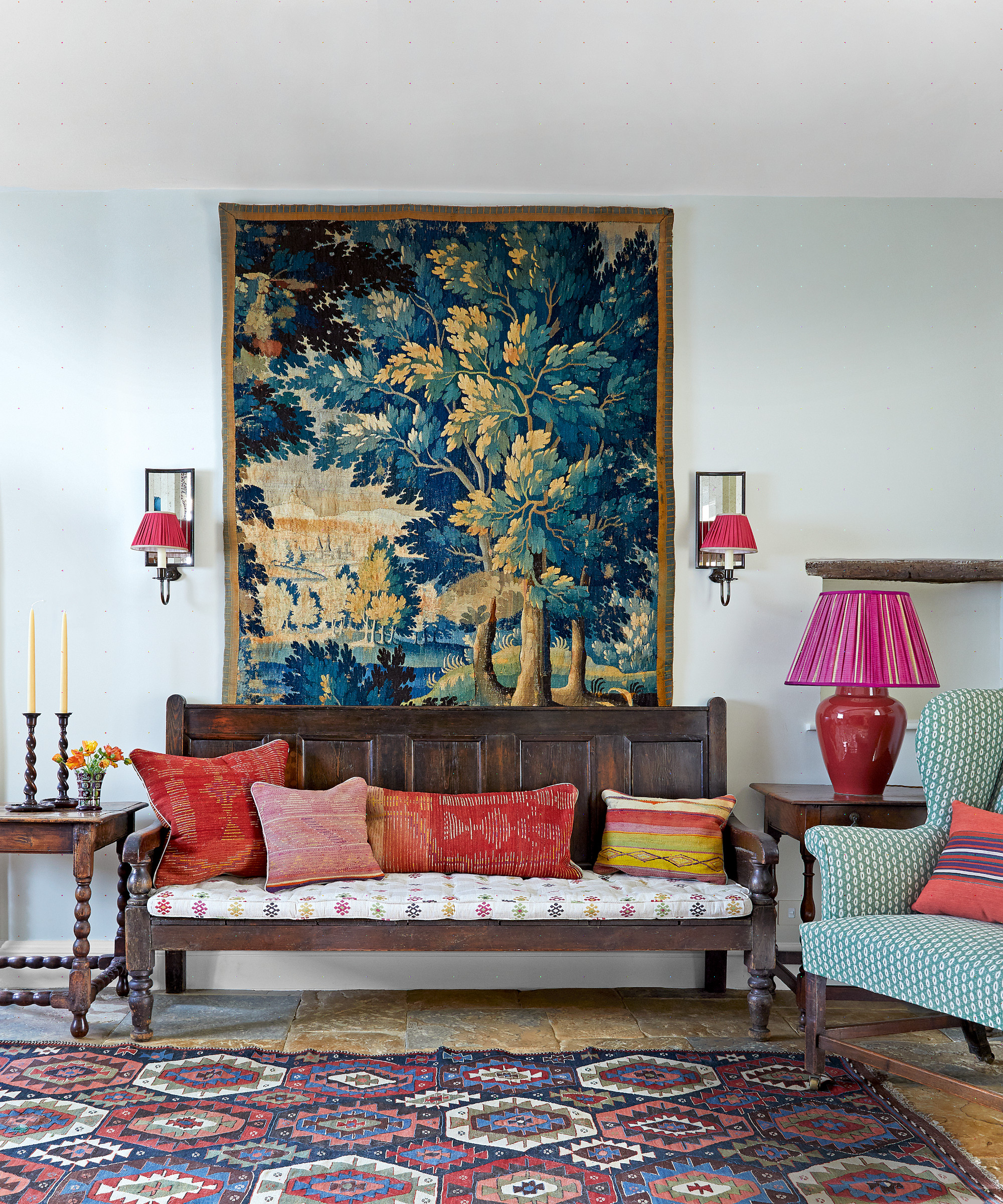
When acquiring a vintage tapestry, structural integrity is paramount. Key considerations include strong weaving, stable edges, and evidence of careful repair. Gentle fading, thinning, or historical mending contribute to the tapestry's unique story, but the overall condition must ensure longevity. Color is frequently a decisive factor, with designers like Joanna Plant noting the surprisingly strong hues found in antique tapestries, especially verdure combinations of blue, green, and buff, which can inspire an entire decor scheme. Sourcing often involves a combination of serendipitous discovery during travels and established relationships with reputable dealers. Chloe Jonason emphasizes working with trusted dealers, markets, and small-scale suppliers who understand the provenance of the pieces. She values finding unexpected tapestries with unusual palettes, rare motifs, or particularly skilled embroidery.
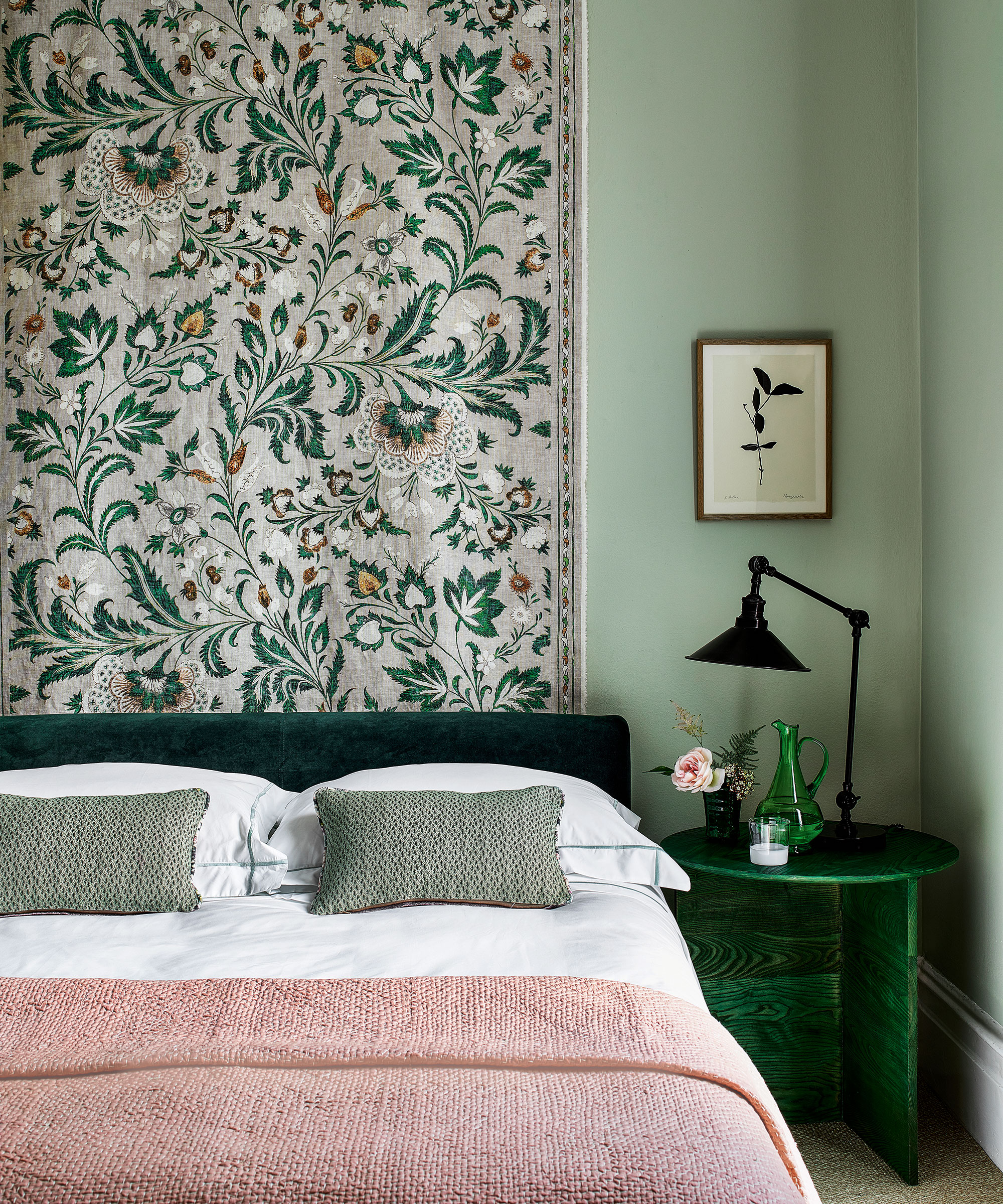
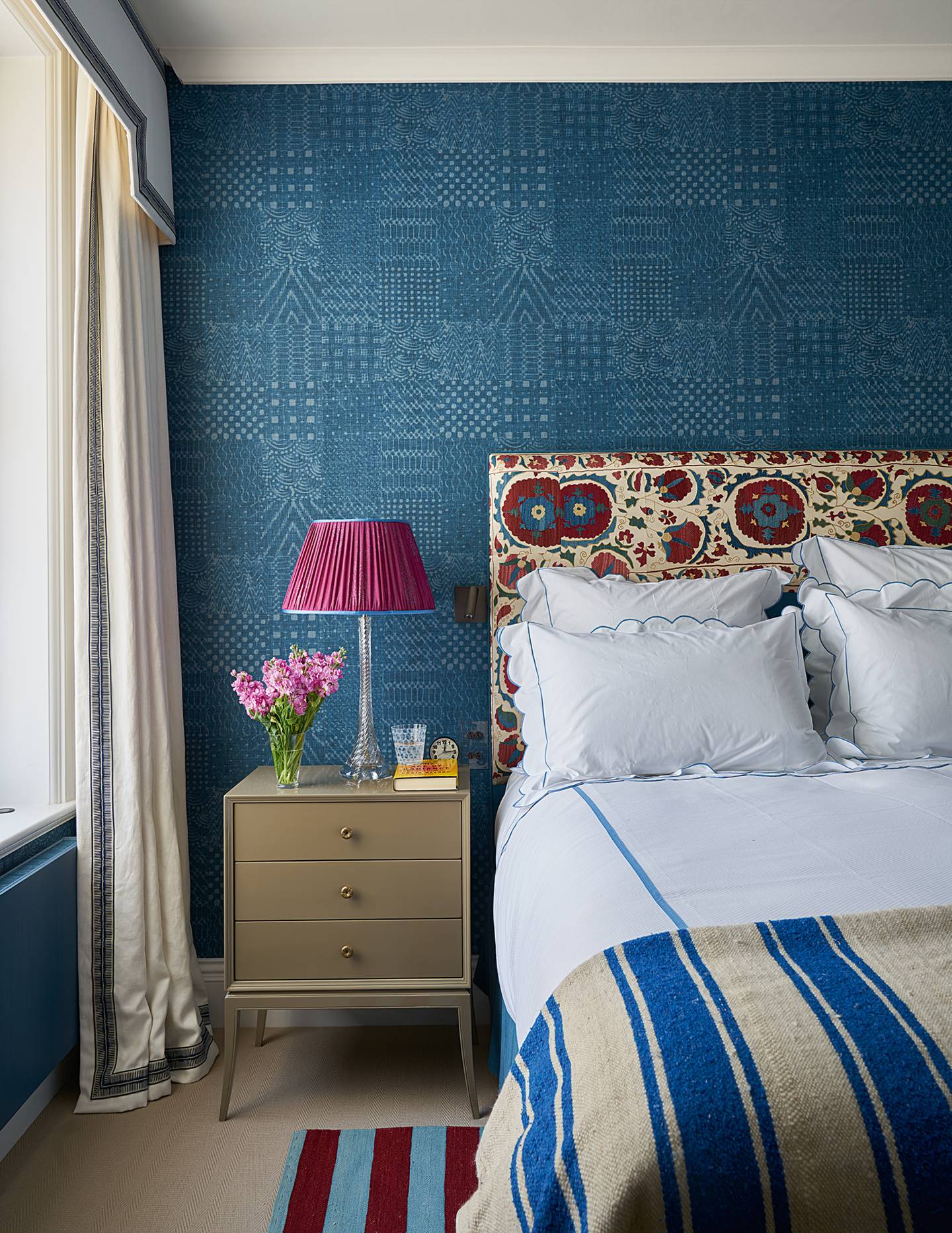
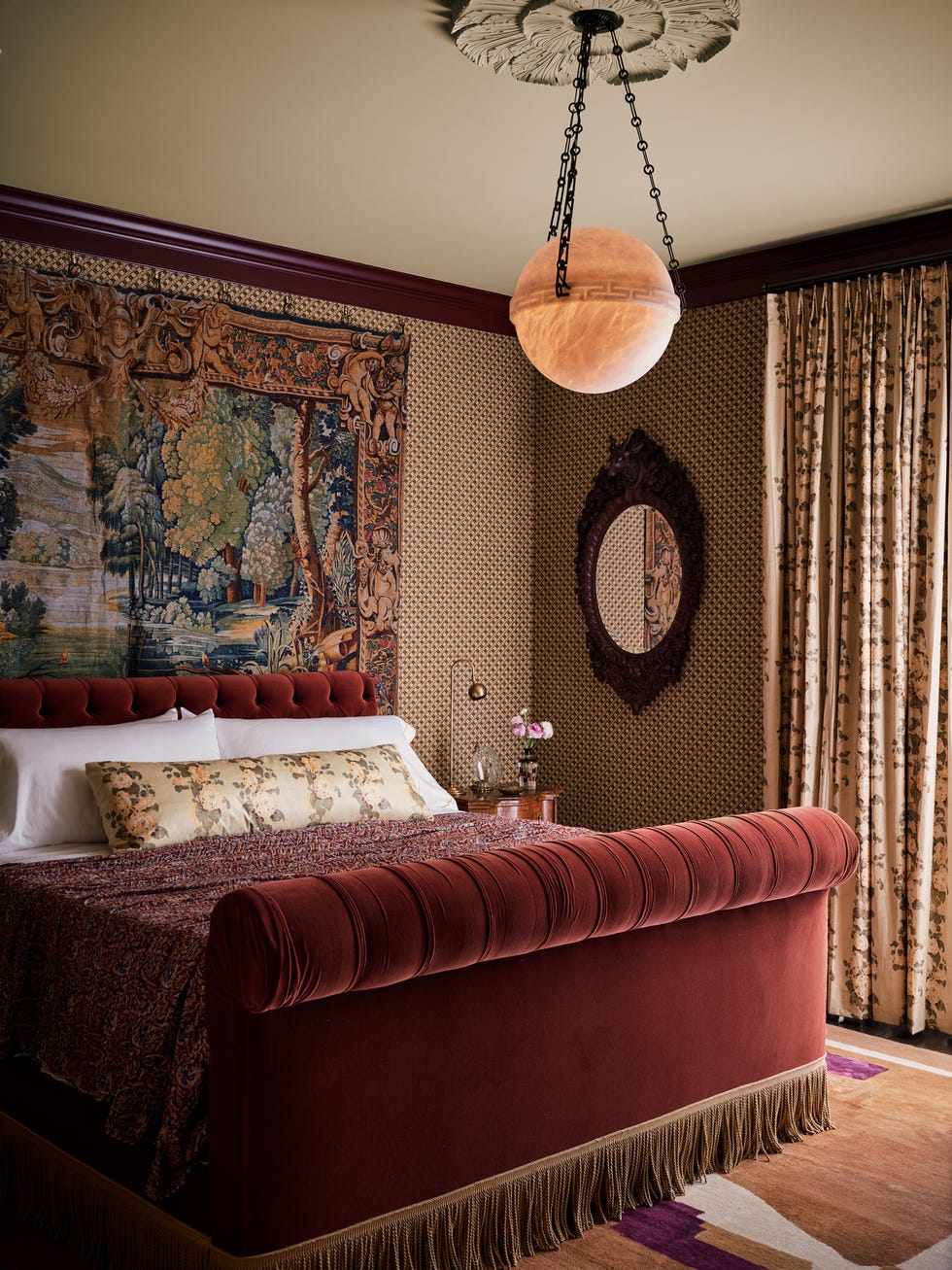
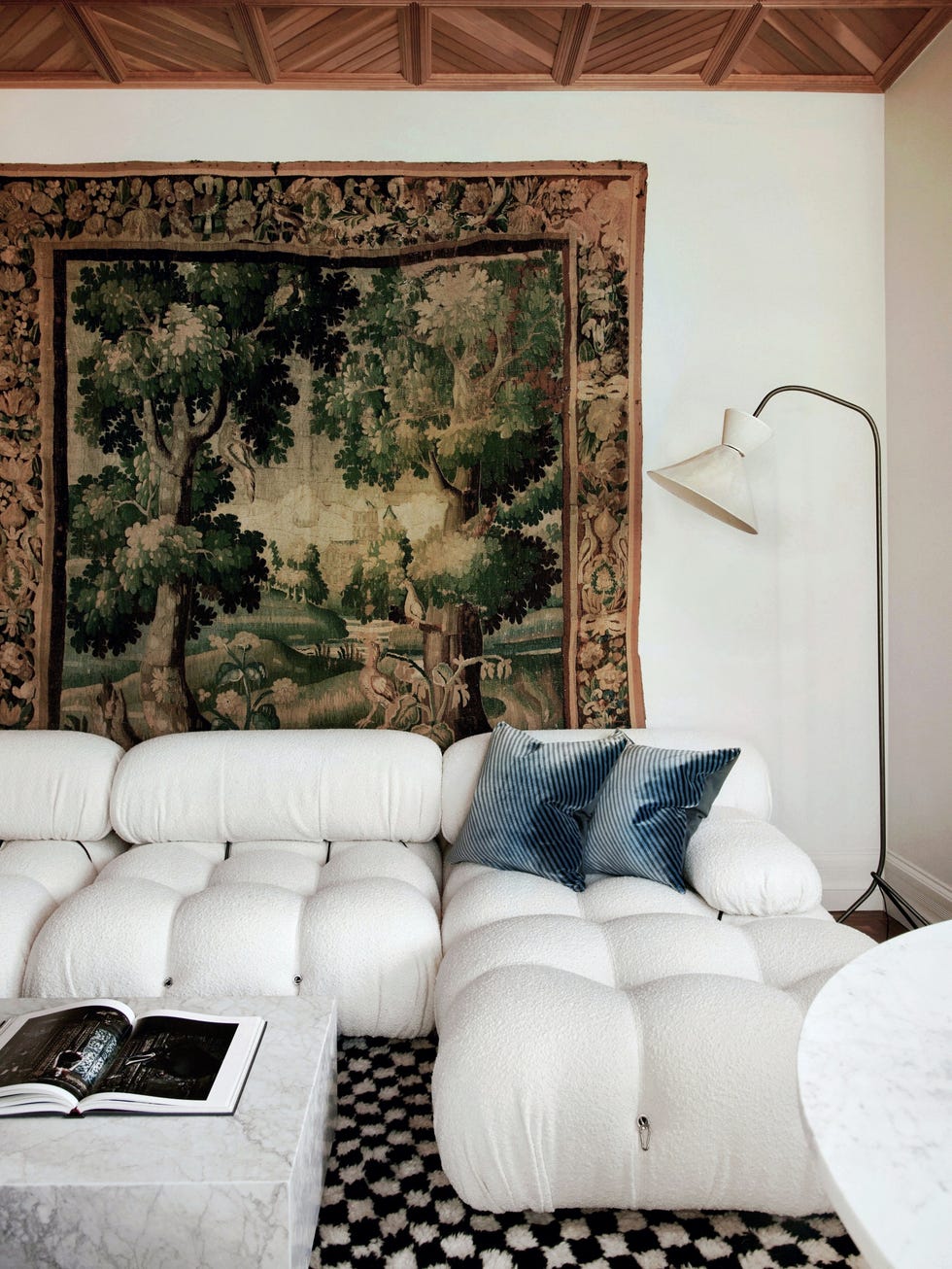
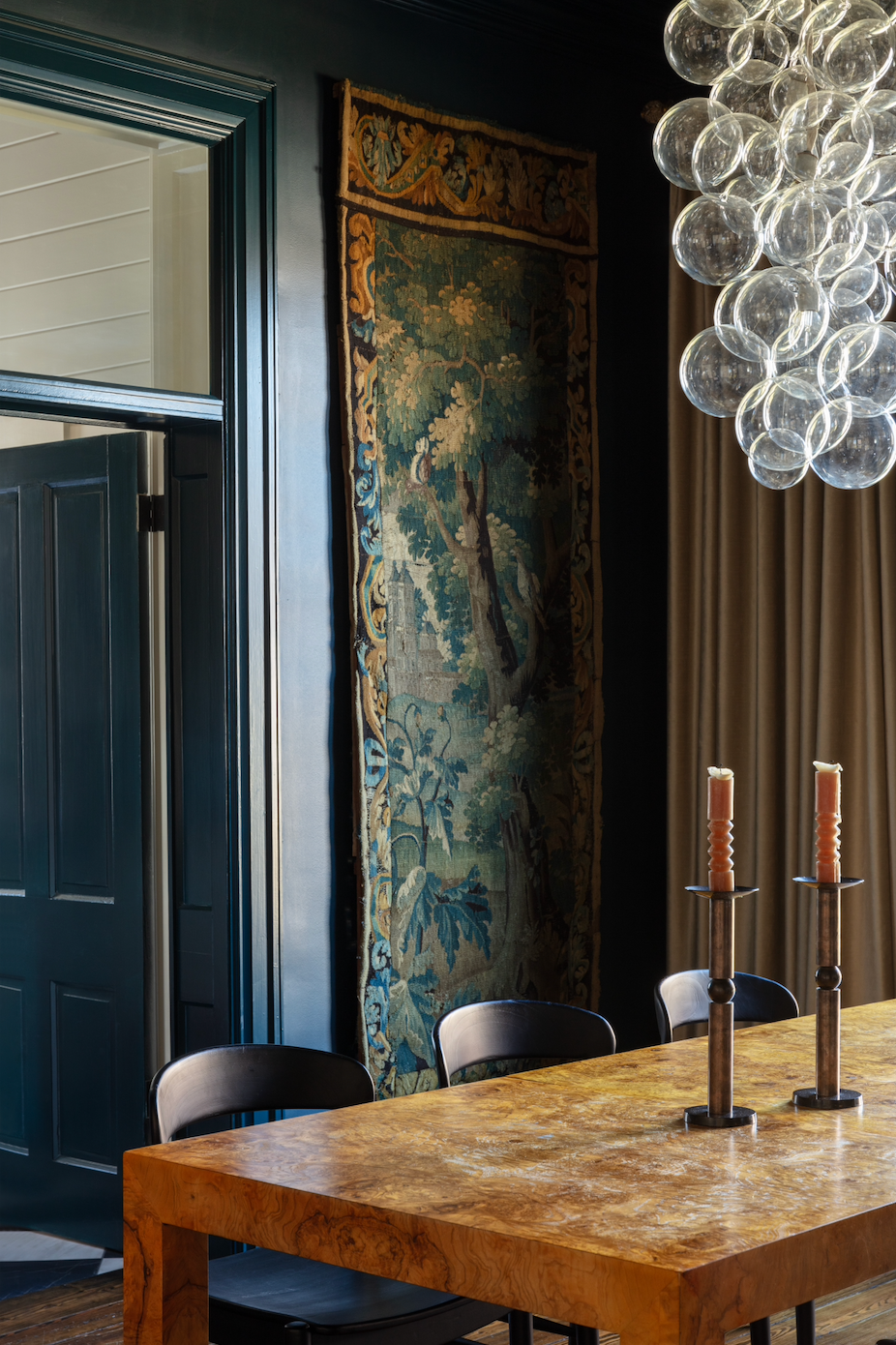
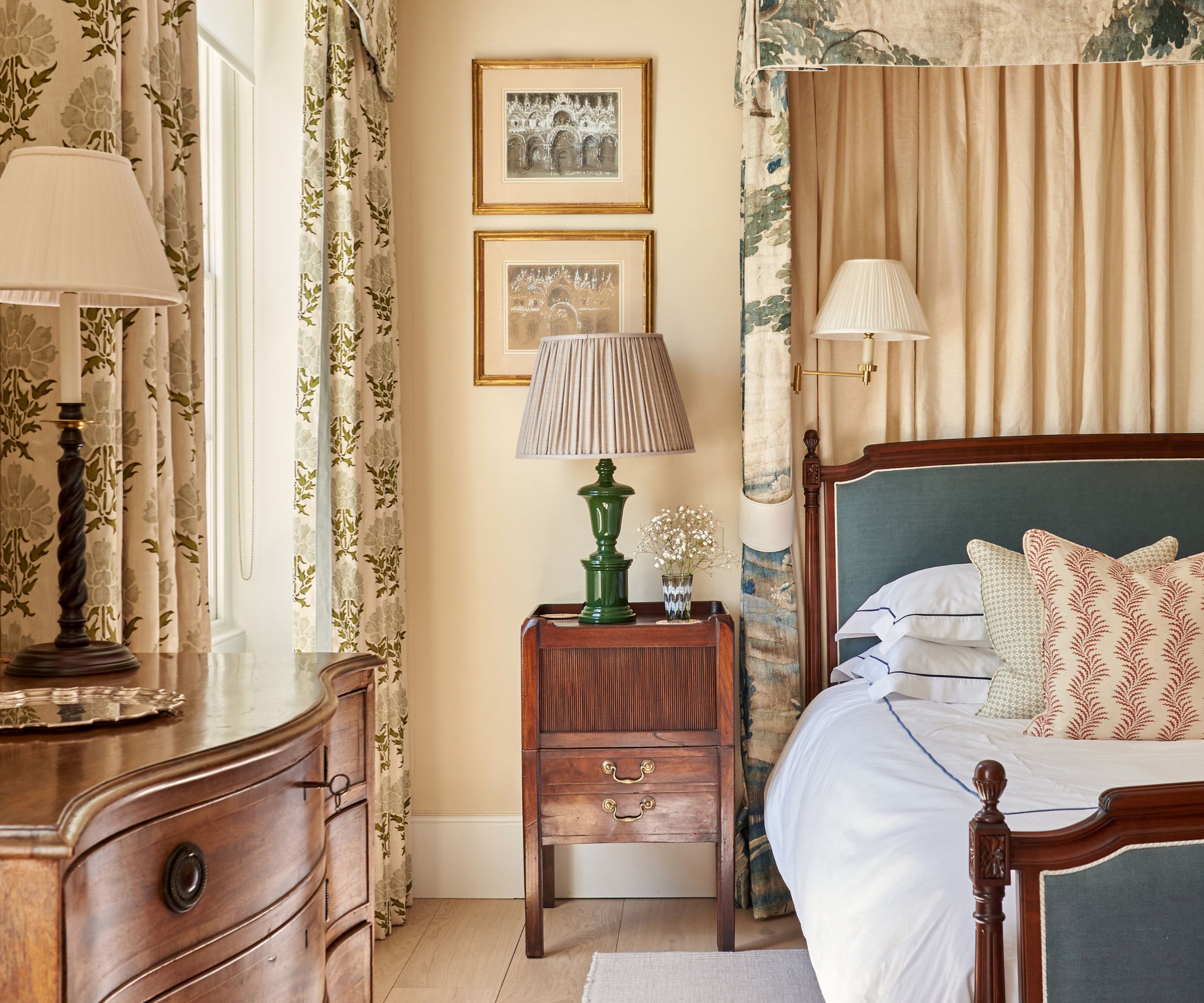
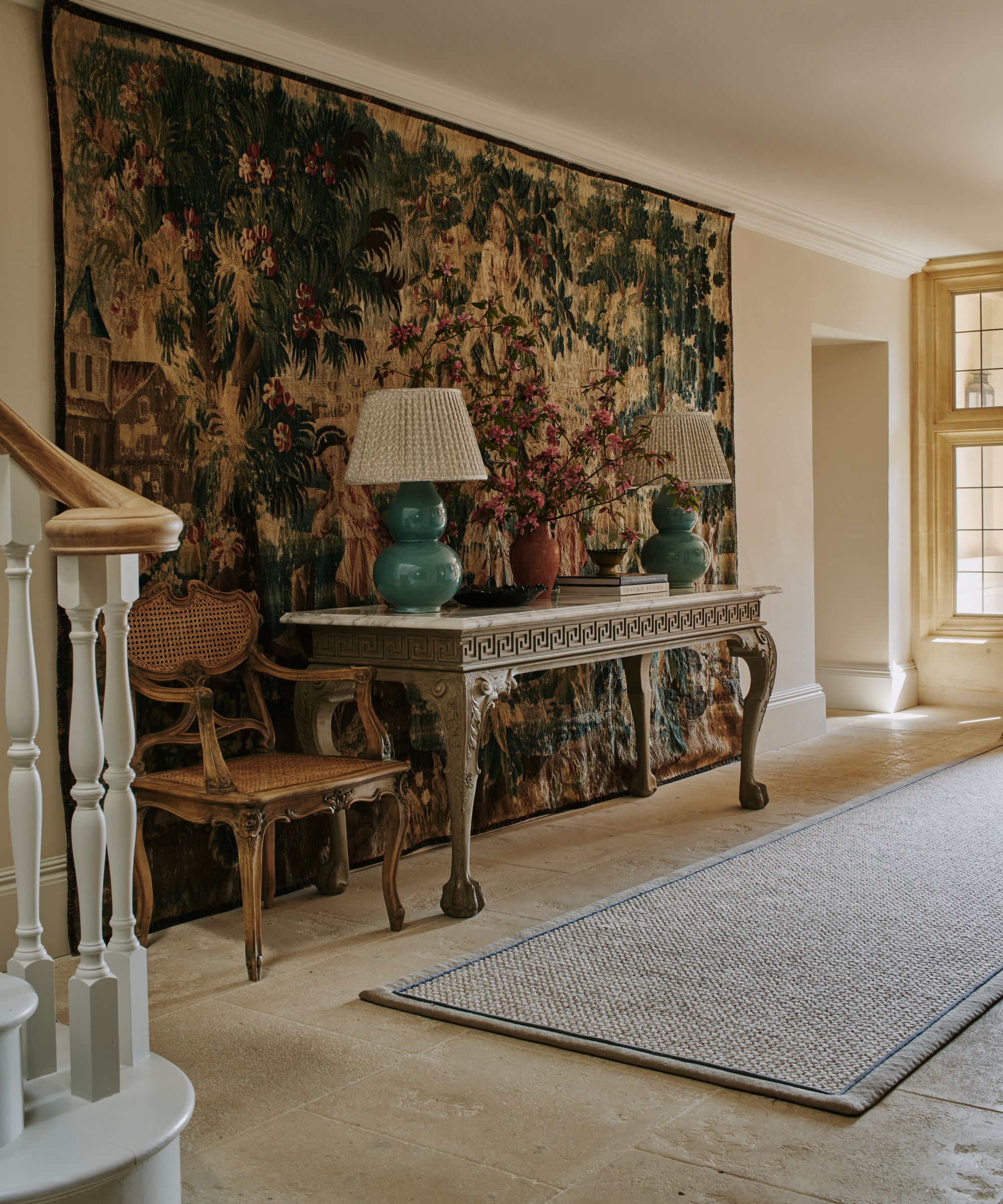
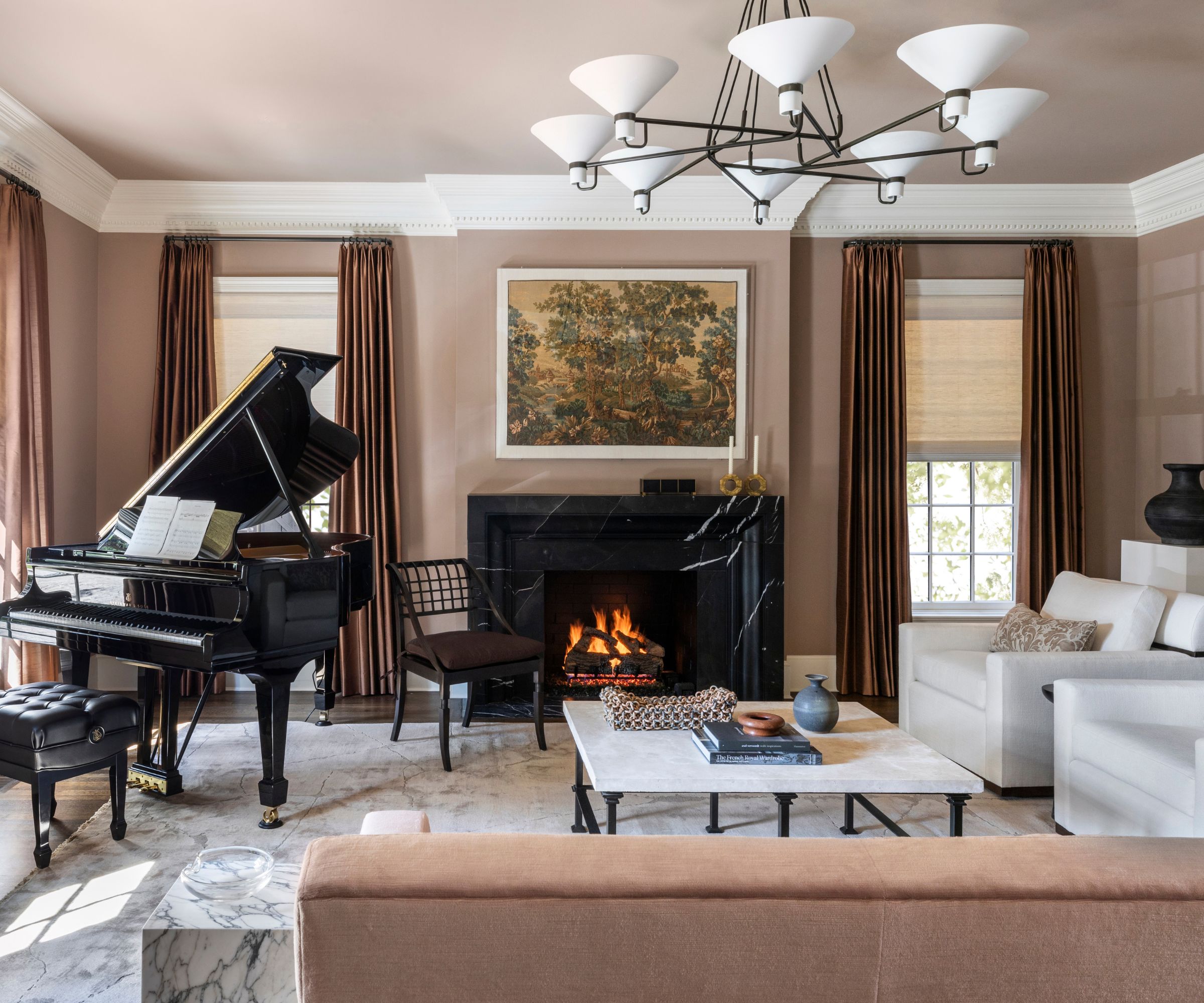
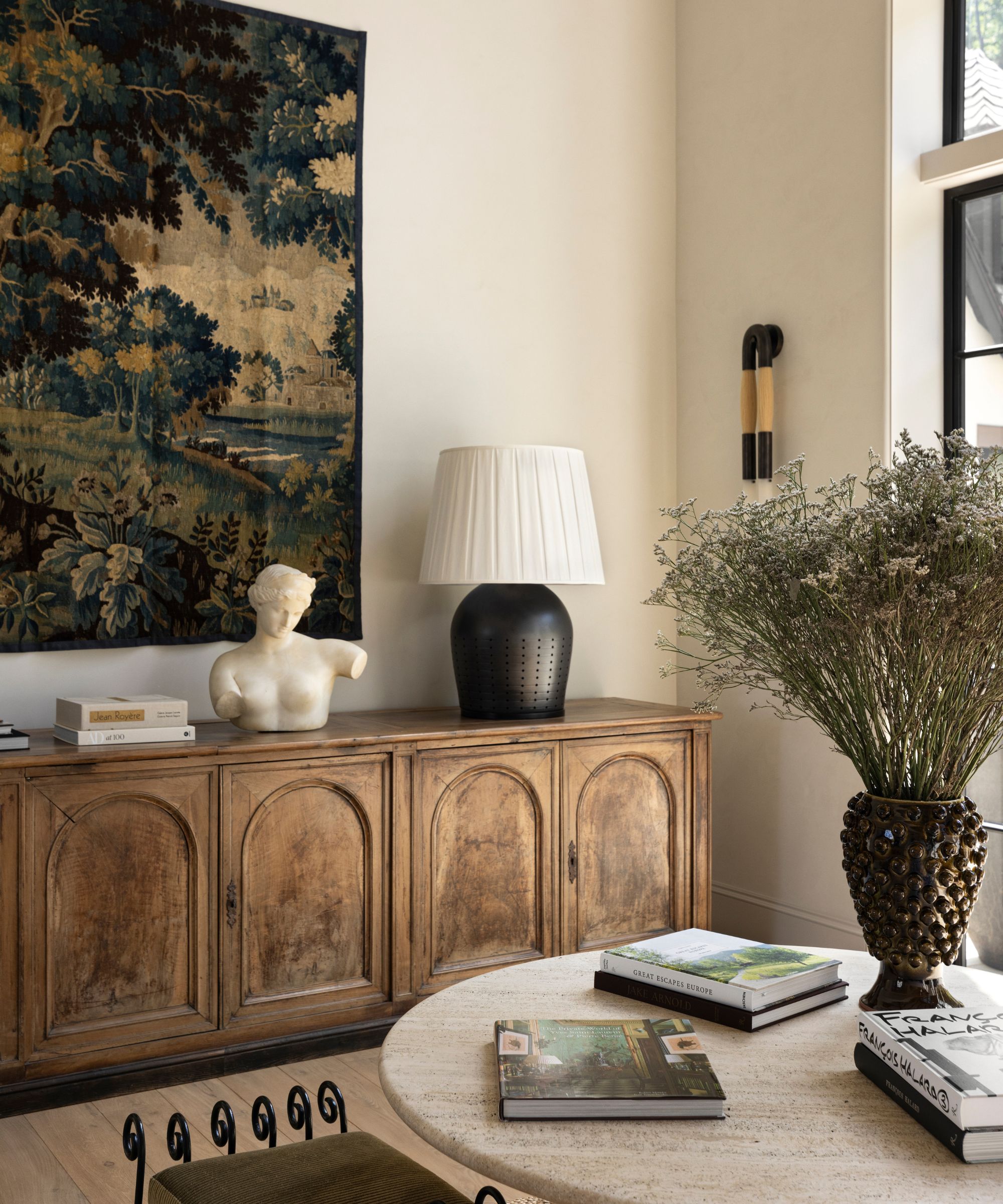
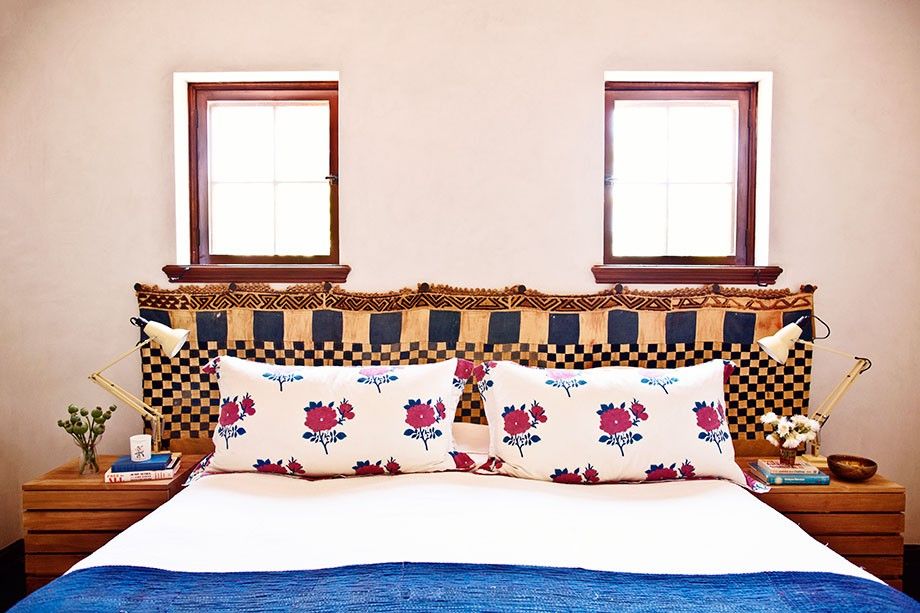
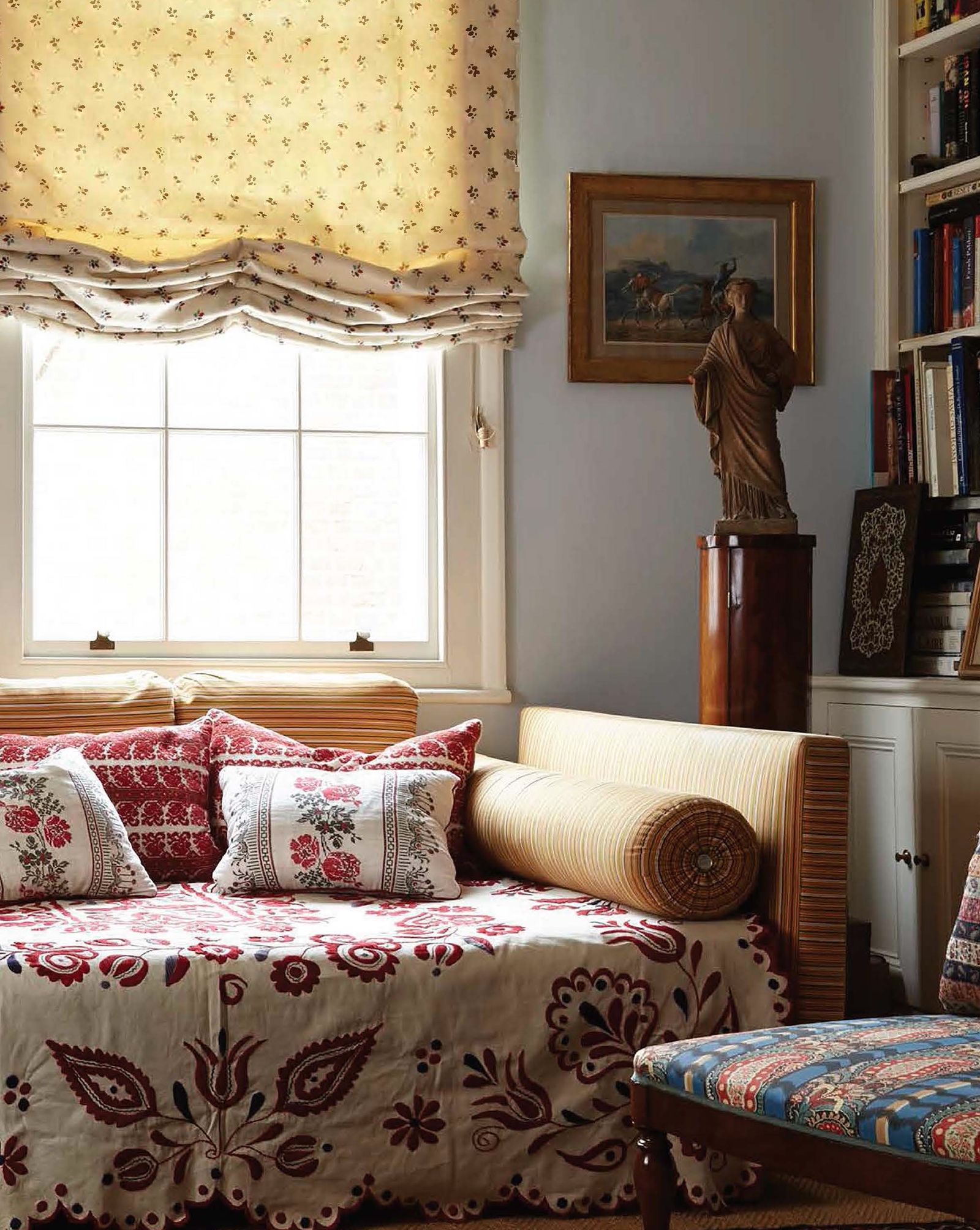
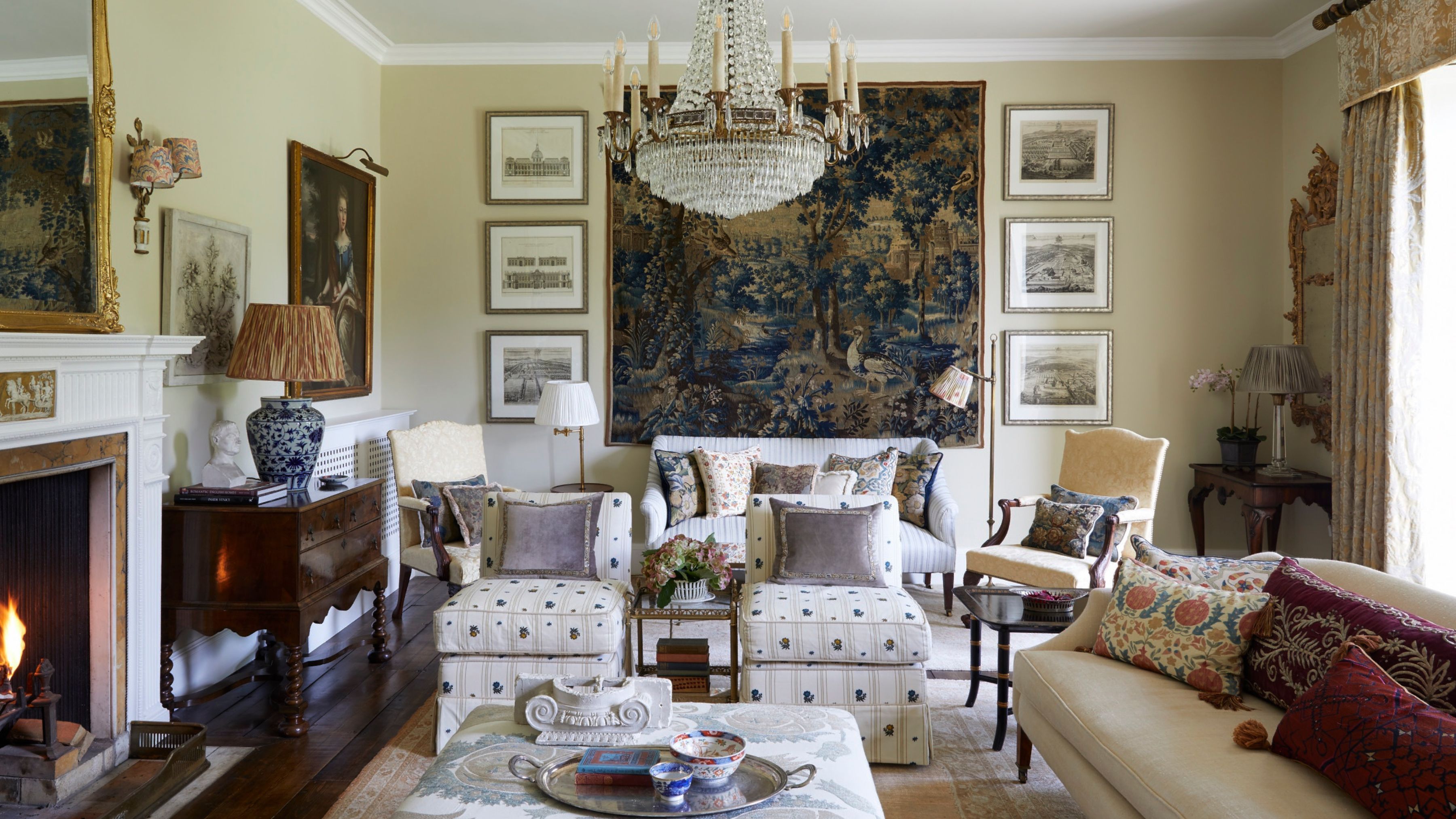
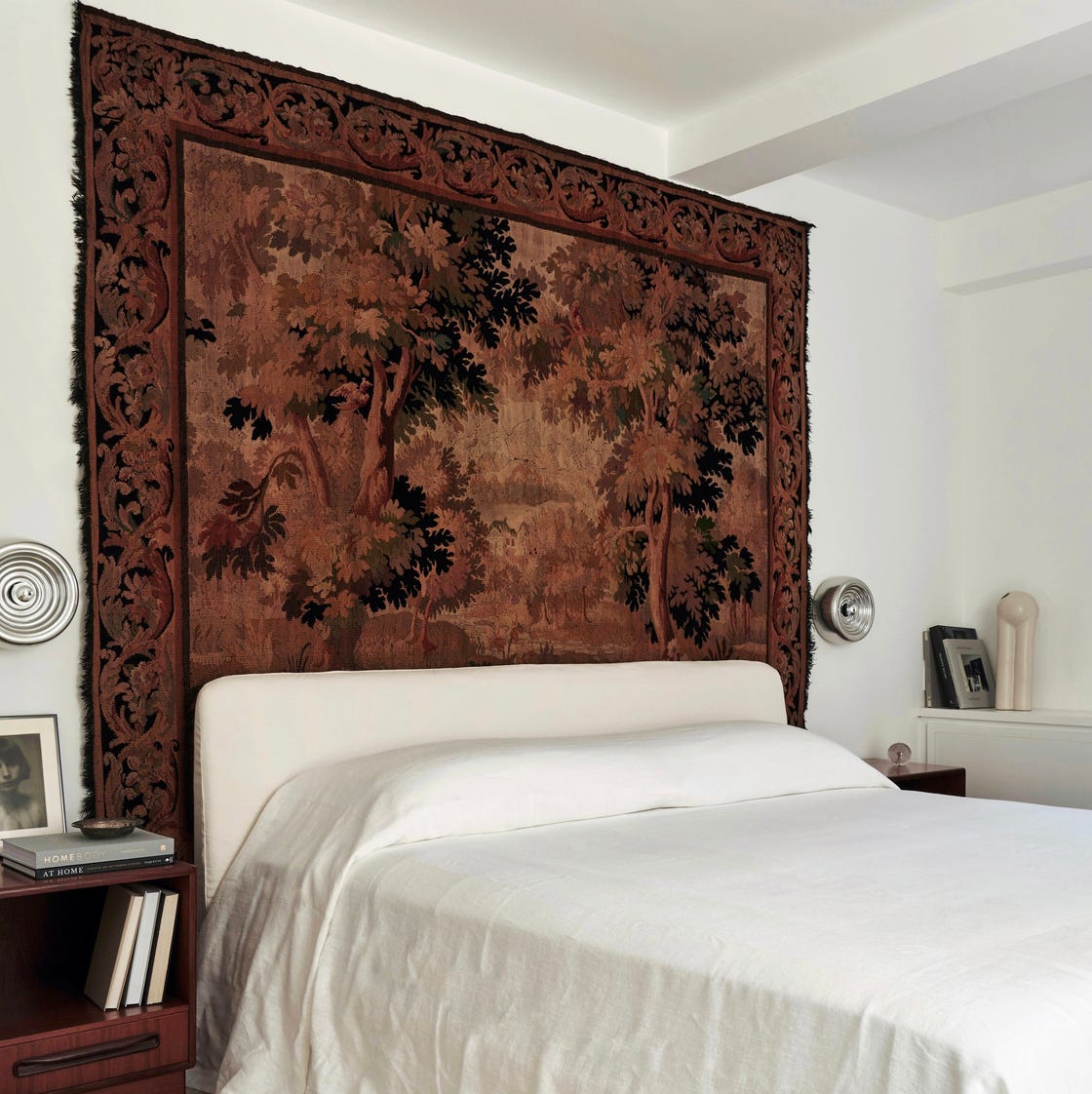
Tapestries are most effective when regarded as structural elements rather than mere decorative additions. Their scale, texture, and visual weight enable them to swiftly define a room, whether hung traditionally or used in more unconventional ways. Proportion is crucial when hanging them on walls; a large tapestry can anchor a living or dining room, absorbing sound and giving expansive walls a sense of purpose. Smaller pieces, such as suzanis, are well-suited above beds, sofas, or consoles, allowing their intricate details to be appreciated up close. Relaxed placement is encouraged, such as draping a tapestry over a sofa for warmth and texture or laying a suzani across the foot of a bed for a layered, luxurious aesthetic. Designers increasingly favor hanging methods that maintain the tactile and dynamic feel of tapestries, avoiding rigid pinning like conventional artwork. Brass poles are often preferred, with careful consideration given to avoiding direct sunlight to protect colors and prevent stress on the fabric. Tapestries can also serve as focal points, setting the mood while allowing the rest of the scheme to remain understated. Beyond walls, tapestries are ingeniously used to shape space and offer clever concealment solutions, such as hiding televisions. They are also integrated as curtains or room dividers, valued for their ability to instantly ground a room, add depth and warmth, and introduce a subtle color palette, especially in generously proportioned spaces. This resurgence of medieval-inspired decor re-emphasizes the understanding of walls as more than static backdrops. Tapestries reintroduce both historical depth and physical softness to these surfaces, reasserting their role in shaping space rather than merely adorning it. Created with meticulous care, altered by time and use, and inherently adaptable, they bring a working tactility to contemporary interiors.
#VintageTapestries #InteriorDesign #MedievalInteriors #TextileArt #HomeDecor #SustainableDesign #AntiqueTextiles #WallDecor #DecoratingTips #VintageTapestries #InteriorDesign #MedievalInteriors #TextileArt #HomeDecor #SustainableDesign #AntiqueTextiles #WallDecor #DecoratingTips
Há 0 comentários no total
 Ainda não há comentários
Você também pode gostar
How to decorate with antique textiles – designers share their tips for adding character with old fabrics
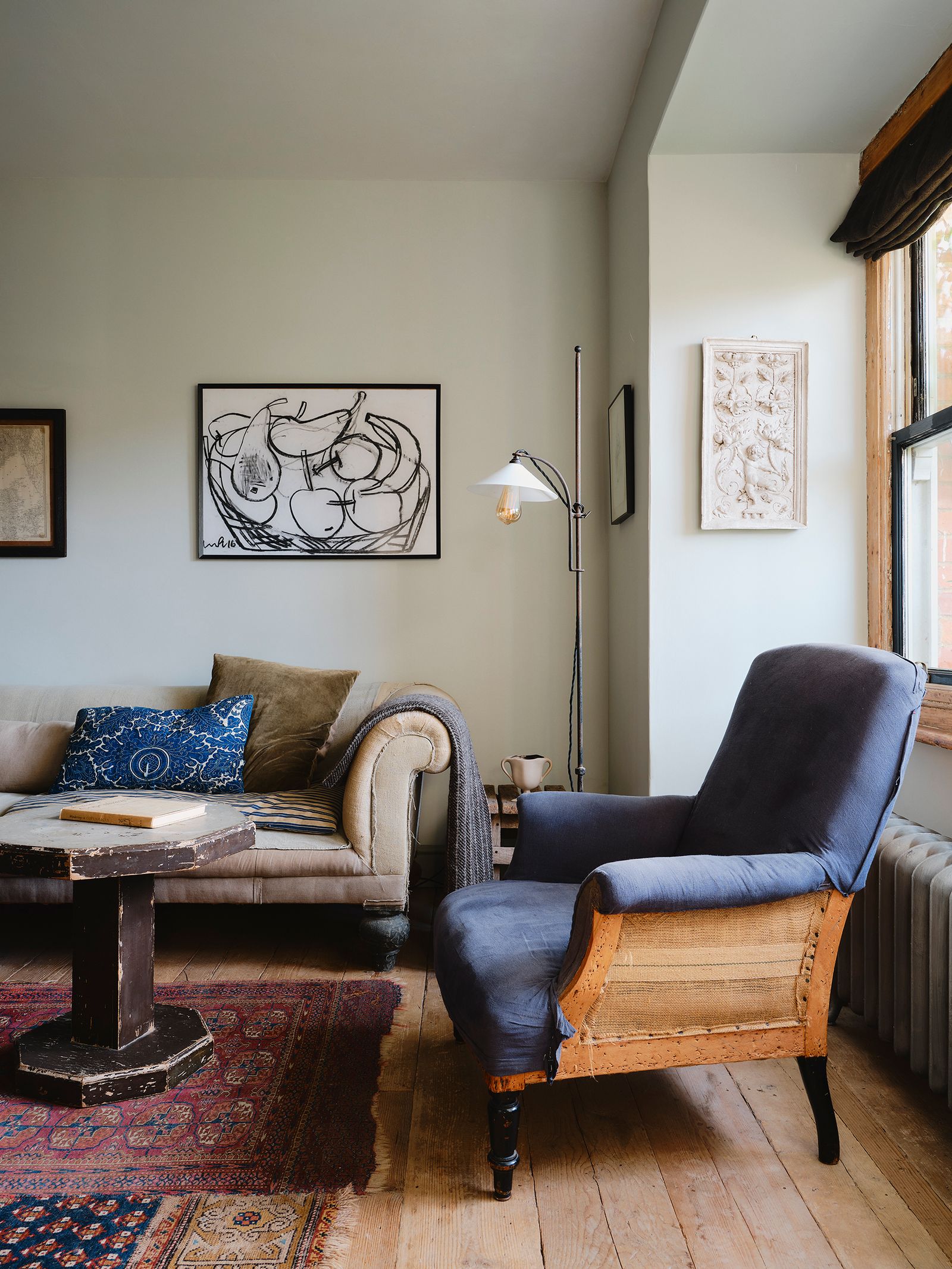
How to upholster with antique textiles without going too Miss Havisham
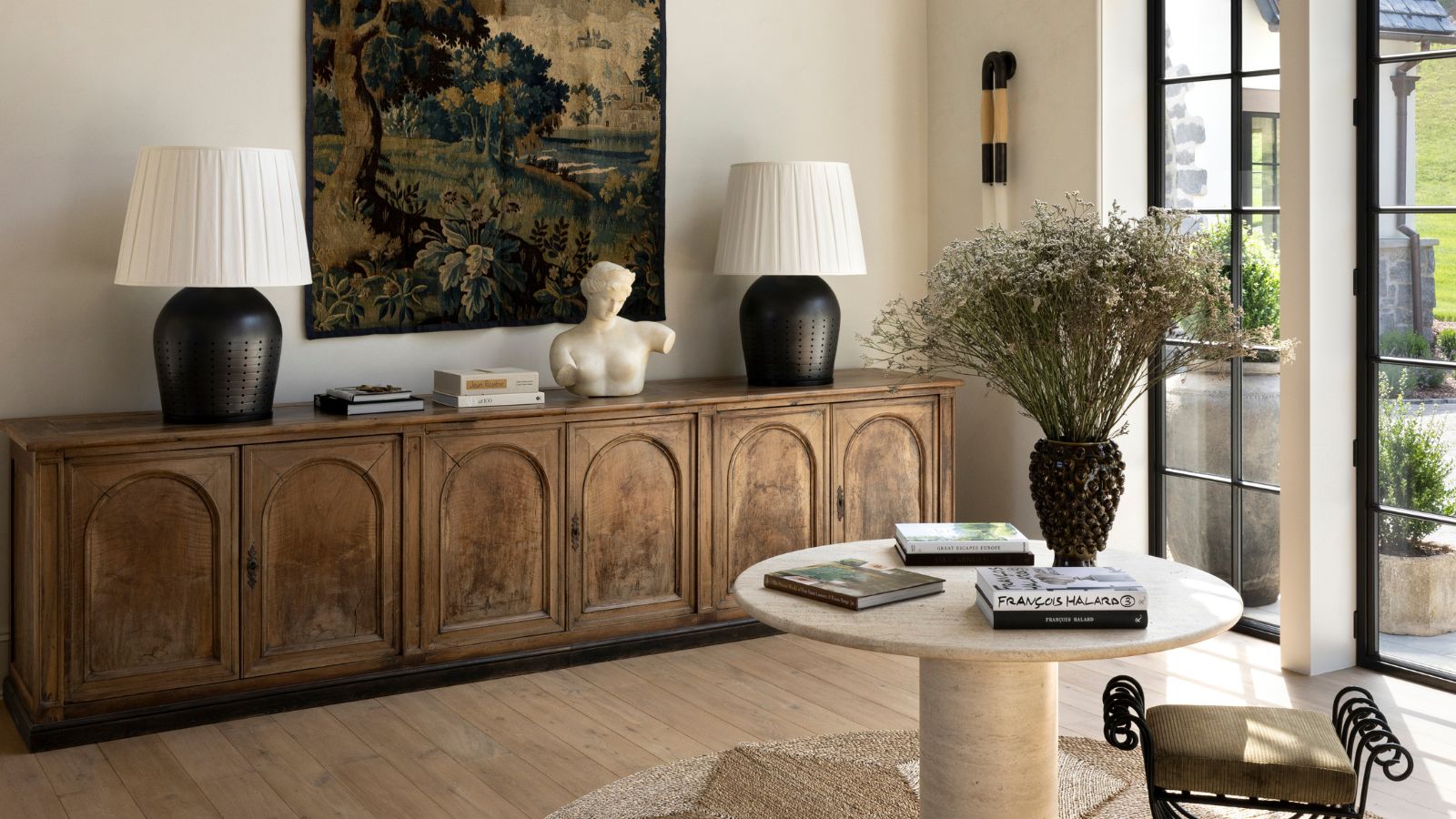
Tapestries are the unexpected vintage revival designers are loving in 2025 – here's how to decorate with them at home
12 Vintage Trends That Are Making a Comeback, According to Interior Designers
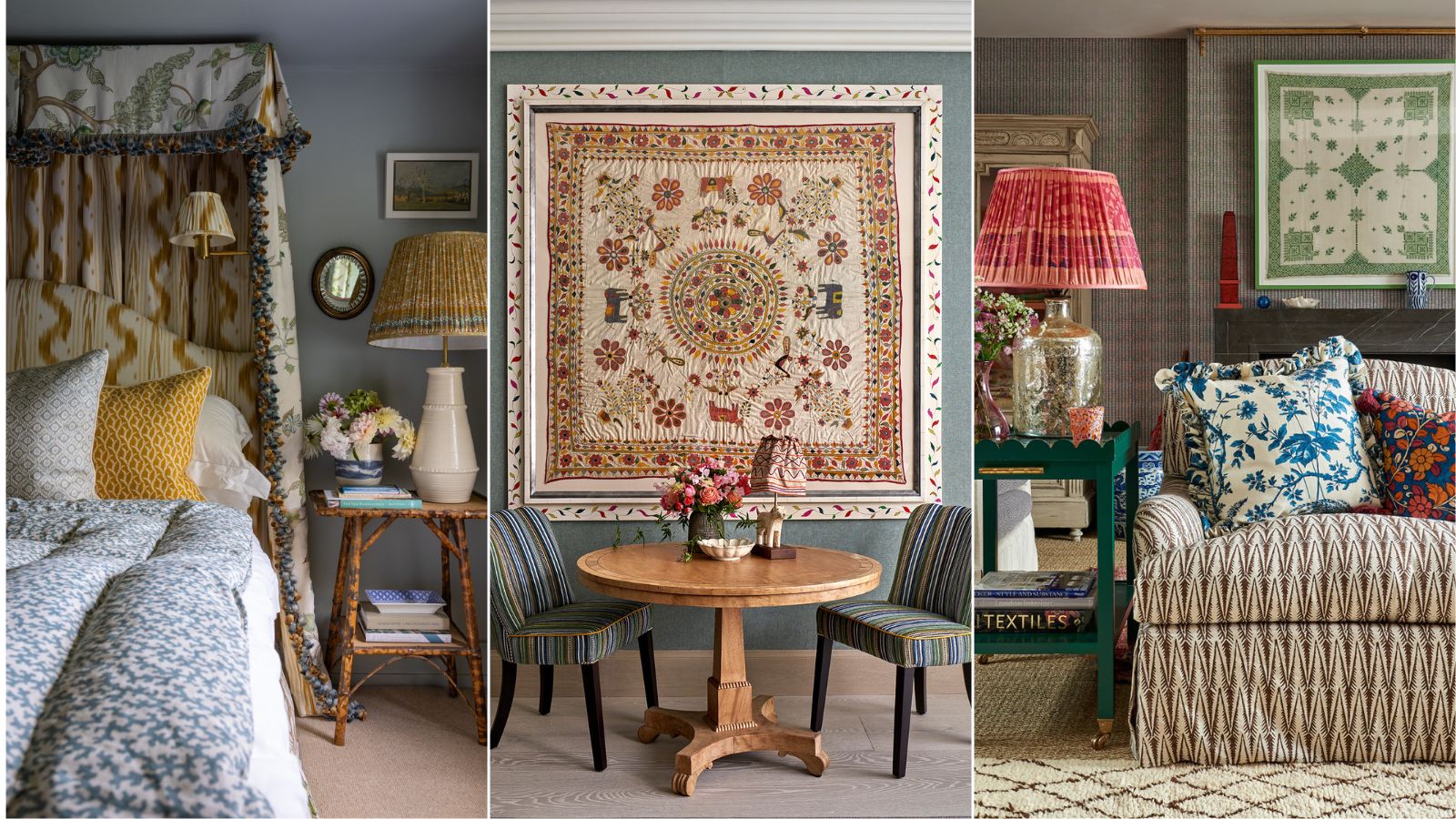
Decorating with vintage fabrics - 8 ways to inject color, texture and heritage style into your space
6 antiques that will always work in modern interiors – and how designers style them
At Home With... Pandora Taylor - Interiors
These 5 Popular Antiques Are Flying Off the Shelves This Fall, According to Interior Designers

Designers Are Ditching Gallery Walls for This Gorgeous Antique Item
Interior design tips on vintage vibes incorporating retro charm into modern home | Hindustan Times

7 Vintage Home Decor Features That Designers Want to See EVERYWHERE in 2026

The Best Ways to Show Off a Textile in Your Home

Tapestries Are No Longer Just for Gothic Castles (Published 2024)
Decorating with antiques – 8 designer tips to channel the past in the chicest way
Is your home feeling lifeless? 5 layering hacks to make the interiors warm and inviting | Hindustan Times
Best reissues: vintage design classics revitalised with brio

Decorating with vintage – 7 of the best ways to bring character into the home
How to Modernize Antique Furniture for a Characterful and Cohesive Look
Cuniform Stylist Expands Into Vintage and Sustainable Interior Design

Michelle McClennan’s Love of Antique Design and Upholstery