Small Kitchen, Big Impact: 5 Lighting Ideas Designers Actually Use to Instantly Brighten a Space
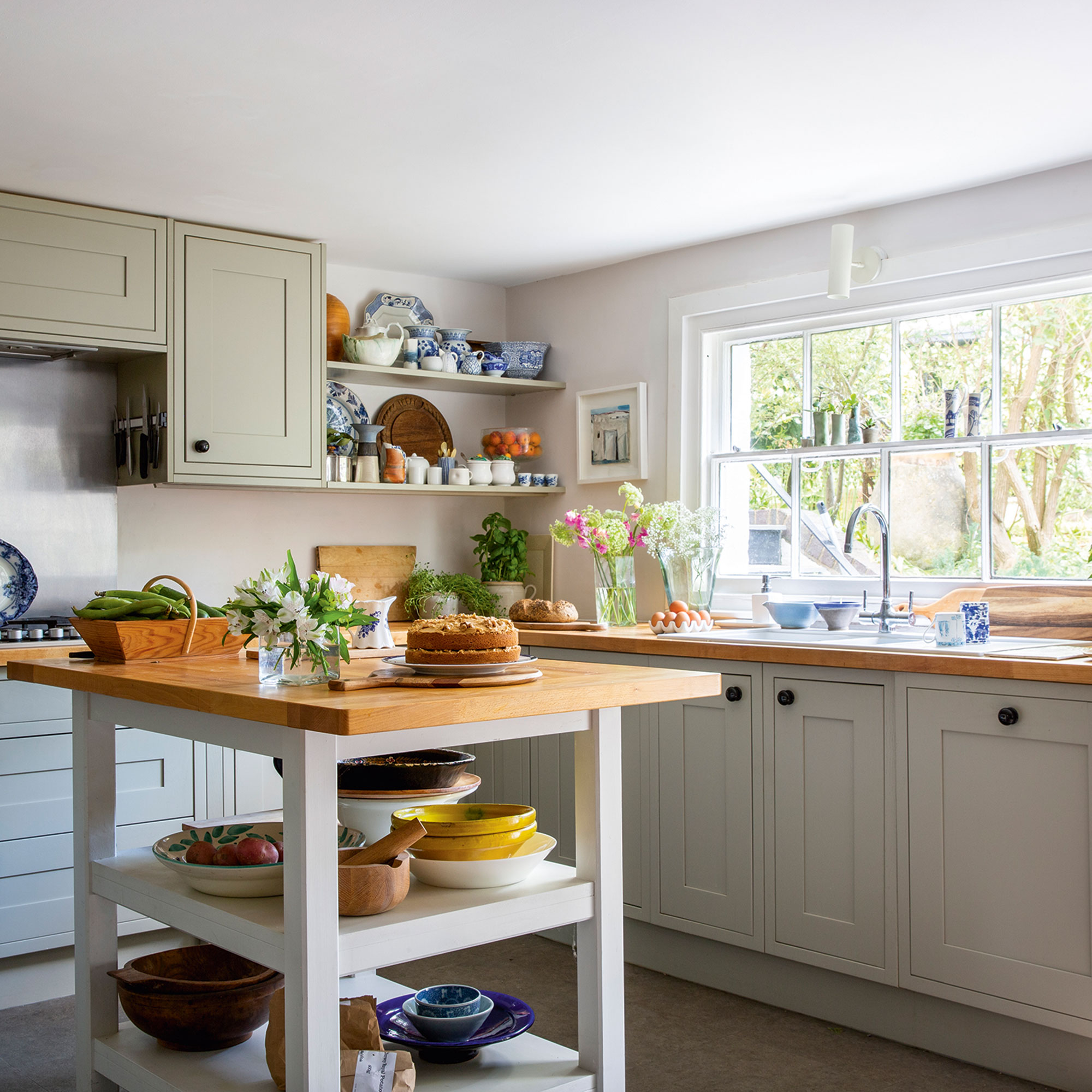
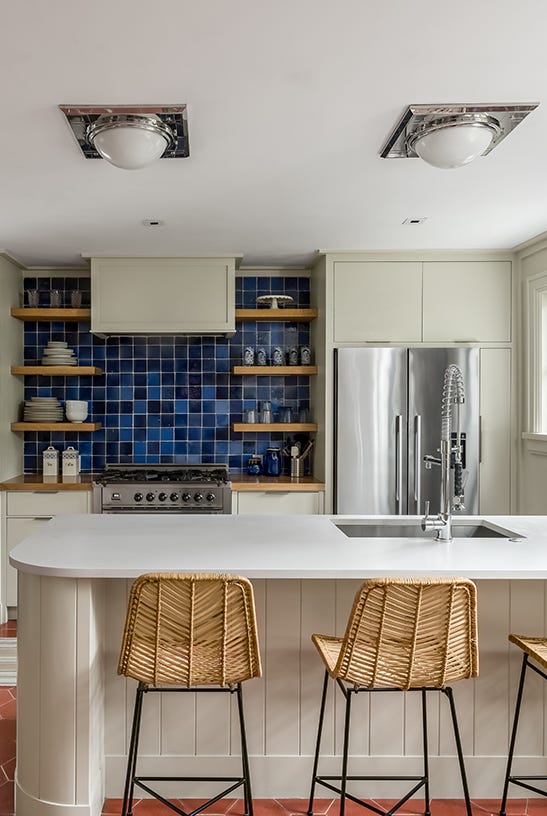
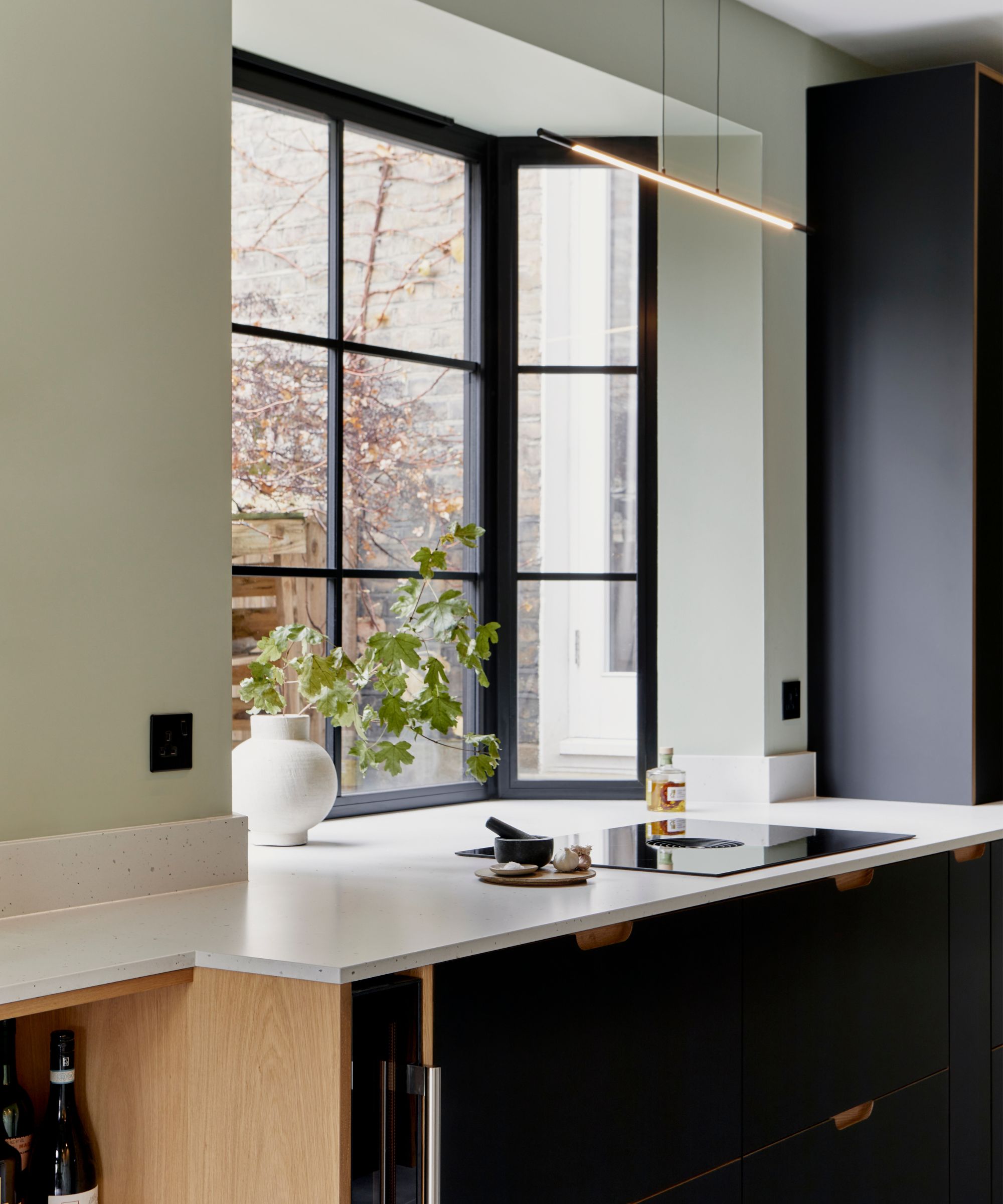
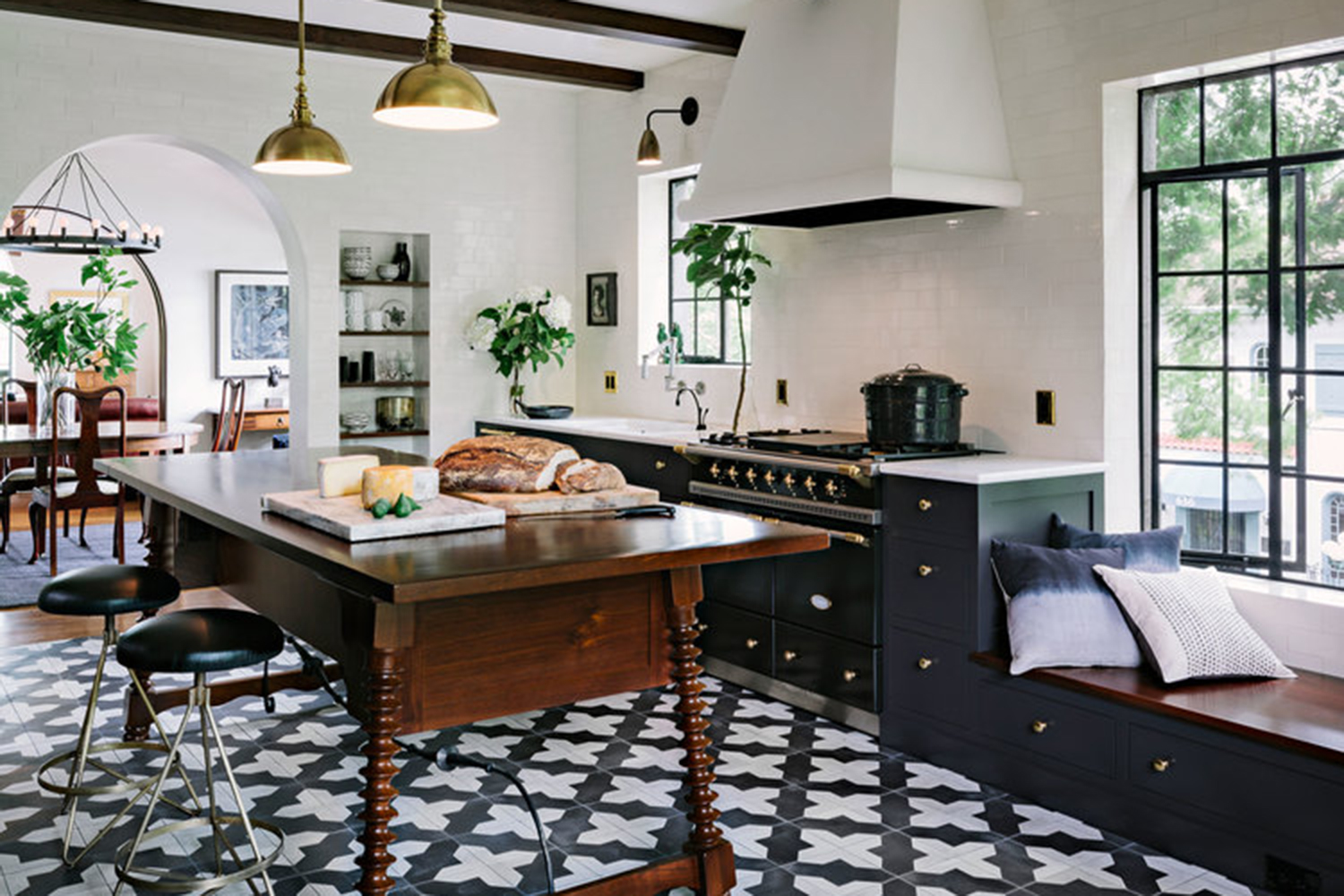
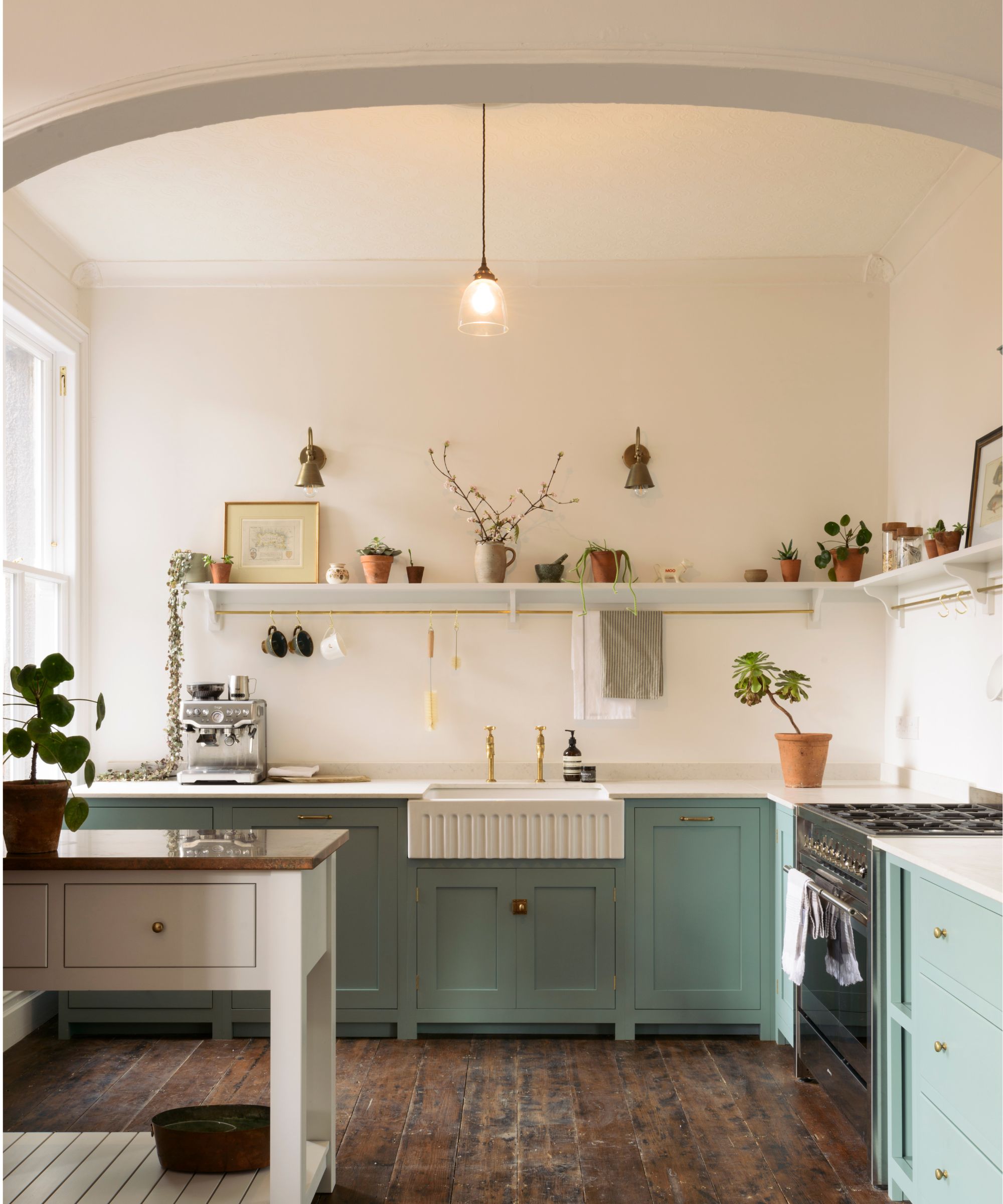
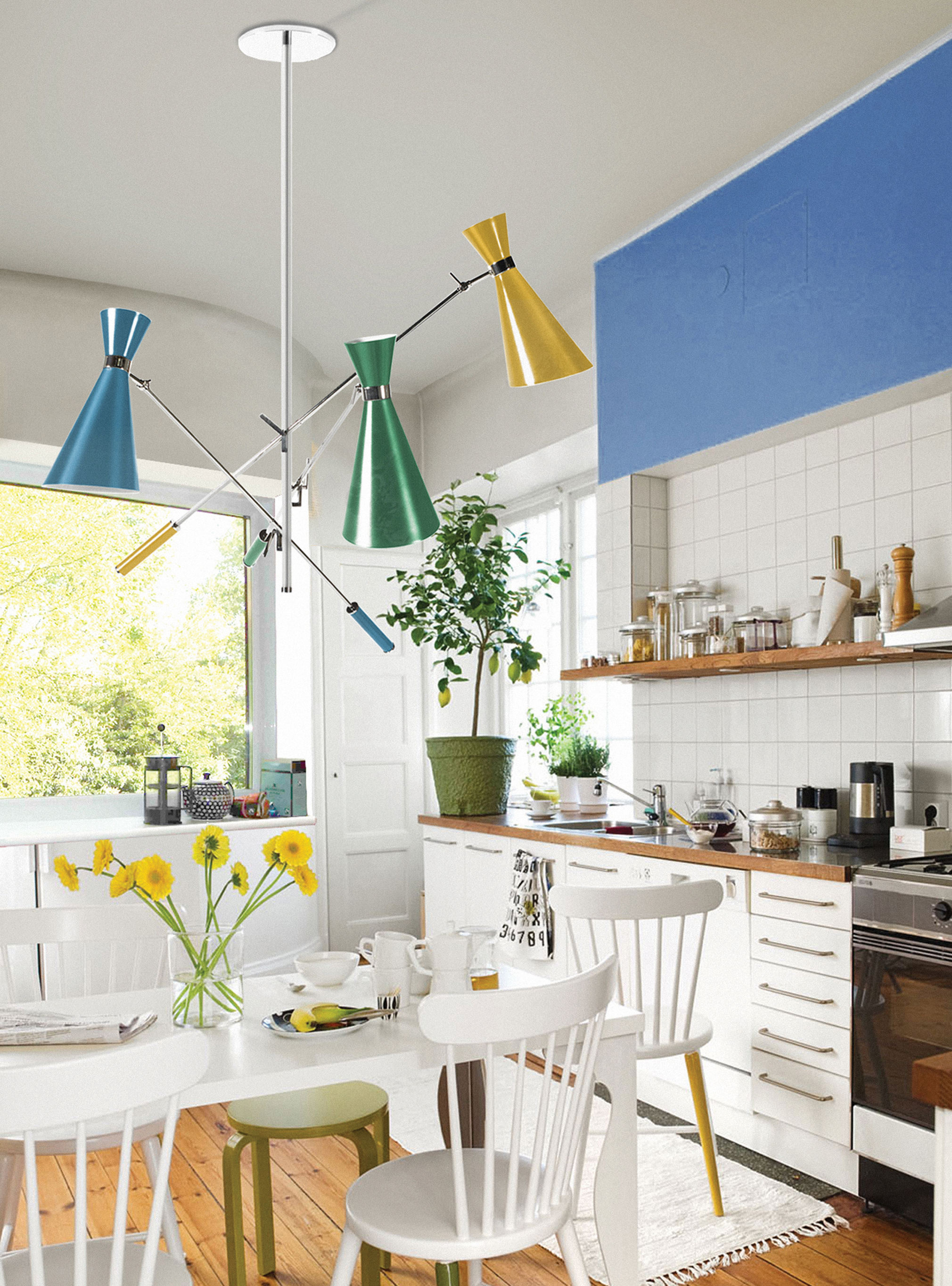
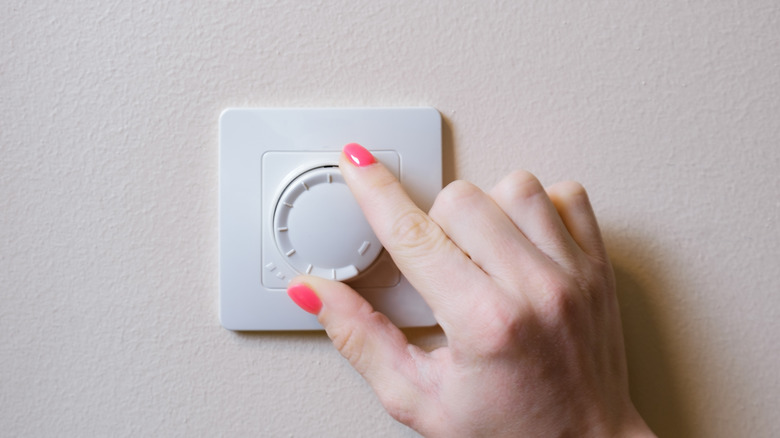
Optimizing lighting in small kitchens is crucial for both functionality and creating an illusion of space. Designers emphasize the importance of strategic light placement to enhance usability and make the kitchen feel less confined. Recessed downlights with a wide beam spread are a primary recommendation for general lighting. These fixtures provide unobtrusive illumination, helping to maintain a clean ceiling and open sightlines, which are vital in compact areas. When evenly spaced and dimmable, they offer a balance of practicality and ambiance, contributing to a more spacious and adaptable feel. However, relying solely on recessed lighting can result in a harsh and flat appearance. Therefore, layering different light sources is essential to introduce depth and warmth, making the kitchen feel more intentional and inviting.
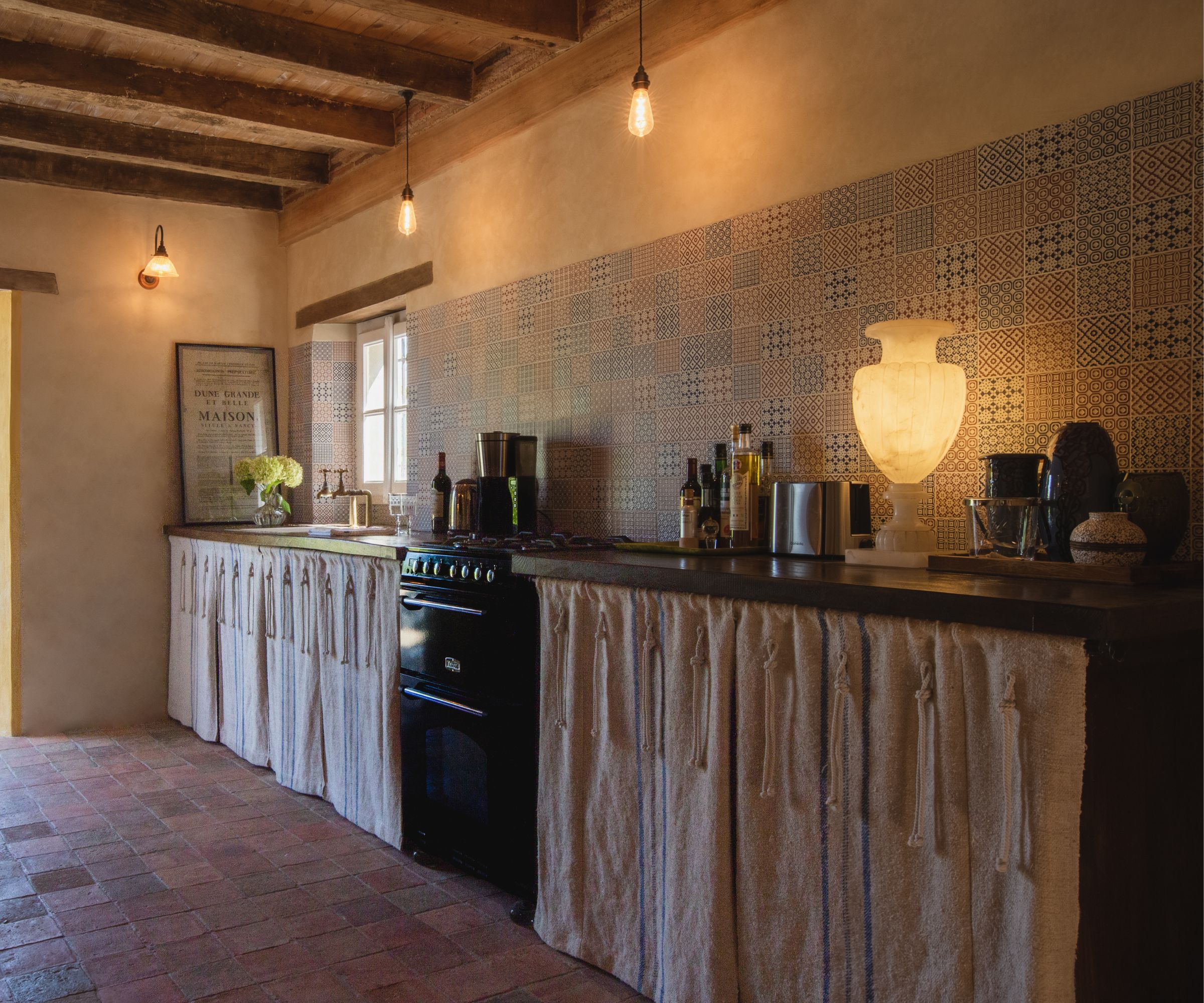
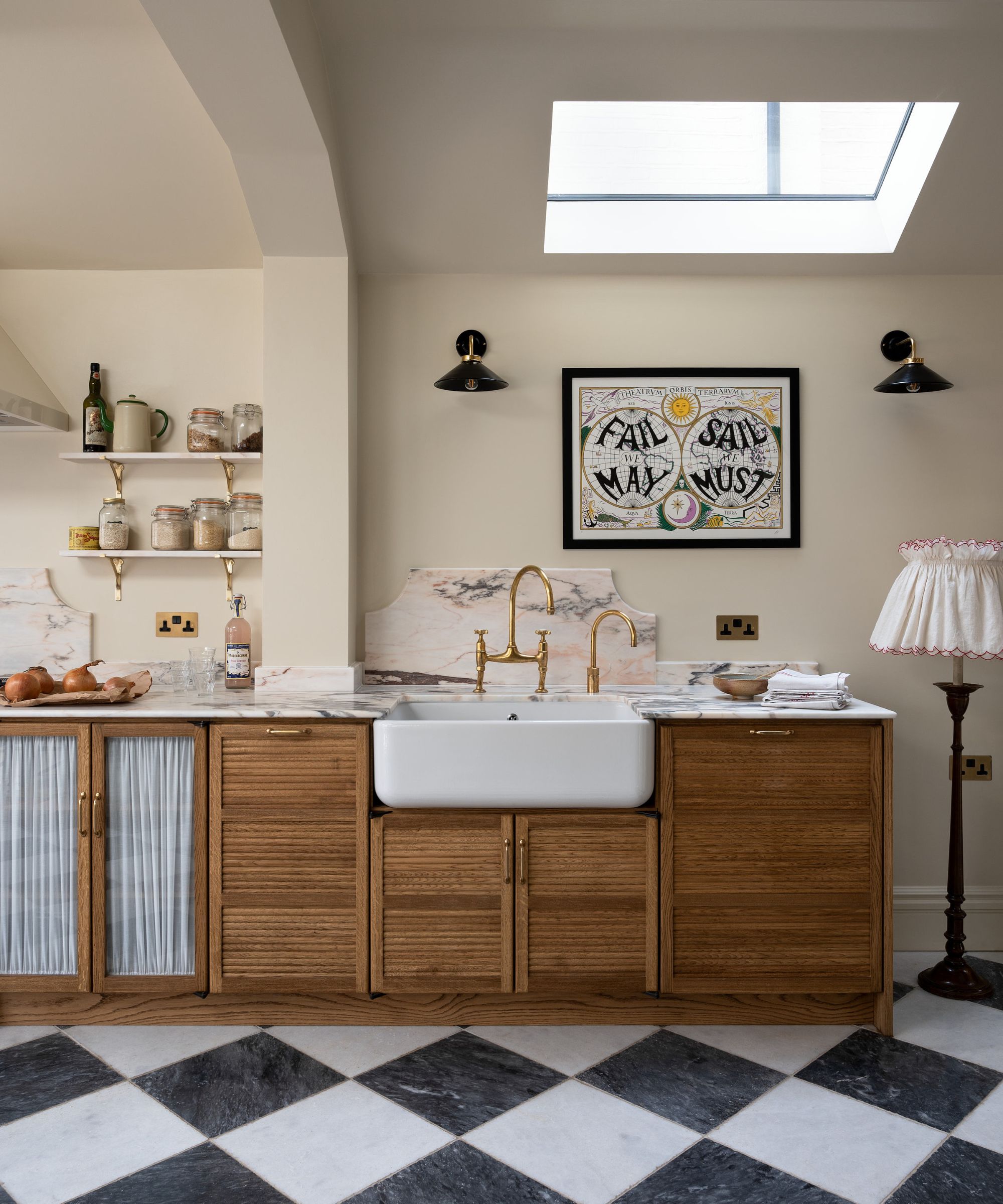
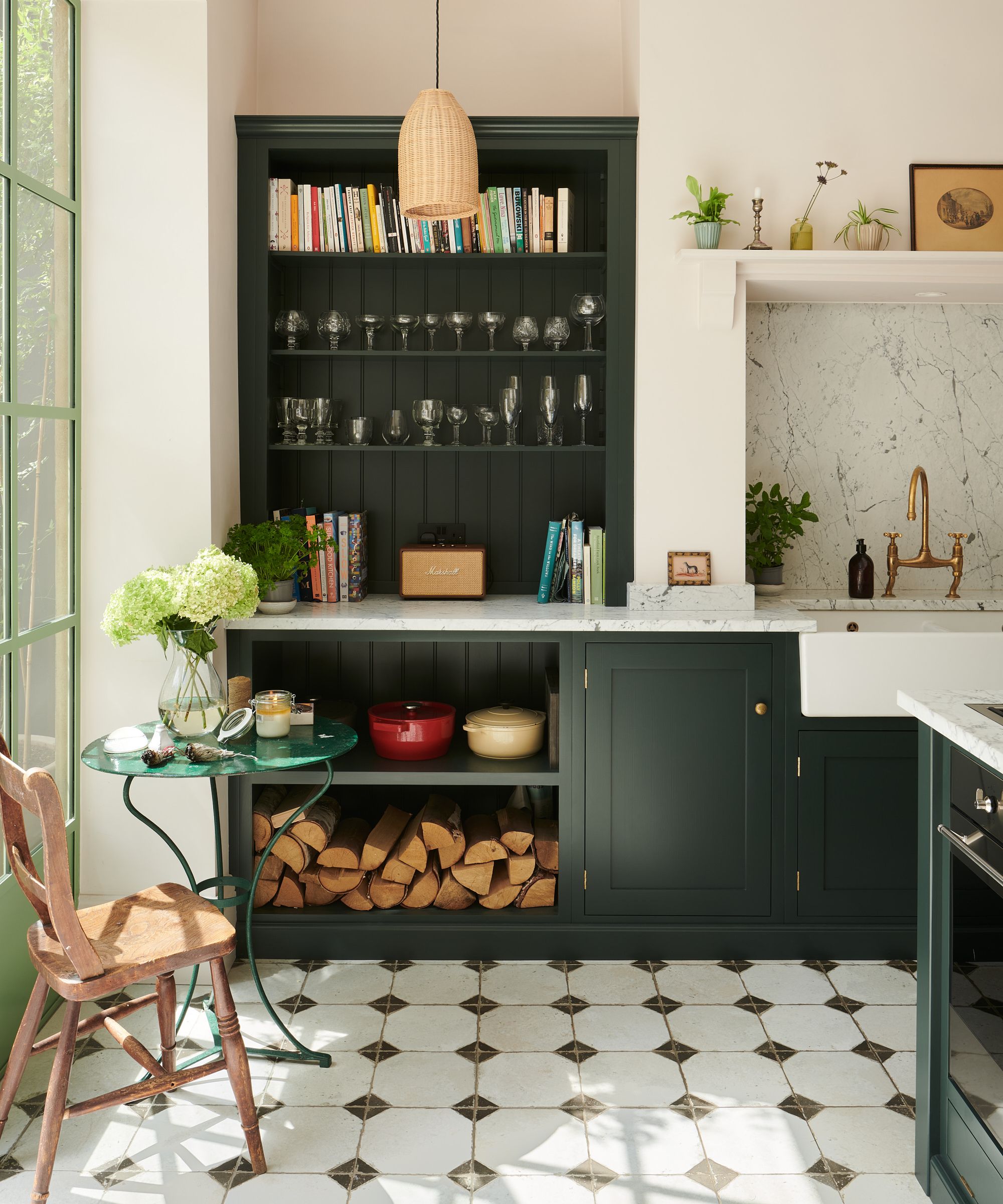
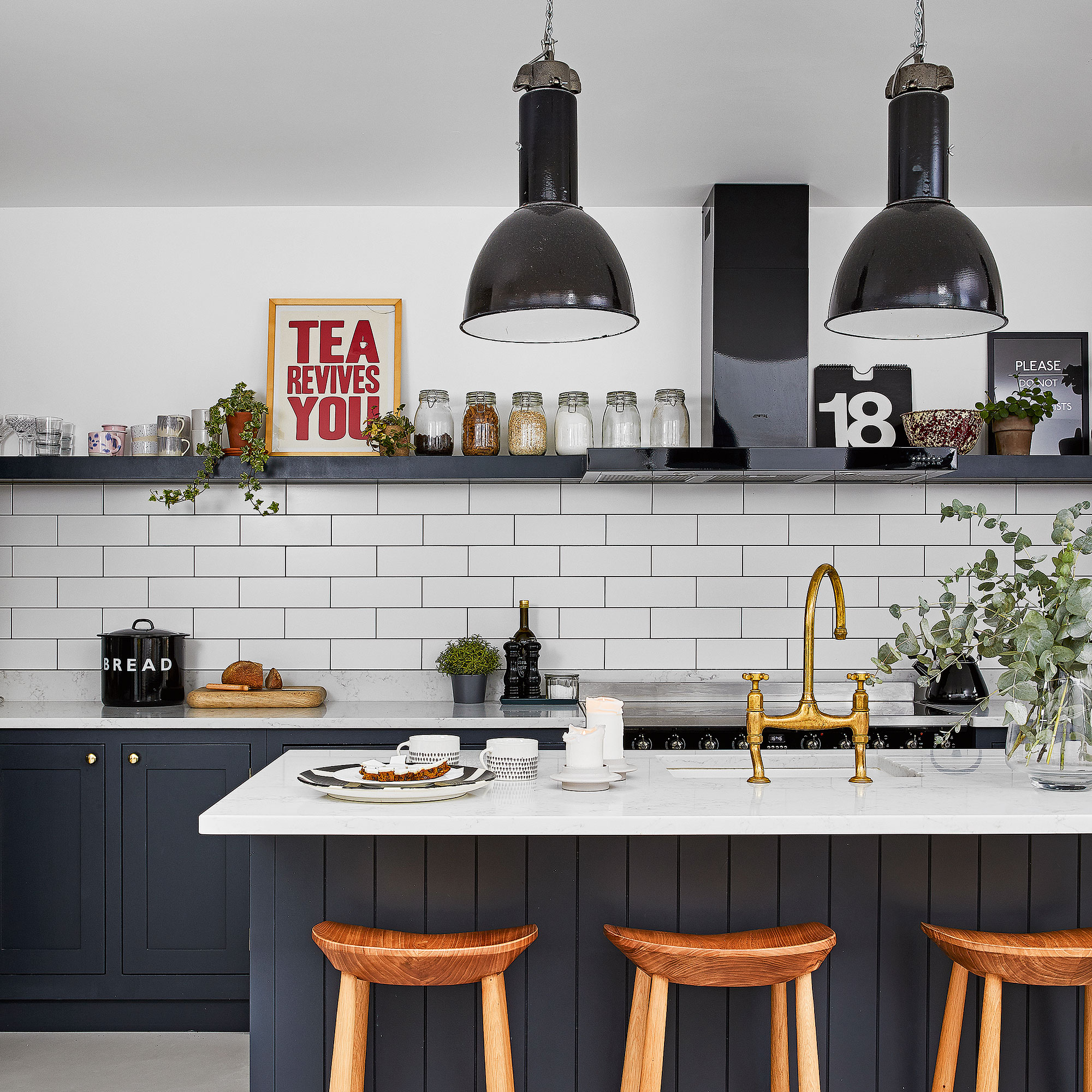
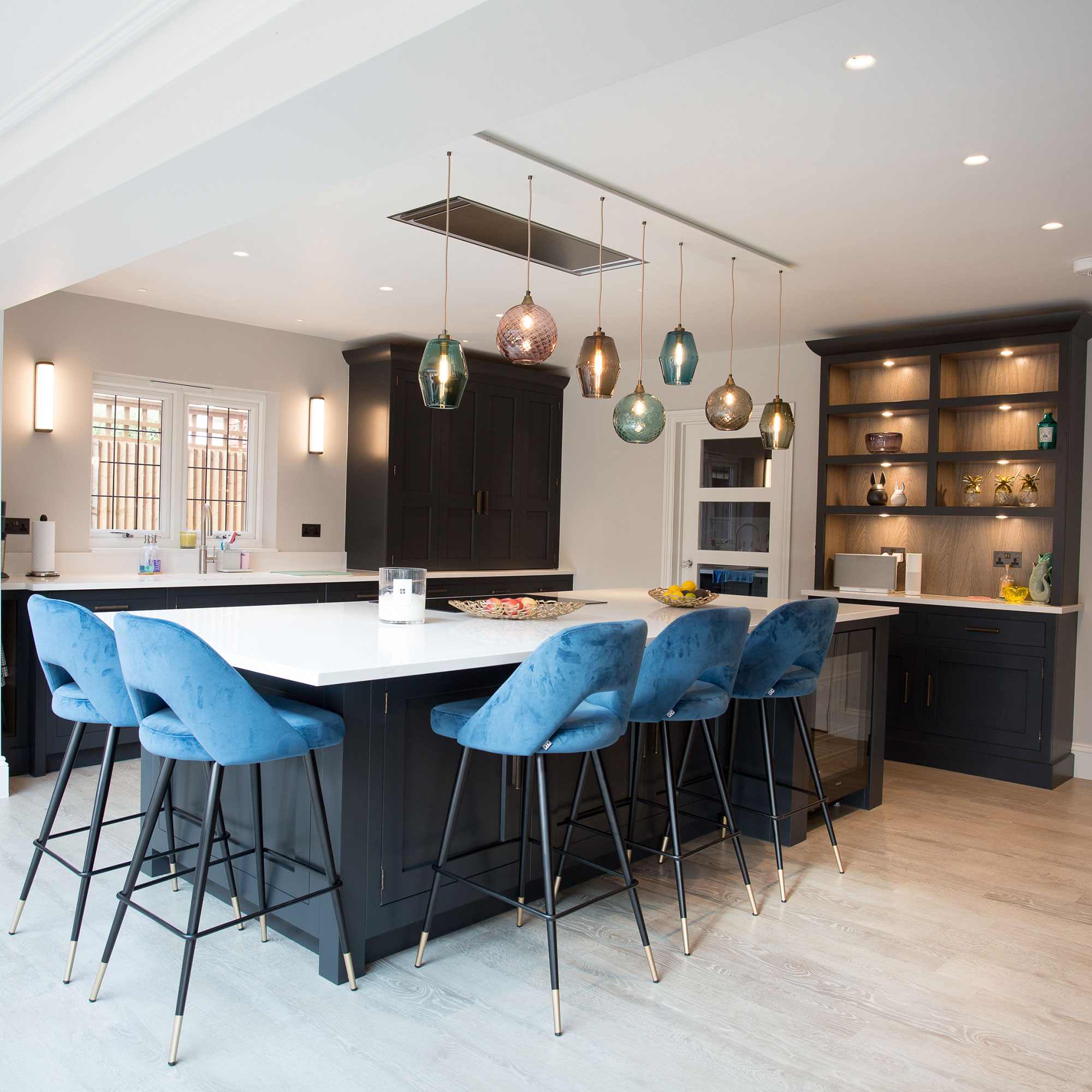
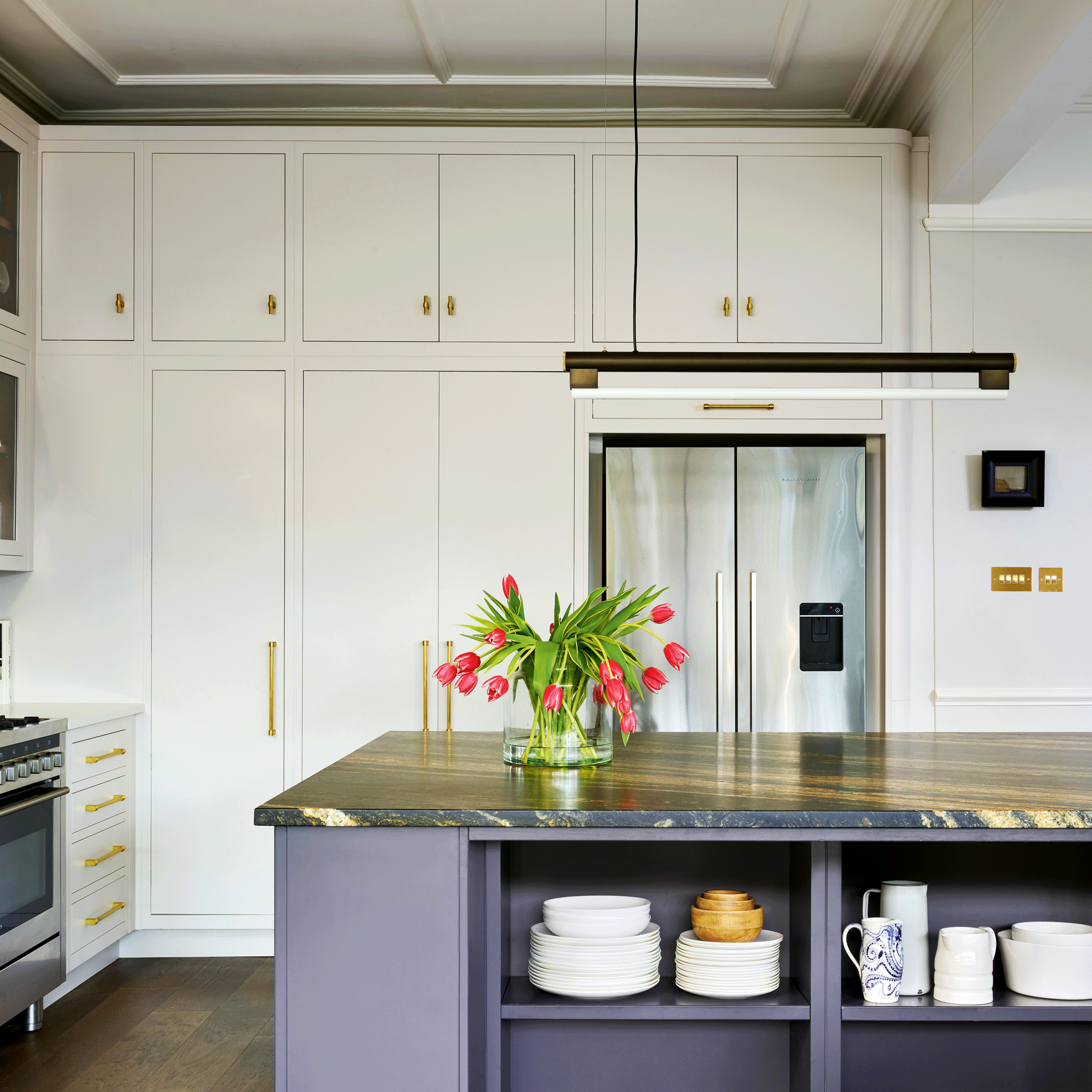
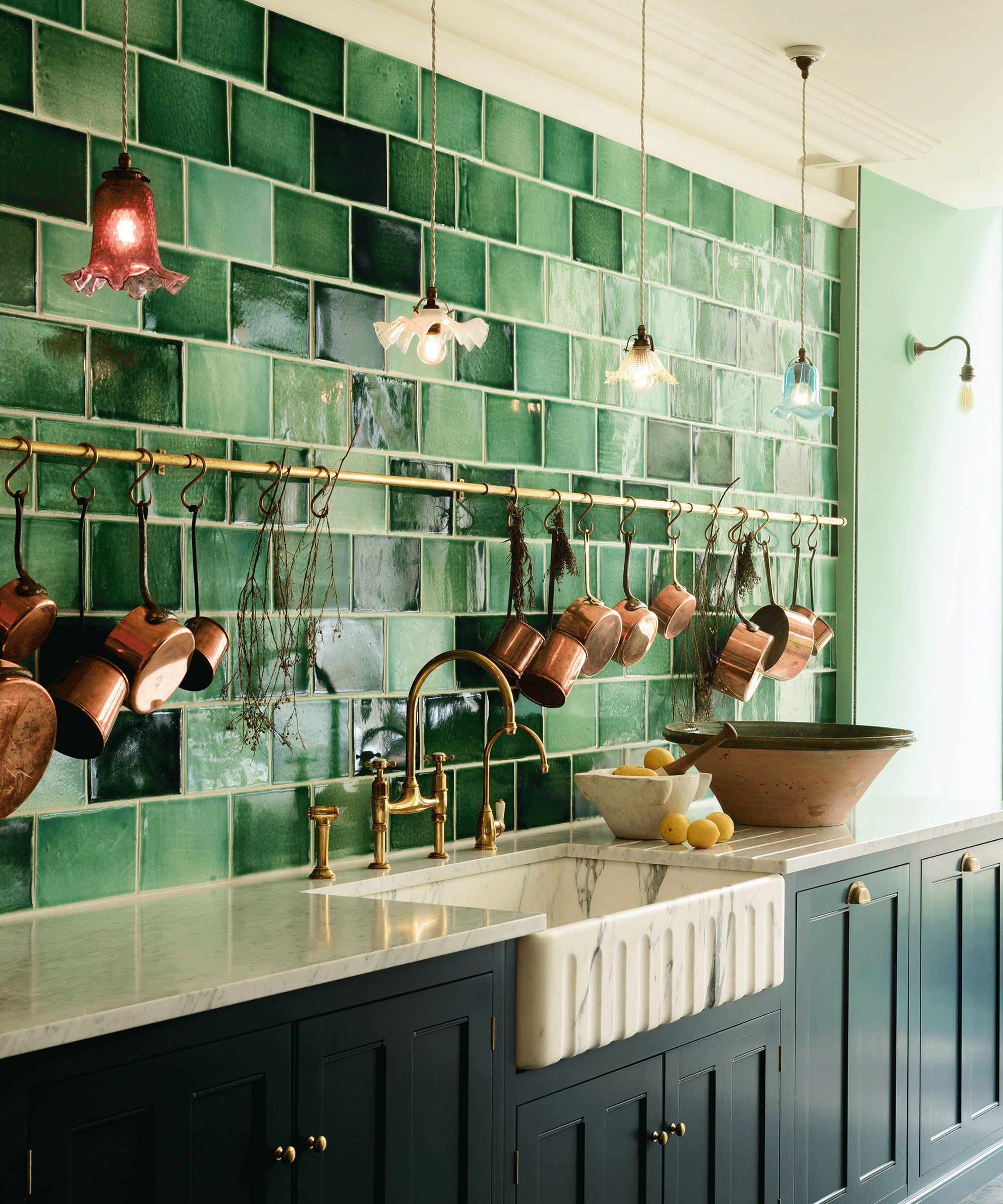
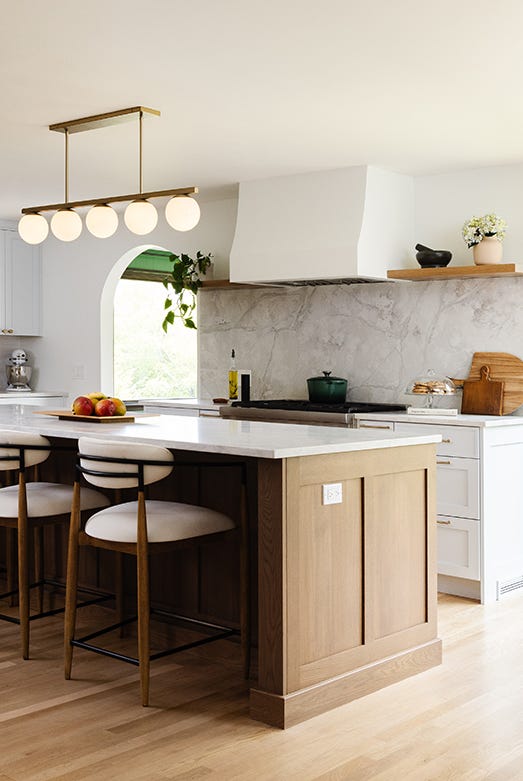
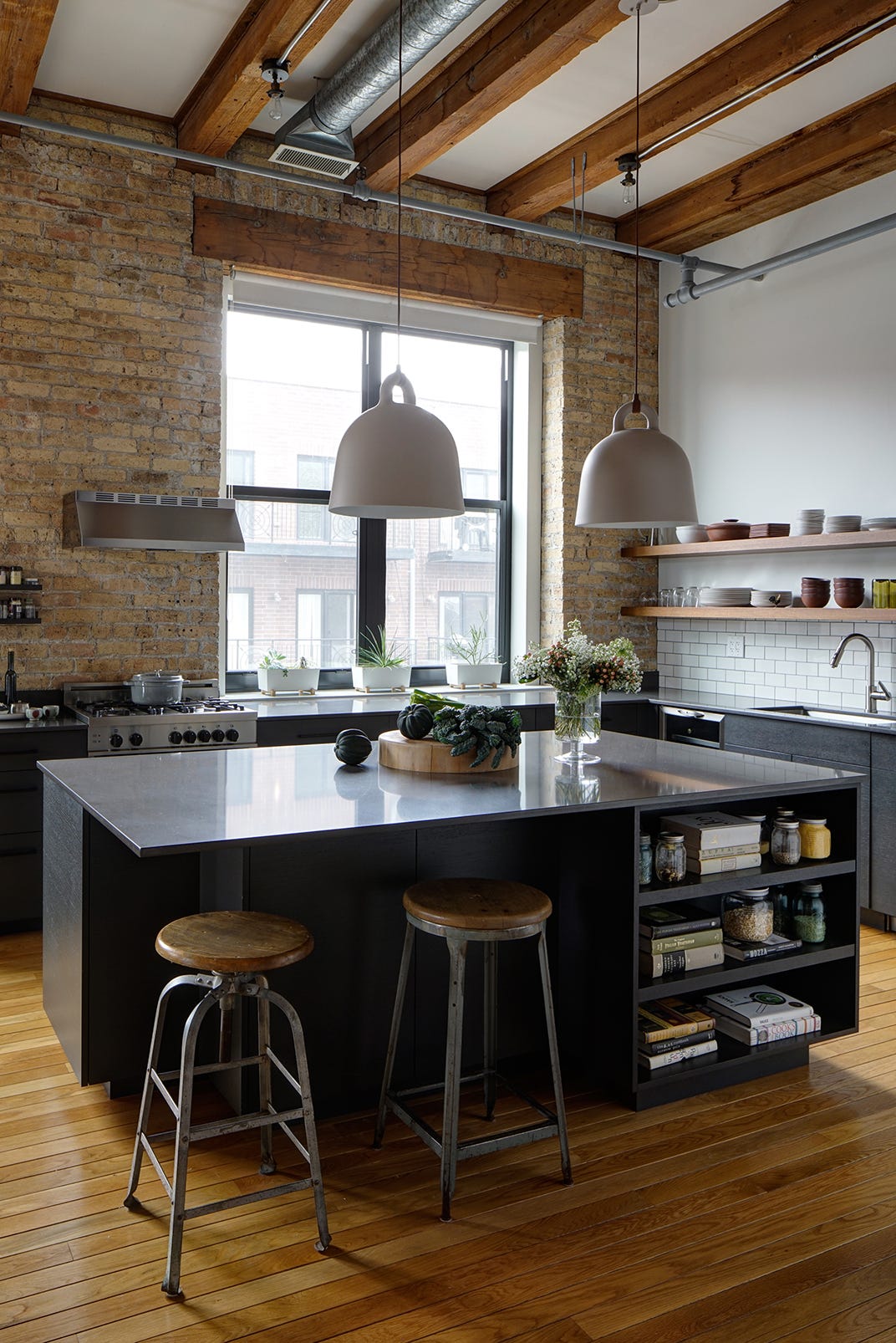
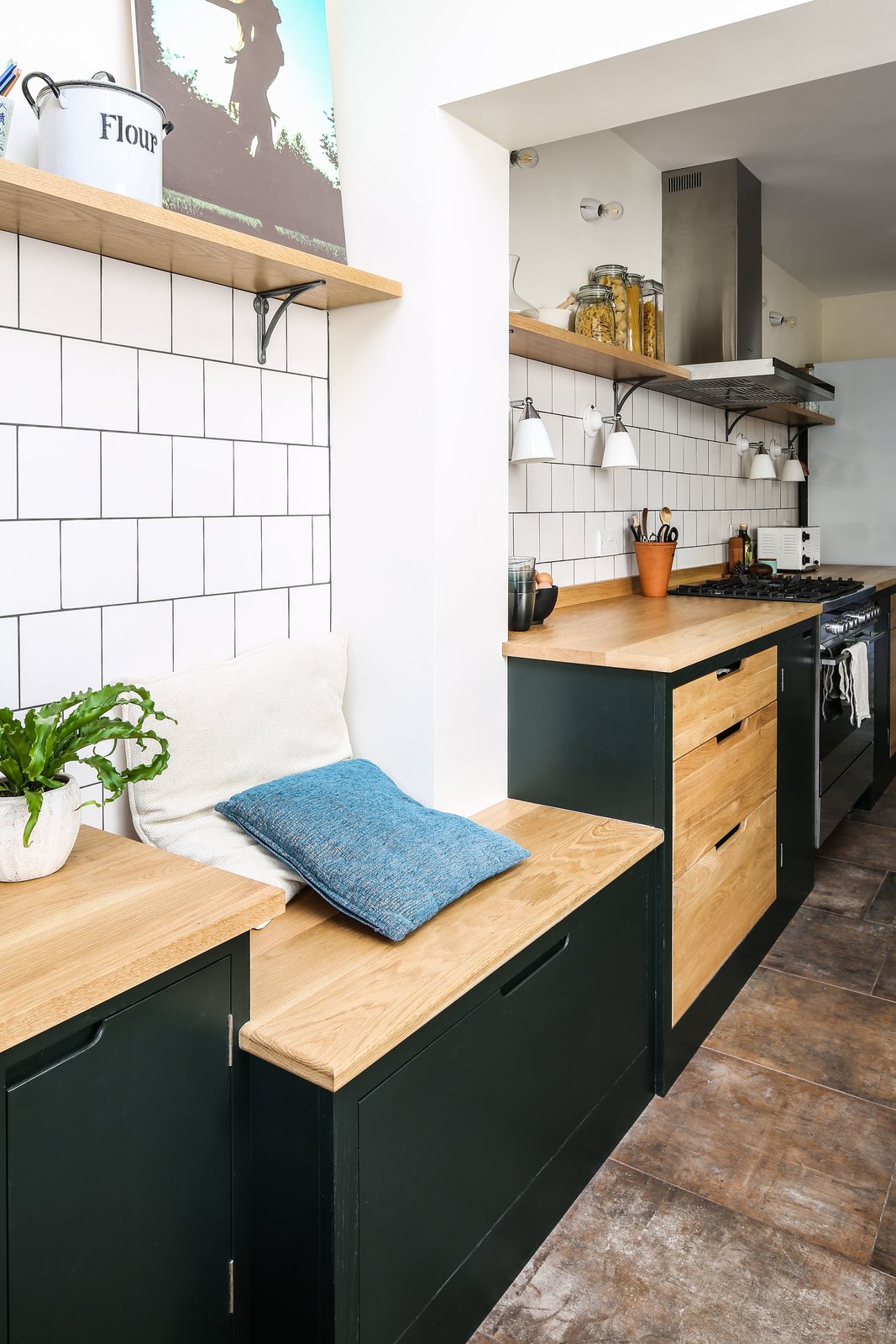
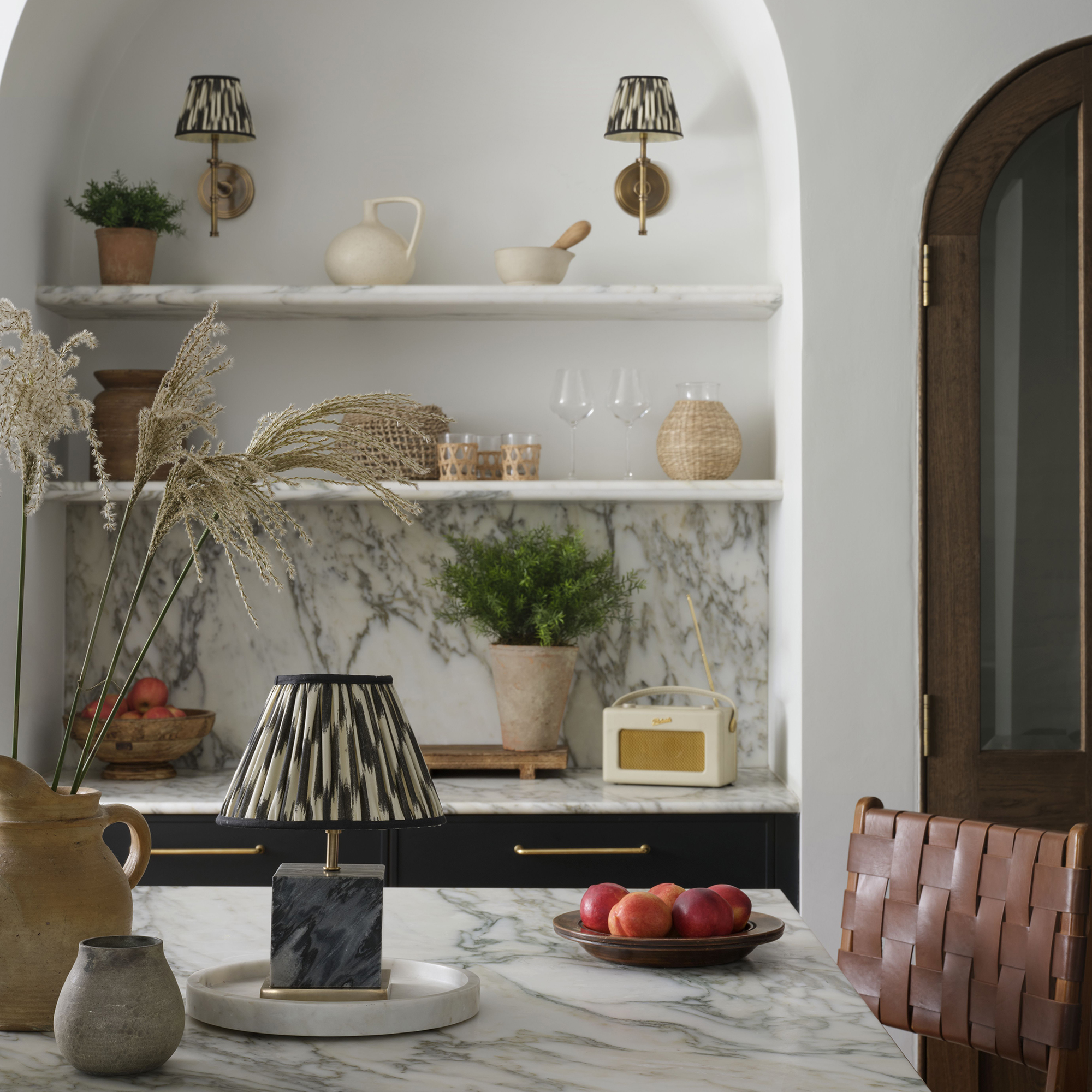
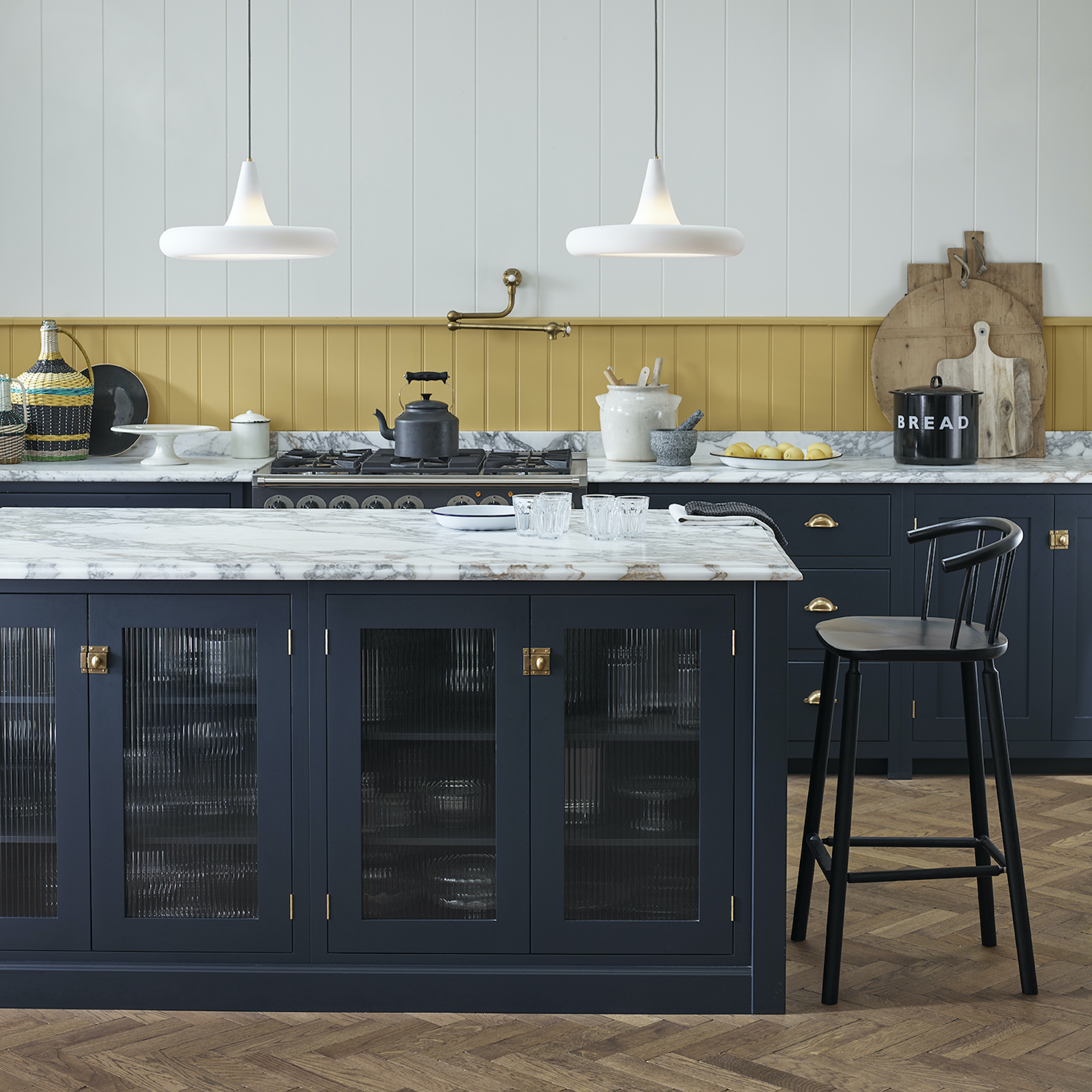
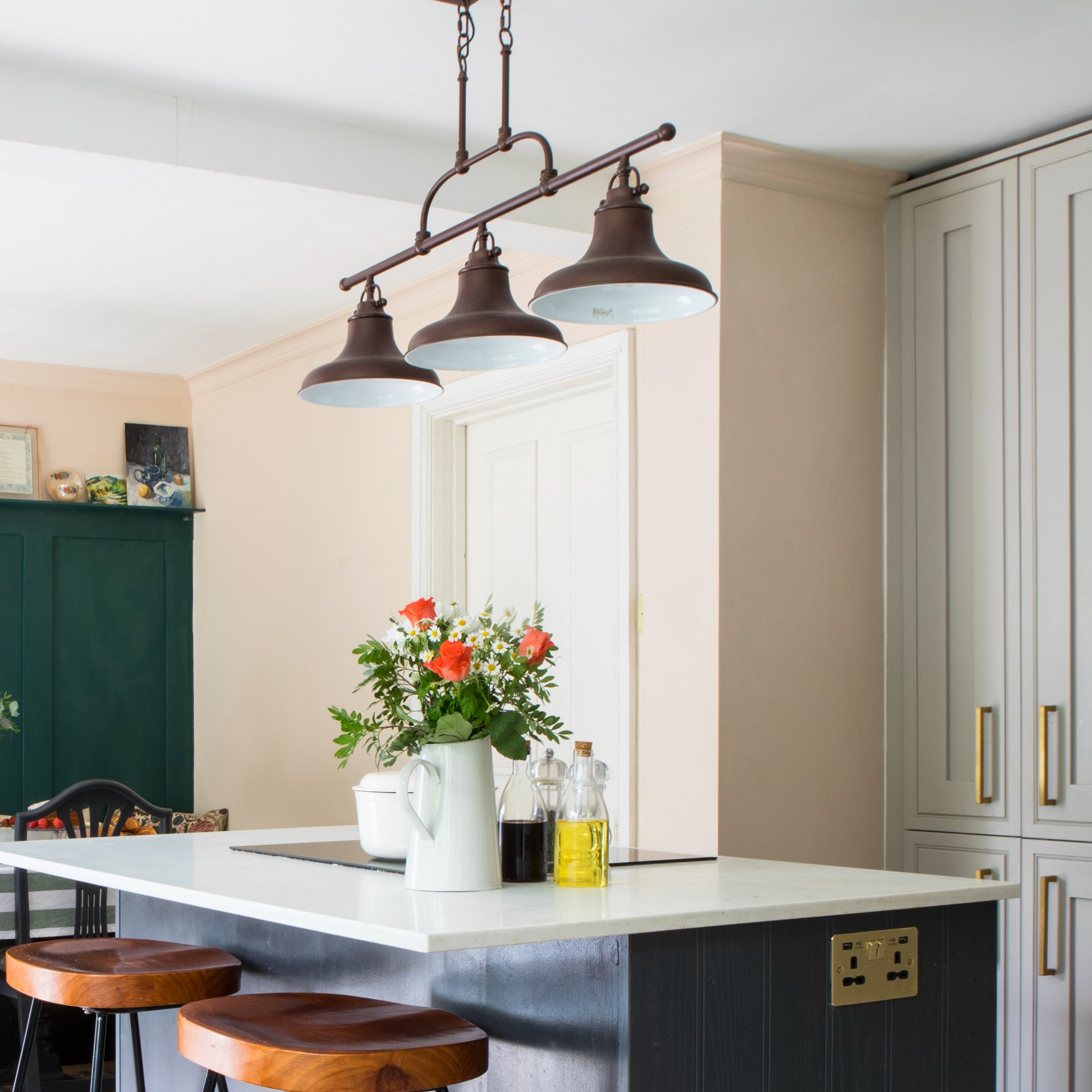
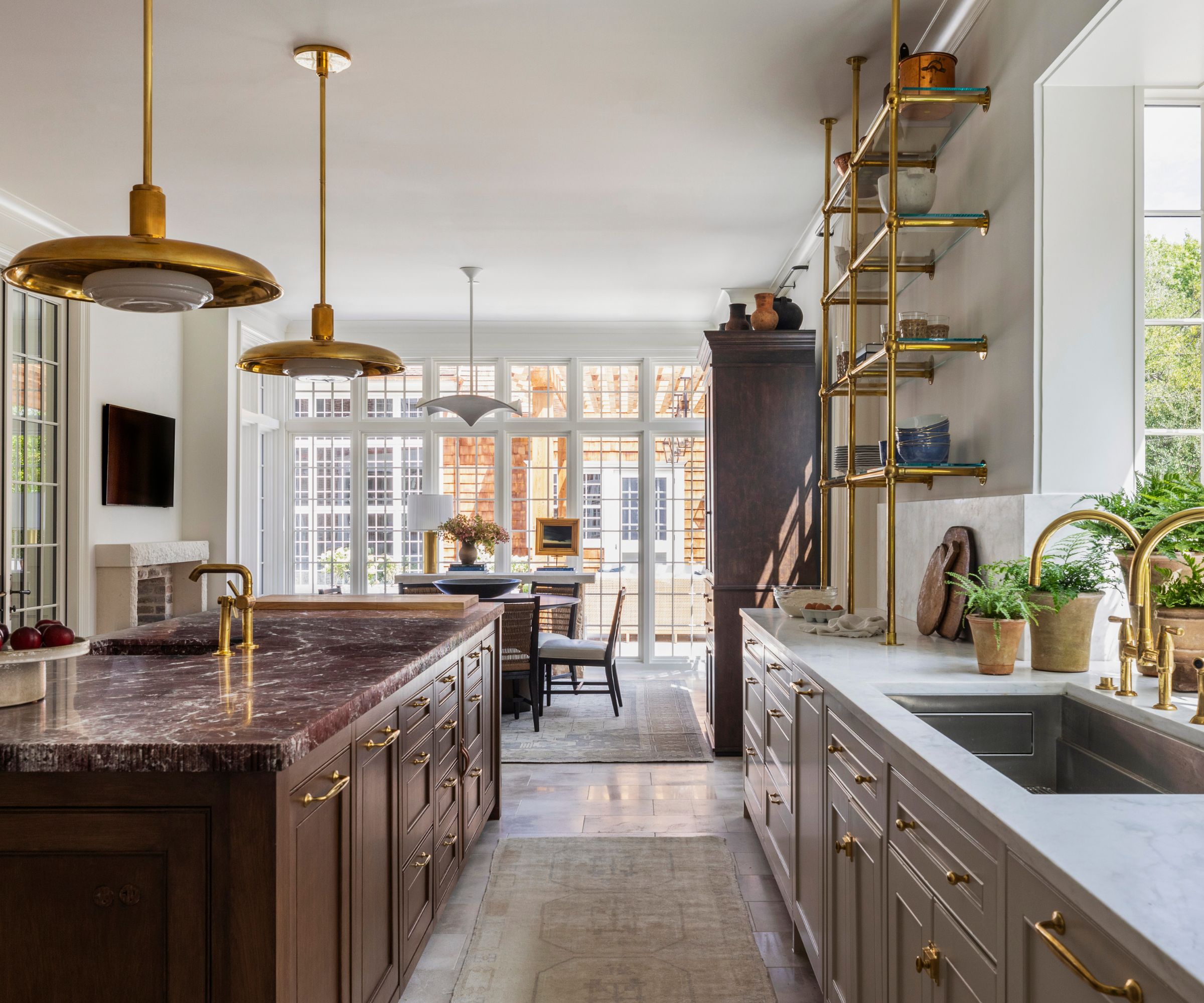
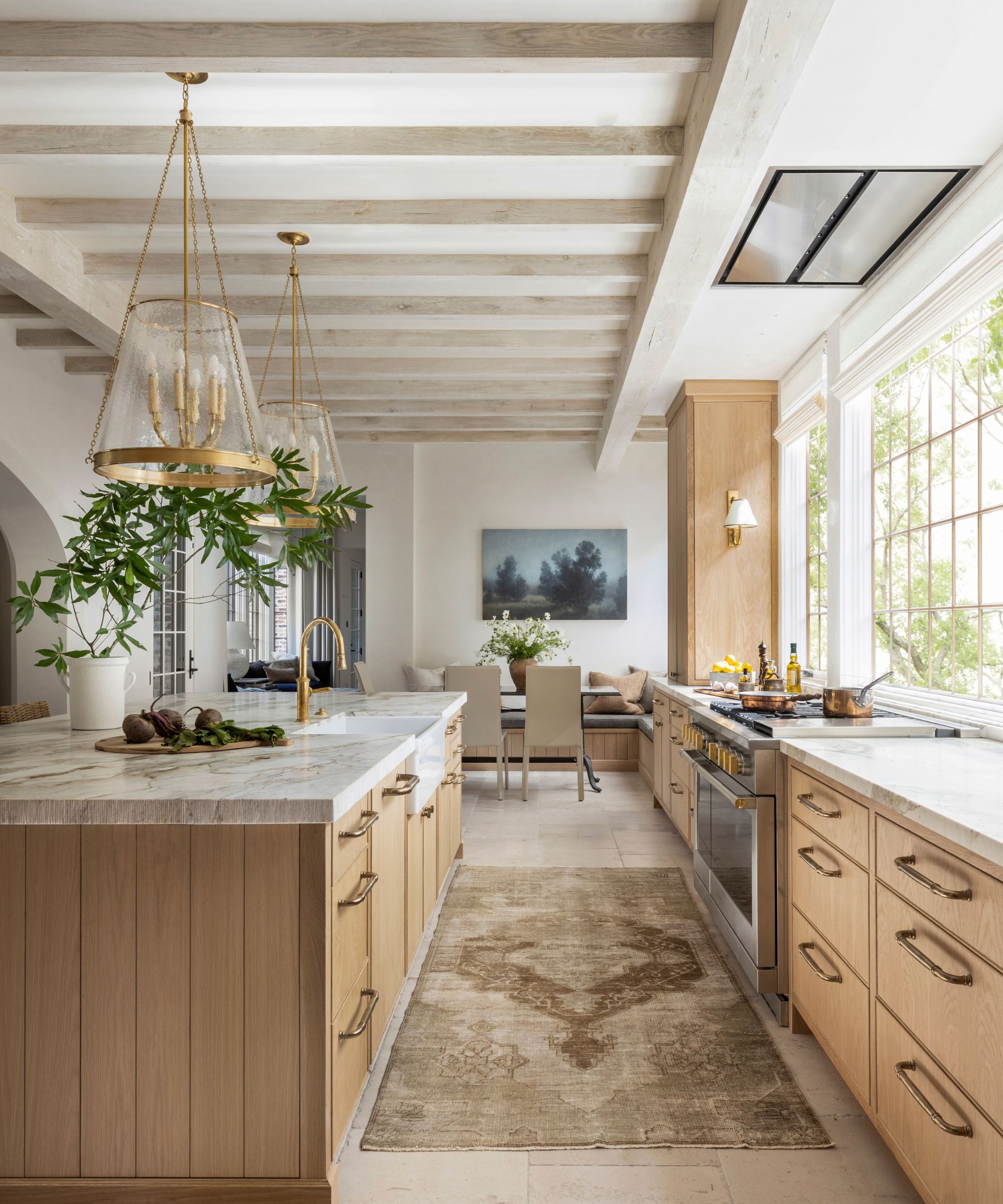
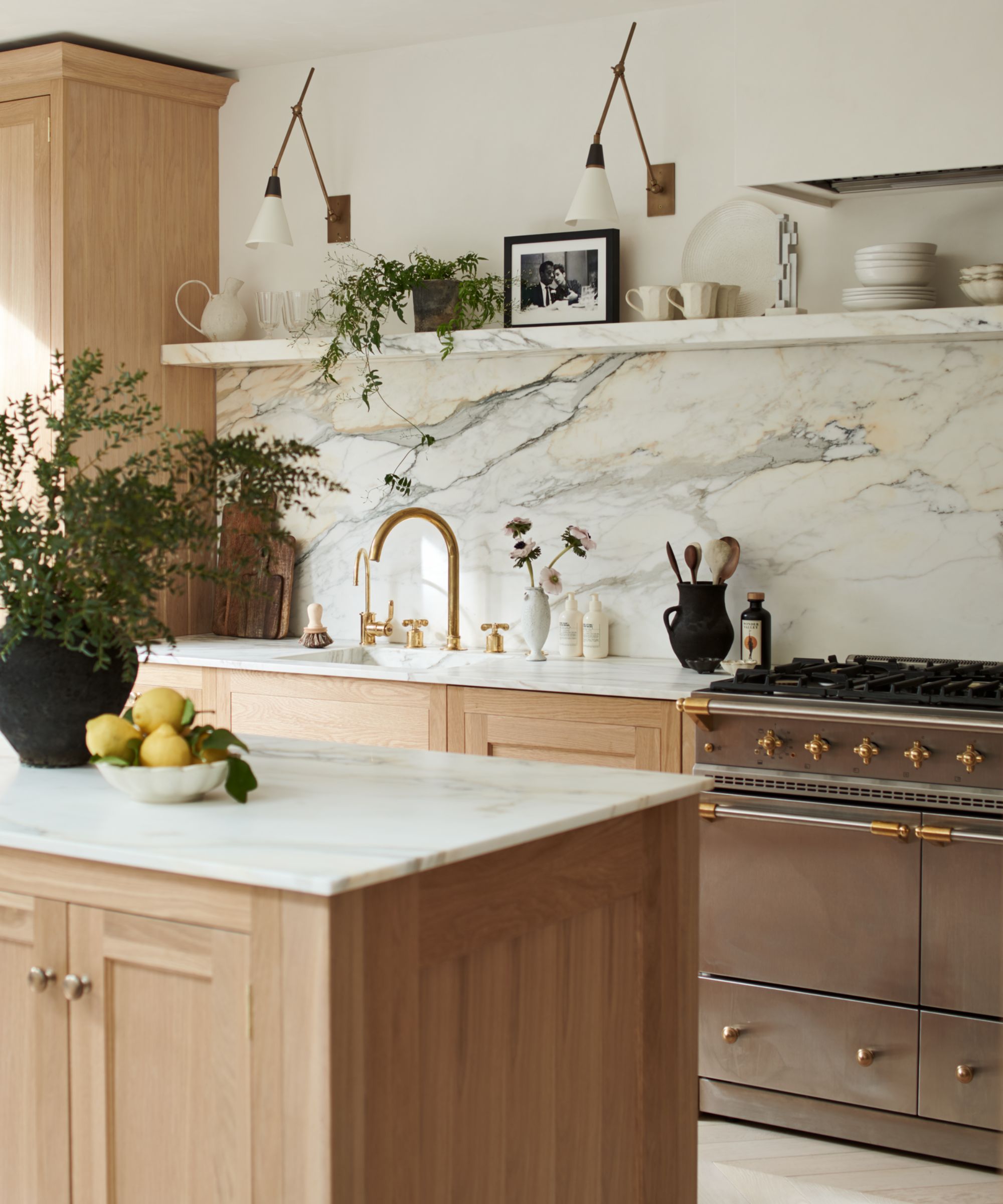
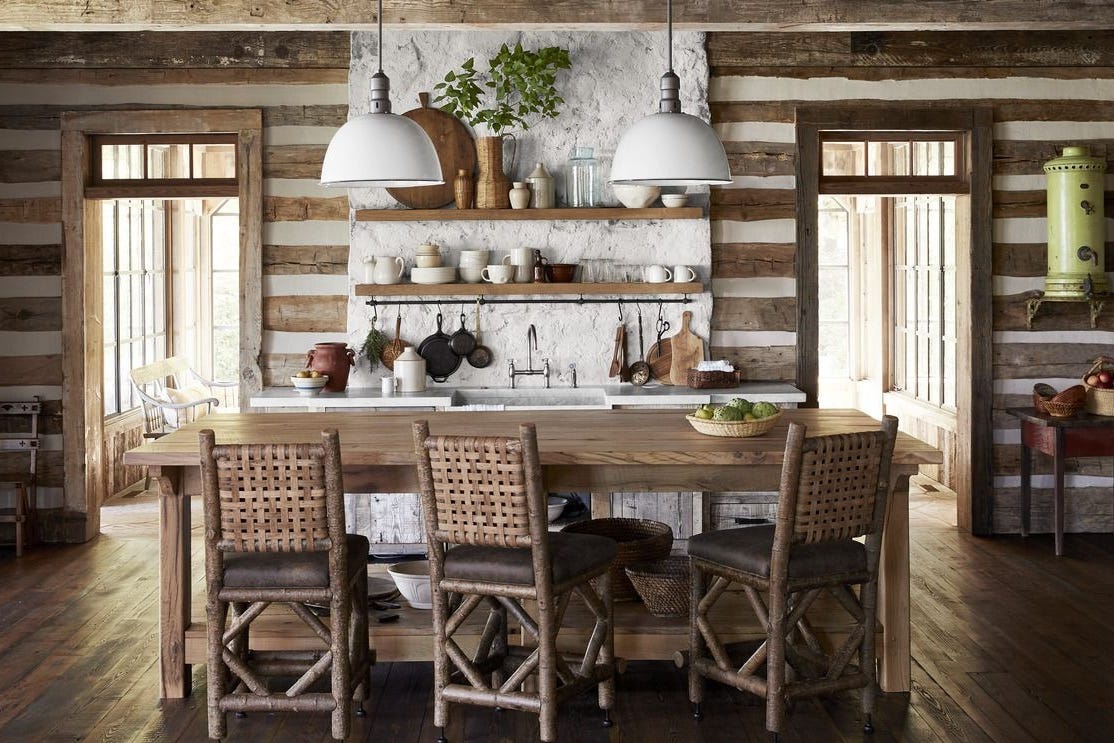
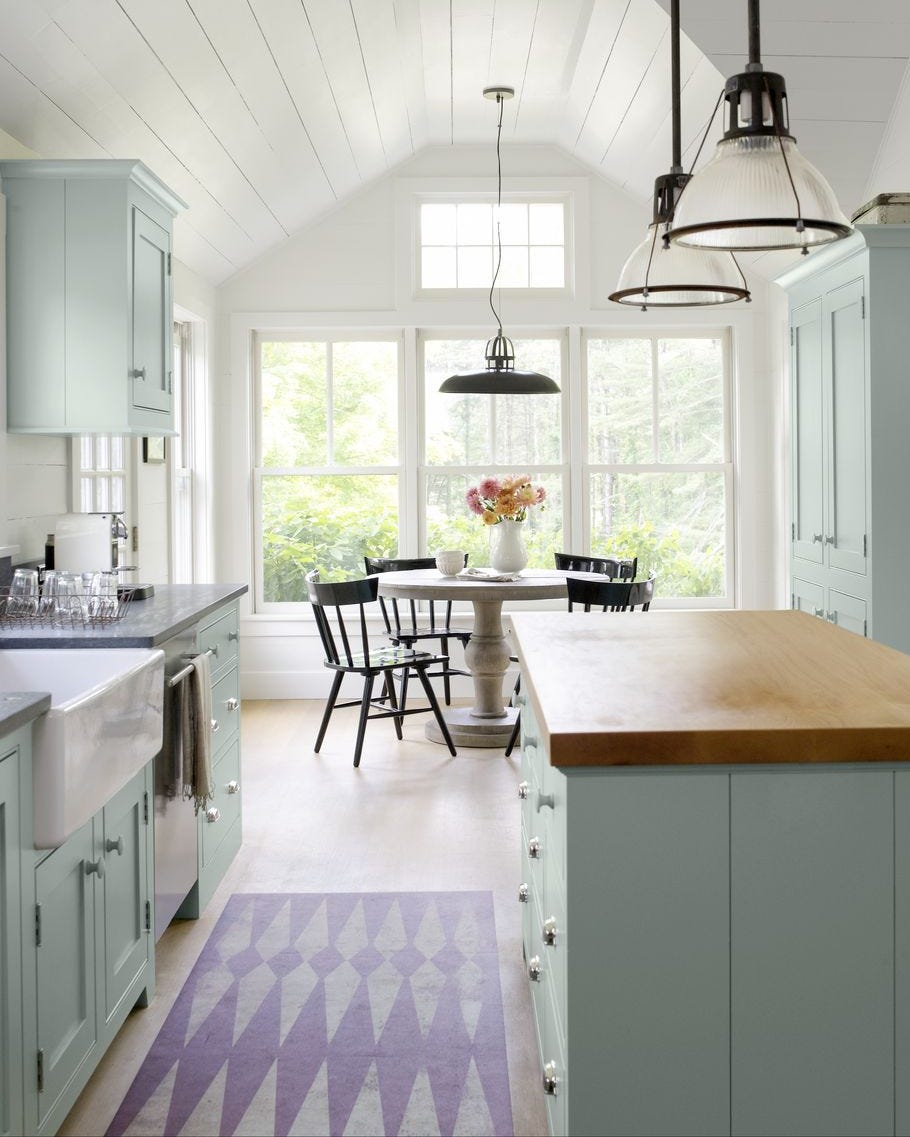
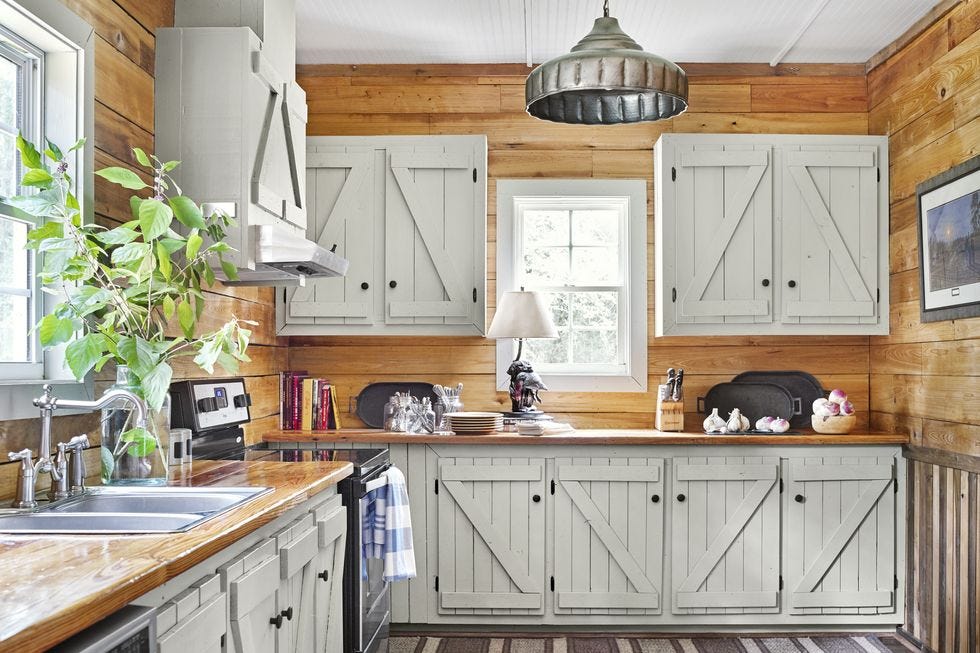
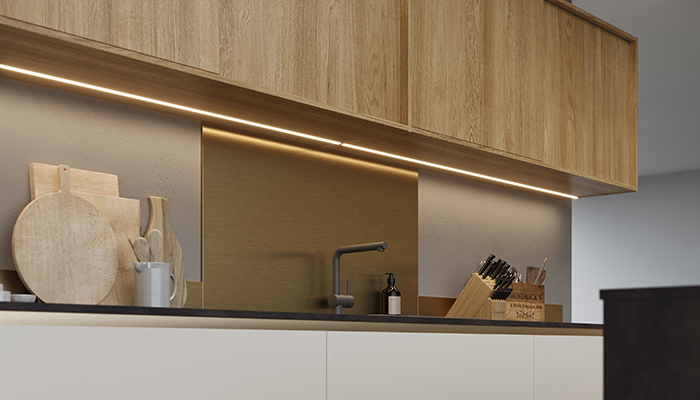
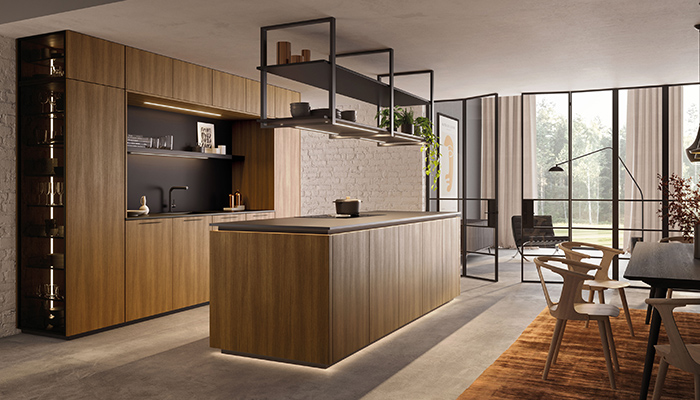
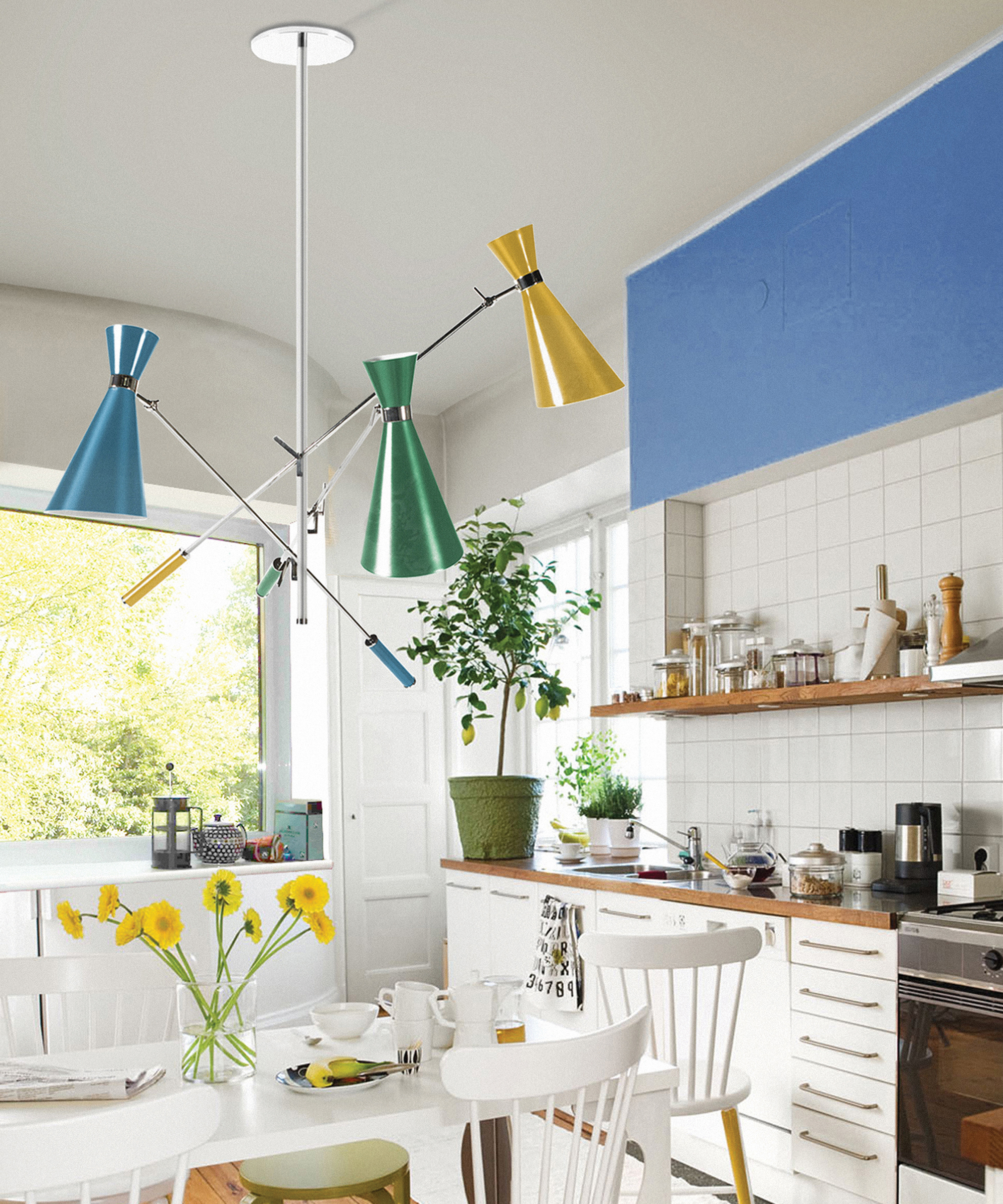
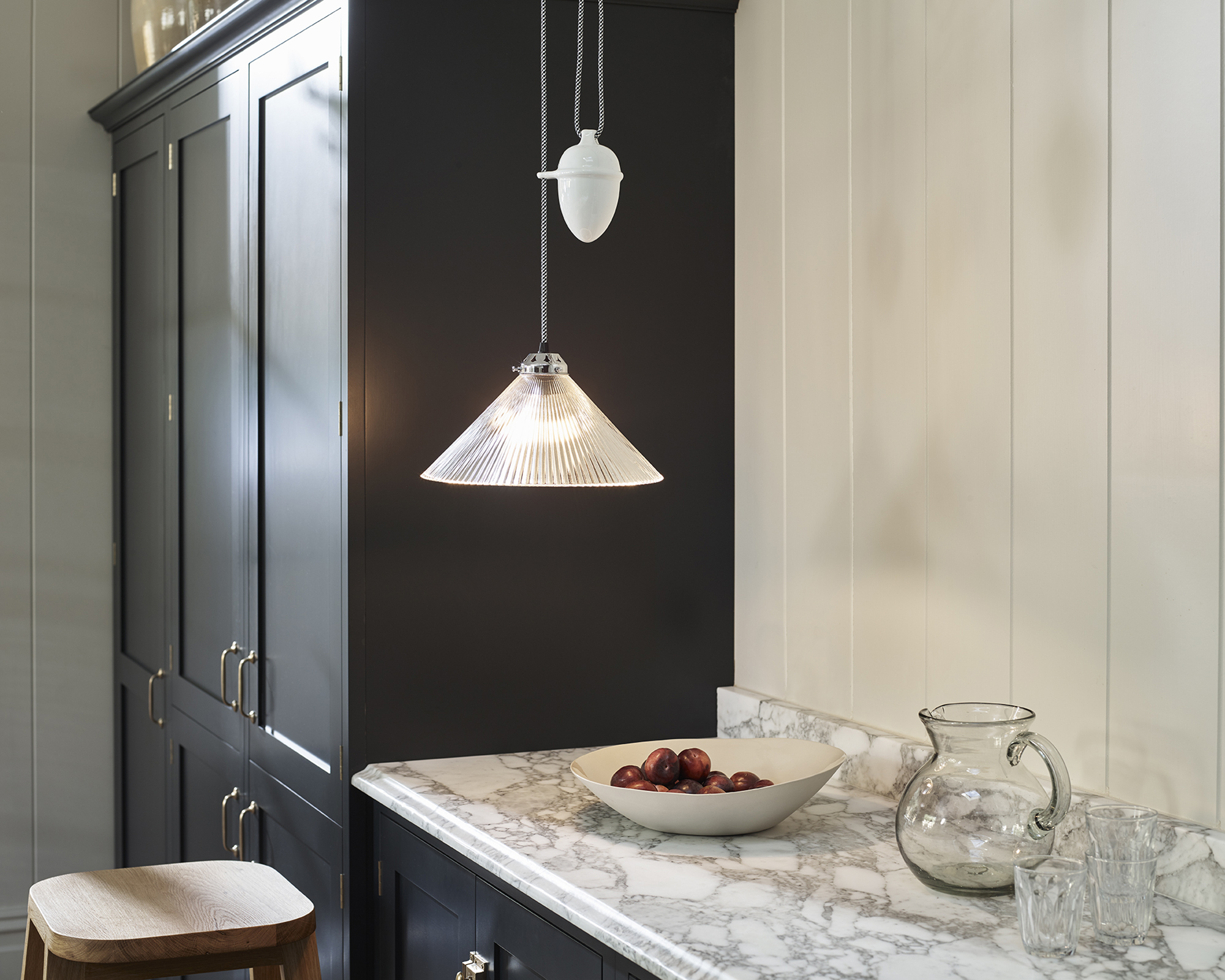
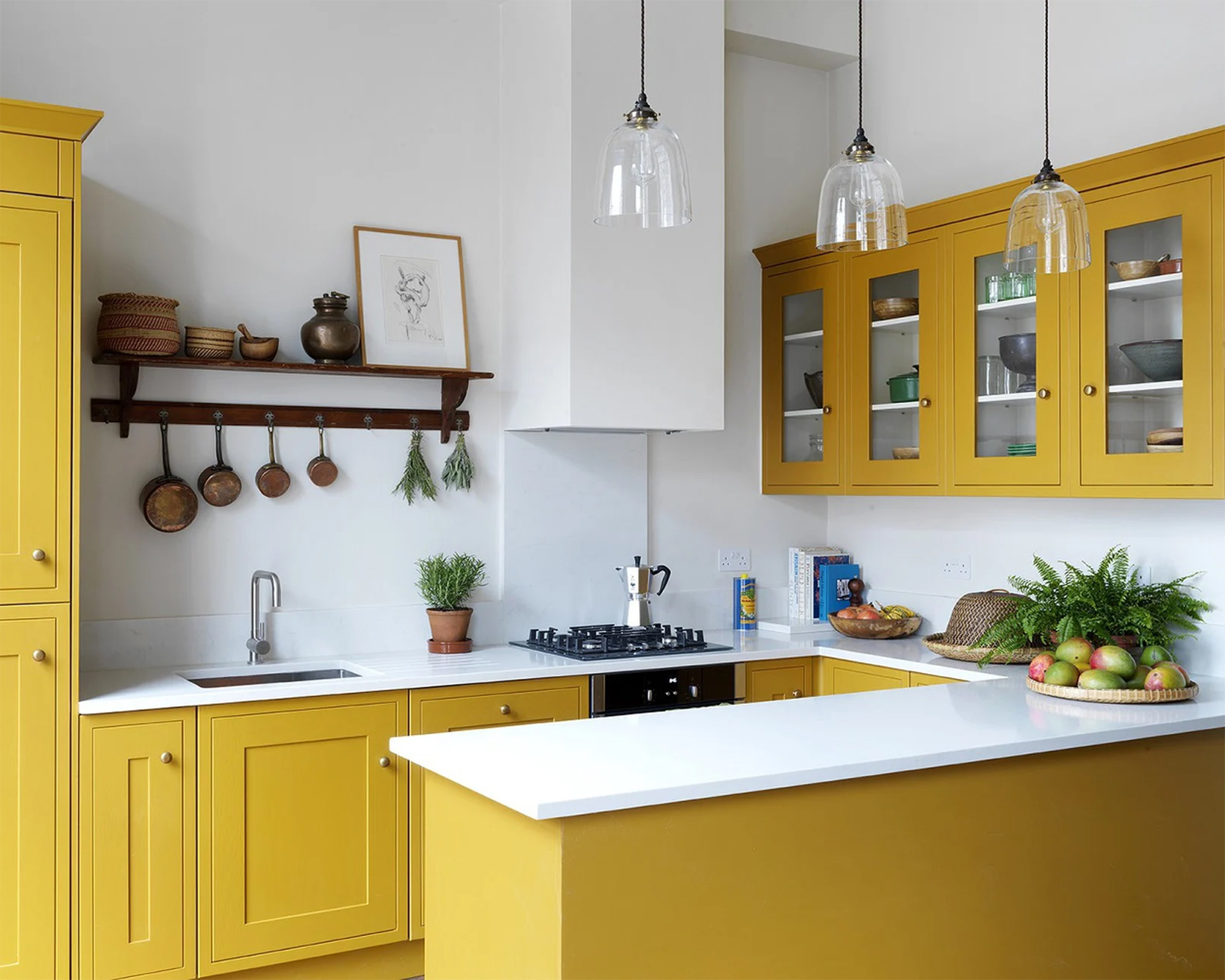
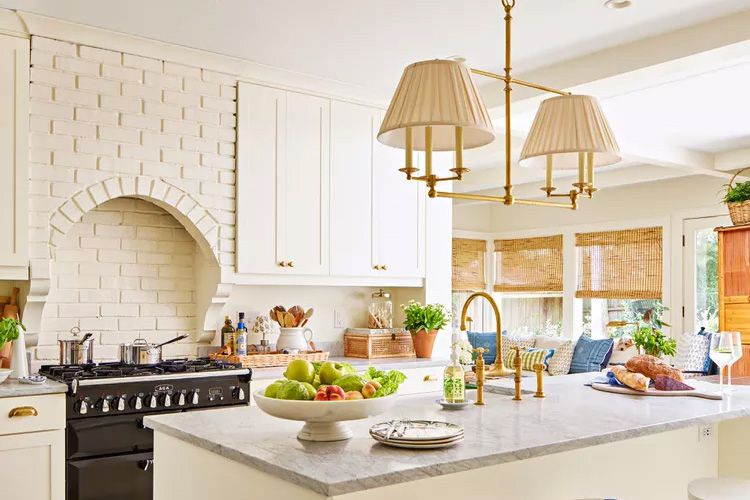
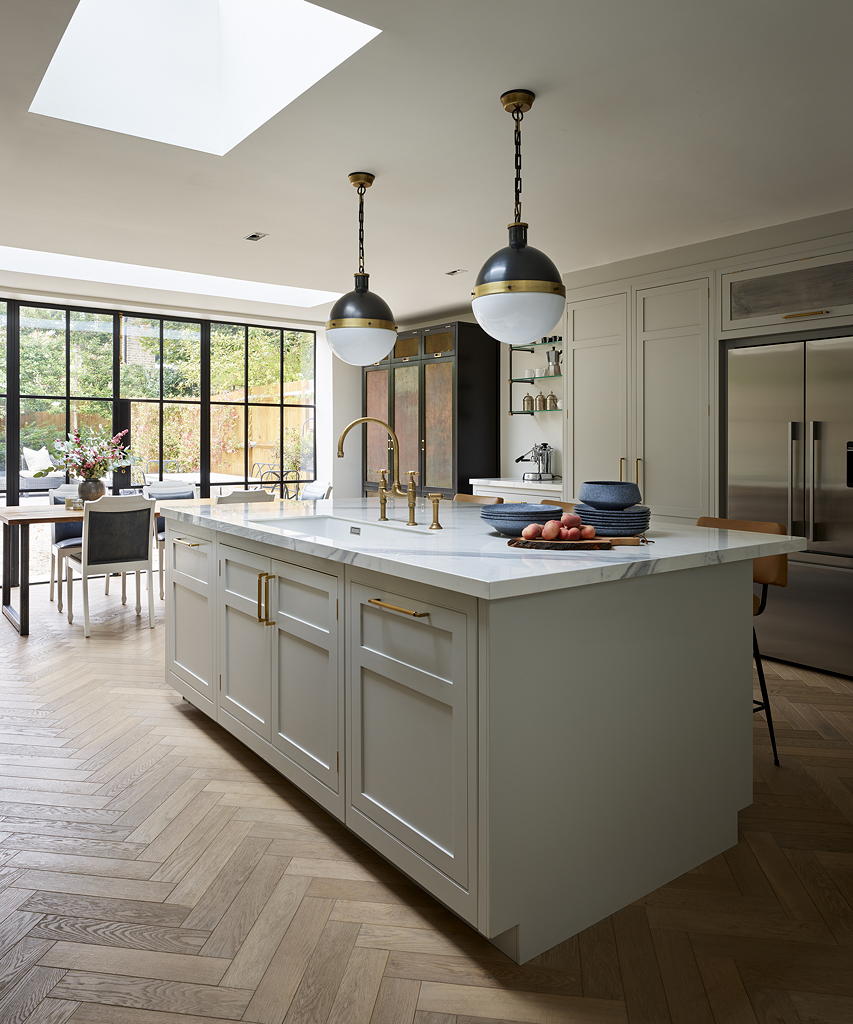
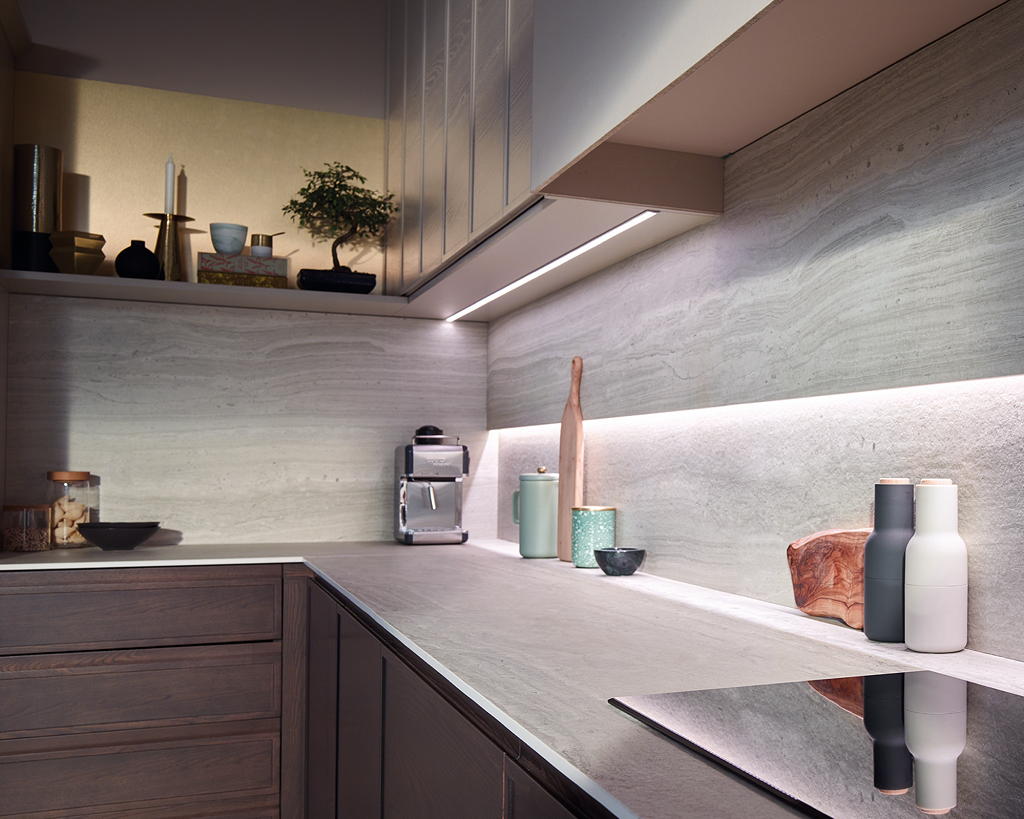
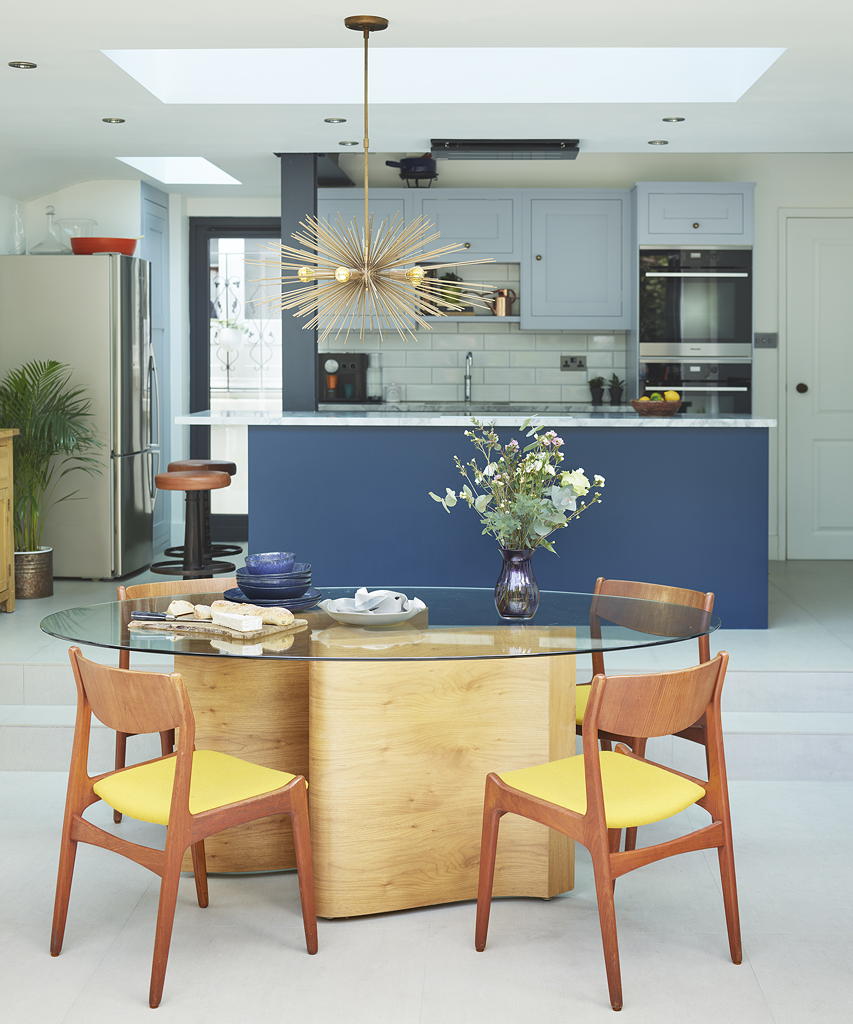
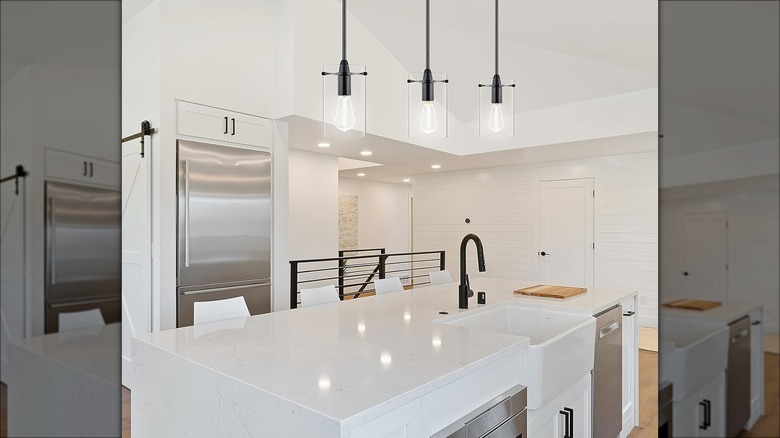
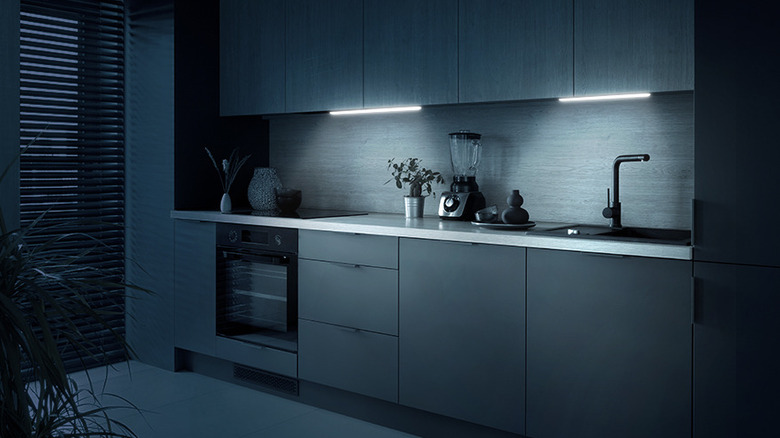
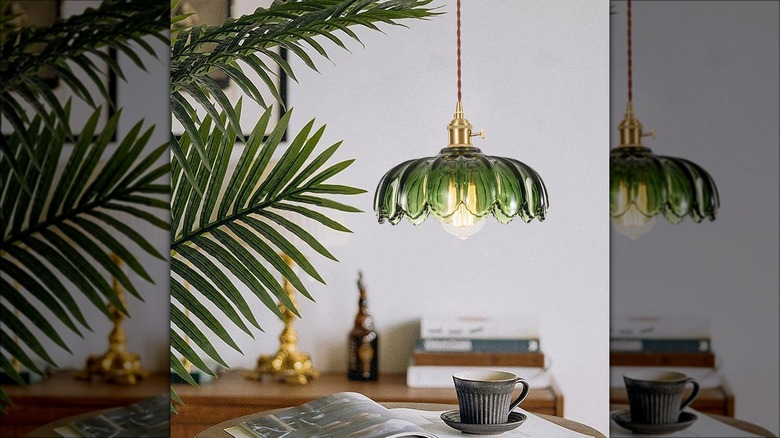
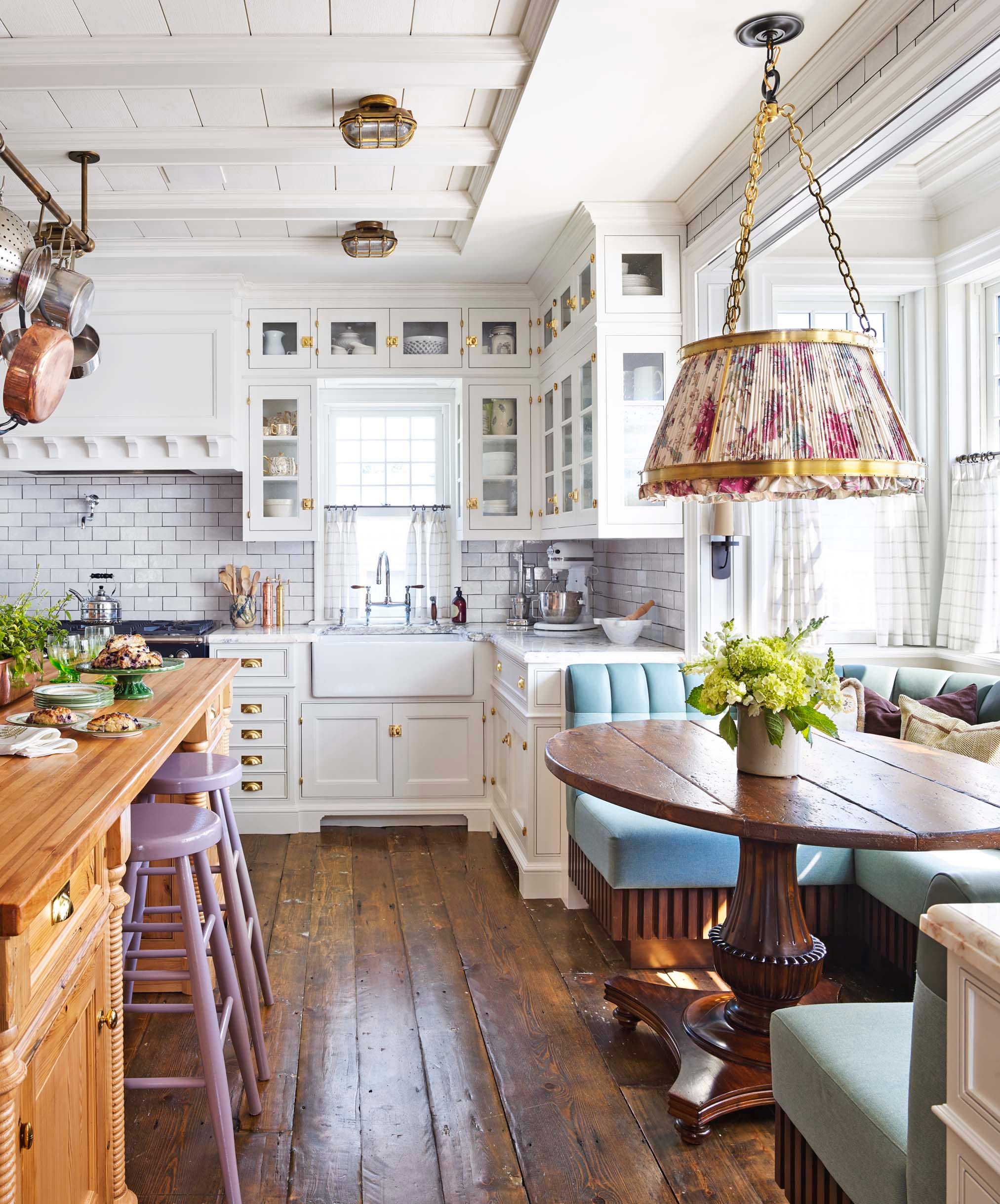
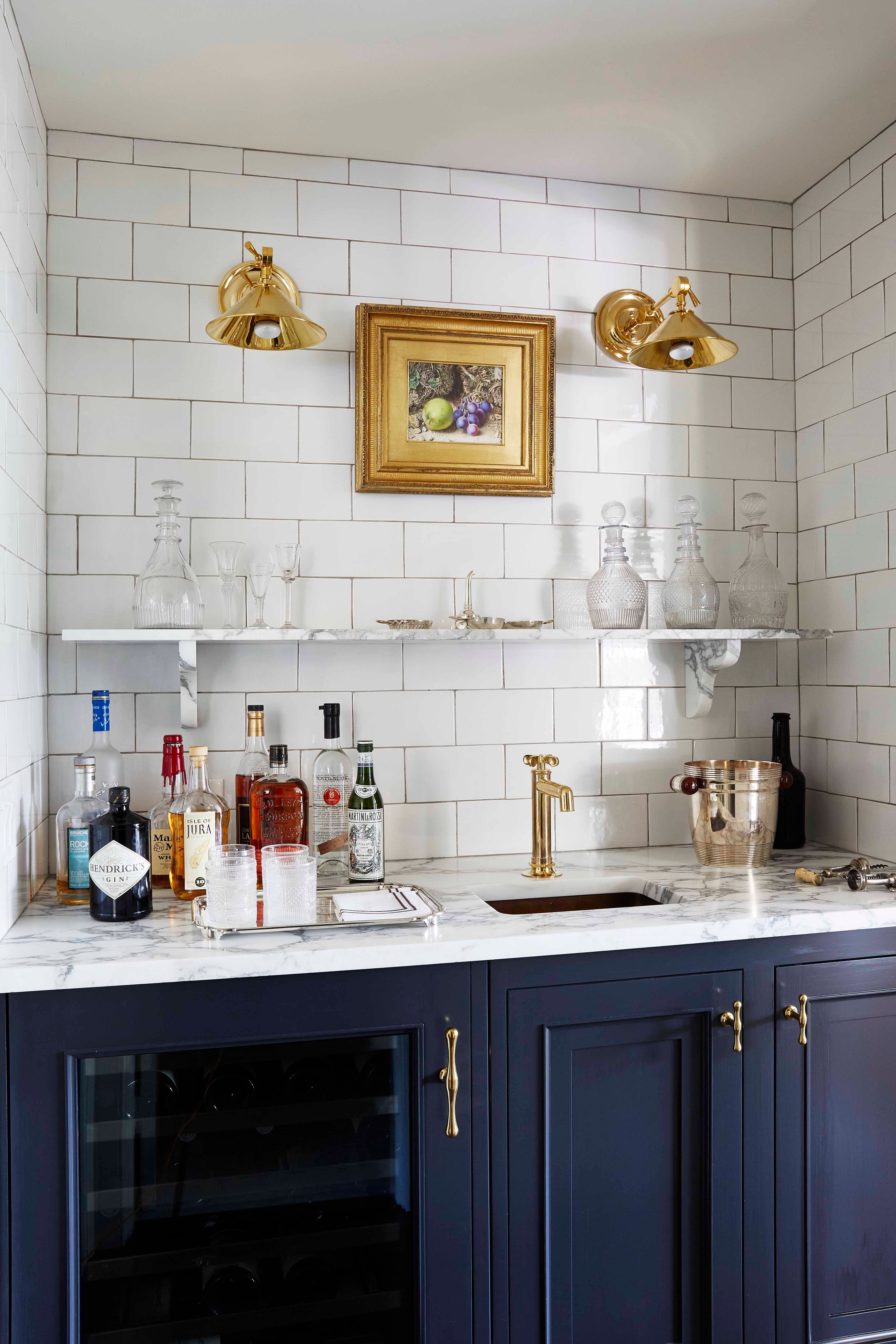
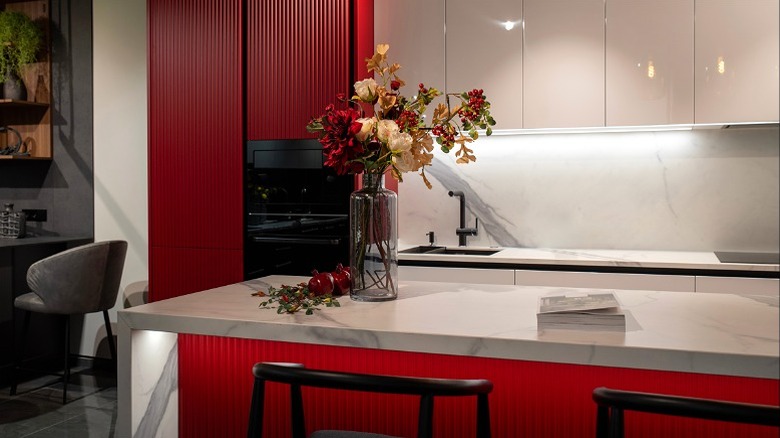
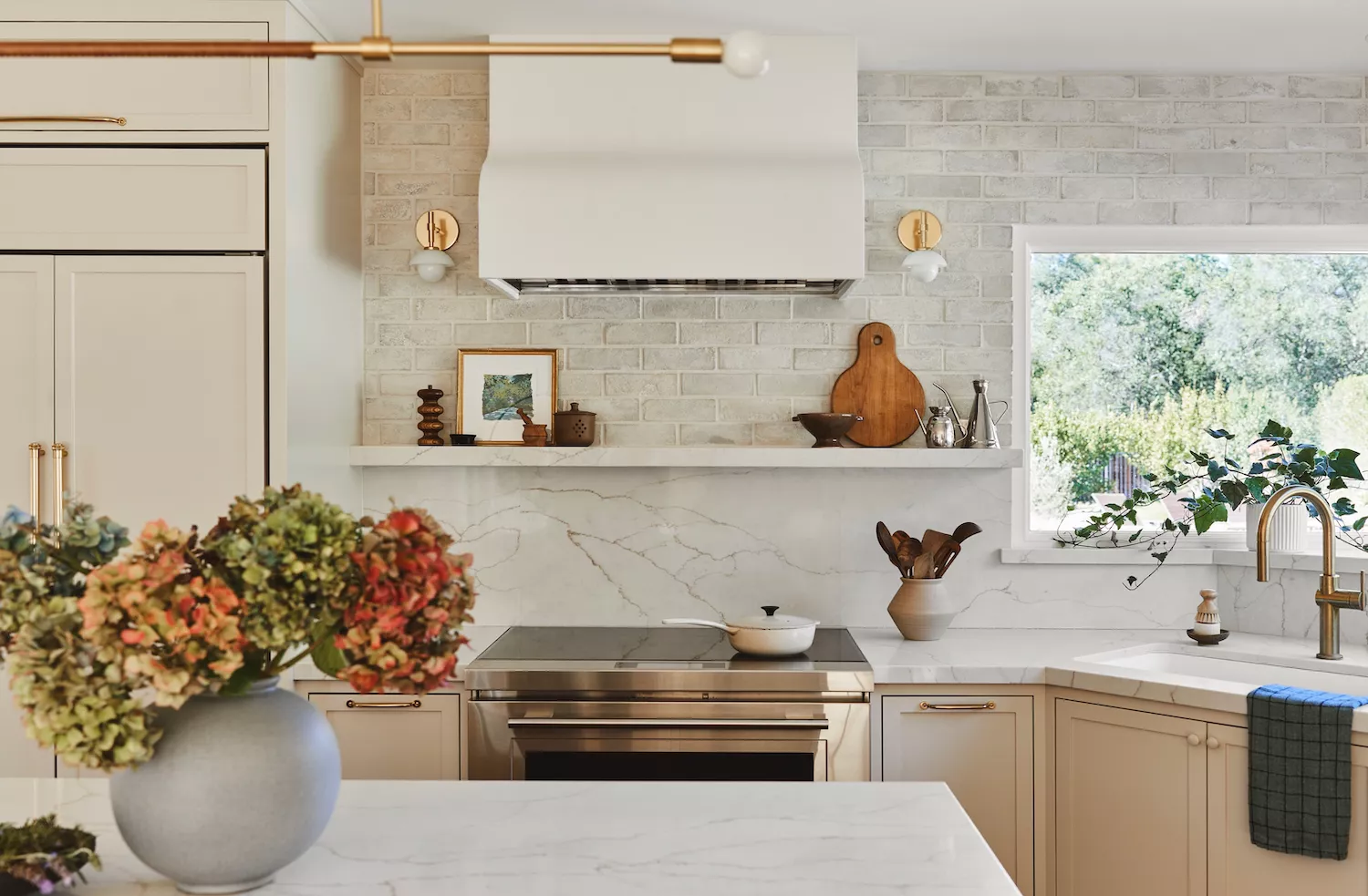
Beyond recessed lighting, several other artificial light sources can significantly improve a small kitchen's aesthetic and utility. Under-cabinet lighting is considered indispensable by designers, as it effectively minimizes shadows on countertops, which are key workspaces. Task lighting over the sink, such as a wall sconce or pendant, not only adds visual interest but also provides necessary illumination for activities like washing dishes. For kitchens with islands, pendant lights are ideal for illuminating this central workspace. To prevent visual clutter in a small space, designers suggest choosing pendants with transparent or open shades. Toe-kick or cabinet base lighting serves as a subtle accent, creating a soft glow that gives the impression of floating cabinets, visually expanding the room, particularly at night. If recessed lighting is not preferred, a single central ceiling fixture can serve as an effective ambient lighting alternative.
Implementing these lighting strategies involves more than just selecting the right fixtures. Maintaining a consistent color temperature across all lights in the kitchen is critical. Designers recommend sticking to either 2700K (warm) or 3000K (neutral-white) bulbs. Mixing color temperatures can lead to visual dissonance, making small spaces feel even smaller and somewhat jarring. Additionally, it is important to avoid over-lighting the kitchen. Excessive or overly bright lights can cause glare and discomfort, counteracting the goal of creating a functional and comfortable environment. Instead, lighting should be thoughtfully placed based on activity zones rather than solely for symmetrical arrangement, ensuring that each area receives appropriate illumination without overwhelming the space. By adhering to these principles, a small kitchen can be transformed into a well-lit, functional, and seemingly larger area.
#SmallKitchenLighting #KitchenDesign #InteriorLighting #HomeDesign #RecessedLighting #UnderCabinetLighting #TaskLighting #LayeredLighting #ColorTemperature #SmallKitchenLighting #KitchenDesign #InteriorLighting #HomeDesign #RecessedLighting #UnderCabinetLighting #TaskLighting #LayeredLighting #ColorTemperature
0 komentarzy łącznie
 Brak komentarzy jeszcze
Możesz również polubić
Designers say that lighting is the easiest way to elevate your kitchen
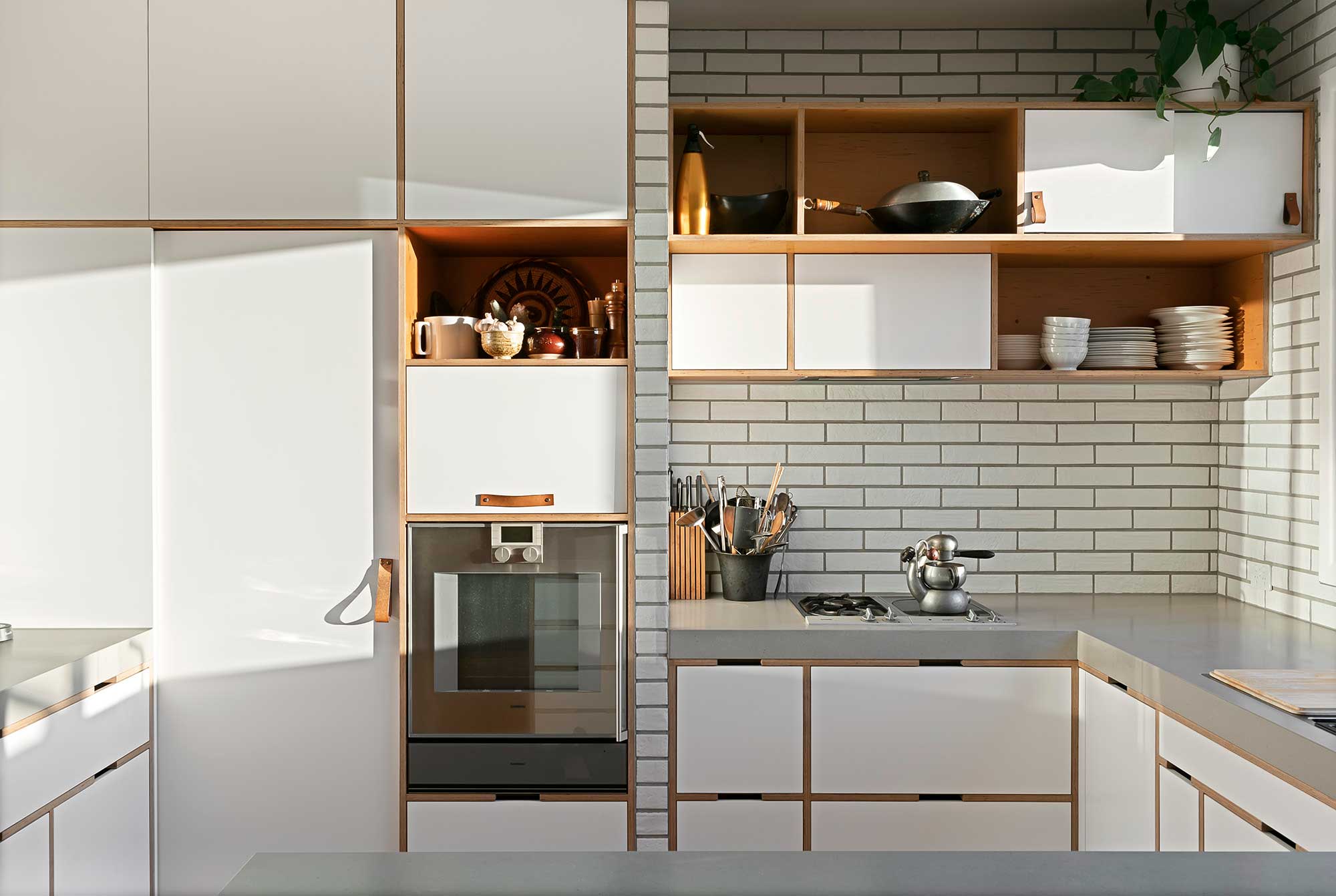
How to Make a Small Kitchen Feel More Airy — 5 Designer-Approved Tricks to Enhance Light and Space

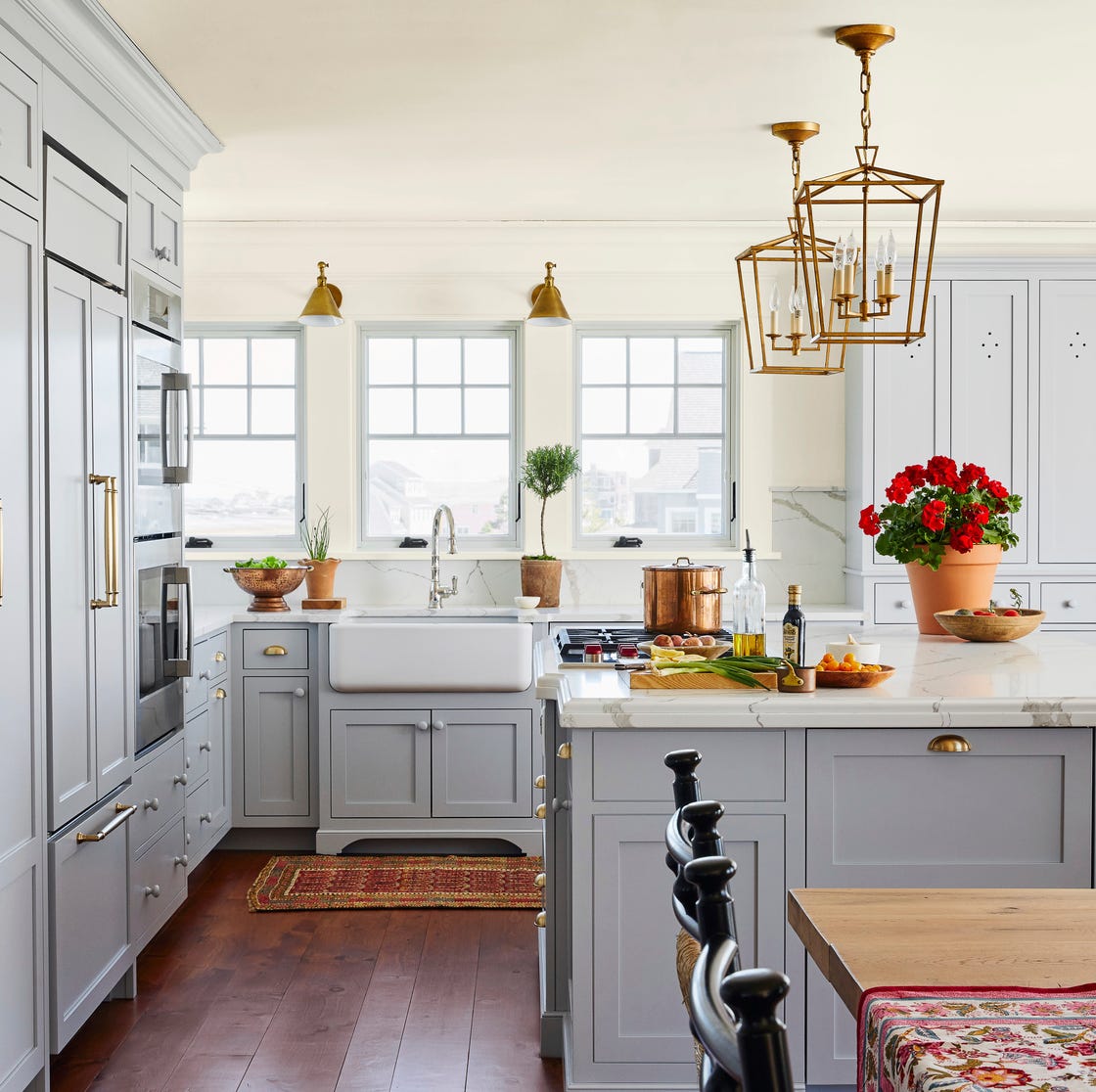
Brighten Up Your Kitchen With These Pretty Lighting Ideas
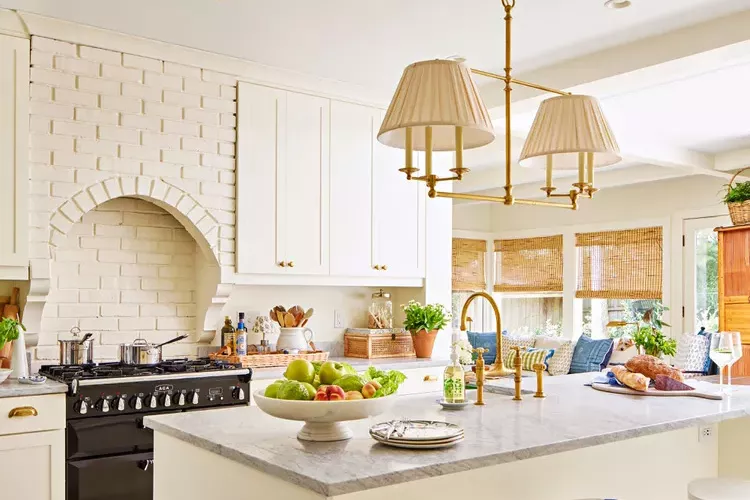
62 Kitchen Lighting Ideas That'll Transform Your Space
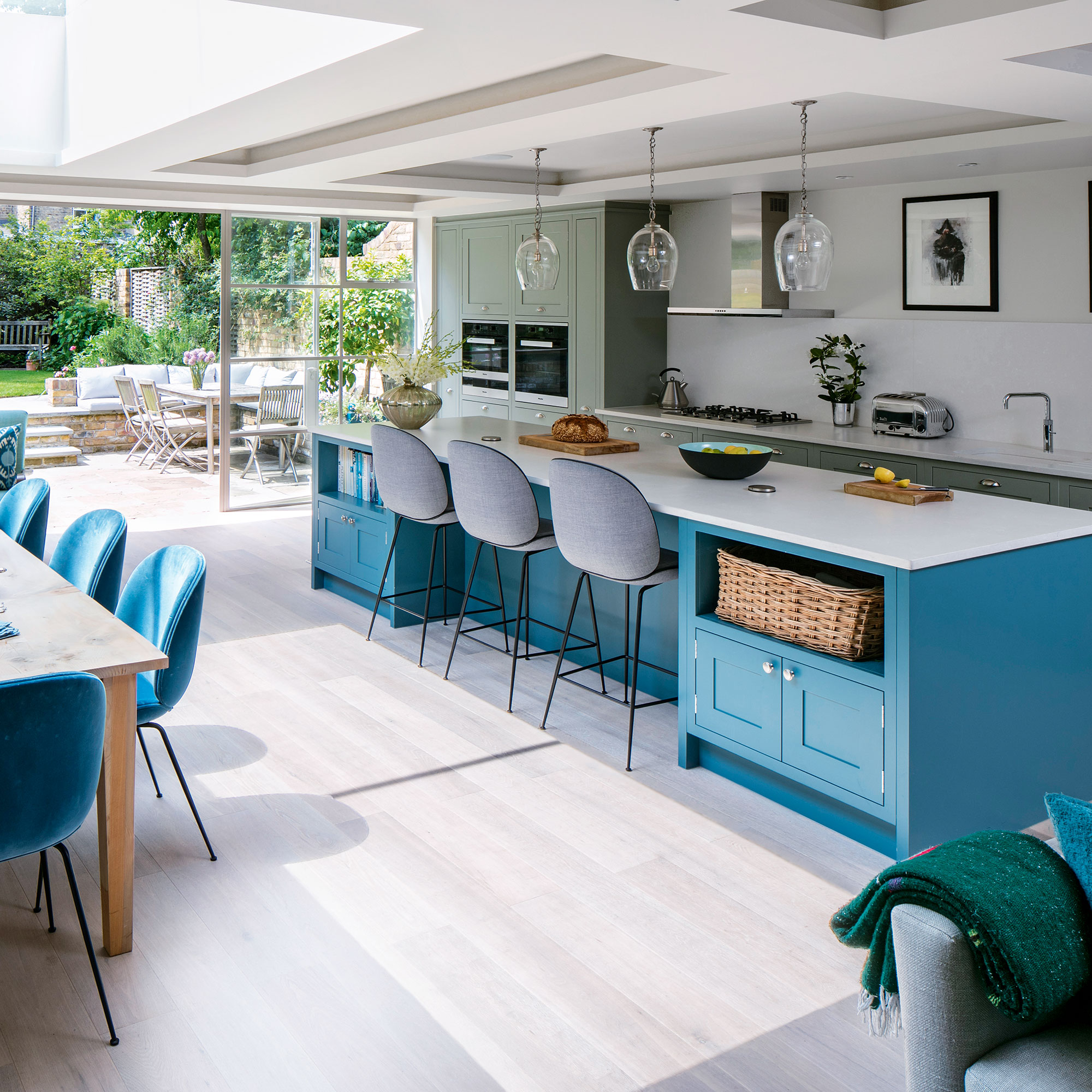
5 kitchen lighting layouts to illuminate your space to perfection
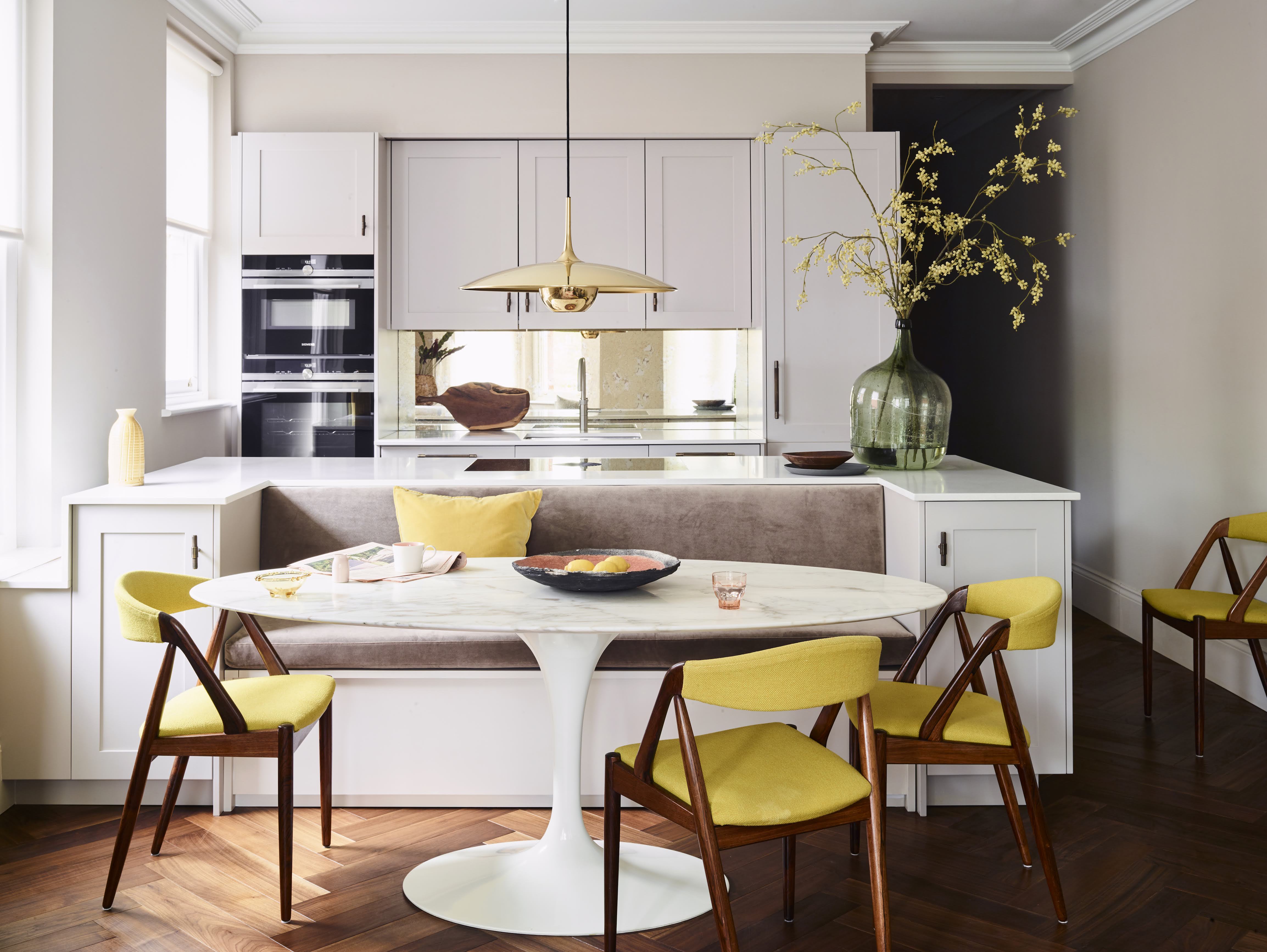
Lighting ideas for small kitchens – 10 ways to brighten up compact rooms

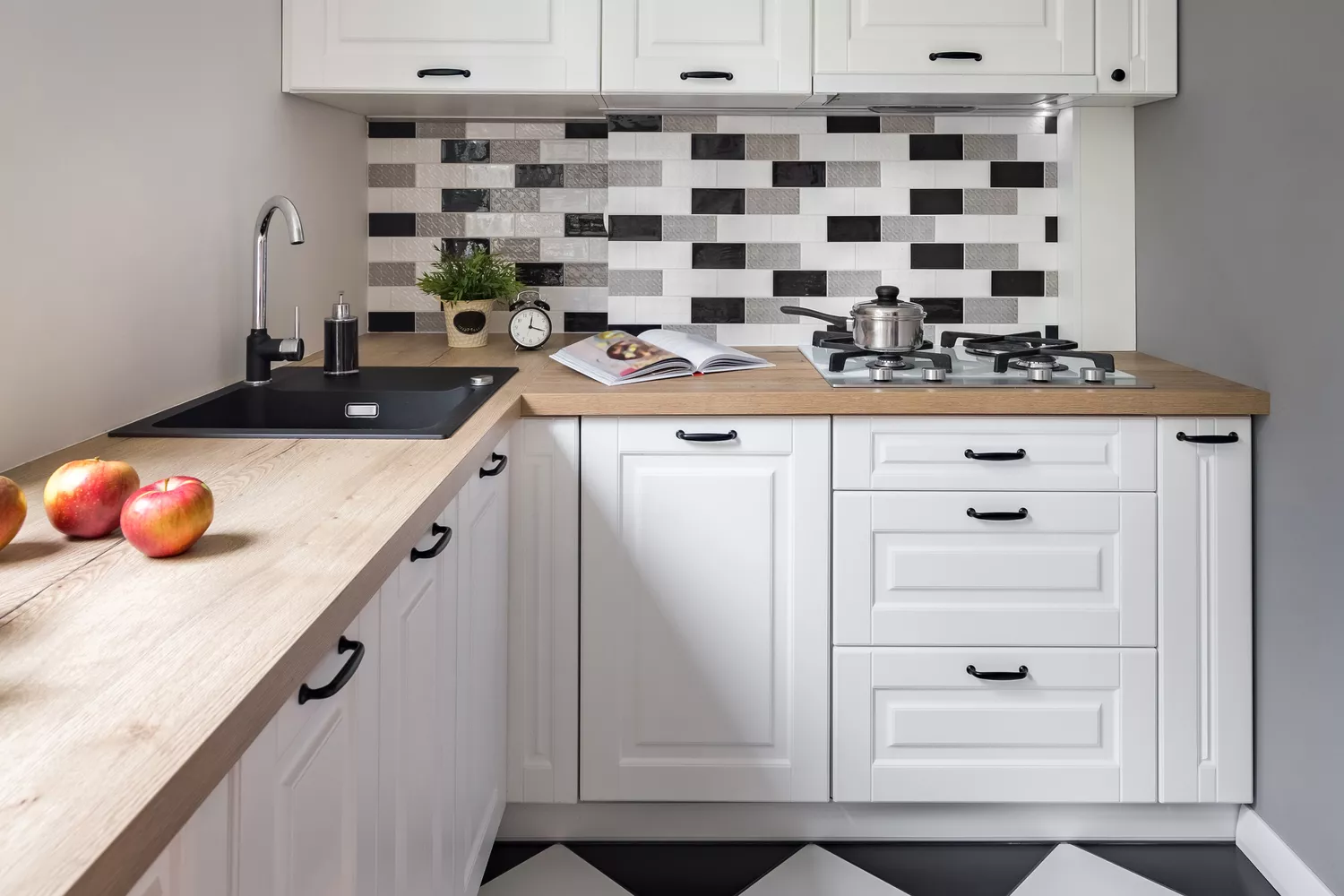
60 Small Kitchen Ideas That Will Make Your Space Feel Bigger and Brighter

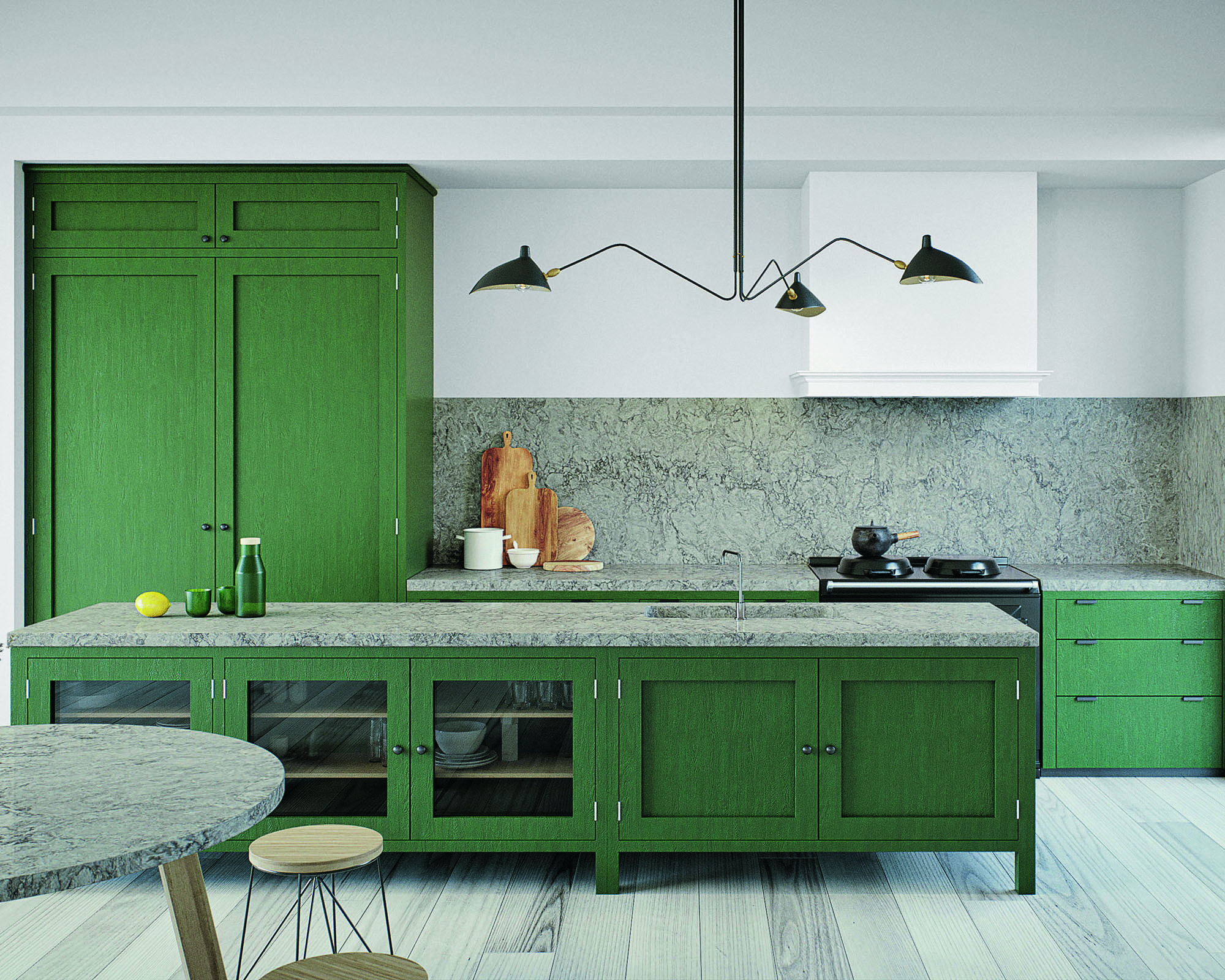
How to plan kitchen lighting — create a scheme in sync with your routine
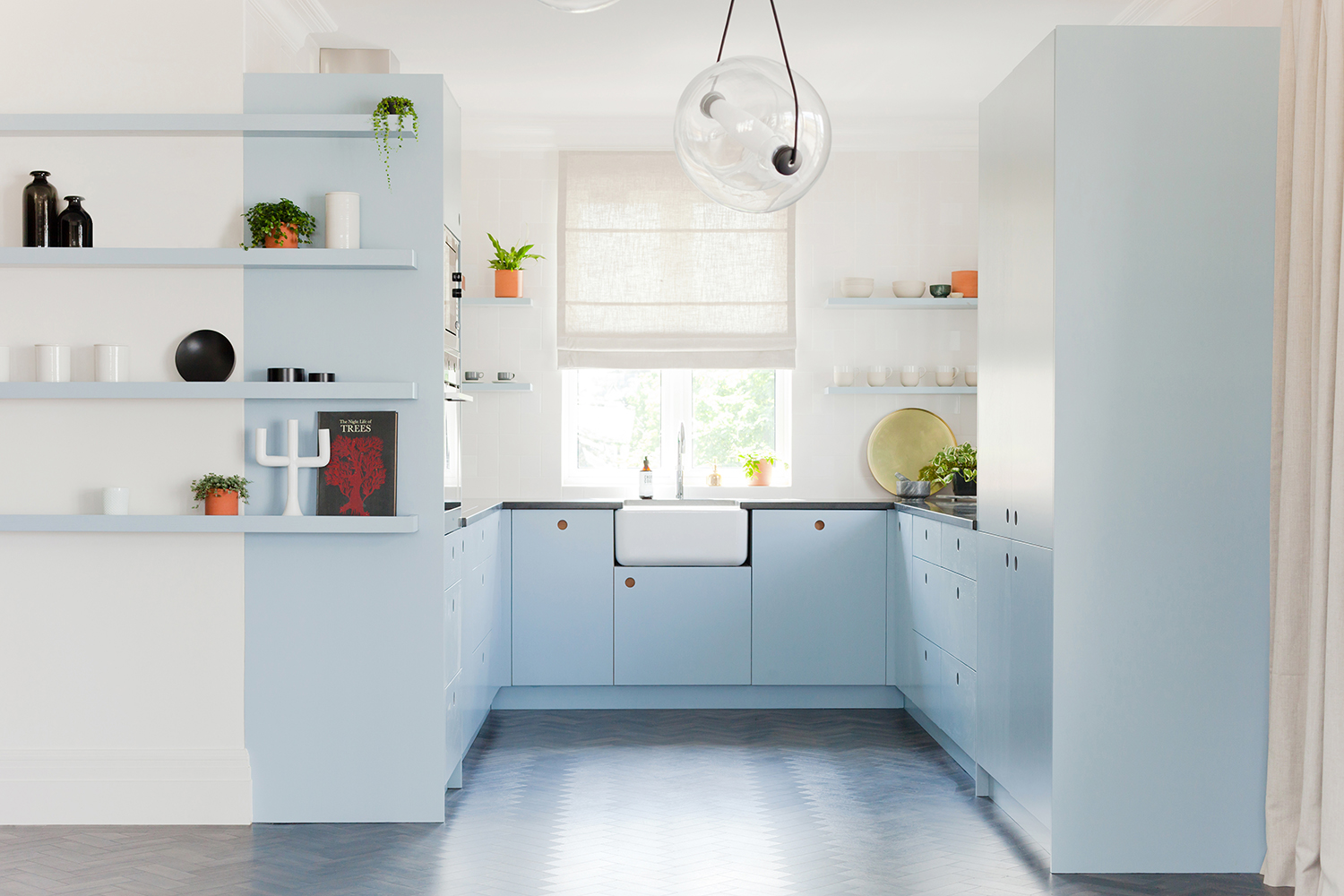
Small kitchen lighting ideas – 10 illuminating ways the right light can transform your cooking space
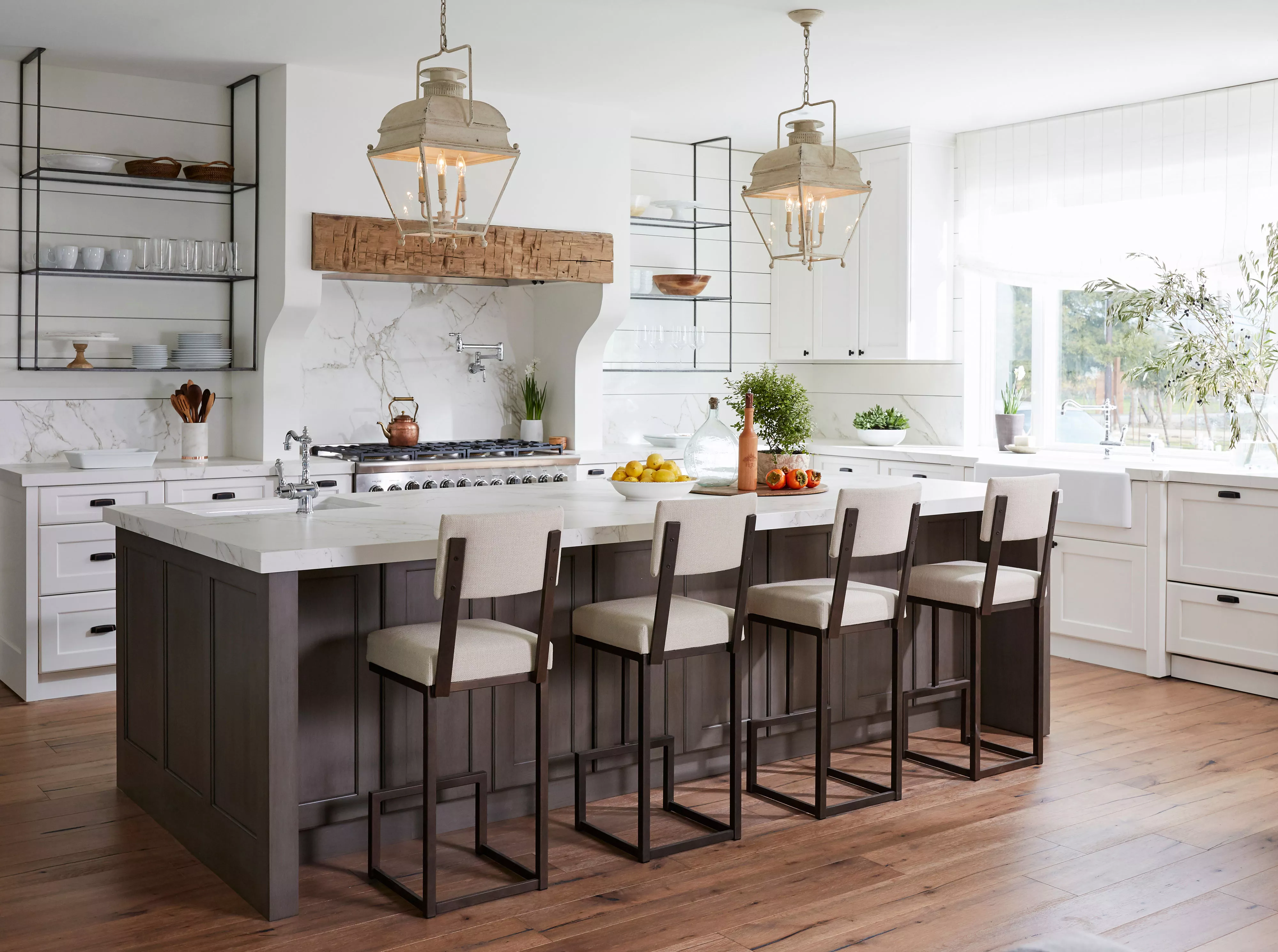
3 Steps to Perfect Kitchen Lighting, According to an Expert

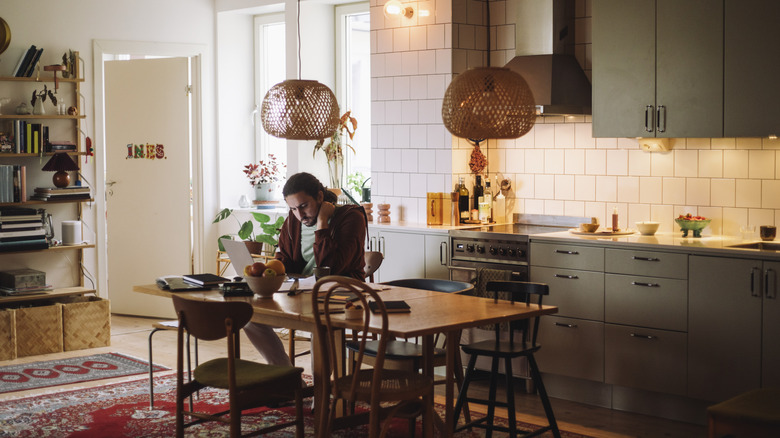
17 Best Creative Lighting Ideas For Your Kitchen


5 Trending Kitchen Light Fixtures That Will Add Spark To Your Home
5 Easy, Designer-Approved Lighting Hacks to Brighten Up Your Home
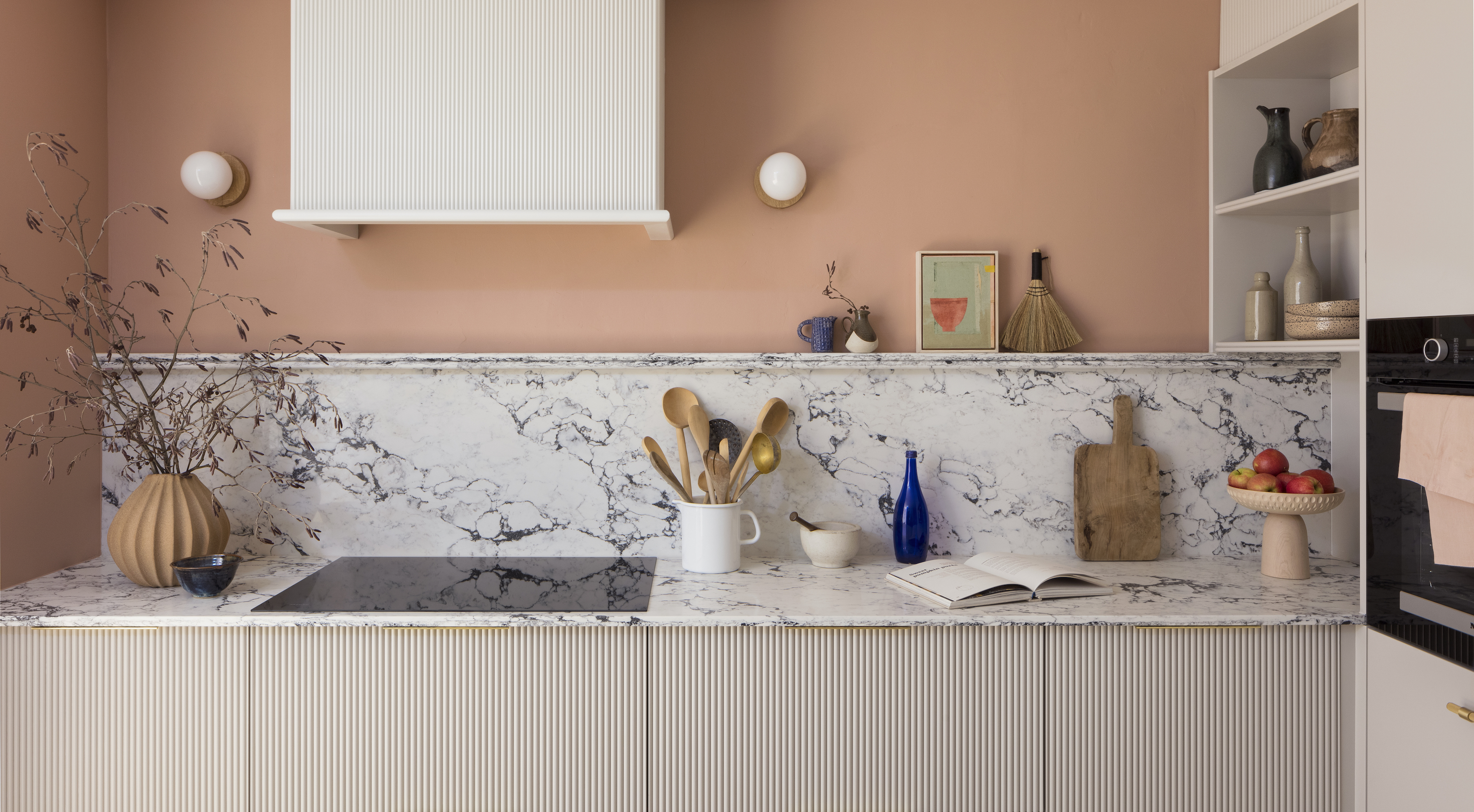
12 Small kitchen lighting ideas to make compact cooking areas shine
Kitchen focus: Why great lighting is key to a successful design
These Kitchen Lighting Ideas Will Bring Idyllic Ambiance to the Heart of Your Home
Try These Kitchen Lighting Ideas to Brighten Your Space

The Kitchen Lighting 'Rule Of 3' Will Instantly Make Your Space Look Expensive – And Designers Swear By It For A Perfectly Layered Scheme
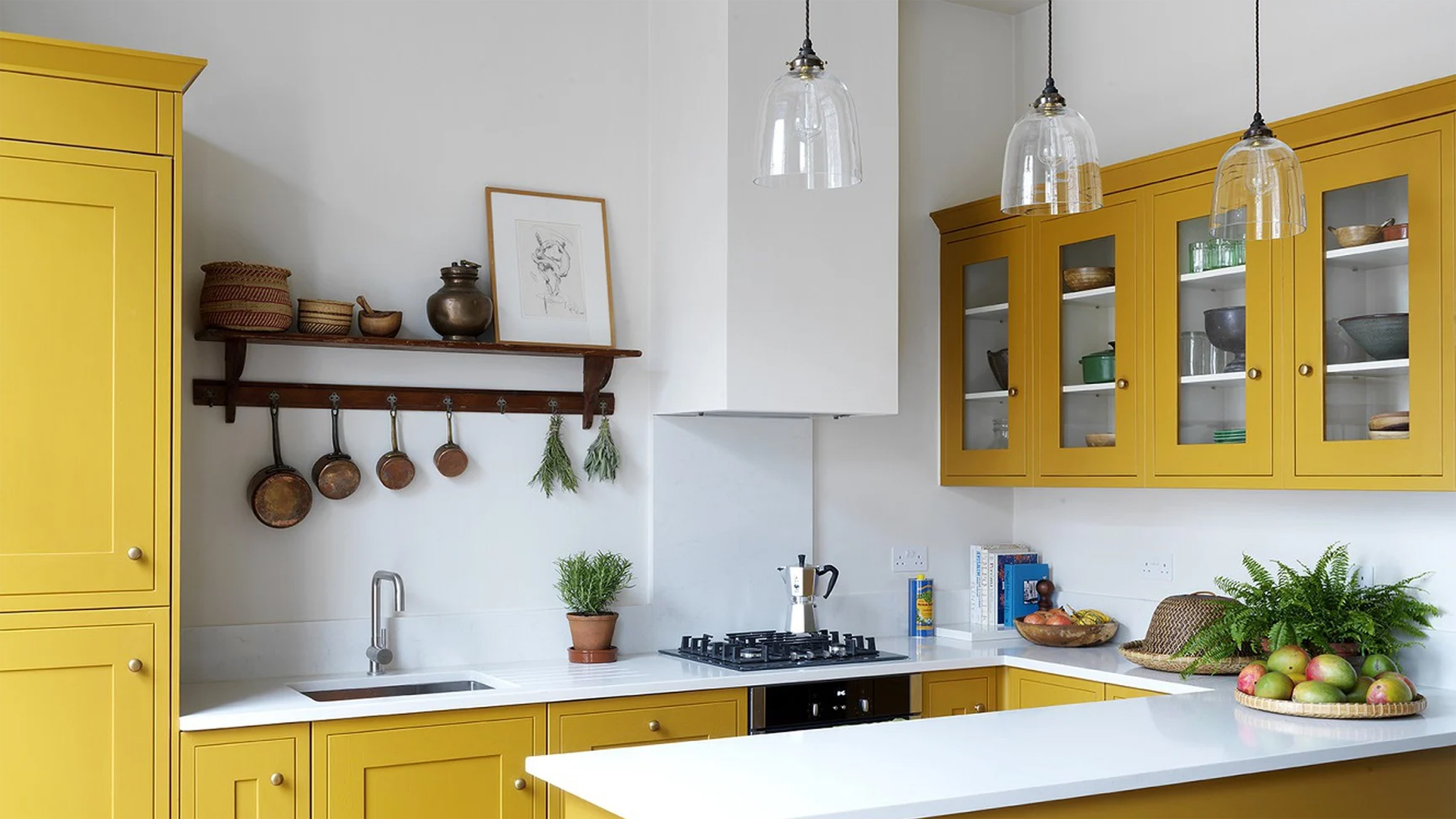
Small kitchen lighting ideas – 11 stylish fixtures for tiny spaces

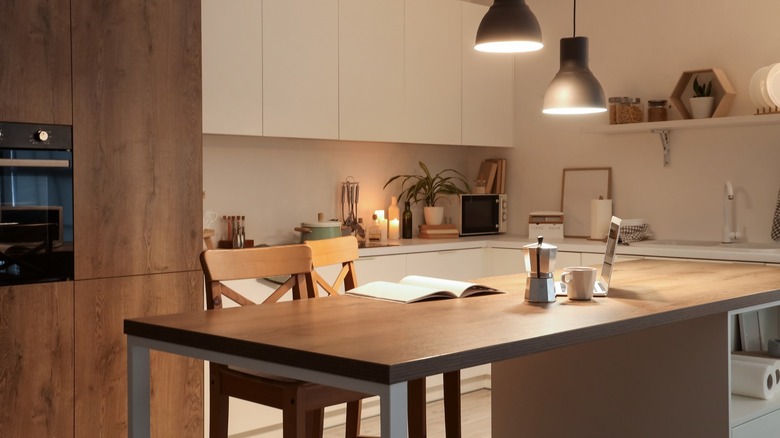
The Low-Effort Kitchen Lighting Trend That Adds Instant Elegance