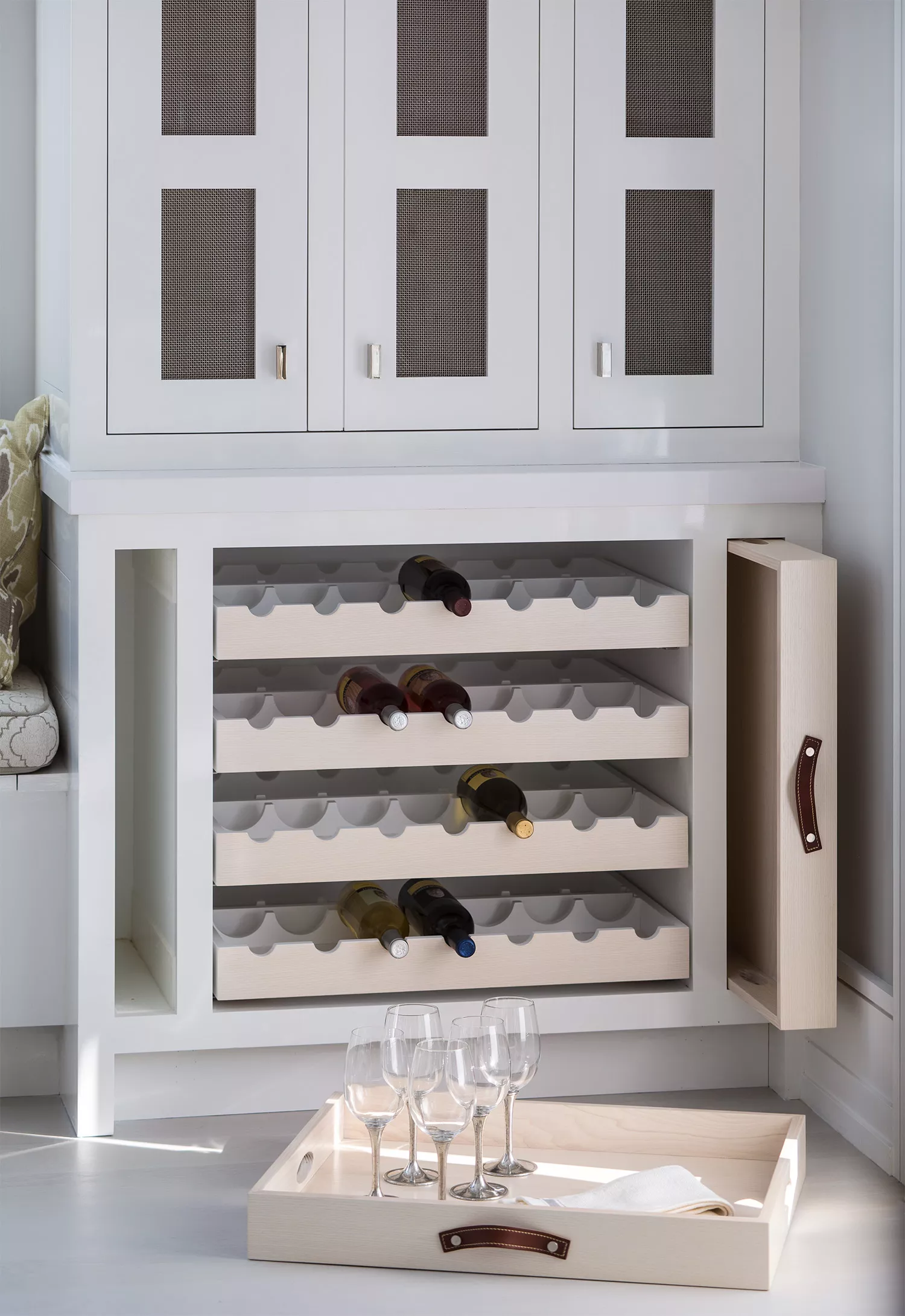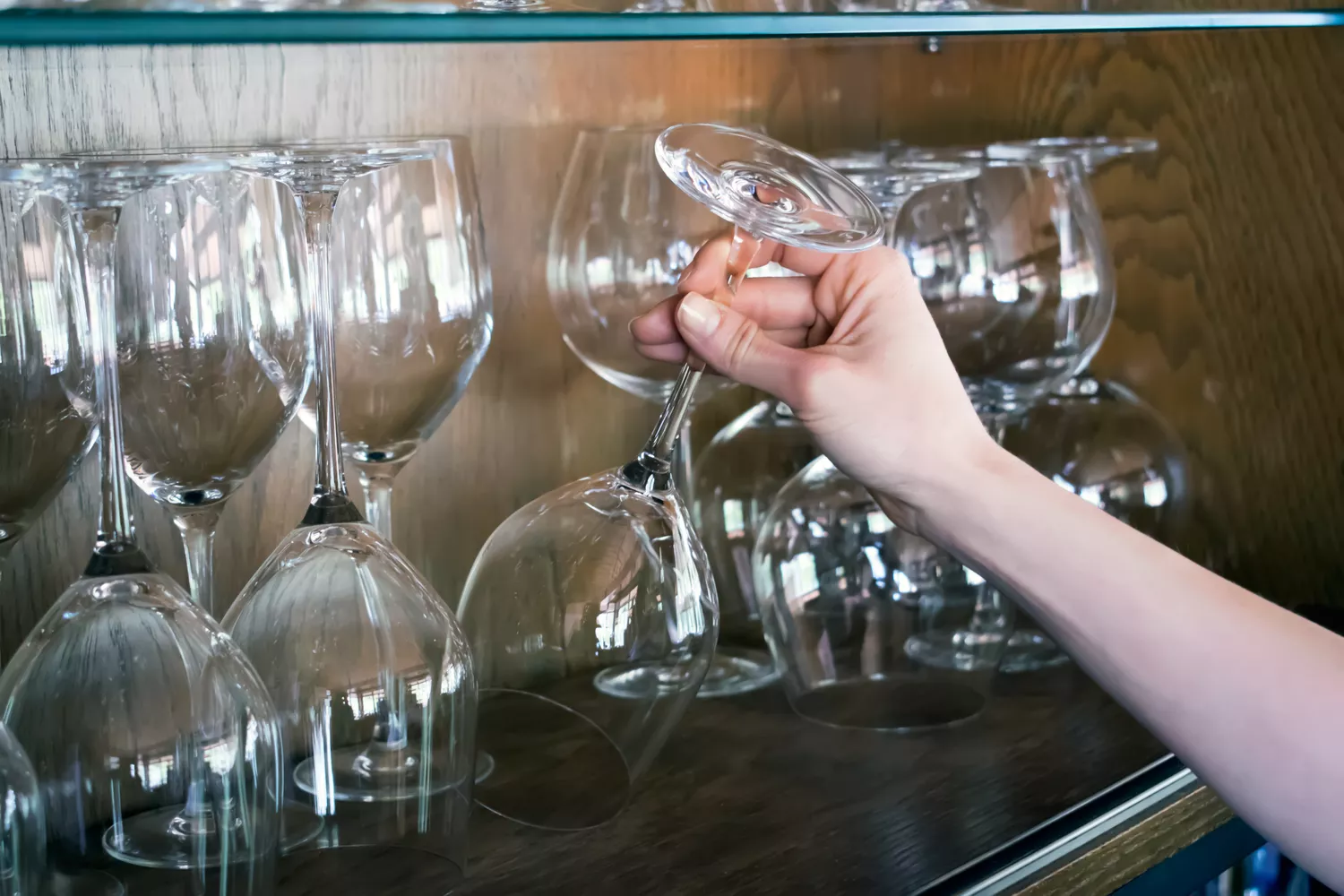
Should You Store Wine Glasses Up Or Upside Down?
The proper storage of wine glasses is crucial for both their longevity and for facilitating efficient entertaining, despite the common oversight of this detail in many households. While there isn't a single universal method agreed upon by all experts, the optimal storage approach often depends on factors such as the frequency of use and the type of glassware. Brian White, a beverage manager and sommelier at the Epicurean Atlanta hotel, and Laura Ryals, from the curating leadership team at Replacements, Ltd., offer varying but insightful perspectives on this matter.
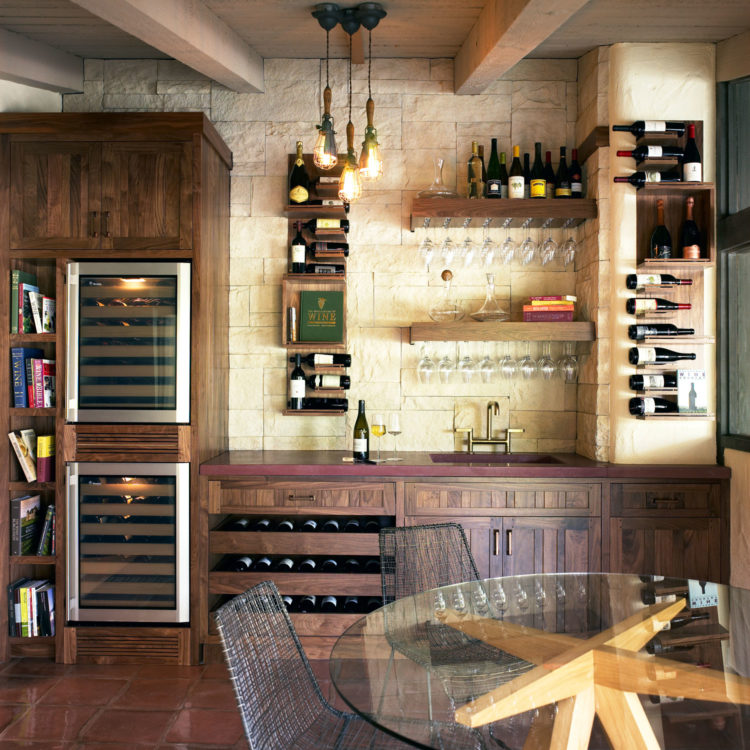
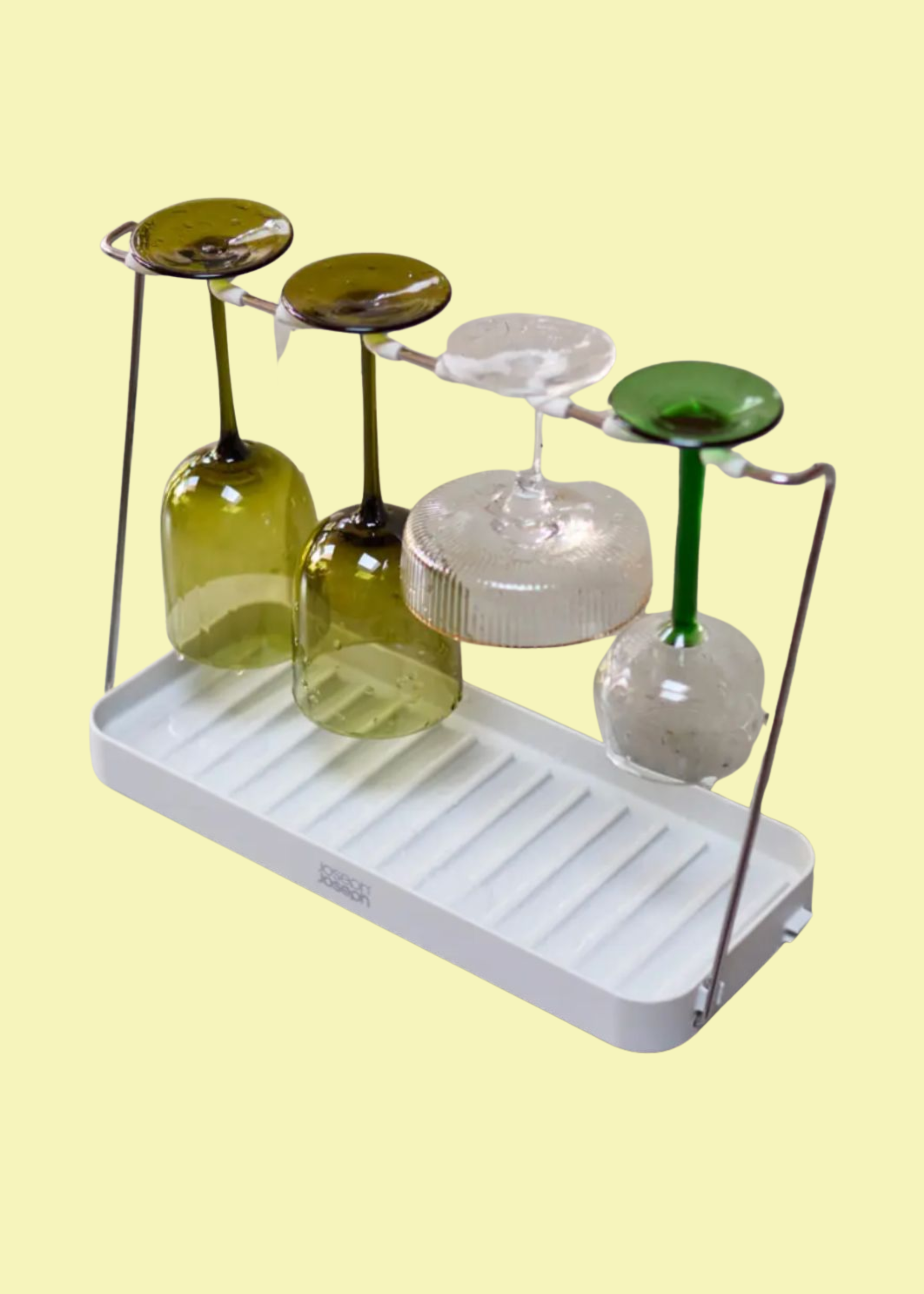
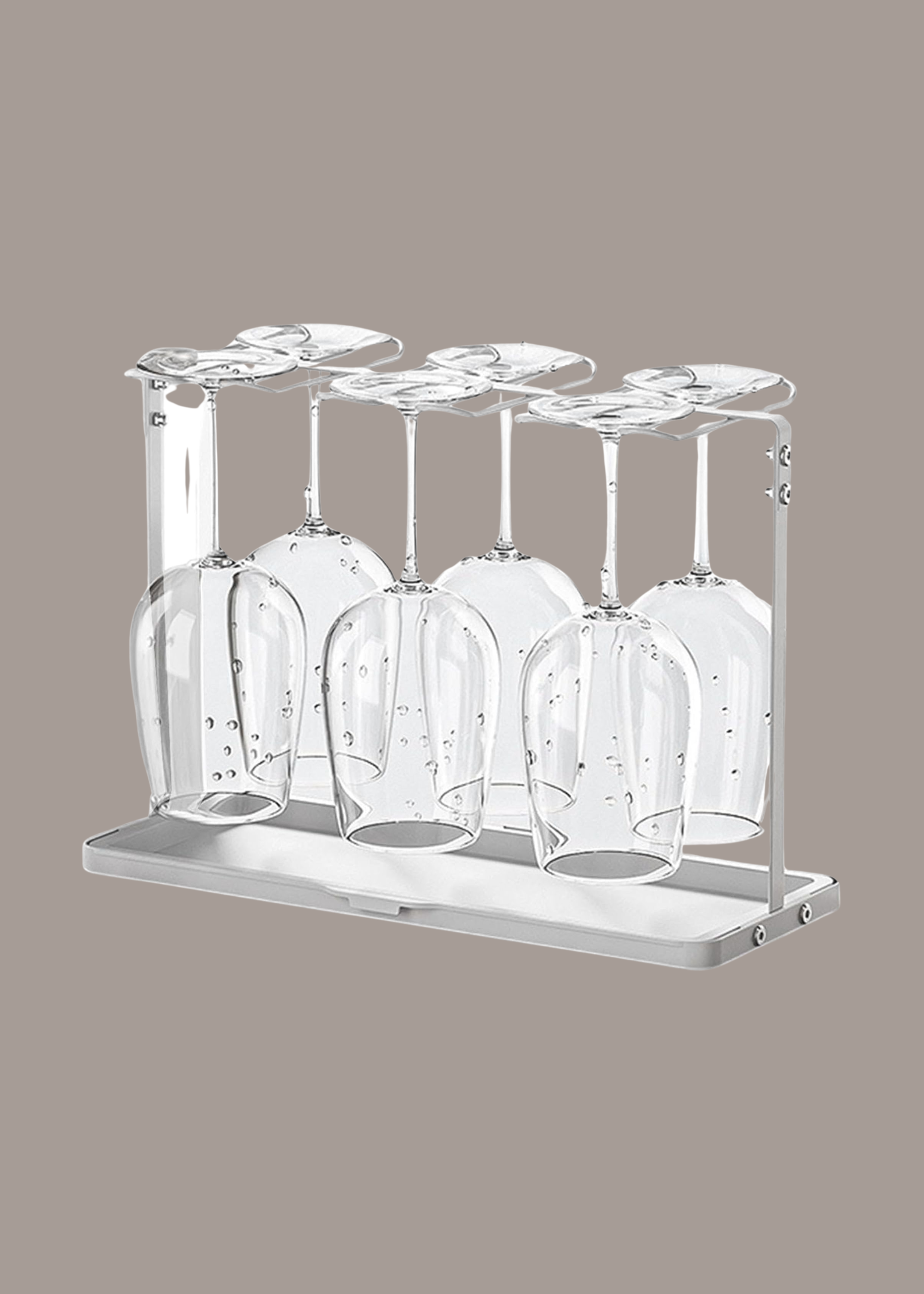
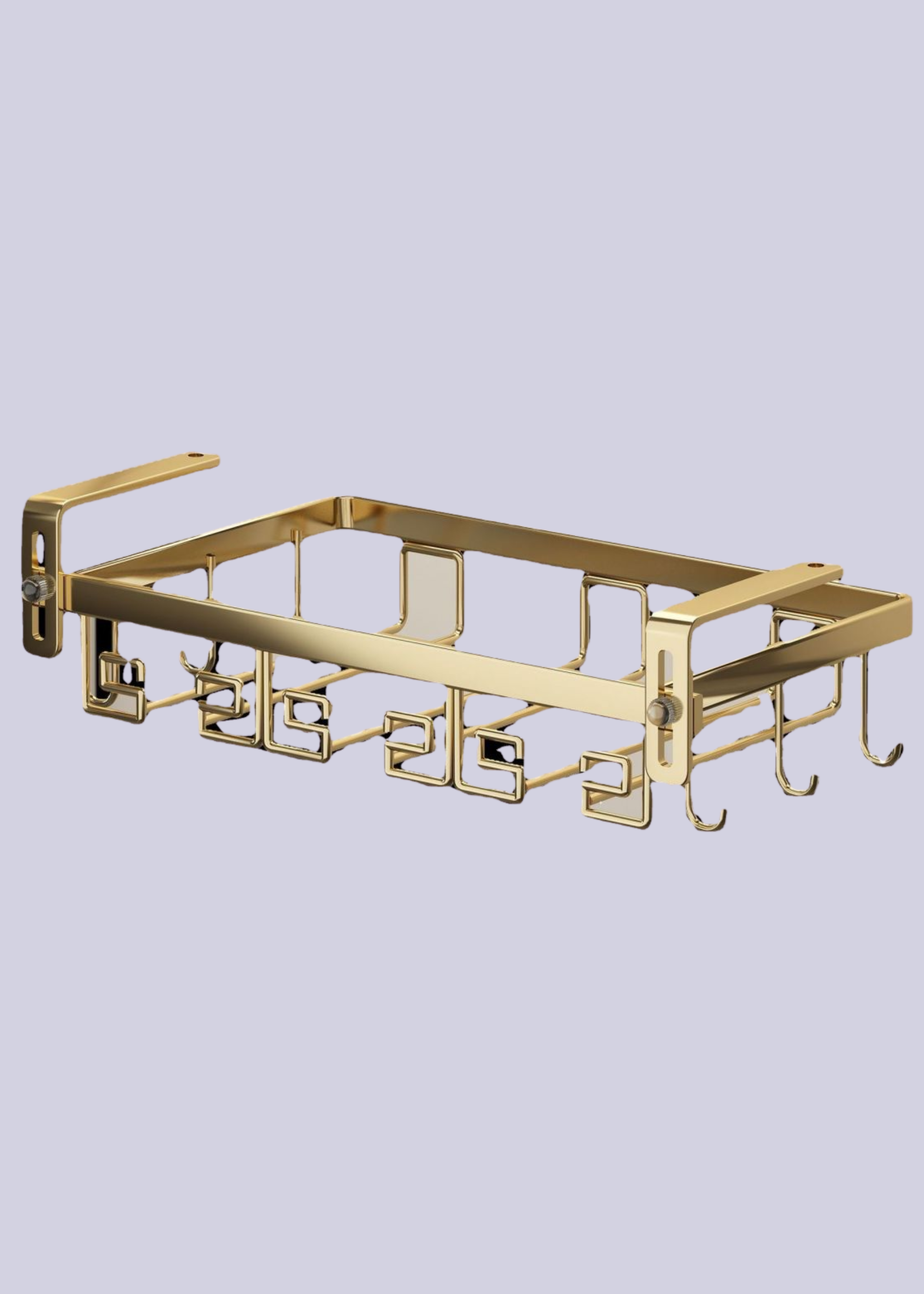
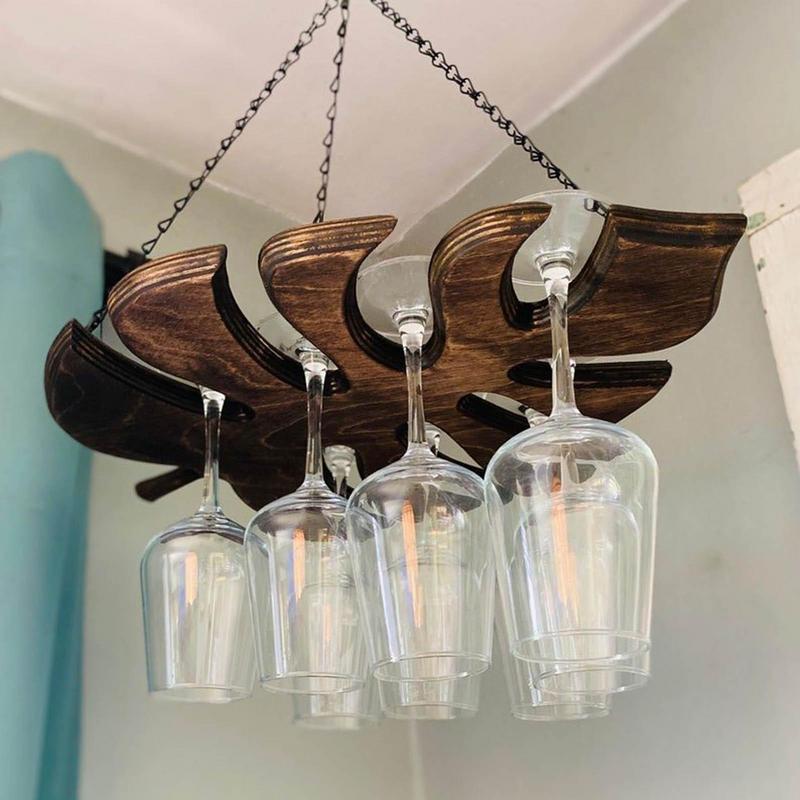
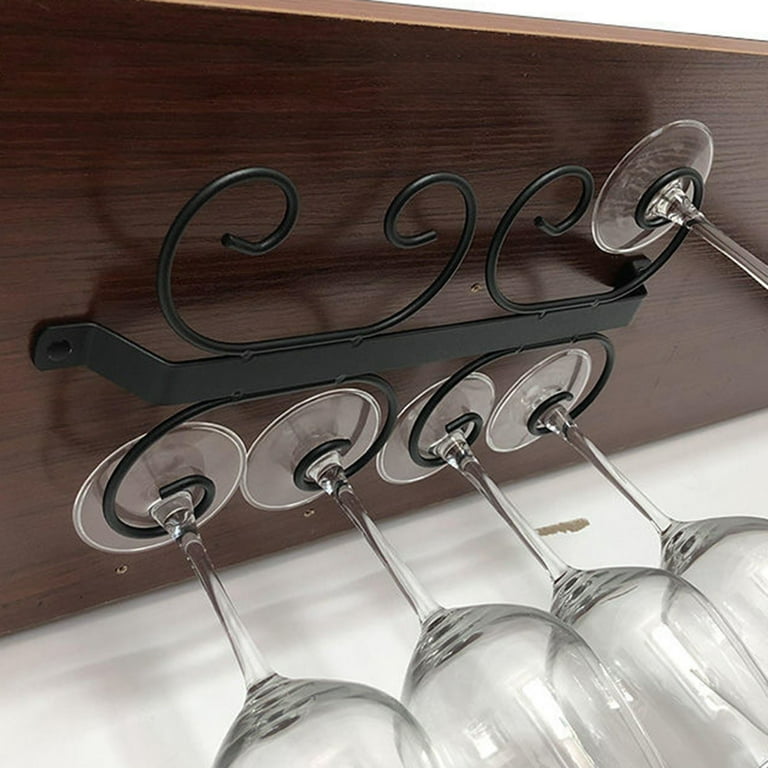
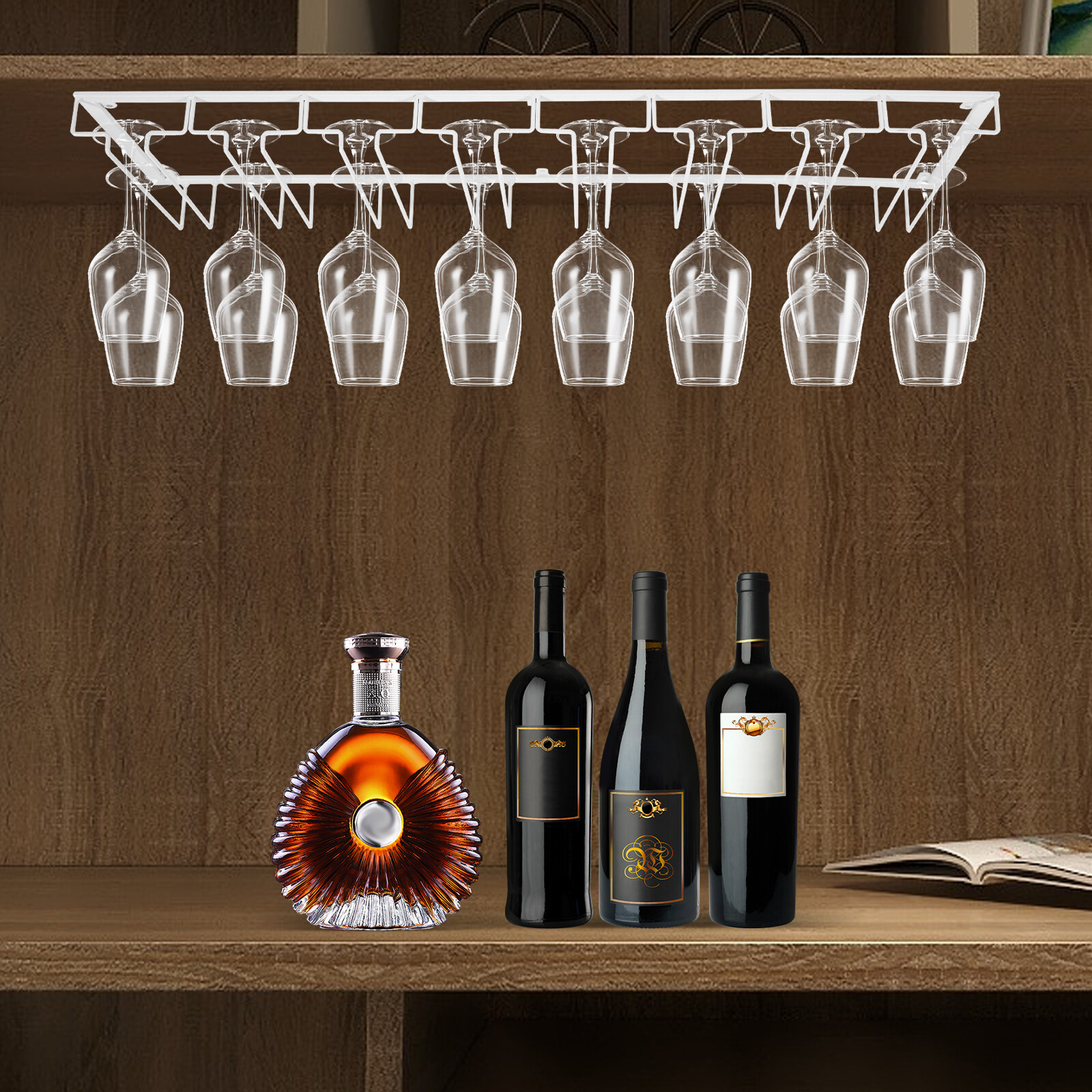
White advocates for storing wine glasses upside down, a practice commonly observed in professional settings like restaurants and bars, often mandated by health departments. This method is primarily beneficial for reducing dust accumulation and minimizing the risk of breakage. When stored upside down, the rim, which is typically the most delicate part of a stemmed glass, is protected from impacts. This position also makes it easier to grasp the stem or base of the glass without touching the rim, ensuring better hygiene and reducing the likelihood of fingerprints or smudges on the drinking surface.
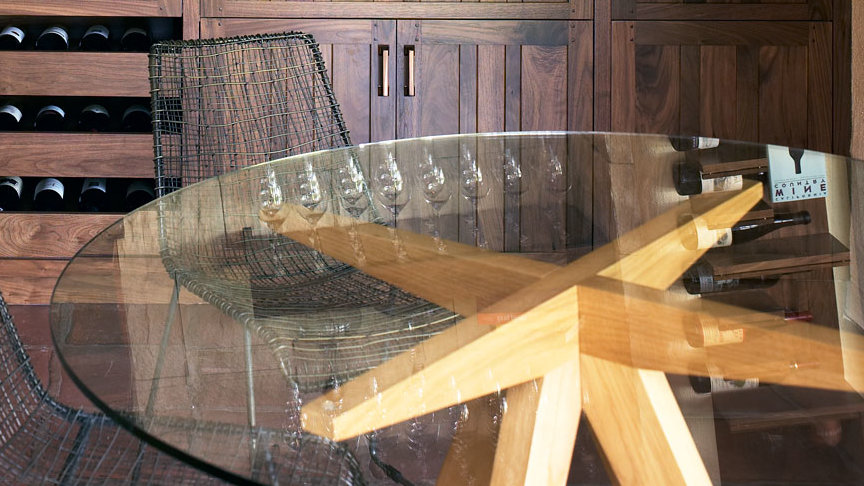
However, Ryals introduces a nuanced perspective, particularly concerning crystal wine glasses. Due to crystal's inherent fragility, especially its rim, she advises storing these delicate items rim-side up. This orientation prevents undue weight and pressure from resting on the fragile rim, thereby significantly reducing the potential for chips or cracks. When storing glasses upright, it is important to be aware of dust accumulation and to rinse them thoroughly before use. Additionally, for crystal glasses, particularly when stored on open shelves, it's crucial to keep them out of direct sunlight, as prolonged exposure to UV rays can lead to discoloration over time.
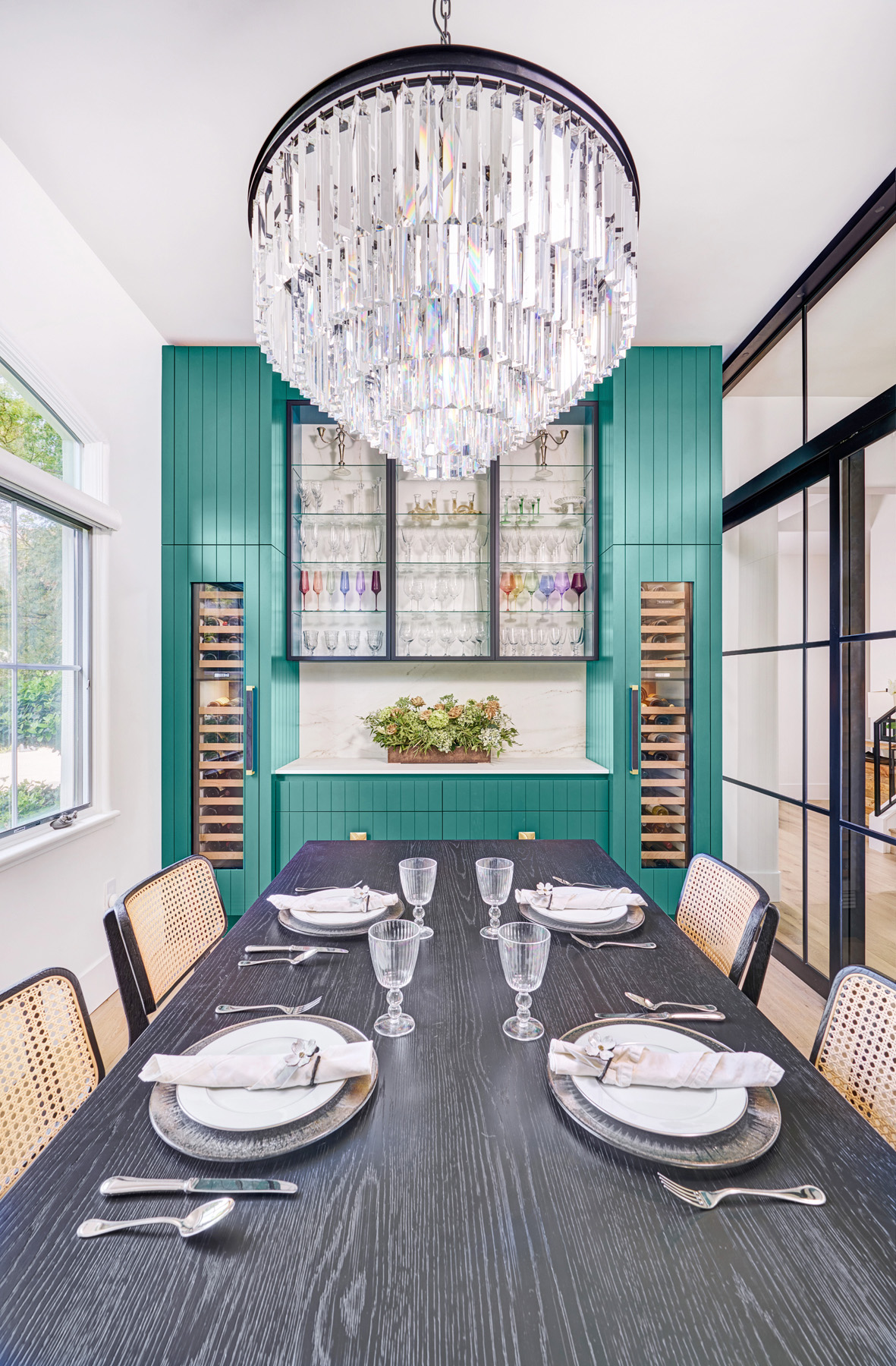
Regardless of whether glasses are stored up or down, the location and environment of storage are paramount. Both experts emphasize the importance of storing glasses in cabinets that are not excessively high to minimize the risk of accidental drops and breakage when retrieving them. Closed storage solutions are generally preferred as they offer protection from dust, kitchen odors, and potential impacts. Within cabinets, it is recommended to leave ample space between individual glasses to prevent them from clanging together, which can cause chips or fractures. Placing liners or mats on cabinet shelves can further secure glasses, preventing them from shifting and reducing the chances of breakage.
For long-term storage, both White and Ryals agree that an upright position is ideal. For added protection and organization, they suggest using padded glass storage boxes equipped with dividers. White also recommends wrapping individual glasses in plastic or bubble wrap before placing them in storage boxes, ensuring they remain dust-free and protected from damage until their next use. Prioritizing accessibility for frequently used pieces by storing them at the front of the cabinet also streamlines the entertaining process, making a host's job much easier.
#WineGlassStorage #HomeOrganization #KitchenStorage #CrystalCare #GlasswareMaintenance #EntertainingTips #HomeDecor #DiningEtiquette #WineGlassStorage #HomeOrganization #KitchenStorage #CrystalCare #GlasswareMaintenance #EntertainingTips #HomeDecor #DiningEtiquette
0 komentarzy łącznie
 Brak komentarzy jeszcze
Możesz również polubić
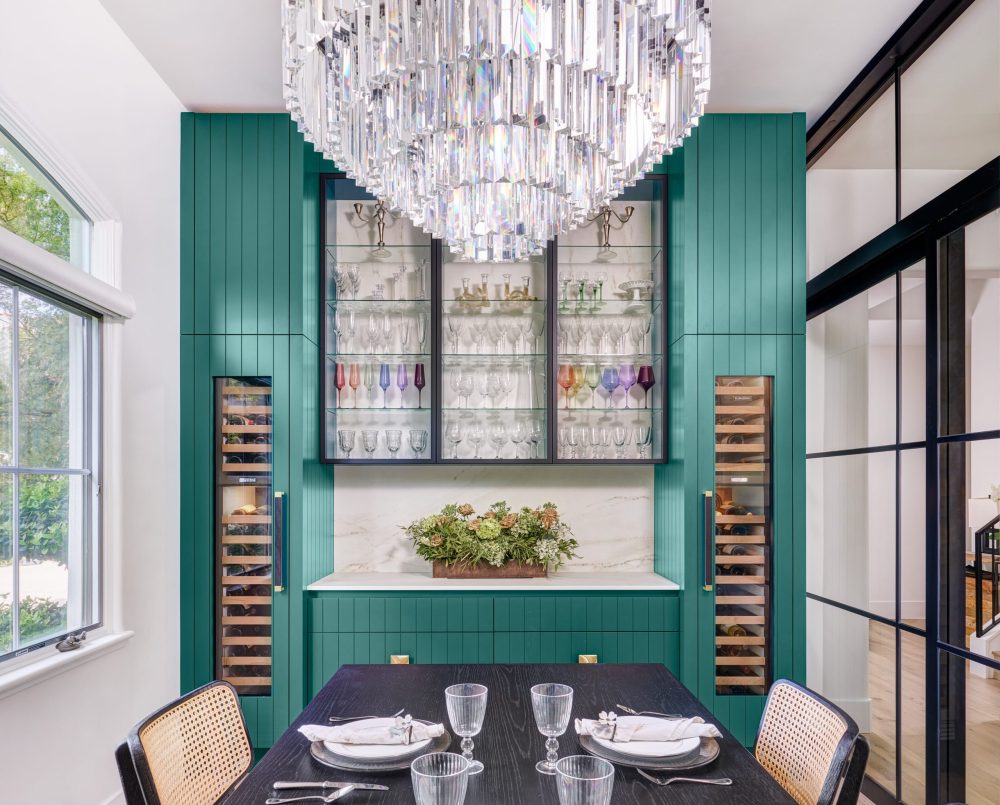
Wine Storage: Tasteful Choices

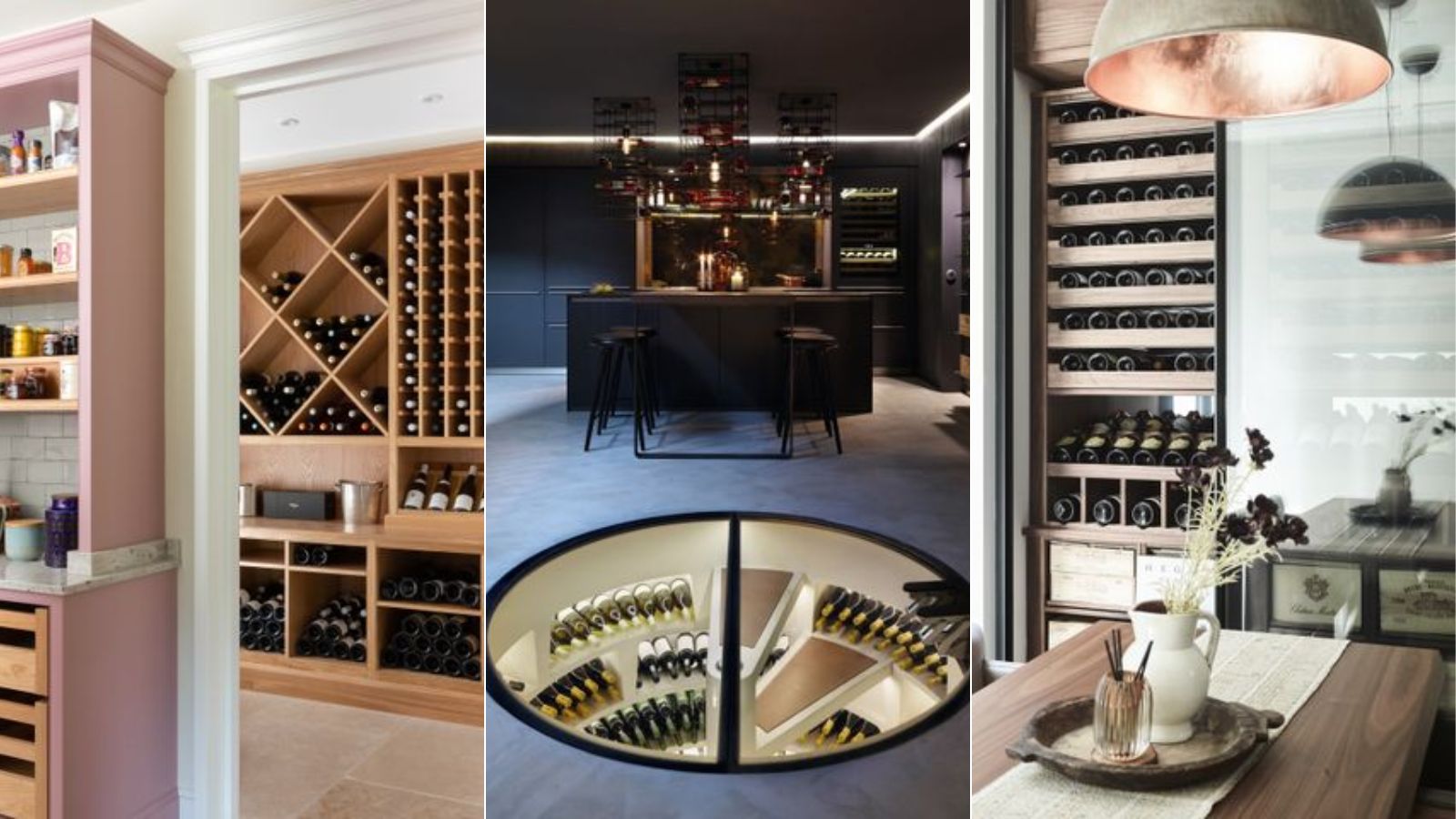
How to store wine in your kitchen – stylish storage solutions with wine preservation in mind

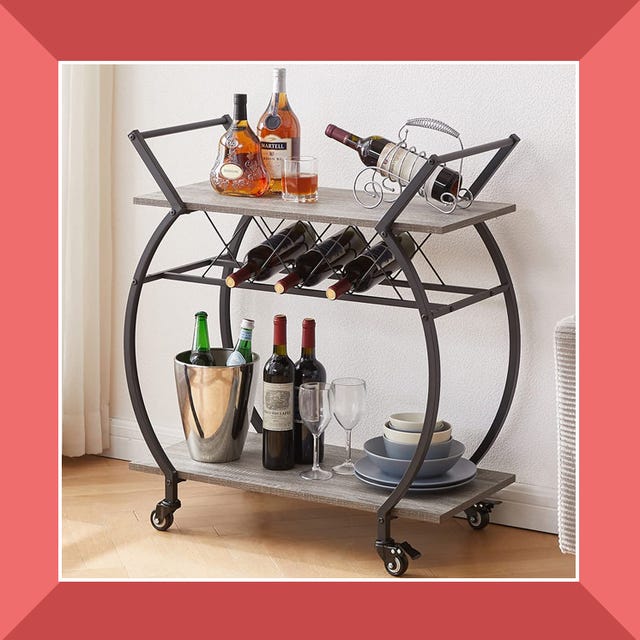
The 10 Best Wine Racks to Store Your Vino in Style
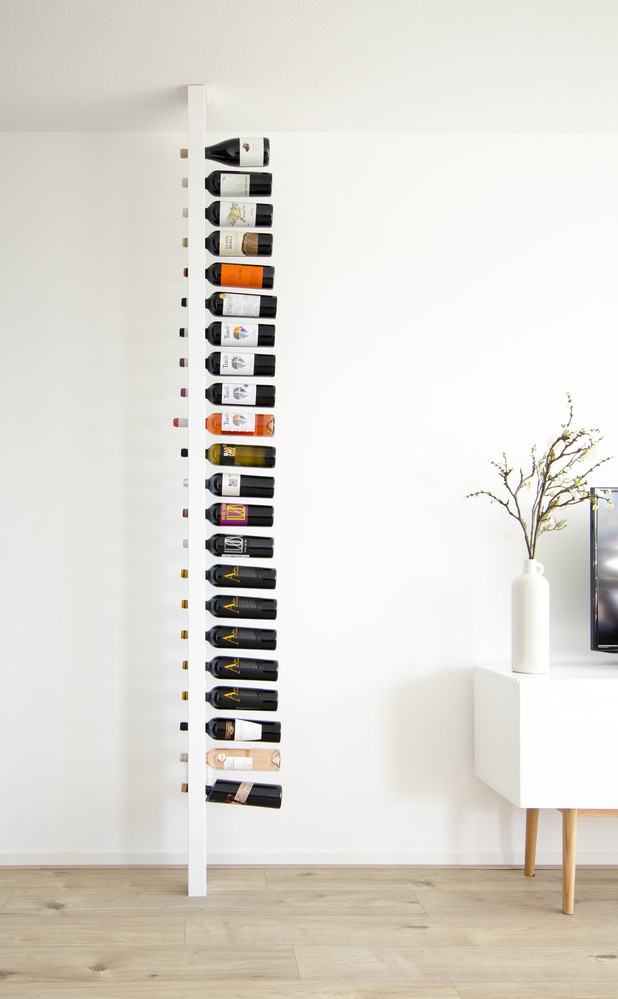
11 Non-Traditional Ways to Store Your Wine
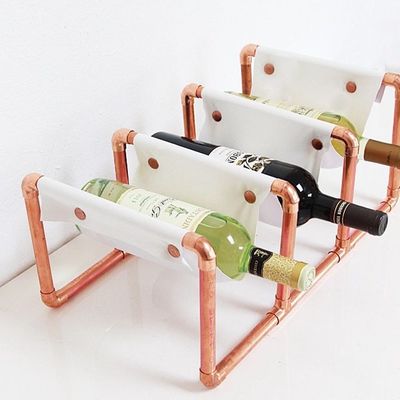
14 Unique Wine Storage Ideas We Can Raise a Glass To

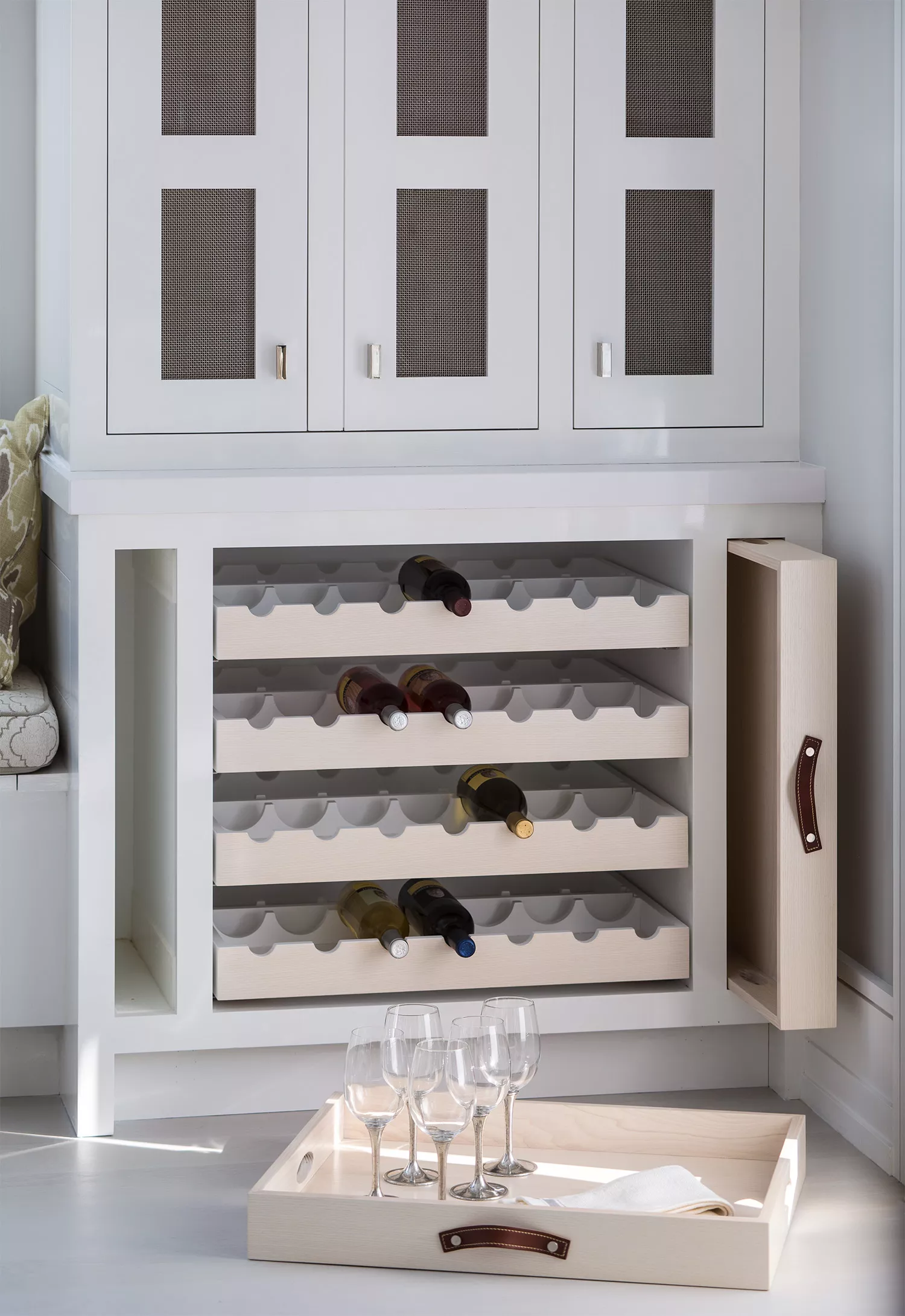
13 Wine Storage Ideas for Any Size Collection

The Best Built-In Wine Storage Is Round

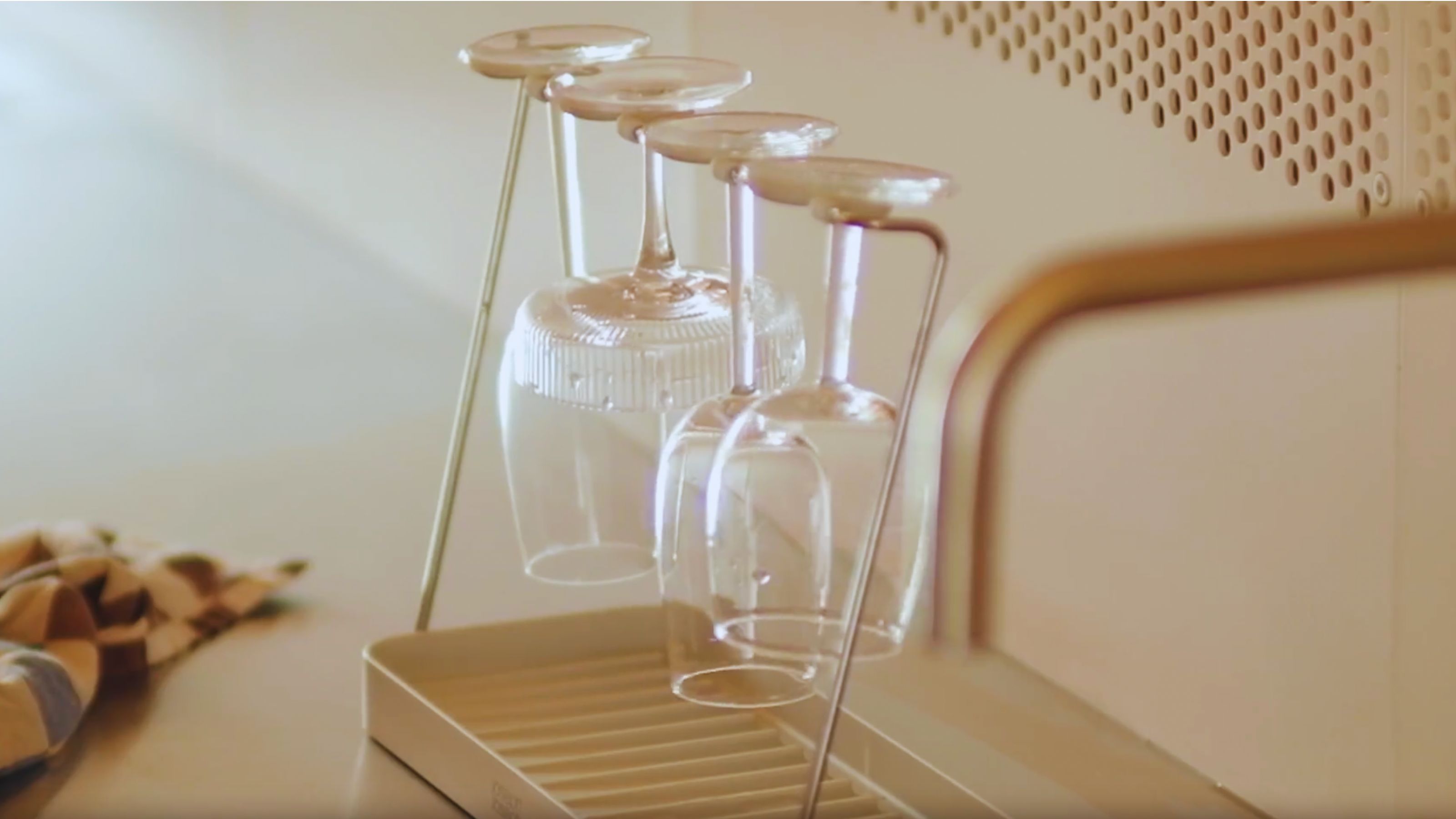
This Drying Rack Is a Lifesaver for Wine Glass Storage |

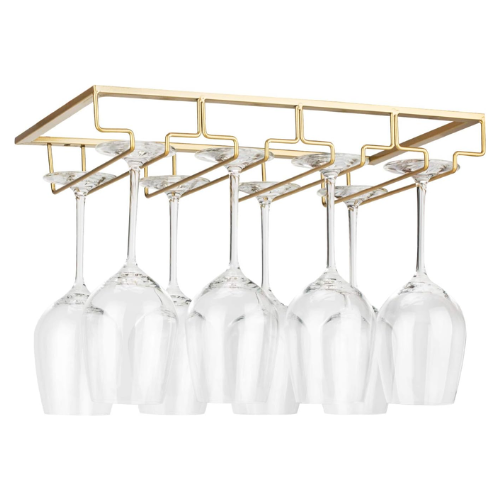
This Glass Storage Idea Doubles the Space in Your Cabinets |

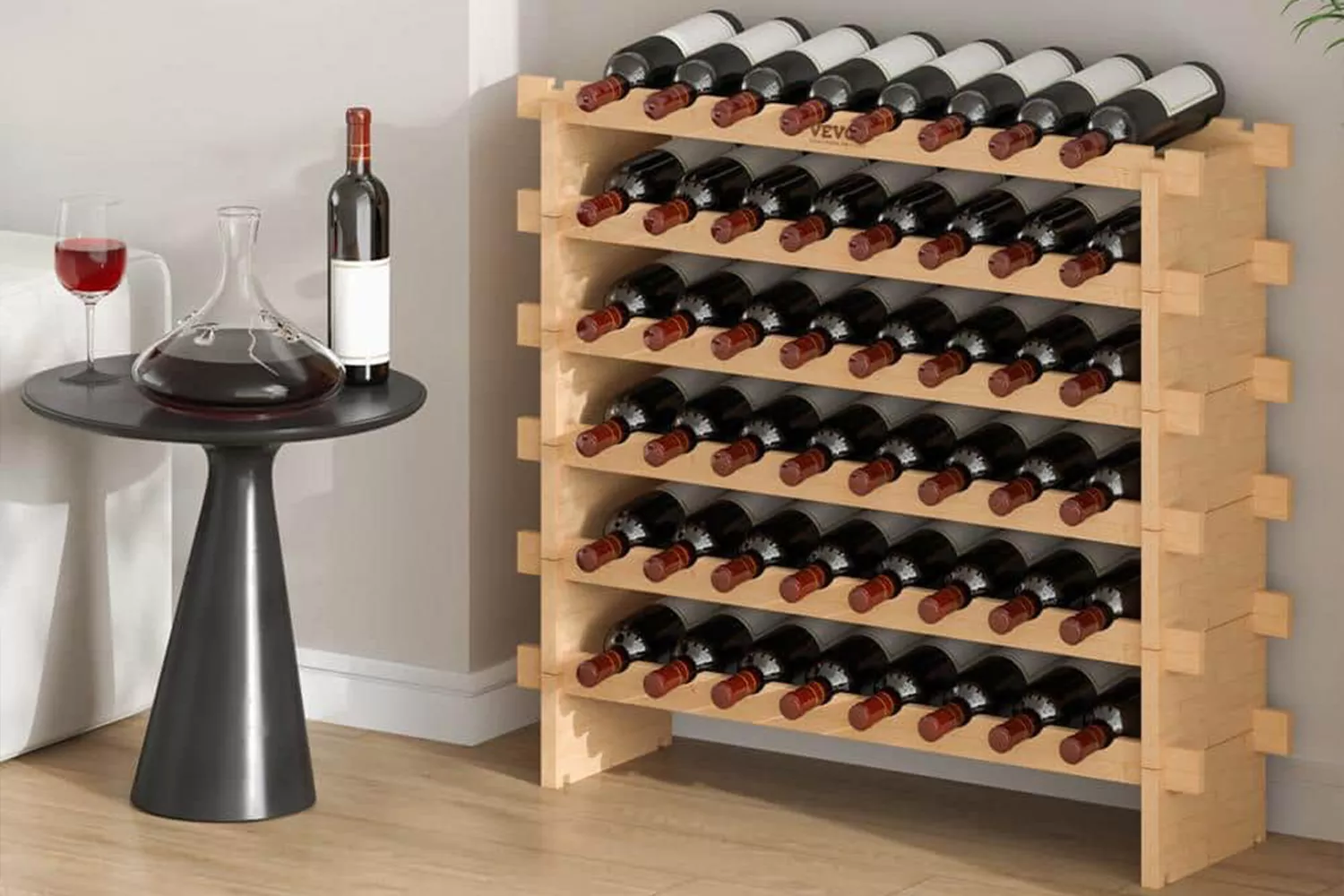
This Is the Best Way to Store Your Wine, According to a Sommelier

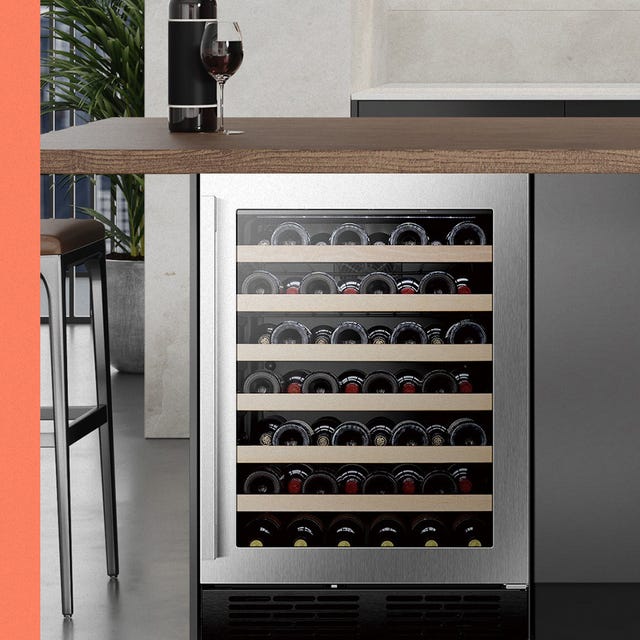
Store Your Vino in Any of These Expert-Recommended Wine Fridges
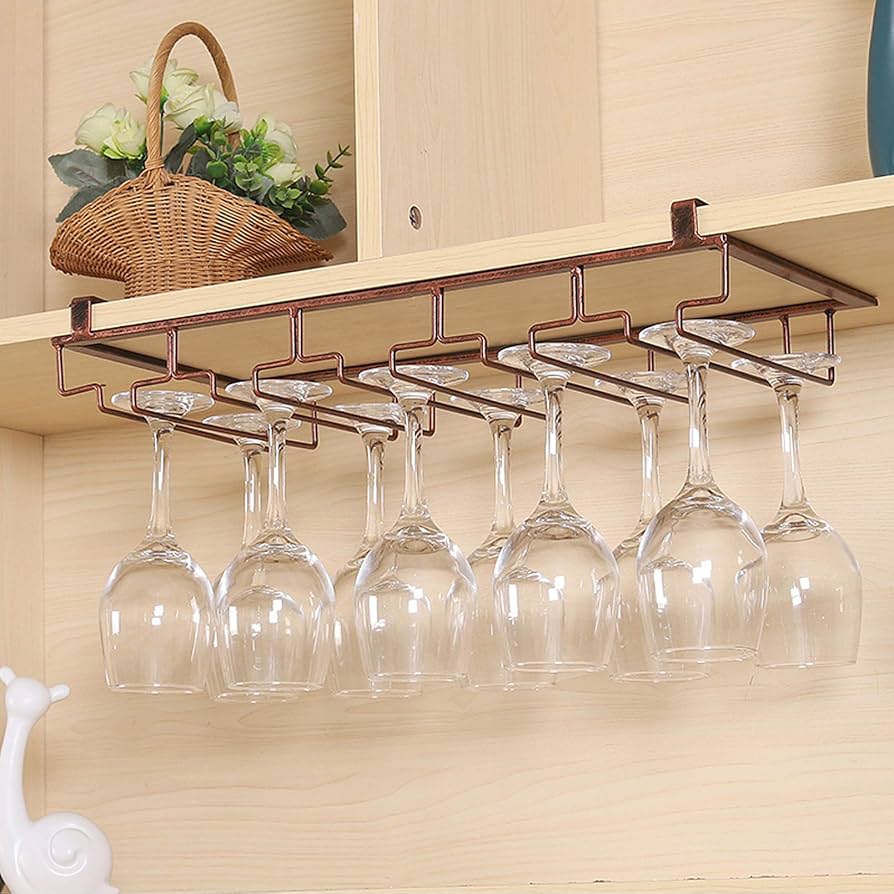
Clearance wine glass holder designs Top Sale Wine Bottle Glass Racks Modern Metal Wire Under Cabinet Stemware Wine Glasses Hanger Organizer Storage Holder Rack Multi Function Display Rack

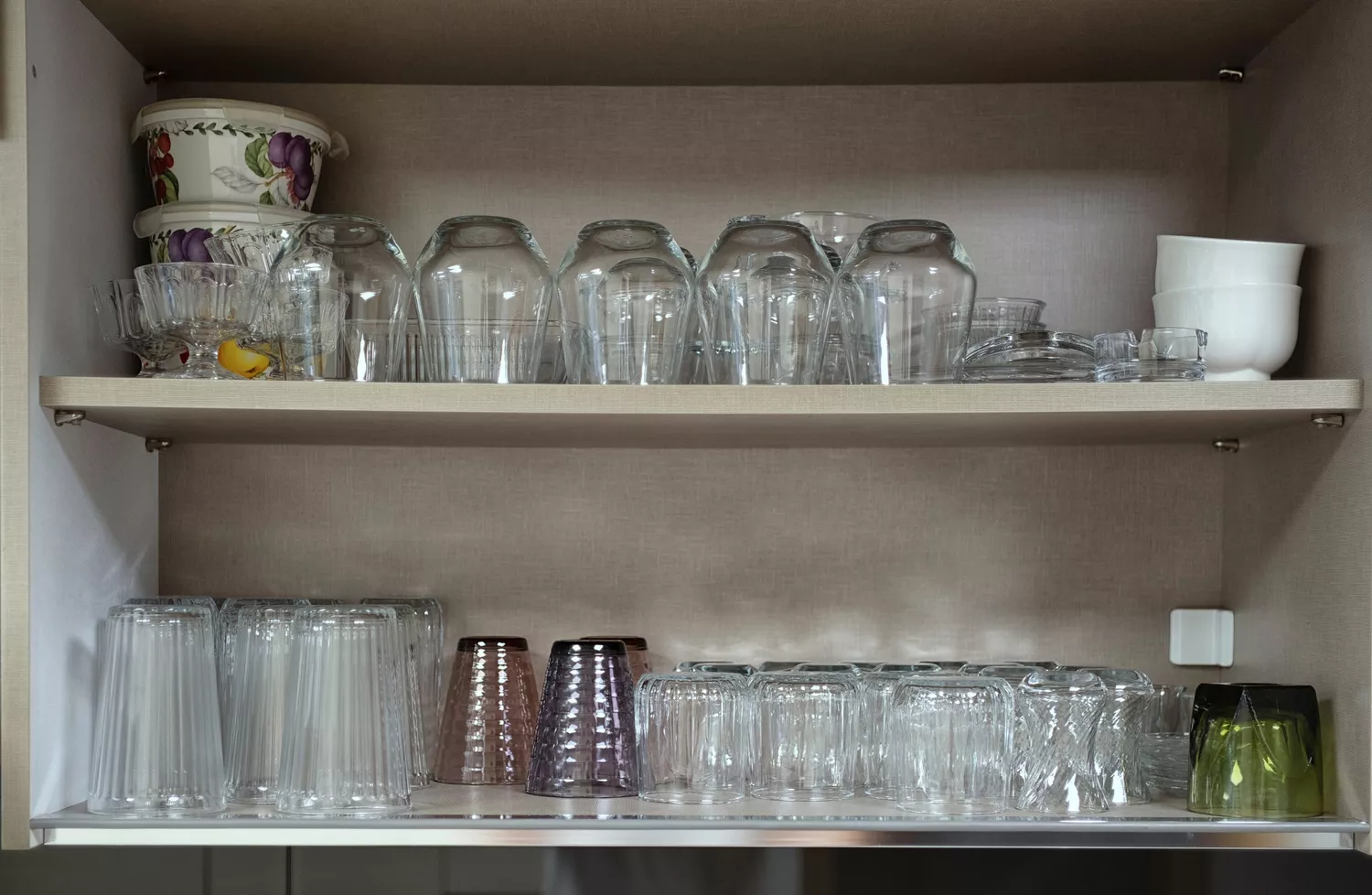
Should You Store Glasses Upside Down? Pros Spill Why They Always Do

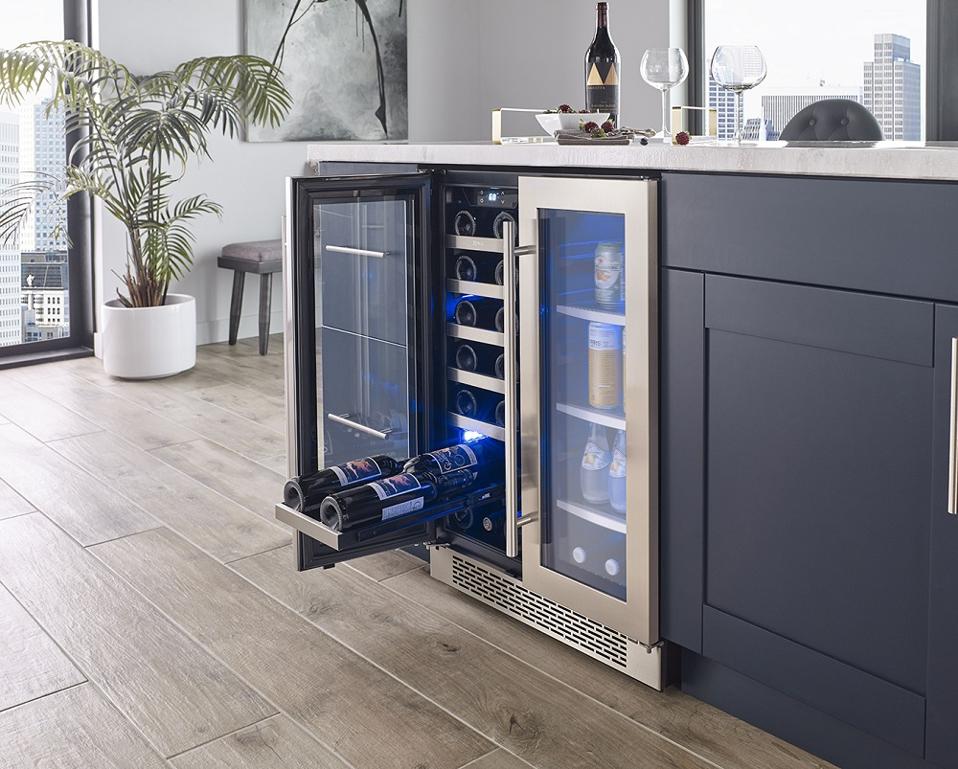
Wine Gets Pandemic Surge—Here’s The Best Way To Store Your Stockpile

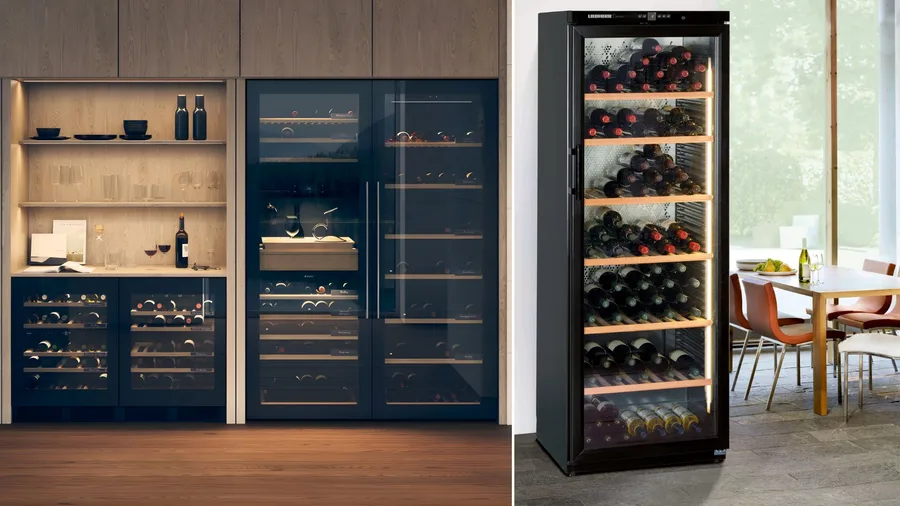
8 of the best wine fridges and cabinets to store, serve and savour your wine

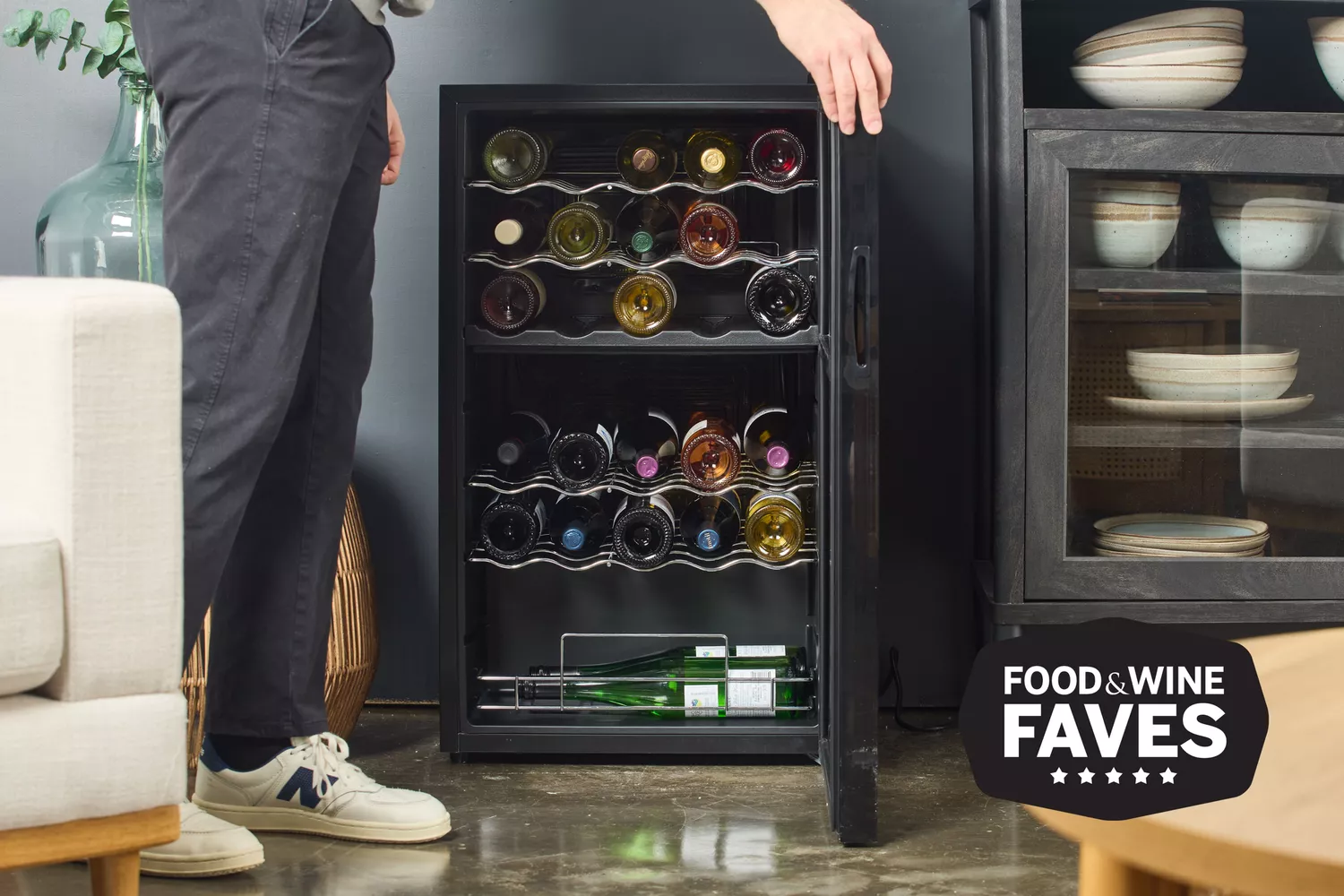
Don’t Ruin That Special Bottle — This Is the Best Way to Store Wine
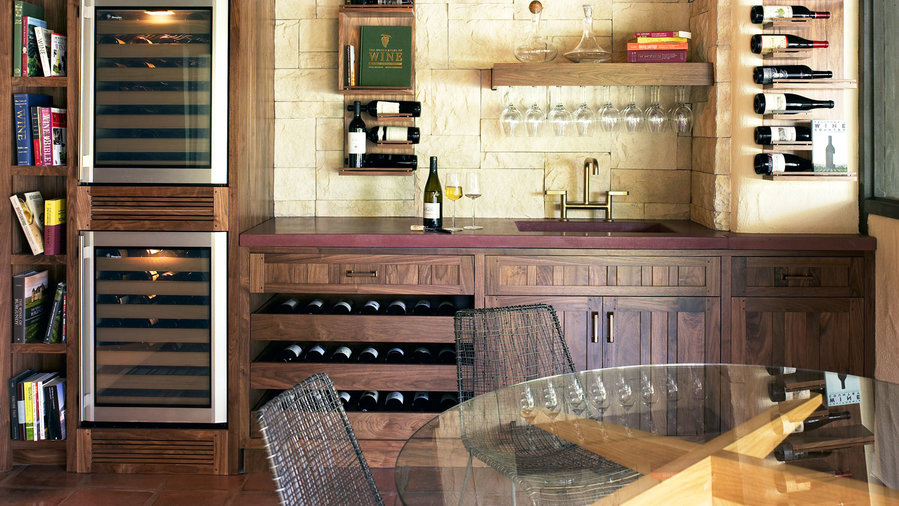
Design Ideas for Wine Storage and Tasting
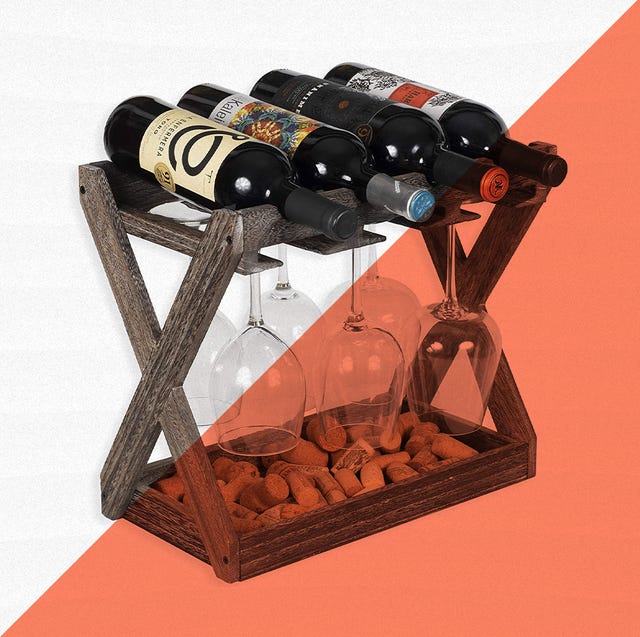
The 10 Best Wine Racks to Store Your Bottles in Style
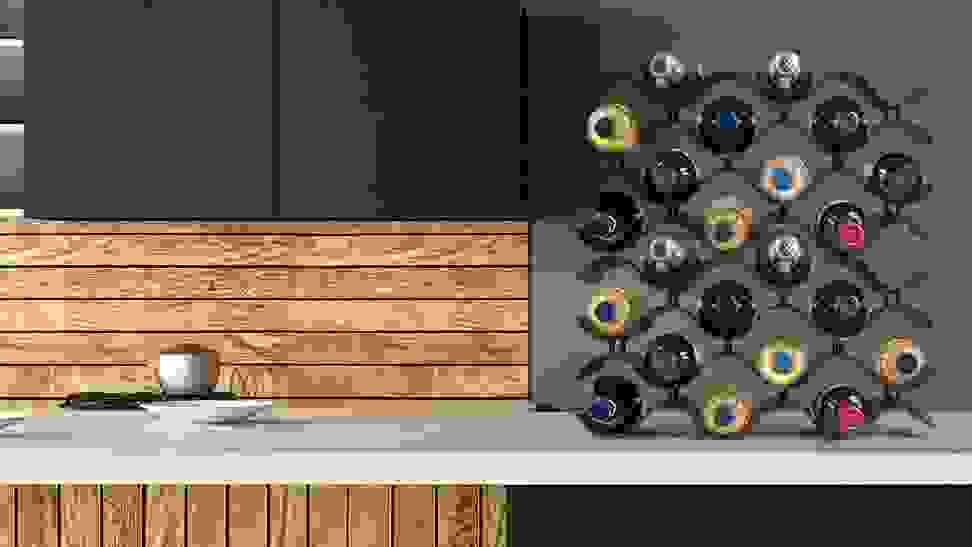
The Best Wine Racks of 2025

The Best Wine Racks for Display and Storage