Don’t Ruin That Special Bottle — This Is the Best Way to Store Wine
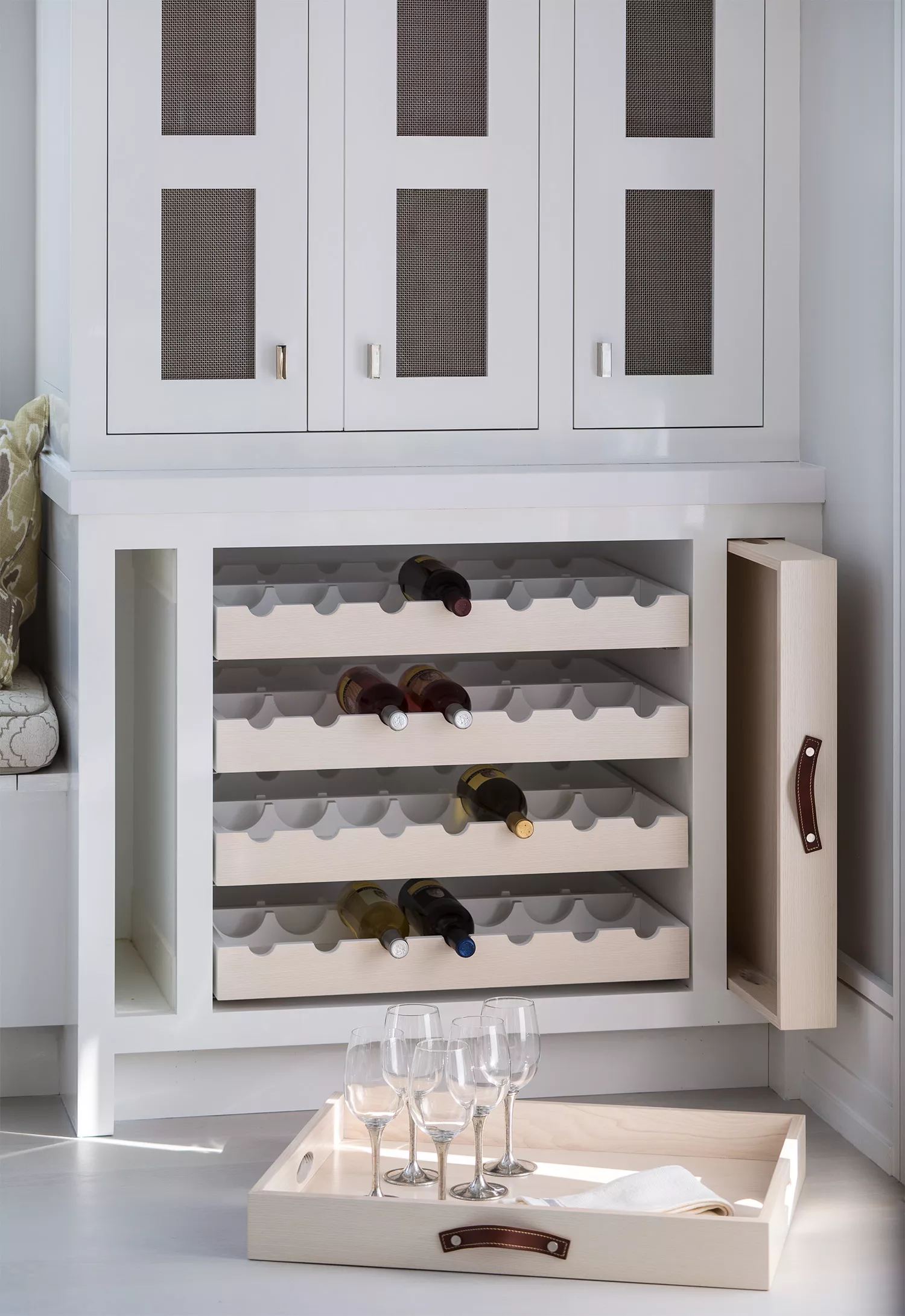
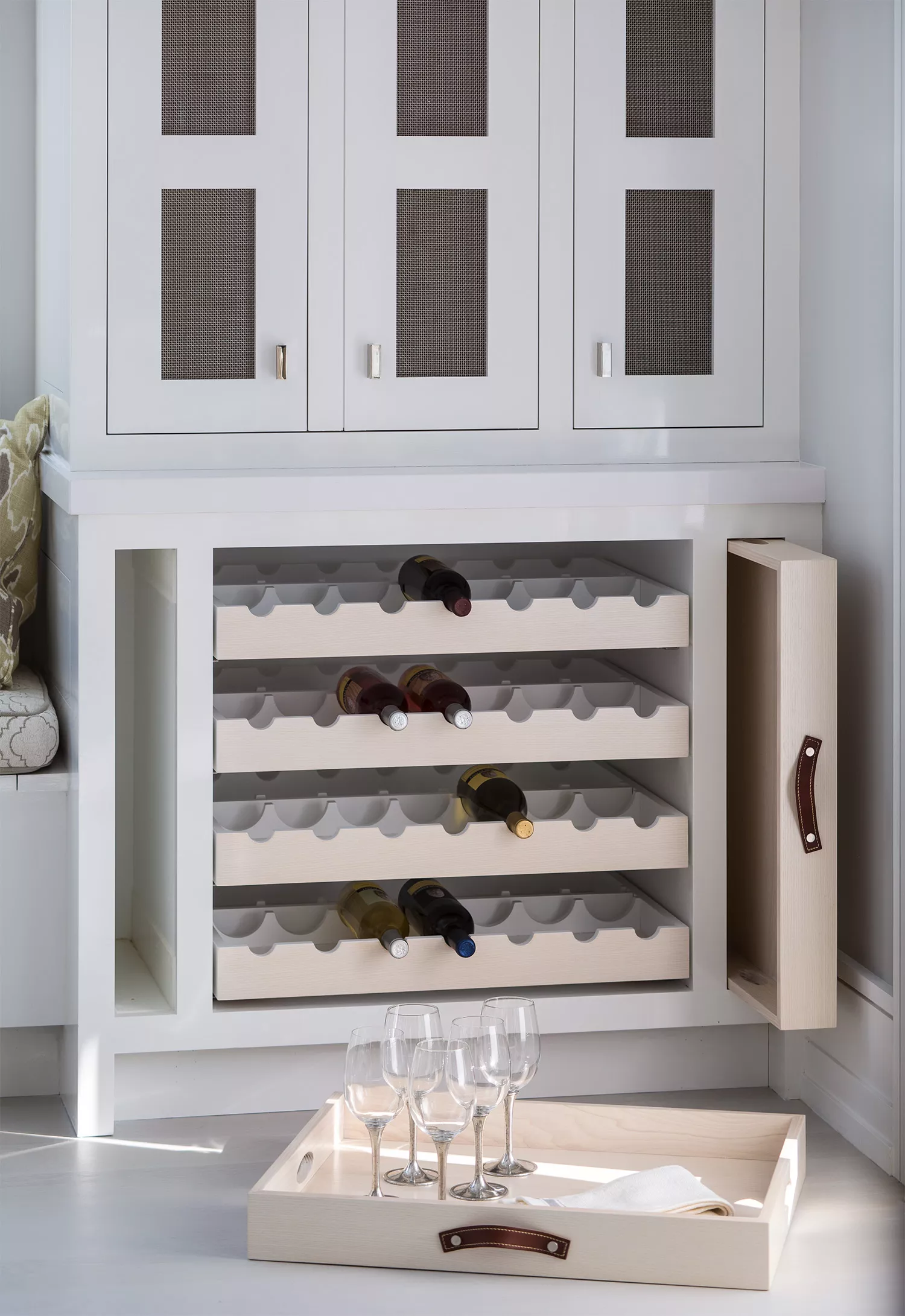
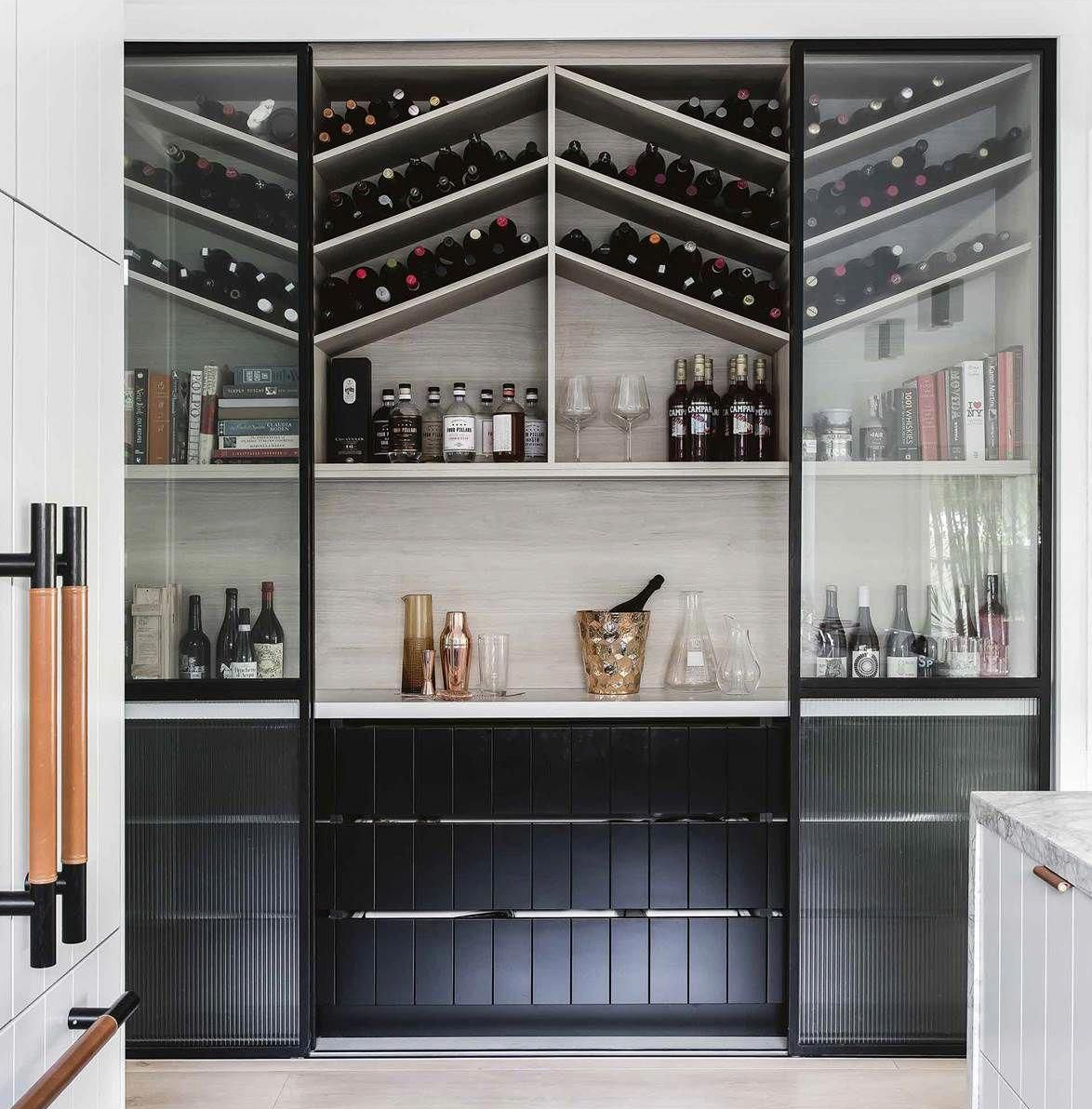
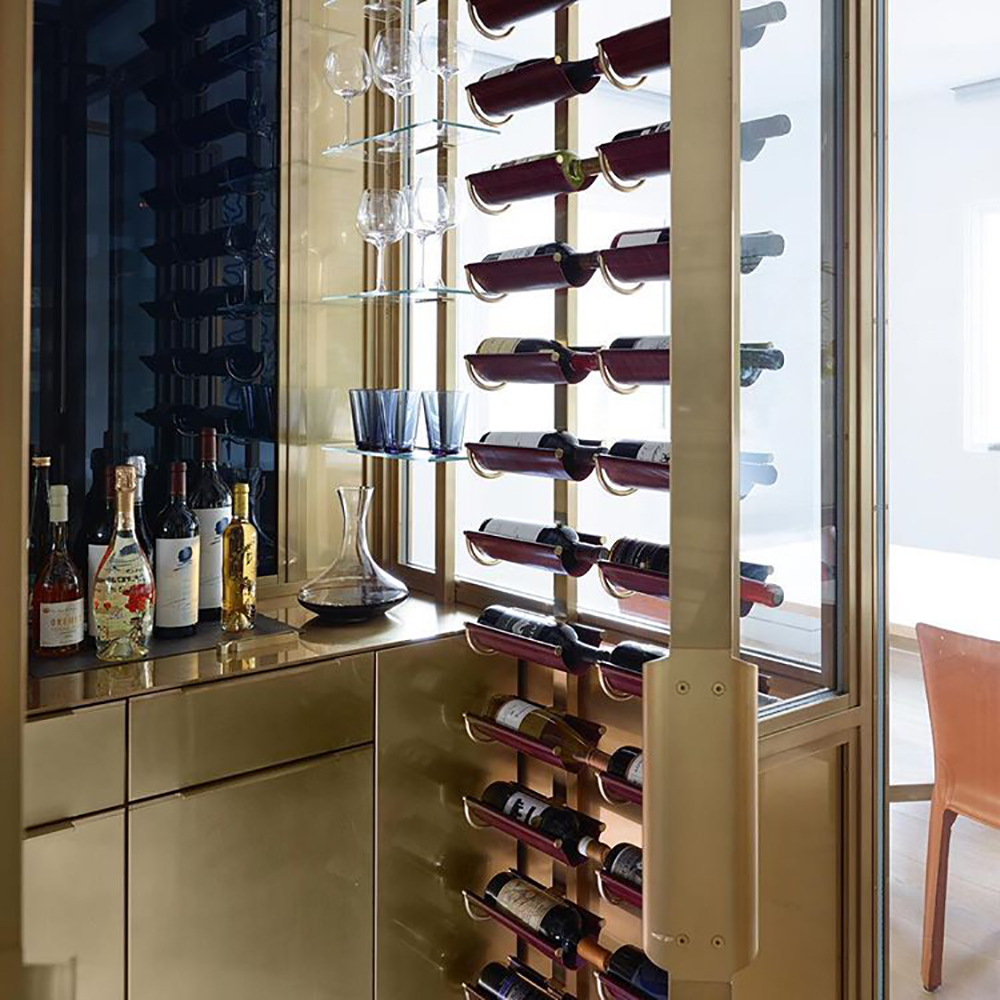
Storing wine correctly is essential to preserve its delicate flavors and ensure it ages gracefully. High temperatures, light, and improper humidity levels can damage wine, making a dedicated wine fridge, also known as a wine cooler or wine cellar, a valuable investment for both casual drinkers and serious collectors. Unlike standard refrigerators, wine fridges are specifically designed to maintain optimal temperatures and humidity for wine, preventing corks from drying out and flavors from deteriorating. These appliances generally do not reach temperatures as low as food refrigerators, focusing instead on a narrower, more wine-friendly range.
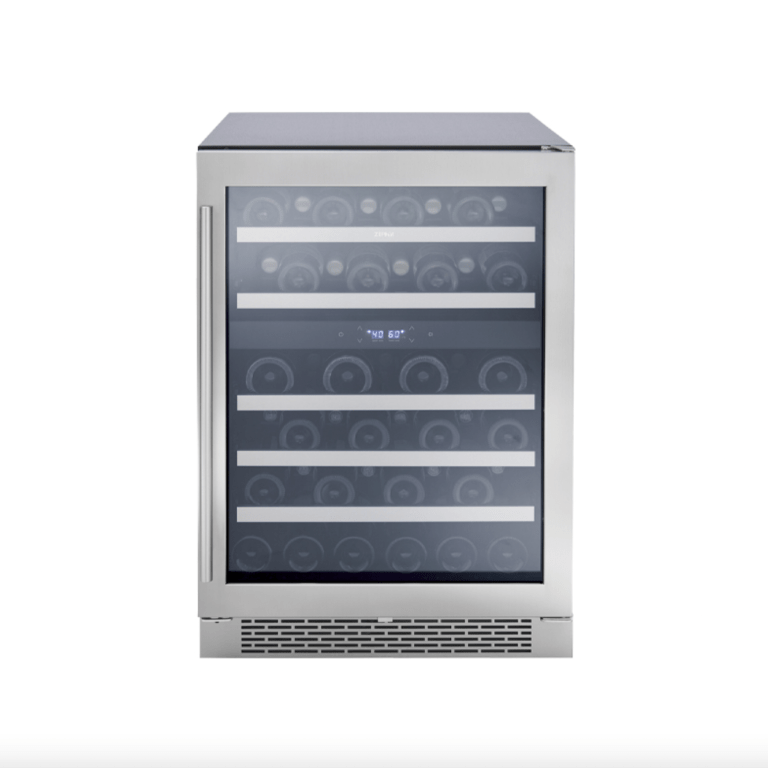
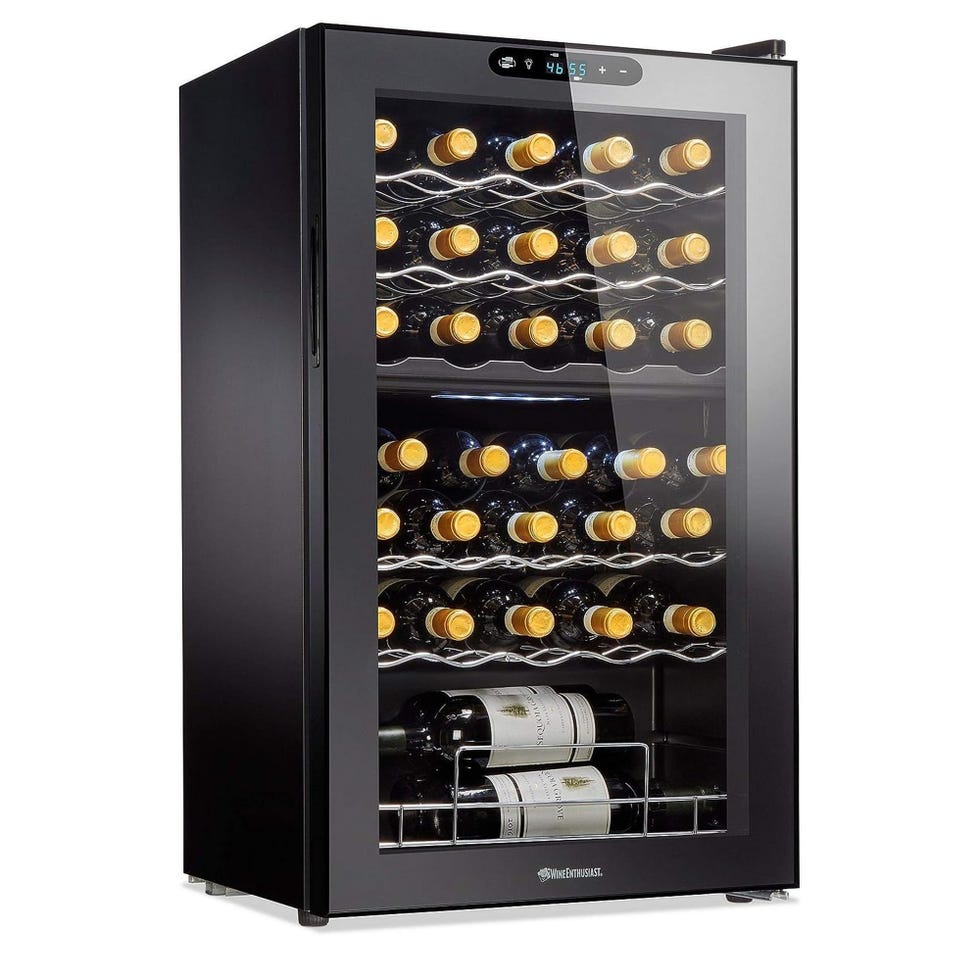
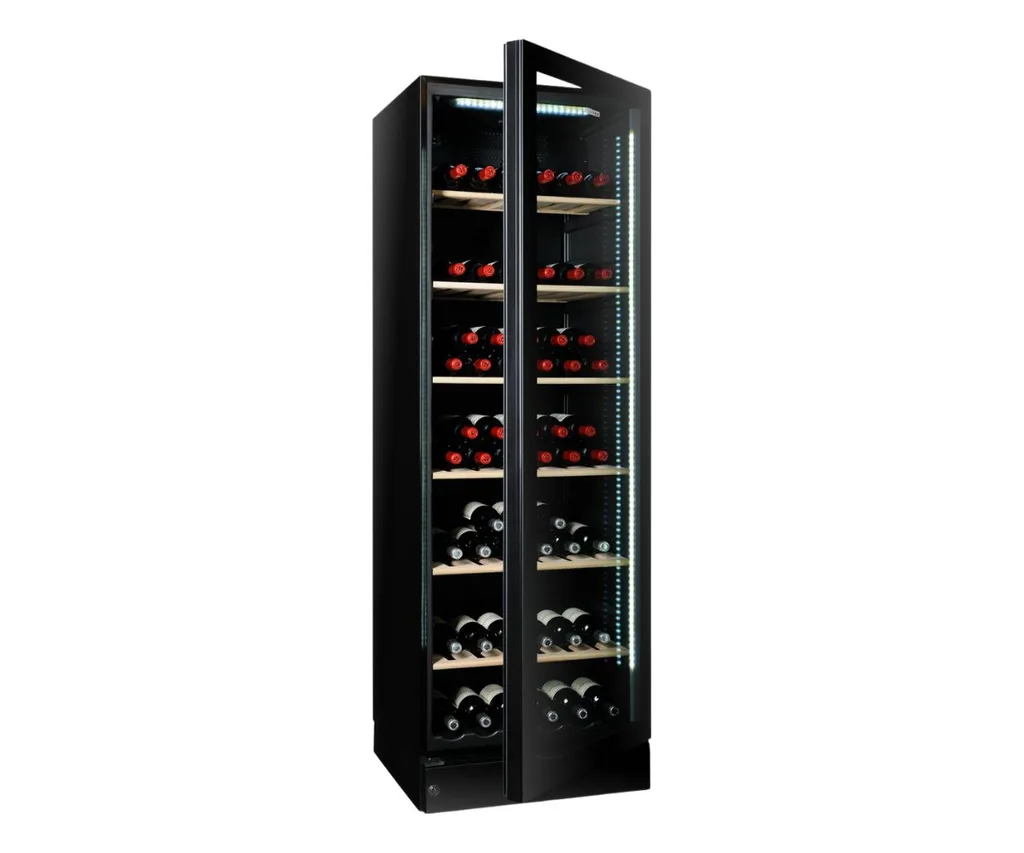
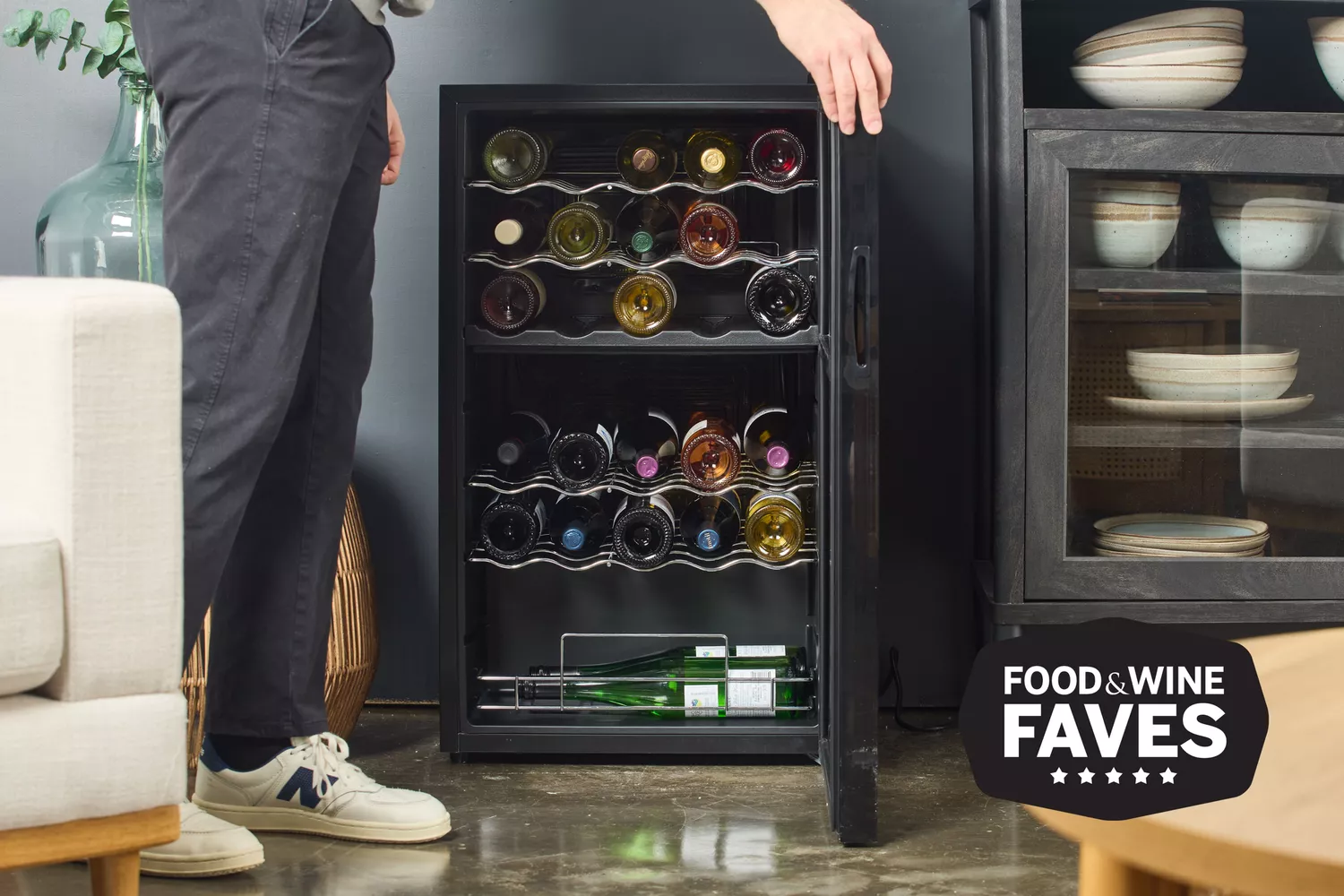
This article reviews five top-performing wine fridges, based on several months of at-home testing, evaluating their capacity, temperature consistency, design, and overall value. The Wine Enthusiast 32-Bottle Dual Zone MAX Compressor Wine Cooler is highlighted as the best overall choice. This freestanding unit offers a substantial 32-bottle capacity and features two independent temperature zones, allowing for simultaneous storage of wines at serving and cellaring temperatures. Its robust compressor can handle ambient temperatures up to 90°F, though it requires specific ventilation clearances. While it provides excellent temperature stability and value, its scalloped wire racks are primarily designed for standard 750-milliliter Bordeaux bottles, limiting versatility for oddly shaped or oversized bottles.
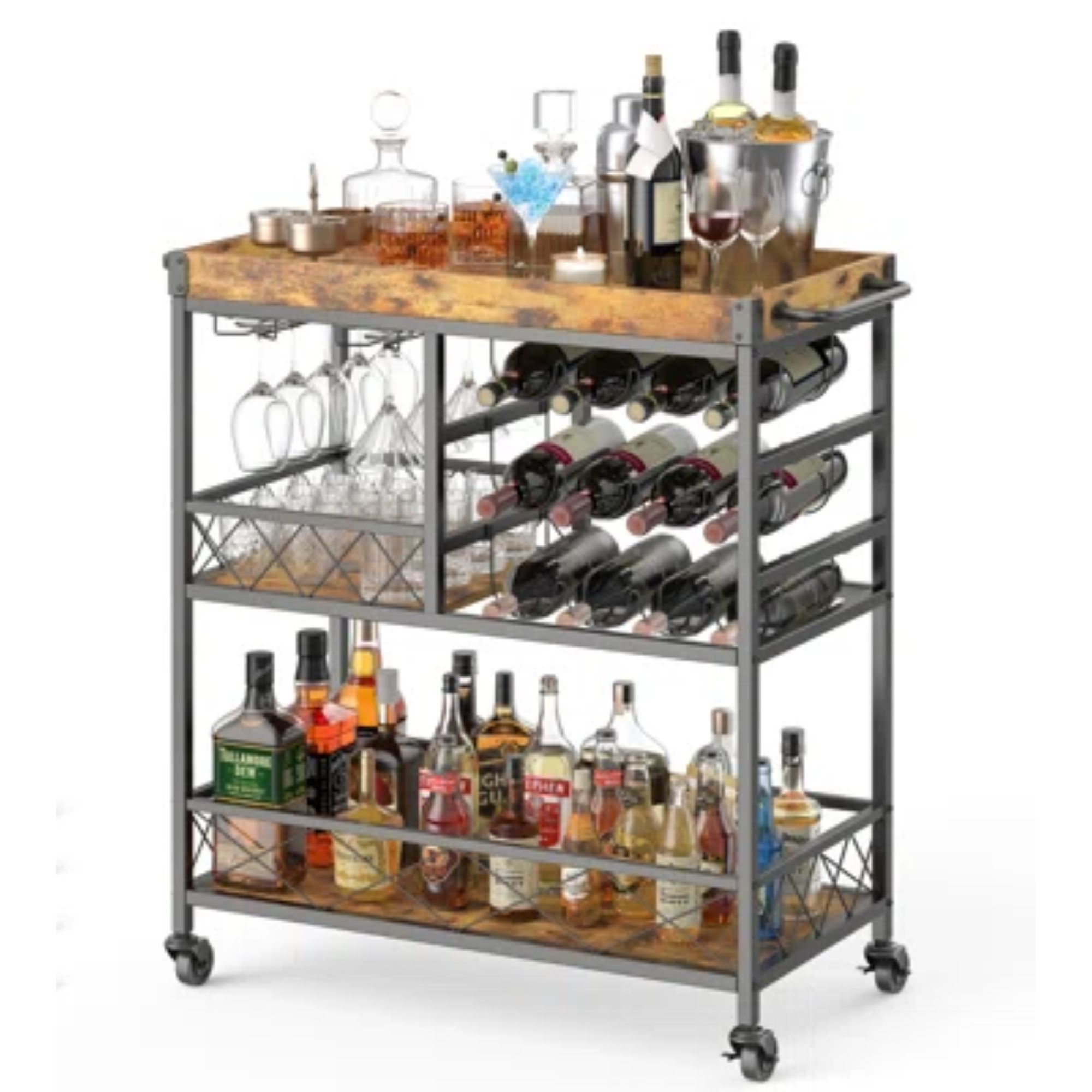
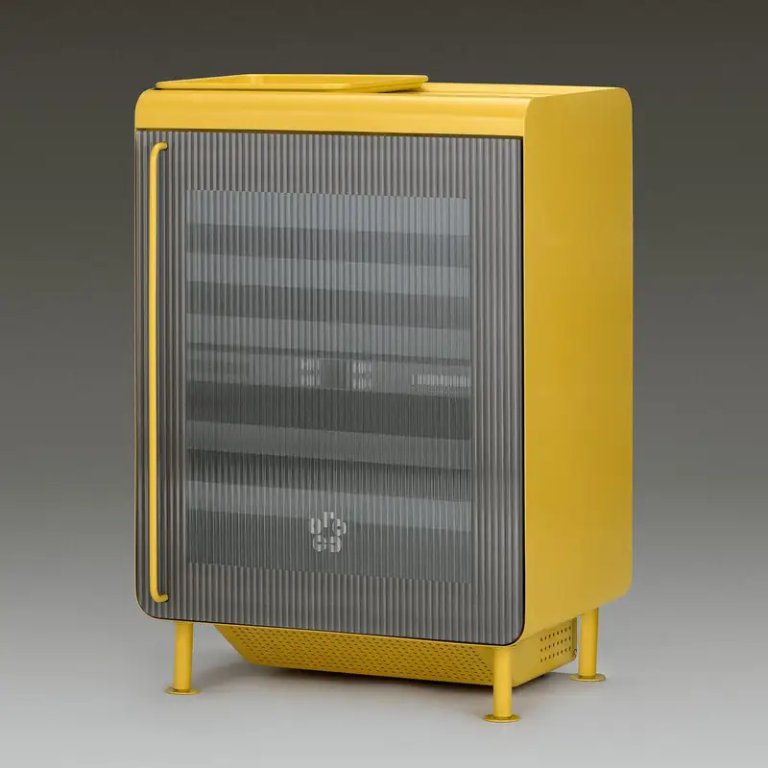
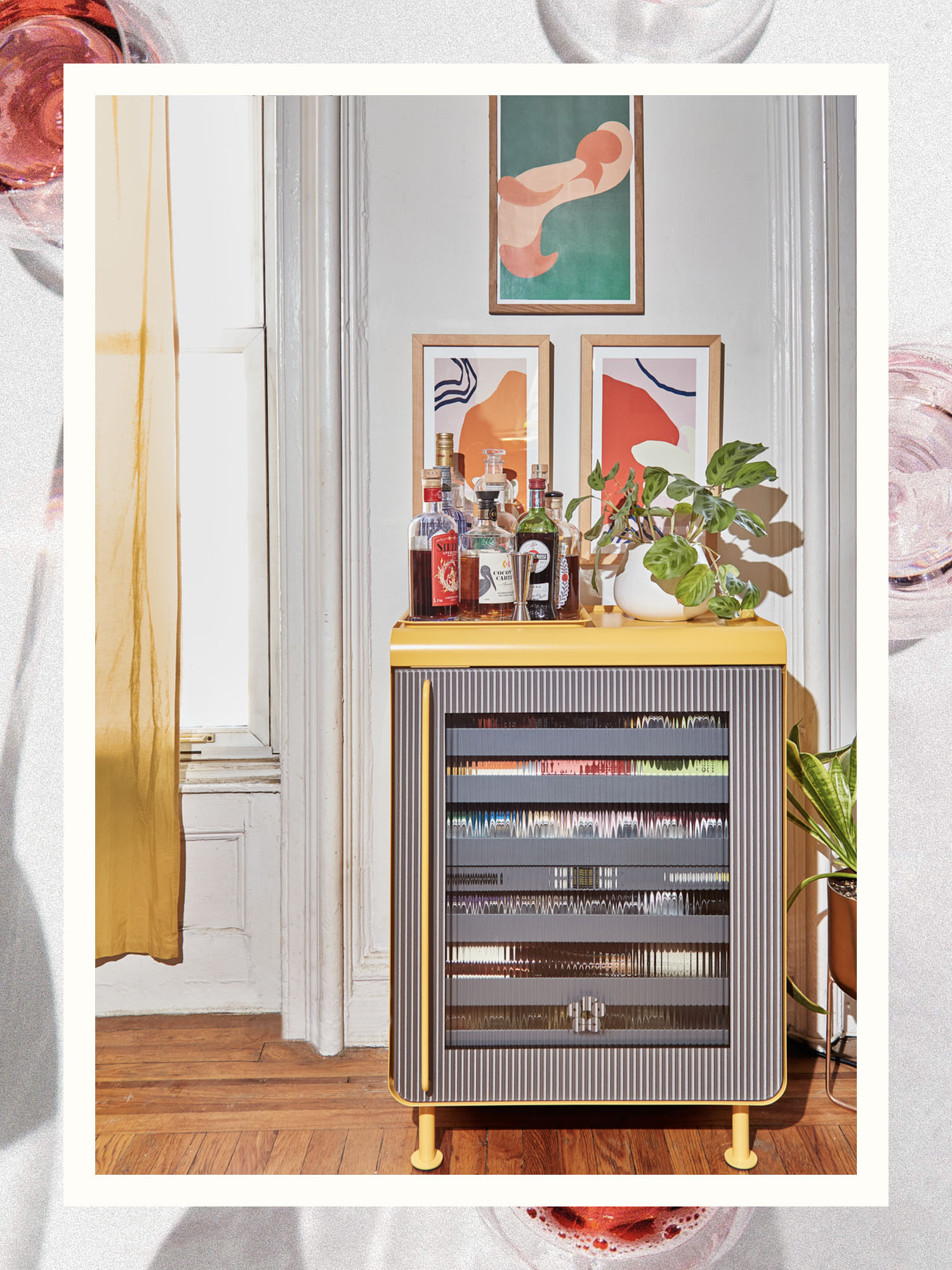
For those prioritizing aesthetics and advanced features, the Rocco The Super Smart Fridge stands out as the best splurge option. Available in seven colors with a reeded glass door, it doubles as a stylish bar cart. Its reversible and removable shelves can accommodate 27 wine bottles or 88 cans. A unique internal camera allows users to check contents remotely via their phone. This model boasts an extra-wide temperature range of 37 to 64°F, enabling storage of other perishables like meats and cheeses. Despite its high price, its blend of design, functionality, and smart technology makes it an editor favorite.
Space-saving solutions are addressed with the Ivation Freestanding Wine Refrigerator, which is recognized as the best slim wine fridge. At just 9.9 inches wide, this compact unit holds 12 bottles and effectively maintains temperatures between 41 and 64°F. Its double-paned, UV-resistant door offers protection against light, and it operates quietly. The primary limitation is its small capacity, making it suitable for smaller collections rather than serious oenophiles.
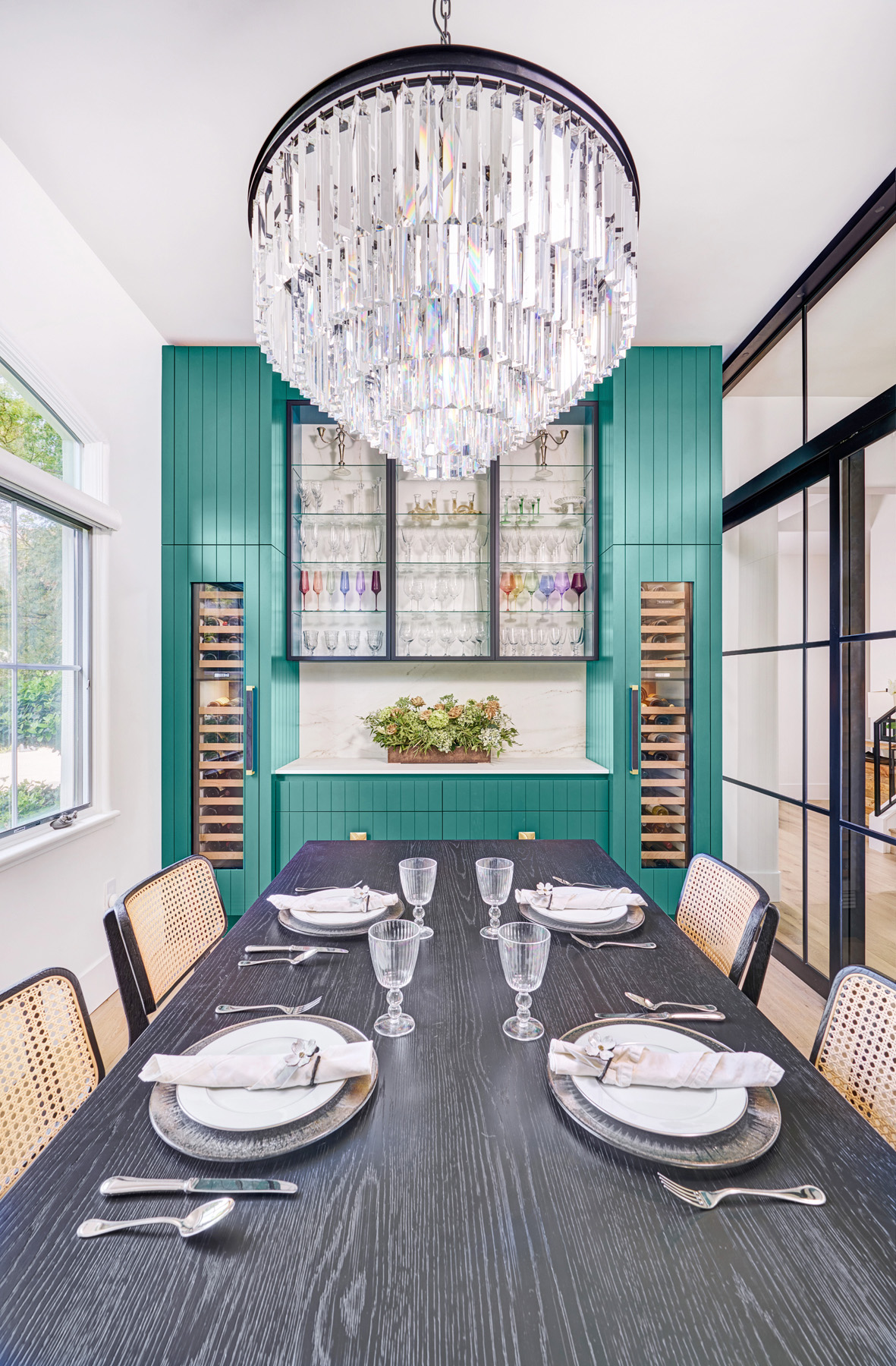
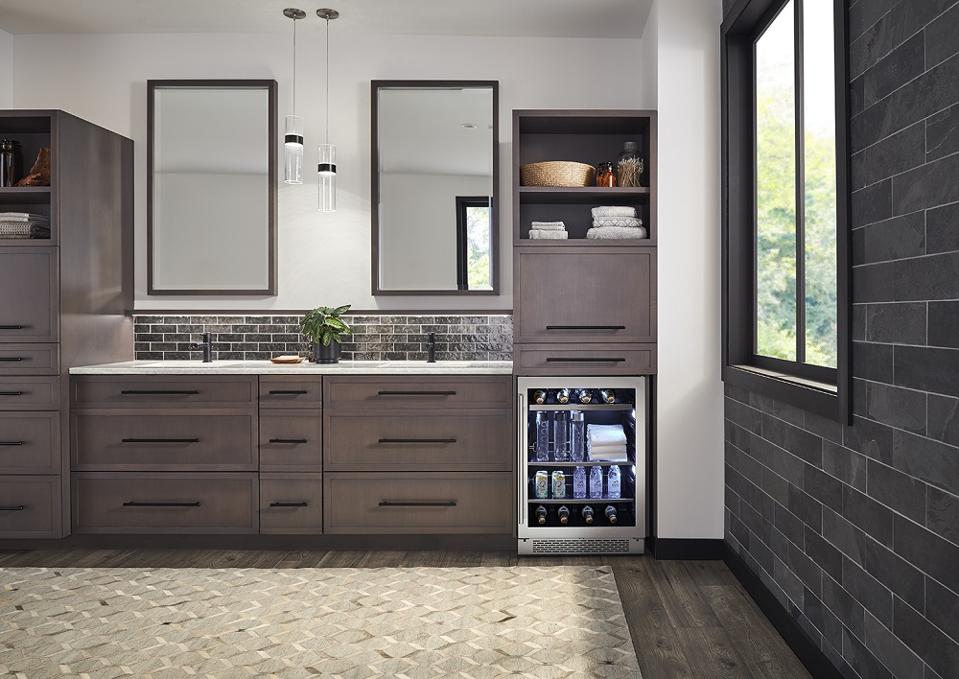
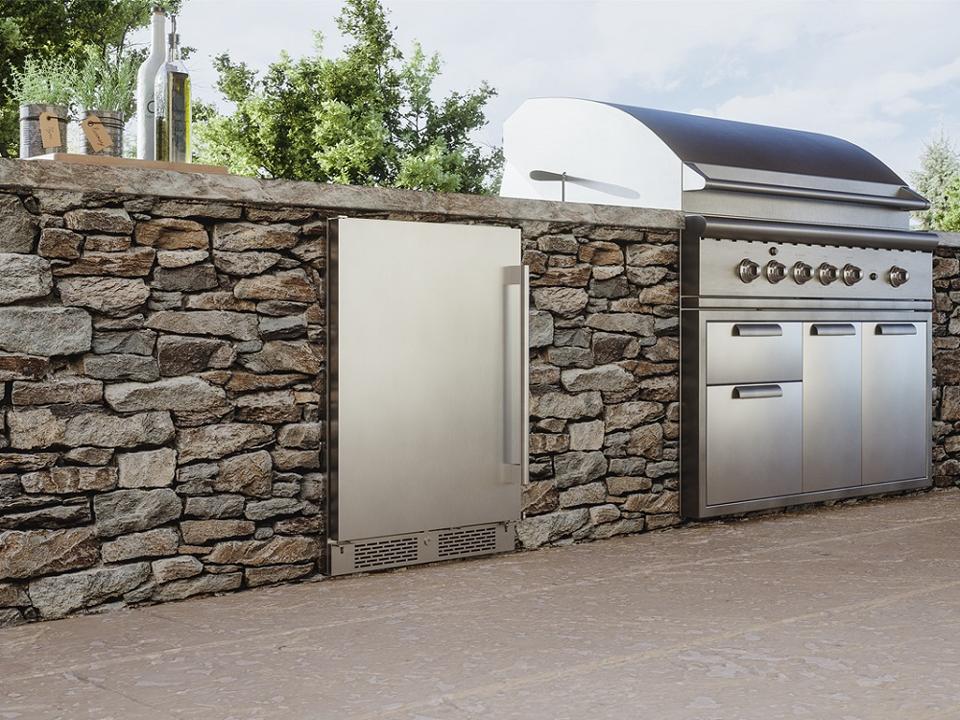
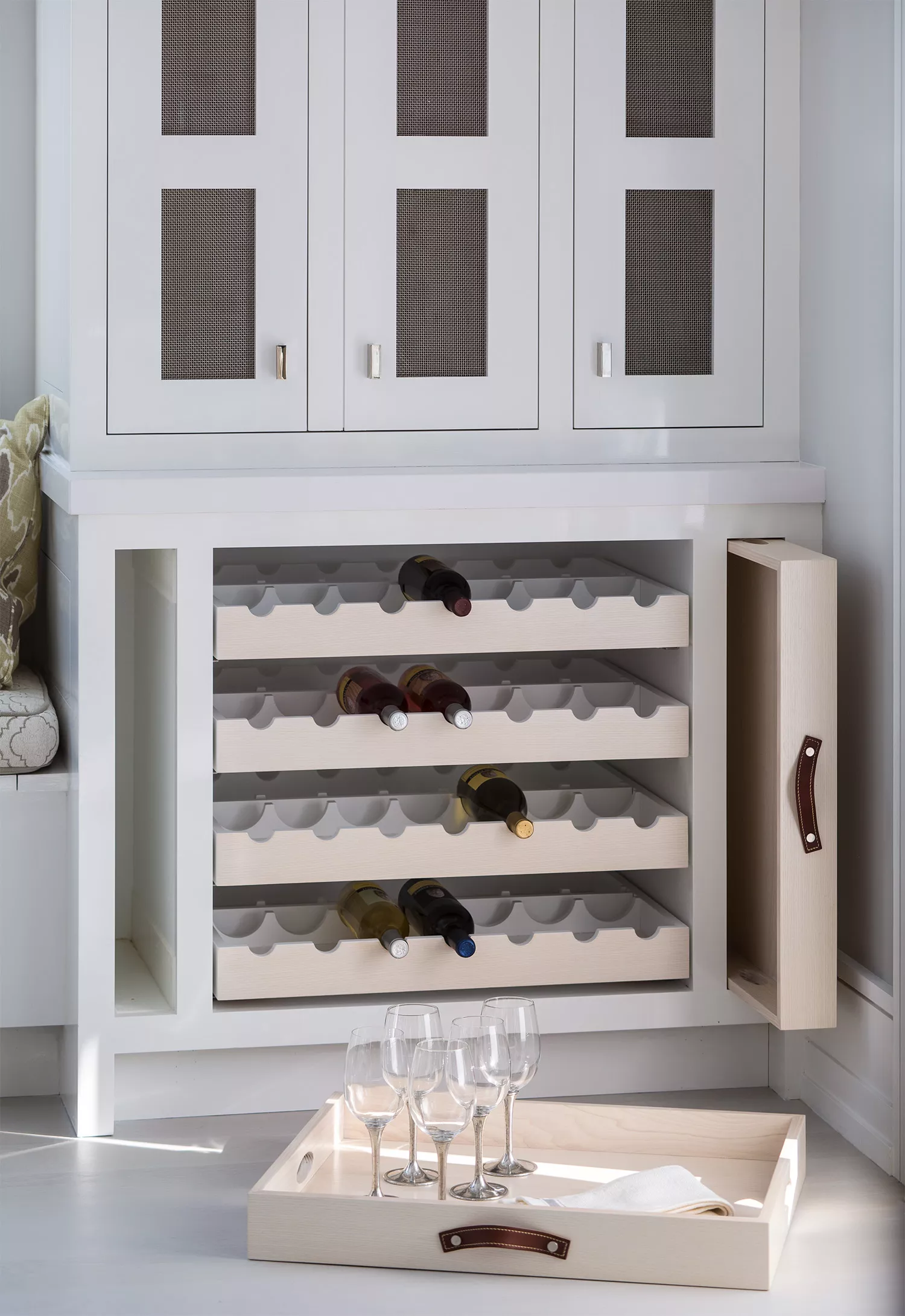
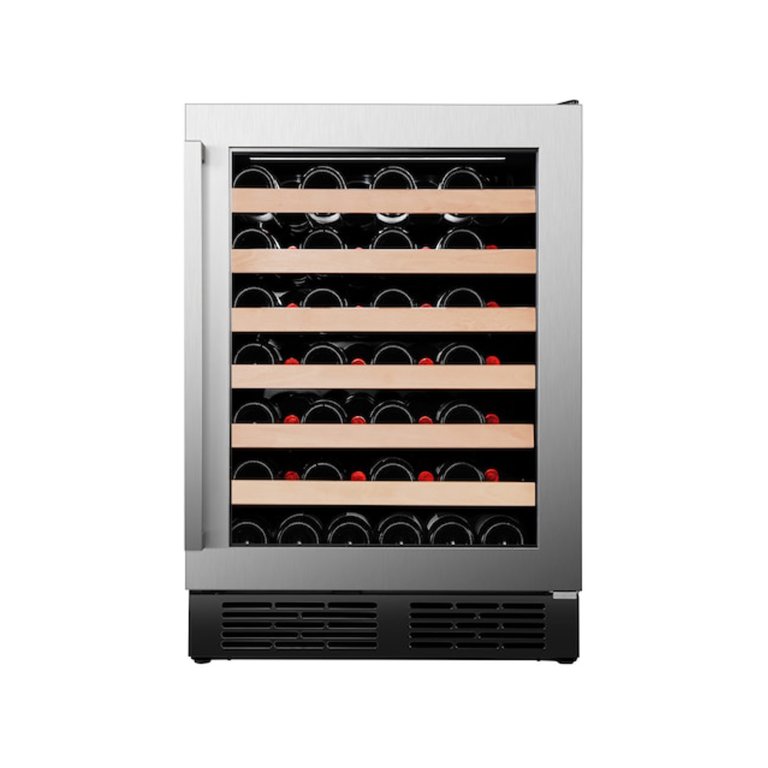
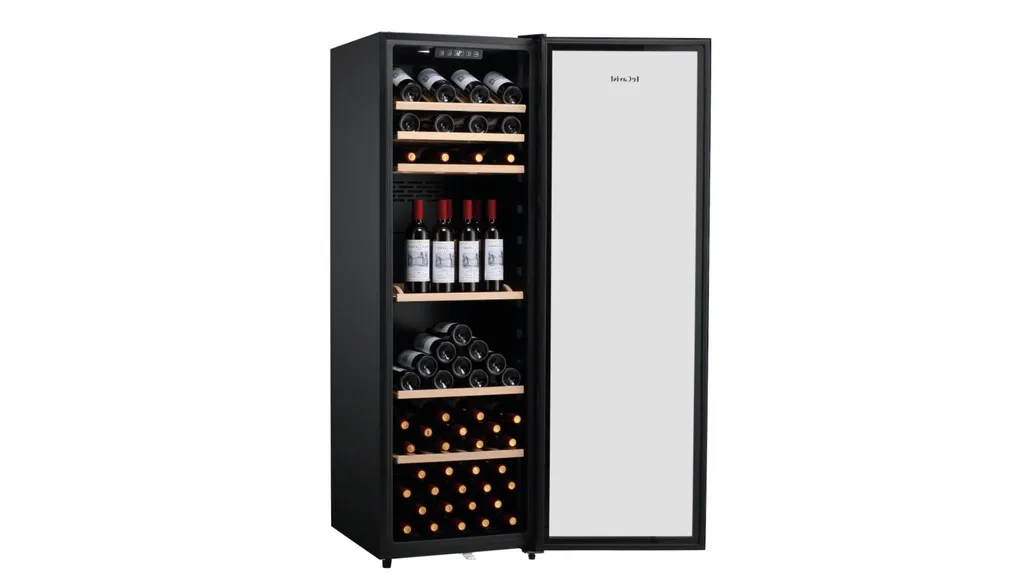
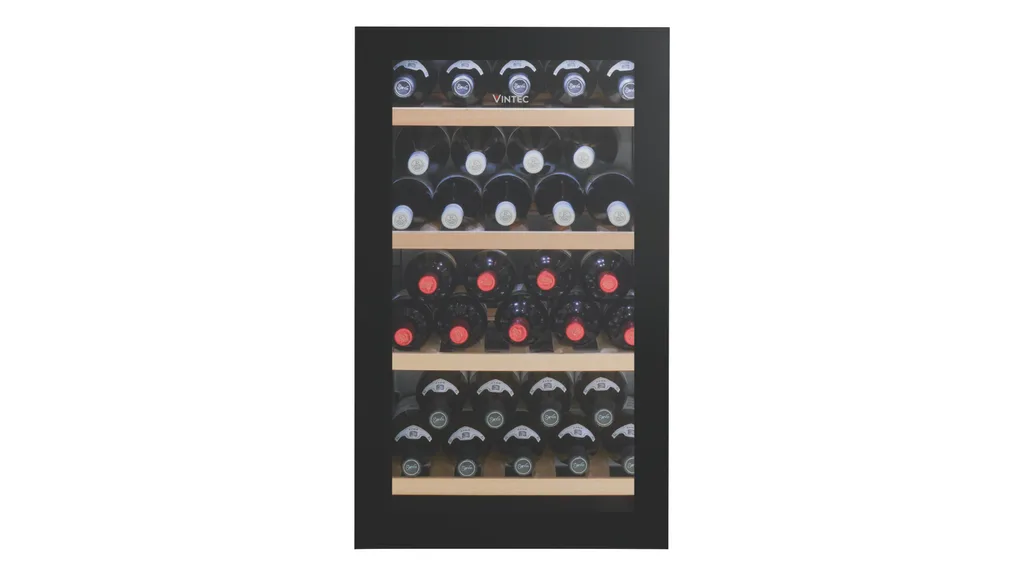
The GE Profile 44-Bottle Wine Fridge is identified as the best built-in option for those seeking a more integrated look. This luxury appliance holds 44 bottles on slide-out wooden racks, which are gentle on labels and adjustable. Dual-zone temperature controls are included for optimal red and white wine storage. Its built-in design, featuring ventilation at the base, allows it to be installed flush with counters and cabinets for a seamless, custom appearance. While expensive, it offers significant capacity and aesthetic integration for dedicated wine enthusiasts.
Finally, the Cuisinart CWC-800CEN Private Reserve 8-Bottle Wine Cellar is recommended as the best countertop wine fridge. This compact, inexpensive, and nearly silent unit fits in a small space and offers a wide temperature range of 39 to 68°F, making it versatile for storing wine or even small quantities of perishable food items. Its energy-efficient thermoelectric cooling system requires less ventilation than compressor models. However, its small capacity and difficulty in accommodating wider Champagne or prosecco bottles are noted drawbacks.
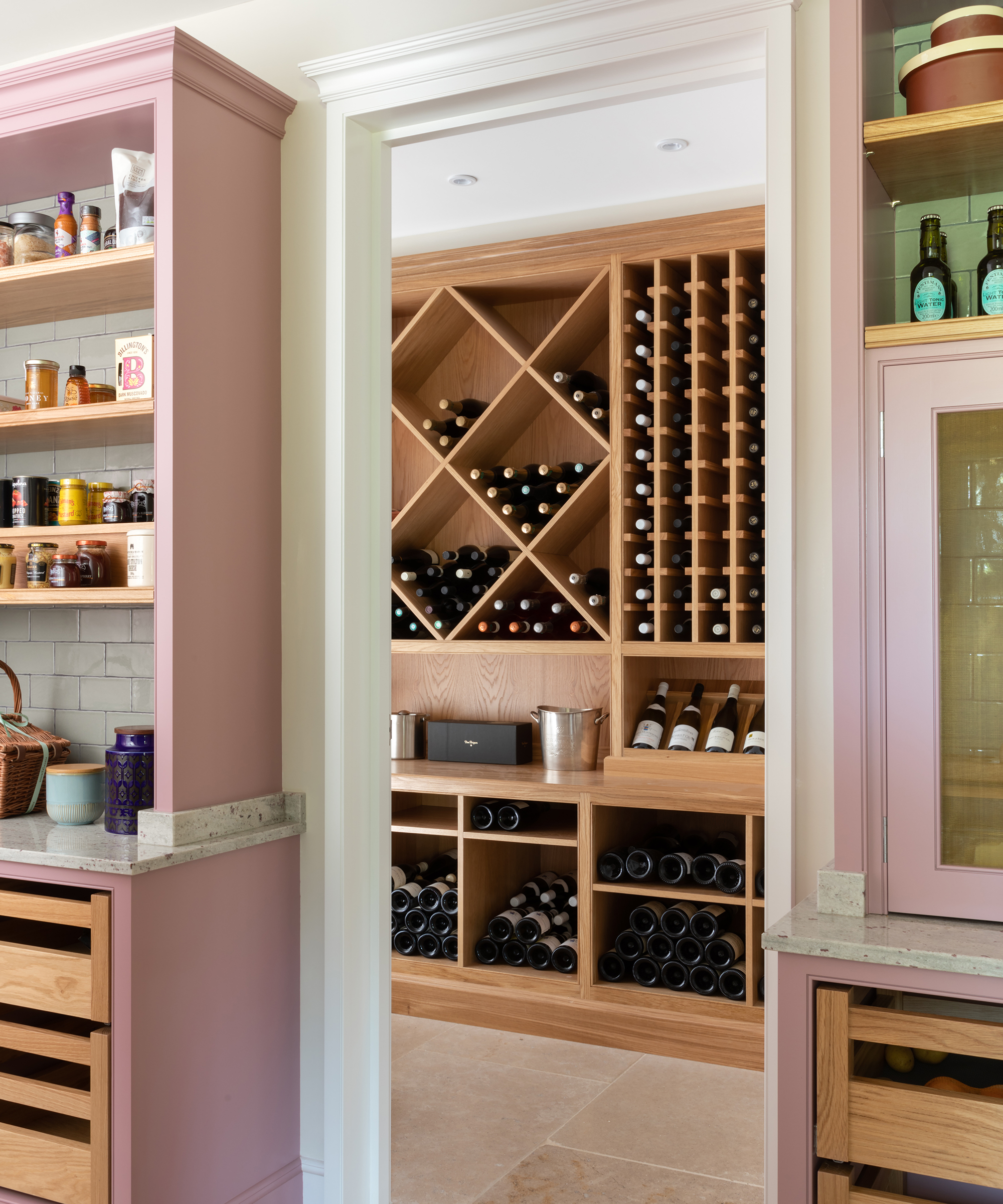
Key considerations when choosing a wine fridge include capacity, with most models specifying bottle counts based on standard Bordeaux bottles, which may not reflect actual storage for various bottle shapes. The distinction between freestanding and built-in models is also crucial, as ventilation requirements dictate placement options; built-in units allow for flush installation but are generally more expensive. Temperature range is important for both serving and long-term storage, with dual-zone fridges offering greater flexibility. Lastly, shelving type and material impact versatility and protection for wine labels, with wooden shelves often preferred over metal. Overall, the selection of a wine fridge depends on individual needs regarding collection size, aesthetic preferences, available space, and budget.
#WineFridges #WineCoolers #HomeAppliances #WineStorage #KitchenGadgets #HomeBar #ApplianceReviews #WineCollection #KitchenDesign #WineFridges #WineCoolers #HomeAppliances #WineStorage #KitchenGadgets #HomeBar #ApplianceReviews #WineCollection #KitchenDesign
0 comment in total
 No comments yet
You may also like
Wine Storage: Tasteful Choices

The Best Wine Refrigerators Are Sleek and Keep Your Precious Bottles Safe From Spoilage

14 Unique Wine Storage Ideas We Can Raise a Glass To


The 8 storage mistakes you're making with your wine at home, according to a wine expert

Wine Gets Pandemic Surge—Here’s The Best Way To Store Your Stockpile

Store Your Vino in Any of These Expert-Recommended Wine Fridges
Should You Store Wine Glasses Up Or Upside Down?
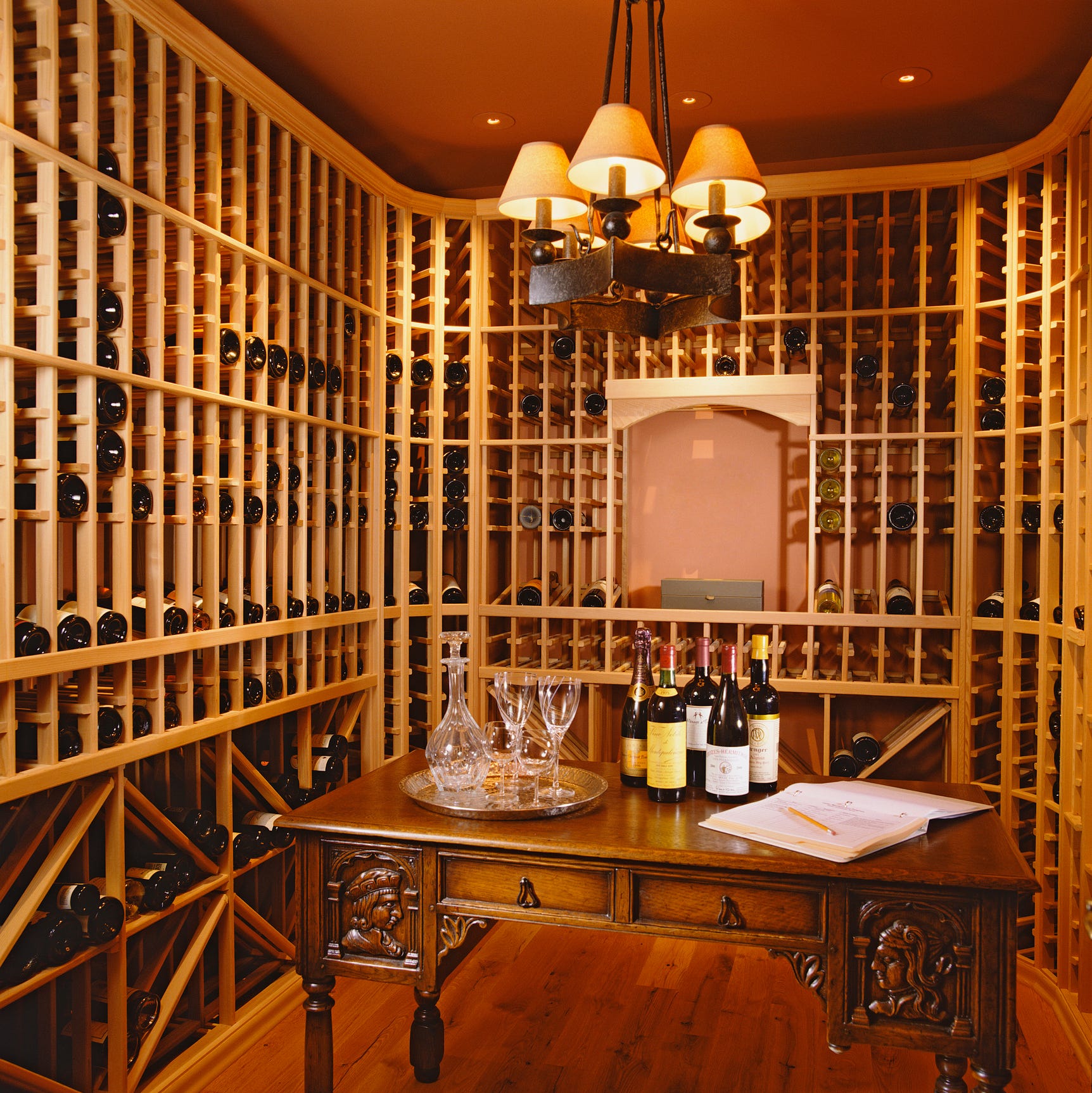
A Sommelier's Guide to Starting the Most Fabulous Wine Collection
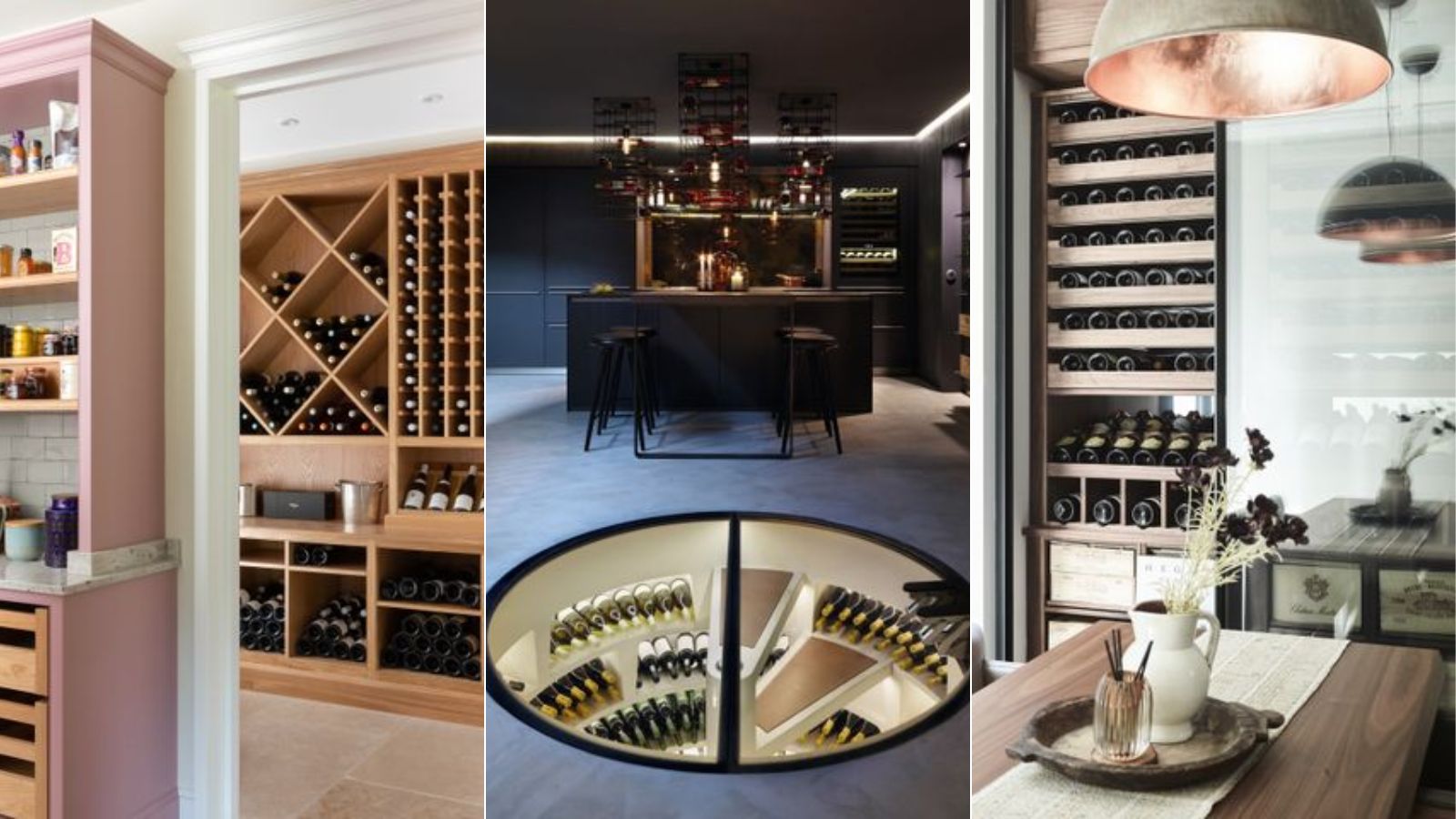
How to store wine in your kitchen – stylish storage solutions with wine preservation in mind

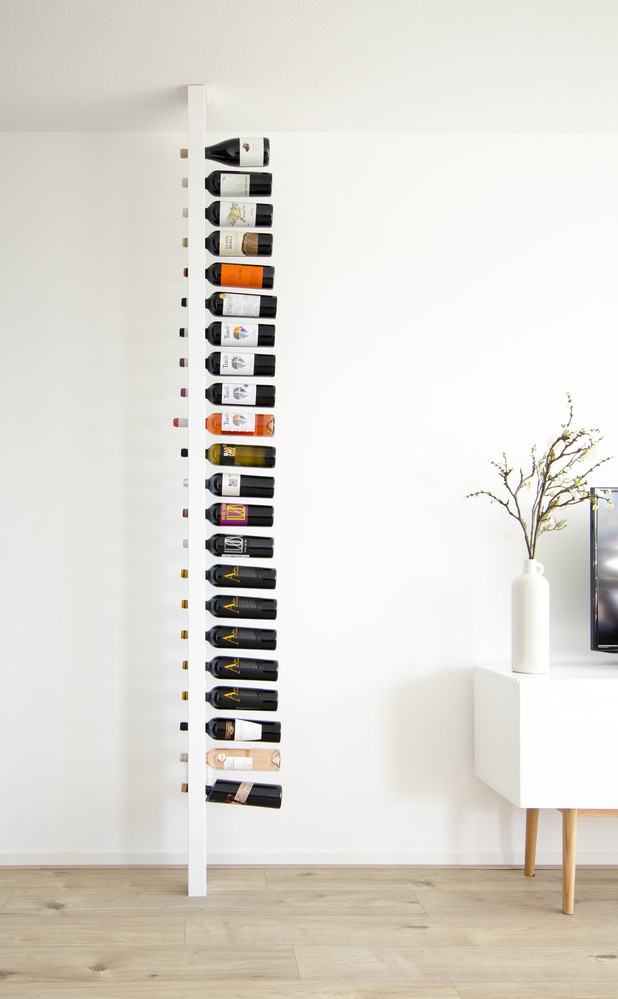
11 Non-Traditional Ways to Store Your Wine
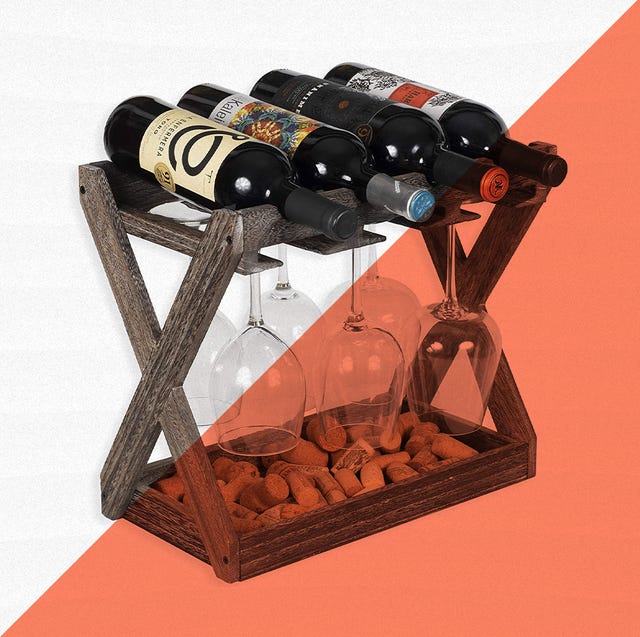
The 10 Best Wine Racks to Store Your Bottles in Style
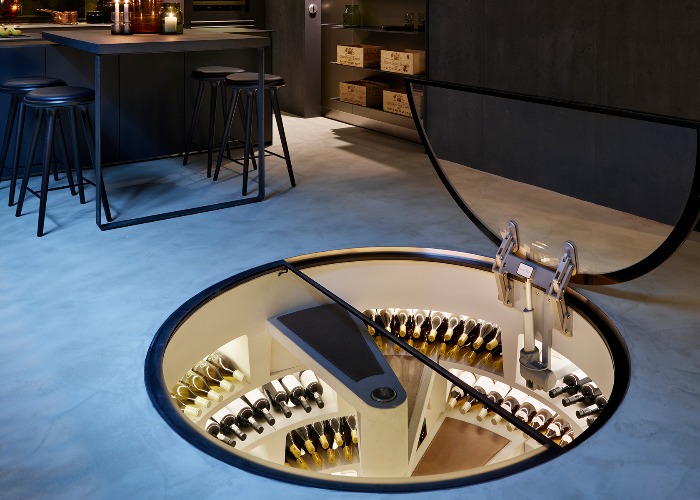
9 of the coolest built-in wine racks

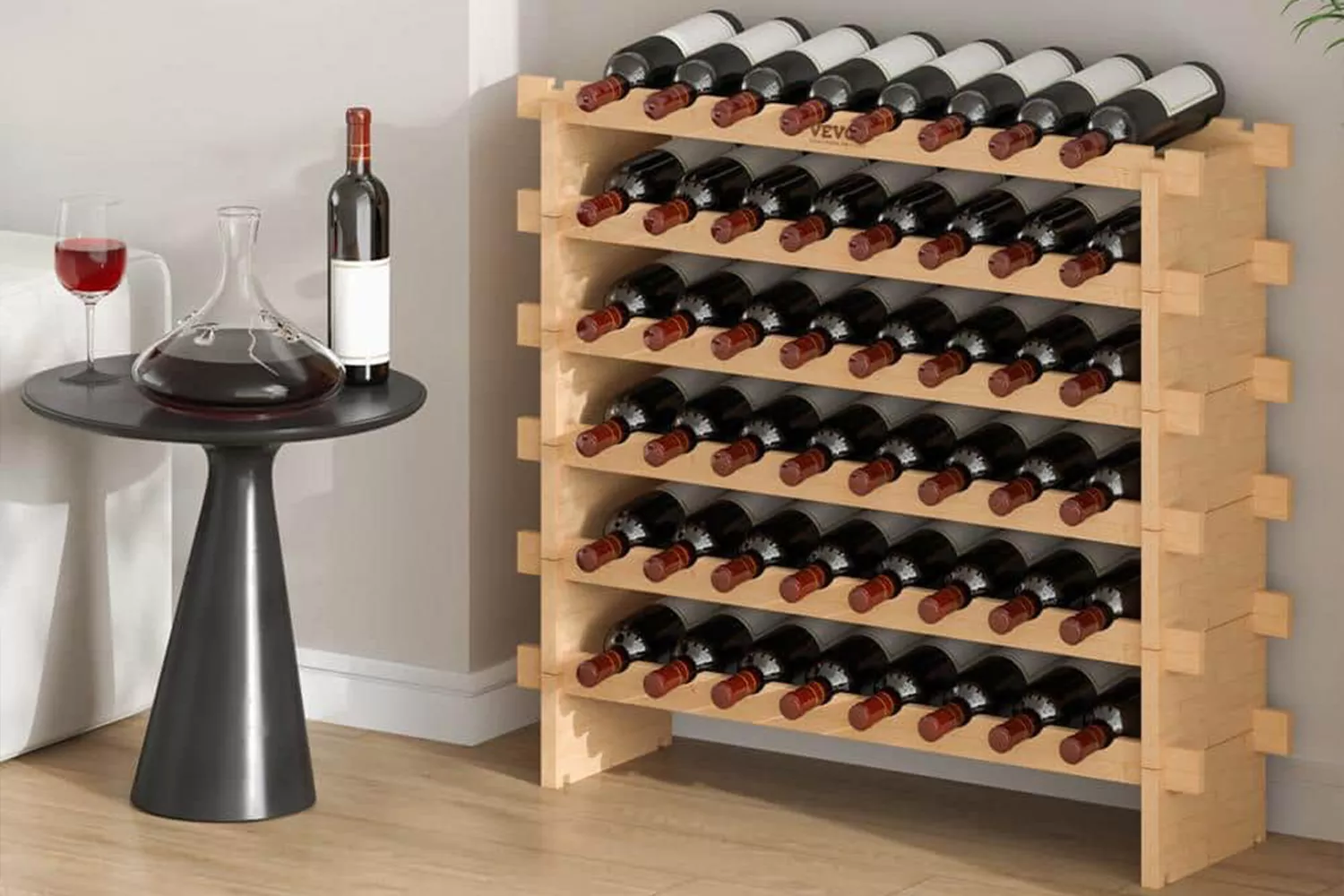
This Is the Best Way to Store Your Wine, According to a Sommelier
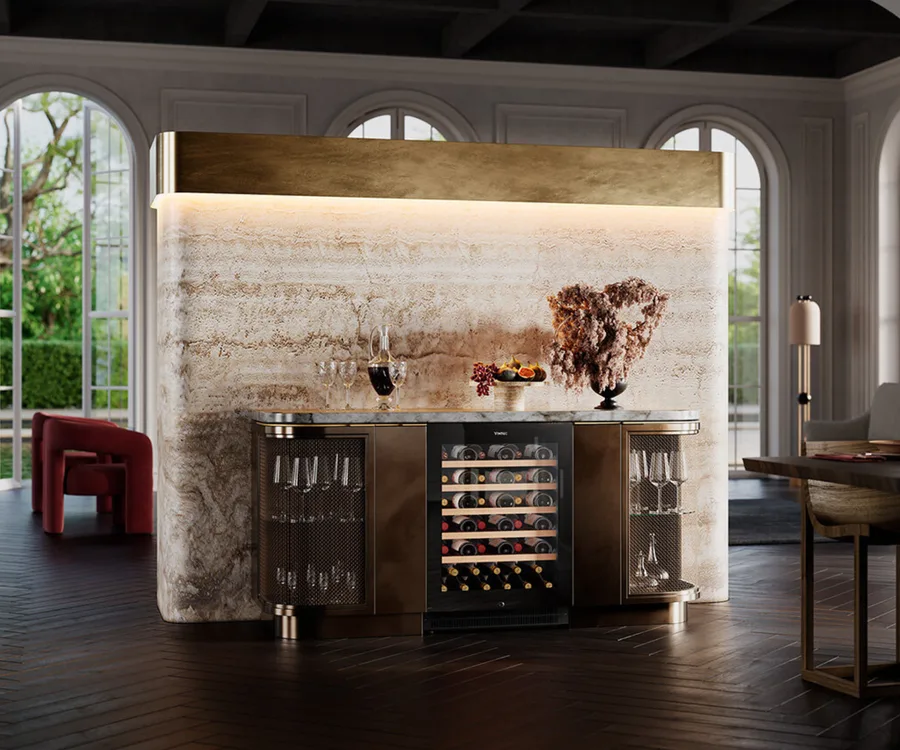
Premium wine fridges to hold your finest drops

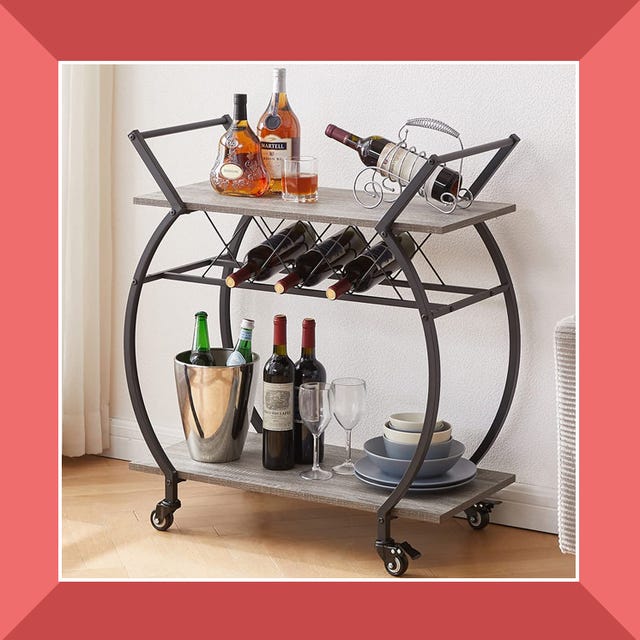
The 10 Best Wine Racks to Store Your Vino in Style
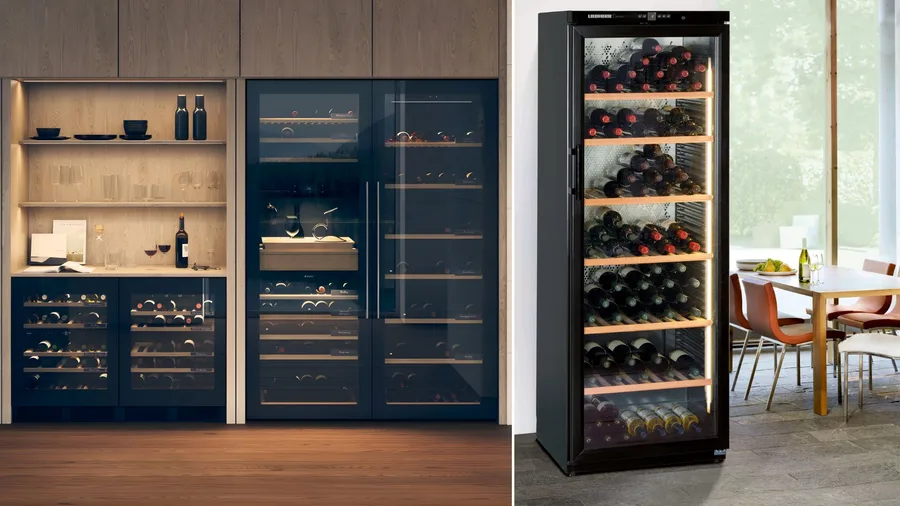
8 of the best wine fridges and cabinets to store, serve and savour your wine

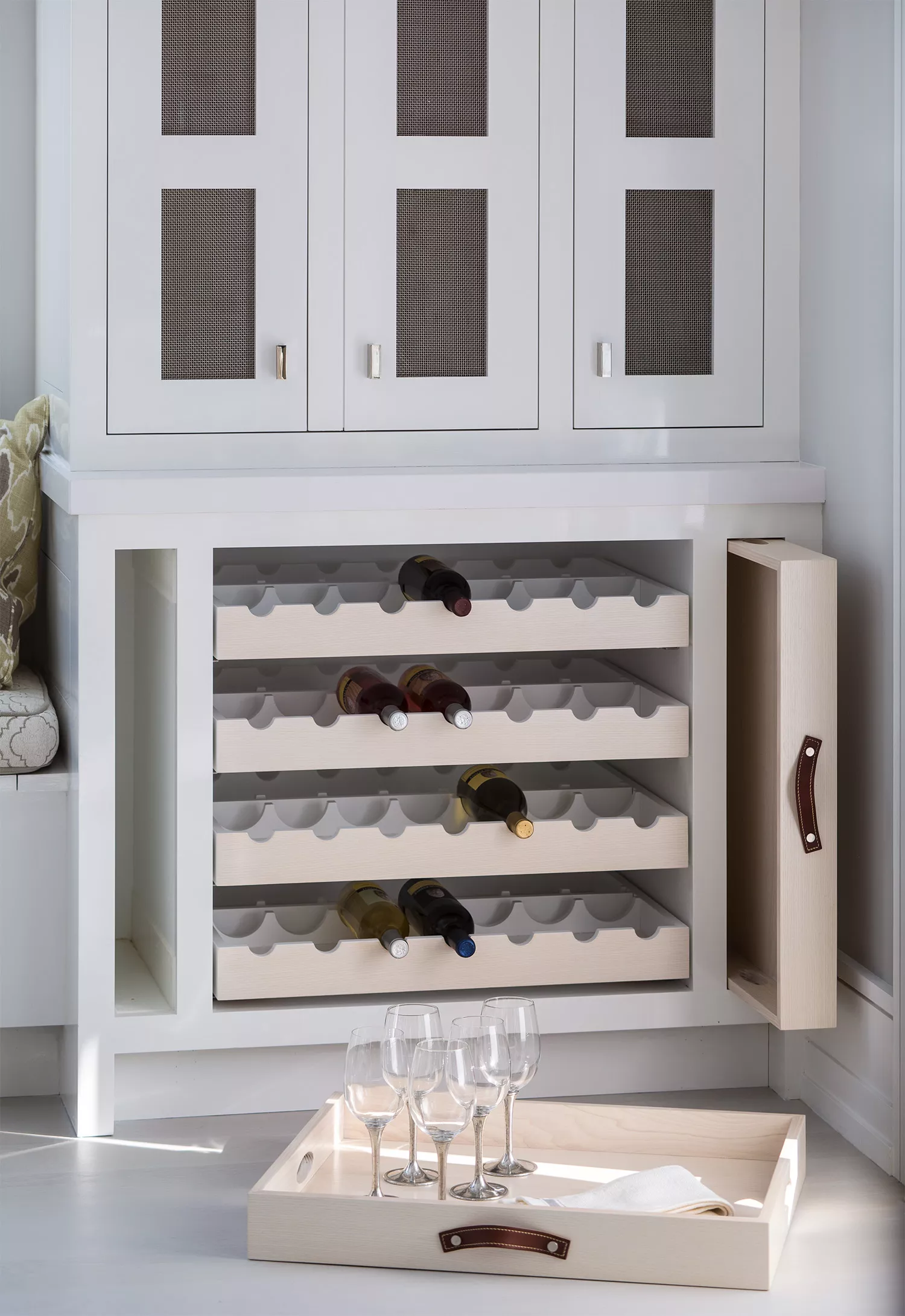
13 Wine Storage Ideas for Any Size Collection

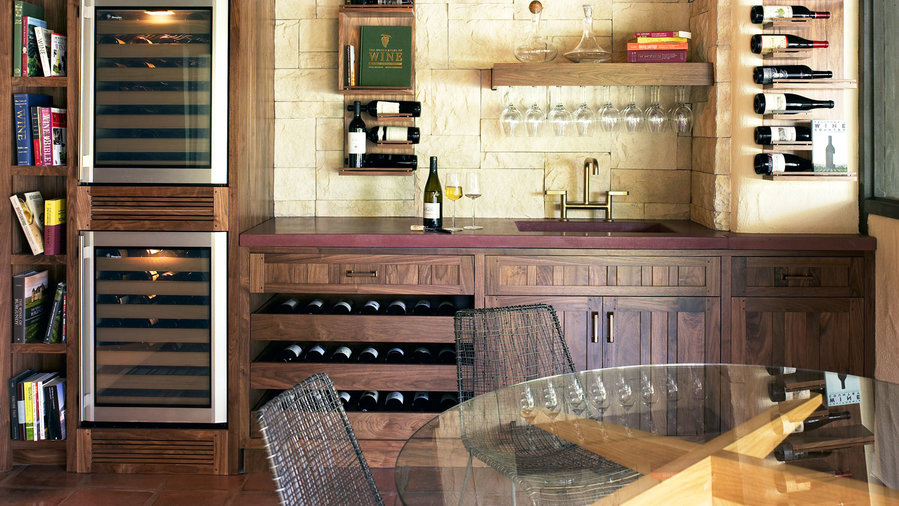
Design Ideas for Wine Storage and Tasting

The Best Wine Fridge Will Help You Keep Your Cool

5 Tips From Patrick Cournot On How to Store Wine In a Small Apartment