5 Tips From Patrick Cournot On How to Store Wine In a Small Apartment
Storing wine in urban environments like Singapore, where compact living spaces are common, presents a unique challenge for wine enthusiasts. Traditional wine cellars, typical of larger homes or French châteaux, are rarely an option. However, with strategic planning, it is possible to maintain a respectable wine collection even in small apartments. Patrick Cournot, owner and sommelier of Ruffian, a compact wine bar in New York City, and resident of Brooklyn, a borough known for its small living spaces, offers practical advice on optimizing wine storage in limited areas.
Cournot’s first tip emphasizes keeping wine bottles away from the kitchen. The kitchen is typically the hottest room in an apartment, and excessive heat can prematurely age wine, leading to a bitter taste. He recounts an anecdote of a friend whose expensive Bordeaux and Rioja Reserve bottles were ruined after three years of storage above a stove, resulting in a sweet, heavy prune flavor. This highlights the importance of temperature stability in wine preservation.
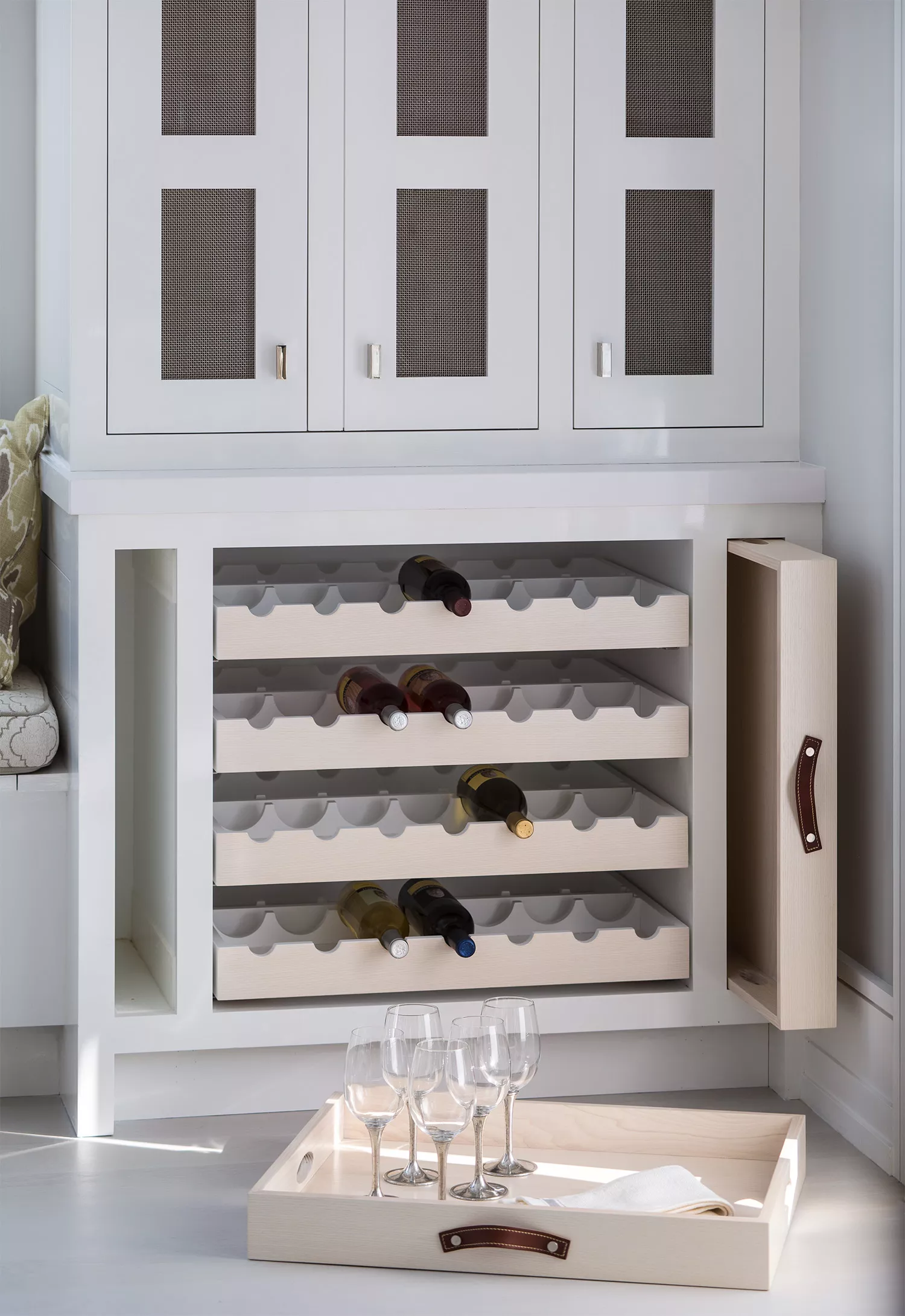
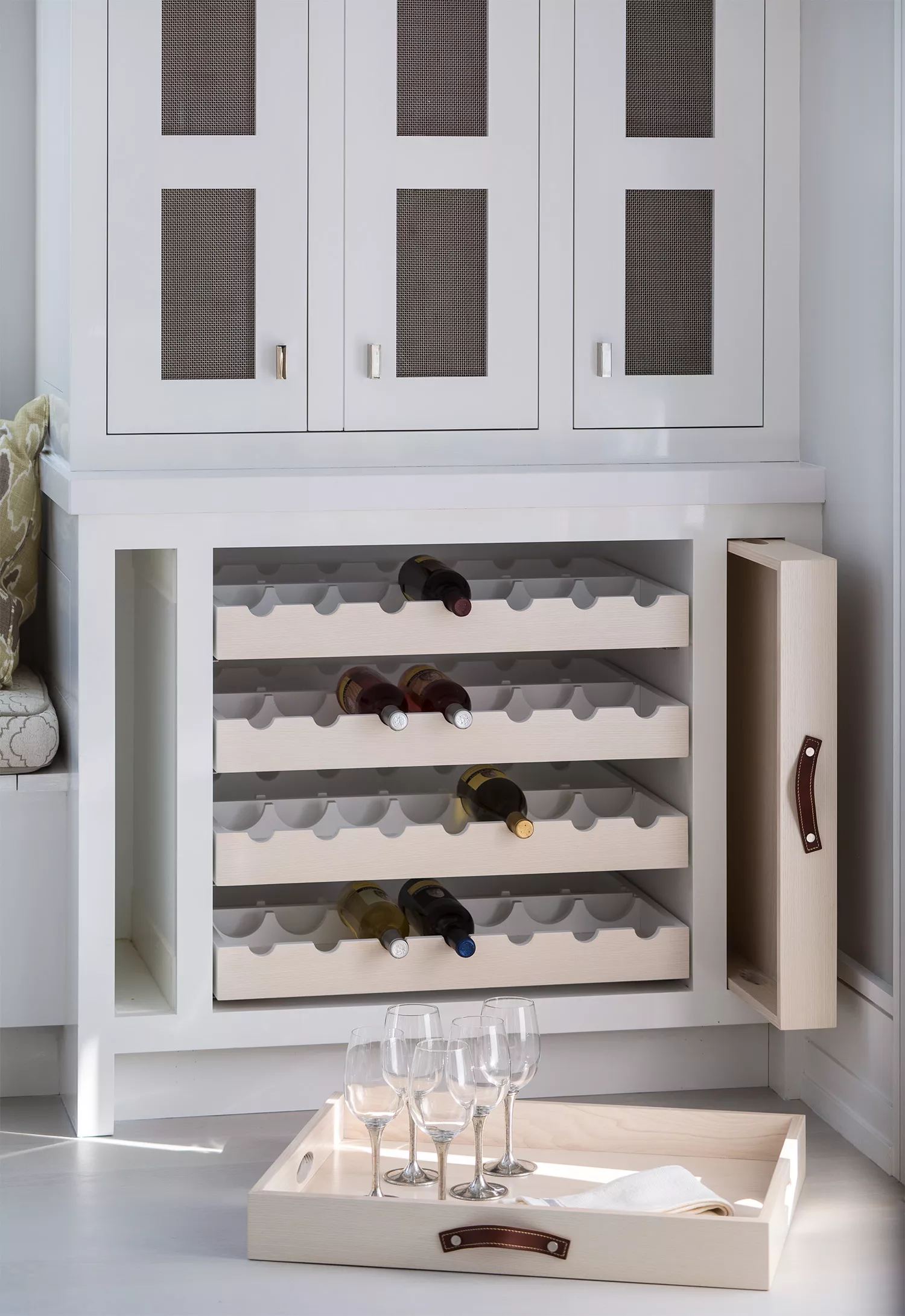
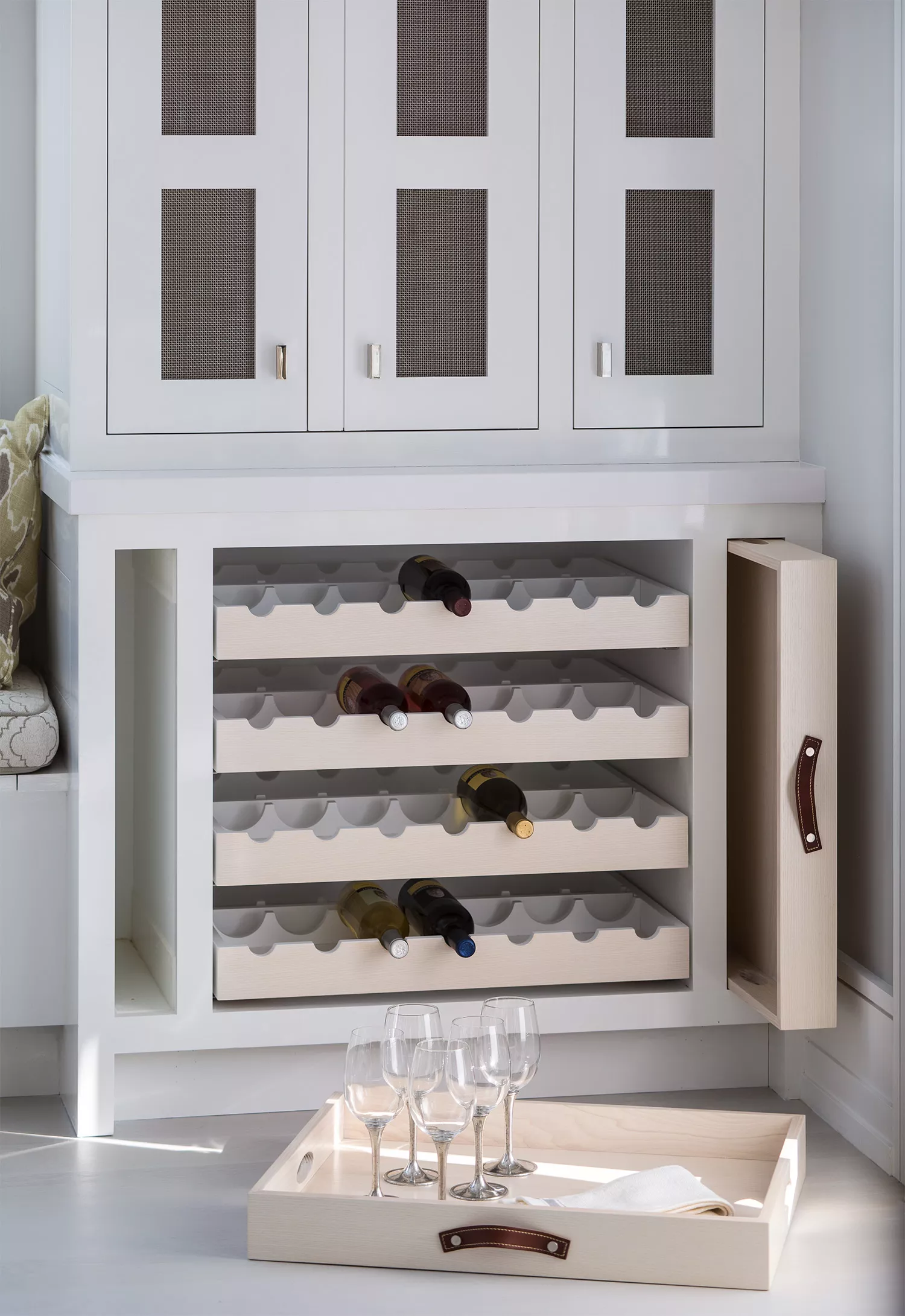
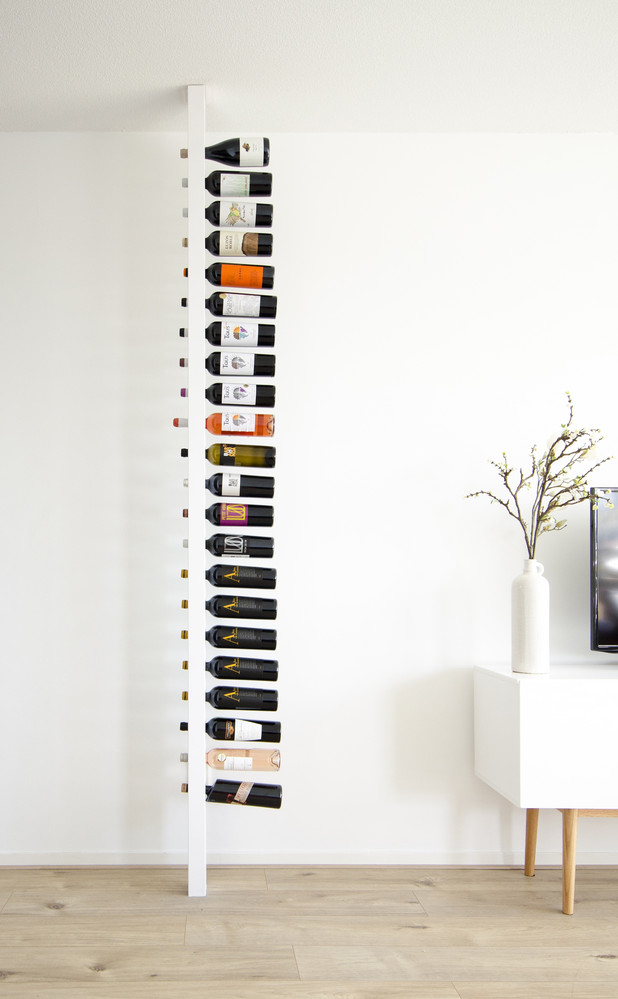
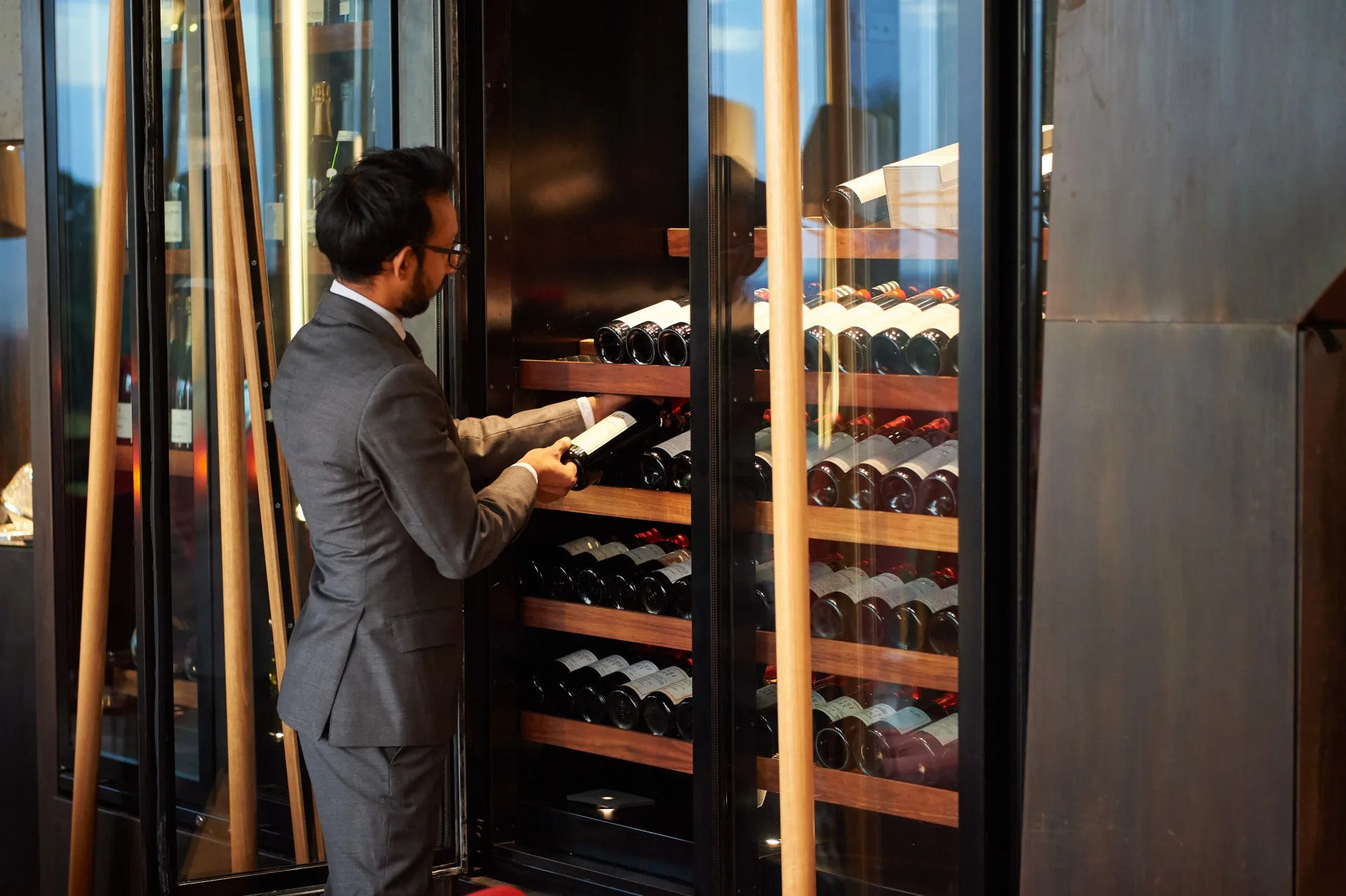
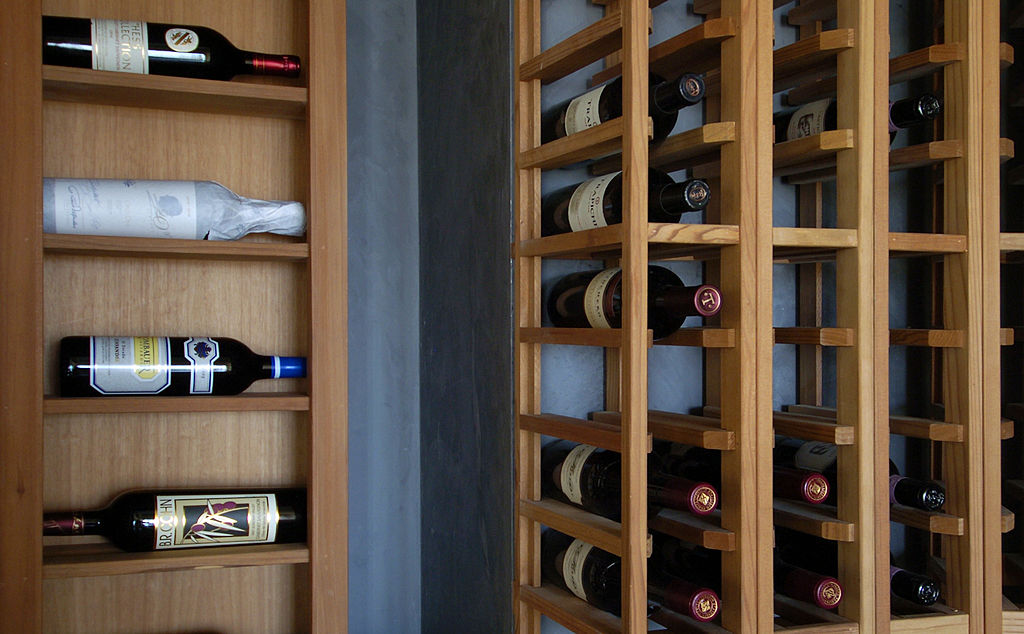
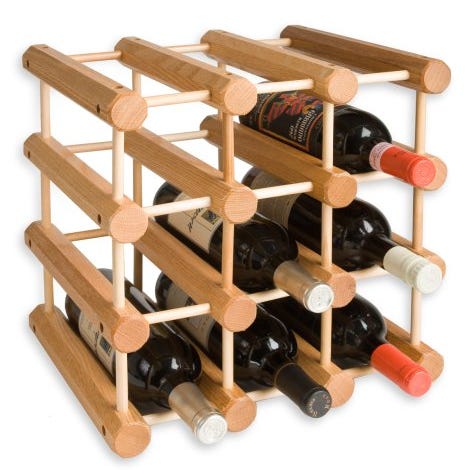
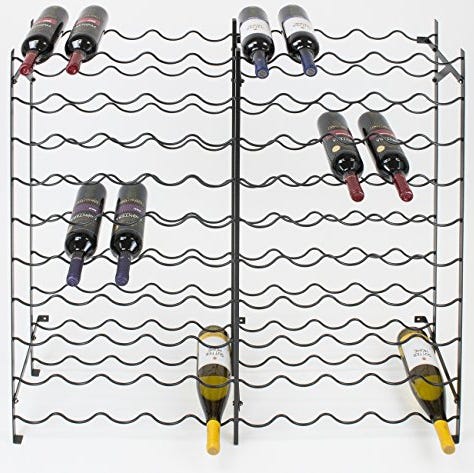
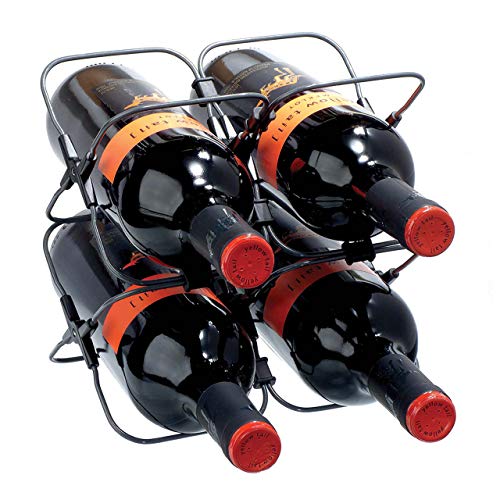
The second tip involves laying wine bottles flat. This practice ensures that the liquid inside the bottle remains in contact with the cork. If a cork dries out or shrinks due to cold or dry conditions, oxygen can enter the bottle, diminishing the wine's flavor and eventually causing it to turn bitter. Maintaining cork moisture is crucial for preventing oxidation.
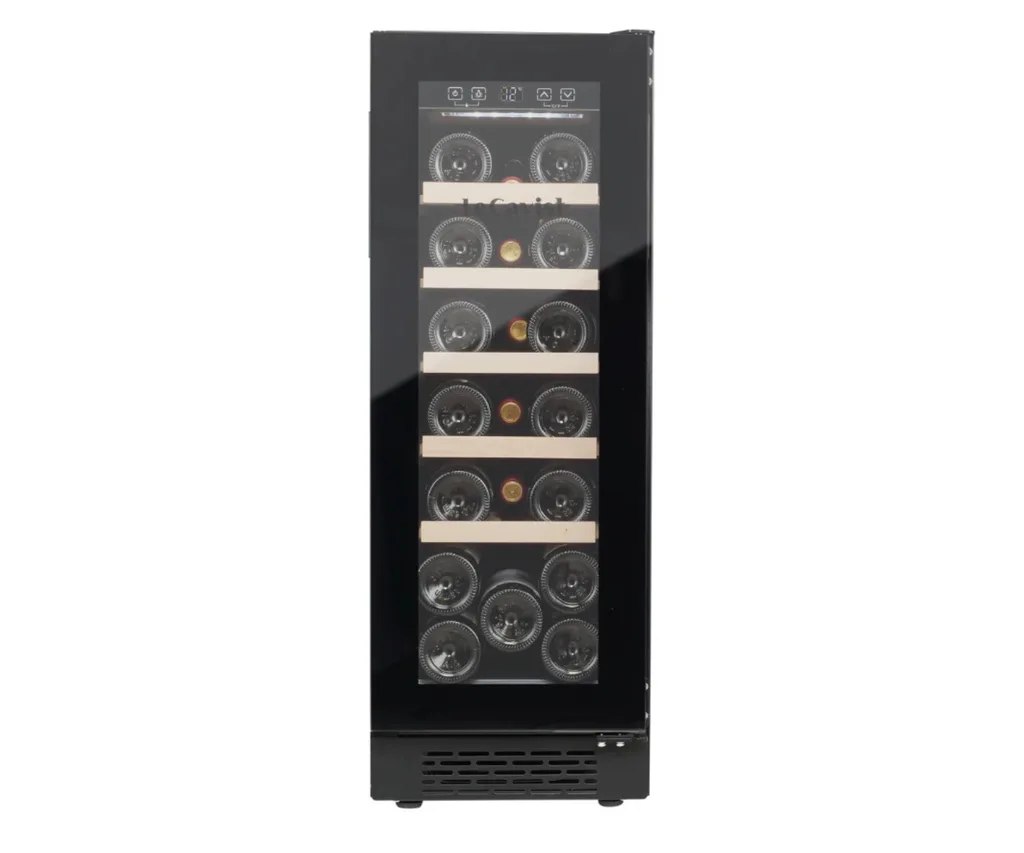
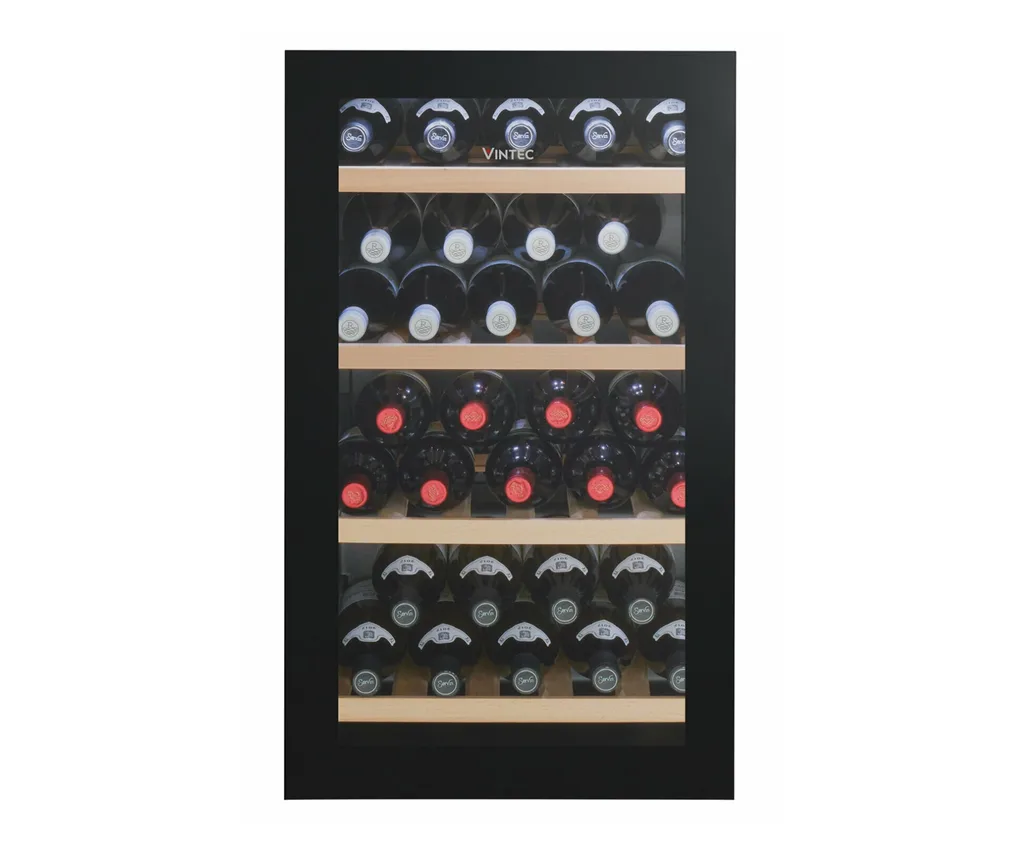
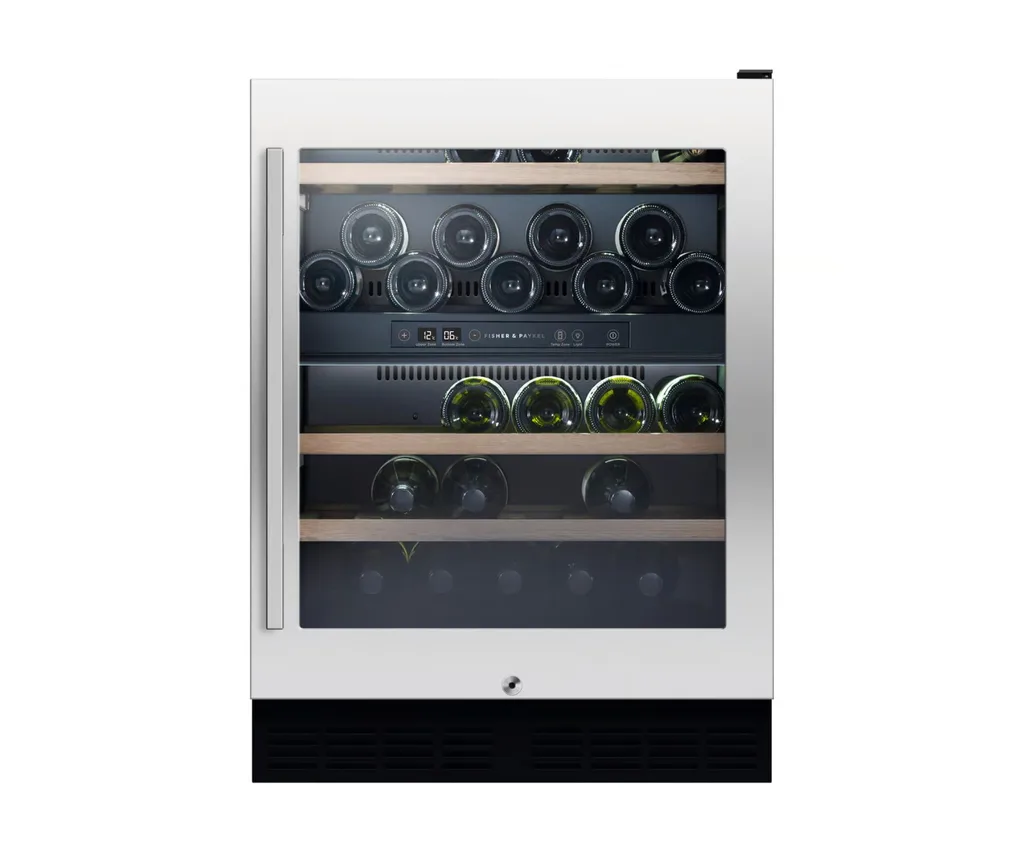
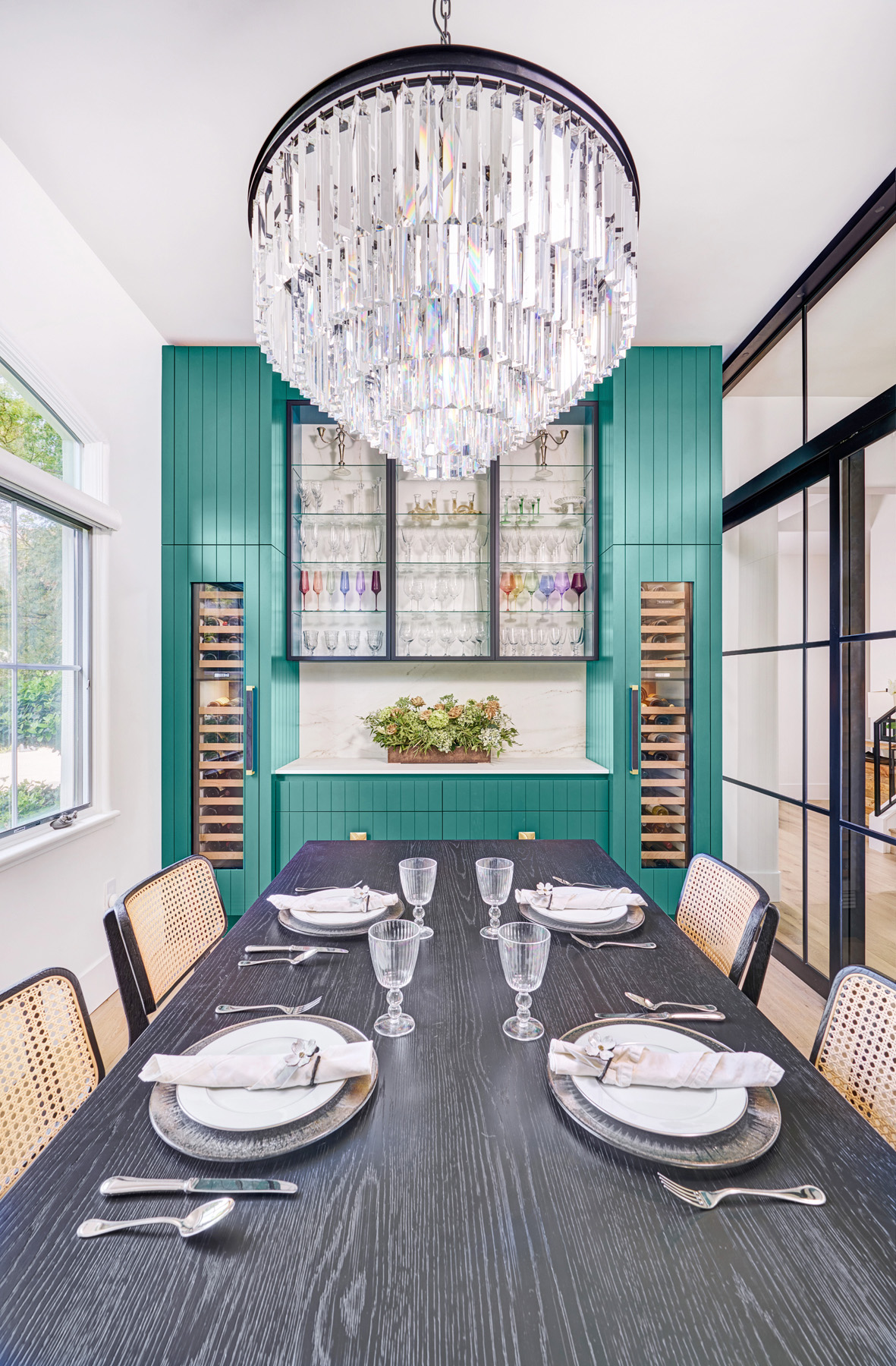
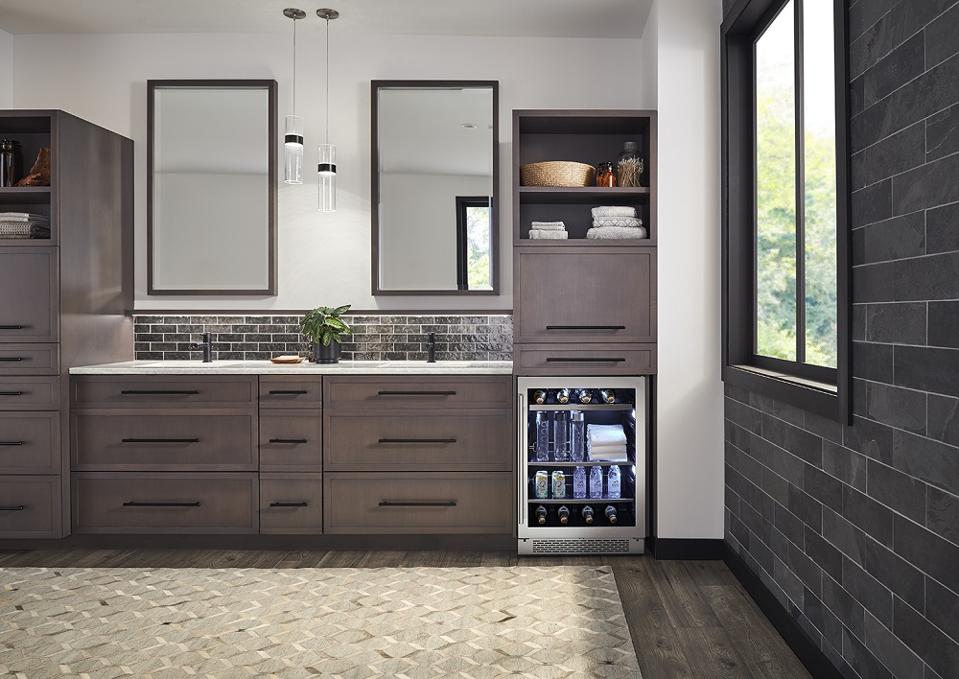
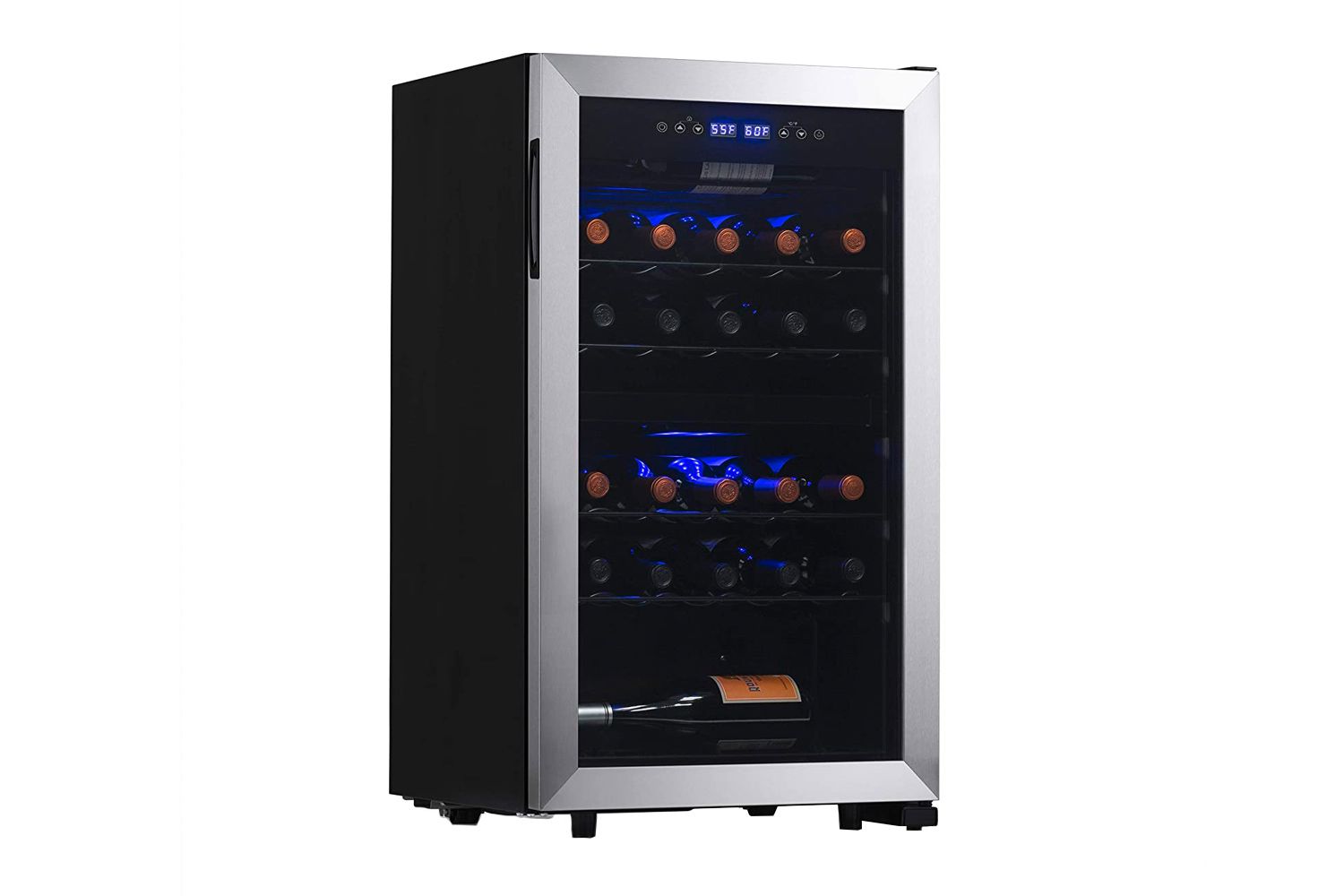
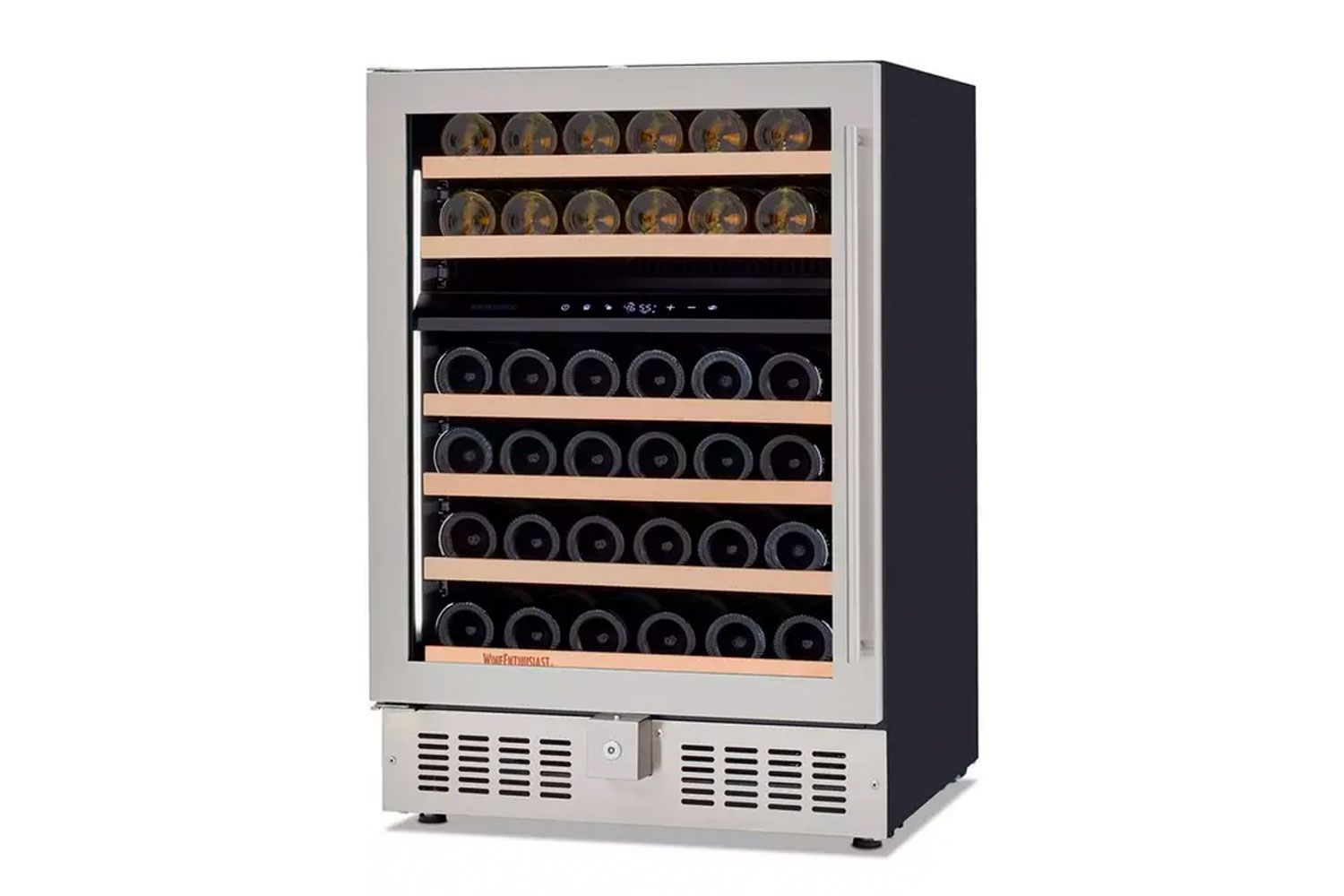
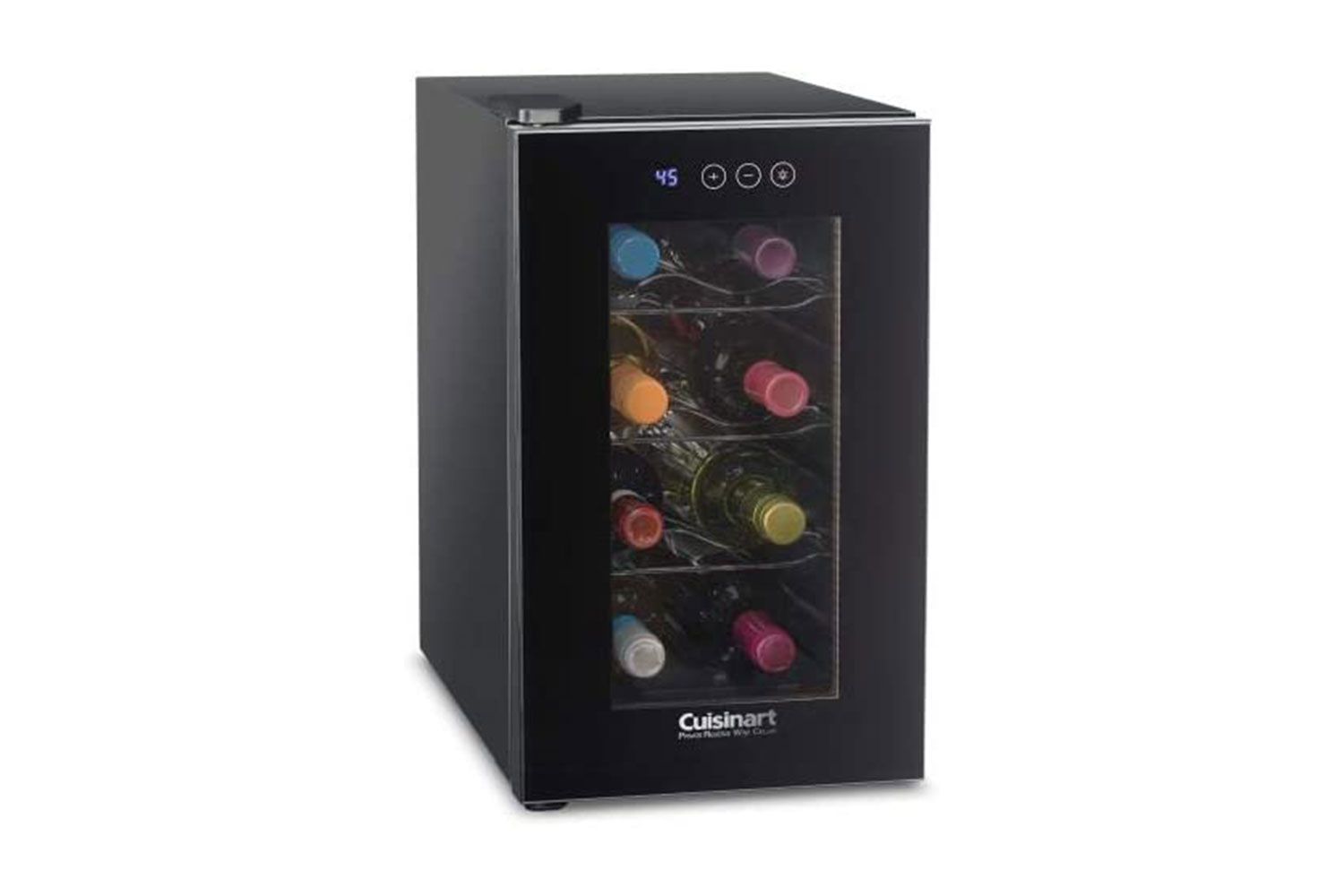
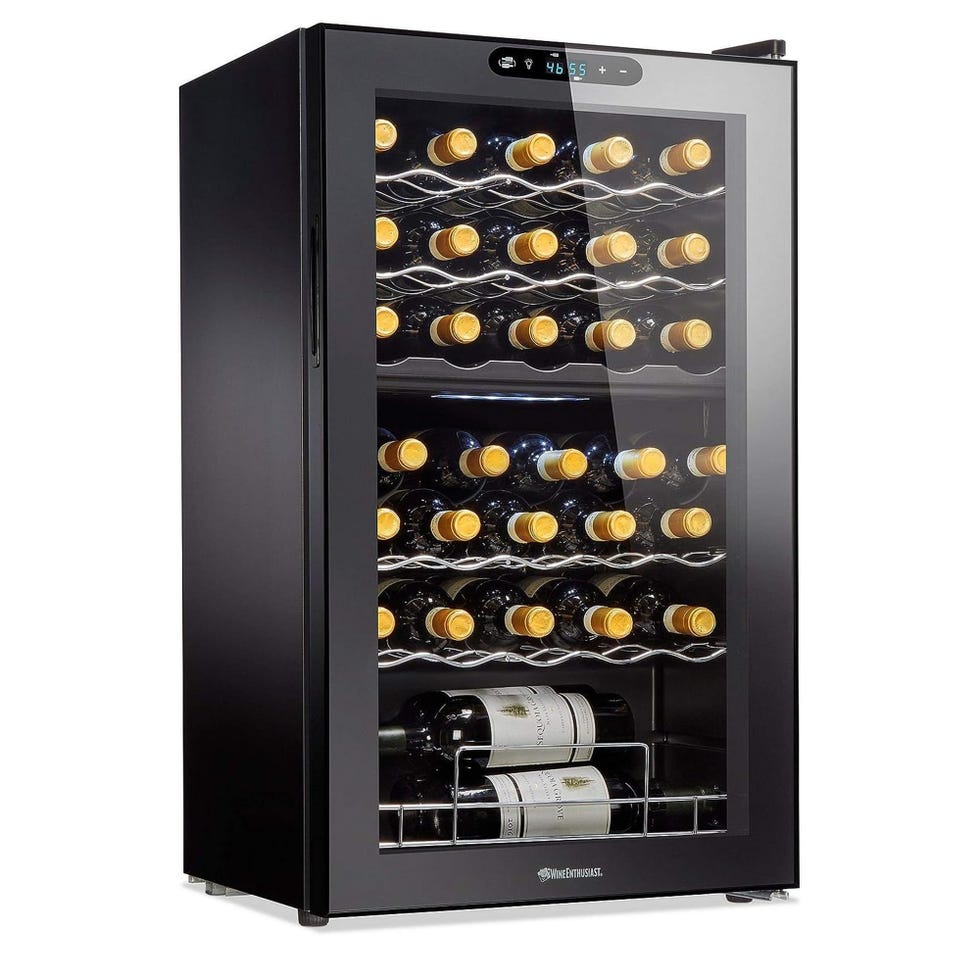
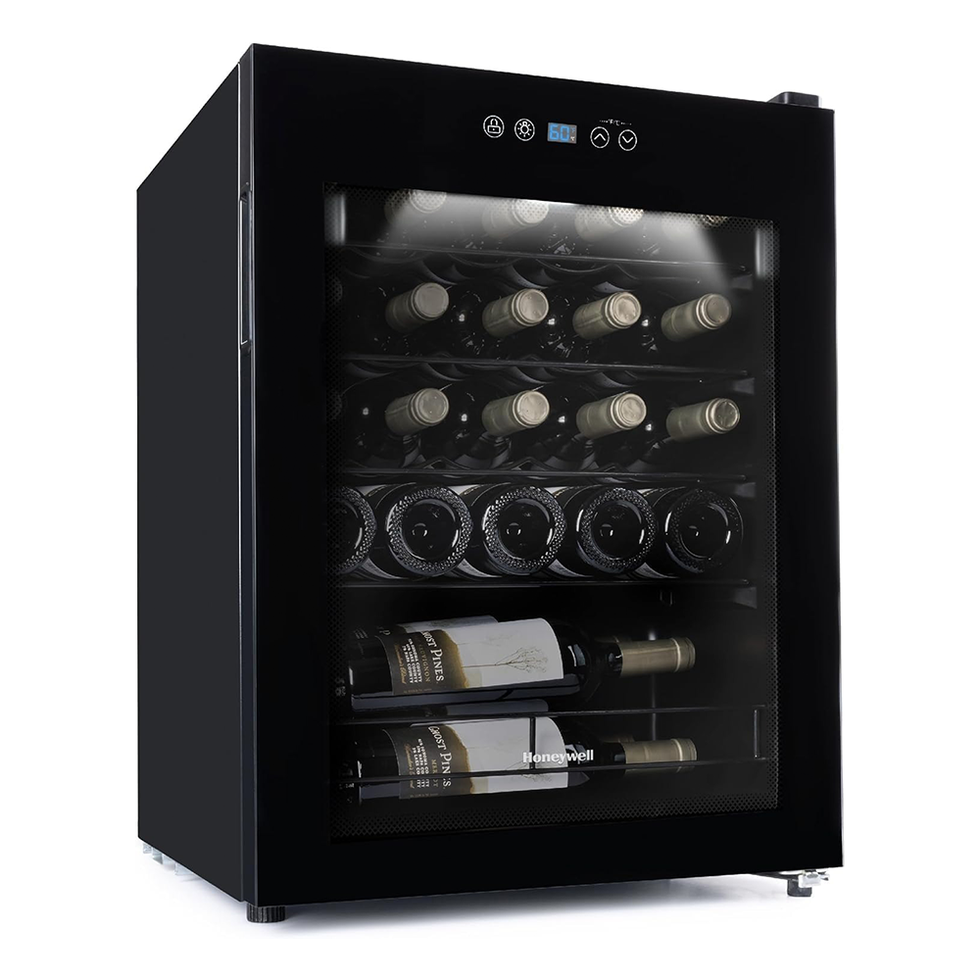
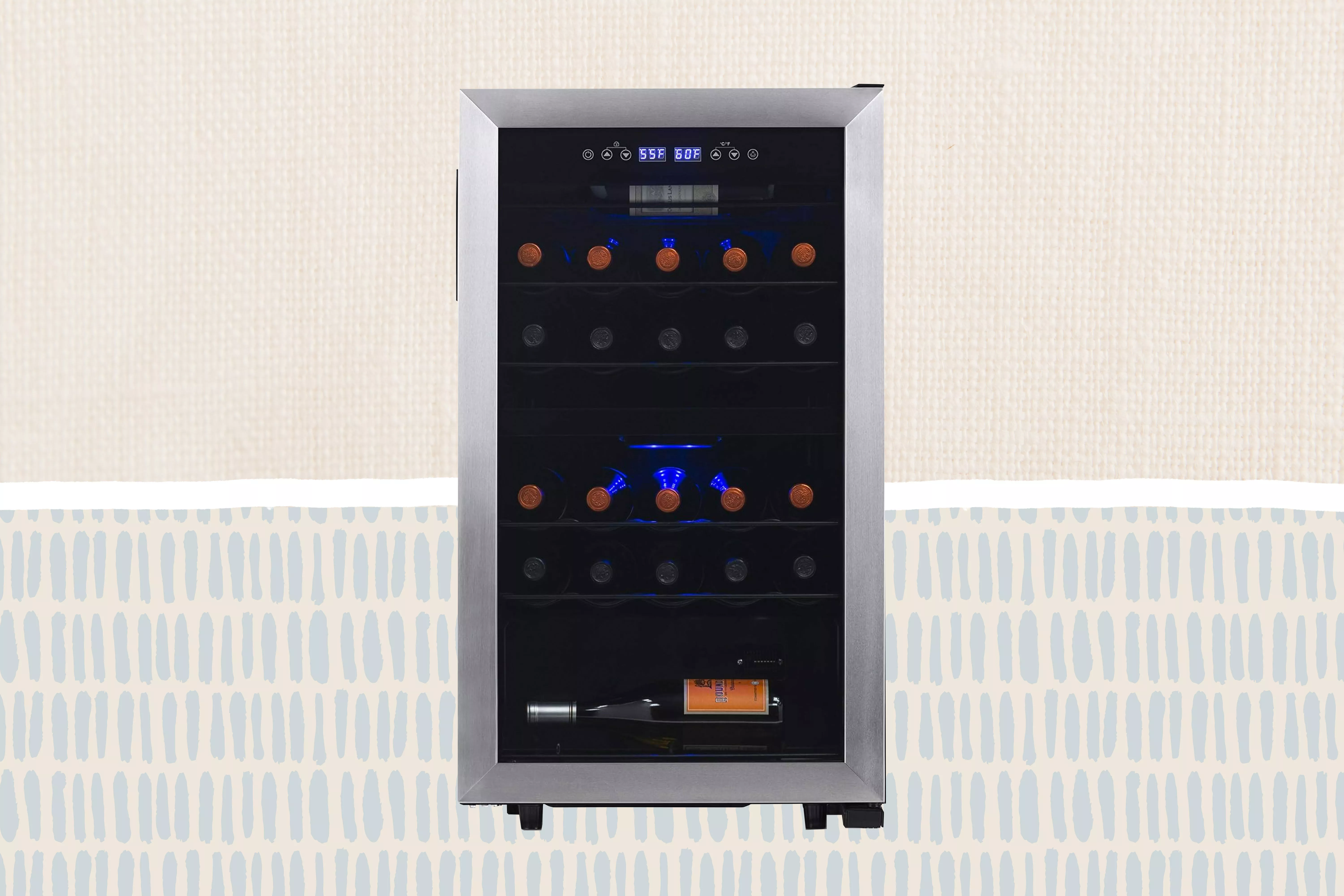
Thirdly, Cournot advises against long-term wine storage in a standard refrigerator. While acceptable for short periods, a regular fridge’s dry environment can cause corks to shrink, similar to the issue addressed in the previous tip. For extended storage, investing in a wine refrigerator is recommended. These appliances are designed to fit into apartment settings and offer controlled temperature and humidity, which are ideal for wine preservation, often without being a significant financial burden.
The fourth piece of advice concerns light exposure. Light, particularly ultraviolet rays from direct sunlight, is detrimental to wine. It can accelerate aging and taint the wine's quality. Wines in lighter colors or transparent bottles are more vulnerable. Cournot suggests storing wine in a dark place or, if a dark space is unavailable, simply covering bottles with a towel to block out light.
Finally, Cournot identifies the hallway closet as an excellent location for wine storage. Hallway closets are often among the most temperature-stable areas in an apartment, and their doors naturally block light. A closet with an eye-level shelf is particularly advantageous, as it keeps wine accessible and visible, reducing the likelihood of bottles being forgotten for extended periods. This approach helps collectors remember their inventory and enjoy their wines within appropriate timelines.
#WineStorage #SmallApartmentLiving #HomeImprovement #SommelierTips #WineCollecting #SpaceSaving #WineCare #WineStorage #SmallApartmentLiving #HomeImprovement #SommelierTips #WineCollecting #SpaceSaving #WineCare
0 comment in total
 No comments yet
You may also like
13 Wine Storage Ideas for Any Size Collection

Wine Storage: Tasteful Choices

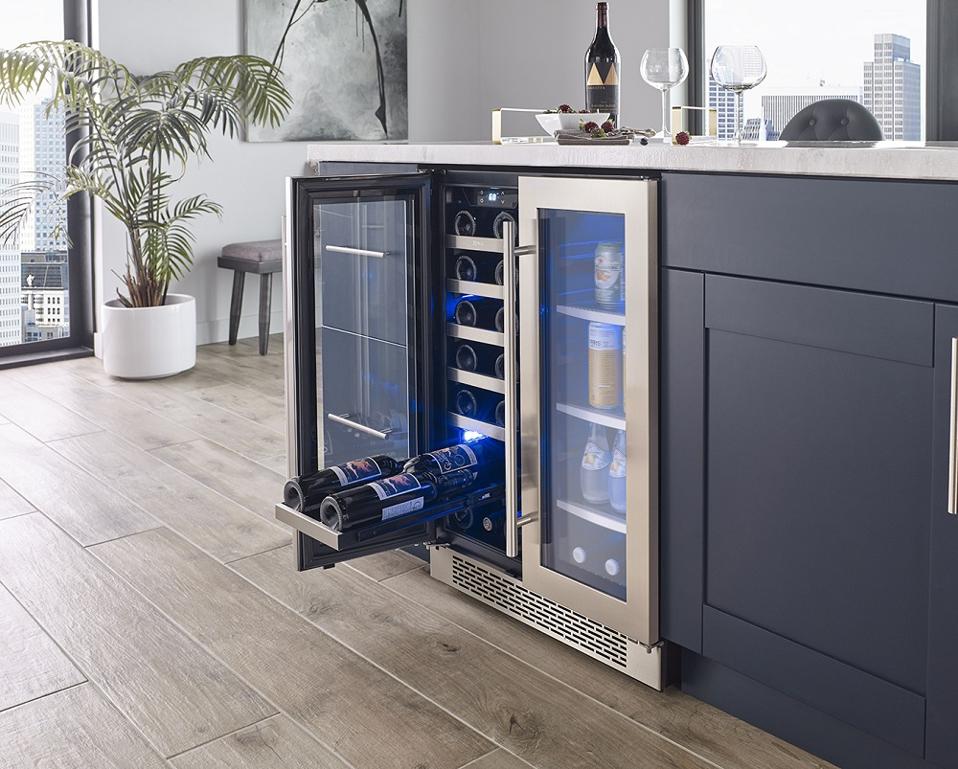
Wine Gets Pandemic Surge—Here’s The Best Way To Store Your Stockpile

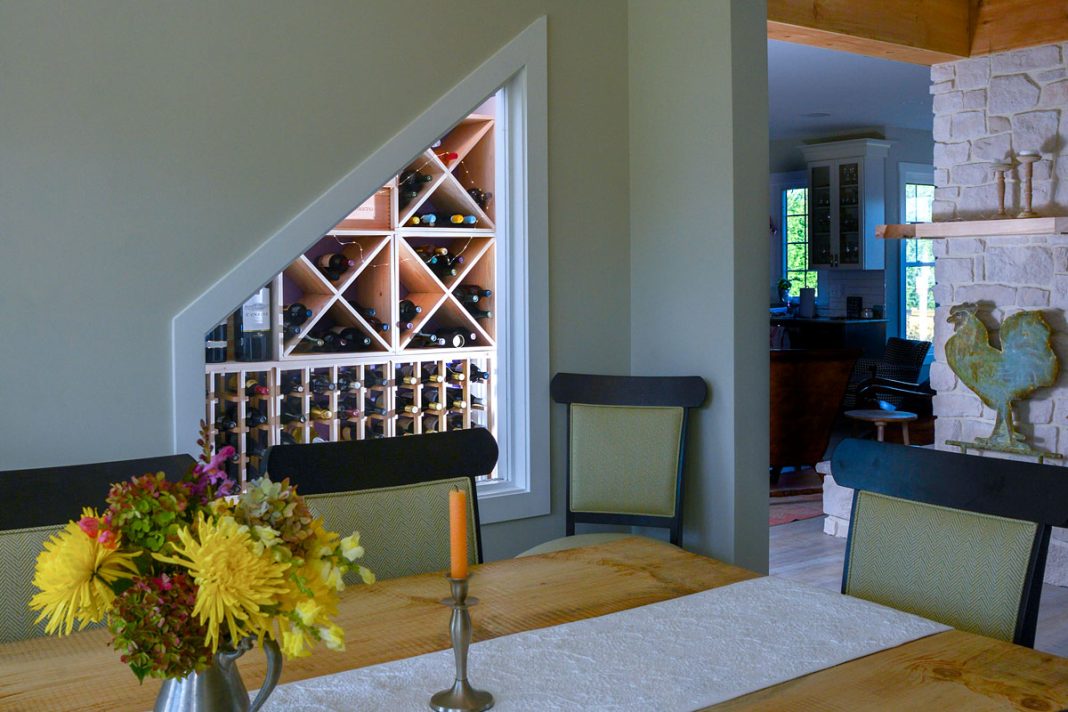
Now This Is How to Upgrade Your Wine Storage at Home
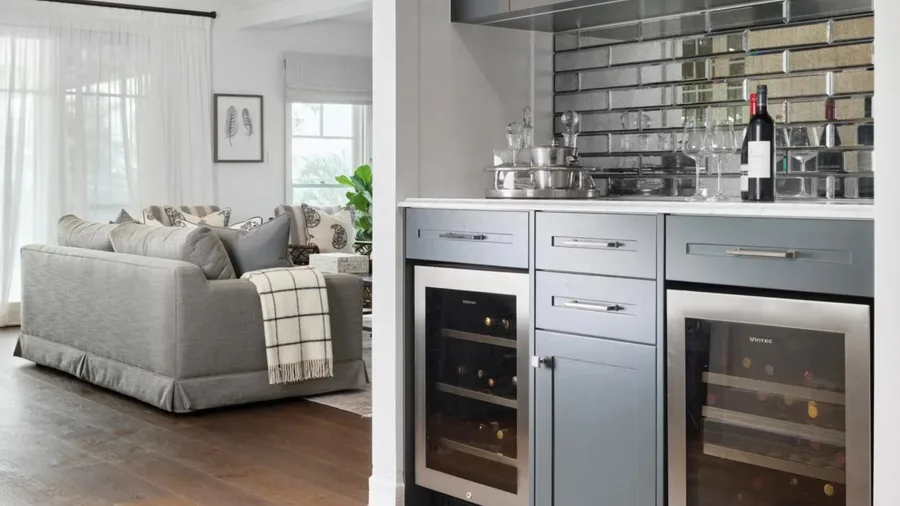
6 small and compact wine fridges for storing your favourite vinos

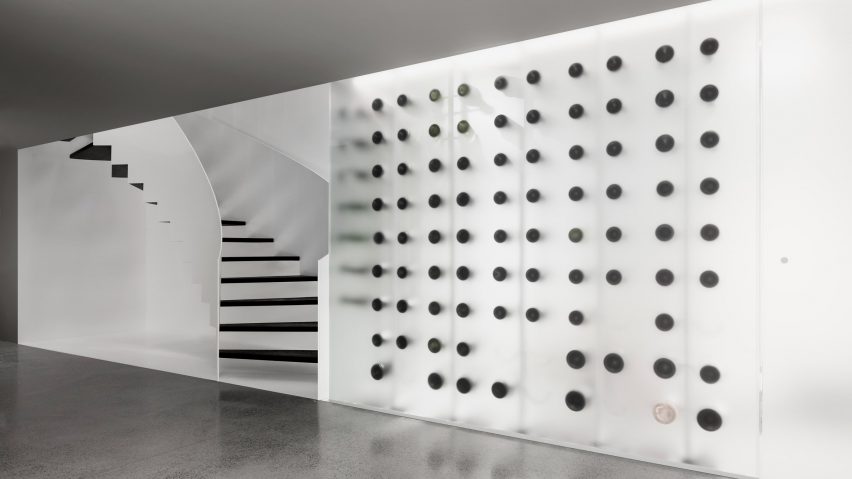
Ten homes featuring clever wine storage solutions
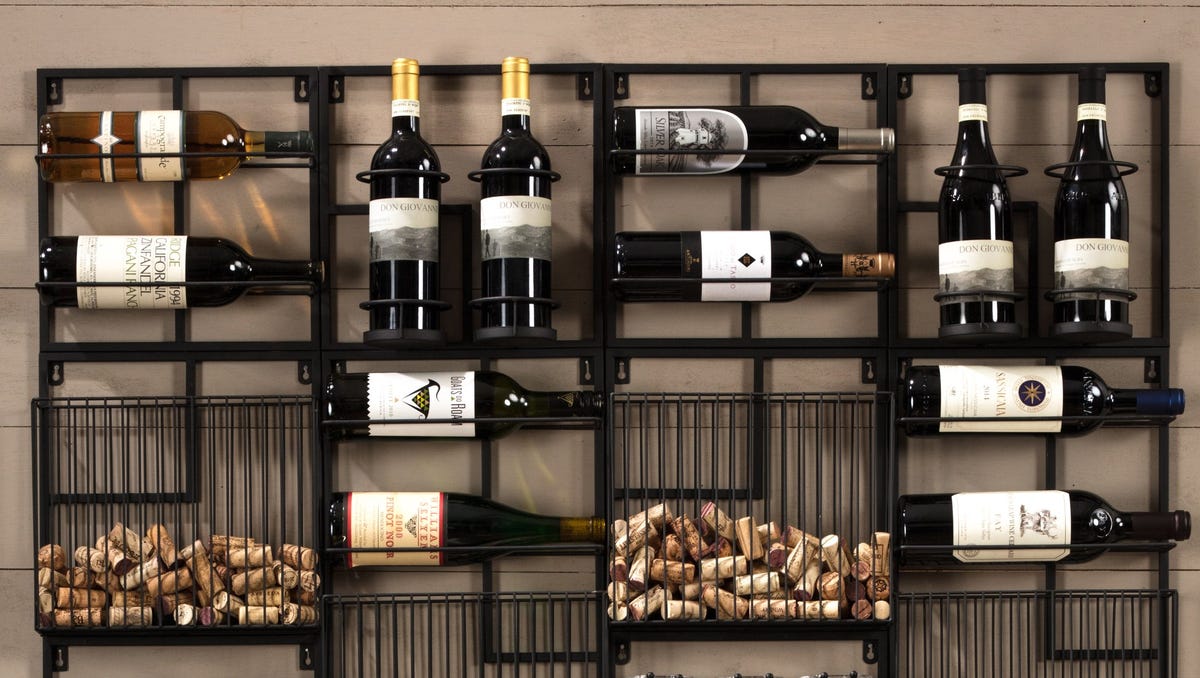
Wine storage and furniture
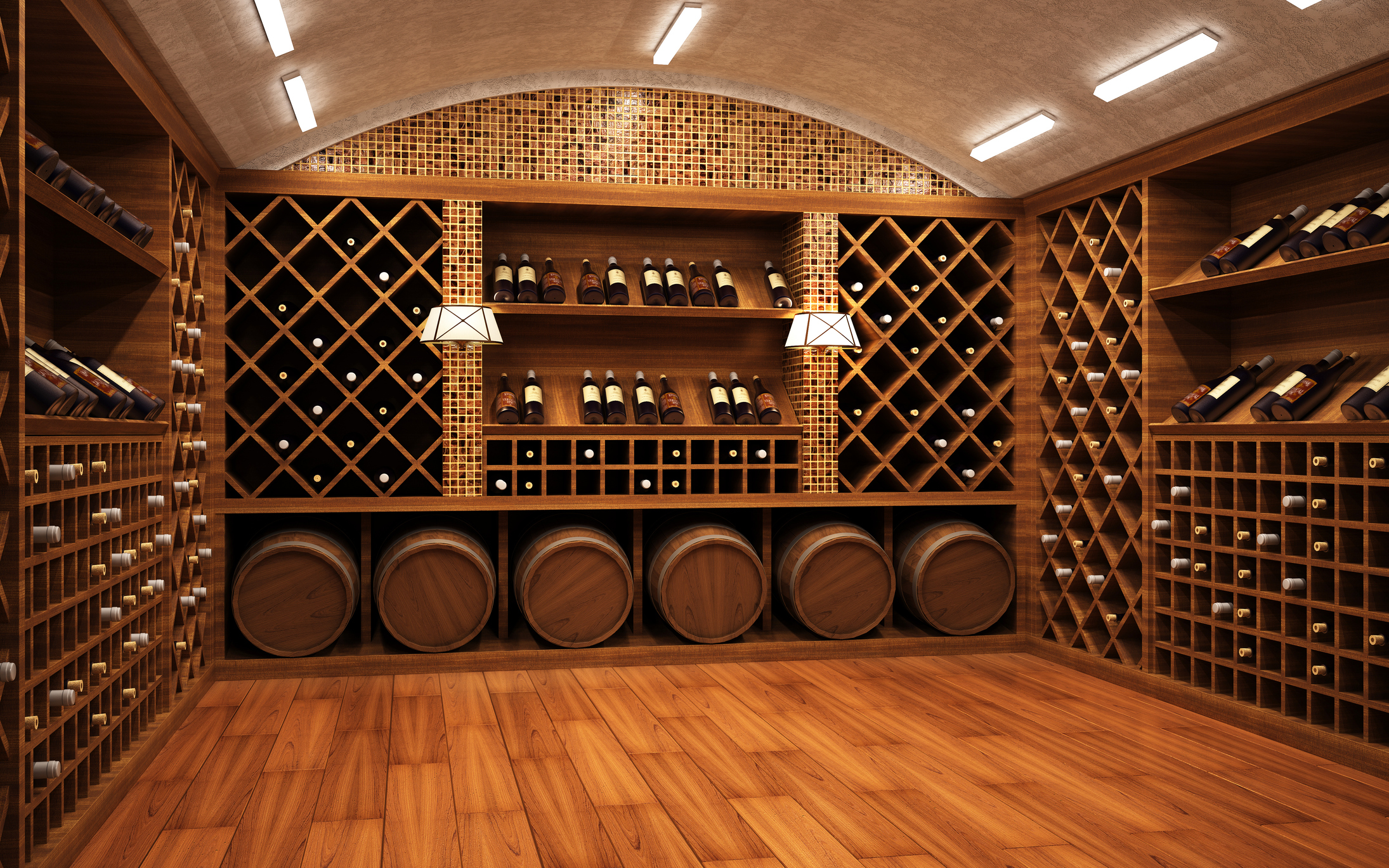
Is it Worth Having a Wine Cellar? What it Adds to Your Home Value — and Happiness
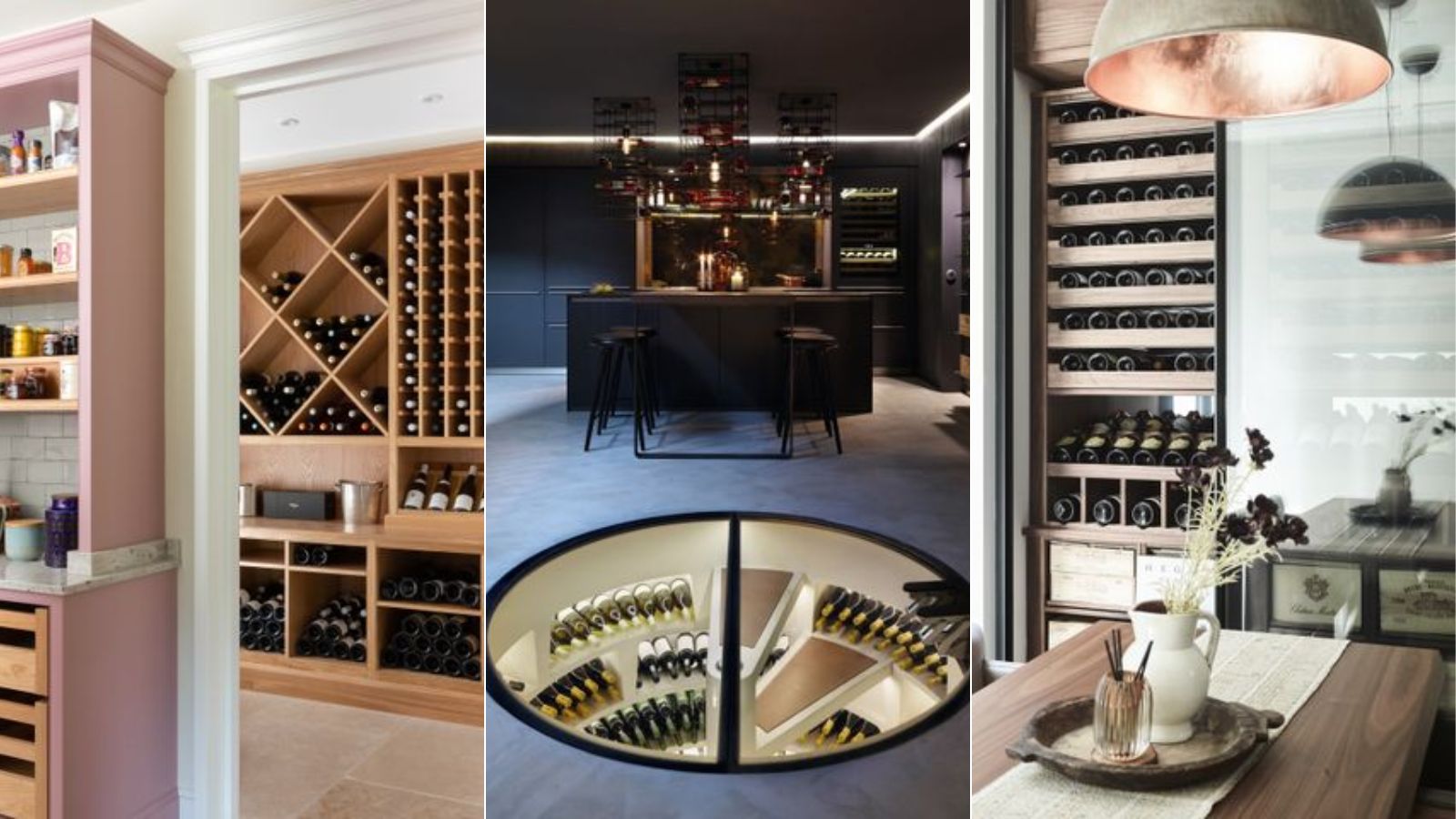
How to store wine in your kitchen – stylish storage solutions with wine preservation in mind

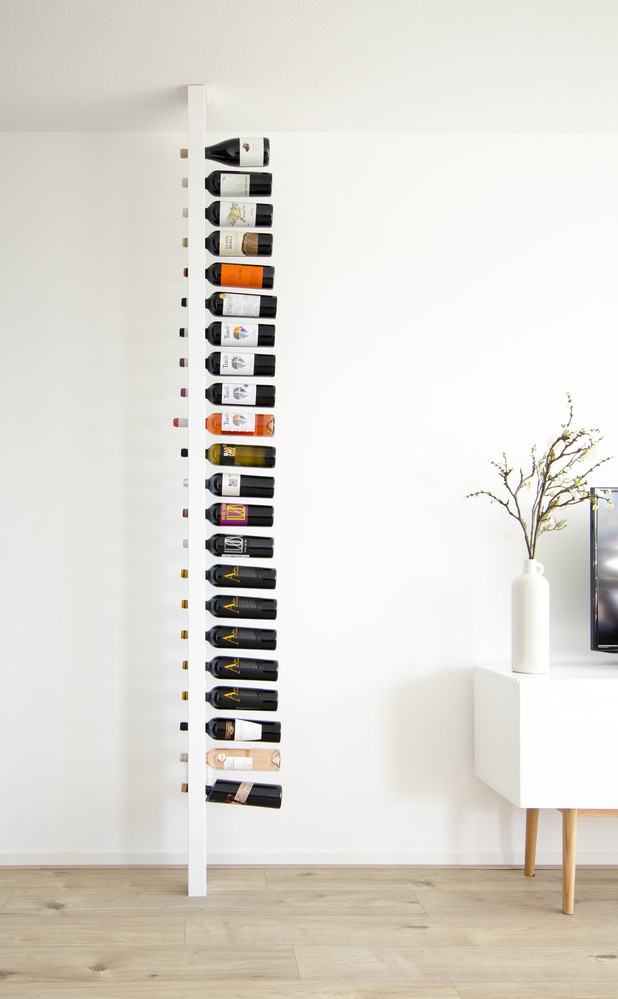
11 Non-Traditional Ways to Store Your Wine
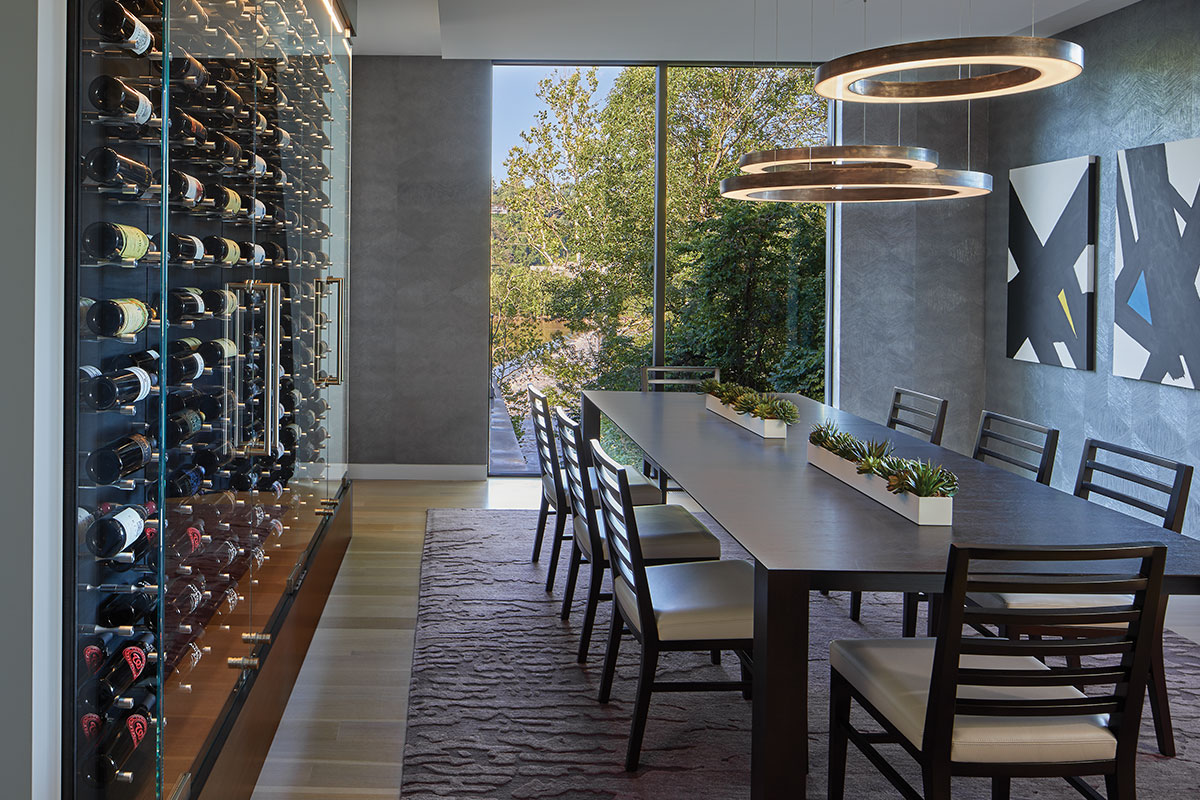
Love wine? Here's how to incorporate wine racks, refrigeration walls and taps into your home
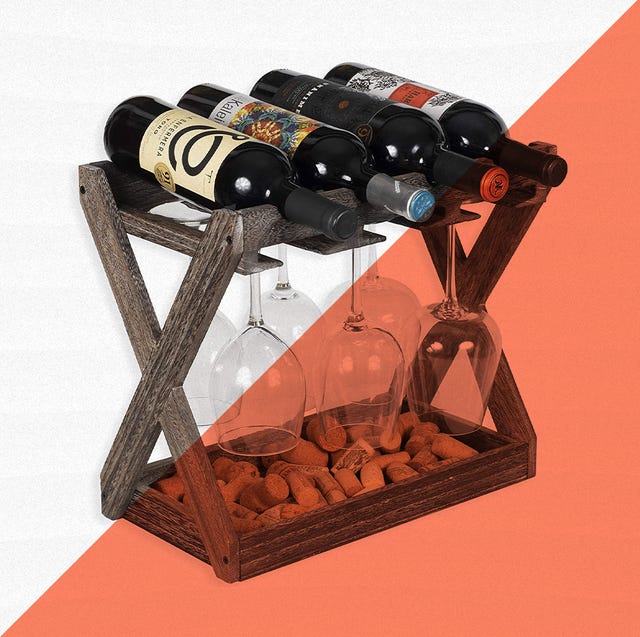
The 10 Best Wine Racks to Store Your Bottles in Style
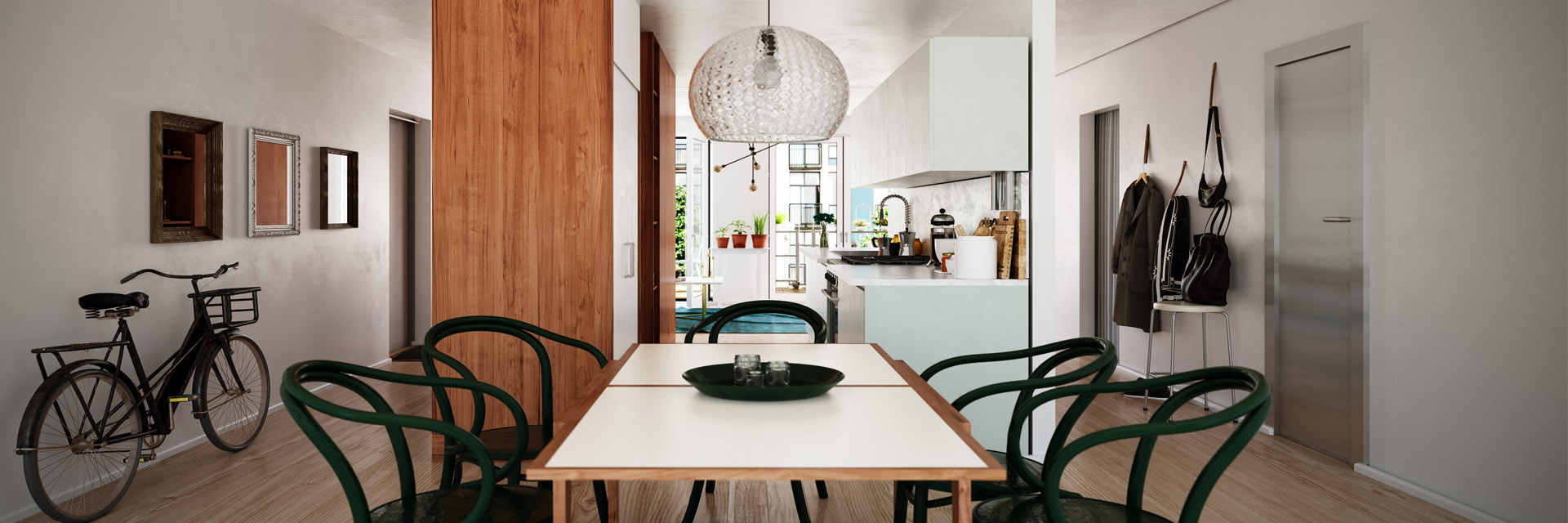
How To Store Wine In A Tiny Apartment
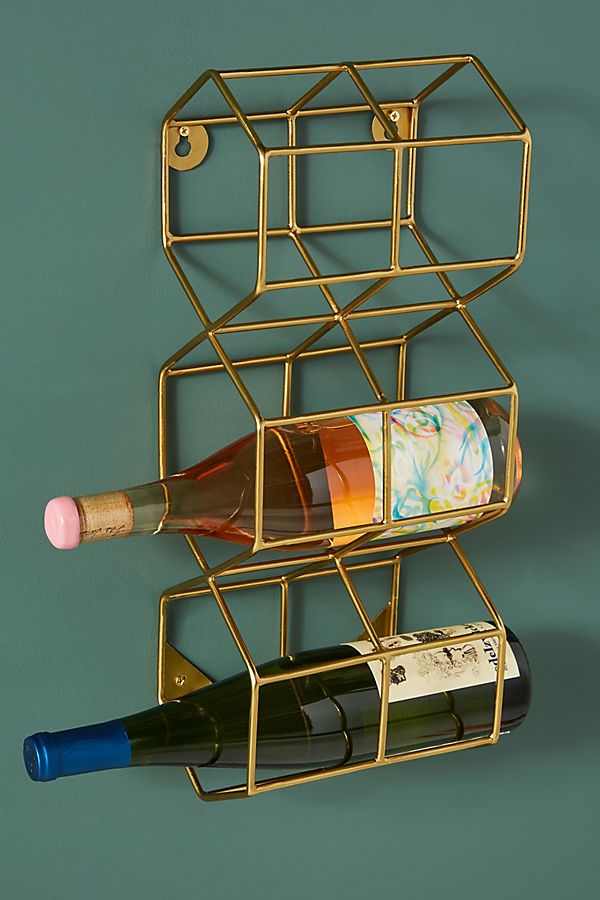
When Bar Carts Won’t Fit, Try This Elevated Storage Hack

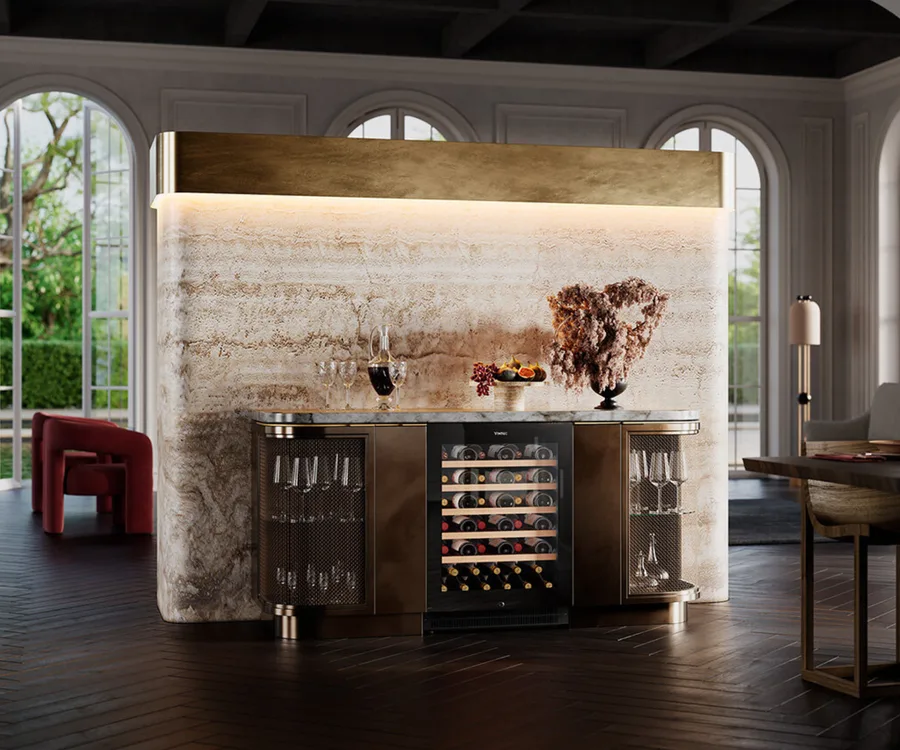
Premium wine fridges to hold your finest drops
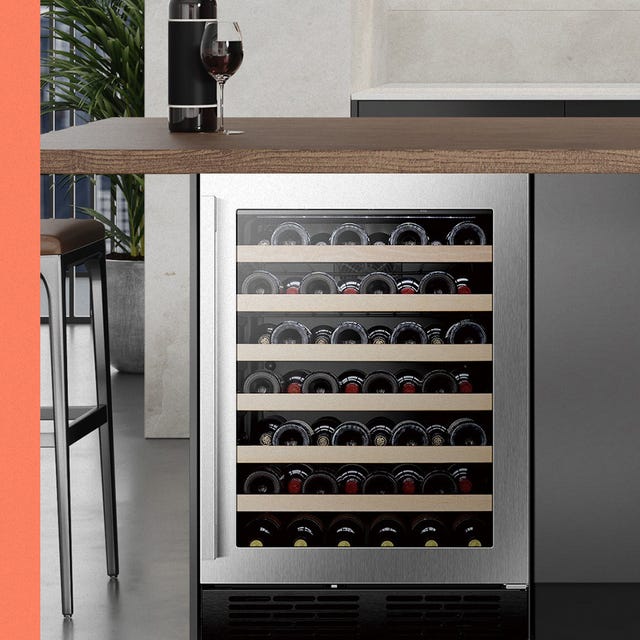
Store Your Vino in Any of These Expert-Recommended Wine Fridges
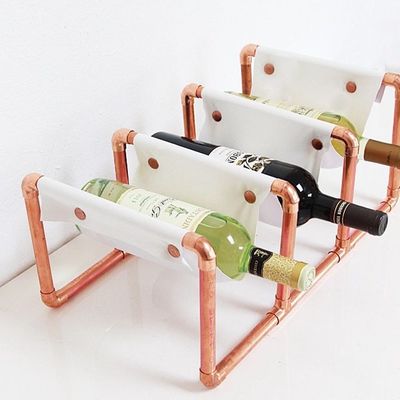
14 Unique Wine Storage Ideas We Can Raise a Glass To

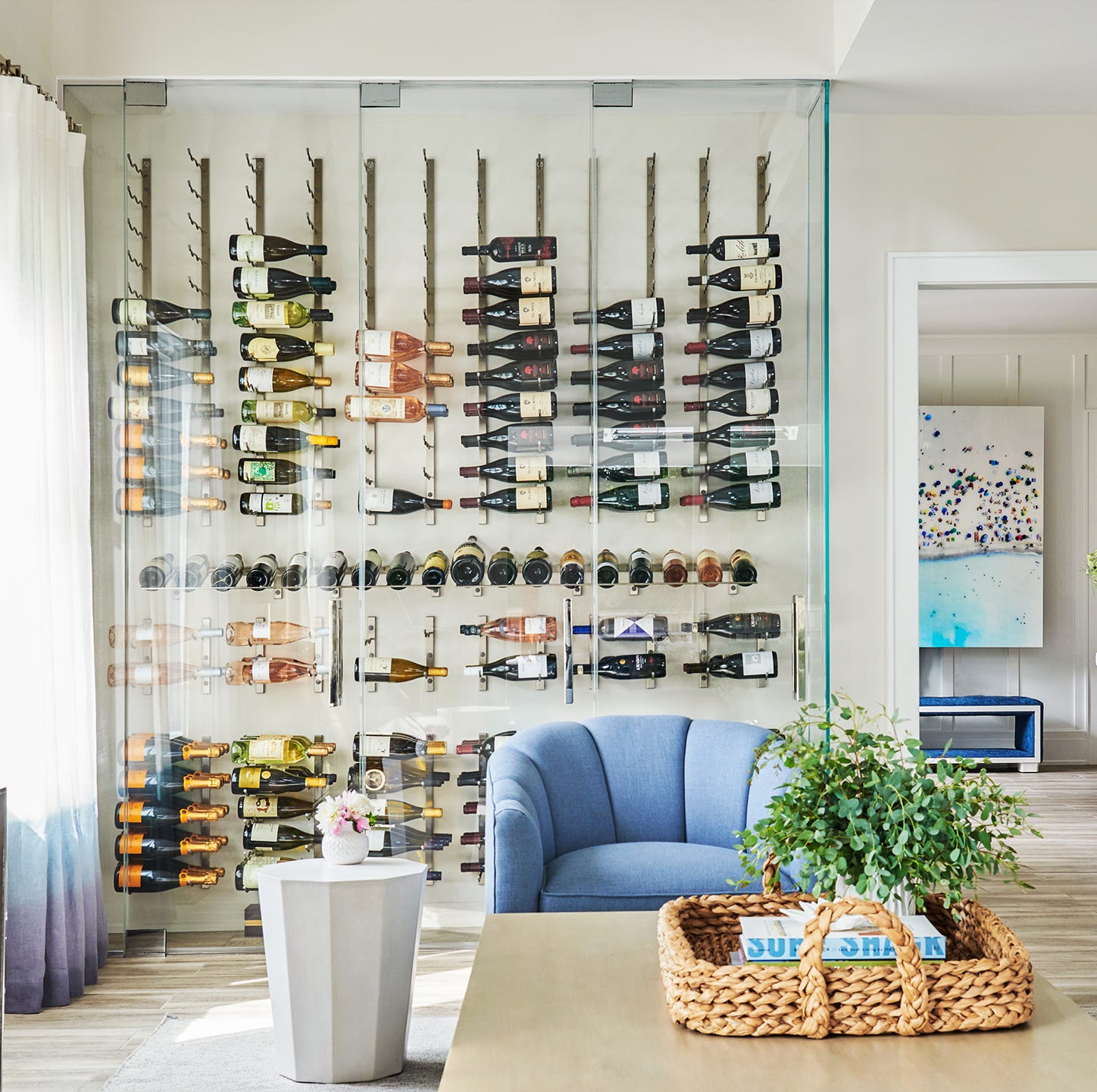
15 Designer-Approved Wine Cellar Ideas
The 3 Best Wine Fridges for Storing All Your Favorite Reds and Whites
Martha Stewart’s Wine Cellar is a Disaster