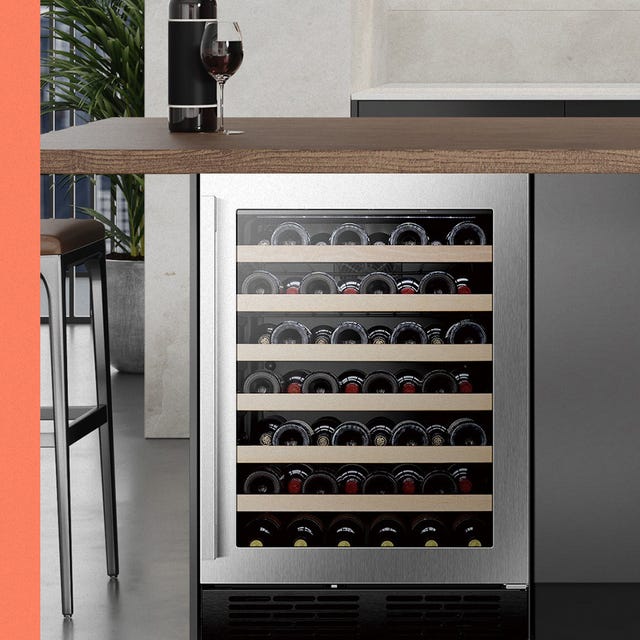
1/11
Store Your Vino in Any of These Expert-Recommended Wine Fridges
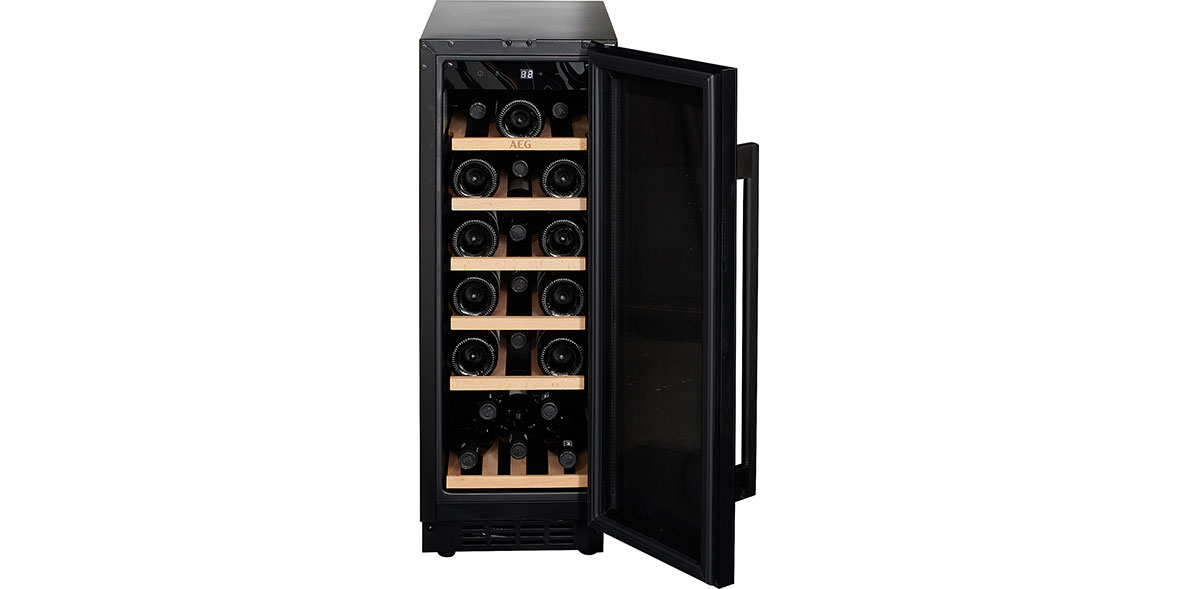
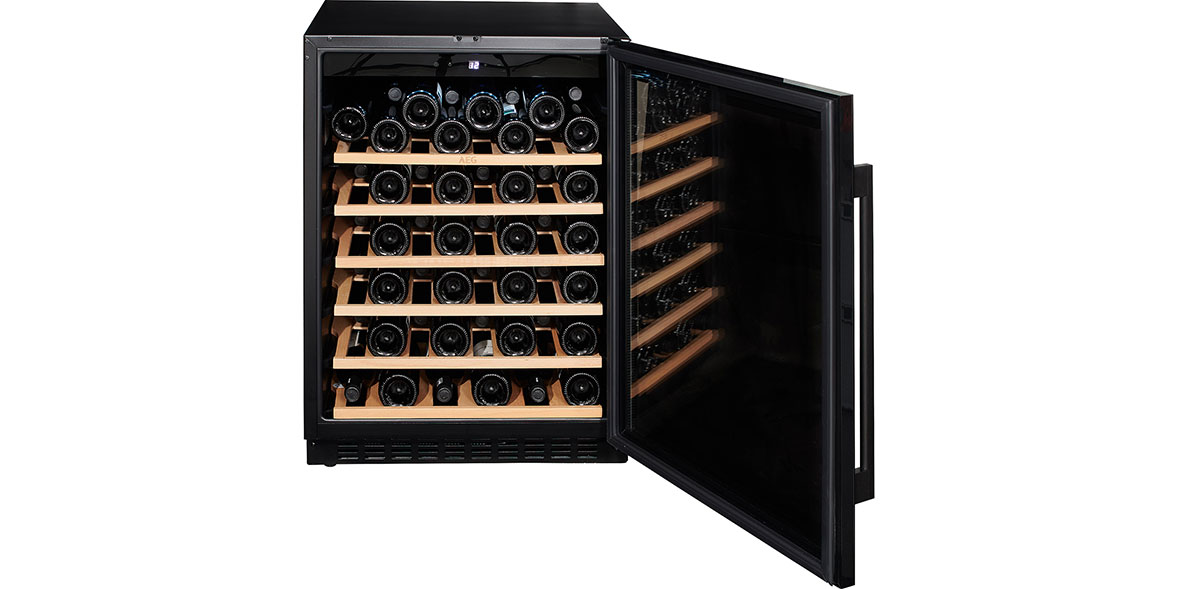
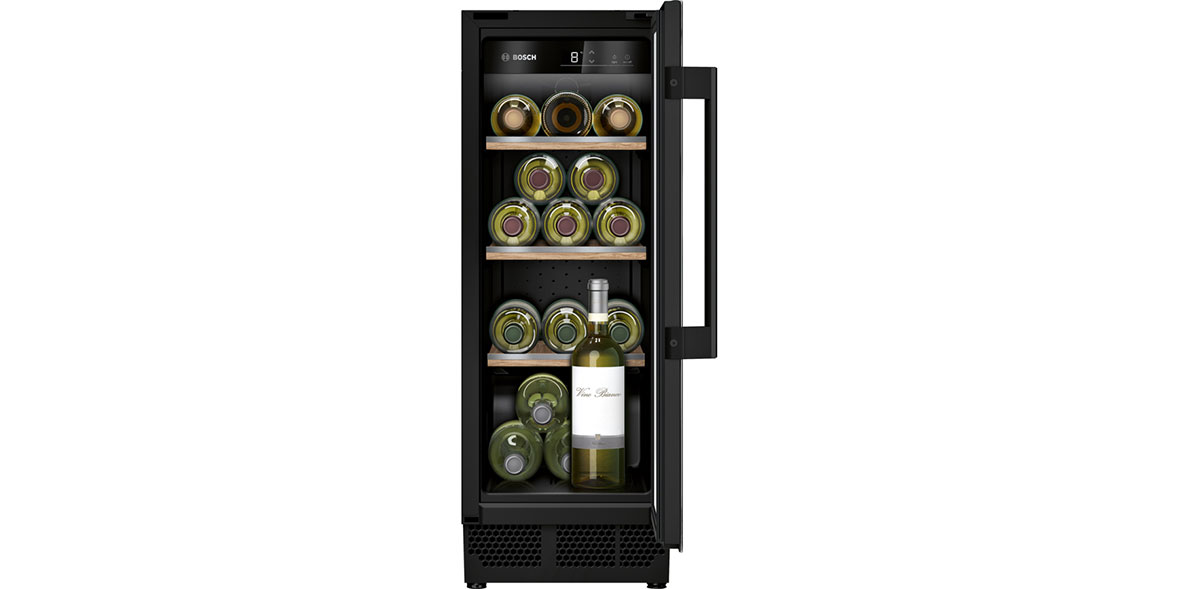
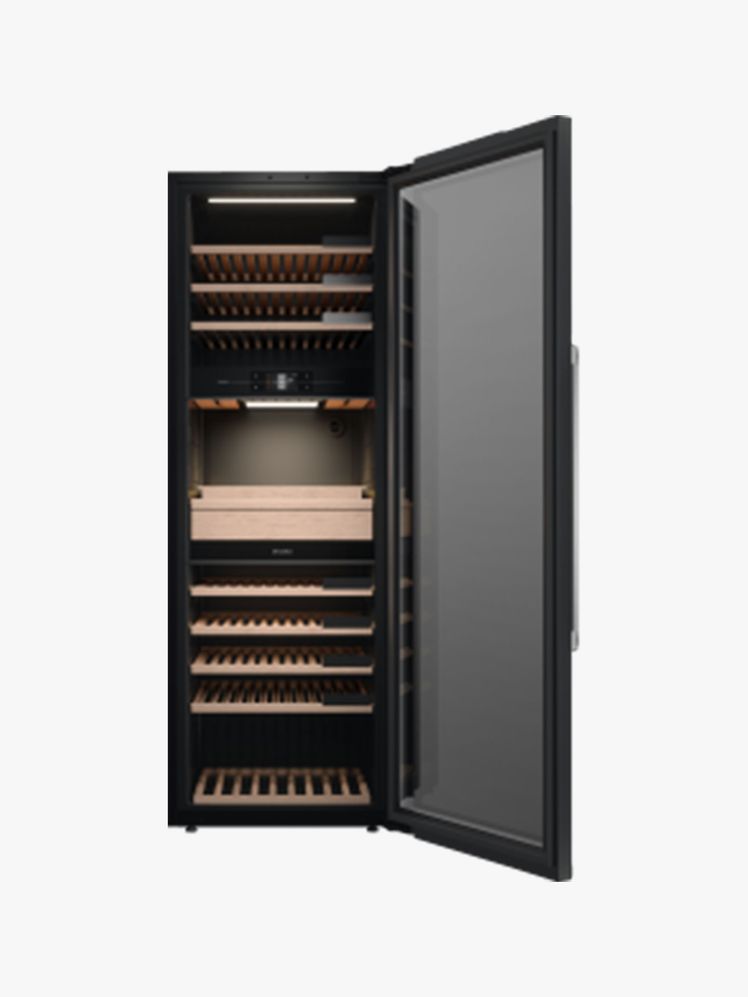
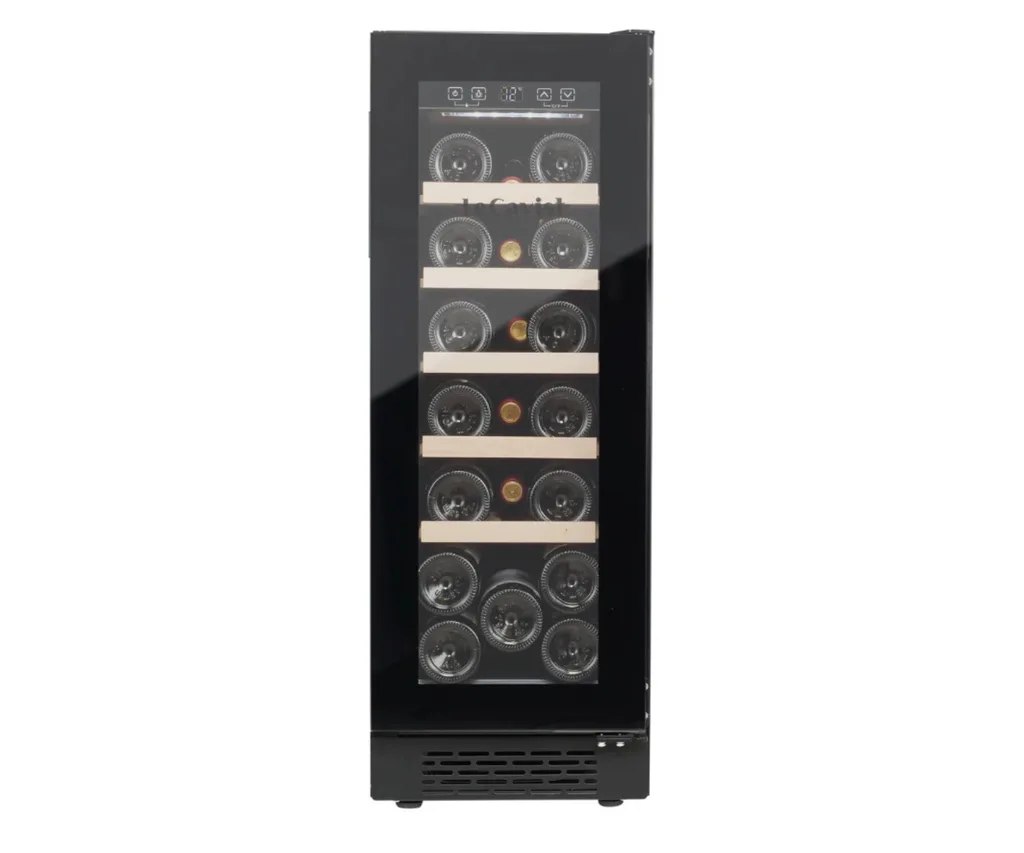
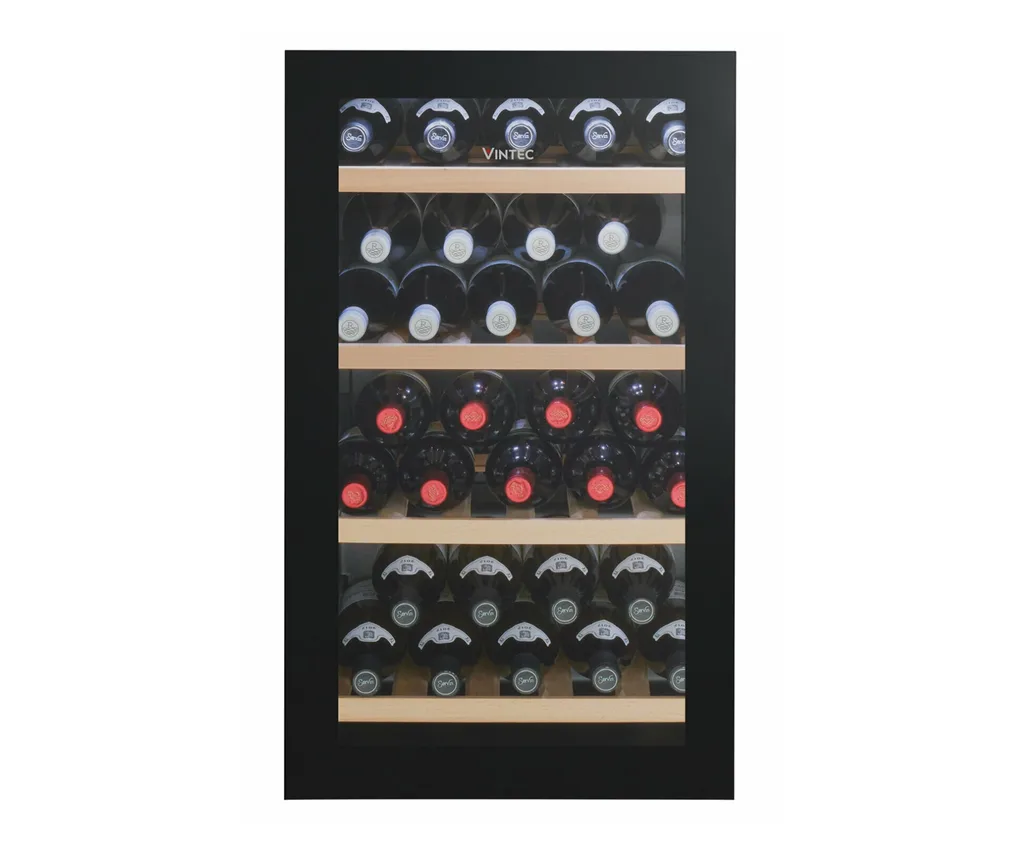
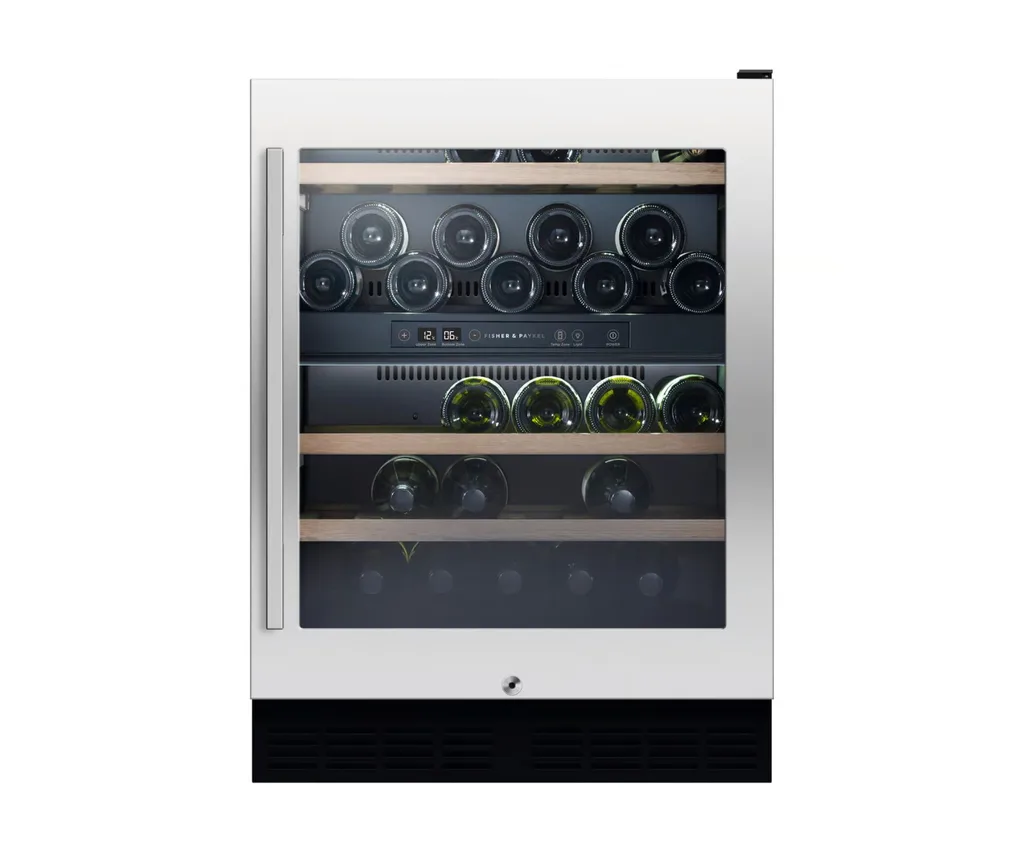
This comprehensive guide highlights the essential factors to consider when purchasing a wine fridge, offering recommendations for various needs and budgets. It emphasizes that proper wine storage is crucial for preserving flavor and quality, noting that standard refrigerators are too cold, typically operating between 35 to 38 degrees Fahrenheit, while optimal wine storage temperatures range from 45 to 65 degrees Fahrenheit, ideally around 55 degrees. Storing wine too cold can cause expansion and cork loosening, leading to oxidation, while excessive warmth can lead to acetic acid formation and a sour taste. Therefore, a dedicated wine fridge is essential for optimal storage and aging unless one possesses a natural wine cellar.
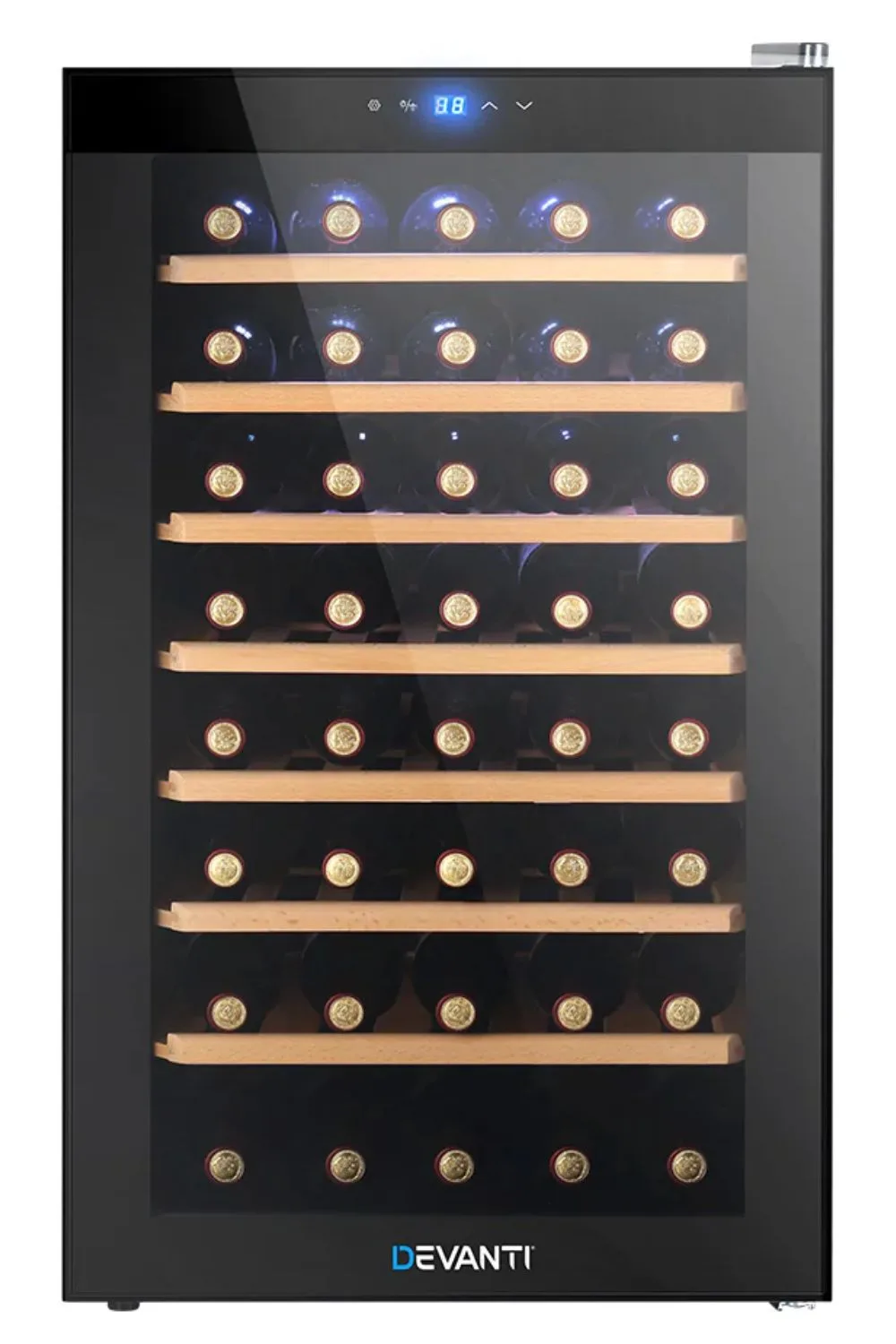
The article outlines key considerations, starting with temperature control. All recommended wine fridges provide temperature ranges that accommodate the ideal 55-degree mark for both red and white wines, with some offering adjustable settings for specific varieties. Capacity is another significant factor directly impacting price, with larger units naturally costing more. Dual-zone cooling also adds to the expense, although the guide suggests that a single-zone fridge set to 55 degrees can be adequate if one is not particular about storing reds and whites at their precise individual optimal temperatures. The article advises buying the largest fridge one can reasonably afford, as wine collections tend to grow rapidly. It also notes that bottle capacity can vary depending on bottle size and rack design, with flat wood racks being preferable for absorbing vibrations that can disturb wine sediment.
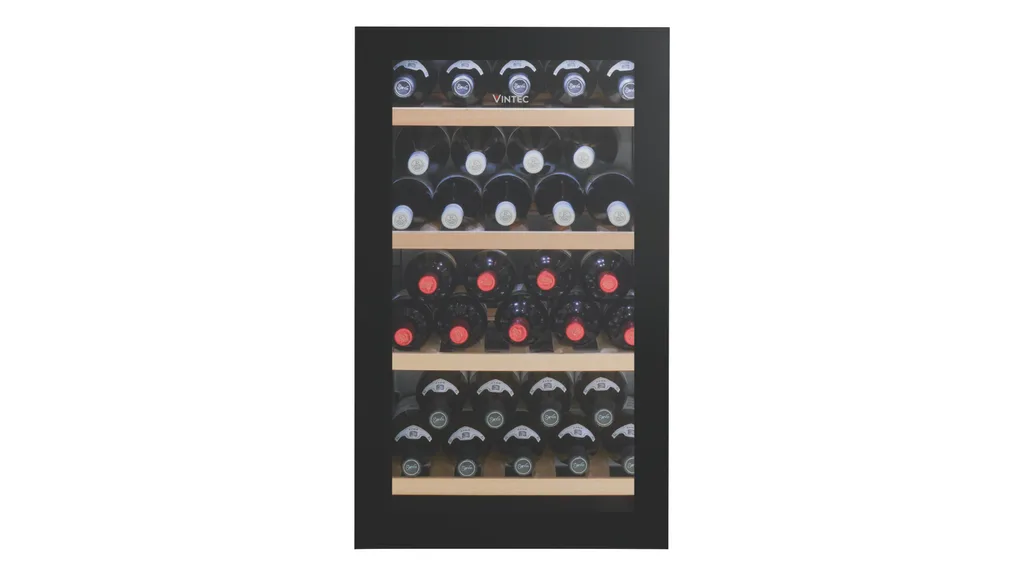
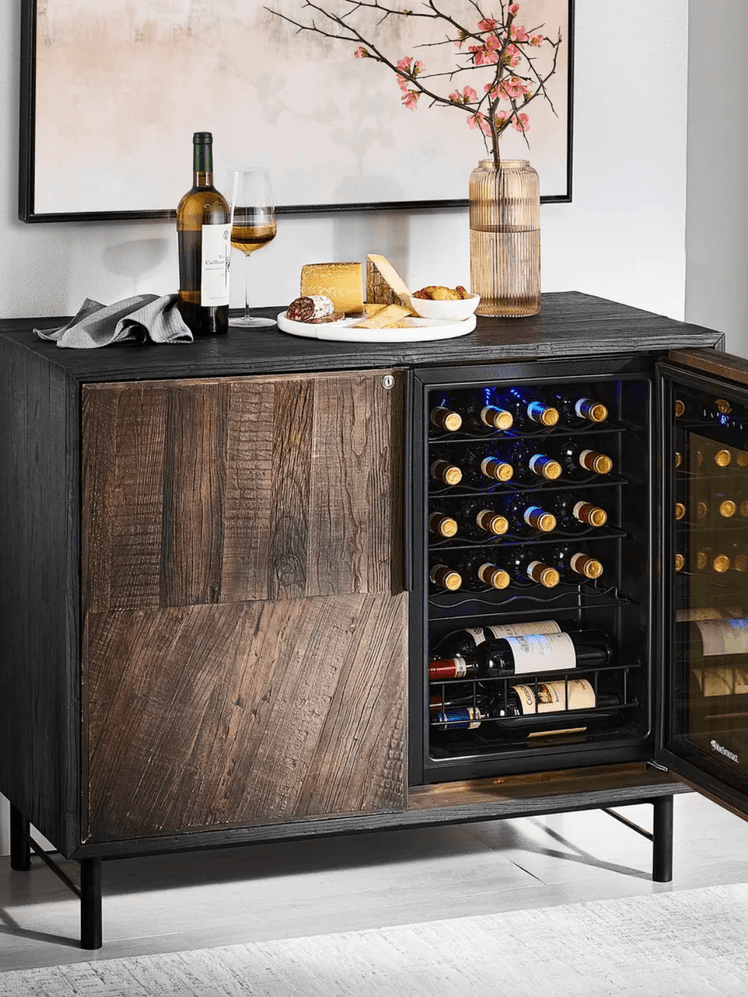
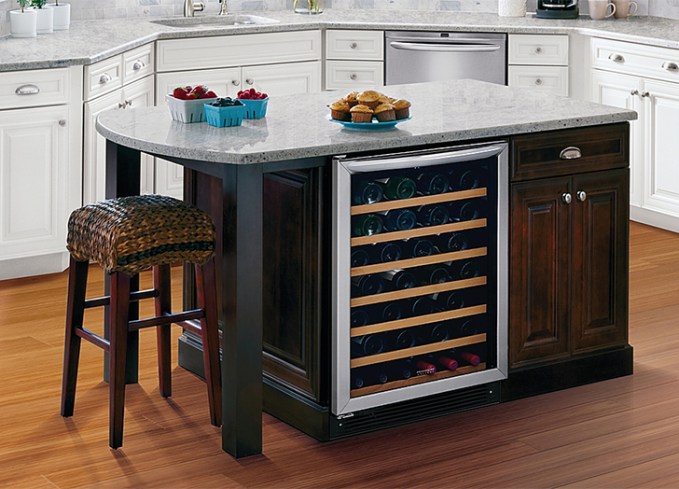
Two main styles of wine fridges are discussed: built-in and freestanding. Built-in units are designed to fit under countertops and vent from the front, preventing heat build-up behind the appliance, which is common with freestanding units that typically vent from the back. Freestanding units are generally less expensive, but the article recommends choosing a built-in model if there's a possibility of future integration into cabinetry, ensuring the vent is front-facing. Additional features to consider include door opening direction, especially in limited spaces, and locking mechanisms for security. UV light protection, provided by tinted or tempered glass windows, is highlighted as a critical feature to shield wine from harmful rays that can degrade flavor.
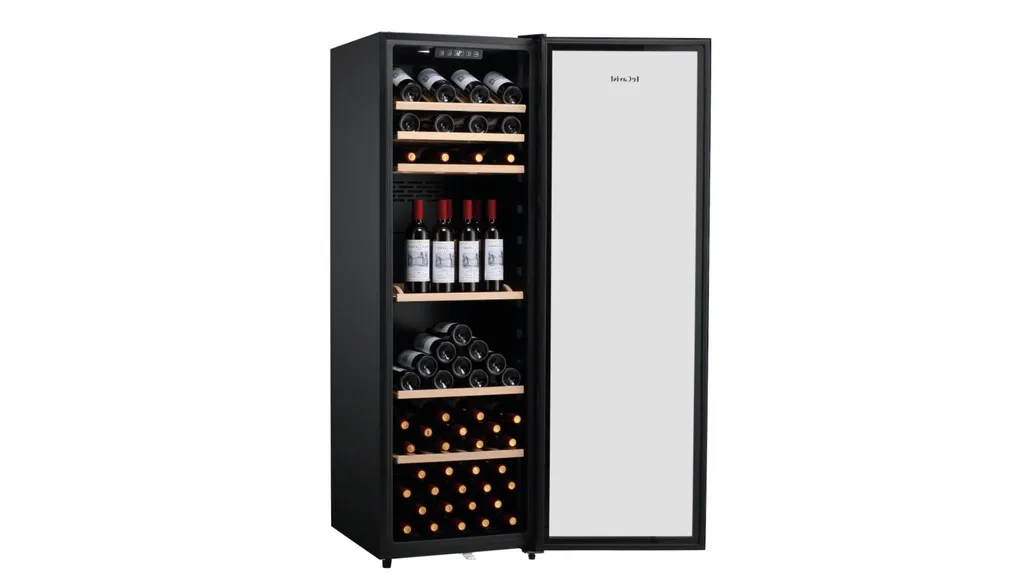
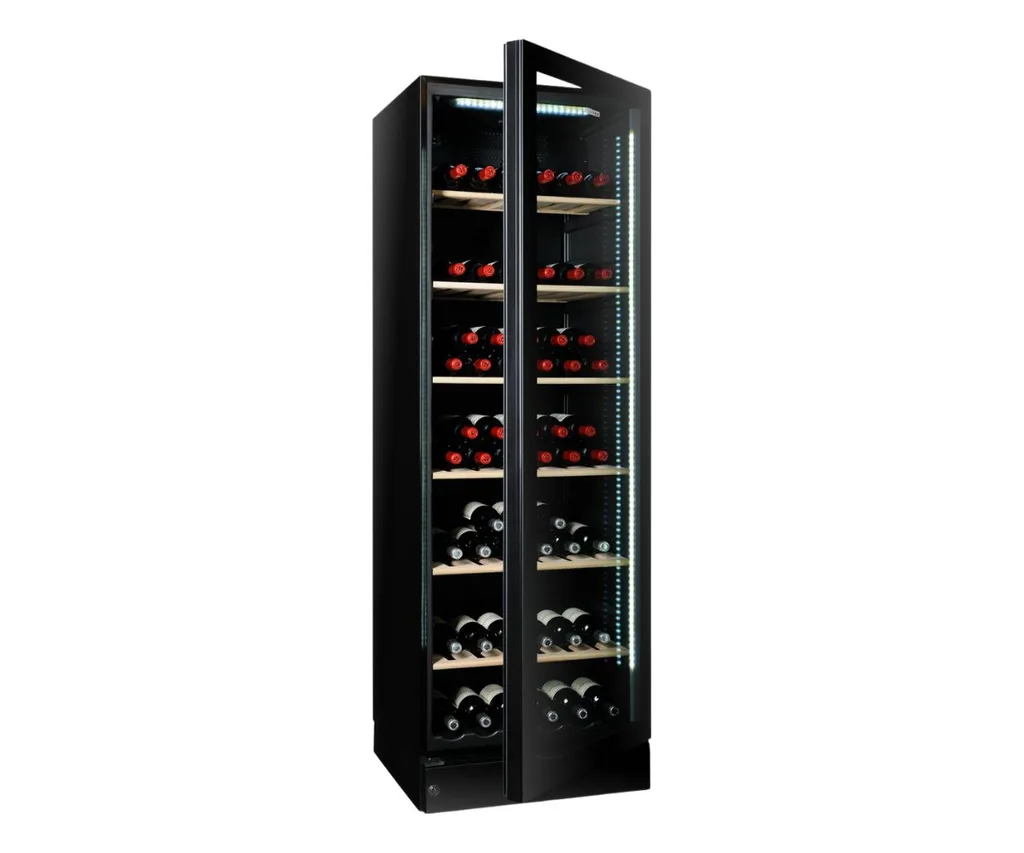
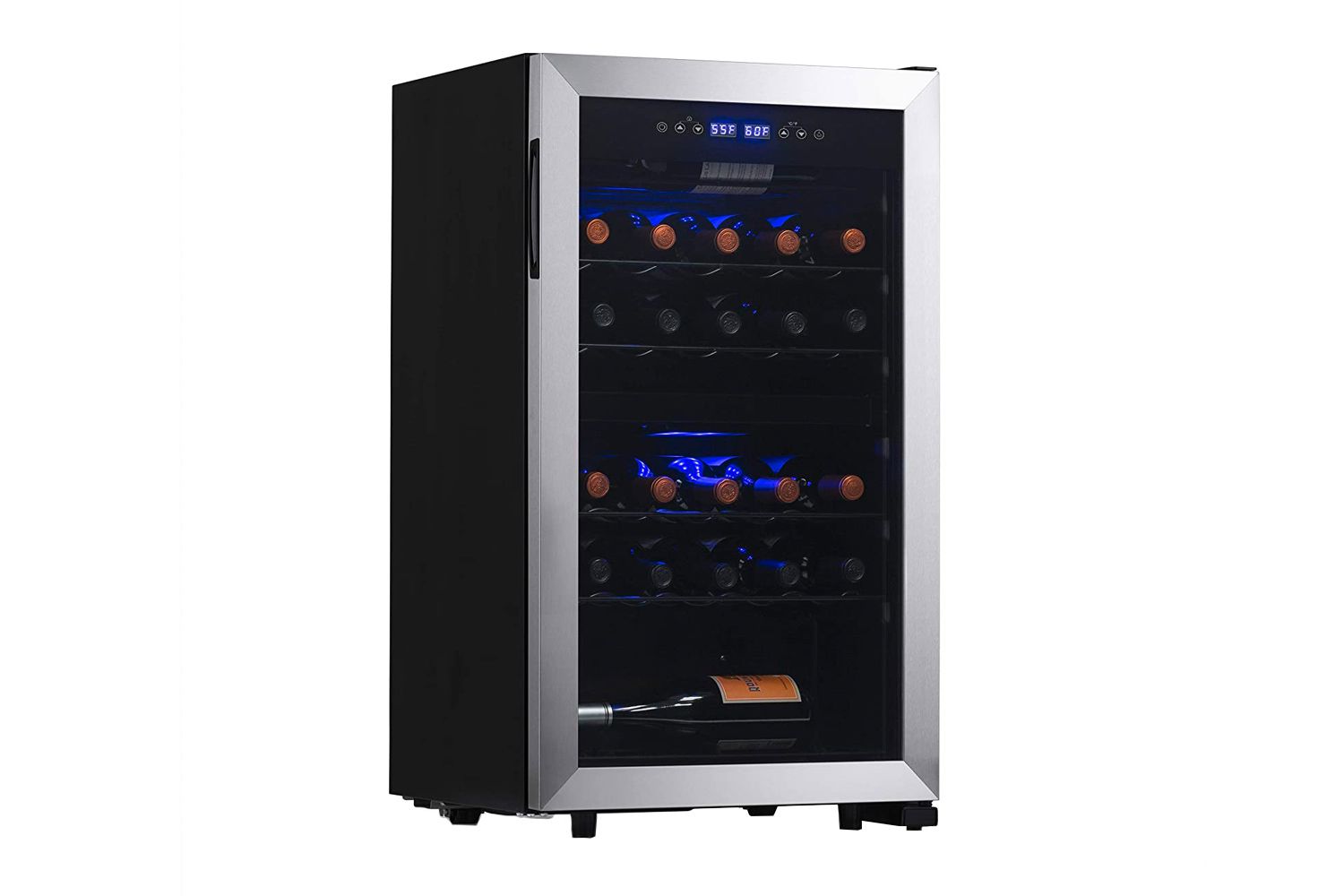
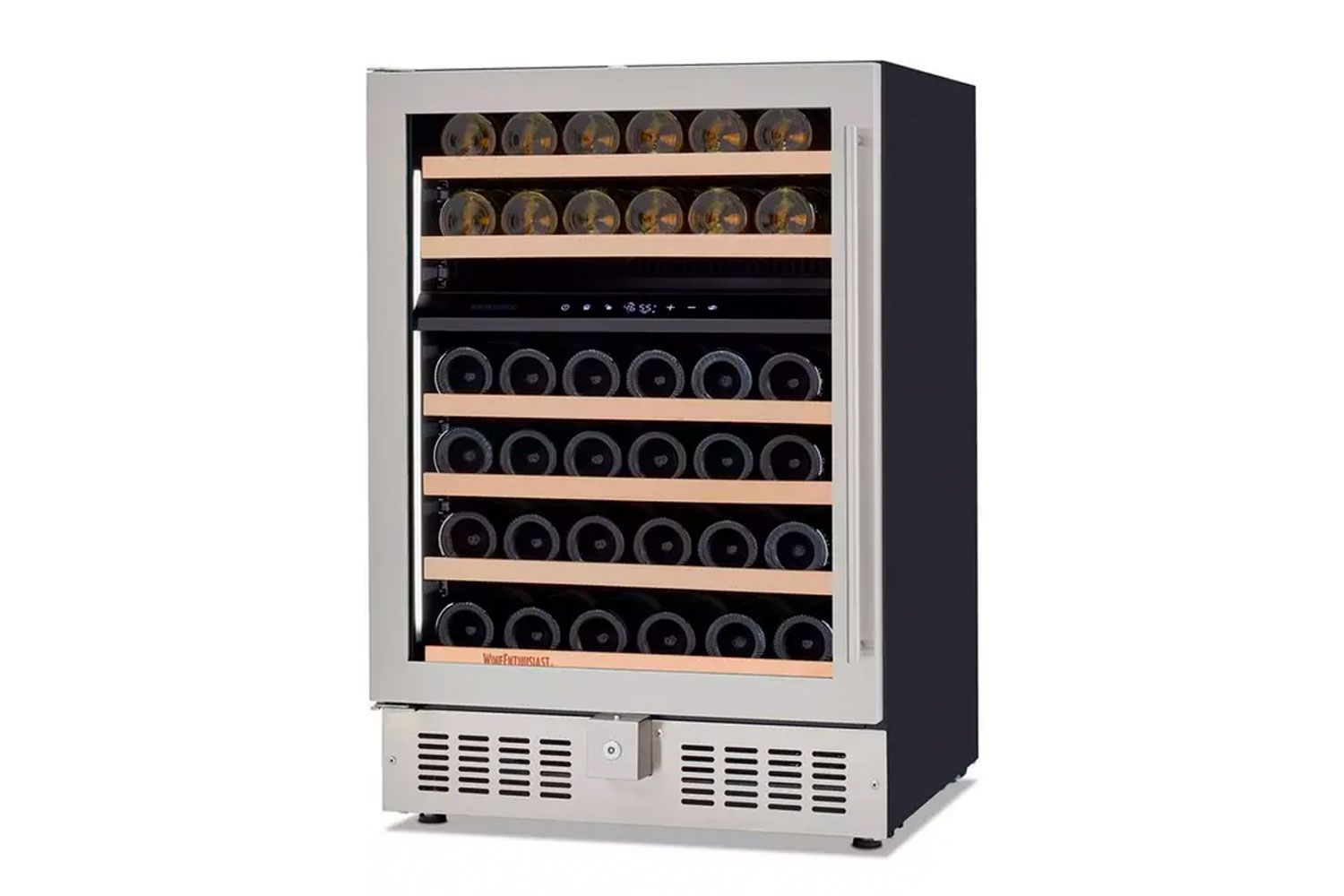
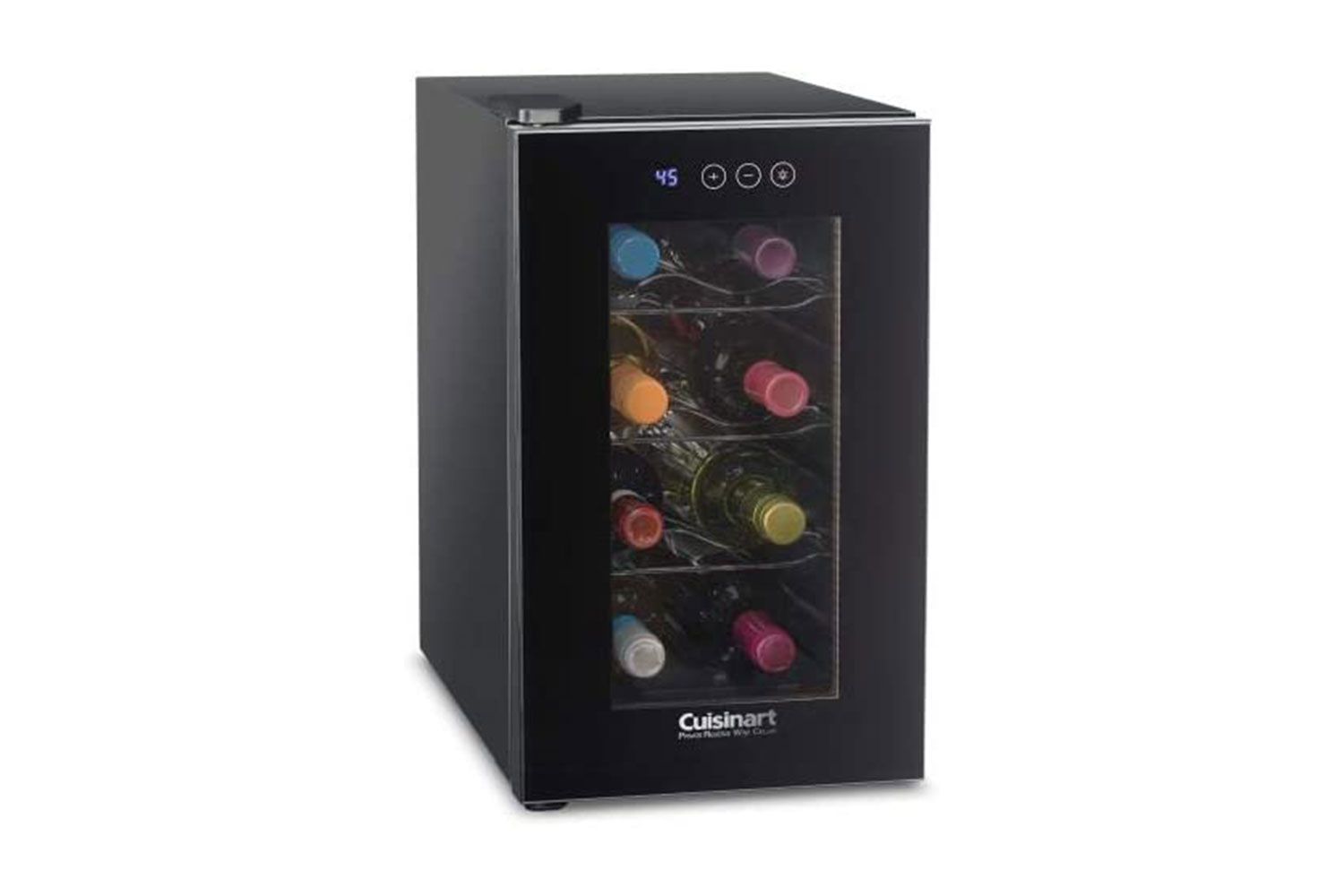
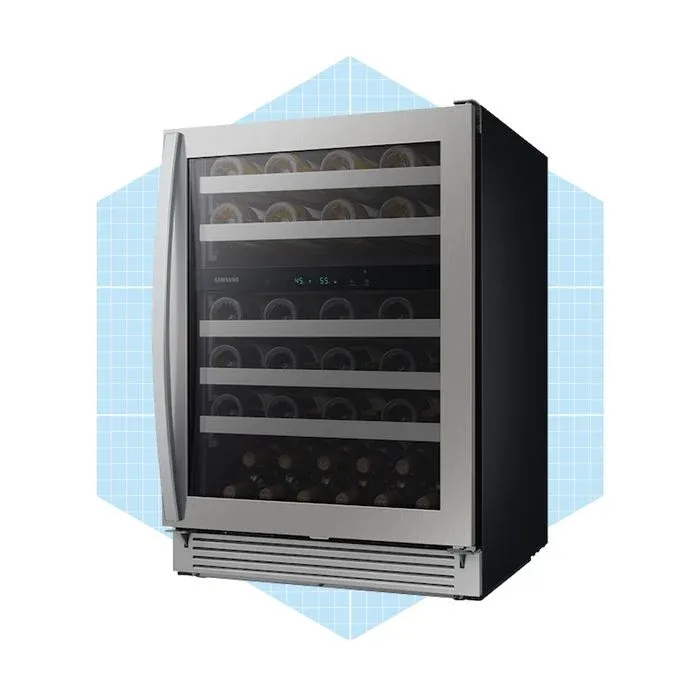
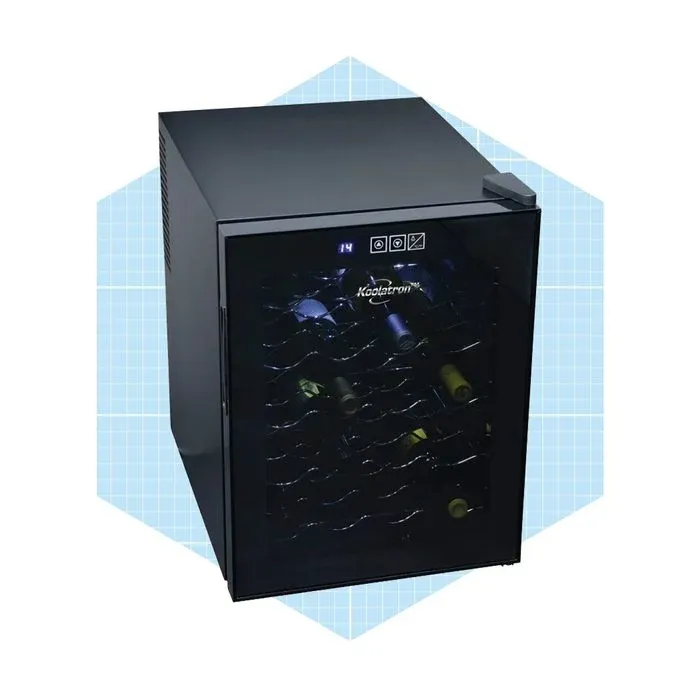
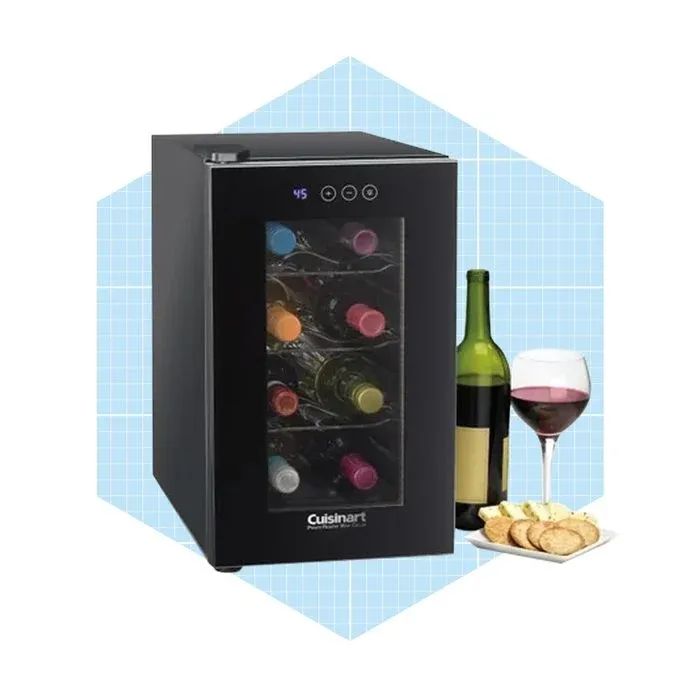
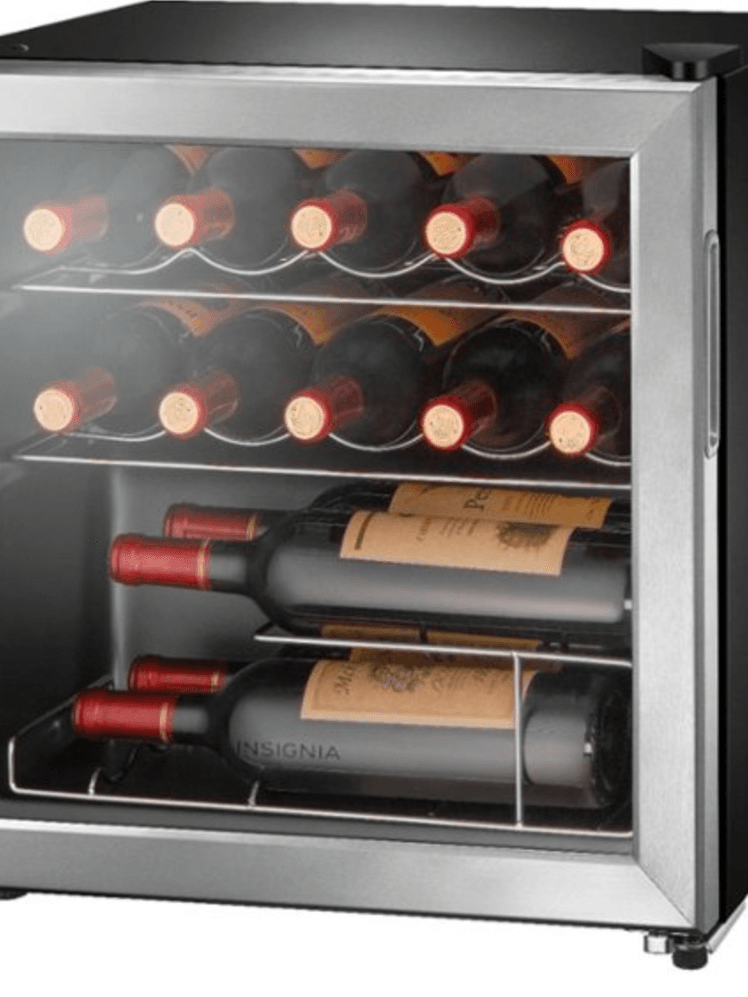
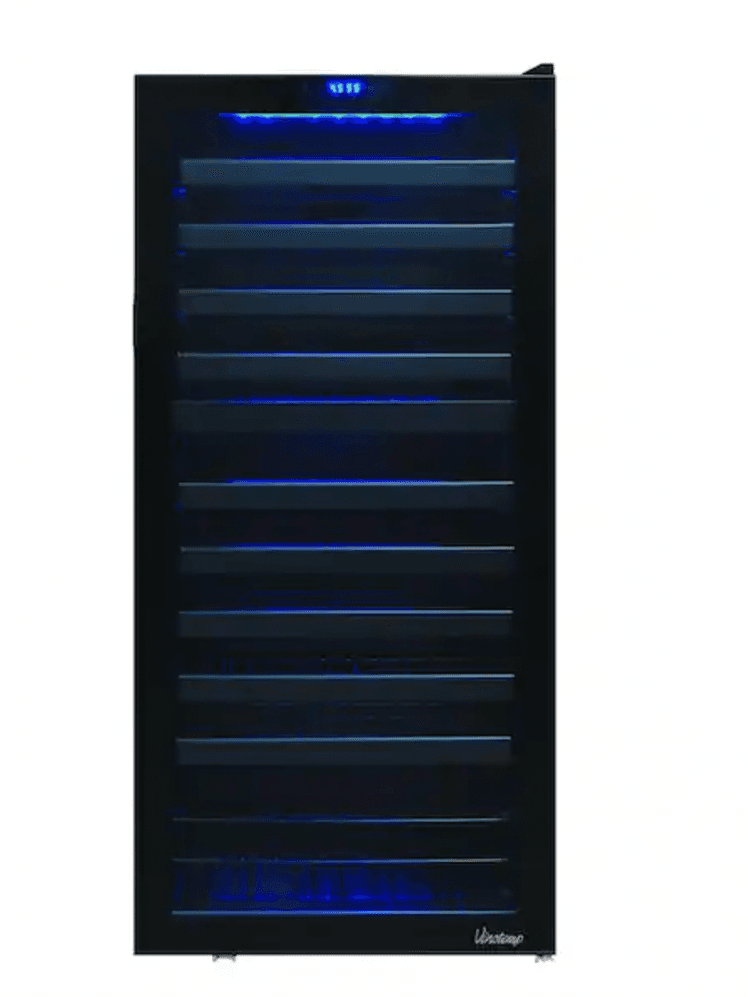
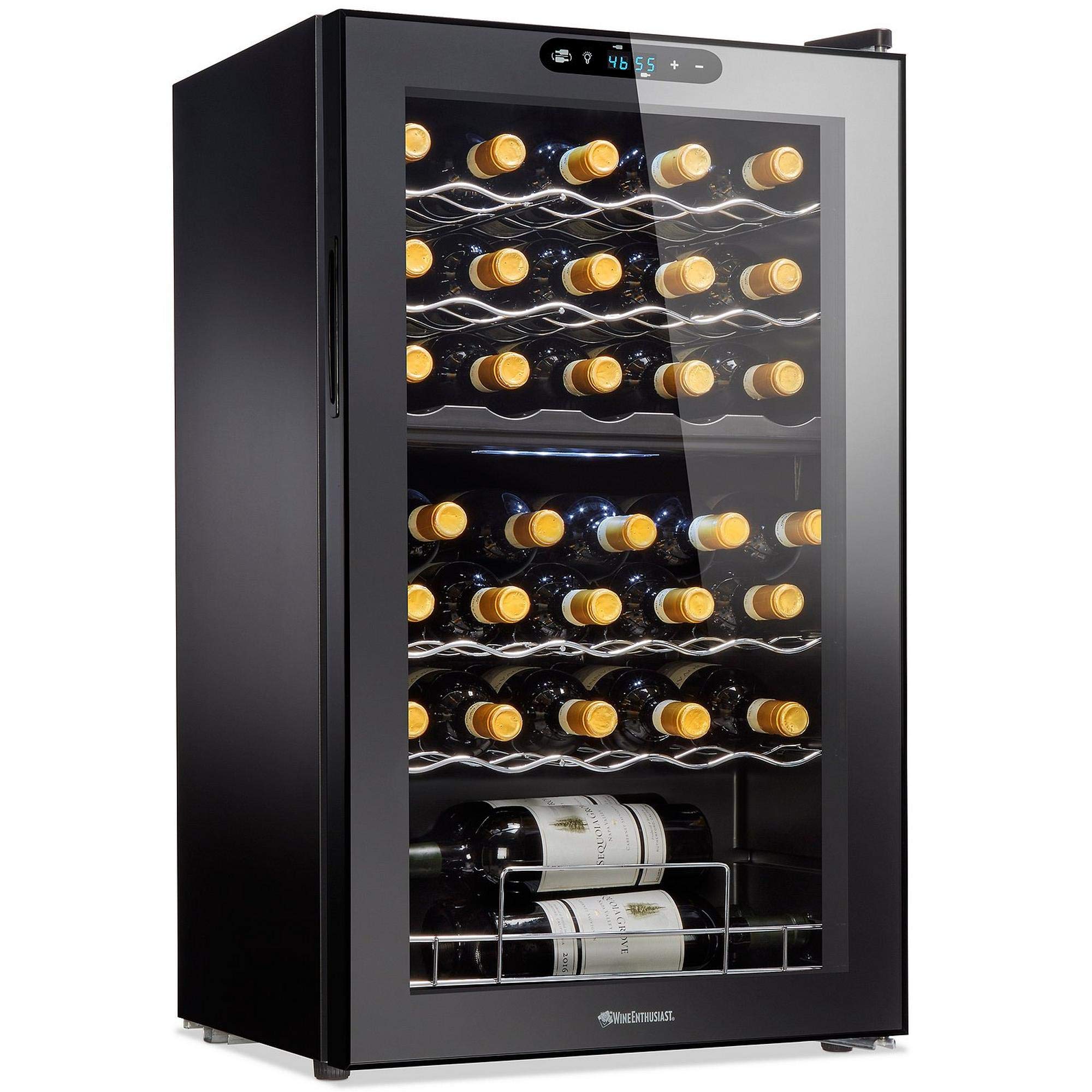
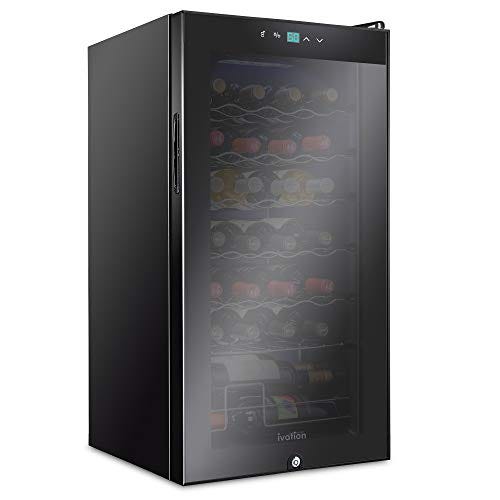
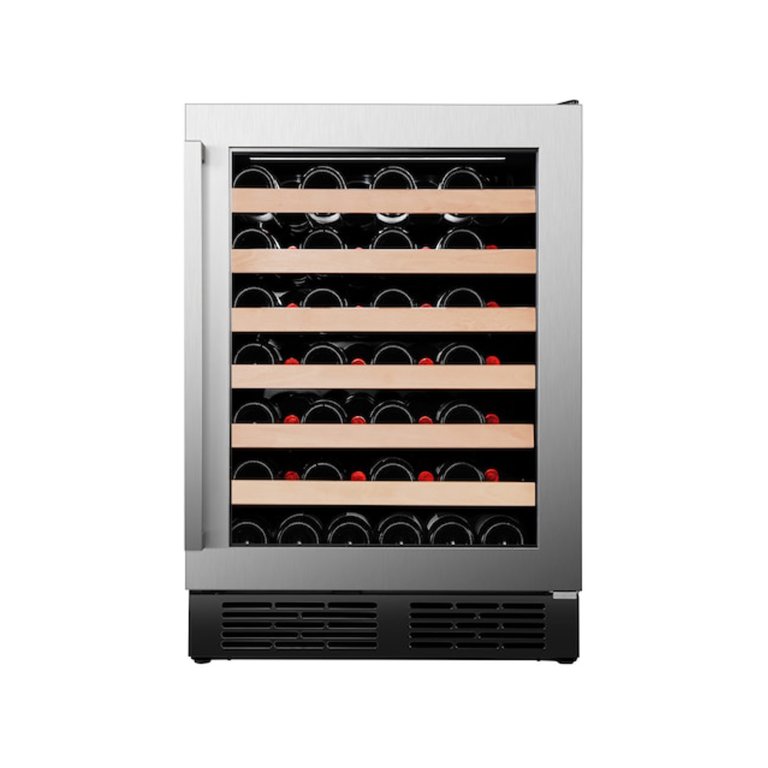
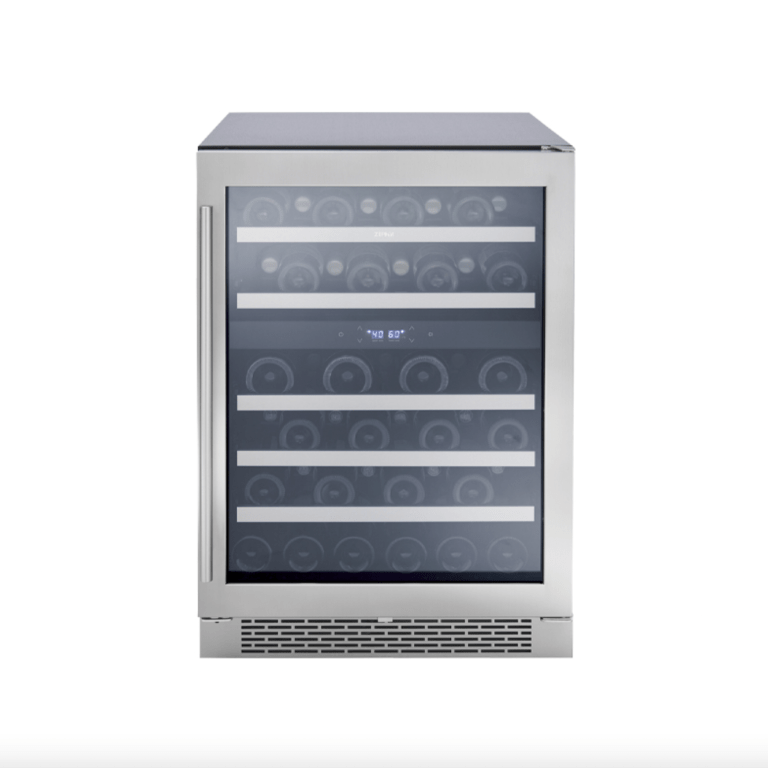
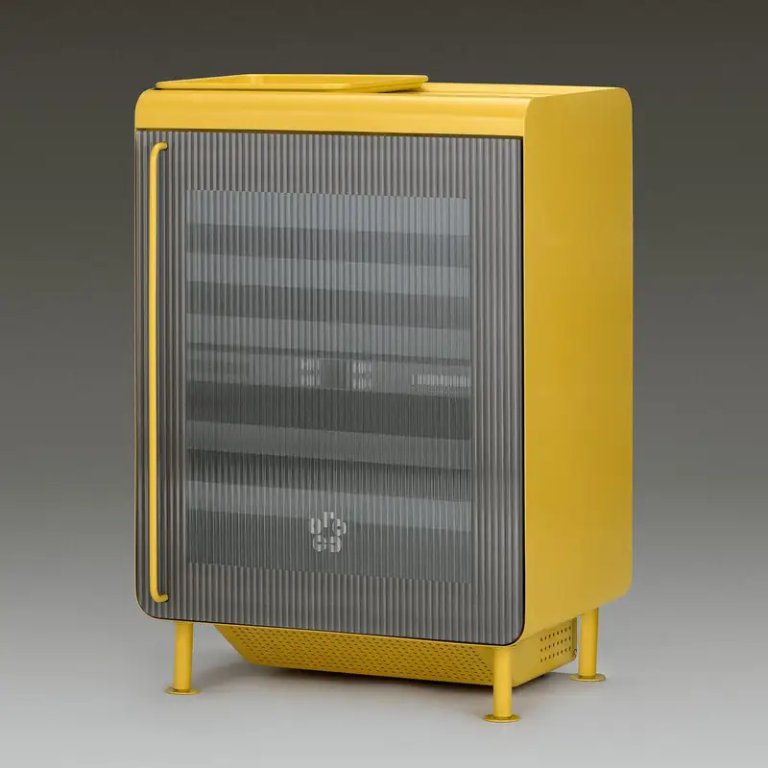
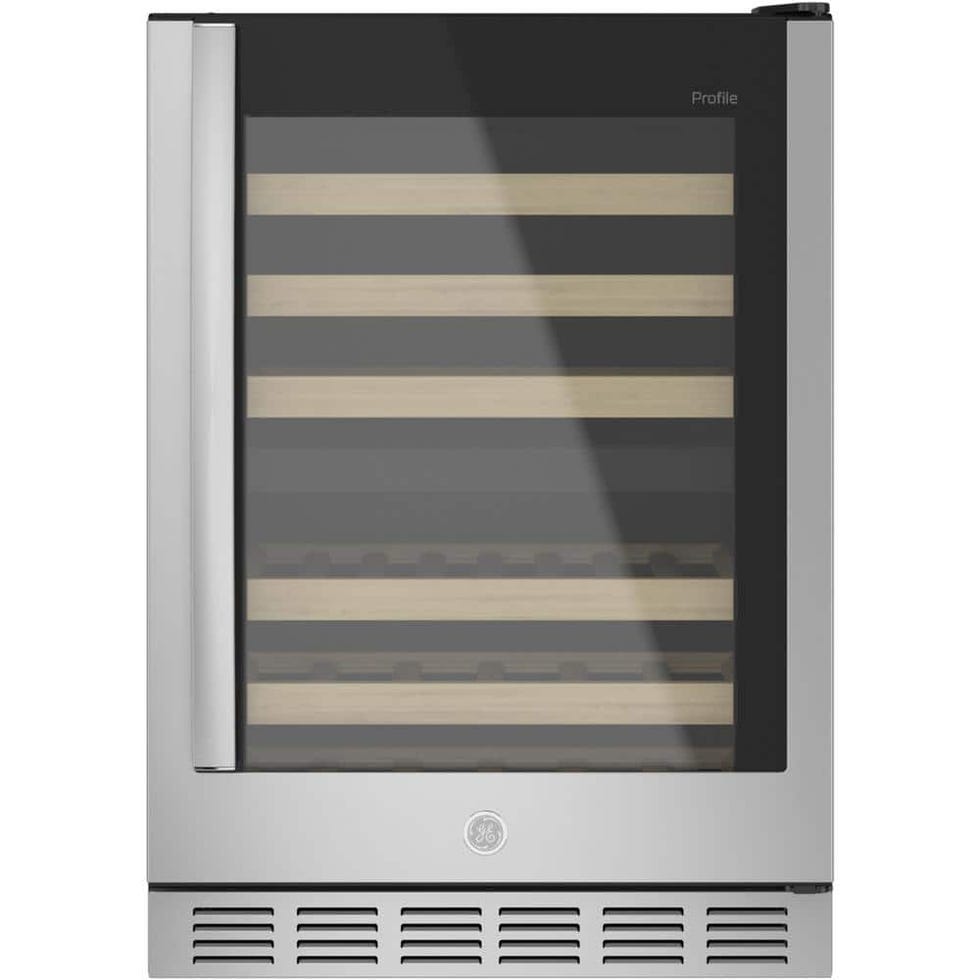
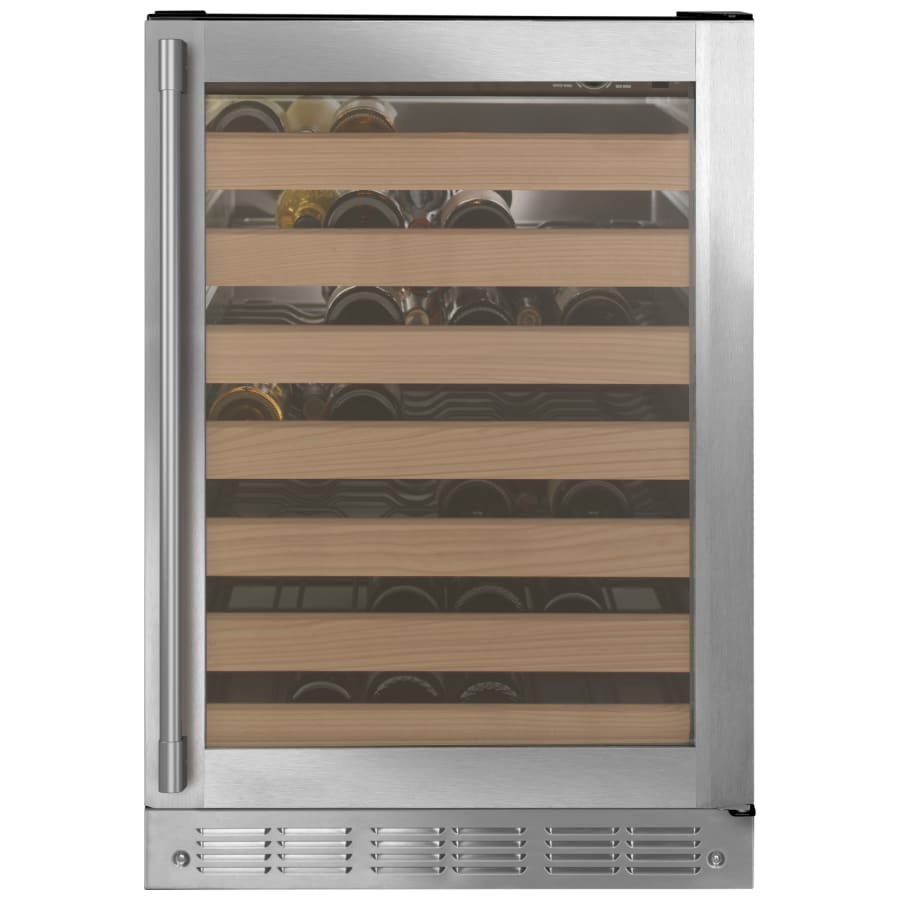
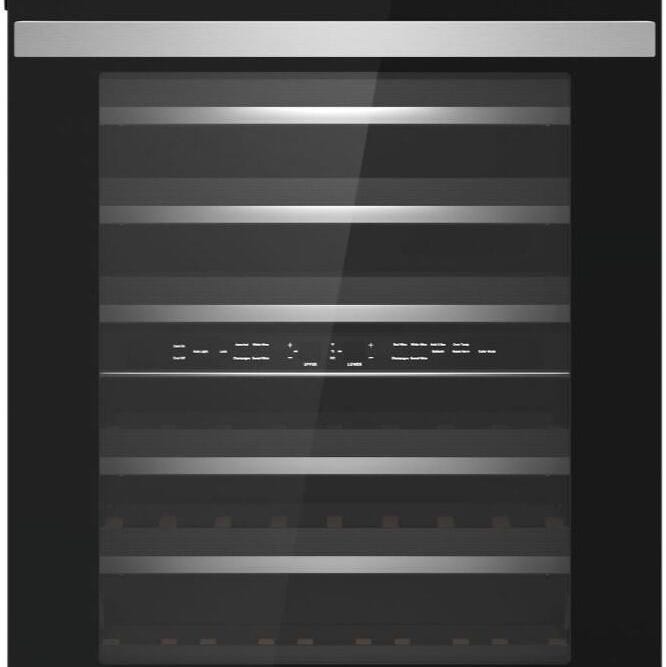
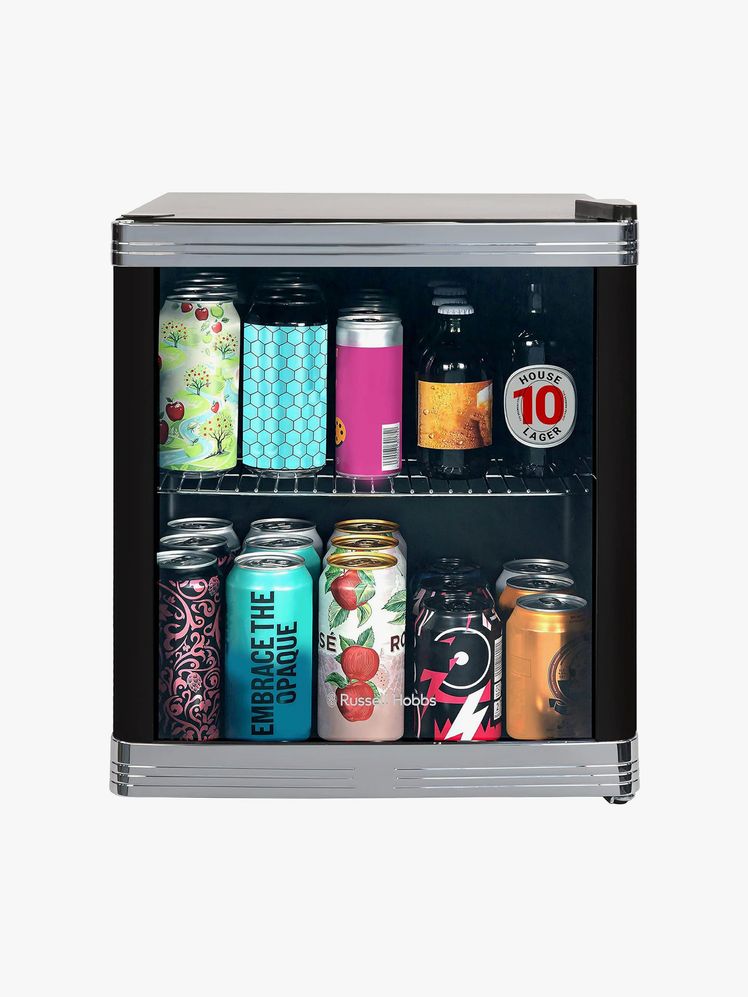
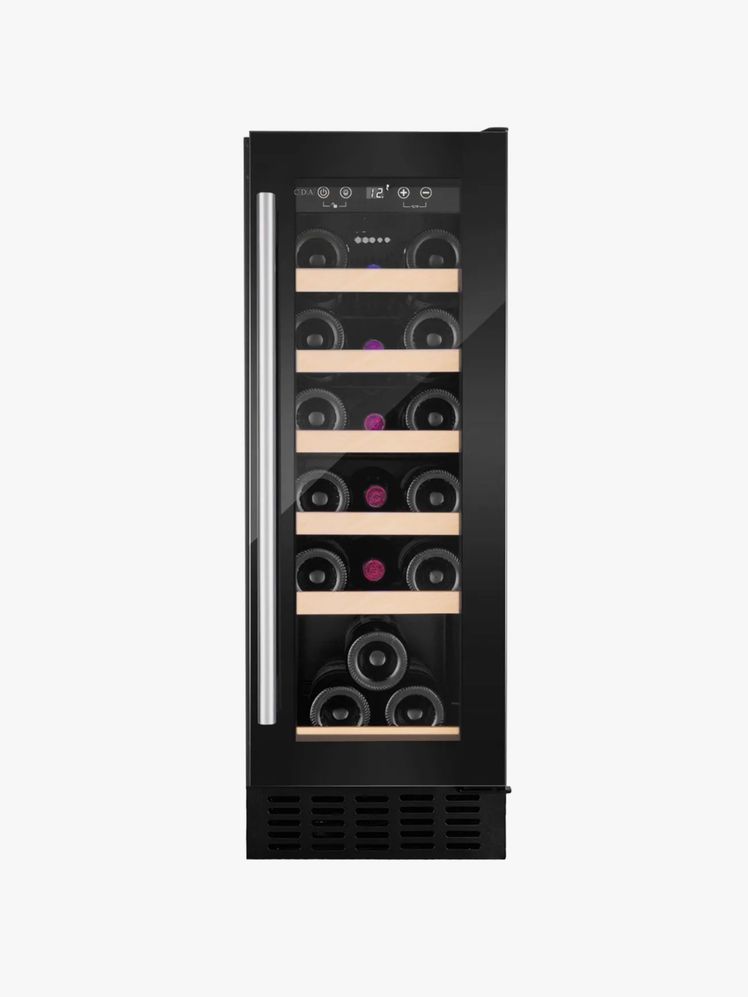
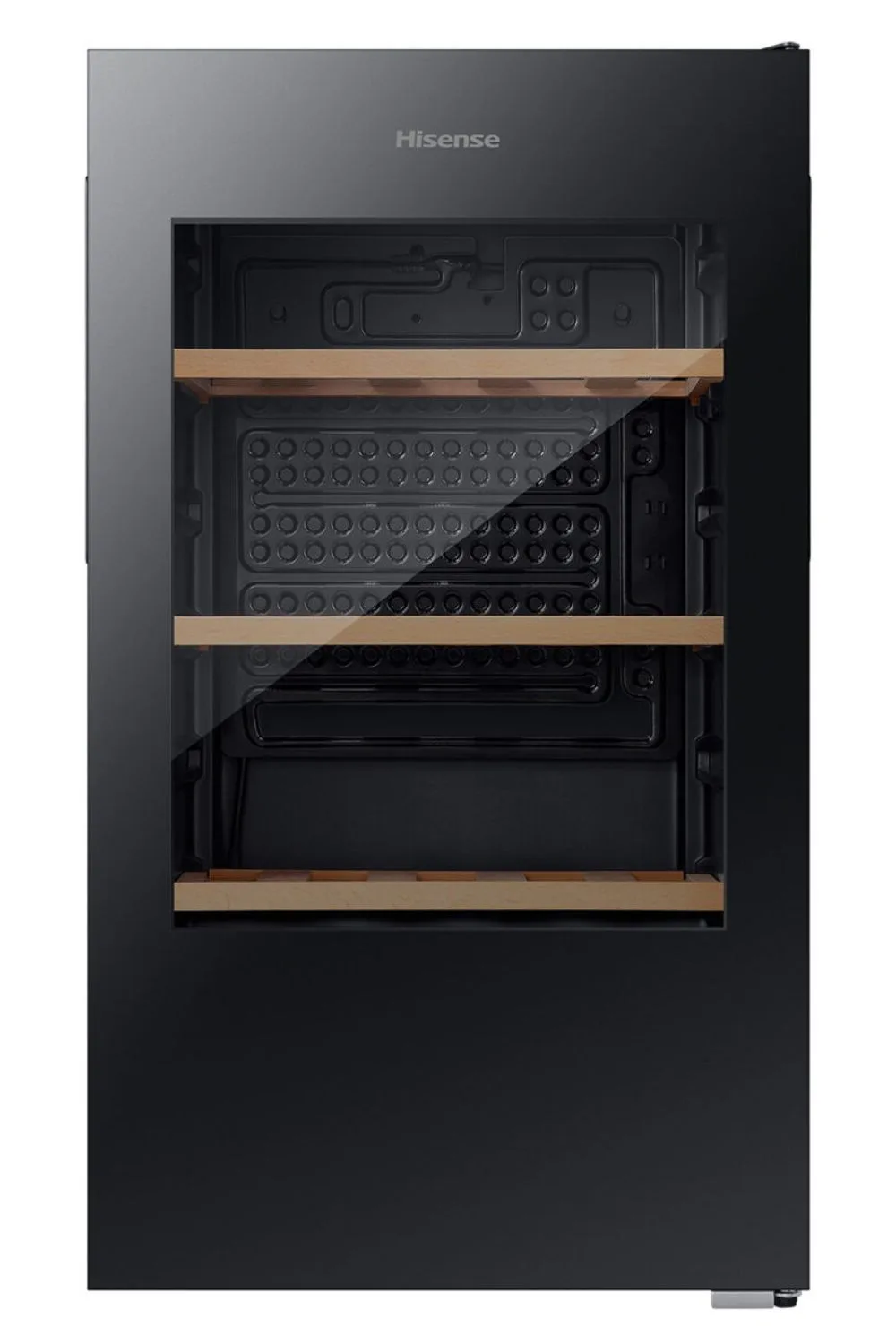
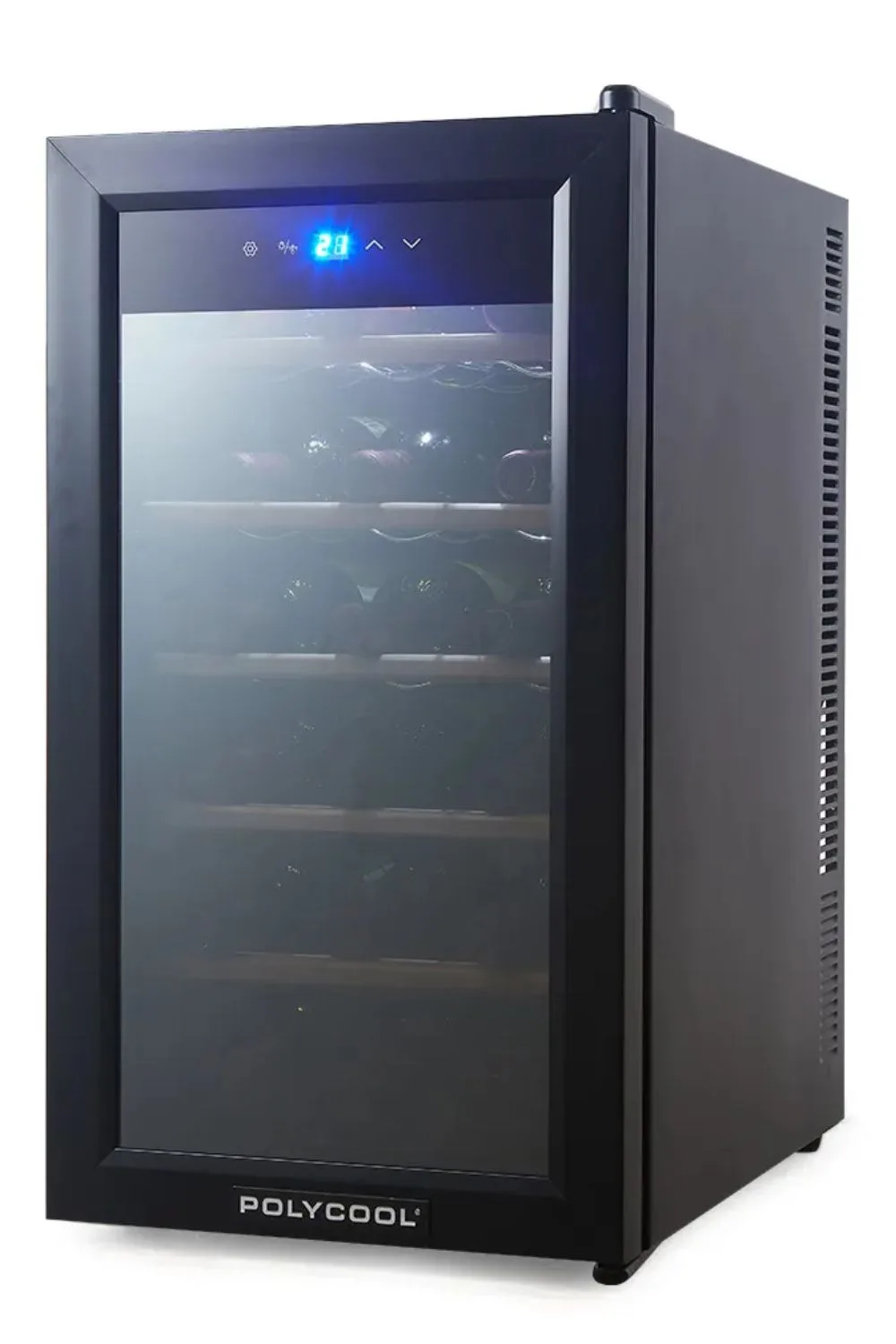
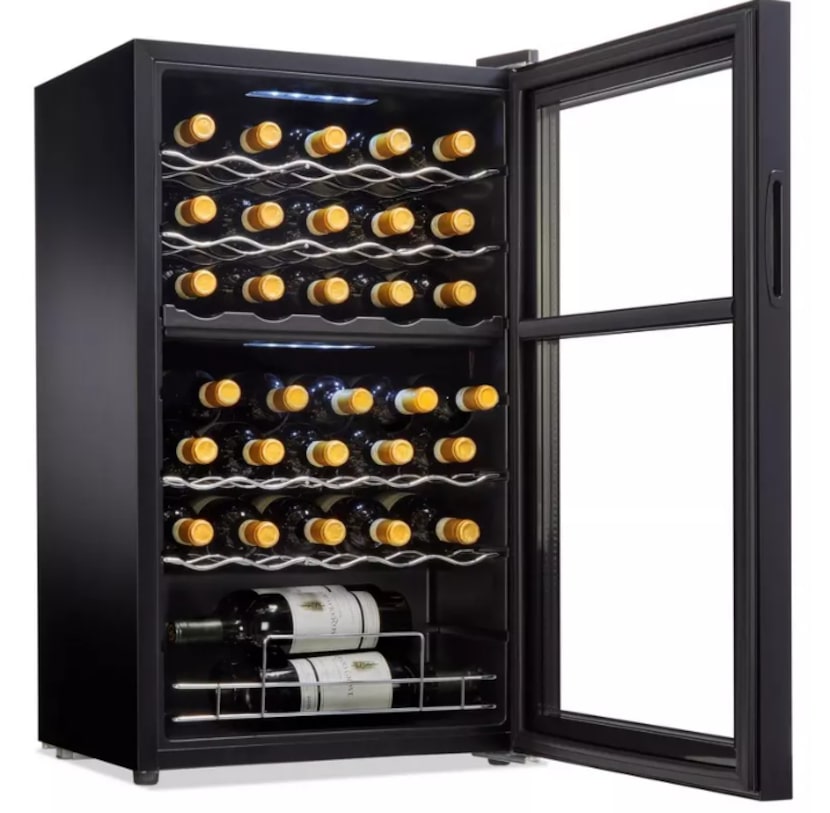
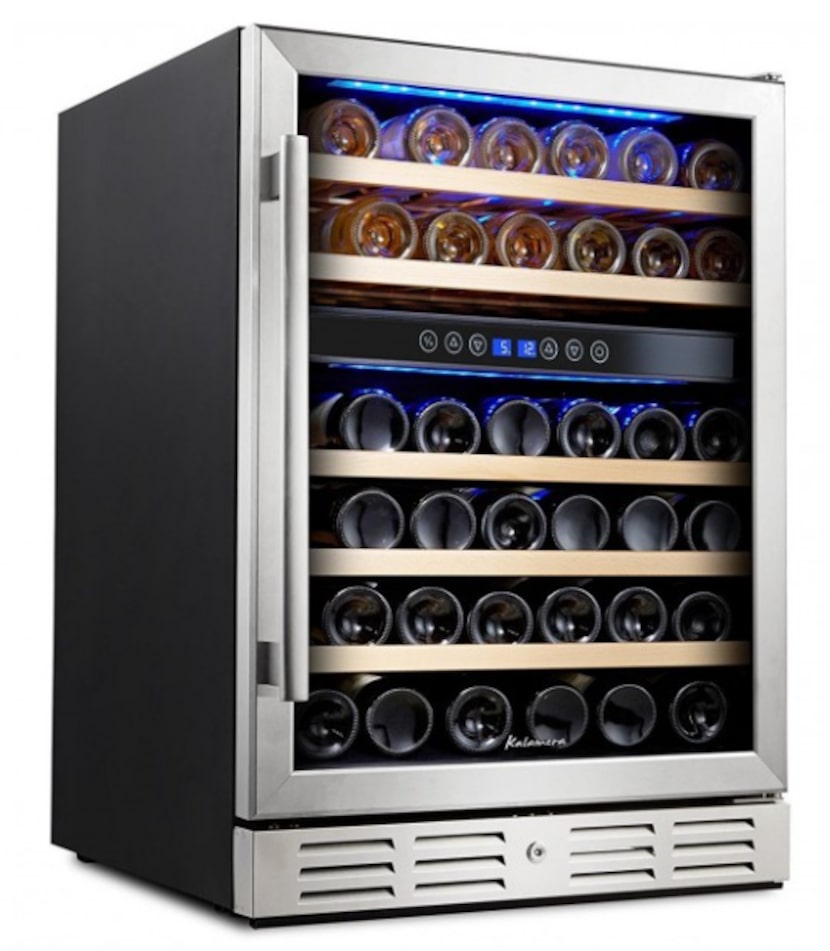
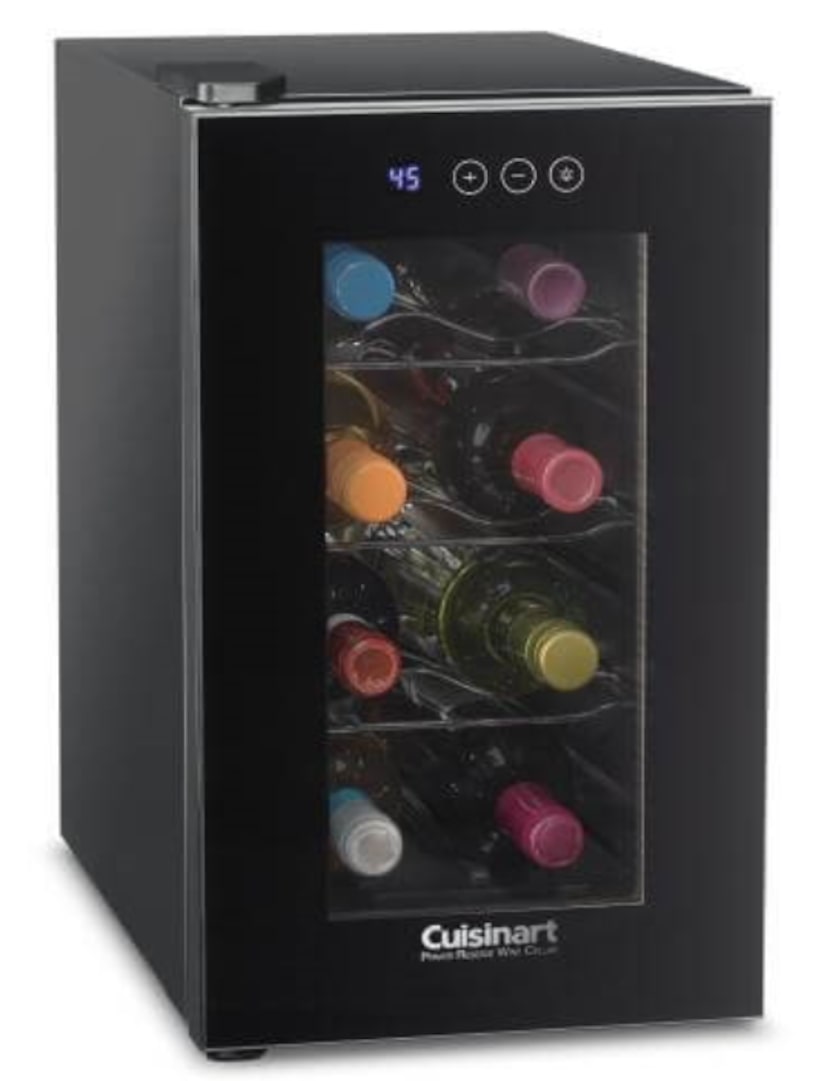
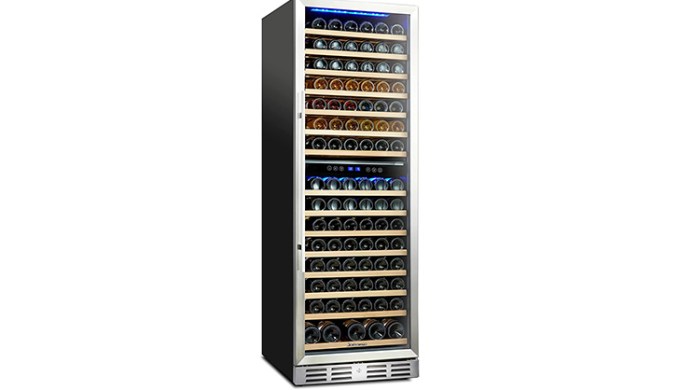
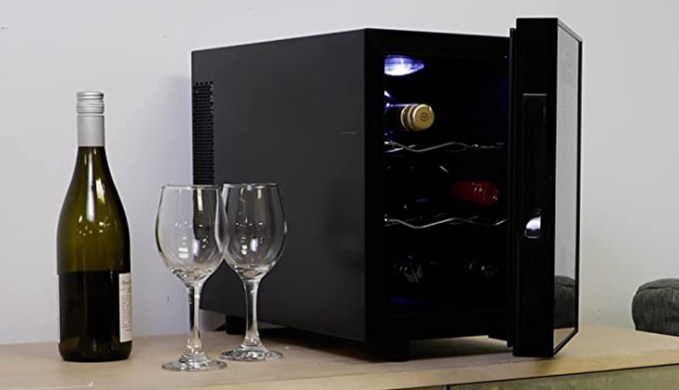
Product recommendations include the Wine Enthusiast Dual Zone Wine Cooler as the best overall, praised for its capacity, removable racks, quiet operation, and dual-zone cooling. The Honeywell Compressor Wine Cooler is presented as the best budget option, offering a respectable capacity and wide temperature range despite lacking dual-zone cooling. For larger collections, the Lanbo Black Cabinet Dual Zone Cooling freestanding Indoor Wine Cooler is recommended for its extensive 162-bottle capacity and separate cooling zones. The Ivation Black Freestanding Indoor Wine Cooler serves as the best small option, suitable for limited spaces. The Hisense Stainless Steel Built-In Indoor Wine Cooler is noted for its soft-close shelving, fingerprint-resistant design, and alarm system, while the Kalamera Dual Zone Built-in or Freestanding Fridge stands out for its thermoelectric, vibration-free cooling system. Lastly, the Bodega Wine and Beverage Refrigerator is presented as the best for storage versatility, accommodating both wine bottles and beverage cans, and featuring smart app control for remote temperature adjustment.
#WineFridges #WineStorage #HomeAppliances #TemperatureControl #DualZoneCooling #HomeBar #KitchenGadgets #BeverageCoolers #HomeImprovement #WineFridges #WineStorage #HomeAppliances #TemperatureControl #DualZoneCooling #HomeBar #KitchenGadgets #BeverageCoolers #HomeImprovement
0 comment in total
 No comments yet
You may also like
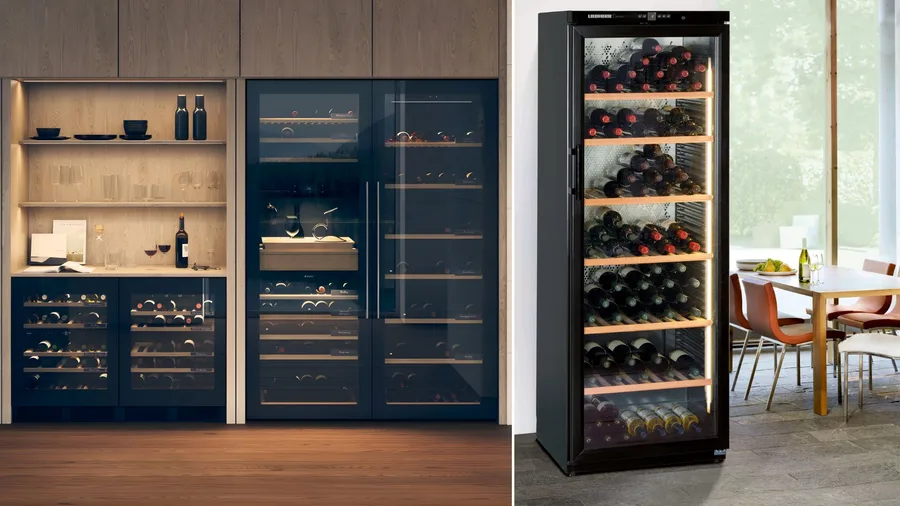
8 of the best wine fridges and cabinets to store, serve and savour your wine

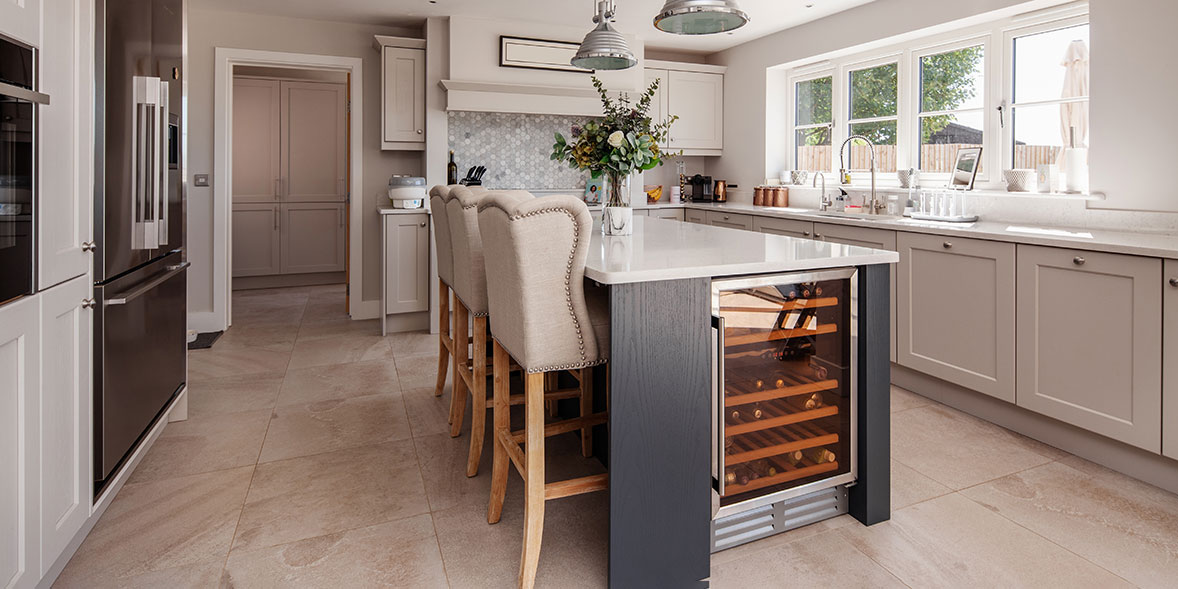
Best wine coolers and wine fridges
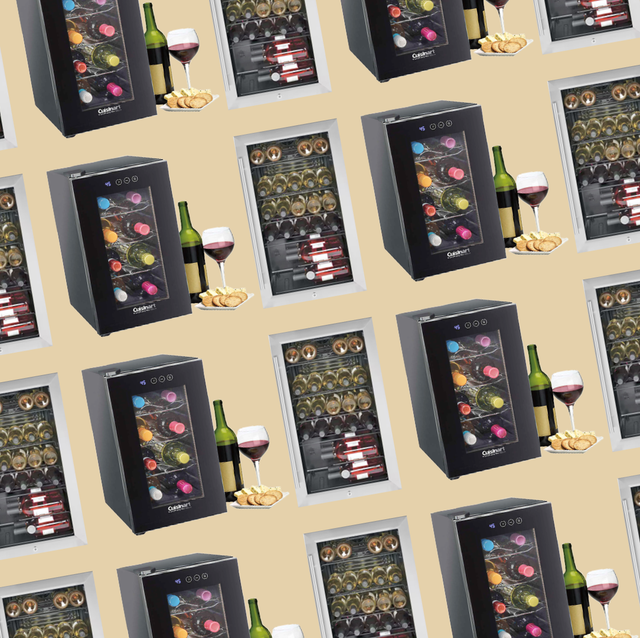
The 9 Best Wine Fridges to Buy If You Don’t Have a Full Cellar


The 8 storage mistakes you're making with your wine at home, according to a wine expert

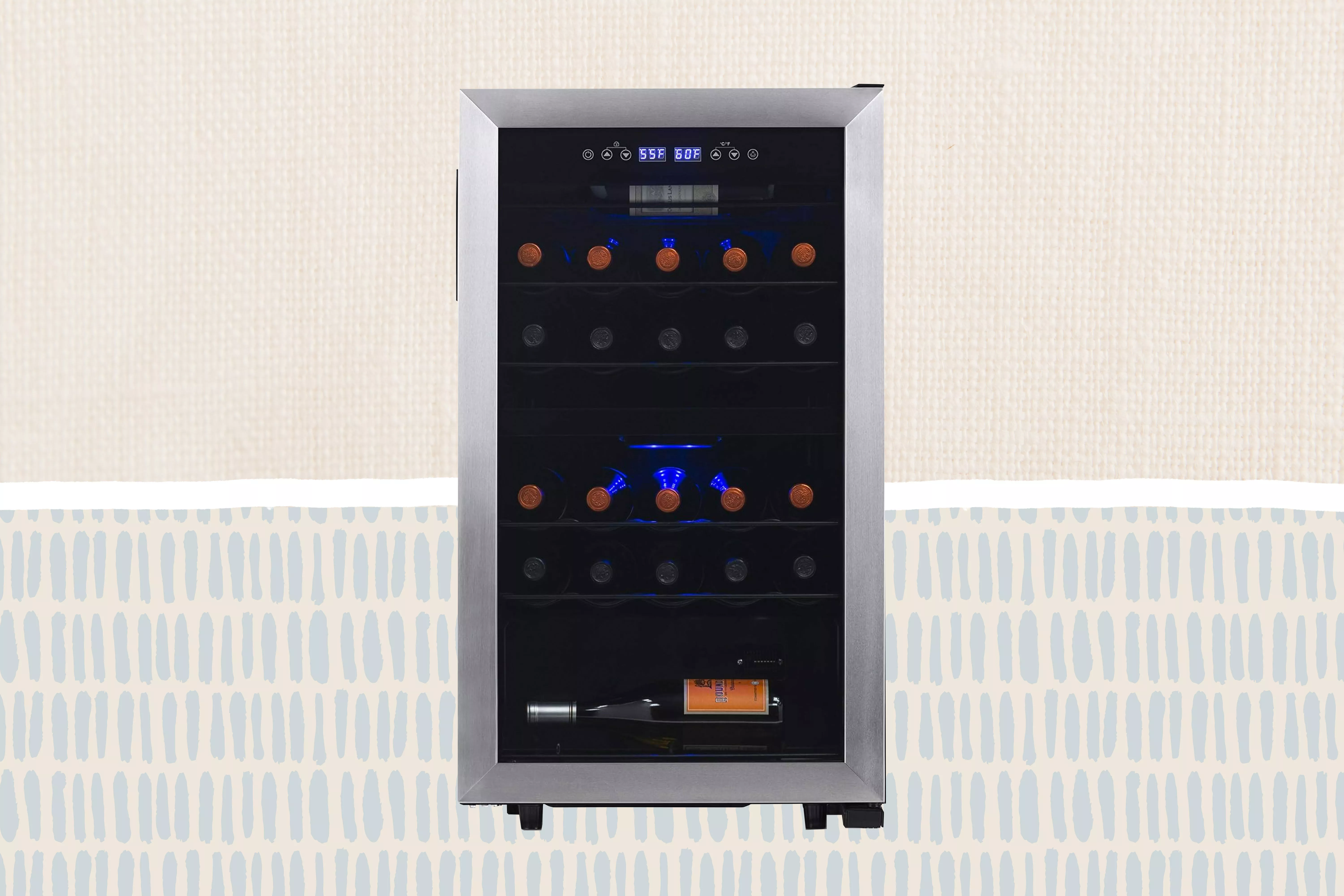
The 3 Best Wine Fridges for Storing All Your Favorite Reds and Whites

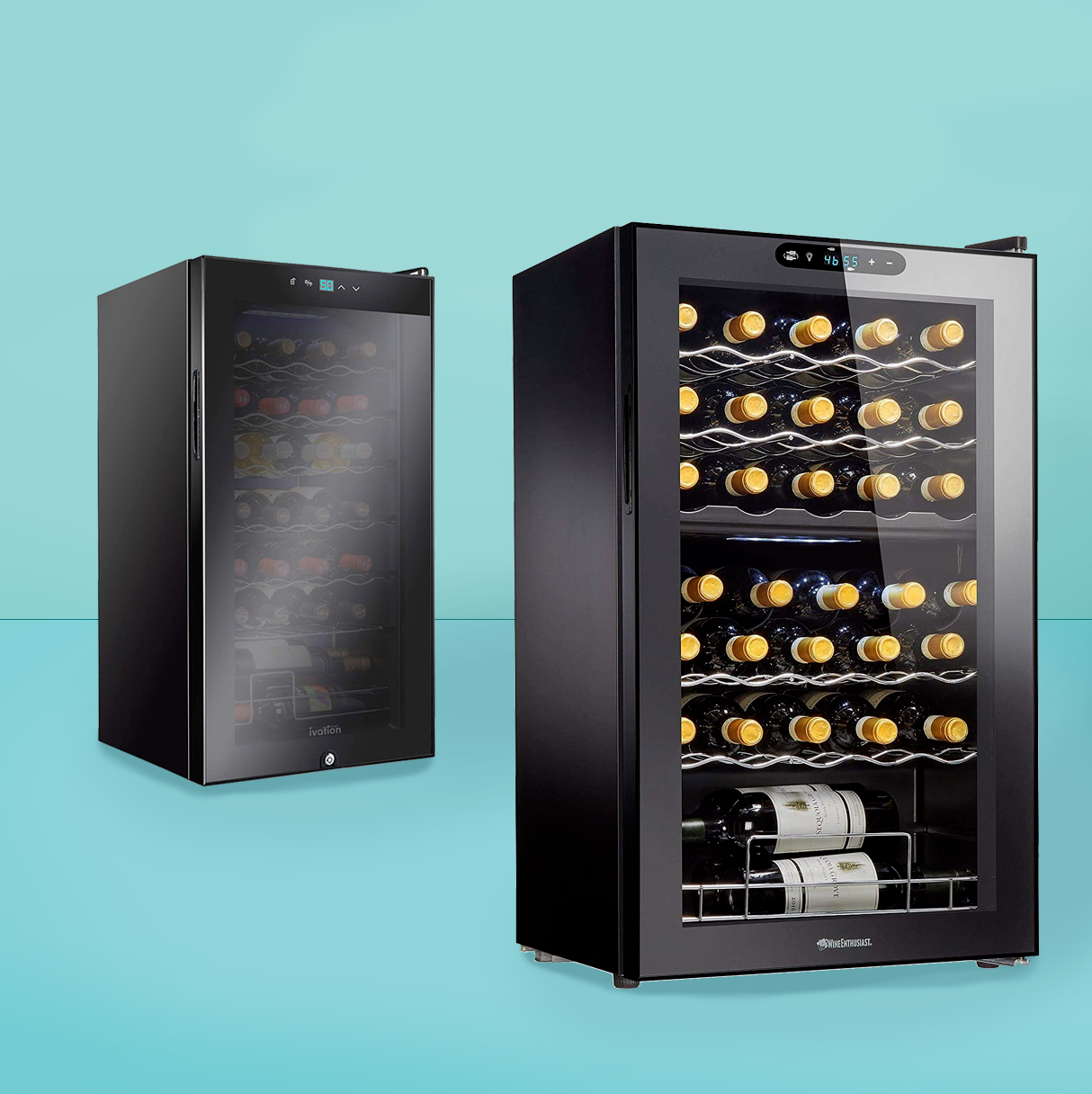
The Best Wine Fridges for Any Budget

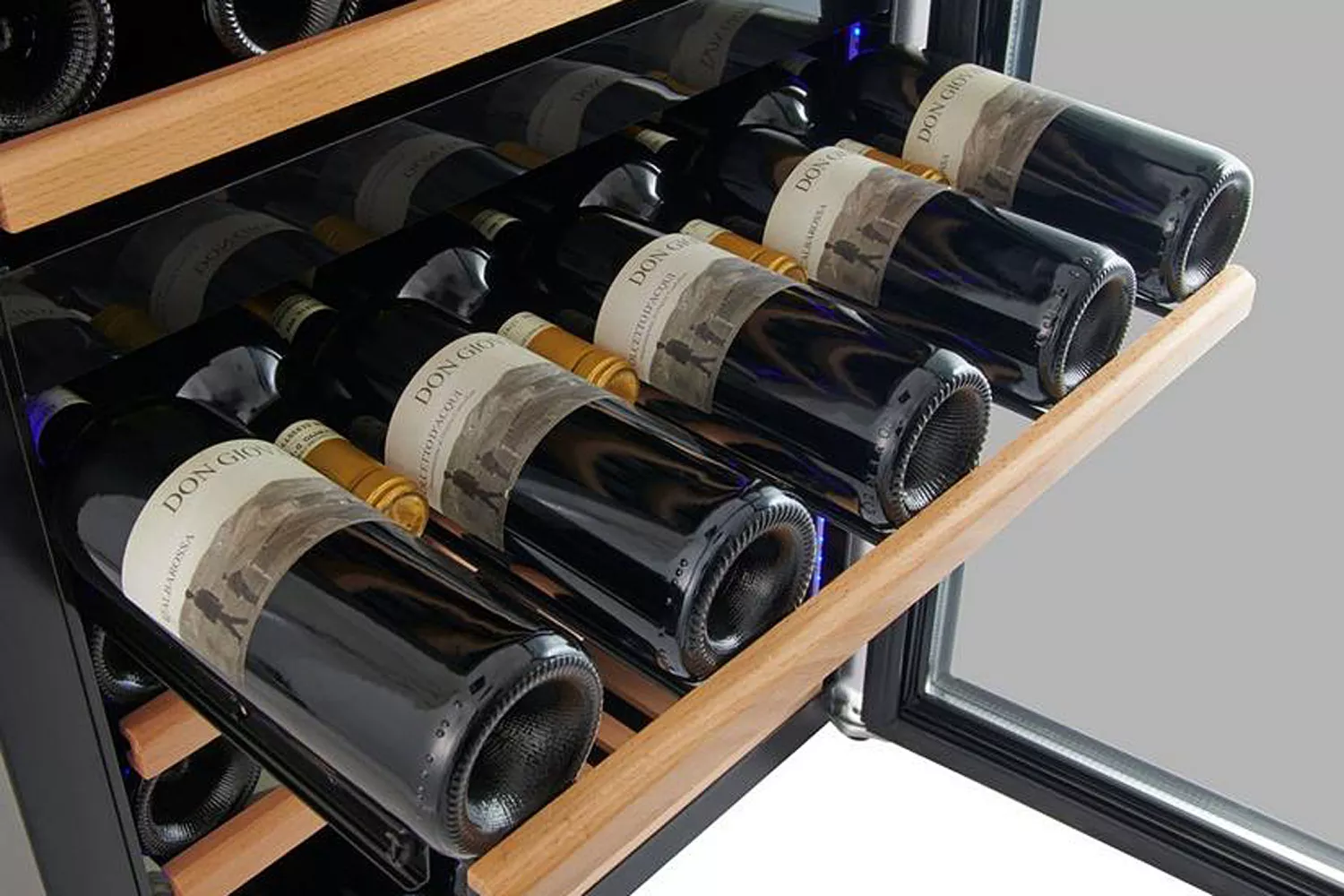
This Sleek, Quiet, and Stylish Wine Fridge Is the New Centerpiece of My Dining Room


5 standout wine refrigerators that will elevate your holiday entertaining
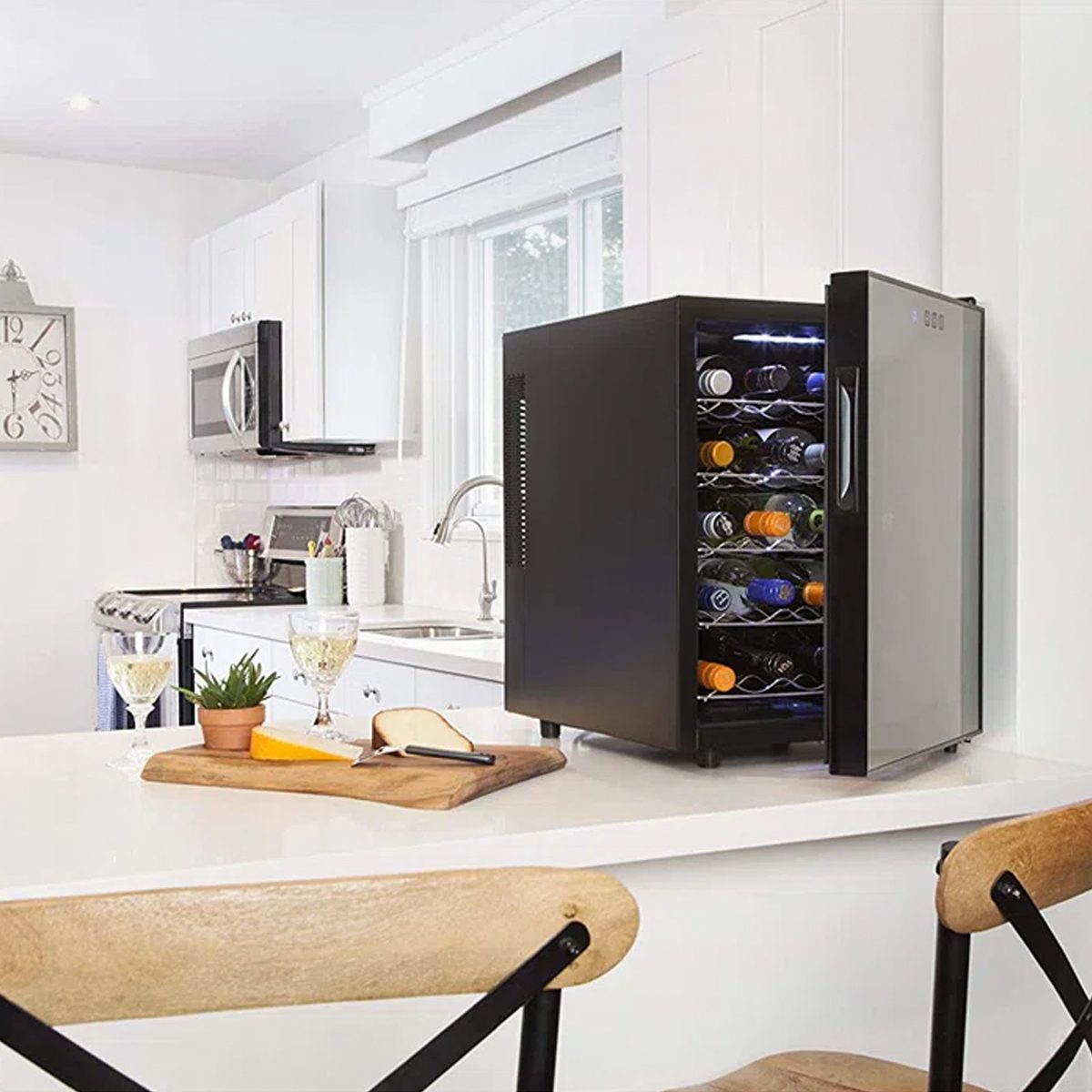
The 6 Best Wine Fridges and Wine Coolers for Vino Connoisseurs

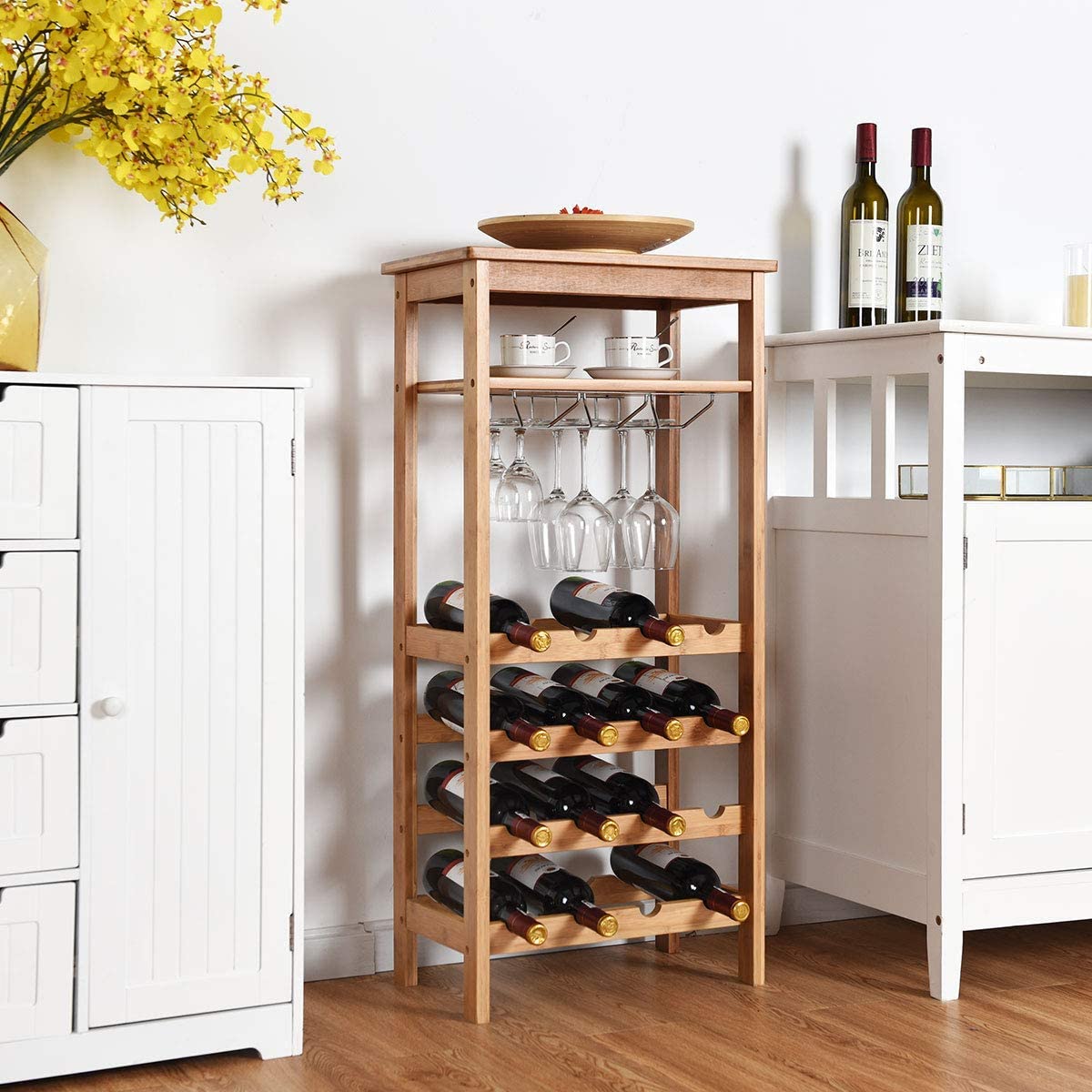
The Best Wine Racks for Display and Storage

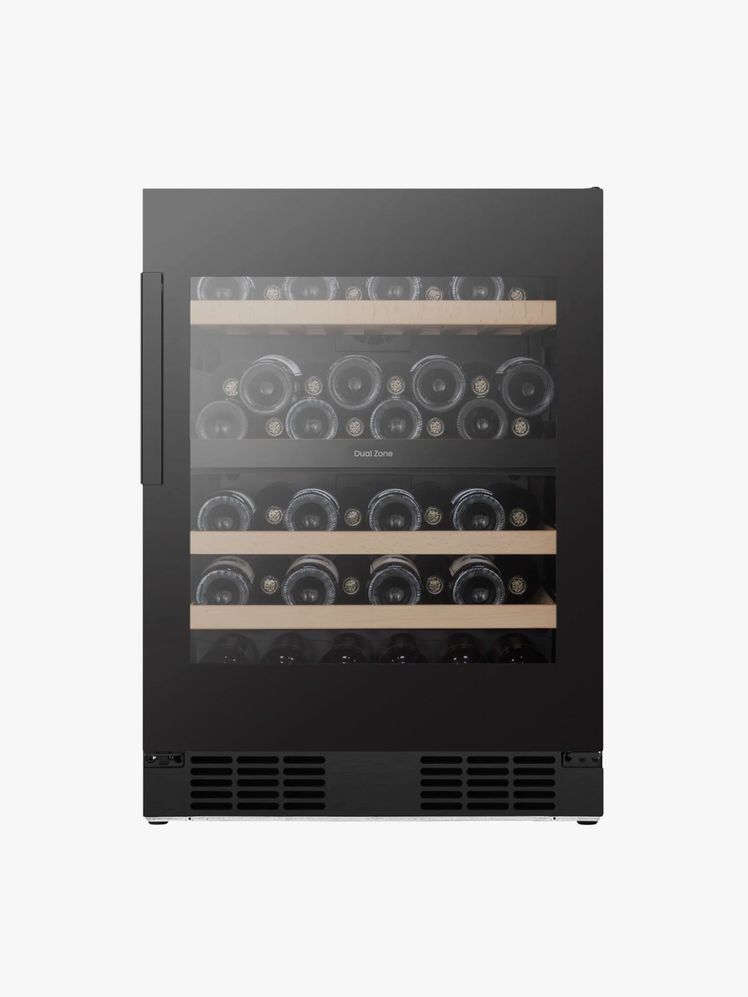
The Best Wine Fridges for Chilling at Home in 2025

10 of the Best Wine Fridges to Keep Your Rosé (and All Your Other Wine) at Maximum Crispness
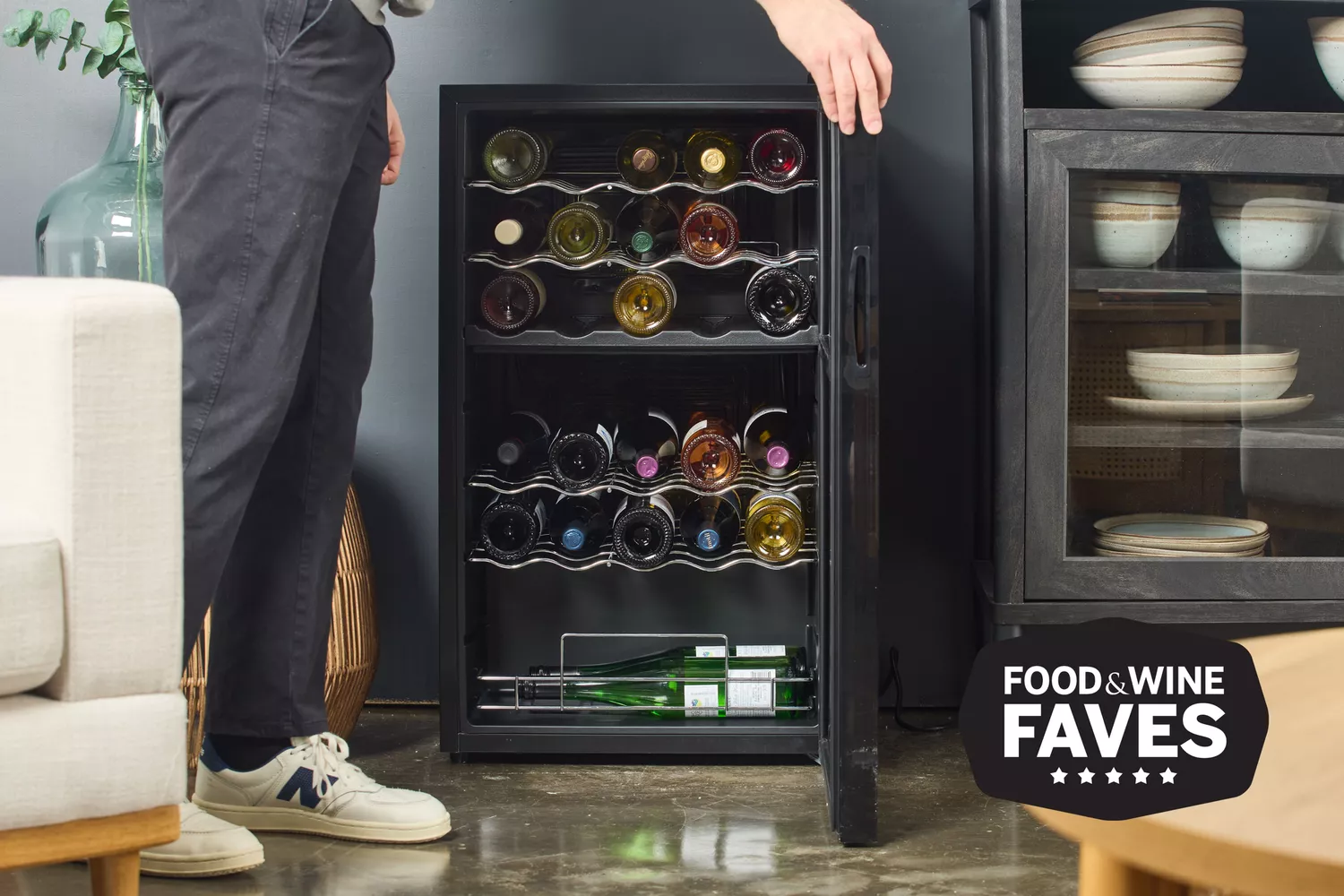
Don’t Ruin That Special Bottle — This Is the Best Way to Store Wine
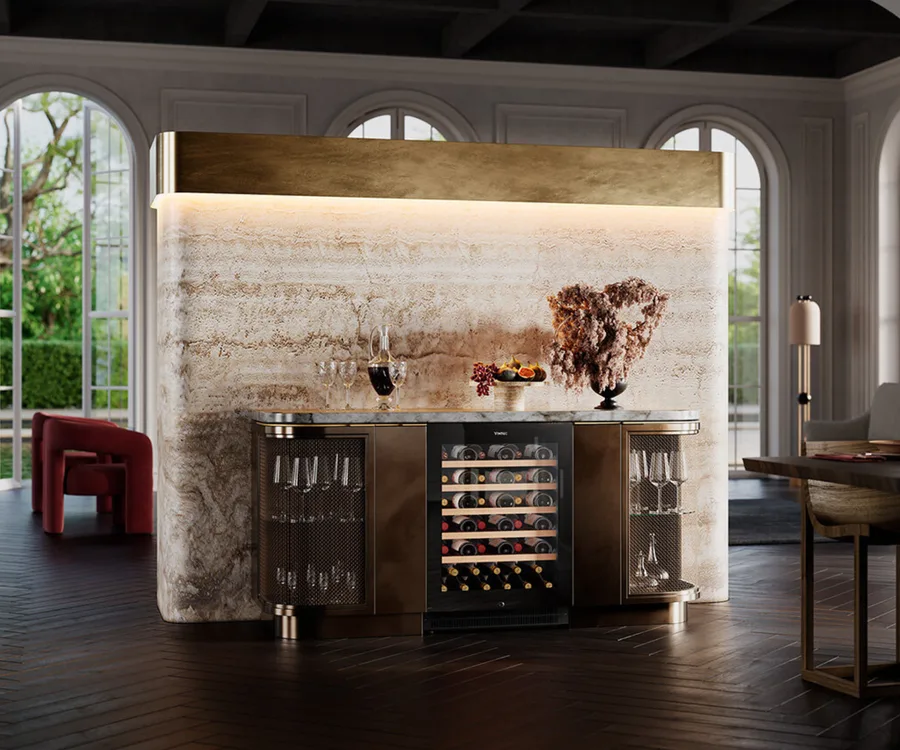
Premium wine fridges to hold your finest drops

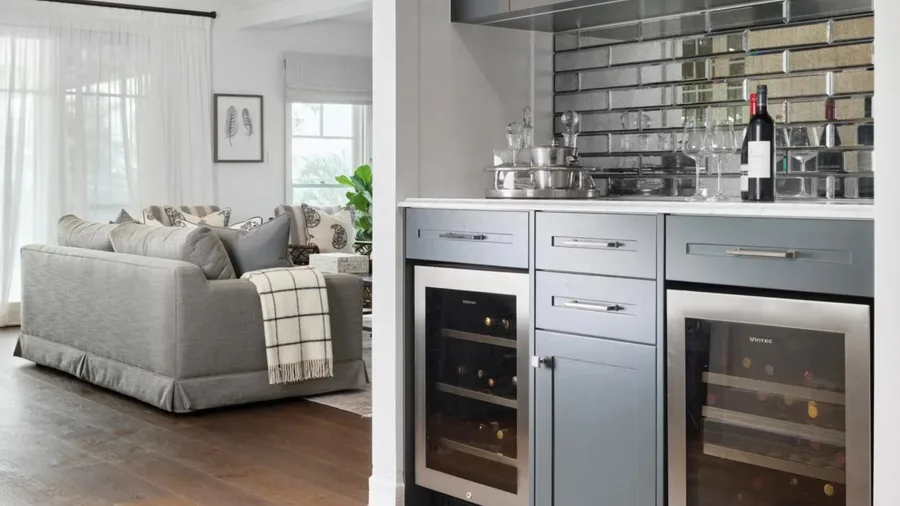
6 small and compact wine fridges for storing your favourite vinos
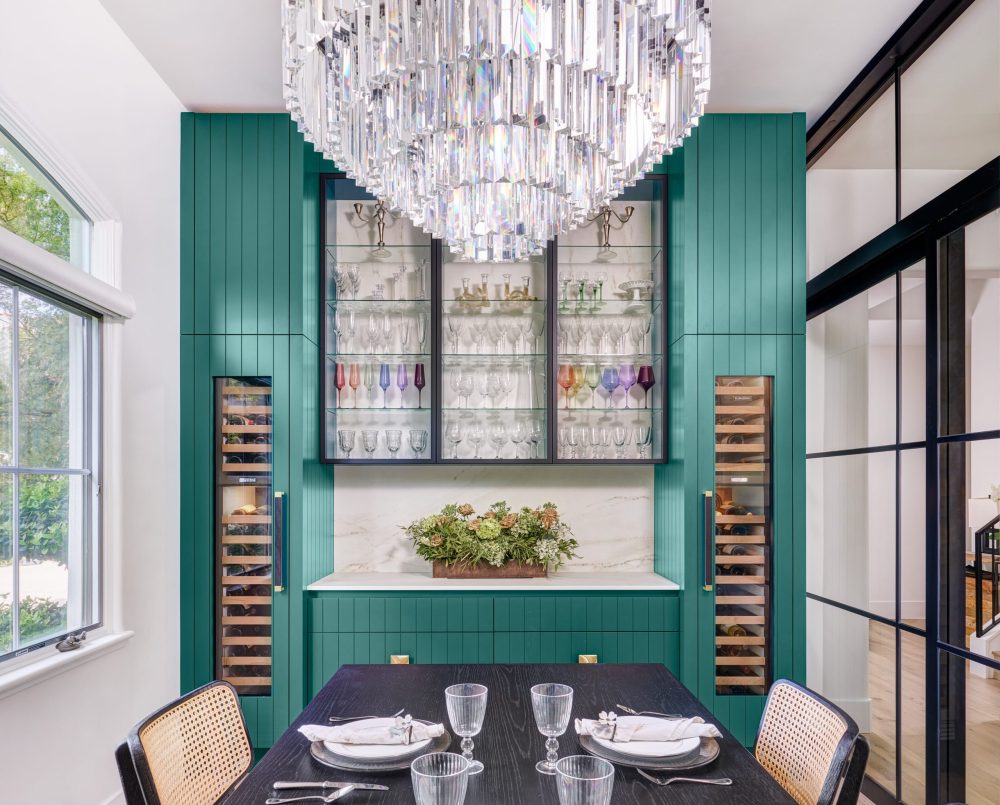
Wine Storage: Tasteful Choices


The Best Wine Fridge Will Help You Keep Your Cool

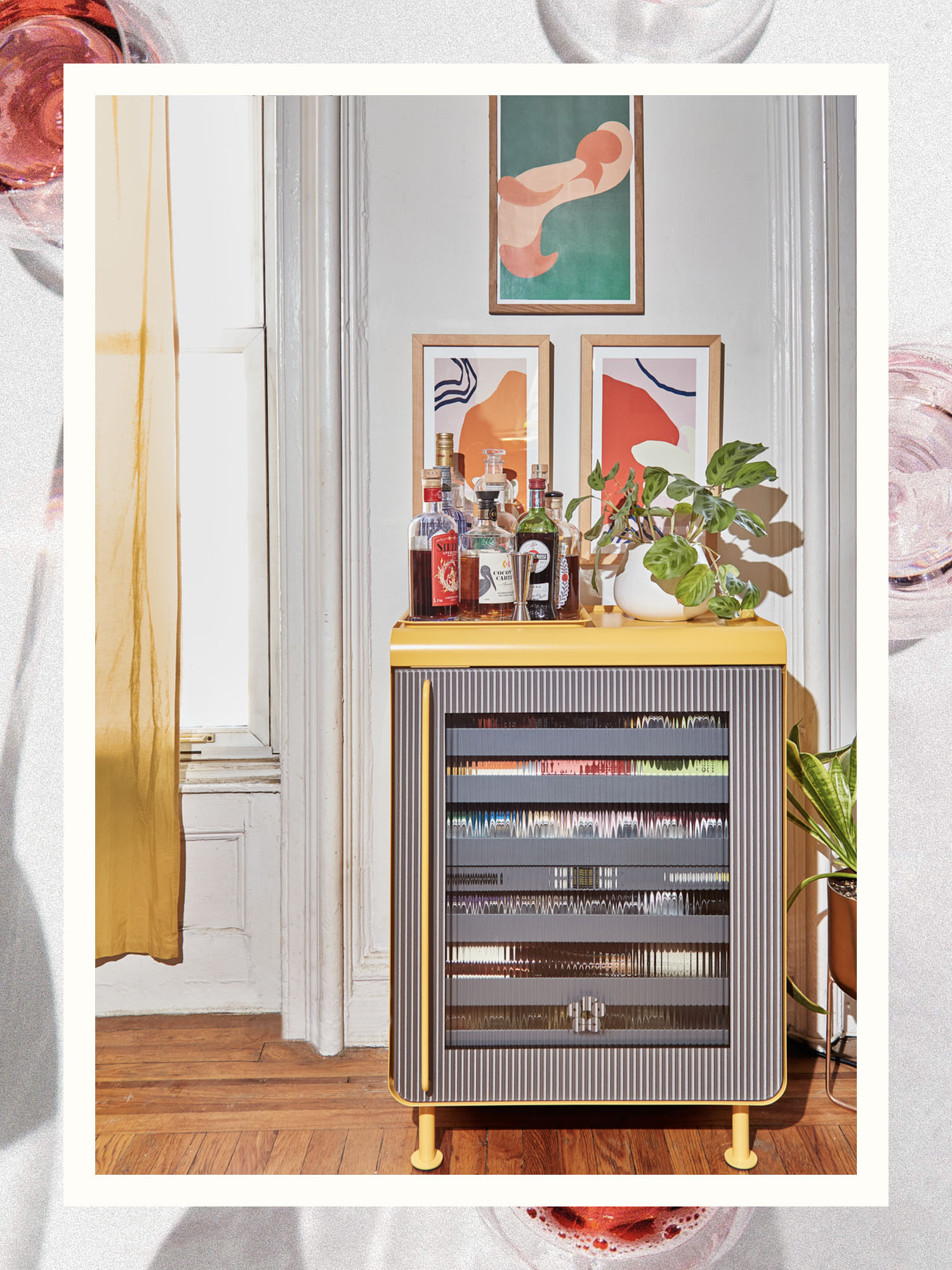
The Best Wine Refrigerators Are Sleek and Keep Your Precious Bottles Safe From Spoilage

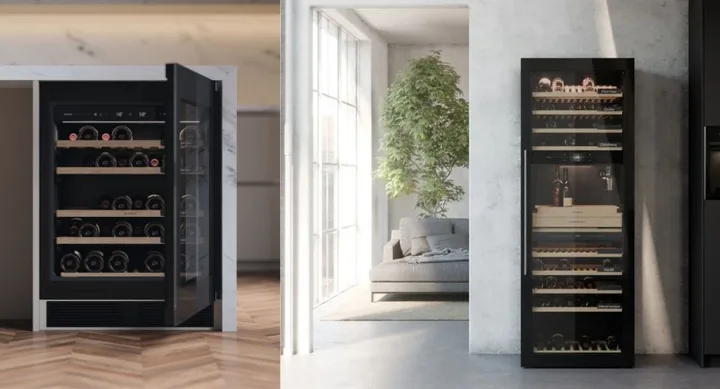
Wine connoisseurs alike will stand by these 7 fridges

The Best Built-In Wine Storage Is Round