




Should You Store Glasses Upside Down? Pros Spill Why They Always Do
The practice of storing drinking glasses upside down in kitchen cupboards is a common habit, prompting an investigation into its benefits and drawbacks. Experts in house cleaning have weighed in on this topic, offering insights into cleanliness, accessibility, and aesthetics.
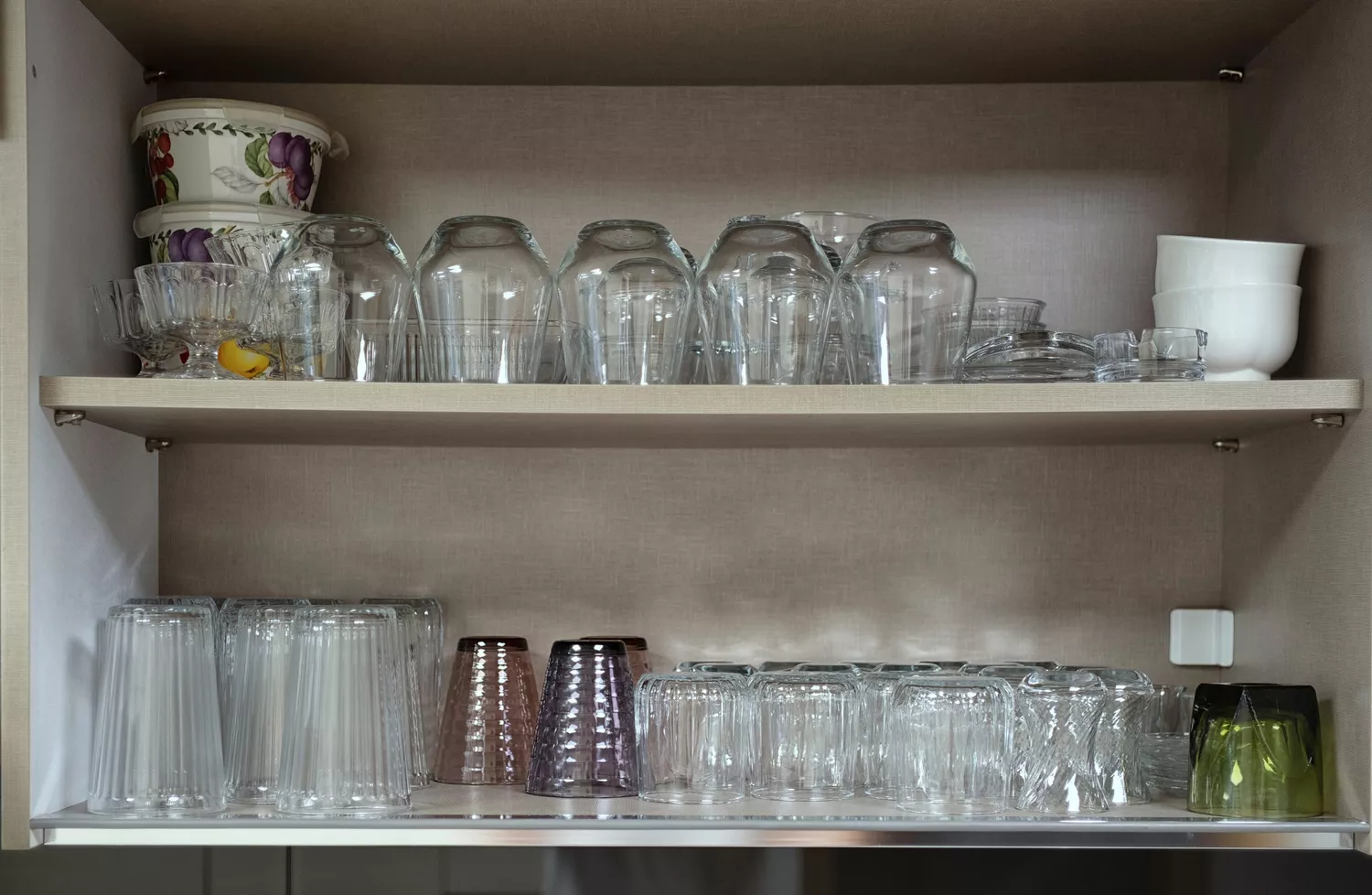
One significant advantage of storing glassware upside down is its effectiveness in preventing dust buildup. Petya Holevich, a house cleaning expert and supervisor for Fantastic Services, strongly recommends this method, particularly for everyday drinking glasses and specialty glassware. This practice eliminates the need to clean dust from the glasses before each use. However, Holevich notes that this concern is less pressing if cabinets have solid doors. For glasses stored on open shelving, storing them upside down is highly advisable to mitigate dust accumulation.
Beyond dust prevention, storing glasses upside down offers additional benefits. Ryan Knoll, owner of Tidy Casa, highlights that this method reduces the likelihood of glasses falling over, especially those that are top-heavy, contributing to better stability. Aesthetically, Delah Gomasi, founder of MaidForYou, suggests that upside-down storage can enhance the overall appearance of a kitchen, particularly when cabinets feature see-through glass doors, providing a more elevated look.
Despite these advantages, there are some potential pitfalls to consider. Gomasi points out that placing glassware upside down can trap moisture if the glasses are not thoroughly dried beforehand. This trapped moisture can lead to musty smells or even mold, a risk that is exacerbated in humid climates. Therefore, ensuring glasses are completely dry before inverted storage is crucial.
Another concern raised by Knoll is the potential for rim damage, especially with delicate or vintage items. While this might not be an issue for most common glasses, the rims of fine china or antique glassware could be chipped or cracked. Holevich, however, offers a nuanced perspective, suggesting that for specialty glassware like champagne flutes and wine glasses, upside-down storage can be beneficial. In these cases, the rim is often the most vulnerable part, and storing them downward can offer protection against damage and dust. For added protection of fragile items, investing in shelf liners is also recommended.
Ultimately, the decision on how to store glassware in the kitchen largely comes down to individual preference and the specific type of glassware in question. While upside-down storage offers clear advantages in terms of cleanliness, stability, and aesthetics, it requires careful attention to drying to prevent moisture-related issues and may pose a risk to the rims of certain delicate pieces.
#GlasswareStorage #KitchenOrganization #HomeCleaningTips #DustPrevention #HomeDecor #CleaningHacks #KitchenCabinet #GlasswareStorage #KitchenOrganization #HomeCleaningTips #DustPrevention #HomeDecor #CleaningHacks #KitchenCabinet
 No comments yet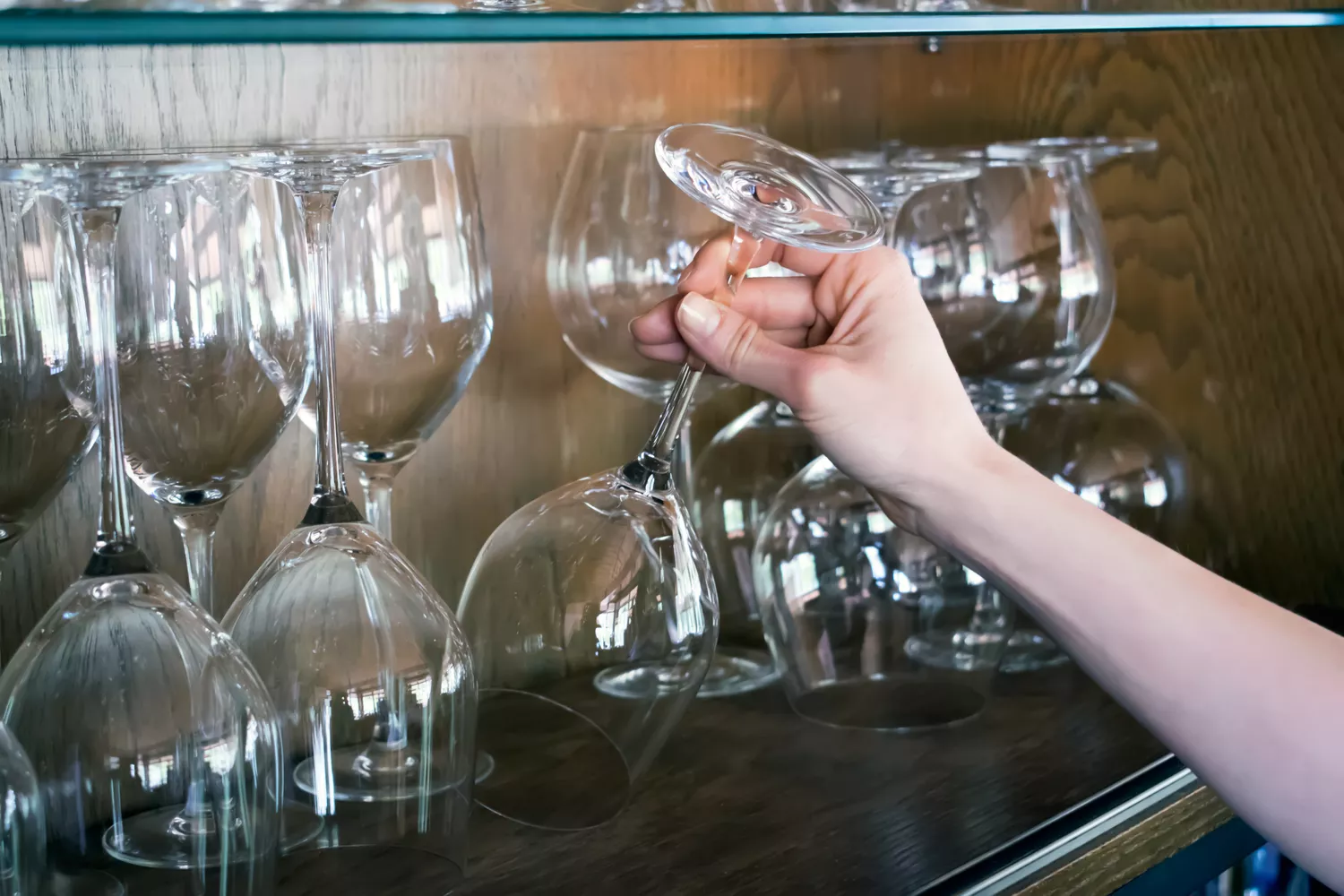
Should You Store Wine Glasses Up Or Upside Down?