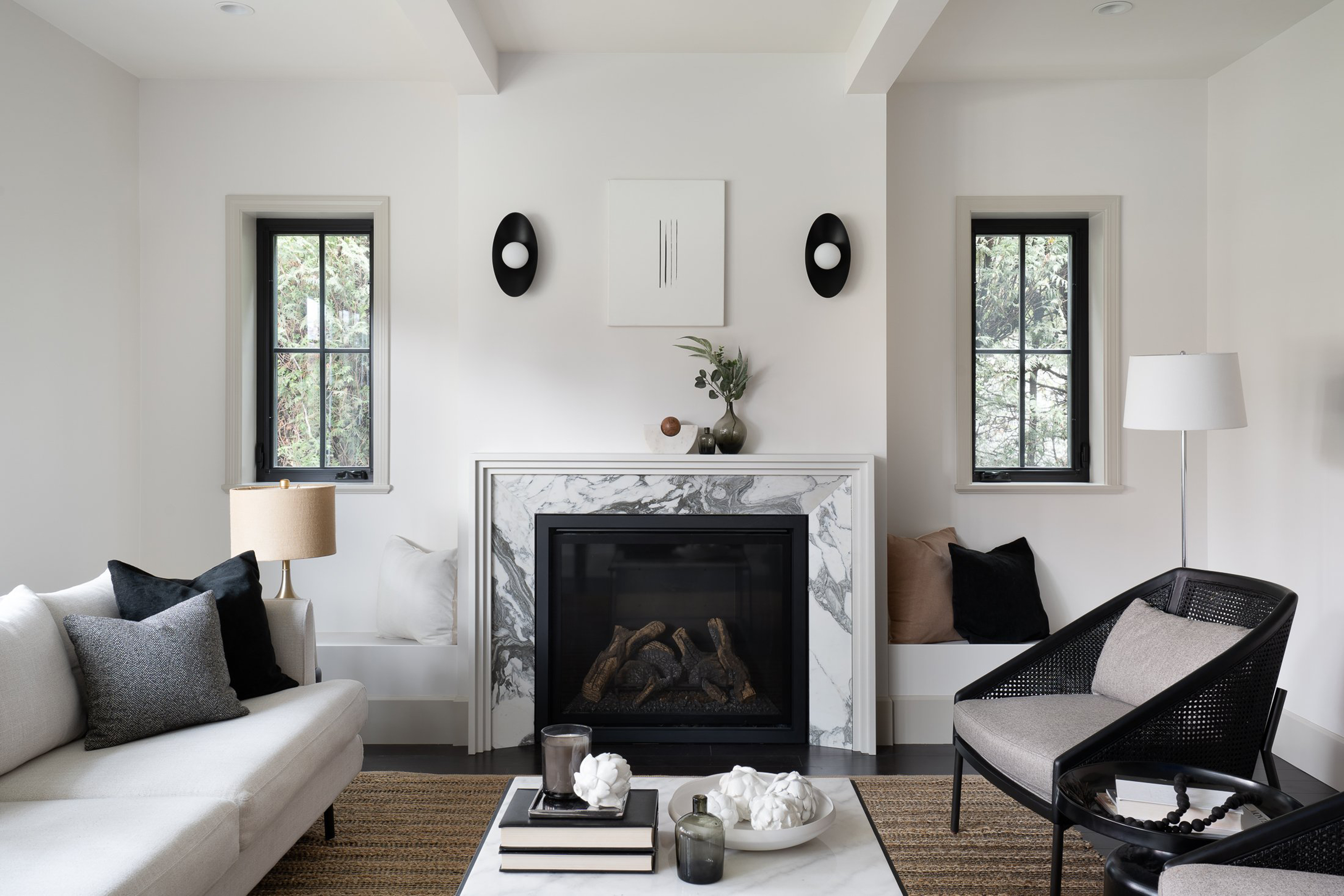
1/6
Should an entire house be painted the same color? Interior designers give their verdict
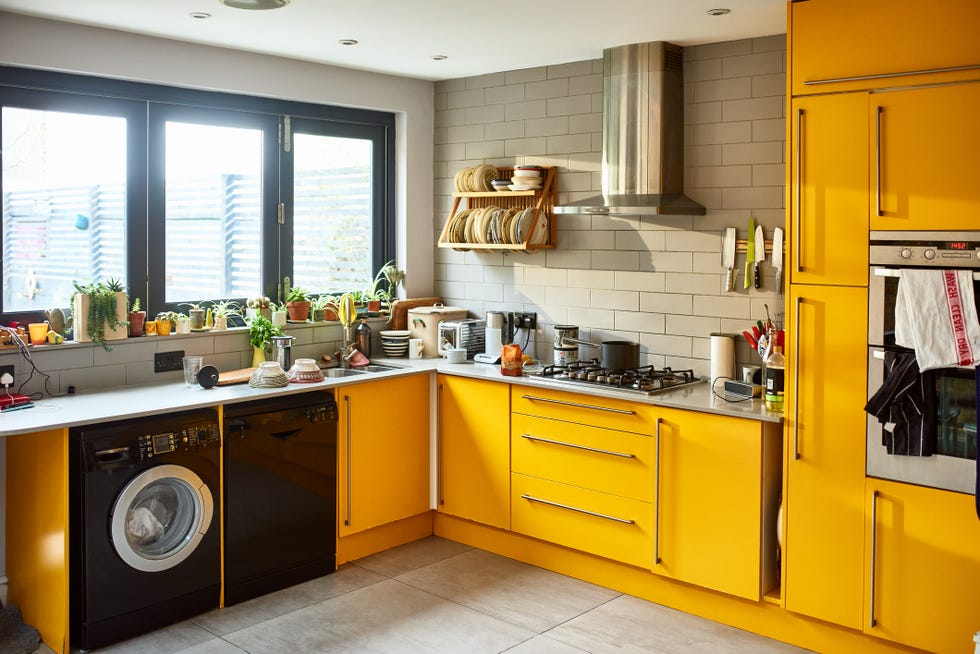
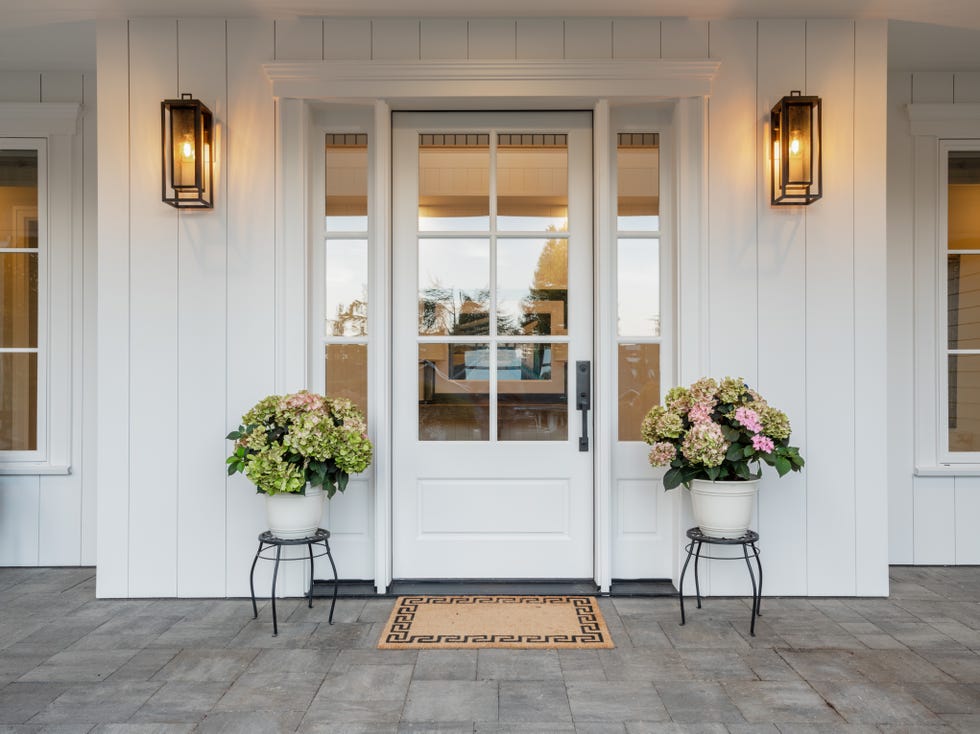
The article explores the common interior design dilemma of whether to paint an entire house the same color. For some homeowners, the idea of choosing a single paint color for every room is appealing, simplifying the decision-making process and potentially creating a cohesive flow throughout the home. This approach can be particularly attractive to those who prefer a more conservative aesthetic or wish to avoid the complexities of selecting multiple complementary colors. However, interior designers offer various perspectives on this strategy, highlighting both its potential benefits and drawbacks.
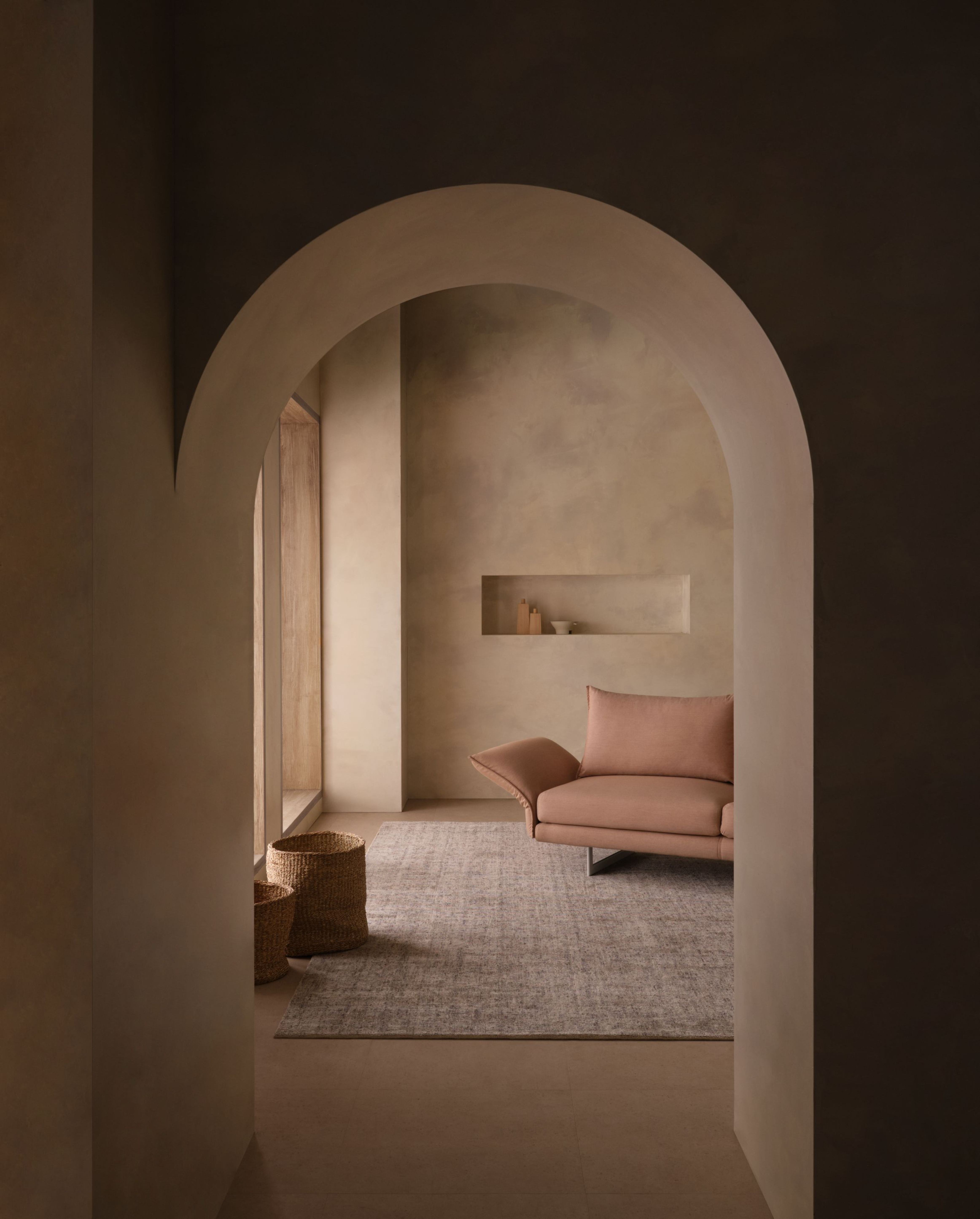
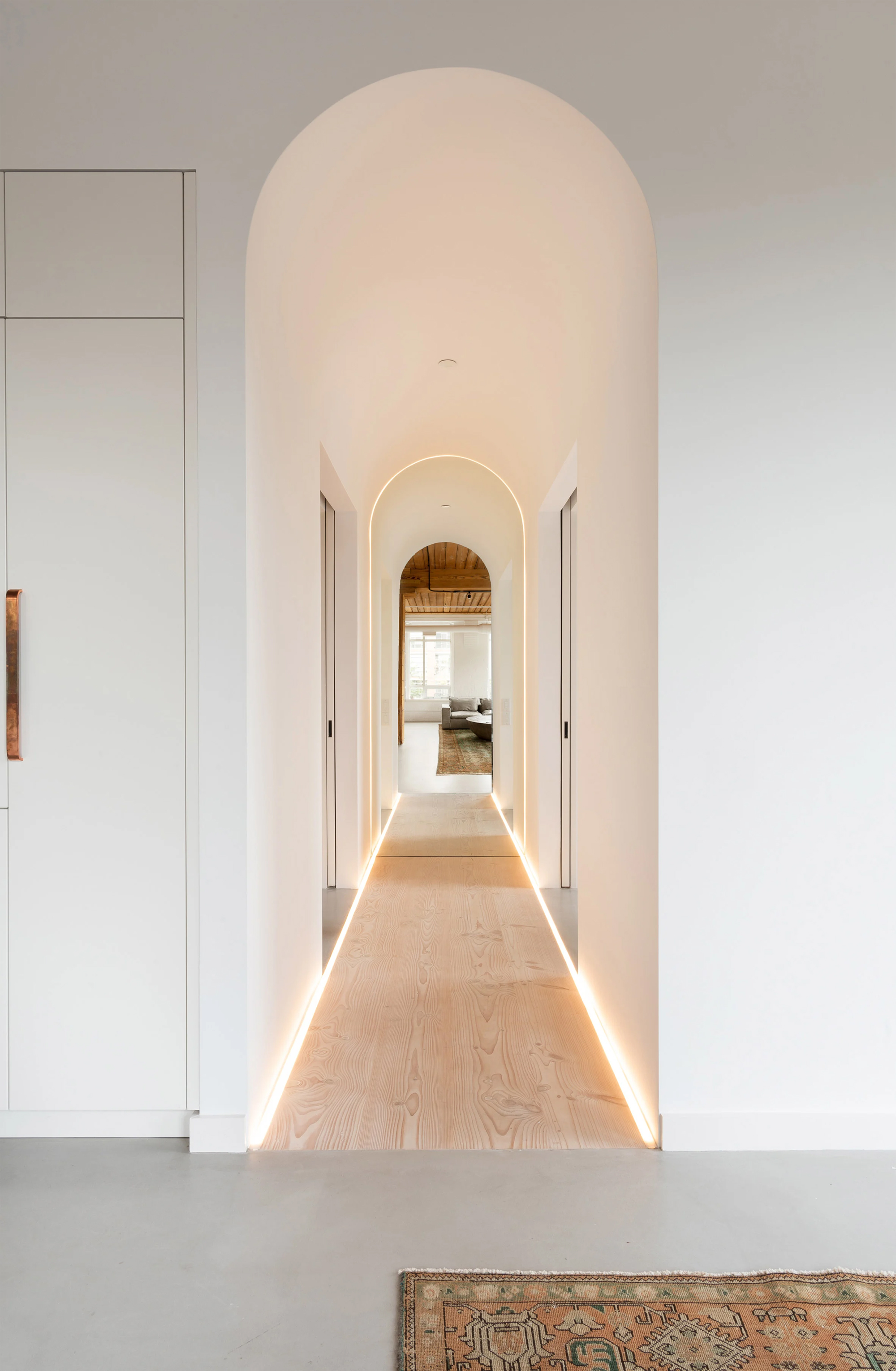
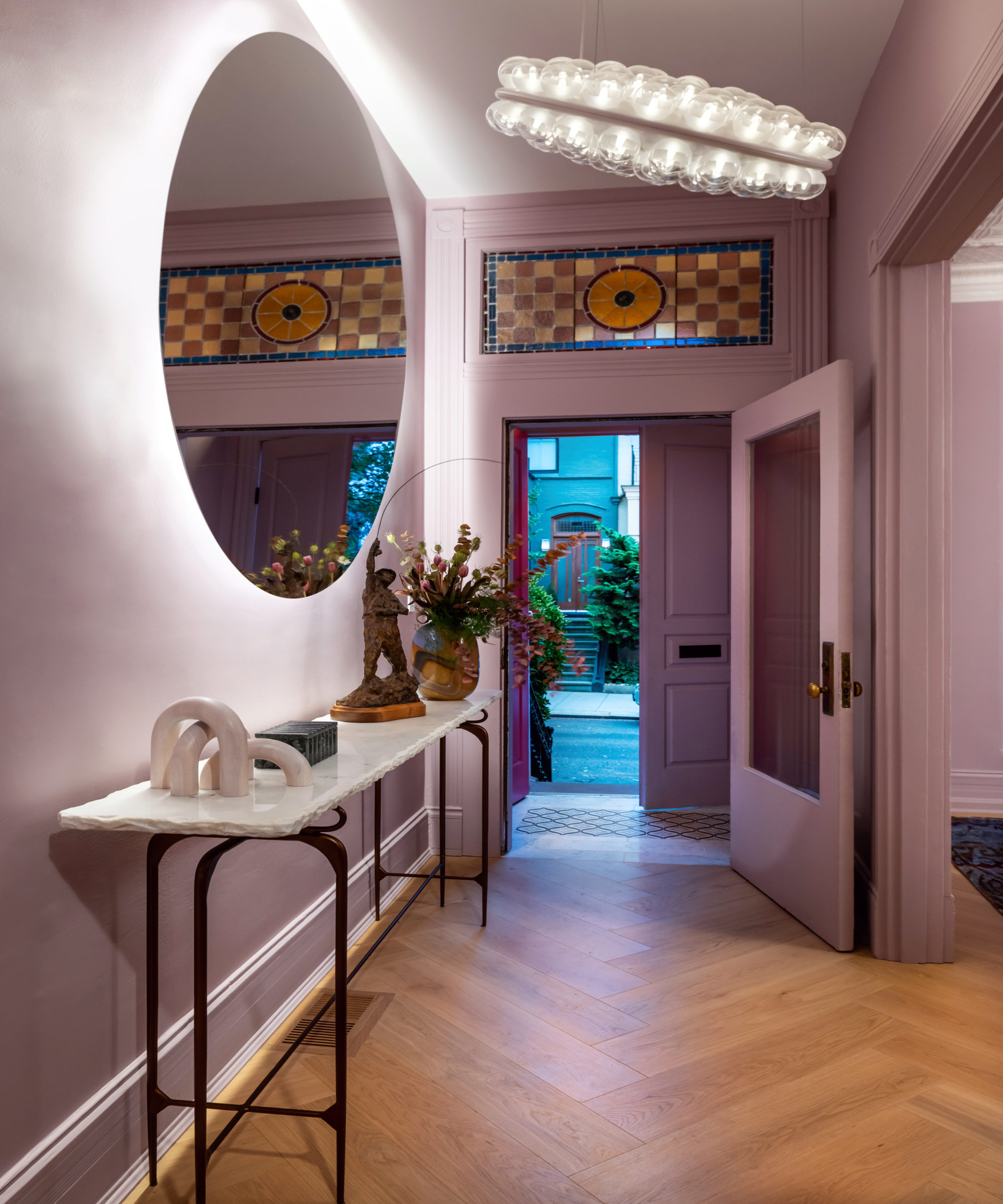
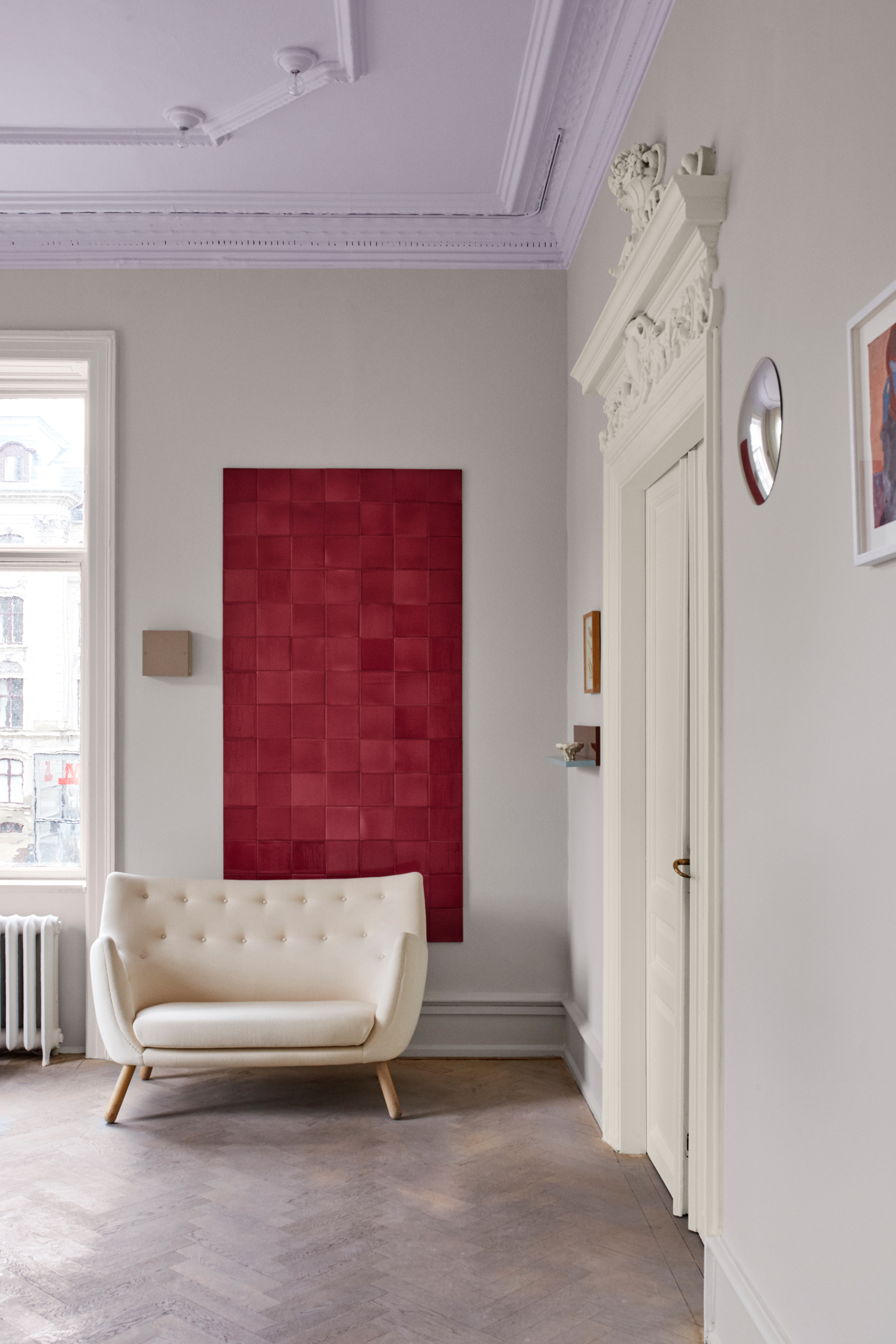
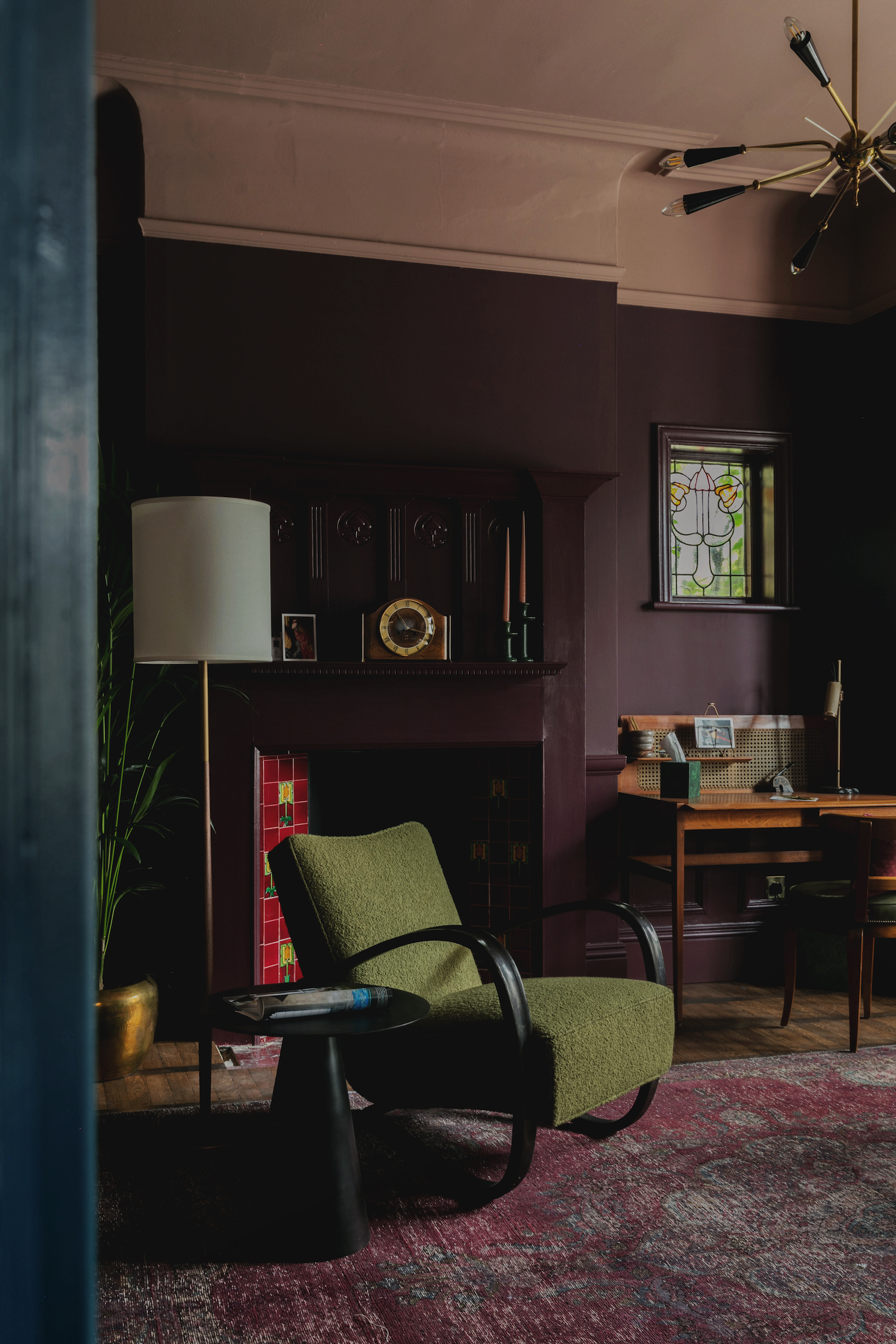
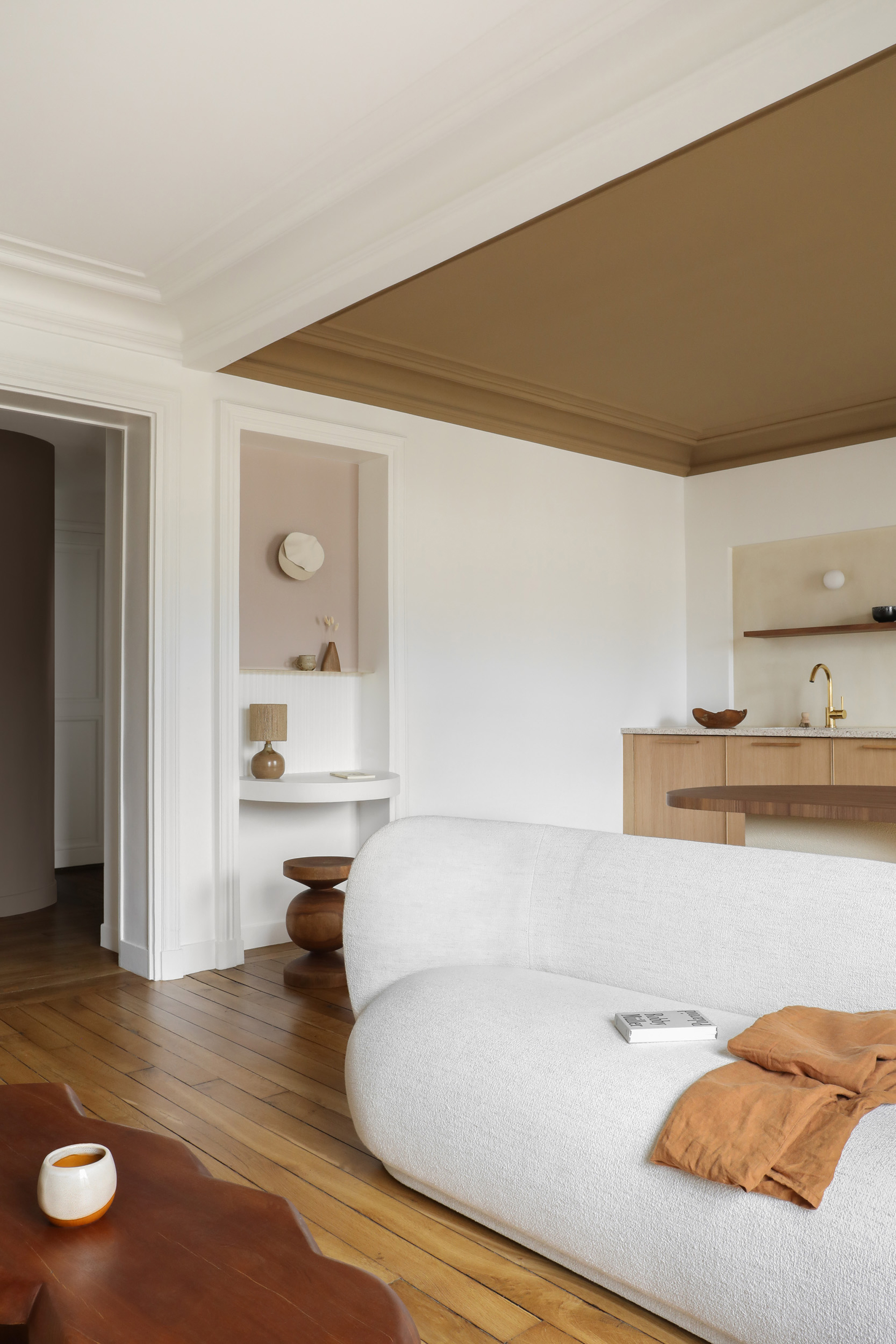
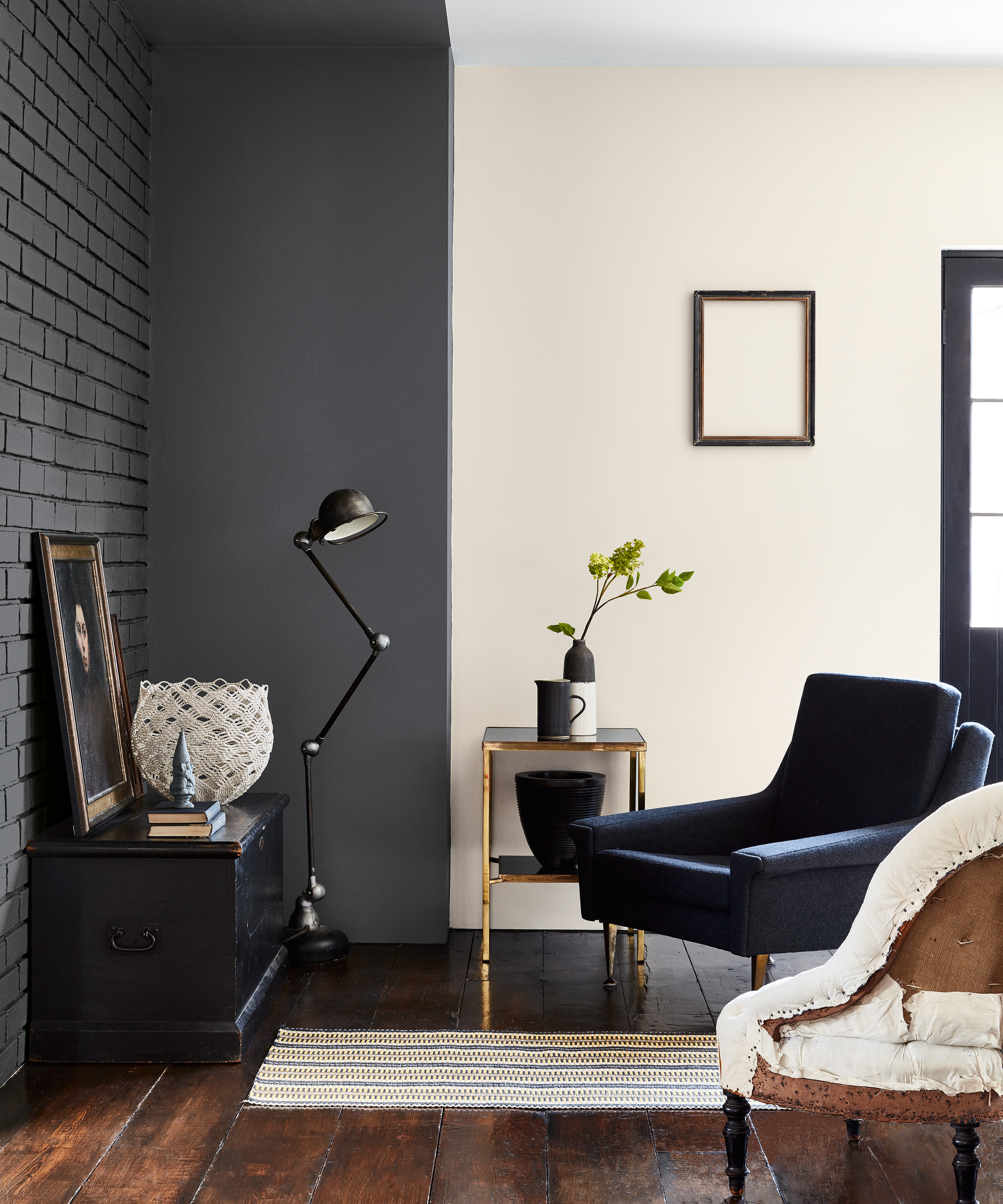
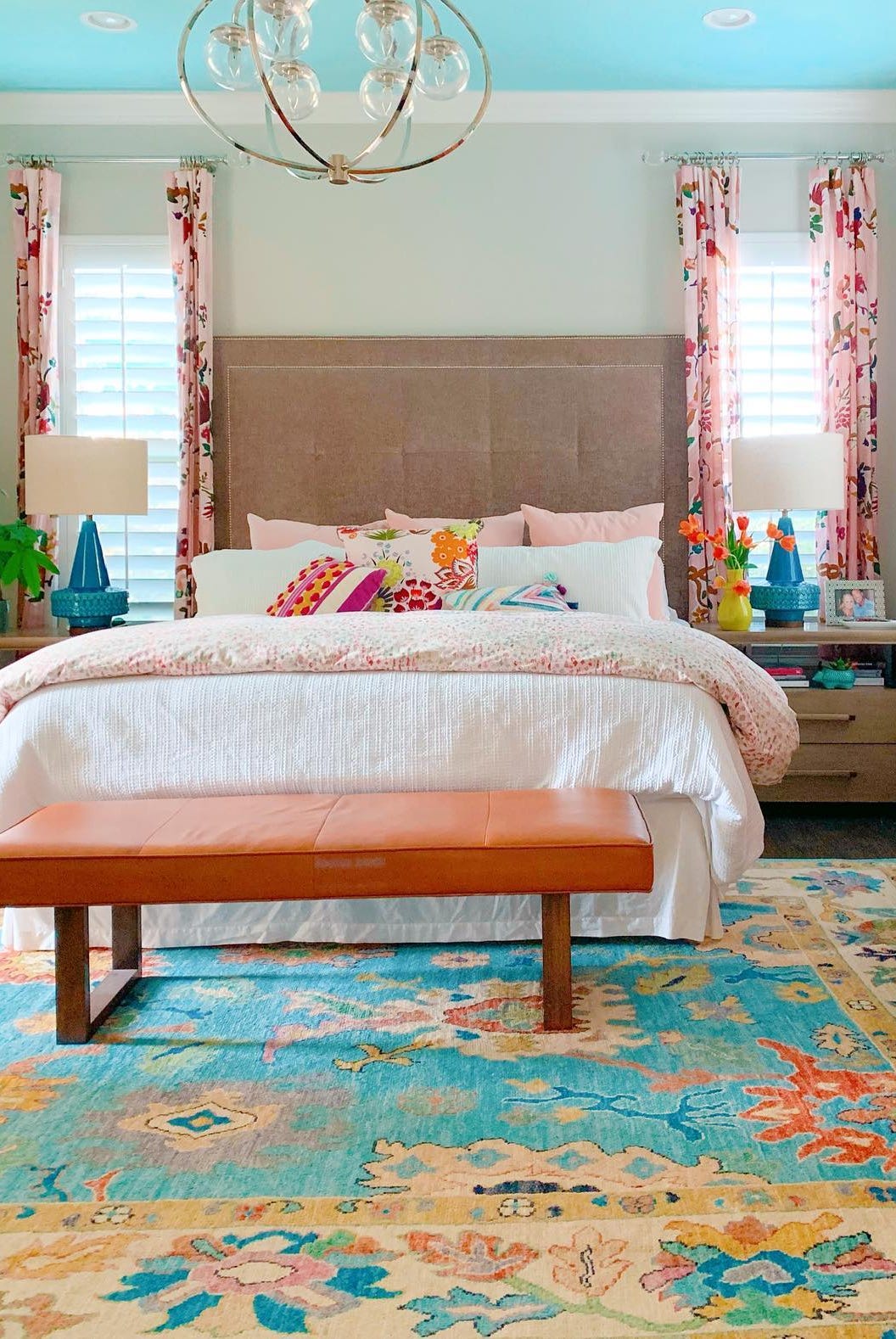
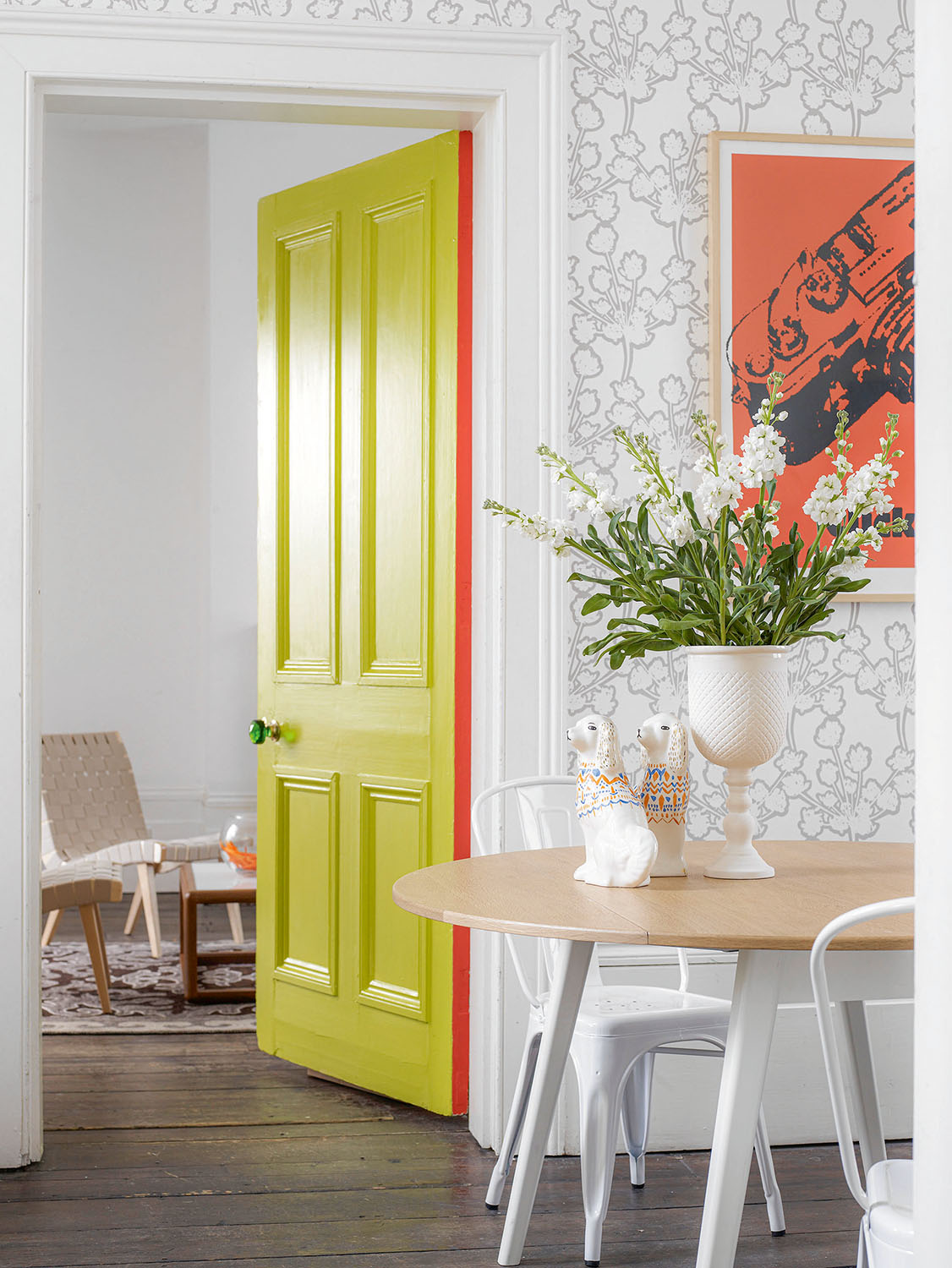
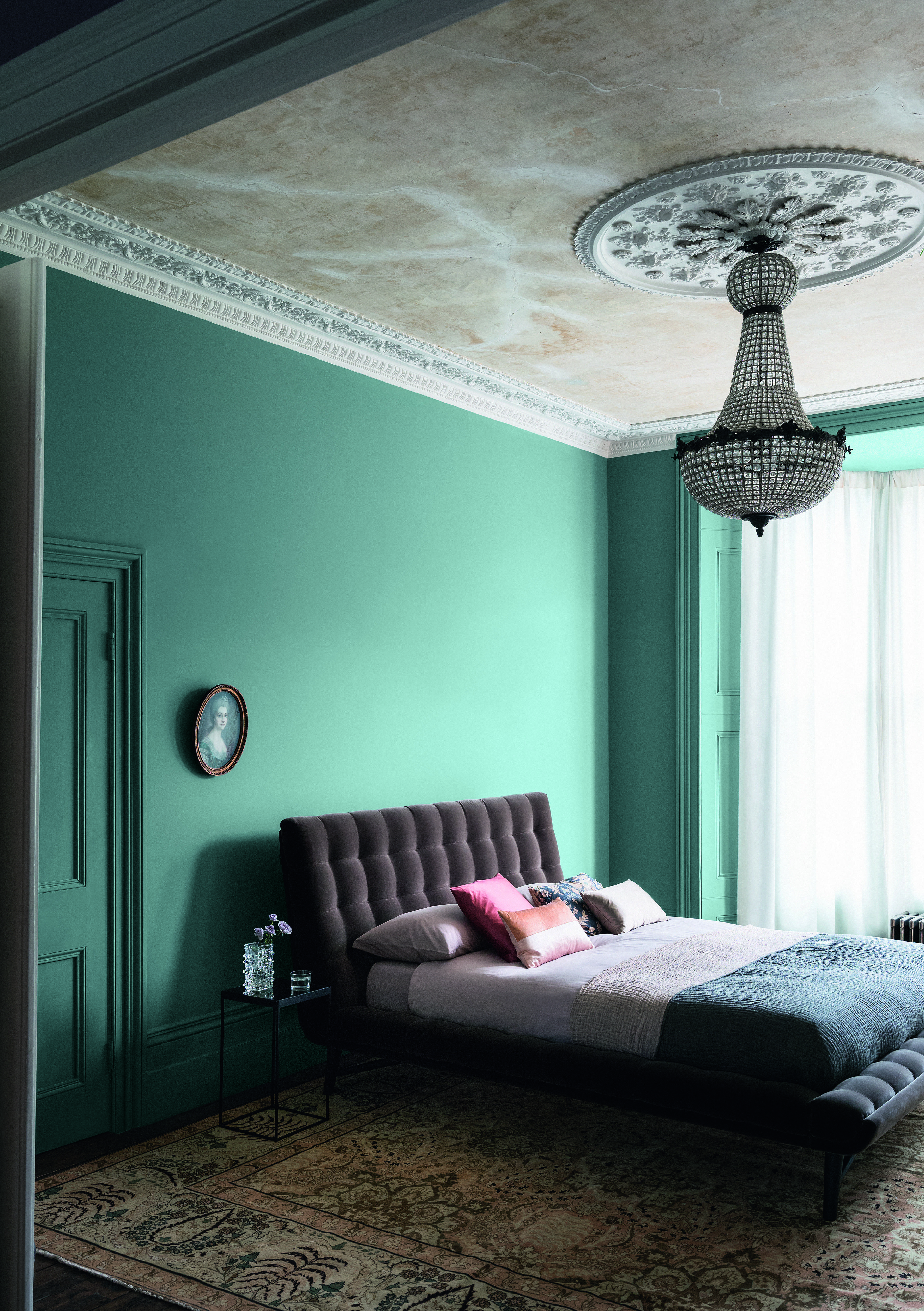
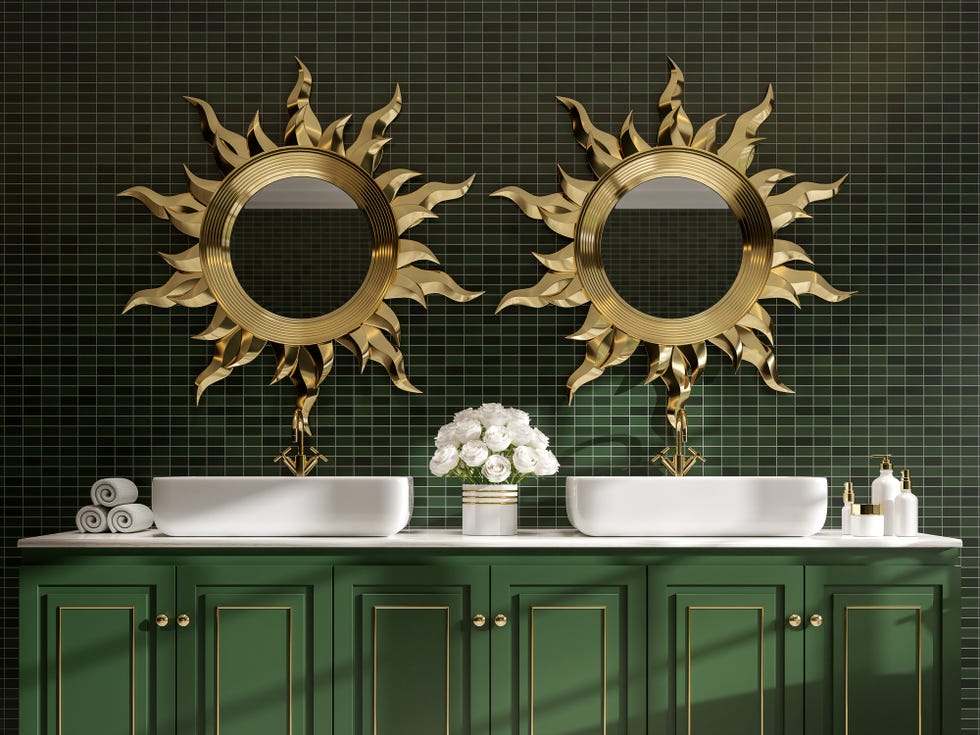
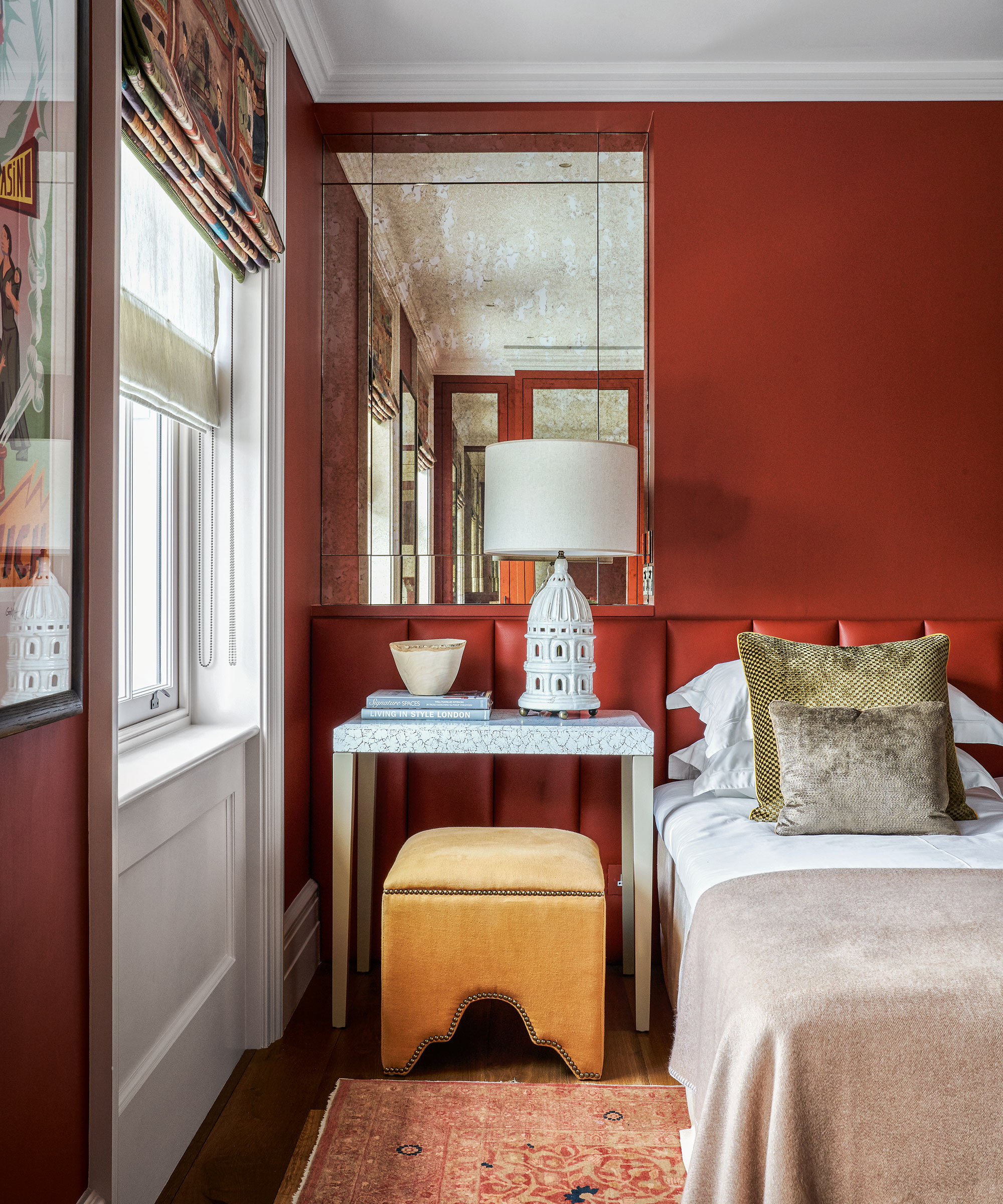
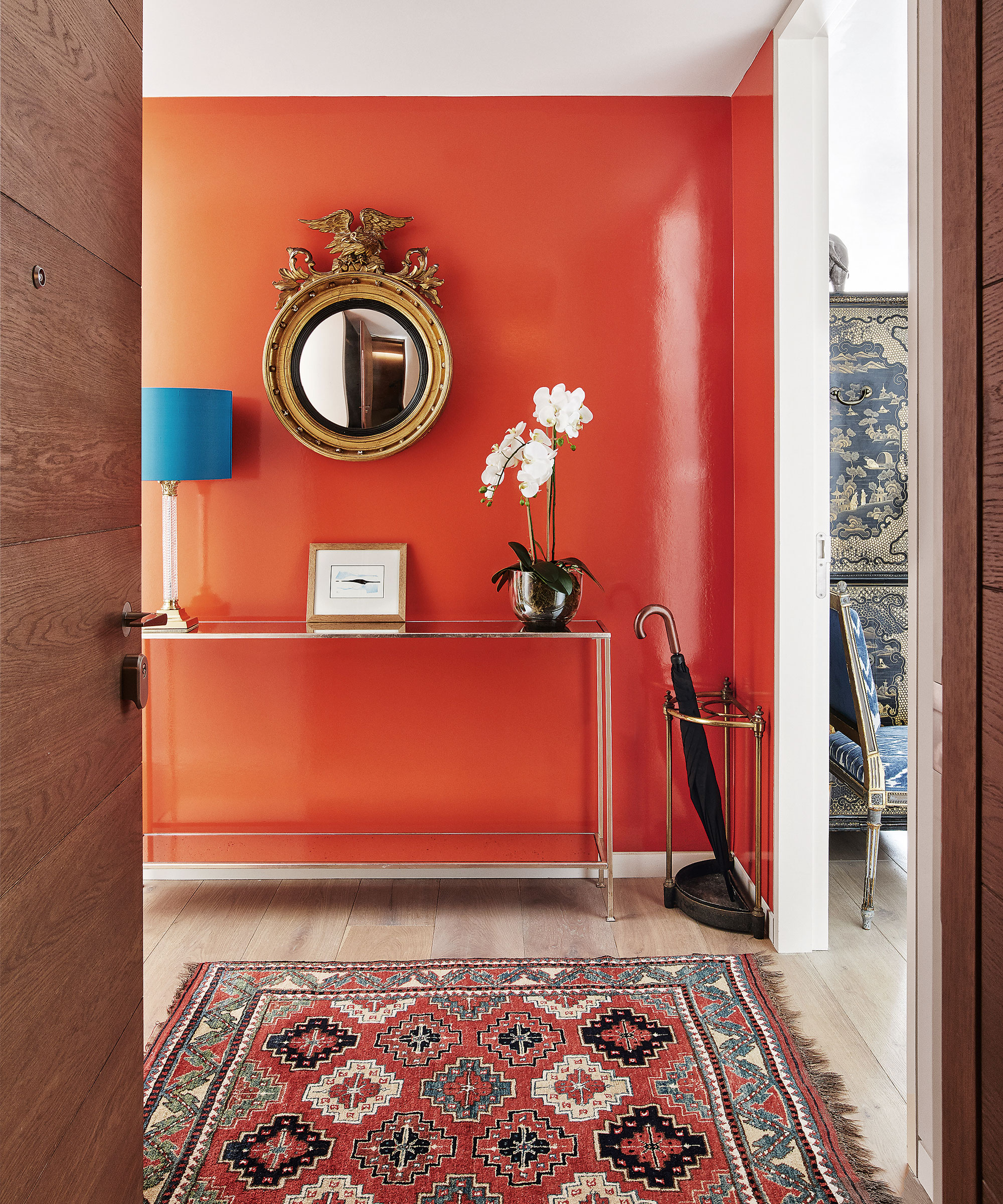
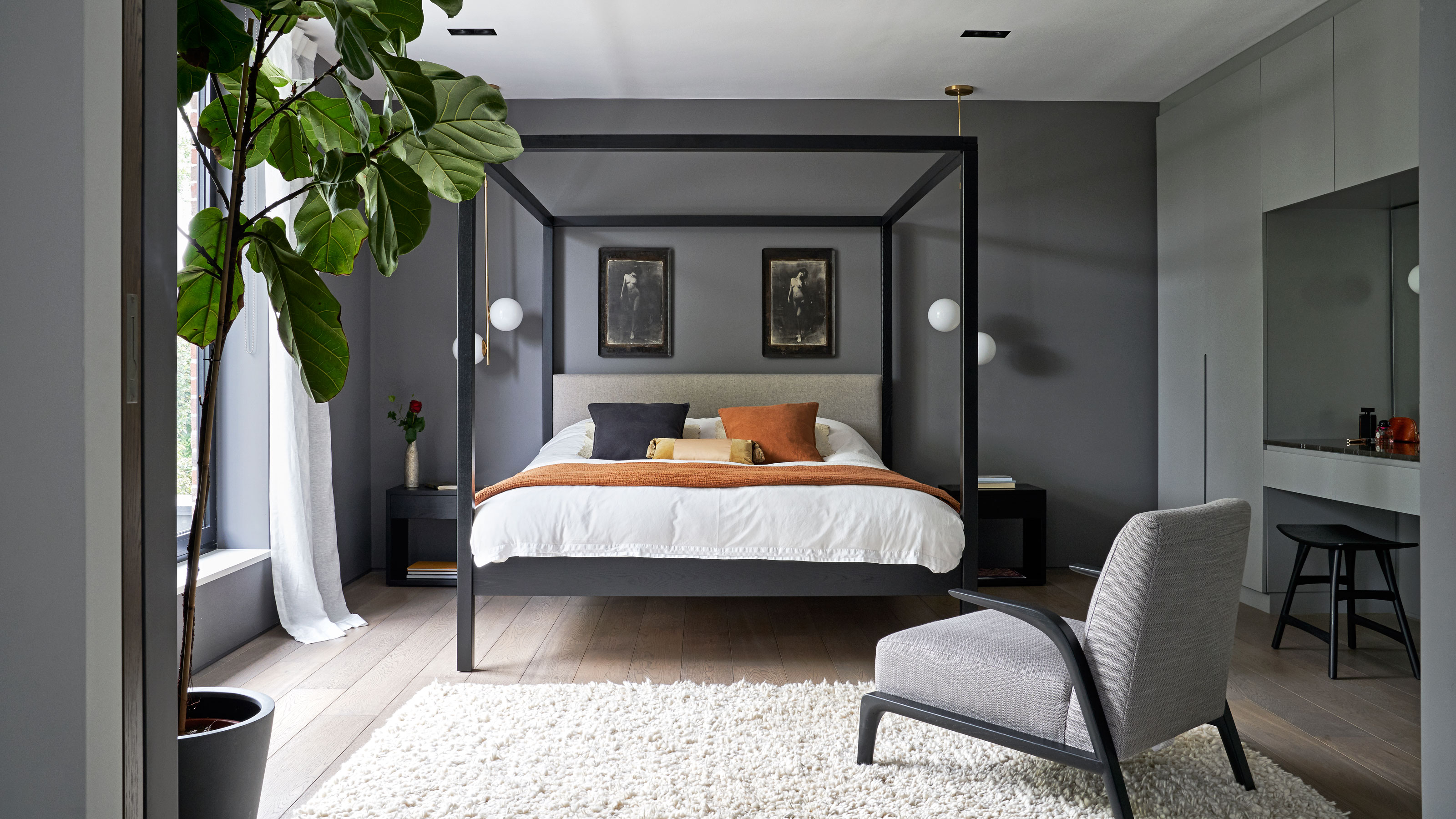
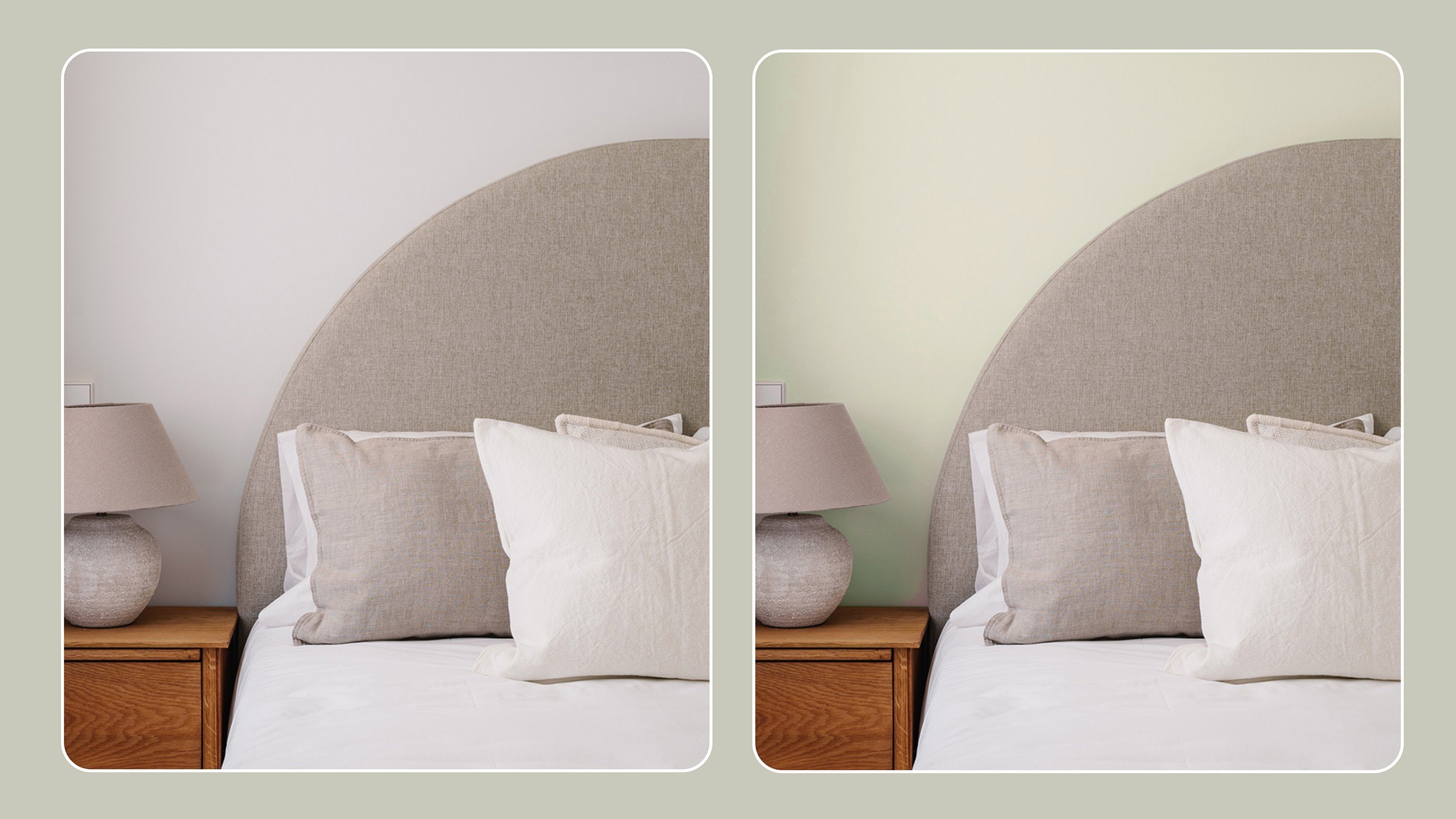
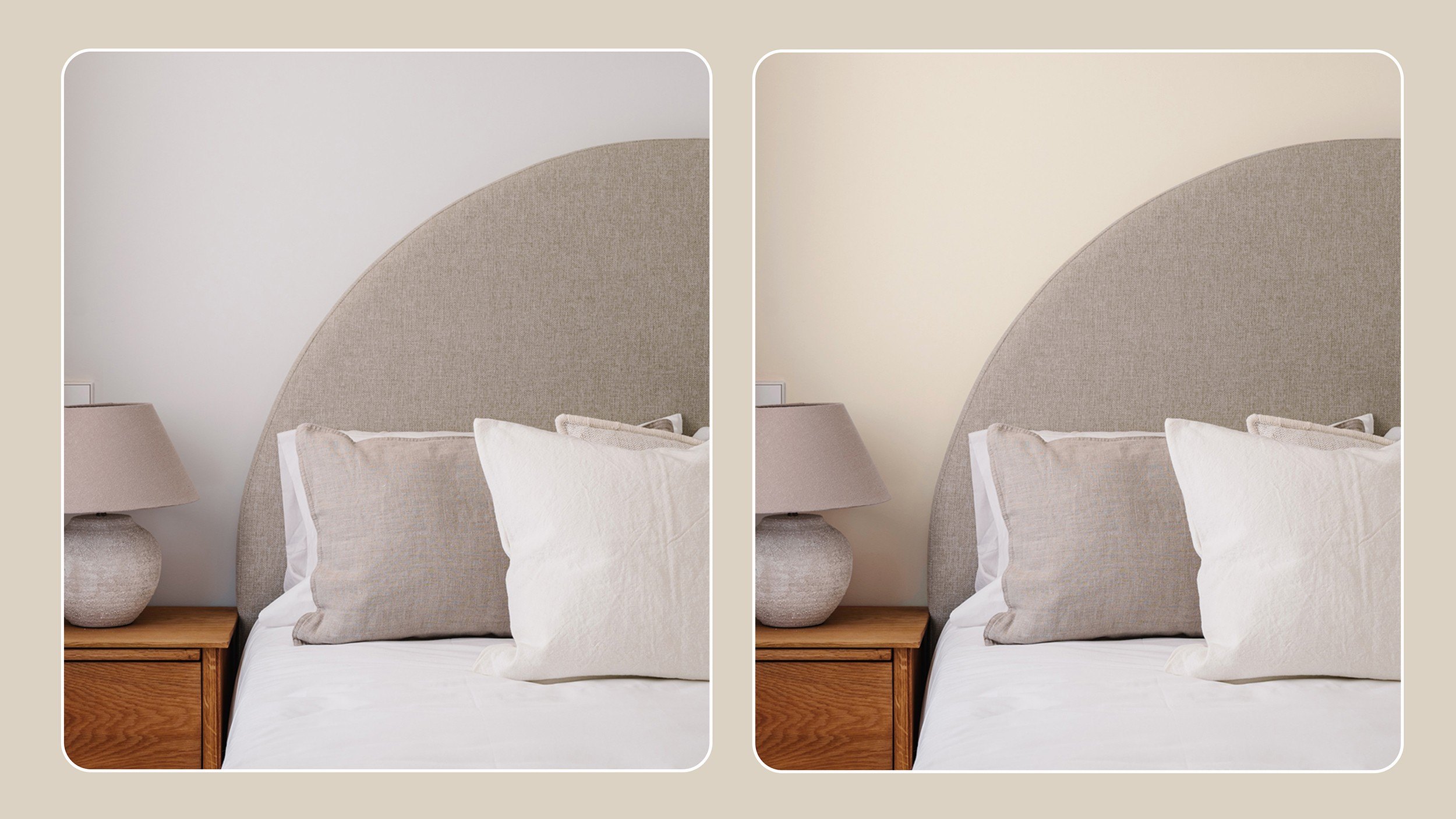
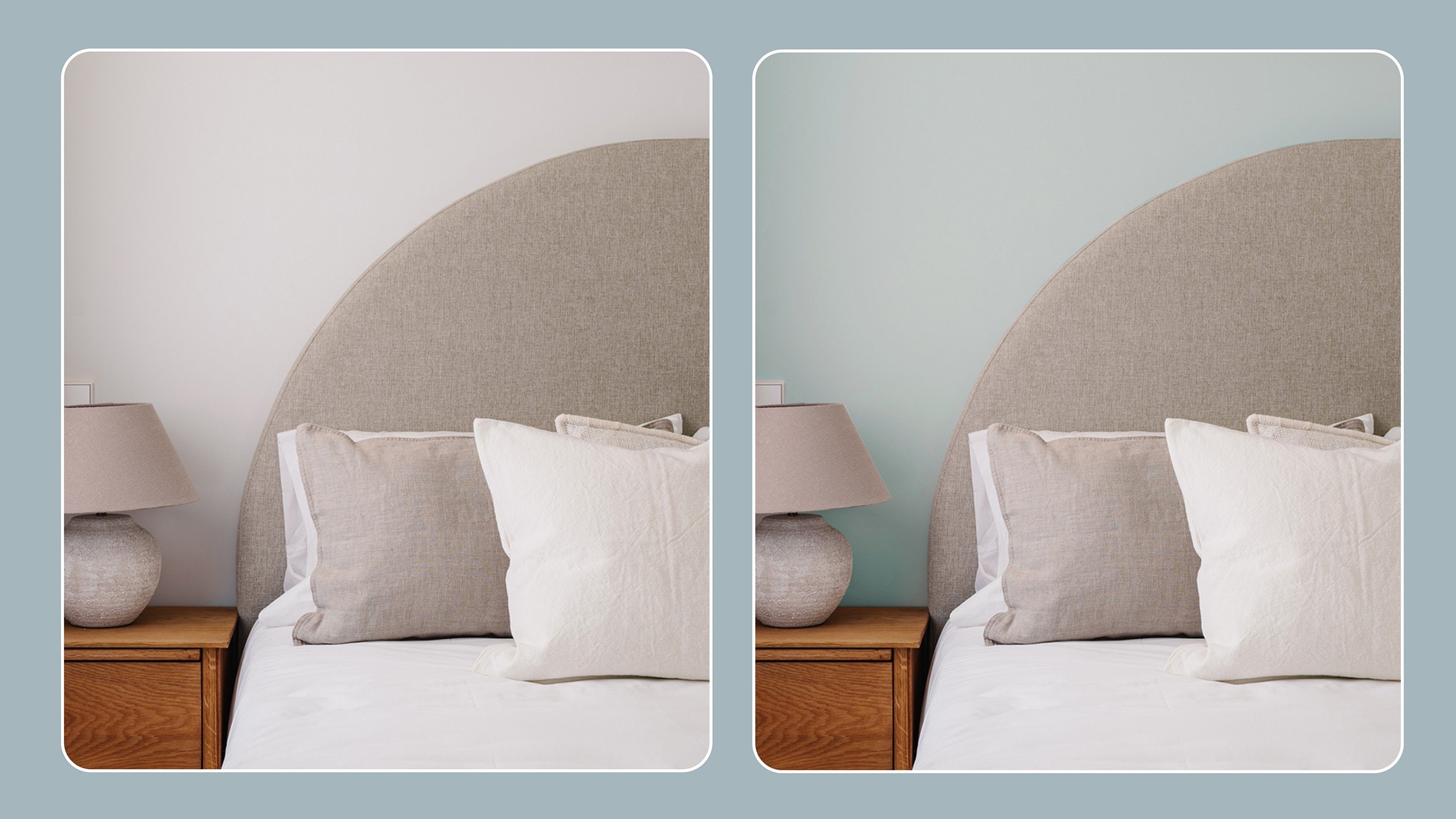
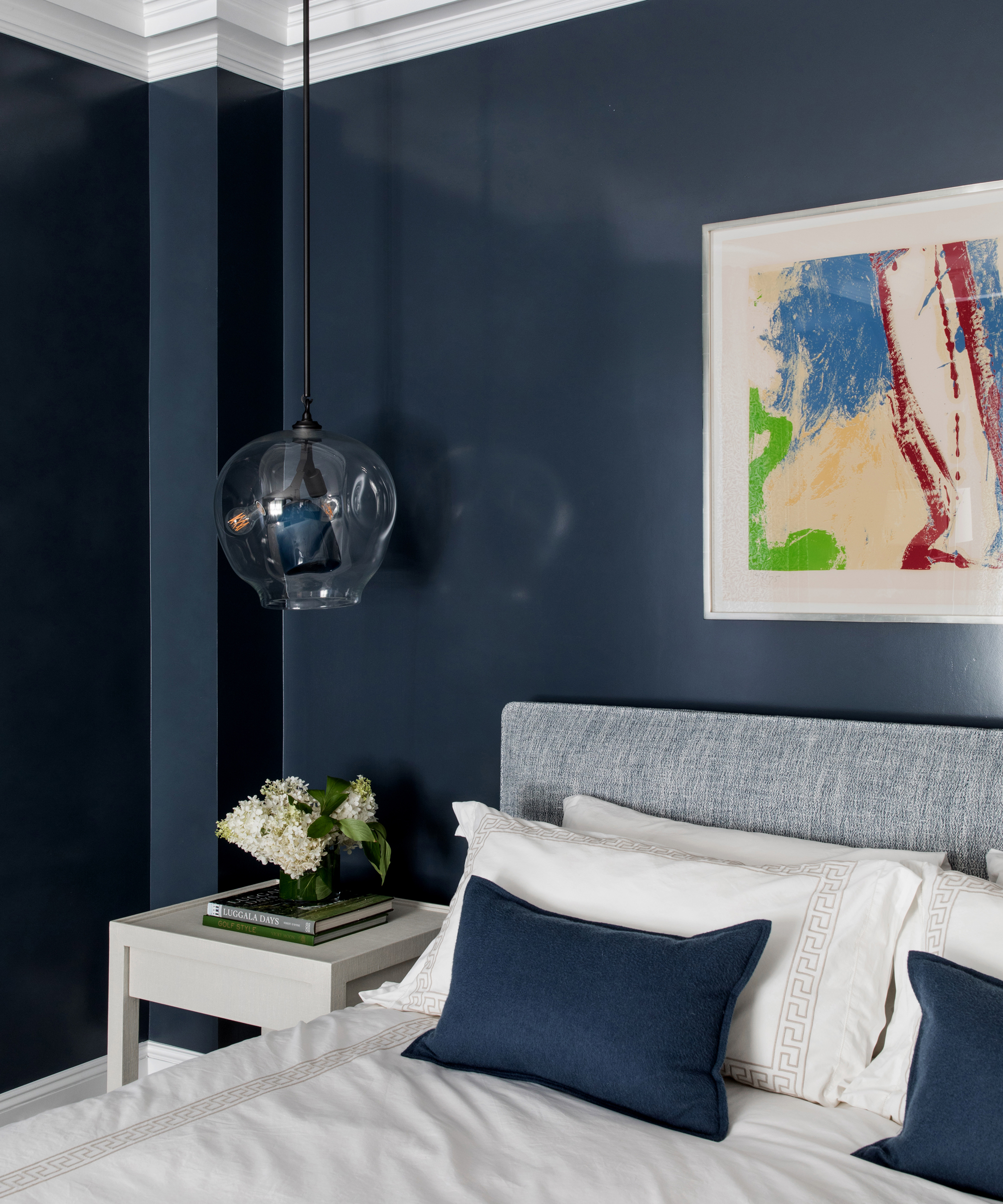
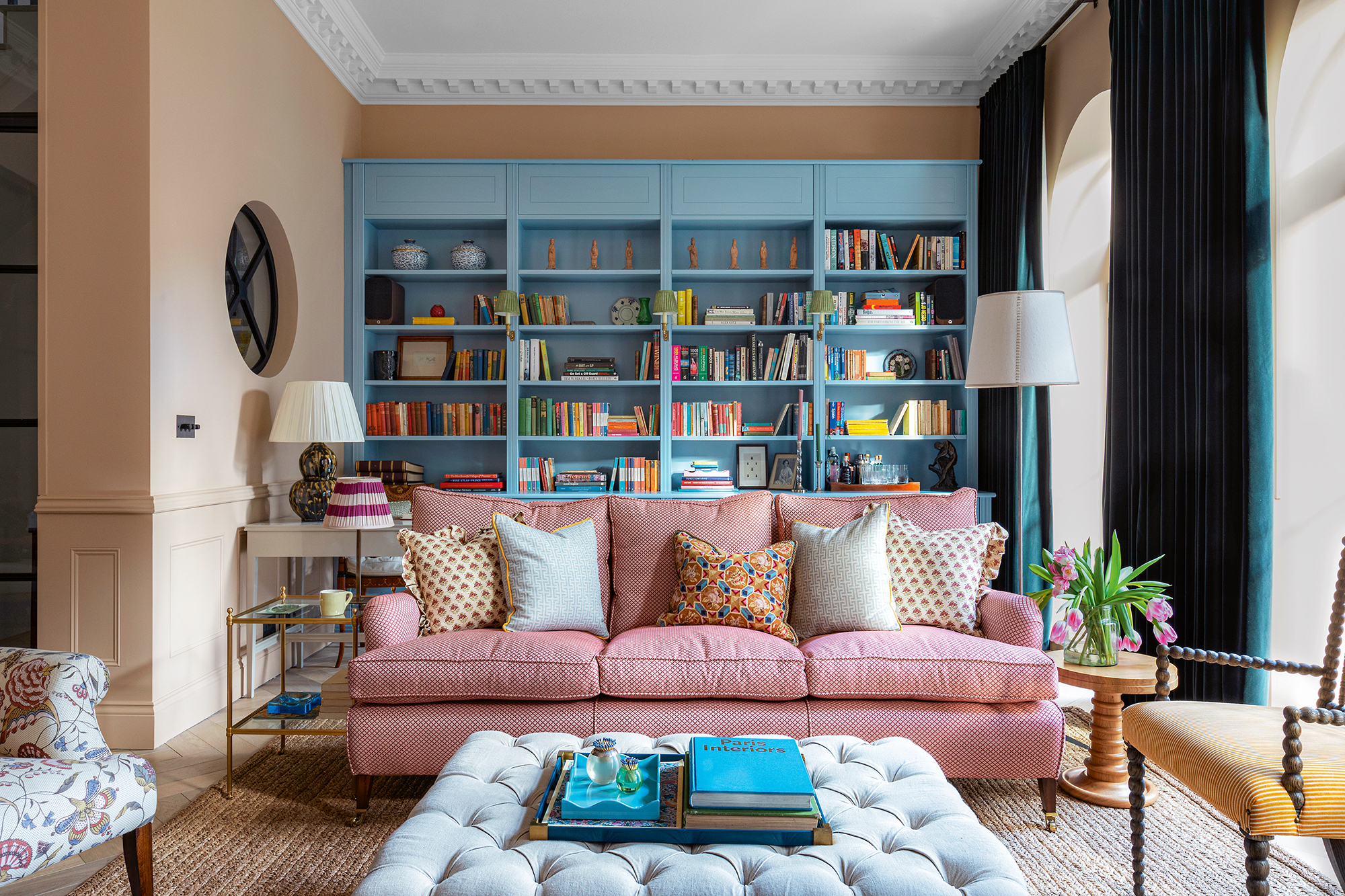
One key consideration discussed is the role of paint colors in defining and structuring spaces. Designers often use different colors or varying tones and shades of a single hue to create distinct zones, guide the eye, and establish different moods in different rooms. This is especially relevant in open-plan layouts, where color can help delineate functional areas without physical barriers. While not every home necessarily requires this level of structural definition through color, many designers advocate for using a diverse palette to enhance a space's character and functionality. Ginger Curtis of Urbanology Designs notes that while a consistent foundational color palette can work, paint also serves to create naturally defined areas in a home, suggesting that the choice depends on the homeowner's goals and preference for visual continuity versus differentiation.
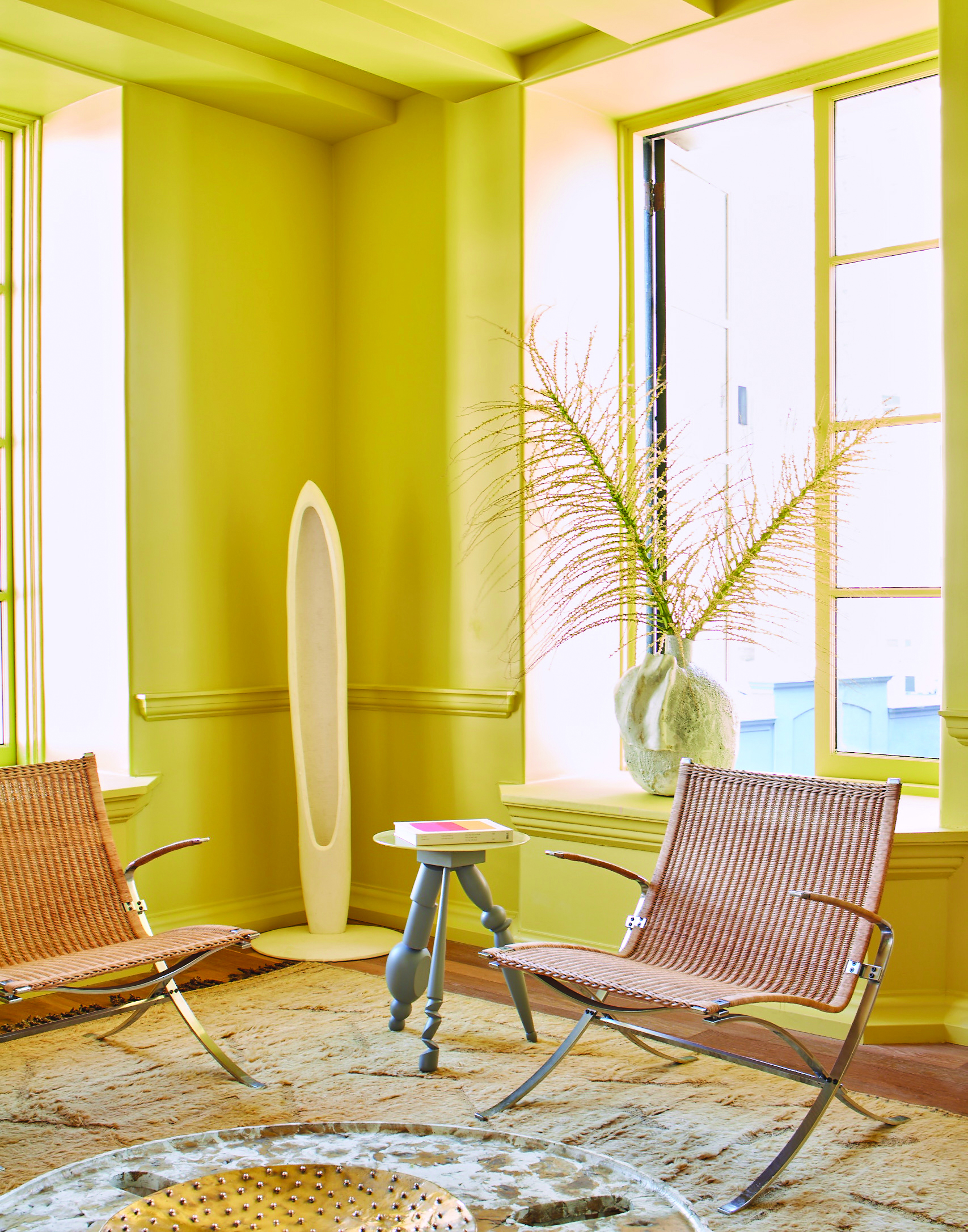
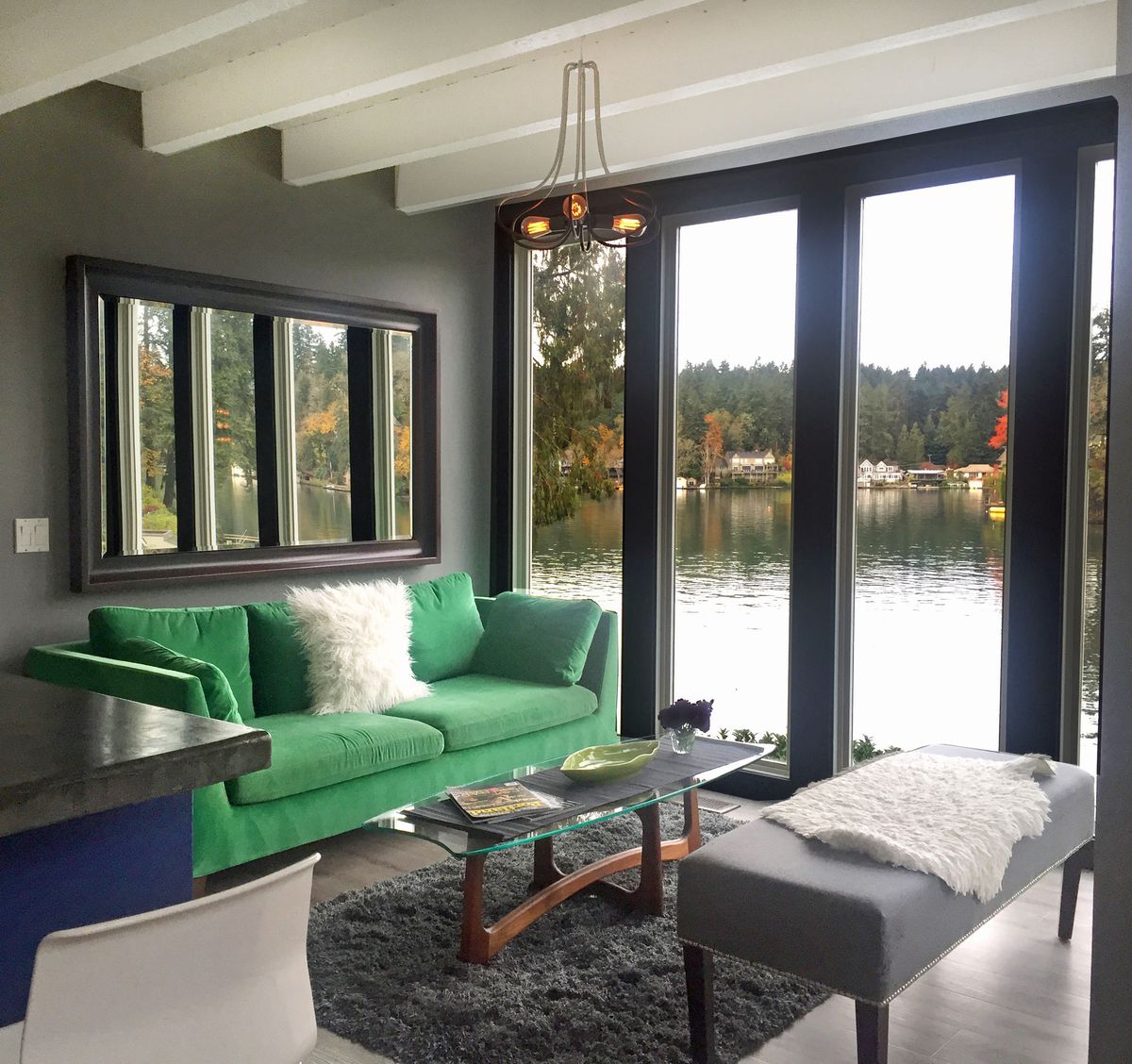
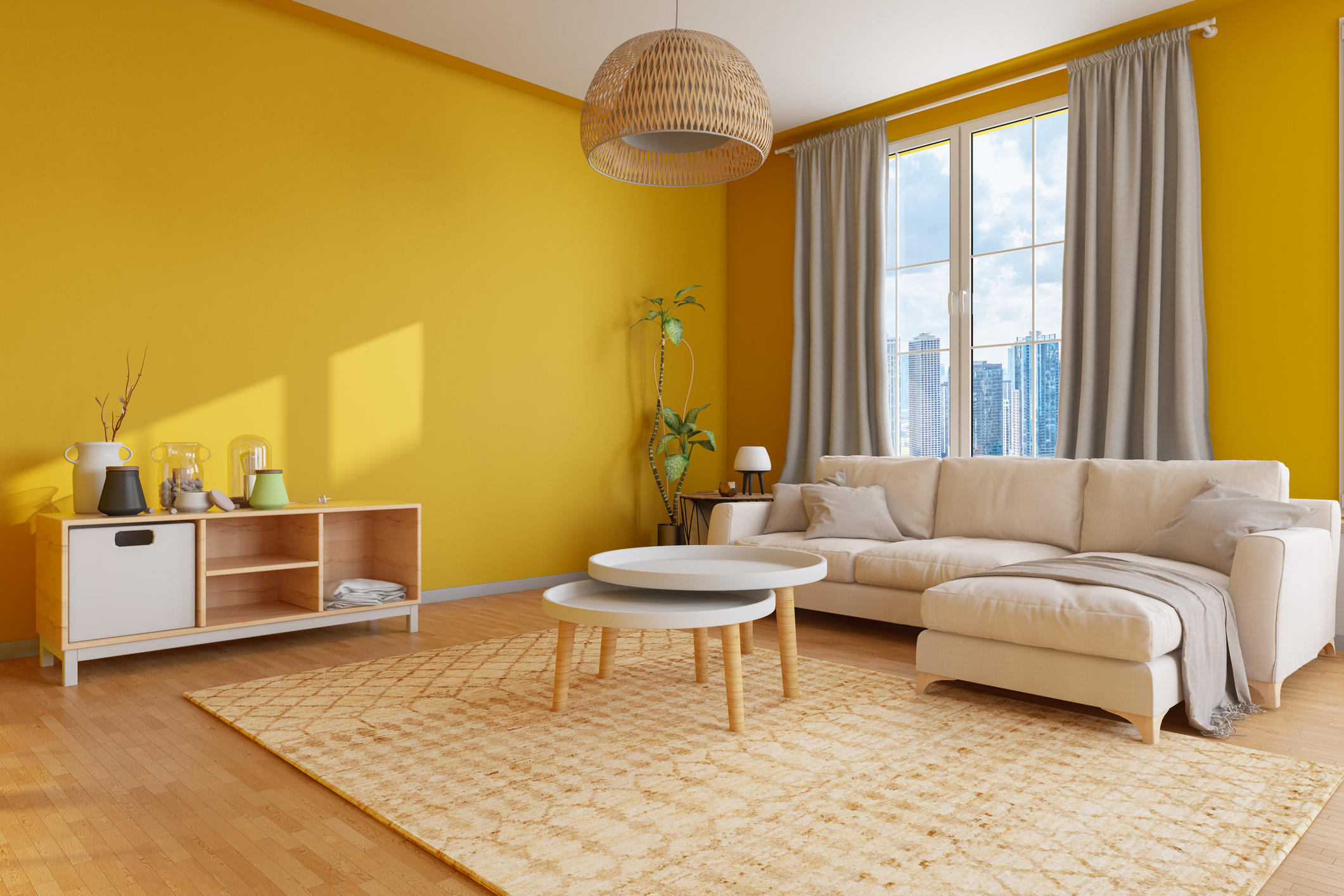
The impact of lighting conditions on paint color is another critical factor. A single paint color will appear differently depending on the amount and type of natural and artificial light in a room. A shade that looks perfect in a sunny, south-facing living room might appear dull or altered in a darker, north-facing bedroom. Interior designer Annaliesse Kelly emphasizes the importance of testing paint samples on the actual walls of each room to observe how the color reacts under varying light conditions. This testing process is crucial to ensure that the chosen color achieves the desired effect in every space, rather than relying solely on how it appears in one specific area.
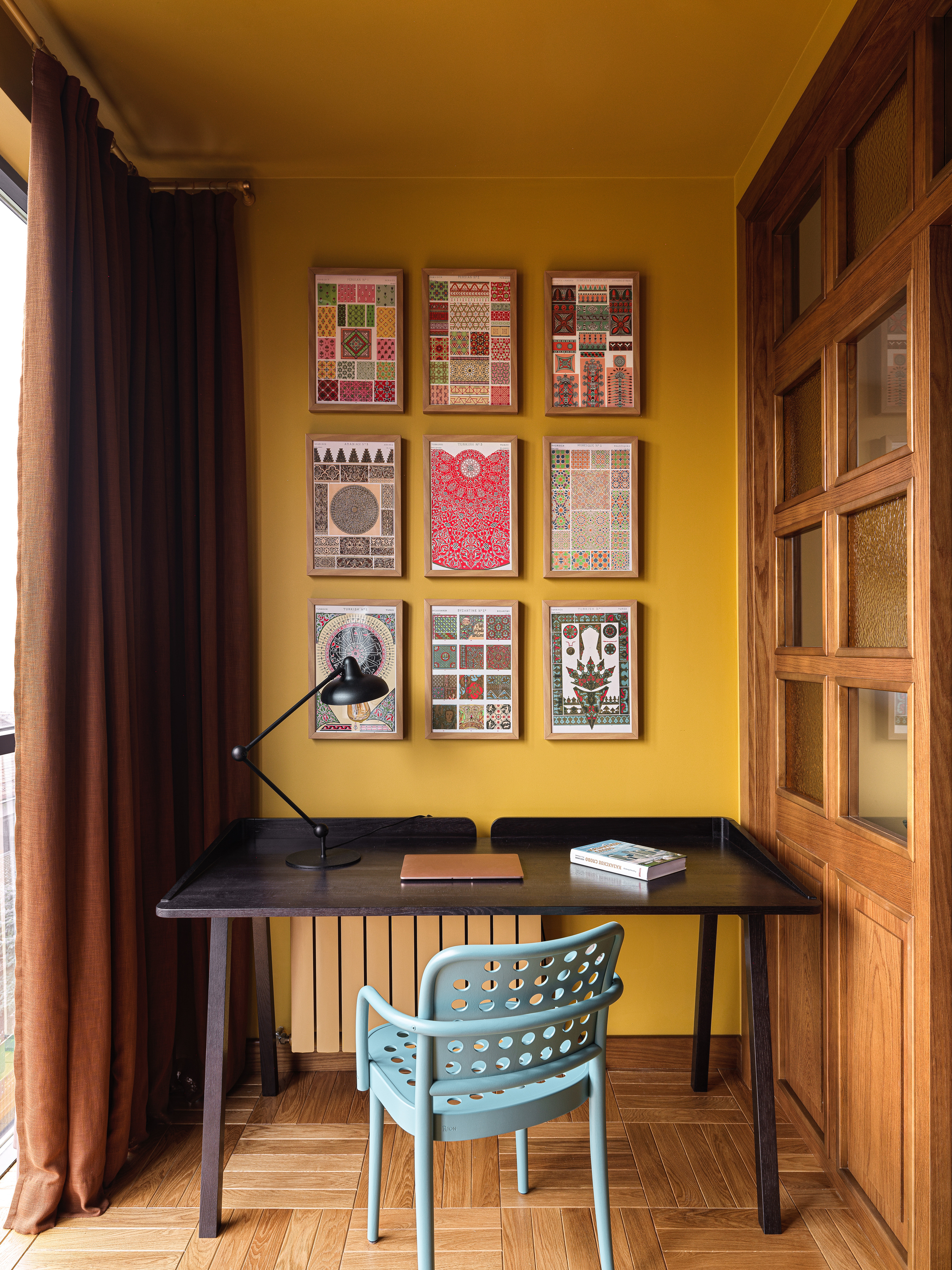
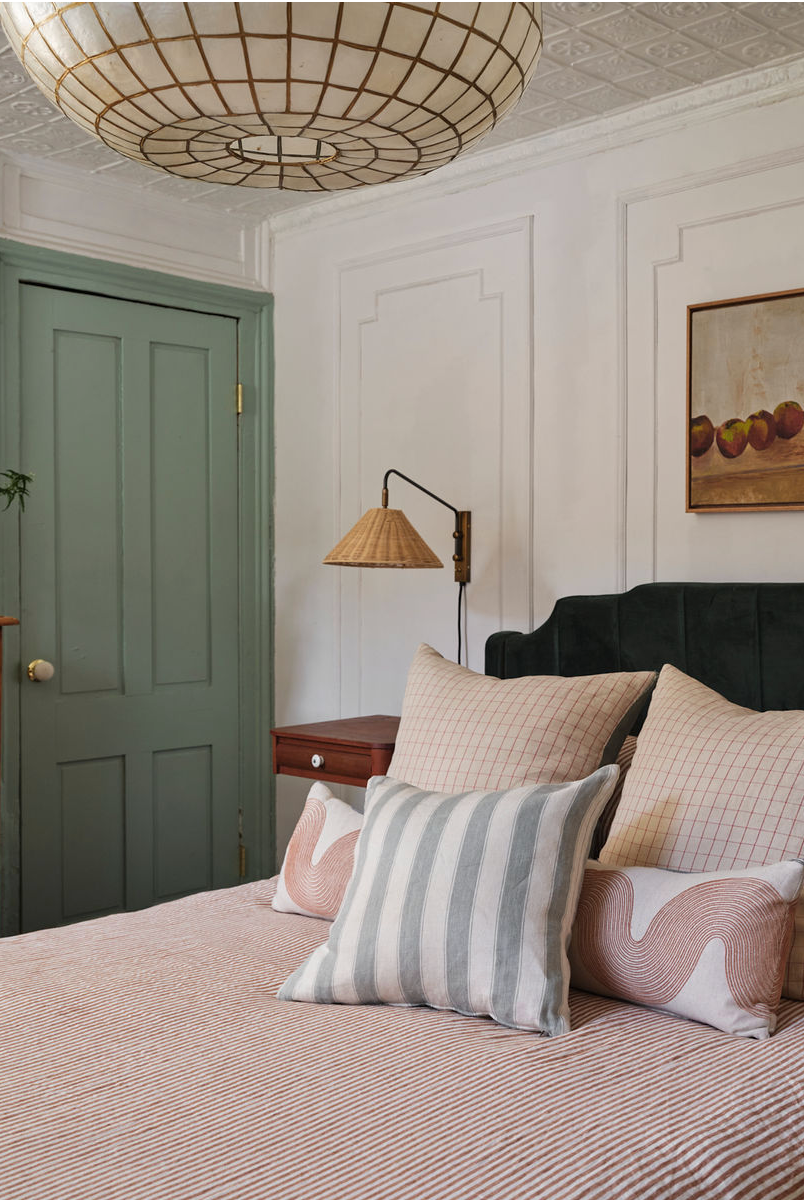
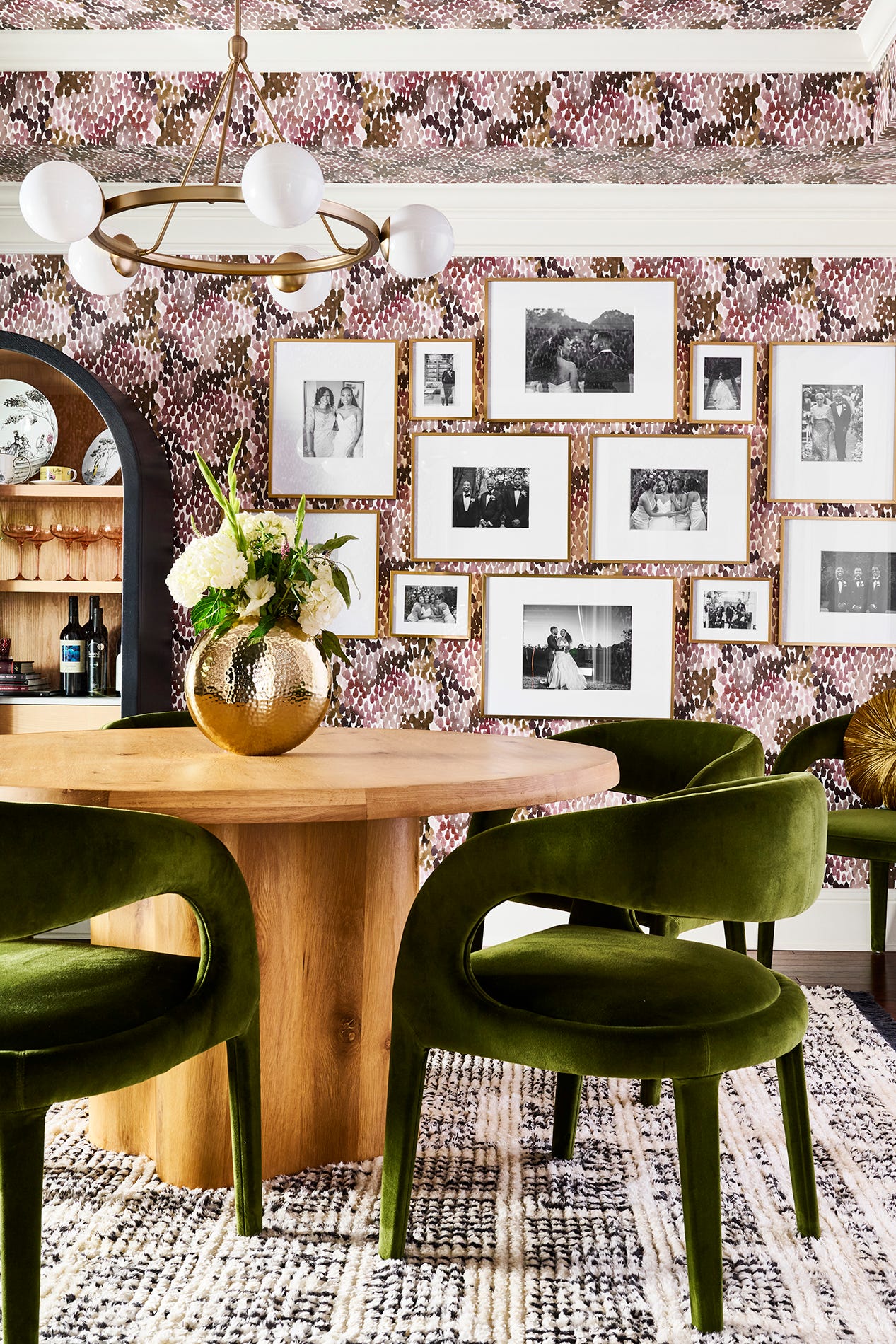
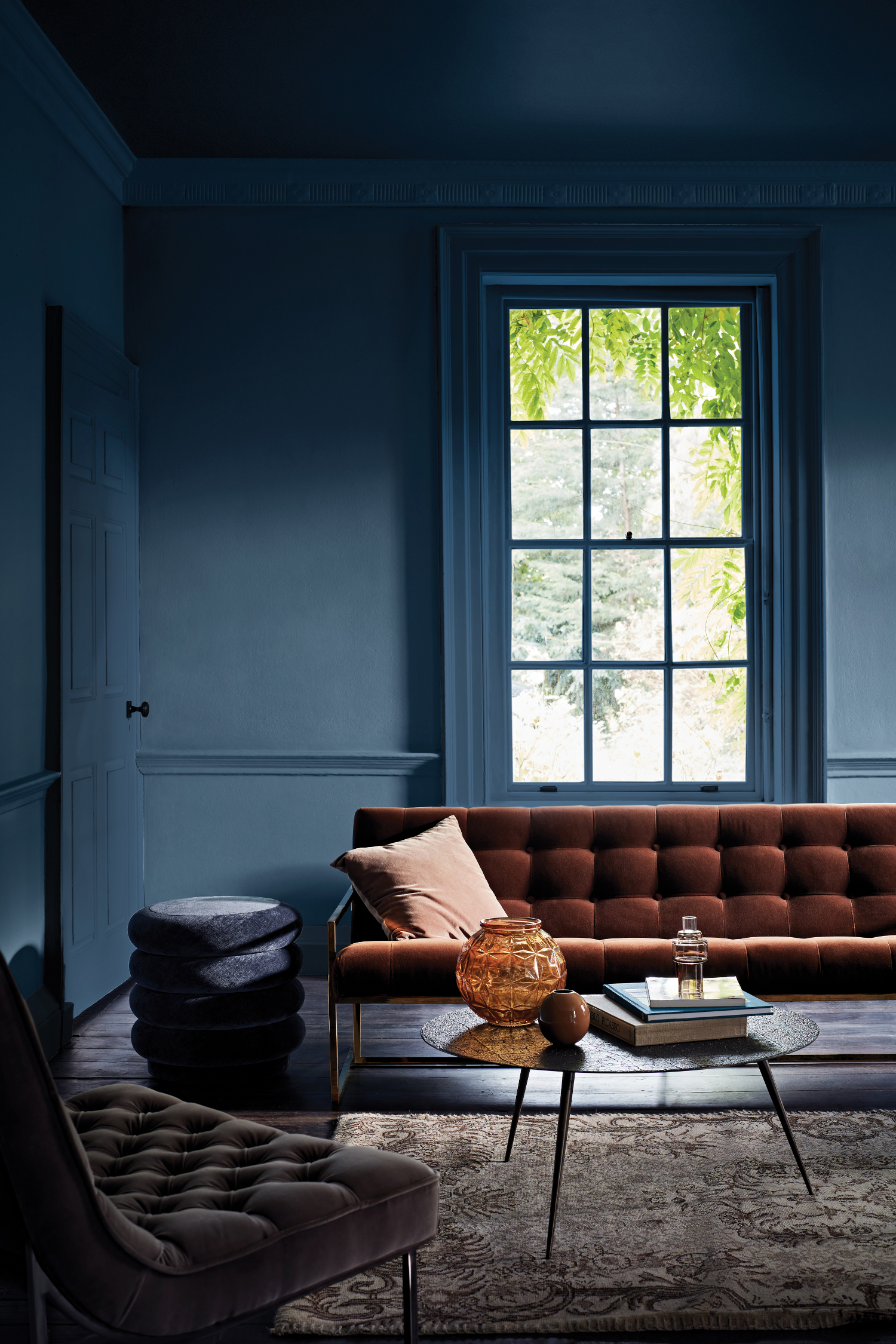
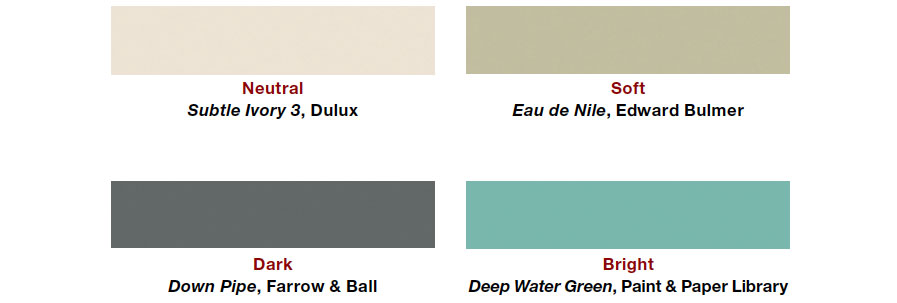
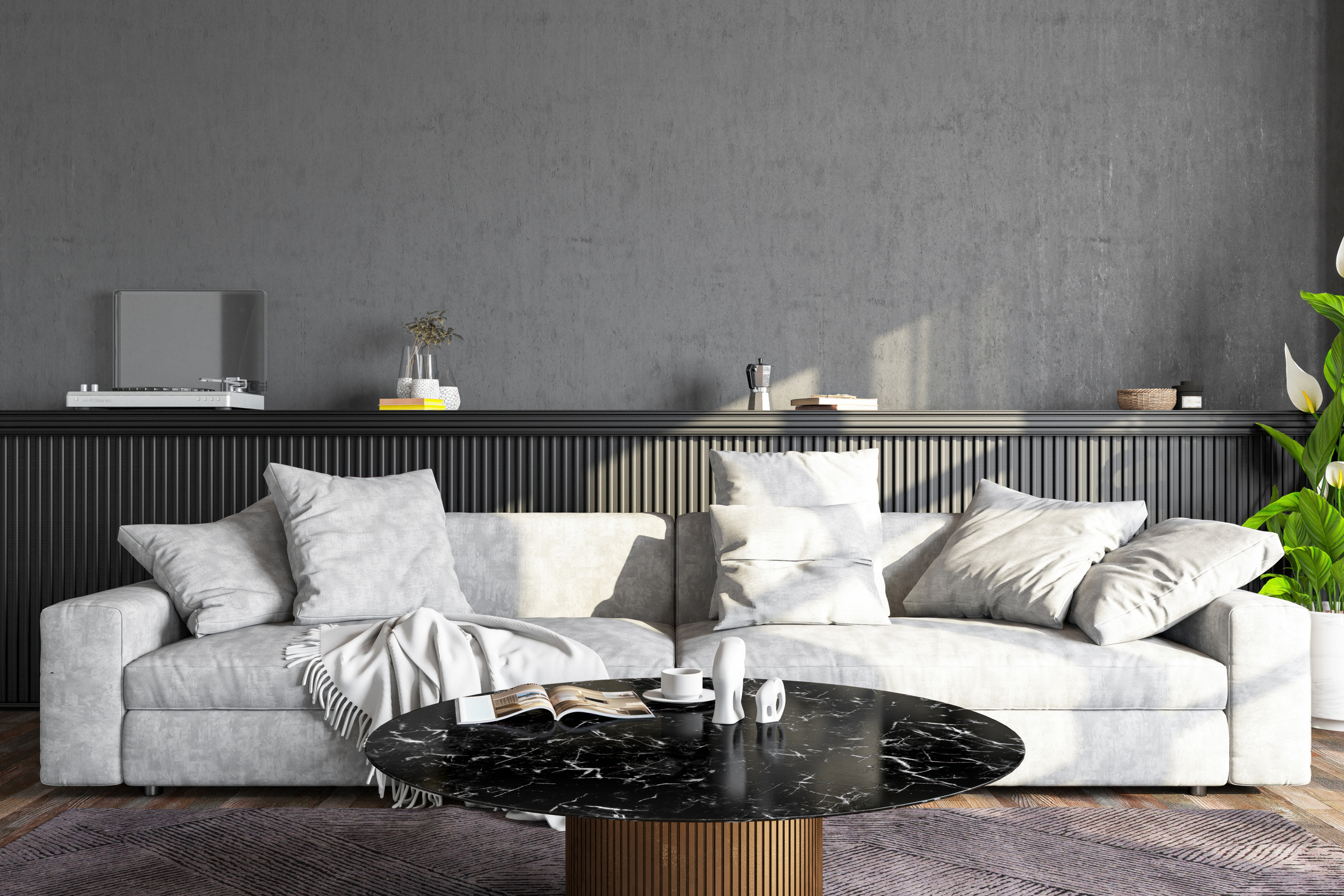
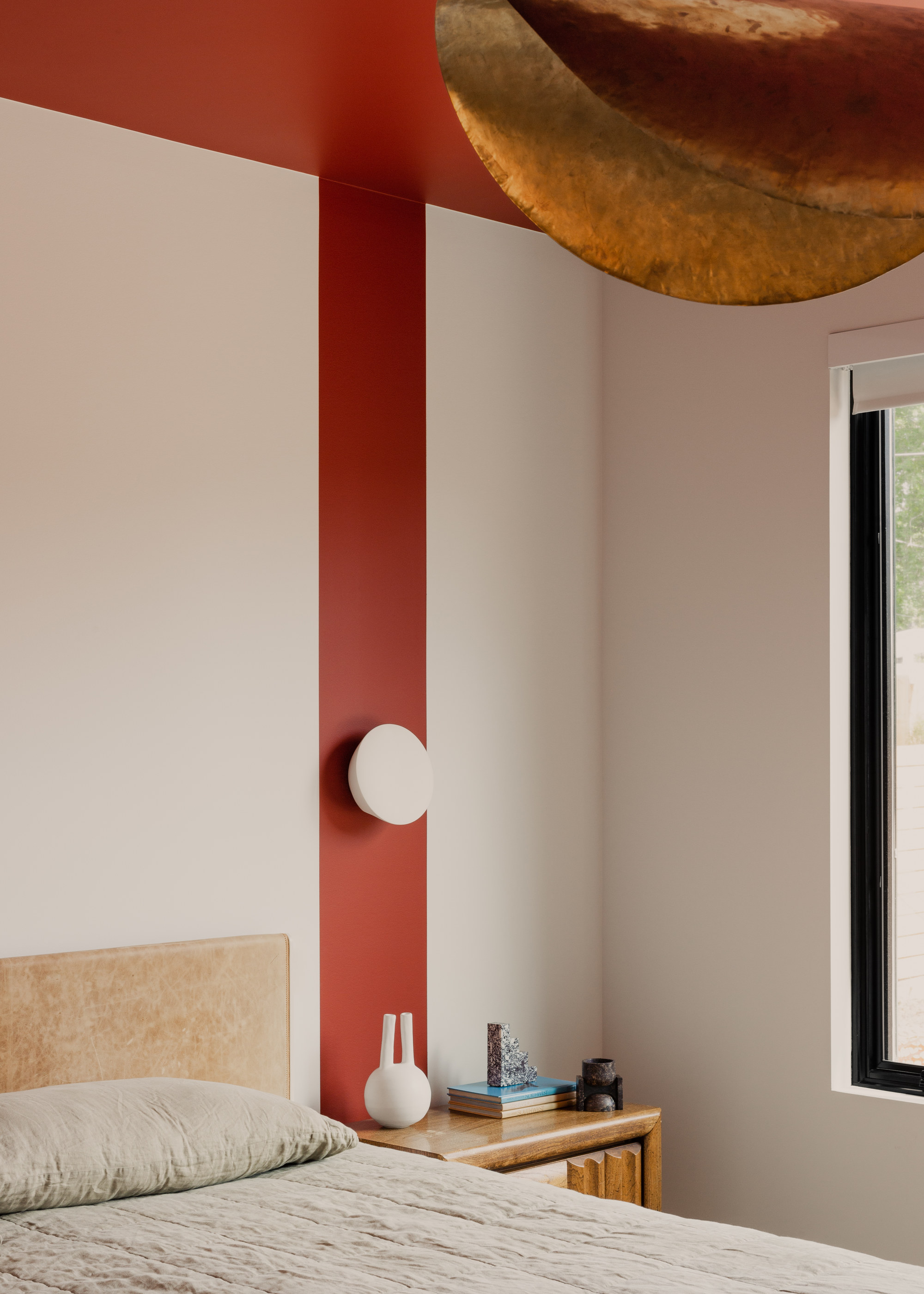
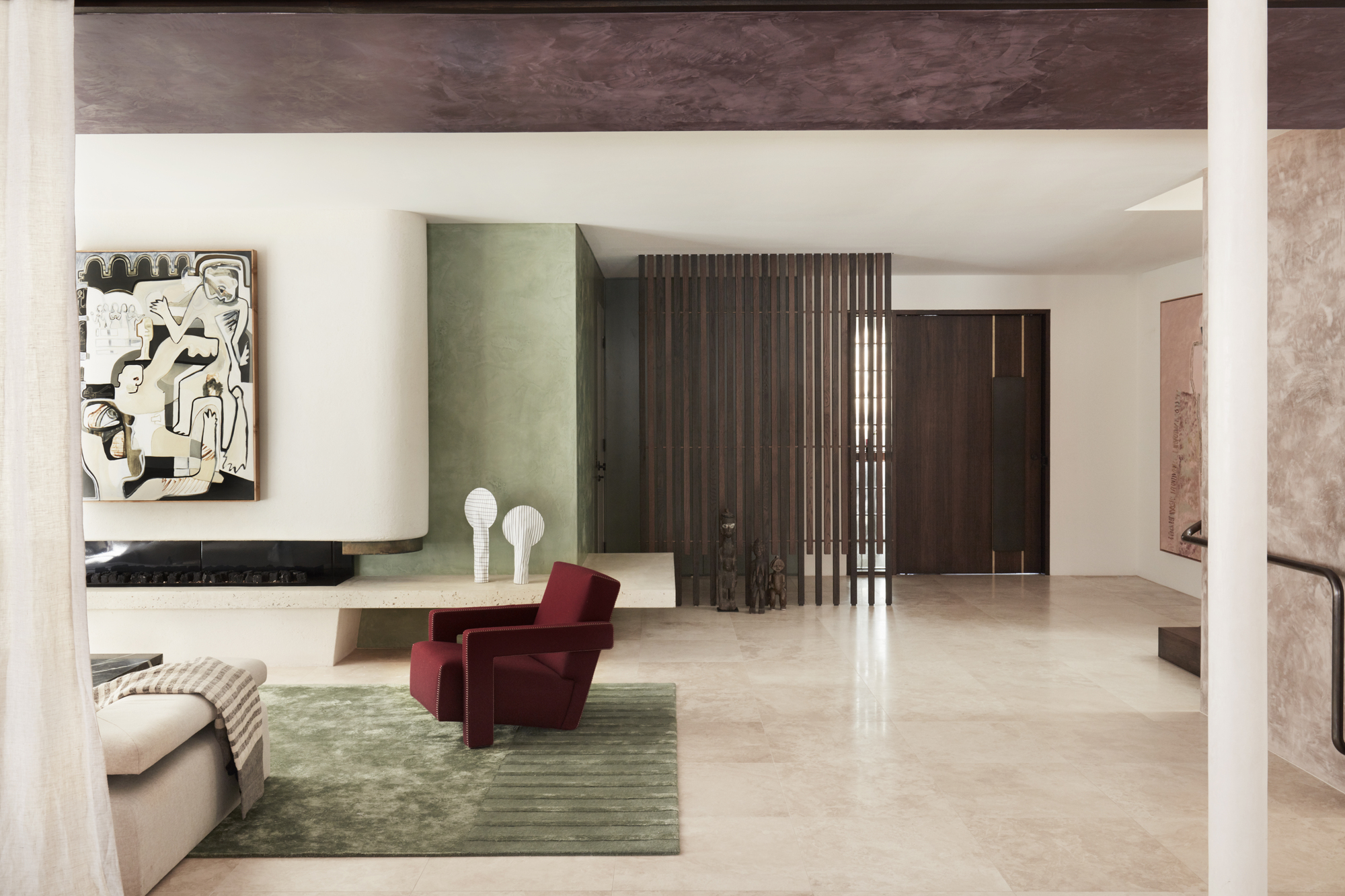
The article also delves into the distinction between using the exact same color throughout a home versus a similar color. While some designers, like Annaliesse Kelly, suggest that if opting for a single color, it should be the exact same tone to maintain cohesion, others, such as Holly A. Kopman, propose a more nuanced approach. Kopman advocates for subtly shifting the color from room to room, especially in monochromatic schemes, to introduce interest and adapt to different lighting. These subtle changes can create varying moods without disrupting the overall sense of unity. This method allows for a personalized touch, acknowledging that a color's perception is dynamic and can be leveraged to enhance each room's unique atmosphere.
Ultimately, the decision to paint an entire house the same color depends on personal preference, the home's architectural style, and the desired aesthetic outcome. While a unified color scheme can provide a sense of calm and cohesion, a varied palette, even with subtle tonal shifts, can add depth, character, and respond more effectively to individual room conditions and purposes. Designers advise homeowners to prioritize what inspires joy and works best for their specific living environment, rather than adhering to rigid rules, ensuring that the chosen paint scheme contributes positively to the home's overall design and comfort.
#InteriorDesign #PaintColors #HomeDecor #ColorSchemes #Monochromatic #LightingEffects #DesignTips #HomeRenovation #InteriorDesign #PaintColors #HomeDecor #ColorSchemes #Monochromatic #LightingEffects #DesignTips #HomeRenovation
0 komentarzy łącznie
 Brak komentarzy jeszcze
Możesz również polubić
Should the entryway be the same color as the living room? One of the world's best paint experts decides once and for all
Should doors be painted the same color as walls? Expert advice on when to go all out and when to mix it up
Britain's best interior designers on the paint colours you just can't go wrong with
The Trick to Finding a Paint Color That Works With Everything You Already Have

4 Times Designers Say You Definitely Shouldn't Paint Your Walls and Ceiling in the Same Color
How to choose the best paint color for any room in your house
Never Regret a Paint Color Again—Avoid These 6 Common Mistakes
Real estate agents reveal which room colors sell a house the fastest – for the highest price

Should You Paint Ceilings and Walls the Same Color? Experts Give Their Verdict
7 Paint Colors Designers Wish They Never Used (and What You Should Use Instead)

What are the worst colors to paint a room? The shades experts say you should never use
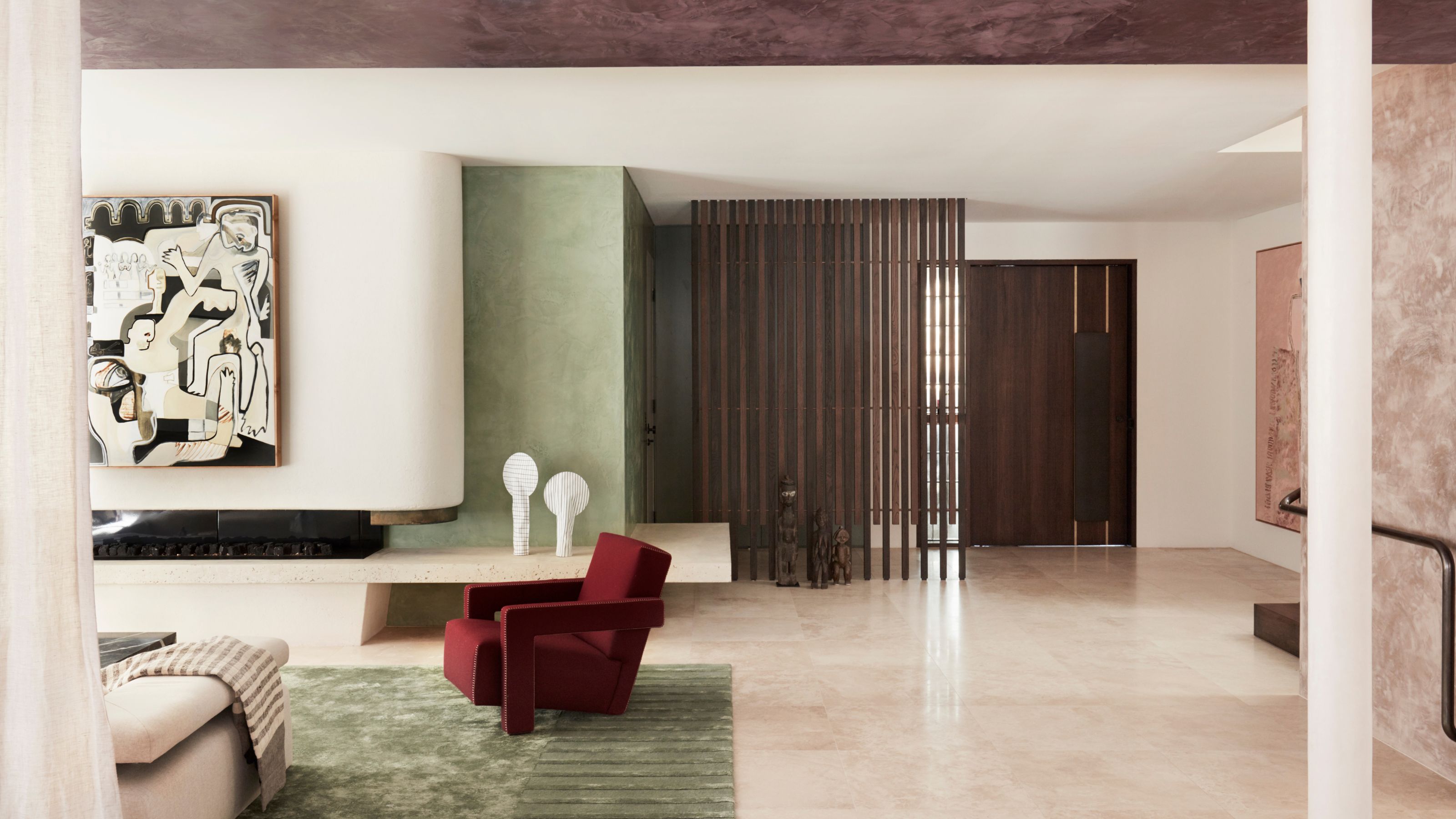
'The World of Color is Rife With Danger' — 5 Color Combinations That Don't Go Together and What to Use Instead

How To Choose The Right Paint Color For Your Home, According To An Interior Design Expert

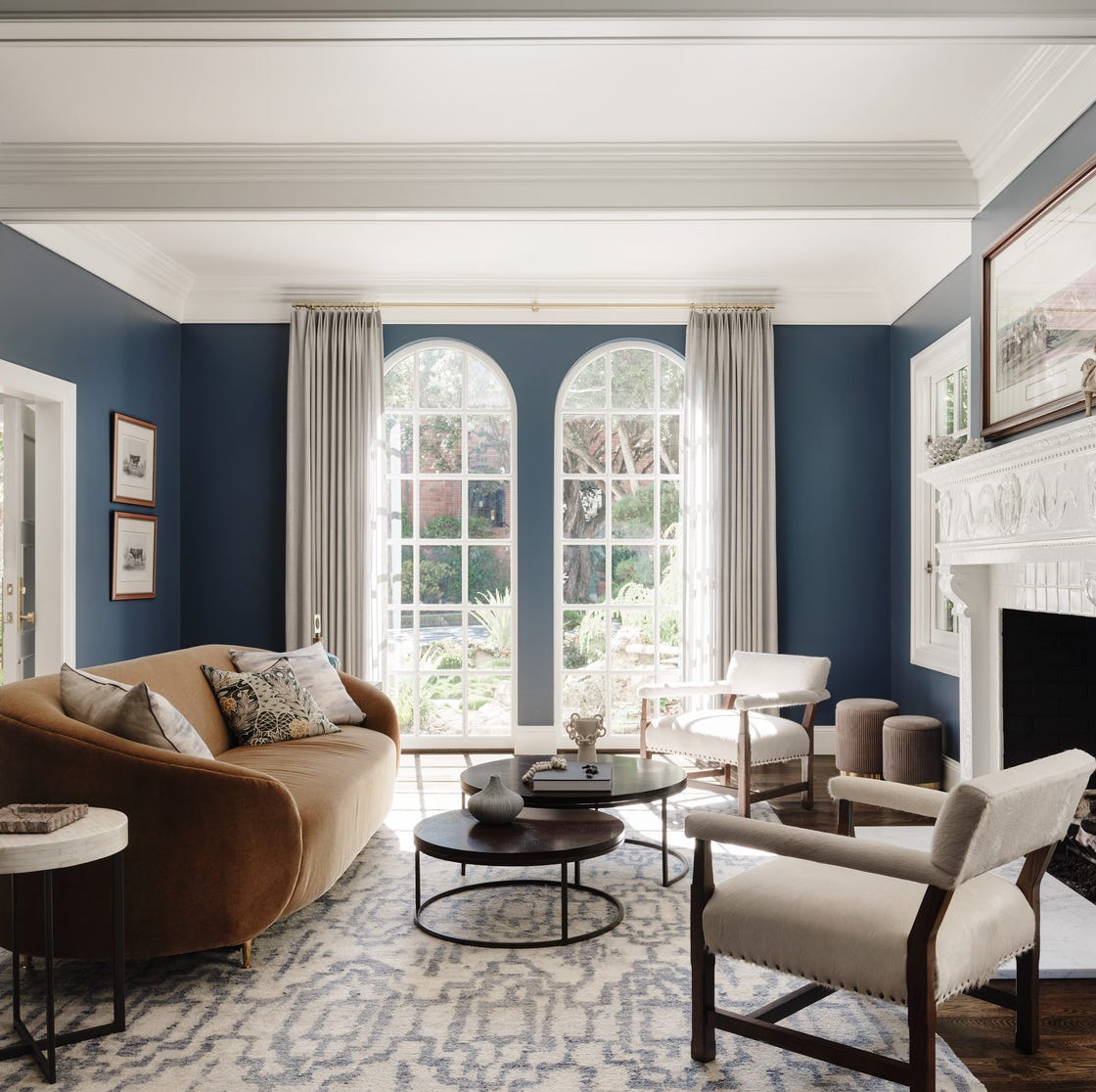
11 Paint Colors That INSTANTLY Make Your Home Look "Expensive," According to Designers


These Dark Interior Colors Can Sell Your House for More Money, According to Zillow

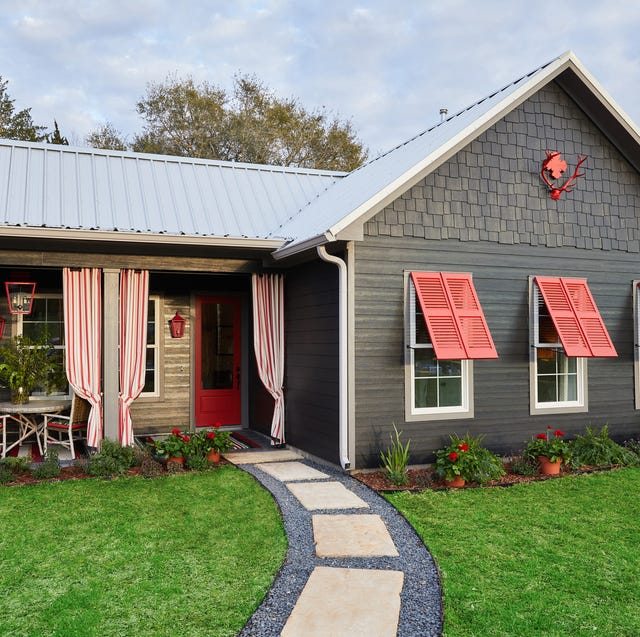
Here's What Colorists Want You to Know About Picking House Paint

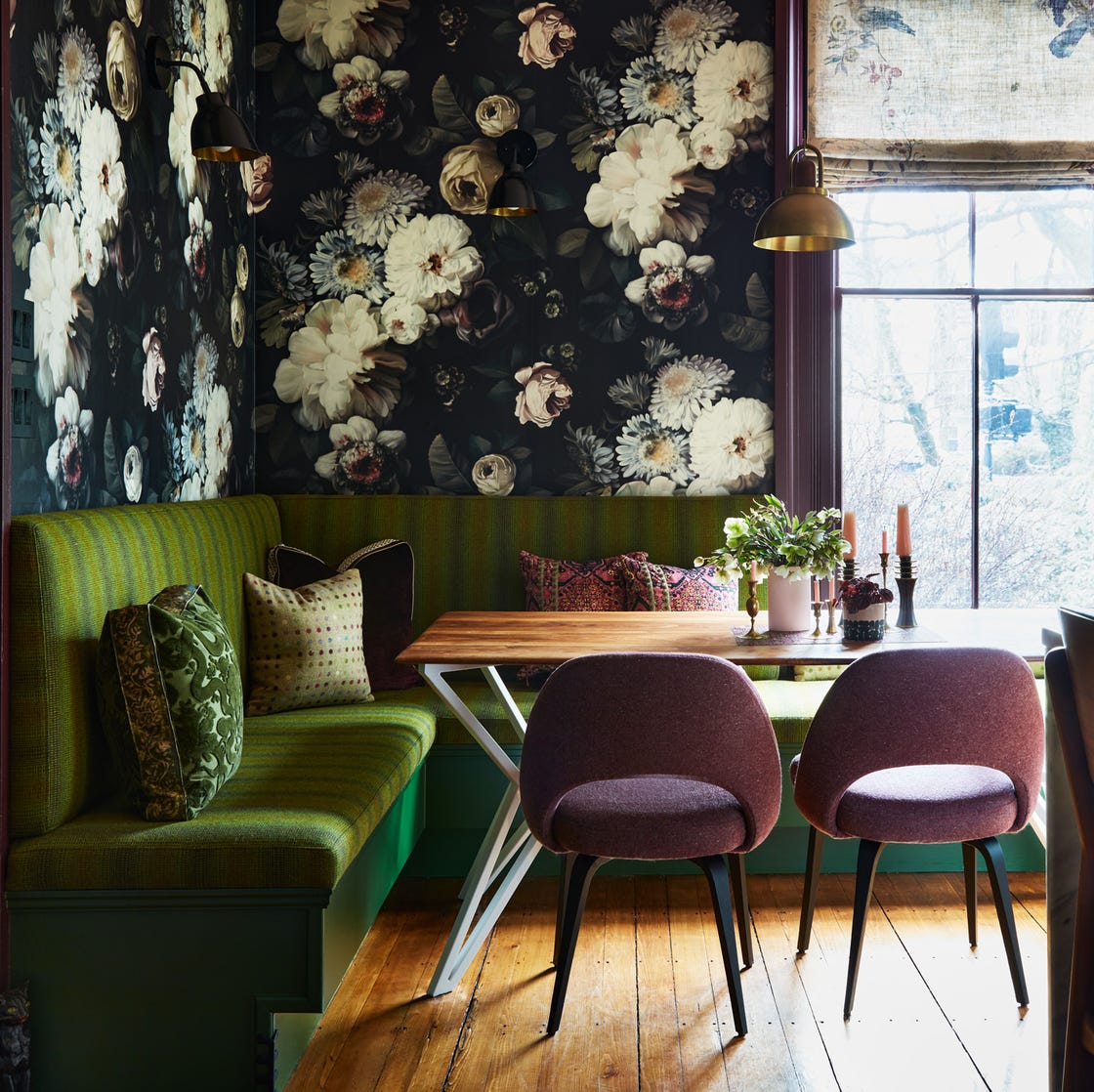
12 Color Schemes That Are Popping Off Right Now, According to Designers
8 Surprising Colors That Will Decrease Your Home's Value, According to Experts
Millennial Gray Is So Over—Here Are 5 Paint Colors to Try Right Now
Should You Paint the Ceiling and Walls the Same Color? Interior Designers Share Their Thoughts