
Old-School Flooring Suddenly Feels Surprisingly Fresh (Published 2017)
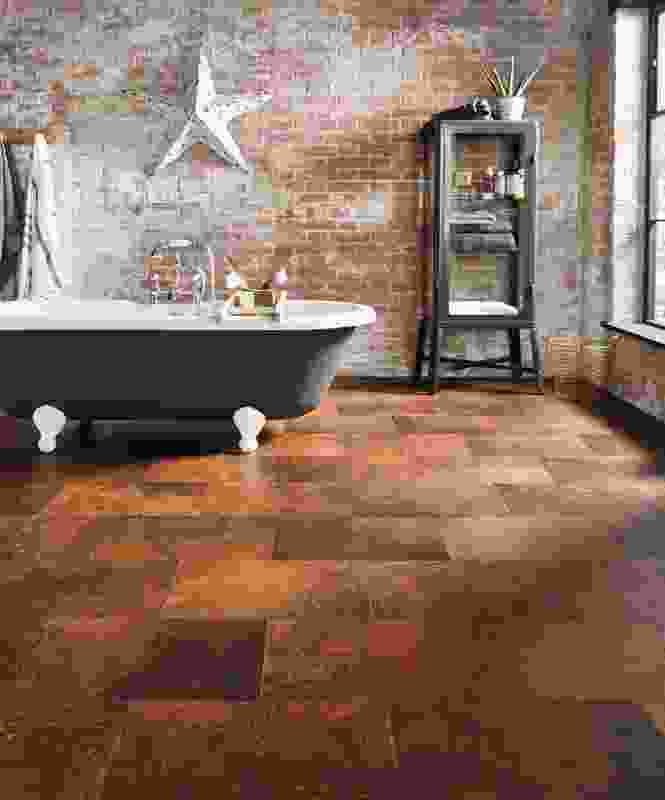
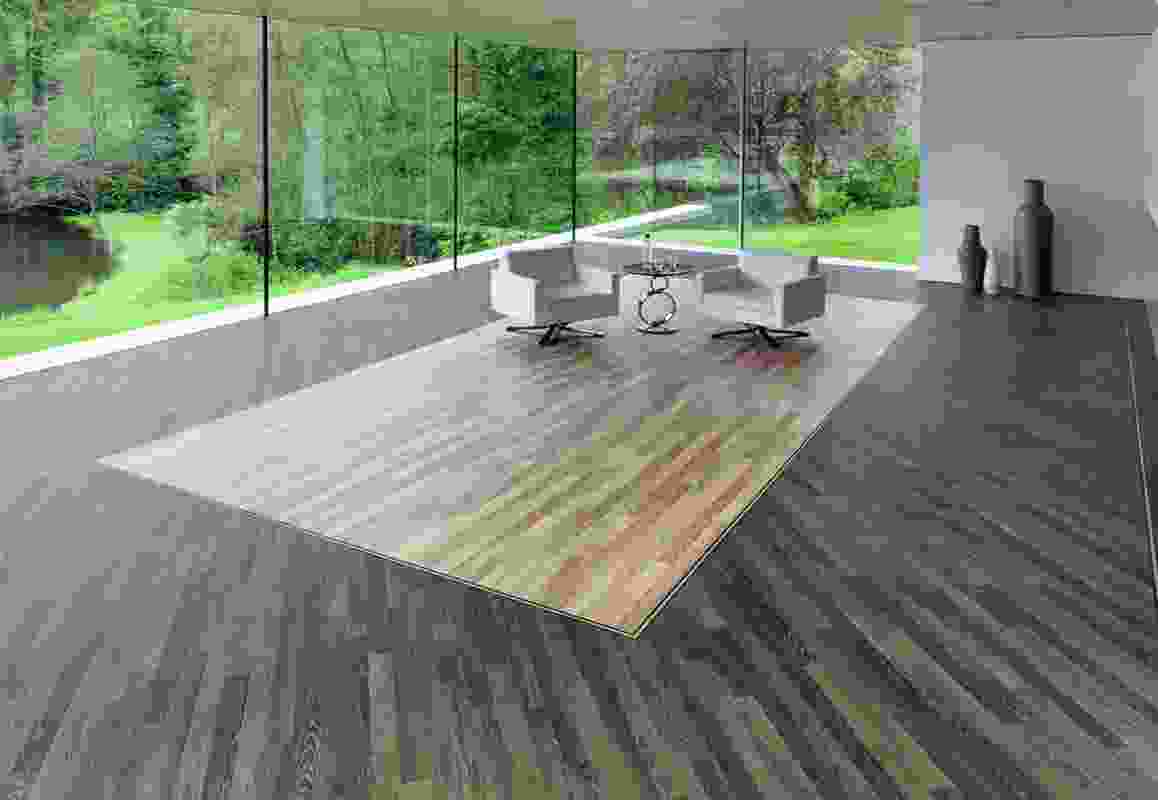
The perception of flooring materials often shifts with evolving design trends, and certain 'old-school' options are now re-emerging as fresh and desirable choices for contemporary interiors. These materials, once ubiquitous or relegated to specific, less prominent areas, are experiencing a renaissance, offering both aesthetic appeal and practical benefits. Three prominent examples of such revitalized flooring types are rubber tiles, linoleum, and wall-to-wall carpeting.
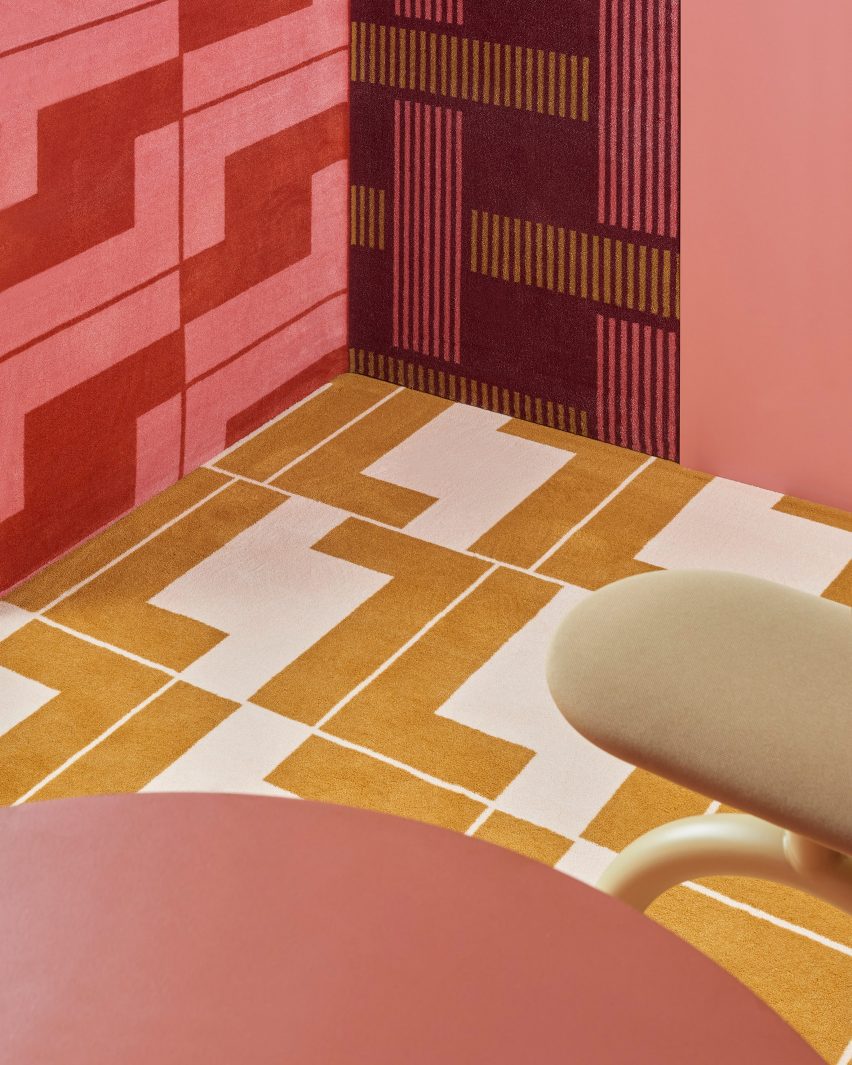
Rubber tiles, traditionally an industrial staple, were a hallmark of 1970s loft aesthetics. While black rubber tiles continue to offer a sleek, utilitarian look, designers are increasingly exploring bolder primary colors to introduce vibrant pops of color and playful energy into spaces. This versatility makes rubber tiles suitable for a range of applications, from kitchens and bathrooms to playrooms and even commercial settings where durability and comfort underfoot are paramount. Their resilience, water resistance, and sound-absorbing qualities contribute to their renewed popularity.
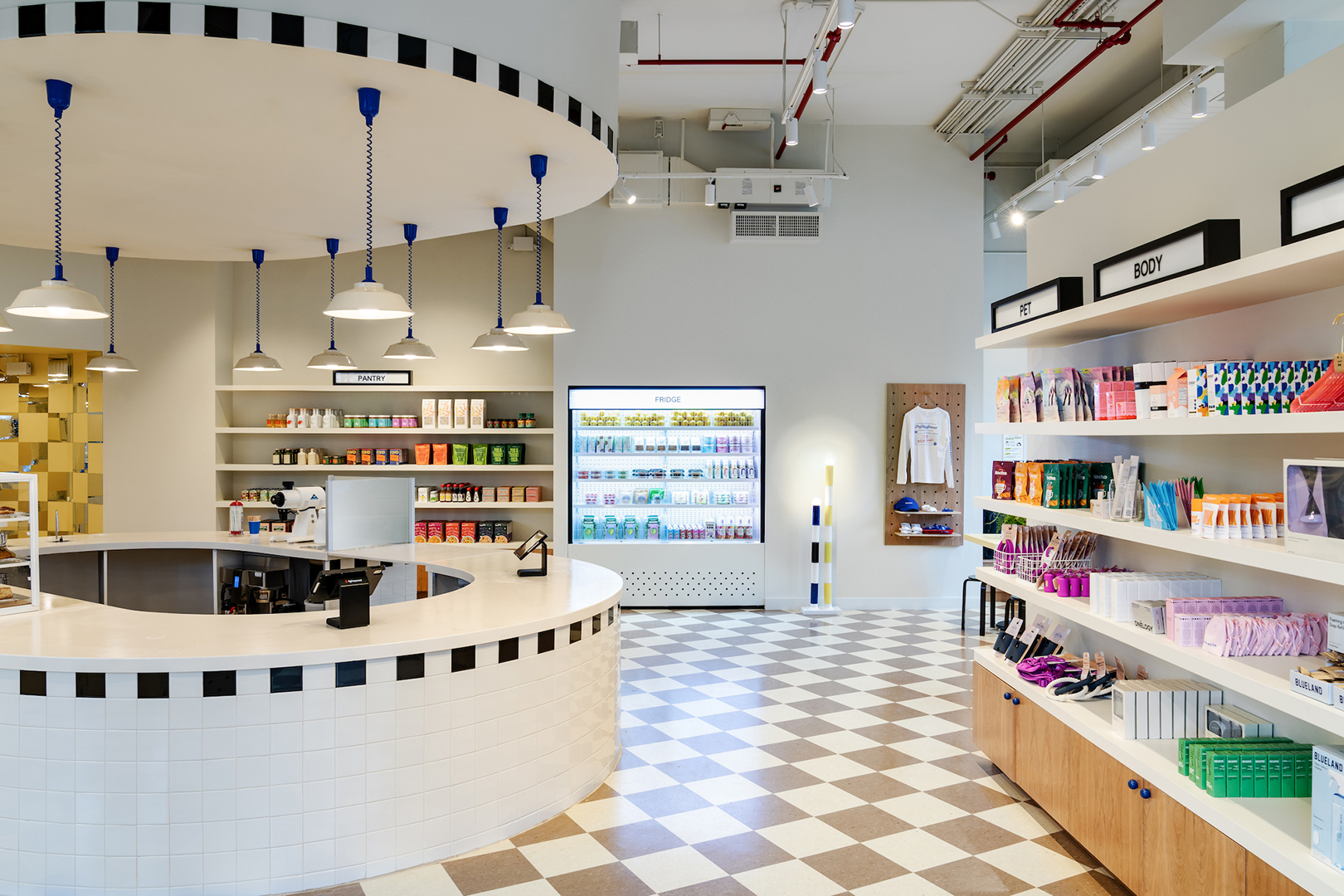
Linoleum, a material that peaked in popularity during the 1940s, is another flooring option making a significant comeback. Modern manufacturing techniques have expanded the design possibilities for linoleum, moving beyond its traditional muted patterns. Contemporary linoleum is available in a sophisticated palette of moodier shades and subtle, refined patterns that elevate its aesthetic appeal, allowing it to seamlessly integrate into high-design environments. Beyond its improved visual characteristics, linoleum is celebrated for its natural composition, durability, and ease of maintenance, appealing to those seeking sustainable and long-lasting flooring solutions.
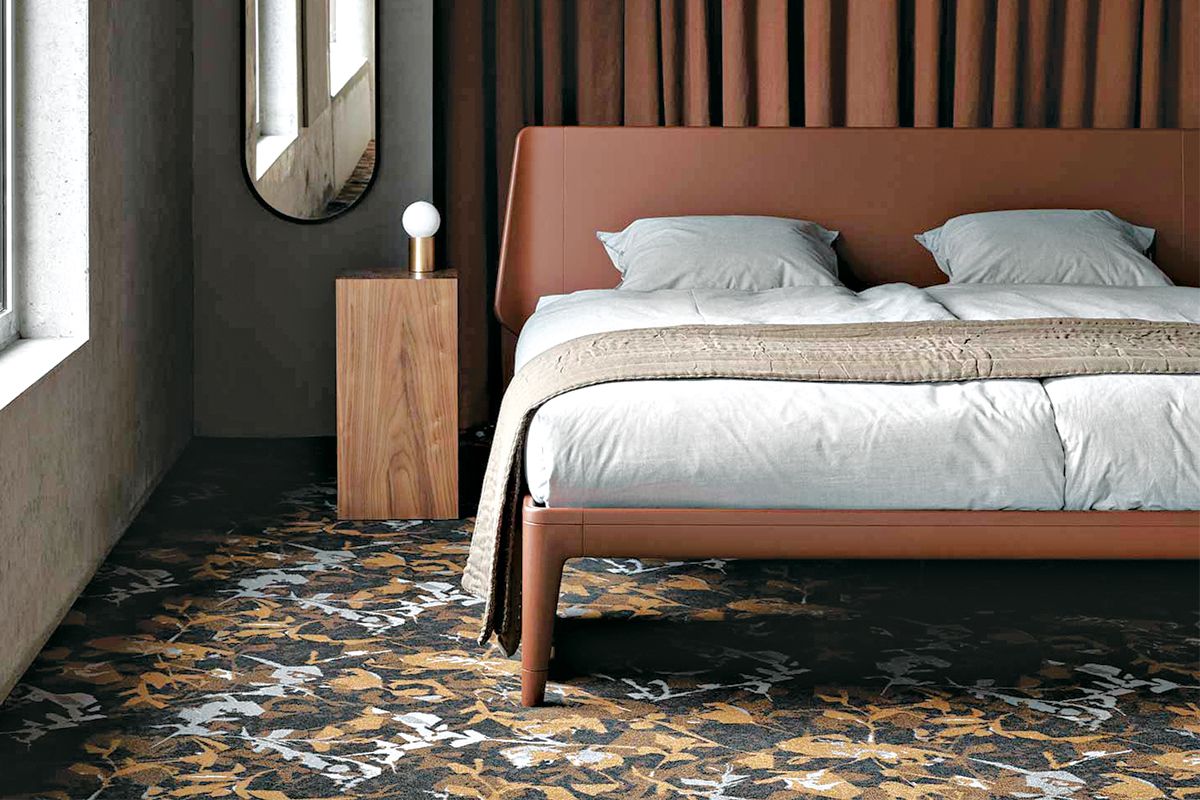
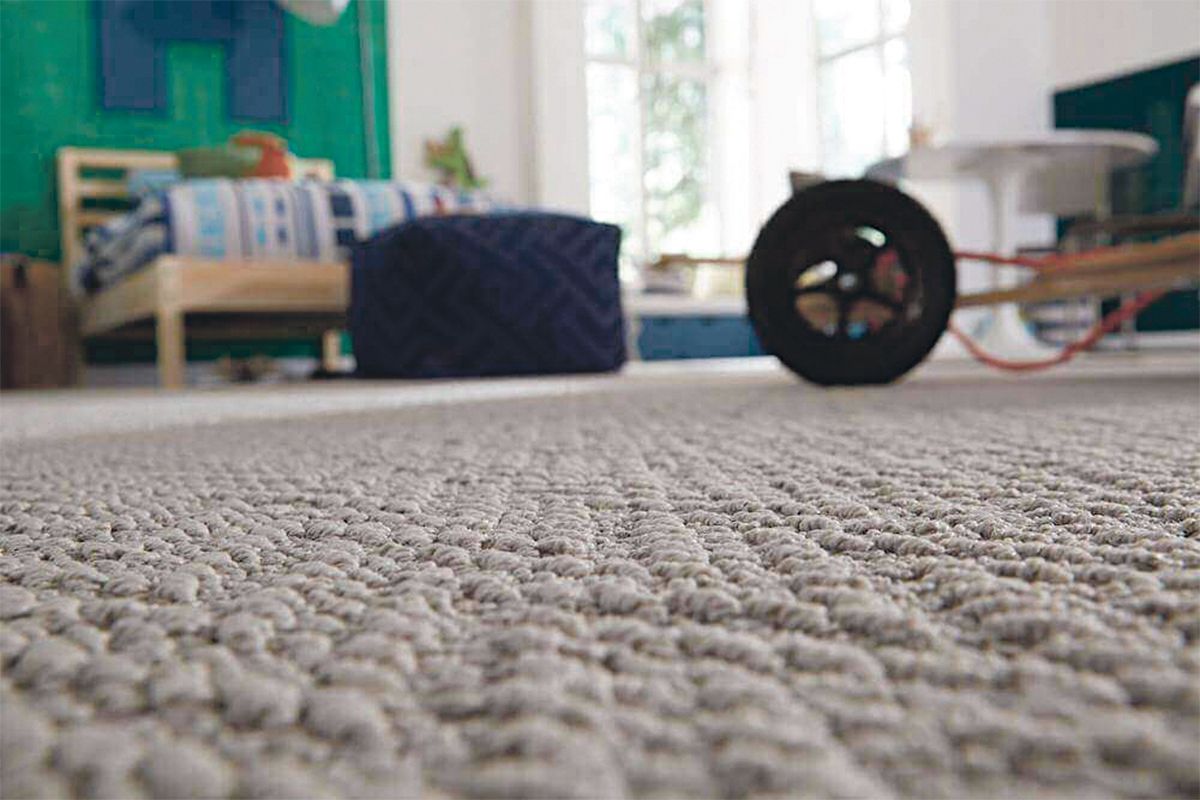
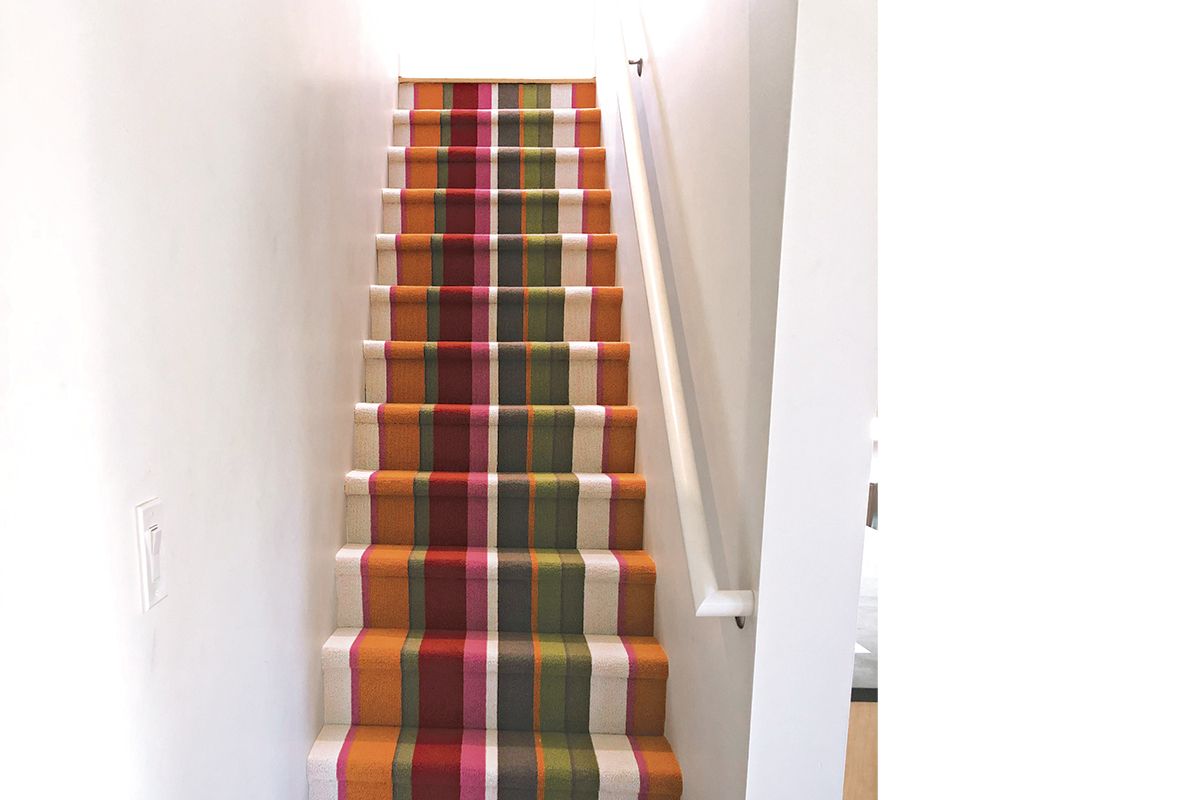
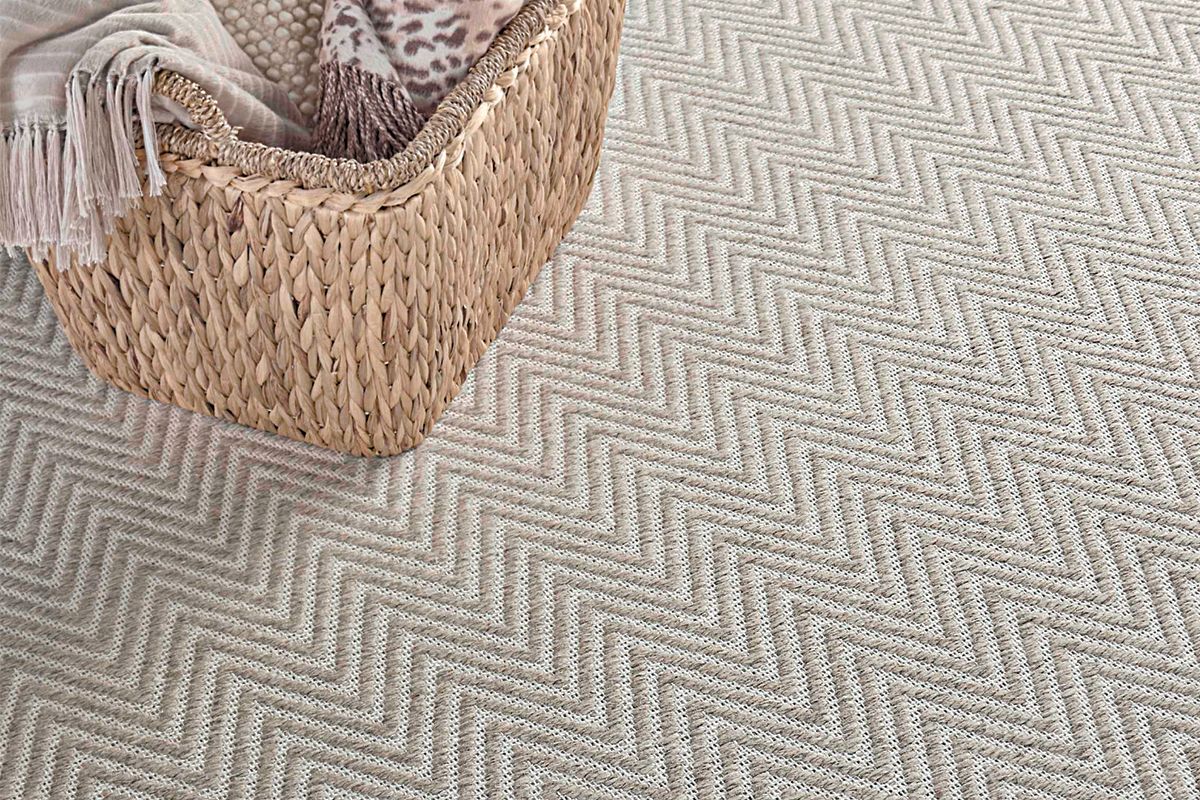
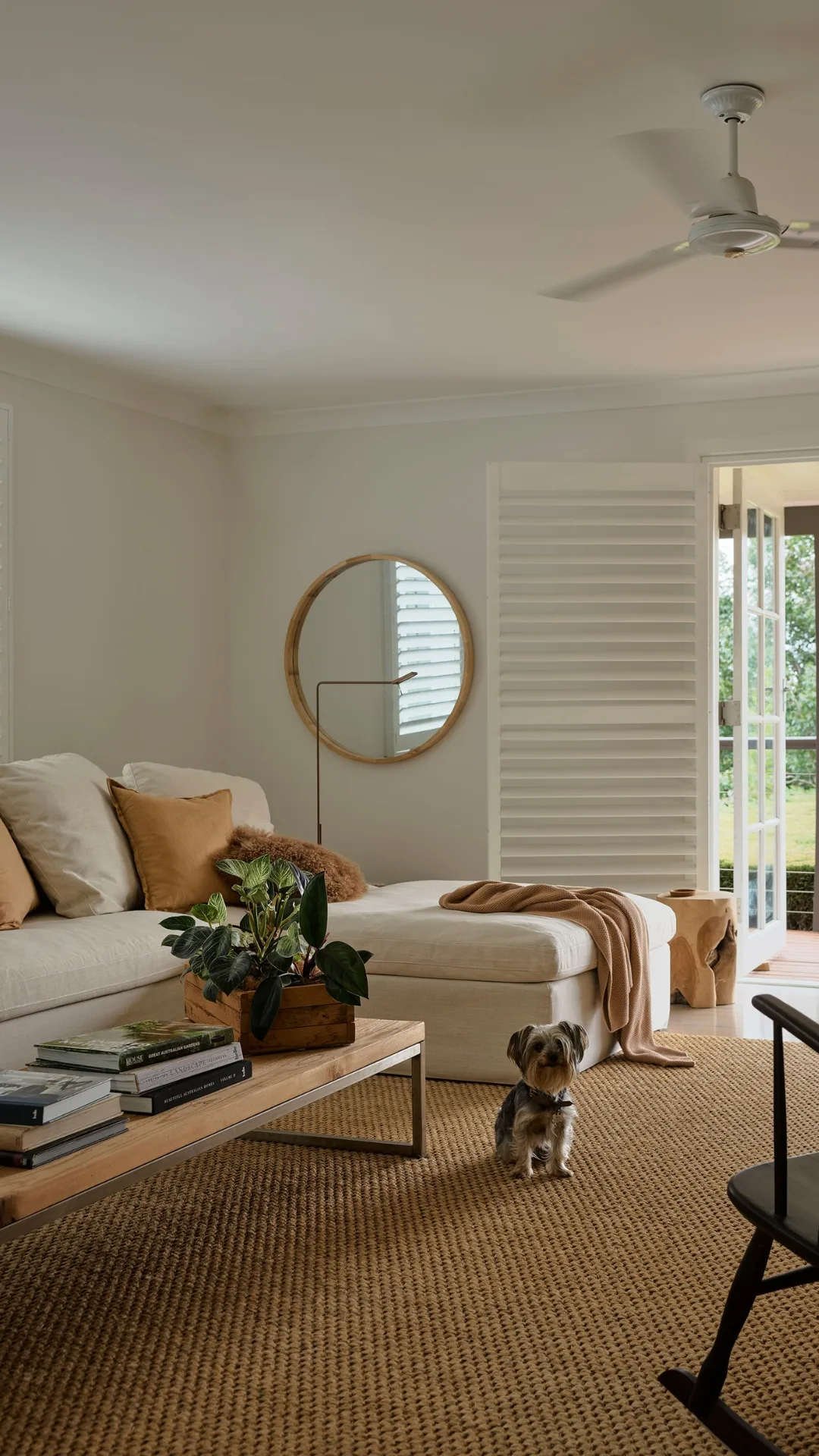
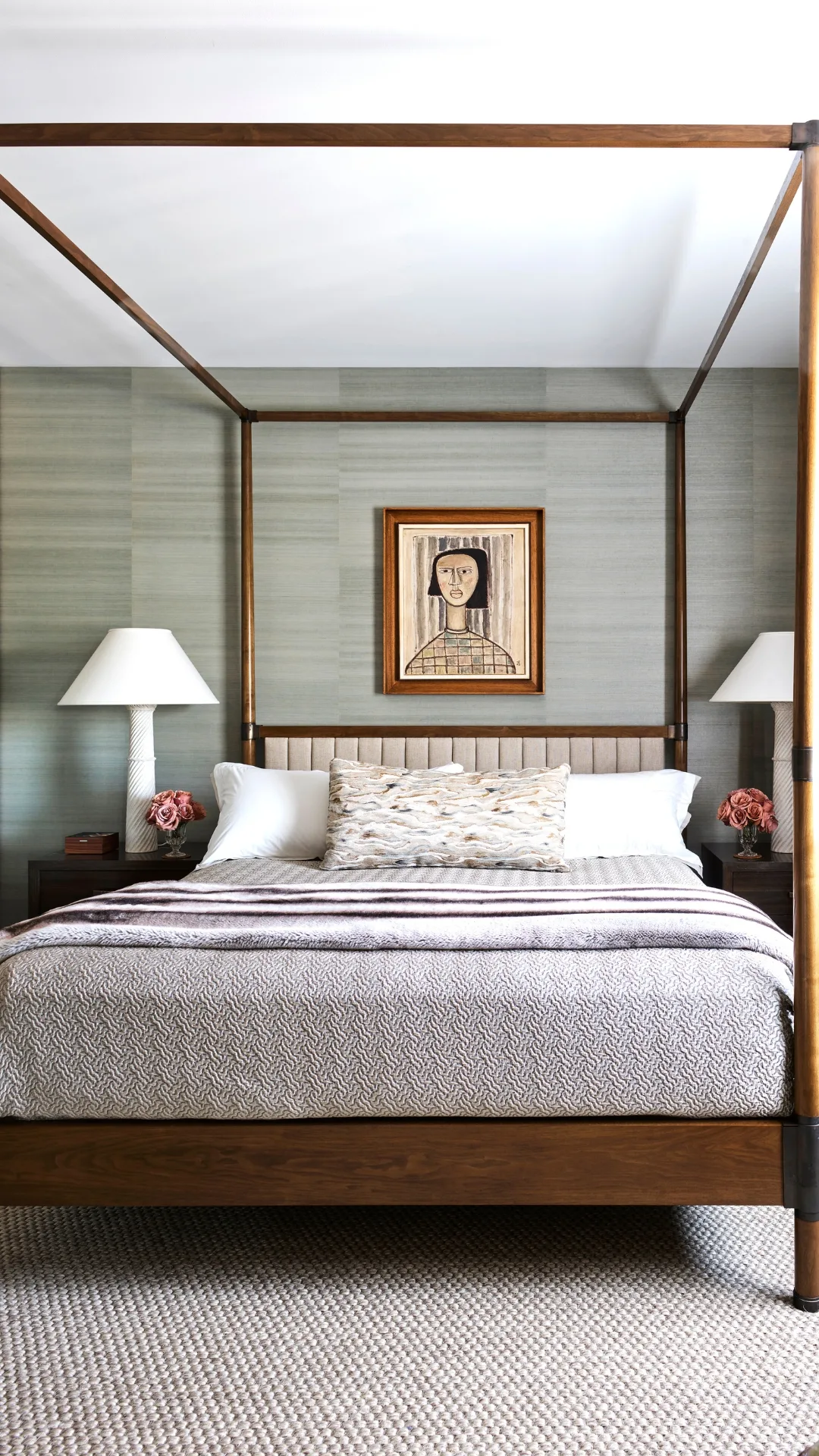
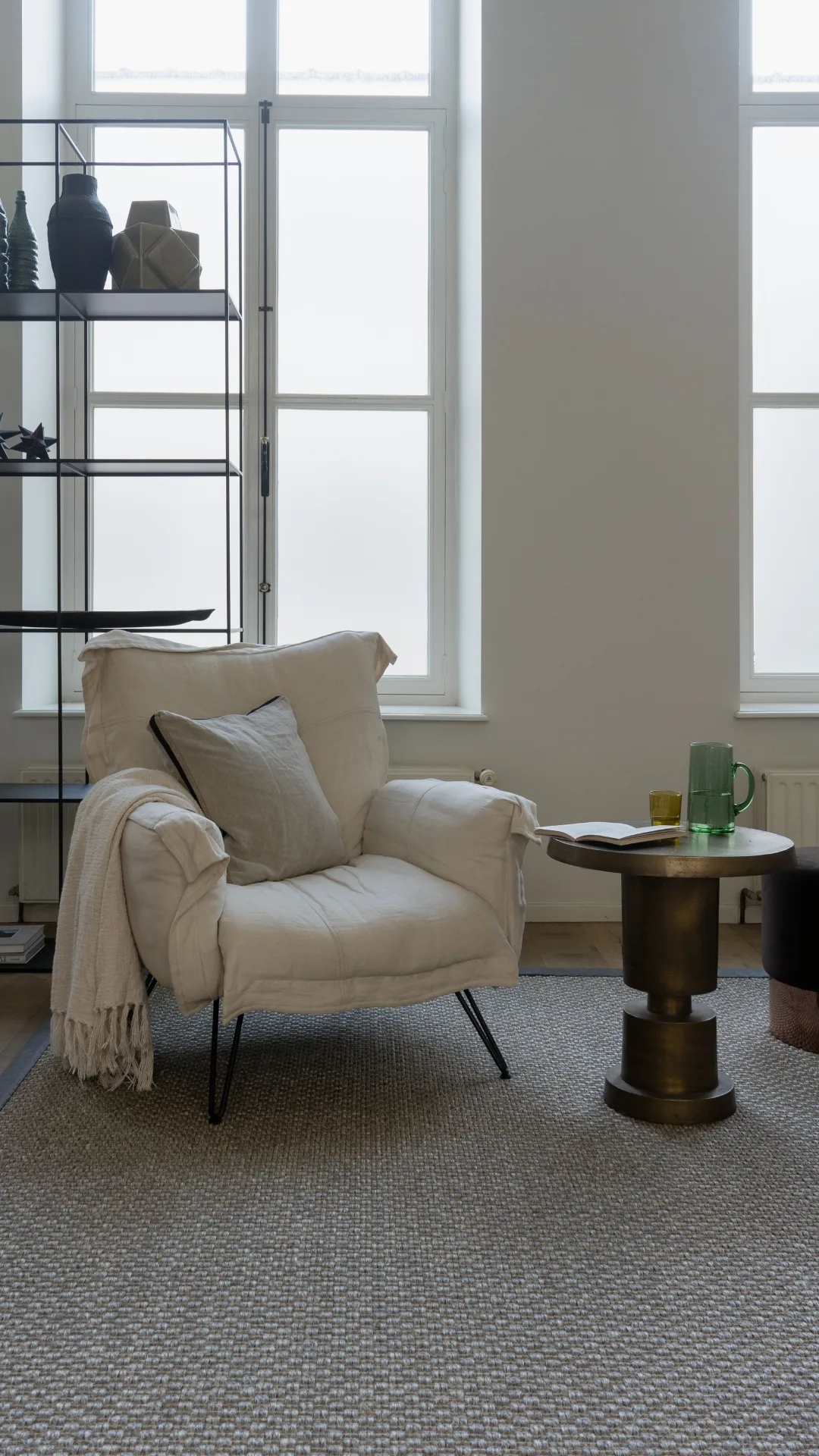
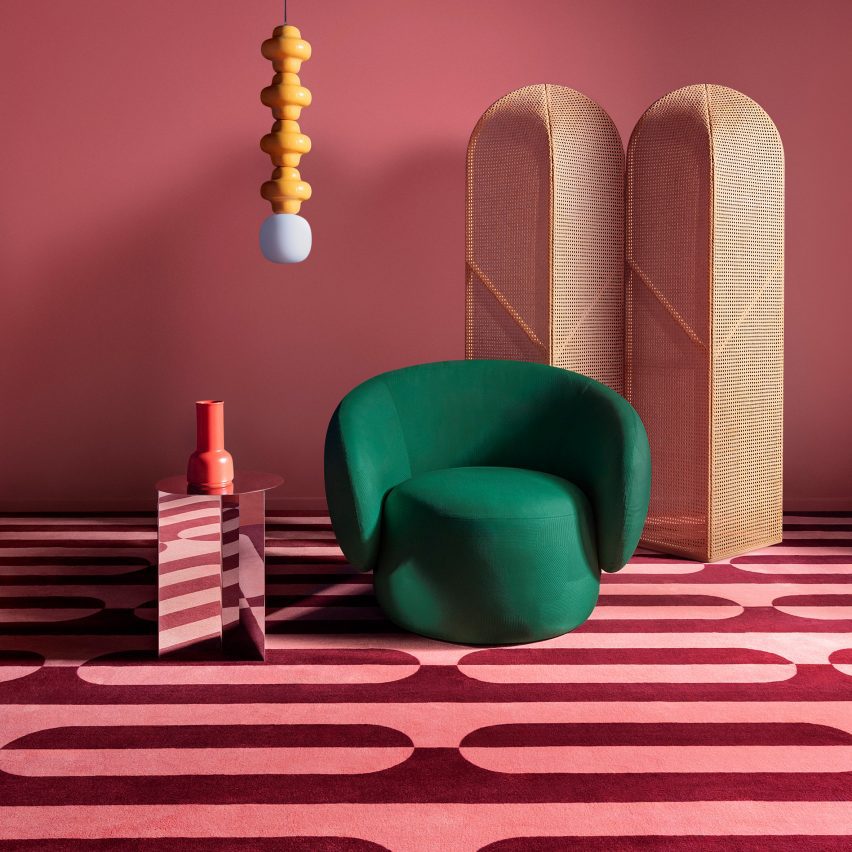
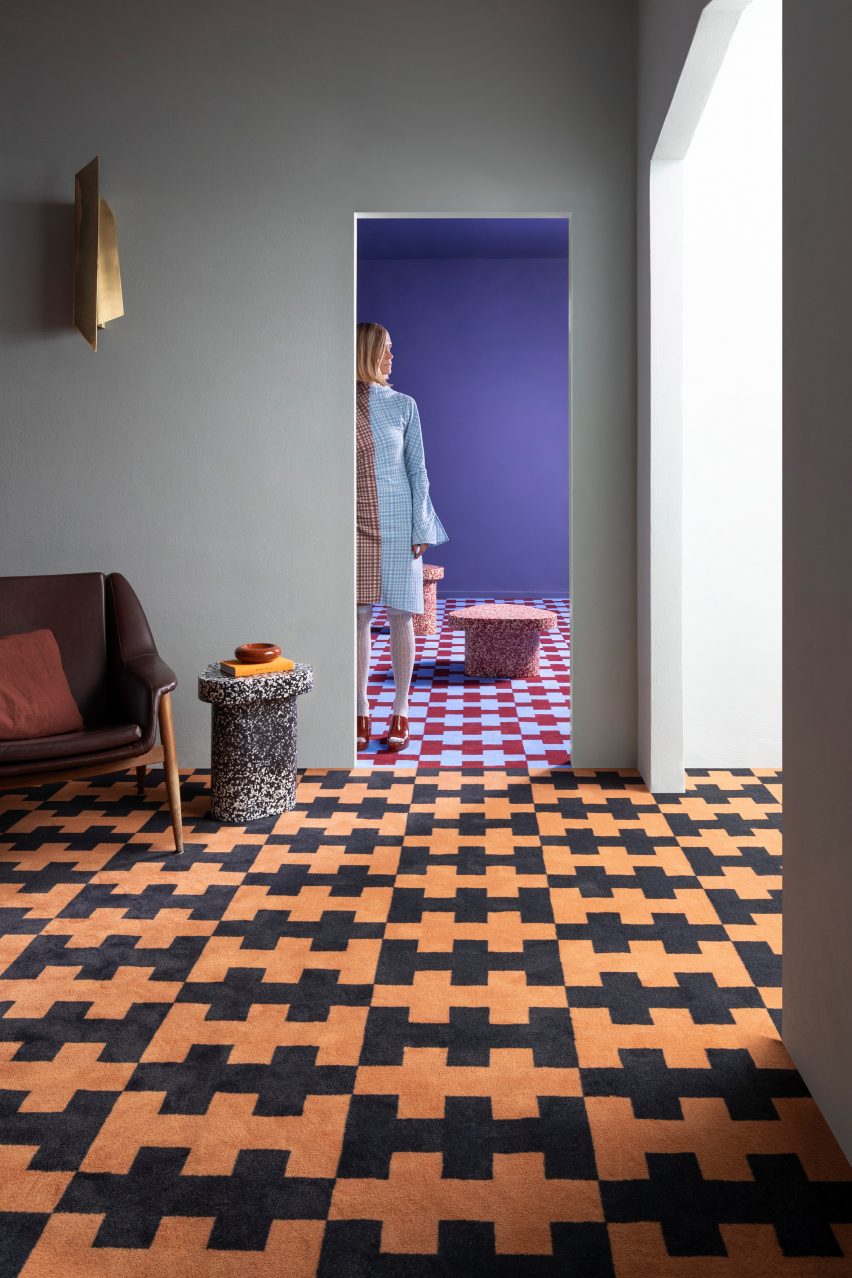
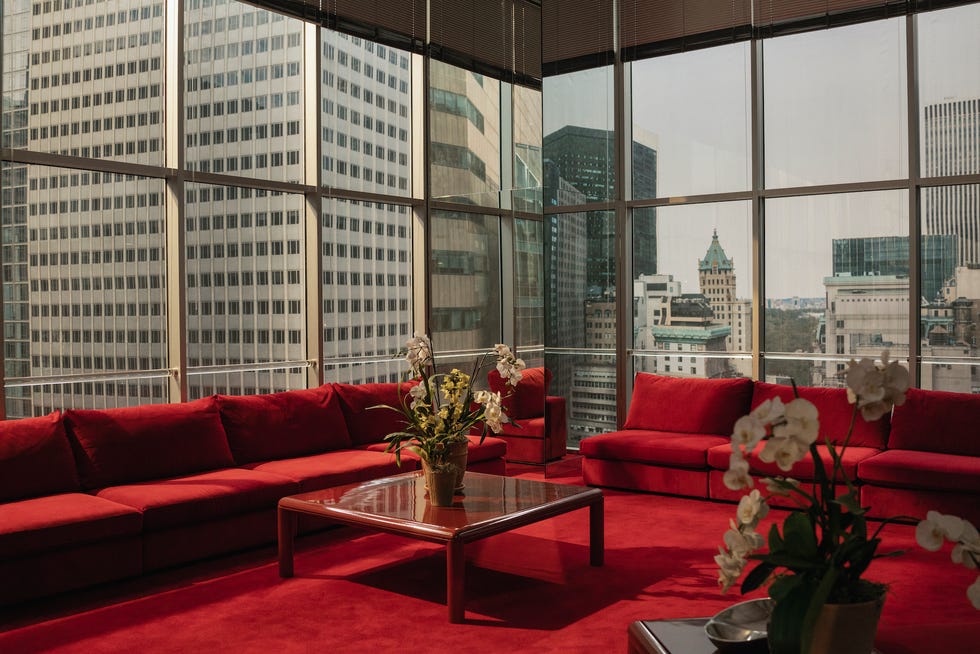
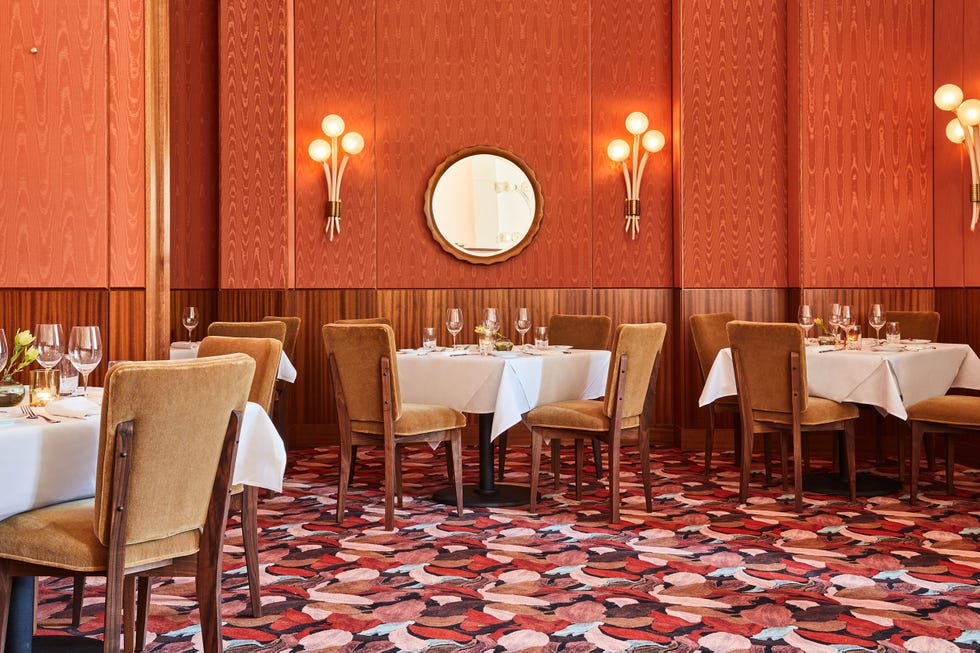
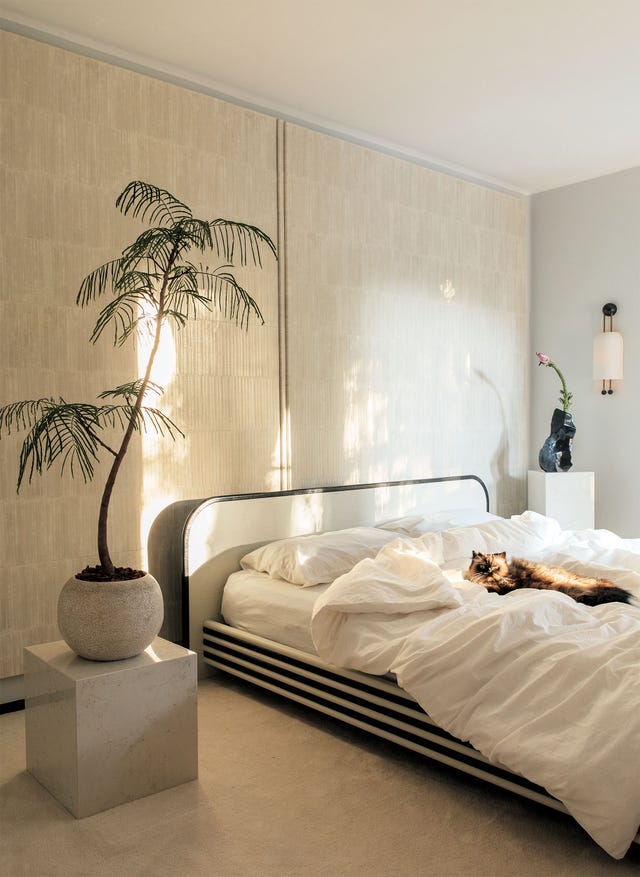
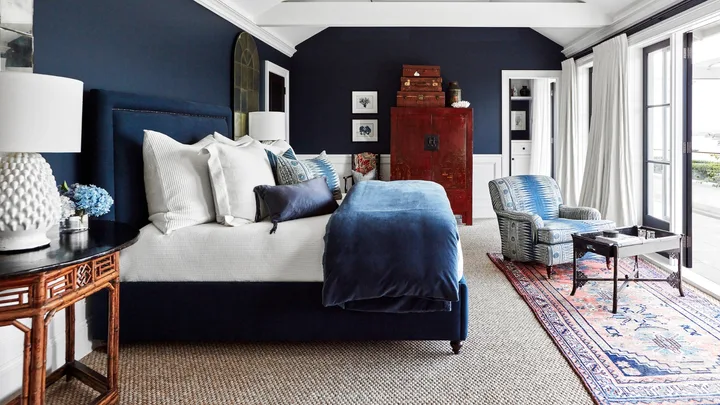
Wall-to-wall carpeting, a flooring choice that dominated homes for decades before being largely confined to basements and recreational rooms since the 1960s, is also seeing a resurgence. This return is driven by a growing appreciation for monochromatic interior schemes and the desire to create soft, inviting, and acoustically comfortable spaces. Unlike its patterned predecessors, modern wall-to-wall carpeting often features solid colors or subtle textures, providing a continuous, seamless look that can make rooms feel larger and more cohesive. It offers warmth, reduces noise, and adds a luxurious feel, making it a viable option for living areas, bedrooms, and even home offices. This renewed interest in wall-to-wall carpeting underscores a shift towards prioritizing comfort and a unified aesthetic in interior design.
#FlooringTrends #InteriorDesign #RetroFlooring #RubberTiles #Linoleum #WallToWallCarpeting #HomeDecor #DesignRevival #FlooringTrends #InteriorDesign #RetroFlooring #RubberTiles #Linoleum #WallToWallCarpeting #HomeDecor #DesignRevival
0 komentarzy łącznie
 Brak komentarzy jeszcze
Możesz również polubić
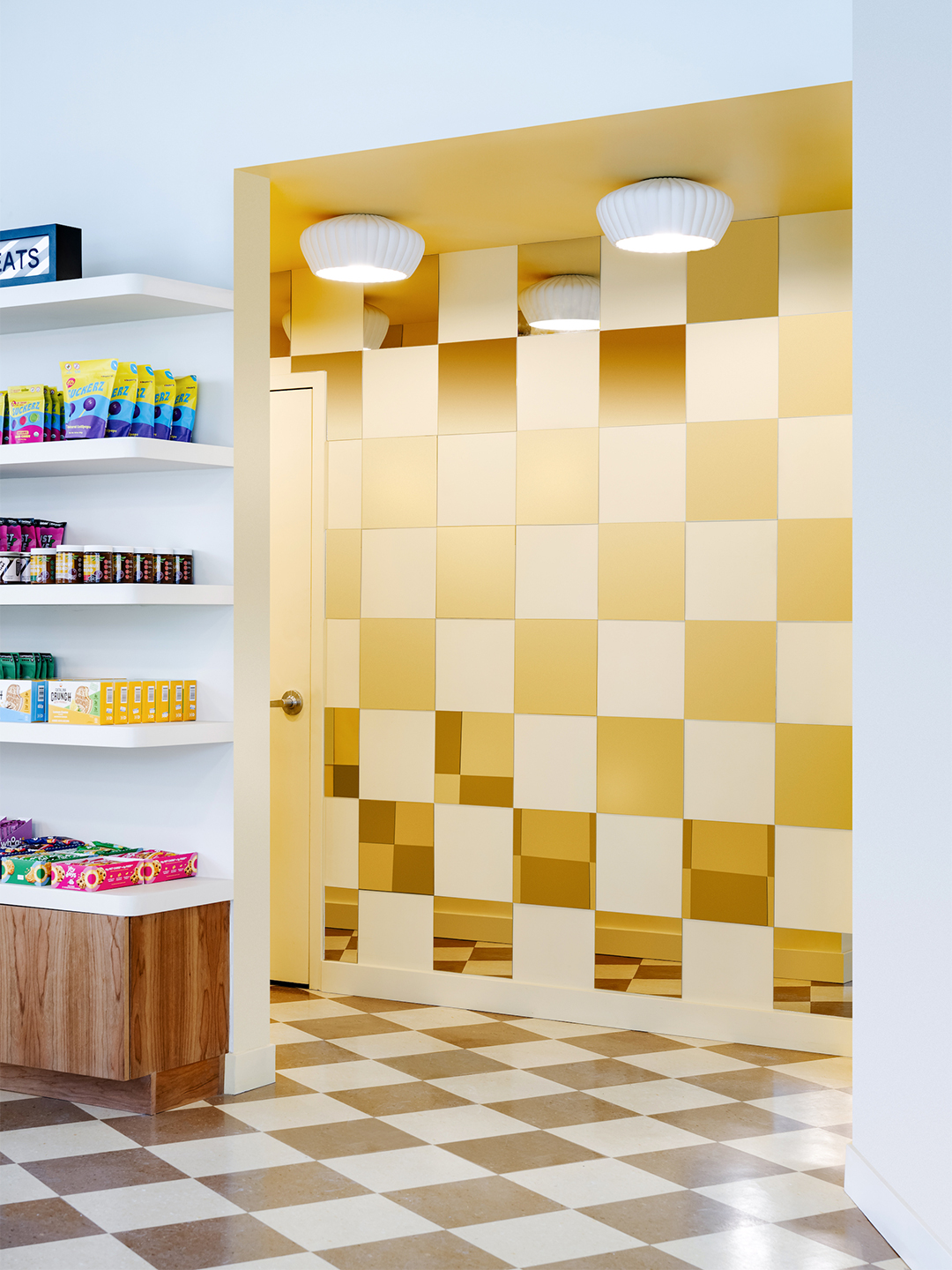
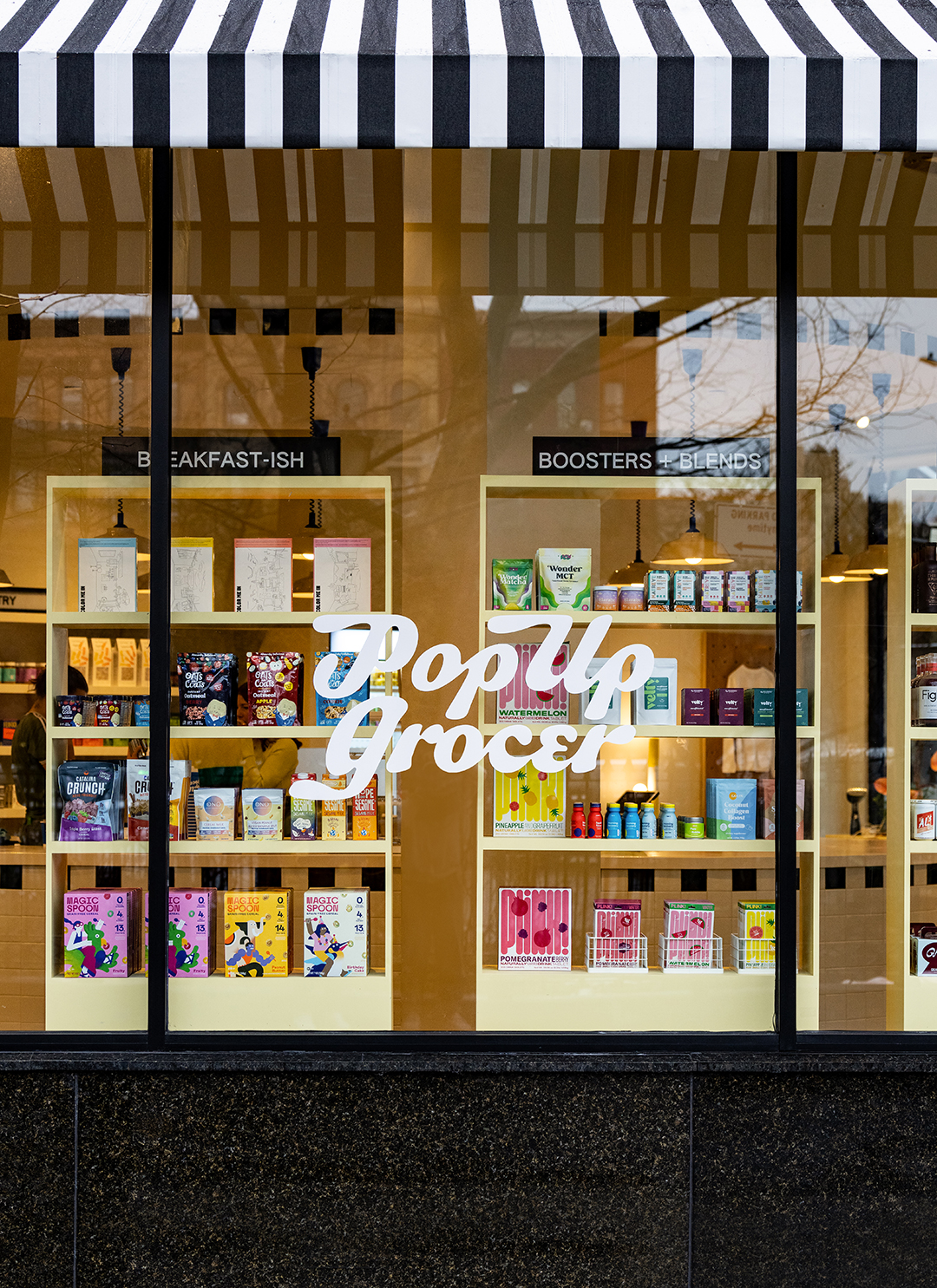
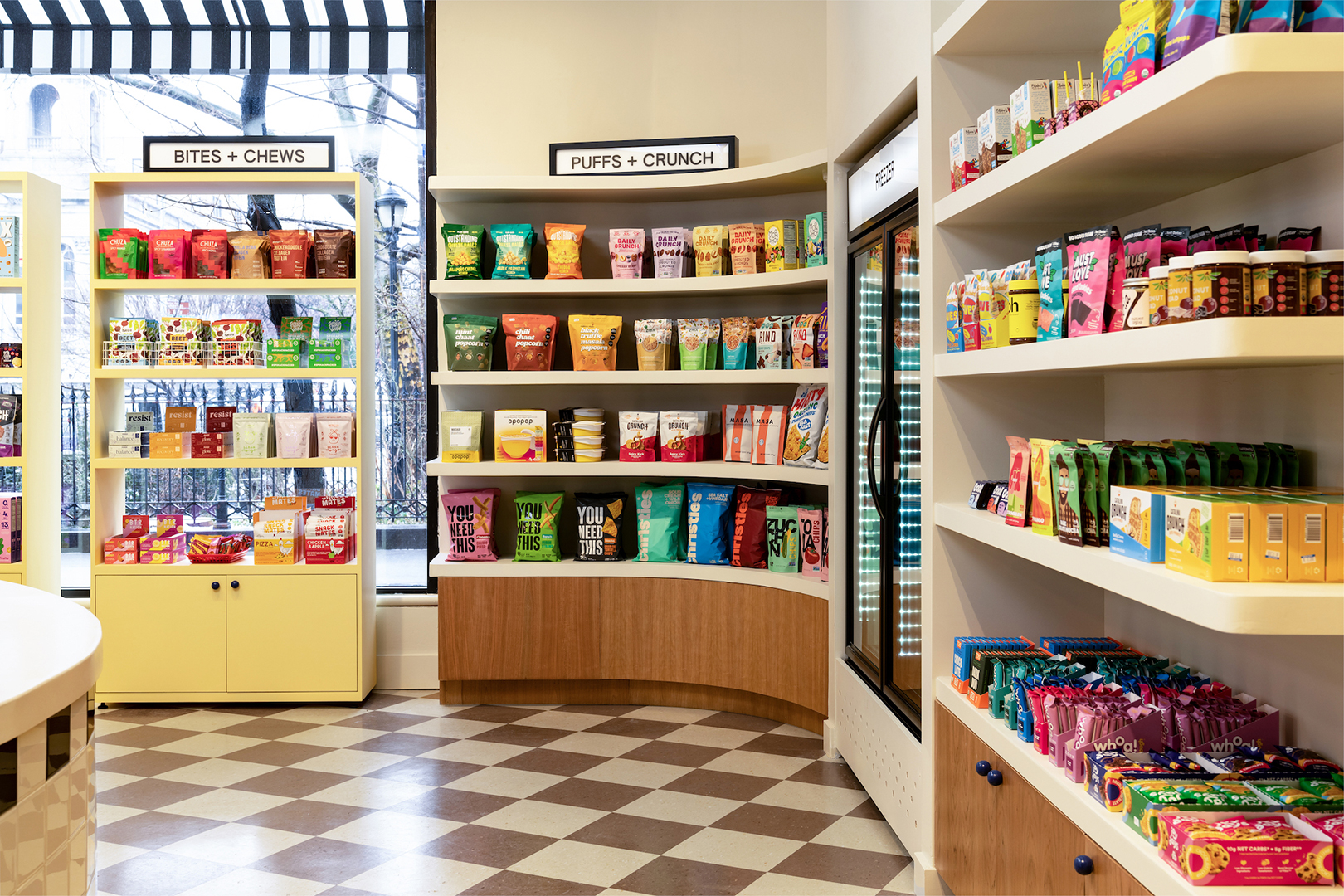
Pop Up Grocer’s New Shop Confirms That This Retro Flooring Material Is Cool Again

Add comfort and beauty to your home with new floors

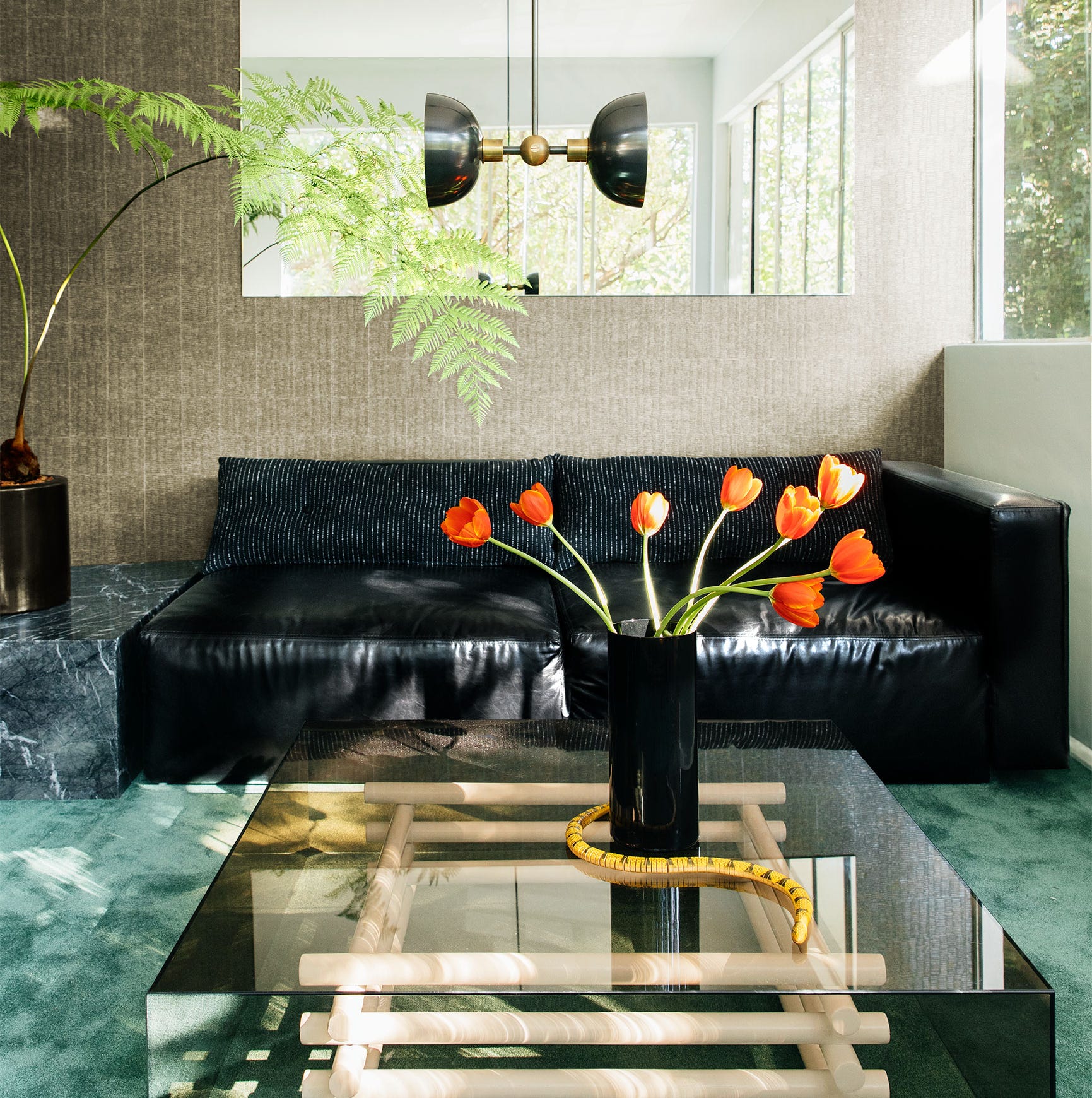
Wall-to-Wall Carpet Is Back (and We’re Not Mad About It!)

Going Old School
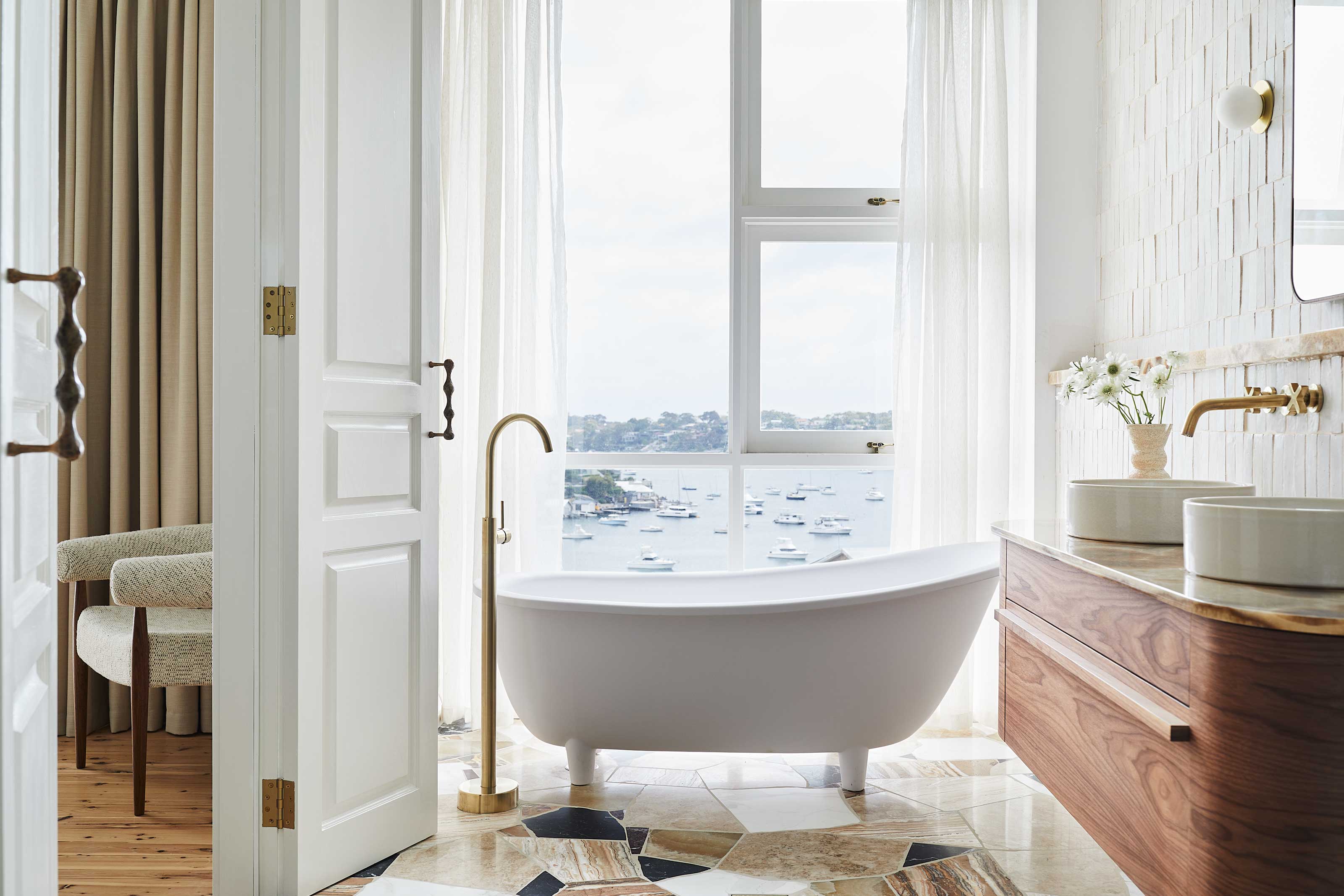
This 'dated' flooring I once considered ugly is having a renaissance both indoors and out – now, I love it

The ancient flooring transforming modern homes

New-old flooring: cement tiling on its way back| Gulf Times
In This Little Boy’s Cottagecore Nursery, Old School Beats New School

The New Room’s Floorboards

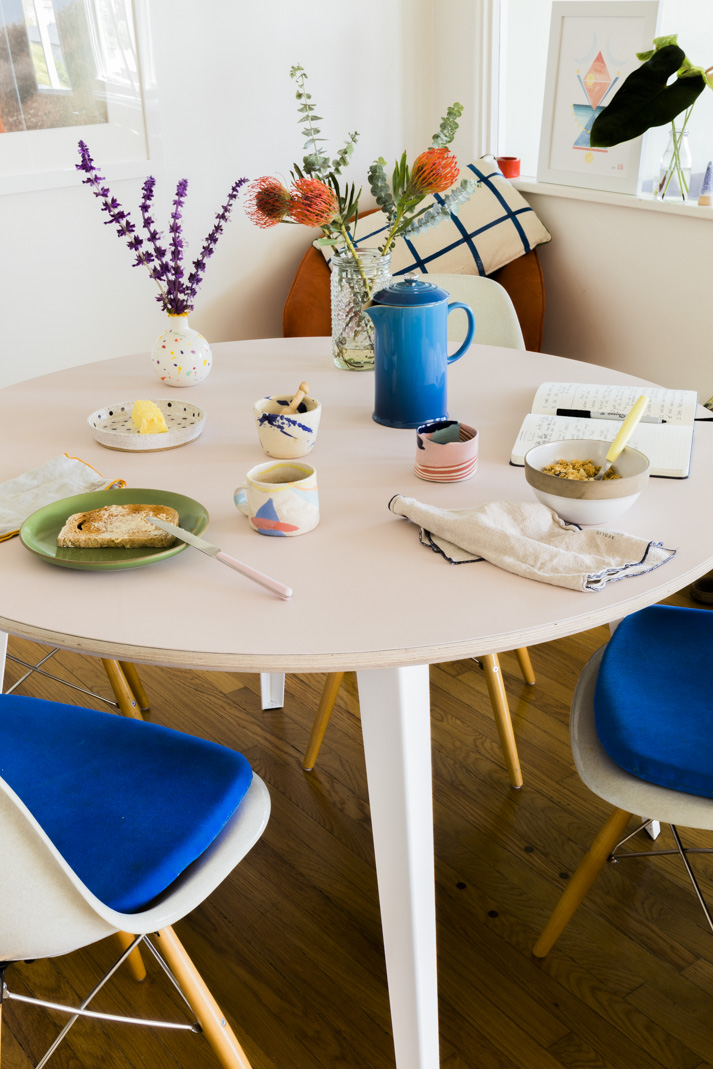
This Just In: Linoleum Is Cool Again
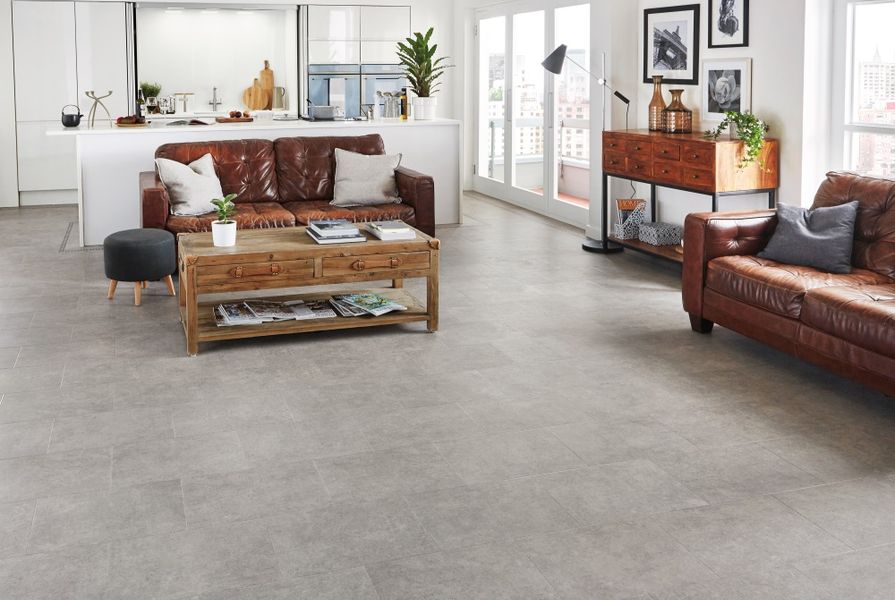
Karndean’s new wood and stone vinyl flooring
Flooring

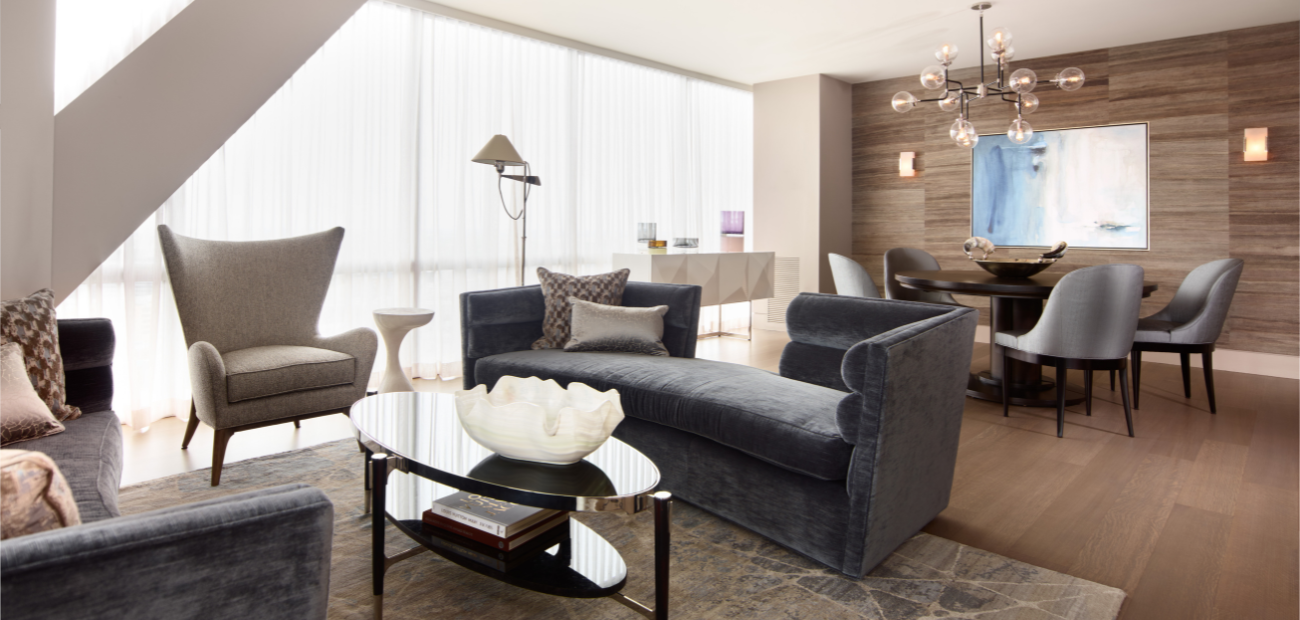
Wood Floors Make (Another) Comeback
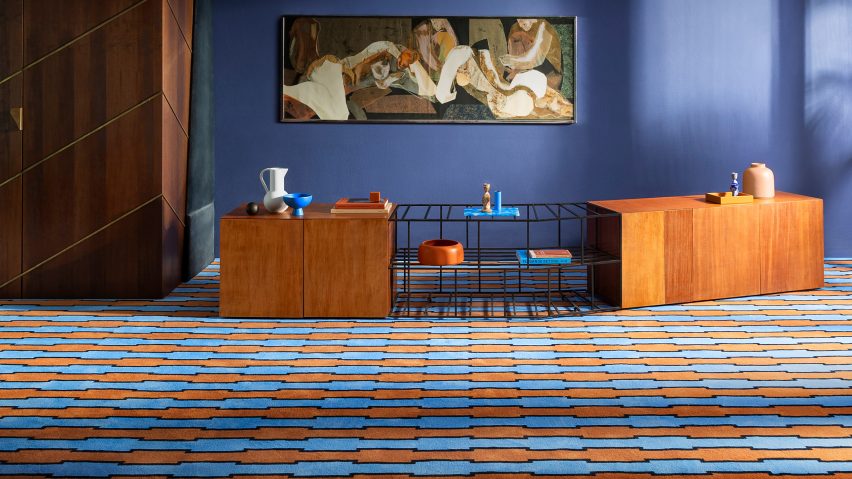
Newstalgia flooring collection puts nostalgic twist on 1970s and 80s fabric
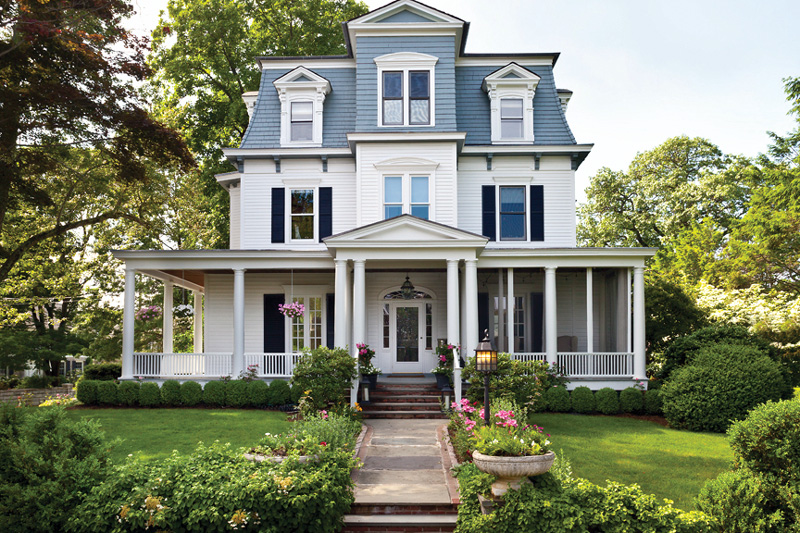
Old Versus New: Victorian Home Gets Modern Update

Remember the wood-panelled walls from the 1970s? They're back, with a modern twist
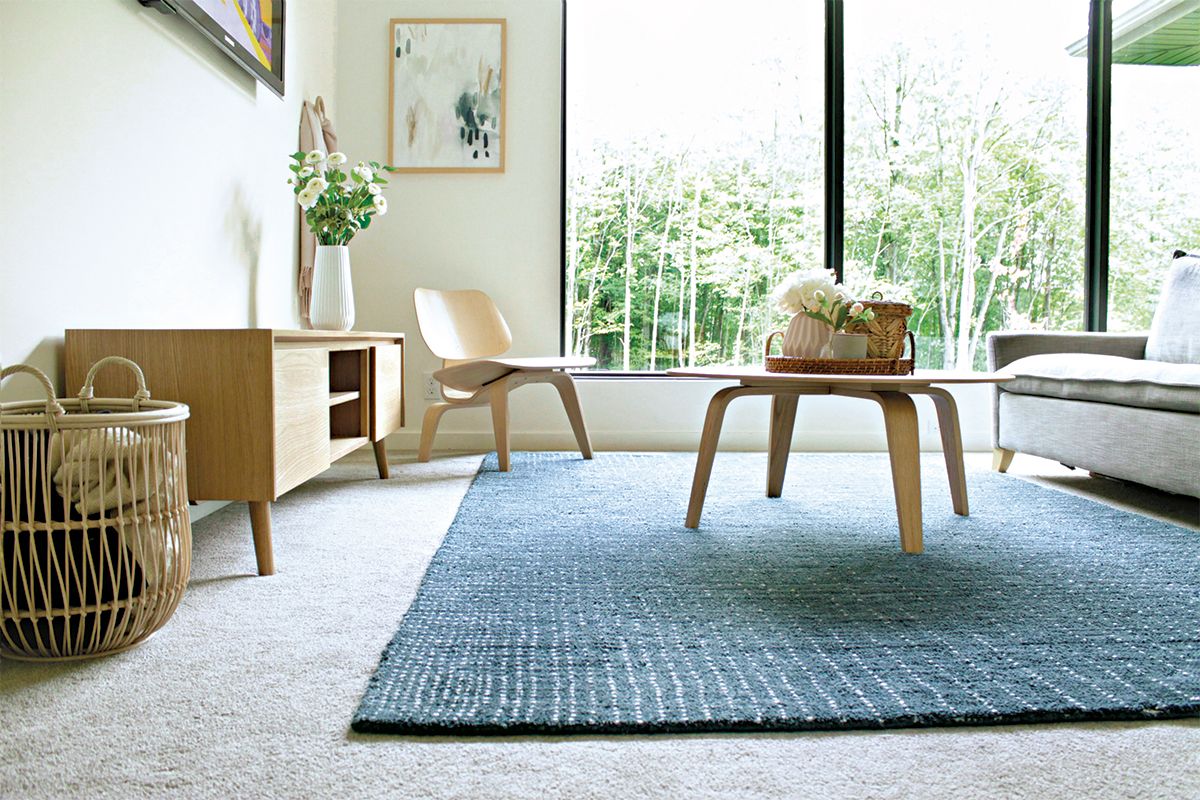
Comfy carpet, once dismissed as out-of-date, is back in vogue
Floor plan changes create 'new home inside existing one'

A once "unattractive" 1970s home takes a leap with colour and soaring ceilings
New—And Instantly Improved