1/7
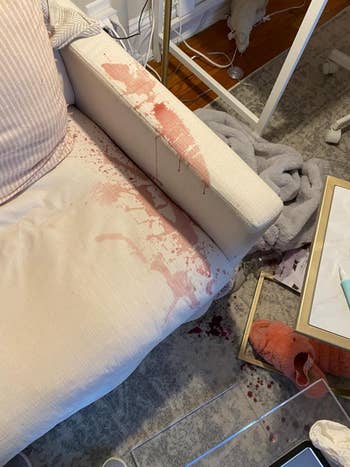
How to remove oil stains from a fabric sofa – experts reveal their tried and tested secret
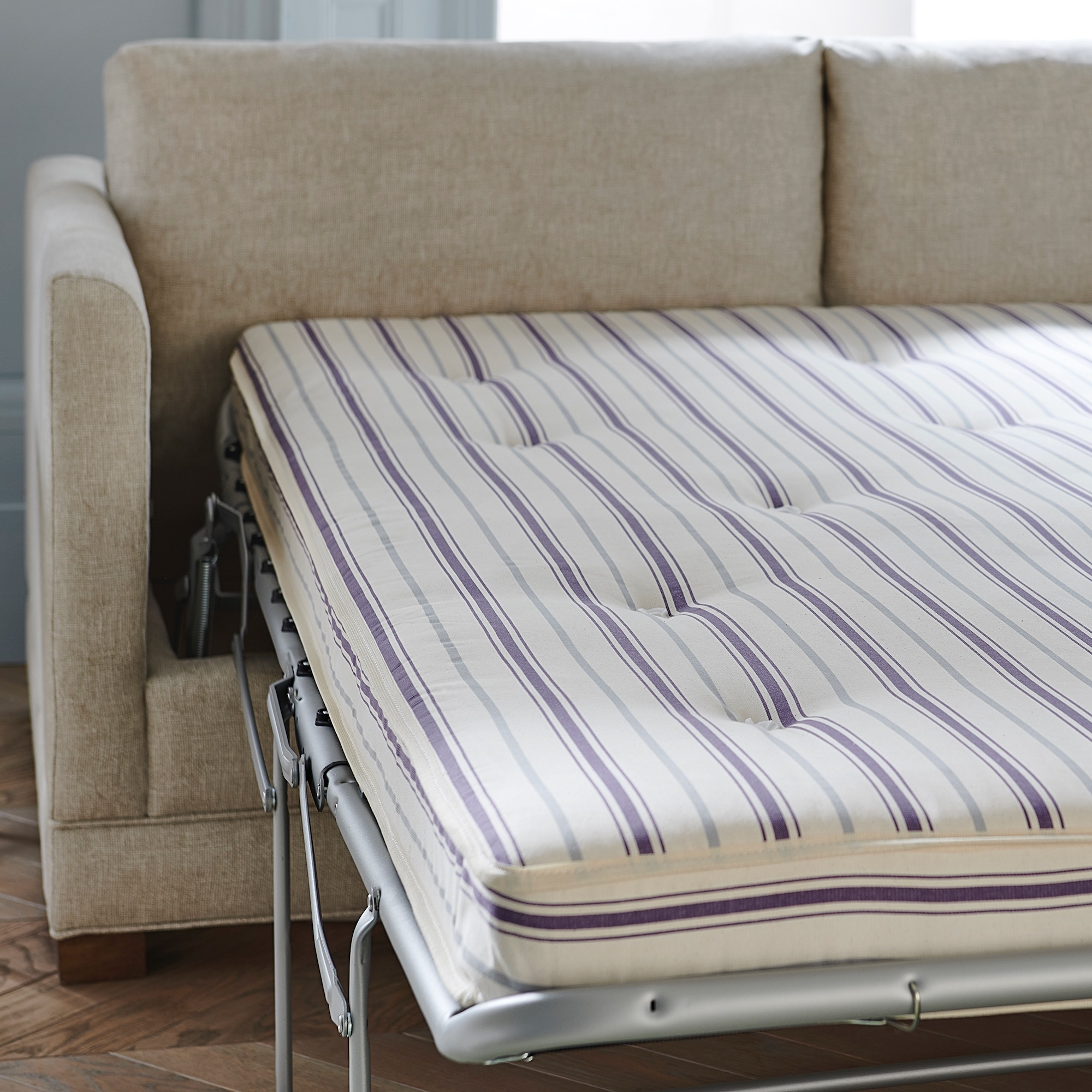
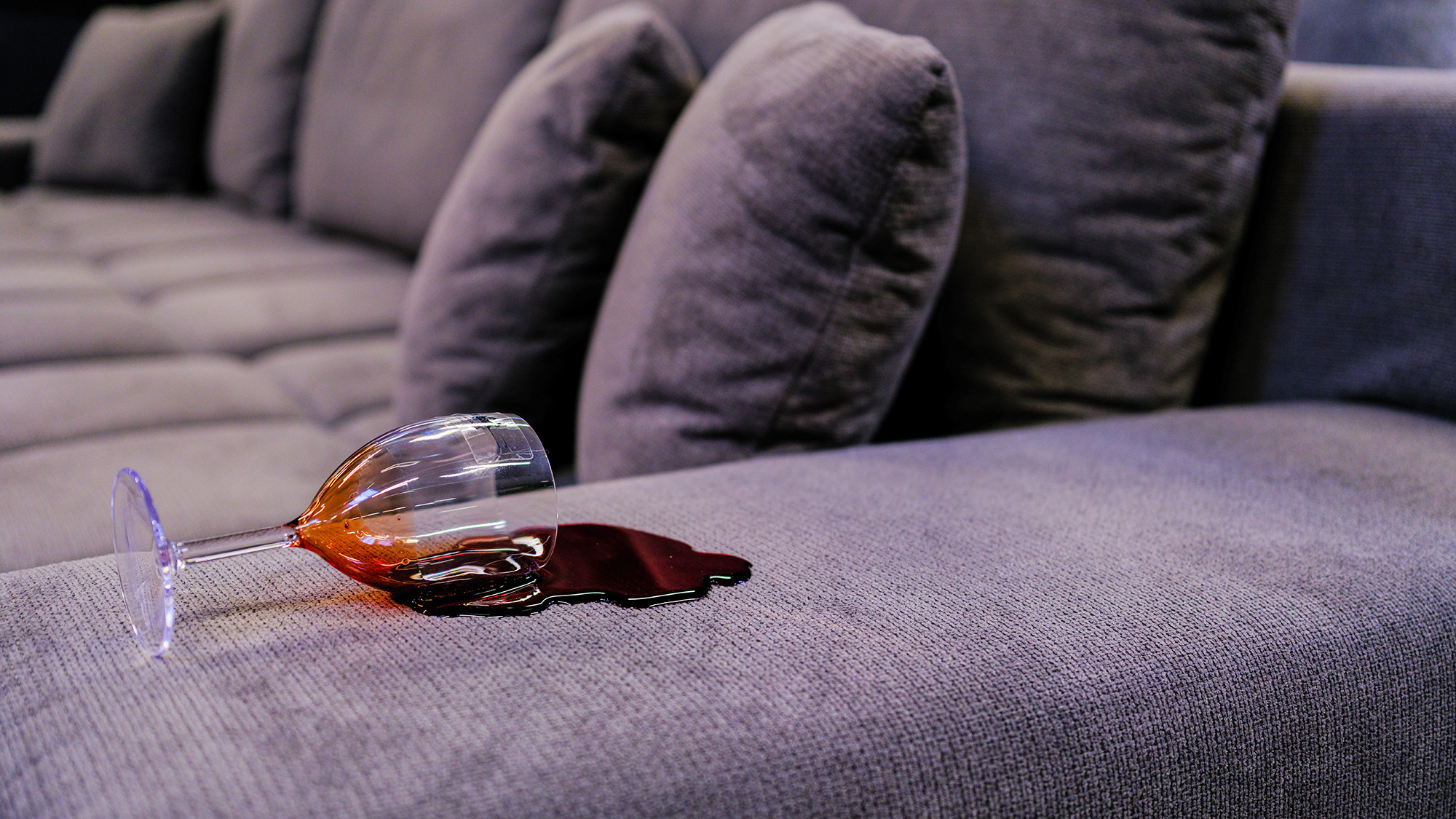
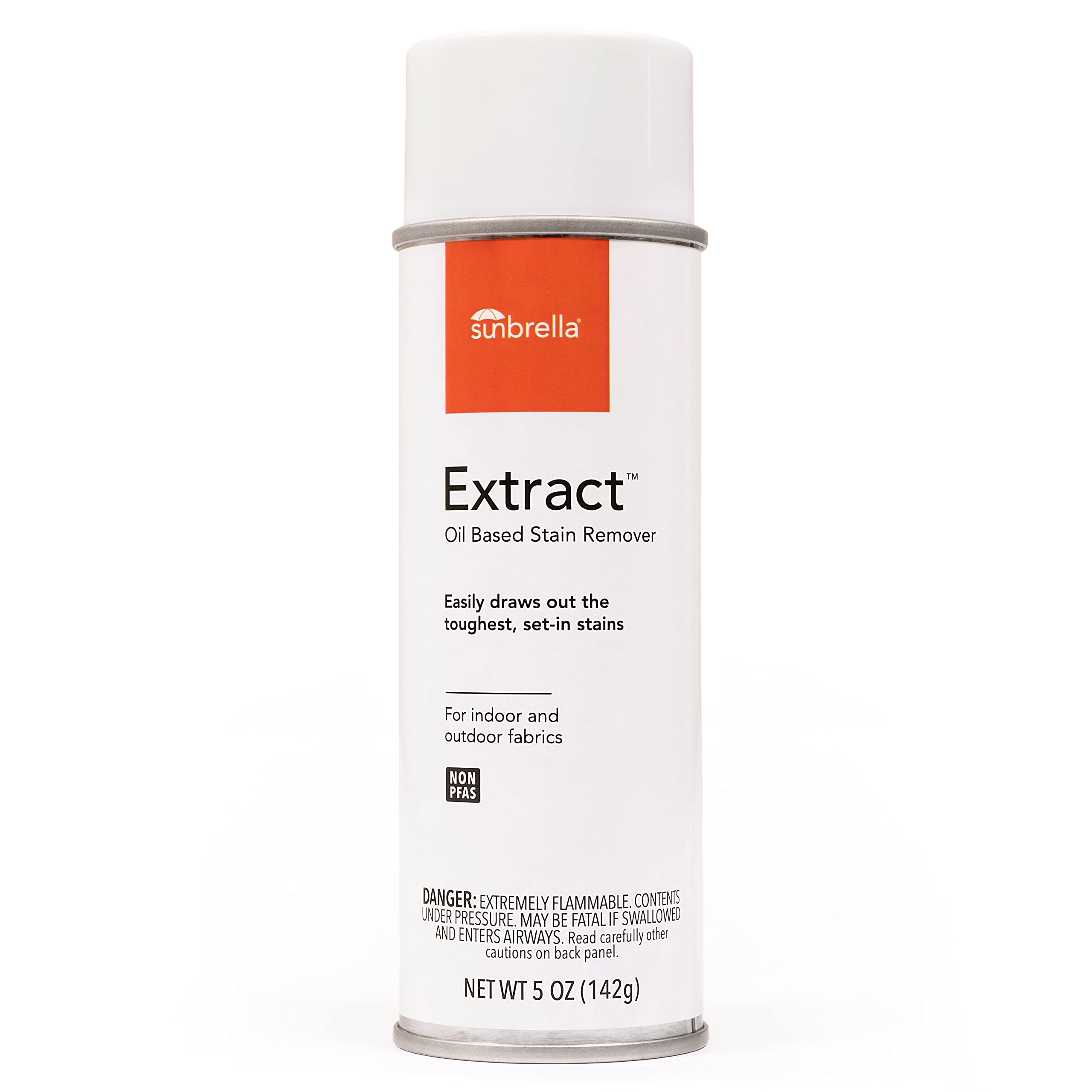
Oil stains on fabric sofas are a common issue that can be effectively addressed with the right approach and materials. This guide outlines an expert-approved method for removing both fresh and dried oil stains from upholstery, primarily using readily available household items. The success of oil stain removal largely depends on acting quickly, ideally as soon as the stain occurs, to prevent it from setting deeper into the fabric. The process typically involves a few key steps and materials, which include paper towels or clean cloths, baking soda or a stain-removing soap stick, a vacuum cleaner with an upholstery attachment, washing-up liquid, cornstarch or baby powder, and potentially a specialized oil stain remover.
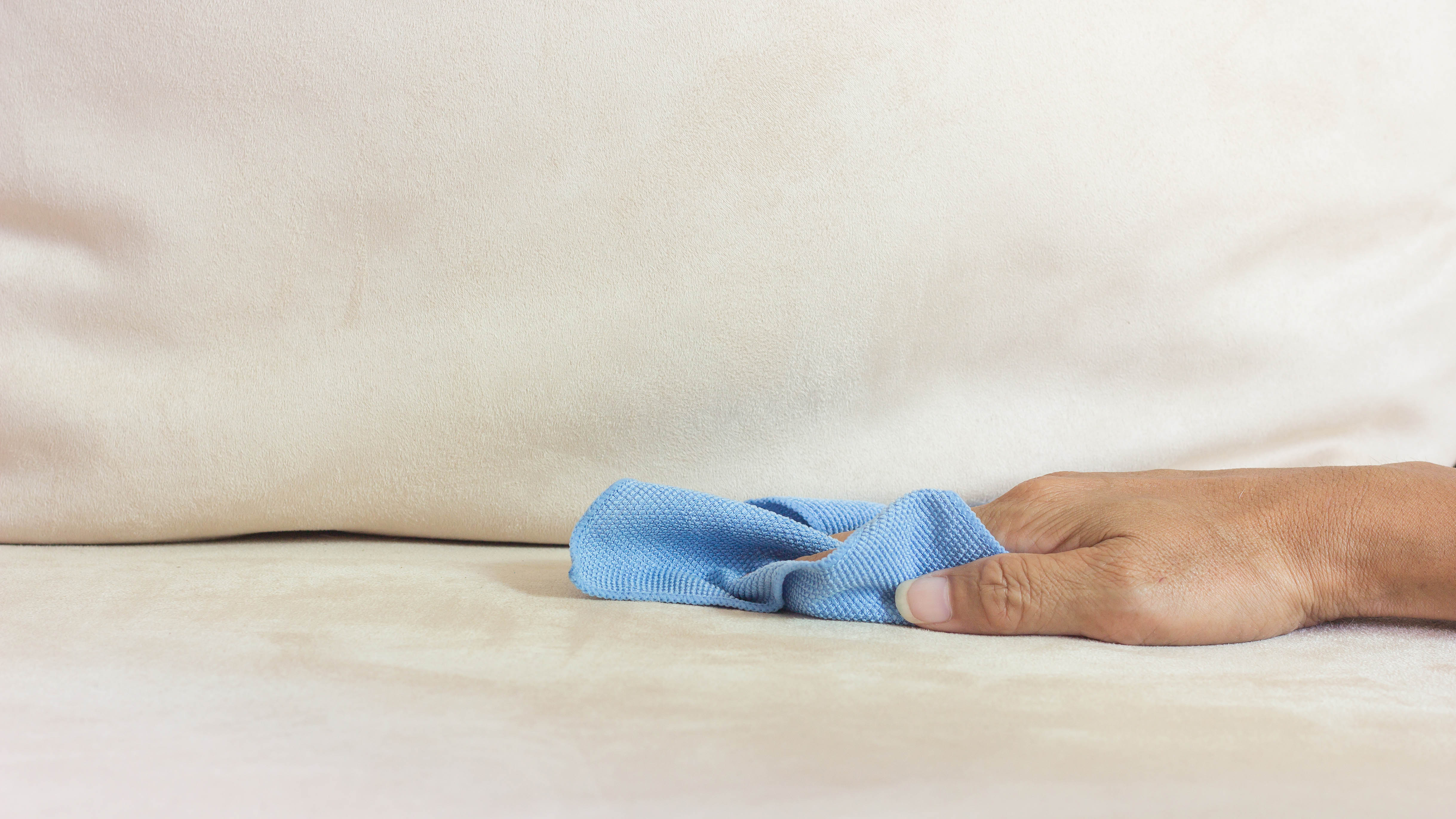
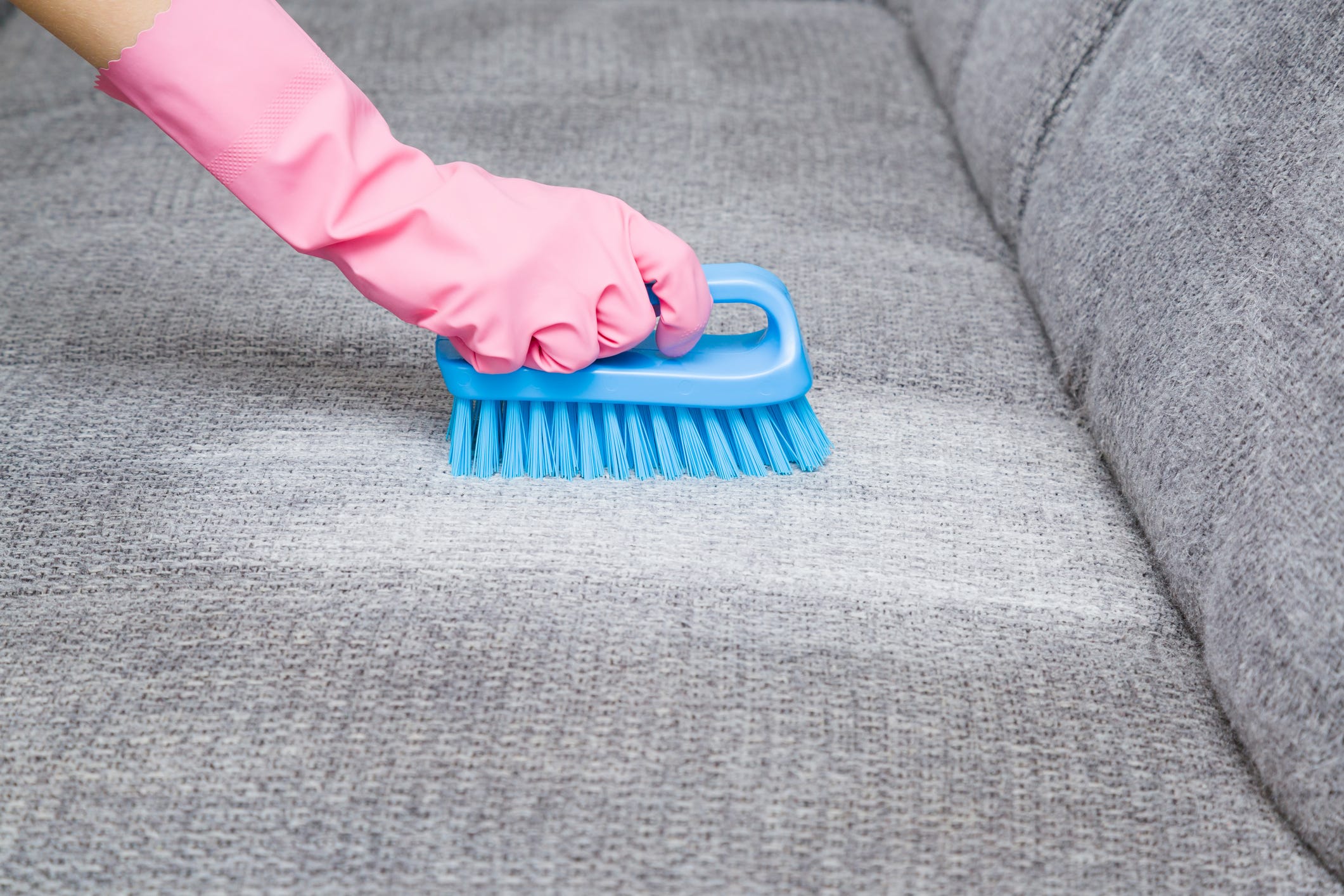
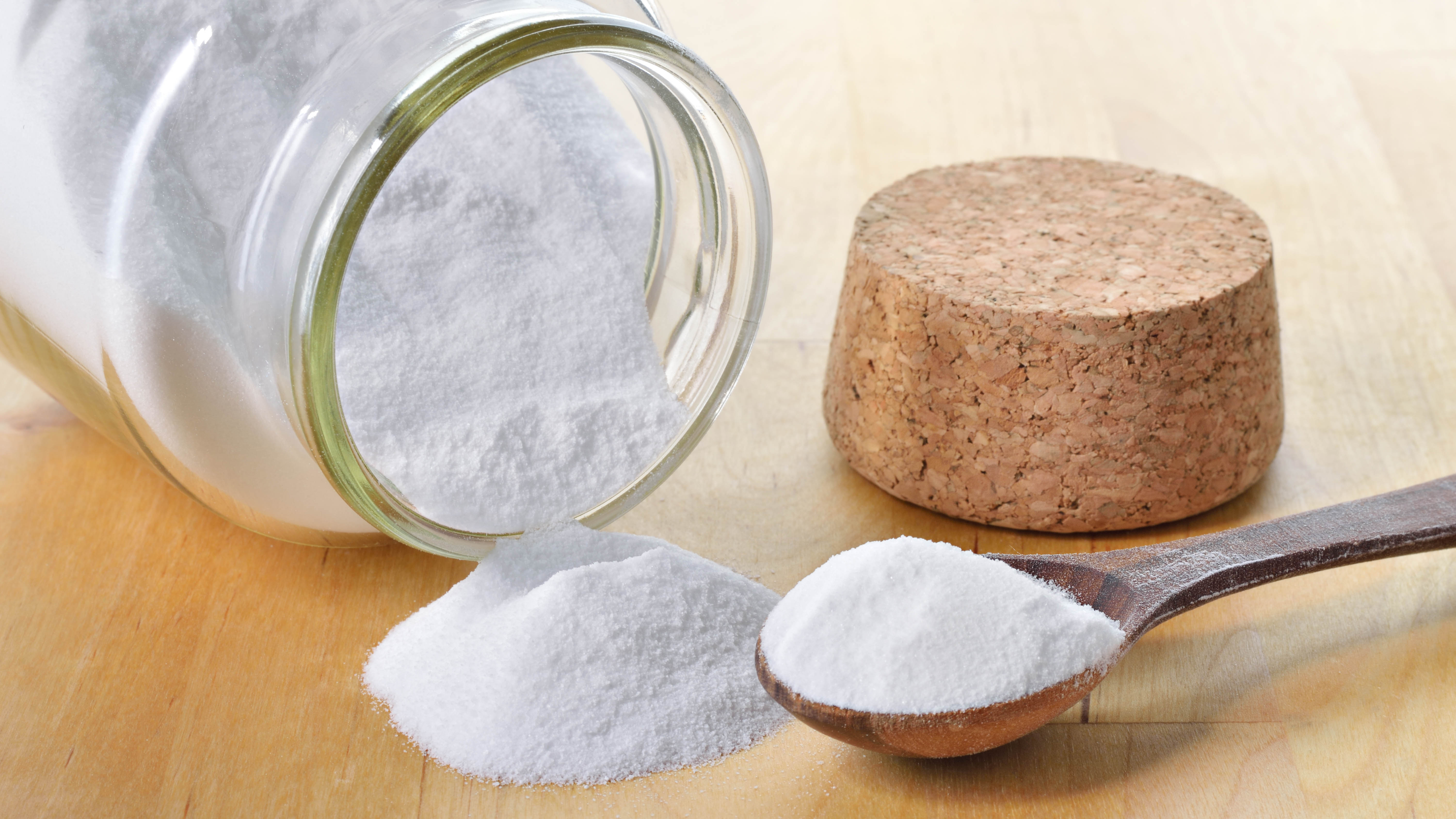
The initial step for any oil stain is to blot the excess oil from the surface of the fabric using a clean cloth or paper towel. It is crucial to blot gently rather than rub, as rubbing can spread the stain further and push the oil deeper into the fibers. Following this, the application of an absorbent powder like baking soda is recommended. A generous amount of baking soda should be sprinkled over the stained area and left for 10 to 15 minutes to allow it to absorb the grease. After the waiting period, the baking soda should be vacuumed away using an upholstery attachment on a low-suction setting. As an alternative to baking soda, a stain-removing soap stick can be applied directly to the stain, gently rubbed in with fingers or a soft brush, and allowed to penetrate for a few minutes.
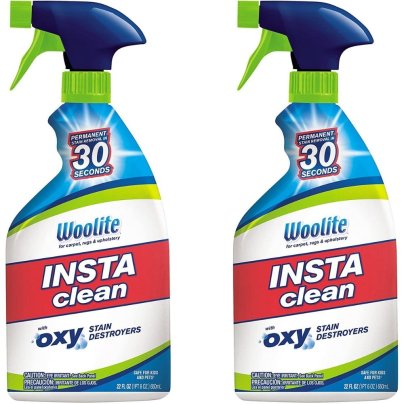
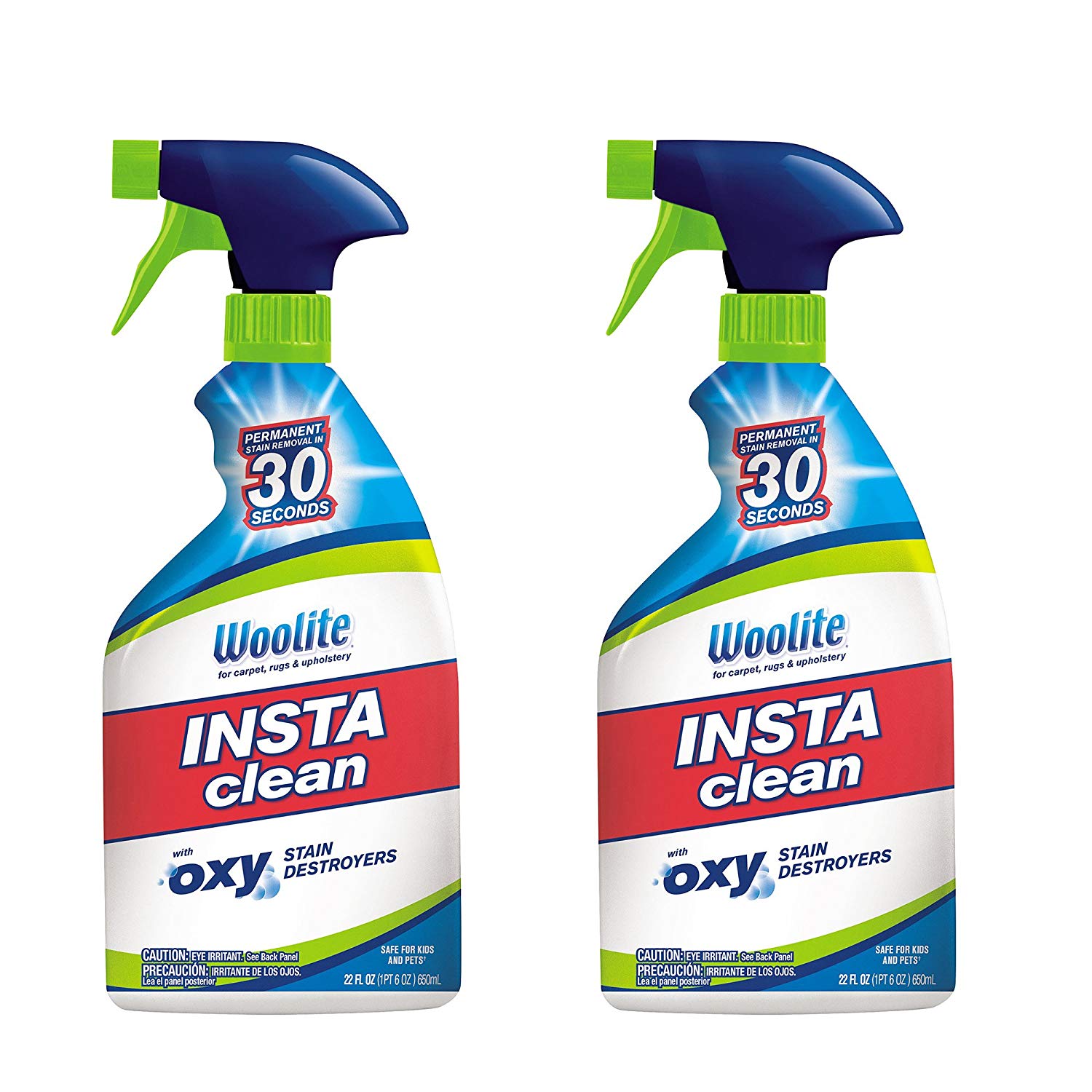
The next phase involves using a mixture of washing-up liquid and water. For most upholstery, a solution of one teaspoon of dishwashing liquid mixed with a bowl of warm water is effective. Warm water is generally preferred for oil-based stains as it helps break down grease, although checking the sofa's care label is essential to ensure hot water won't cause shrinkage or fading. The solution should be applied to the stain with a clean cloth or a soft brush, working from the outside in to contain the stain. This mixture helps cut through the grease and lift the oil from the fabric. After applying the solution, the soapy residue should be washed off or blotted away with a damp cloth, and the area allowed to air dry. For stubborn stains, an additional application of a store-bought stain remover can be considered.
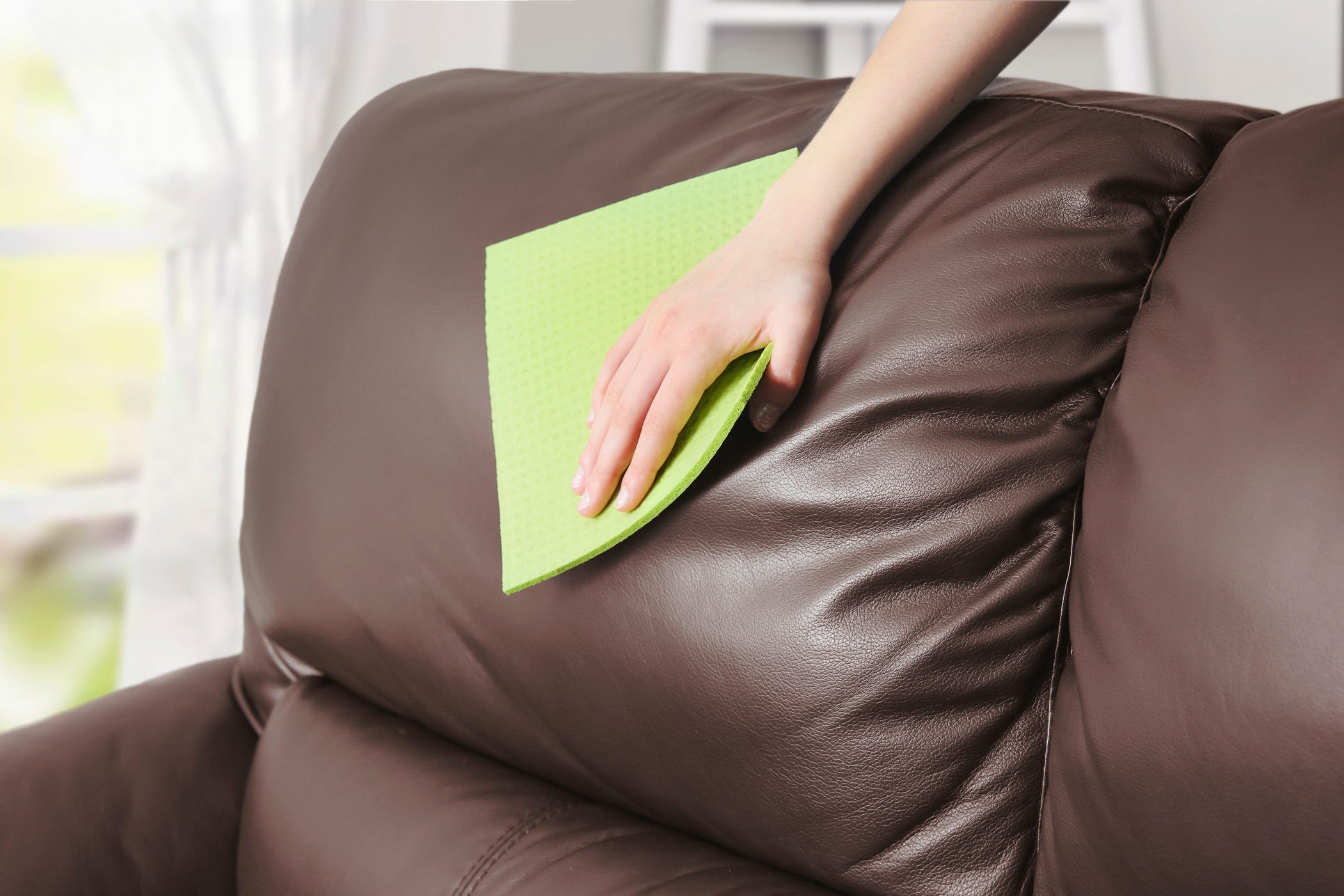
Removing oil stains can vary based on the sofa's fabric type. Different materials, such as linen, velvet, or leather, require specific care. For instance, cotton-velvet materials are not water-friendly and are best cleaned with a dry cloth or velvet brush, while leather typically responds well to a damp cloth. For synthetic materials, which can be more challenging to clean, solvent-based stain removers might be a safer option, especially if a care label is unavailable. Dried oil stains, while more difficult, are not impossible to remove. They often require pre-treatment with a fabric-safe degreaser or a vinegar solution (a mix of 1/4 cup white vinegar, 1/2 tablespoon natural liquid soap, and 3/4 cup warm water) applied via a spray bottle and left to sit for about 10 minutes before proceeding with the main cleaning steps.
#OilStains #SofaCleaning #FabricCare #UpholsteryCleaning #HouseholdHacks #DIYCleaning #GreaseRemoval #HomeMaintenance #CleaningTips #OilStains #SofaCleaning #FabricCare #UpholsteryCleaning #HouseholdHacks #DIYCleaning #GreaseRemoval #HomeMaintenance #CleaningTips
0 komentarzy łącznie
 Brak komentarzy jeszcze
Możesz również polubić

5 Common Sofa Cleaning Mistakes You Might Be Making

How to Clean a Couch, According to Experts | NBC Select


How to clean a linen sofa to keep it in pristine condition – even in a busy family home

Best Sofa Cleaners UK | 2026


How to clean a sofa bed – top hacks for tackling stains and everyday cleaning for an immaculate couch

How to keep your sofa spotless this summer — 7 expert hacks for stains and spills


How to Clean Upholstered Furniture the Right Way

The Best Upholstery Cleaners to Make Stubborn Stains Disappear

You need to deep clean your couch every few months — here’s how experts say to do it


How to clean a microfiber couch – 5 steps to a stain-free and odorless fabric sofa


6 couch cleaning mistakes that pros say could lead you to 'serious upholstery heartbreak'


How to clean red wine stains off upholstery and save your couch

How To Clean A Couch So It Looks As Good As New
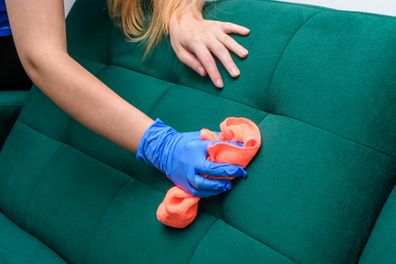
From a quirky TikTok hack and a $99 sell-out Kmart buy, here are five ways to clean your sofa

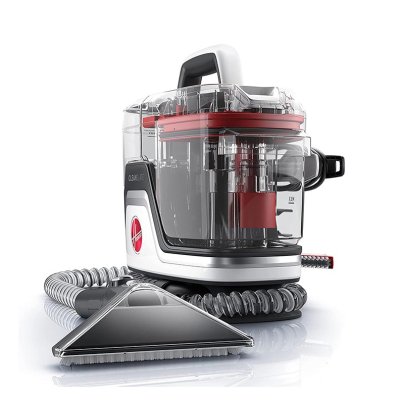
The Best Upholstery Cleaners for Stains, Odors, and Everyday Messes

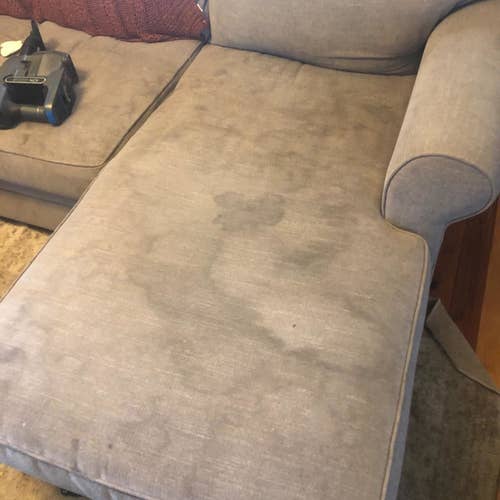
27 Couch Cleaners That’ll Make Old, Stained Sofas Look Newer

How to Protect Fabric Furniture From Stains and Dirt

The Ultimate Stain-Removal Guide
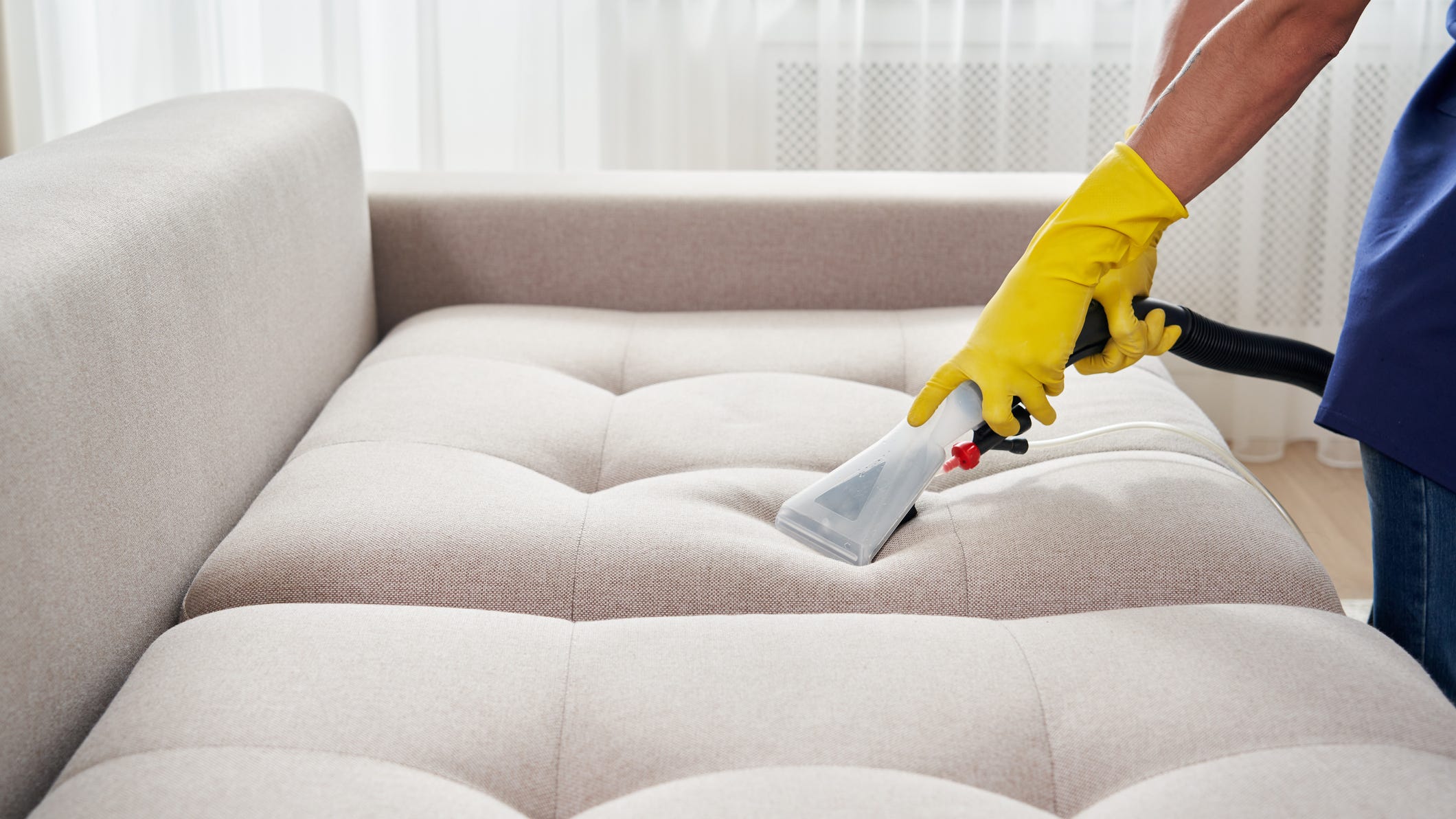
Are You Cleaning Your Couch Enough? Here's How to Do It the Right Way


How to Clean Velvet Furniture the Right Way, According to Experts