How To Clean Lacquer Furniture Without Stripping It, According To An Expert
The article provides expert advice on cleaning lacquer furniture, drawing on the insights of vintage experts Alice Kerley and Dorothy Collier, owners of Heirloom House in Memphis, Tennessee. It emphasizes the timeless appeal and practicality of incorporating lacquer pieces into home decor, noting their ability to add character and narrative to a room while being relatively easy to maintain. Unlike unfinished wood, lacquer forms a durable, protective layer that resists spills and wear, making it suitable for active family environments. The experts explain that lacquer is a shellac-alcohol mixture applied to high-end furniture, typically resulting in a glossy finish, though matte options exist. This coating protects against moisture and allows the natural wood grain to remain visible, contributing to the furniture's longevity if properly cared for.
The article outlines a simple method for identifying lacquer furniture: testing an inconspicuous area with an acetone-dipped cotton swab. If the coating dissolves, it confirms the presence of lacquer. The cleaning process is broken down into three main steps. The first step, dusting, is crucial before any liquid cleaning to prevent scratching the surface and to ensure effective dirt removal. Microfiber cloths or natural feather dusters are recommended for this purpose due to their softness. Regular dusting is advised to prevent accumulation.
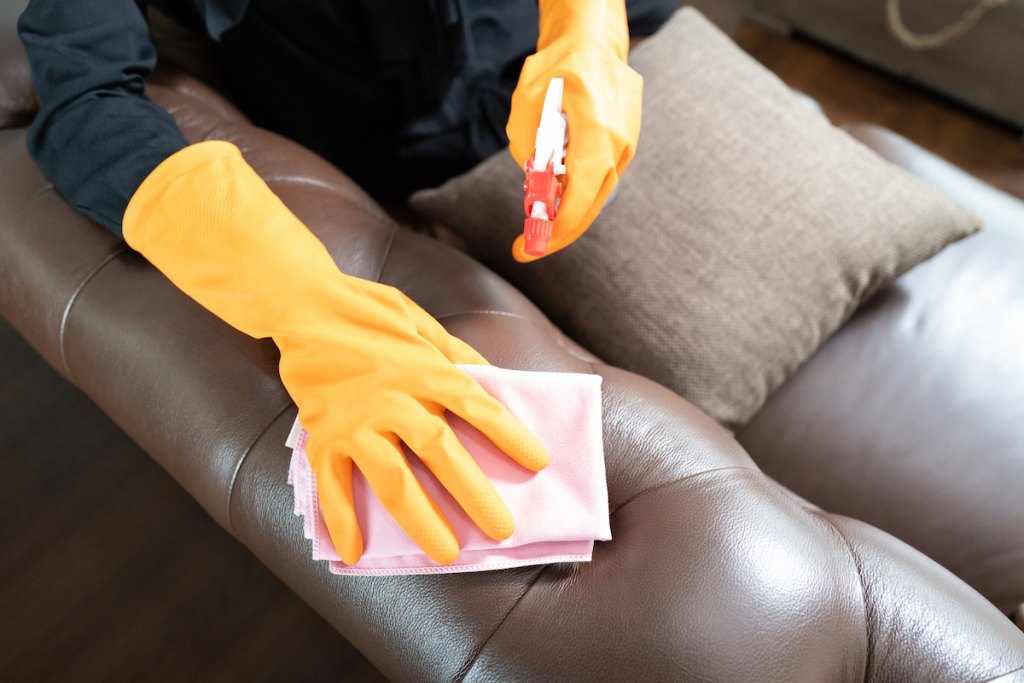
The second step involves wiping down the furniture. The experts strongly caution against using harsh chemical cleaners, particularly those containing ammonia or alcohol, as these can strip the lacquer and dull its shine. Instead, a gentle solution of warm water with a small amount of mild dish soap applied with a damp, lint-free cloth is recommended. After cleaning, the surface should be thoroughly dried with a clean cloth to remove any excess moisture.
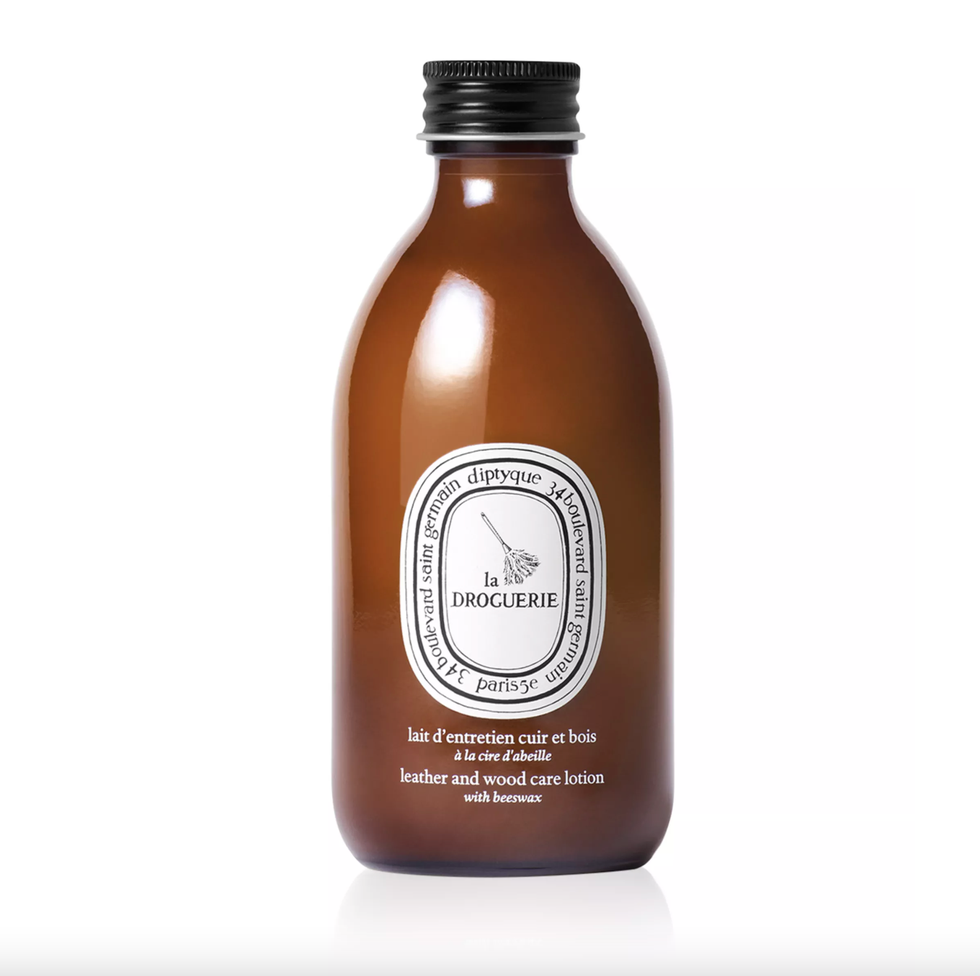
The third step, polishing, is not required every time but can be performed occasionally to restore luster. High-quality beeswax polish or a touch of mineral oil are suggested for this, with an emphasis on using minimal product. Silicone-based polishes are to be avoided as they can lead to an undesirable buildup. The article also includes essential care tips, such as keeping lacquer furniture out of direct sunlight and away from extreme humidity fluctuations to prevent cracking or bubbling. The importance of using coasters to protect against heat and moisture rings is highlighted.
For minor issues like water rings or stains, a mixture of baking soda and water lightly buffed with a soft cloth is recommended. Small scratches can be addressed with a lacquer marker or a dab of clear nail polish. For more significant damage or stubborn stains, the experts advise consulting a professional conservator, especially for valuable or antique pieces, to ensure proper restoration and preservation of the furniture's integrity and value.
#LacquerFurniture #FurnitureCare #HomeDecor #VintageFurniture #CleaningTips #HeirloomHouse #HomeMaintenance #InteriorDesign #FurnitureCleaning #LacquerFurniture #FurnitureCare #HomeDecor #VintageFurniture #CleaningTips #HeirloomHouse #HomeMaintenance #InteriorDesign #FurnitureCleaning
0 komentarzy łącznie
 Brak komentarzy jeszcze
Możesz również polubić
How to Clean a Couch, According to Experts | NBC Select

Expert's clever olive oil hack to 'protect and rejuvenate' furniture

How to Clean Secondhand Furniture, According to Professional Upcyclers
R5 Westchester County Experts Explain How to Clean Expensive Home Furnishings


How to Protect Fabric Furniture From Stains and Dirt

How To Deep Clean a Couch: Expert Tips for Getting It To Look Like New


How To Clean A Couch So It Looks As Good As New
6 couch cleaning mistakes that pros say could lead you to 'serious upholstery heartbreak'


How to clean a linen sofa to keep it in pristine condition – even in a busy family home

7 Unexpected Ways You're Secretly Damaging Your Furniture, Designers Say

5 Common Sofa Cleaning Mistakes You Might Be Making

The Best Upholstery Cleaners for Stains, Odors, and Everyday Messes

The Right Way to Clean a Leather Couch

From a quirky TikTok hack and a $99 sell-out Kmart buy, here are five ways to clean your sofa

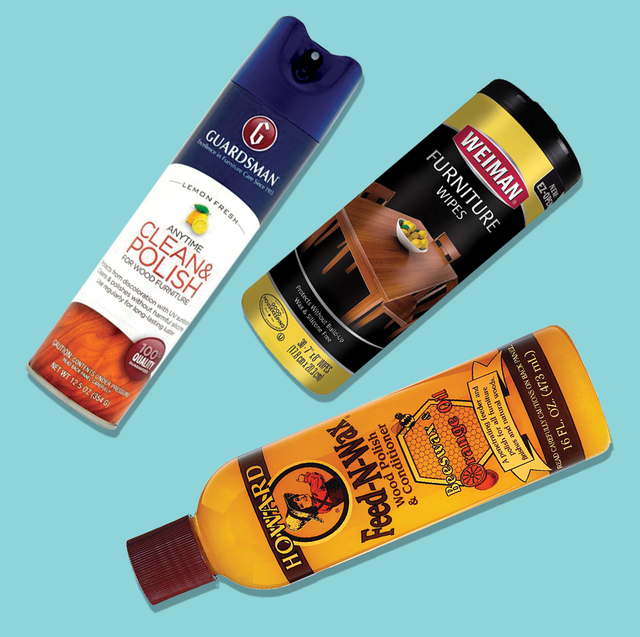
10 Best Furniture Polishes, Tested by Cleaning Experts


How to keep your sofa spotless this summer — 7 expert hacks for stains and spills

You need to deep clean your couch every few months — here’s how experts say to do it

Are You Cleaning Your Couch Enough? Here's How to Do It the Right Way

How to Clean a Slipcover, According to Experts
Experts reveal 7 surprising ways you're ruining your furniture