1/4
Federal architecture – everything you need to know about this classically-inspired style
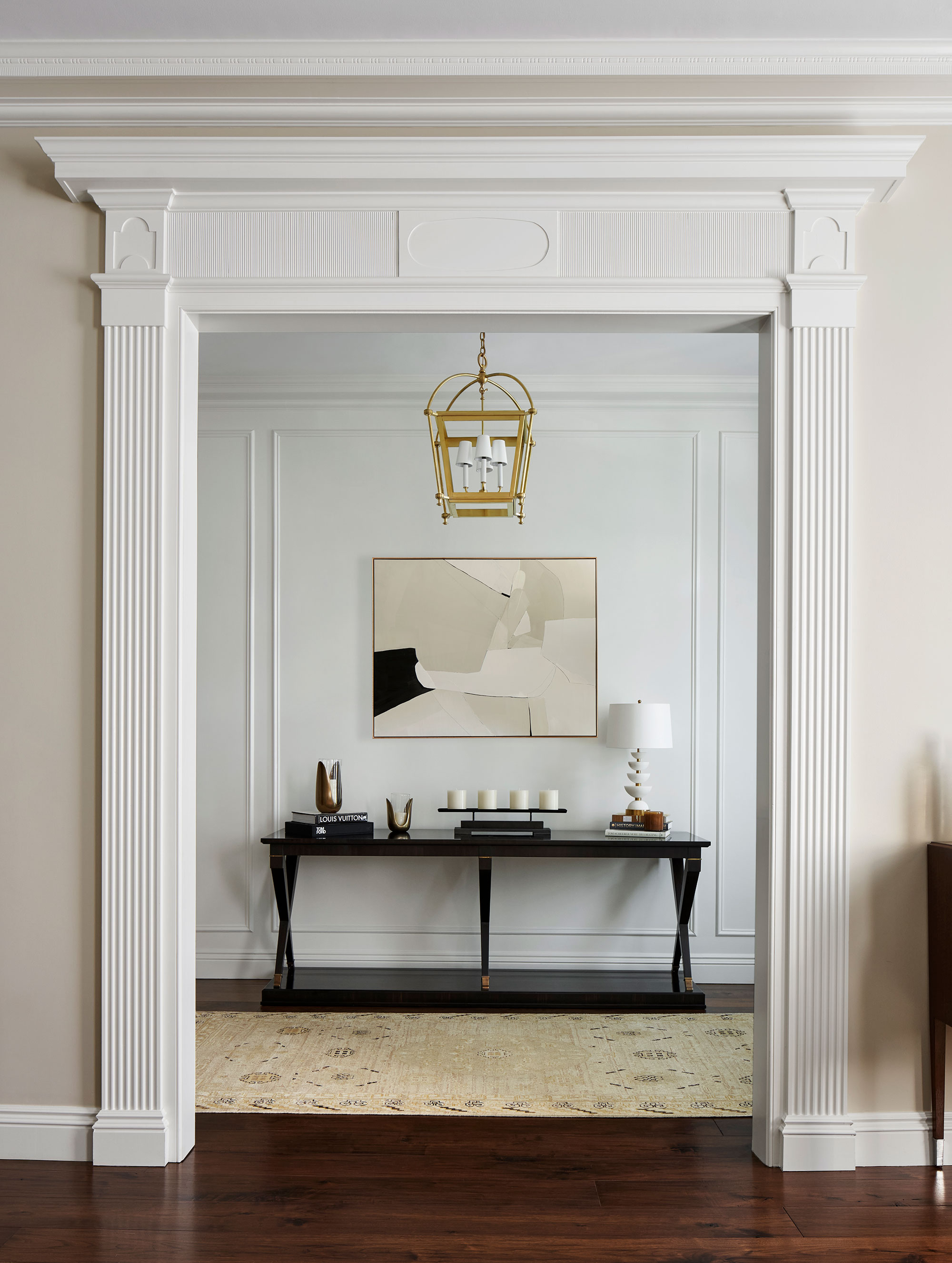
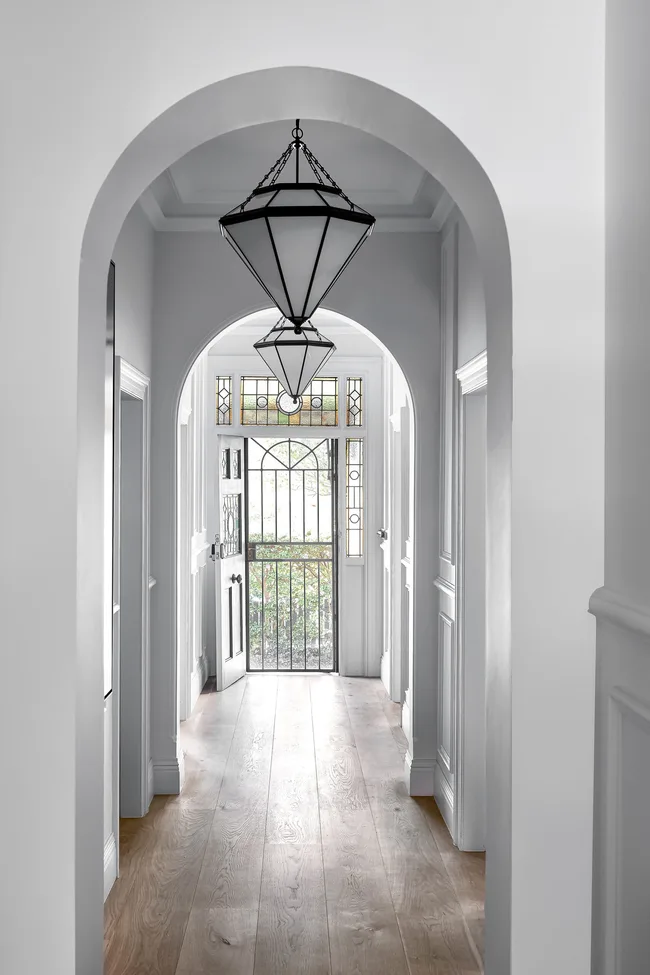
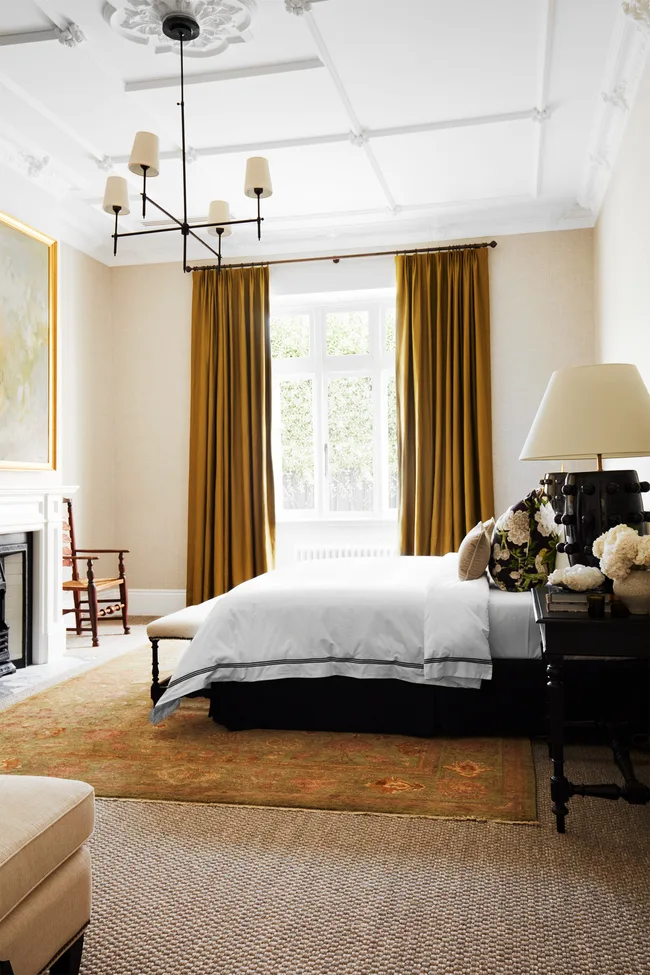
Federal architecture, a grand and influential style in American history, emerged after the Revolutionary War, roughly spanning from 1780 to 1830. It is recognized as the American interpretation of neoclassical architecture, drawing significant inspiration from ancient Roman and Greek construction, as well as the earlier Georgian styles. Michele Iapicco, Vice President of the Institute of Classical Architecture & Art Texas Chapter, notes that Federal architecture is more refined and graceful compared to the heavier Georgian buildings. Its interior design often features oval-shaped rooms, intricate plasterwork, and elegant mantels, all emphasizing balance and subtlety.
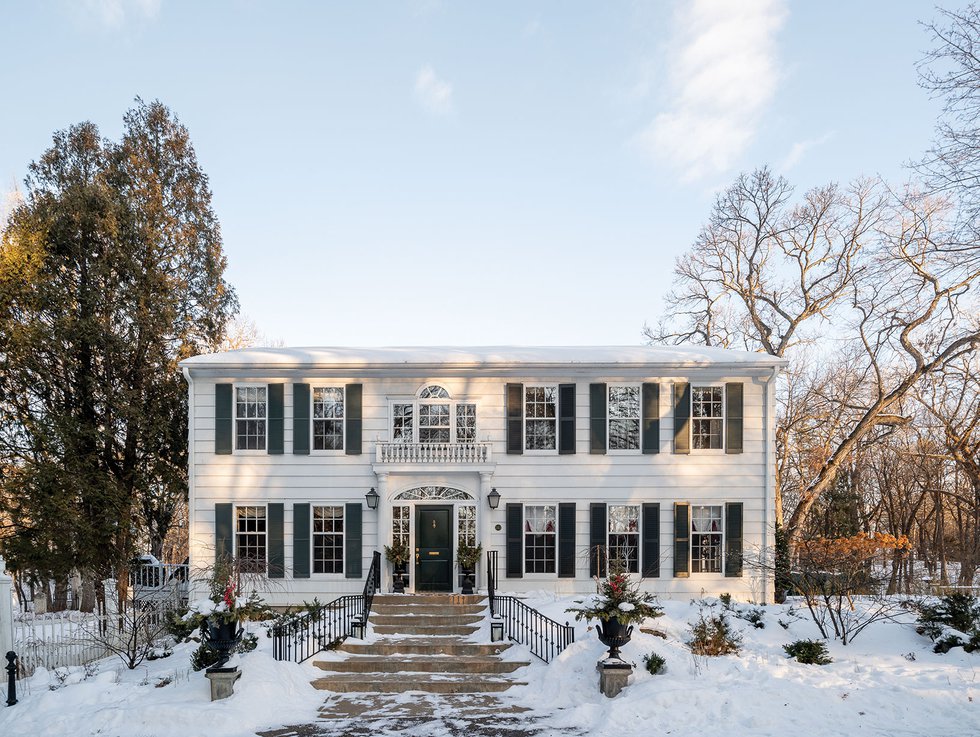
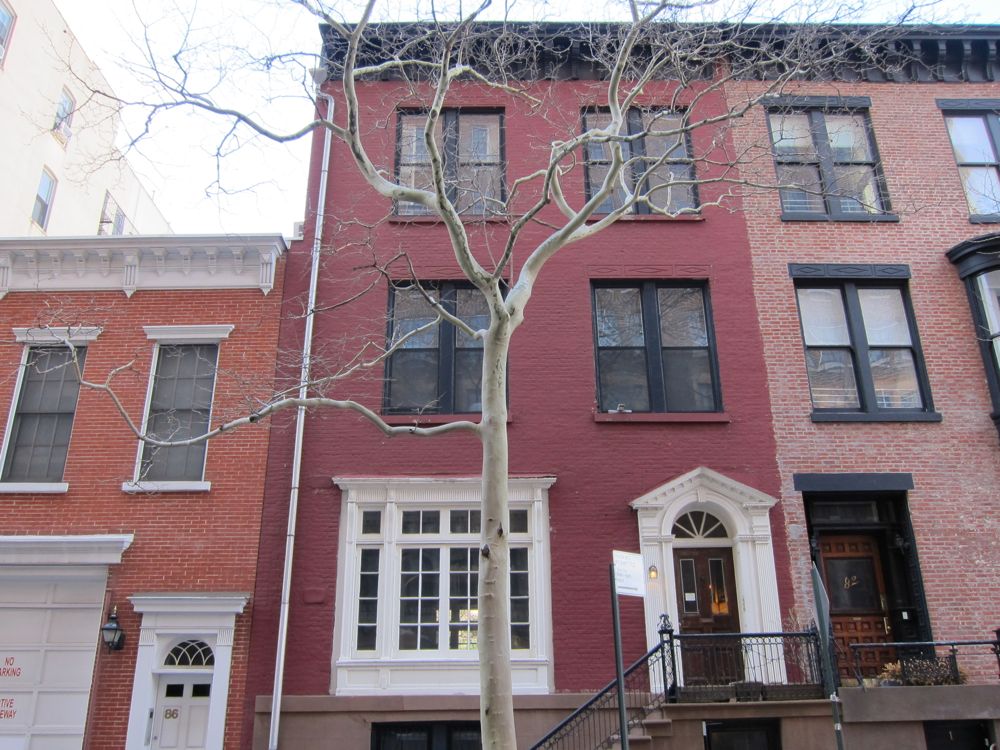
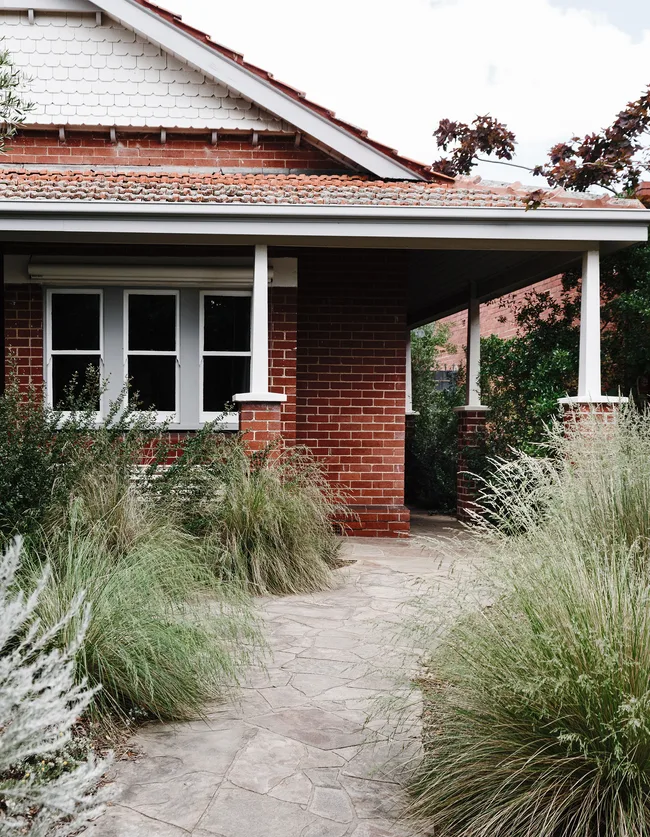
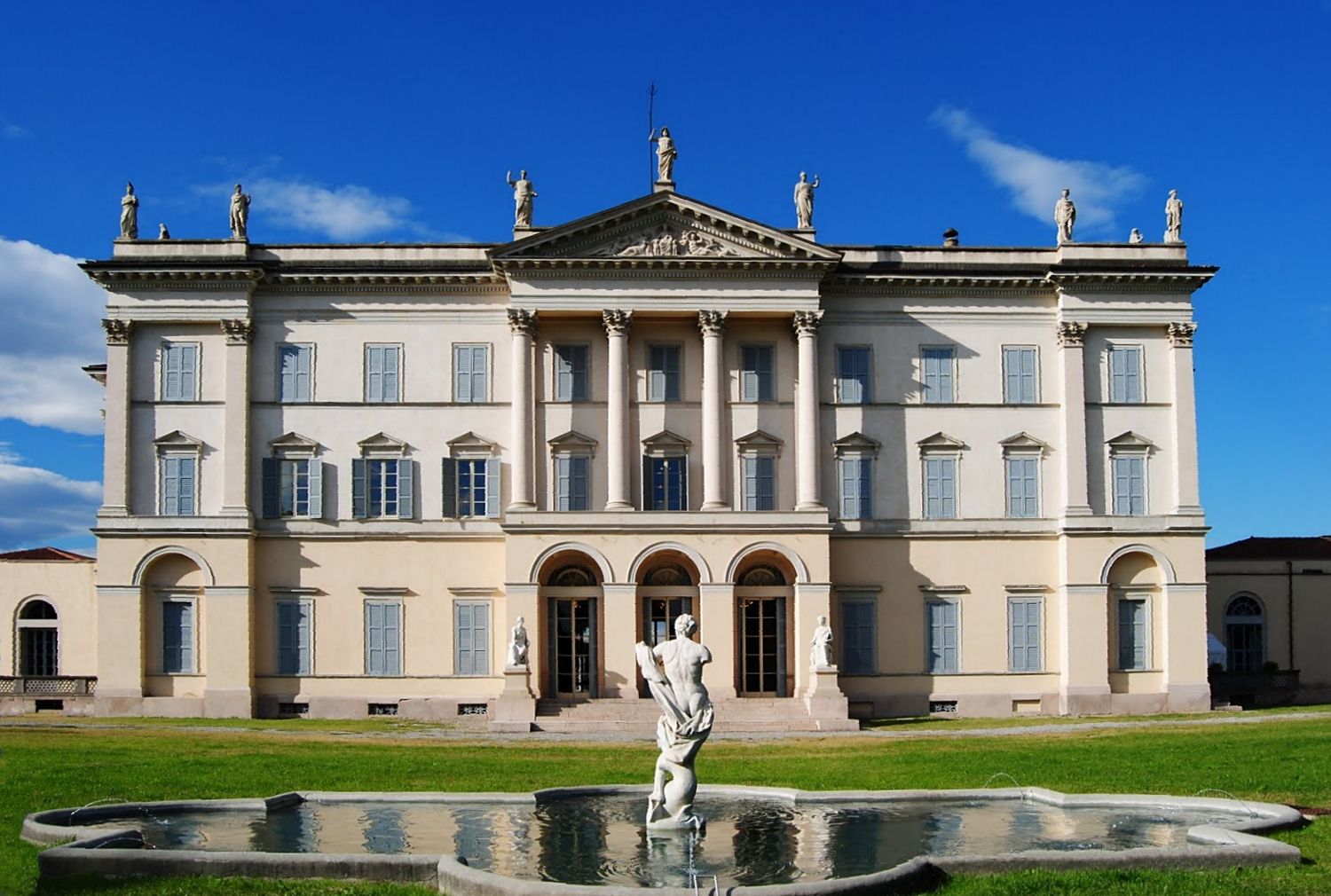
Key characteristics of Federal architecture include a strong emphasis on symmetry and geometric order. Exteriors typically feature smooth brick or clapboard finishes and low-pitched or flat roofs, sometimes concealed by a balustrade. Entrances are distinctive, often incorporating elliptical or fan-shaped windows above the front door, along with Palladian windows and narrow sidelights designed to maximize natural light. Decorative details are delicate and refined, commonly showcasing motifs like swags, urns, and thin pilasters, many inspired by the neoclassical designs of Robert Adam. The White House in Washington, D.C., is cited as a prime example, embodying the style’s symmetry and refined details.
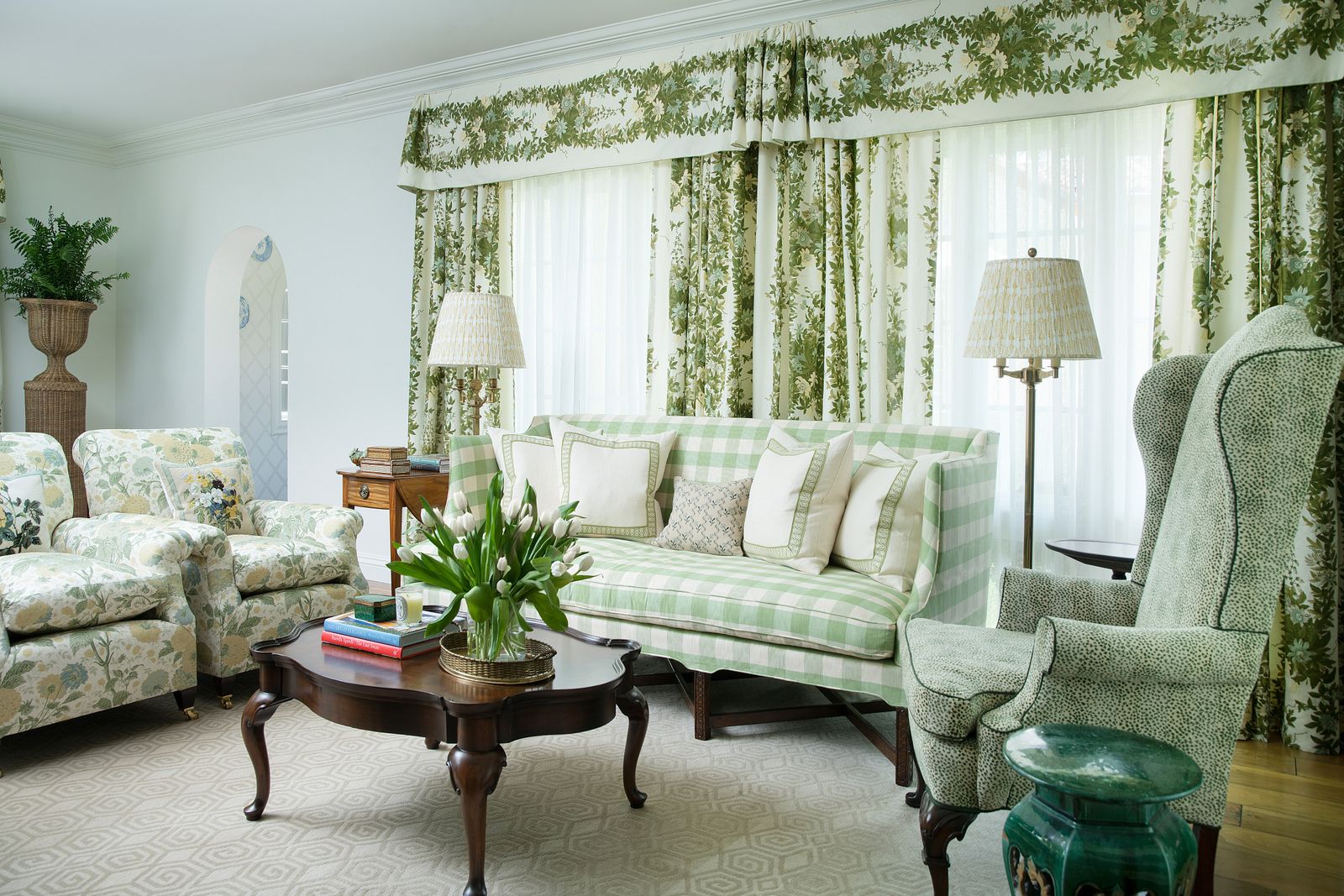
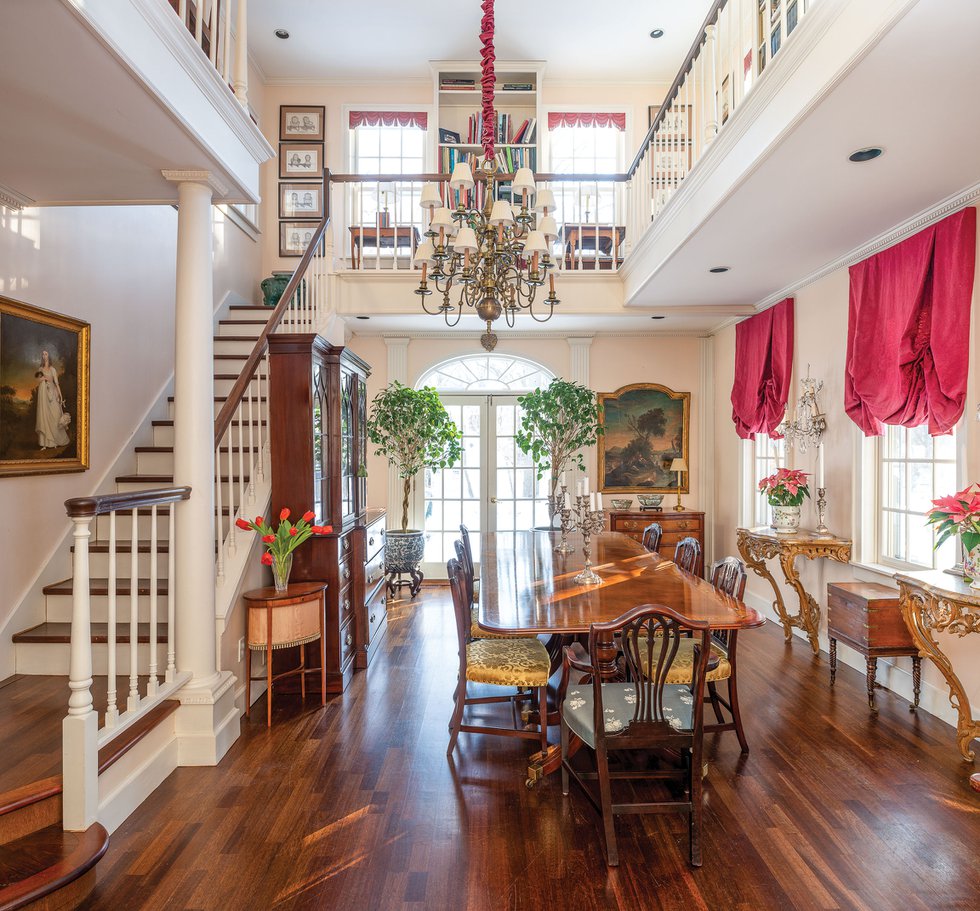
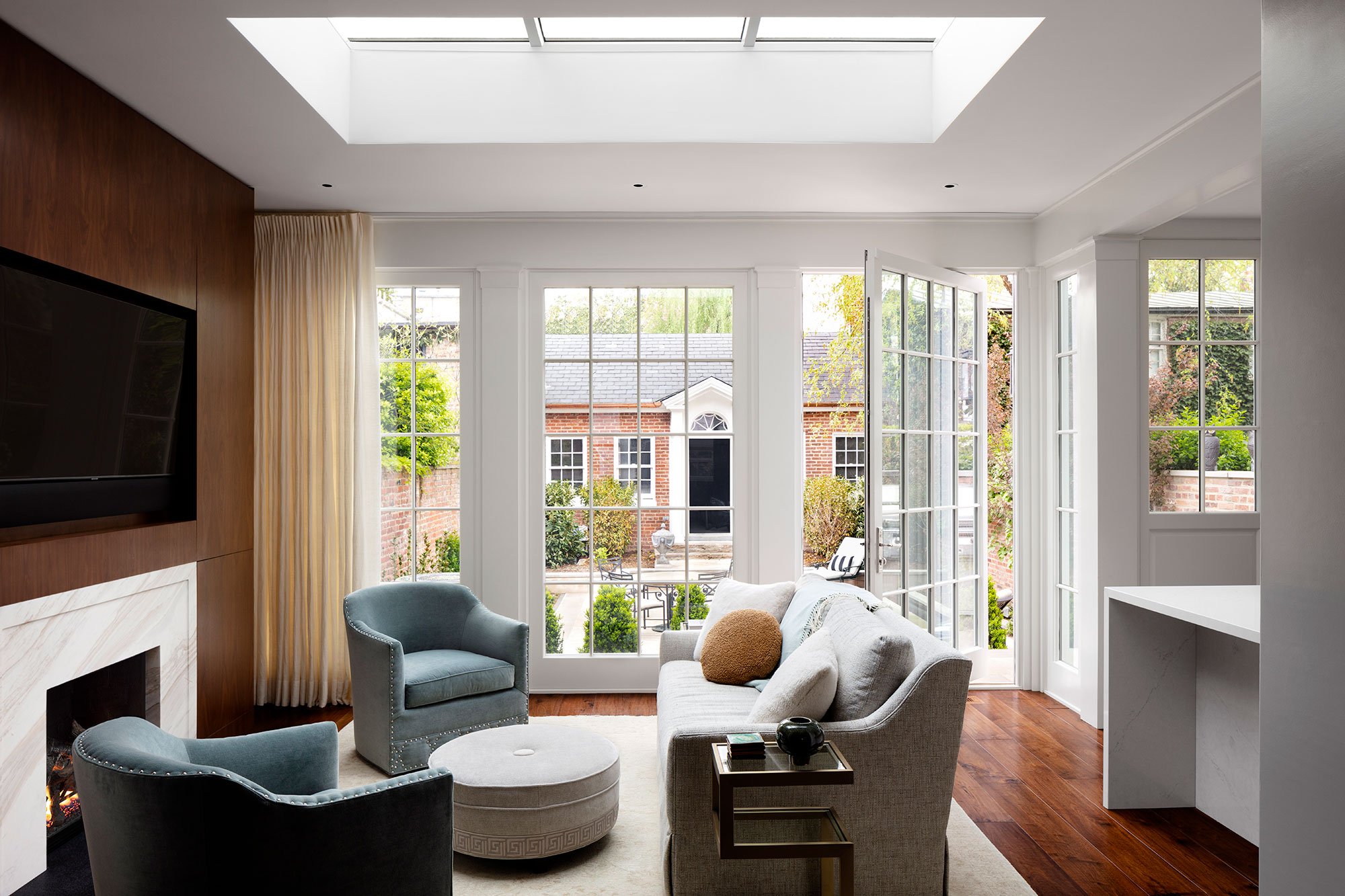
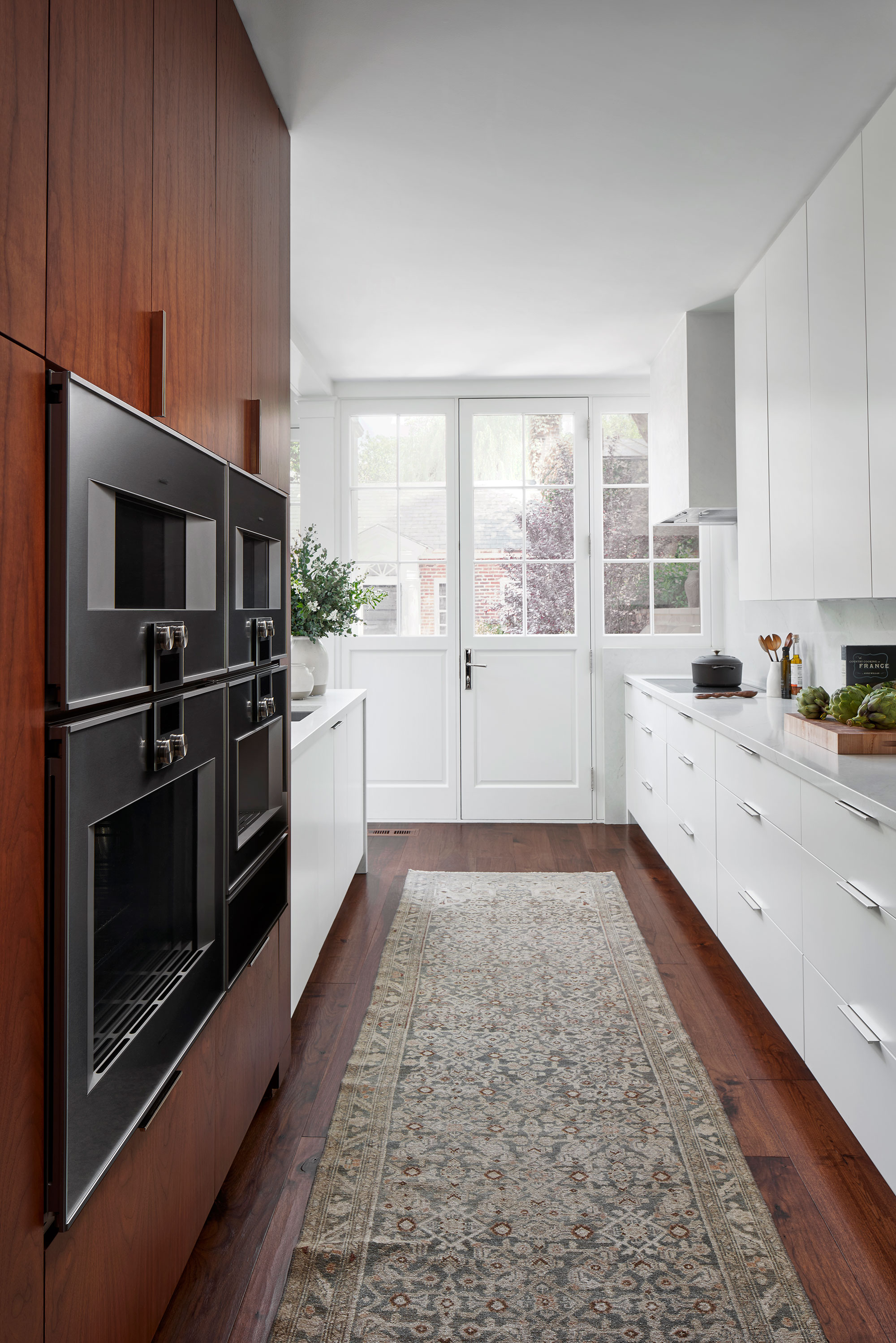
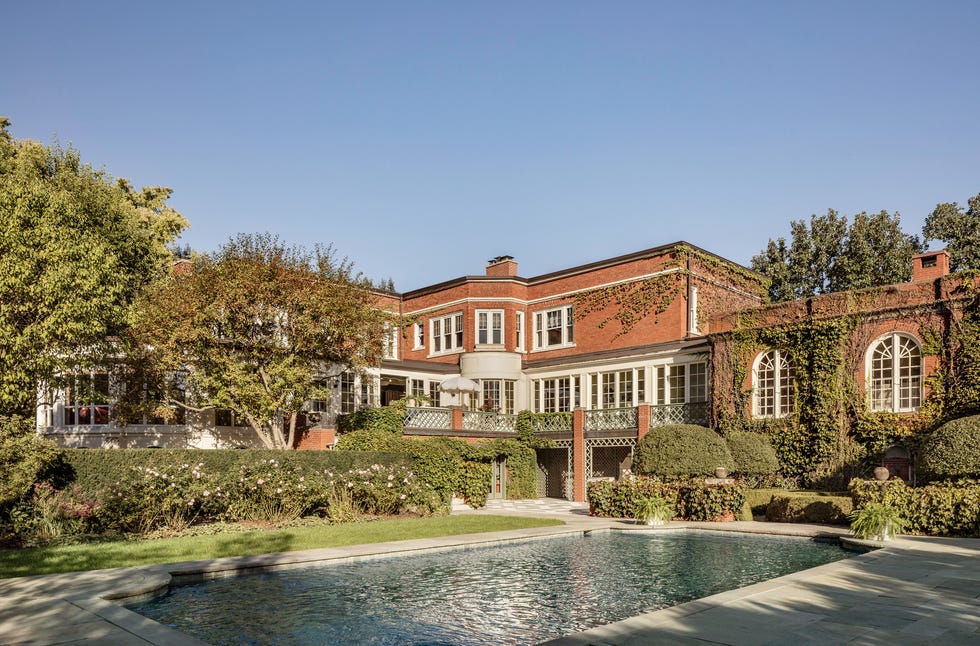
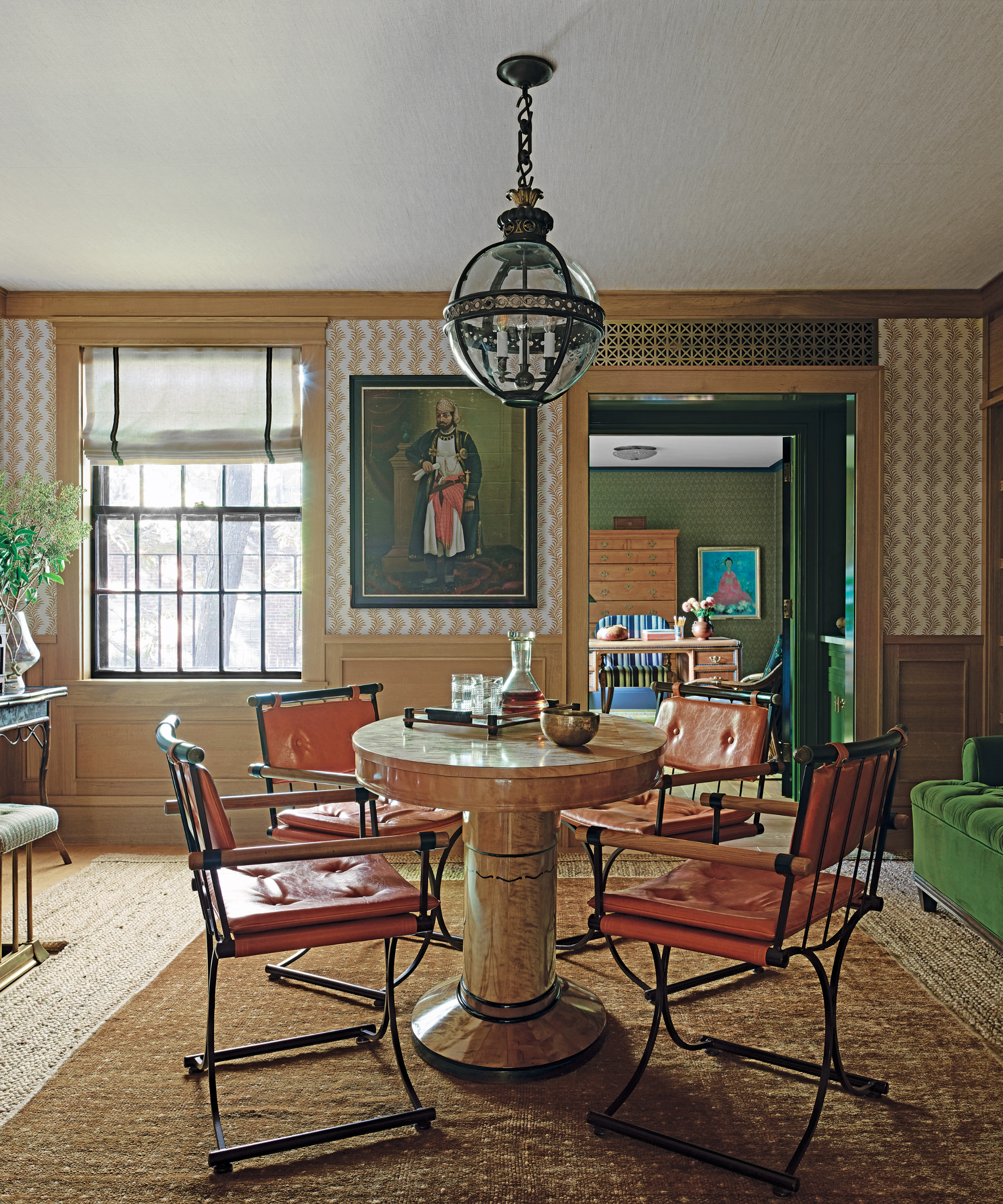
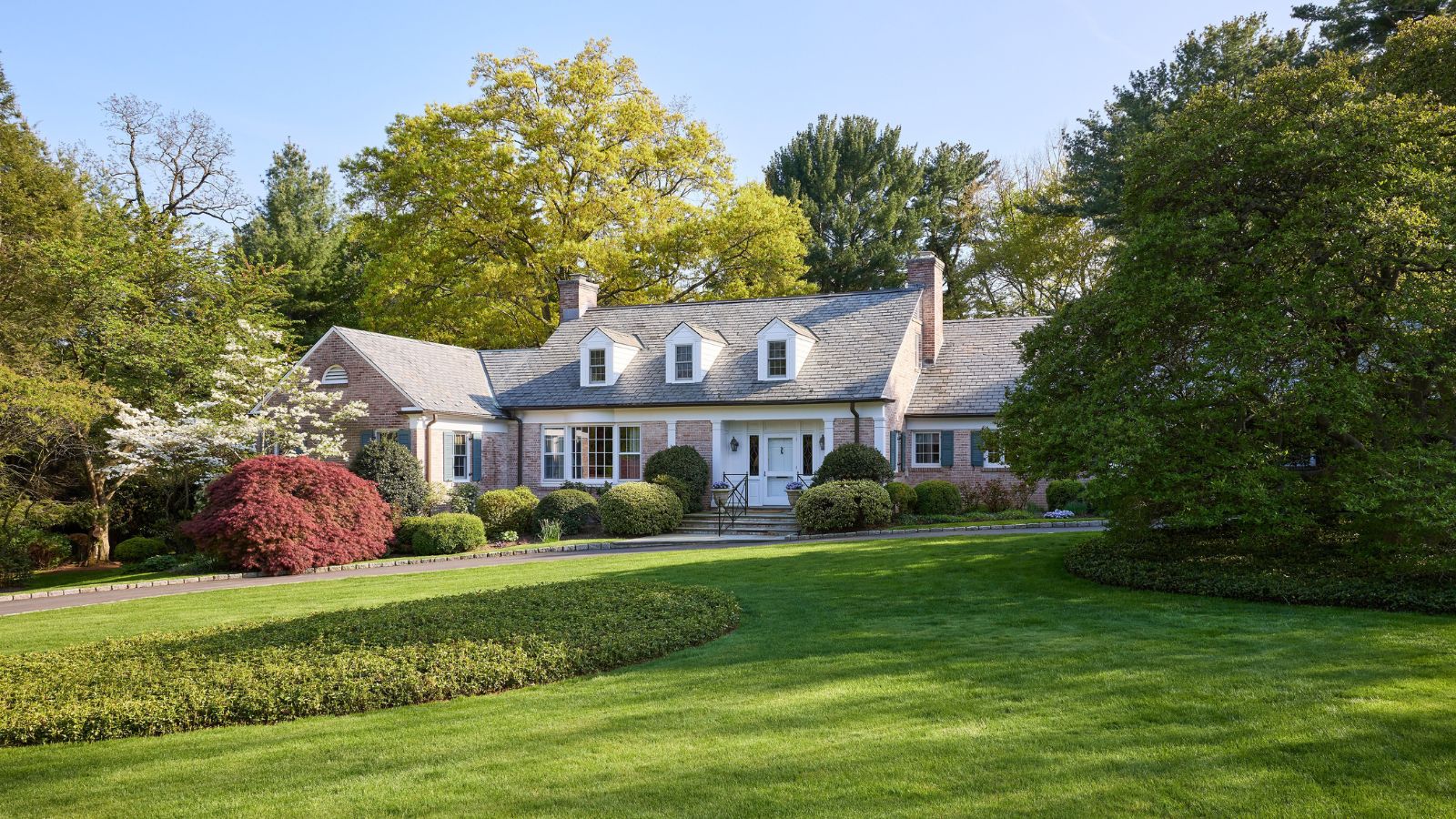
The article highlights three distinct examples of Federal-style properties. The first is an inherited family home in Westchester, NY, designed in the early 20th century in the Federal Revival style. Interior designers Carol Flanagan and Megan Flanagan Tompkins of Flanagan Interiors undertook its redesign, aiming to create a traditional yet livable space that respects the building's historical aesthetic. They emphasized the elegance derived from features like bow windows, which reflect the elliptical shapes characteristic of Federal architecture, the brick facade, and the symmetry in rooms. The designers introduced modern additions like a kitchen, family room, and mudroom for casual living, ensuring they blended seamlessly with the original formal spaces. The abundance of natural light in many rooms, often from three sides, and the views of the park-like setting were noted as favorite aspects of the project.
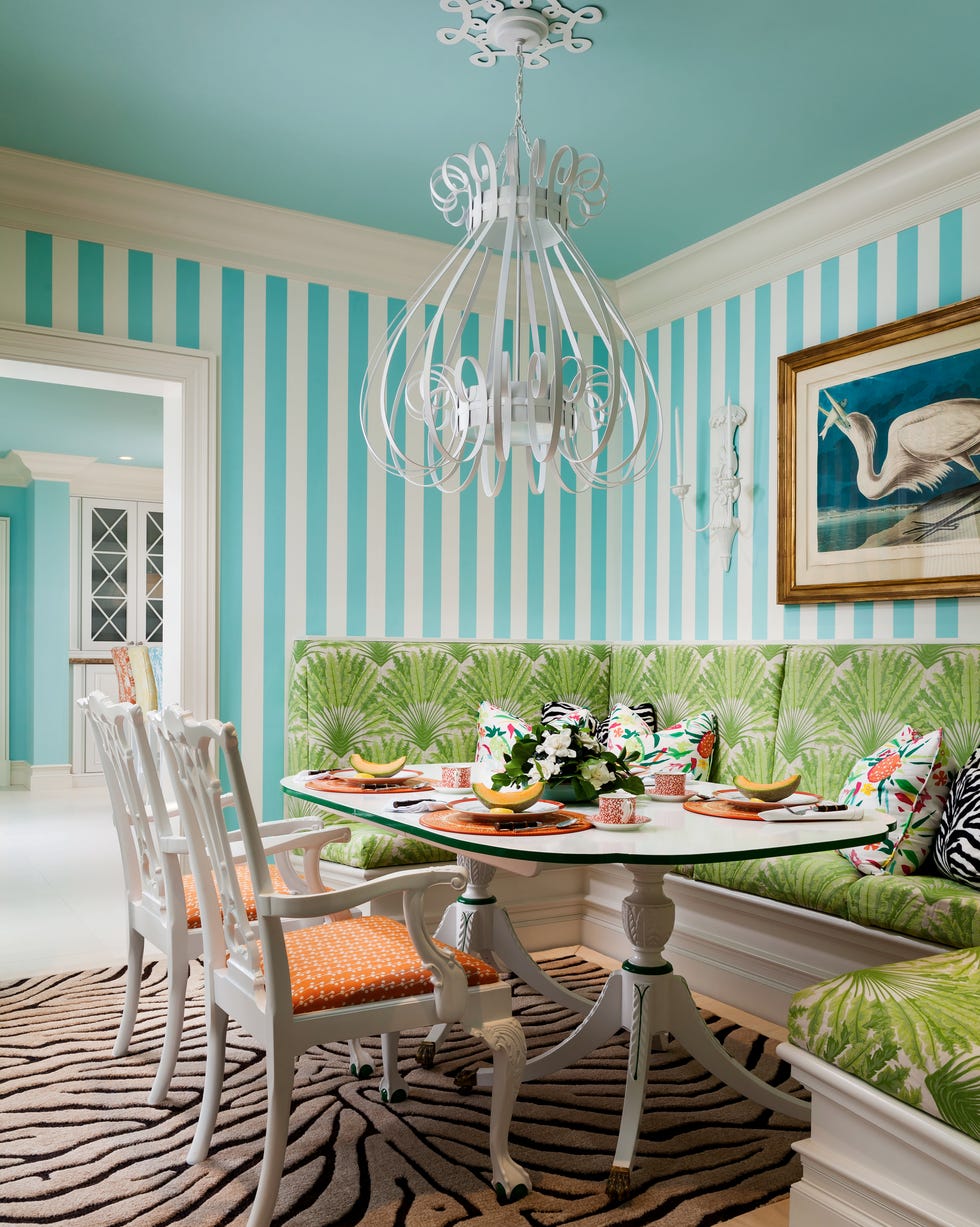
The second example is a classical mansion in Richmond, Virginia, built in 1814. This building, designed by Alexander Parris in a simplified early Federal style, serves as the oldest occupied governor's house in America and exemplifies classical architectural principles. Thalia Toha, Architectural Historian & Geography Exhibit Designer at Lafayette History Museum, explains that Federal architecture often distinguishes itself by what it excludes from previous styles. For instance, it typically simplifies the grand portico entrance of neoclassical designs, opting for a simpler two-columned portico. Regional adaptations also emerged, with brick being common in Federal architecture in the South and clapboard more prevalent in the Northeast.
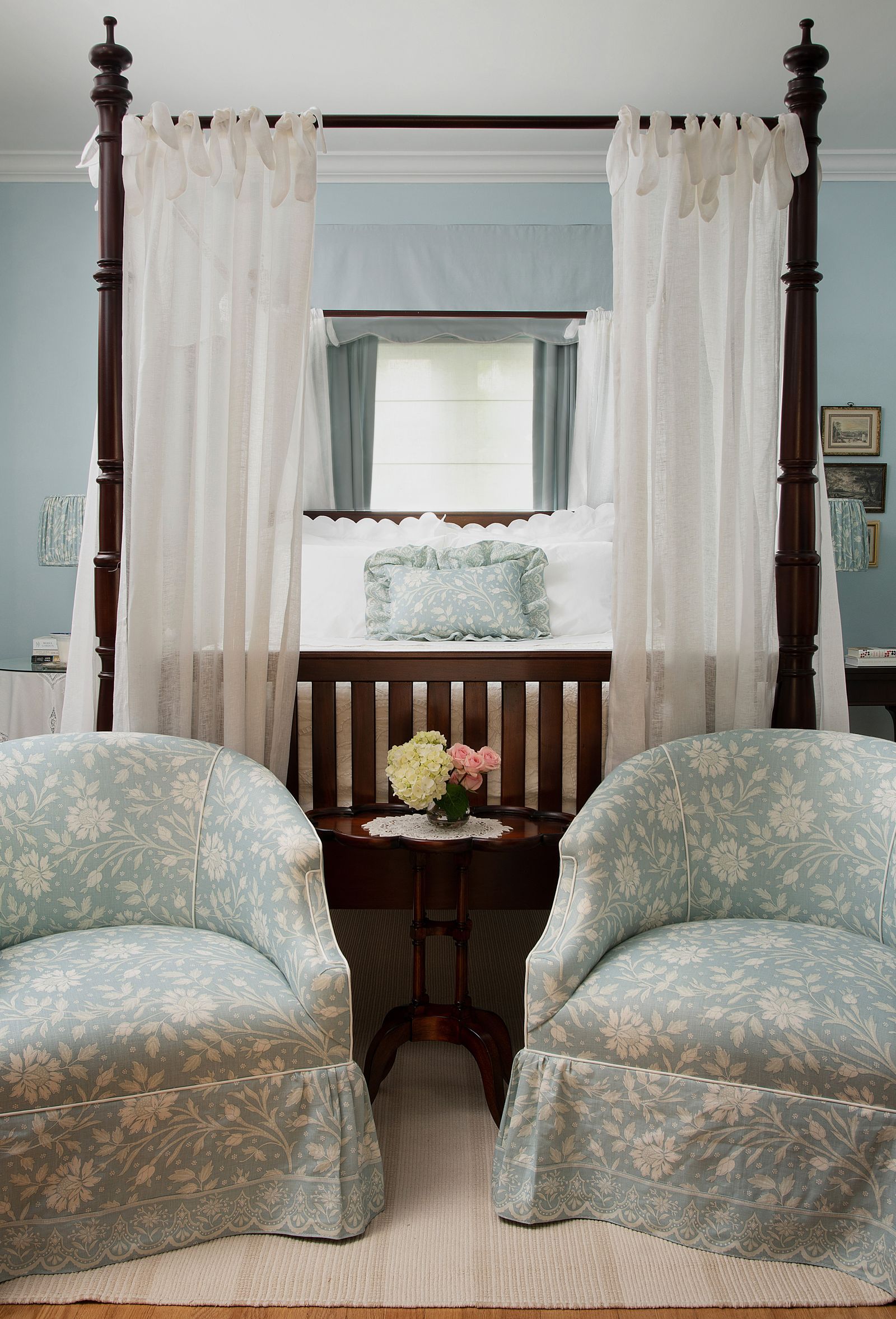
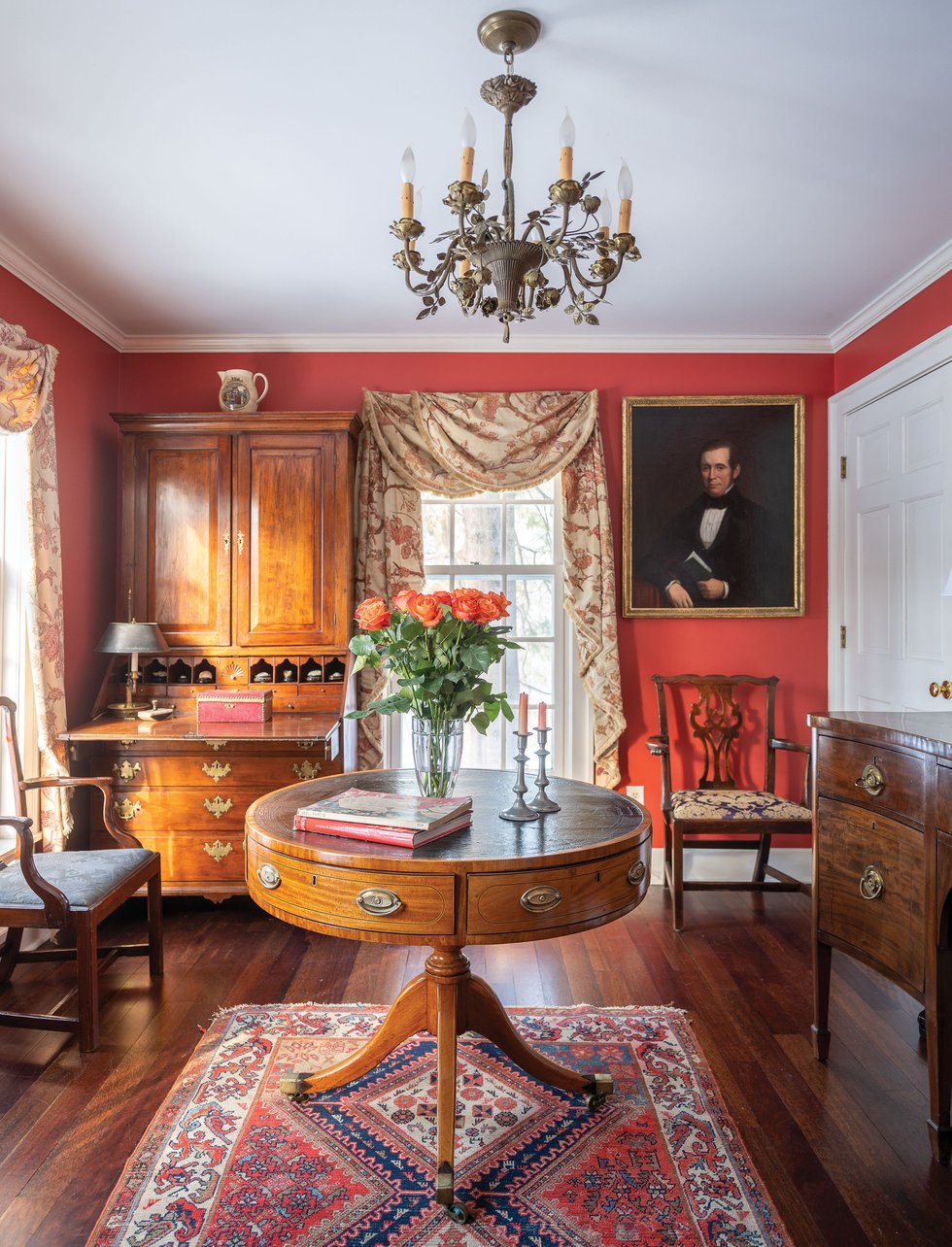
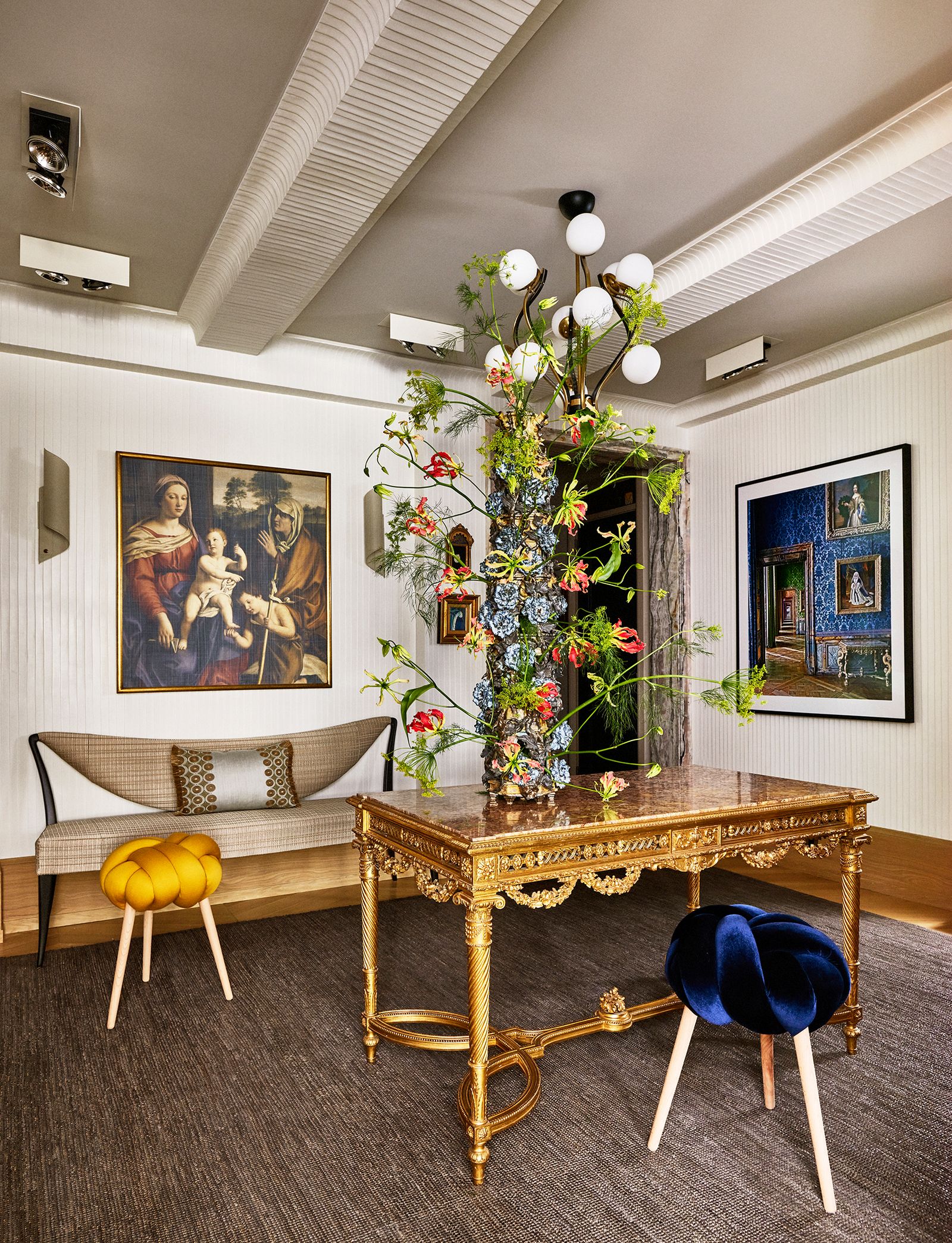
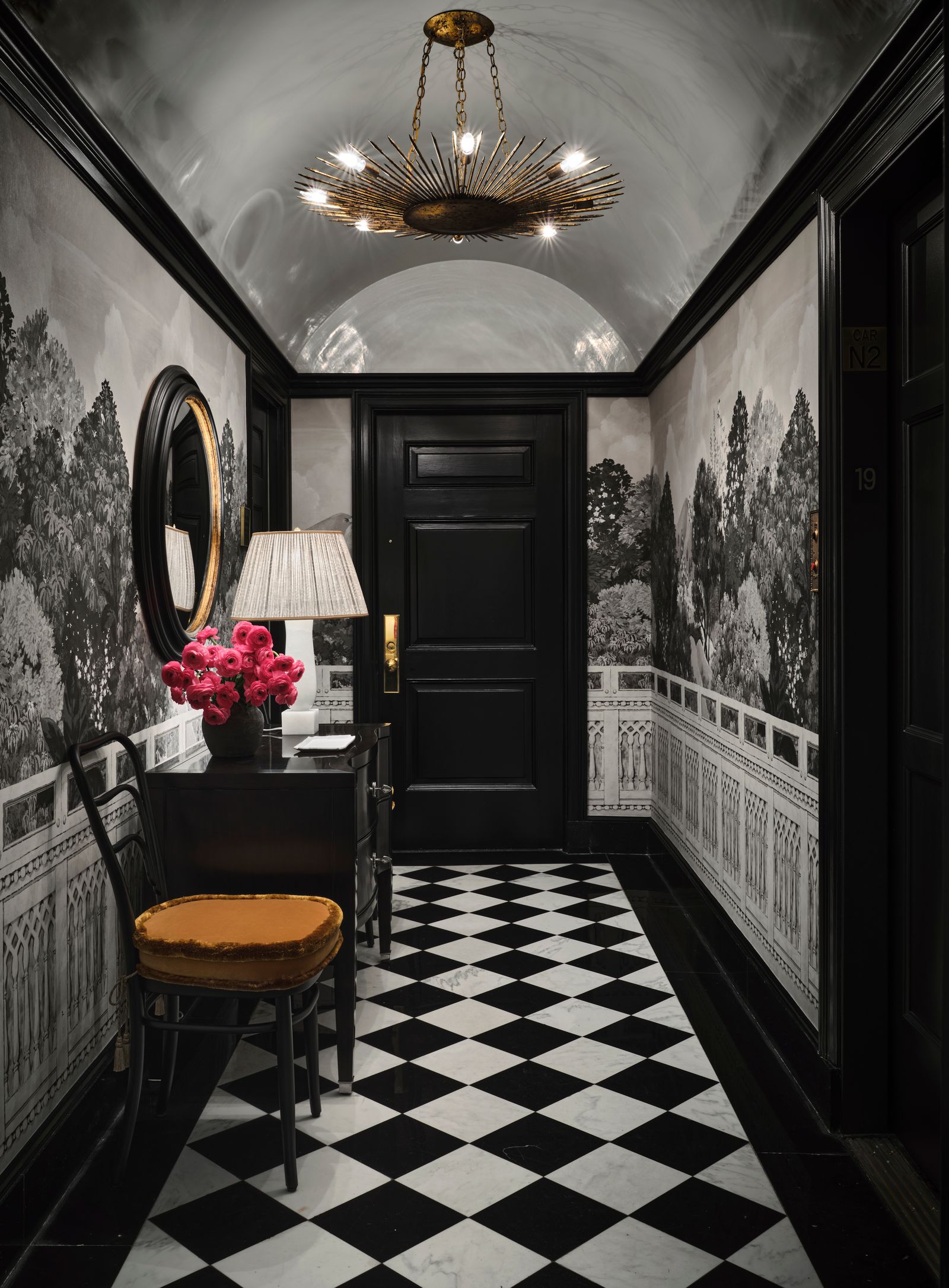
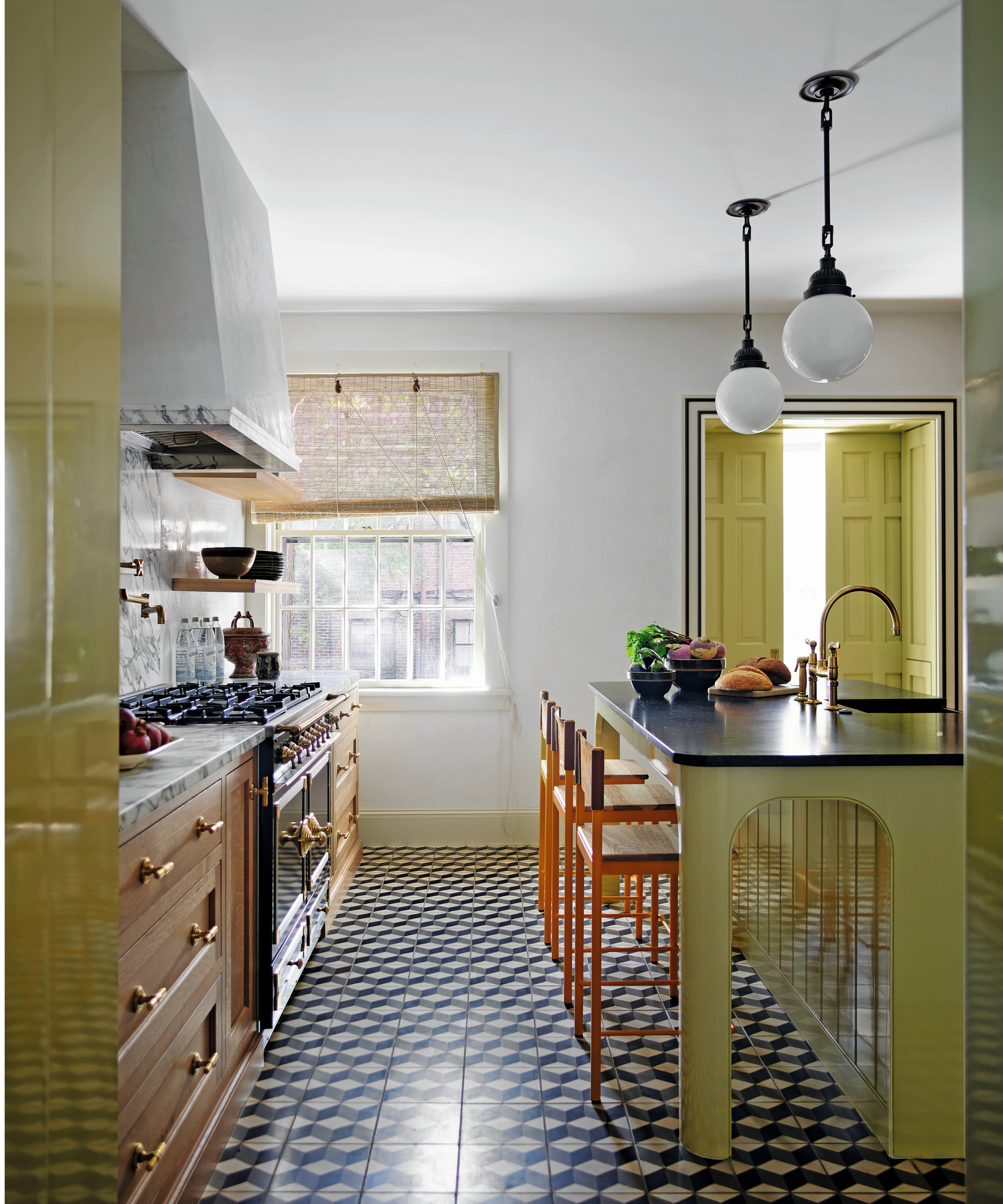
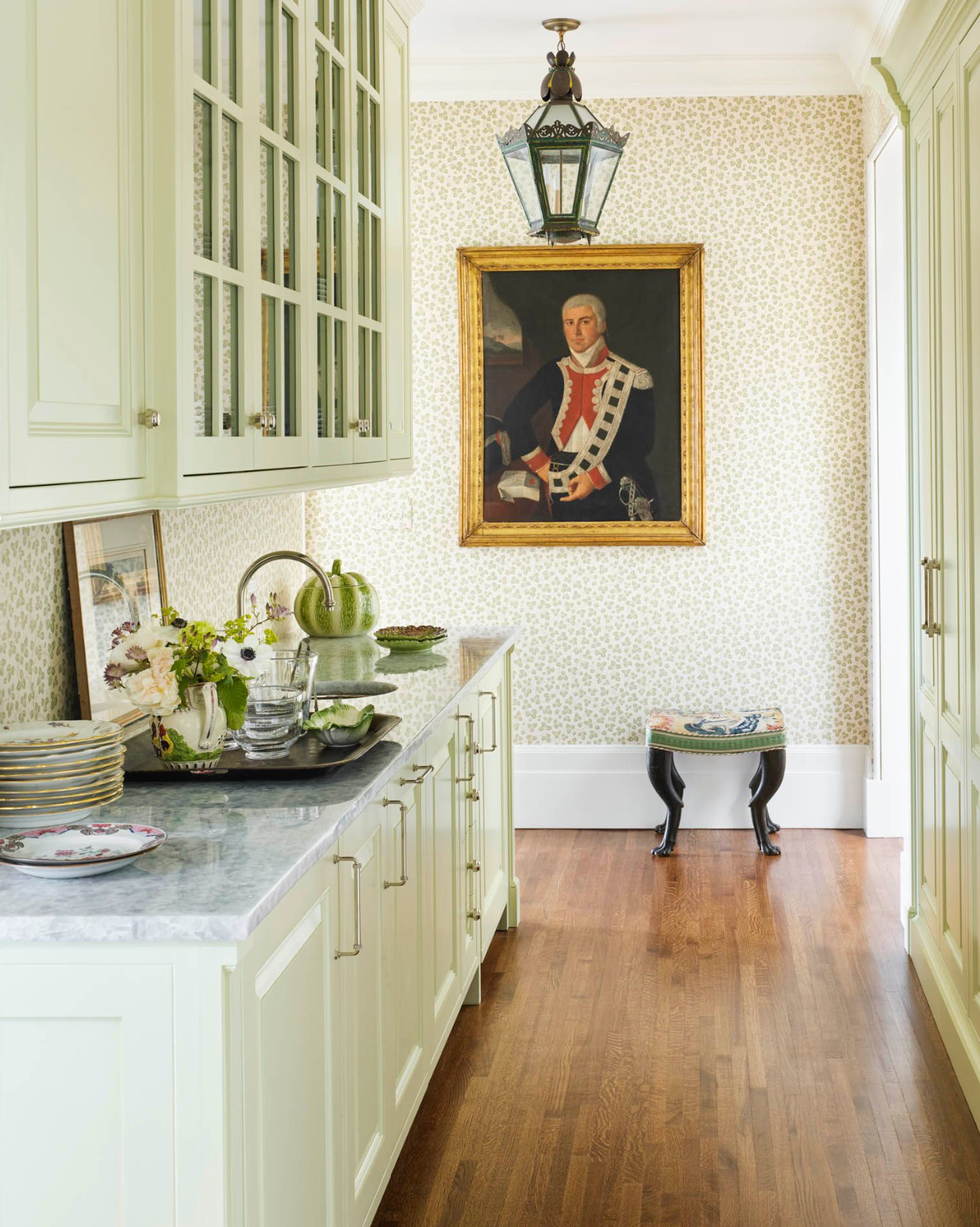
The third illustration is a family home in Sudbury, Massachusetts, dating back to 1790. Interior designer Linda Weisberg of LW Interiors sympathetically redesigned this authentic Federal-style residence. Weisberg describes Federal architecture as classic and enduring, characterized by its grace, symmetry, elegance, and detailed interior and exterior moldings. She notes that the style, initiated by British architects in the mid-18th century and influenced by Greek and Roman architecture, never goes out of fashion. The redesign integrated a mix of antique and comfortable modern furnishings, ensuring antique pieces were sturdy rather than delicate. Traditional motifs, such as damask wallpaper in the living room and main bedroom, and William Morris wallpaper in the study, were incorporated to maintain a cohesive and sympathetic aesthetic. Art relevant to the clients, such as a heron motif inspired by a pond on the property, was also included, making the home feel personal and connected to its surroundings. This article emphasizes that Federal architecture remains a deeply historic, refined, and influential style within America’s broad architectural landscape.
#FederalArchitecture #InteriorDesign #ArchitecturalHistory #NeoclassicalStyle #GeorgianInfluence #HistoricHomes #ClassicalArchitecture #HomeRenovation #AmericanArchitecture #FederalArchitecture #InteriorDesign #ArchitecturalHistory #NeoclassicalStyle #GeorgianInfluence #HistoricHomes #ClassicalArchitecture #HomeRenovation #AmericanArchitecture
0 komentarzy łącznie
 Brak komentarzy jeszcze
Możesz również polubić
17 Essential Architectural Styles Everyone Should Know

These 20 Architectural Styles Were Once Popular But Suddenly Disappeared

A historic home in Washington mixes traditional and modern style elements

Looking to Buy a New Home? These Are the Most Popular House Styles to Know

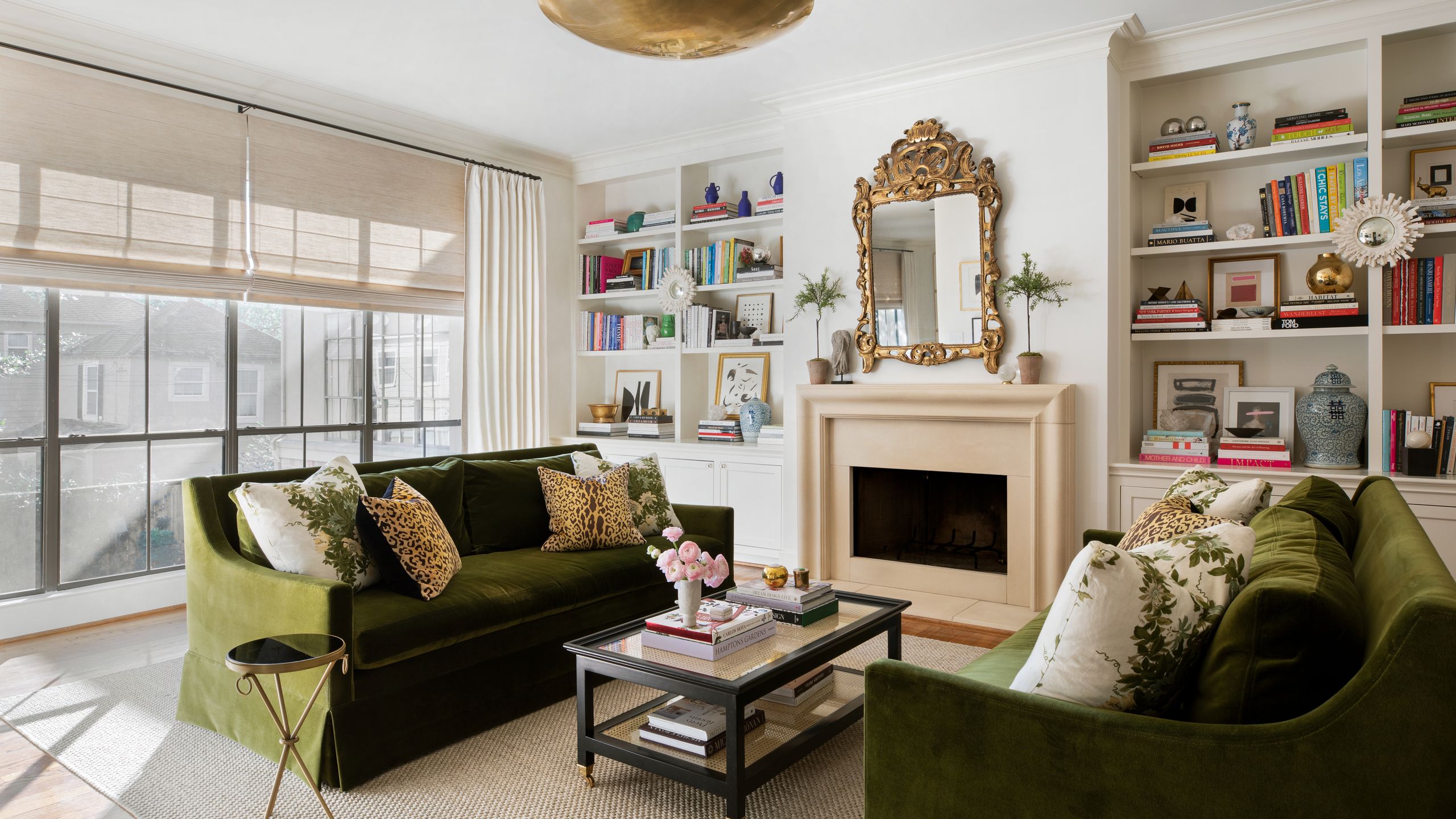
Traditional Interior Design: Everything You Need to Know About This Classic and Timeless Style

41 famous buildings you should visit before you die


The Gothic Vision
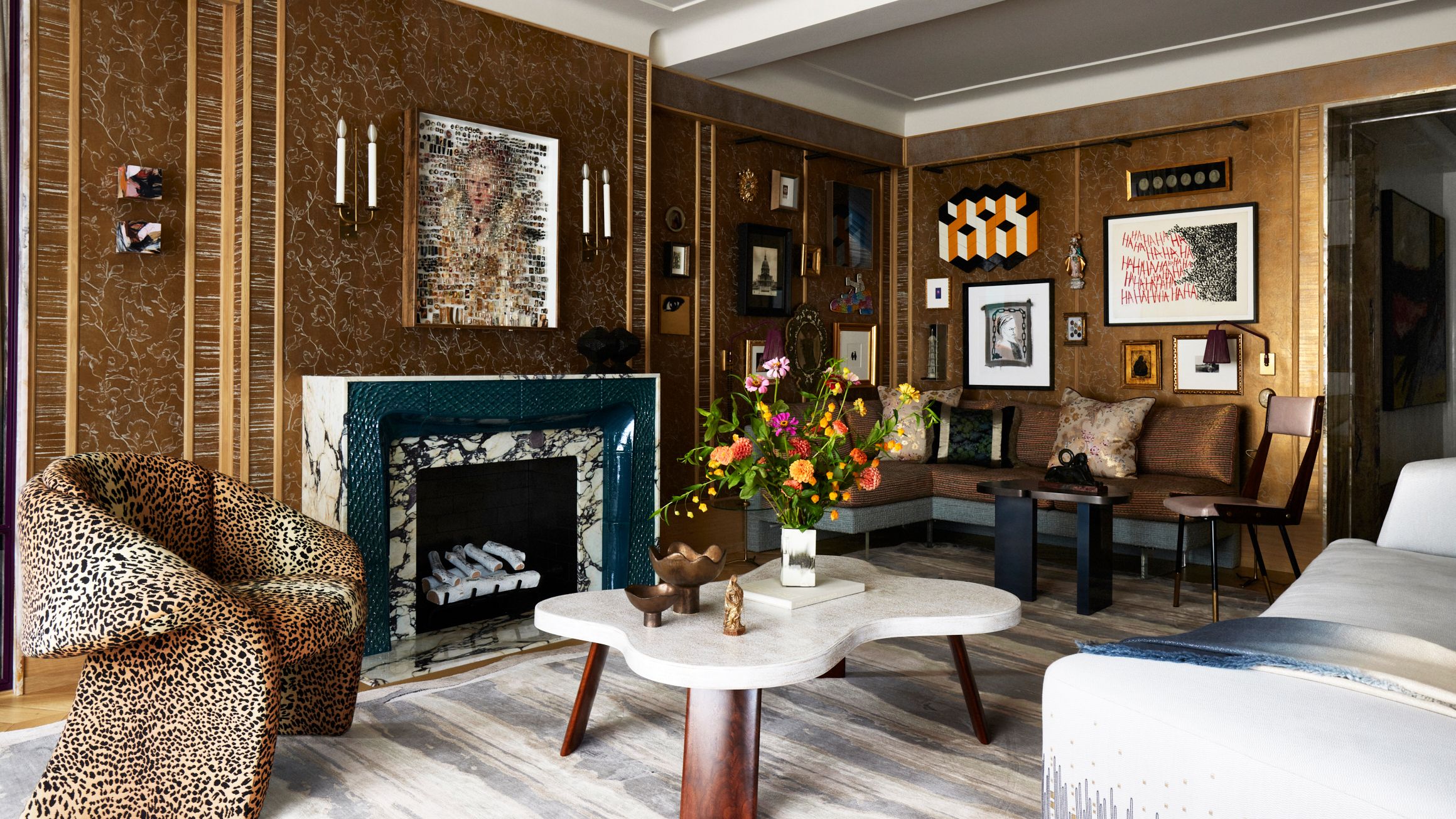
Art Deco Interior Design: Everything You Need to Know About This Opulent Style
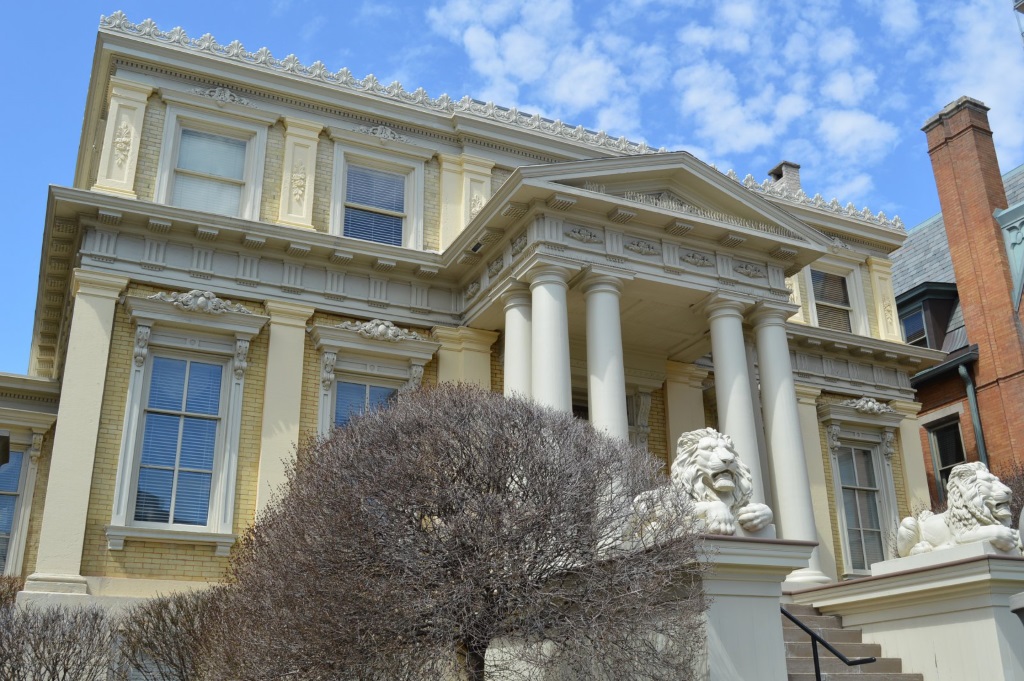
Milwaukee Architecture: 10 Examples of The Classical Style
!['S' is for soffit, the decorative, protective structure under Lancaster's roofs [Architects' Alphabet column]](https://gstatic.ideal.house/news/images/f5cb5e8c5de04c95829622348e4cde92.jpg)
'S' is for soffit, the decorative, protective structure under Lancaster's roofs [Architects' Alphabet column]
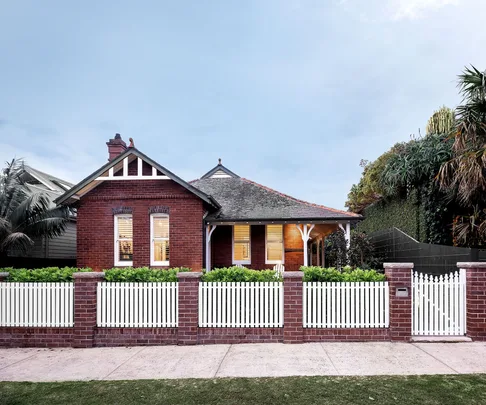
14 fabulous Federation home renovations

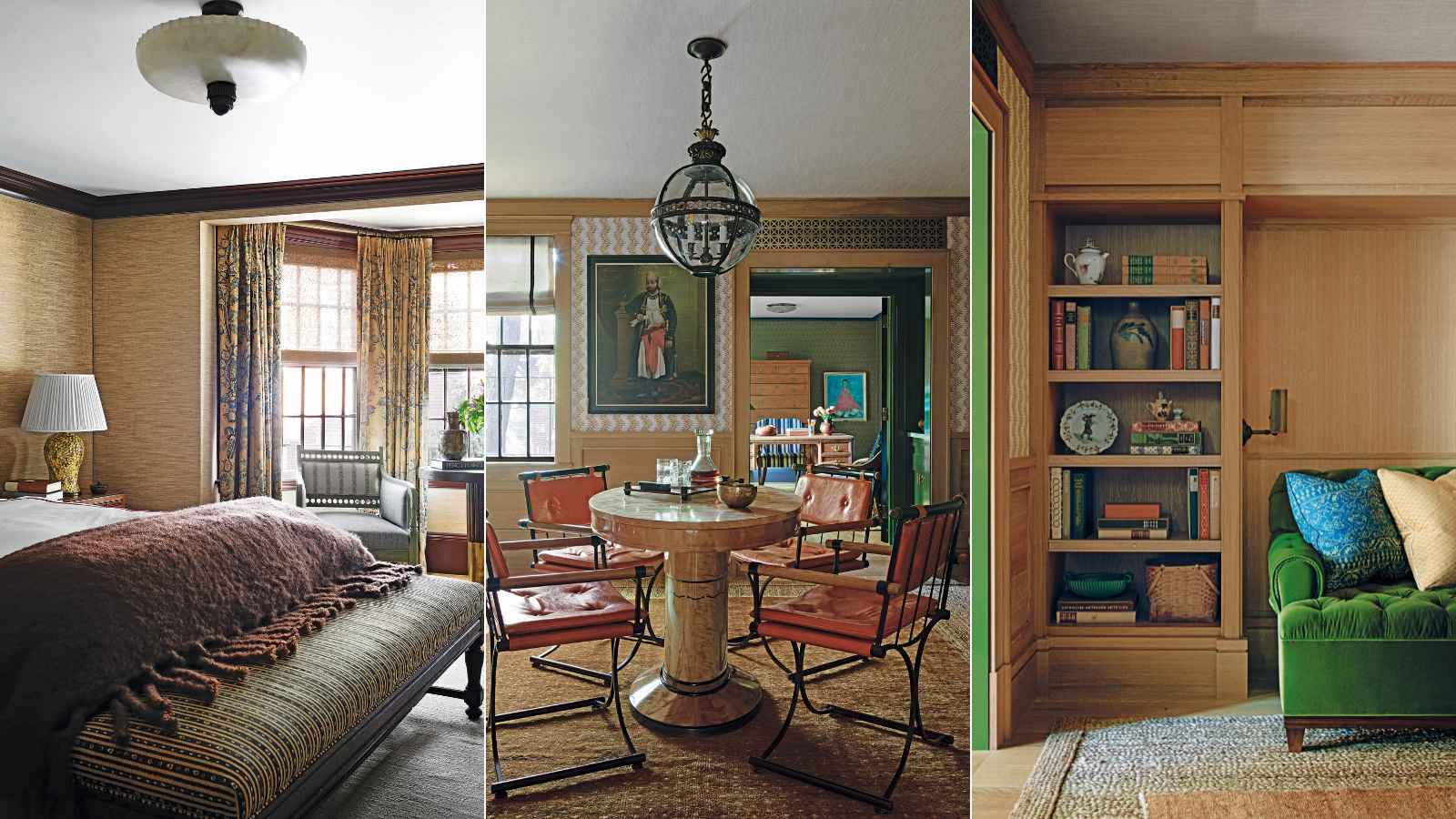
This Federal-style brownstone mixes historical features with layers of bold colors (including a lime green kitchen)

Trump’s architectural vision for Washington, D.C. looks like Ancient Rome


20 Old House Styles No Longer Built Today

5 Italian-origin architectural styles for which we ought to be thankful

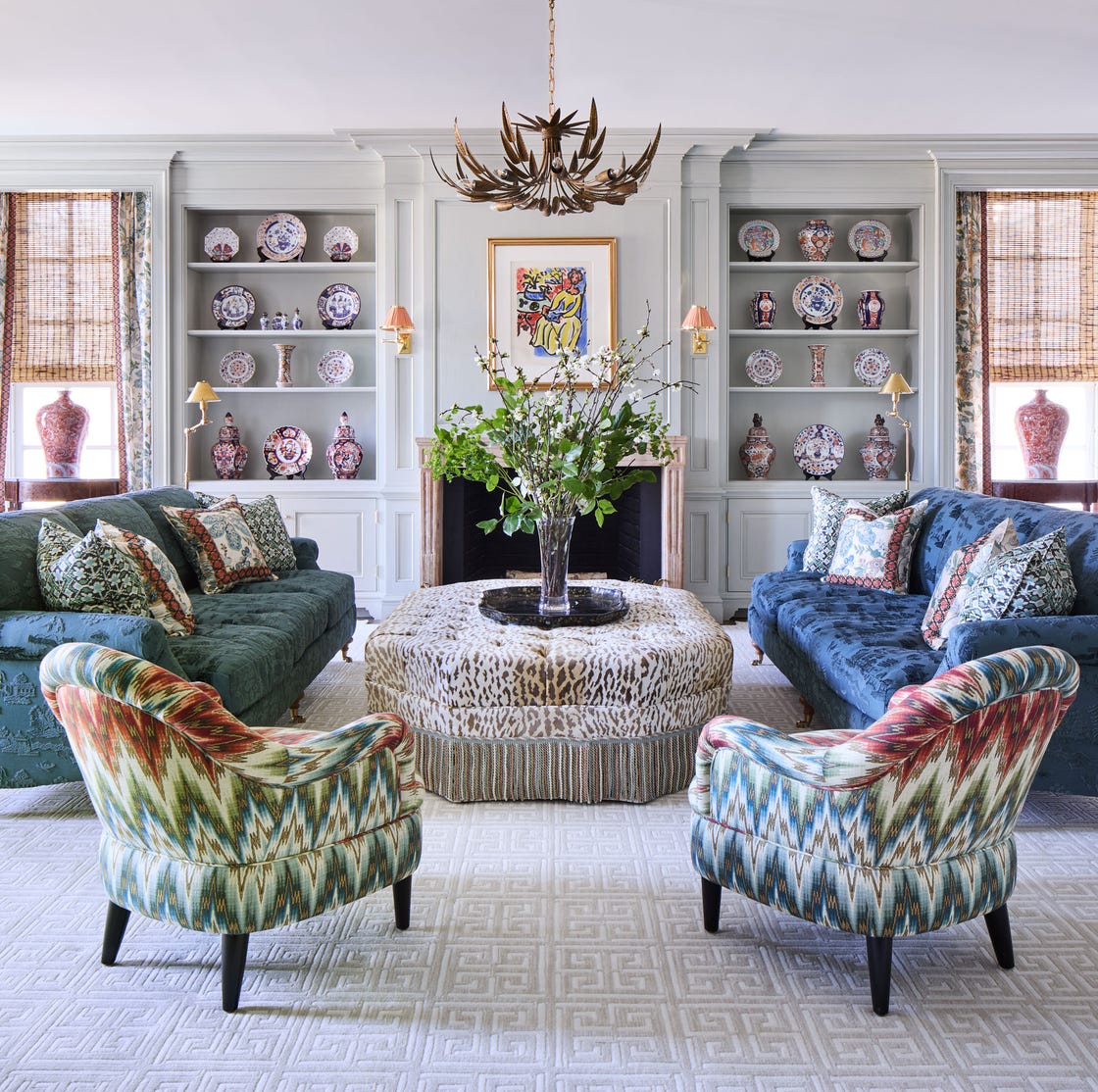
6 Antique Design Features Designers Wish Would Make a Comeback


Home & Design | A World of Interiors

Brooklyn architecture: The Five Oldest Houses in Brooklyn Heights (Updated)

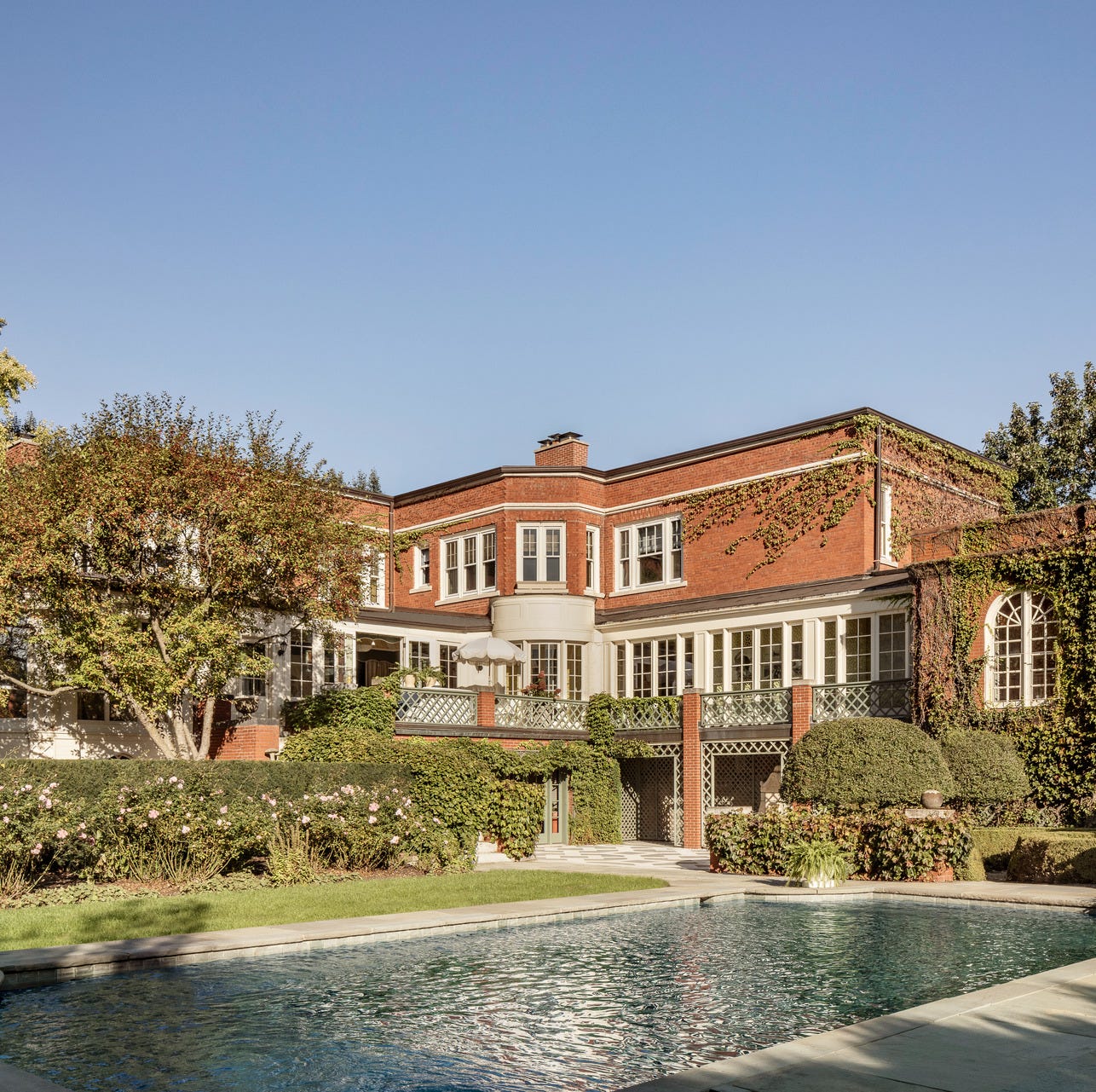
6 "Essential" Architecture Trends Design Lovers Need to Know

!['Sophisticated rustic': French Eclectic design in Lancaster features hip roof, tower [architecture column]](https://gstatic.ideal.house/news/images/3d9d49ff884d4125978aa1fb5db2b410.jpg)
'Sophisticated rustic': French Eclectic design in Lancaster features hip roof, tower [architecture column]