The Gothic Vision
This blog post explores Gothic architecture through the lens of computer science, specifically focusing on the concept of "recursive structure." While historians have studied Gothic architecture for centuries, ideas from computer science, particularly recursion, can sharpen our understanding and help identify a fundamental design gesture that has been observed in specific instances but not recognized as a widespread, general phenomenon. Recursive structure, where the shape of the whole recurs in the shape of its parts, is surprisingly important in both software and Gothic architecture. This concept, while not originating with modern computing, became central to organizing digital information in software applications like Lisp.
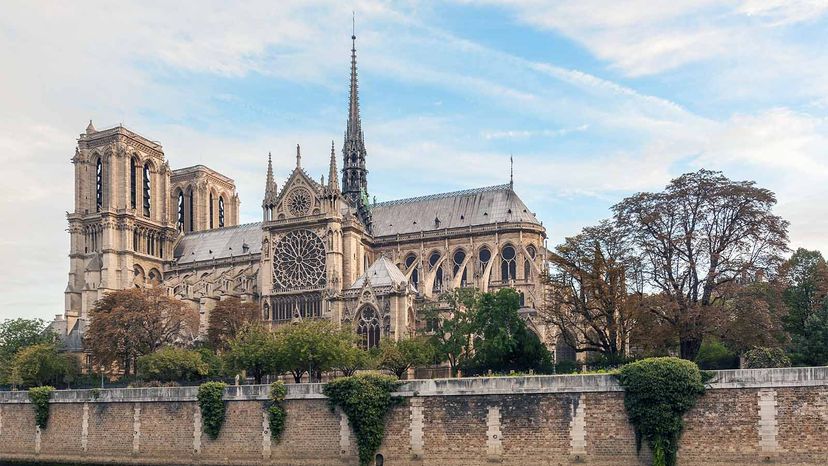
In architecture, recursion manifests in various ways. The chevet at the Abbey of Saint-Denis (1144), considered the birthplace of Gothic architecture, exemplifies this with its half-circular perimeter formed by a series of radiating chapels, each roughly a half-circle itself. This creates a semi-circle of semi-circles. Similarly, the west façade at Reims Cathedral (1220s) demonstrates recursive structure with a large pointed arch containing a rose window, and nested within it, a smaller arch with a smaller rose. This design cleverly solves the problem of composing with two similar elements, resulting in a spectacular effect.
Bourges Cathedral (1195) offers a radical recursive revision of the classical Gothic design seen at Chartres (1194). Instead of the three-level design of aisles, triforium, and clerestory, Bourges introduces a second church-like structure telescoping upwards within the nave, creating a space that builds in a jubilant crescendo. Another crucial aspect of mature Gothic design is tracery, the carved stone partitions that divide windows or decorate walls. Tracery is pure, abstract drawing in stone, reflecting the medieval artist's focus on design over representation. Recursion is fundamental to tracery, as seen in the transition from Reims to Amiens, where tracery designs add an extra level of recursion, and in multi-level recursive windows like the great east window at Lincoln Cathedral (1275).
Gothic artists often played with recursion. The chapel windows at Amiens and the apse windows at Sainte-Chapelle arrange three simple trefoils in the shape of a larger trefoil. Lichfield Cathedral further refines this theme with a spherical triangle framing a trefoil of trefoils. Recursion is particularly significant in the English Perpendicular style, exemplified by a window from St. Mary Magdalen in Launceston, Cornwall, featuring nested diamond shapes. Rose windows also exhibit recursive structure, helping to distinguish between true recursive designs and those that merely repeat forms, like the pre-tracery roses at Laon and Chartres.
Large-scale examples of recursion are also present, such as English Gothic churches with two transepts, where a large two-transept plan implicitly contains a smaller one-transept church, as seen in the beautifully faceted east end of Salisbury Cathedral. The authors of these designs may not have explicitly conceived of "recursive structure," but recognizing this principle allows for a clearer understanding of the Gothic age's artistic character, vibrancy, and integrity. Recursion, though not exclusive to Gothic art, is fundamental to its ability to create "ordered profusion," allowing for intricate decorative detail and a sense of vibrant life, much like a Russian doll or the waves of the sea. It enables the embedding of smaller forms within larger, mirroring forms, allowing the Gothic artist to imbue every niche and corner with life, as exemplified by the intricate details of Wells Cathedral. Understanding recursive structure offers a valuable tool for parsing and penetrating the visual world of Gothic art, similar to how language helps us understand written communication.
#GothicArchitecture #RecursiveStructure #ComputerScience #ArchitecturalDesign #MedievalArt #Tracery #CathedralDesign #ArtHistory #ArchitecturalInnovation #GothicArchitecture #RecursiveStructure #ComputerScience #ArchitecturalDesign #MedievalArt #Tracery #CathedralDesign #ArtHistory #ArchitecturalInnovation
0 comment in total
 No comments yet
You may also like
Hot Home Trend: Gothic Glam
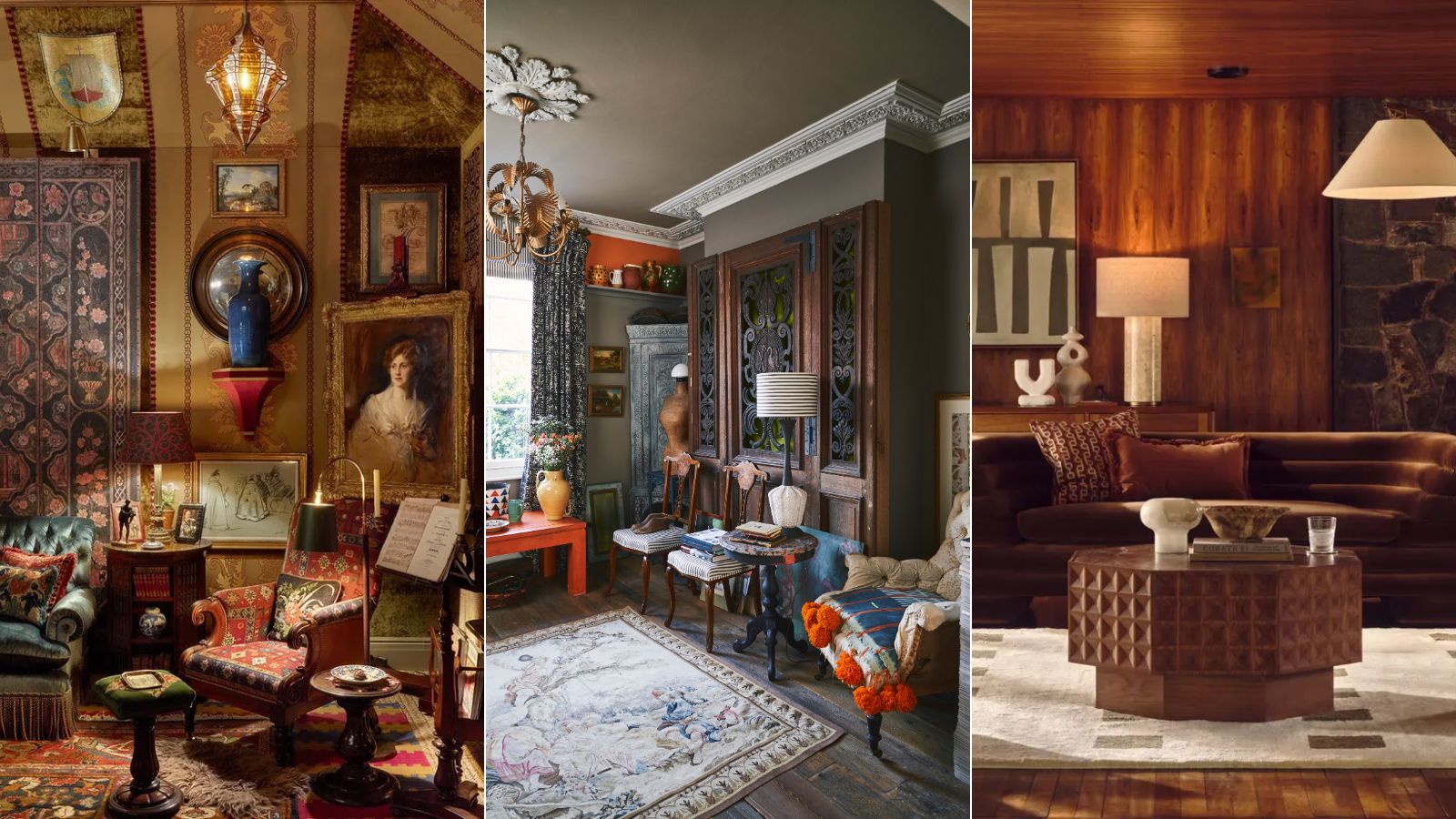
Whimsigoth is the eclectic trend that's more cozy than gothic – these 5 examples show how luxurious the style can be

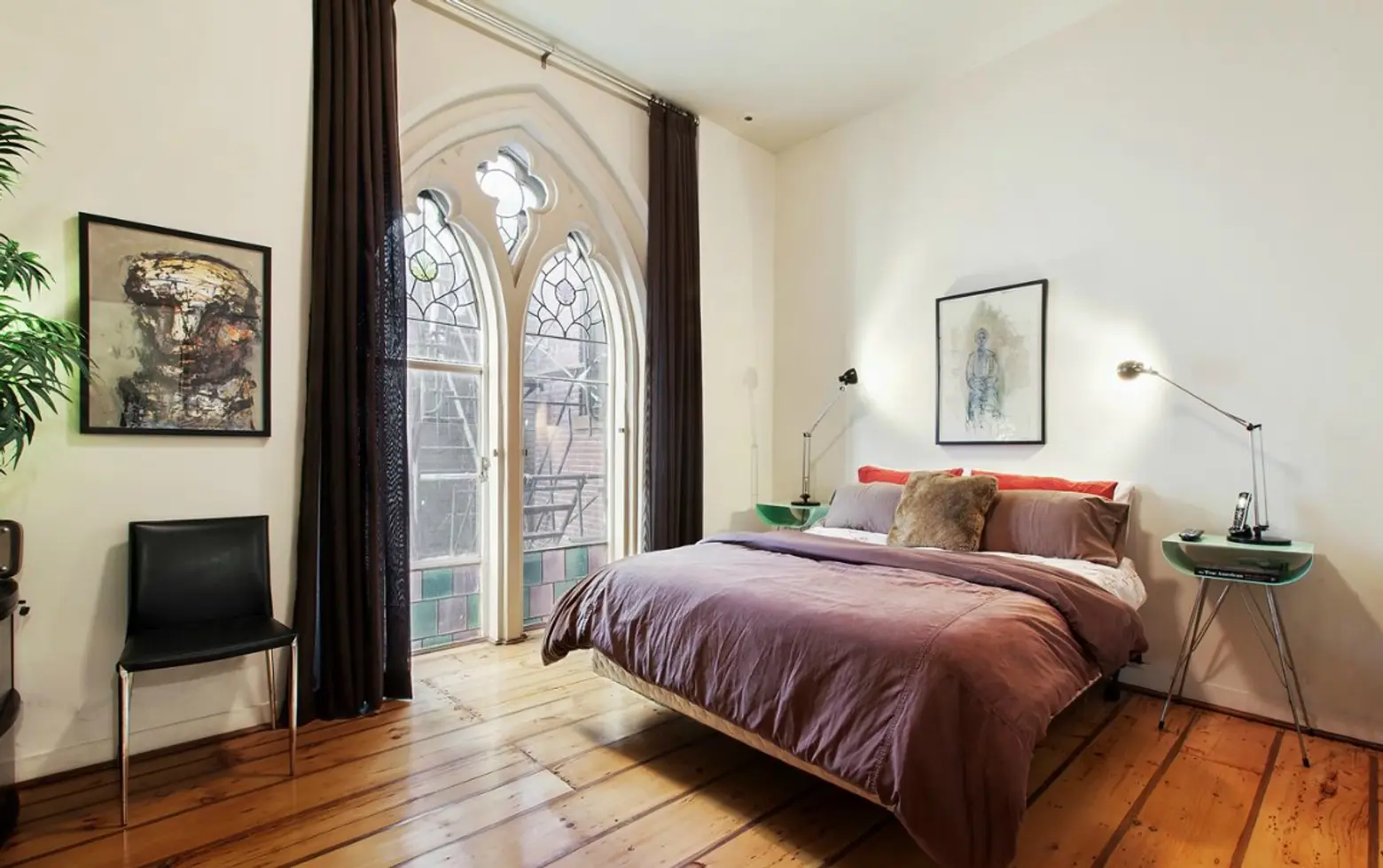
$2.2M Brooklyn Heights Loft with Gothic-Style Stained Glass Windows Is Simply Heavenly

Art Deco Interior Design in 6 Ways—Including Bold Patterns and Jewel Tones

What is dark cottagecore? The edgier version of the trend, explained

Get the look:Interior stylist Nicki Bamford-Bowes' gothic reading nook

13 Dark Academia Design Ideas for a Moody, Literary Interior
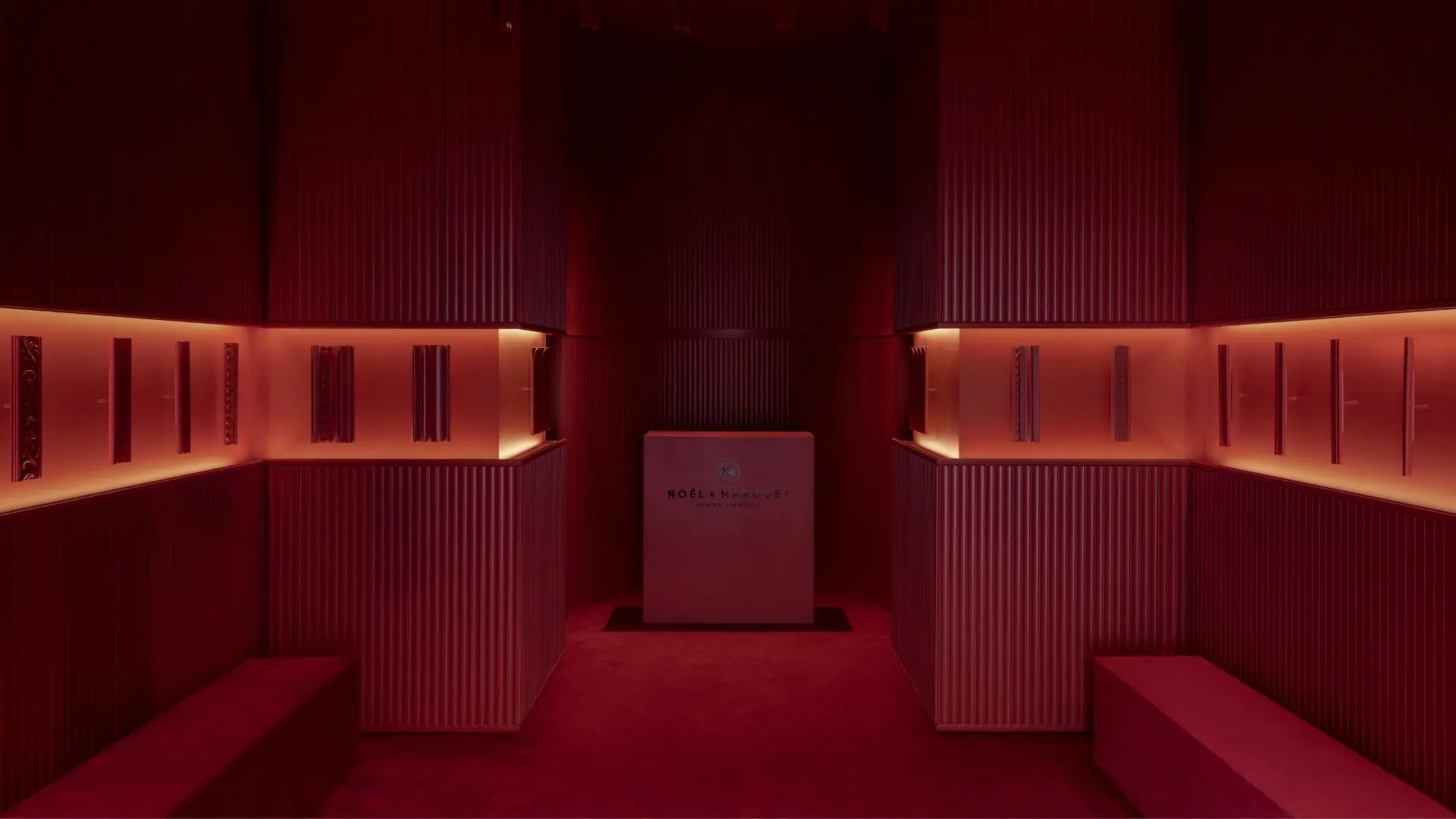
Galerie Rouge: an architectural narrative in deep burgundy

Yes, gothic boho decor is a thing — here’s what you need to decorate in this style

Shop These Dark Cottagecore Home Decor Finds To Reflect Your Winter Aesthetic
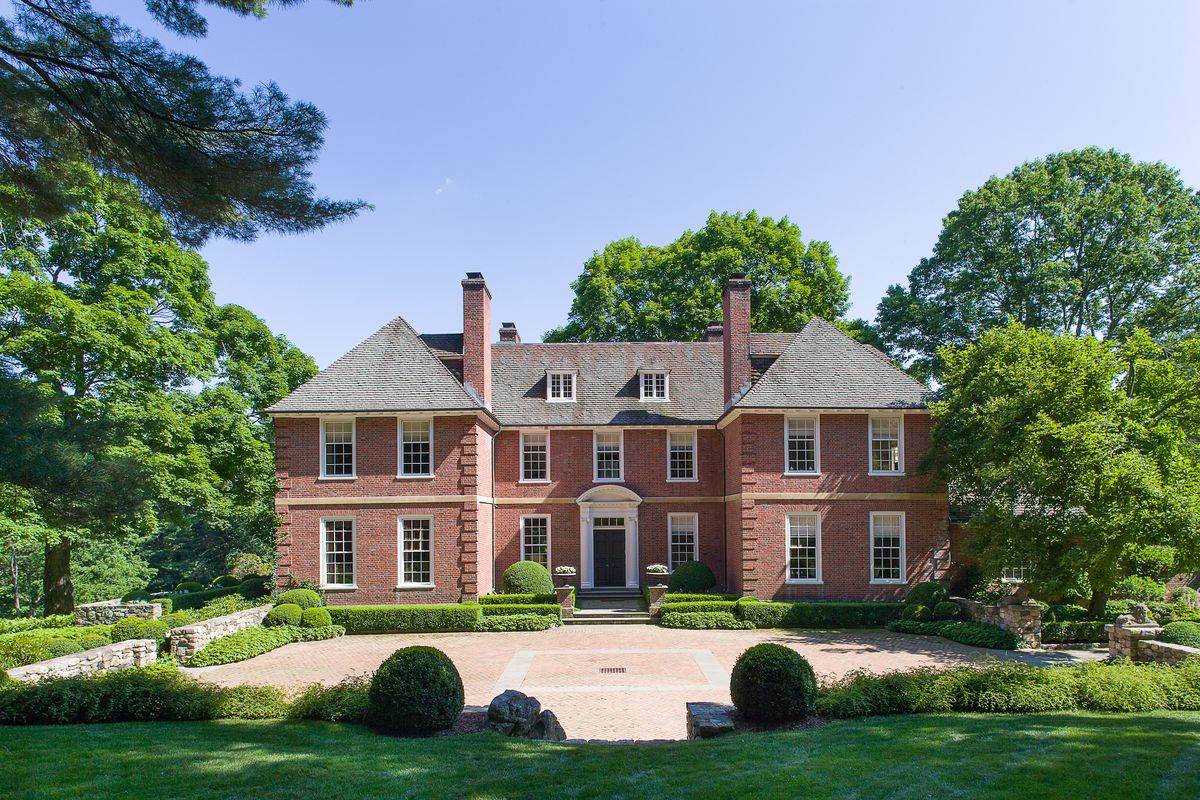
3 brick mansions by Mott Schmidt for sale right now
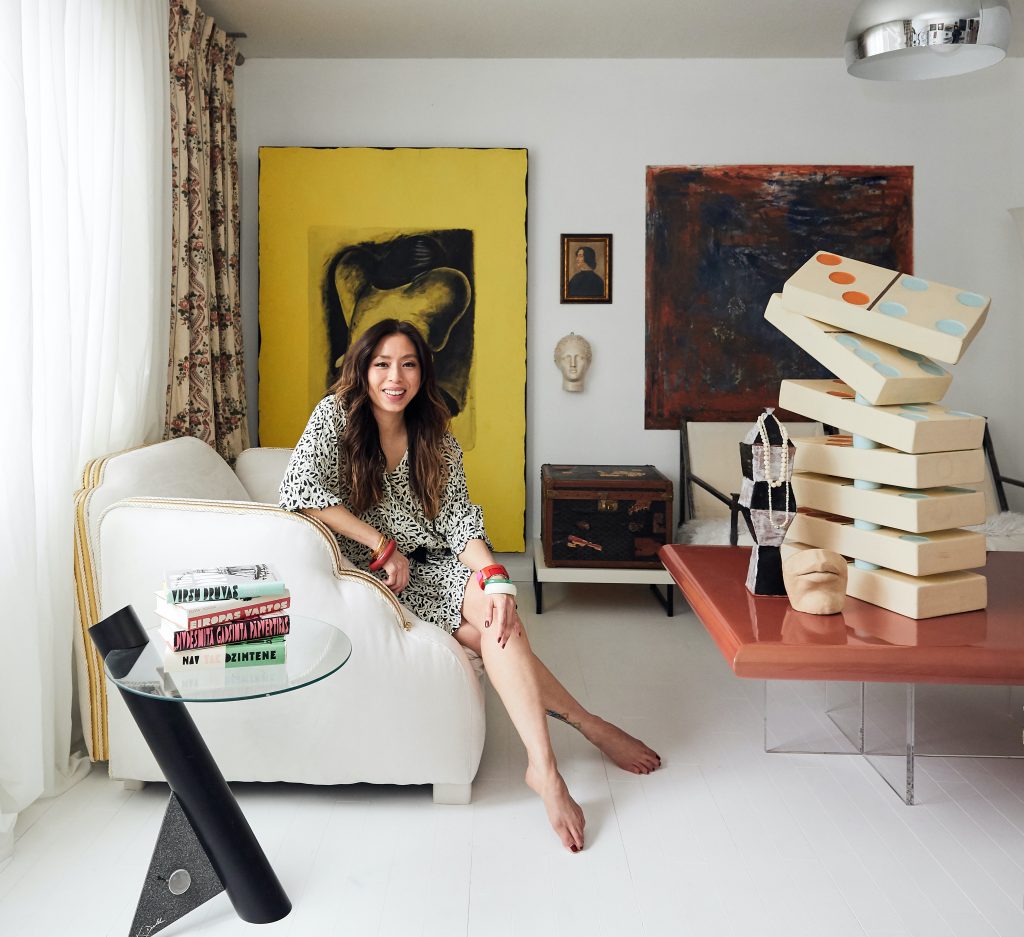
Vintage Dealer Gladys Tay’s Eclectic, Maximalist Design Style Turns Heads in Shoreview

The 5 Key Characteristics of Gothic Architecture

Inés Esnal’s Prism Installation Brings Vivid Colors and Optical Illusions to NYC Lobby

Outside the box: Bold architecture meets sophisticated style

On the beauty of vases: Birkhoff’s aesthetic measure versus Hogarth’s line of beauty
Home Design: Gatsby Glam

This is how designers are doing Art Deco in 2025, 100 years on from when this iconic style began
Gaetano Pesce’s playful furniture takes over LA’s Goldwyn House with his ‘Dear Future’ show
A Renaissance of a Geist Estate