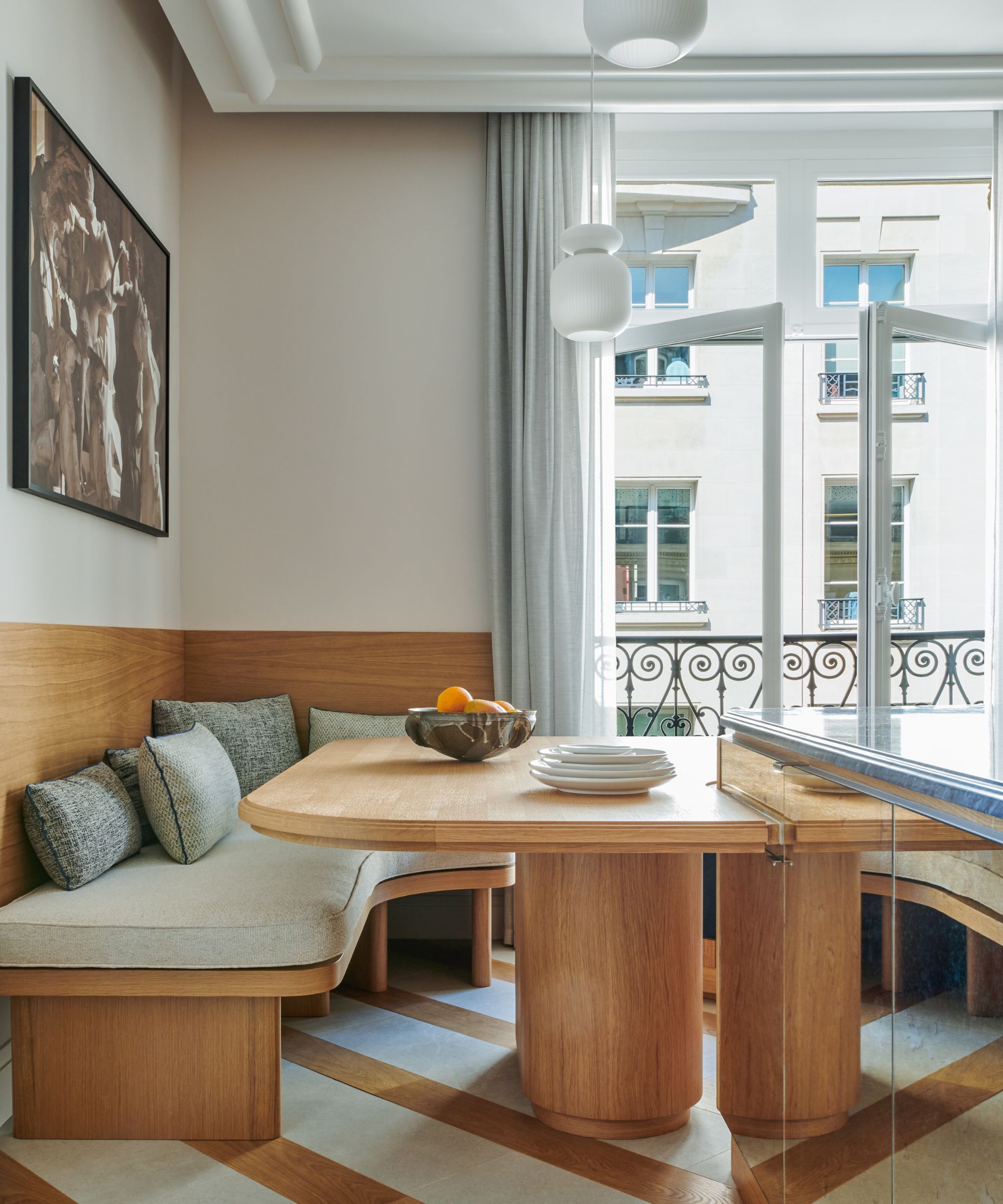
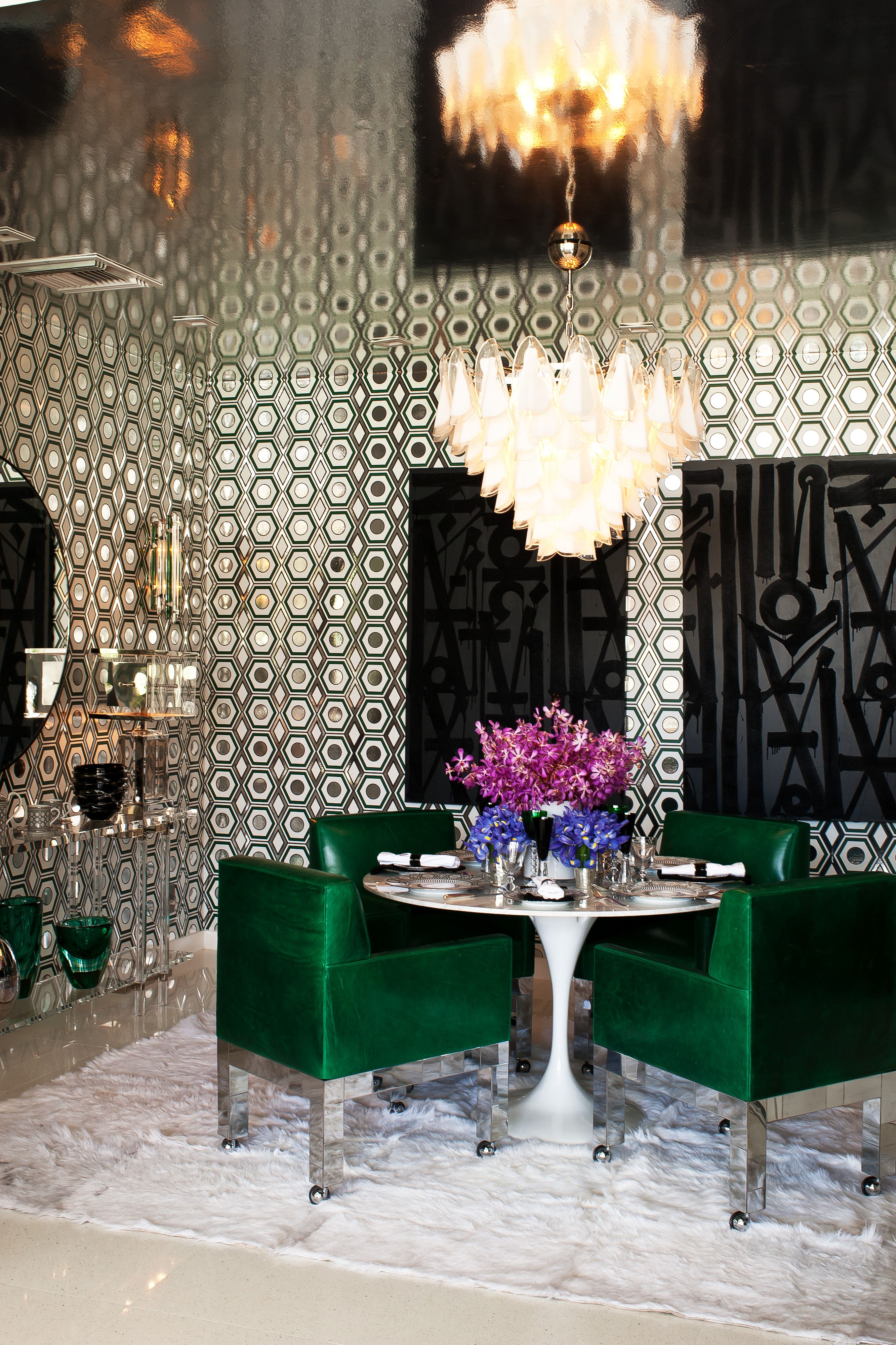
Art Deco Interior Design in 6 Ways—Including Bold Patterns and Jewel Tones
Art Deco, a design aesthetic born in France in the 1910s and popularized in the United States during the 1920s and 1930s, represents a period of opulence and modernism, contrasting with the traditional elegance of Art Nouveau. This maximalist style, characterized by a "more is more" approach, remains influential today. Notable Art Deco architectural examples in the U.S. include the Empire State Building, the Chrysler Building, the Chicago Board of Trade building, and the Griffith Observatory.
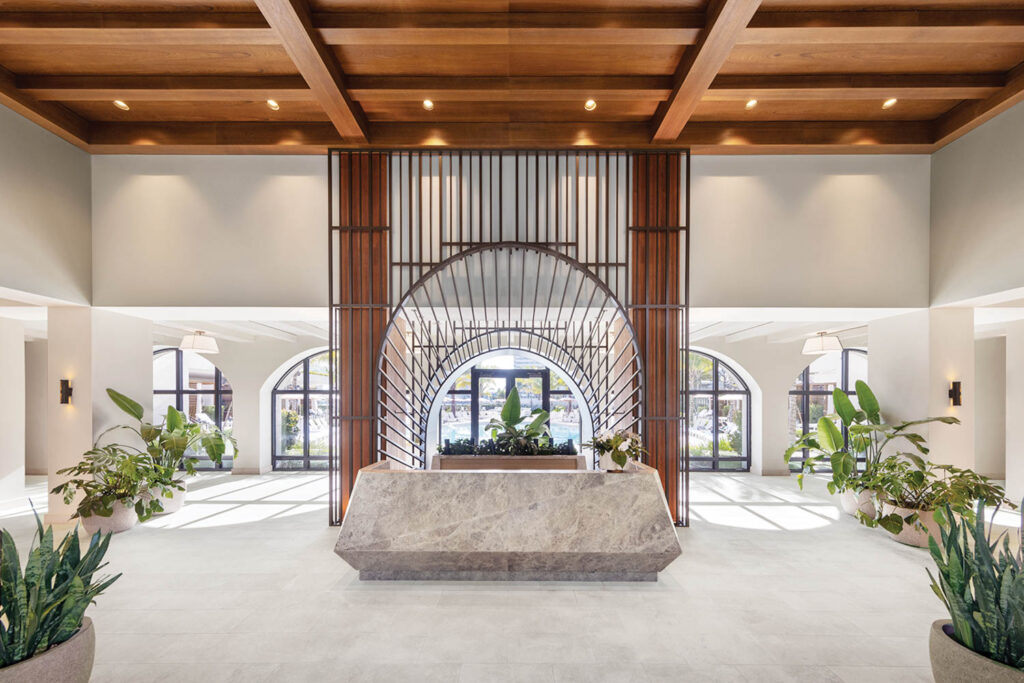
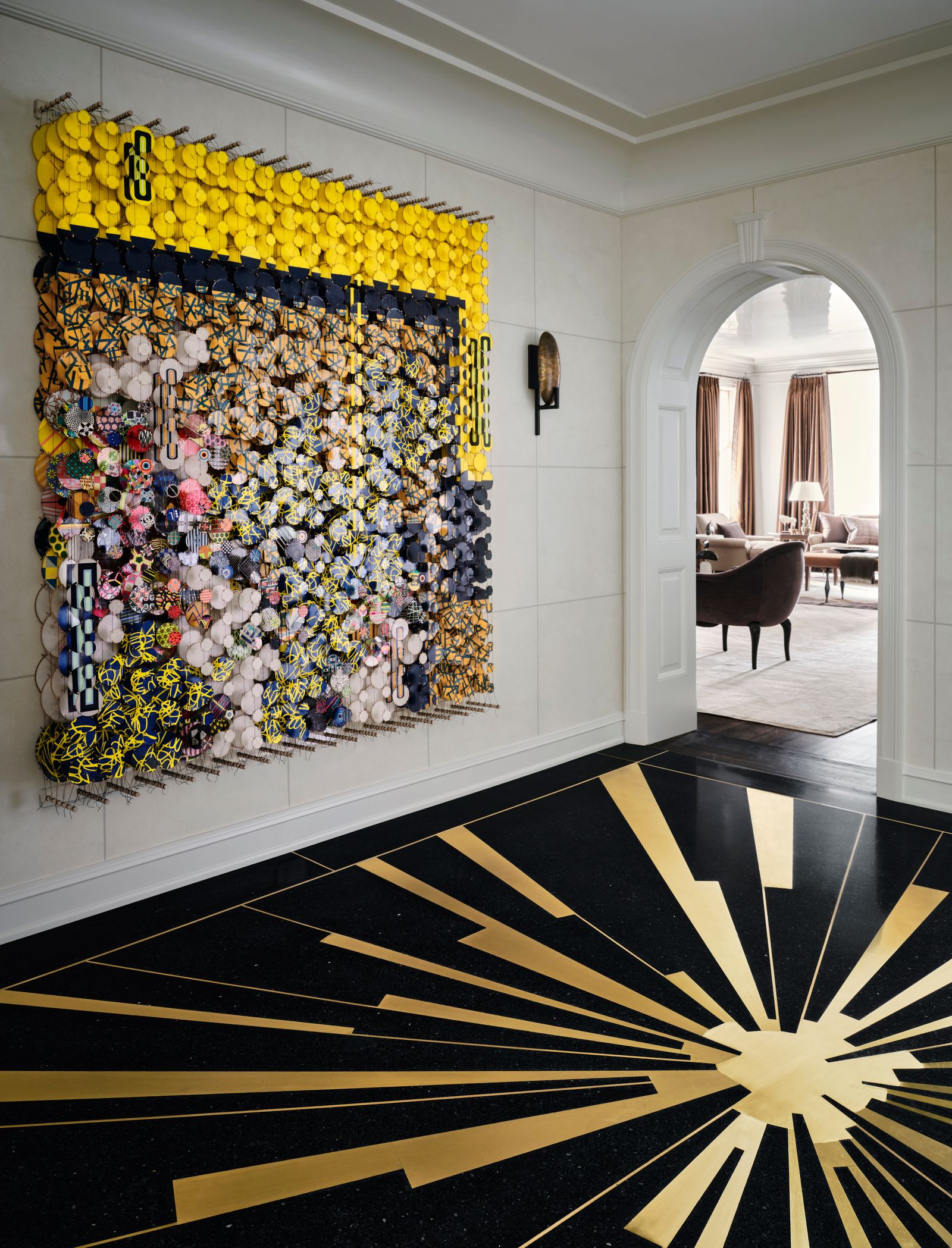
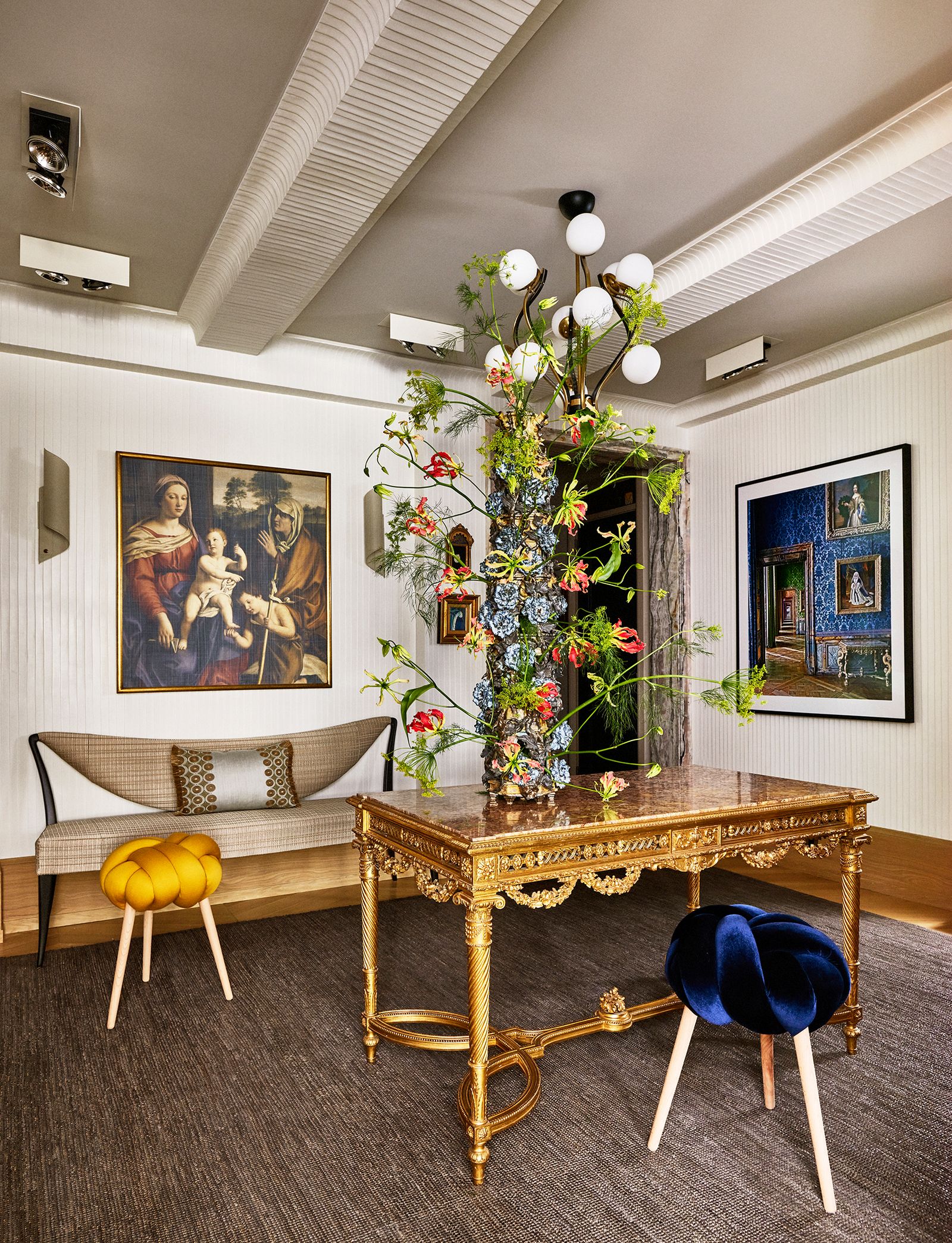
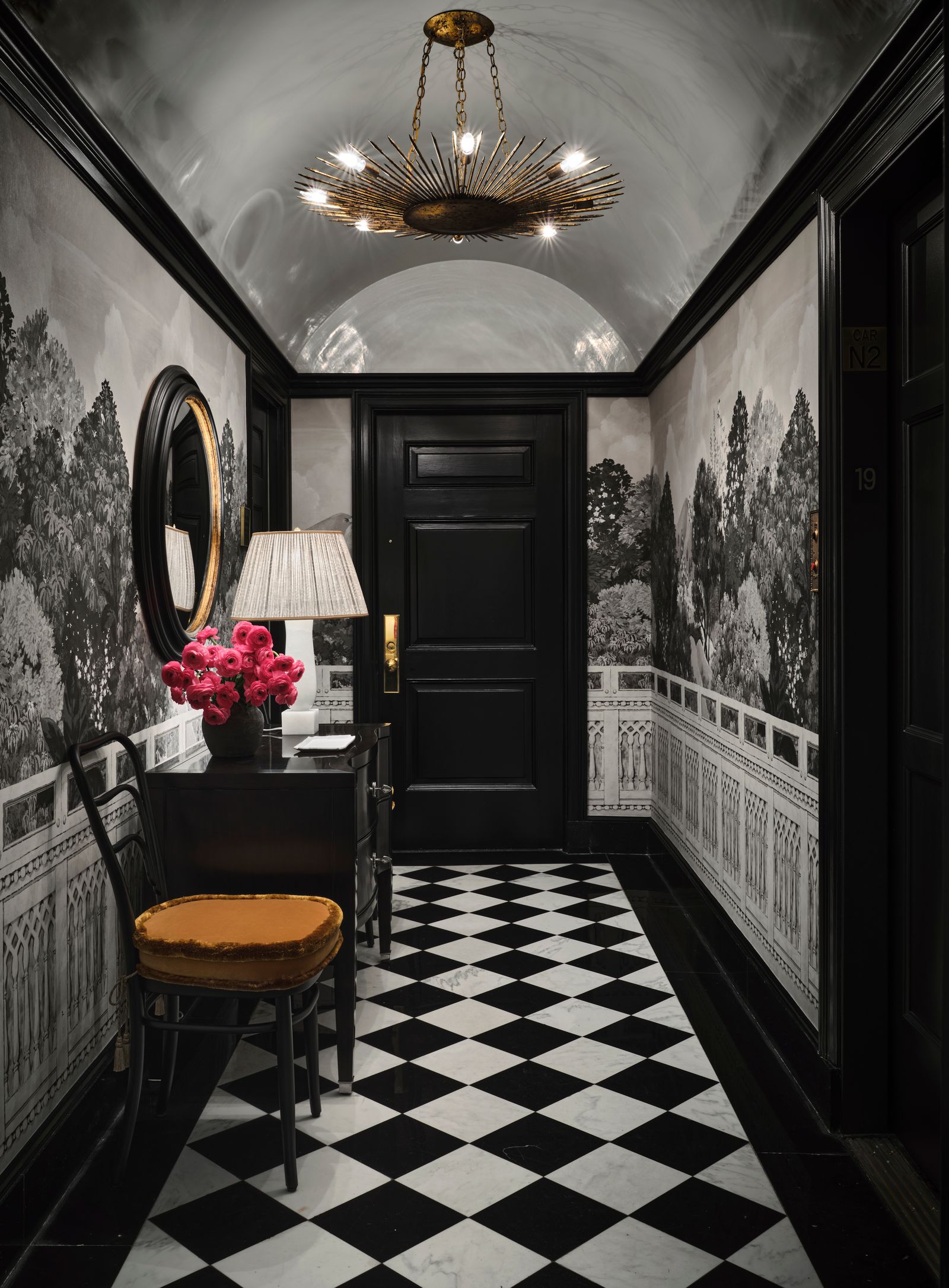
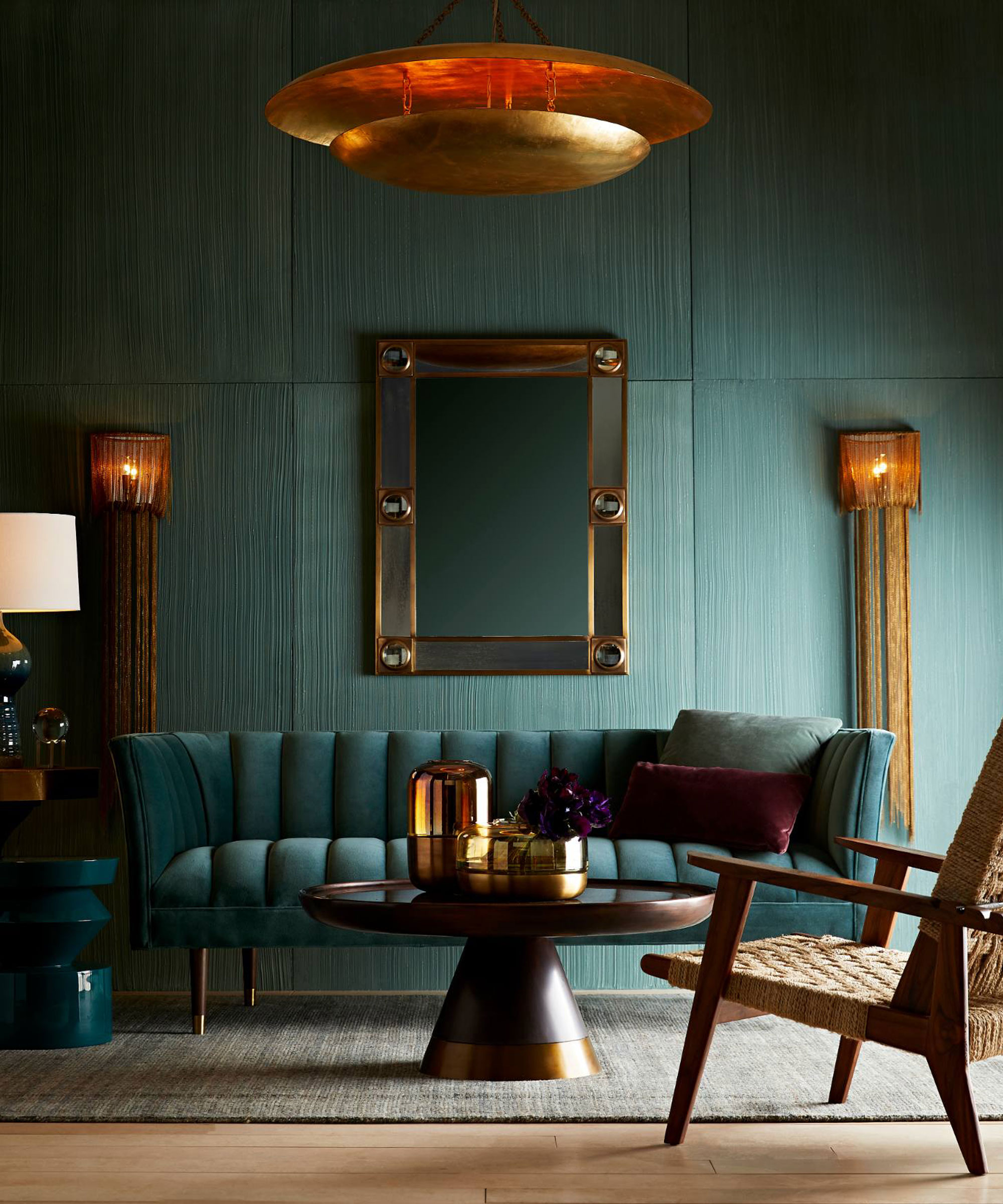
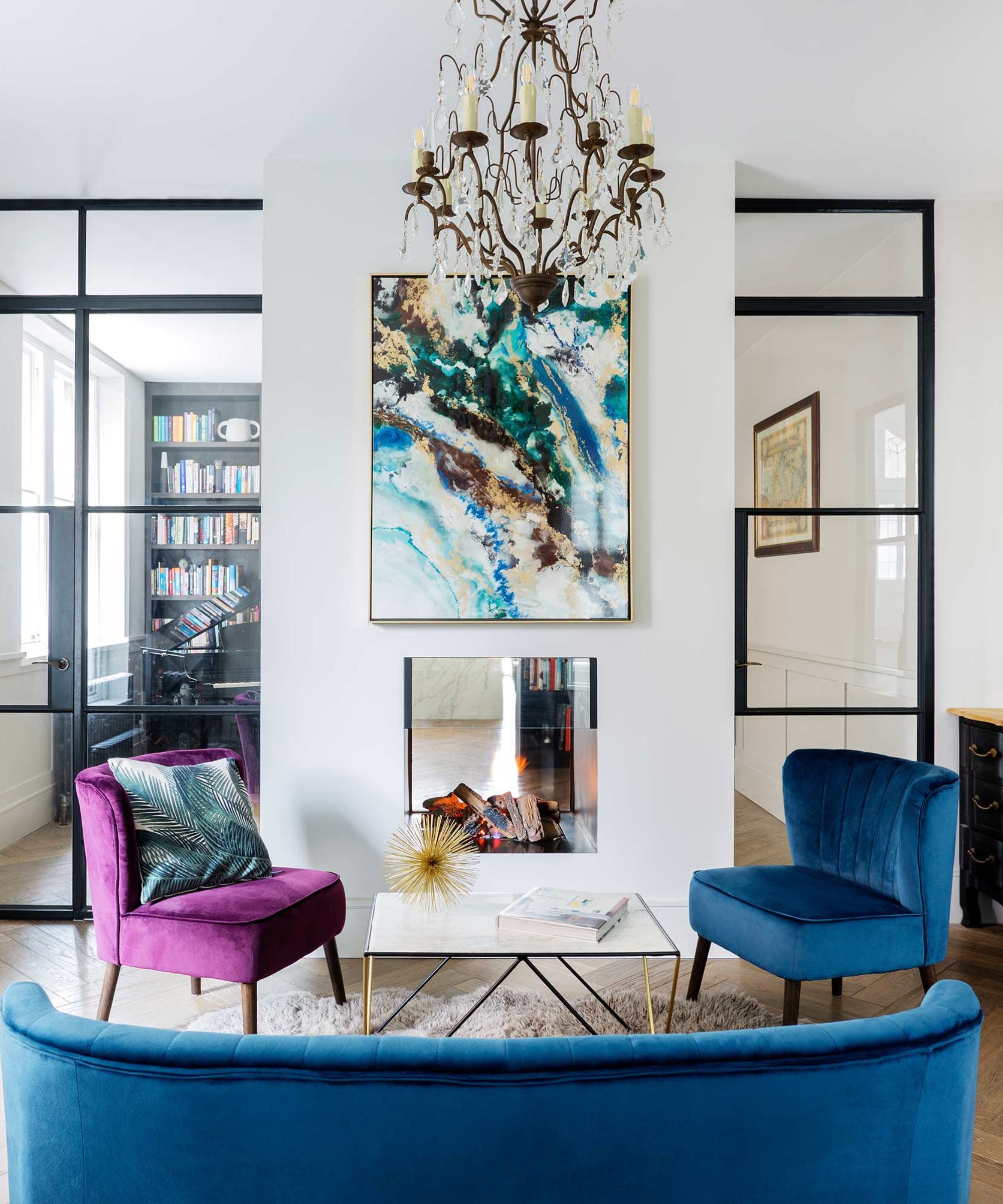
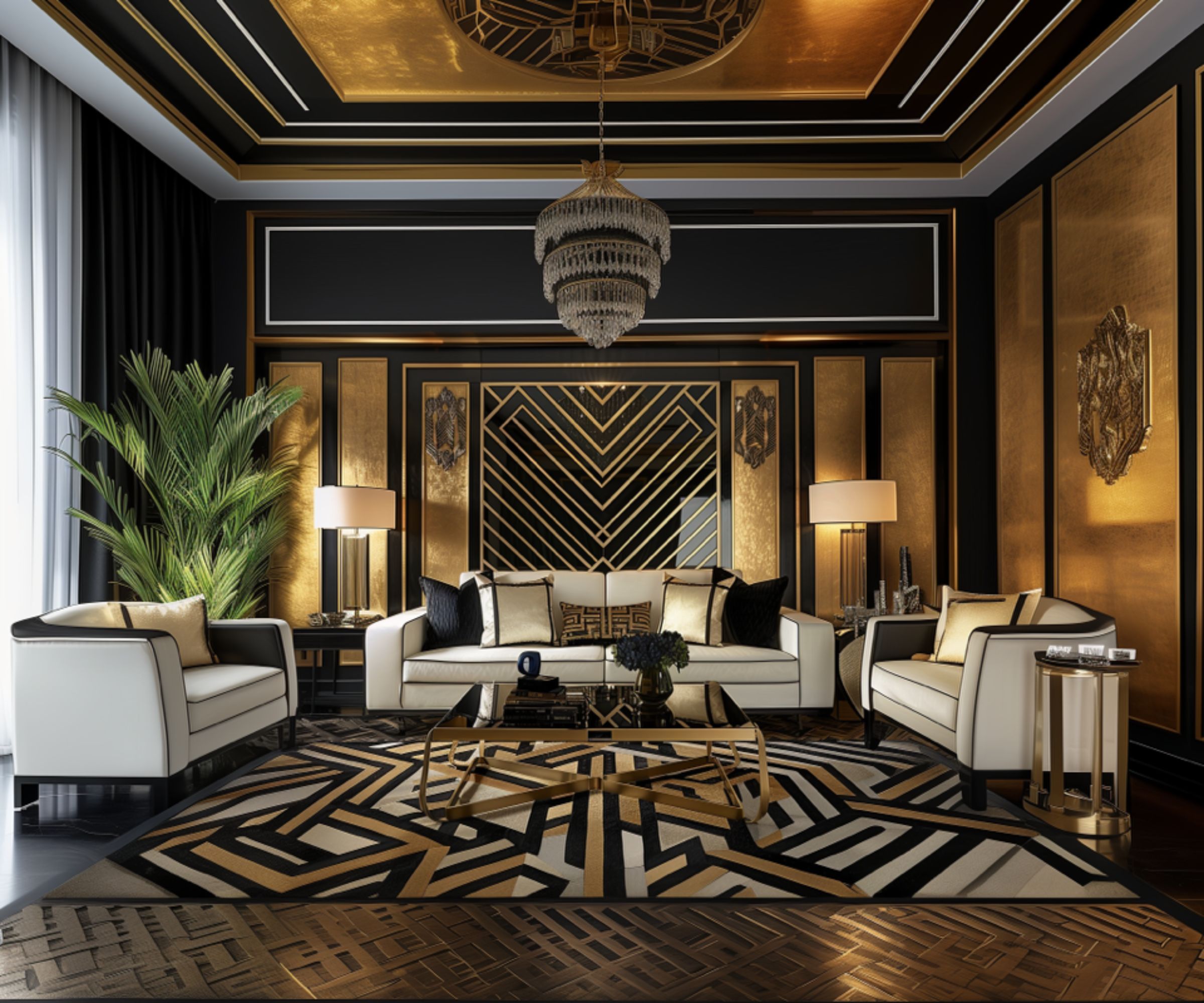
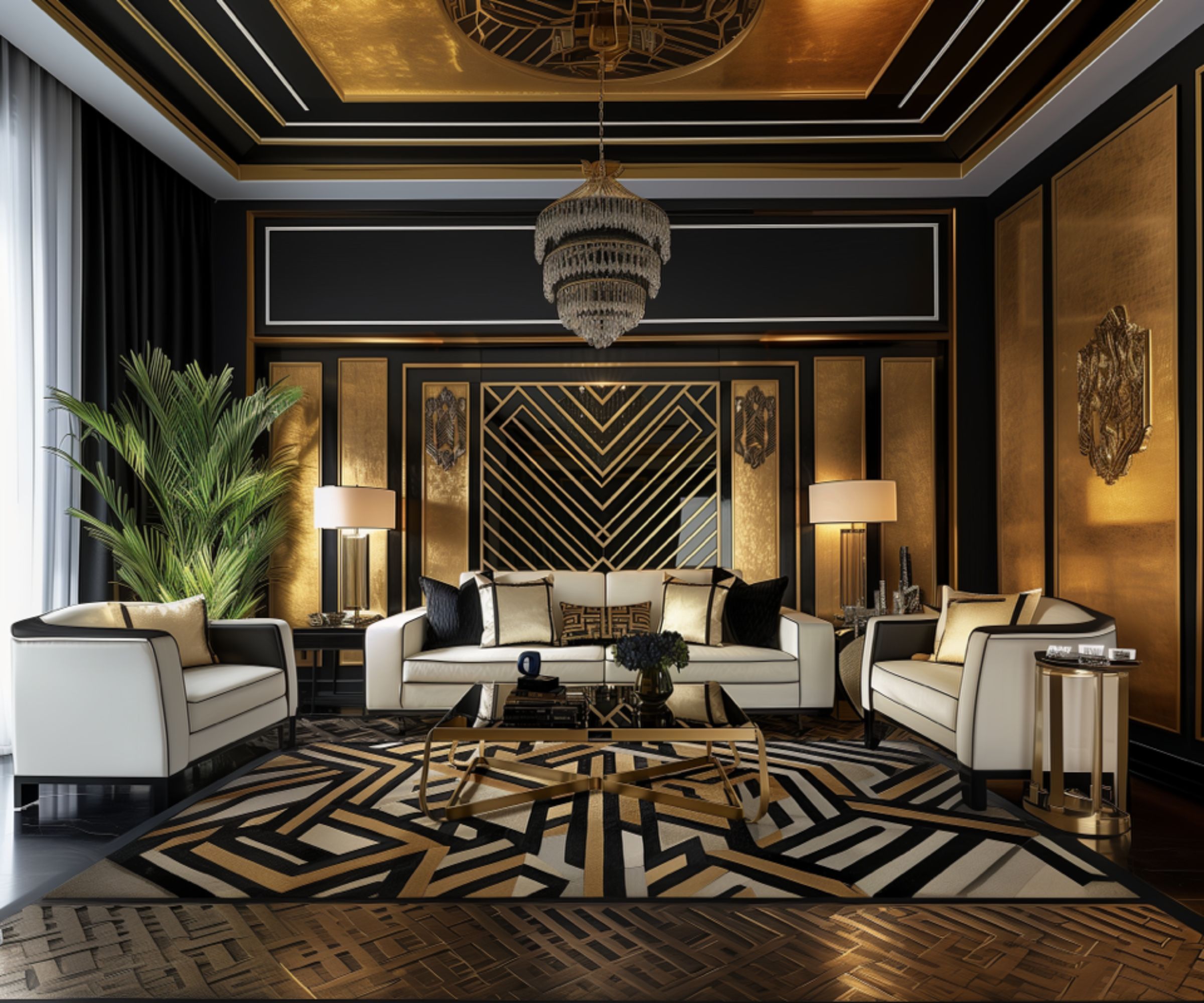
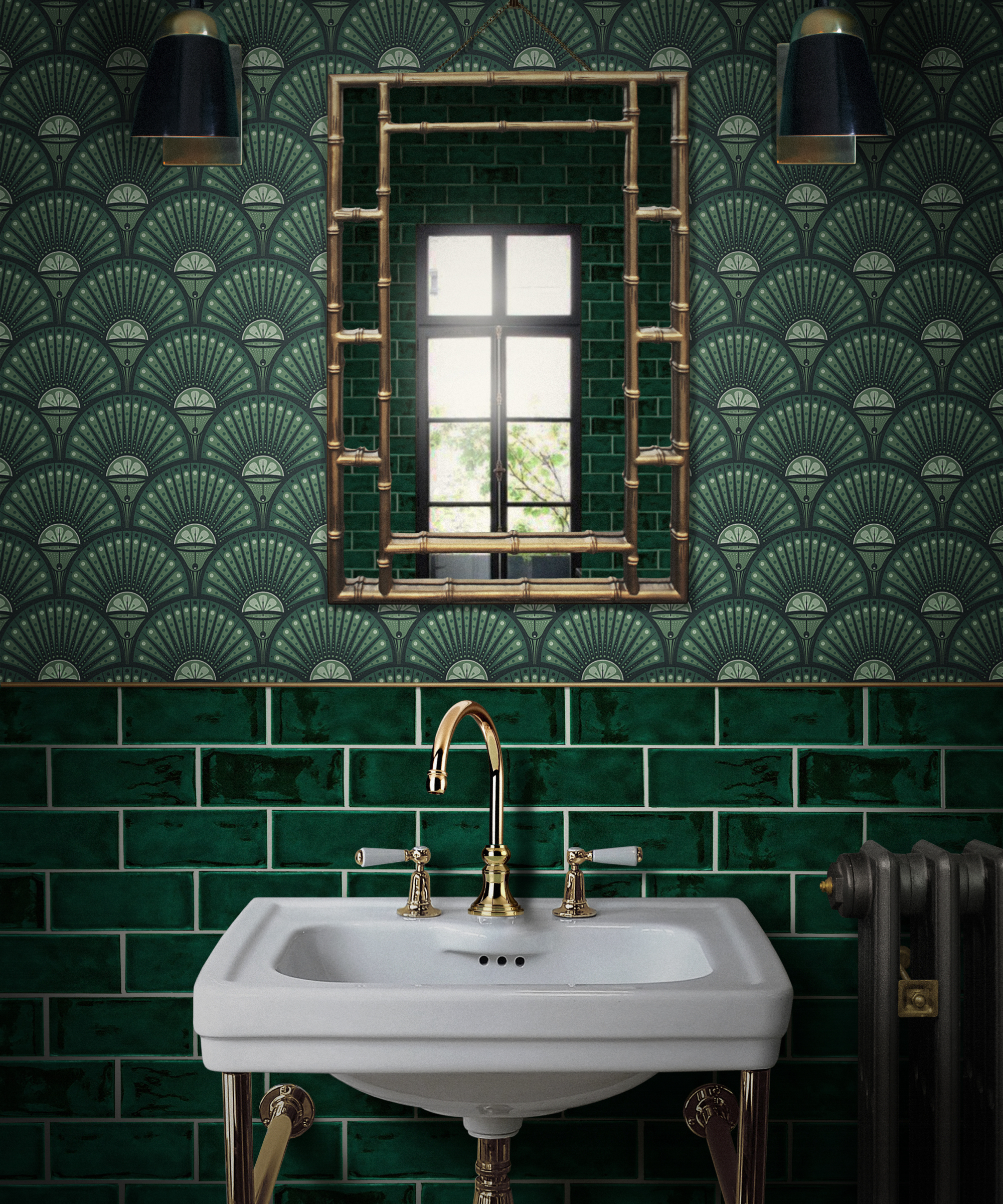
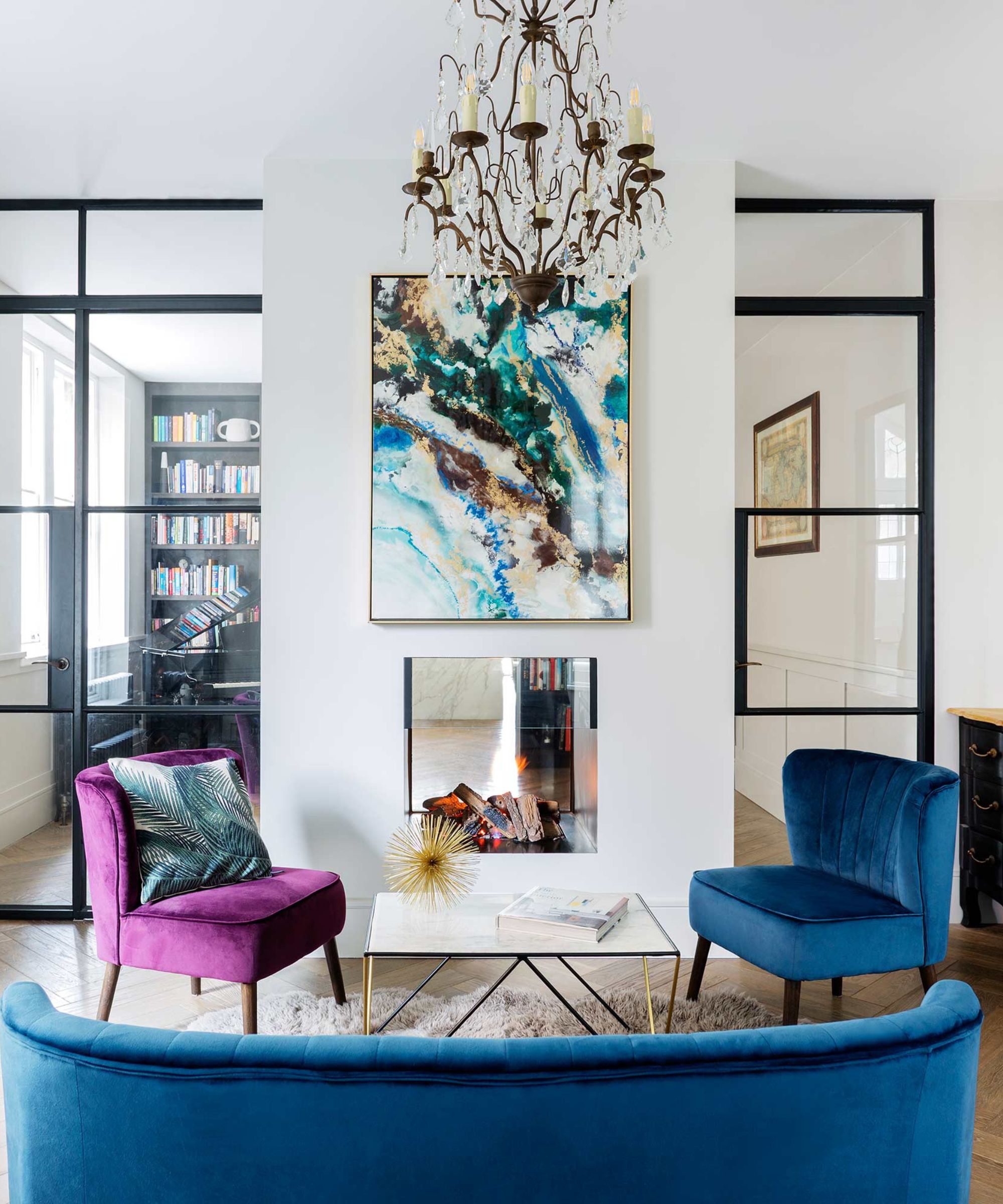
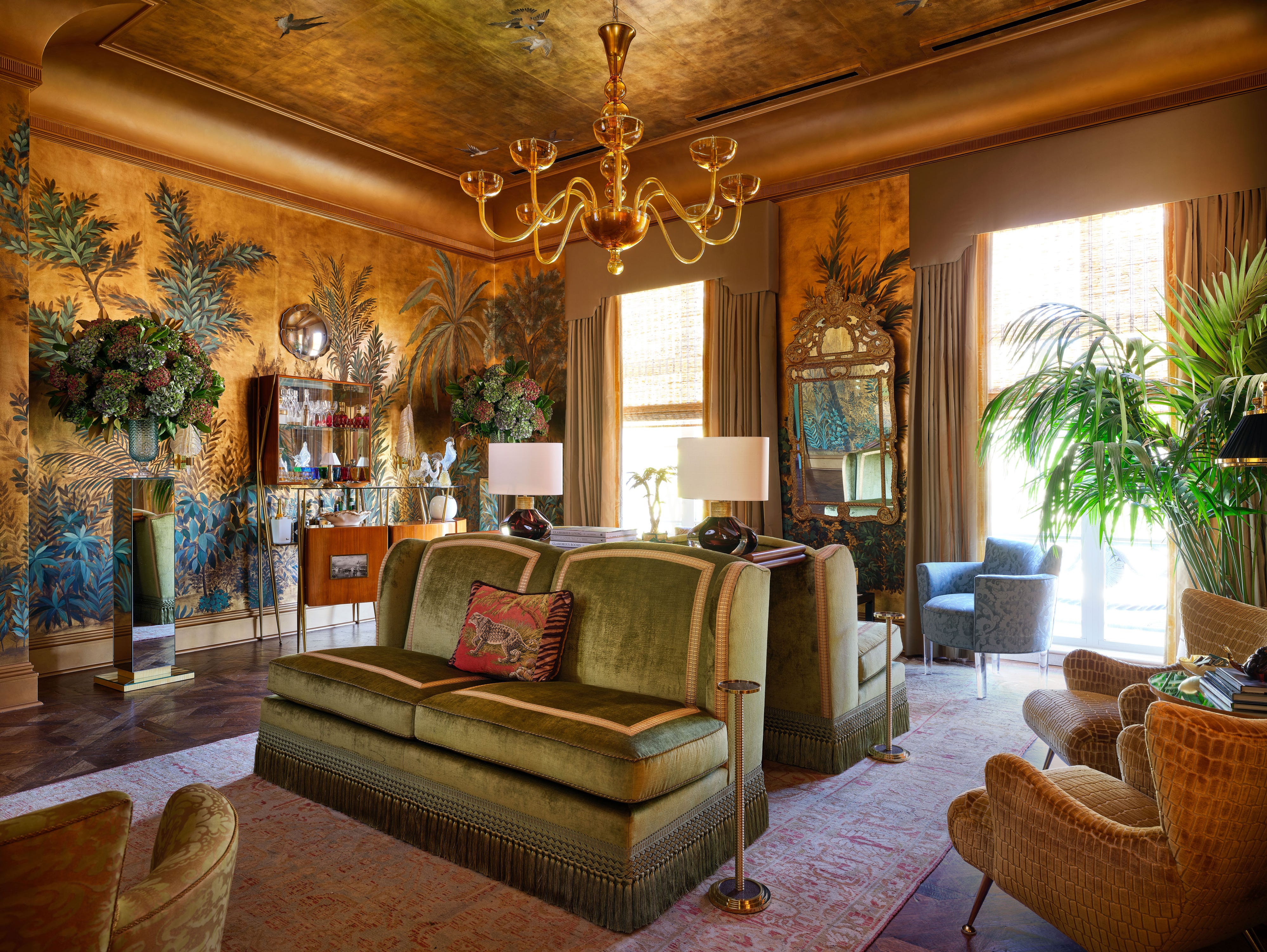
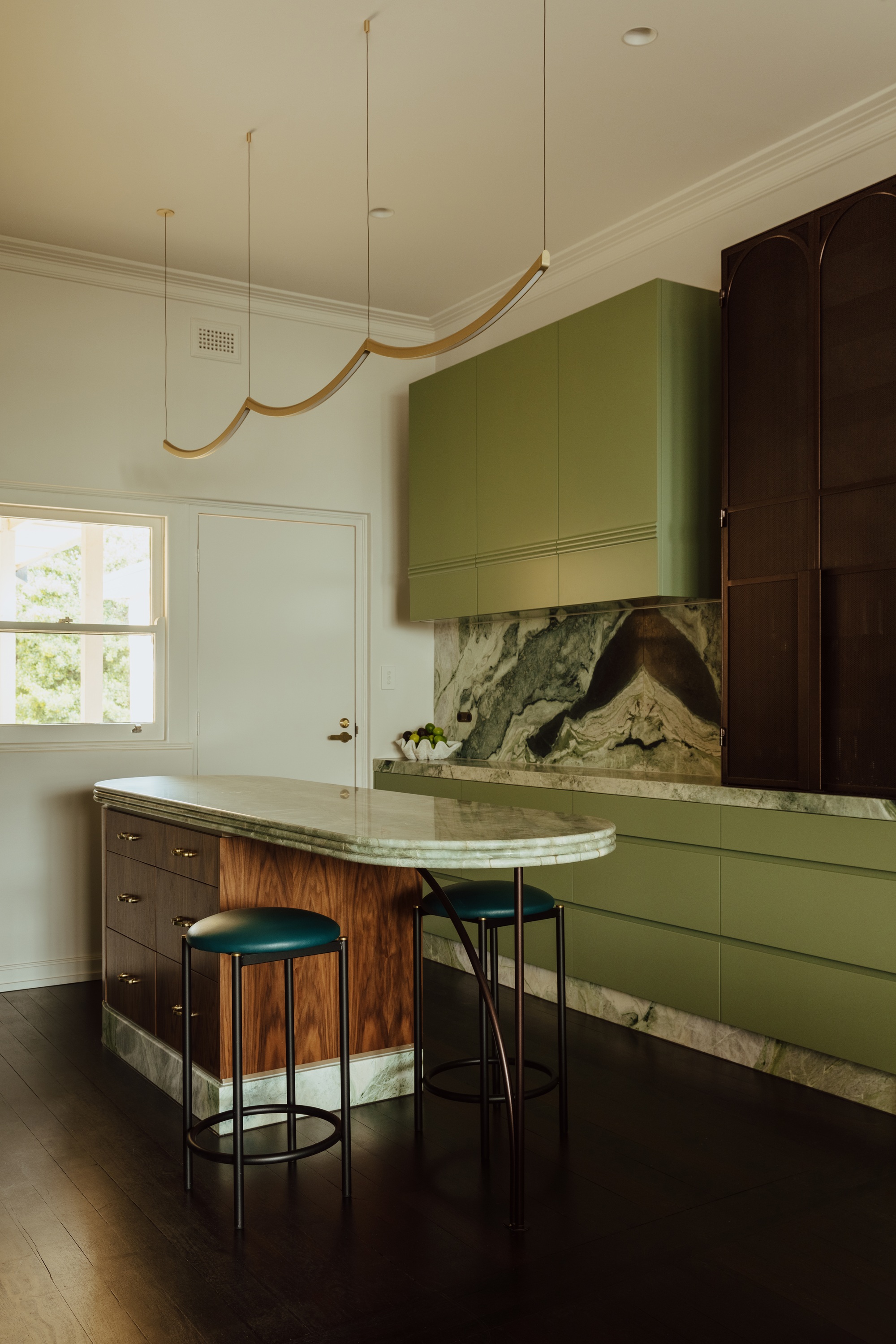
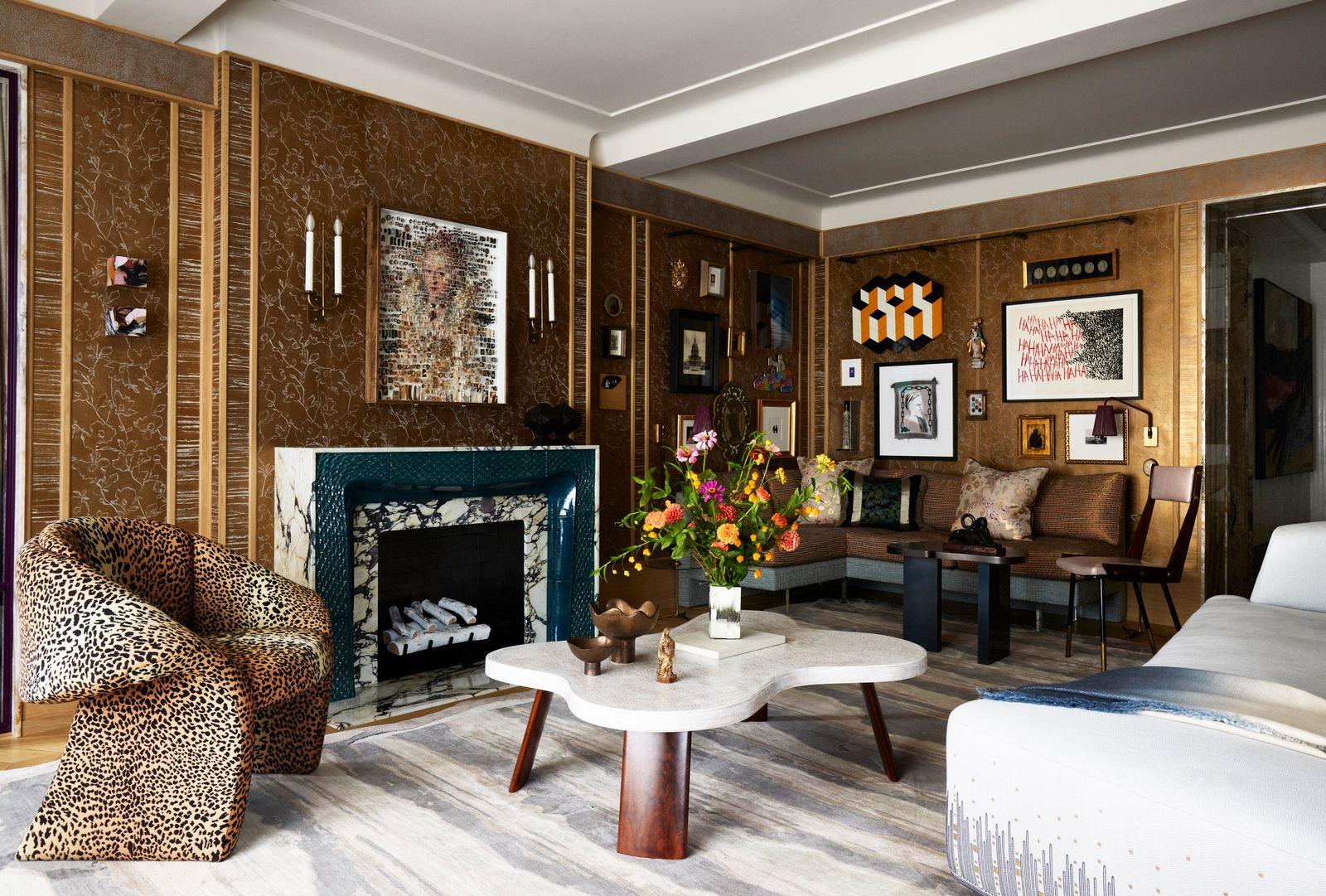
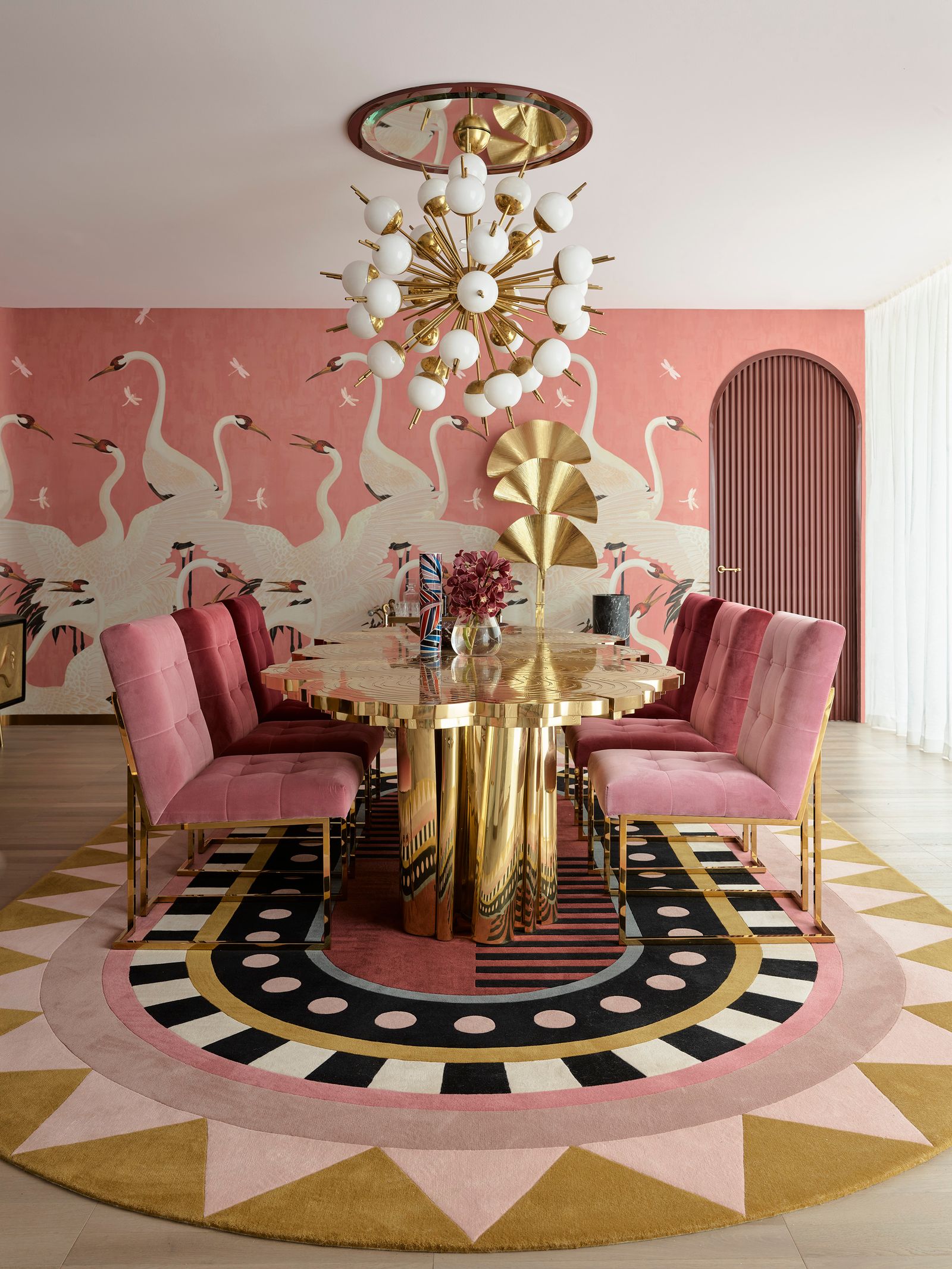
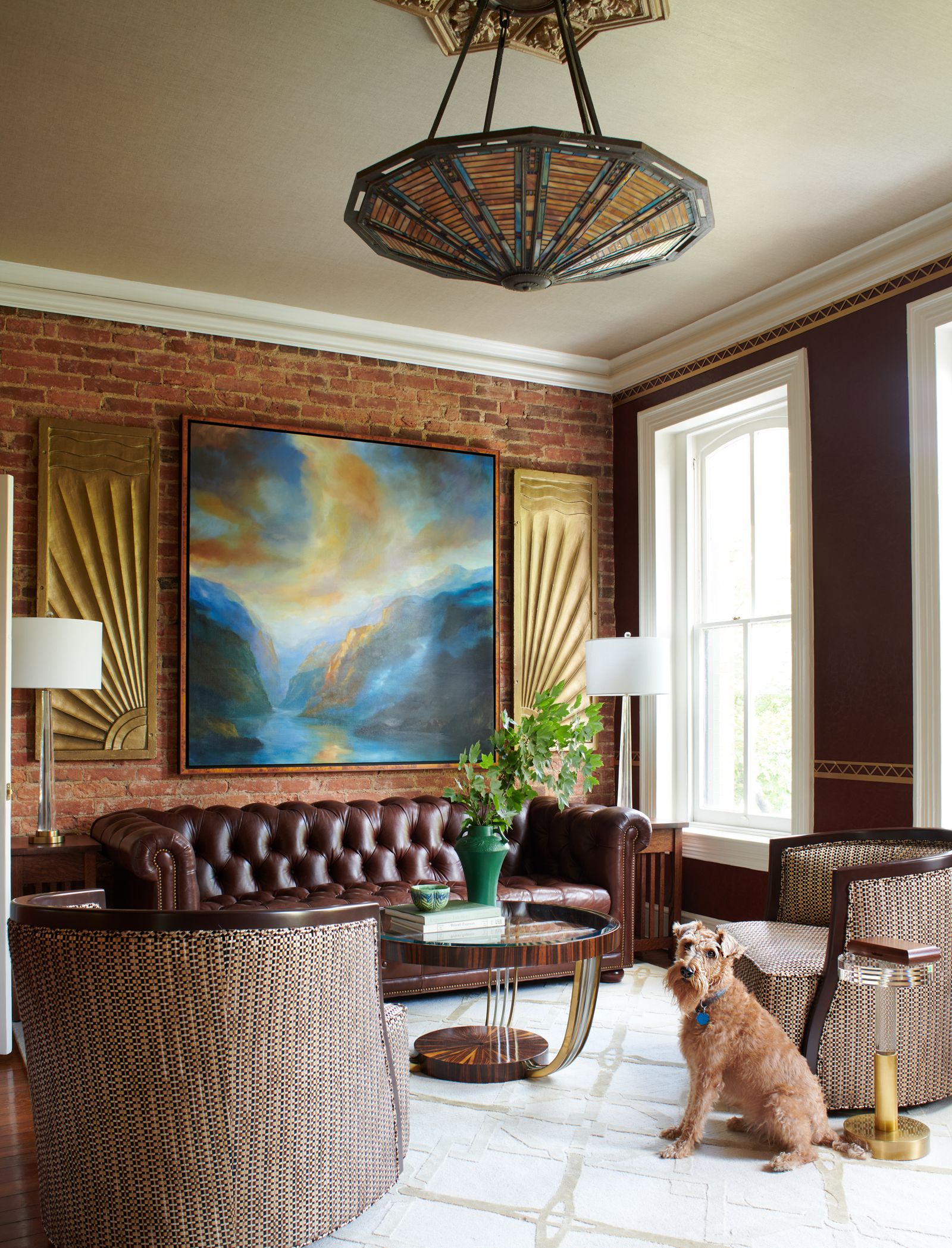
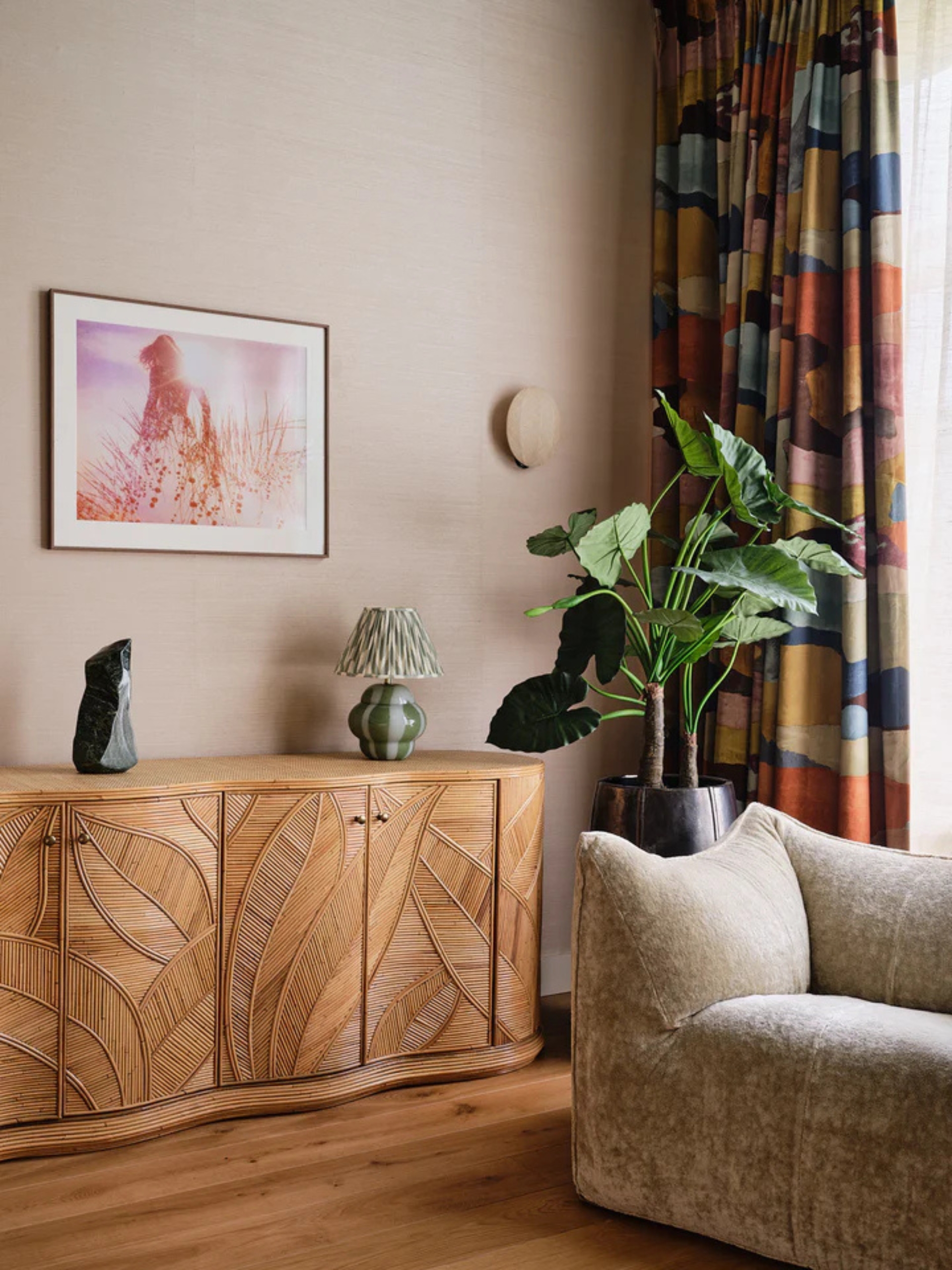
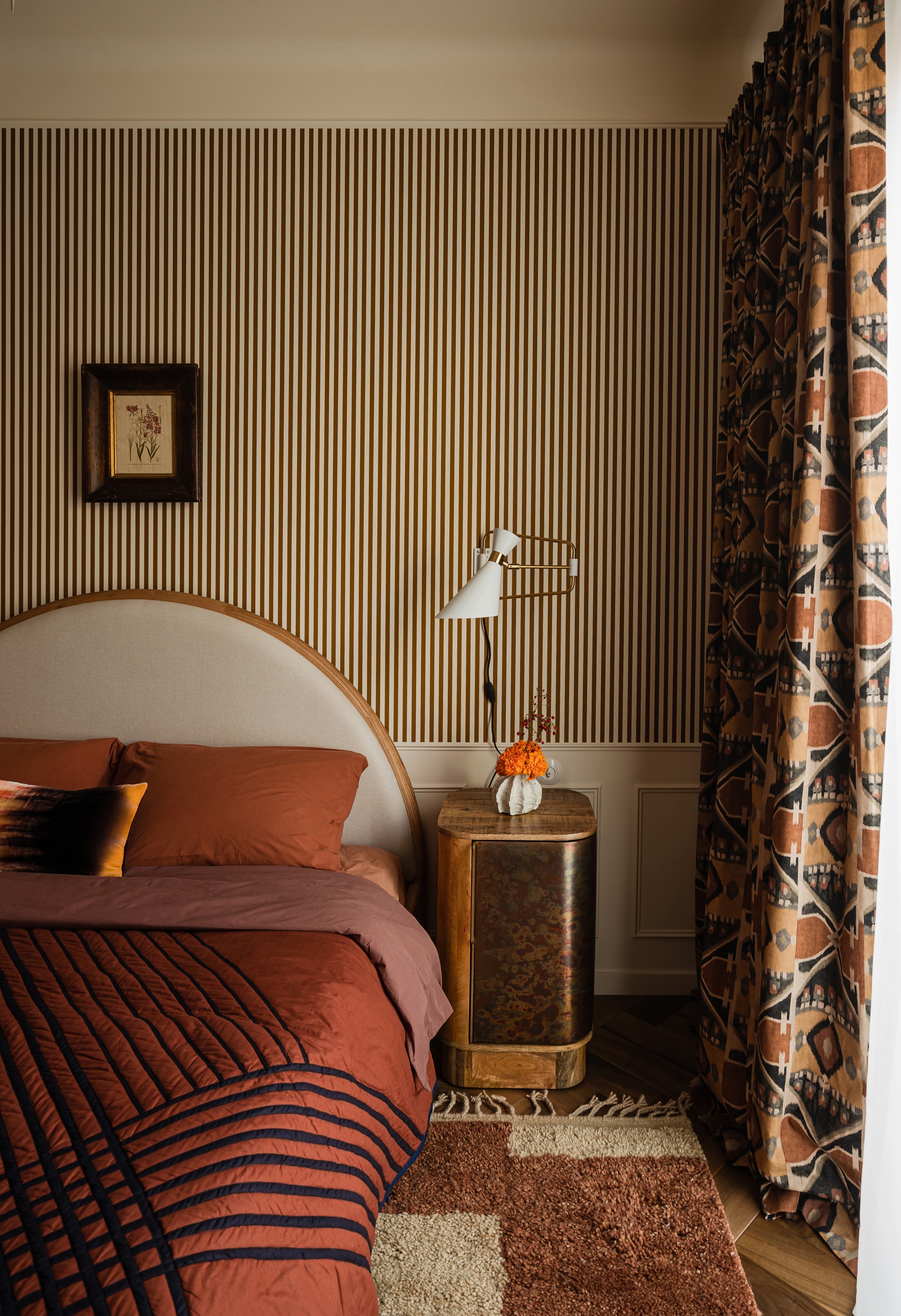
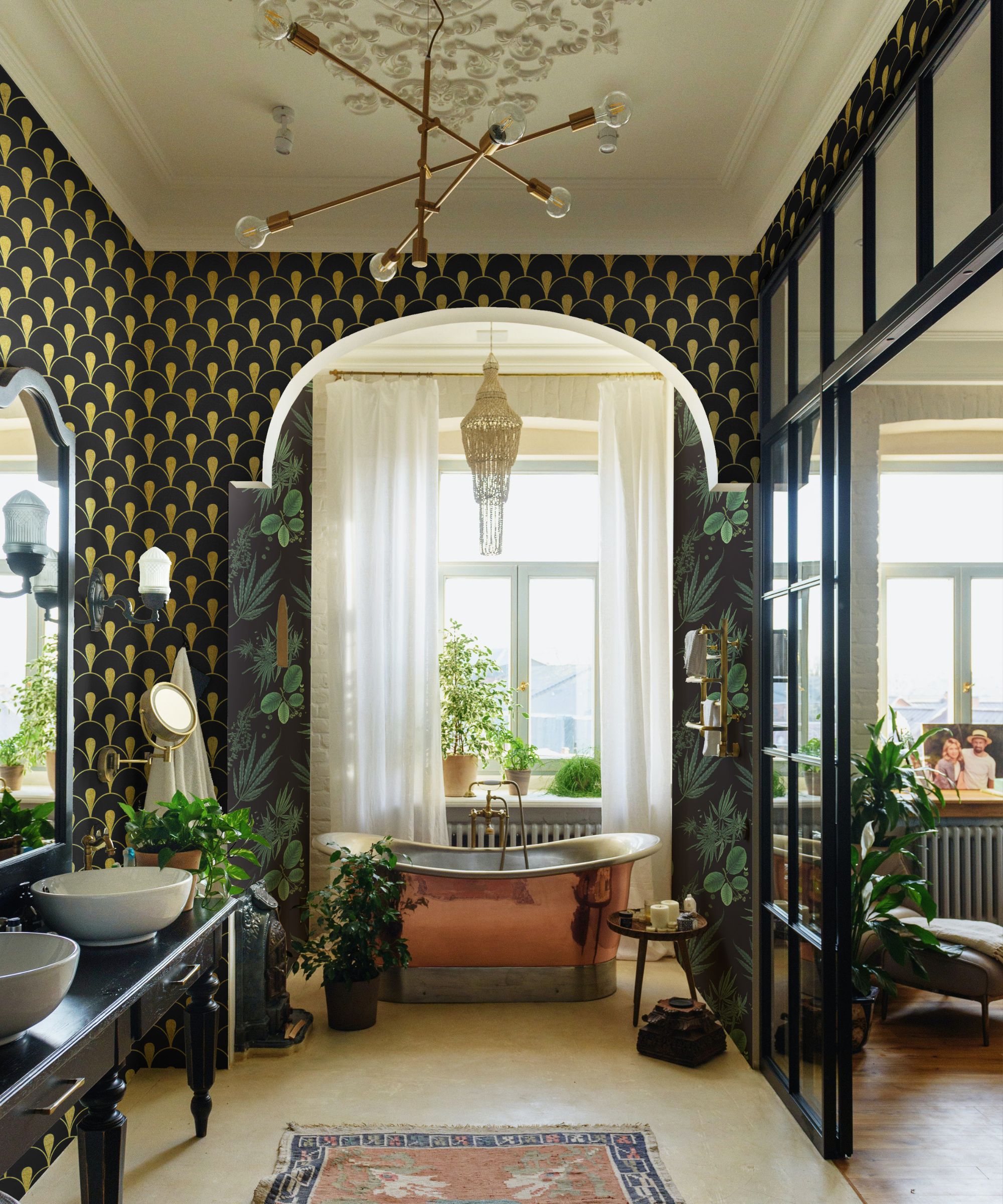
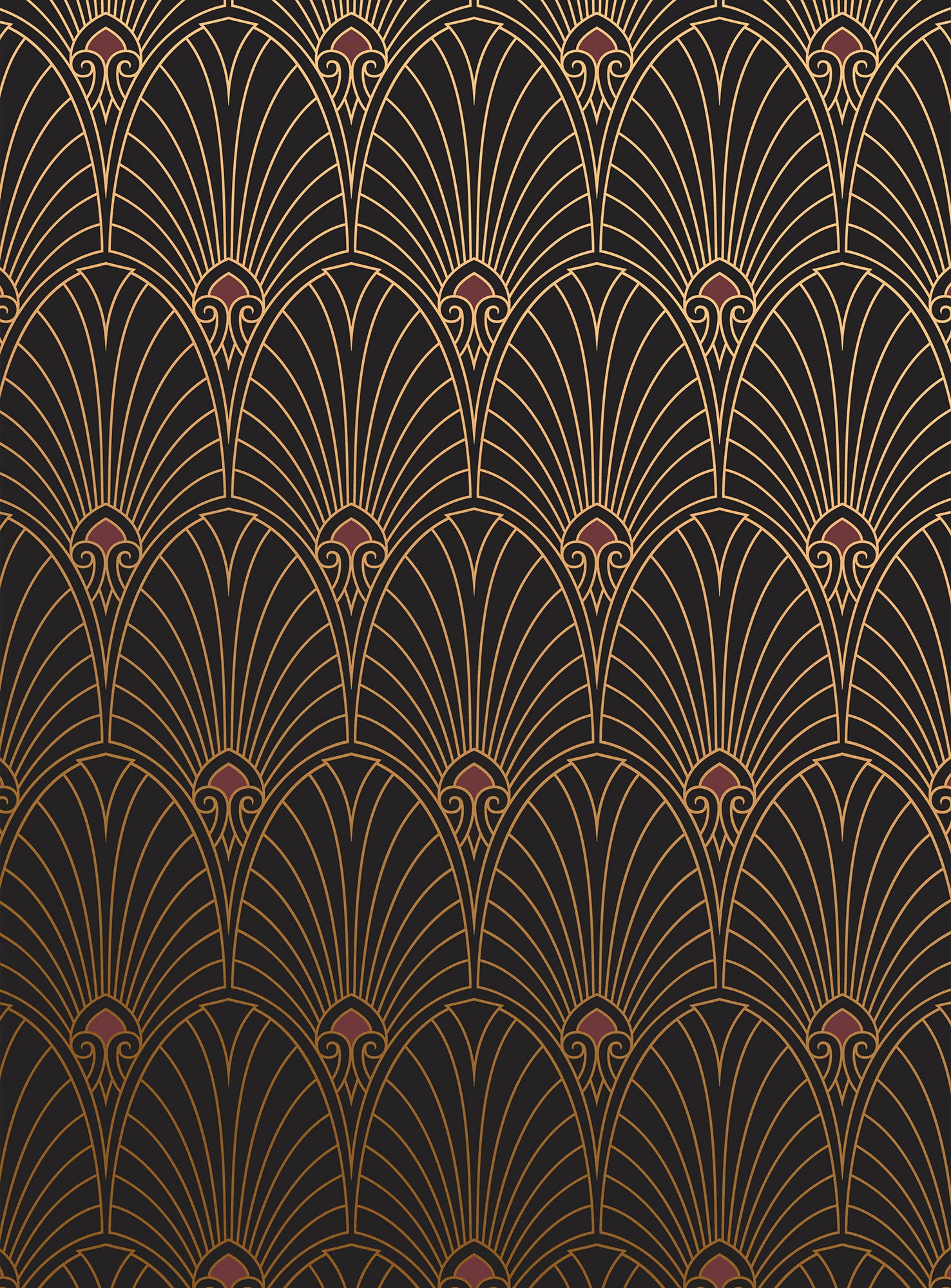
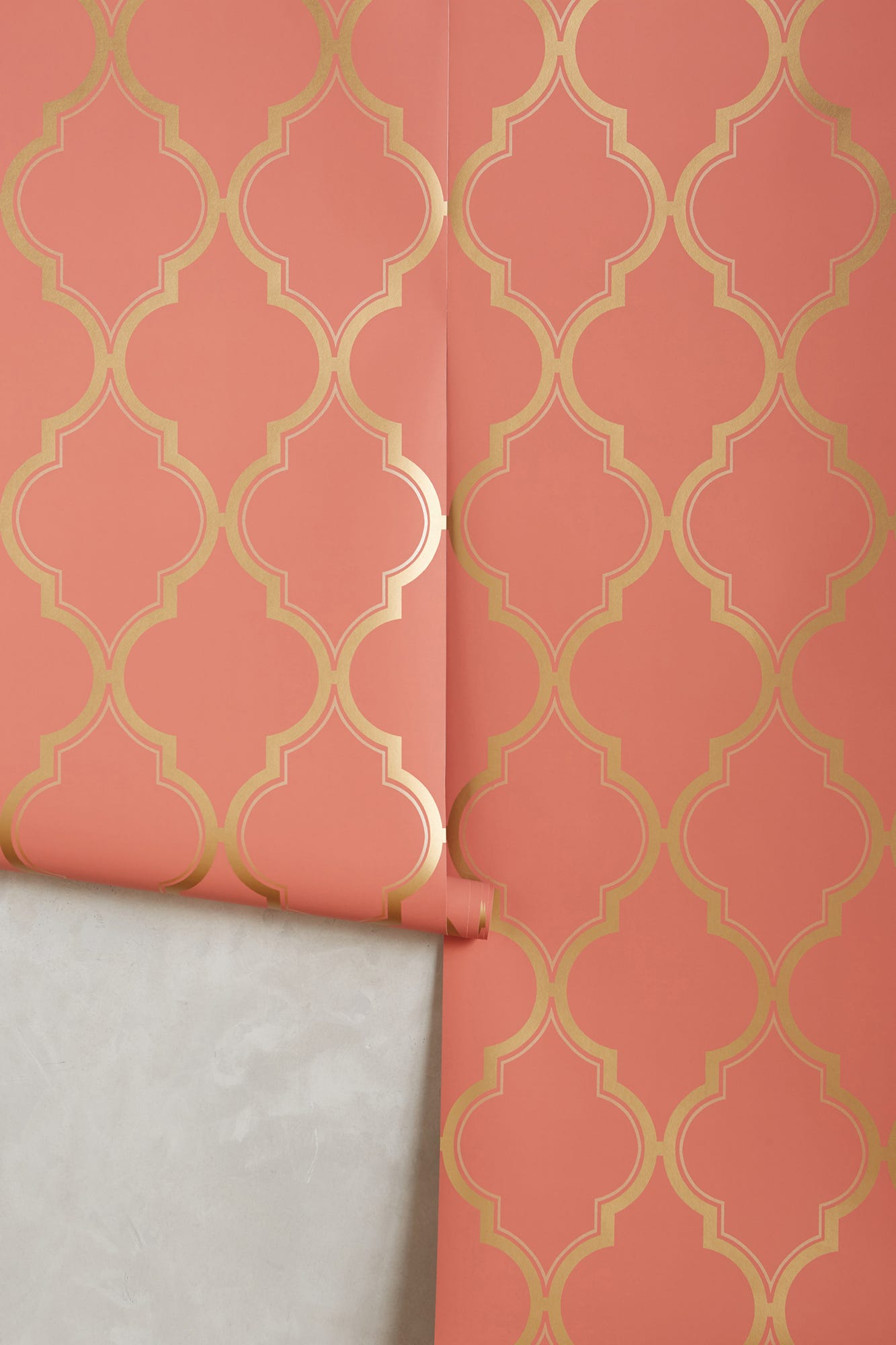
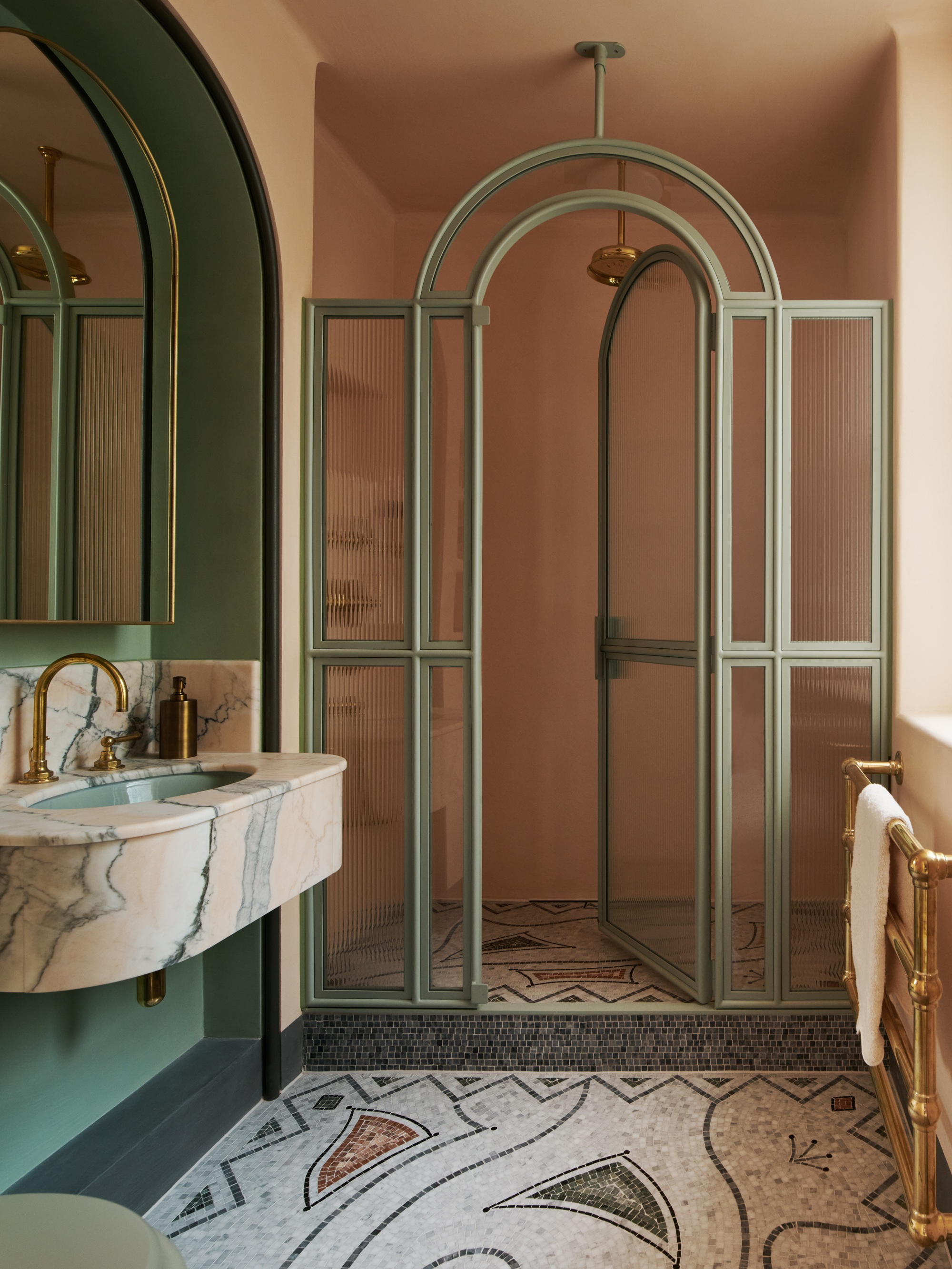
Art Deco interior design is defined by six classic elements. The first is the use of rich colors. Decadent jewel tones such as sapphire, ruby, and emerald are prominent, often accented with glimmering silver and gold. Black is frequently incorporated to add depth and drama, while softer pastels can be used for contrast and highlight. The second element involves geometric shapes and repeating lines. Bold shapes of various sizes are layered, and repeating lines, including straight and curved arches, create visual emphasis. Common patterns include triangles, chevron lines, sunbursts, and Greek key designs, often combined with materials like plastics, vita-glass, concrete, silver, and chrome.
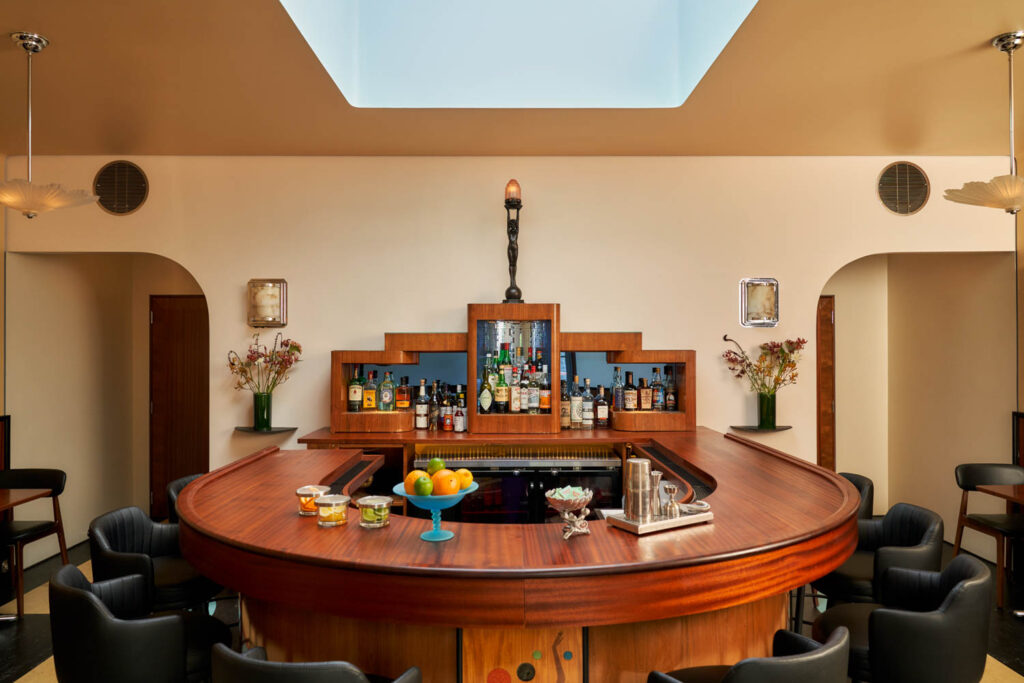
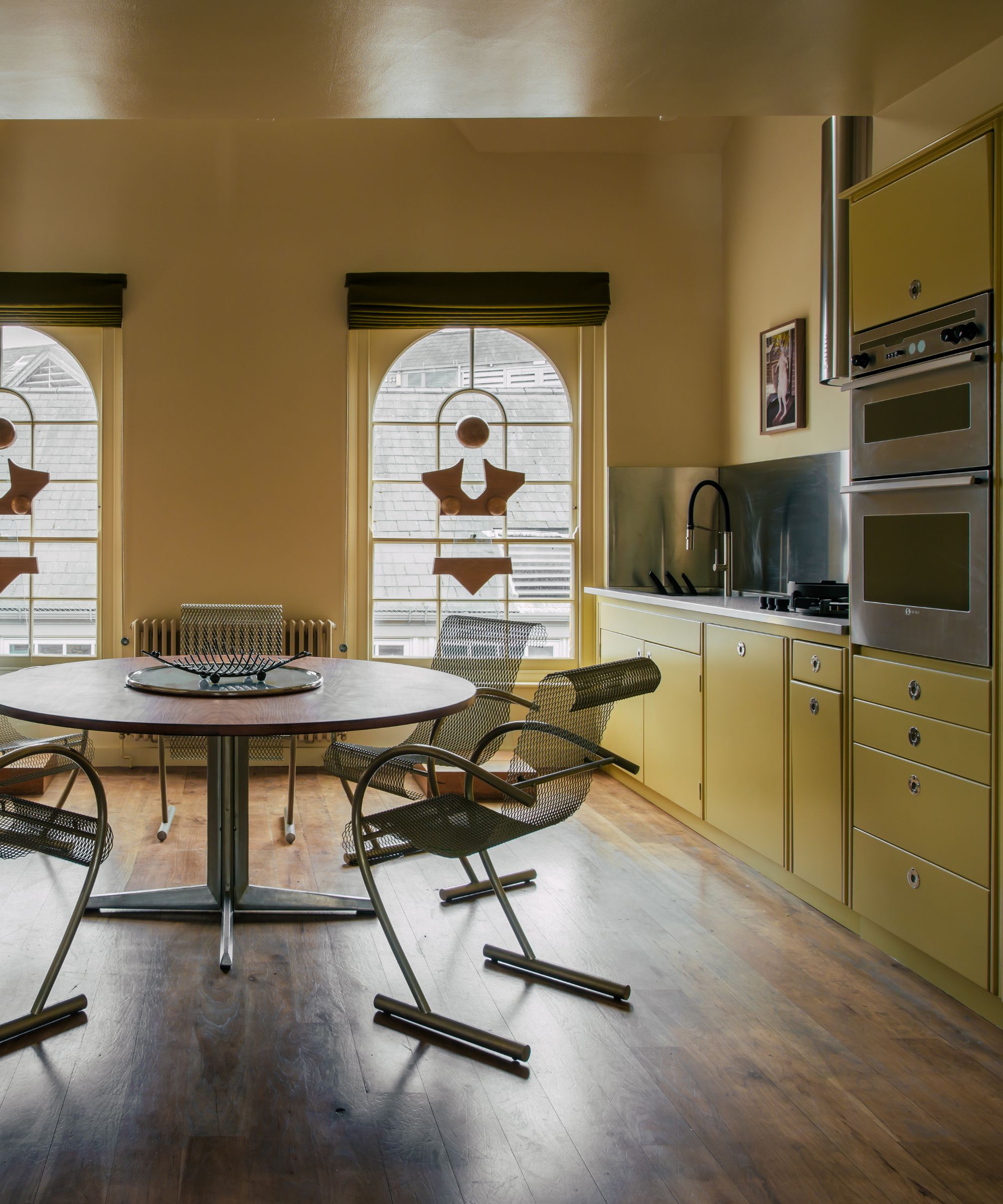
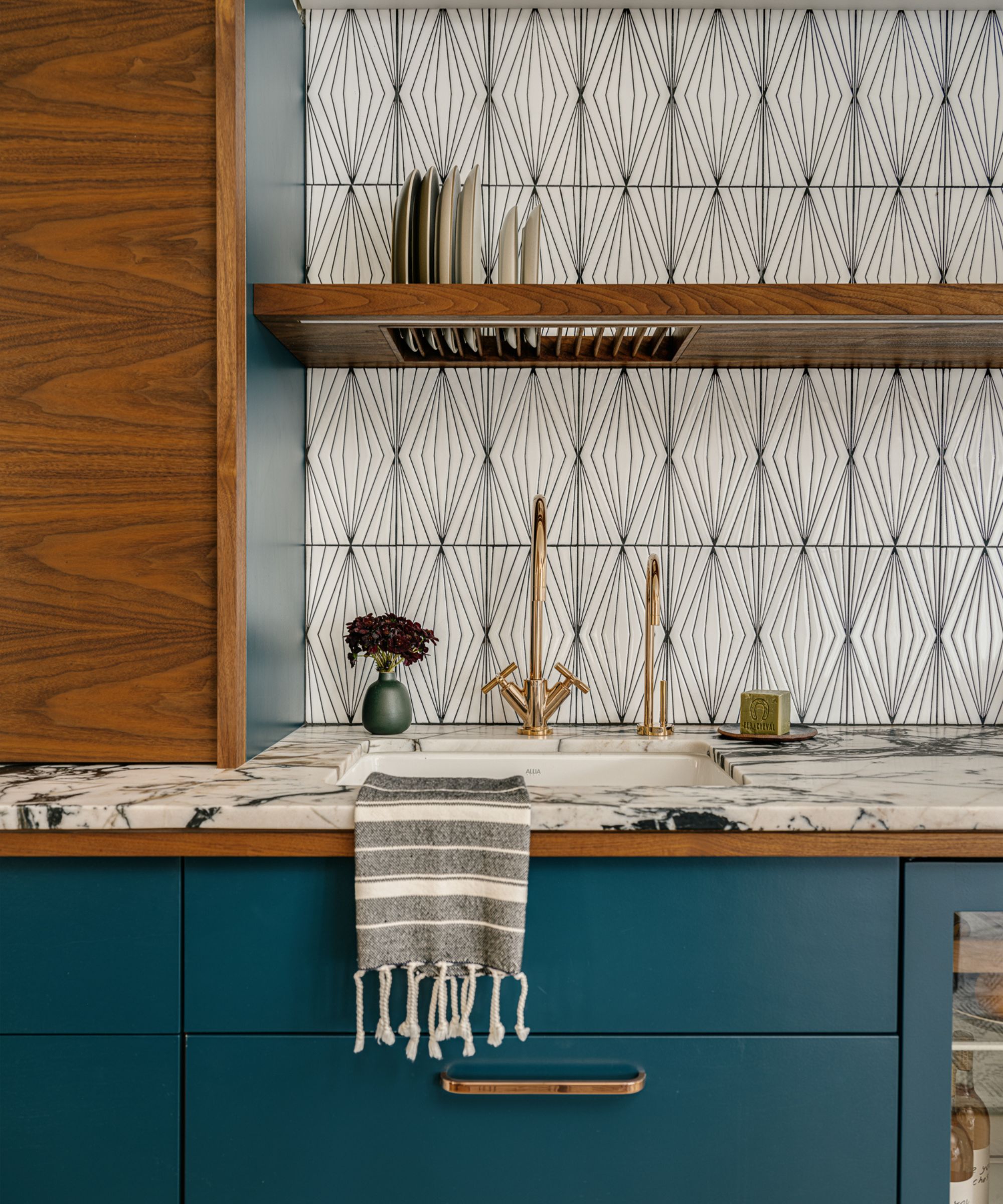
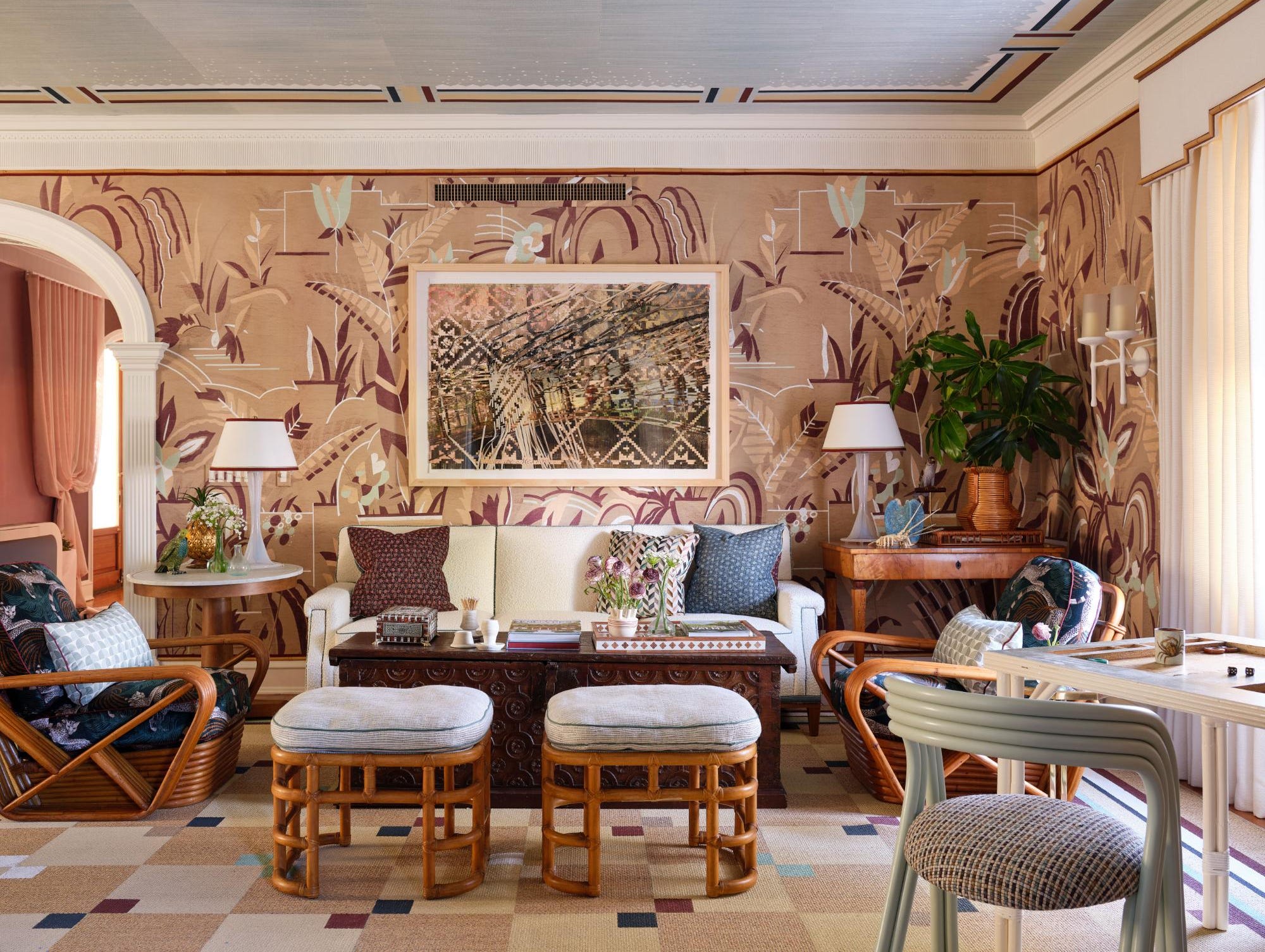
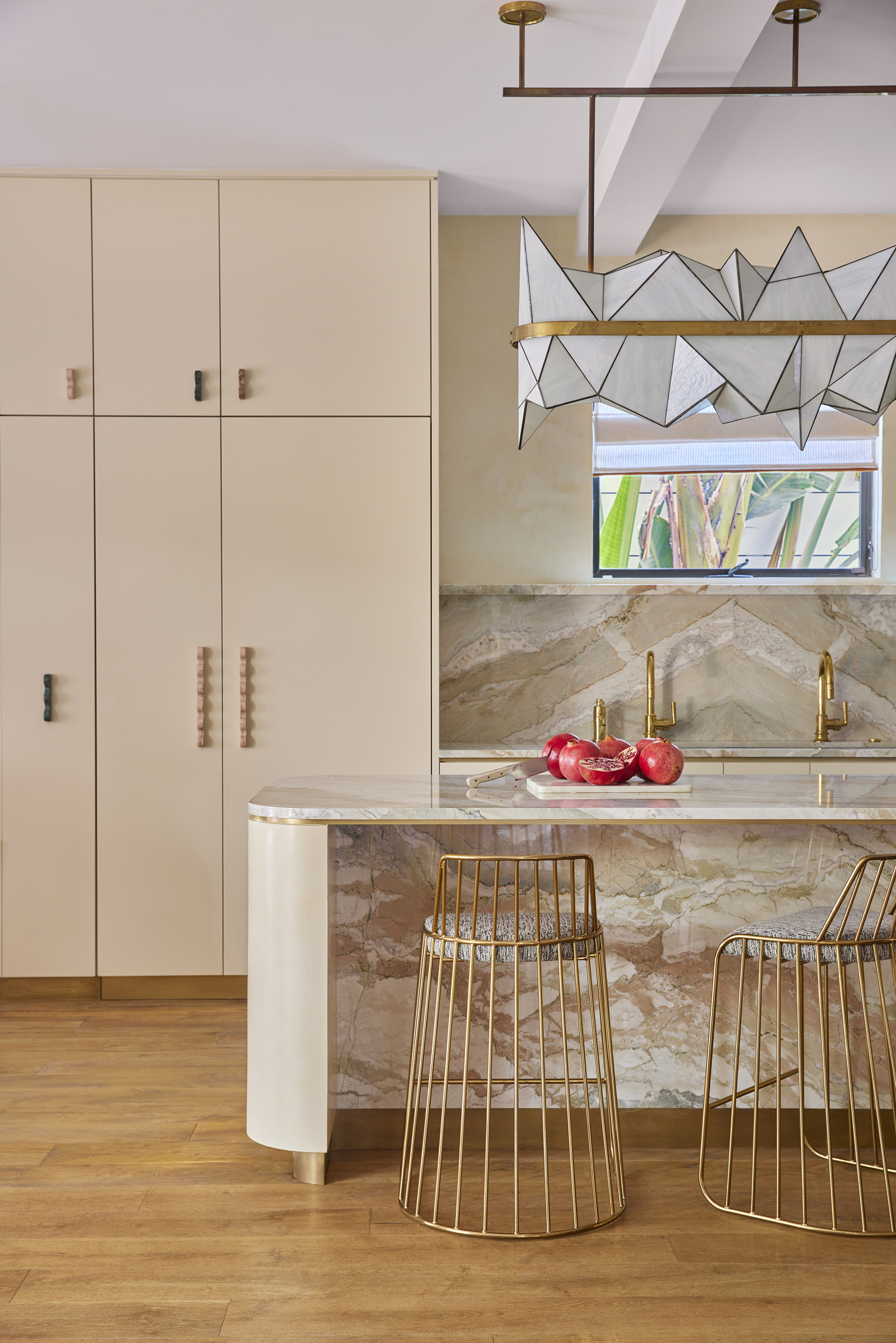
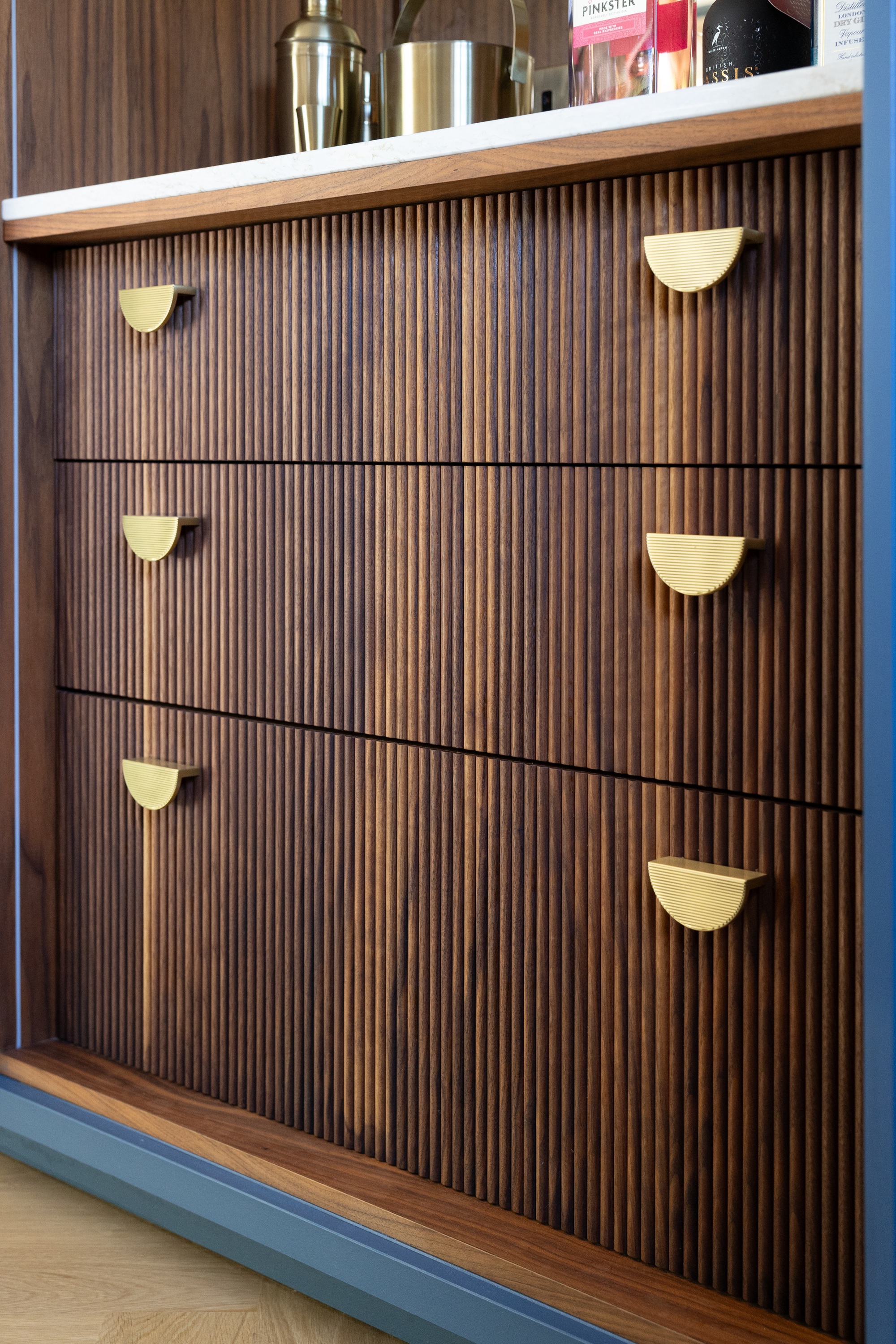
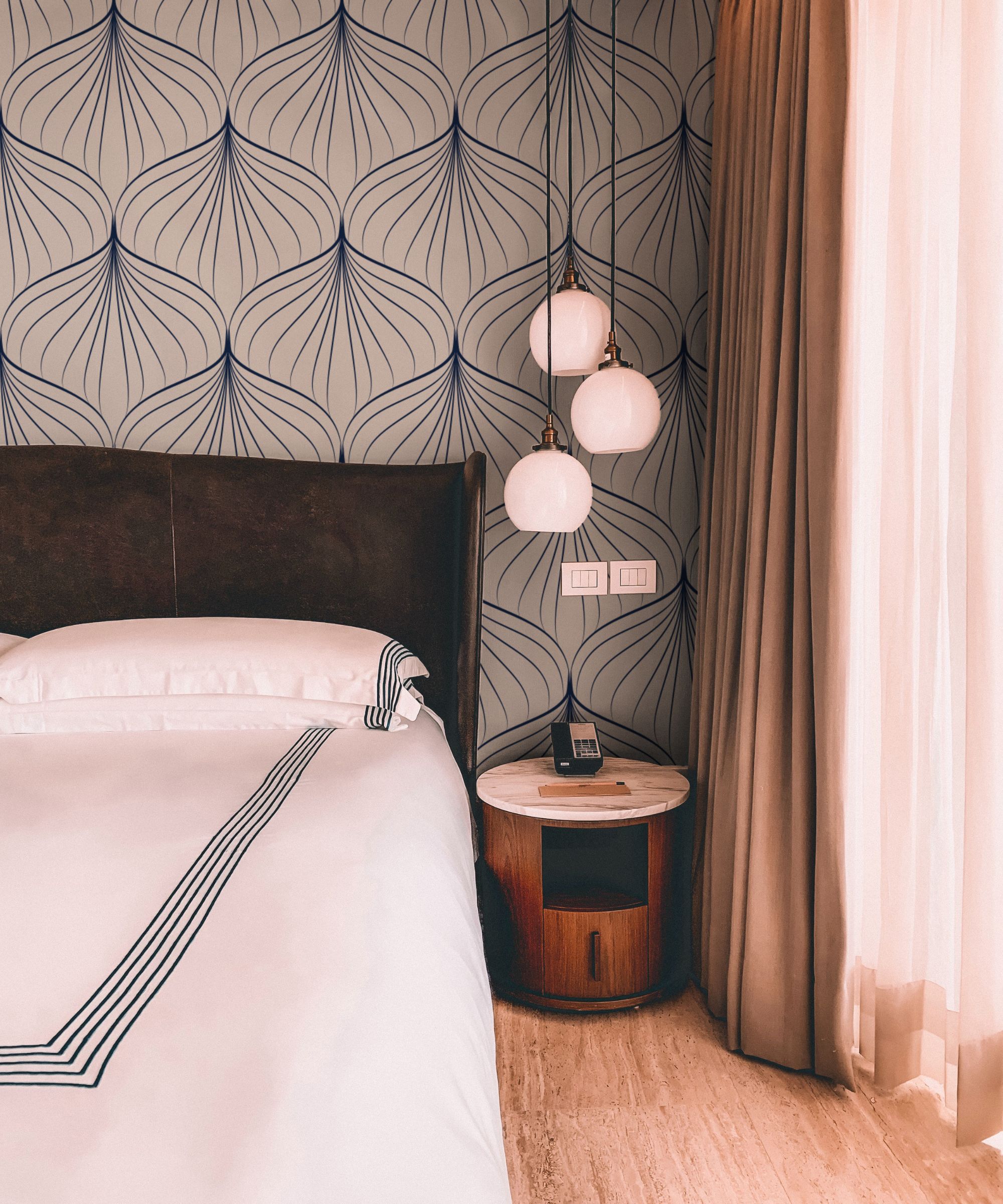
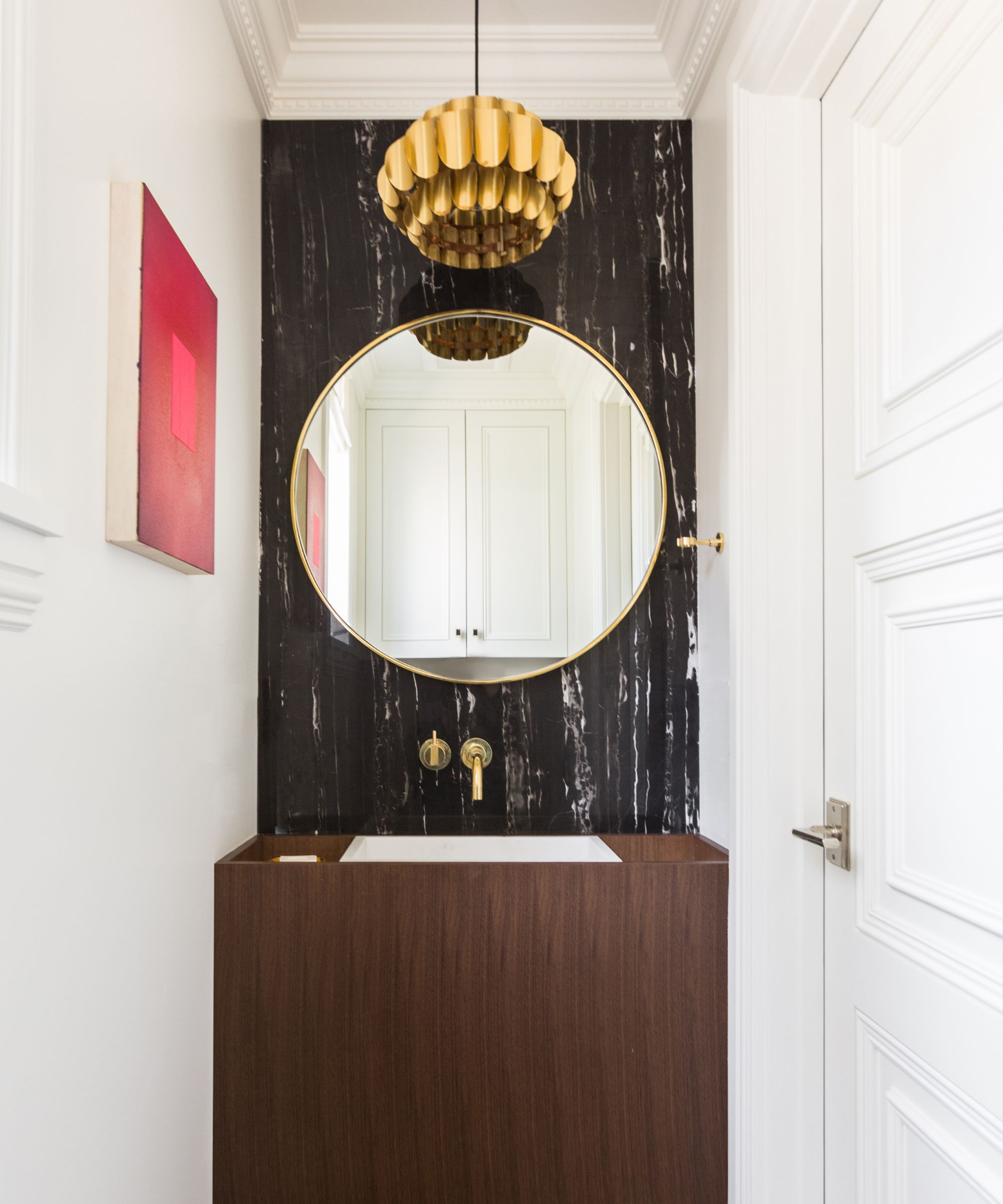
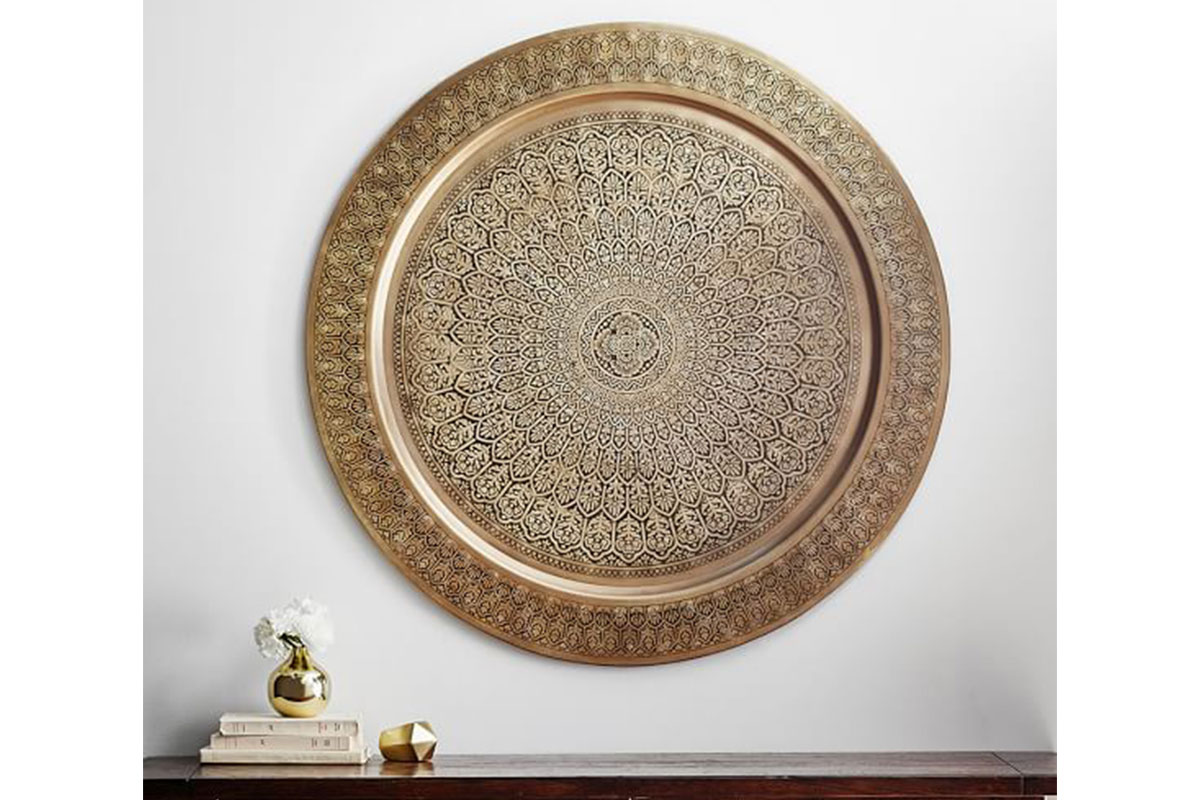
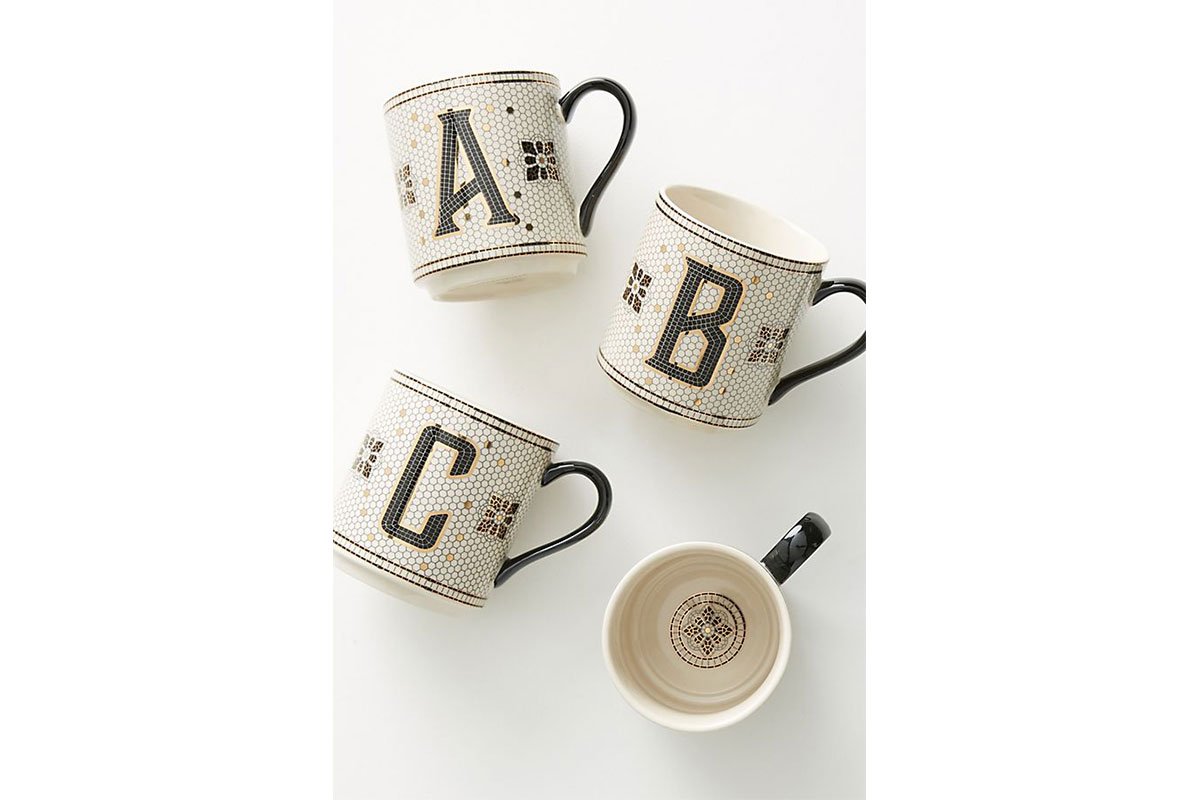
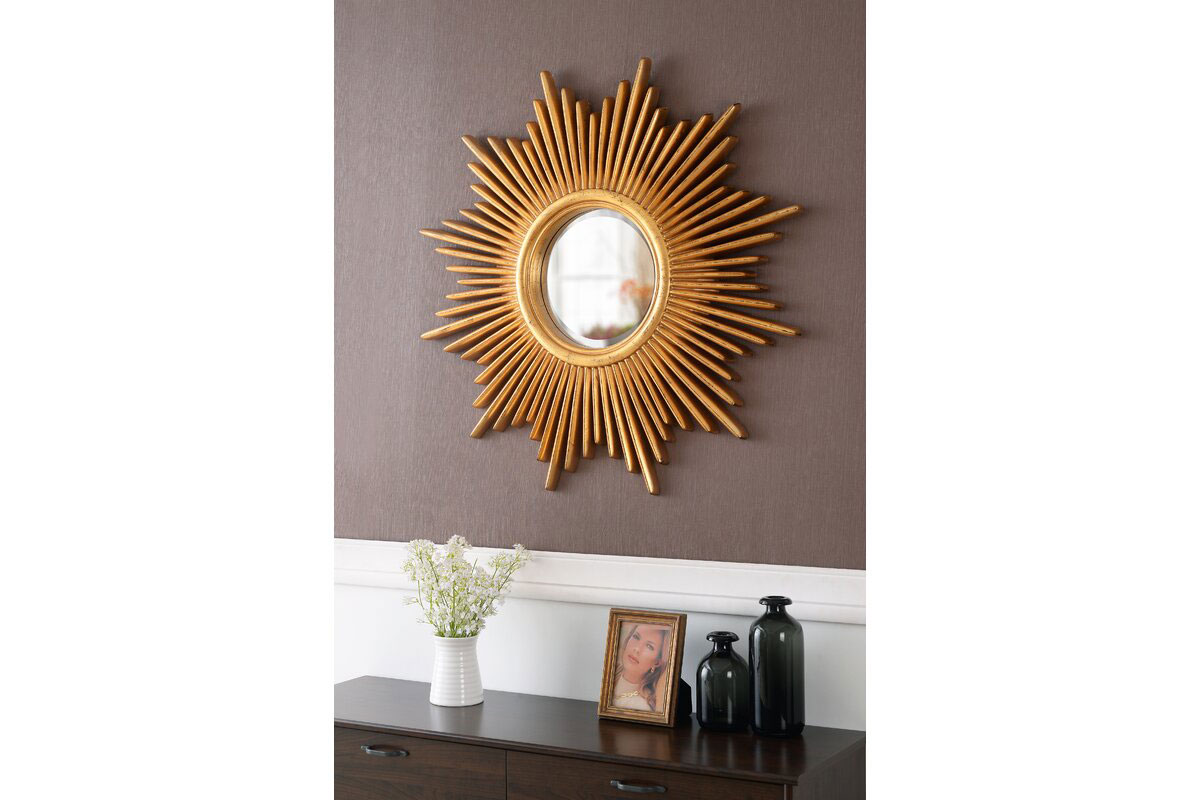
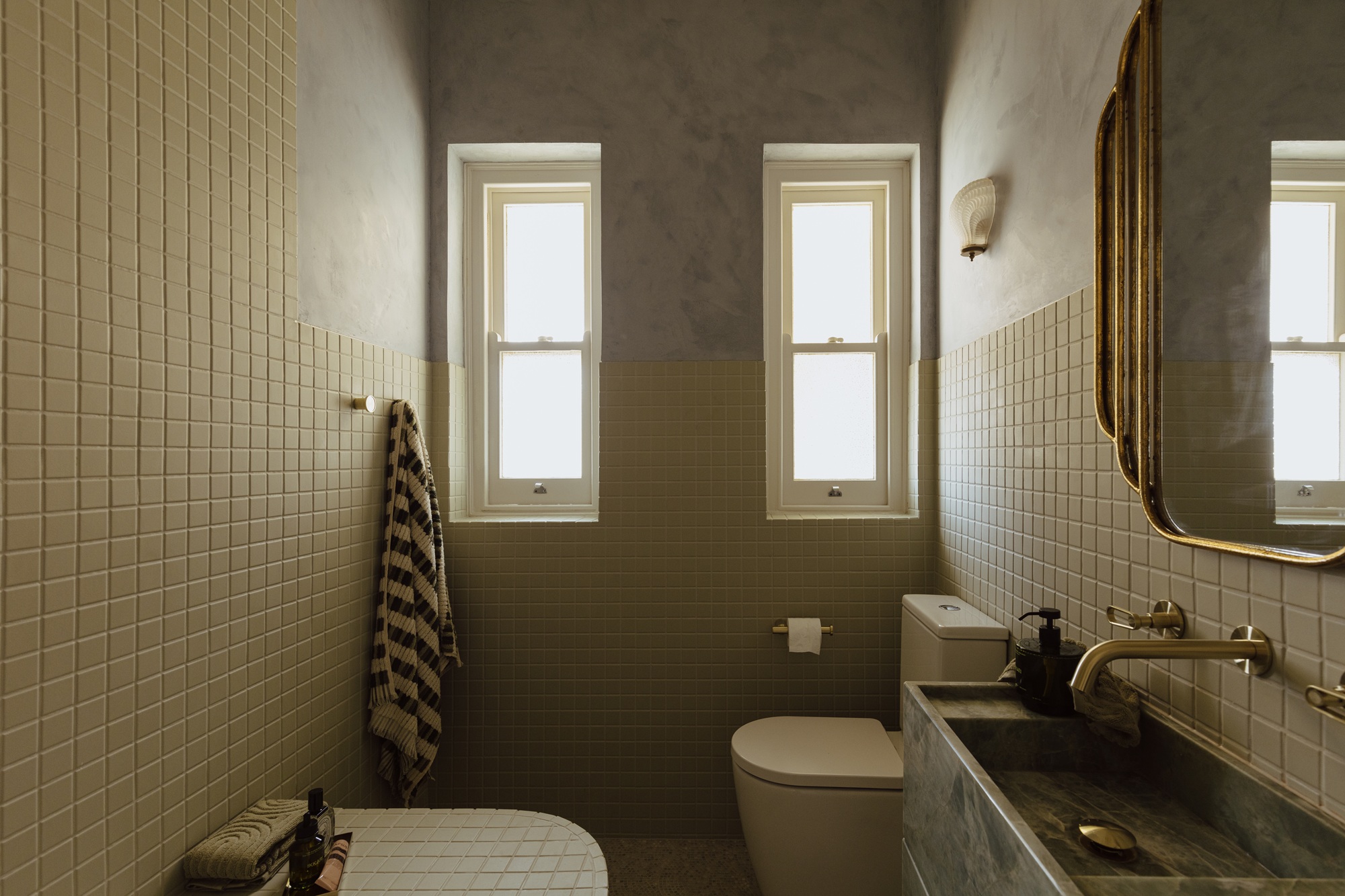
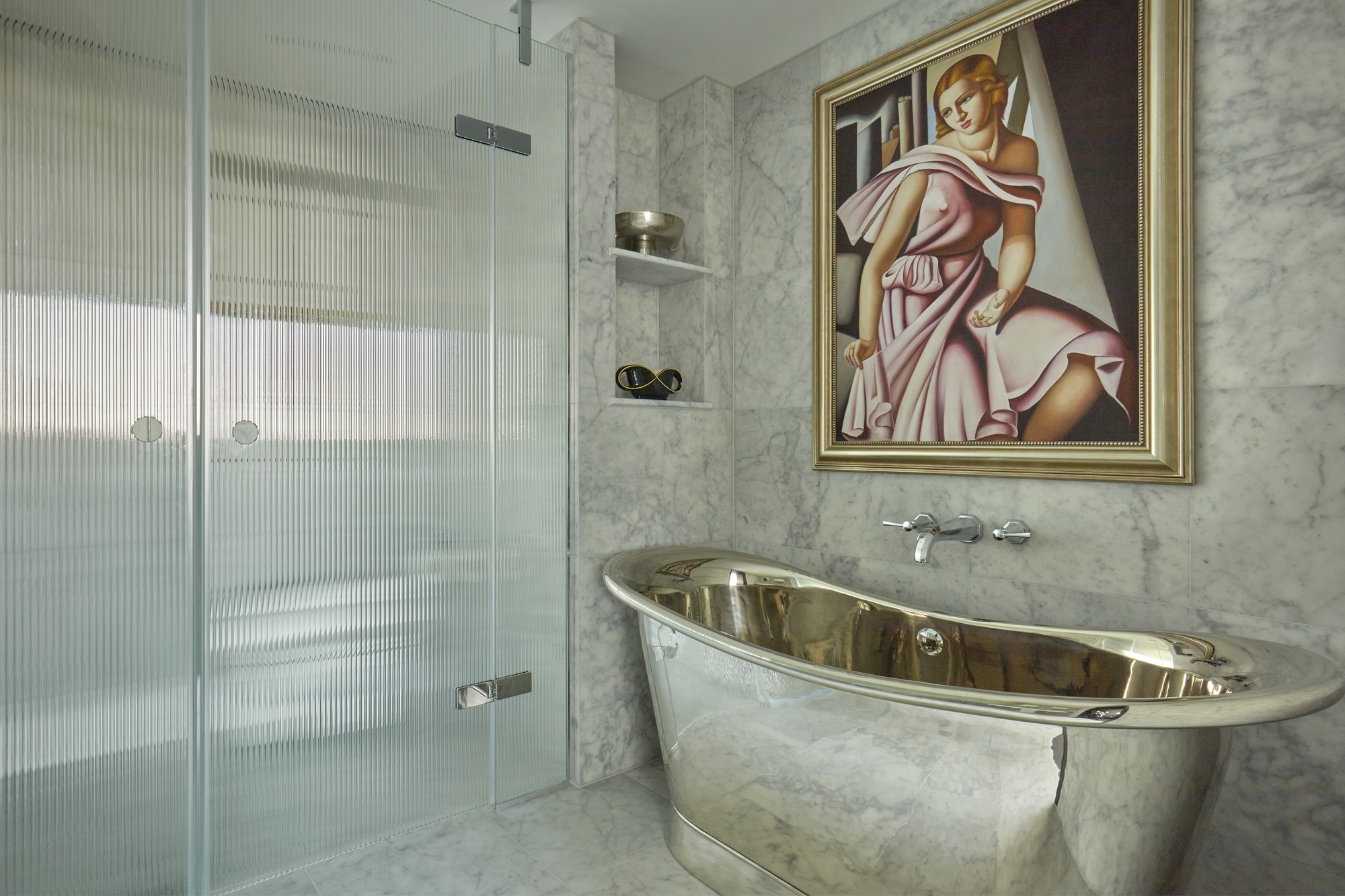
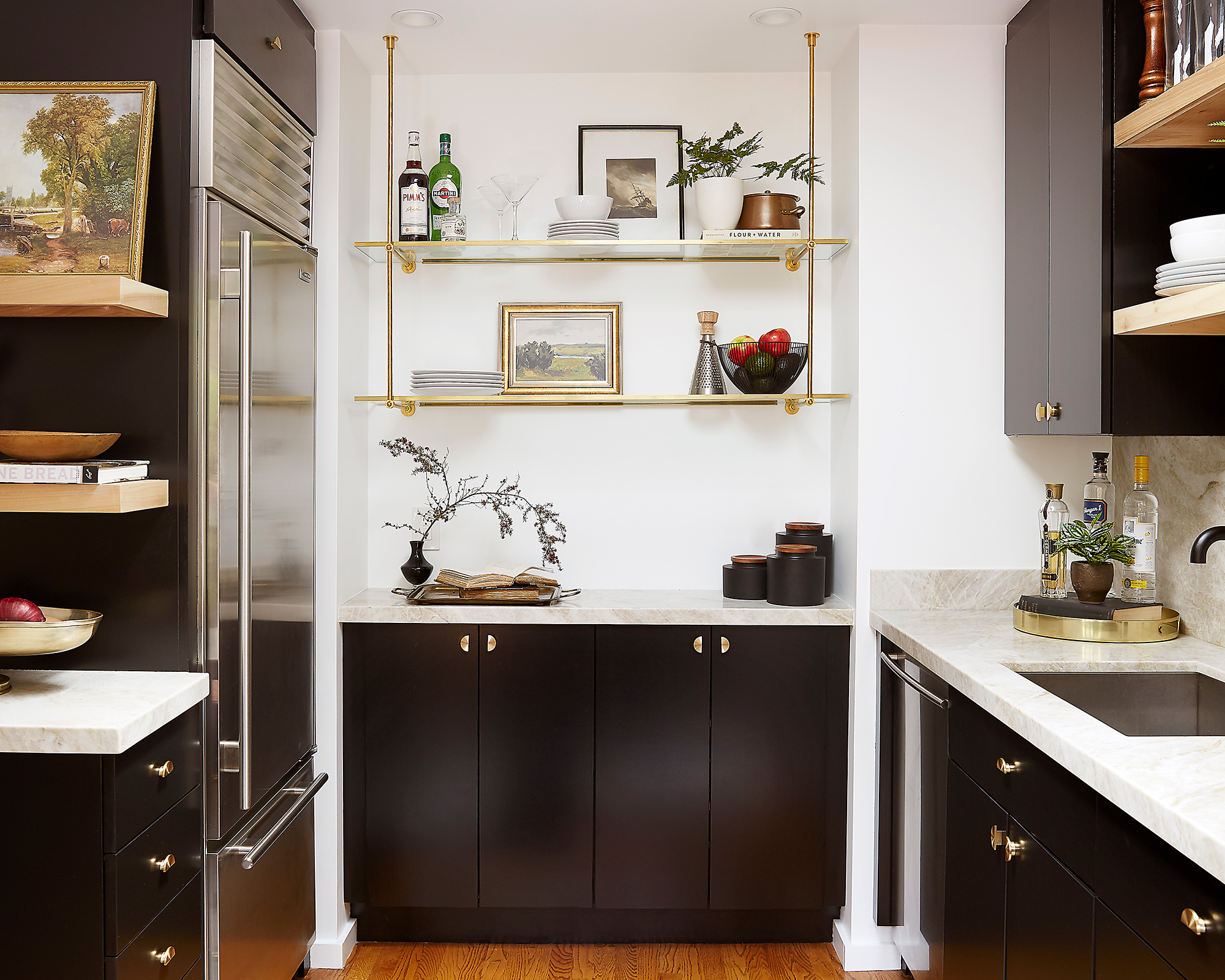
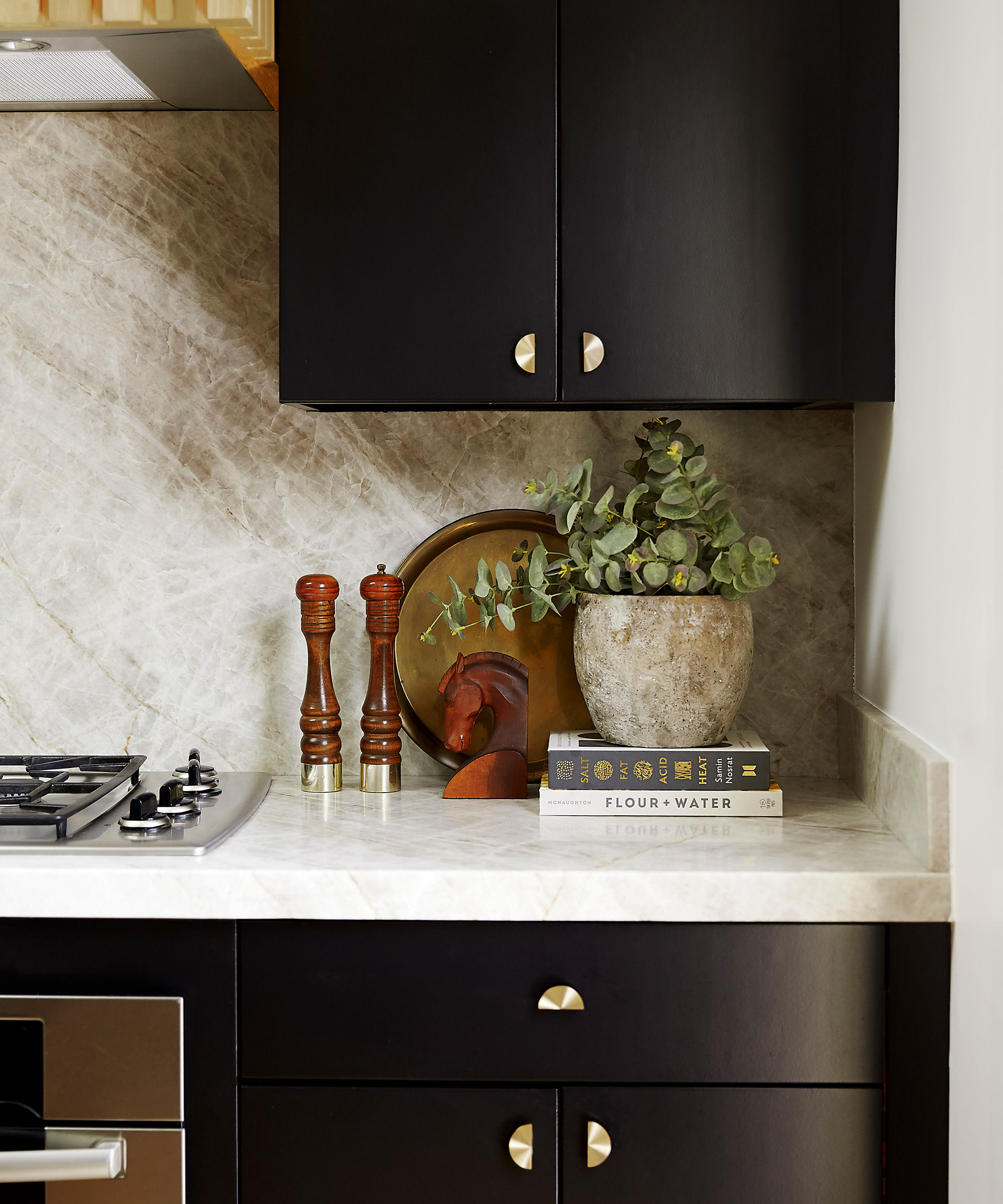
The third element is bold patterns, particularly in wallpaper and tile arrangements. Geometric shapes are repeated to create unique patterns on floors and walls, with examples like hexagon or staggered tiles in bathrooms, kitchens, or foyers. Floral or velvet embossed wallpaper can also serve as accent features. The fourth element focuses on metallic accents. Gold, brass, and chrome are extensively used in furnishings, fixtures, and finishes, creating cohesion and shimmer throughout a space. Polished fixtures offer a timeless look, and mirrored accents enhance the reflection of these sparkling surfaces.
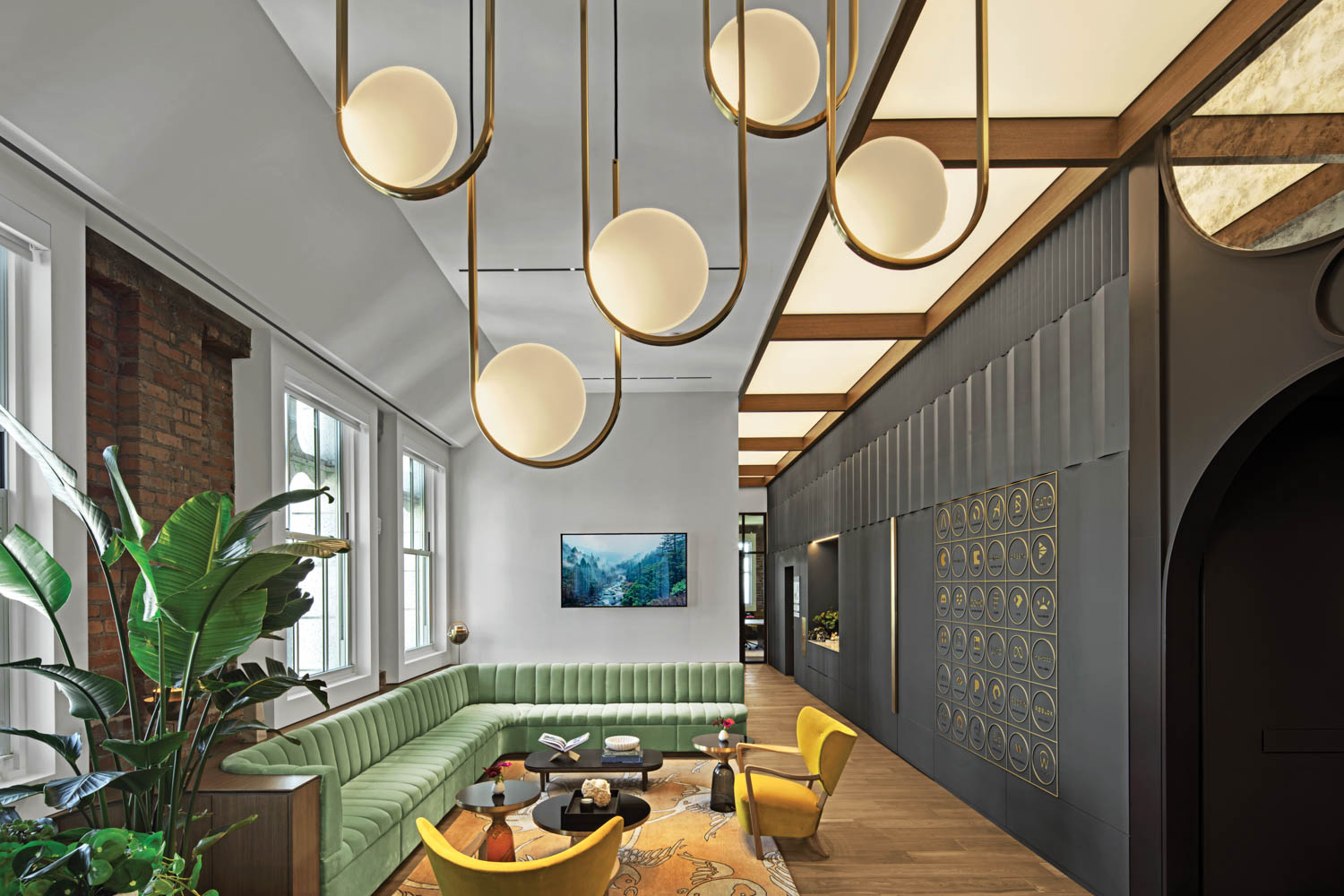
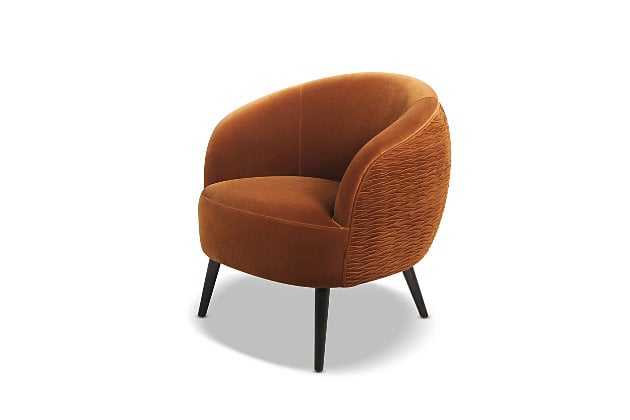
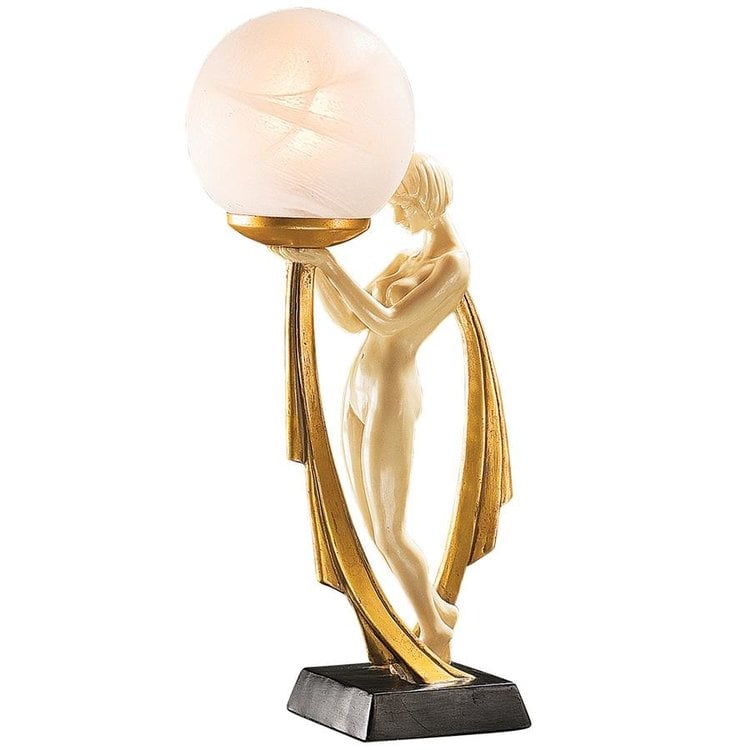
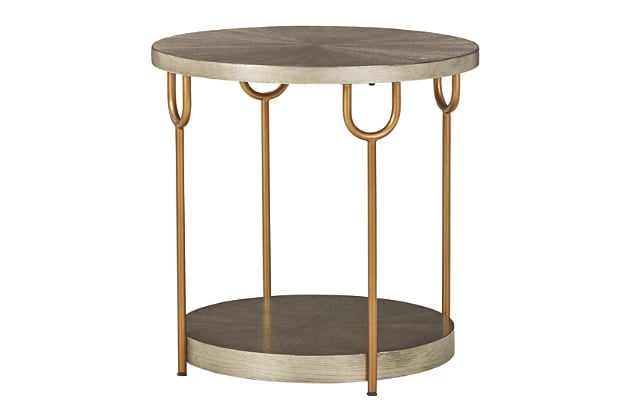
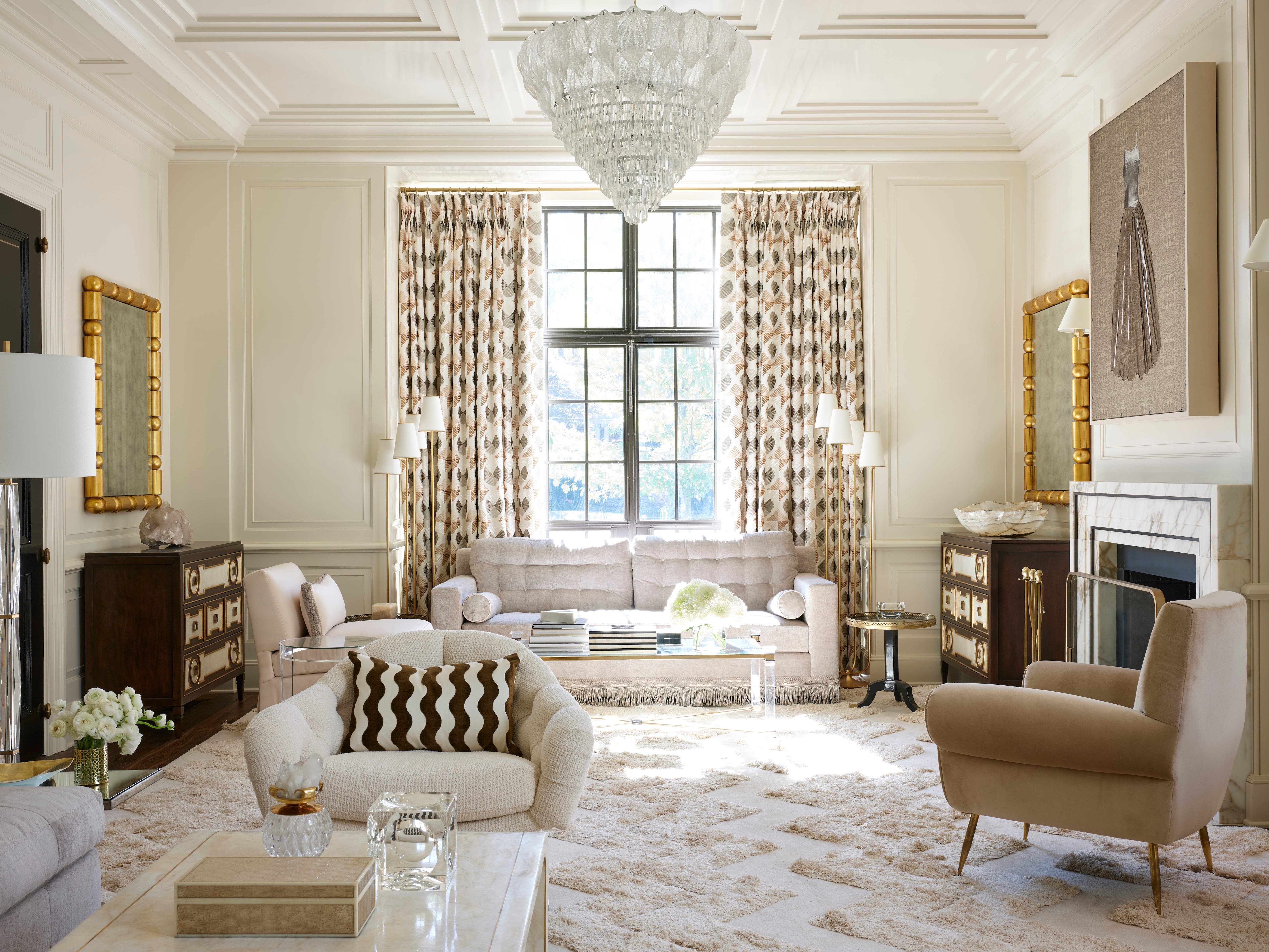
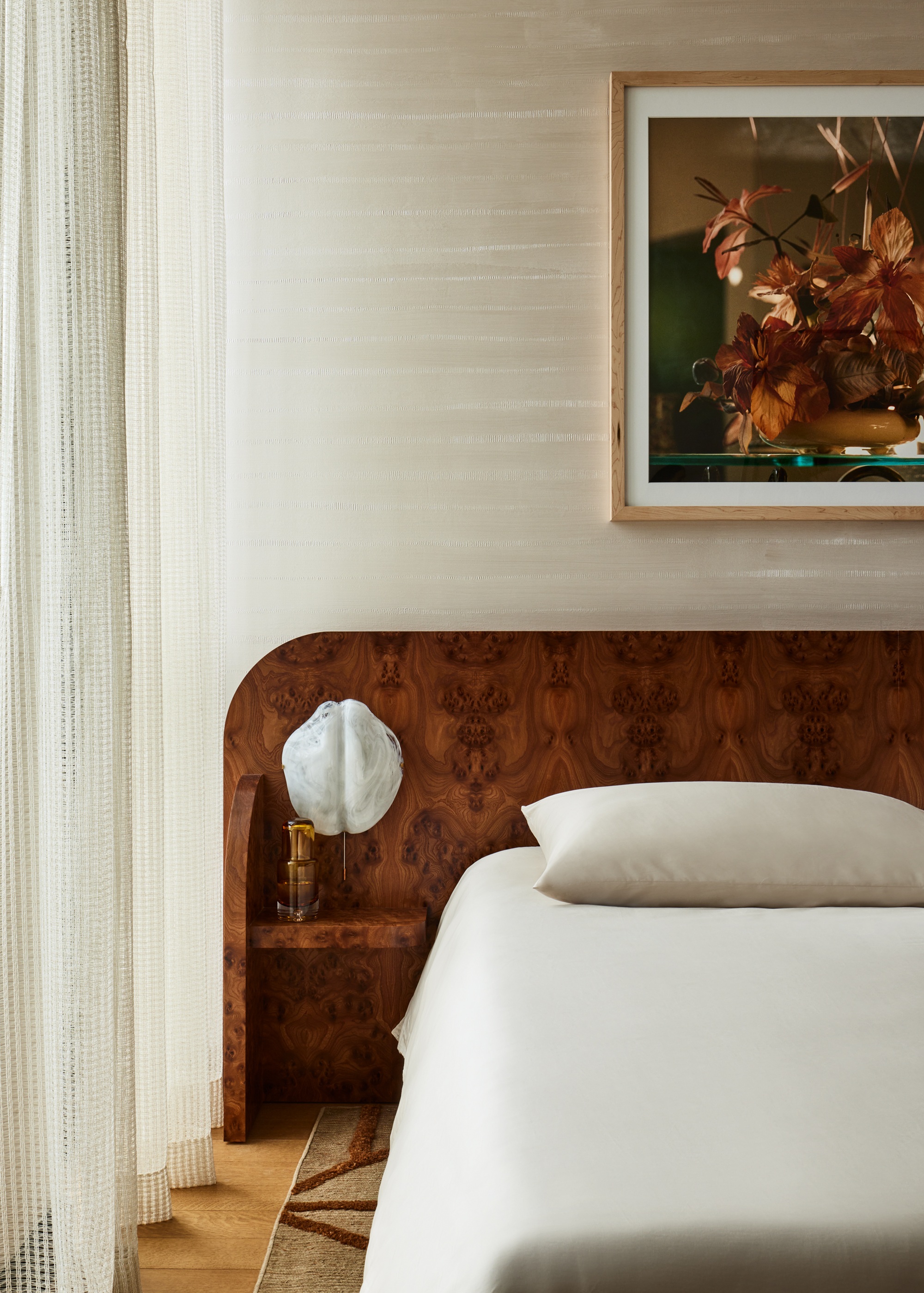
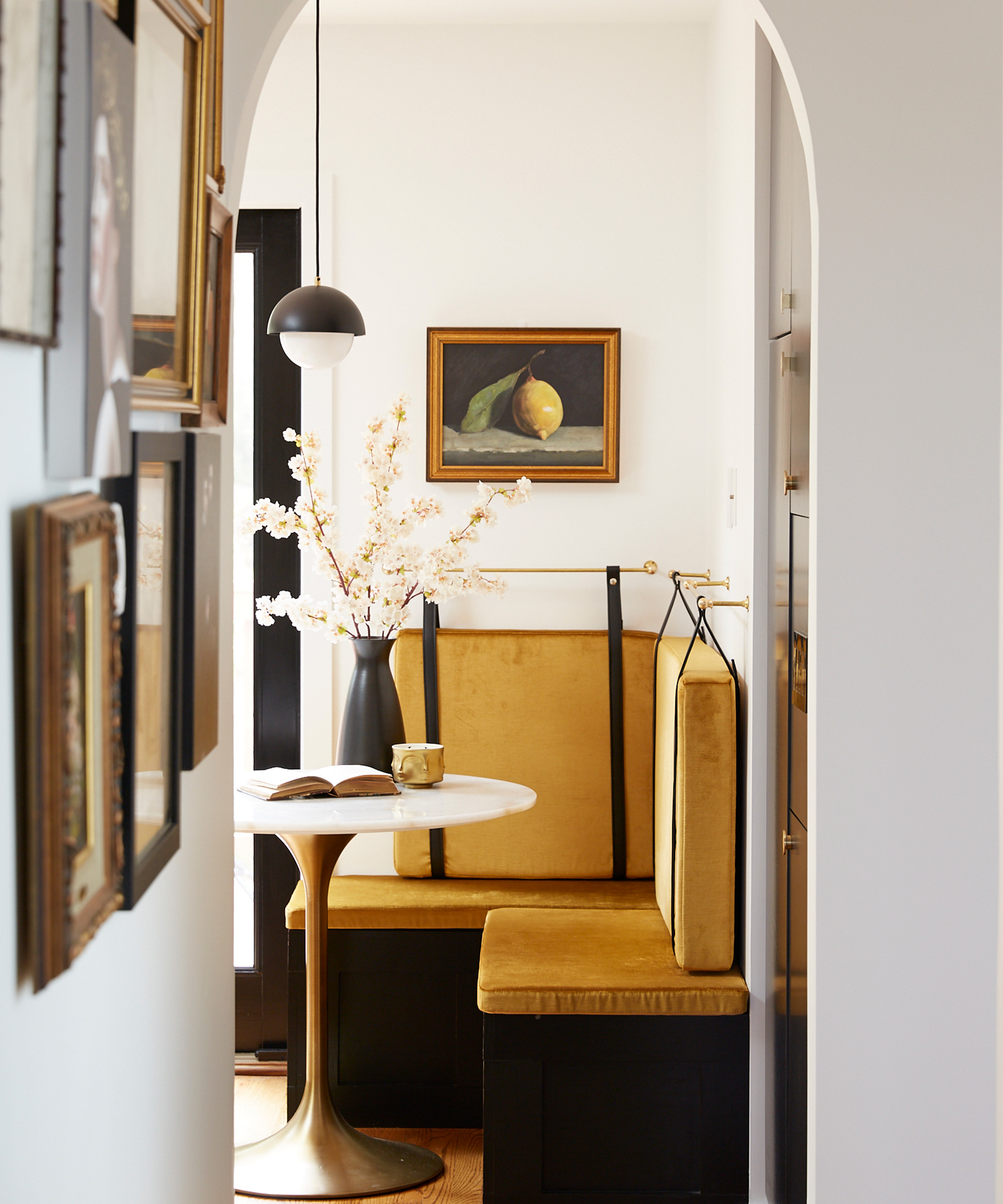
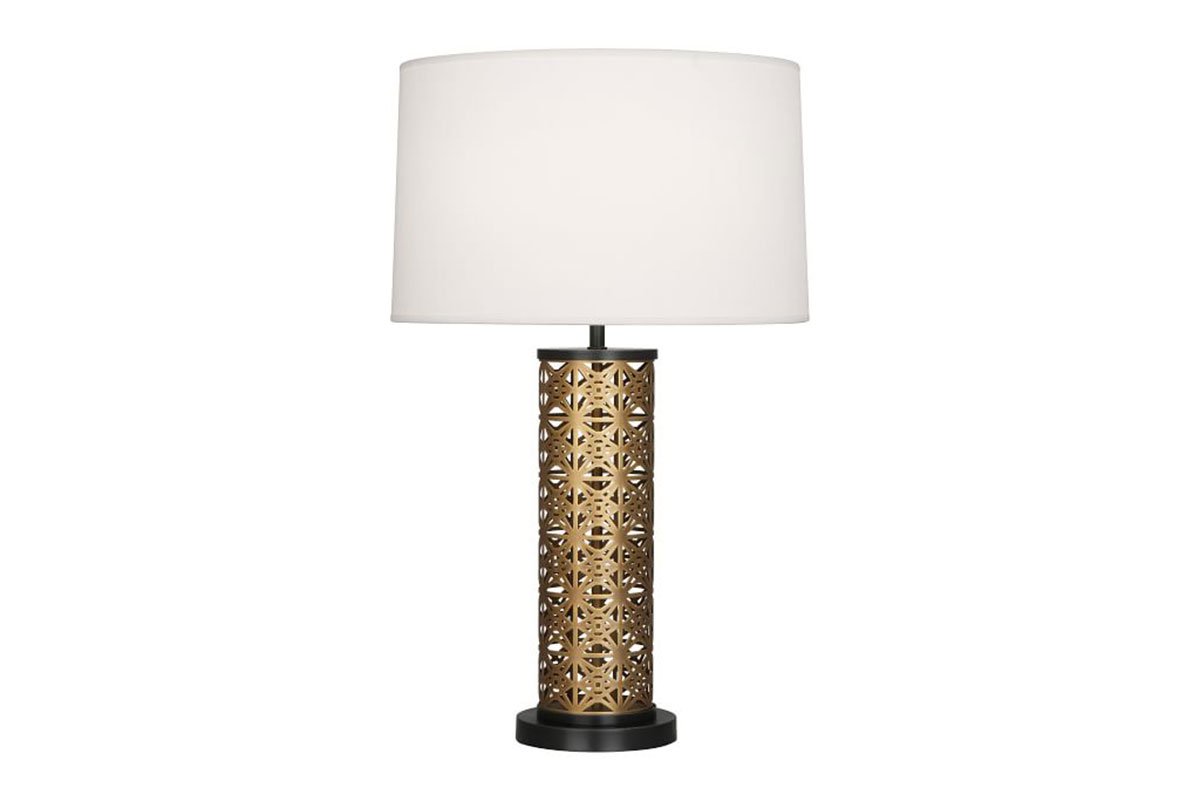
Statement lighting is the fifth key feature, reflecting the grandeur of the Jazz Age. Light fixtures range from dazzling chandeliers to retro sconces, embodying luxury. These pieces are either elaborate or elegantly simple, showcasing polished metallic finishes. Table lamps often have oversized shades with unique shapes and ornate bases, with specific light temperatures (2700K–3000K) recommended to highlight geometric designs. Finally, opulent textiles and furniture designs define the sixth element. Art Deco furniture often features sumptuous fabrics like velvet and leather, with unique shapes and embellishments such as fluted, curved, and scalloped edges. Lacquered wood, with its glass-like sheen and warm, dark hues, is a popular finish for armoires, dining tables, and desks. Intricate gold-legged furniture with glass, stone, or wood surfaces is also a staple of the style.
#ArtDeco #InteriorDesign #HomeDecor #Glamour #Maximalism #GeometricPatterns #JewelTones #MetallicAccents #StatementLighting #ArtDeco #InteriorDesign #HomeDecor #Glamour #Maximalism #GeometricPatterns #JewelTones #MetallicAccents #StatementLighting
0 comment in total
 No comments yet
You may also like
9 Stunning Art Deco Interior Design Styles

What is Art Deco design? Expert advice on this luxurious look that's returning for 2024

Step Inside 7 Opulent Art Deco–Inspired Homes

The Differences Between an Interior Designer and an Interior Decorator

Art Deco Interior Design: Everything You Need to Know About This Opulent Style
5 Art Deco kitchen ideas: for a nostalgic, glamorous look
6 Things You Can Find in Every Stylish Room, According to Interior Designers
10 items to bring 1920s art deco style into your home
8 Art Deco living room ideas to add classic and glamorous style
This Art Deco Color Palette Gives Your Home a Pop of Miami Beach Style

8 Art Deco Bedrooms That Bring a Modern Take on This Style's Glamorous Luxury

8 Art Deco-Inspired Bathrooms — And the Lessons to Learn From Them to Make This Style Work for Now
23 Art Deco-Inspired Bathrooms to Glam Up Your Life

These 12 Art Deco Living Rooms Make a Bold Case for Unapologetic Glamour

Is Art Deco back on trend? Experts share how they make the iconic design style fresh for 2024
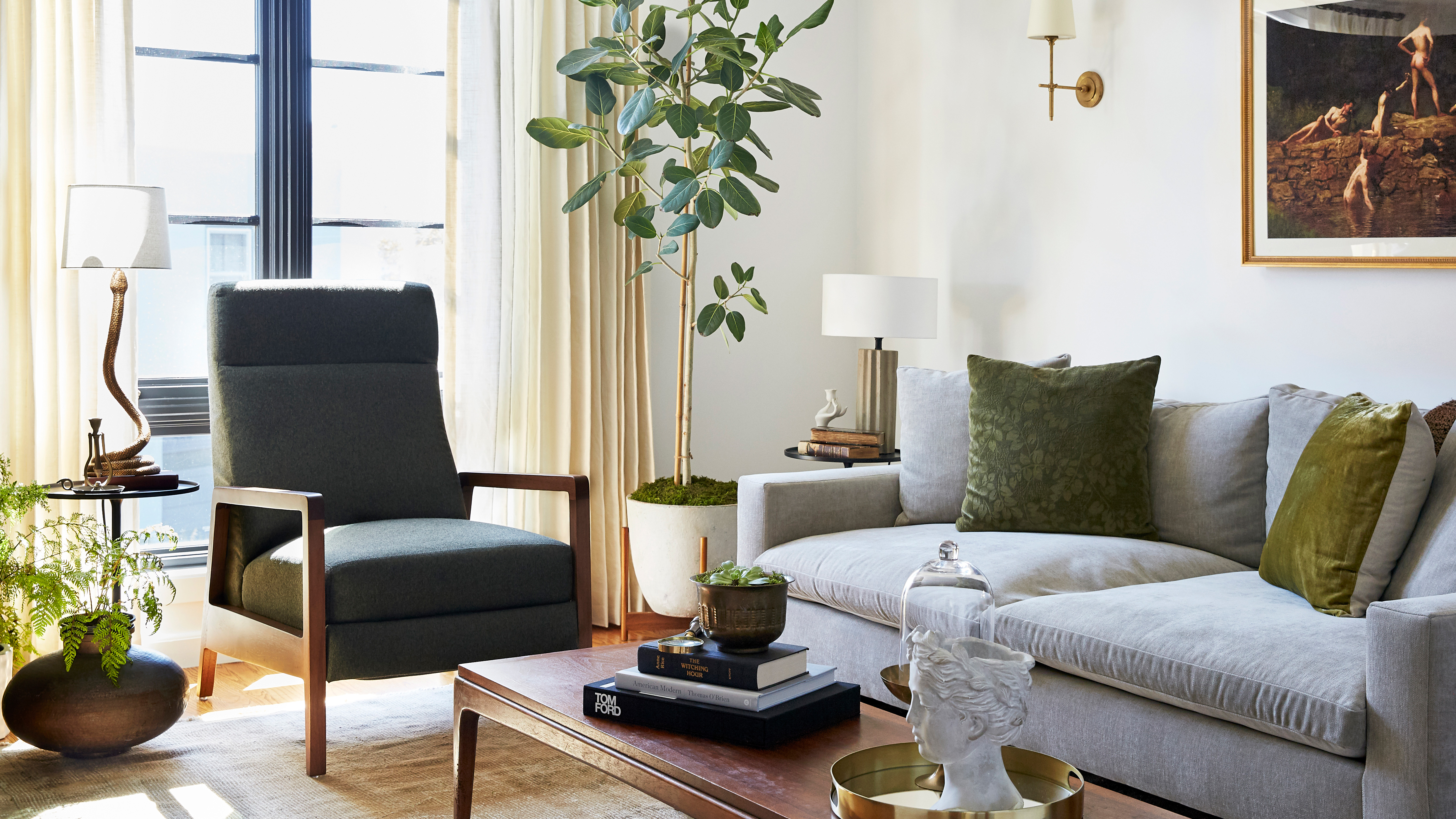
Design house: A quaint Art Deco home has been given a contemporary lift with color, texture and luxe materials
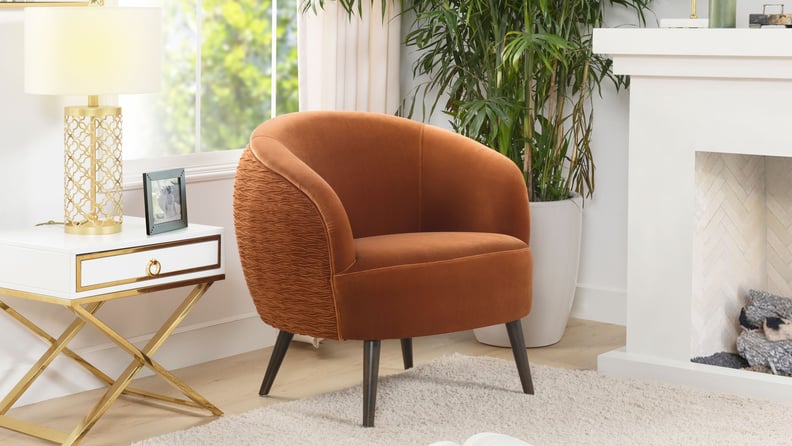
From Bed Frames to Mirrors, These Art Deco Touches Will Elevate Your Home
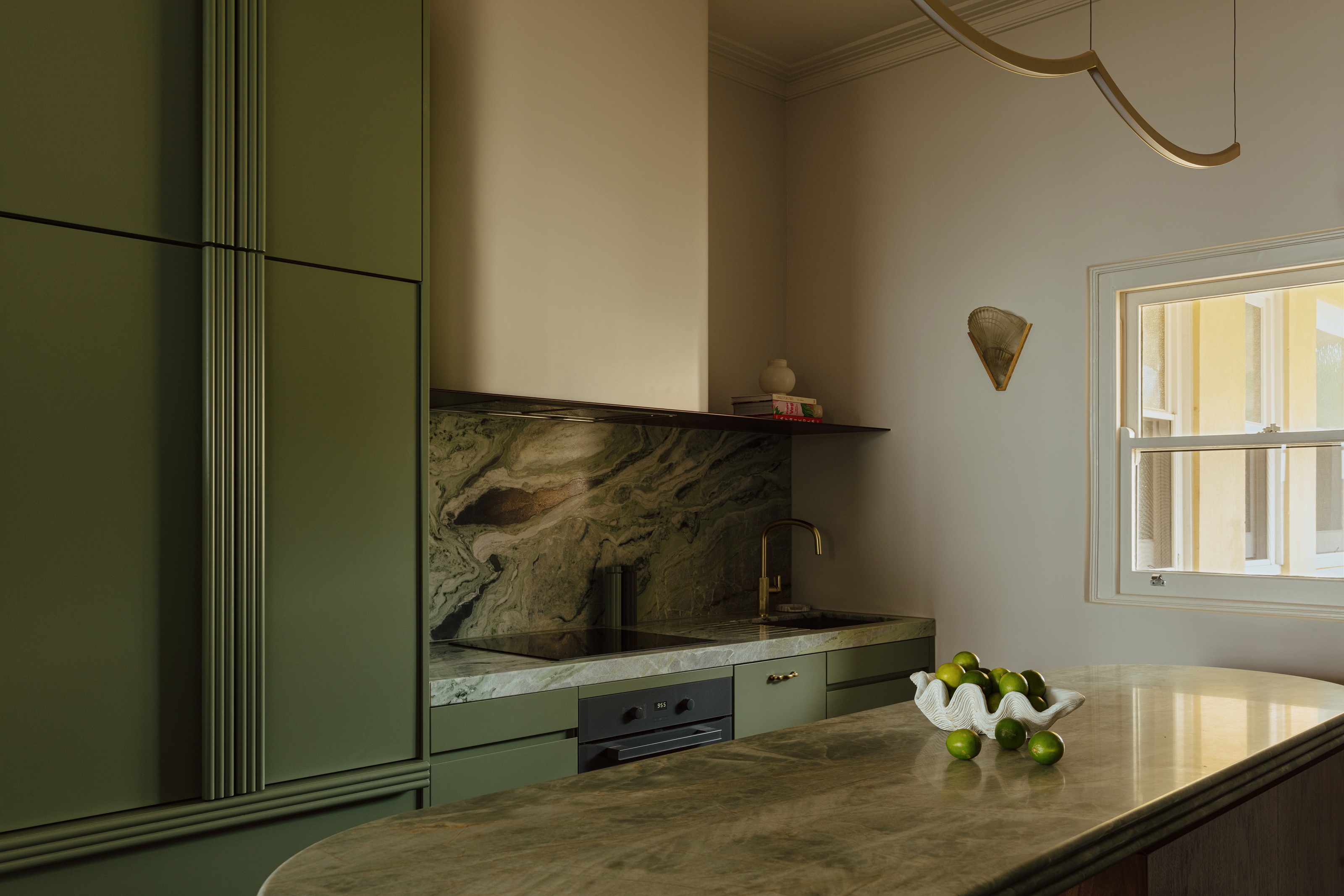
10 Modern Ways to Bring Art Deco Into a Kitchen That Will Add a Glamorous Edge to Your Design
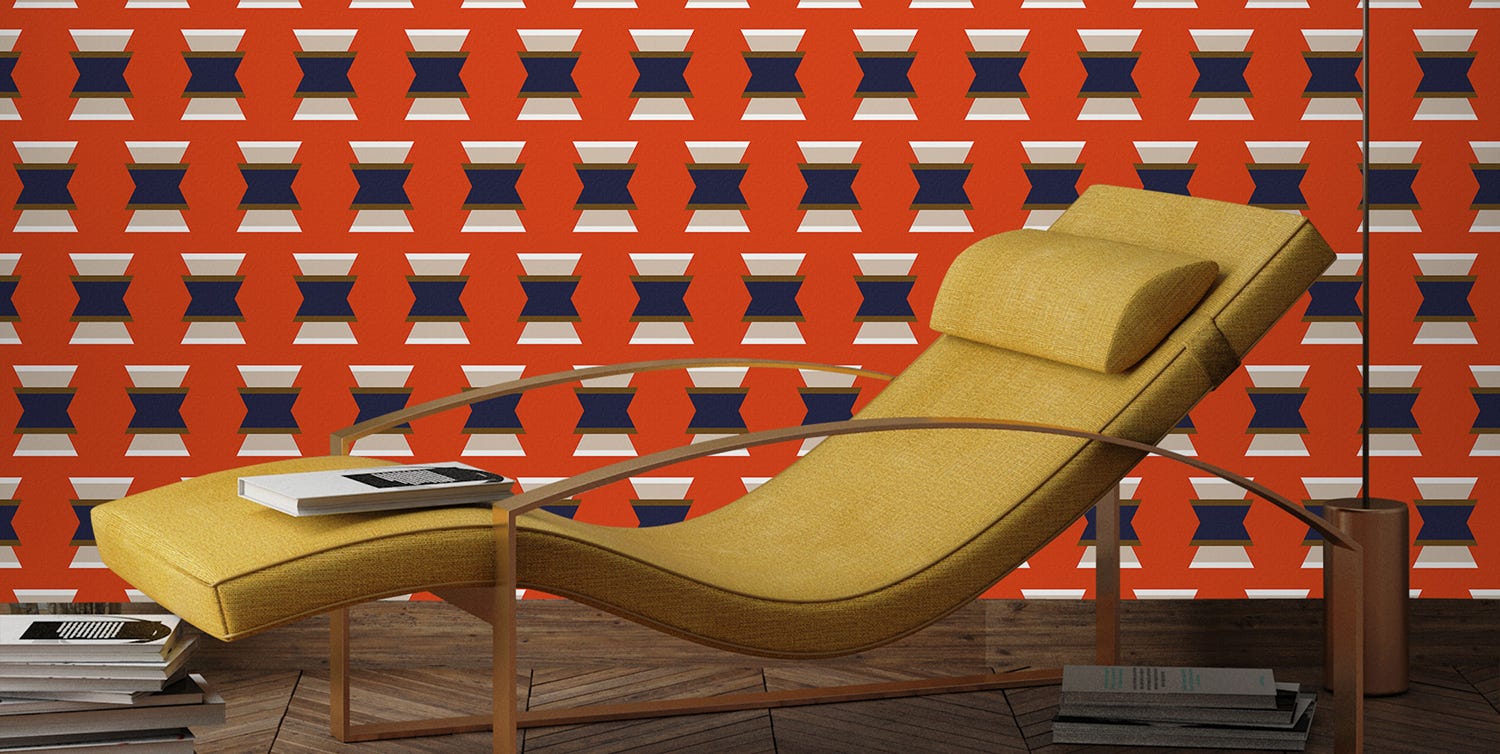
Give 1920s-Inspired Decor A Spin With These 18 Vivacious Art Deco Wallpapers
Interior Designers Share the Items in Their Homes That They’d Buy Time and Time Again