1/7
econitWood™ turns timber scraps into new material resources
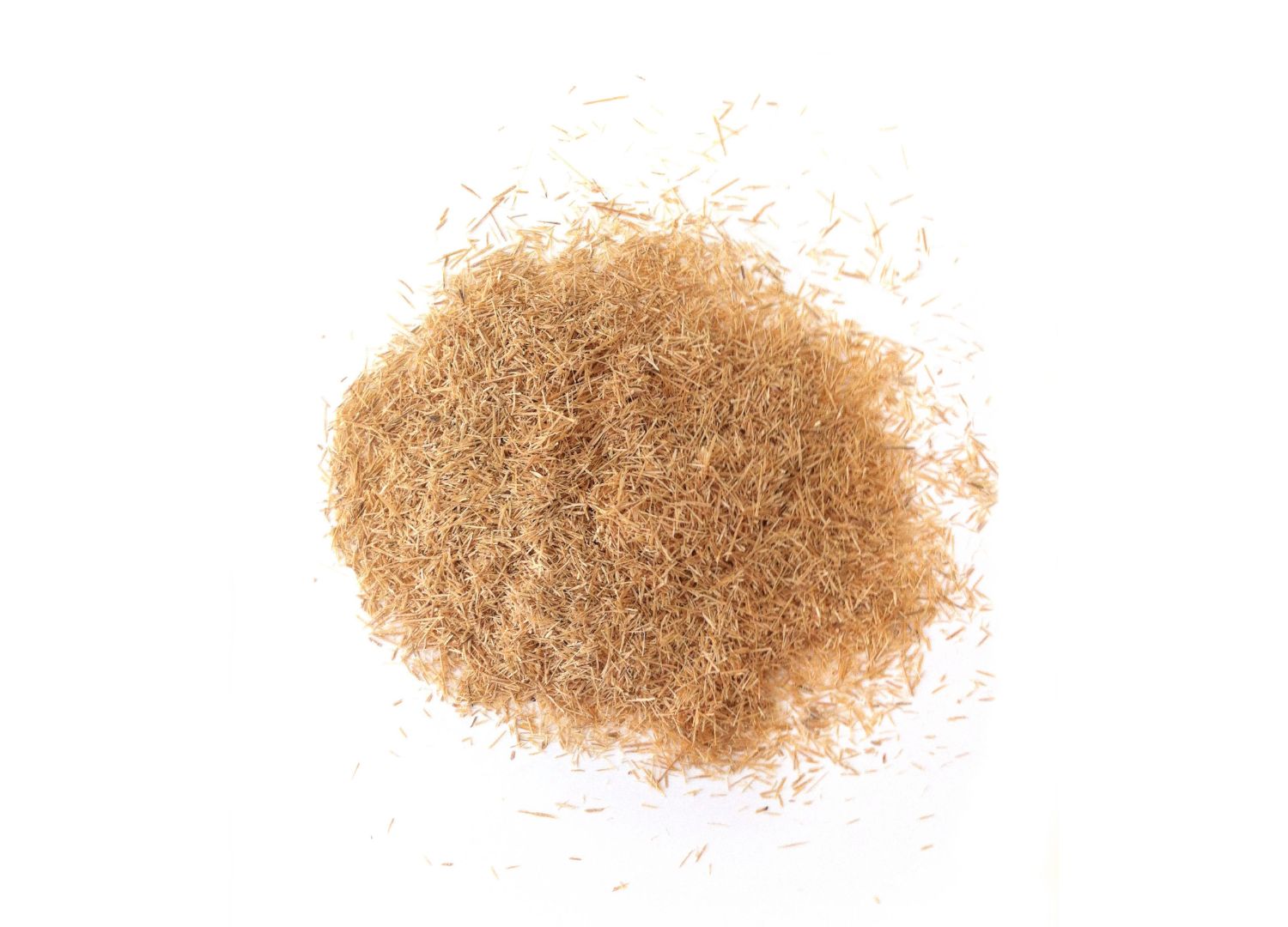
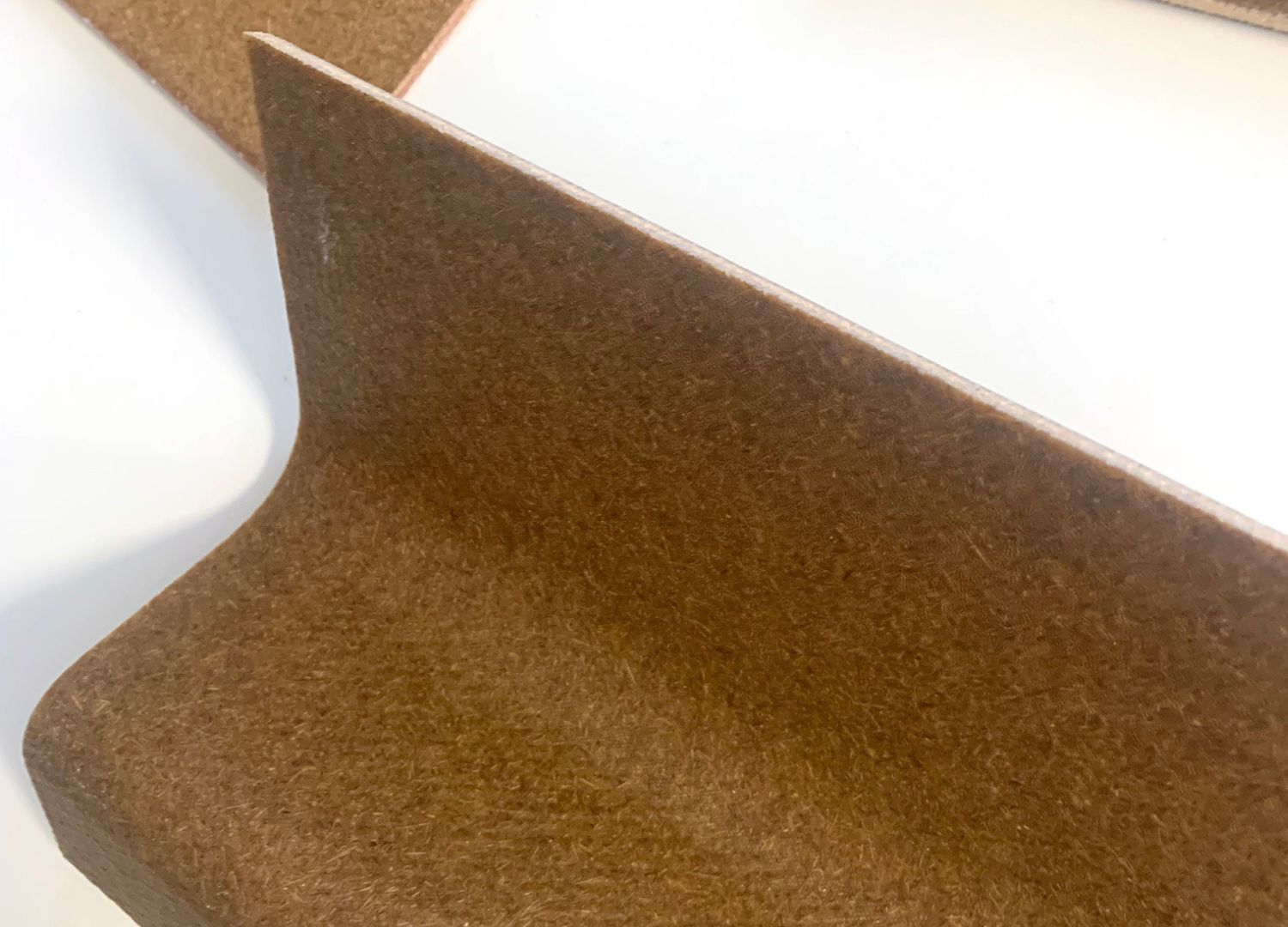
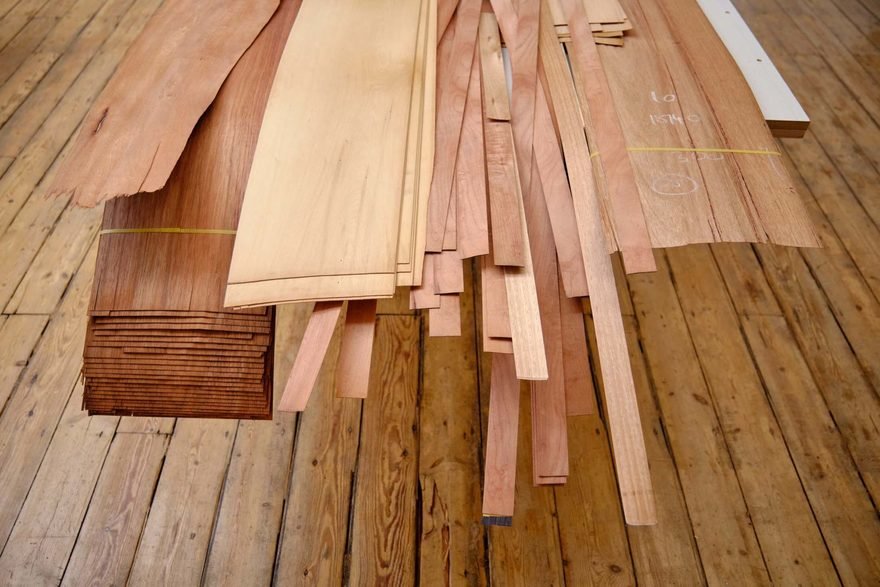
econitWood™ presents a sustainable wood manufacturing process that transforms timber scraps and wood residues into innovative materials for design and interiors, addressing critical environmental challenges. This process offers a solution to concerns such as deforestation, carbon emissions, and waste generation associated with traditional wood usage. The core of econitWood™'s approach lies in its ability to convert wood by-products like sawdust, wood chips, and forestry waste into valuable materials such as particleboard and MDF, maximizing resource utilization and promoting a circular economy.
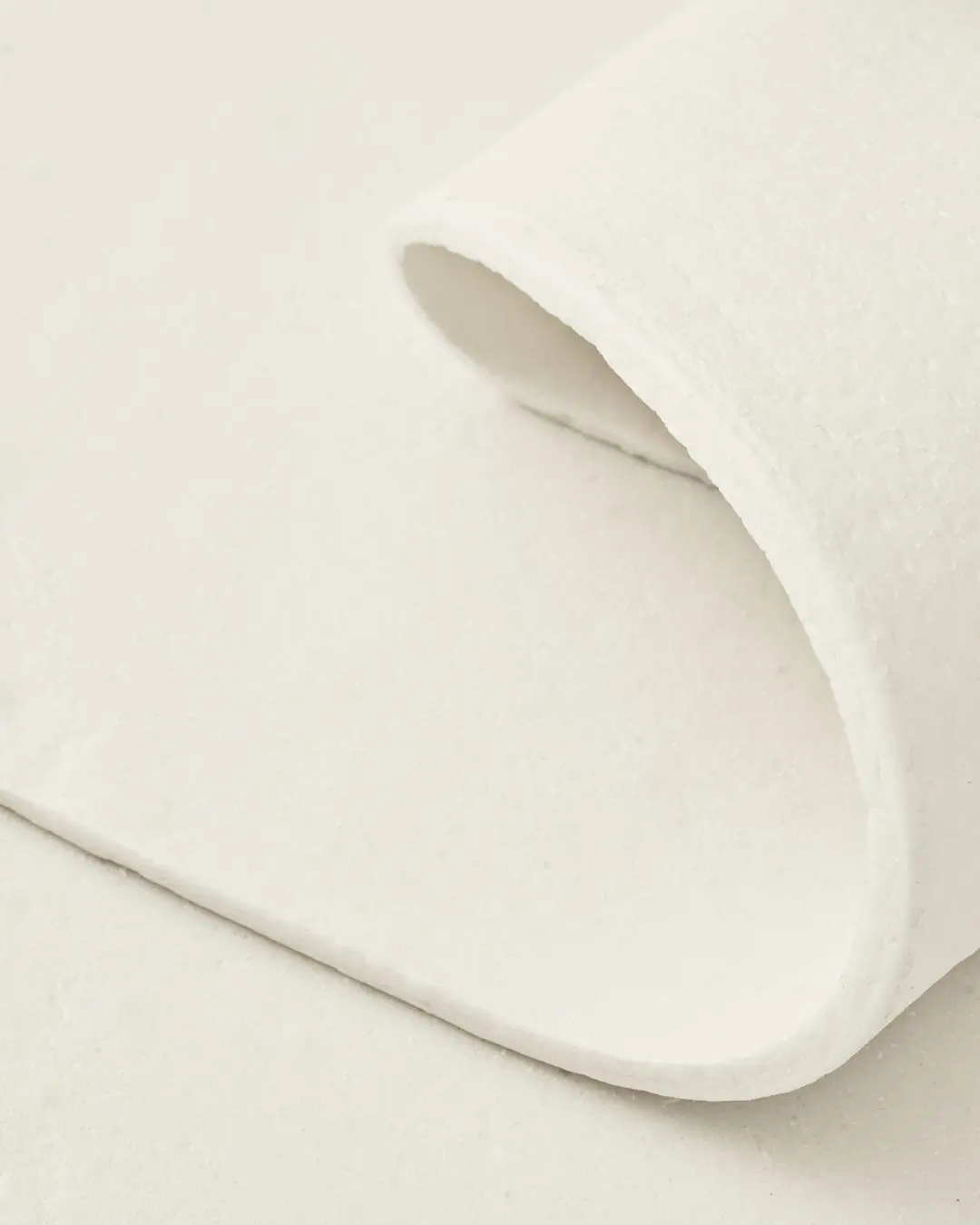
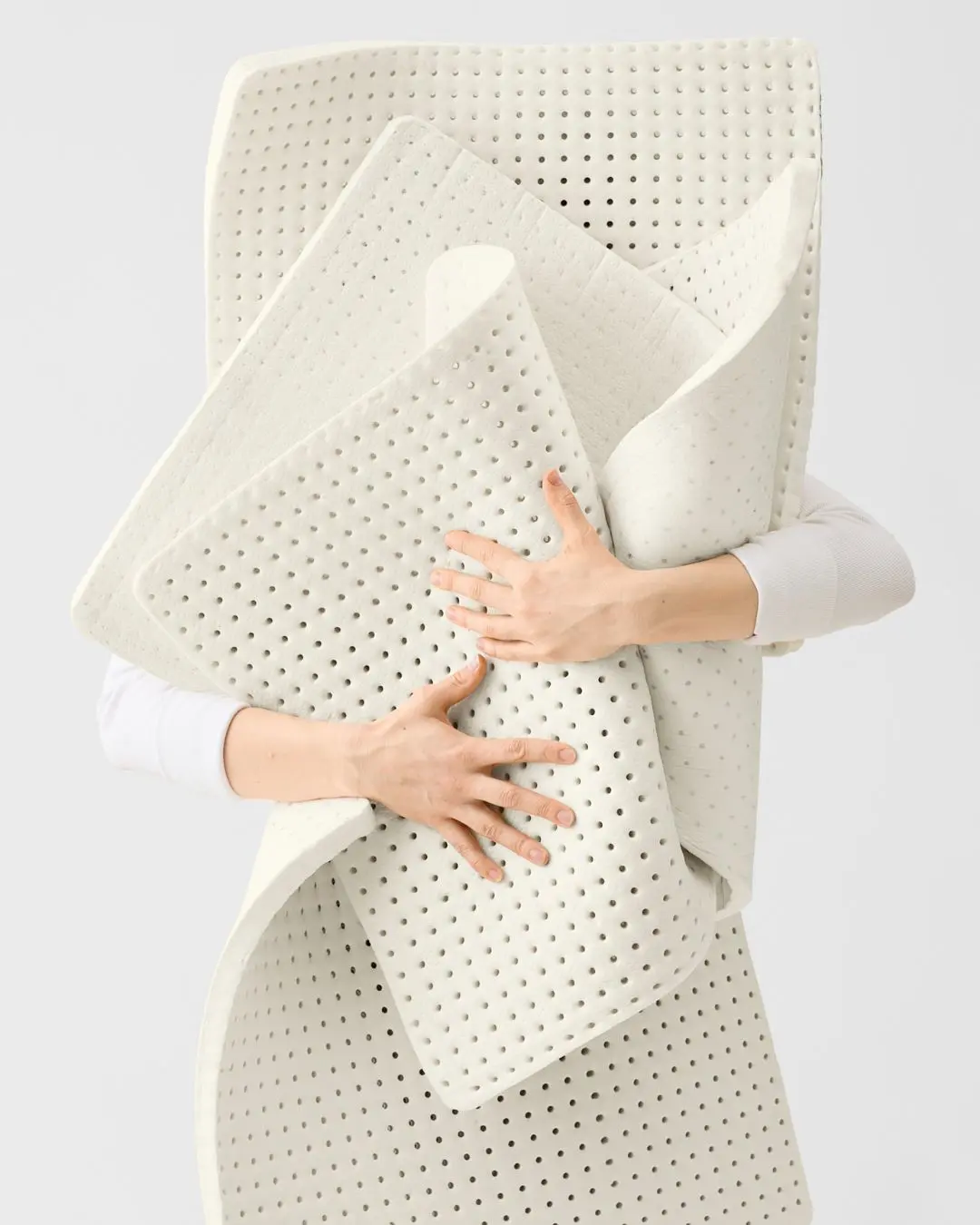
Founded in Germany by a multidisciplinary team, econitWood™ aims to tackle the wood industry's environmental impact while meeting the demand for sustainable materials. The resulting materials exhibit high sound-absorbing, thermal insulation, and fire-resistant qualities, potentially leading to CO2-neutral final products. The technology is characterized by a zero-waste philosophy, efficiently using raw materials and reducing the reliance on virgin wood.
Sustainability is further integrated into econitWood™'s production process through several key areas. The company employs eco-friendly adhesive technologies, utilizing bio-based or low-formaldehyde content adhesives to improve indoor air quality and minimize harmful emissions. The manufacturing process is designed for minimal energy consumption, incorporating energy recovery systems to capture and reuse heat, thereby lowering the carbon footprint and operational costs. Additionally, the process includes innovative water-saving techniques and closed-loop systems for water treatment and recycling, significantly reducing water consumption.
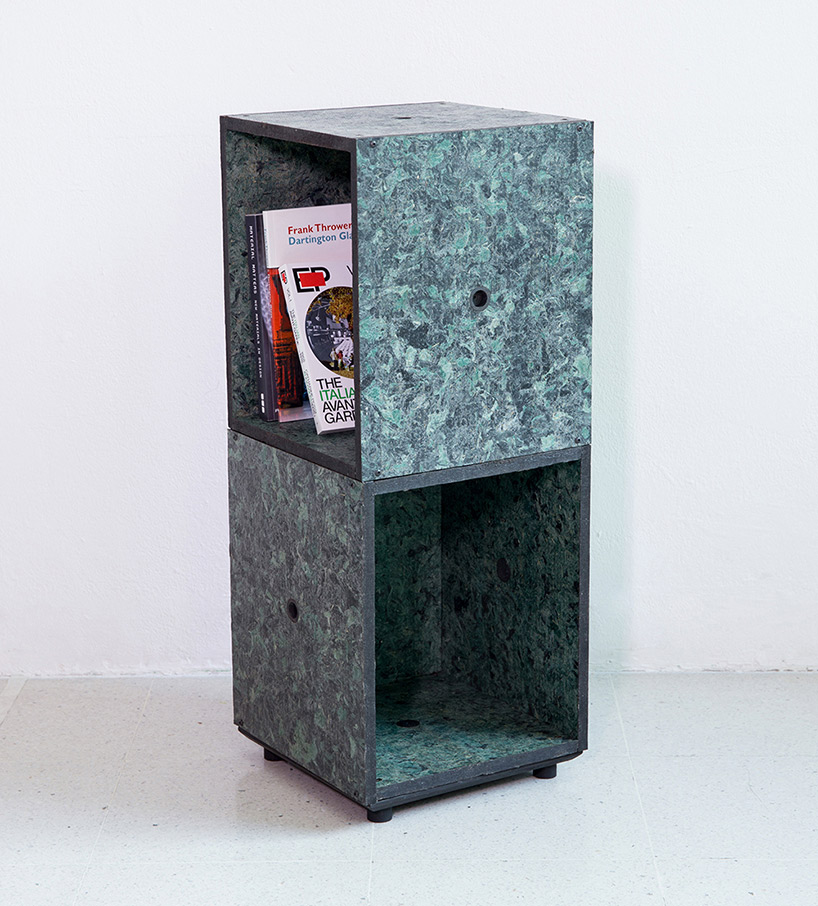
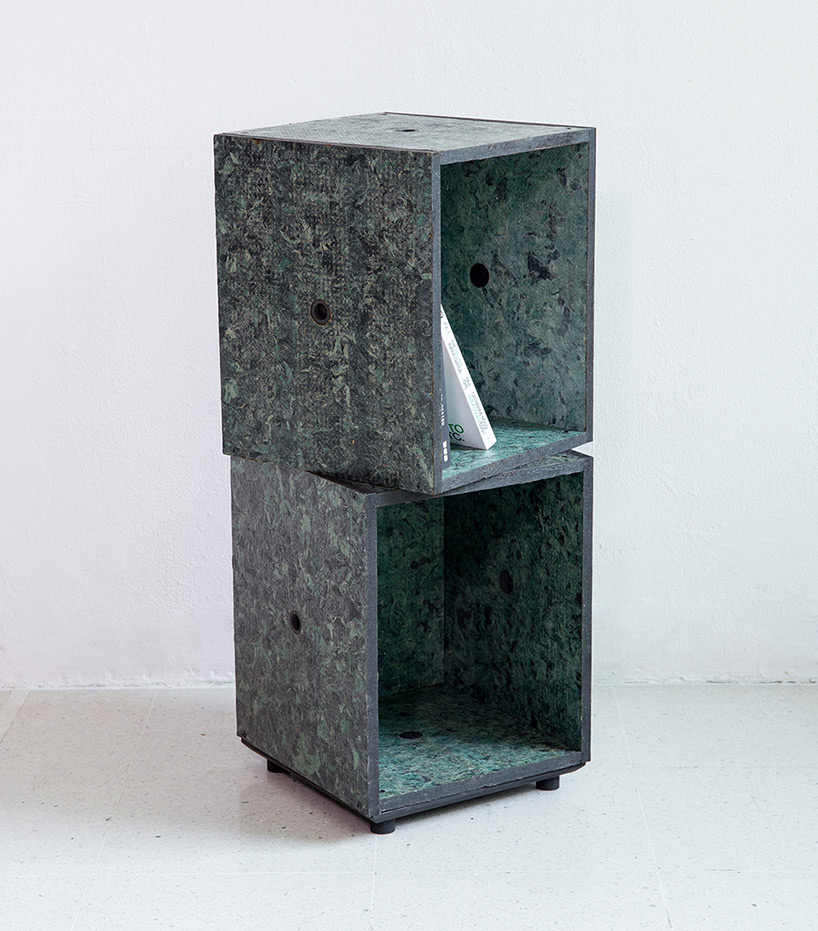
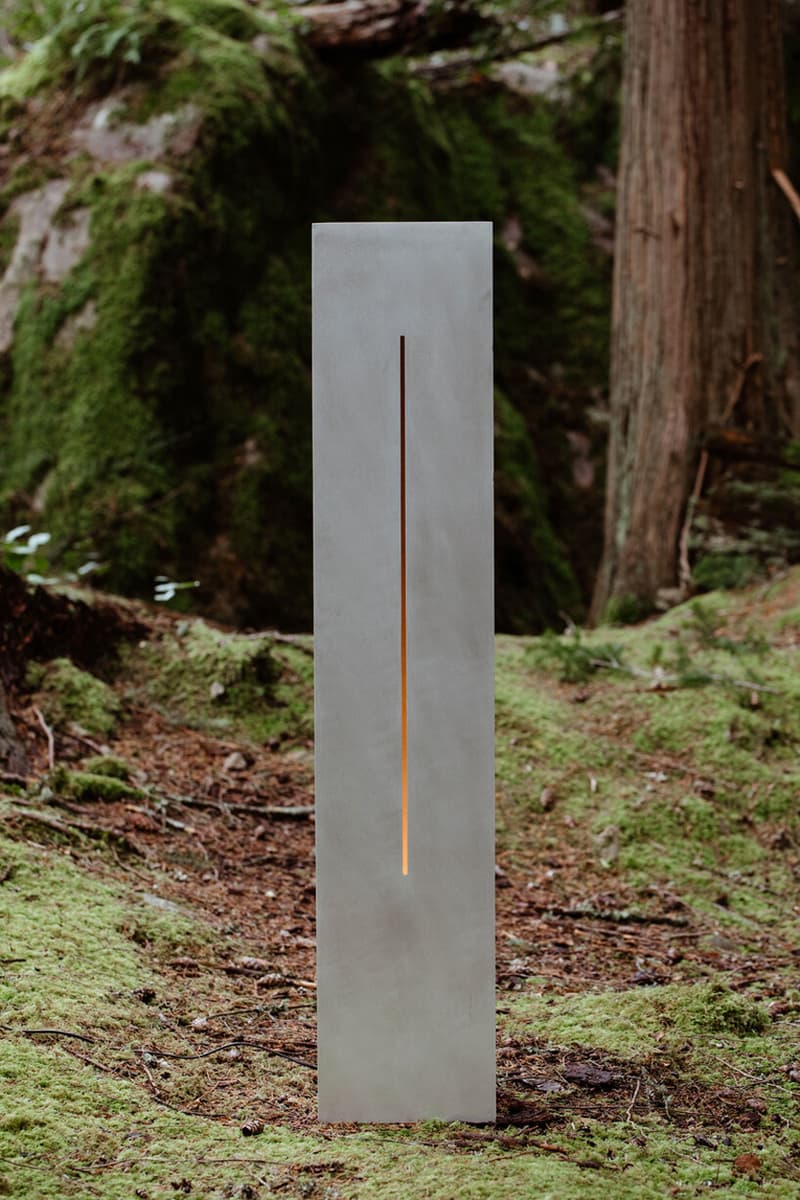
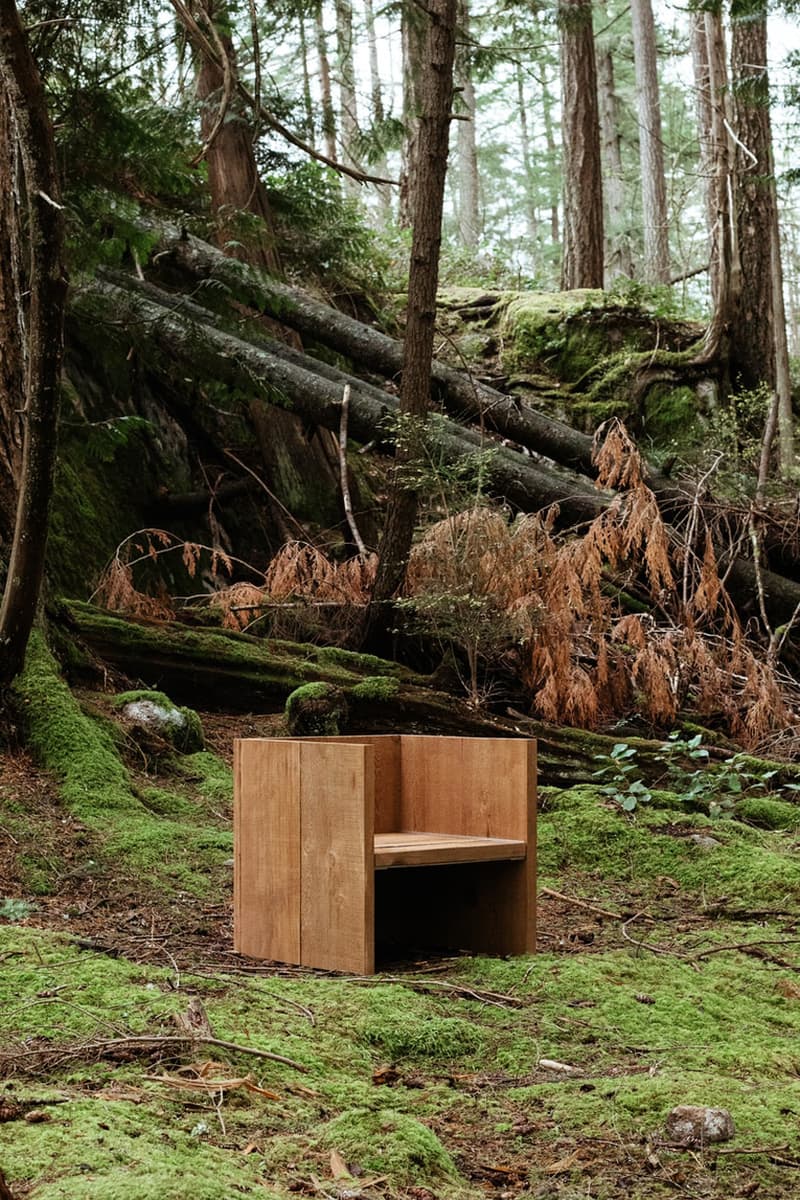
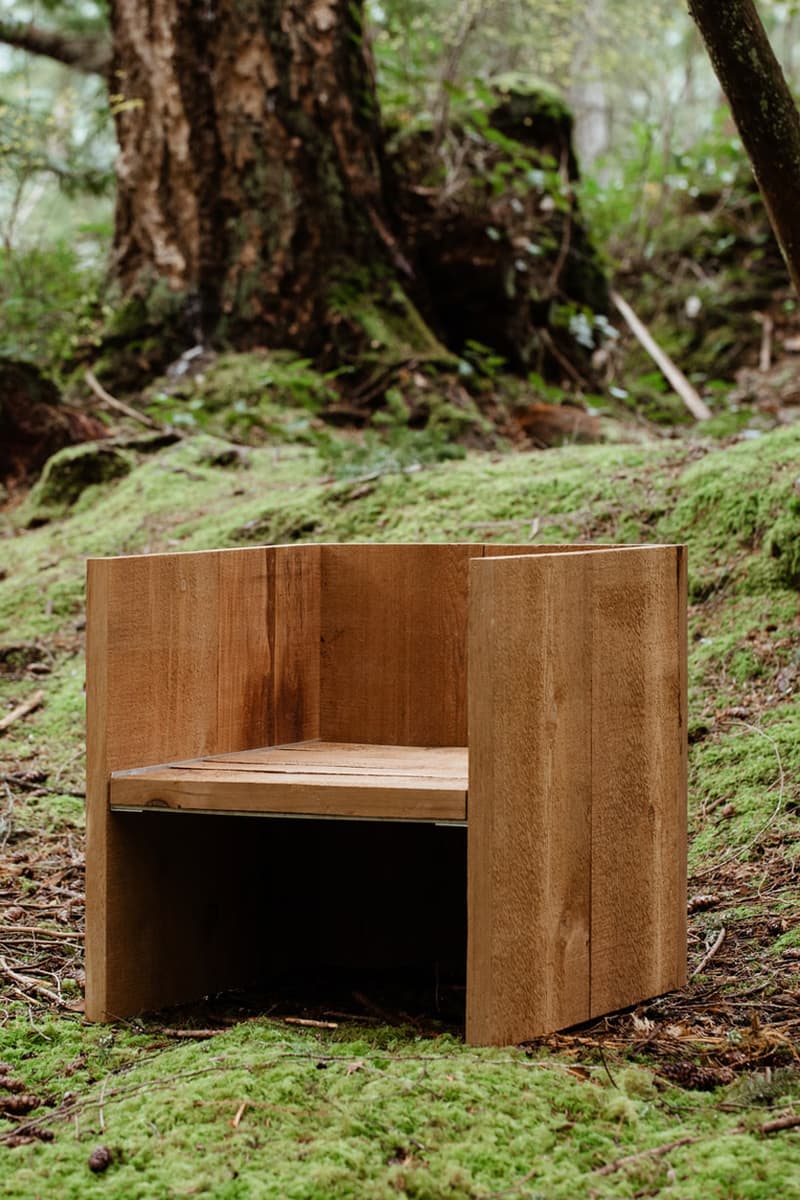
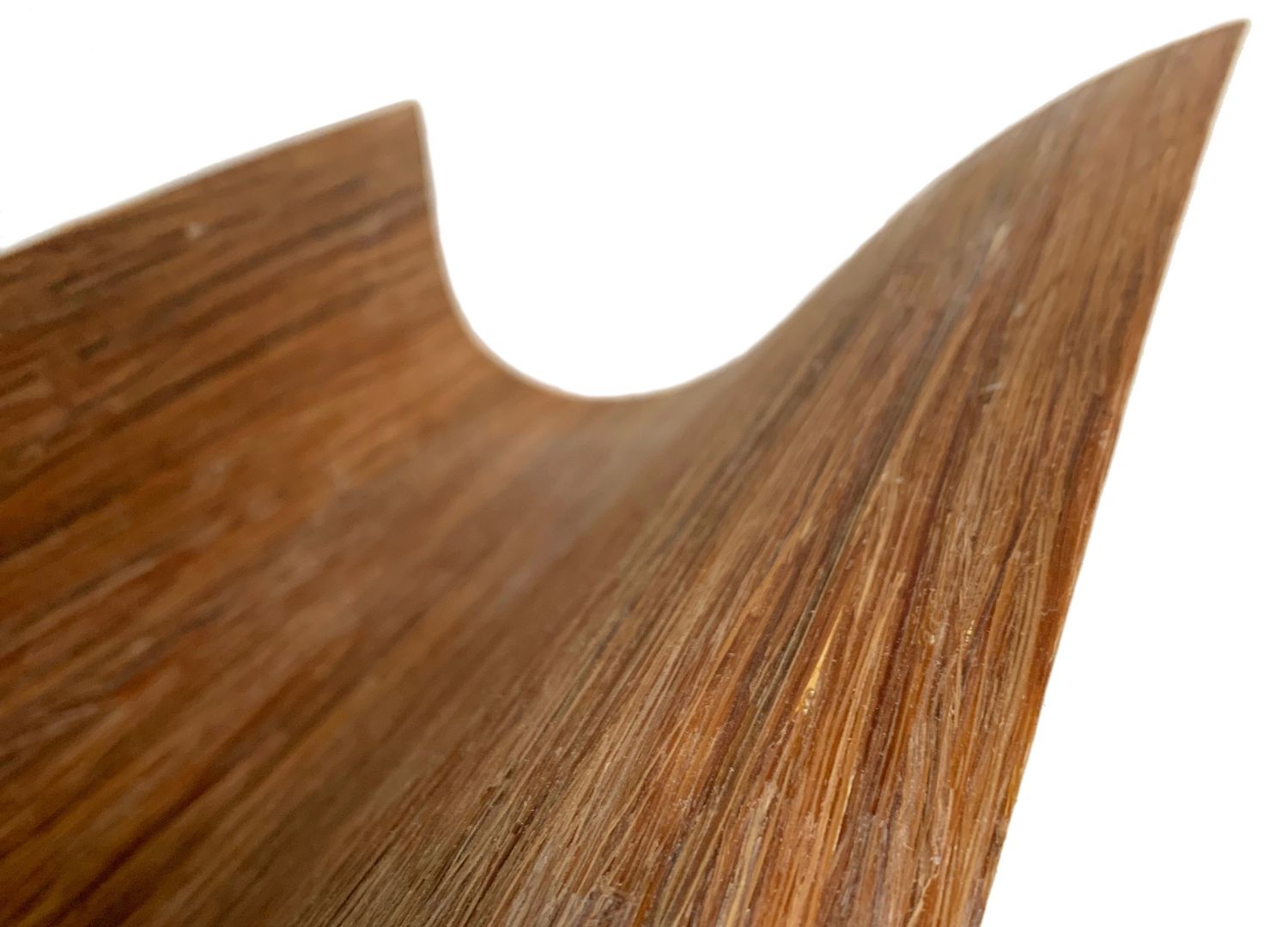
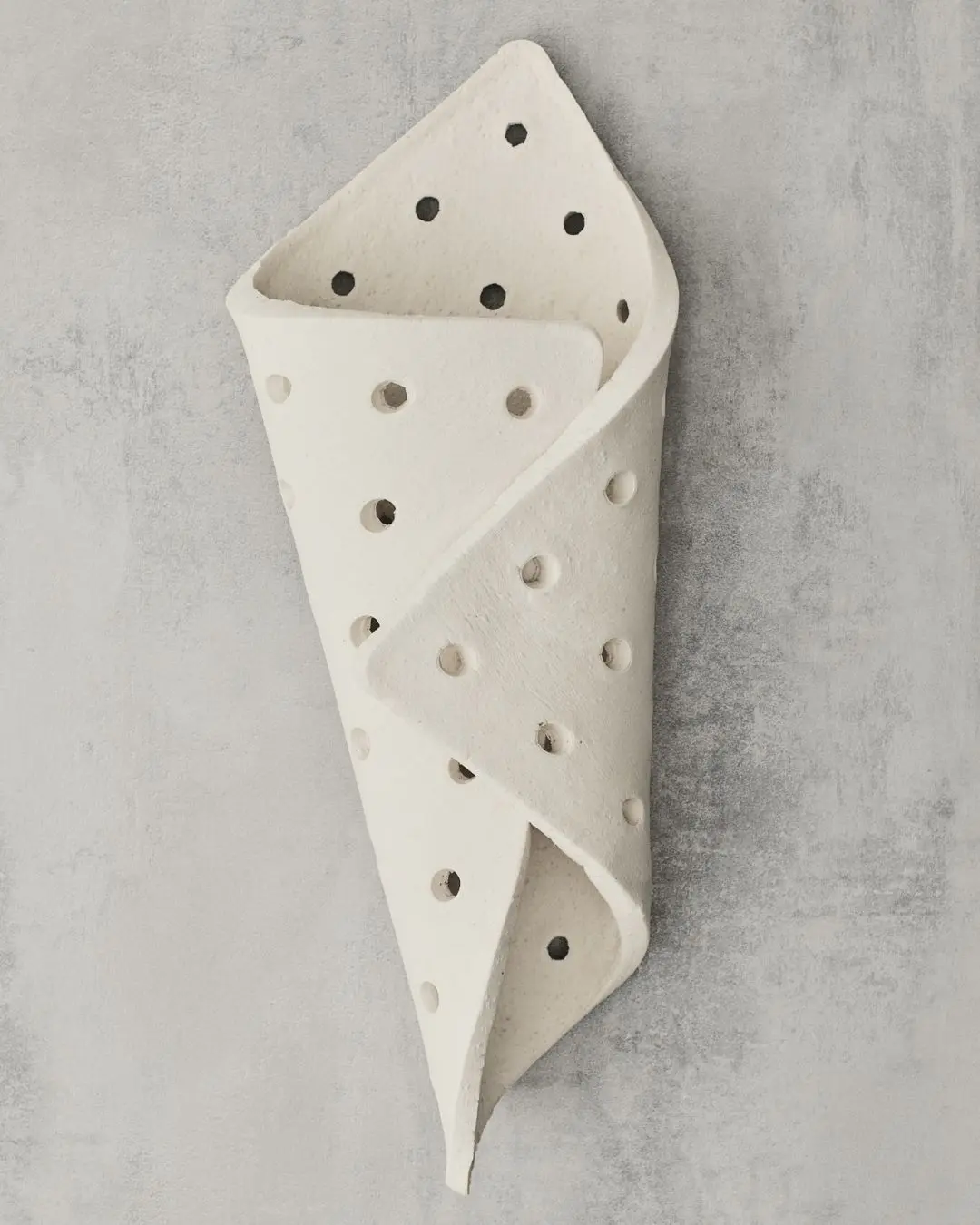
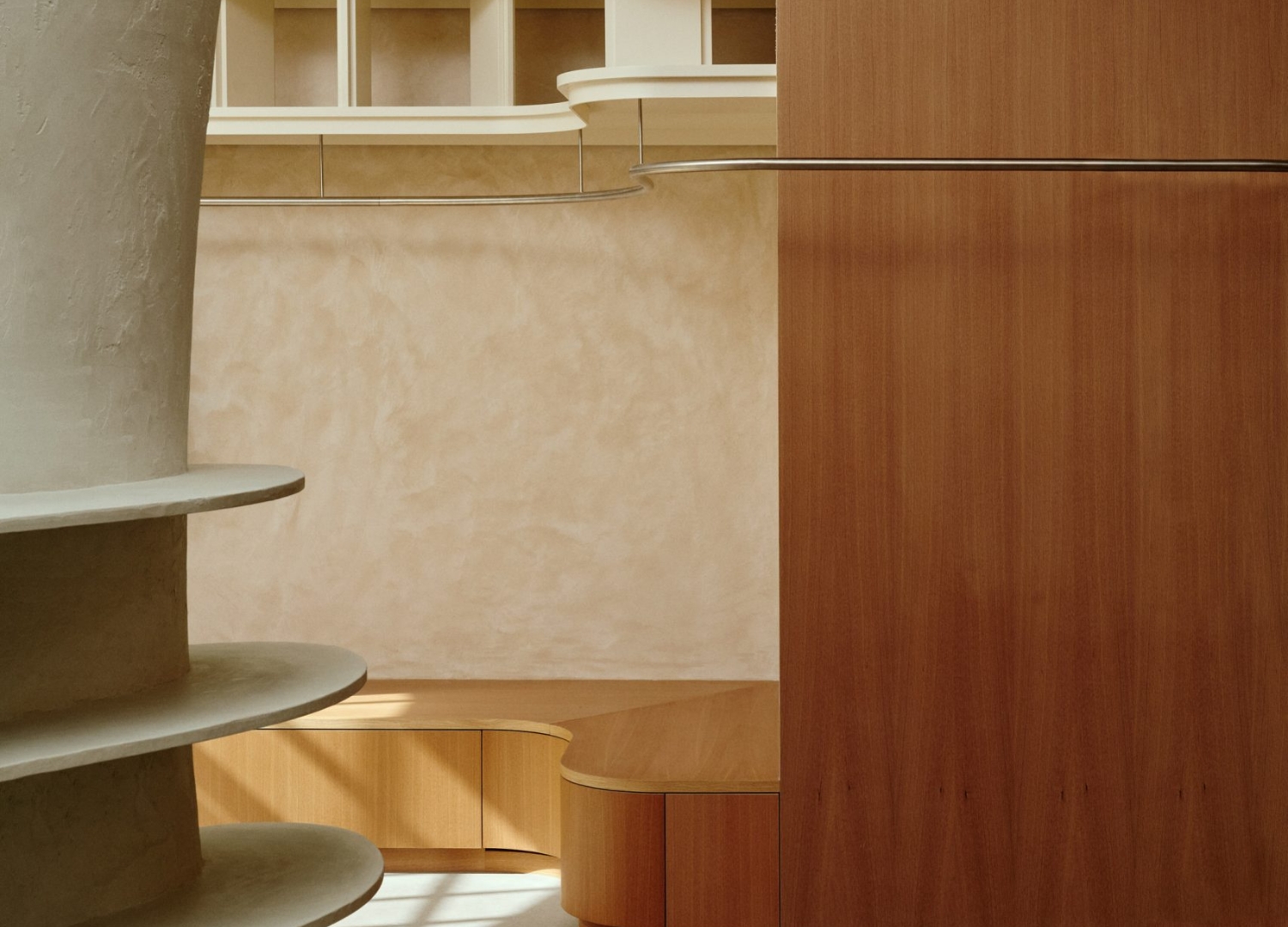
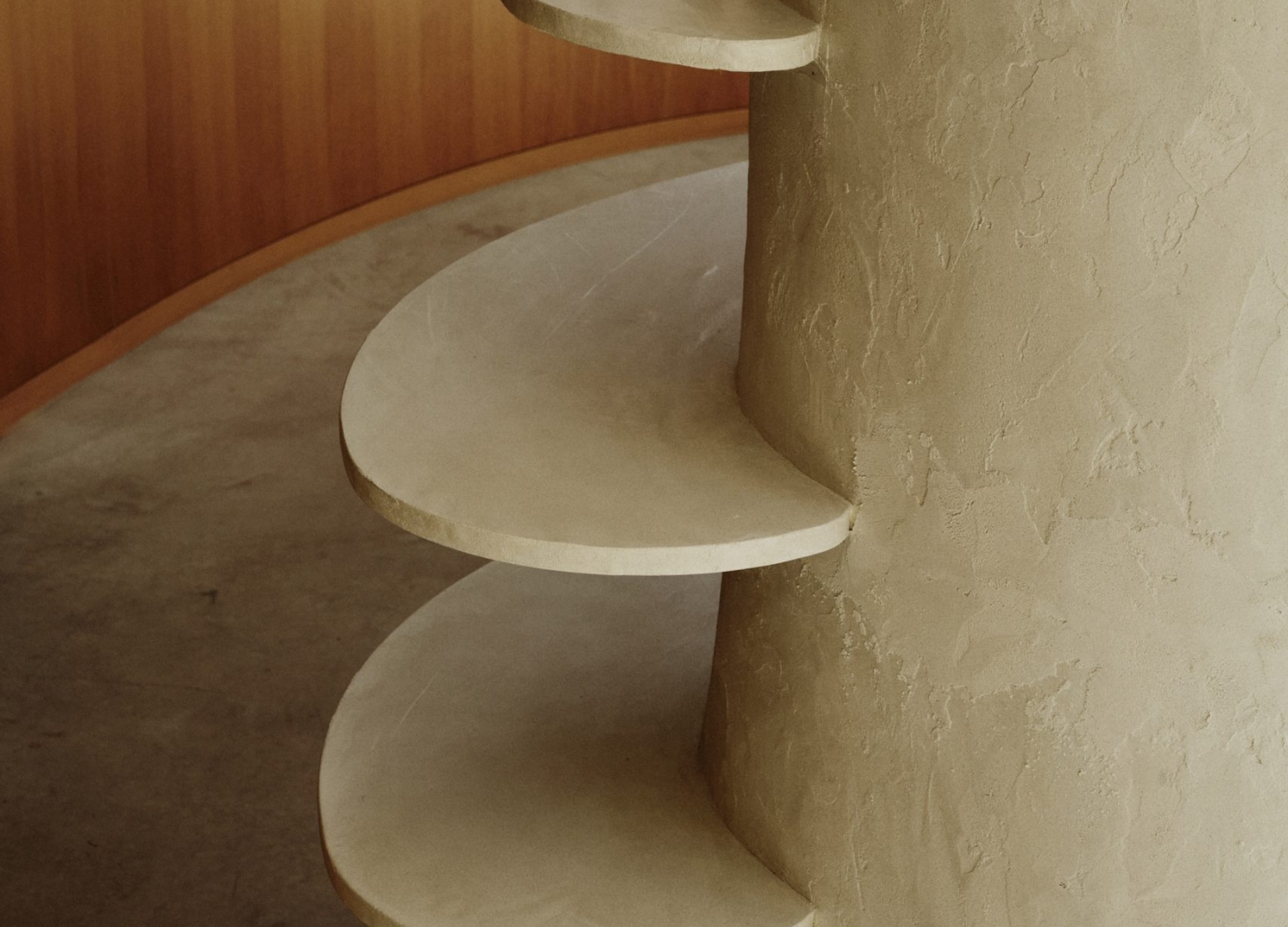
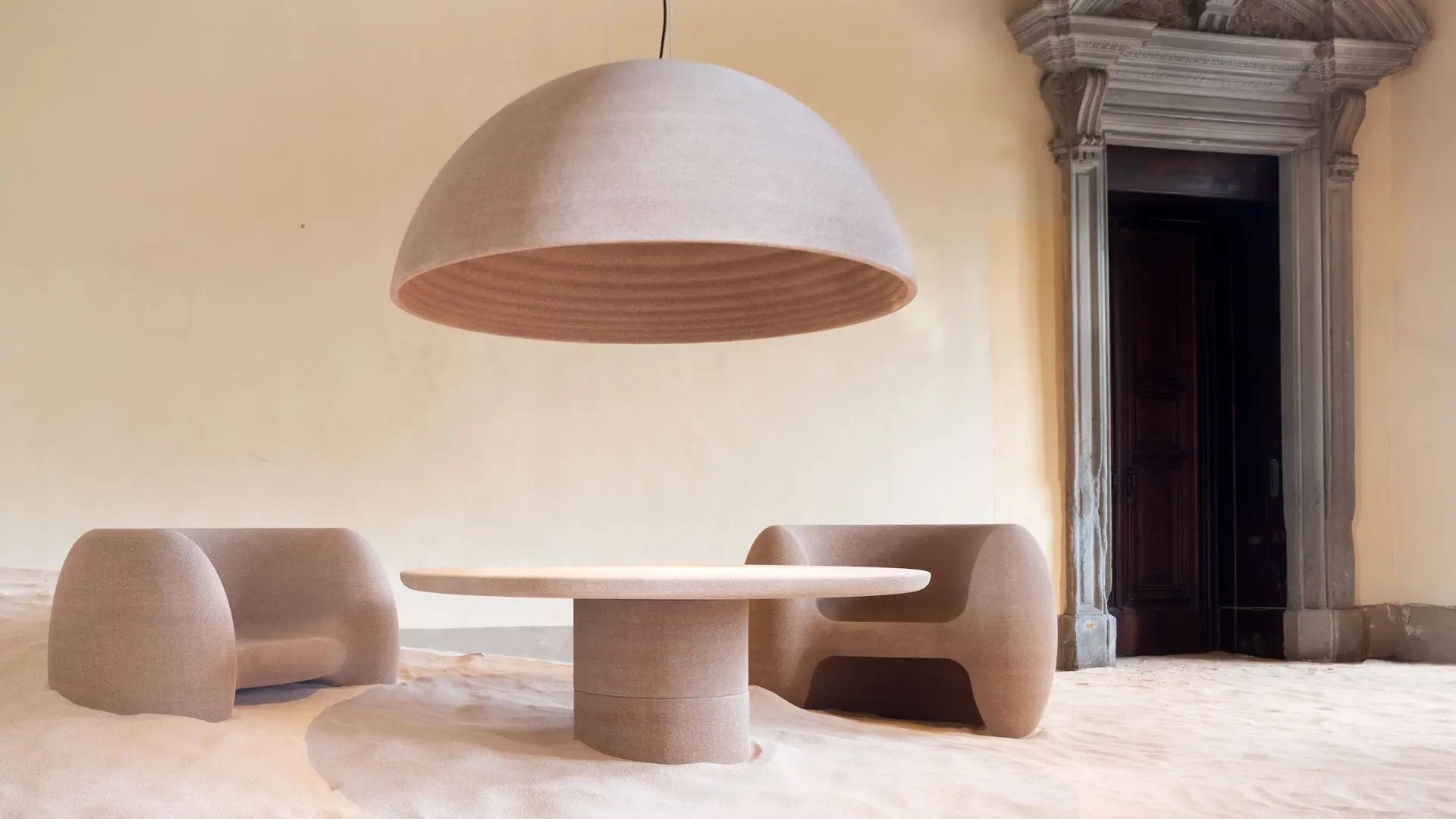
Another significant aspect is the application of 3D printing technology, which allows the material to be shaped into meticulously defined geometric forms. This not only preserves the wood's inherent CO2 absorption capacity but also expands its functional and aesthetic possibilities. This capability was showcased during Milan Design Week 2024, where Italian designer Harry Thaler presented the “Printed Nature” exhibition. Thaler’s collection featured new wooden furniture elements created using econitWood™’s 3D printing process, including sinuous seats, lamps resembling fungi, and functional stools and tables. These pieces, displayed against a backdrop of wood powder, highlighted the vast creative potential and experimental opportunities offered by the technology, balancing functionality, technology, and sustainability. Thaler’s designs explored unexpected proportions and organic shapes, challenging traditional architectural and design boundaries.
Beyond furniture design, econitWood™ materials have diverse applications in construction for building materials like flooring, roofing, and wall panels, as well as in manufacturing cabinetry and other interior fittings. The process also provides eco-friendly alternatives for sustainable packaging solutions. The made-to-order approach adopted by econitWood™ minimizes excess inventory and waste associated with mass production, promoting conscious consumption. The craftsmanship involved blends artistic freedom with precision, utilizing advanced technology and sustainable materials to create bespoke pieces that embody environmental stewardship. econitWood™’s commitment to quality, efficiency, and eco-friendliness positions it as a leader in the movement towards responsible consumption and sustainable wood manufacturing.
#SustainableDesign #InnovativeMaterials #WoodManufacturing #CircularEconomy #3DPrinting #InteriorDesign #FurnitureDesign #EcoFriendlyAdhesives #ResourceEfficiency #SustainableDesign #InnovativeMaterials #WoodManufacturing #CircularEconomy #3DPrinting #InteriorDesign #FurnitureDesign #EcoFriendlyAdhesives #ResourceEfficiency
0 komentarzy łącznie
 Brak komentarzy jeszcze
Możesz również polubić
FabBRICK reinvents construction materials with recycled textile waste
6 Wood Substitutes and When to Use Them

Terrazzo-like table brings electronic waste to life with closed-loop design


Reclaimed Lumber Market Size, Share | CAGR of 4.5%
yunting lin develops 100% recyclable, biodegradable nanocellulose fiberboard

Deconstructing Buildings: The Quest for New Life for Old Wood

Sustainable Material Spotlight: Reclaimed Wood
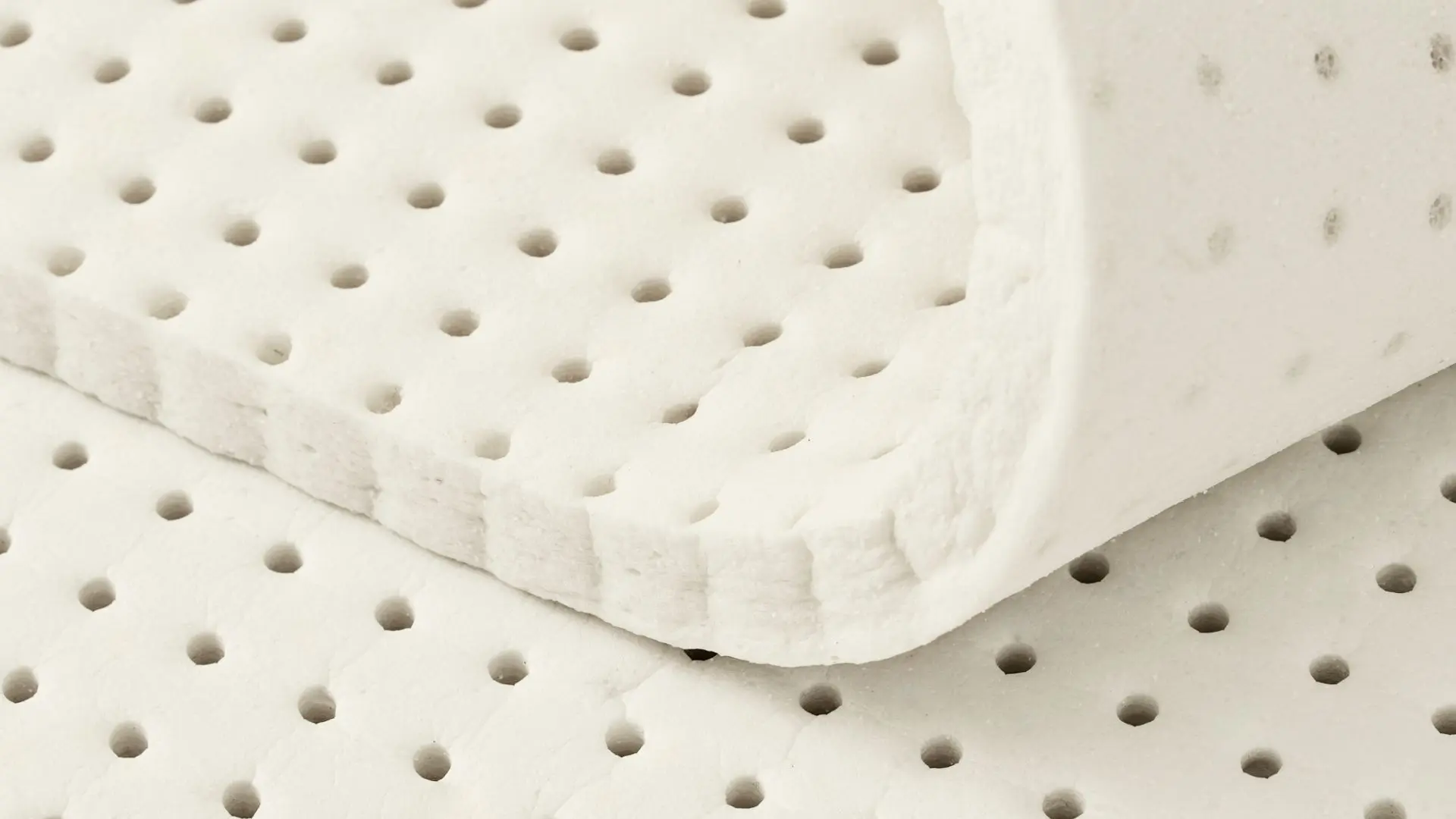
A next-generation material for sustainable padding applications
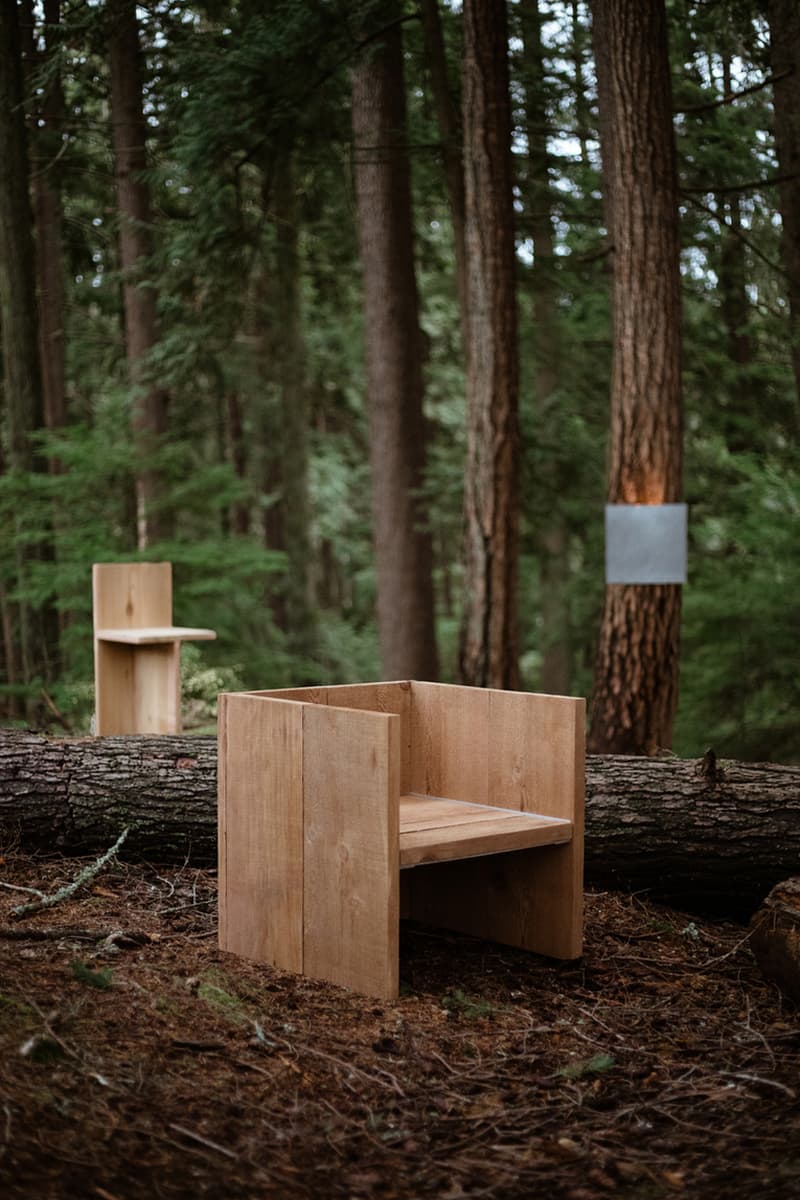
Earth To People Utilizes Tree Sap and Salvaged Materials for Debut Furniture Series
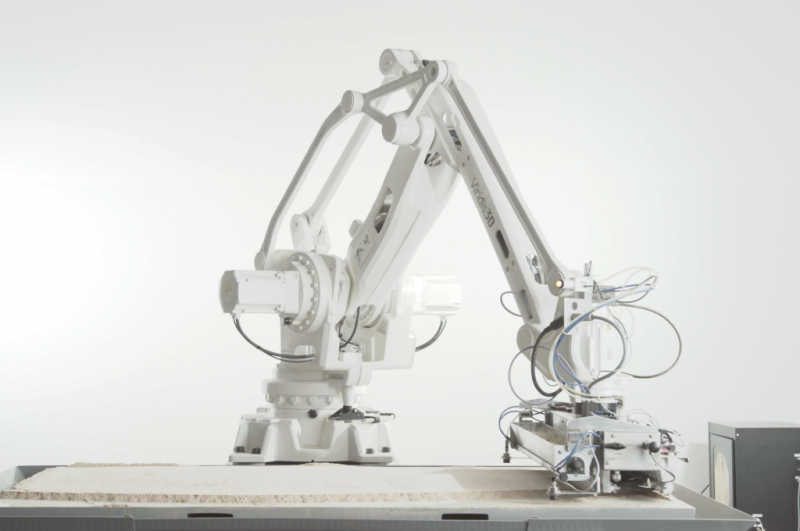
Sawdust Printer Goes Against The Grain By Working With Wood Waste


Turning reclaimed timber power poles into architectural products
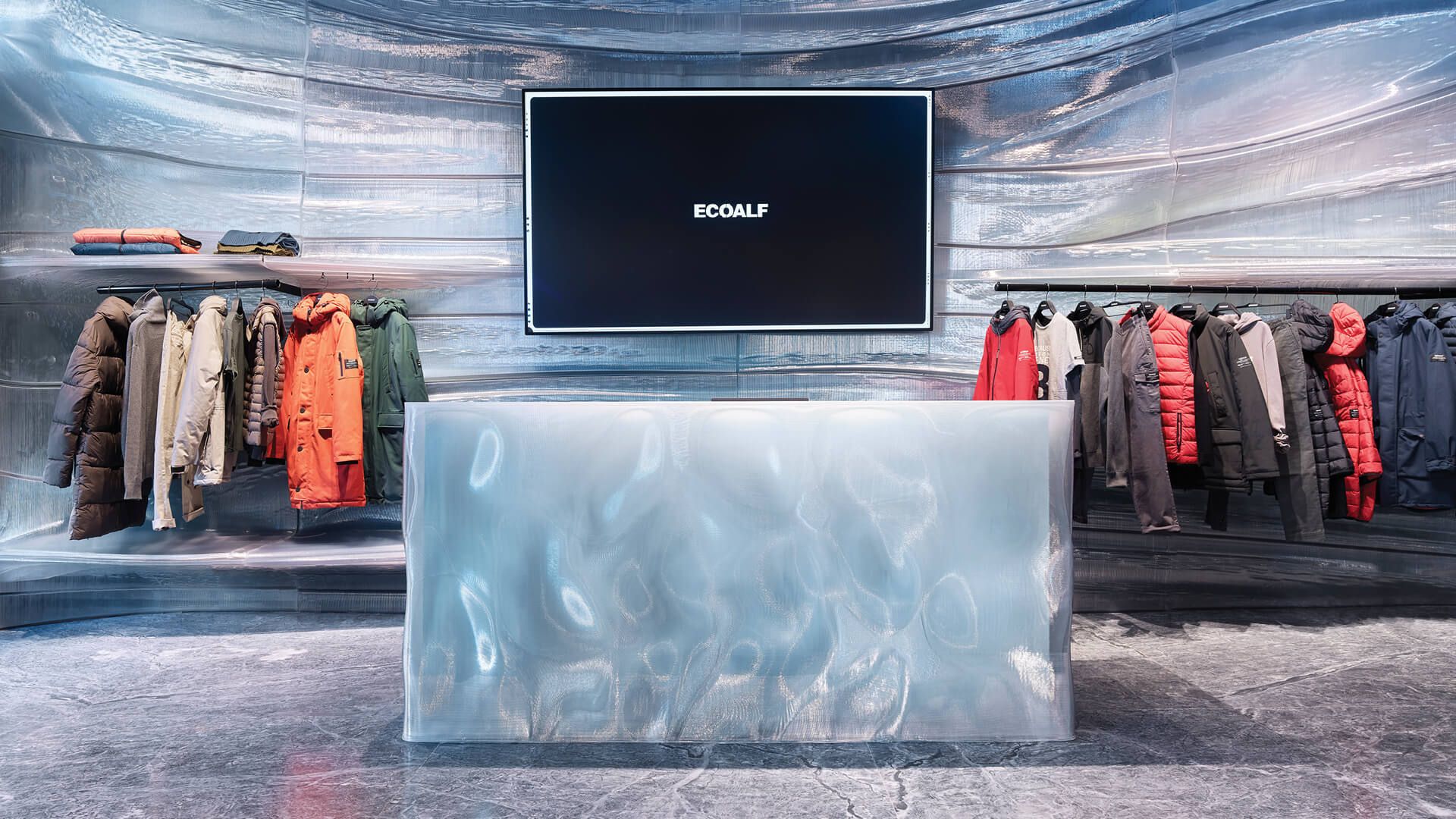
Sustainable retail design – 8 stores give us a glimpse of a green future
Wood Innovation: Sustainability Becomes More Important, Companies Seek to Develop Wood-Based, Eco-Friendly Products


26 Profitable CNC Projects To Sell in 2025

11 Recycled Building Materials Made From Trash


In Depth: Engineered wood products

Long bamboo fibers for high-performance composite applications

The Wood Innovation and Design Centre


Brodie Neill's ReCoil Table, Made from Hydrowood Off-Cuts


A product of the circular economy enters the kitchen