1/2
Does Bubble Wrap on Windows Work as Insulation?
The article investigates the effectiveness of using bubble wrap as a cost-effective insulation method for windows, a hack often touted online. The premise is that windows, especially single-pane or poorly rated ones, are significant weak points for heat loss in winter and heat gain in summer. Bubble wrap is suggested as a solution due to its affordability and ease of installation.
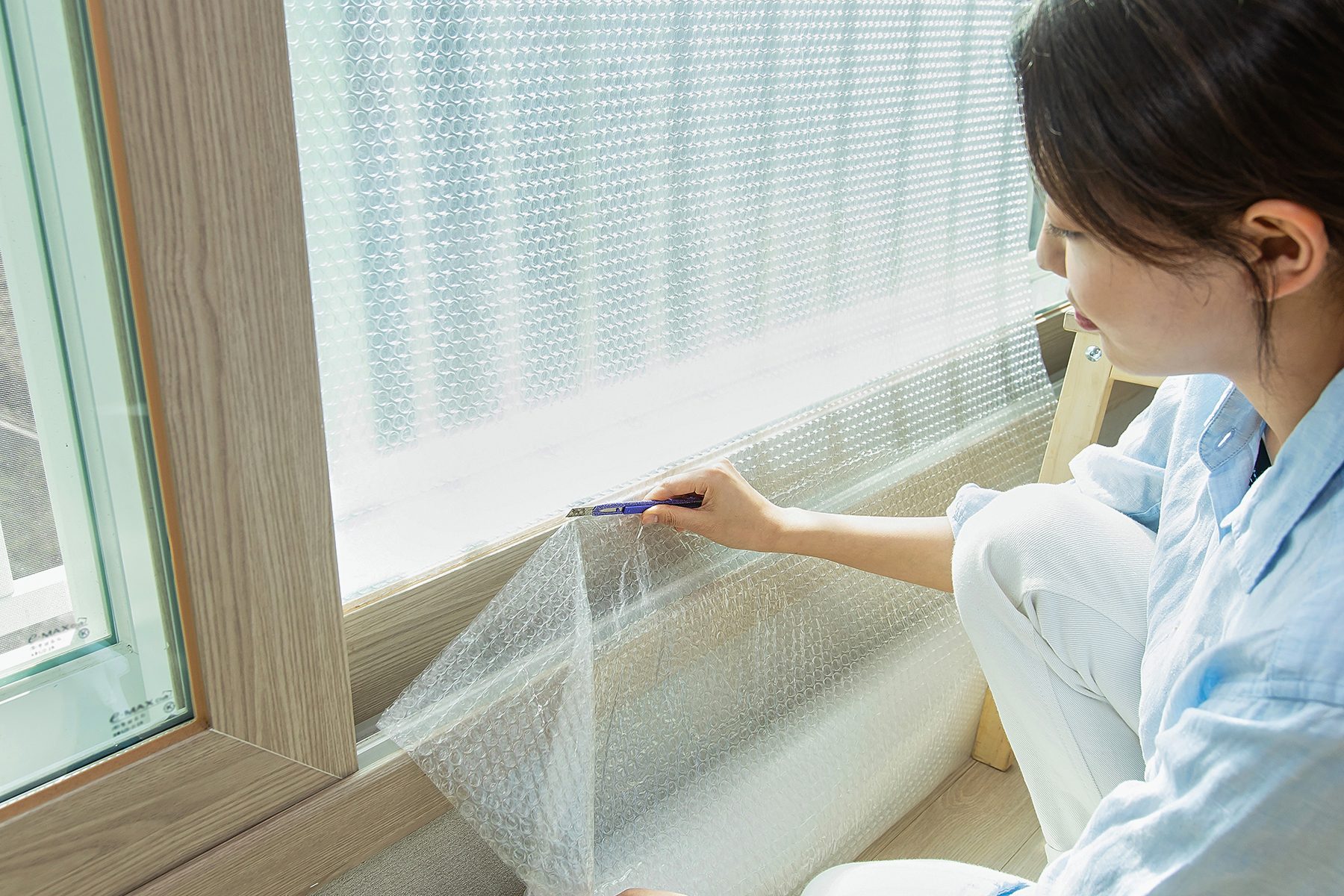
The installation process is straightforward: cut bubble wrap to window size and place the bubbly side against the glass. Adhesion can be achieved by spraying the window with water or using tape. The Glass Doctor recommends using bubble wrap with large, closely spaced bubbles for better results. Beyond insulation, bubble wrap also offers privacy and diffuses light, though it does obstruct clear views from the window.
While some sources, like How To Go Solar and Build It Solar, present promising results, claiming up to 50% efficiency improvement for single-glazed windows and 20% for double-glazed, not all experts agree. Randy Huckstadt, an HVAC expert, raises concerns about the lack of an airtight seal, suggesting that air can bypass the bubble wrap, diminishing its insulating effect. He also points out the risk of cracking windows if water is sprayed on them in freezing temperatures, a particular concern for older, less efficient windows.
Despite these reservations, the practice is common in places like Korea, where it's known as 'air cap' and recommended by institutions like the Institute for Basic Science. Many individuals on online forums also attest to its effectiveness, particularly for single-pane windows, noting a noticeable difference in warmth and the convenience of temporary installation.
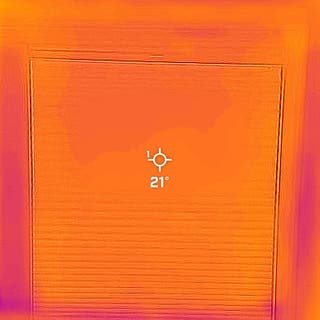
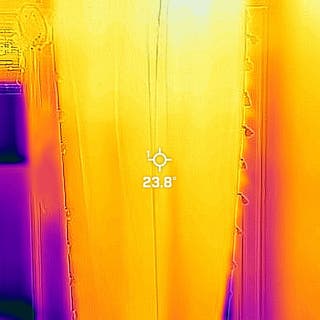
To provide empirical evidence, Family Handyman conducted a test using a Flir One Edge Pro thermal imaging device. The uninsulated window glass measured 51.2 degrees F. With large bubble wrap, the temperature rose to 60.3 degrees F, and with small bubble wrap, it was 60 degrees F. Combining both layers further increased the temperature to 63.5 degrees F, indicating that bubble wrap does indeed make a difference in window insulation, even if the test wasn't strictly scientific.
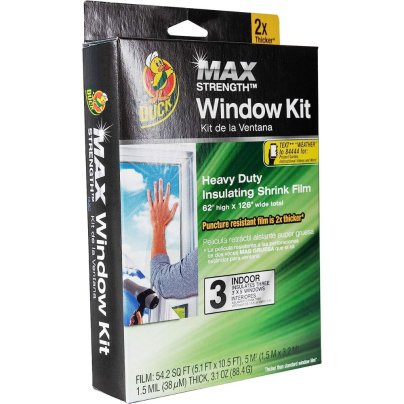
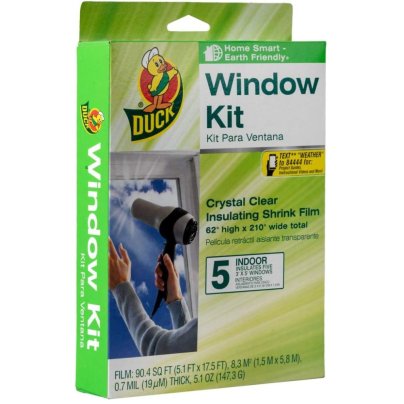
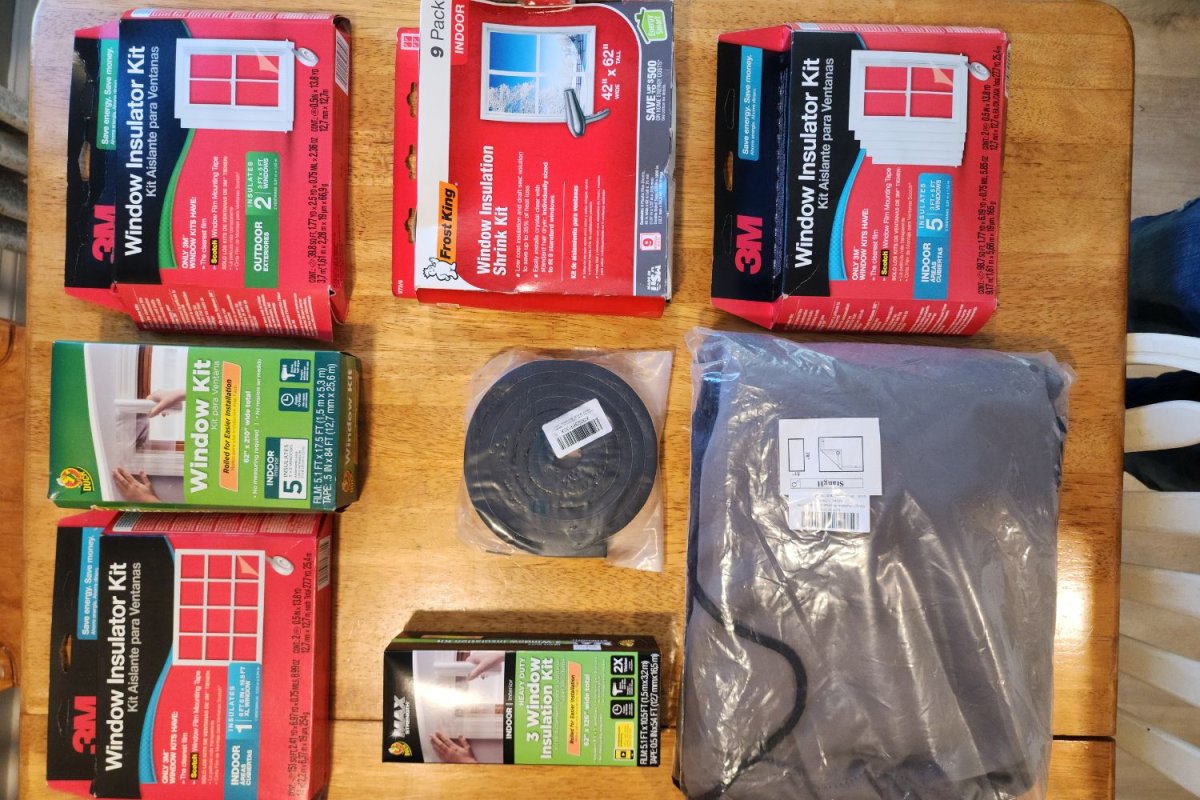
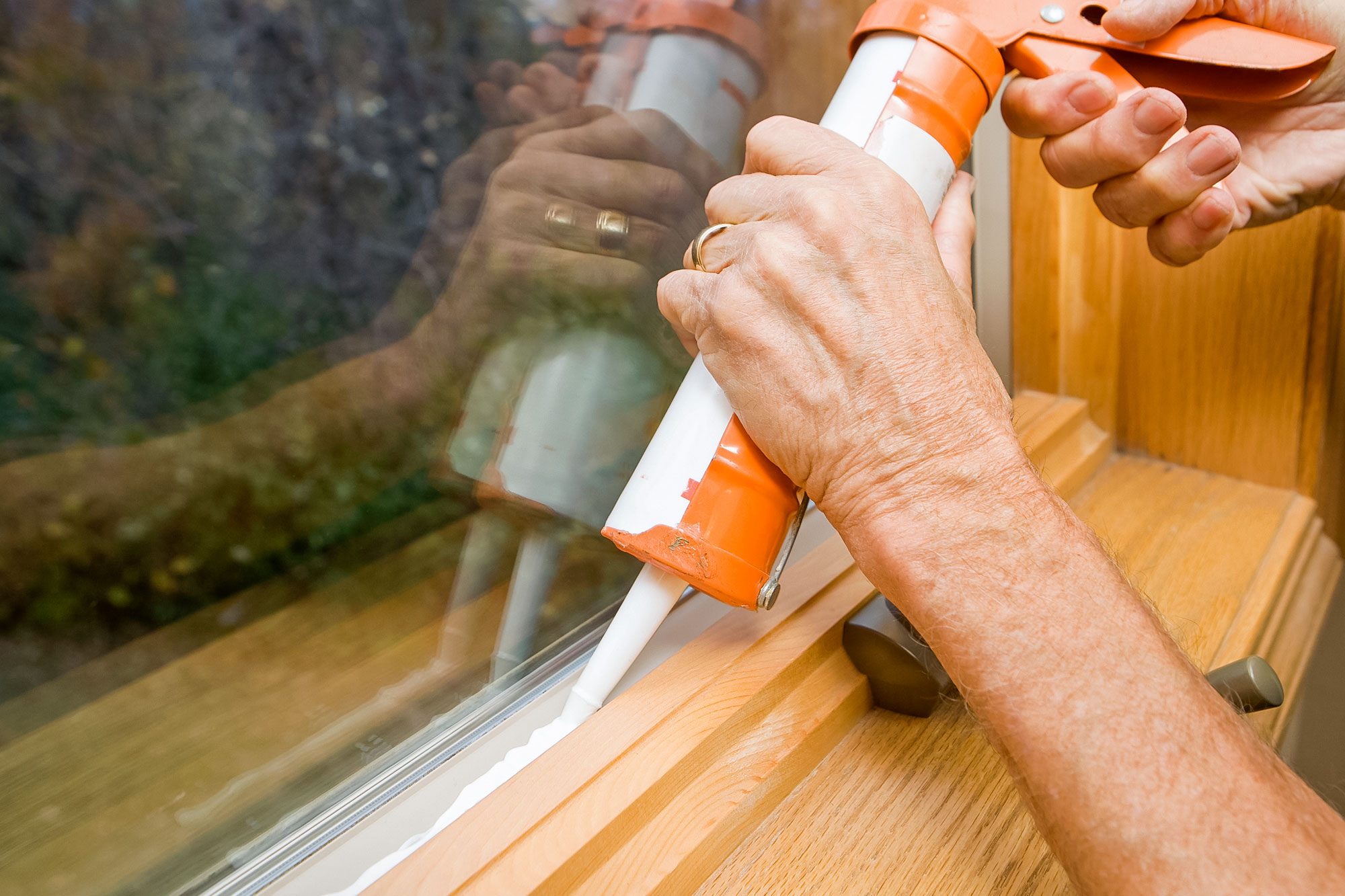
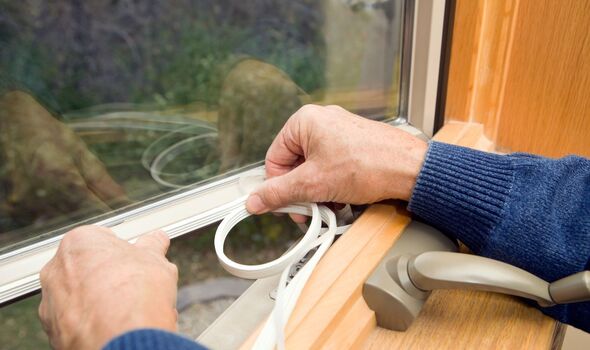
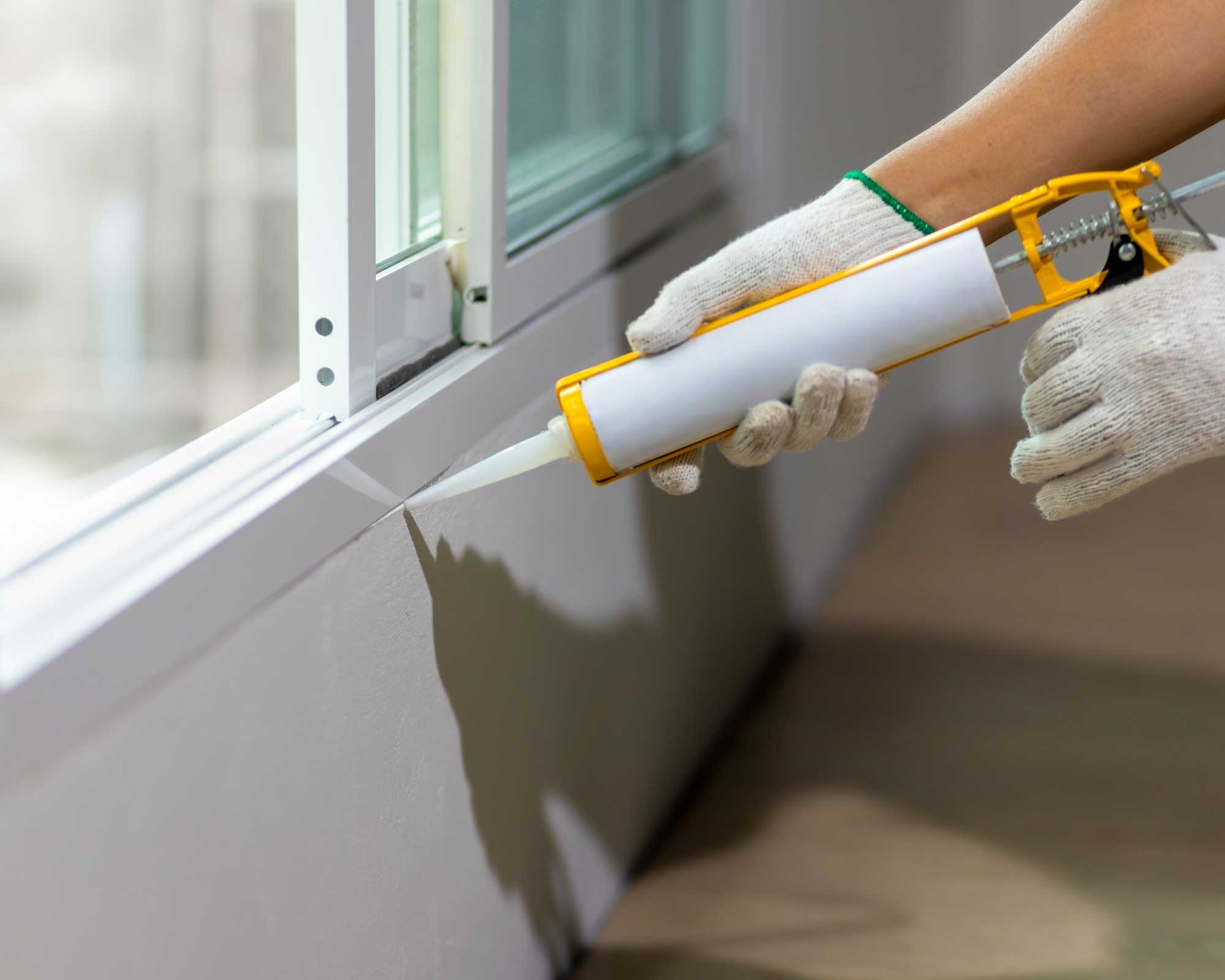
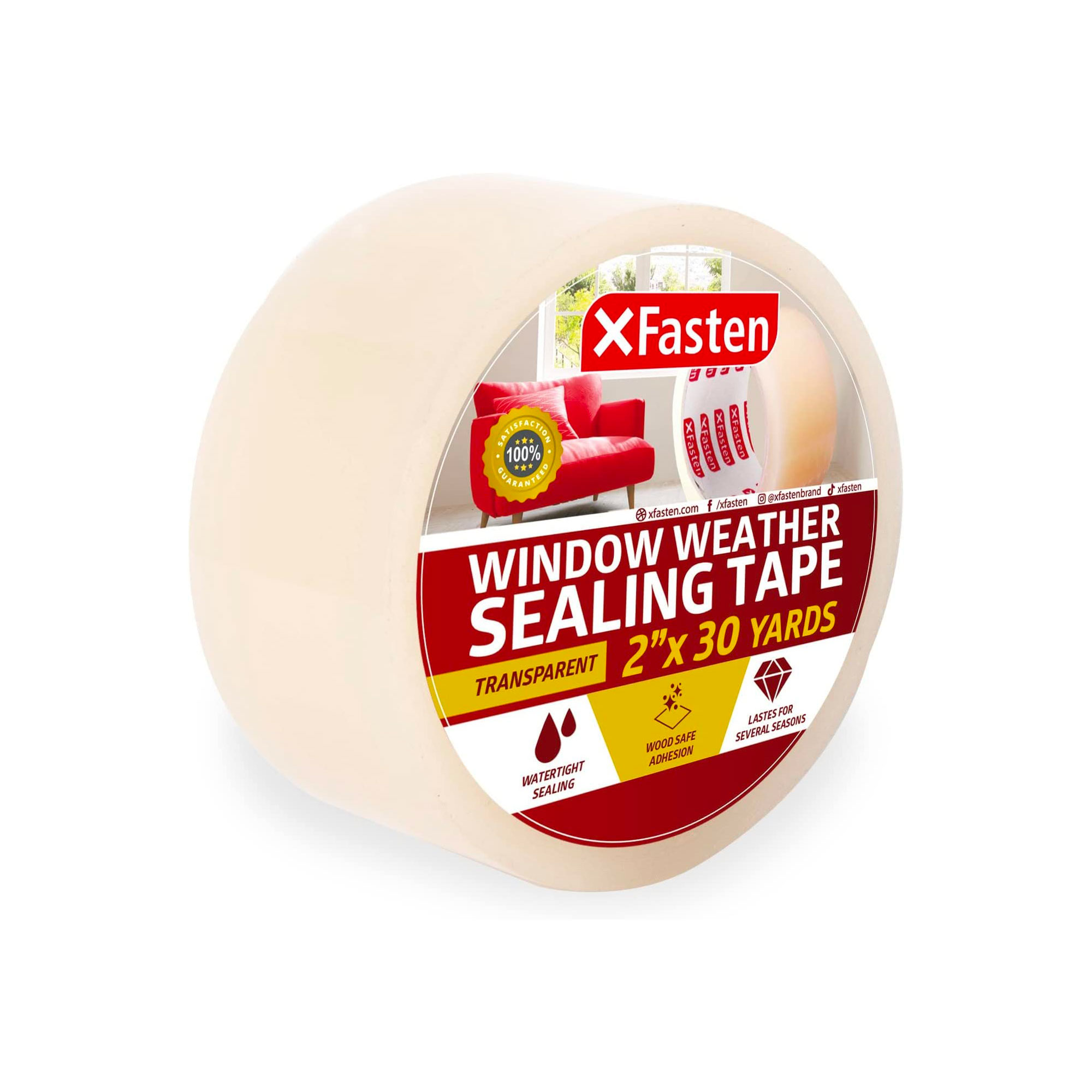
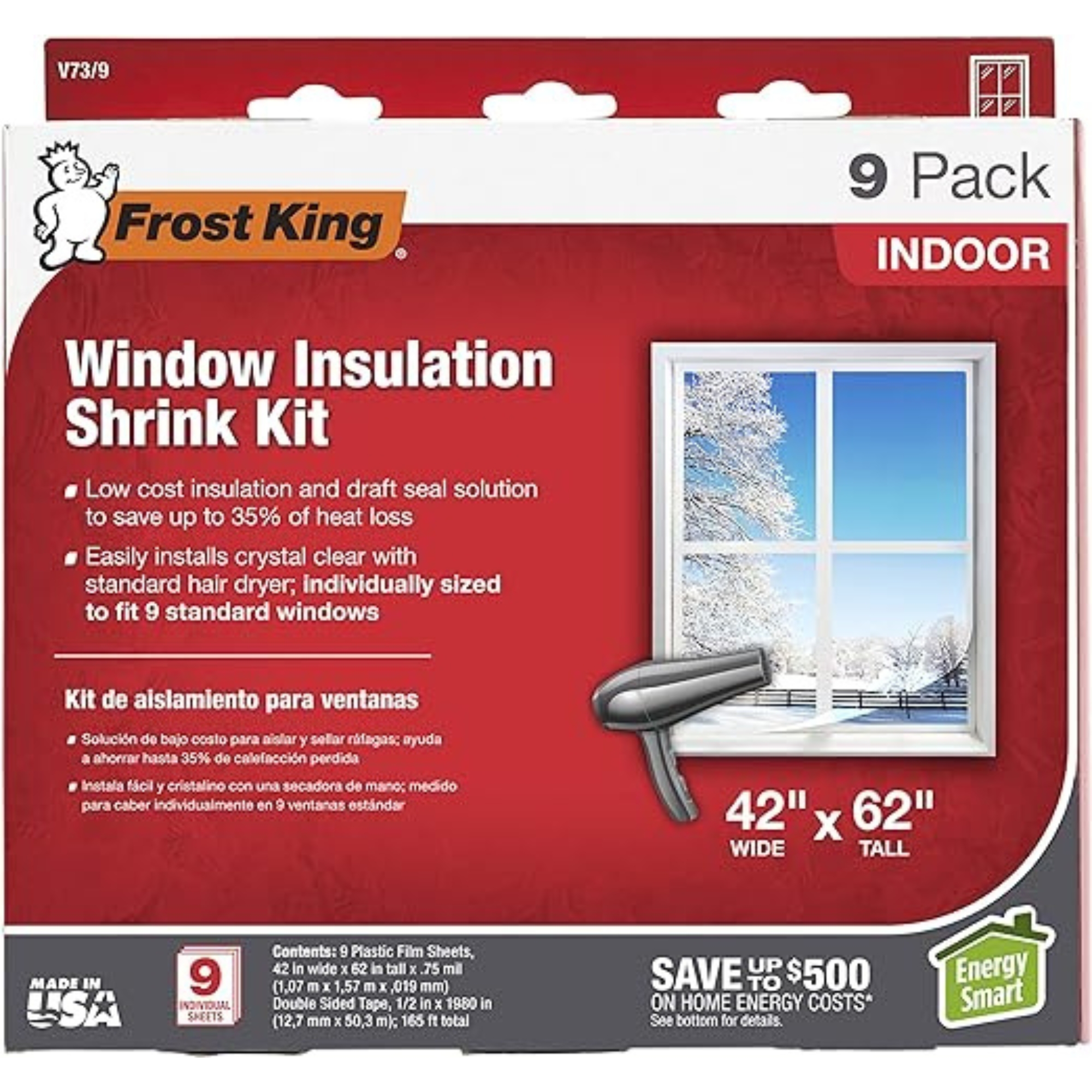
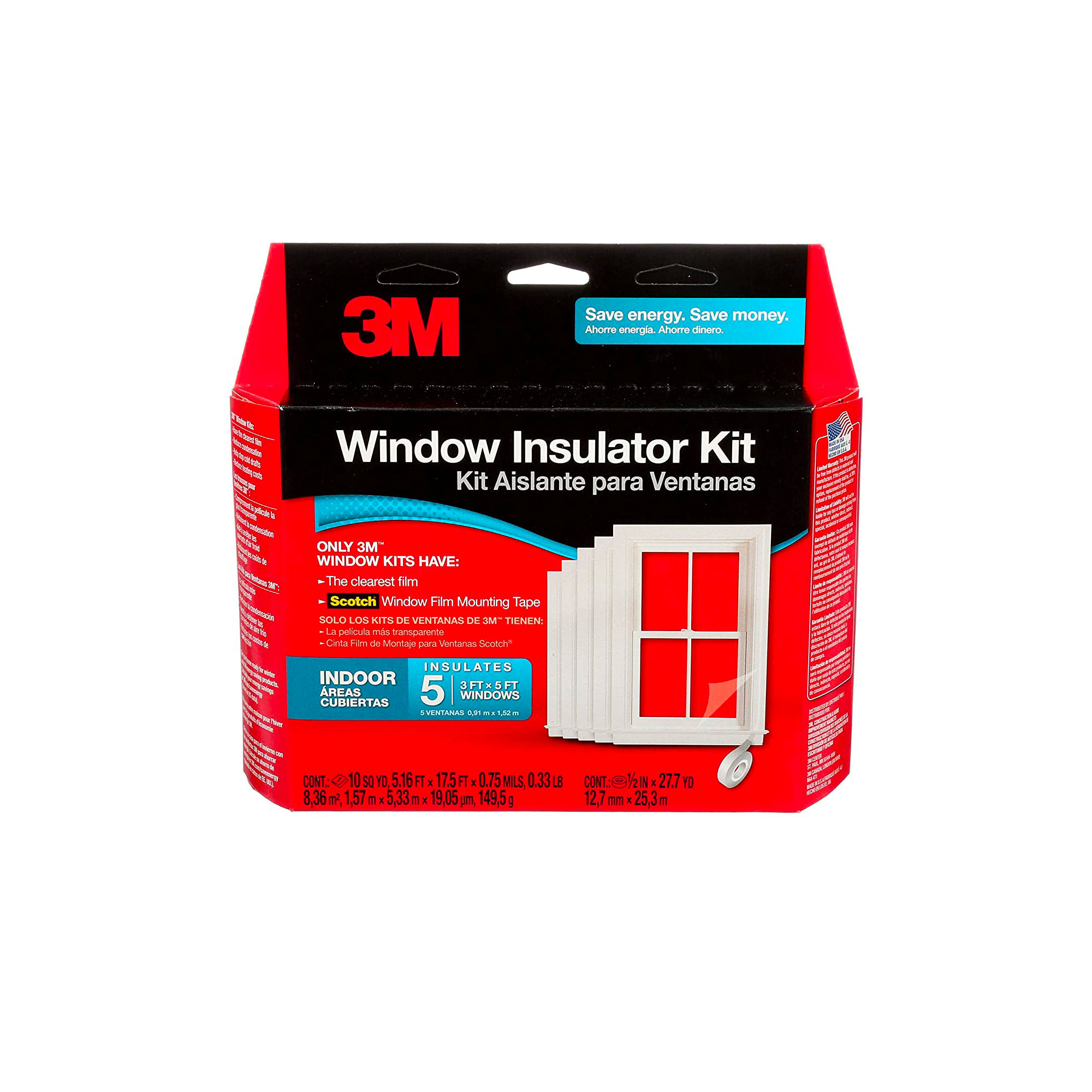
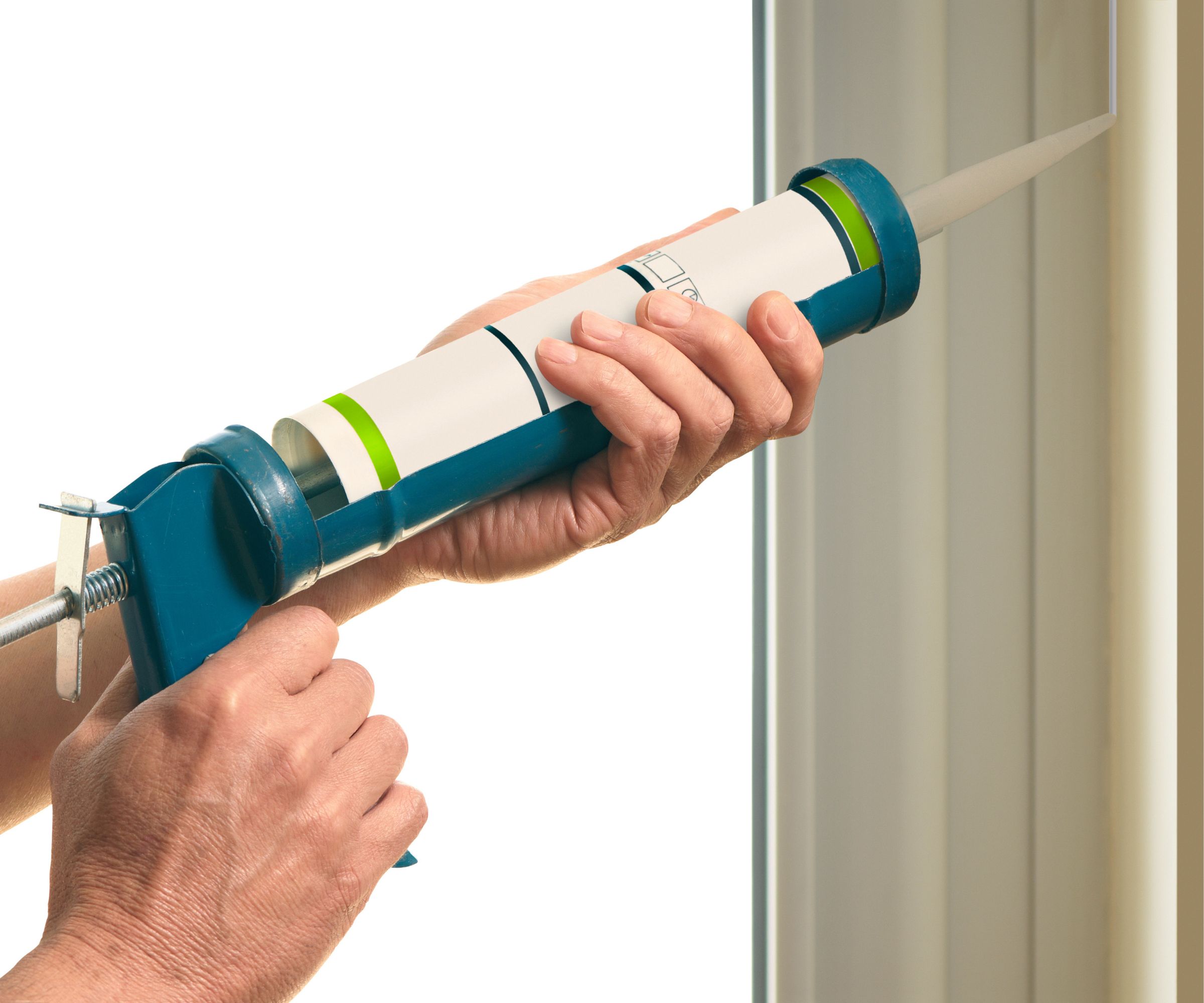
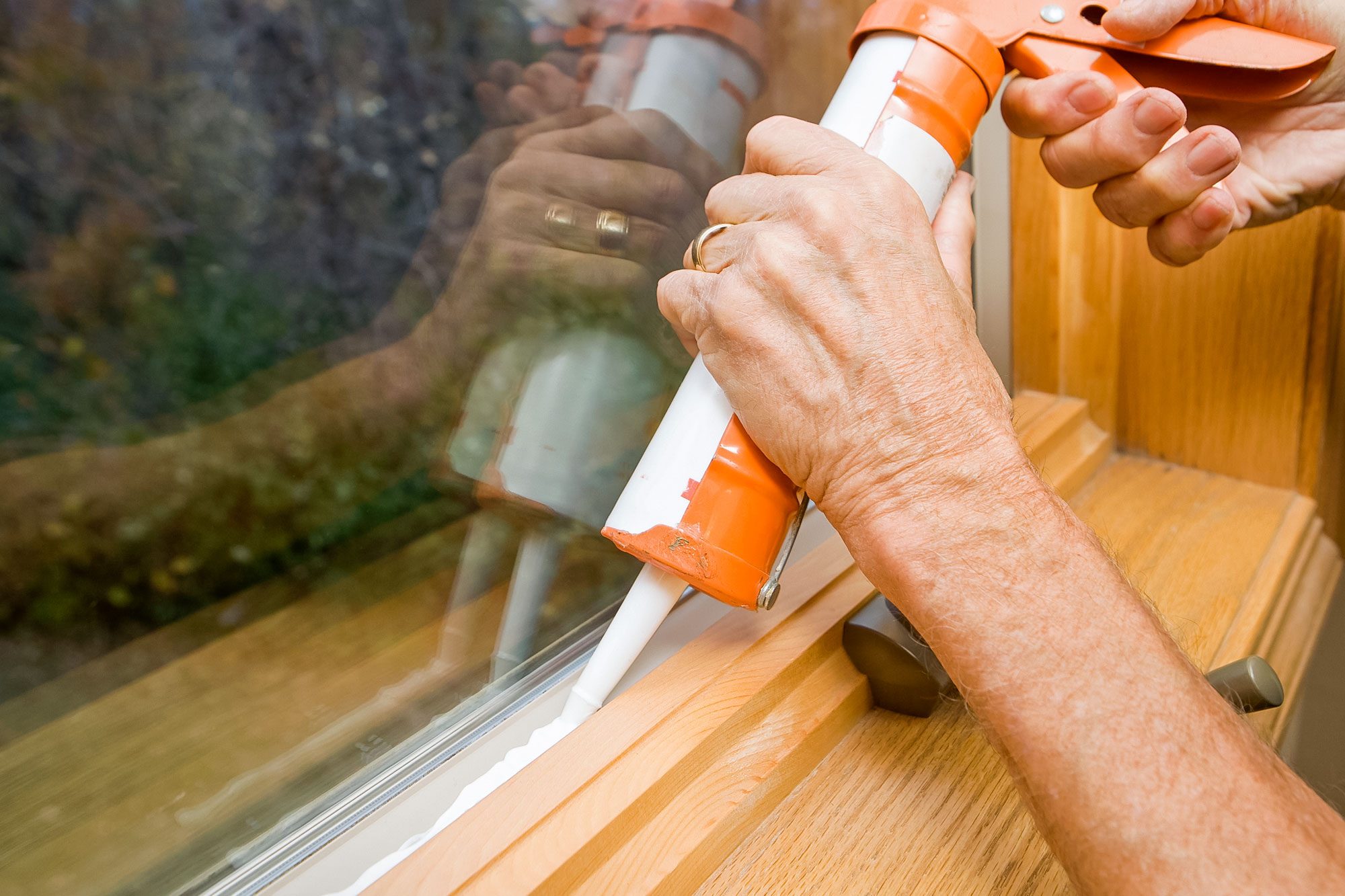
For those seeking alternatives, more conventional and potentially more effective options exist. Insulation kits with R-value ratings are available at hardware stores and building centers, offering a relatively affordable solution with clear installation instructions. Before applying any insulation, it's crucial to check and maintain weatherstripping and caulk around windows to prevent air leaks. For a more durable solution, interior storm windows are suggested, though they come with a higher cost but offer decades of performance. The article emphasizes that any insulation method will be most effective when it creates a proper seal around the window.
#WindowInsulation #BubbleWrapHack #DIYHomeImprovement #EnergyEfficiency #HomeHeating #WinterizingWindows #ThermalImagingTest #FrugalLiving #HomeMaintenance #WindowInsulation #BubbleWrapHack #DIYHomeImprovement #EnergyEfficiency #HomeHeating #WinterizingWindows #ThermalImagingTest #FrugalLiving #HomeMaintenance
0 komentarzy łącznie
 Brak komentarzy jeszcze
Możesz również polubić
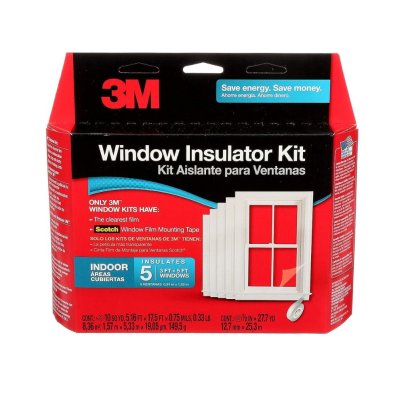
Surprisingly, Our Favorite Window Insulation Isn’t the Thickest


The $54 Frost Fix That Stops Drafty Windows – and Looks Great

7 Best Window Well Covers

Insulating window coating for retrofit
How to draught proof a window - easy ways to keep heat inside your home this winter
An Easy Way To Build a Well-Insulated House

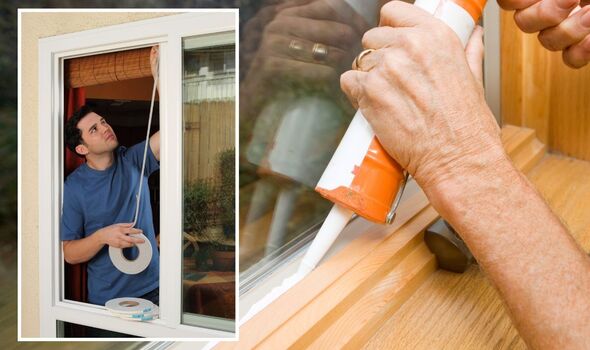
Four ‘simple’ DIY methods to draught-proof windows for under £5 - keep the cold air out
6 places you shouldn't caulk around windows – and expert tips for caulking correctly

How to Seal Your Drafty Windows for Less Than $50
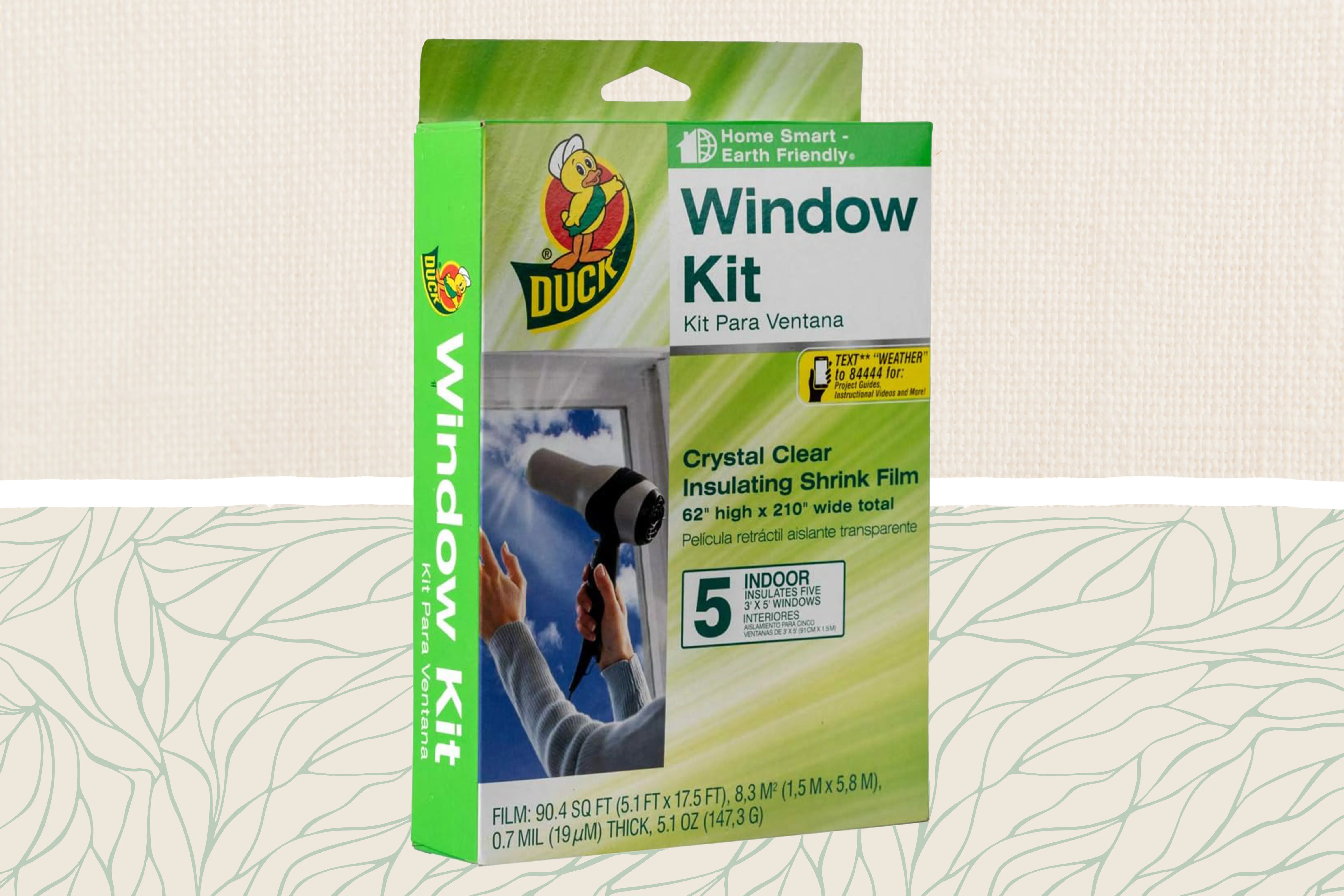
Prep for Winter Weather with These 8 Window Insulation Kits


5 easy DIY tricks to draft-proof sunrooms for winter
9 basement insulation ideas
What You Need To Know About Window Insulation
Best Window Films From Our Tests

5 ways to insulate a wall to lower your energy bills and block out noise – and which ones are a mistake to DIY
The Best Window Films Tested for Privacy and More
Cool White Polymer Coatings based on Glass Bubbles for Buildings
The Best Thermal Curtains, Tested and Reviewed

8 budget fixes for drafty windows — including a $2.99 beauty product I use every single day


How to Seal Drafty Windows (and Instantly Lower Your Heating Bill)