1/7
Best plants for a flowering living wall – 5 vertical blooms for a beautiful garden feature
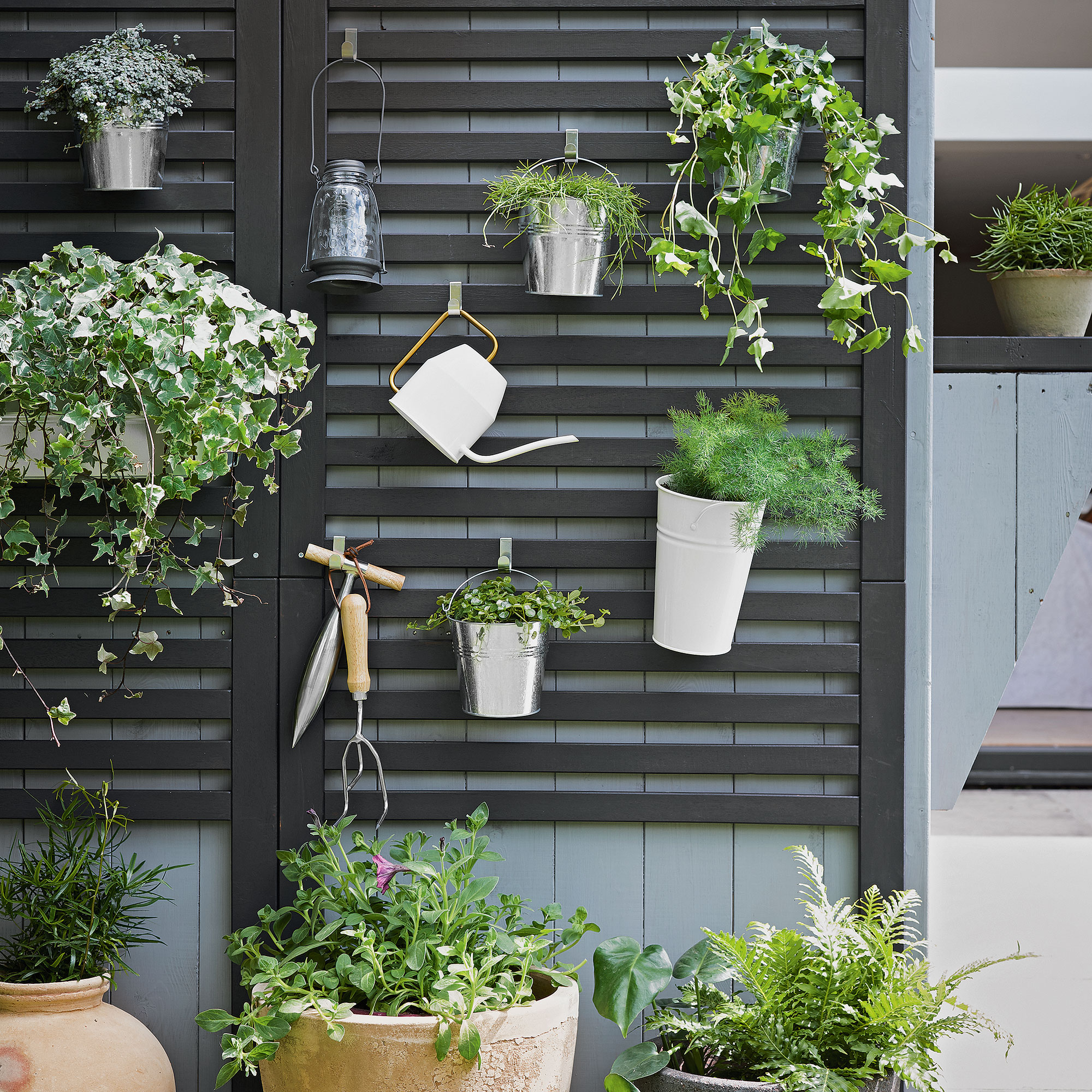
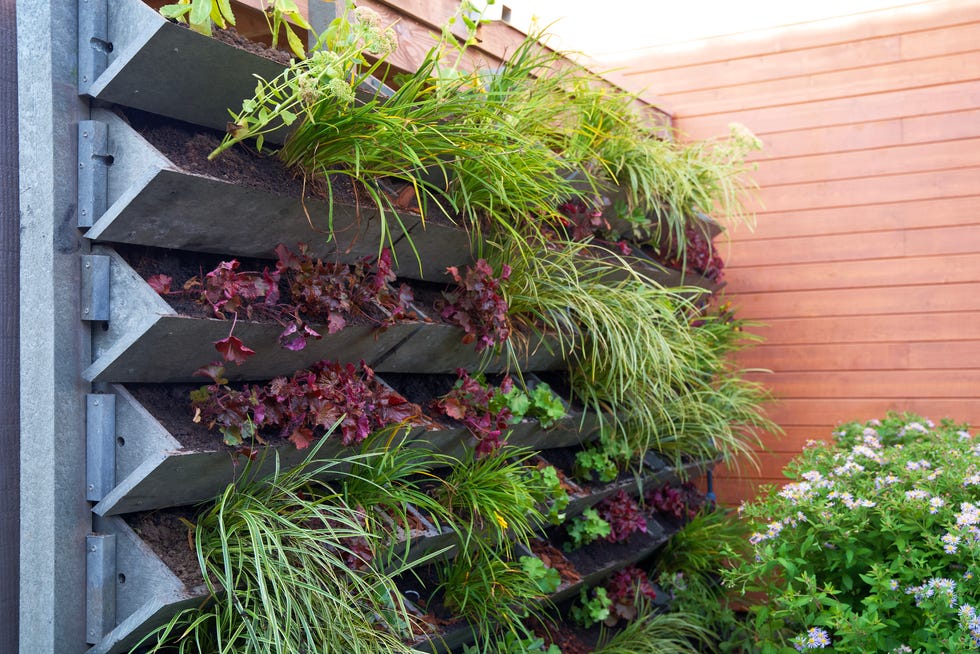
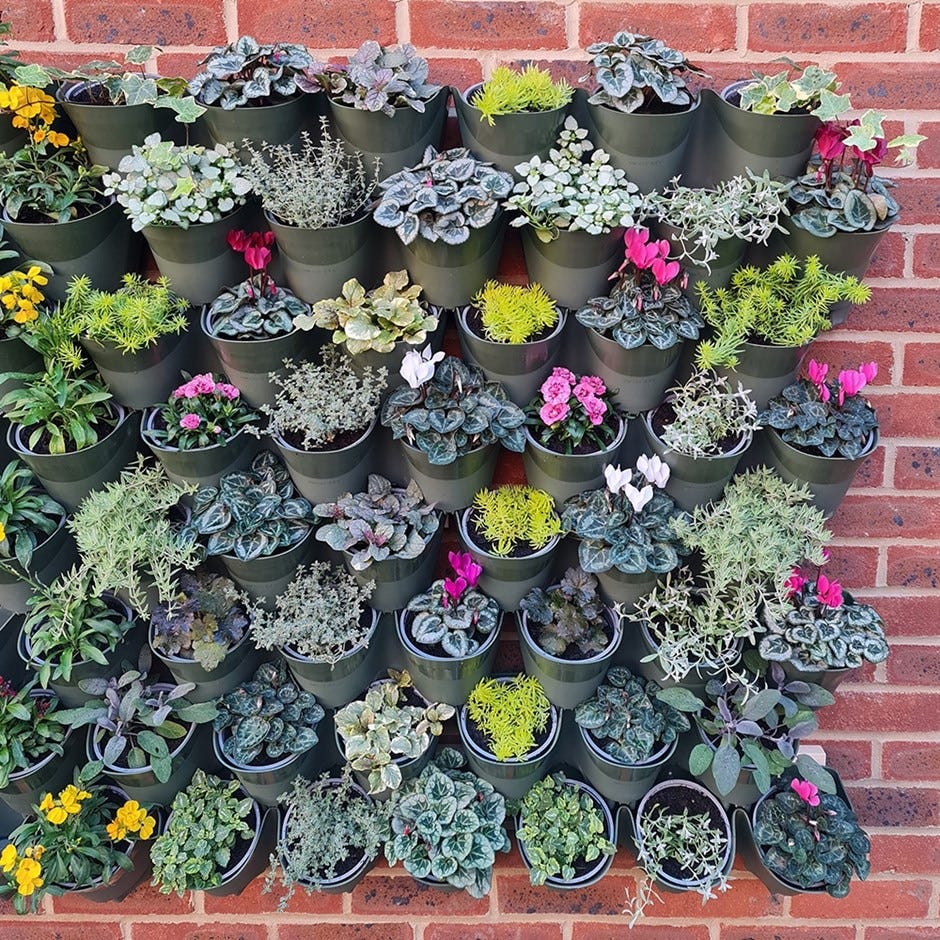
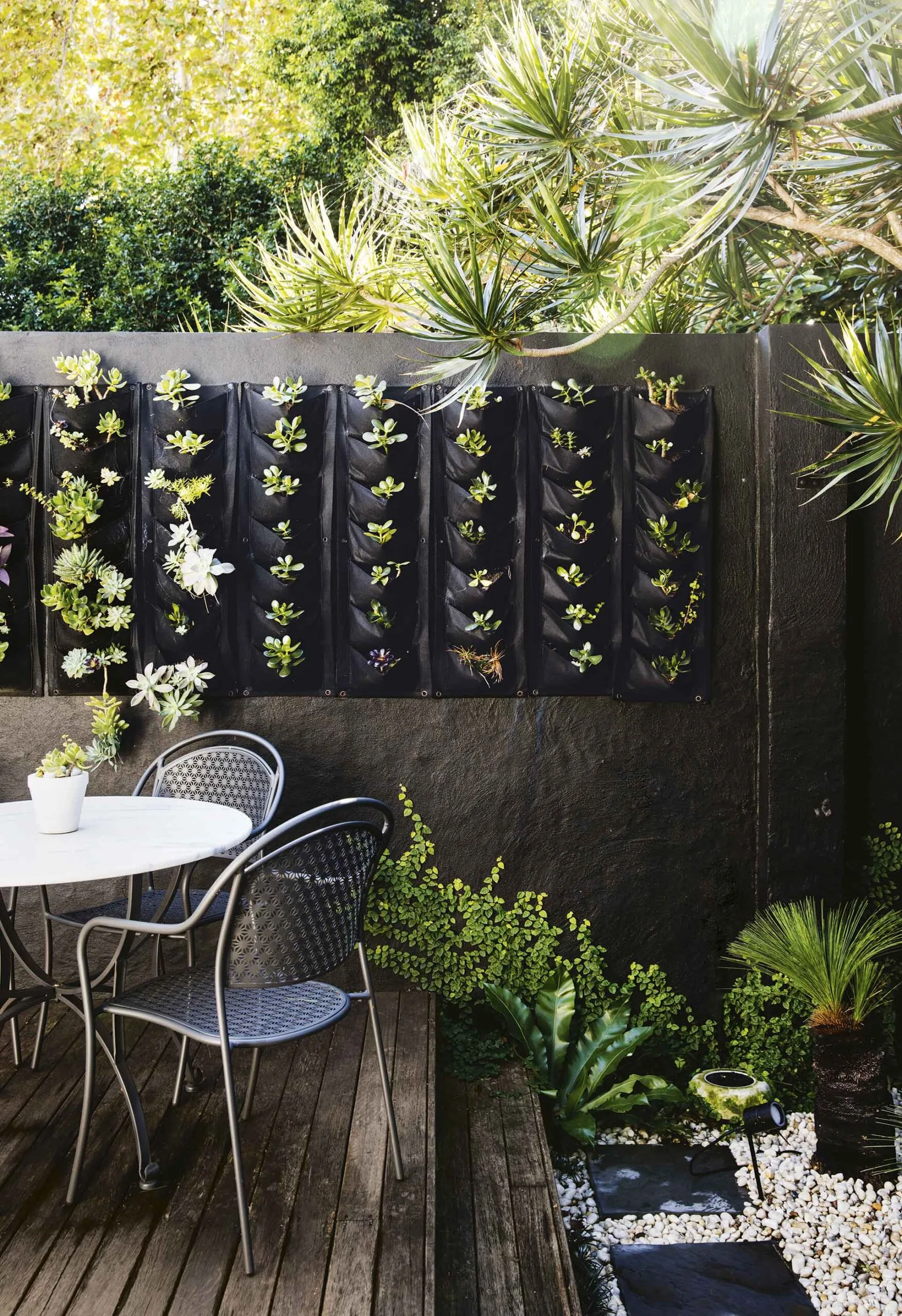
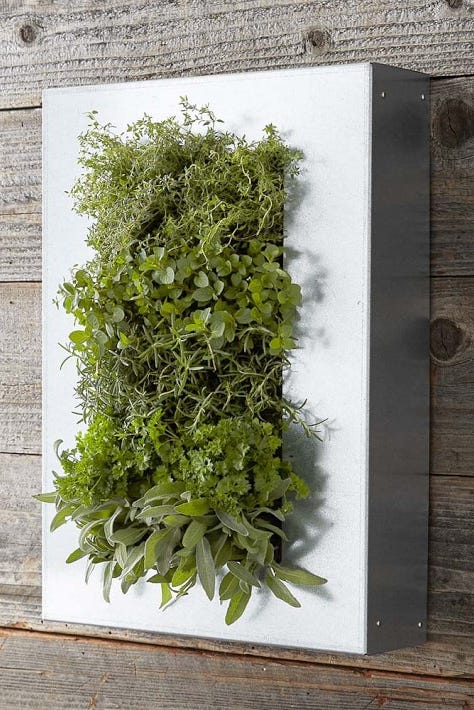
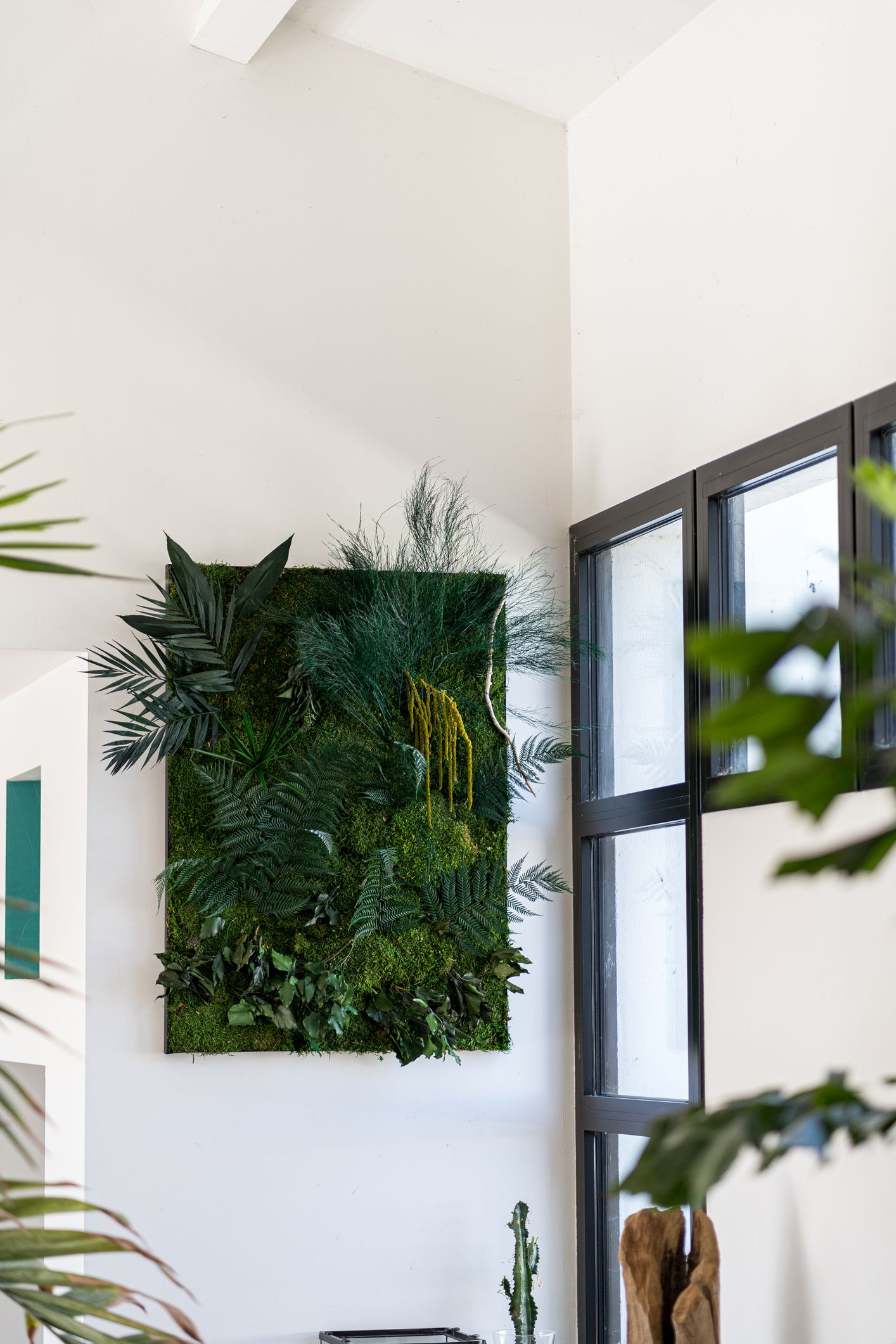
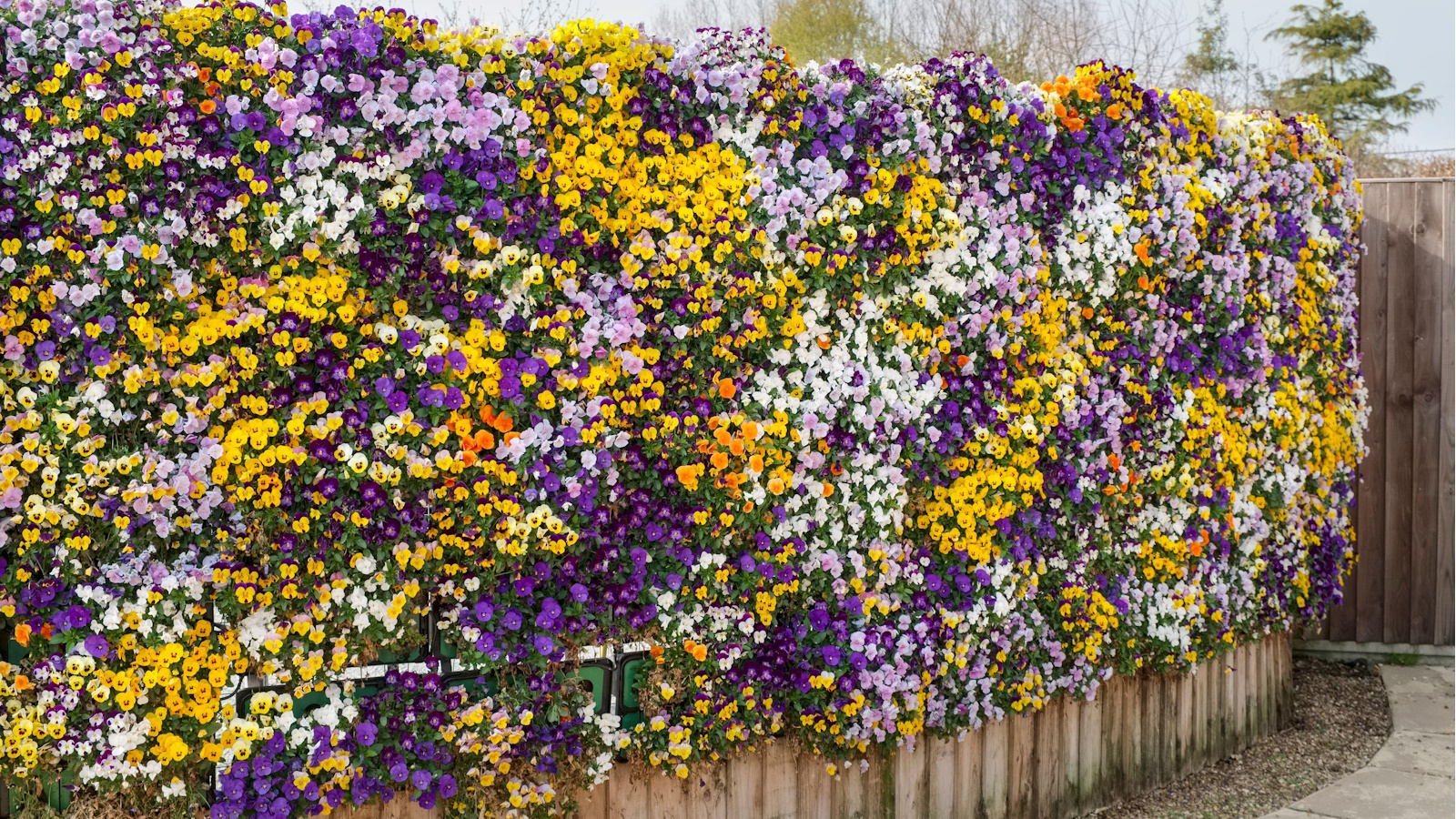
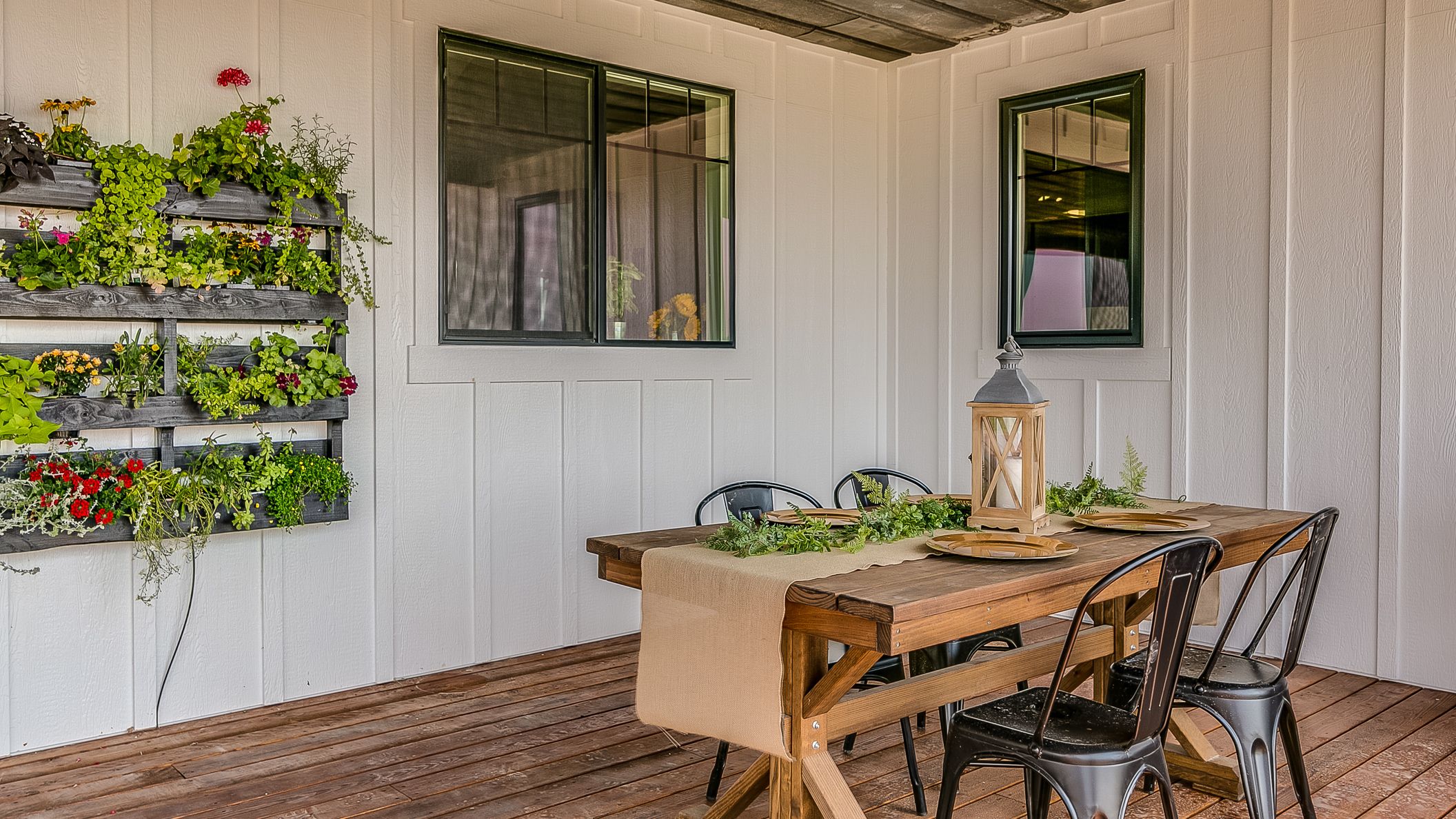
Flowering living walls offer an attractive solution for gardening in limited outdoor spaces, transforming small backyards into vibrant vertical displays. These structures, popular for their space-saving qualities, not only enhance aesthetic appeal but also contribute to air purification and support local wildlife. Donna Letier, CEO of Gardenuity, emphasizes that living walls are increasingly seen as an opportunity to integrate the benefits of plants into living spaces. To create a successful flowering living wall, selecting appropriate plants is crucial.
Geraniums are highly versatile, long-blooming flowers ideal for living walls due to their wide range of colors and leafy foliage. They are easy to maintain, relatively drought-tolerant once established, and can be grown in US hardiness zones 3 to 9. Geraniums offer the flexibility to create contrasting designs and can trail, adding fullness to the wall. Vertical growth is best achieved using specialized modular systems or planters, some of which feature removable pots for easy plant rotation. Deadheading geraniums is essential to encourage continuous blooms.
Fuchsias provide another excellent trailing option, particularly suited for shadier spots in a garden. Known for their elegant, pendulous flowers, fuchsias thrive in partial shade and consistently moist soil. They are relatively simple to care for, requiring regular watering and pruning to boost blooms, and typically flower from mid-spring to fall in US hardiness zones 6 and 7. When planted in containers on a living wall, fuchsias cascade beautifully with bright colors.
Lobelias, with their delicate blue, purple, or red flowers, introduce a whimsical touch to a flowering living wall. These dainty blooms prefer cooler temperatures and moist, well-draining soil, along with proper air circulation to prevent fungal issues. Lobelias are suitable for US hardiness zones 9 to 11 and bloom from summer through fall. Their trailing habit makes them perfect for filling out green walls and attracting hummingbirds.
Wallflowers are aptly named for their suitability for flowering walls, producing spectacular, multi-colored spherical flower clusters. These sweetly fragrant blooms add both visual and olfactory appeal, thriving in full sun and well-draining soil. Their compact growth makes them ideal for smaller pockets within the living wall. Wallflowers, which can be biennials or perennials, grow well in US hardiness zone 7 and above, blooming through summer and early fall. Combining them with complementary colors, such as orange wallflowers with vivid-blue lobelias, can create striking visual contrasts.
Petunias serve as excellent filler plants, offering profuse, bright blooms and full foliage in a wide array of colors. They flourish in full sun and well-draining soil and are well-known for their suitability in hanging baskets due to their bushy growth. Deadheading petunias promotes continuous flowering. These plants, thriving in US hardiness zones 9 to 11, can also act as natural fly repellents. Creating a gradient with analogous colors, such as orange wallflowers, scarlet geraniums, and dark-red petunias, can result in a stunning and calming composition. Watering a flowering living wall can be managed through built-in irrigation systems or by hand-watering individual pots using a watering can with a long, narrow spout. Implementing a flowering living wall can significantly enhance outdoor spaces, providing a beautiful and beneficial garden feature.
#FloweringLivingWall #VerticalGardening #GardenDesign #PlantSelection #OutdoorSpace #Geraniums #Fuchsias #Lobelias #Wallflowers #Petunias #FloweringLivingWall #VerticalGardening #GardenDesign #PlantSelection #OutdoorSpace #Geraniums #Fuchsias #Lobelias #Wallflowers #Petunias
0 komentarzy łącznie
 Brak komentarzy jeszcze
Możesz również polubić
Living wall ideas to create a stylish vertical garden in your space
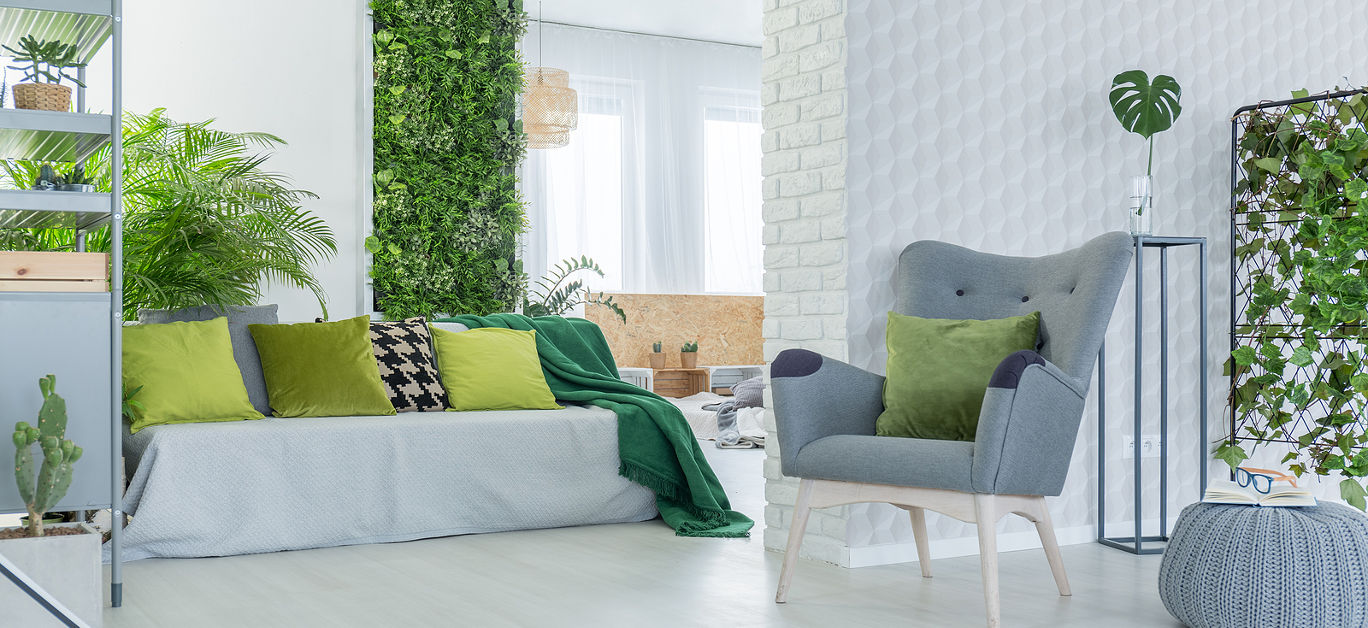
Exciting ideas for an indoor plant wall in your home

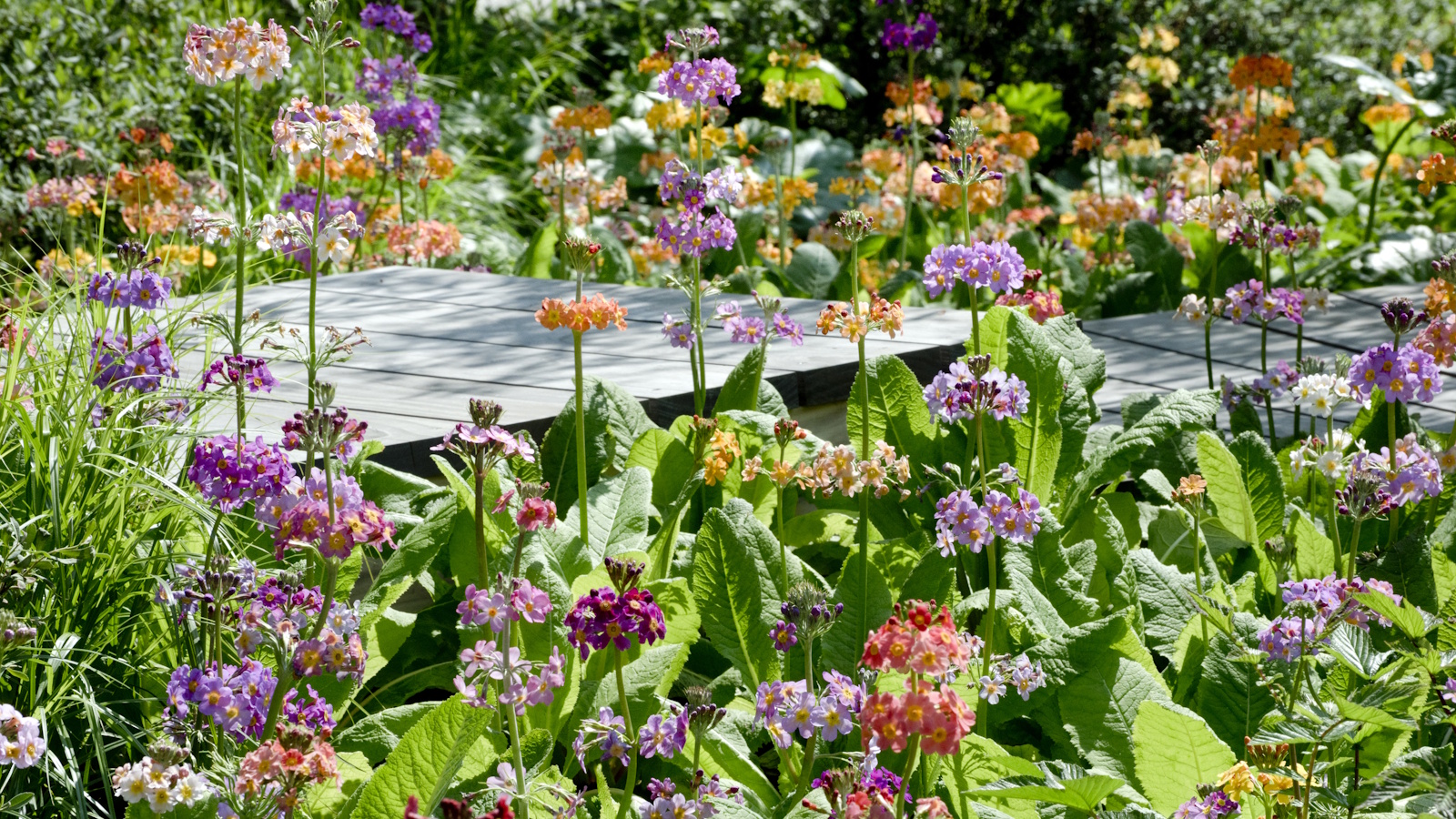
Best flowering ground cover plants – 5 expert-approved species to fill your borders with vibrant color
Linda Cobb: Gardens get fresh looks by planting living walls
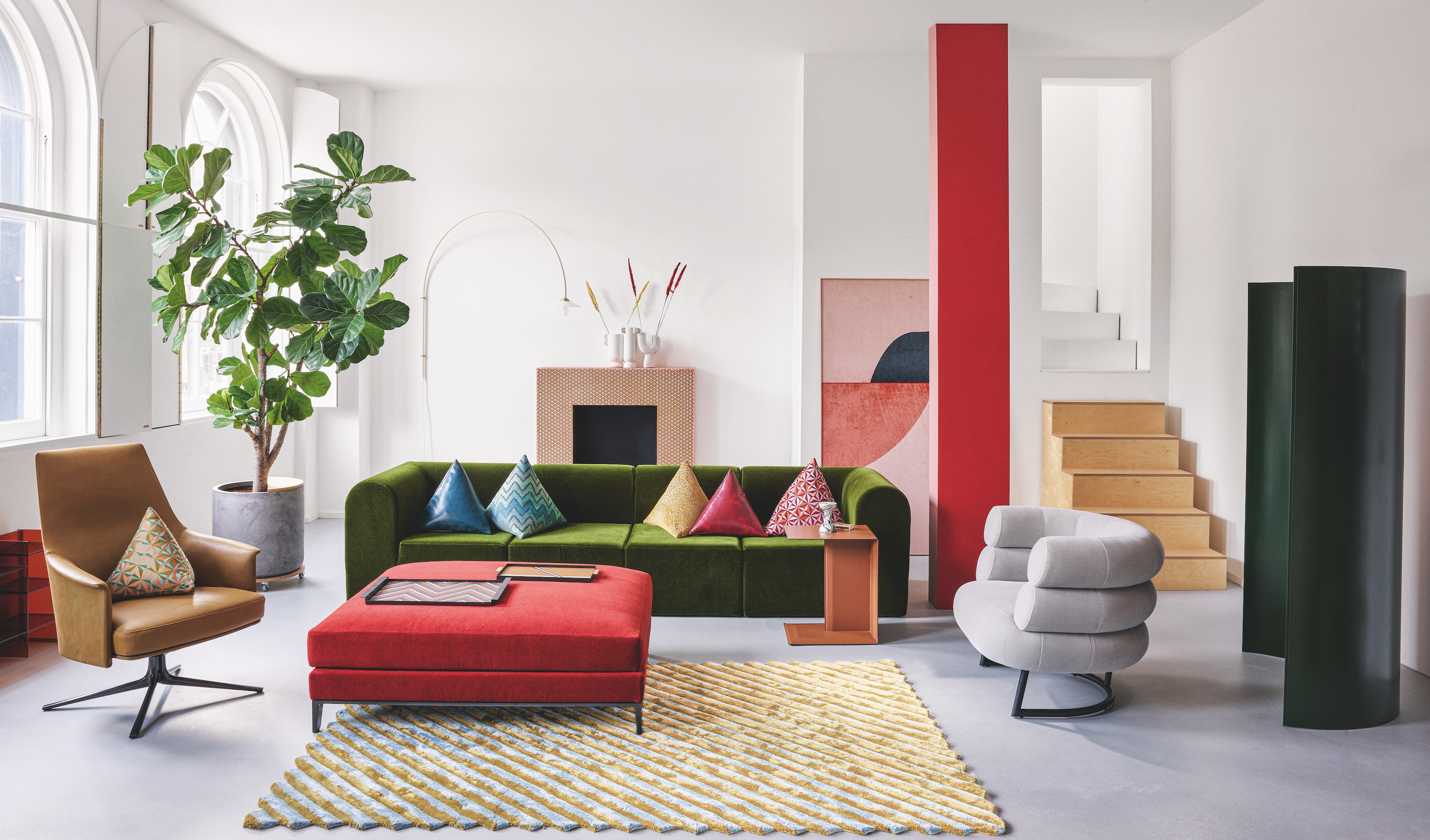
5 Tall Indoor Plants That Make Such an Impact in Your Home

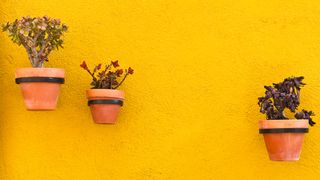
21 Best Wall-Mounted Planters to Infuse Your Space With Greenery

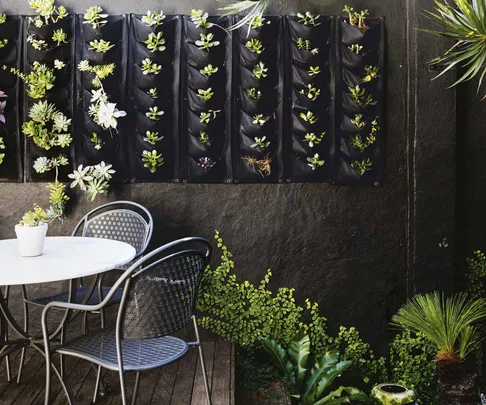
9 of the best plants for vertical gardens

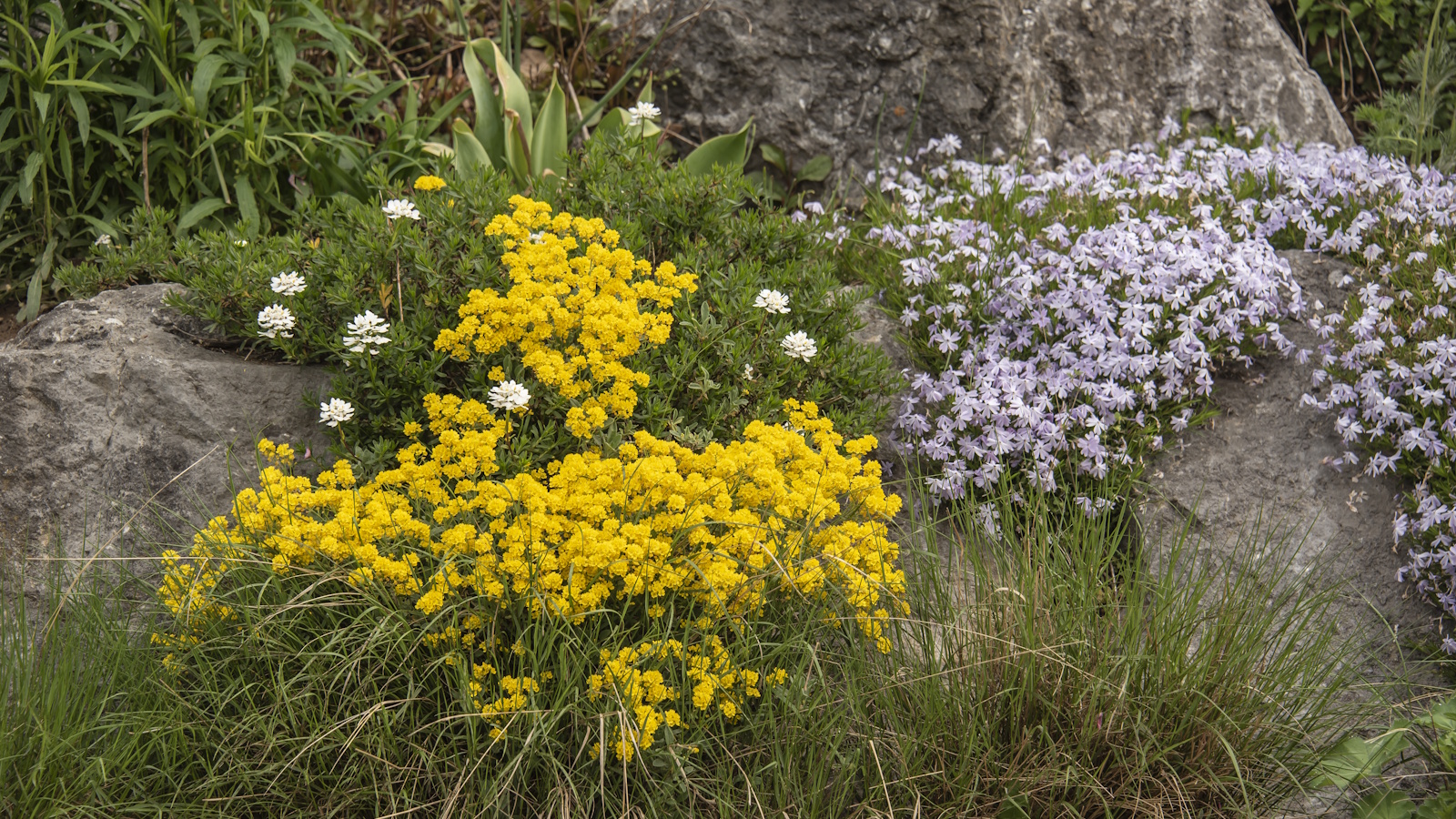
Best cascading plants: 5 joyful plants for pots and retaining walls
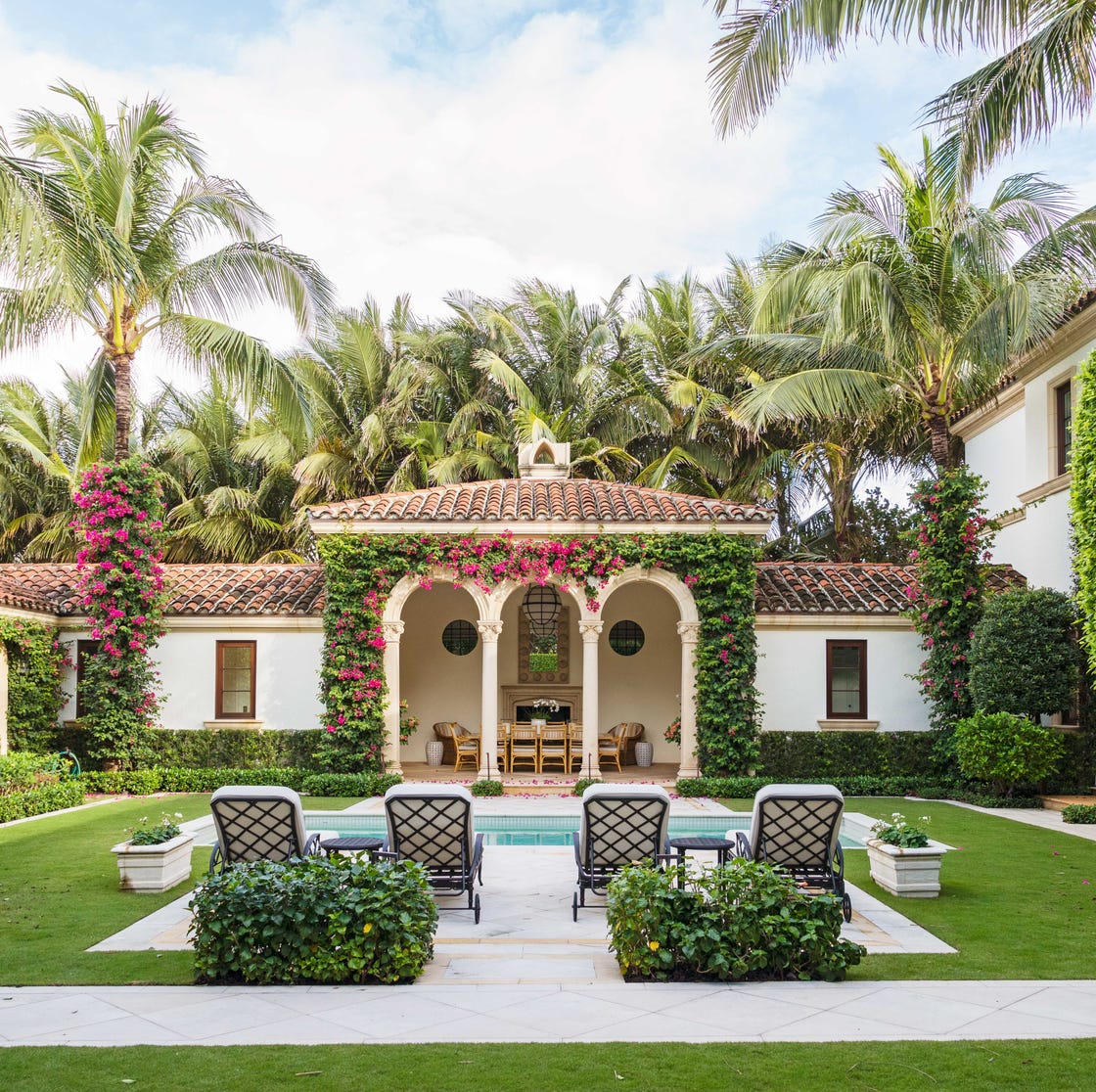
How to Create a Living Wall to Maximize Your Outdoor Space

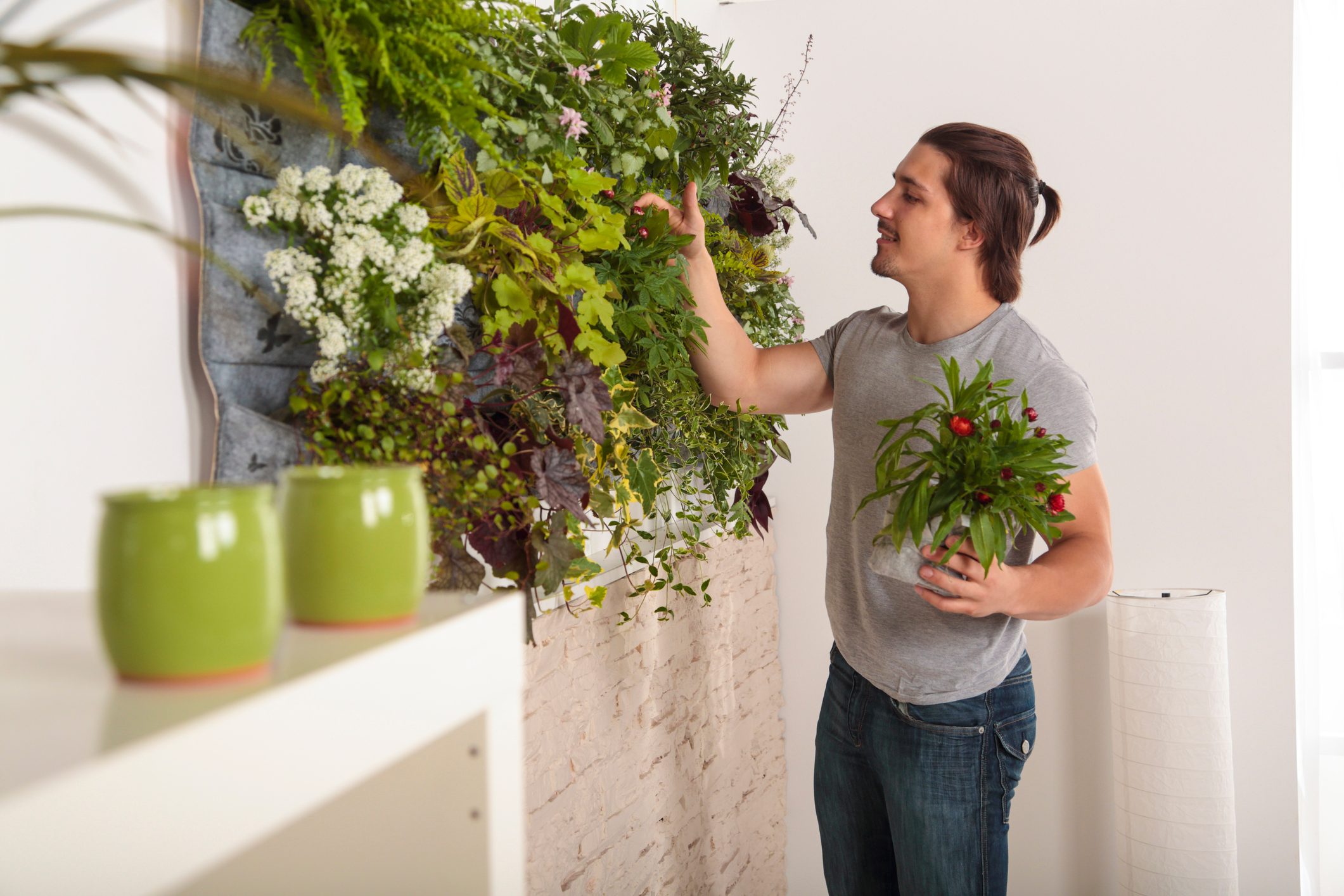
Homeowner’s Guide To Living Walls

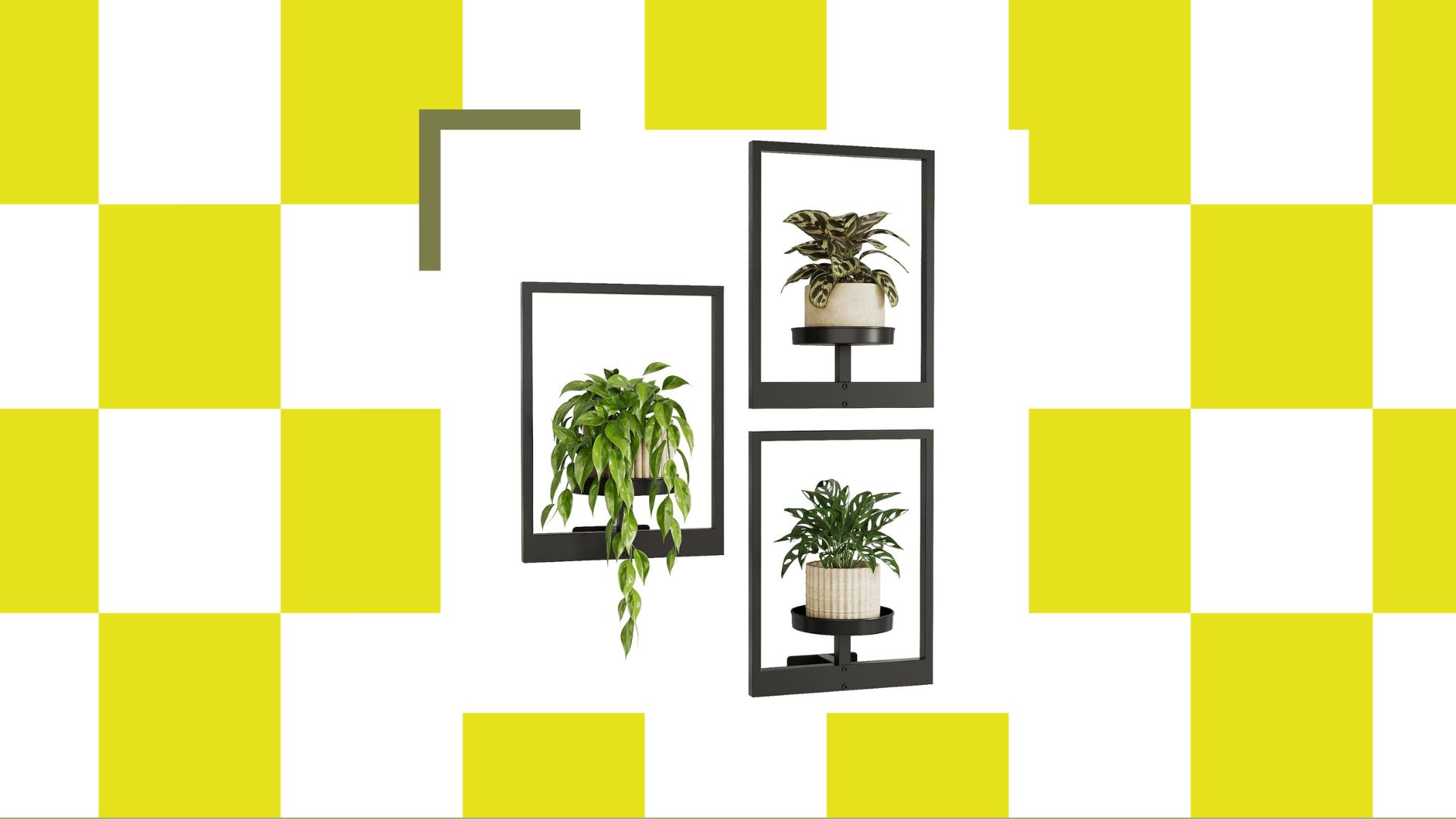
Flourishing Foliage — The Houseplant Frame You Can Use to Display Your Blooms and Transform Them into Living Art
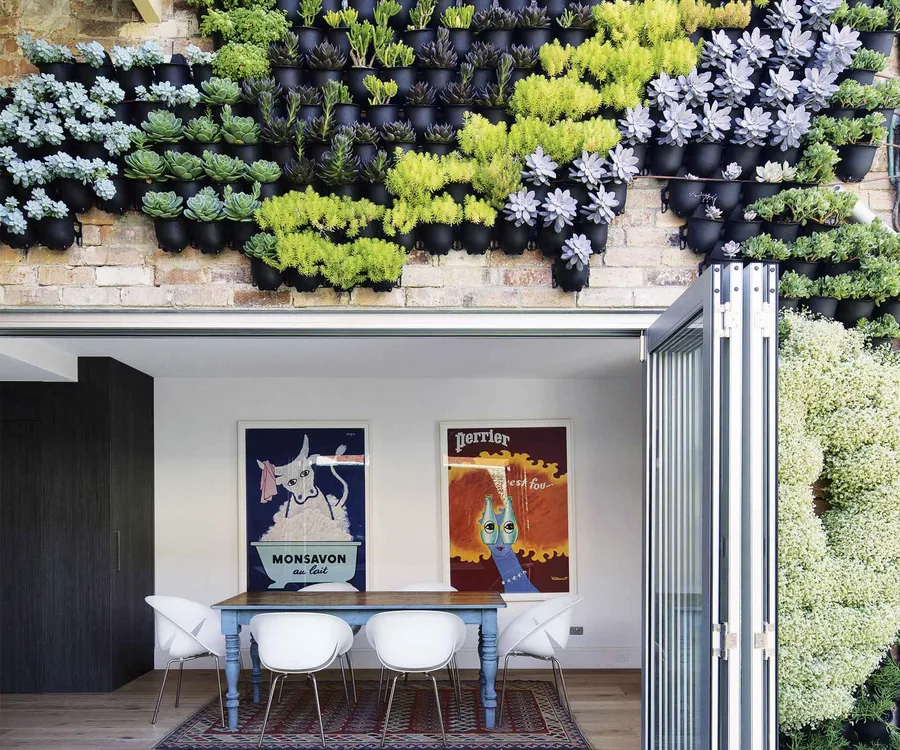
12 vertical garden ideas to inspire your own plant wall
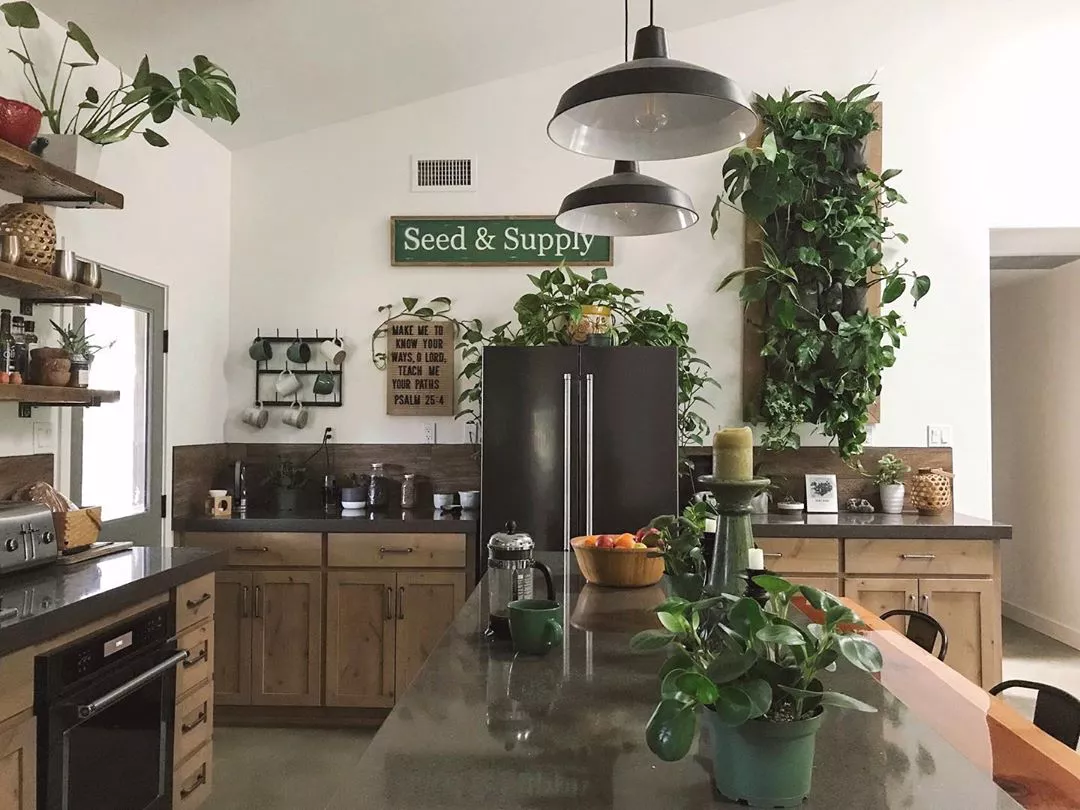
23 Indoor Plant Wall Ideas to Bring Life to Any Room

Transform Your Space With Any of These Gorgeous Tall Indoor Plants

Give Your Blank Walls New Life With These Stunning Planters
10 Ideas for Decorating Your Walls with Plants
How to make a living wall that brings the outdoors in
10 Indoor Climbing Plants That Will Take Your Blooms to New Heights — And Make Your Home Look Lush

15 Vertical Garden Ideas, From Living Walls to Botanical Libraries
Plant Style: Elevate Your Decor with Indoor Plants