1/2
7 Surprising Things Pro Organizers NEVER Do in Their Own Pantry
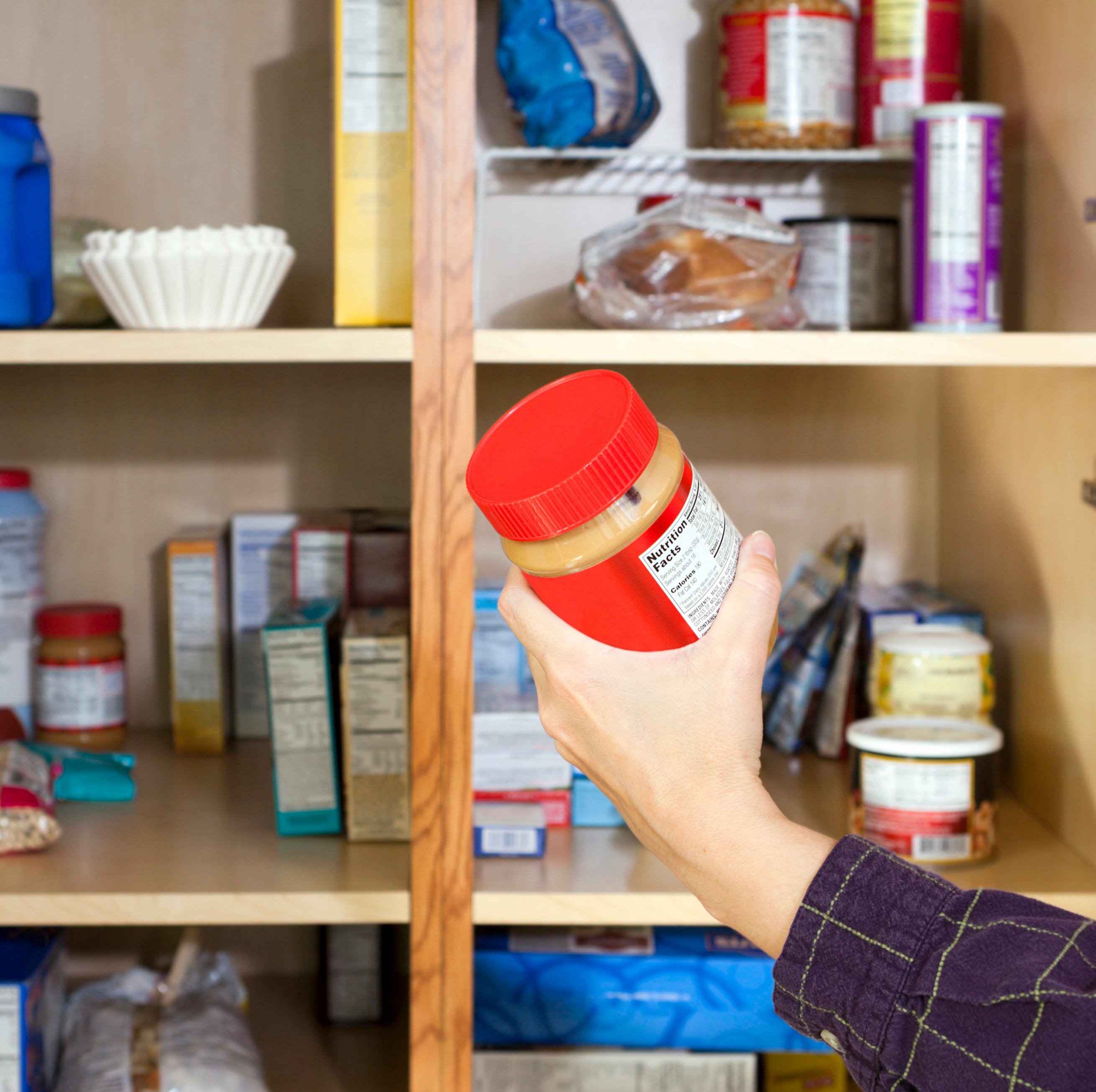
Professional organizers often share advice on decluttering, but this article focuses on what they actively avoid in their own pantries, highlighting common mistakes clients make. The primary concern is storing cleaning products alongside food. Experts like Ashley Hines of Thee Tailored Life emphasize that toxic household chemicals can contaminate food through spills, leaks, or fumes, posing serious health risks. A pantry, according to Hines, should be a safe and nourishing space dedicated to food. Therefore, separating cleaning supplies from food items is crucial for household safety.
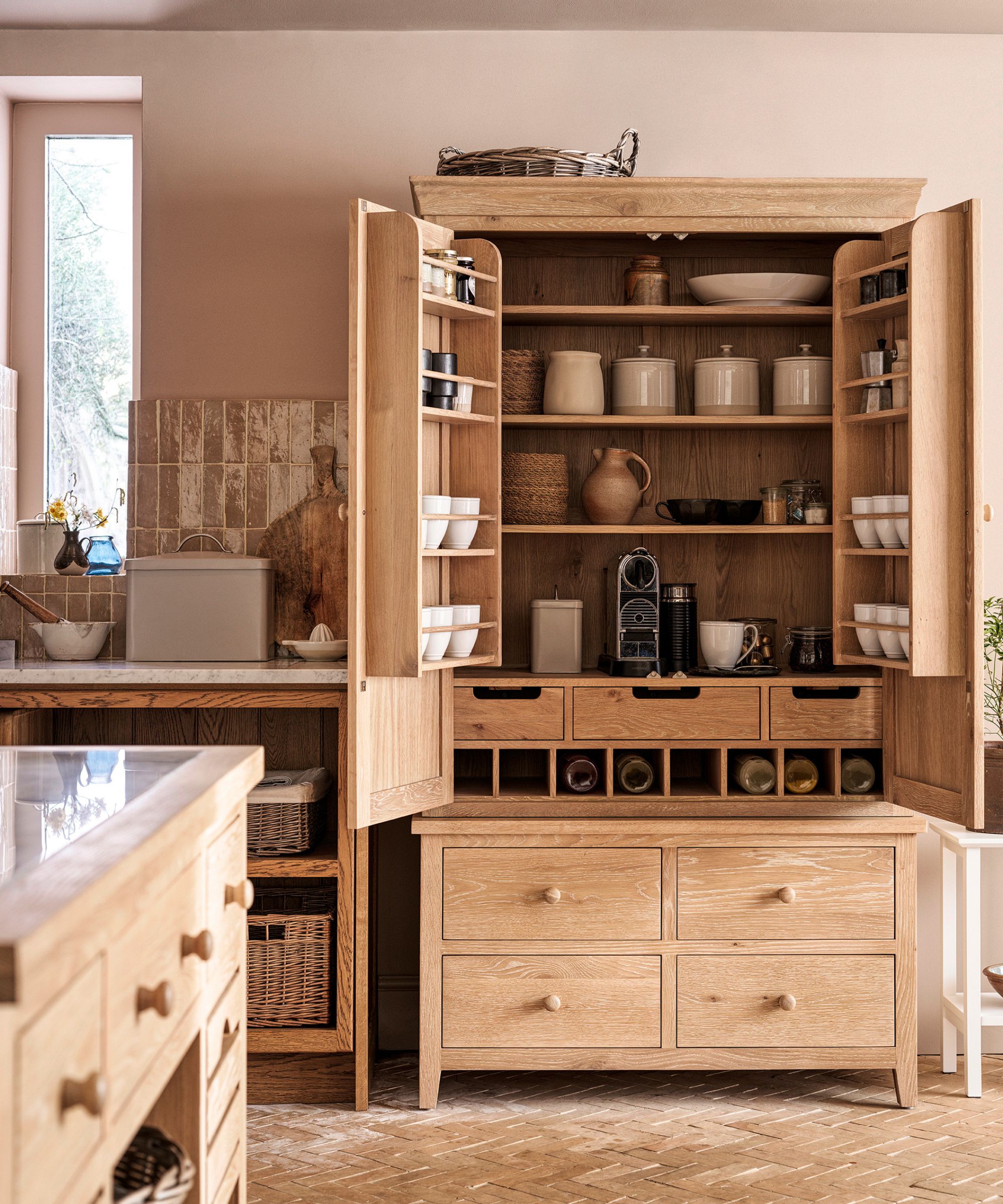
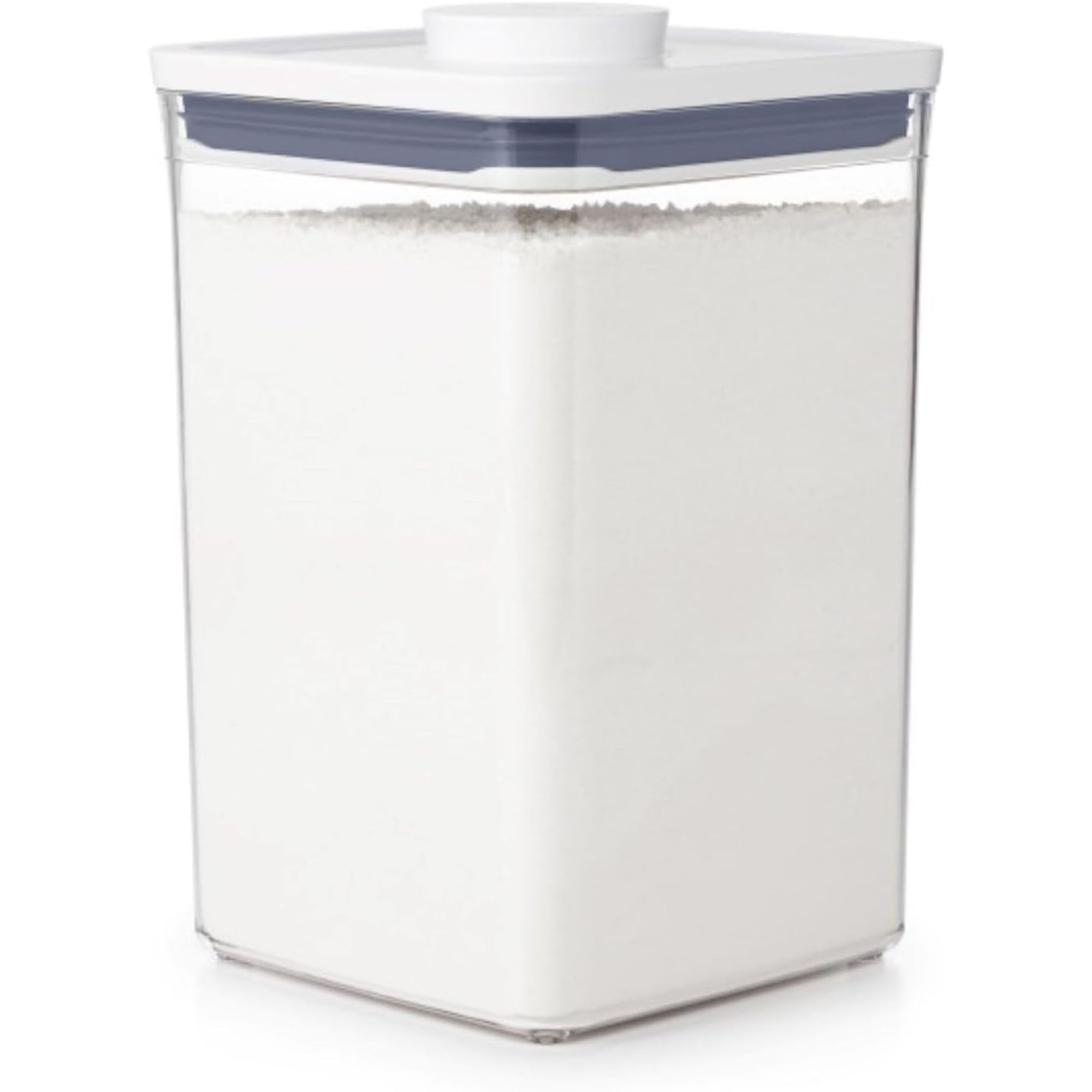
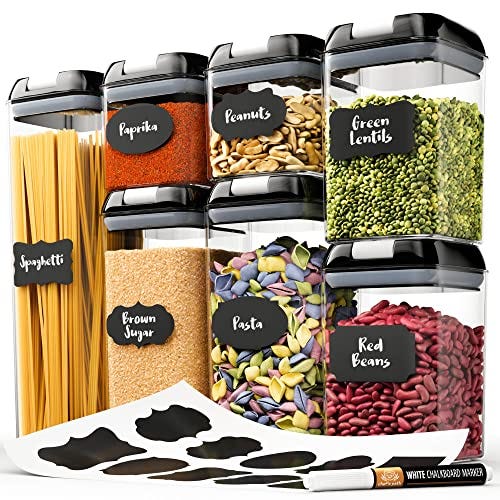
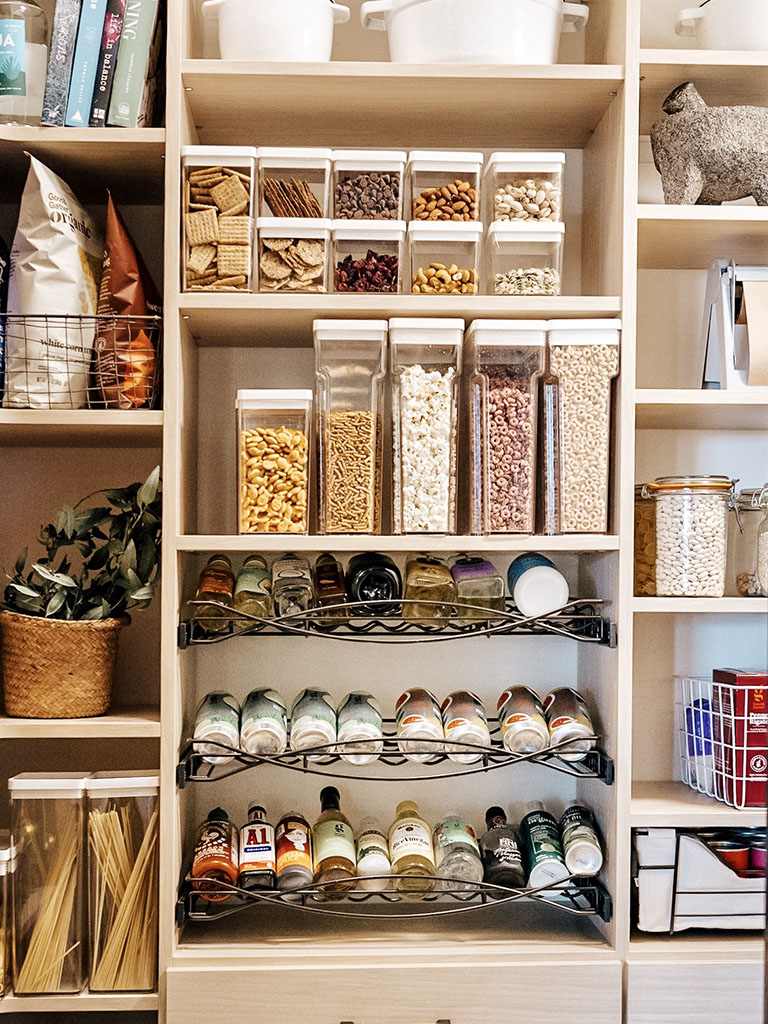
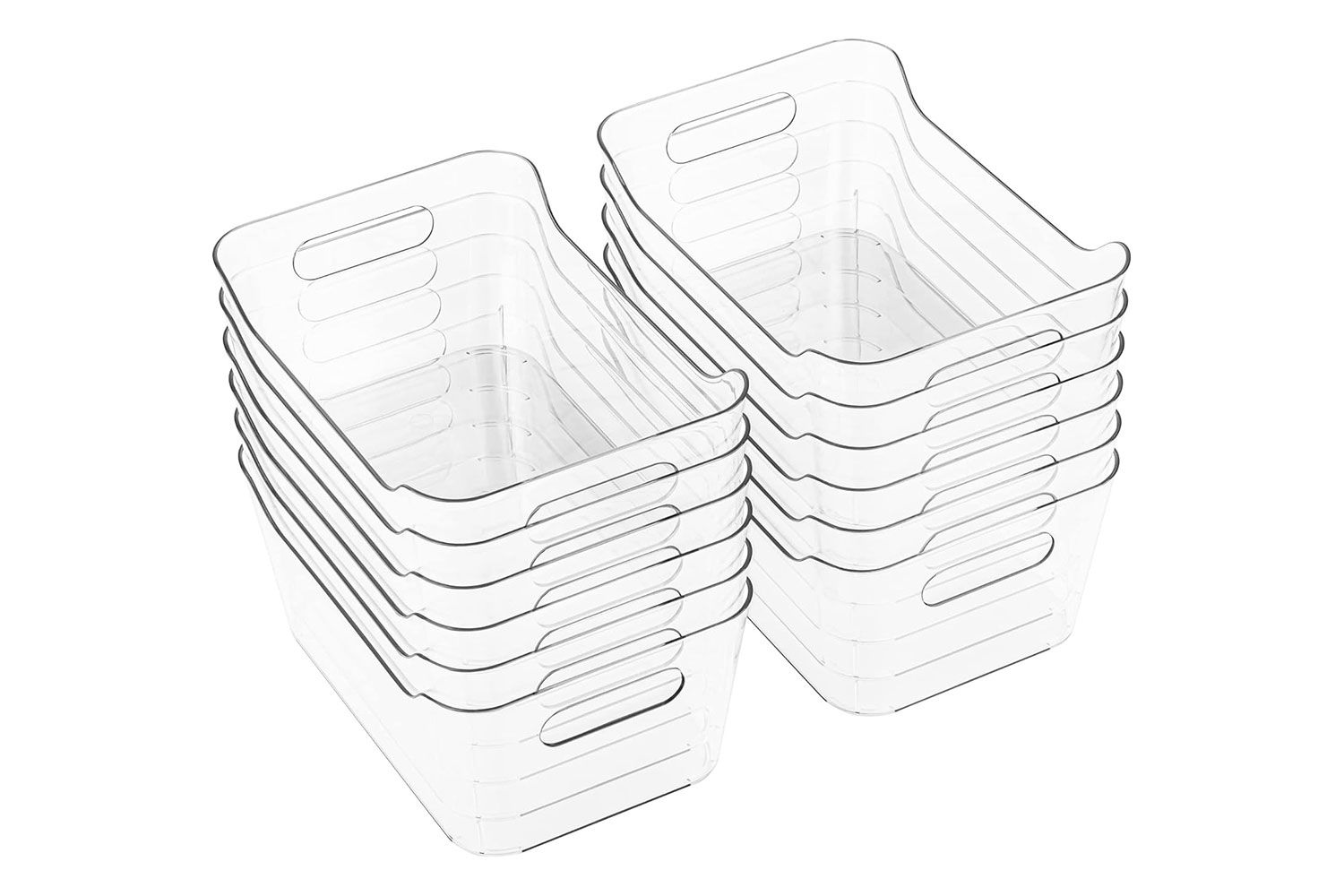
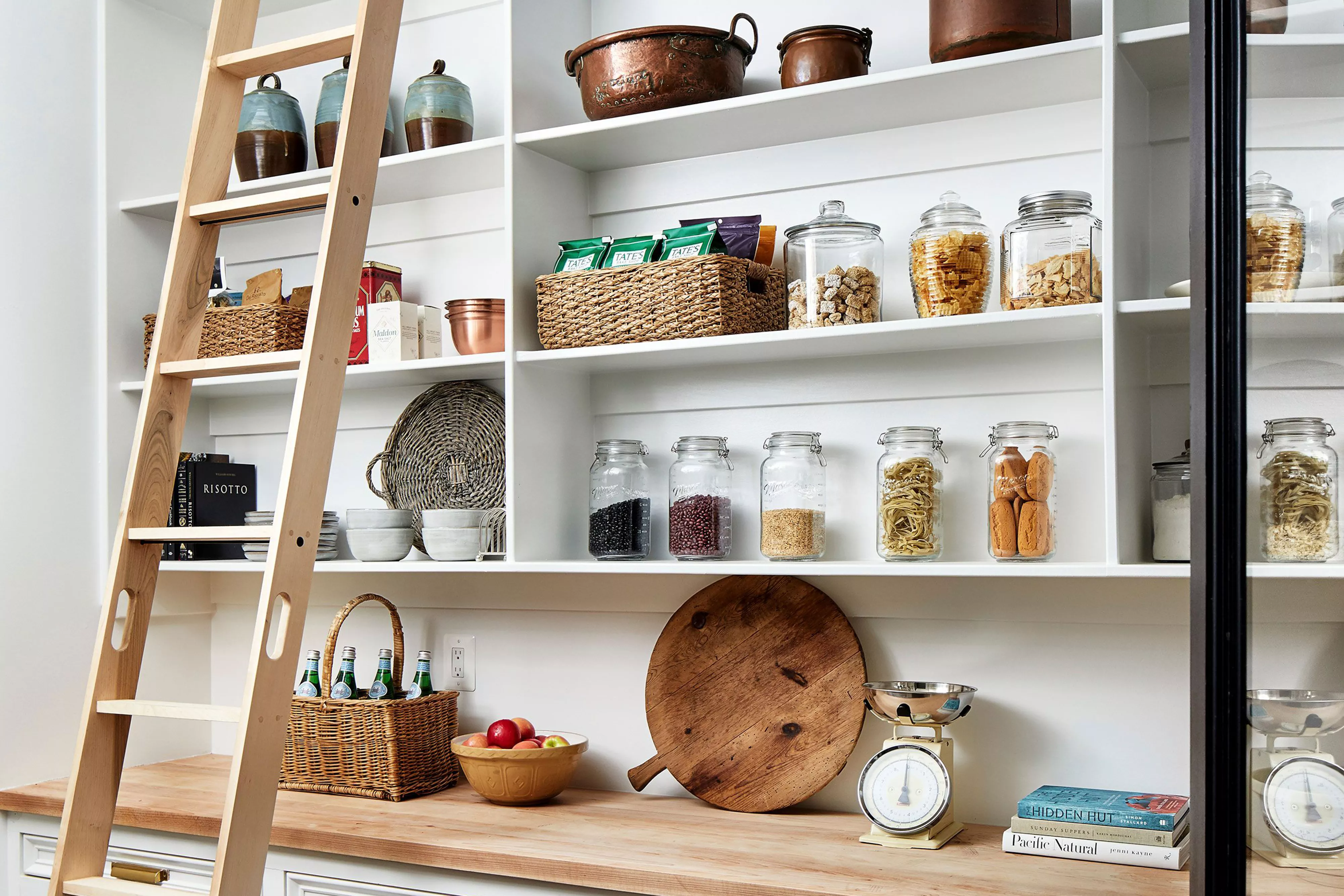
Another key area professional organizers avoid is implementing overly complicated or rigid storage systems. Ashley Hines suggests that pantry organization should be flexible enough to accommodate daily grocery changes and evolving tastes. If multiple people use the pantry, simplicity is key to ensuring everyone can easily access and put away items. Lindsay Melvin, owner of Orchid Organizing, notes that an excess of bins or mismatched storage solutions can disrupt the pantry's flow, making clear containers a preferred choice for visibility.
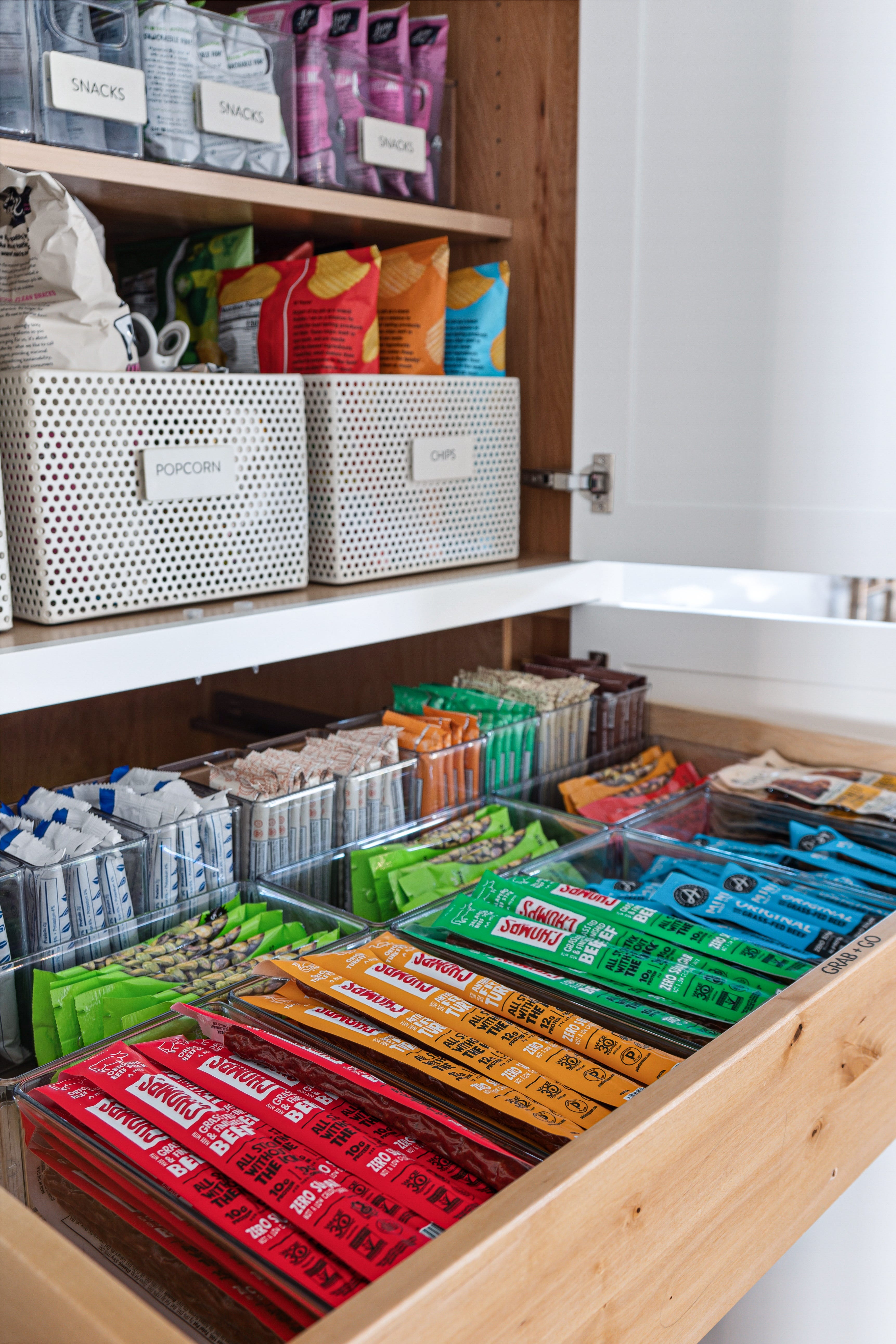
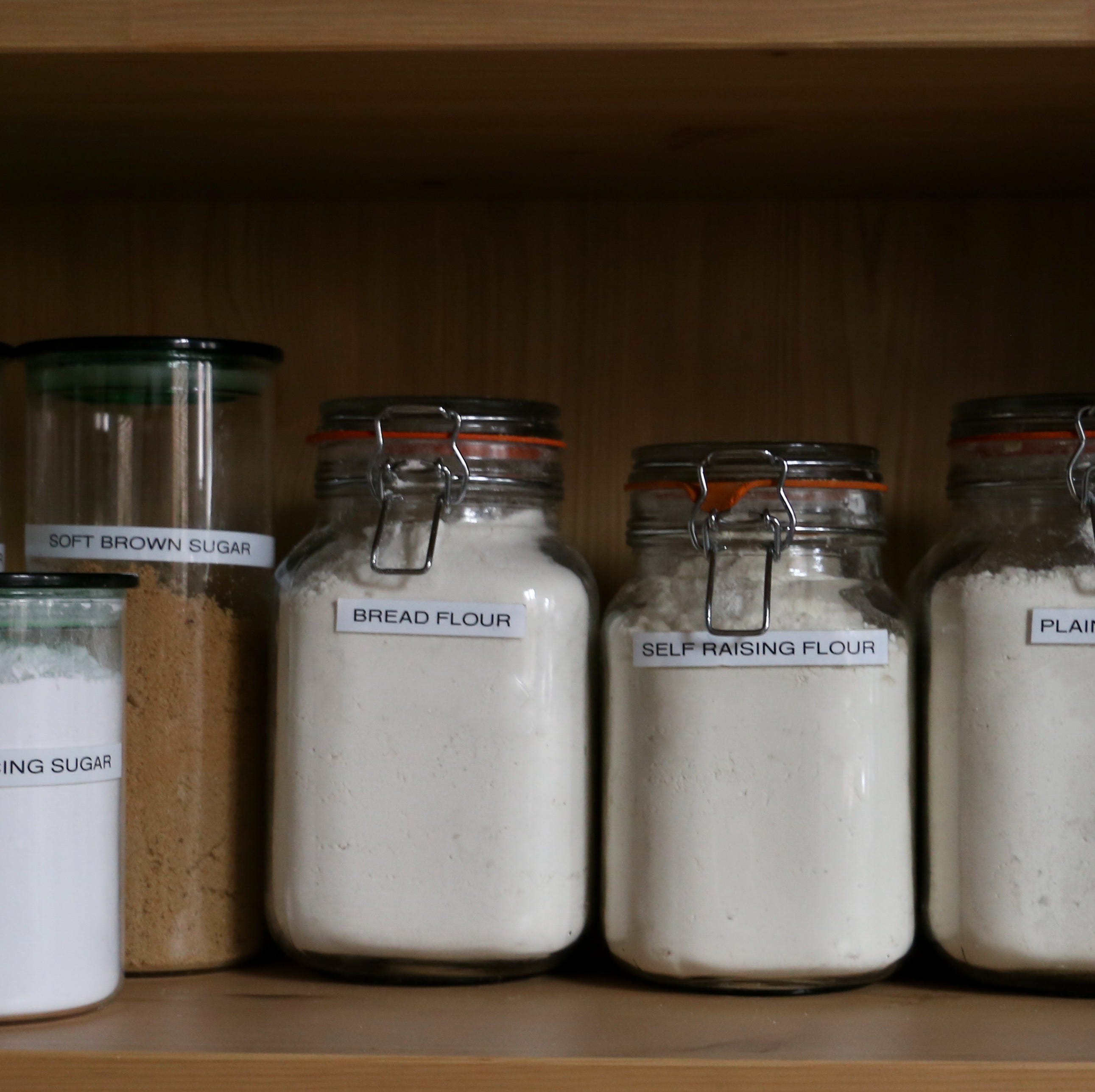
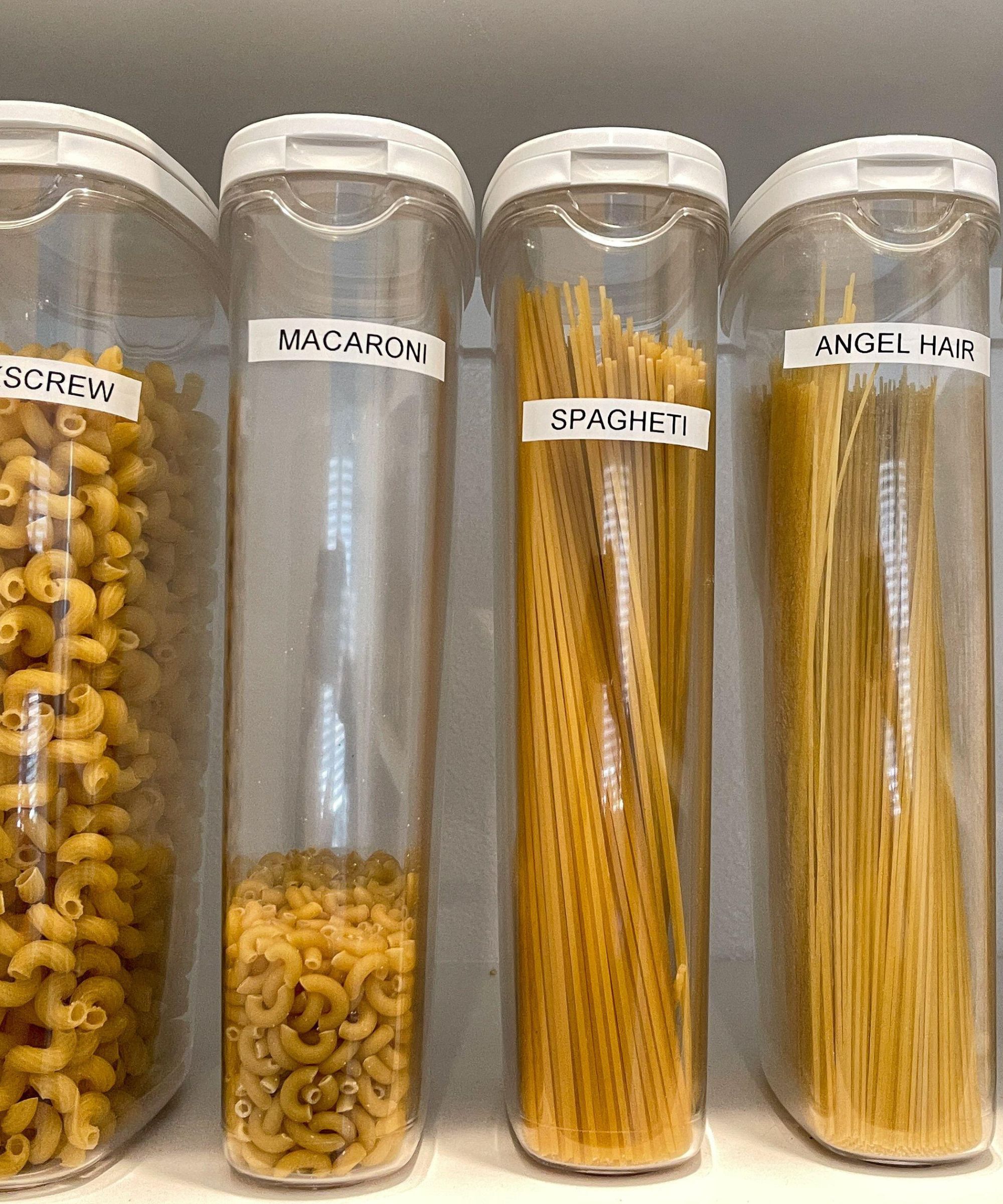
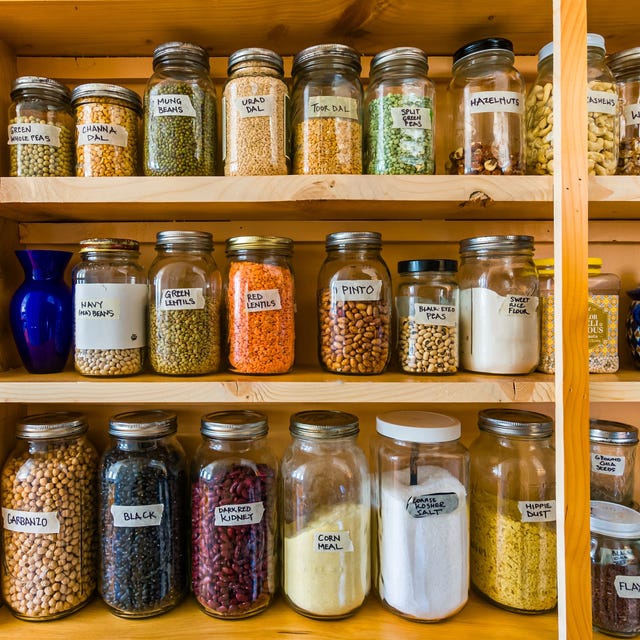
Going overboard with labels is another common pitfall. While labeling is generally recommended for bins and decanted containers, organizers advise against excessive detail. Melvin recommends broad categories like "breakfast," "grains," "snacks," "baking," and "canned foods," which offer structure without sacrificing flexibility. Cheryl Russo of Organizing by Cheryl points out that clients often label every single item, which becomes counterproductive as people don't want to read dozens of labels when they're simply trying to find food.
Professional organizers also make it a point to not keep food items that their household doesn't consume. Hines explains that unwanted food, snacks, or ingredients take up valuable pantry space and are likely to expire, leading to waste. She advises against letting guilt dictate what is kept, suggesting that unopened, non-expired items be donated to neighbors, friends, family, or local food pantries.
Furthermore, organizers strictly limit non-food related items in the pantry. Cheryl Russo states that only food and food-related items, such as lunchboxes and small appliances, should reside there. While some might store serveware, paper products, or kitchen tools, the pantry should not become a general household storage area, especially for items like toxic cleaners, batteries, or lightbulbs, which can pose contamination risks.
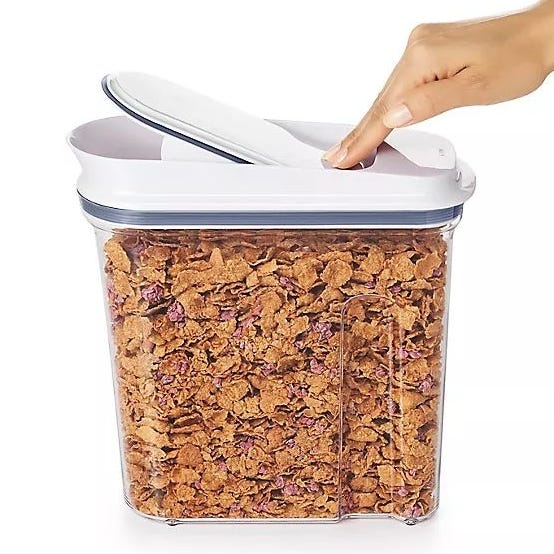
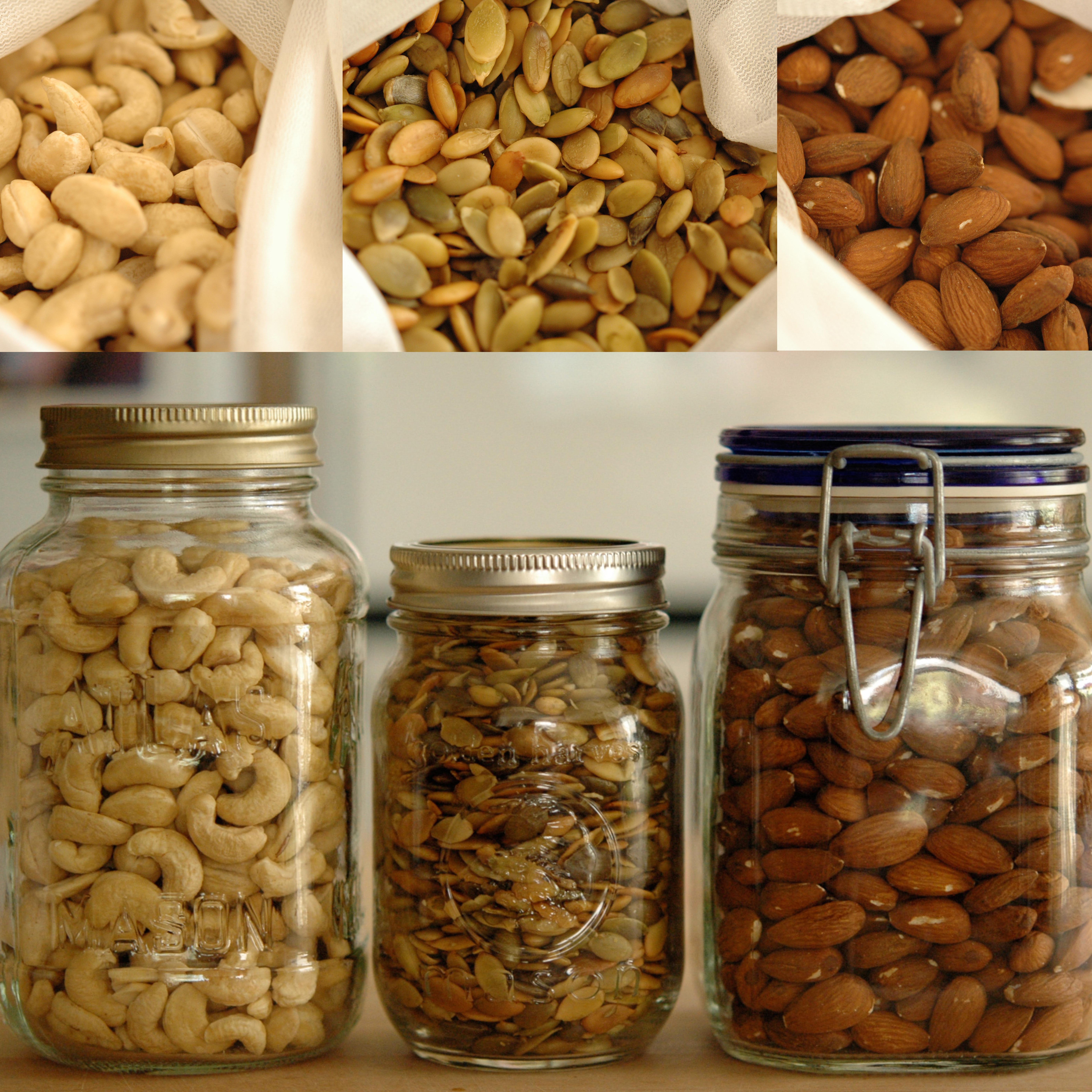
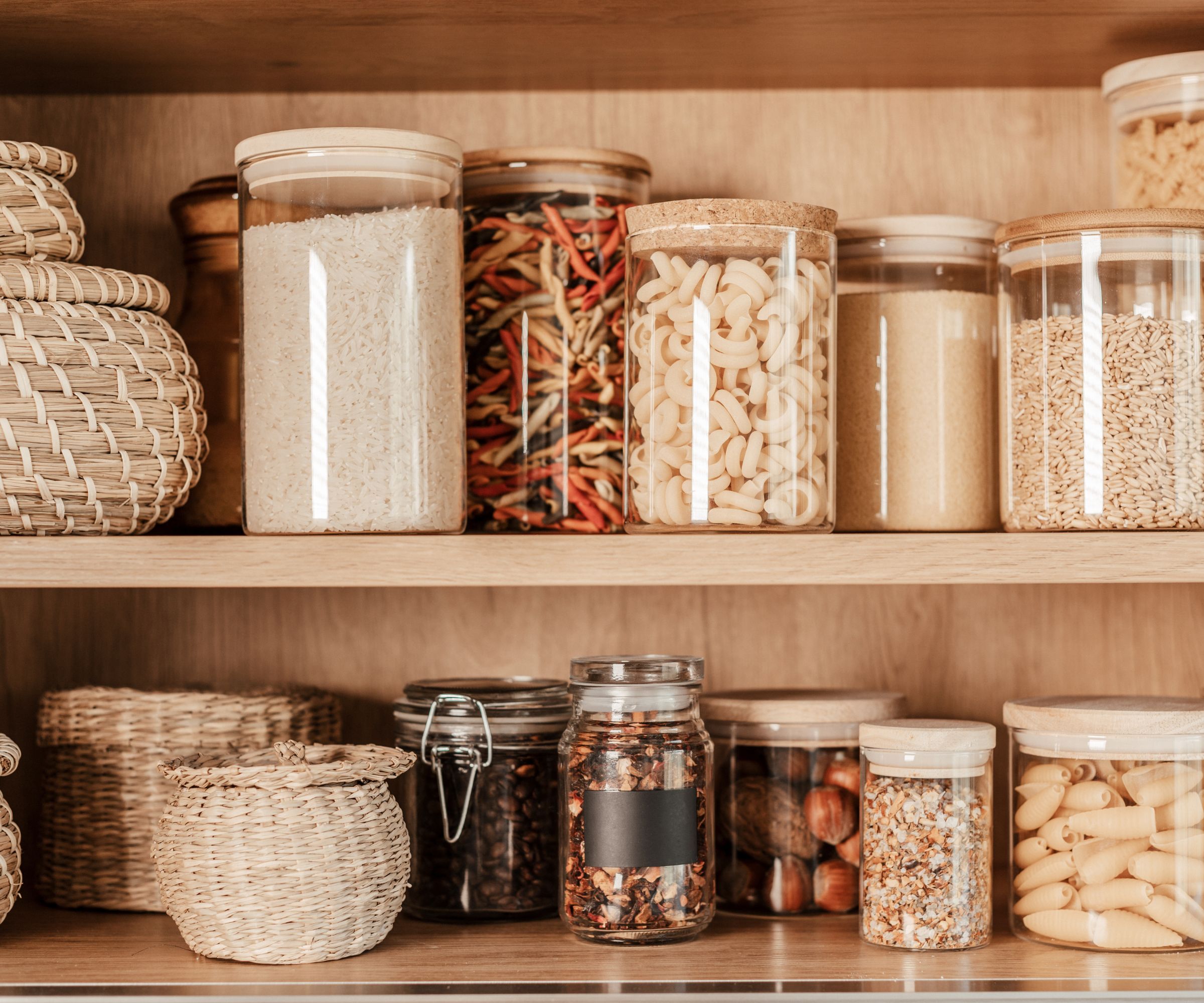
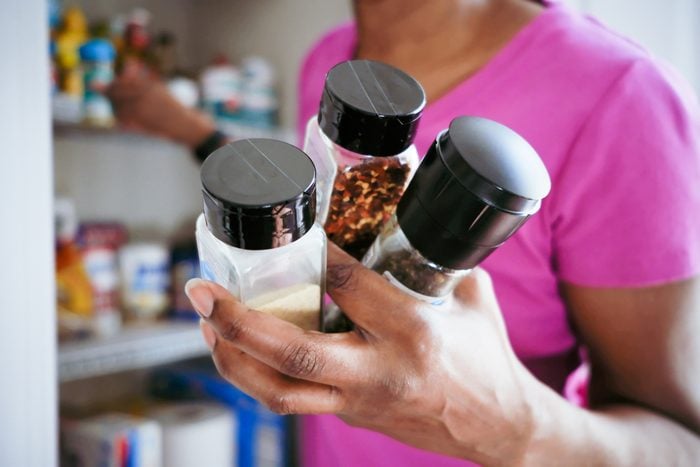
Proper sealing of food bags and containers is paramount. The article stresses that open bags or containers should never be left, as they can compromise freshness and attract pests. While many organizers decant food into glass jars, Melvin notes that it's not a strict requirement; clips or rubber bands can effectively seal bags. This approach also allows for flexibility with different food items over time without needing a specific jar for every single ingredient.
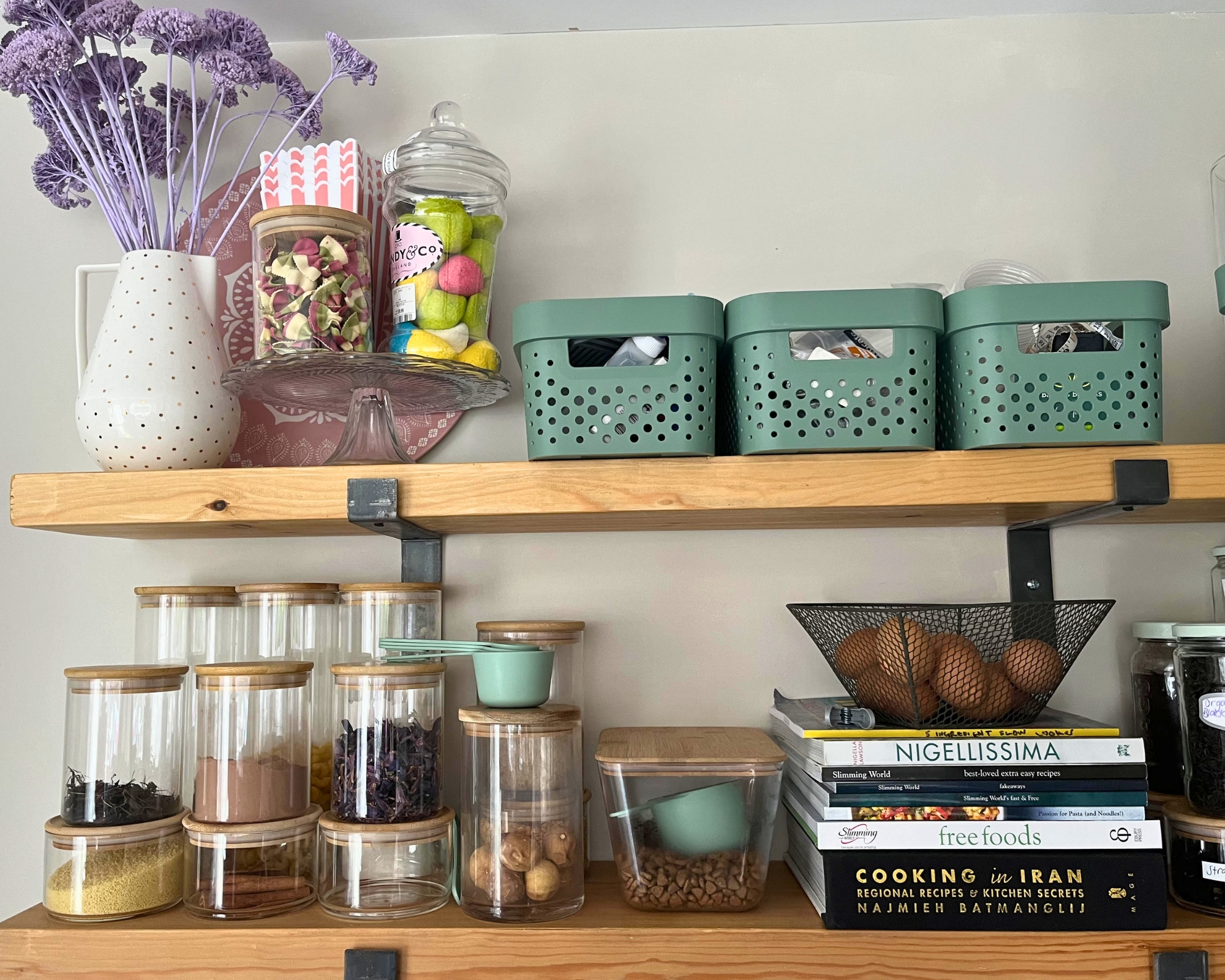
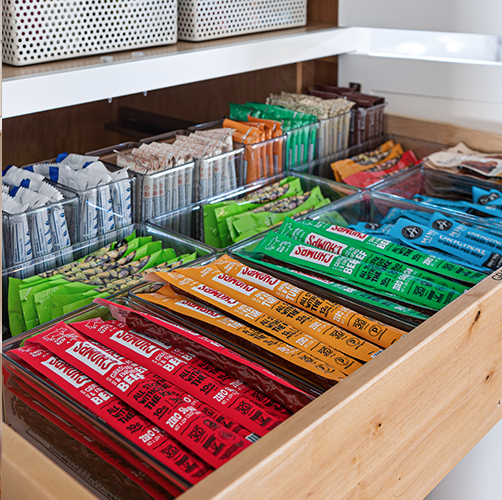
Finally, the advice extends to choosing storage bins for function over aesthetics. While a visually appealing pantry is desirable, functionality should always take precedence. Hines cautions against selecting bins that don't fit shelves properly or have textures that are difficult to clean or shed material. Clear bins or mesh baskets are favored because they allow for easy visibility of contents, preventing items from being forgotten or expiring unseen.
#PantryOrganization #HomeOrganizing #DeclutteringTips #FoodStorage #KitchenSafety #StorageSolutions #LabelingSystems #ProfessionalOrganizers #PantryOrganization #HomeOrganizing #DeclutteringTips #FoodStorage #KitchenSafety #StorageSolutions #LabelingSystems #ProfessionalOrganizers
0 komentarzy łącznie
 Brak komentarzy jeszcze
Możesz również polubić
9 Genius Pantry Hacks Professional Organizers ALWAYS Recommend
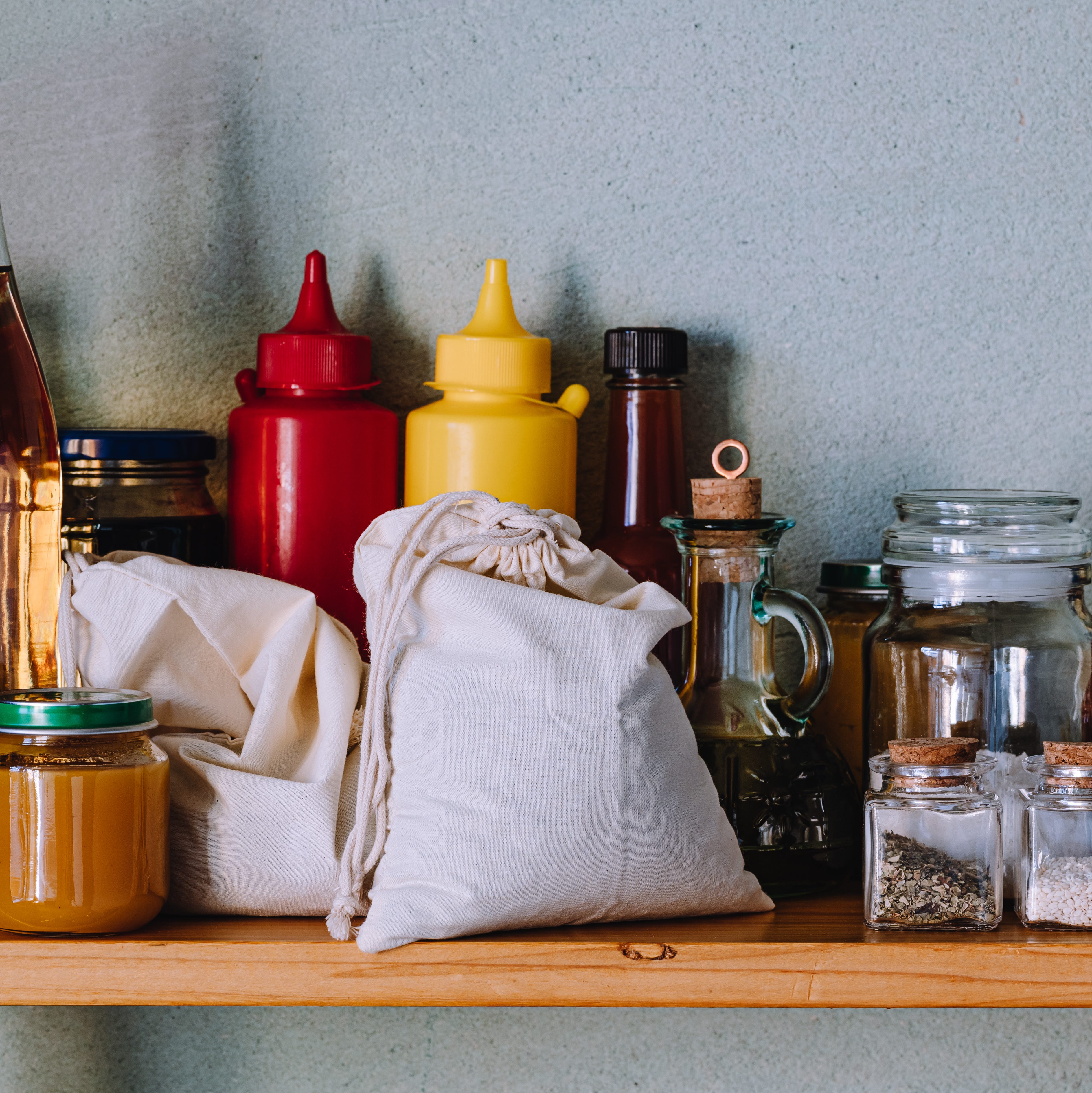
6 Things You Should NEVER Keep In Your Pantry, According To Pro Organizers & Chefs
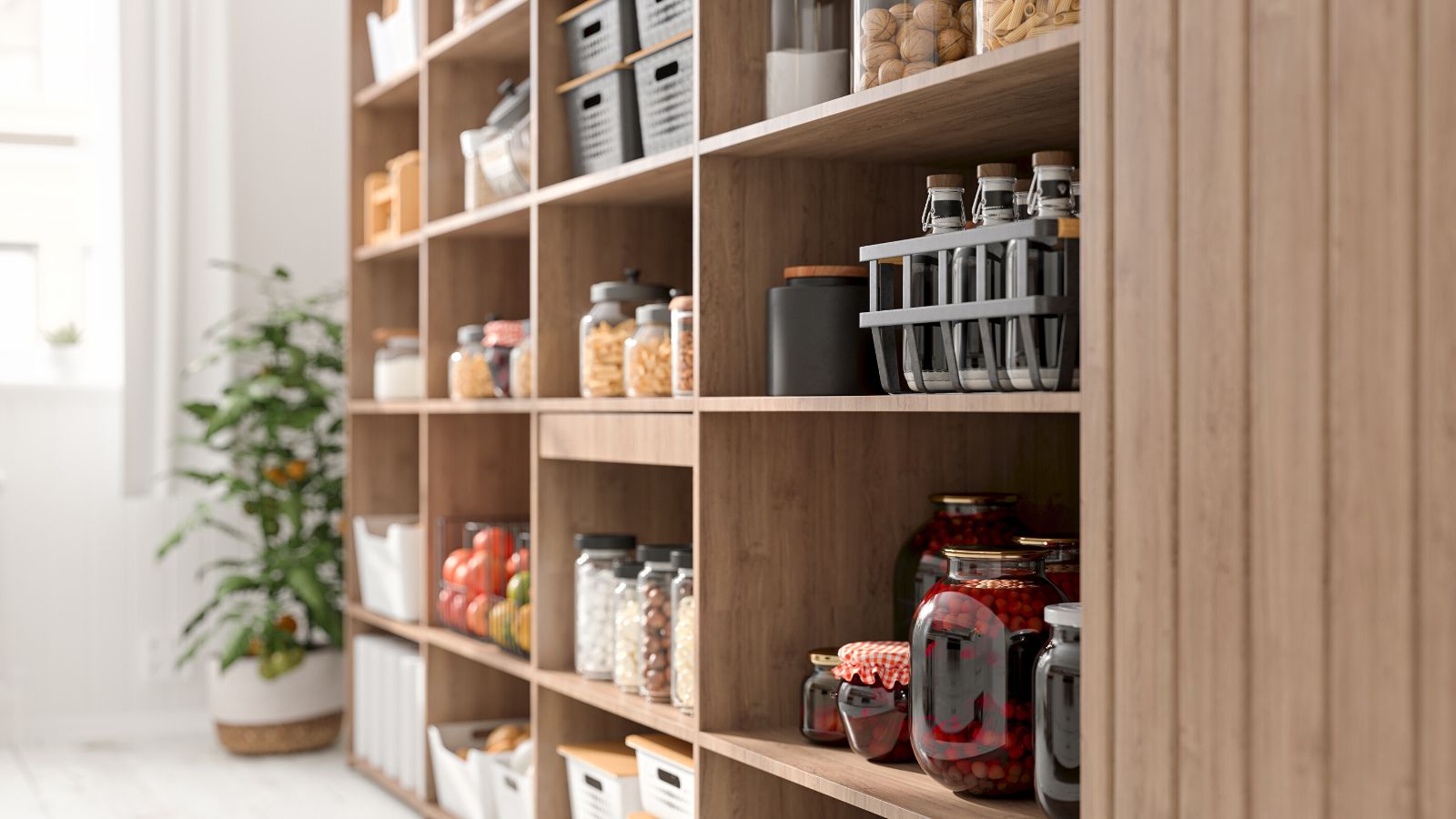
7 types of storage you should never use in a pantry – they'll make utilizing this space well 10 times harder, pros say

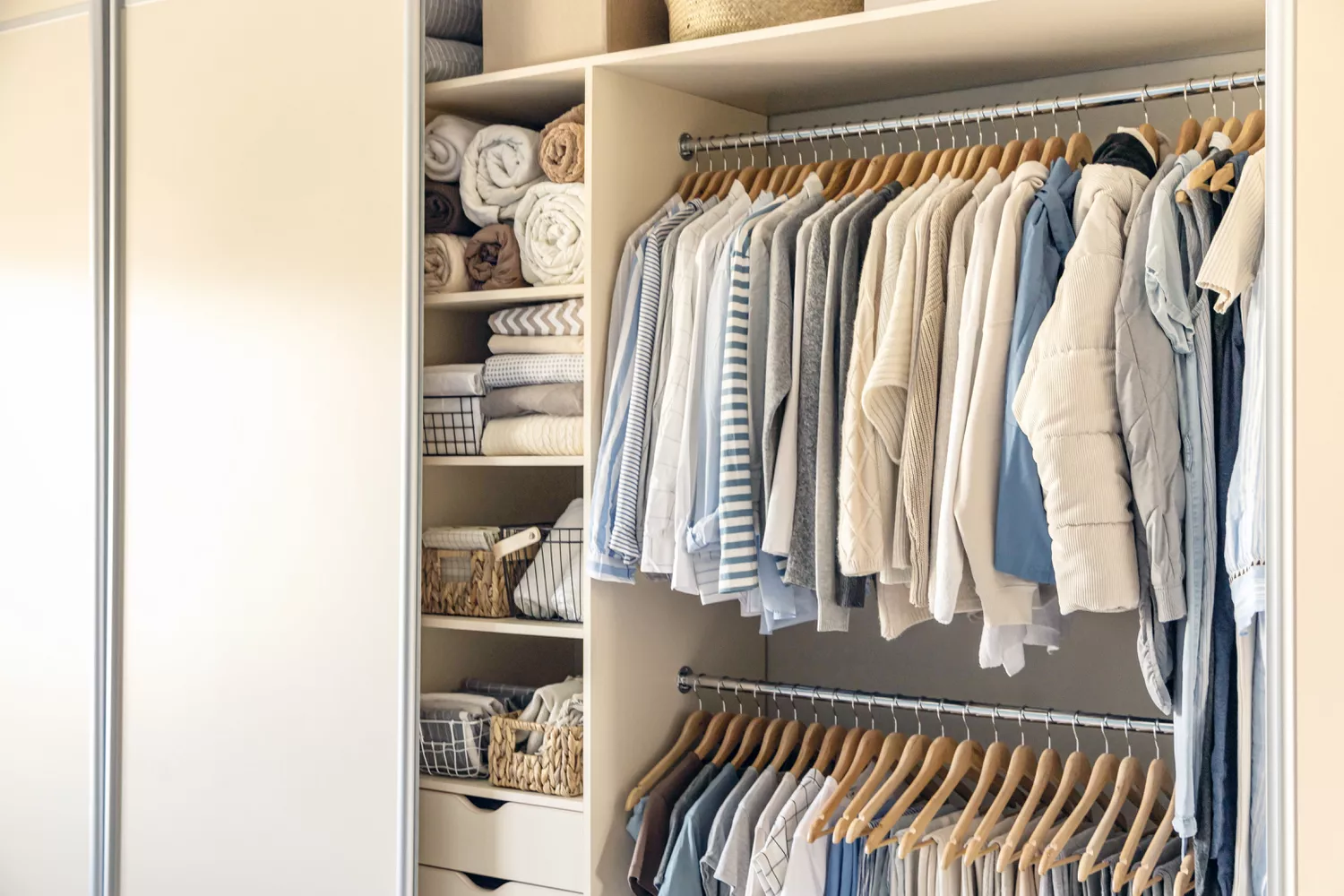
8 Closet Organization Mistakes That Annoy Pro Organizers—and Make Your Space Way Less Functional

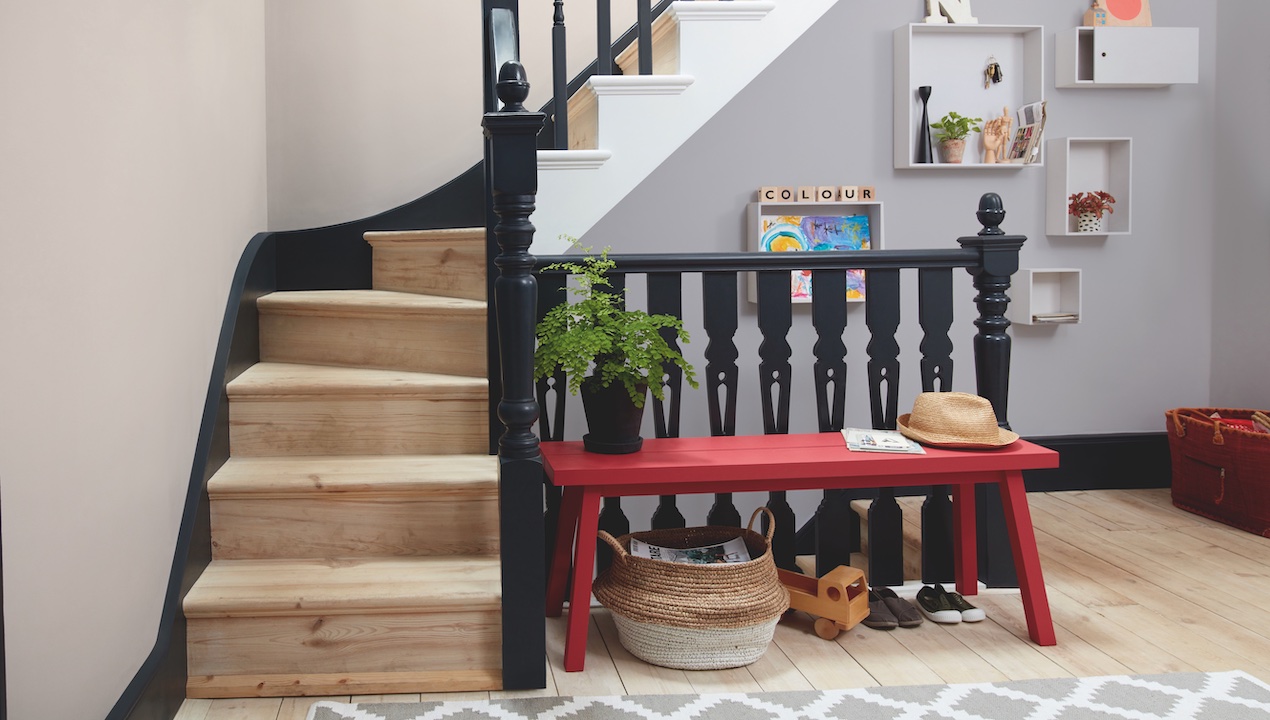
8 things a professional organiser would never keep in a hallway – and you shouldn’t either

'Most kitchens don't suffer from a lack of storage, just inefficient use of it' – 7 things people with tidy kitchen cabinets never do
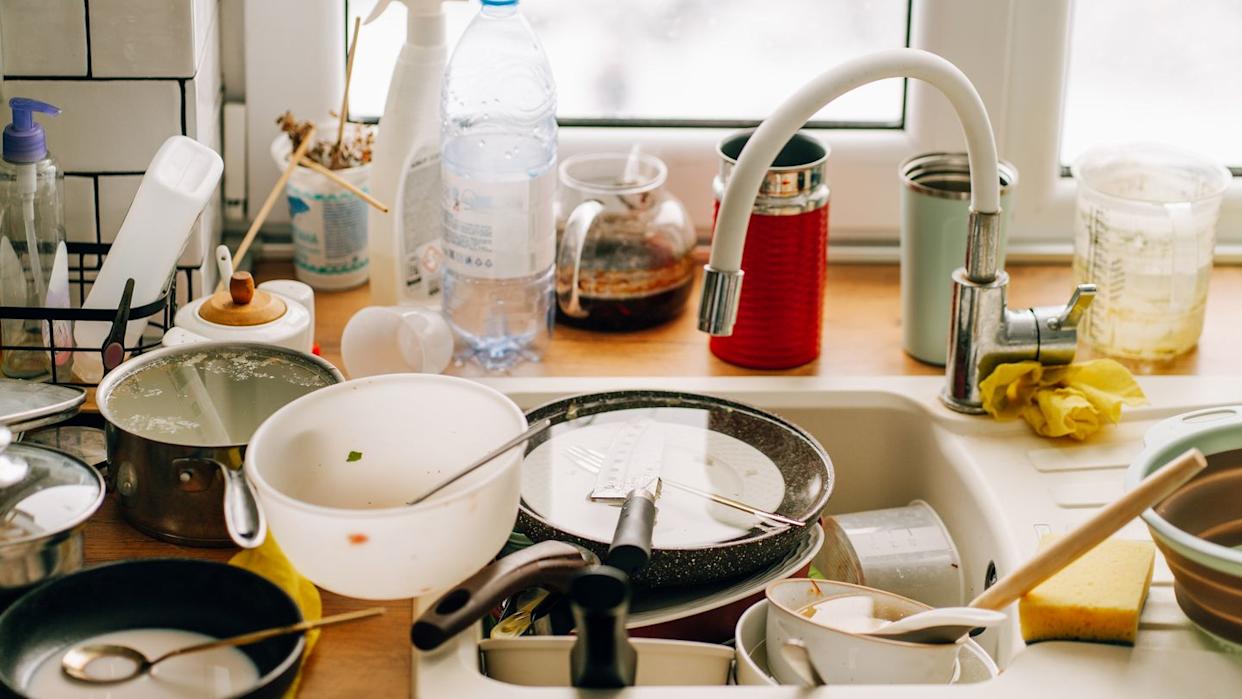
8 Things Pro Organizers Say You Should NEVER Keep On Your Kitchen Counter

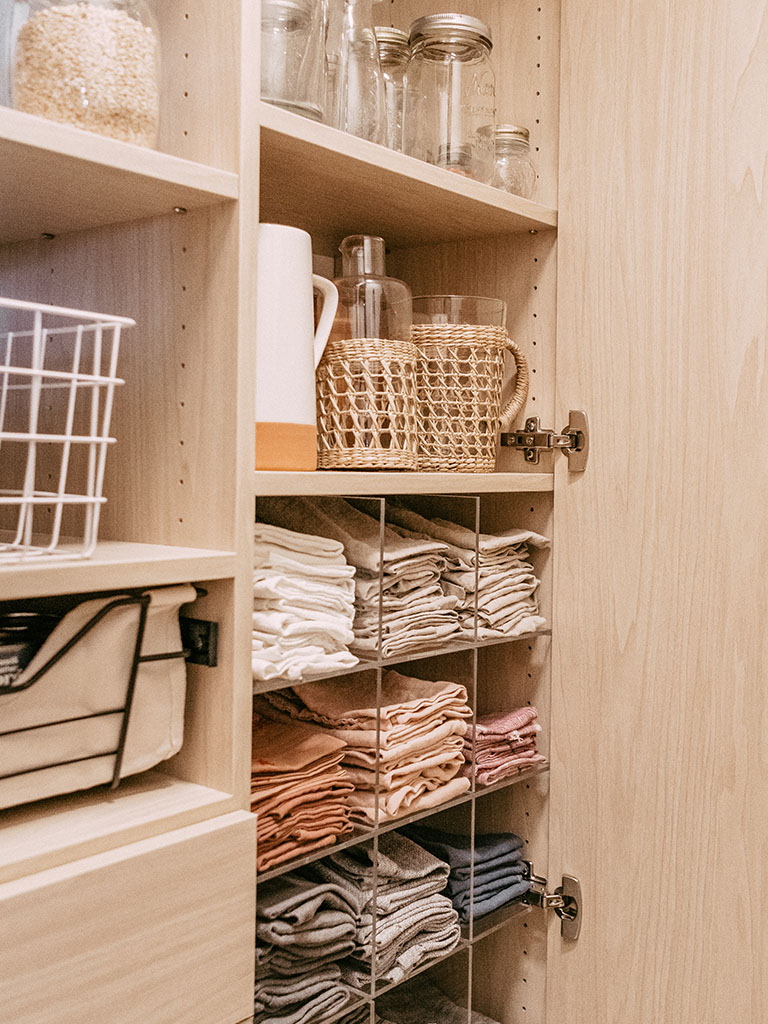
9 Unexpected Kitchen Storage and Organization Ideas You Didn’t Try Last Spring
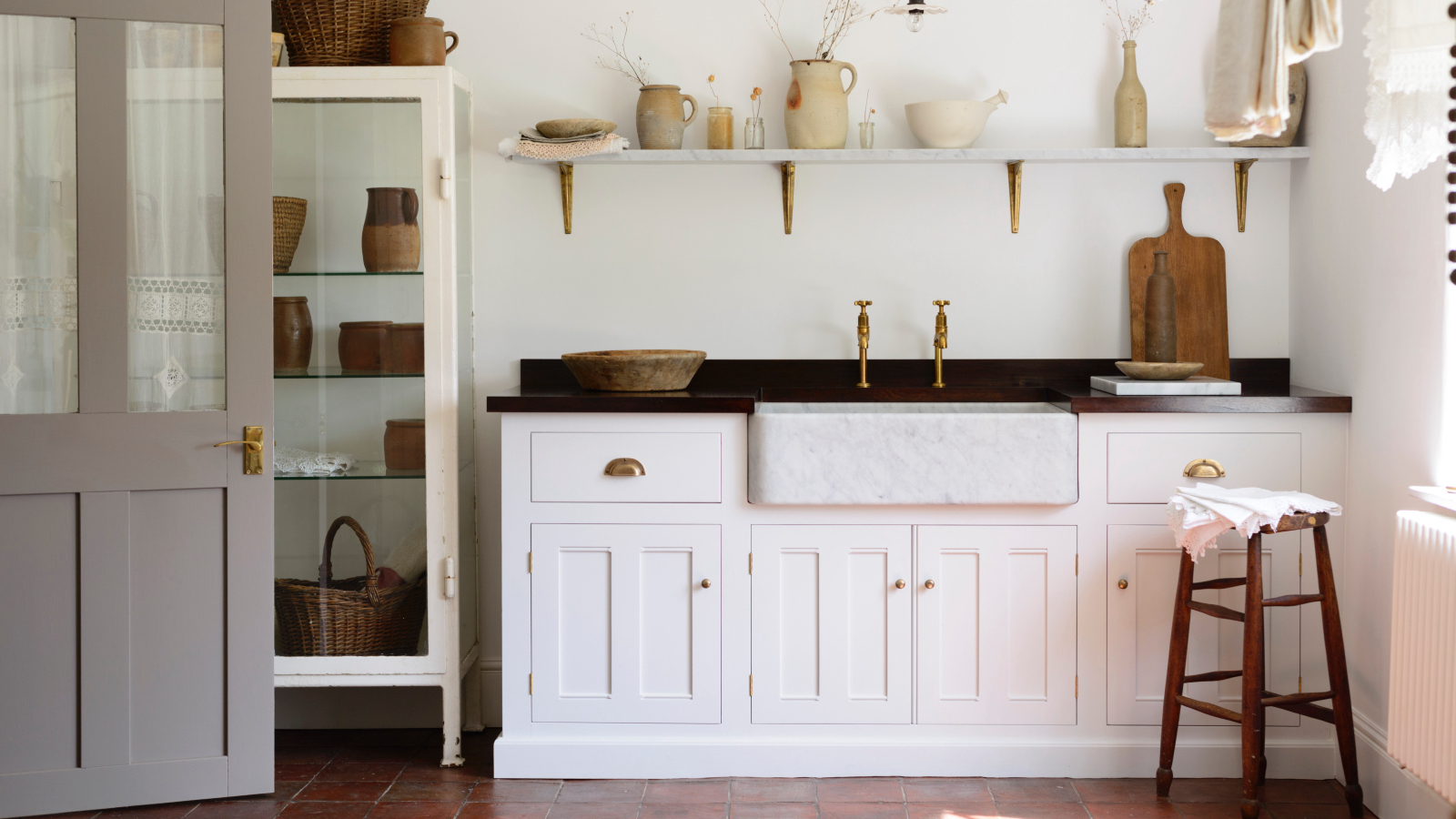
7 things people with organized kitchen pantries always do
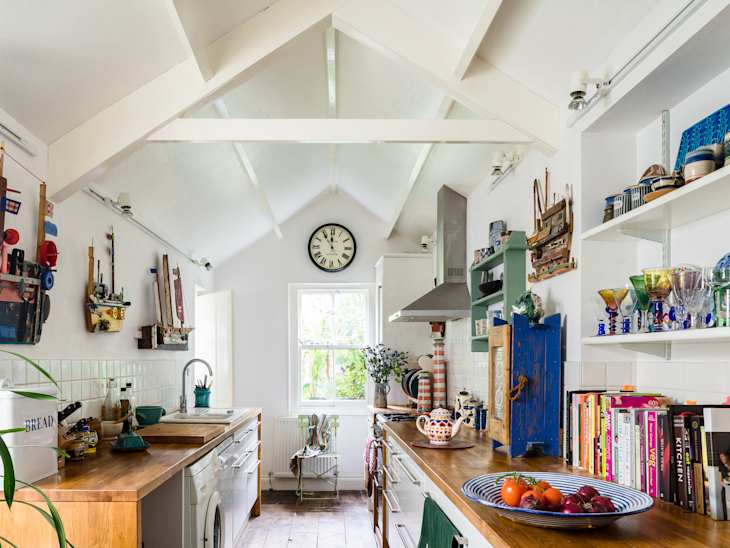
Pro Organizers Cringe When They See These 7 Things in a Kitchen
8 things people with organized small entryways never do

Professional Organizers Use These 7 Products to Keep Their Pantries Beautifully Tidy
9 Genius Pantry Hacks Professional Organizers ALWAYS Recommend


From fluffy towels to medicine cabinets: 9 things professional organisers never keep in the bathroom

15 Items in Your Kitchen That Professional Organizers Would Throw Out


Never store these 6 things on open kitchen shelving, warn pro organisers
10 things decluttering experts won't keep in their kitchen cupboards

5 storage mistakes people with clutter-free kitchens never make - they'll make you re-think your remodel plans

9 Things Professional Declutterers Won’t Keep In Their Bathroom
This Pro Organizer’s Must-Do Step for Organizing a Pantry Is Shockingly Simple