1/10
5 Tricks to Maximize Your Home's Natural Light on Darker Autumnal Days Using Artificial Lighting
As autumn transitions into winter, the days become shorter and darker, making it essential to compensate for the diminishing natural light in homes. This article provides expert-backed strategies to maximize light using artificial fixtures, ensuring a warm, inviting, and well-lit living space even during the darkest months. The core idea is to replicate the cheerfulness of summer light by intelligently integrating artificial lighting. This involves careful selection of fixtures, strategic placement, appropriate color temperatures, balancing daytime and nighttime lighting, and leveraging reflective surfaces.
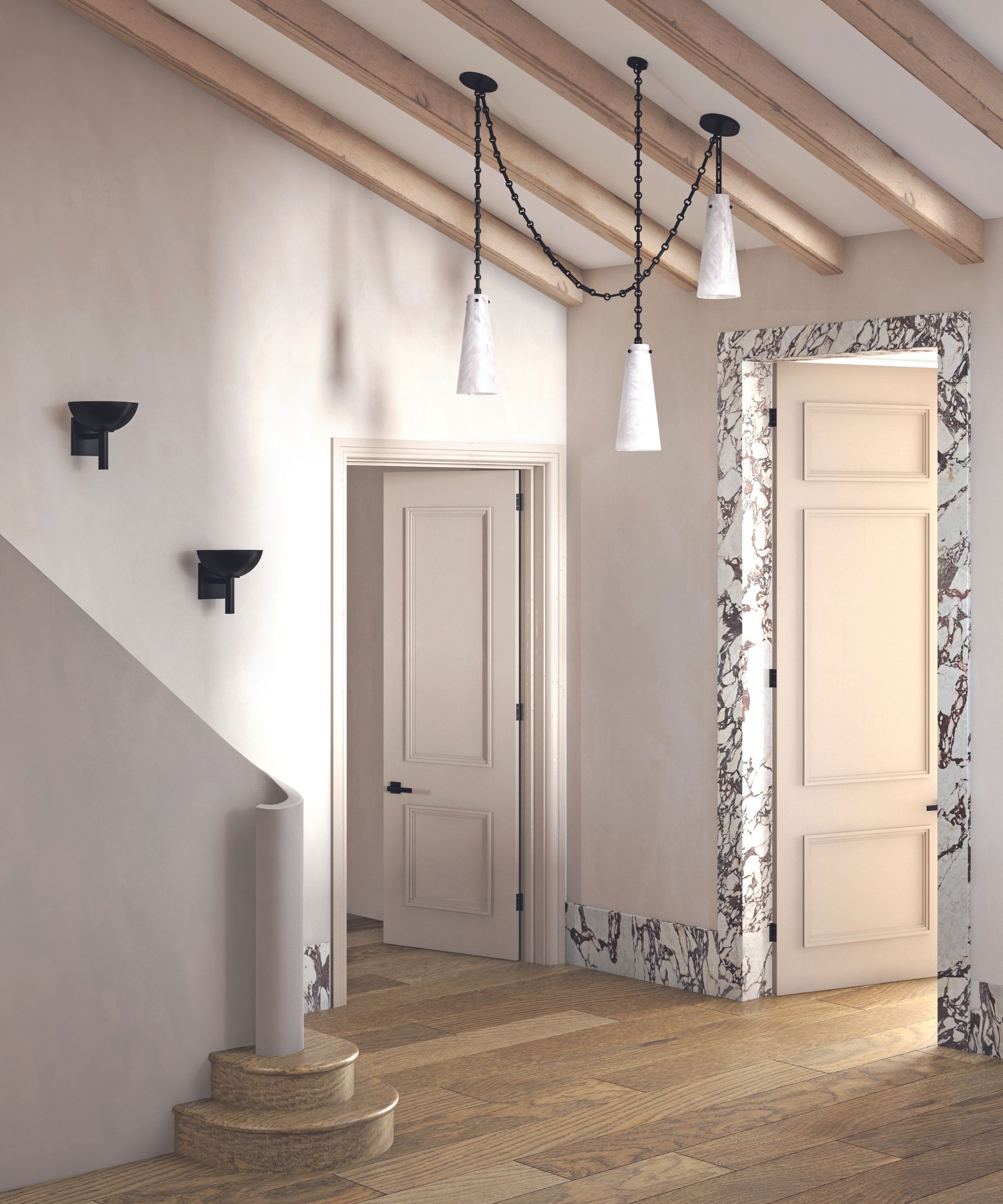
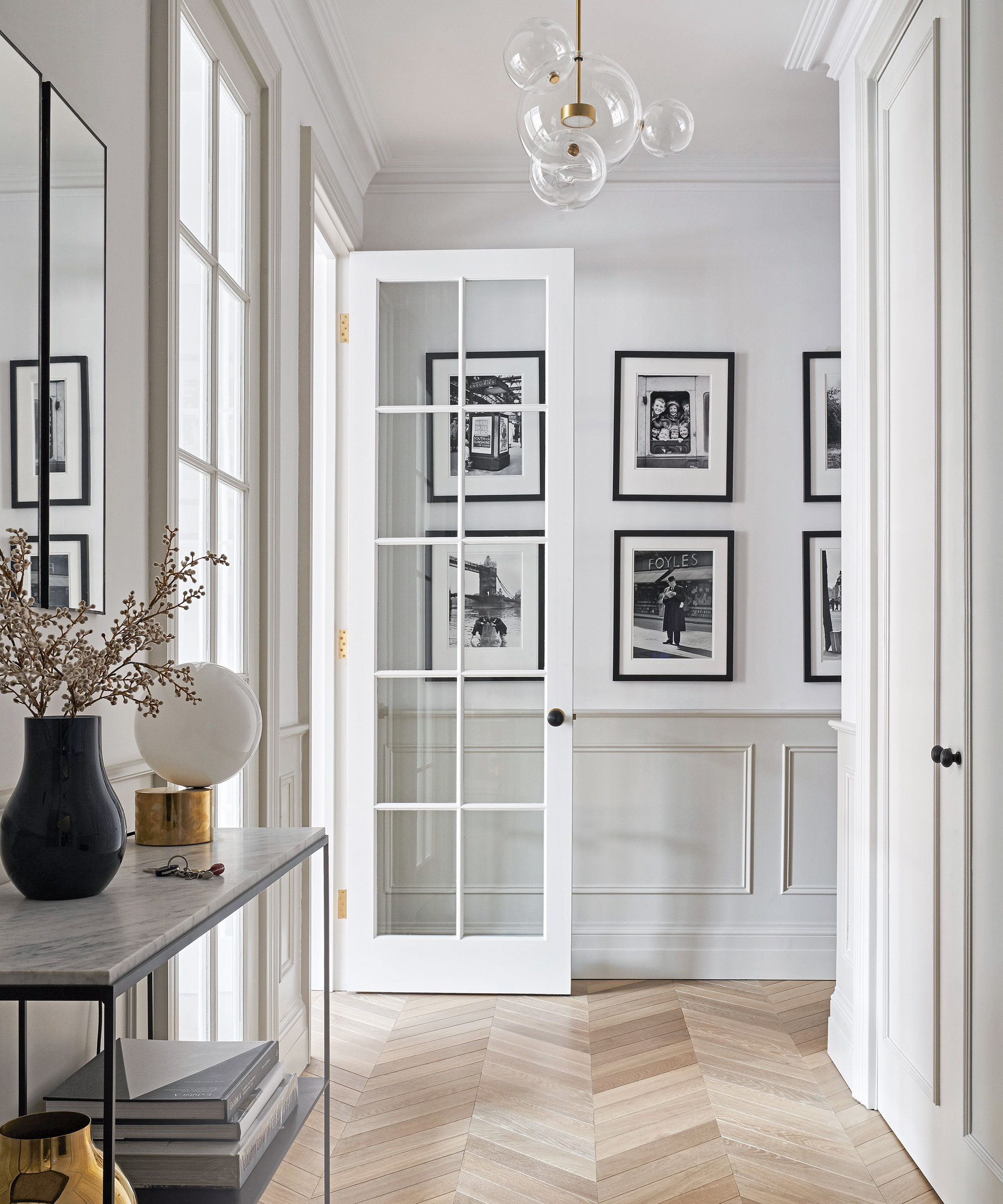
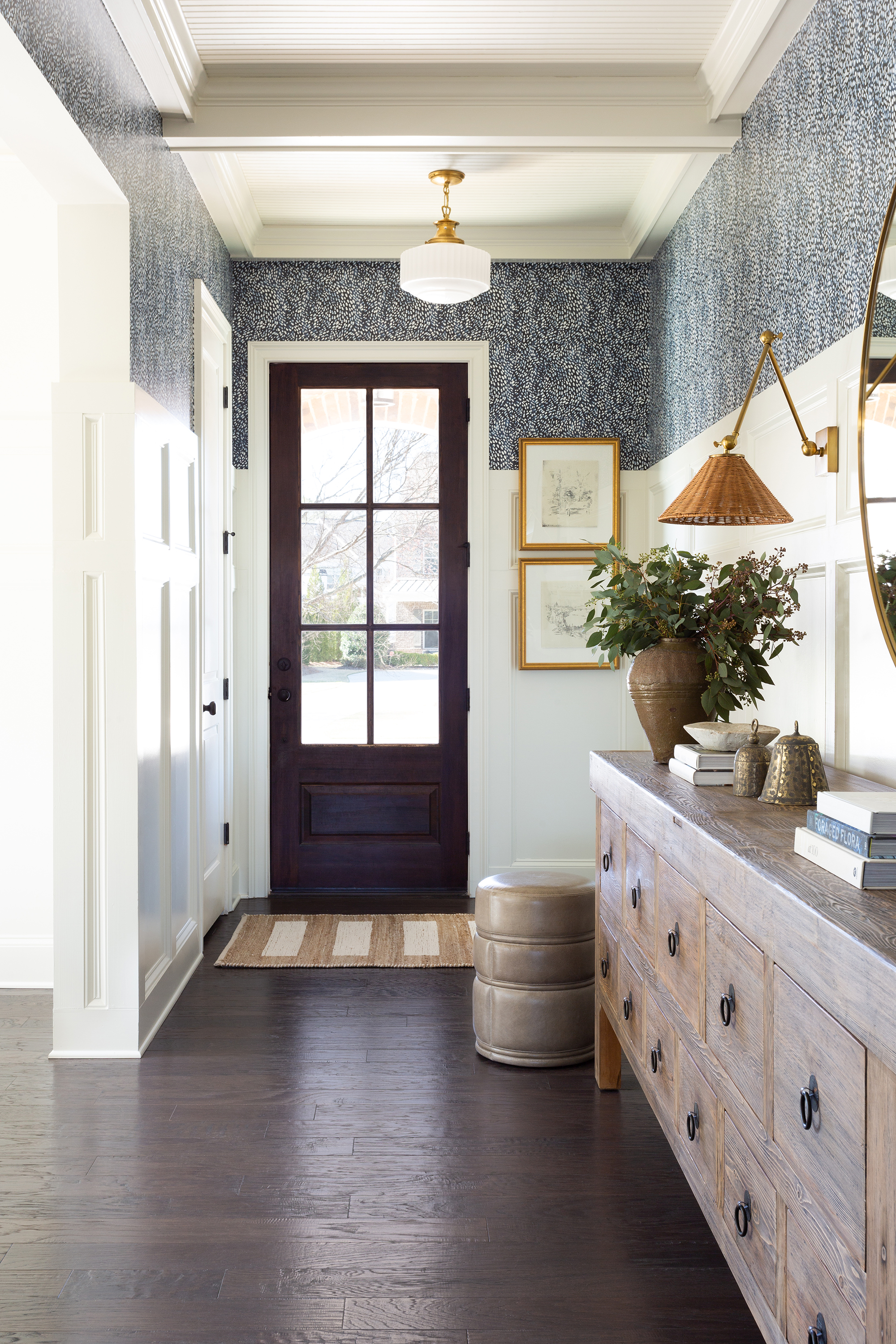
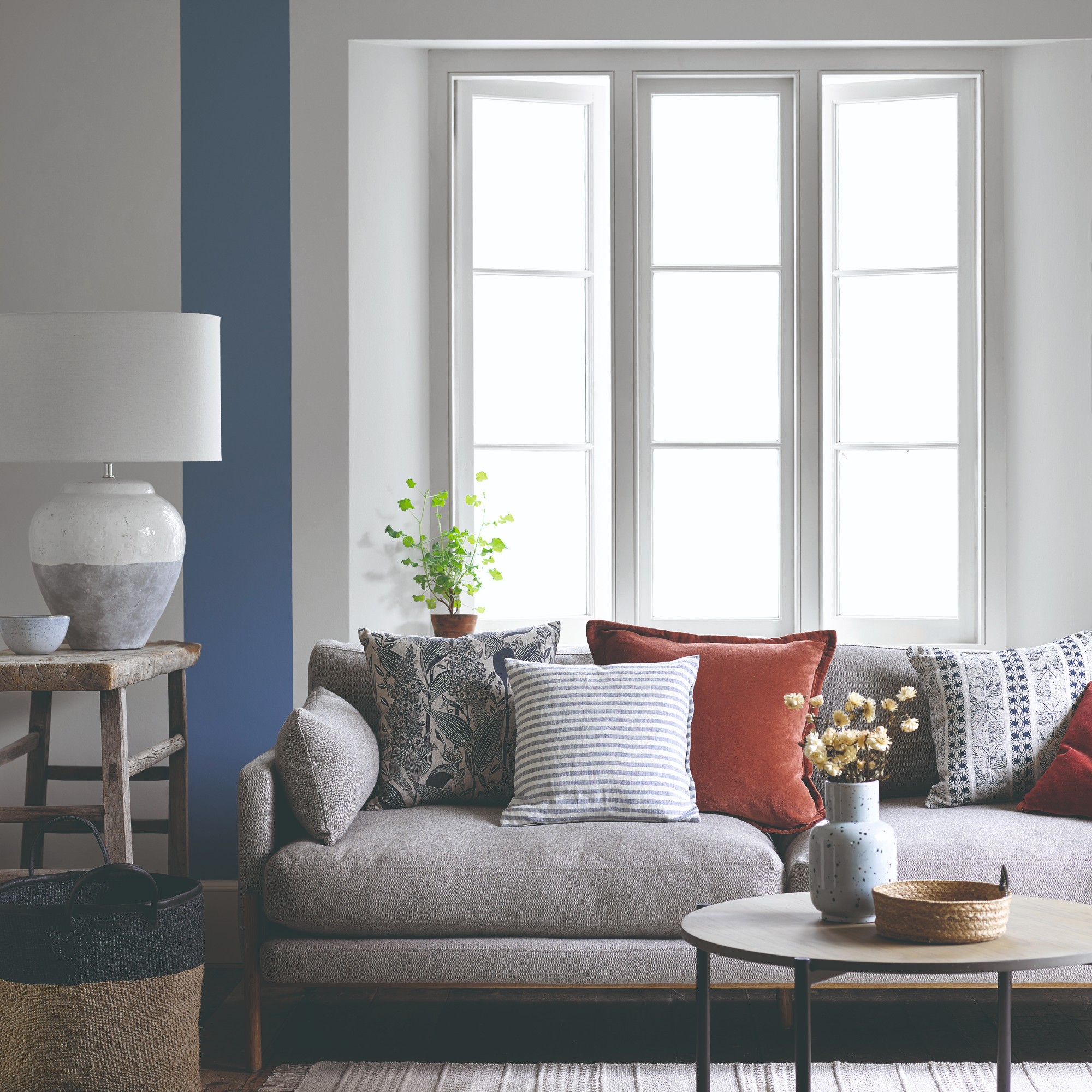
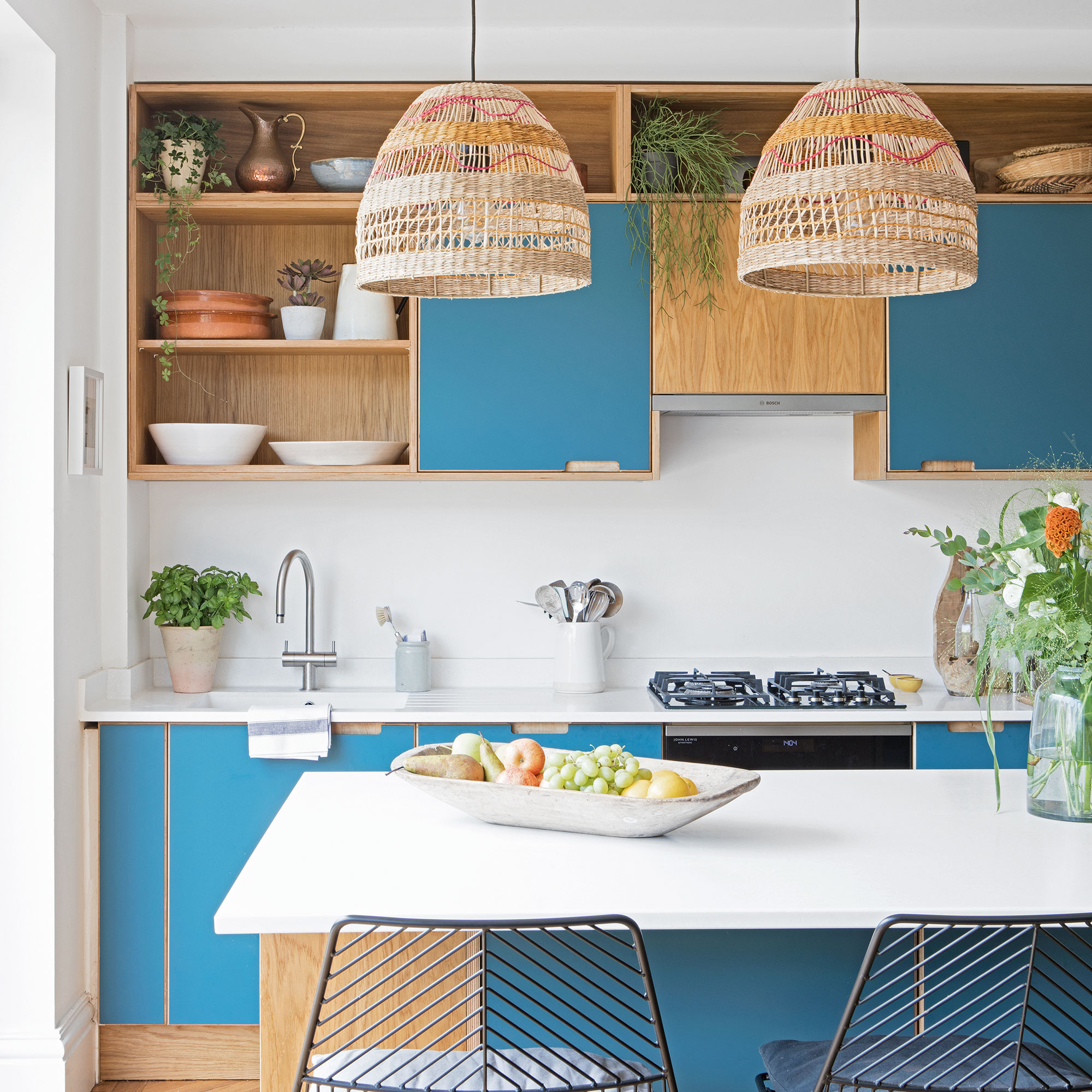
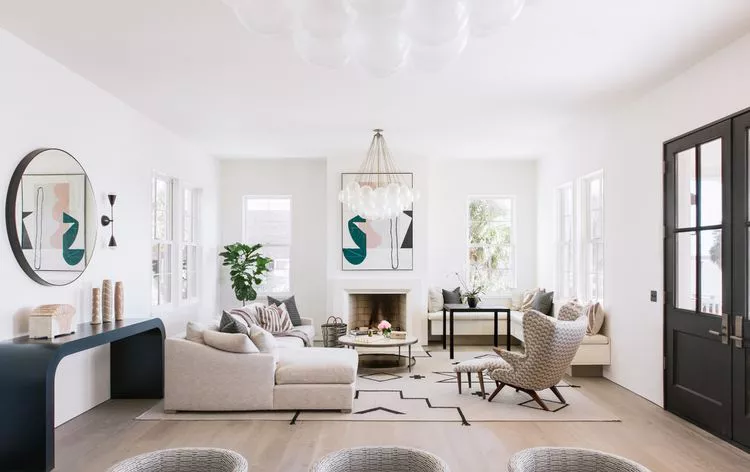
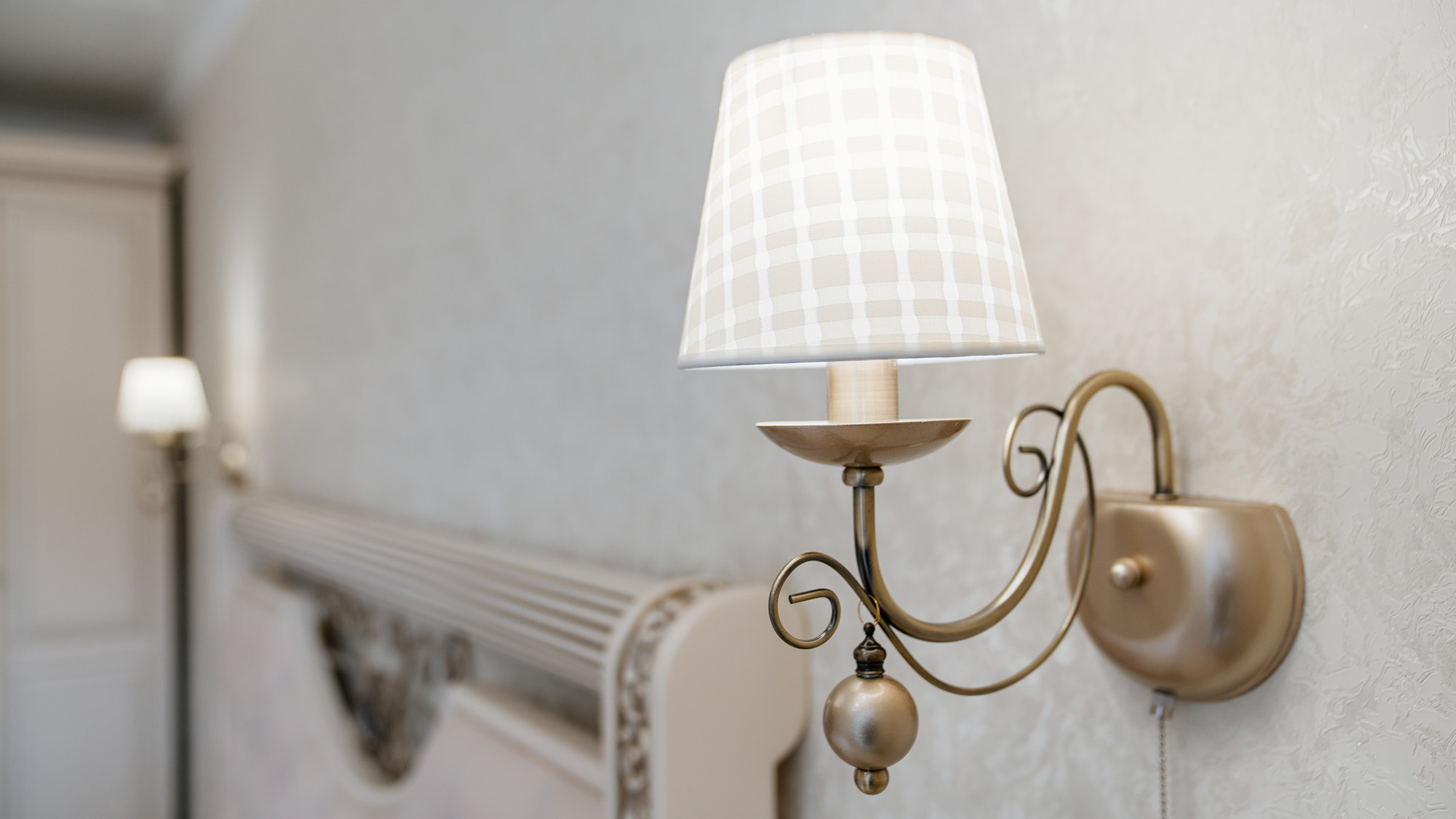
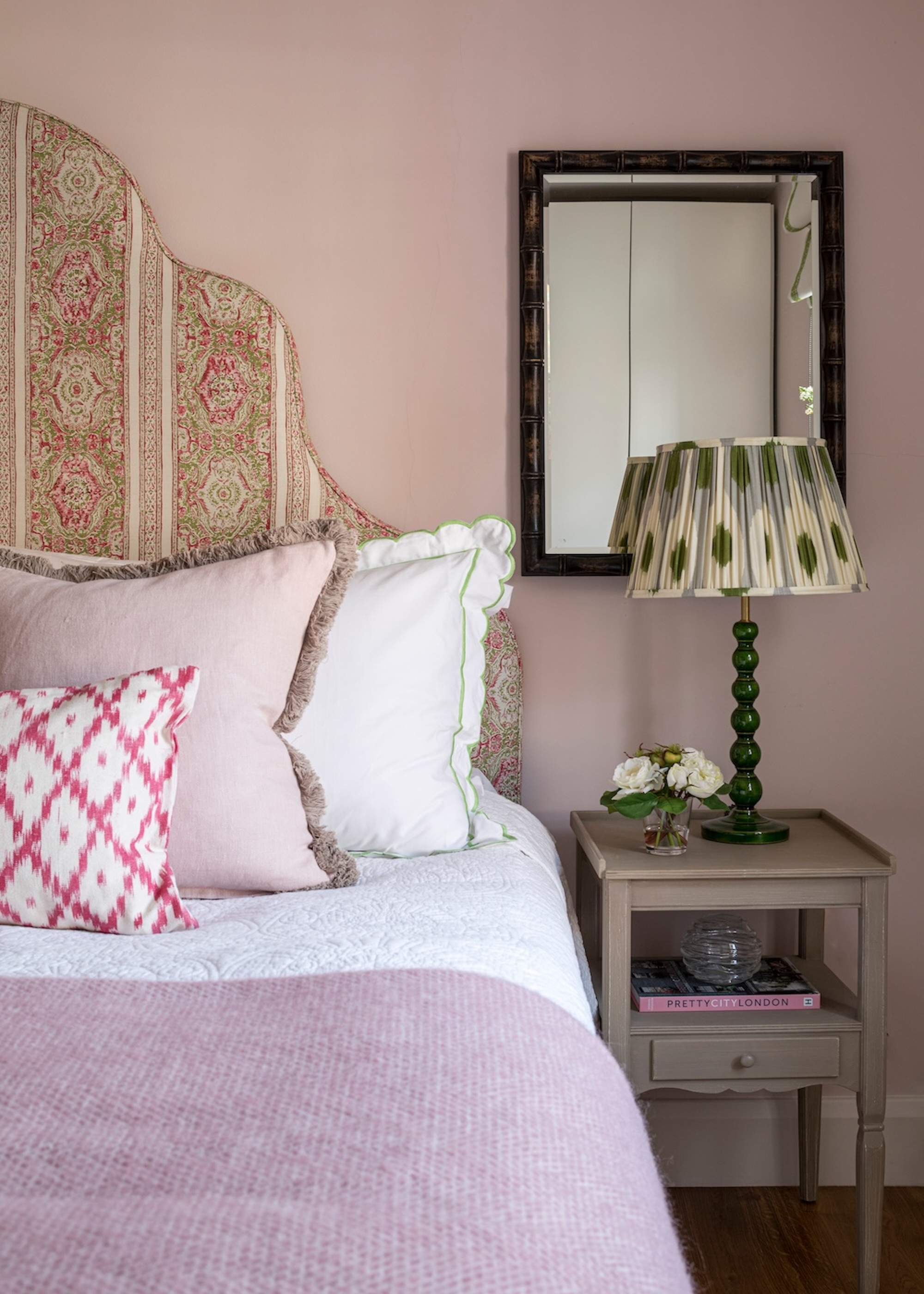
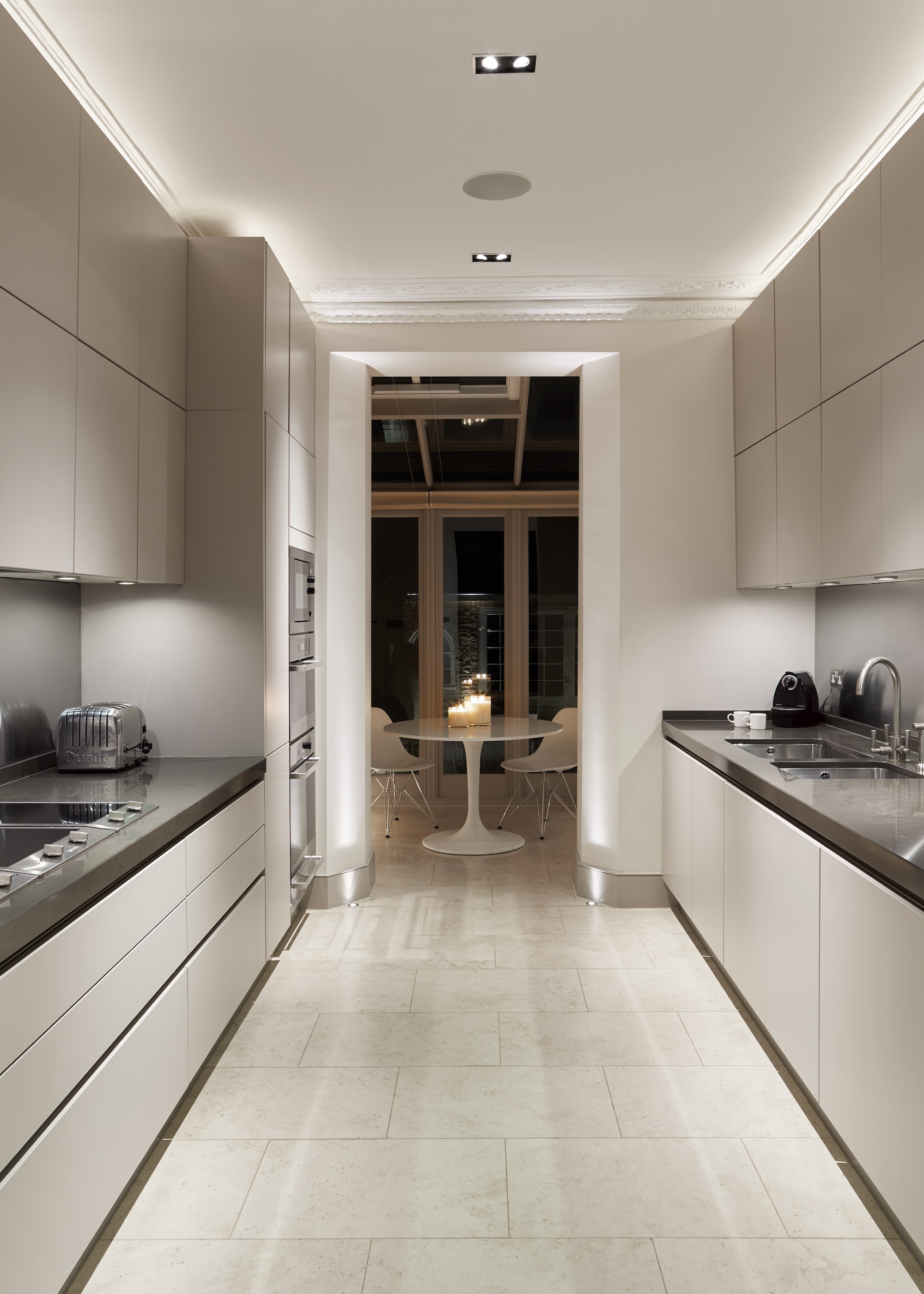
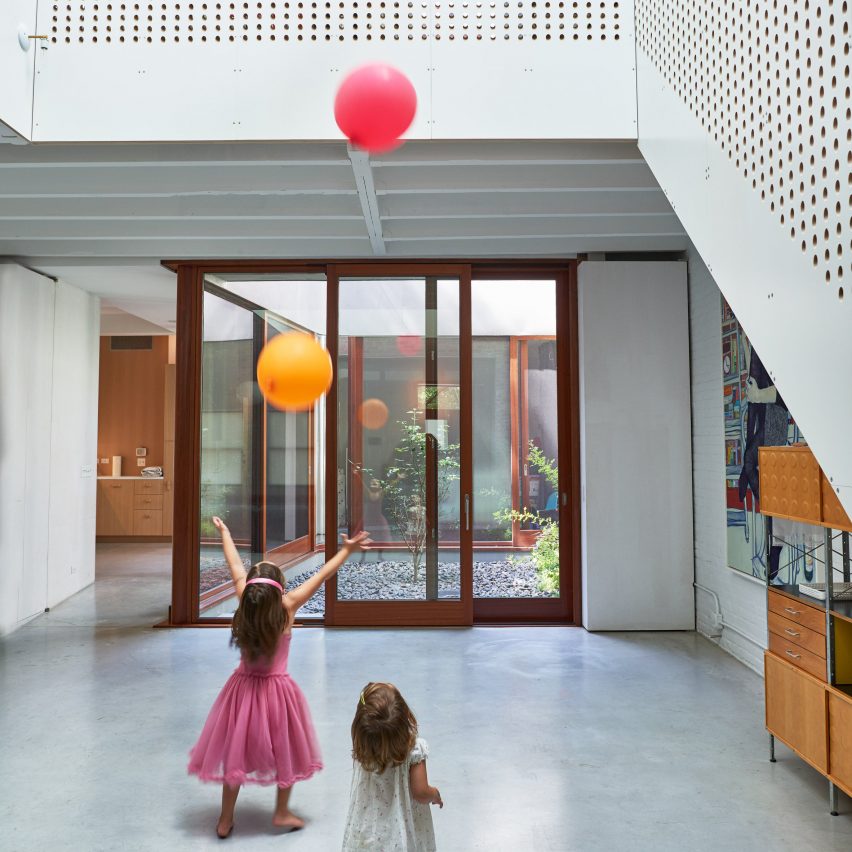
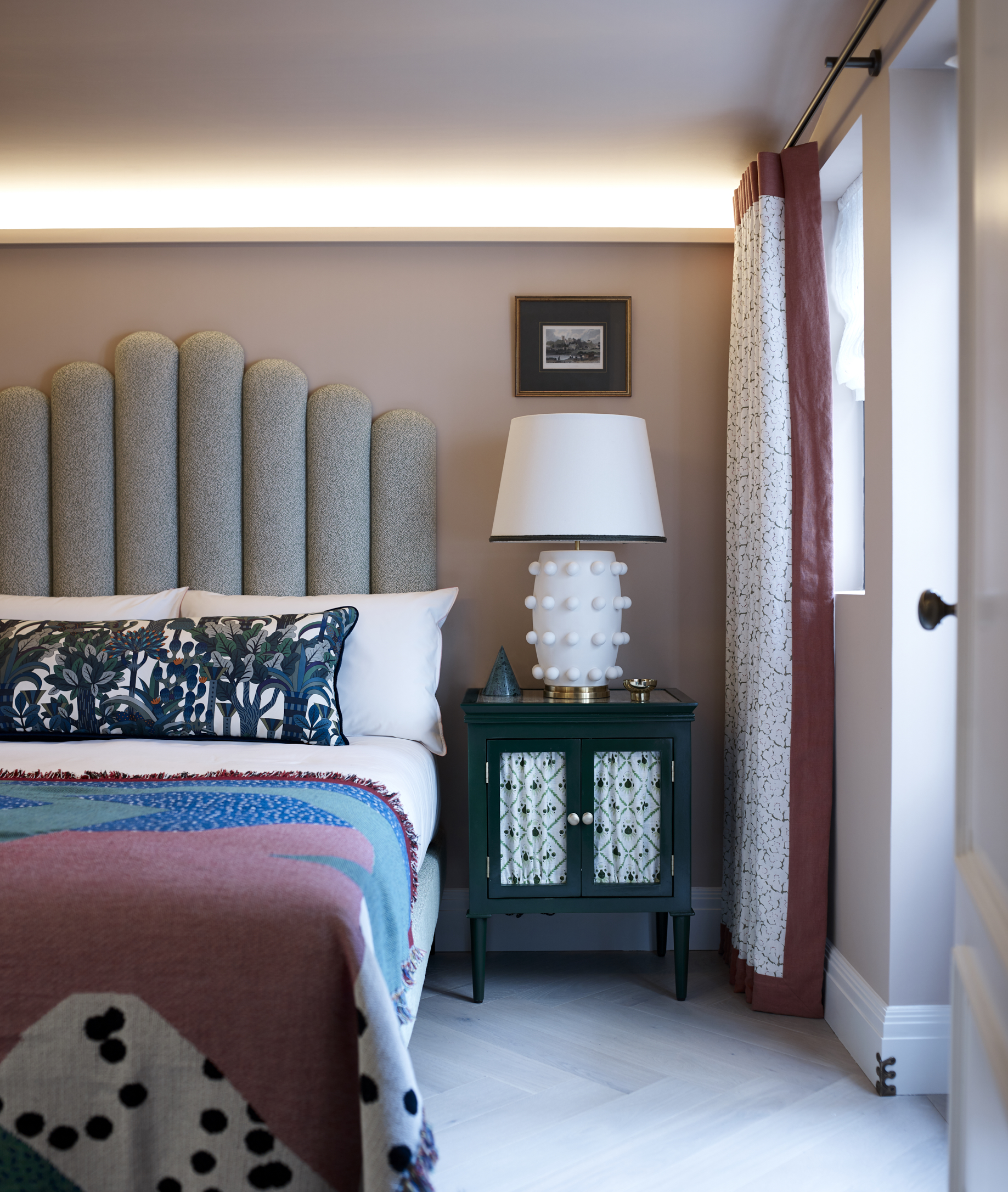
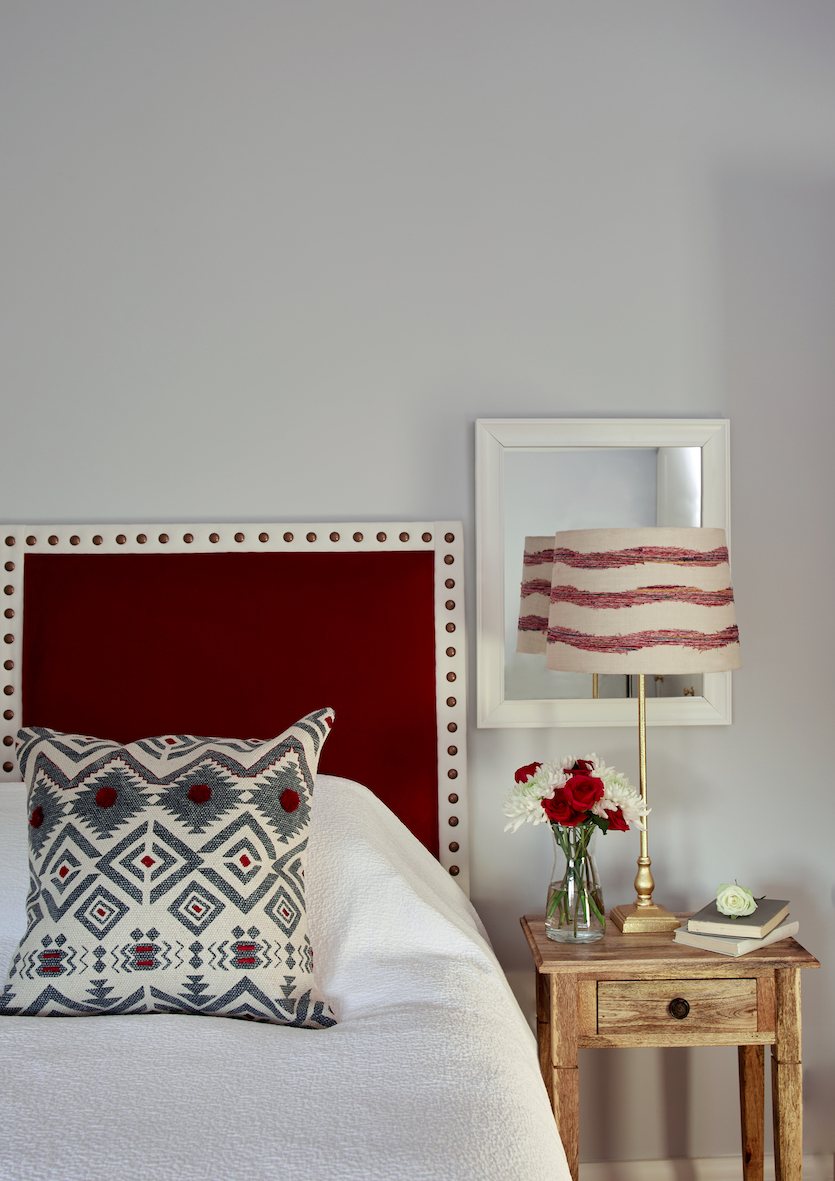
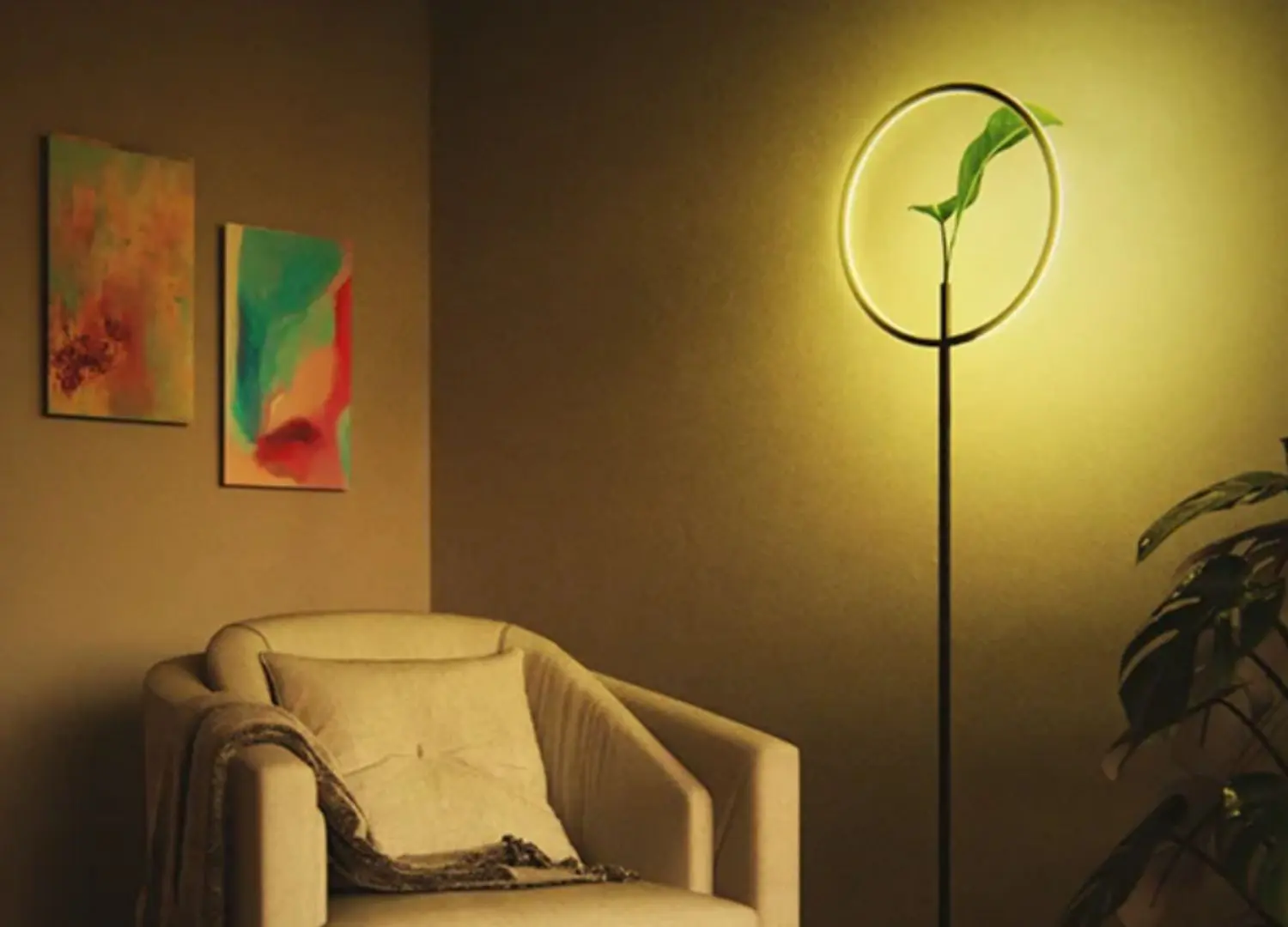
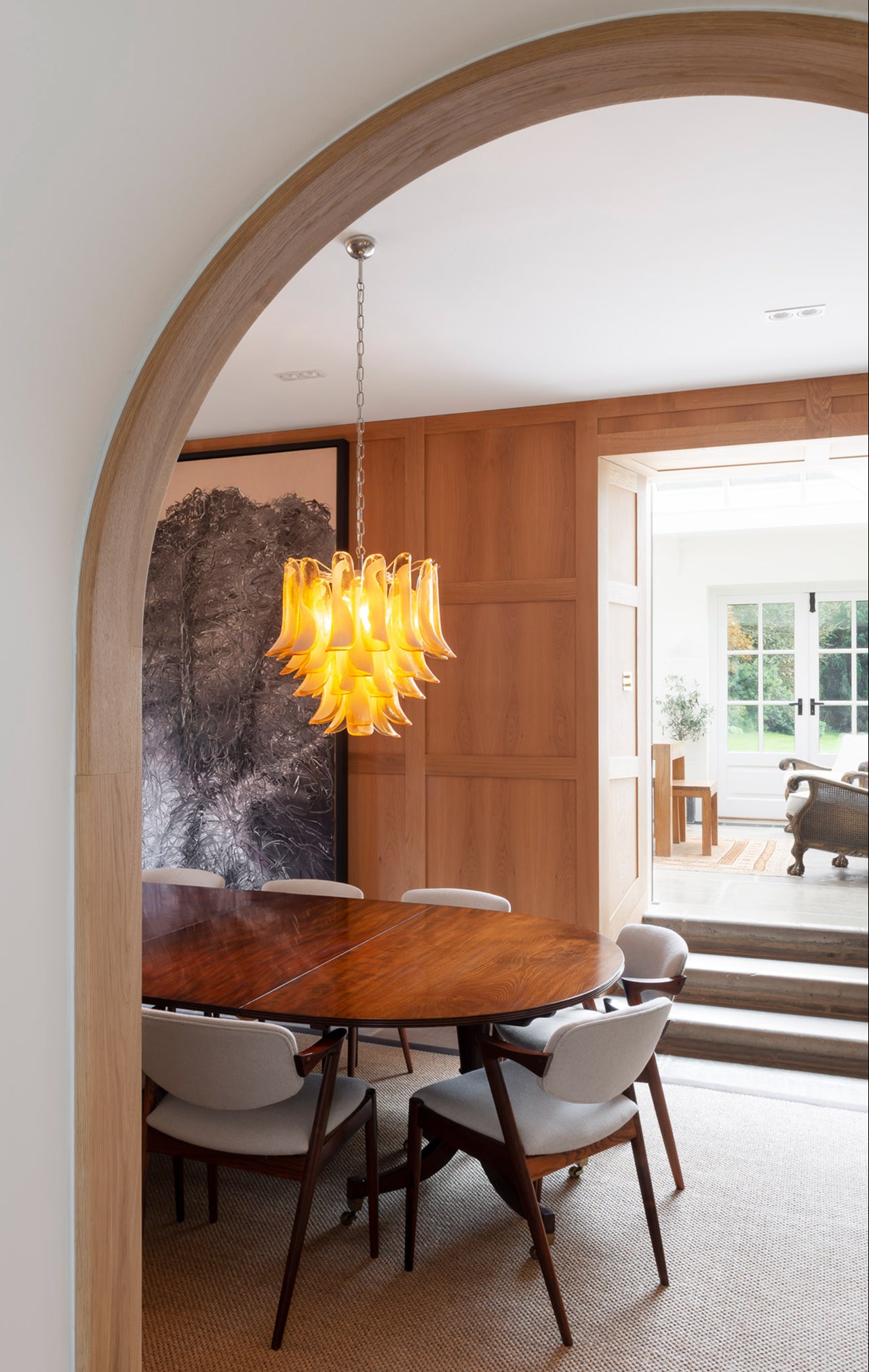
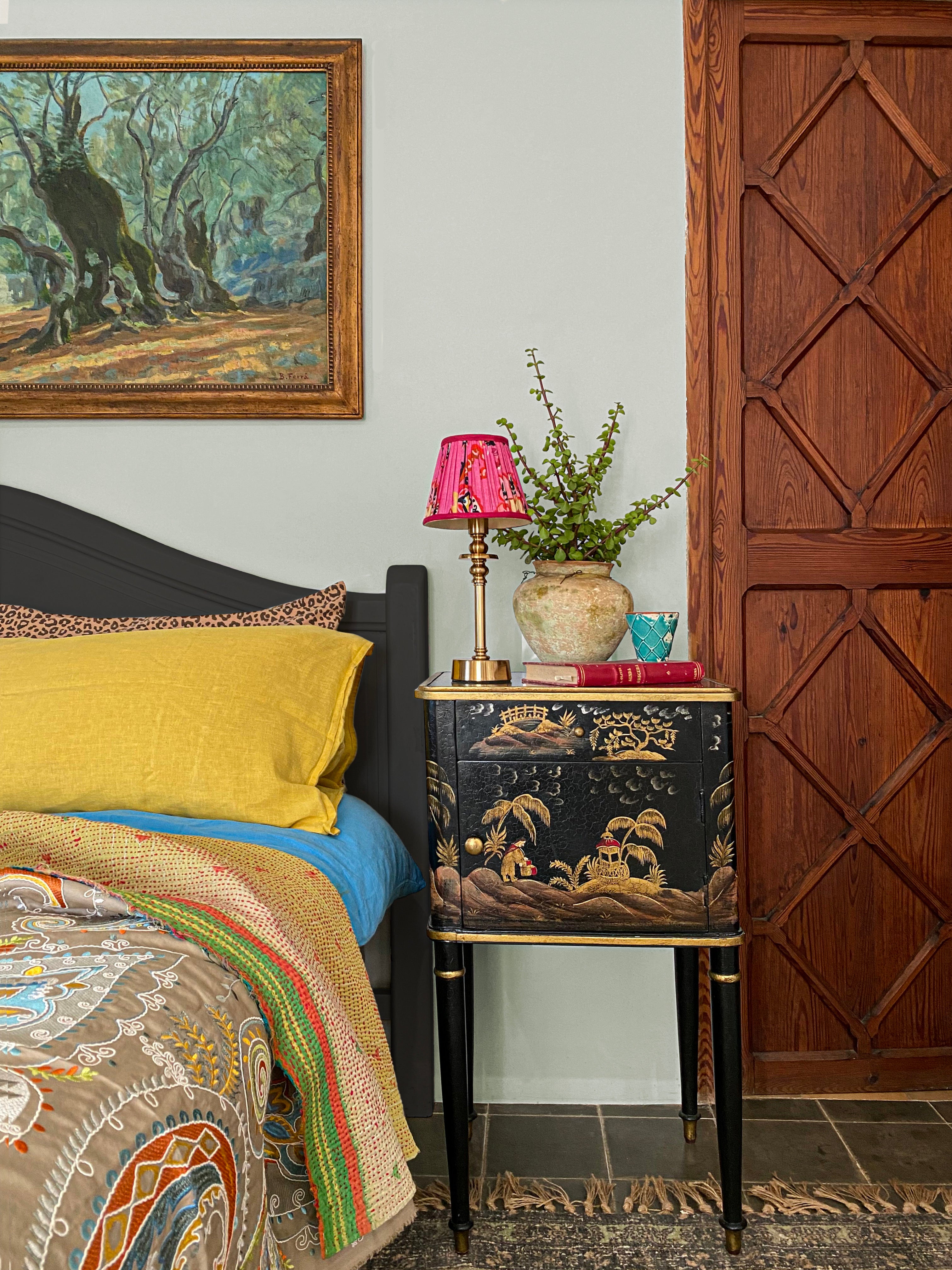
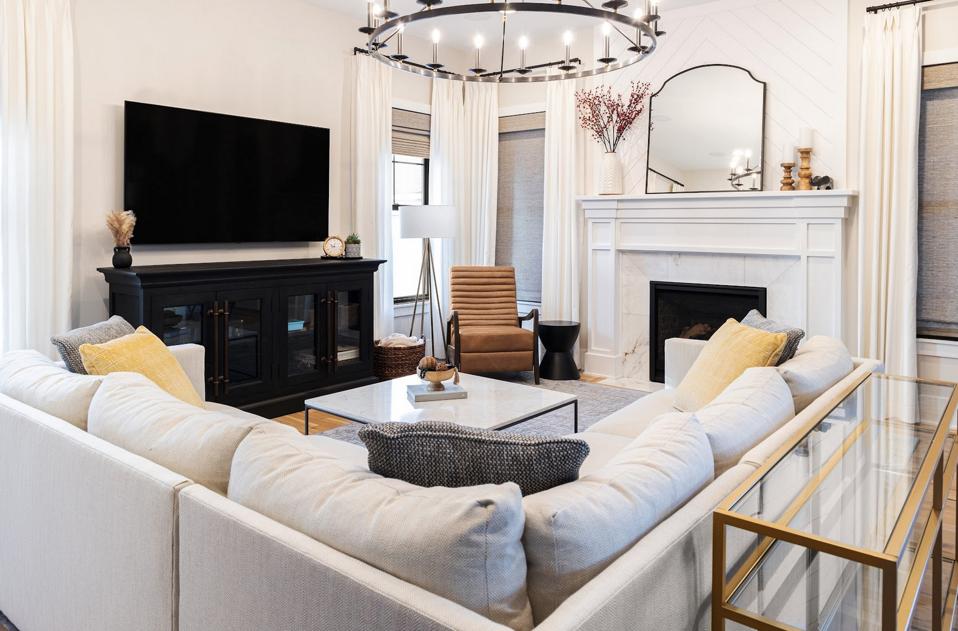
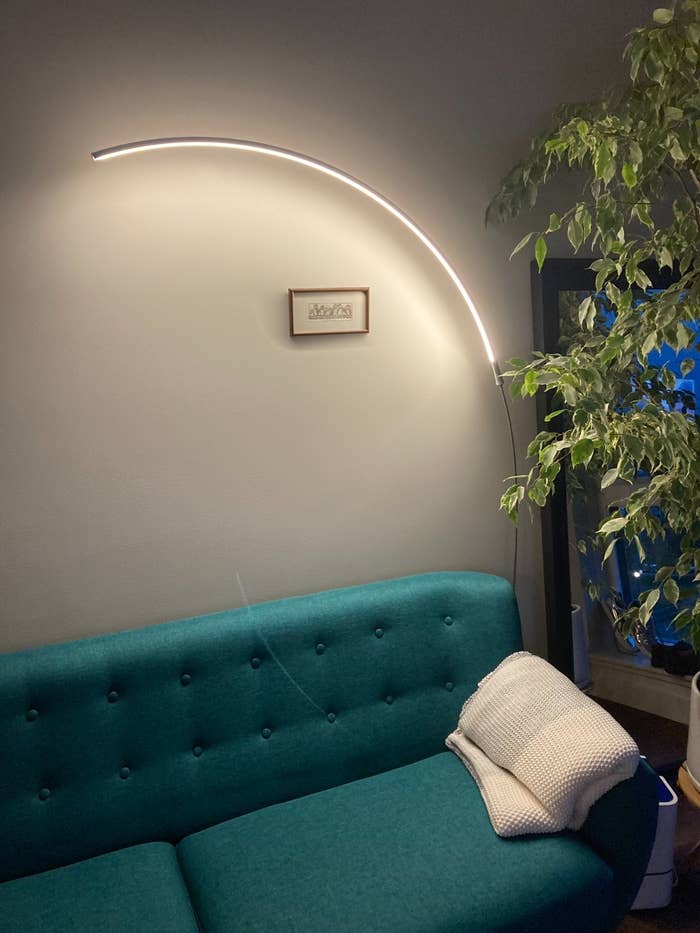
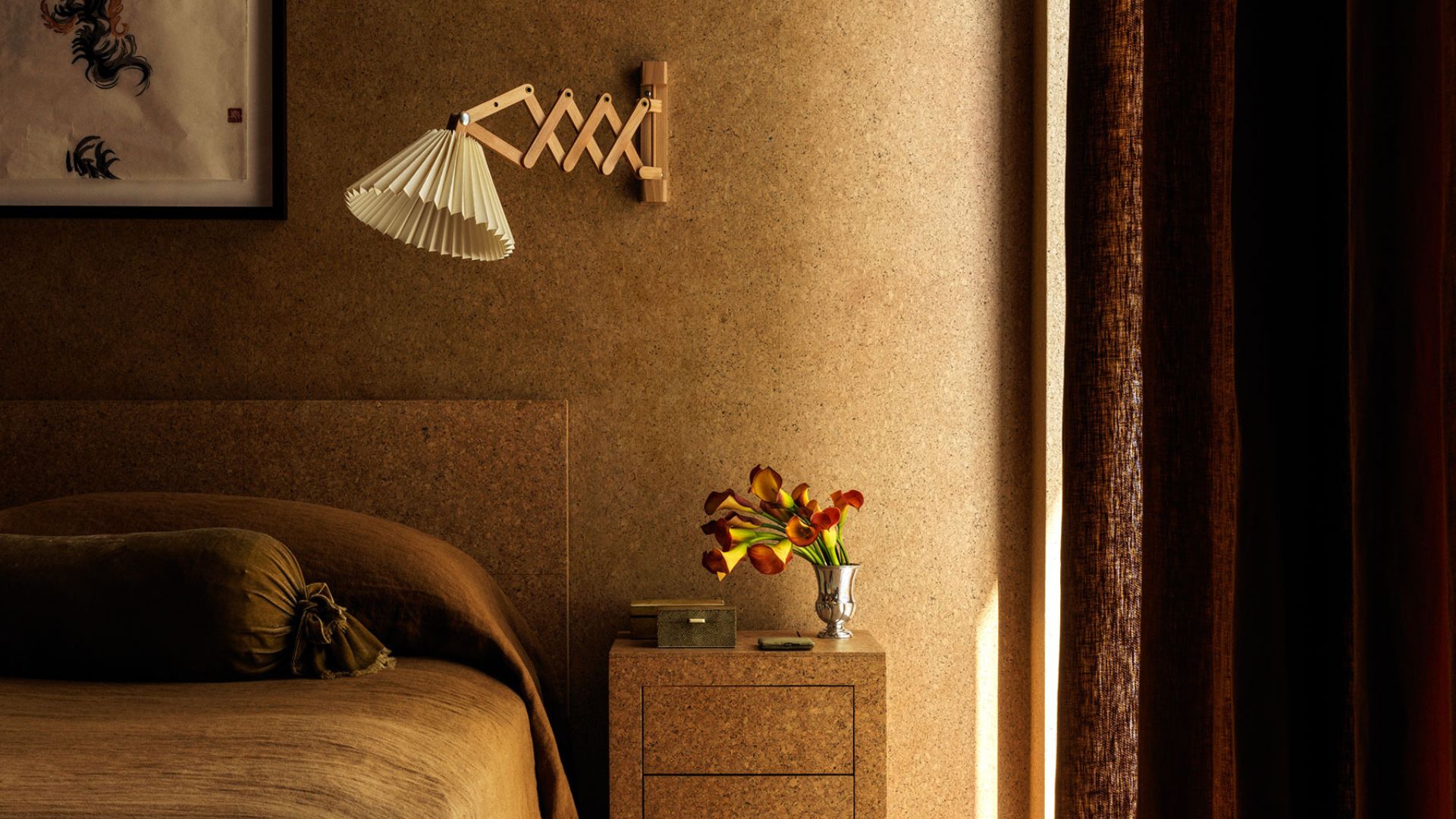
The first trick involves selecting the right artificial lighting. Floor lamps and table lamps are crucial for filling dark corners and balancing natural light, thereby reducing shadows and making spaces feel more open. Using bulbs with a daylight tone (around 2700K) helps maintain a natural, bright atmosphere, especially in rooms with limited windows. Recessed lights, when equipped with warm white bulbs and dimmers, can mimic natural warmth and allow for intensity adjustments to match the soft glow of natural sunlight throughout the day. Overhead lights, particularly ceiling lights, are effective for distributing light evenly across a room, serving as a primary source while decorative lighting acts as an accent. The concept of artificial lightwells, which are overhead lightboxes with LED lighting, is also highlighted as a way to simulate skylights and maintain interior brightness throughout the day.
The second trick focuses on choosing the correct color temperature for artificial lights. Experts strongly recommend using bulbs with a color temperature of 2700K, as anything cooler can create a stark and unnatural ambiance. The goal is to avoid over-illuminating a space, prioritizing functionality and a subtle glow. For more functional areas, daylight-mimicking LED downlights (ranging from 5000K to 6000K) can provide bright and balanced illumination. Additionally, 'dim to warm' bulbs are suggested for their ability to naturally transition to a warmer, candlelight-like glow when dimmed, enhancing coziness. Sun lamps or SAD lamps are also mentioned as a way to mimic the energizing effects of natural daylight in smaller, personal spaces.
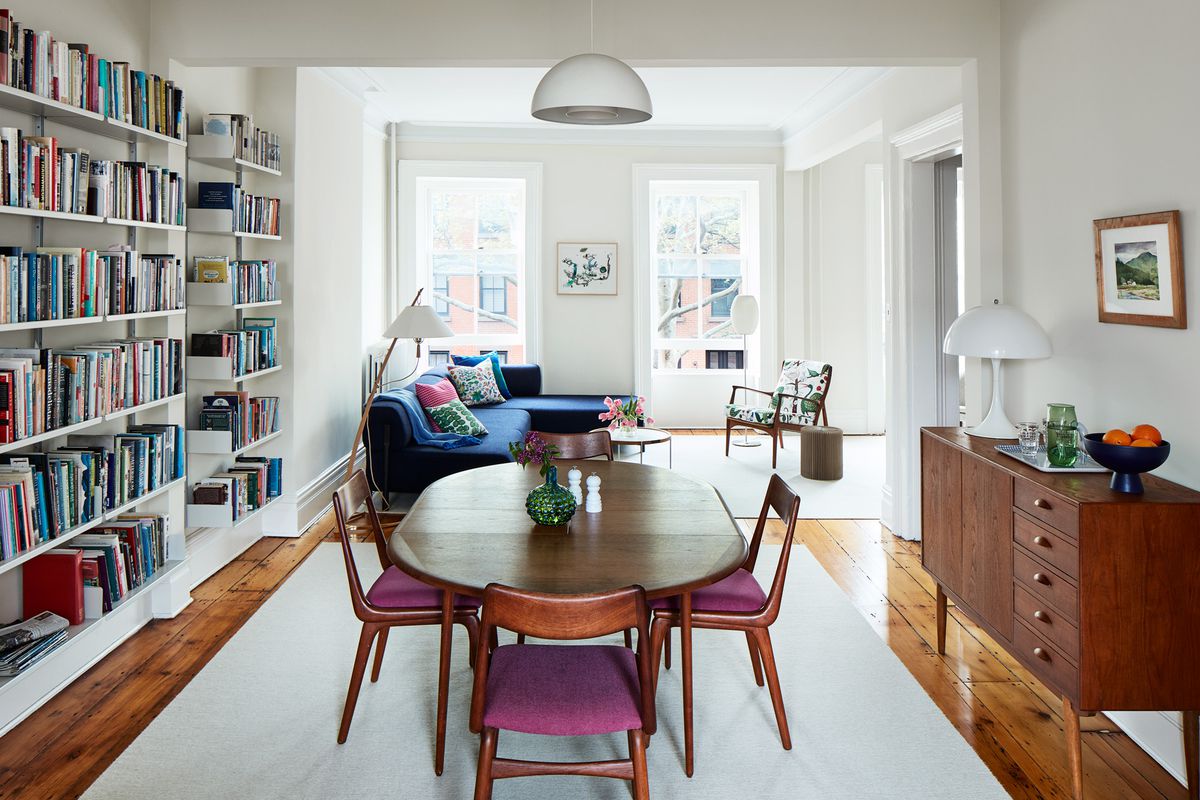
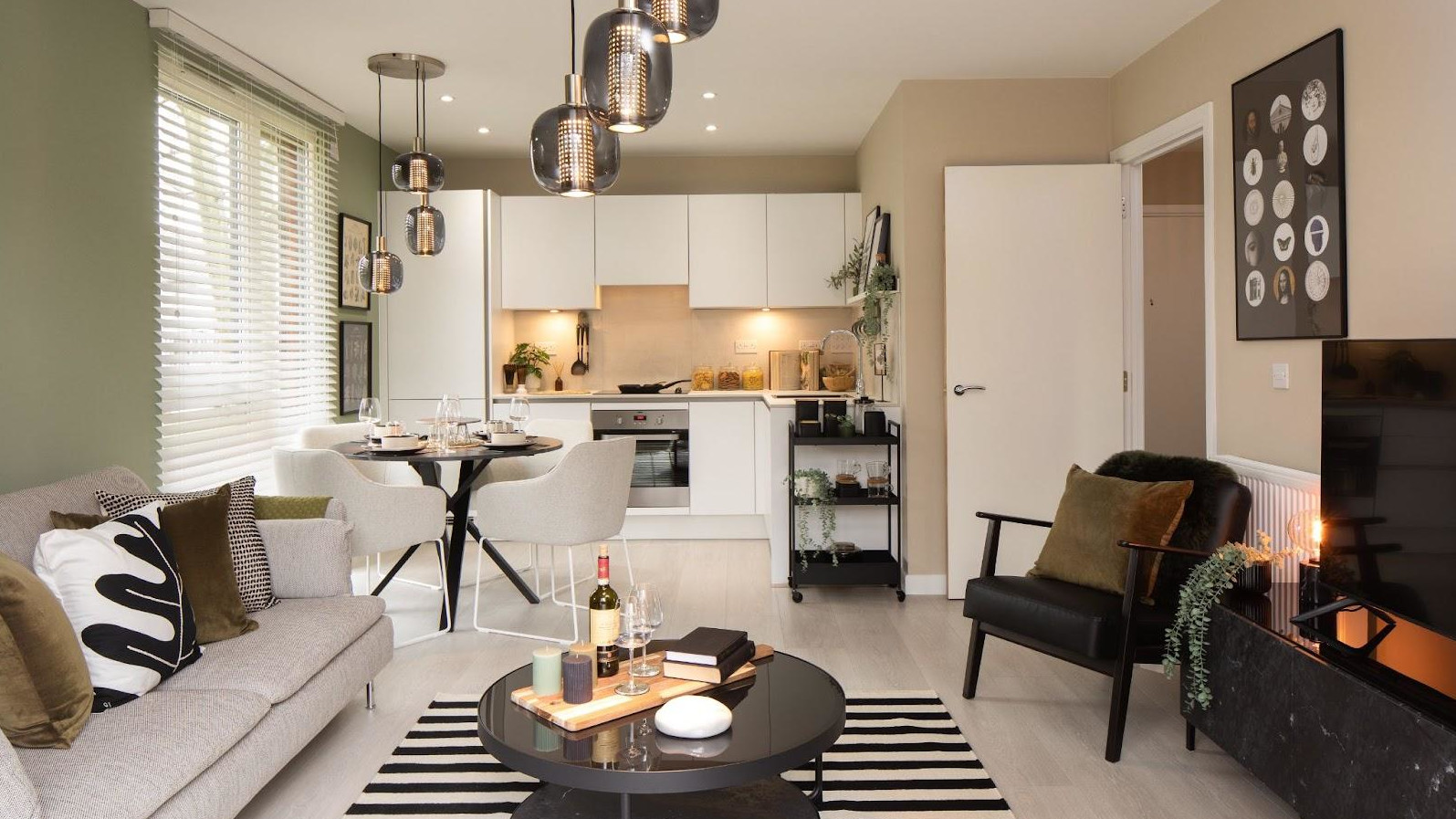
The third trick emphasizes the strategic positioning of light fixtures. Placing lights in the darkest corners helps balance the overall illumination in a room. Lamps should ideally be directed away from windows to cast light in the same direction as natural daylight, rather than competing with it. Multiple light sources are crucial for enhancing both the quality and quantity of light, ensuring that the indoor environment remains dynamic and well-lit as daylight fades. This layered approach prevents dark spots and contributes to a more sophisticated lighting scheme.
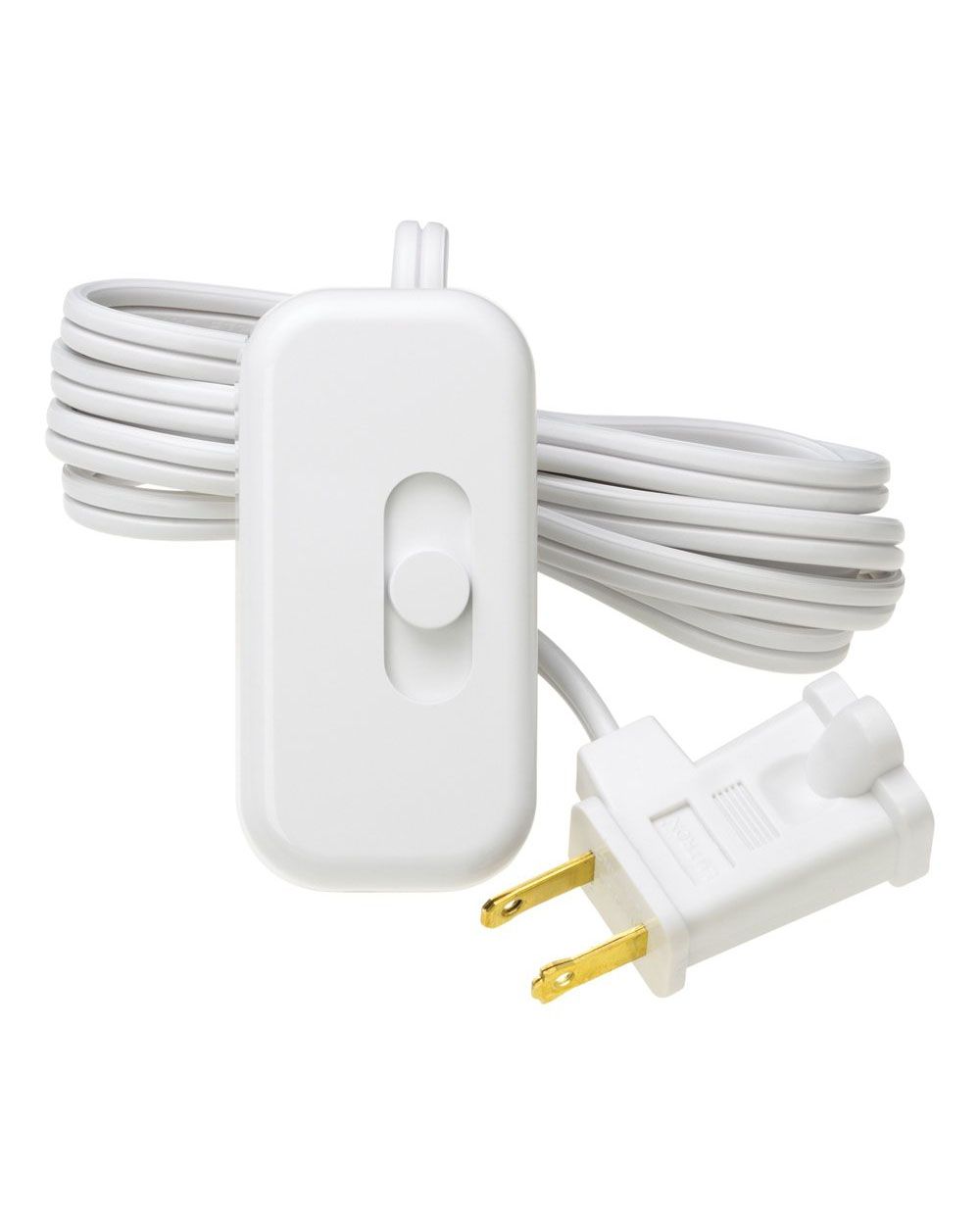
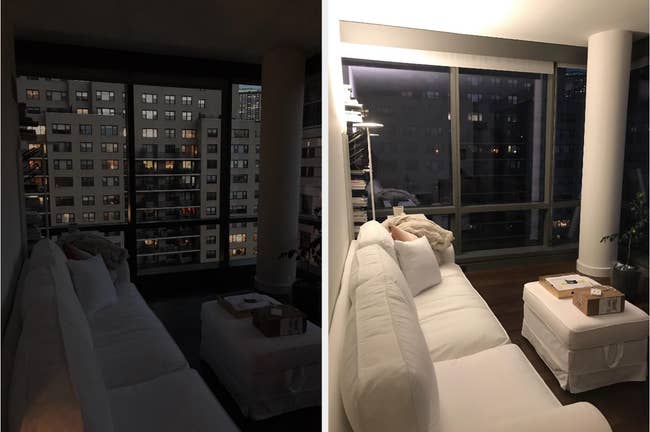
The fourth trick concerns balancing artificial lighting between daytime and nighttime. The objective is to emulate the natural color temperature pattern of daylight, which is cooler during the day and transitions to a warm glow in the evening. During the day, it is advisable to use more artificial light to create a seamless transition from the brighter exterior to the interior. For evenings and nights, dimming architectural lighting and increasing accent lighting is recommended. A well-designed lighting layout with a good dimming system is essential to avoid dark areas while maintaining a desired mood.
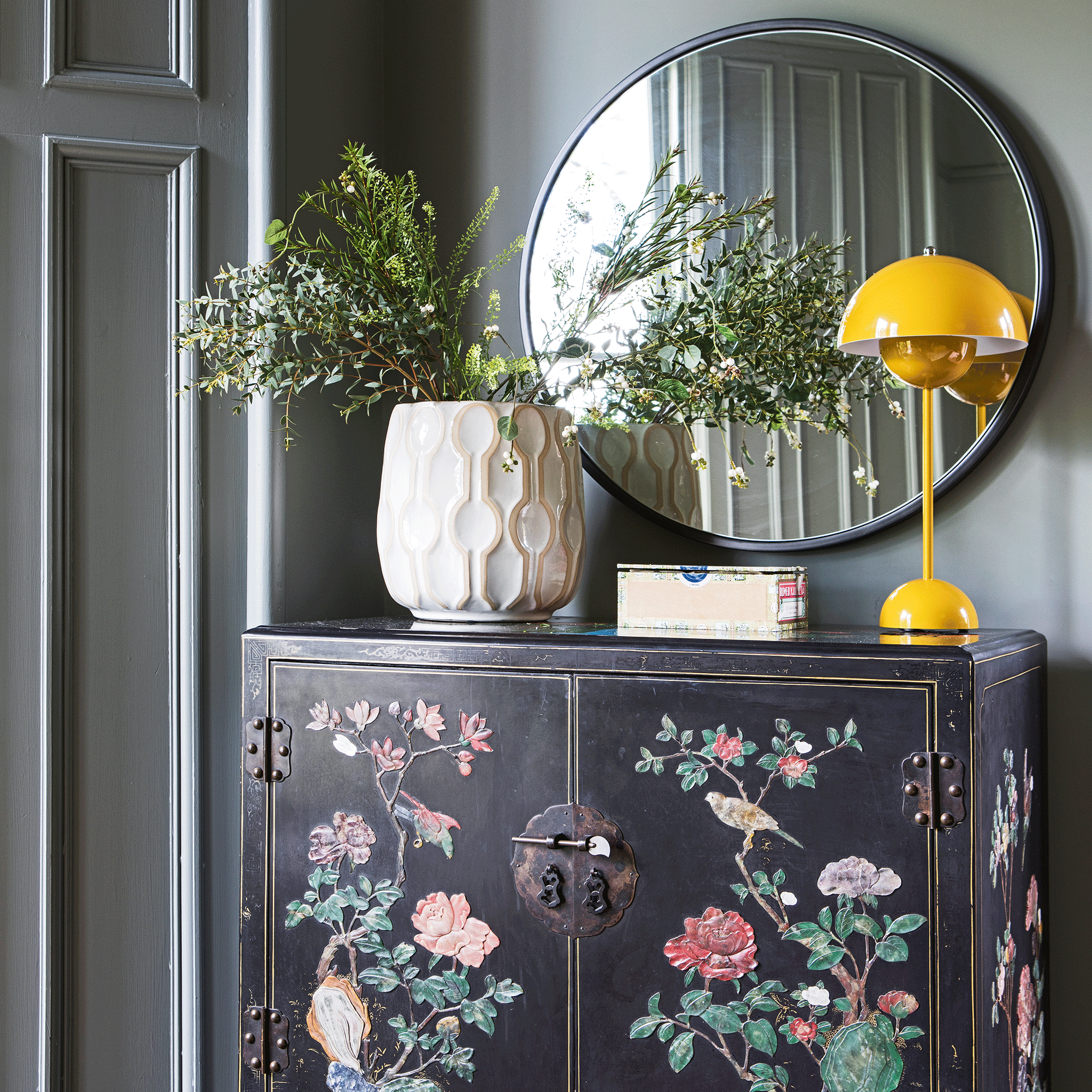
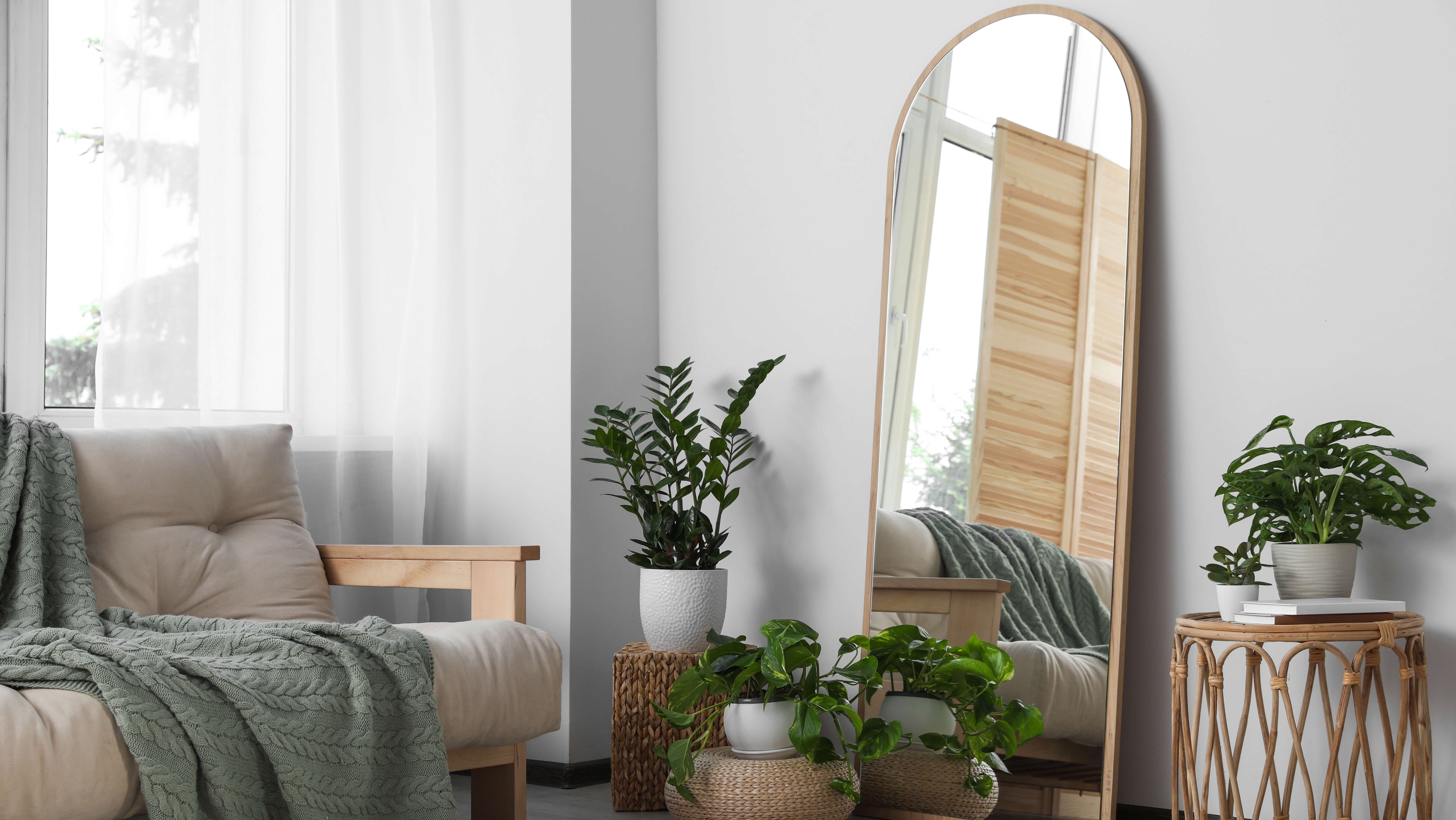
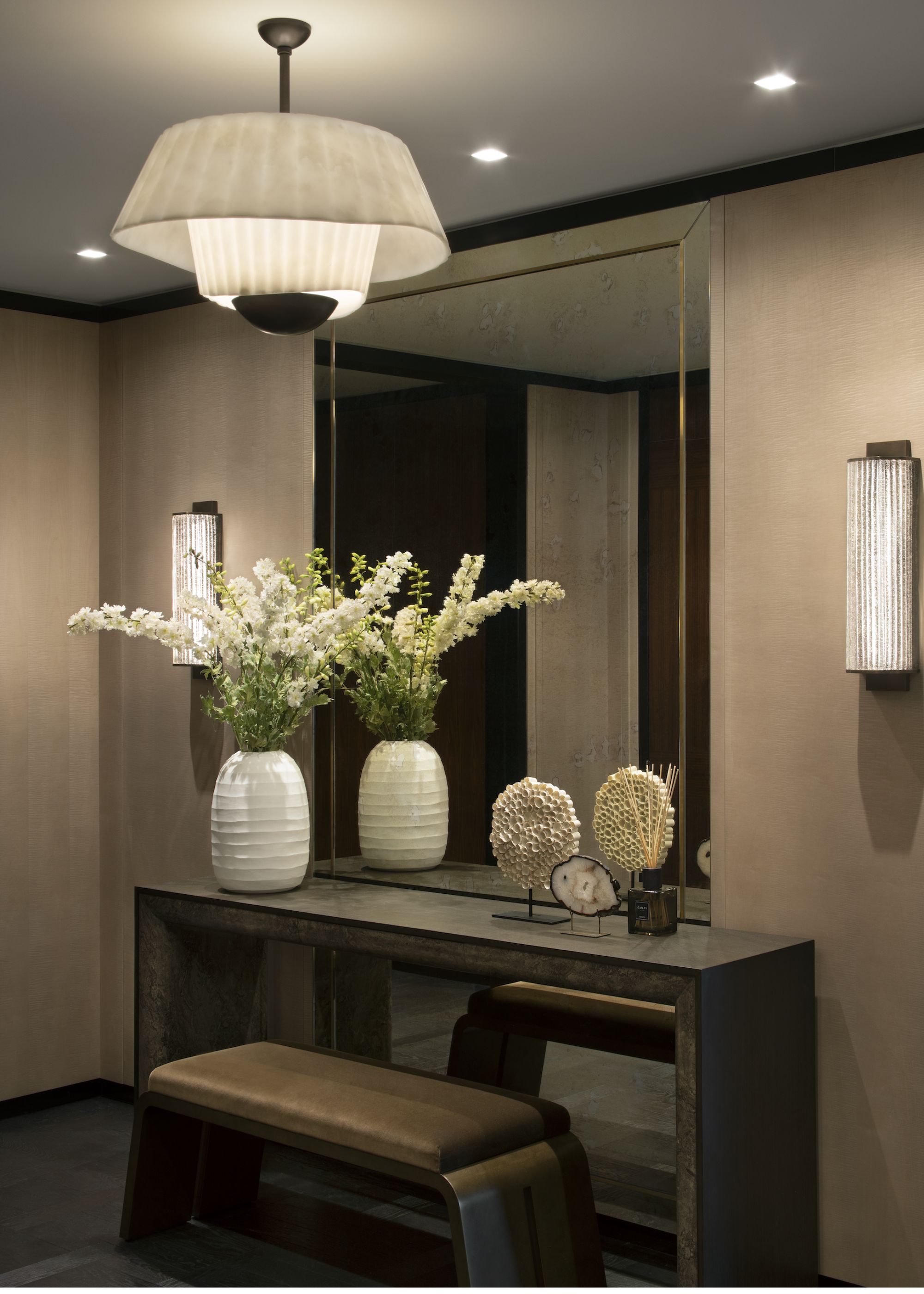
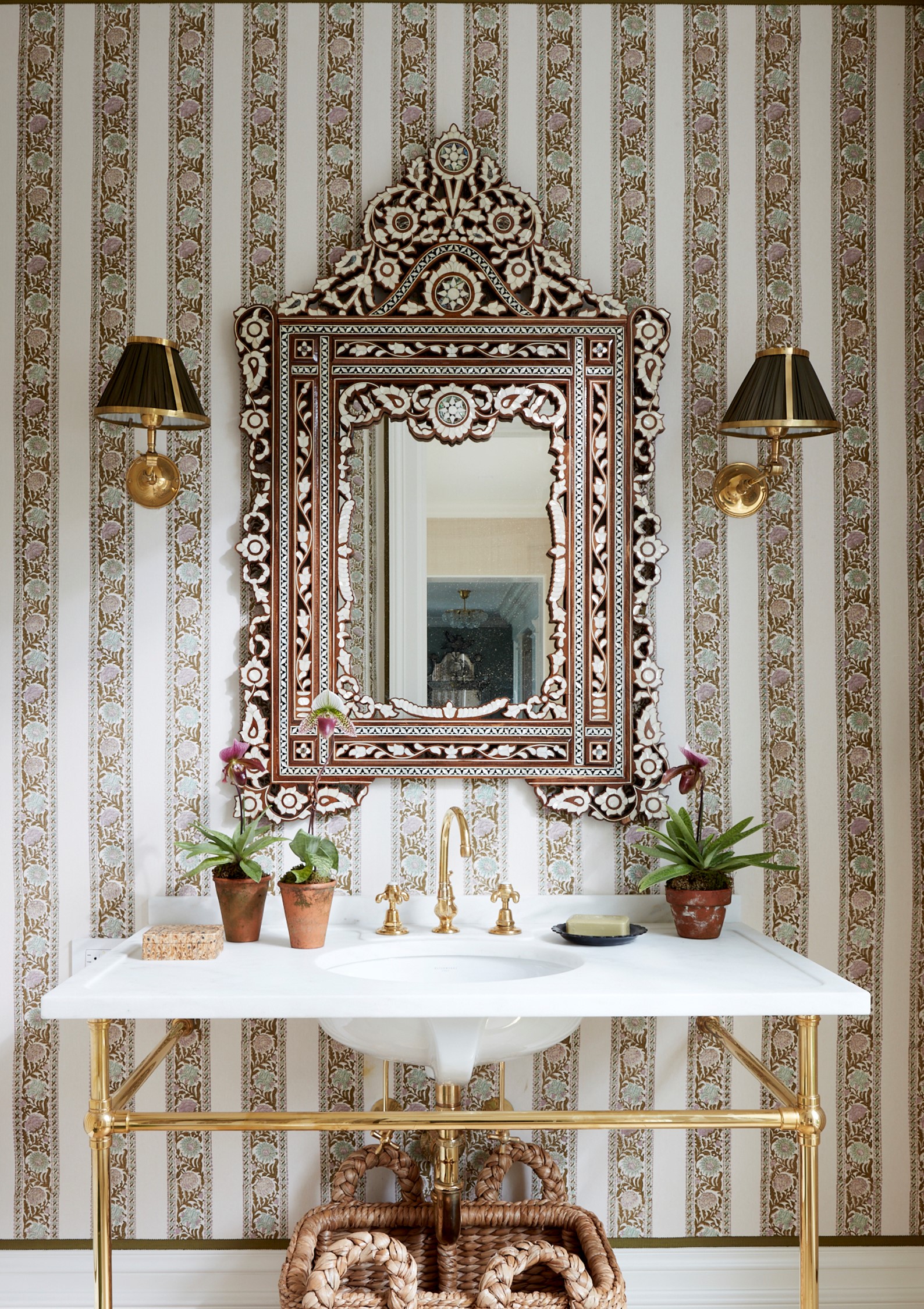
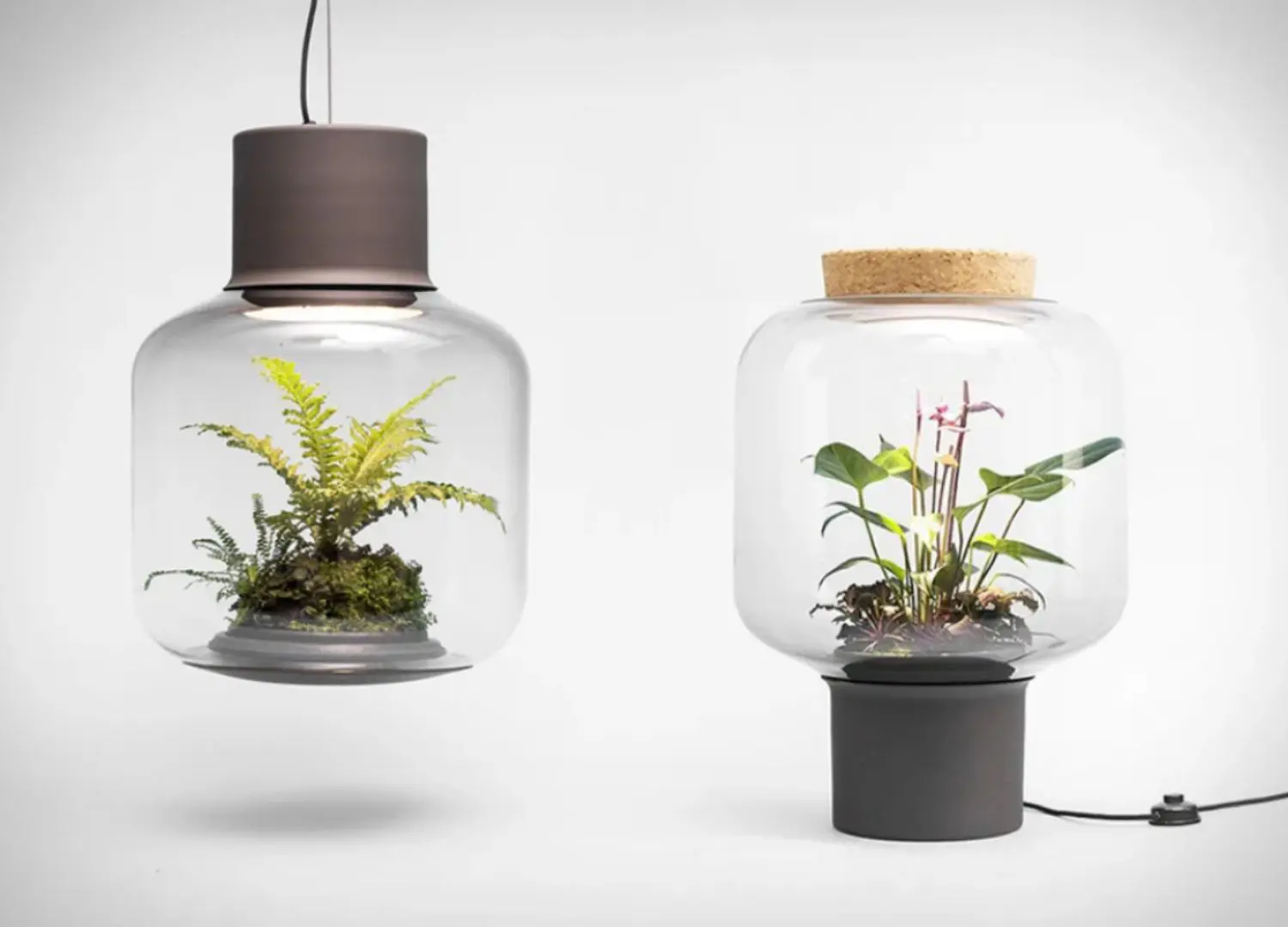
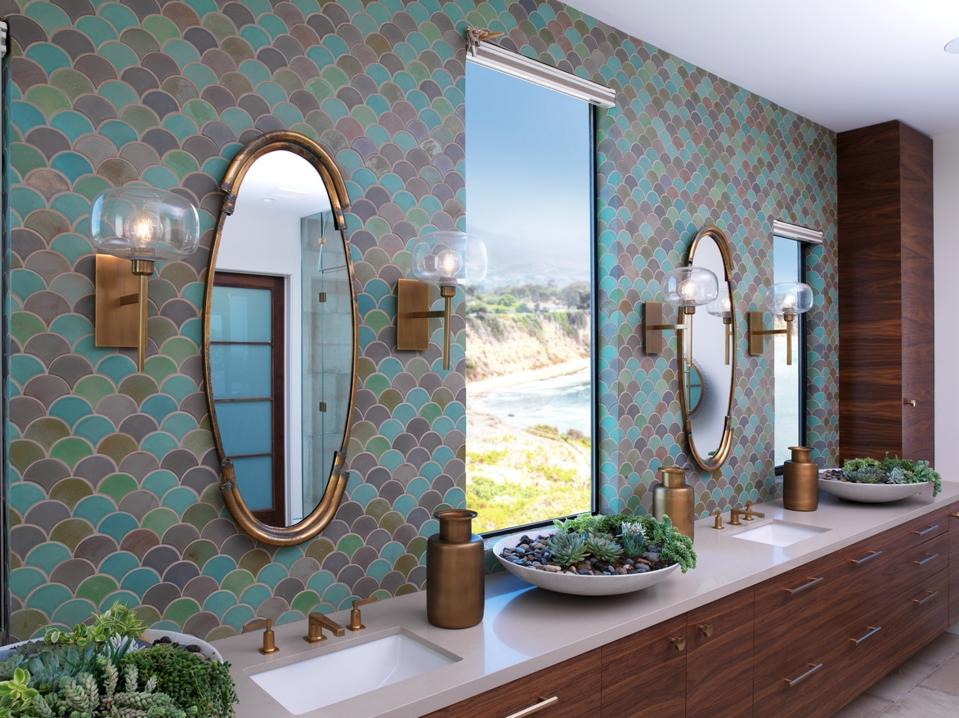
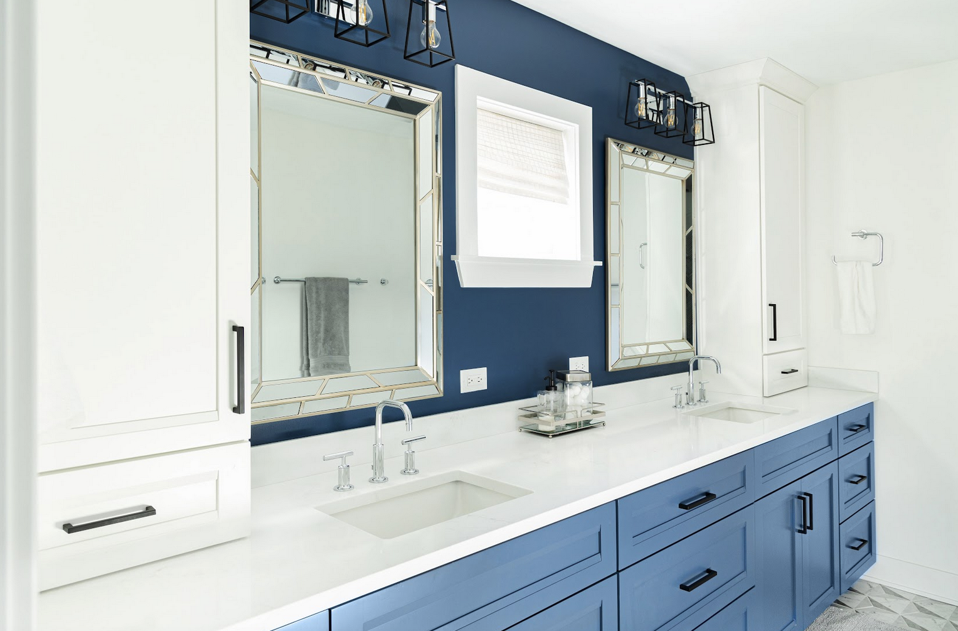
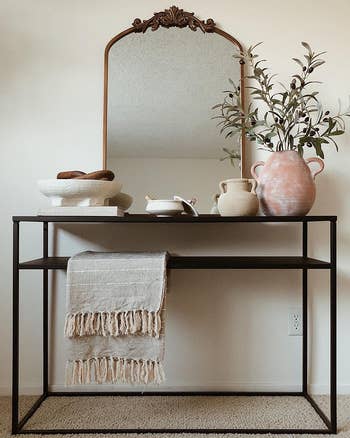
The final trick involves enhancing artificial lighting with reflective surfaces. Instead of relying solely on numerous fixtures, which can make a space feel clinical, utilizing mirrored walls or other reflective surfaces helps to disperse light and create a warm, soft glow. This technique can effectively brighten an entire room by 'borrowing' light from adjacent spaces, especially useful where there isn't room for additional lamps. The article concludes by recommending specific products, such as UV-Free Egg-Shape Light Therapy Lamps, contemporary LED floor lamps, and semi-flush ceiling lights, all designed to mimic natural daylight and contribute to a well-lit home environment.
#ArtificialLighting #NaturalLightMaximization #HomeLightingScheme #ColorTemperature #LightingFixtures #InteriorDesign #AutumnalLighting #ReflectiveSurfaces #LayeredLighting #ArtificialLighting #NaturalLightMaximization #HomeLightingScheme #ColorTemperature #LightingFixtures #InteriorDesign #AutumnalLighting #ReflectiveSurfaces #LayeredLighting
0 komentarzy łącznie
 Brak komentarzy jeszcze
Możesz również polubić
How to increase natural light in your entryway – 8 pro-endorsed solutions that experts love

Let There Be Light — 10 Lighting Tricks That Will Transform Any Dark Room Into A Warm and Inviting Space
Lighting a dark room – 10 top tips from experts
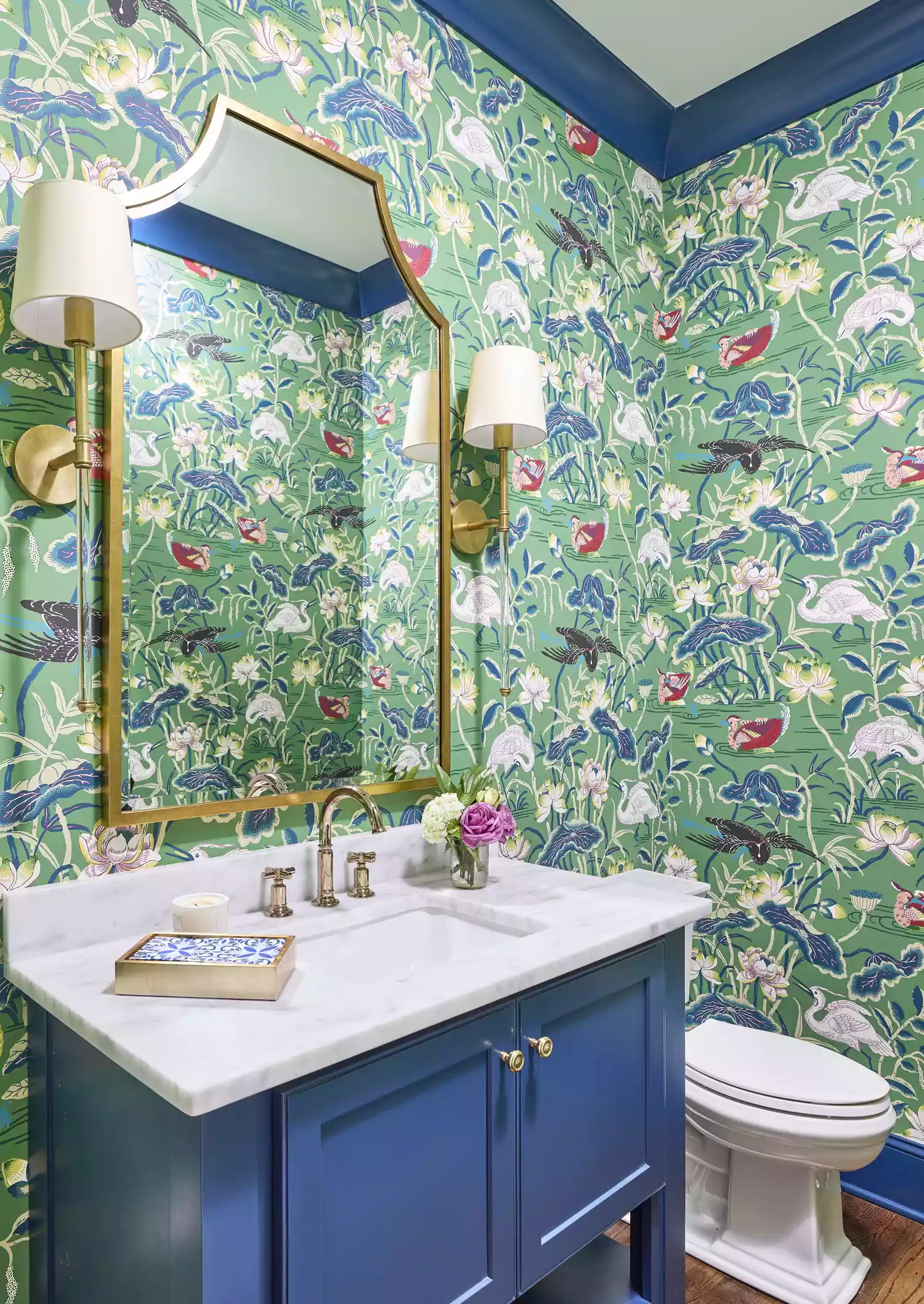
No Natural Light? Here's How To Brighten Your Space, According To Designers
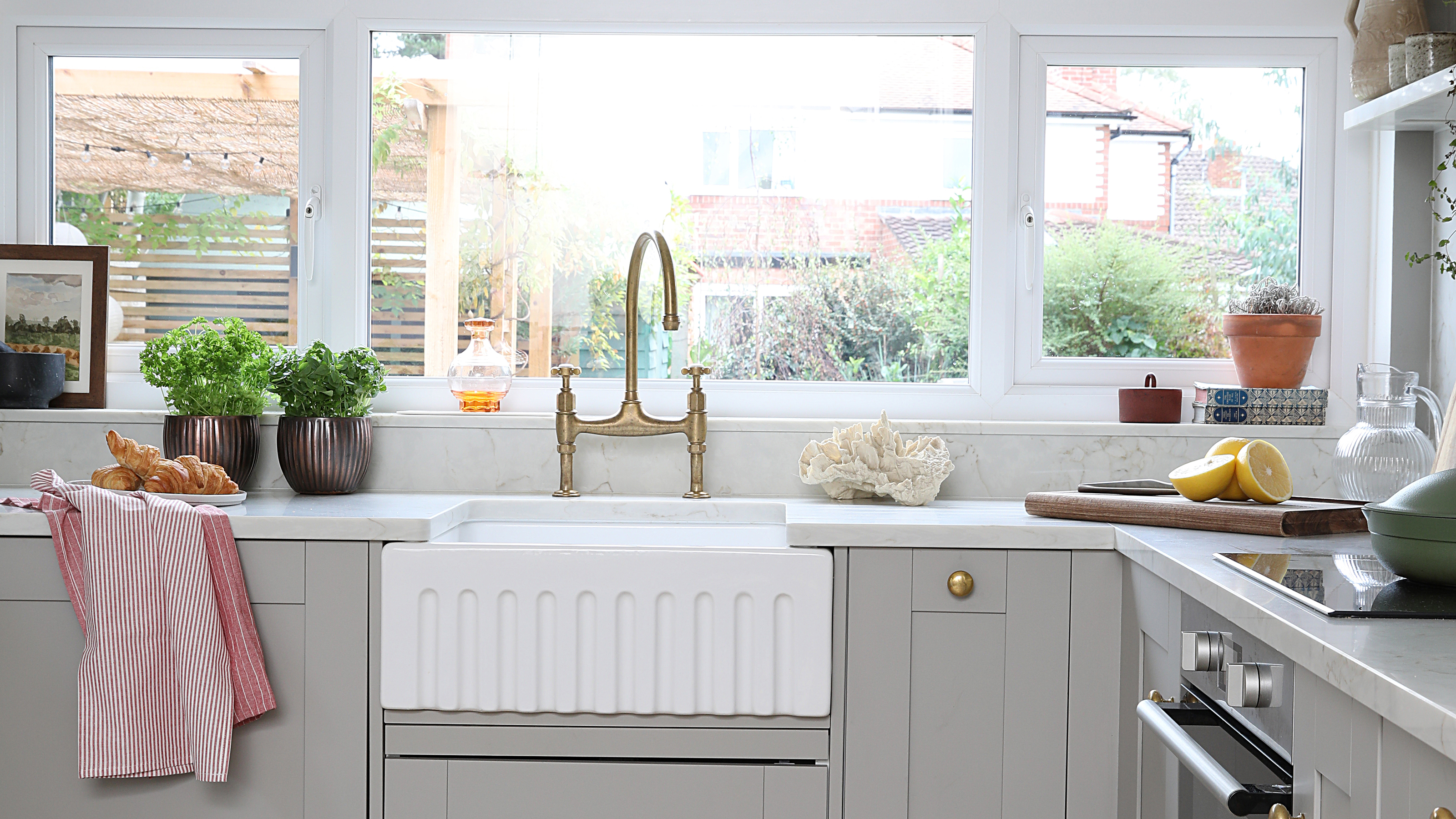
How to fake natural light in a dark room - 5 design tricks to brighten up a gloomy space
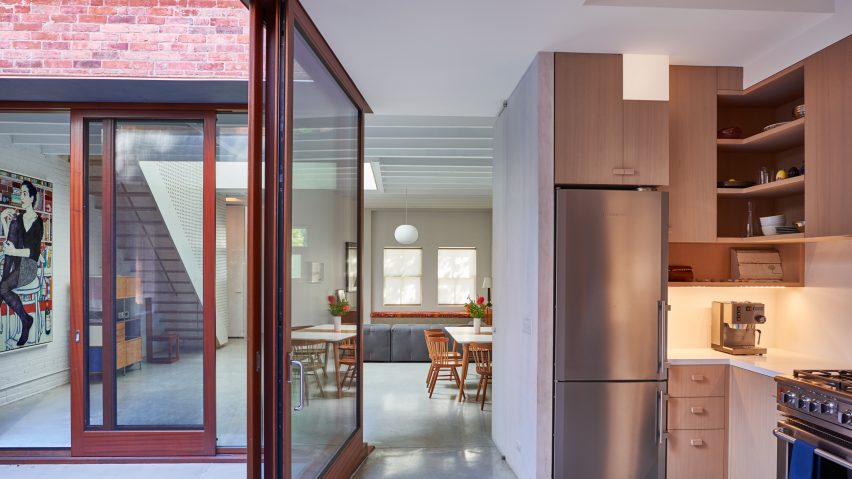
10 homes that make clever use of lightwells to bring daylight in
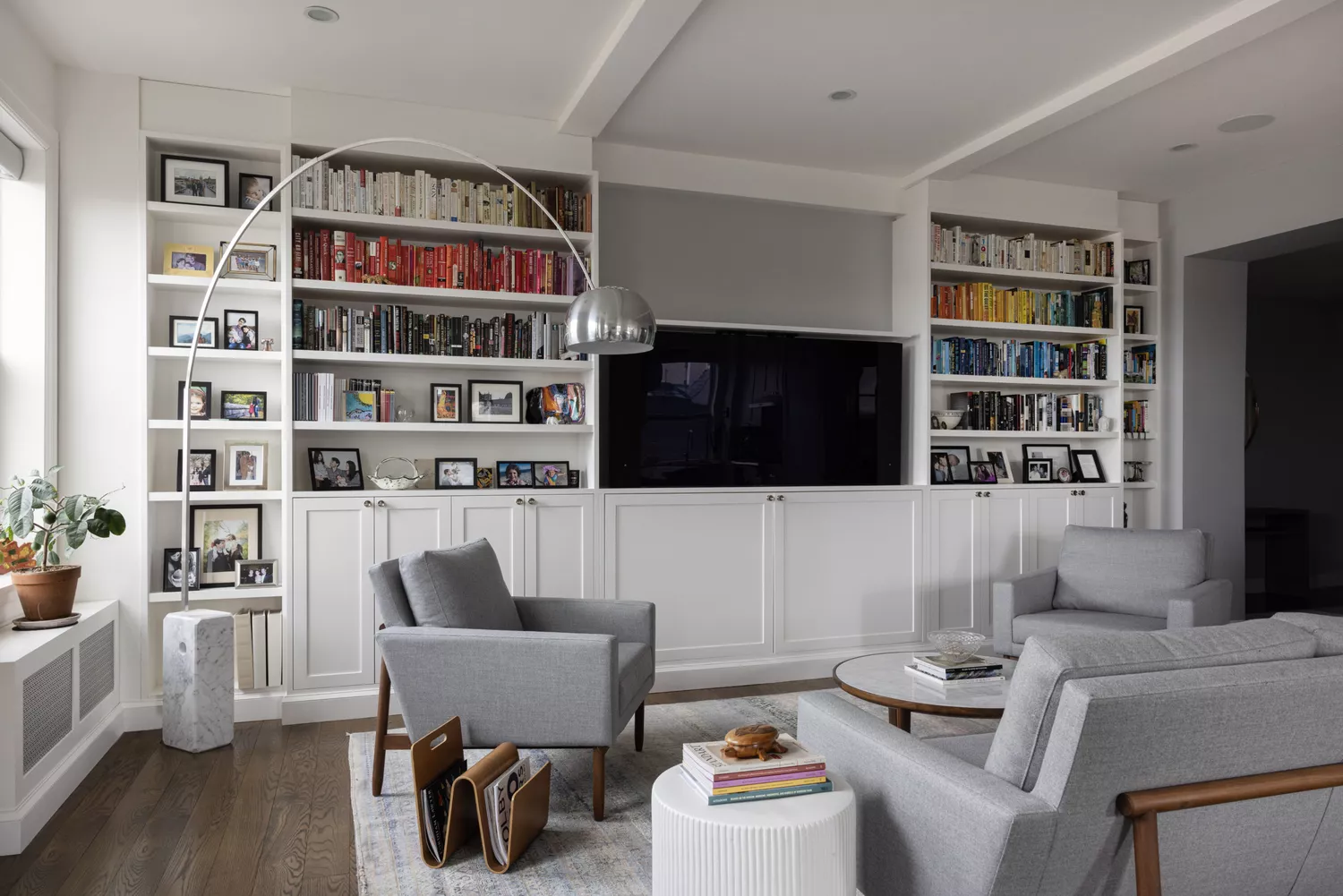
5 Easy, Designer-Approved Lighting Hacks to Brighten Up Your Home

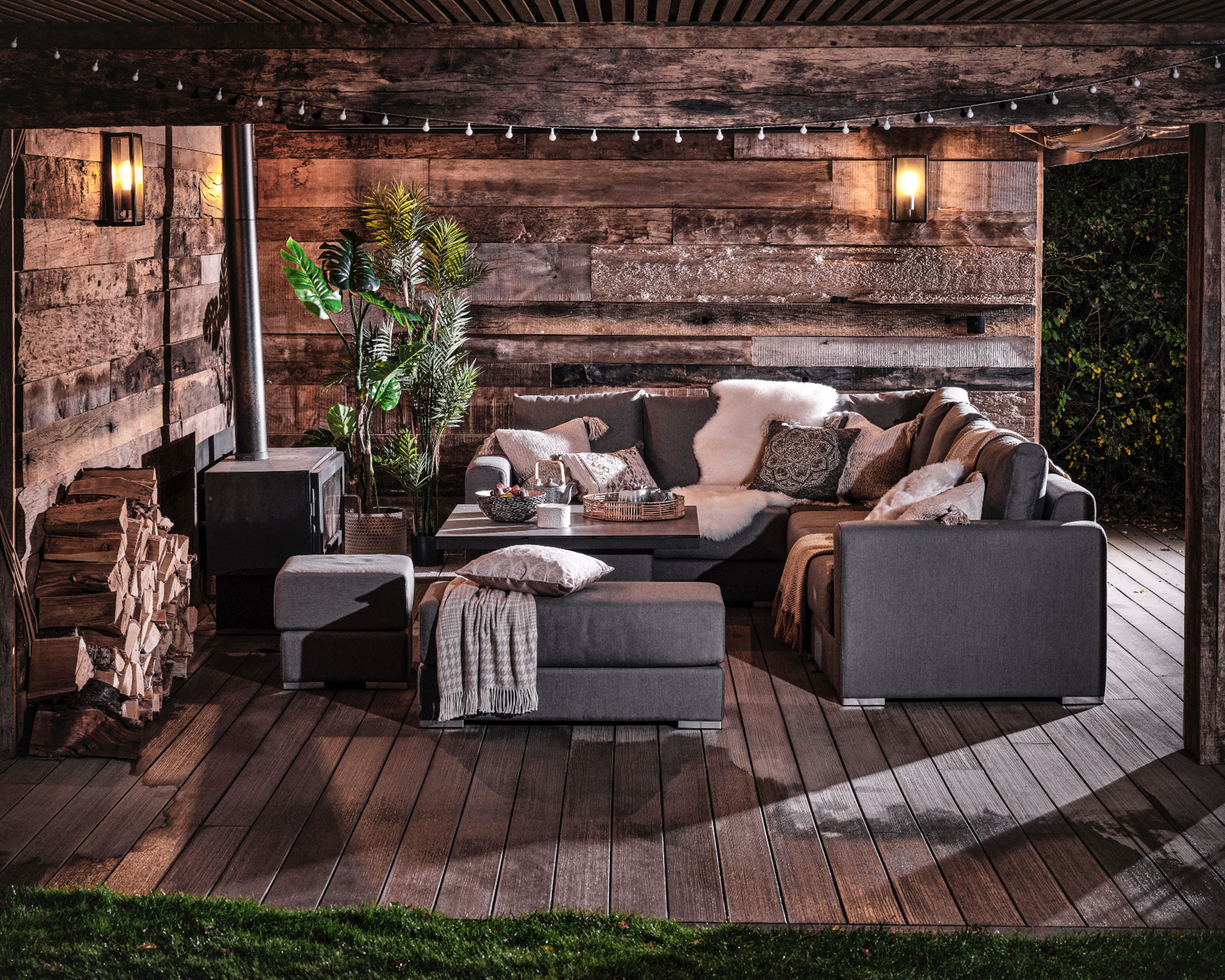
Deck lighting ideas – 10 ways to complement your space at night
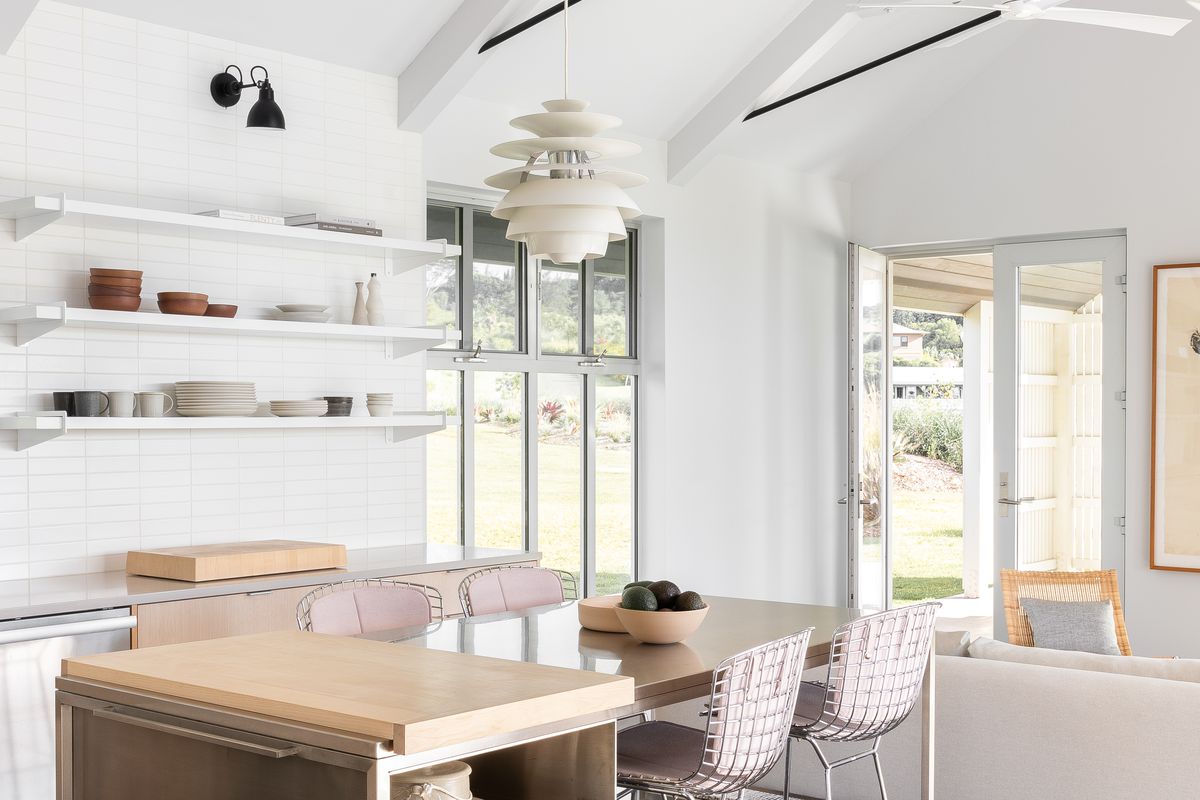
Pro tips to improve your home’s lighting—without an electrician
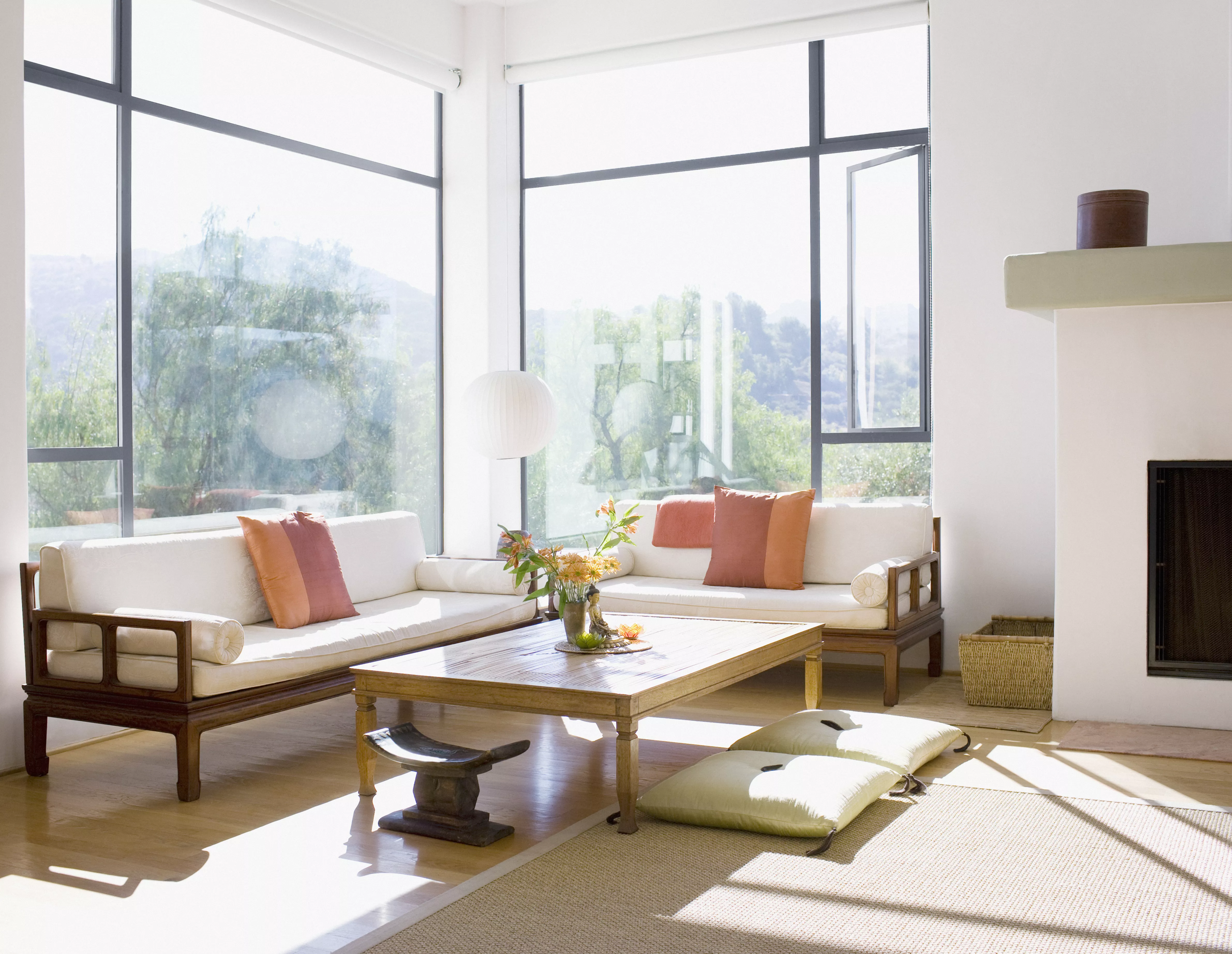
Turn Natural Light into Your Home's Best Feature: 8 Tips from an Interior Designer

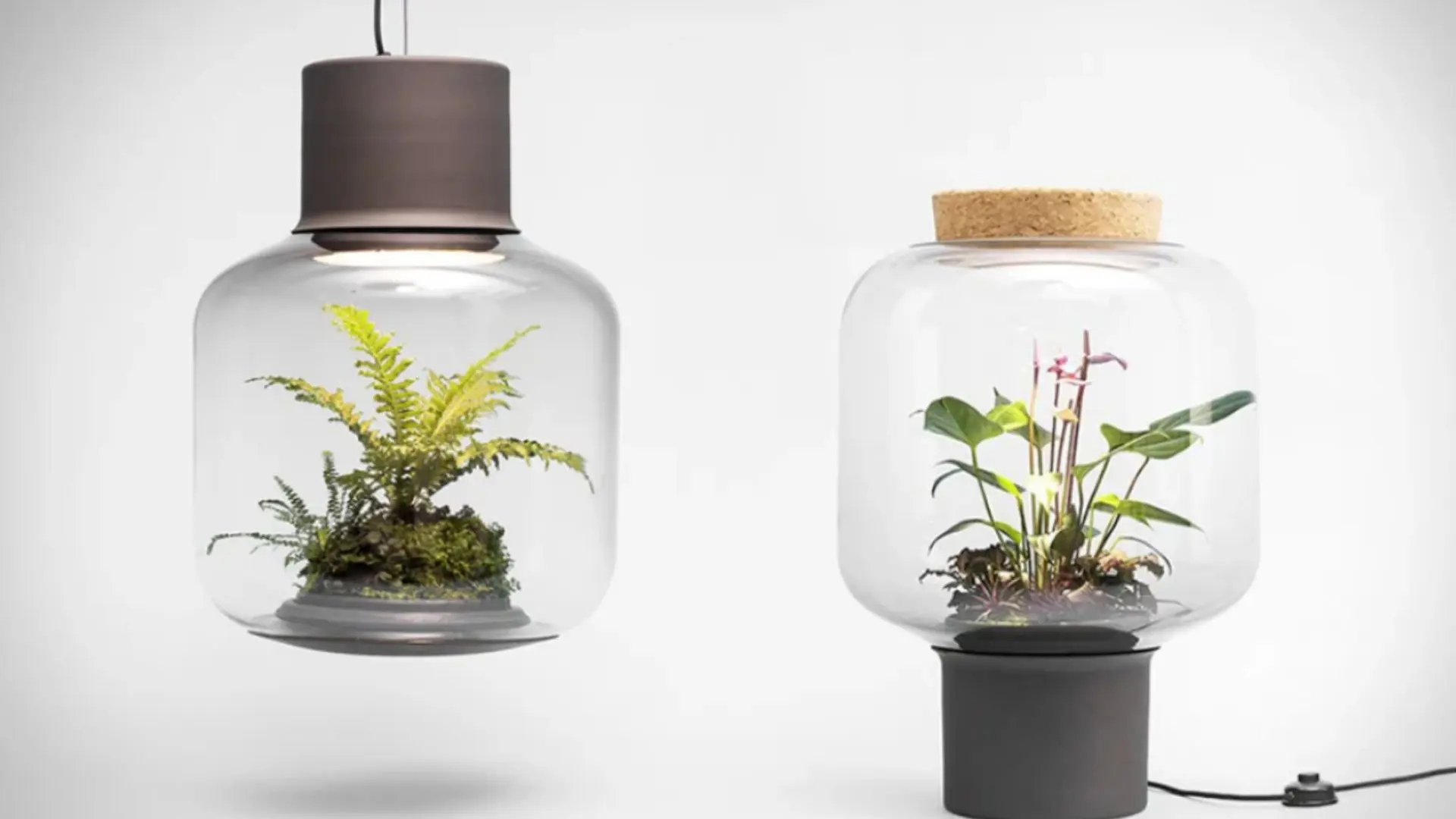
10 biophilic lighting designs that leverage the power of light

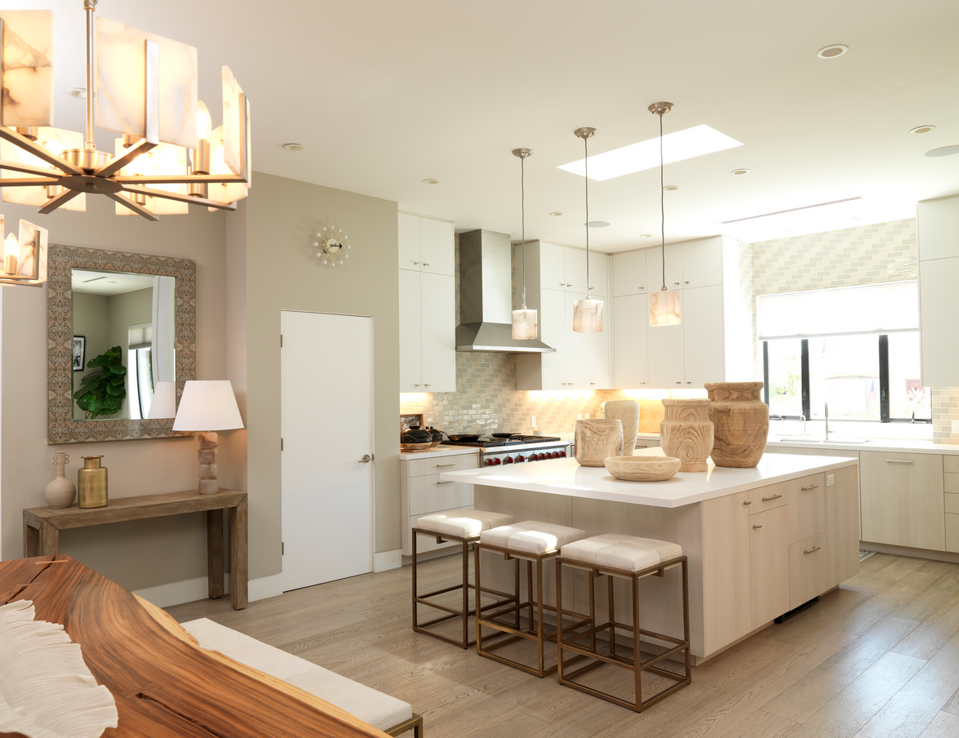
These Task, Accent, And Ambient Lighting Tips Can Transform Your Home

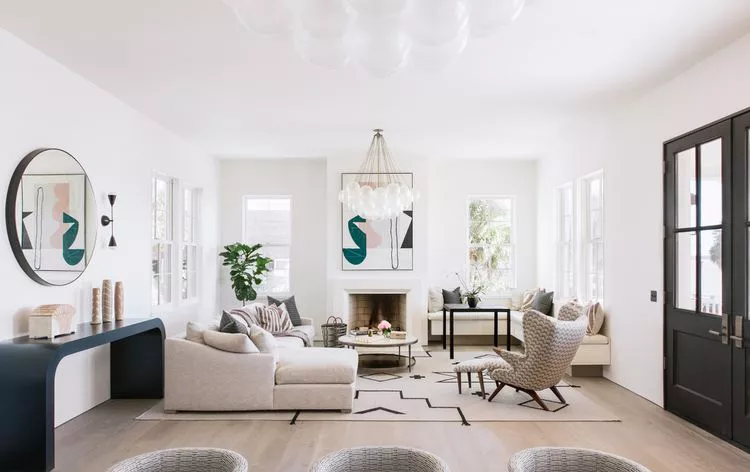
9 Ways to Maximize Natural Light in Your Home, According to Interior Designers
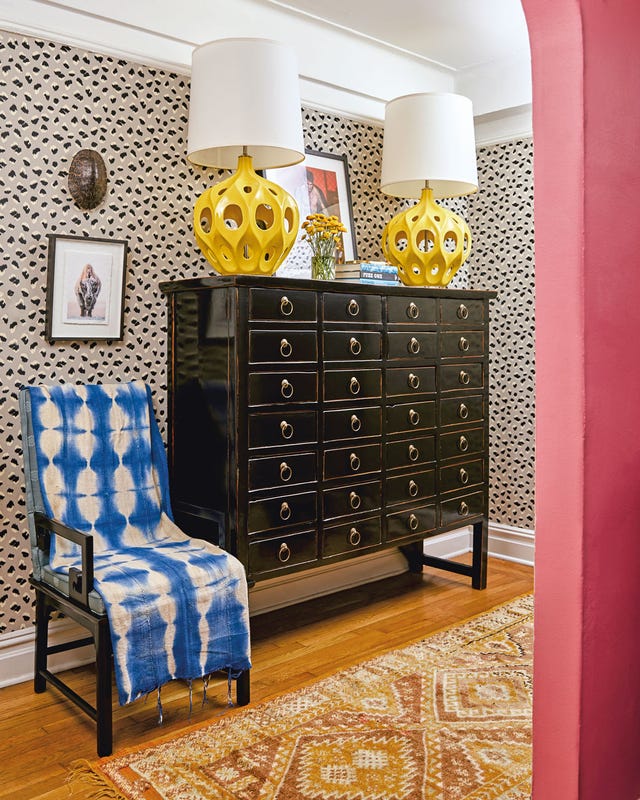
6 Ingenious Ways to Brighten Up a Room That Gets Very Little Natural Light

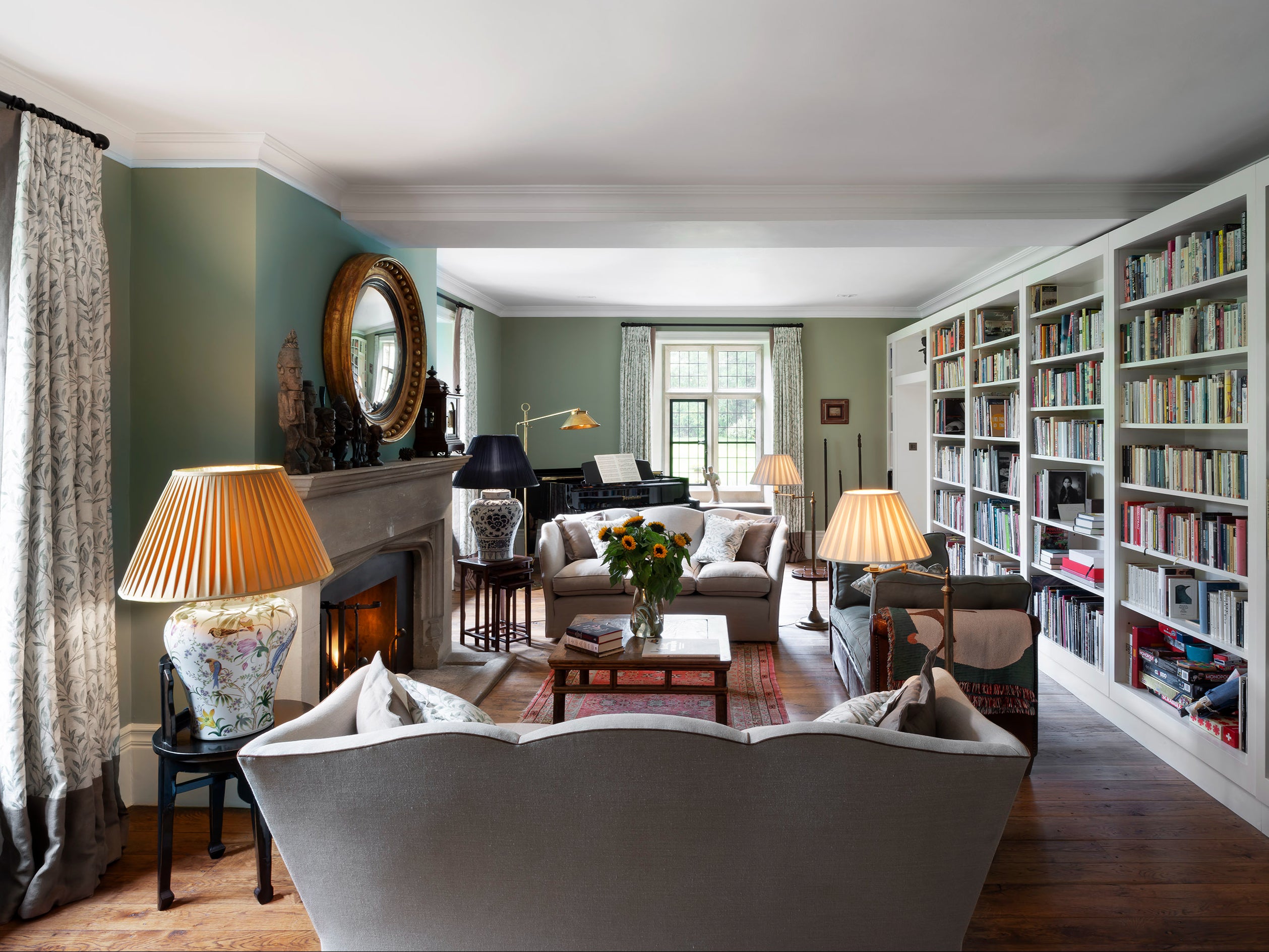
As clocks go back, expert lighting tips to get you through the darker months
30 Renter-Friendly Ways To Get More Light In Your Cave Of A Home
How to brighten any room in your home — 5 tips from a lighting expert

5 Outdoor Lighting Tricks People With Well-Lit Yards Always Use — They'll Make Your Yard Look 100 Times Better

5 tactics for sustainable architectural lighting
This Is Our Favorite Old-Home Trick For Letting In More Light In