1/6
5 trends that look good right now but interior designers warn they won't last
The year 2024 has been characterized by a shift in interior design towards timeless, characterful, and meaningful aesthetics, moving away from ephemeral micro-trends. However, some trends have emerged that, despite their initial appeal, are unlikely to maintain their longevity. This article identifies five such design elements that designers believe will not endure.
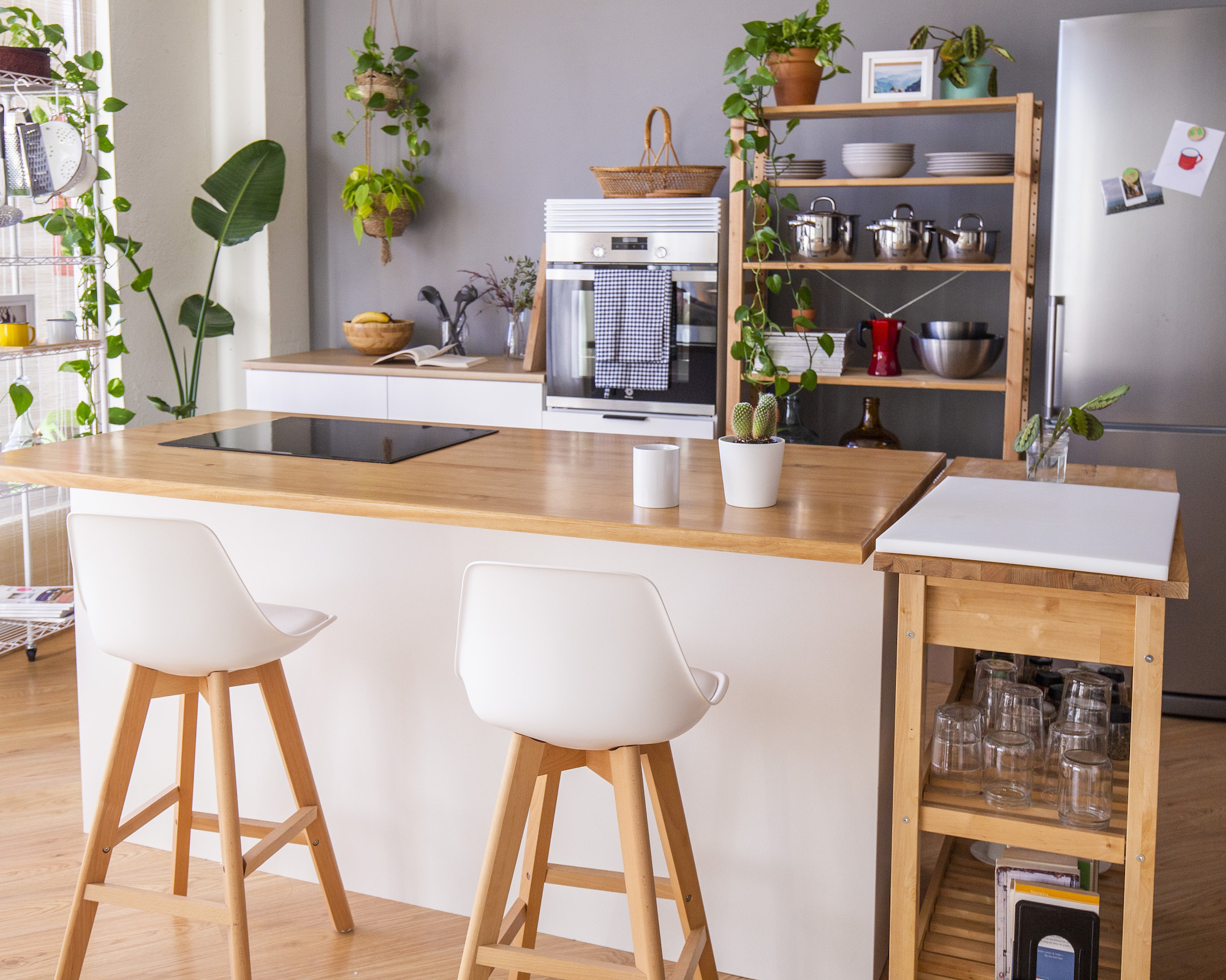
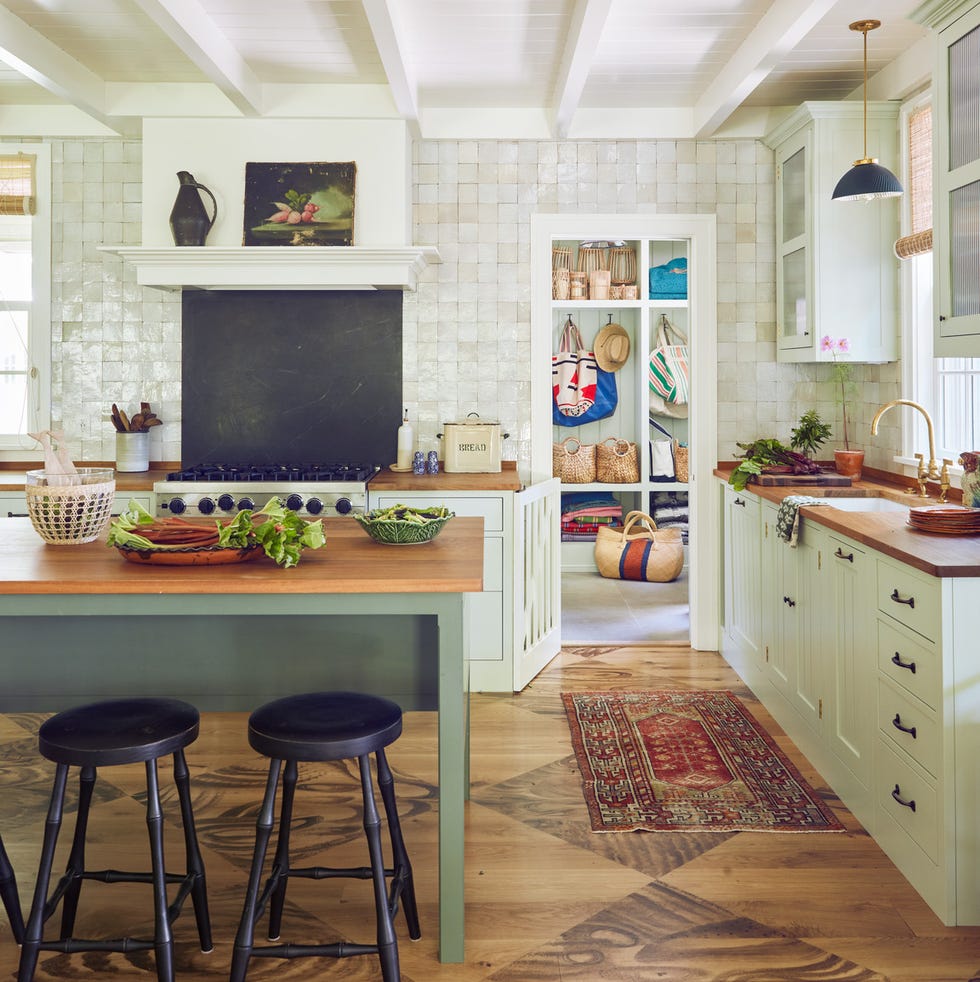
First, tiled kitchen counters have seen a resurgence, appealing to those who appreciate the rustic charm of zellige tiles and the opportunity for creative grouting. They can also create a striking visual effect, particularly when used in a waterfall design on an island. Despite their aesthetic advantages, their impracticality for cleaning and hygiene is a significant drawback. Designers suggest that maintaining cleanliness between numerous grout lines is too demanding for everyday use, preferring the simplicity and elegance of materials like marble or quartz for their ease of maintenance and inherent hygienic properties.
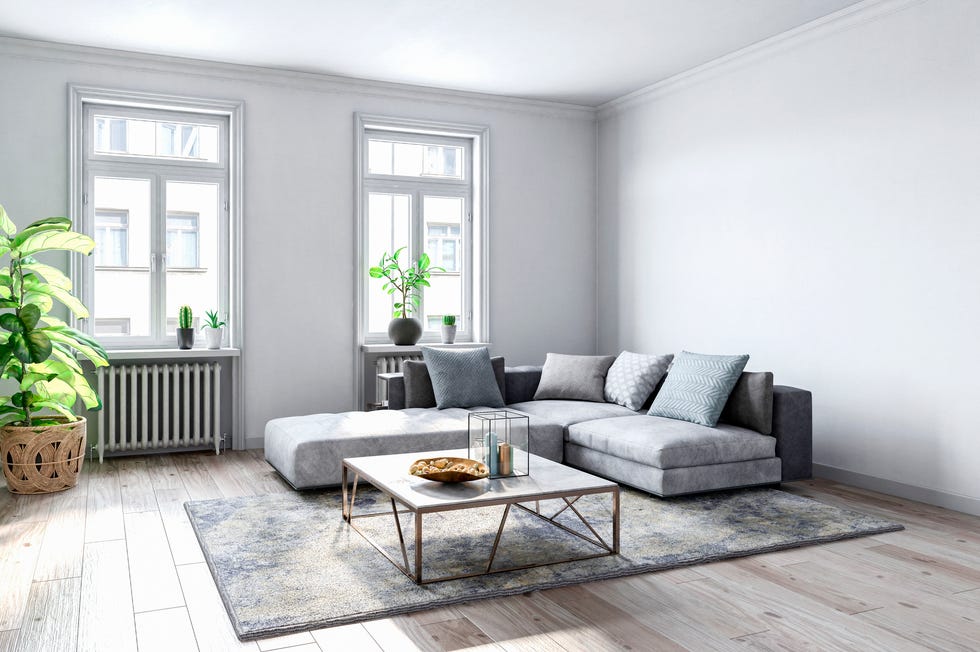
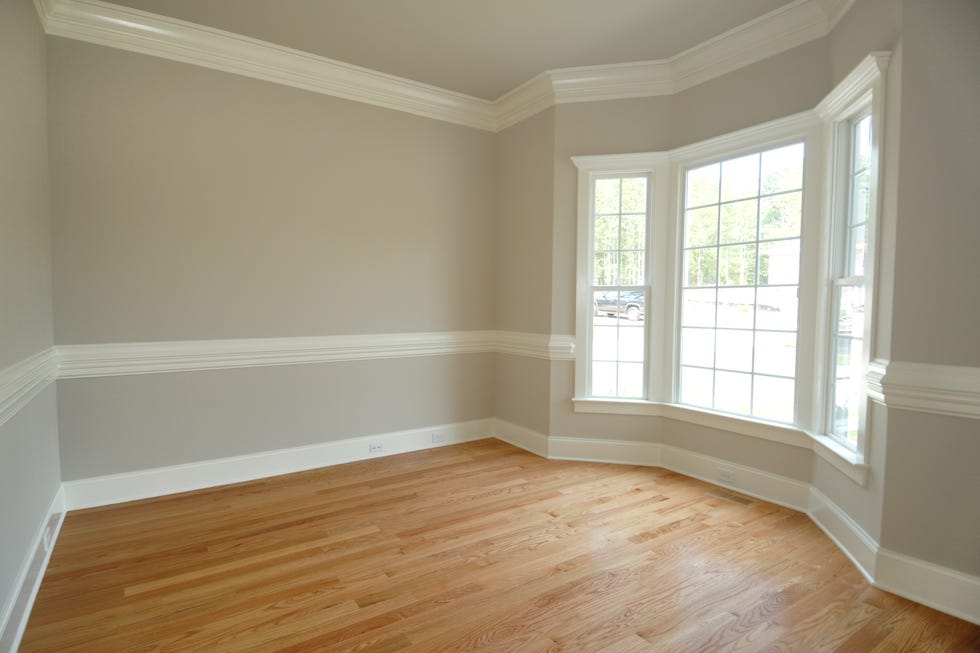
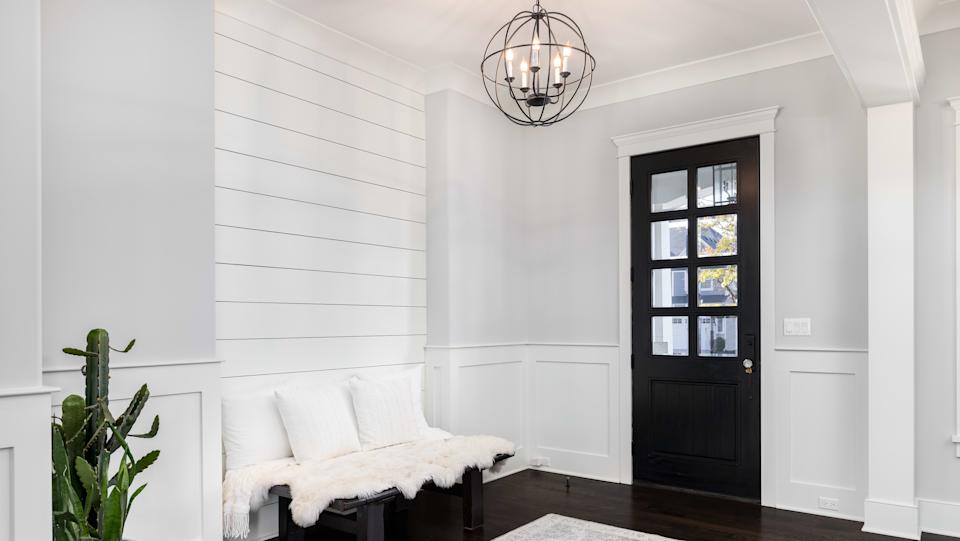
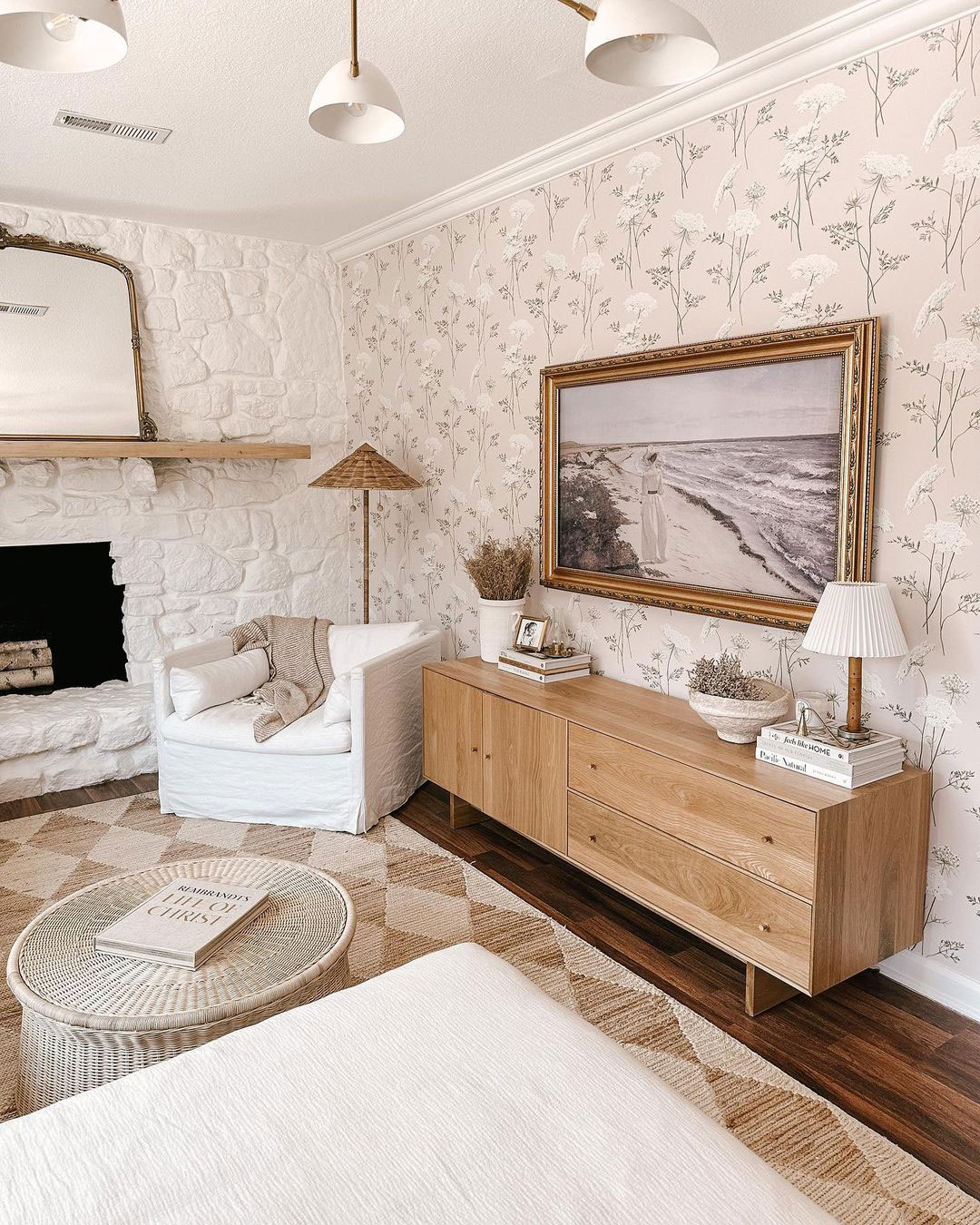
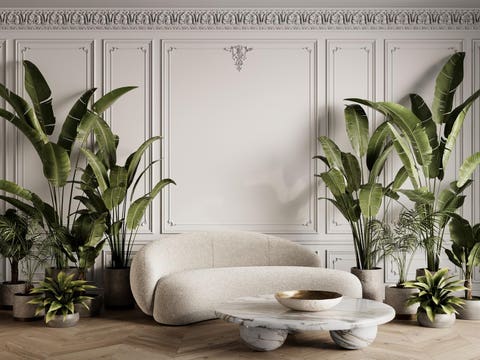
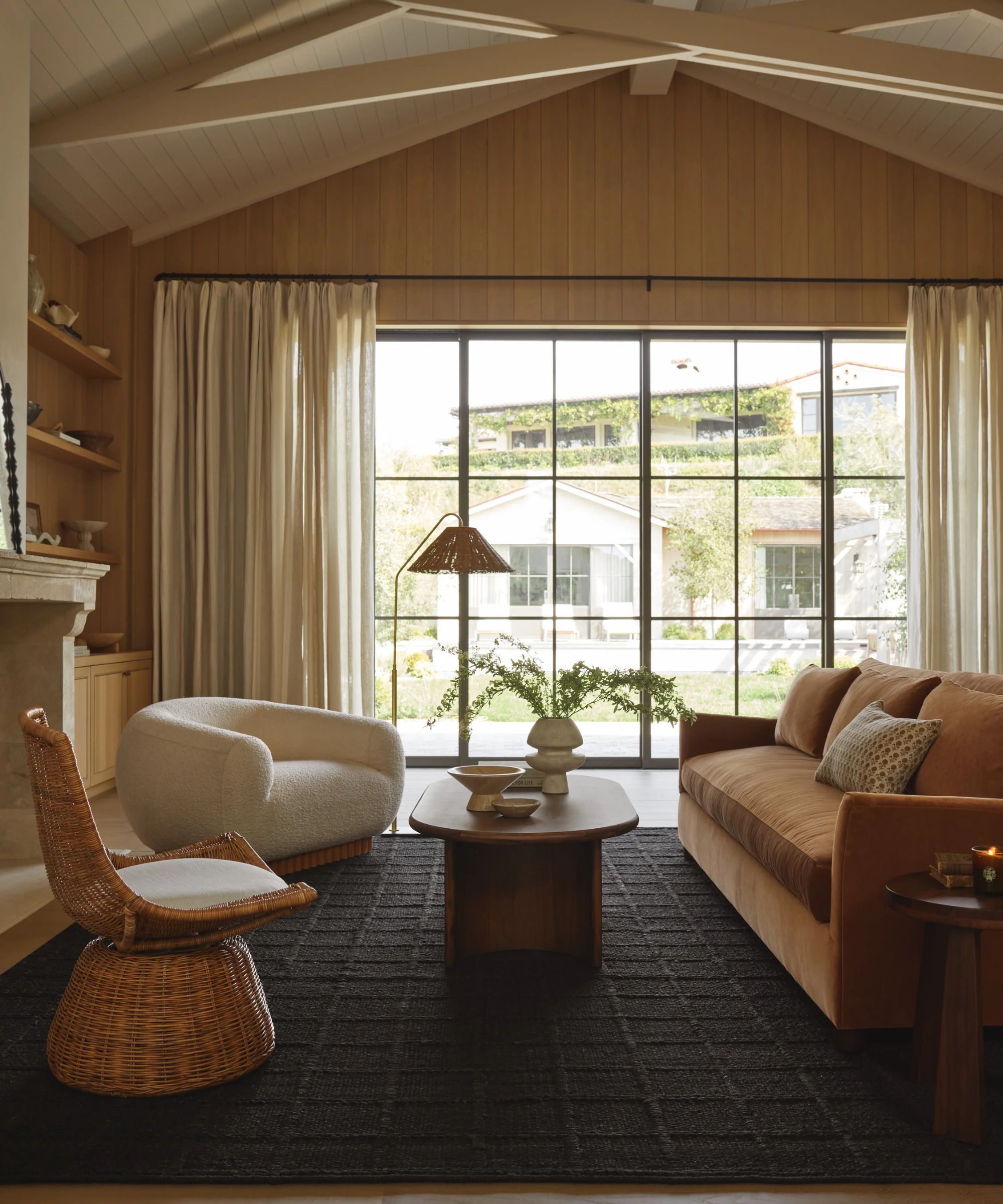
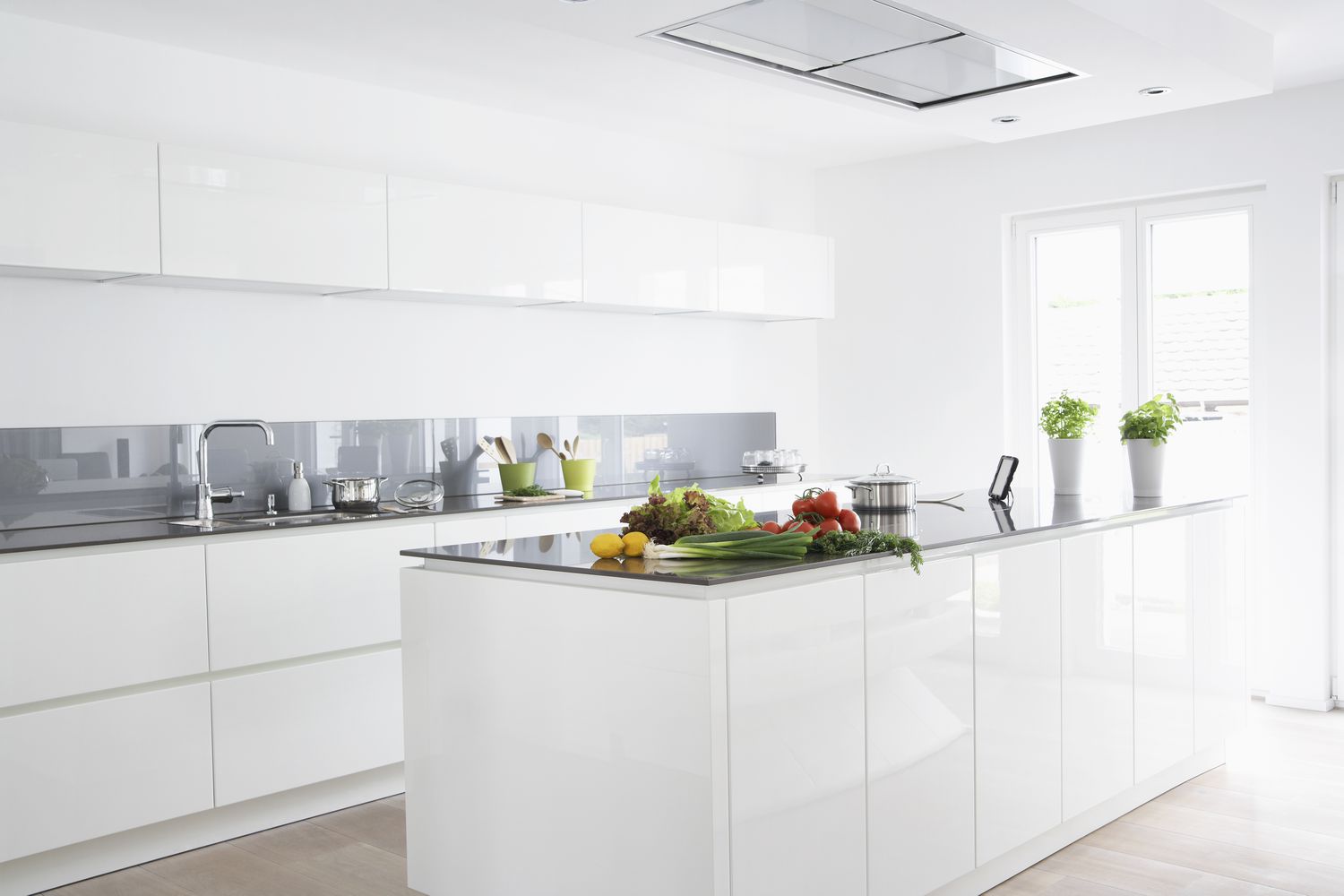
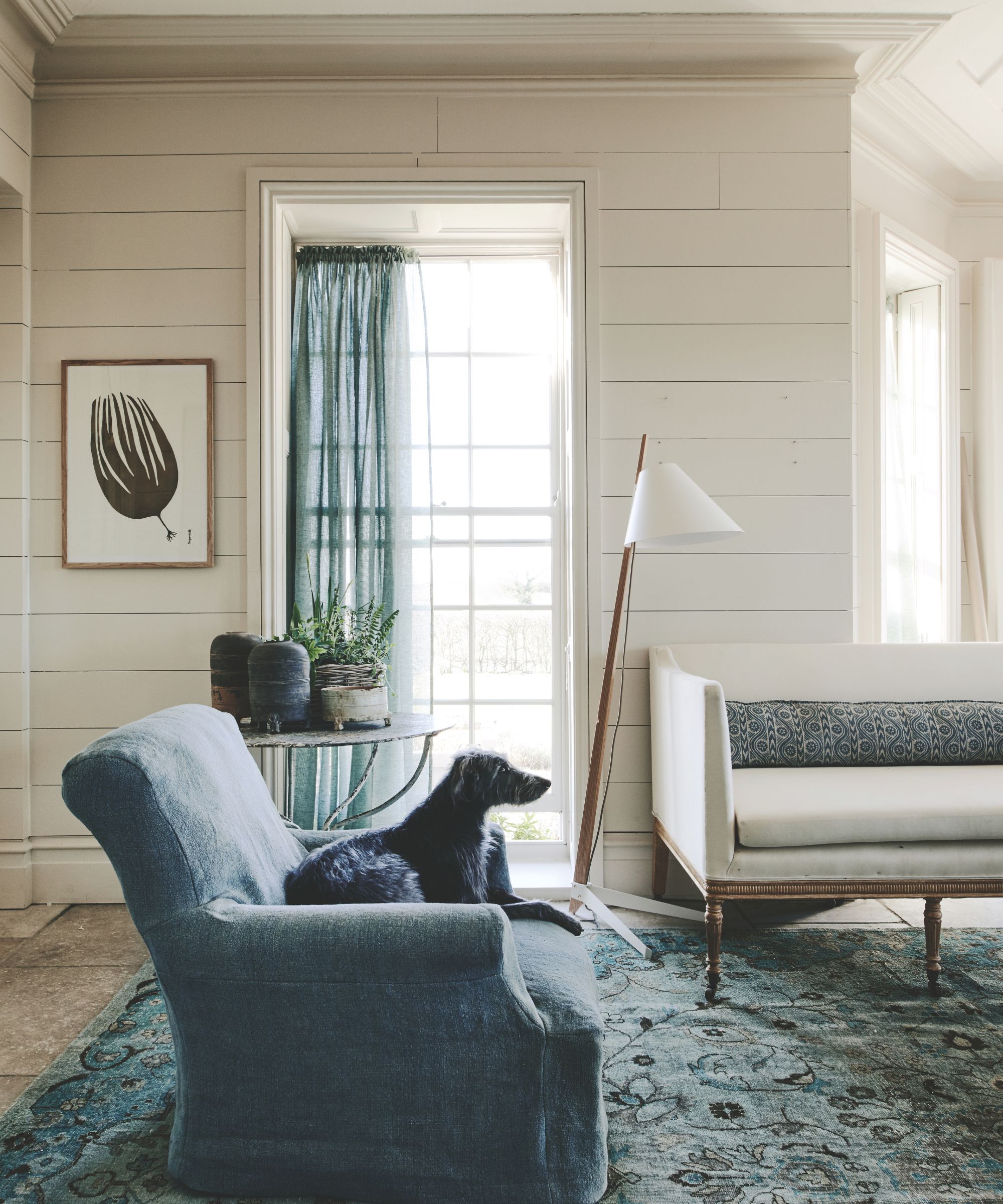
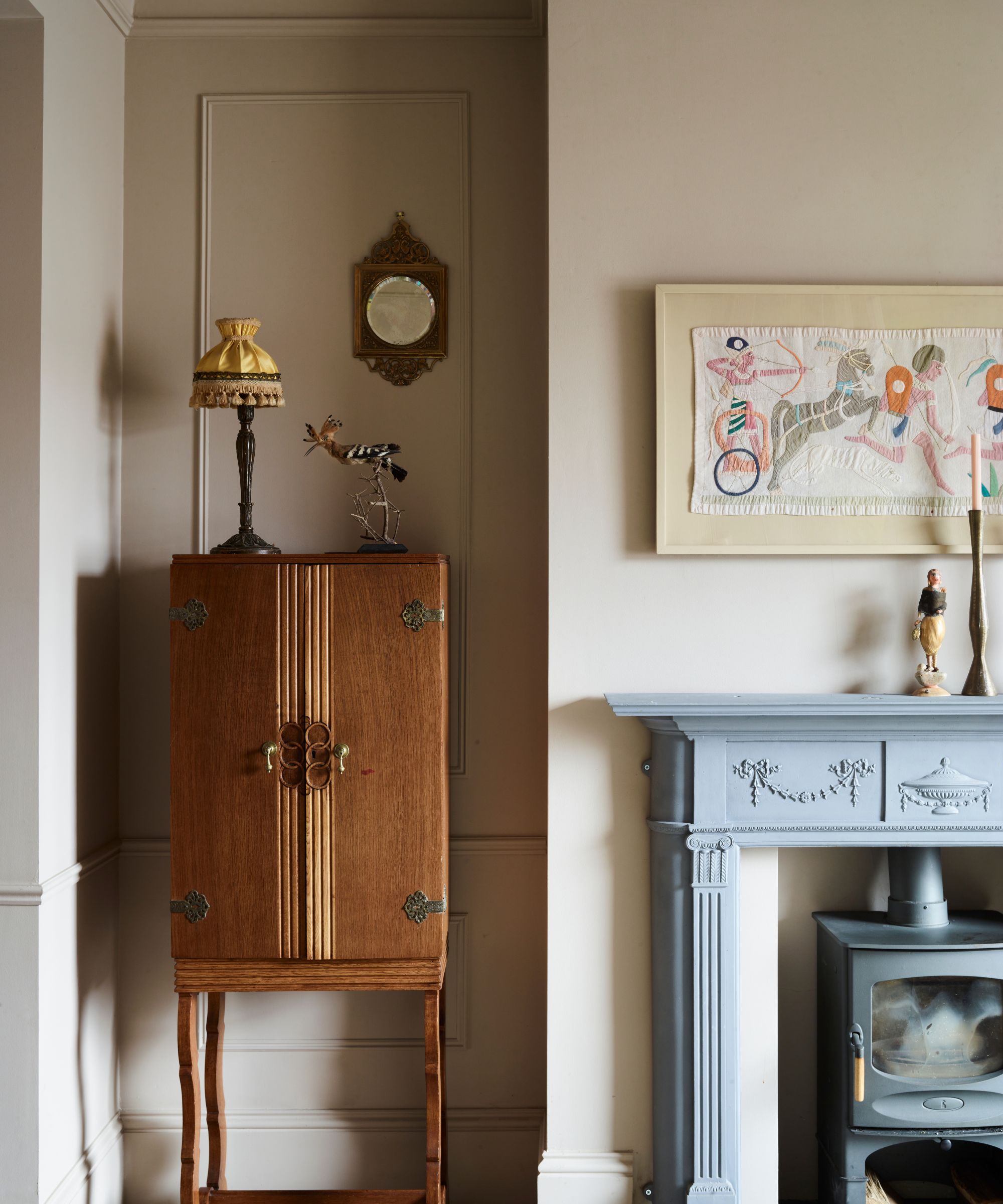
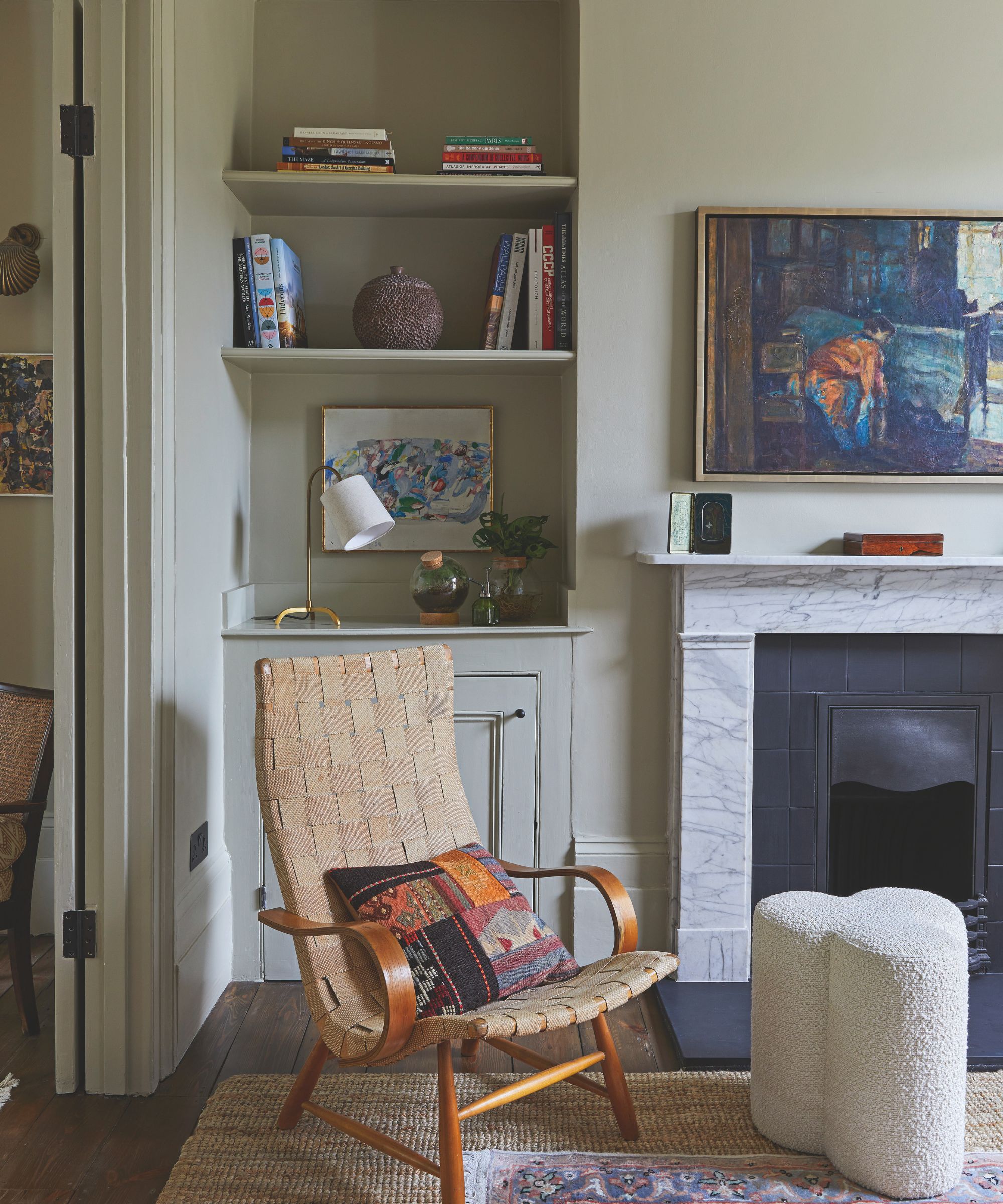
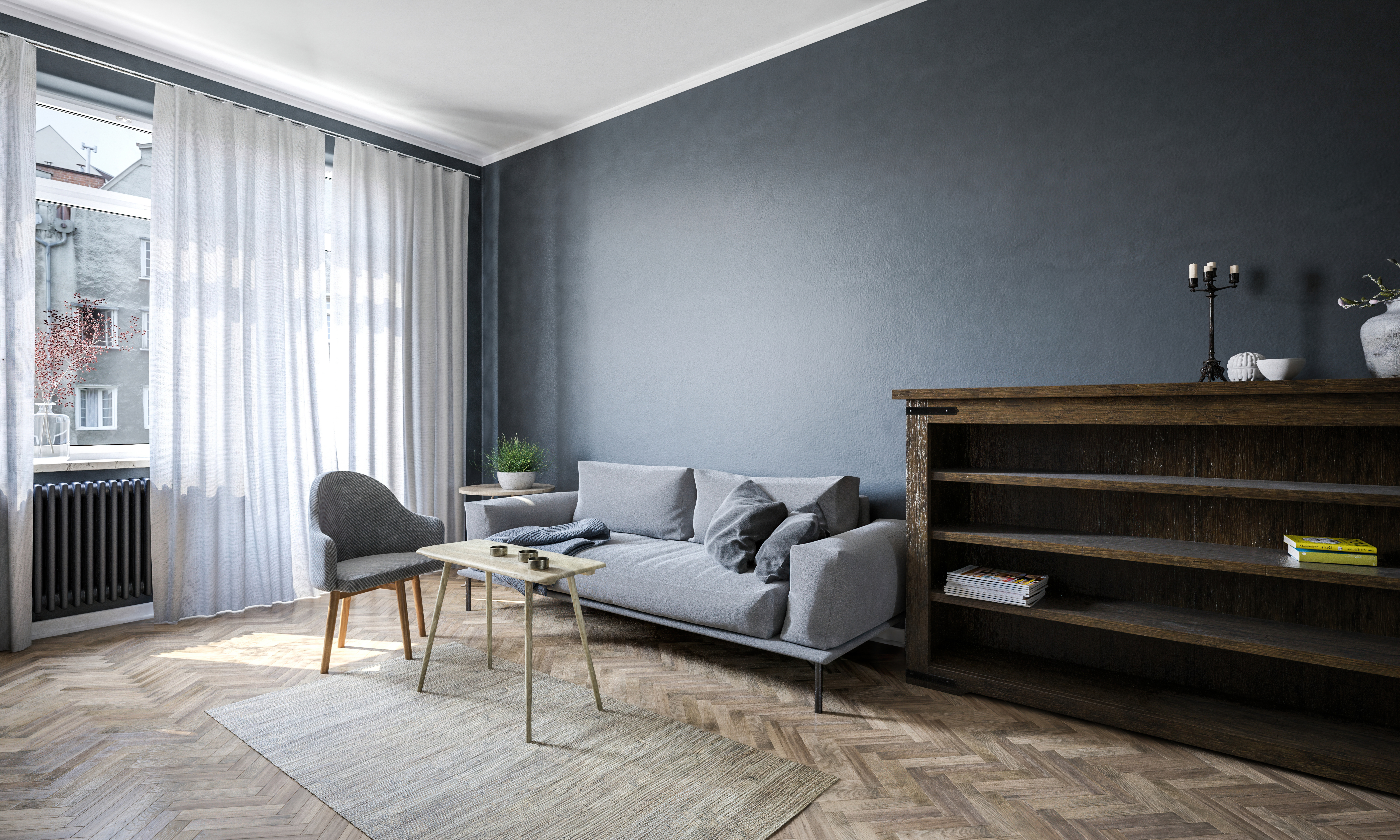
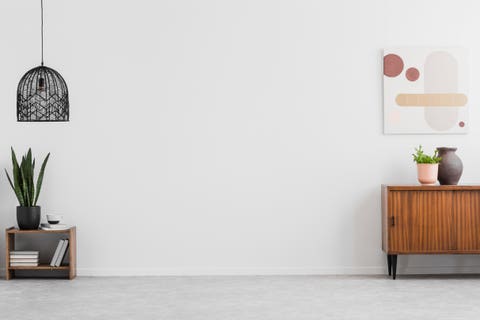
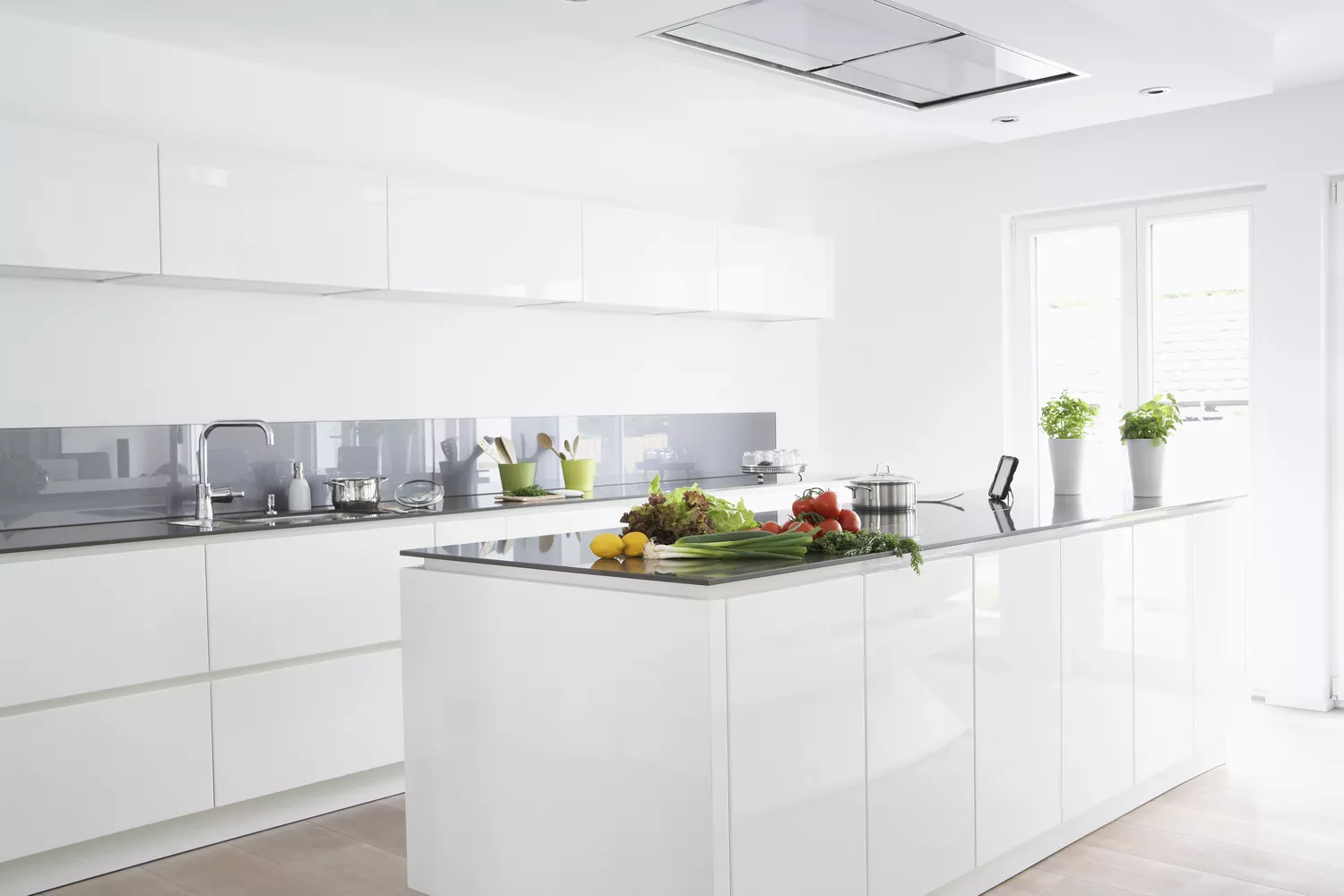
Second, stark white walls, which briefly gained popularity for their ability to infuse rooms with pep and energy, are already losing favor. The trend towards bright white was seen as a jolt for the aesthetic zeitgeist but is now being superseded by warmer, softer shades. Designers are increasingly opting for creamy, richer, and more inviting neutral tones with brown undertones. This shift reflects a desire for more relaxing and textural interiors, moving away from the cool, clinical feel of brilliant white.
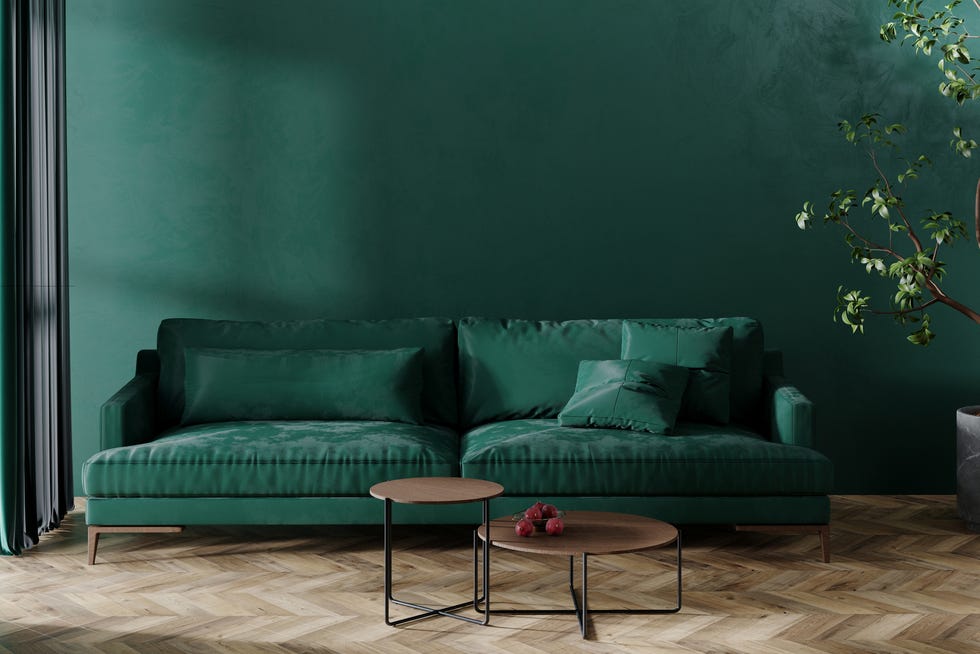
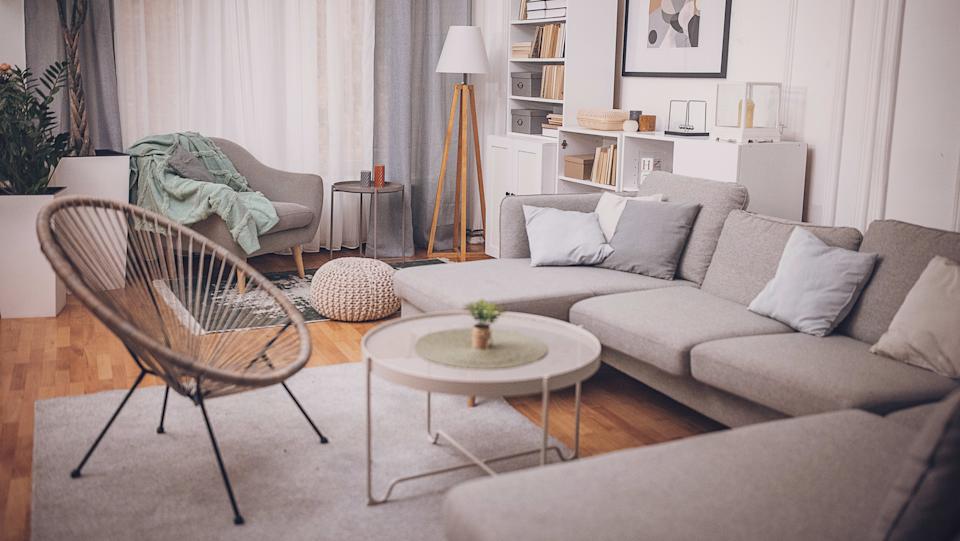
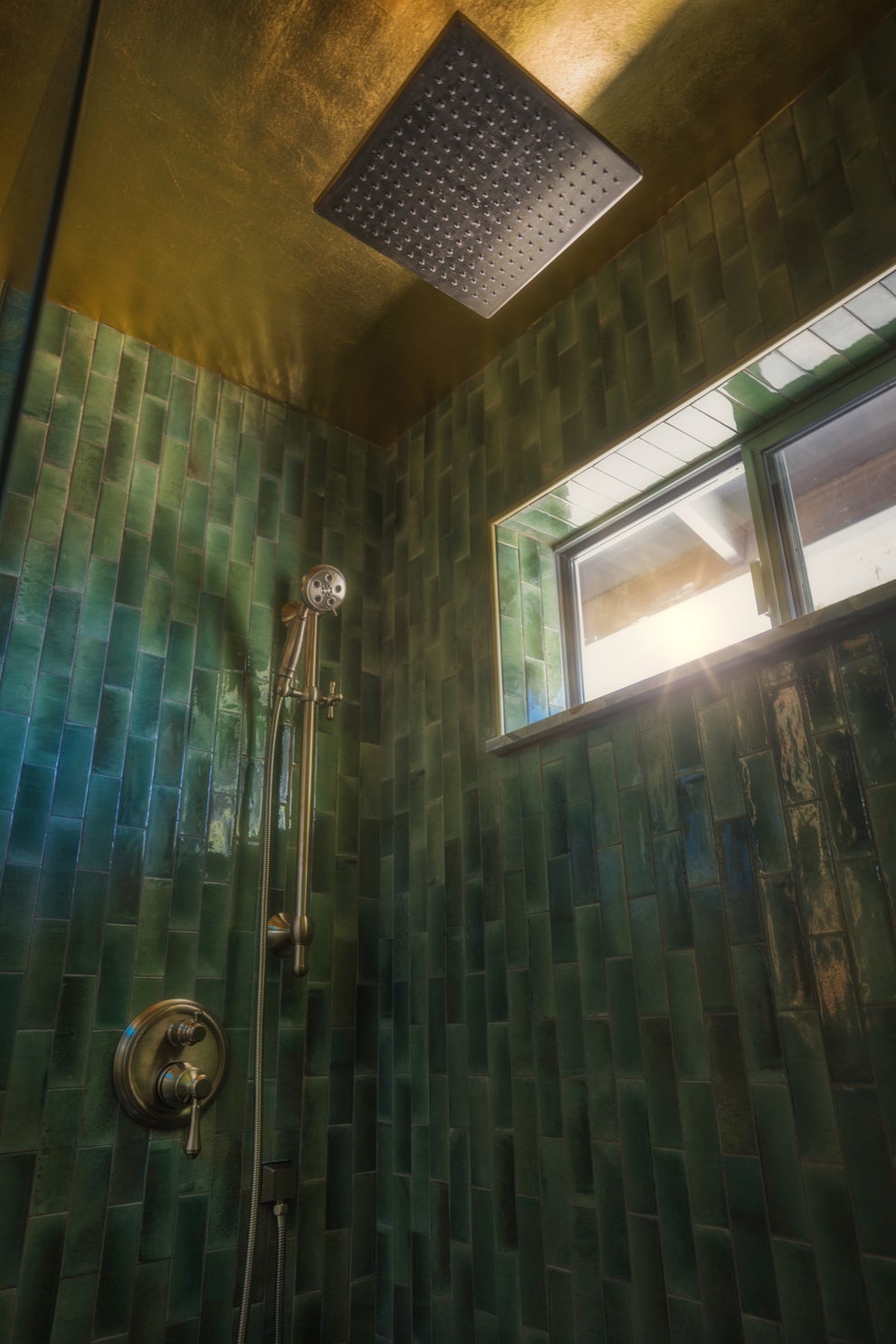
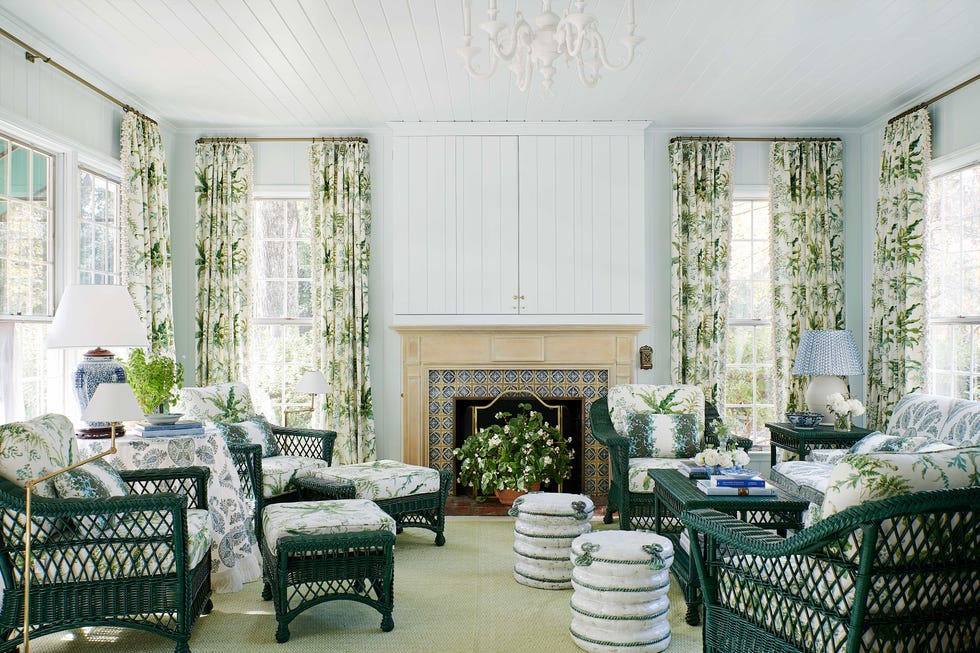
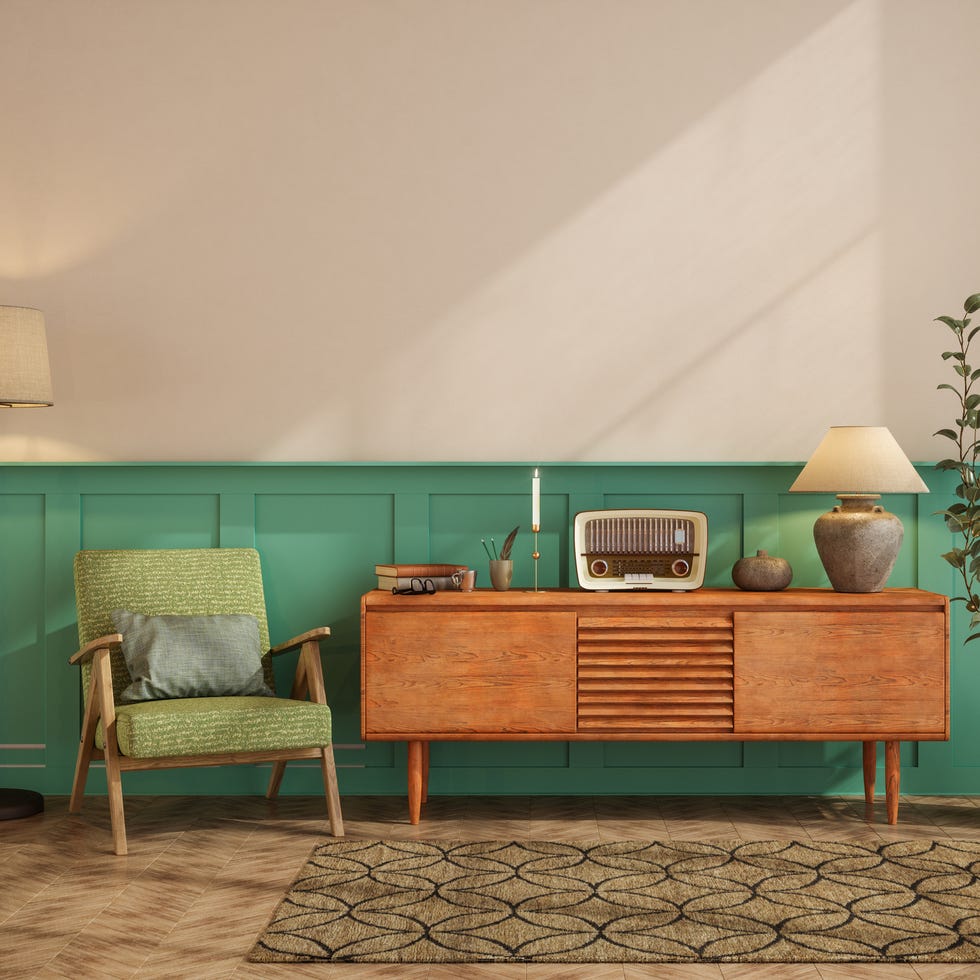
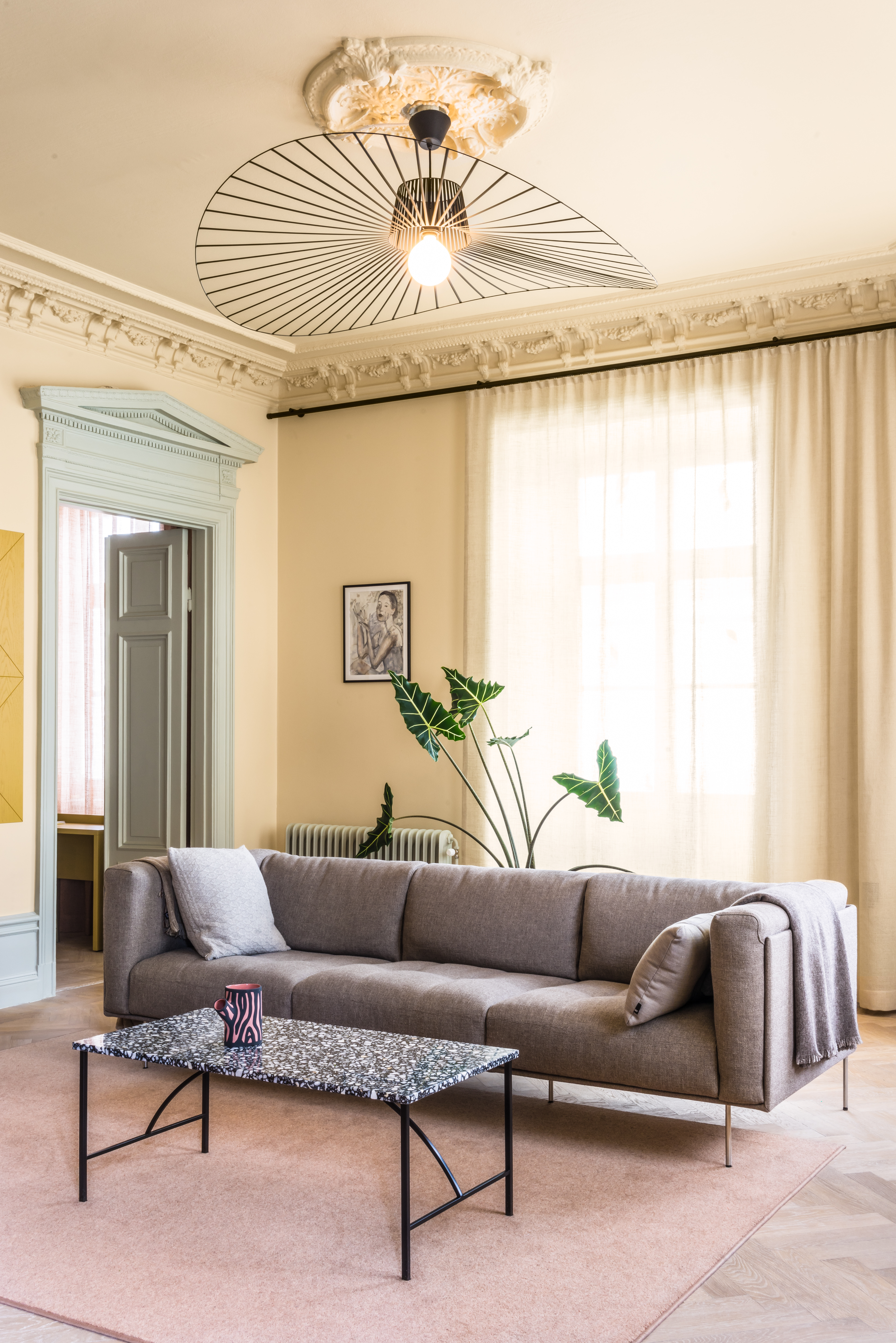
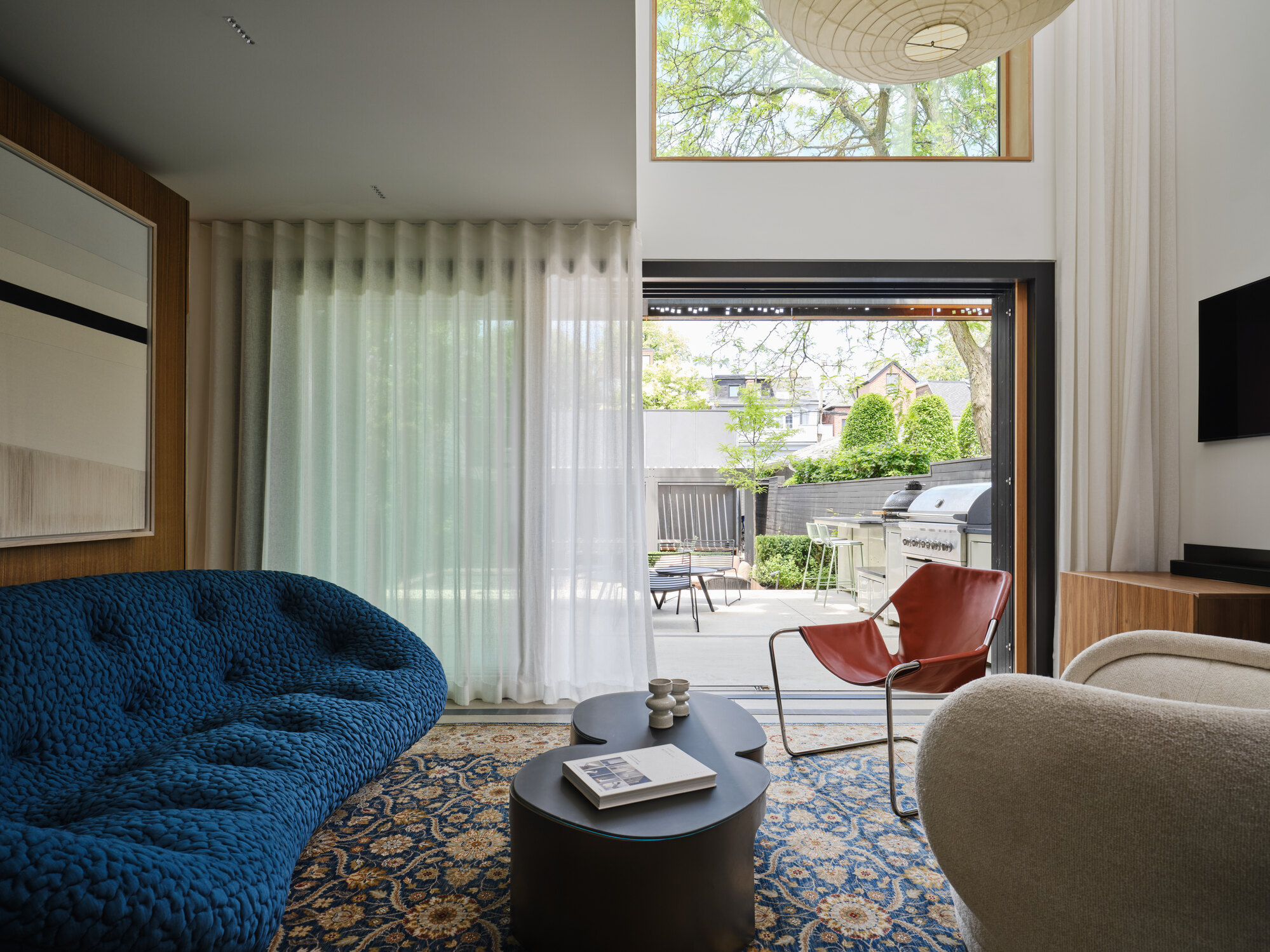
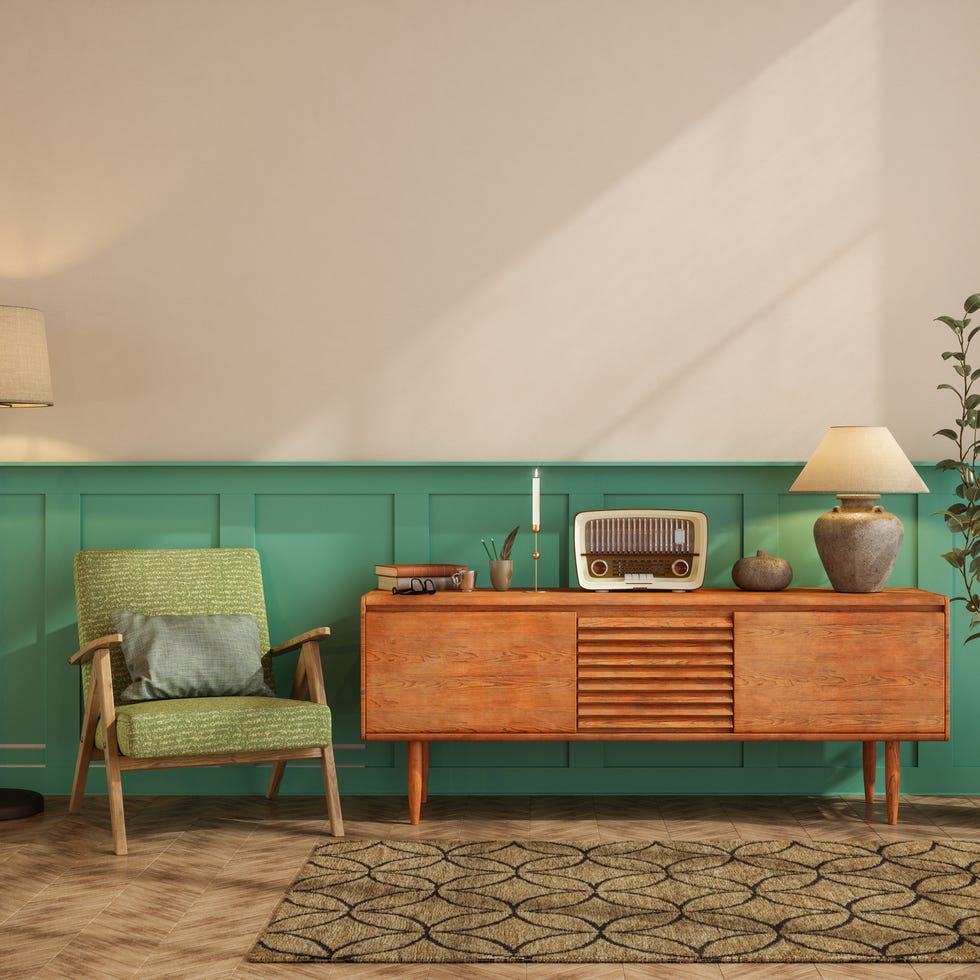
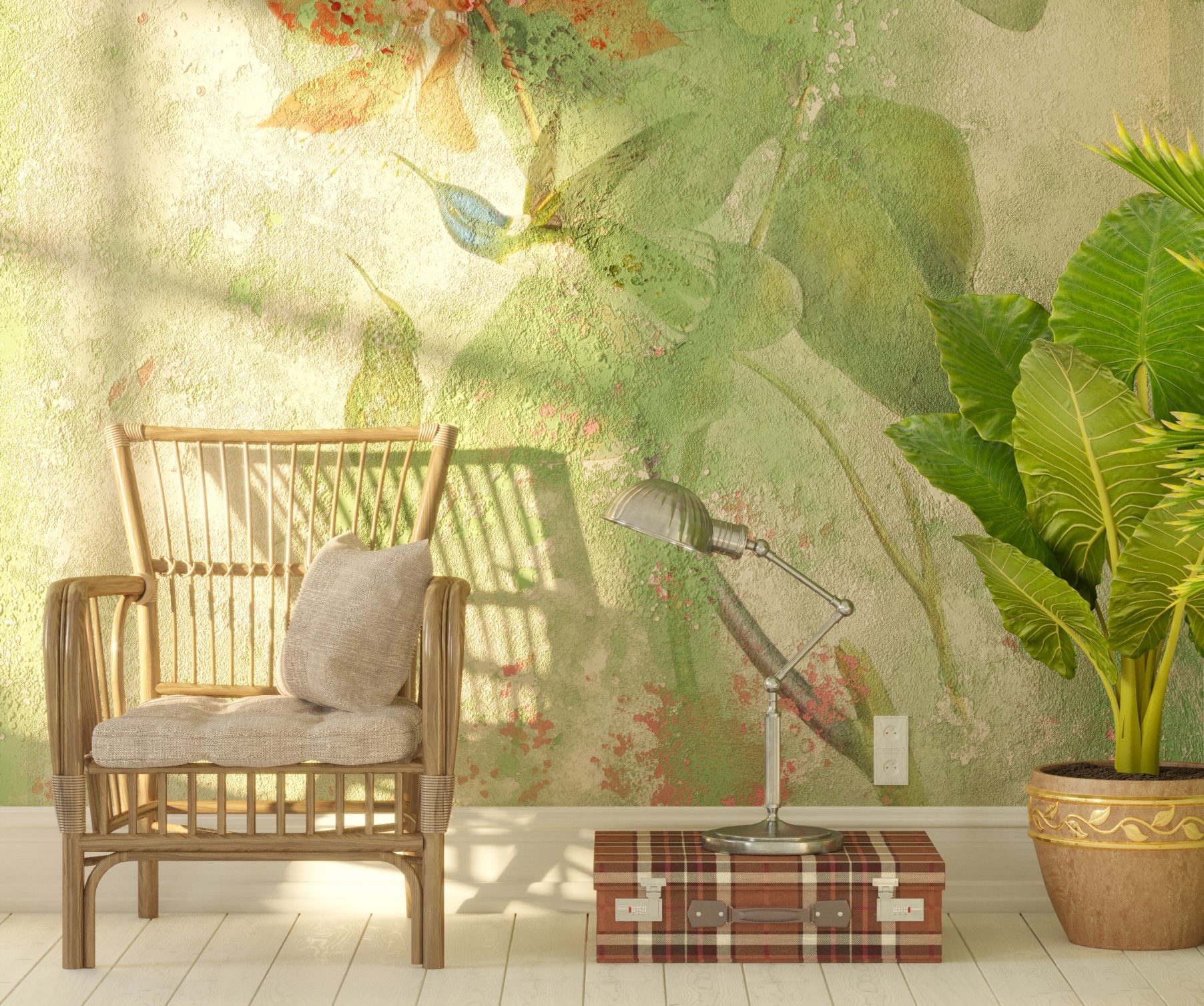
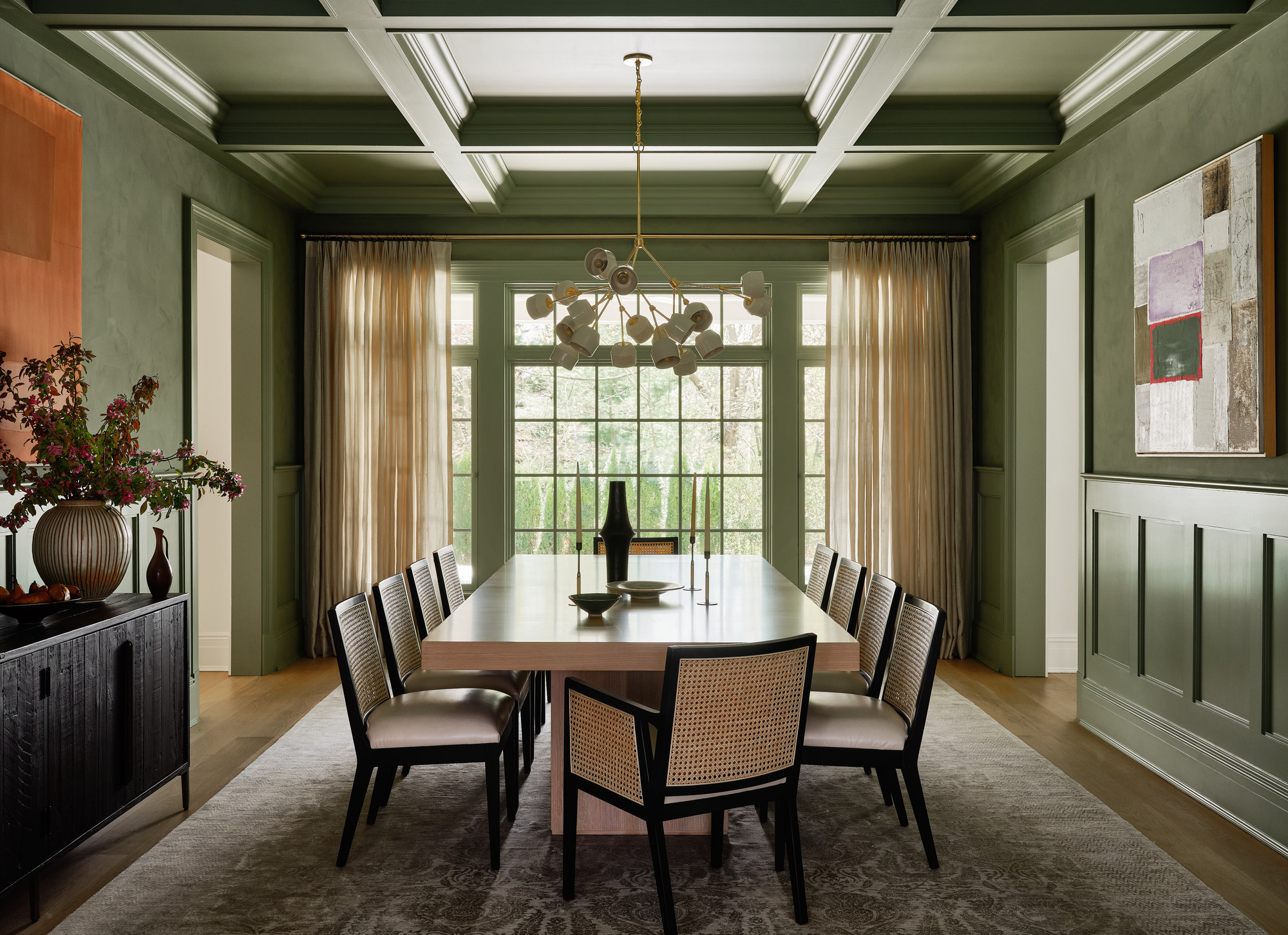
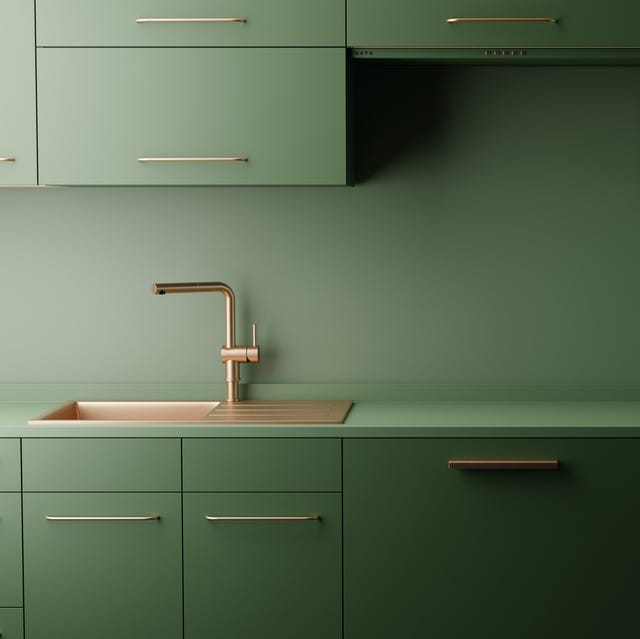
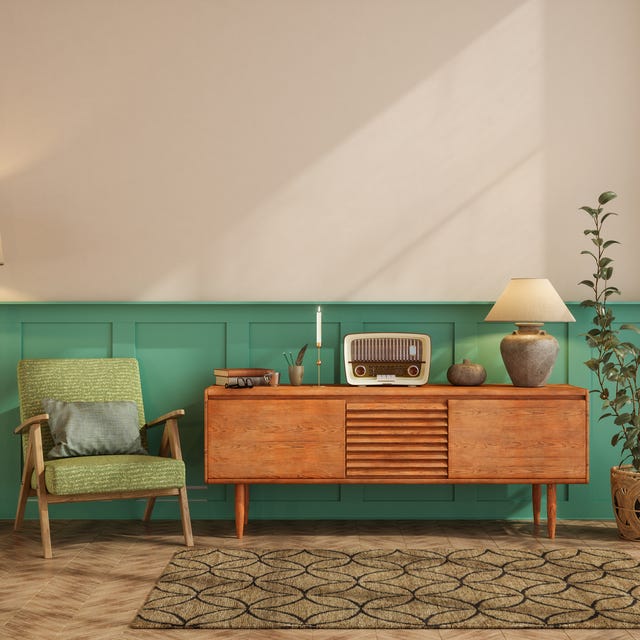
Third, seafoam green accents, which unexpectedly found a place in interior design in 2024, are also fading in prominence. Often employed to energize neutral schemes in a manner similar to the 'unexpected red theory,' seafoam green offers a serene and adaptable quality due to its desaturated appearance. However, it is perceived as less timeless than other colors, especially when compared to sophisticated and sensual reds. The emerging preference for comfort and cocooning shades in 2025 suggests that seafoam green, with its cool undertones, will not align with future design directions.
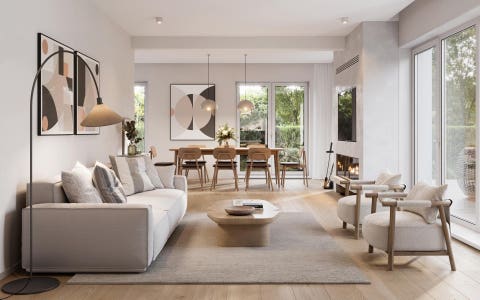
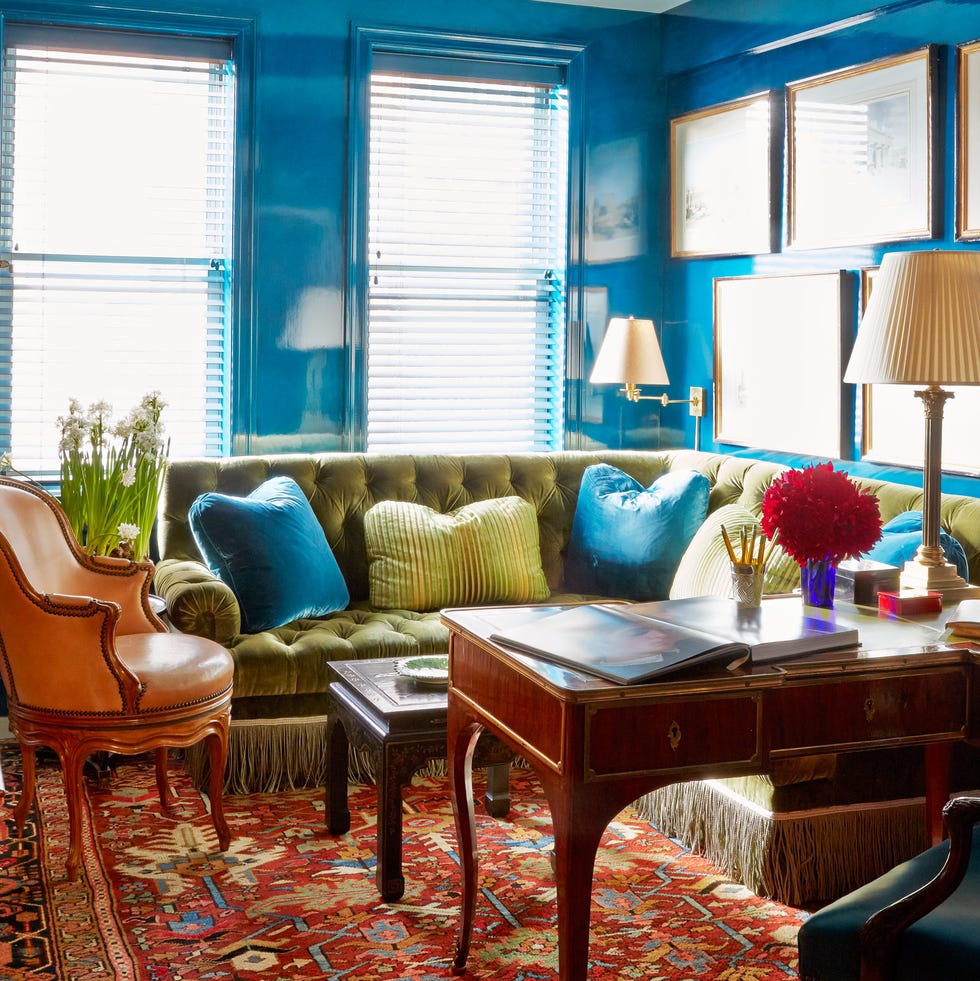
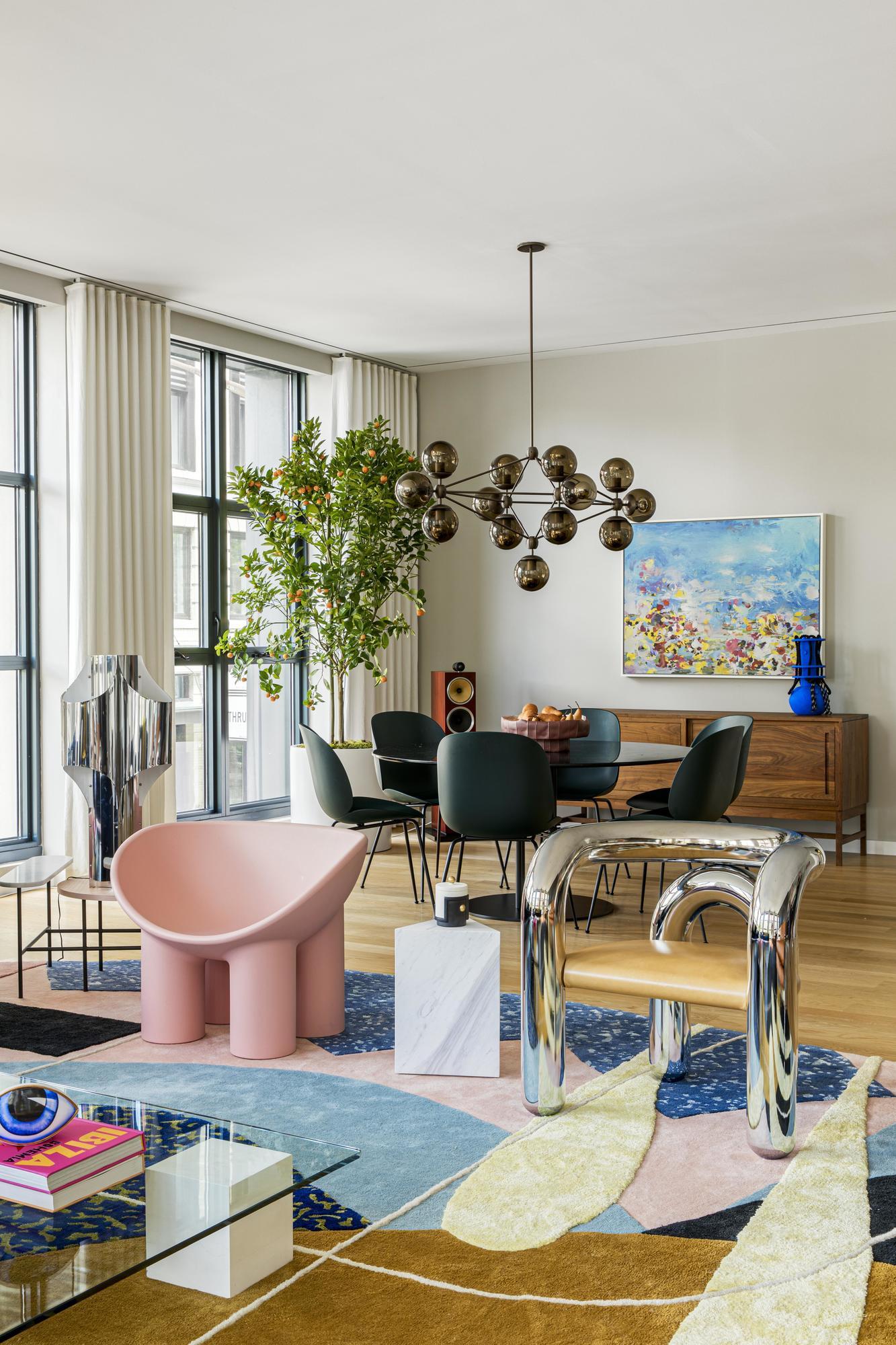
Fourth, the practice of layering rugs, while offering opportunities to introduce diverse patterns, is identified as a trend unlikely to last. This approach presents several functional issues, including creating trip hazards and disrupting the visual flow of a space. Layered rugs can also make rooms appear smaller by drawing the eye downwards. Industry experts predict a move towards large, single rugs that fill a room, expanding the sense of space rather than segmenting it with multiple layers.
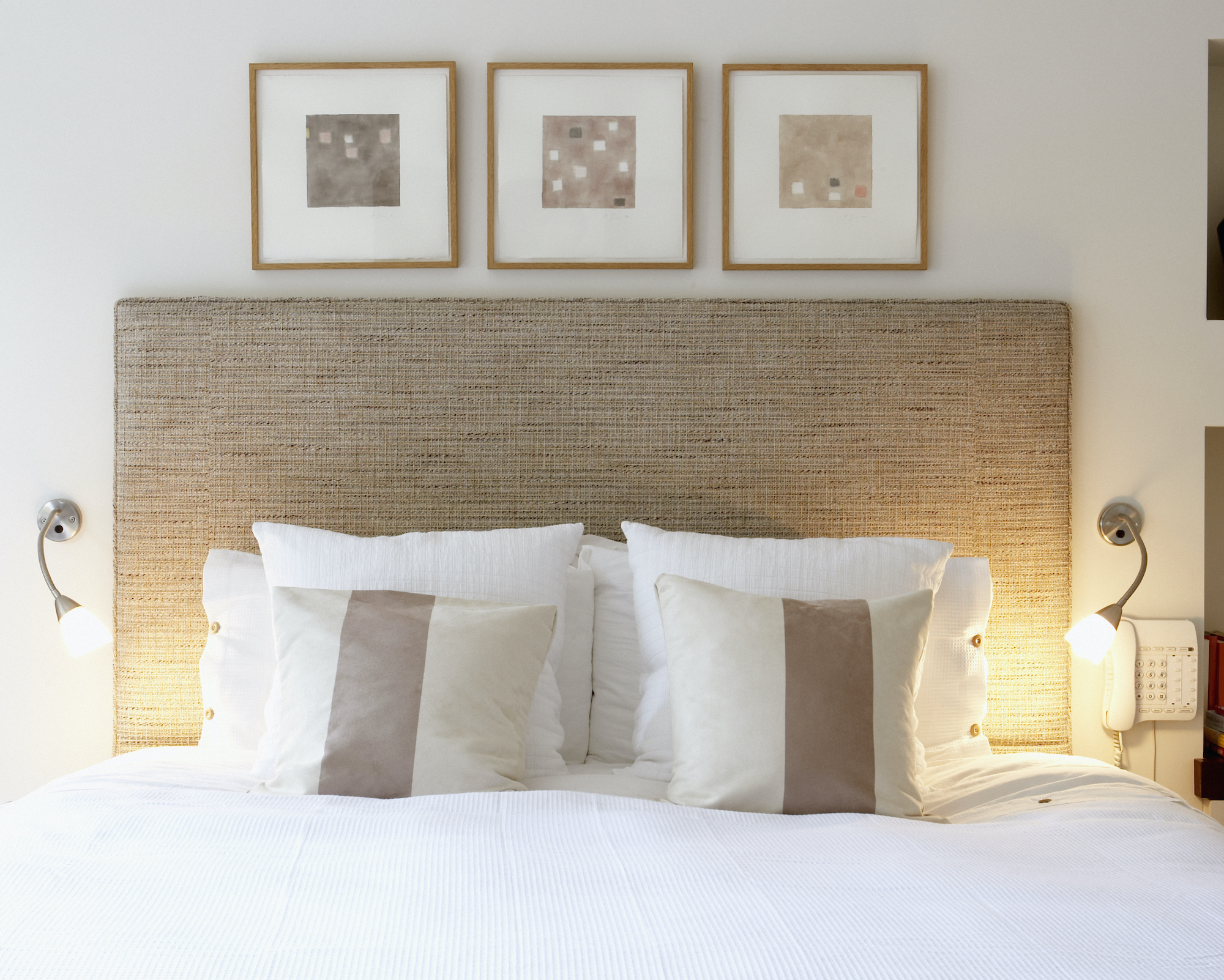
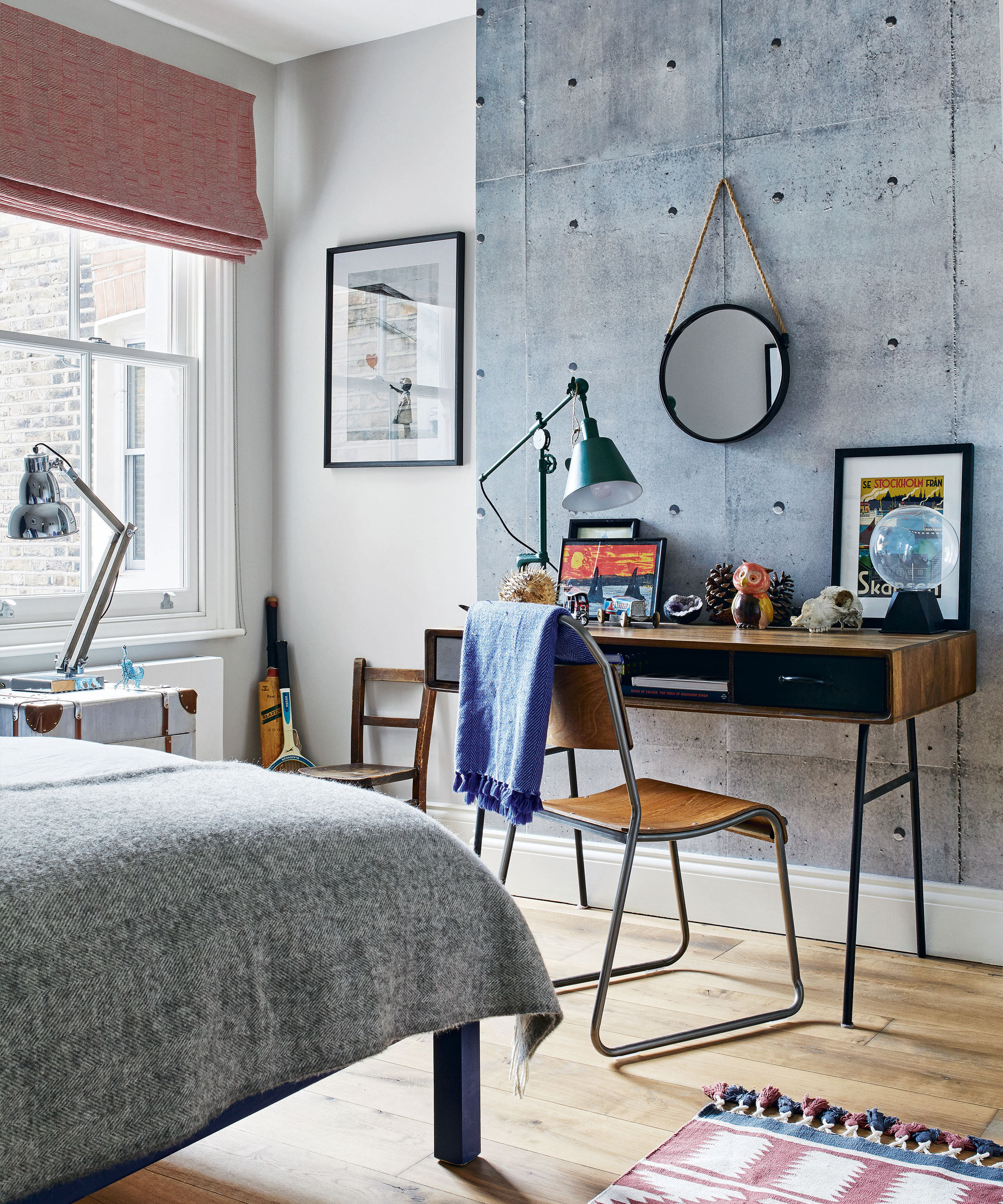
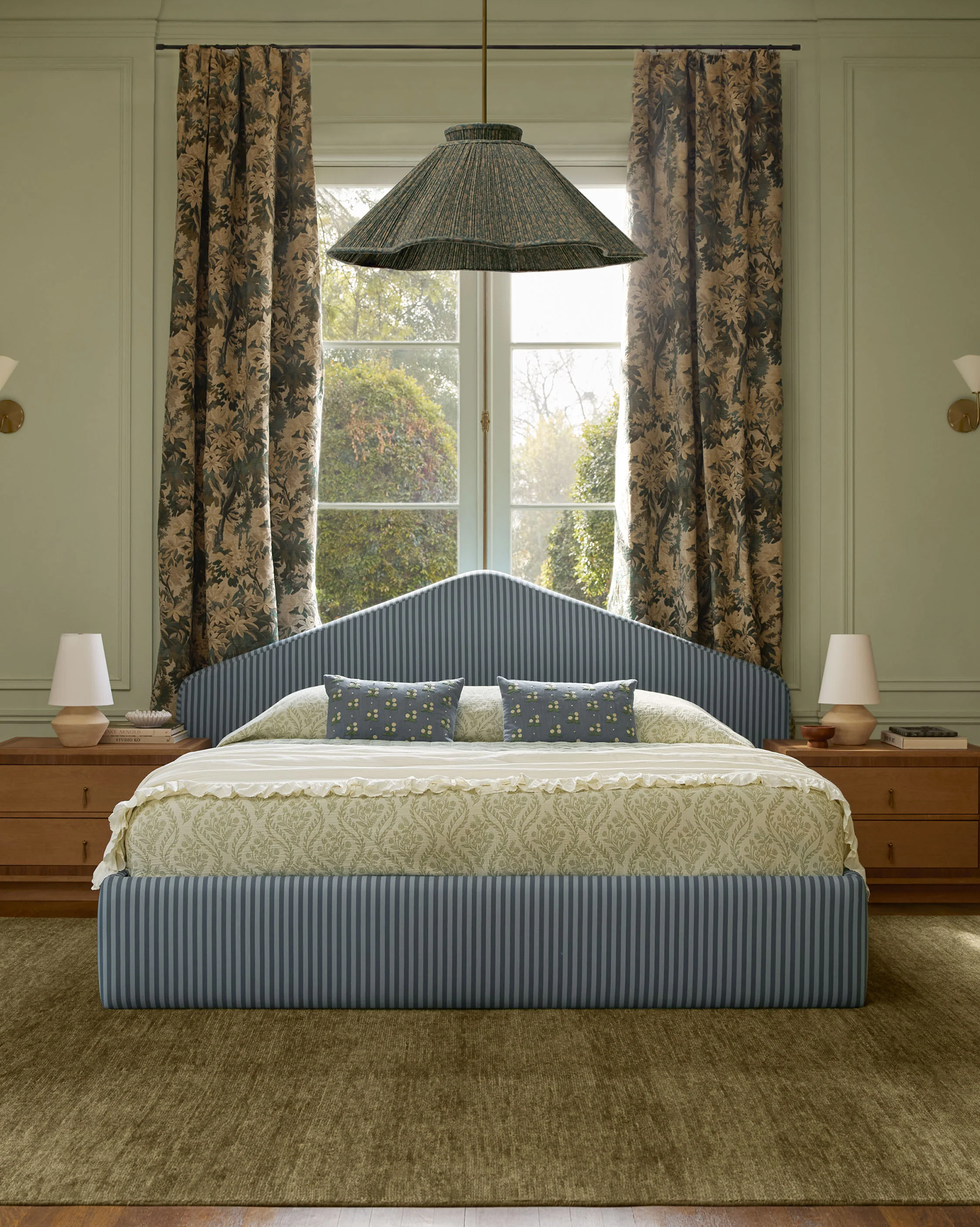
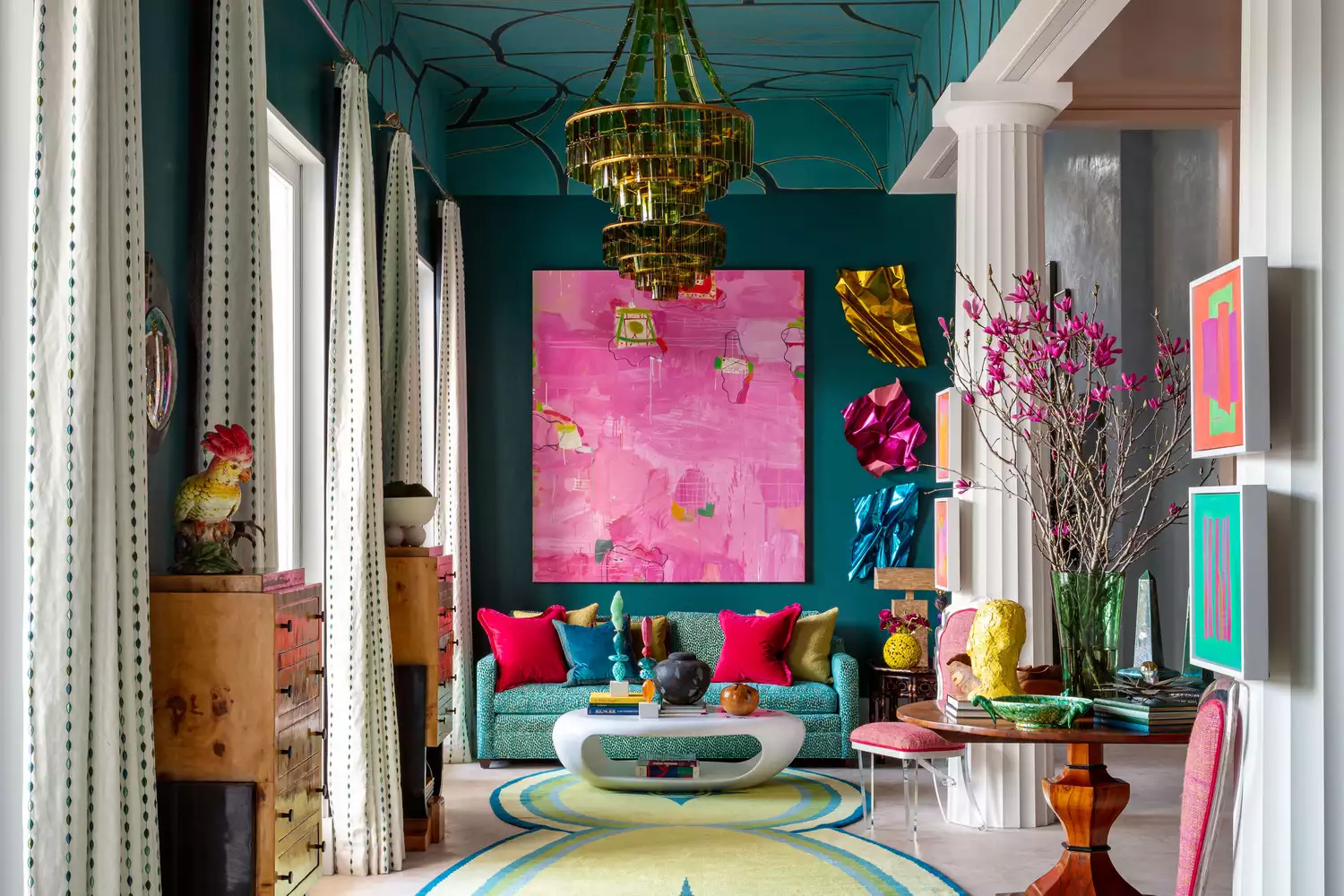
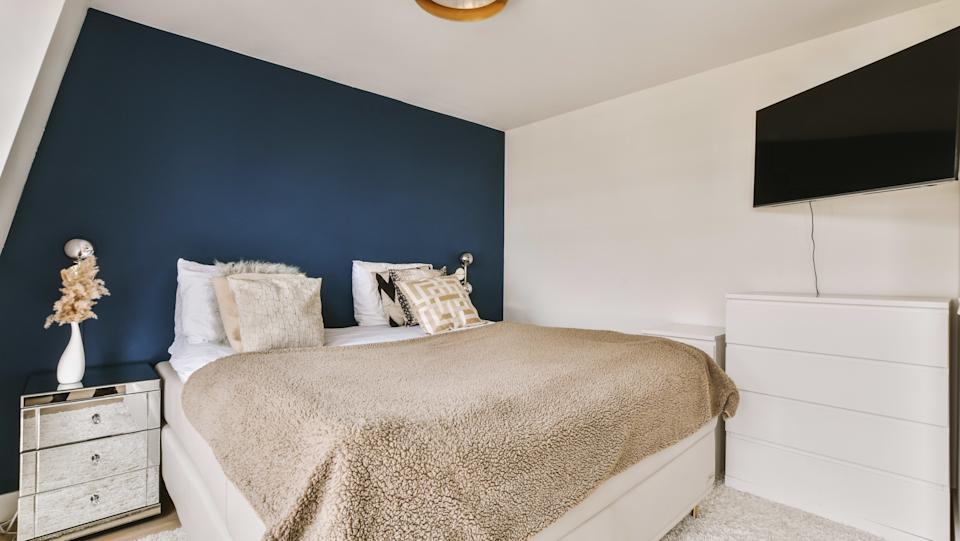
Finally, the use of bold shades in bedrooms, based on the theory that bright colors can promote energy upon waking, is another trend projected to diminish. While some advocate for vibrant bedroom palettes to stimulate morning vitality, designers note the importance of creating a soothing environment for unwinding and relaxation. For 2025, the trend is shifting back to neutral bedrooms, favoring calm and serene color schemes over intense hues. These softer palettes, often described as colors akin to mist on a rainy day, are intended to facilitate rest and tranquility, reserving bolder expressions for guest rooms or other less private areas.
In essence, while these five trends may currently offer visual appeal, interior design professionals foresee their eventual decline due to practical concerns, evolving aesthetic preferences, and a renewed emphasis on comfort and enduring style.
#InteriorDesignTrends #HomeDecor #KitchenDesign #ColorTrends #BedroomDecor #RugLayering #TimelessDesign #DesignLongevity #InteriorStyling #InteriorDesignTrends #HomeDecor #KitchenDesign #ColorTrends #BedroomDecor #RugLayering #TimelessDesign #DesignLongevity #InteriorStyling
0 komentarzy łącznie
 Brak komentarzy jeszcze
Możesz również polubić
9 Popular Home Trends Interior Designers Say Won't Age Well

5 outdated wall decor trends designers warn to avoid – plus what we should be doing instead

8 Home Trends That Are Tragically DEAD to the Design World

Designers Say These Trends Will Go Out of Style in 2025—Here Are Some to Try Instead

How to decorate in 2025: Skip these tired trends, interior designers say
10 Interior Design Trends Going Away In 2025

5 Design Trends Interior Designers Can't Wait to Say Goodbye to in 2025

Ready to Redecorate? 2025’s Top Design Trends Just Dropped


People Are Exposing The Home Decor Trends That'll "Completely Fade Out" Sooner Than You'd Think

17 Trends That Need to Disappear Forever , According to Interior Designers

4 Outdated Living Room Trends Designers say you Should Move on From — and What to Replace Them With

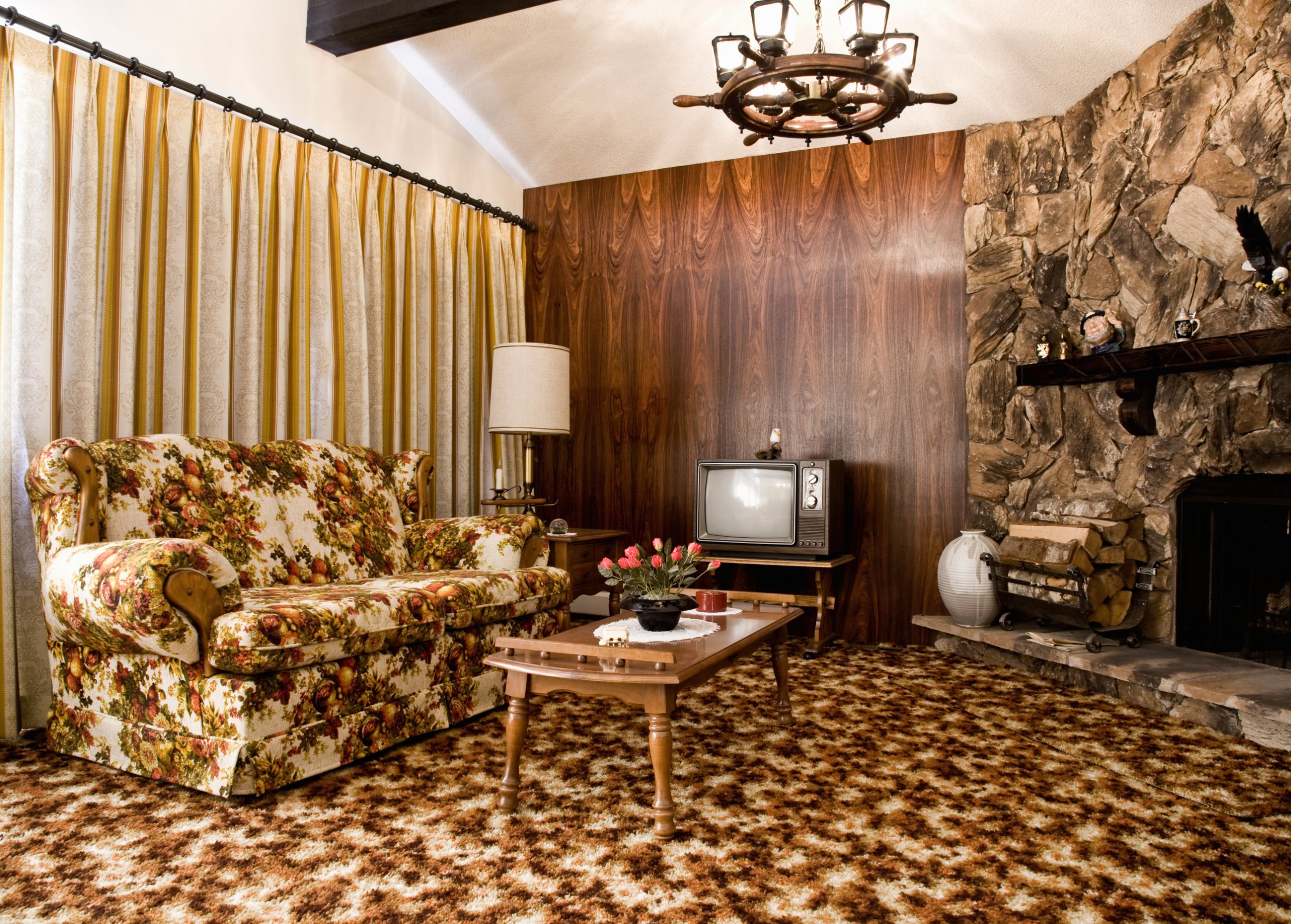
7 outdated interior trends making a comeback this year

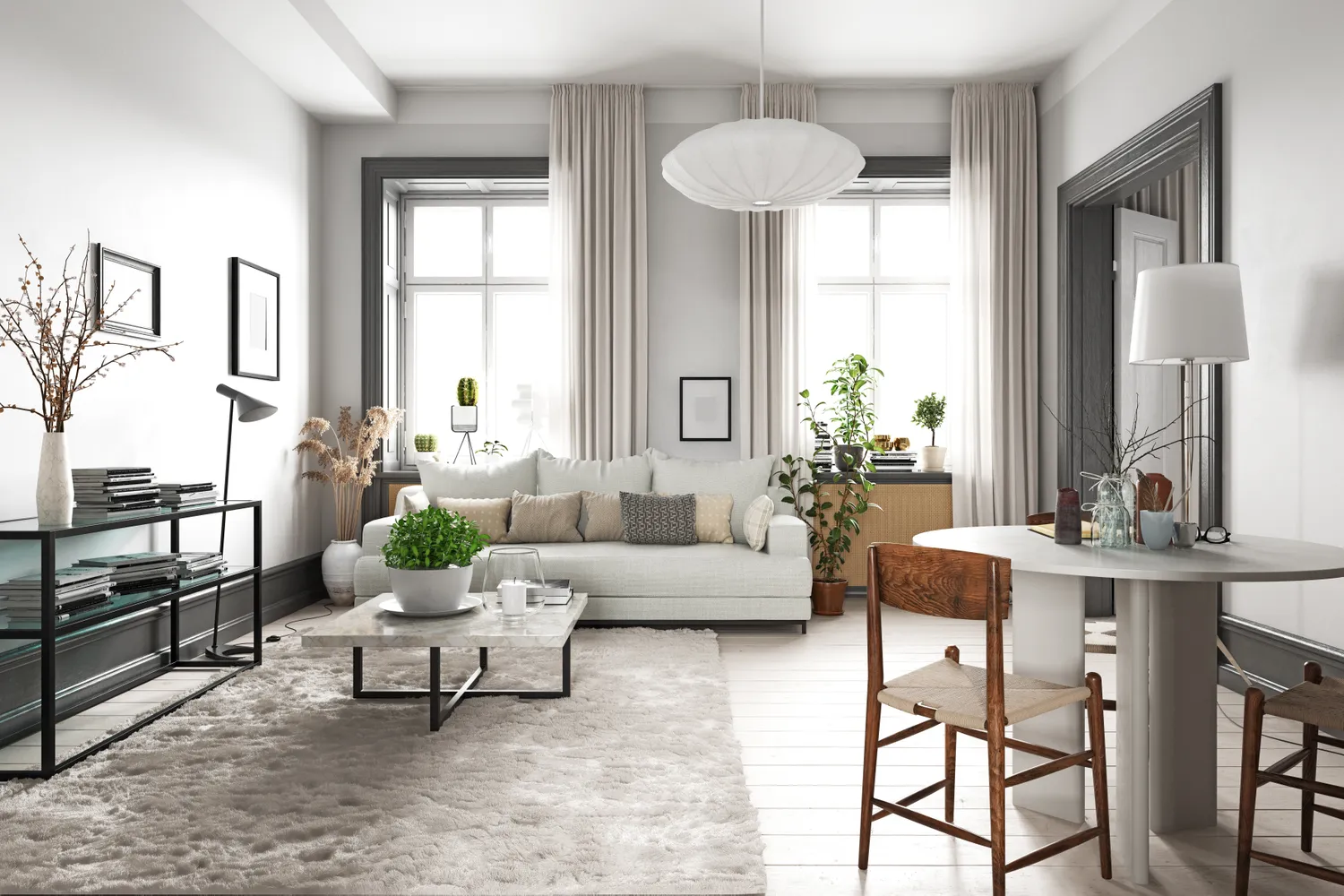
3 "Timeless" Trends Designers Say Are Out—and Making Homes Look Dated in 2026
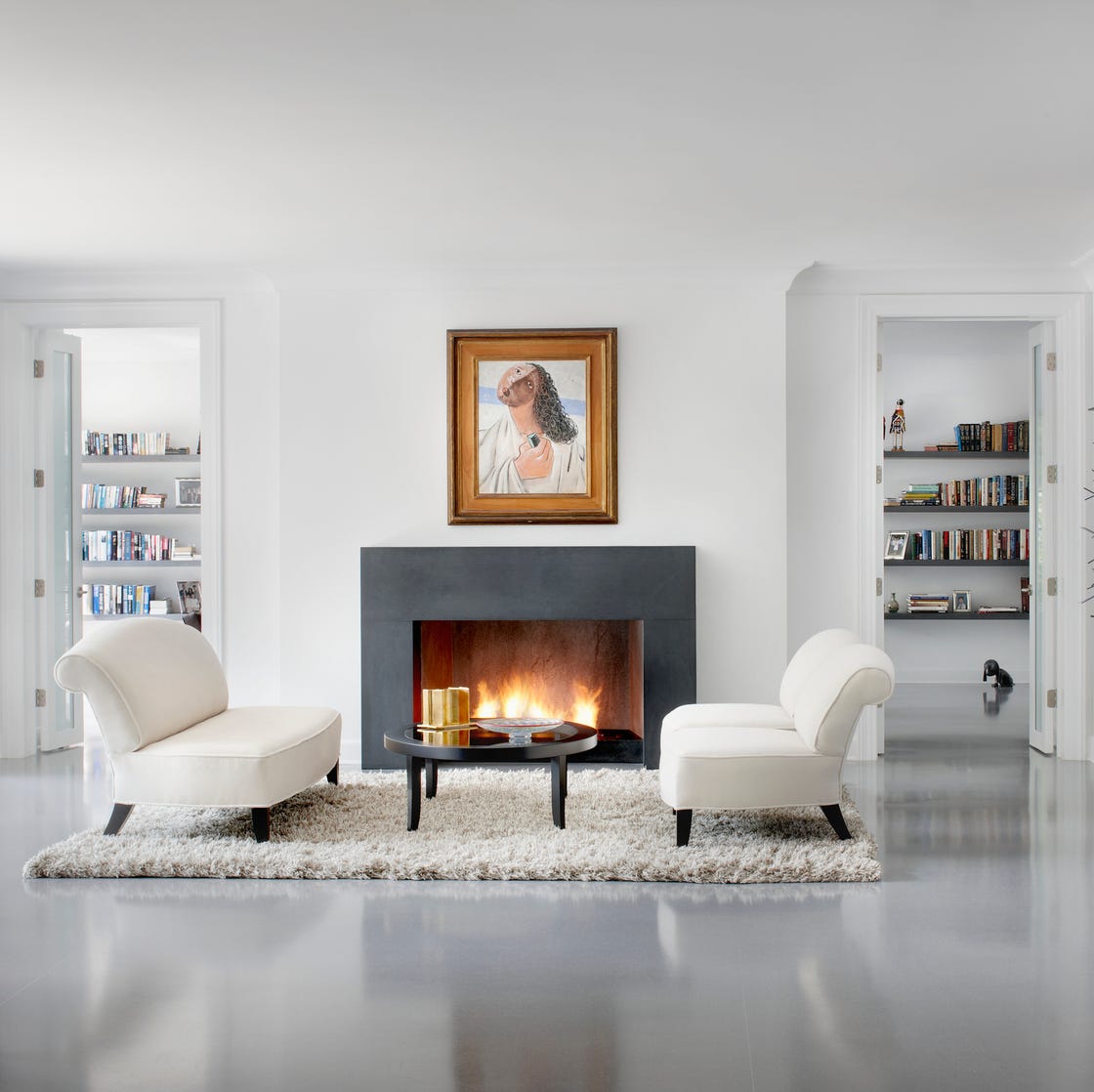
8 Decorating Trends Designers Wish Would Go Away in 2025

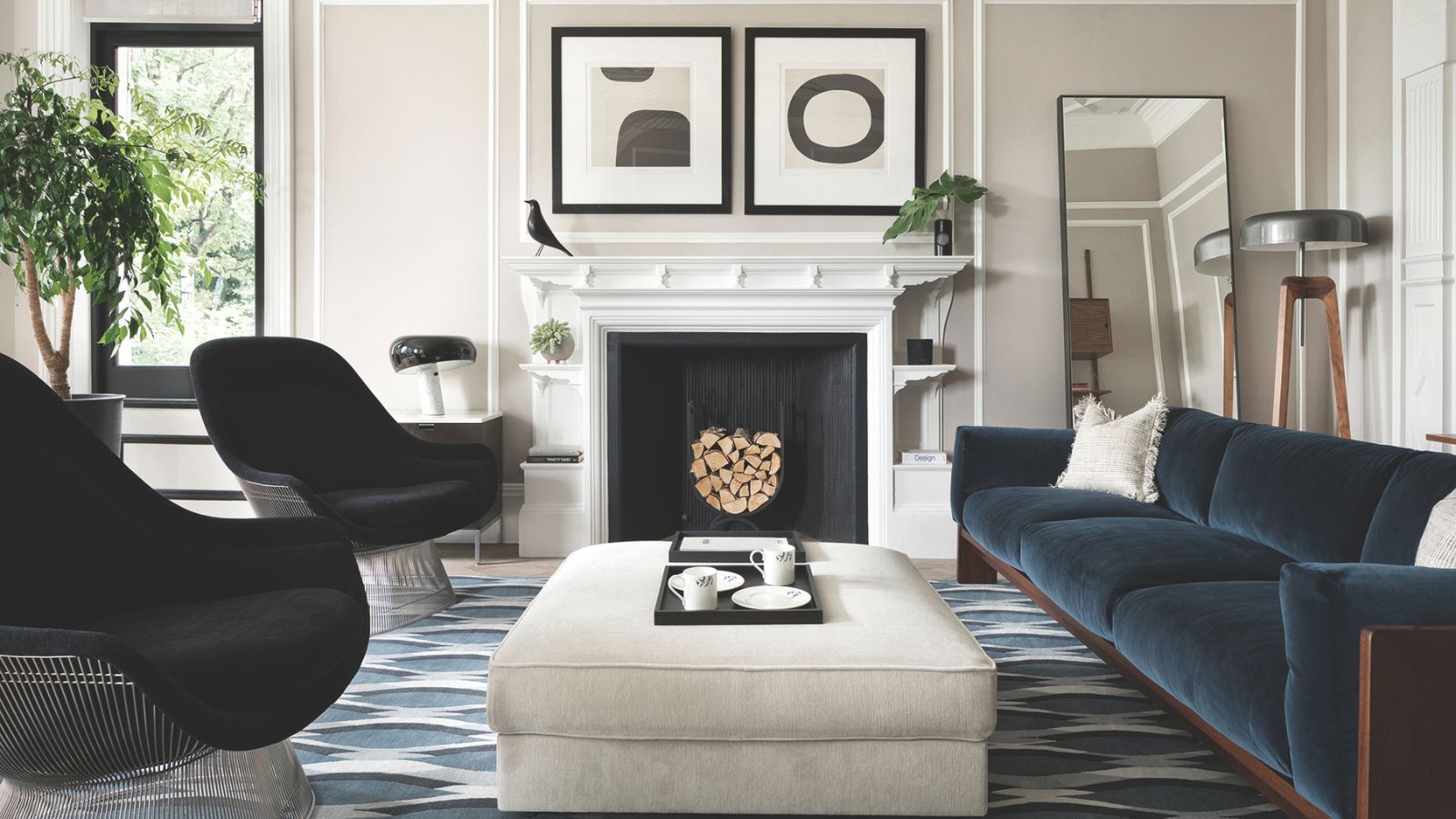
I asked interior designers what trends they are already sick of seeing in 2025
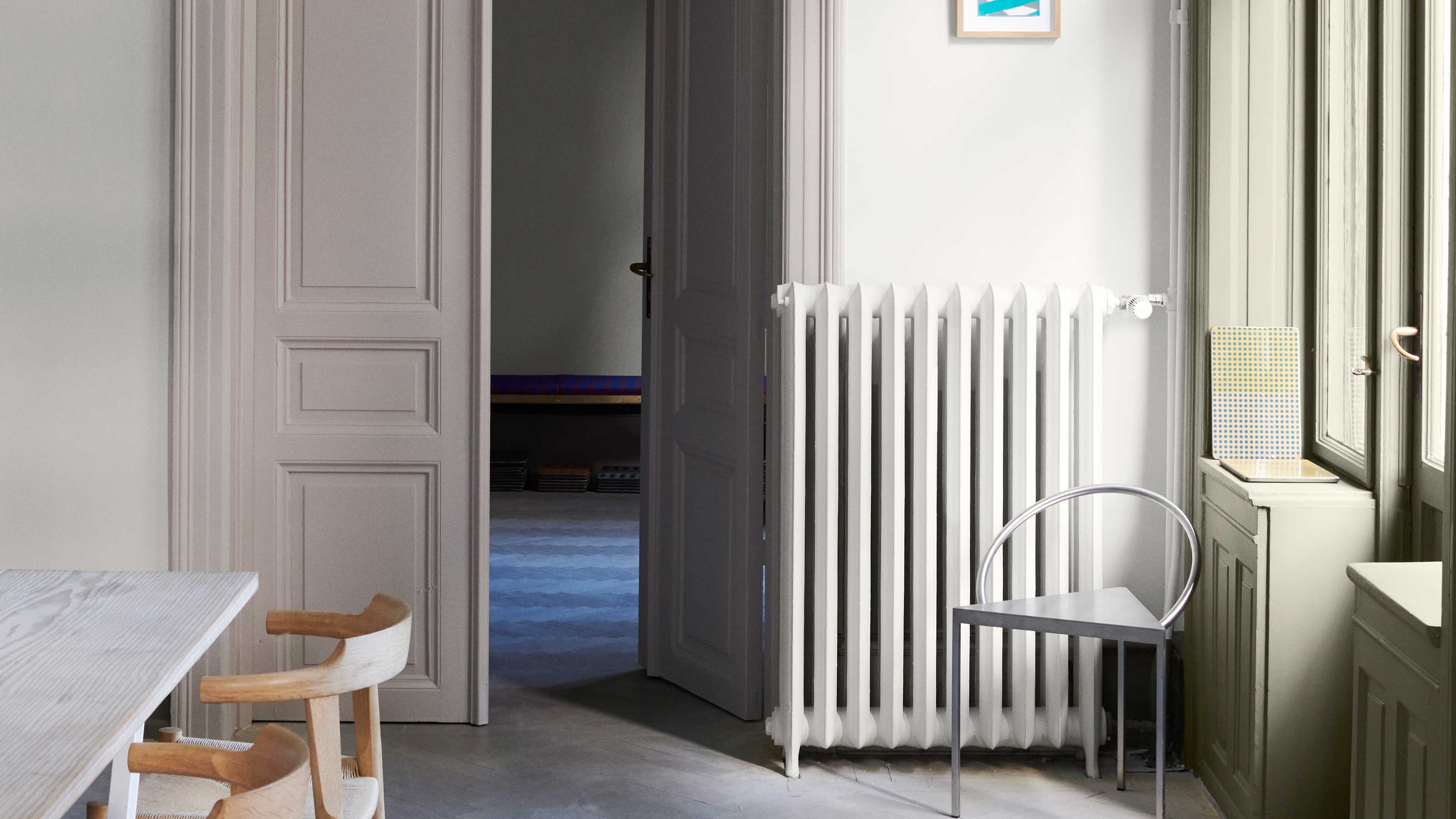
5 outdated paint trends that interior designers are glad to see the back of – and what they're doing instead

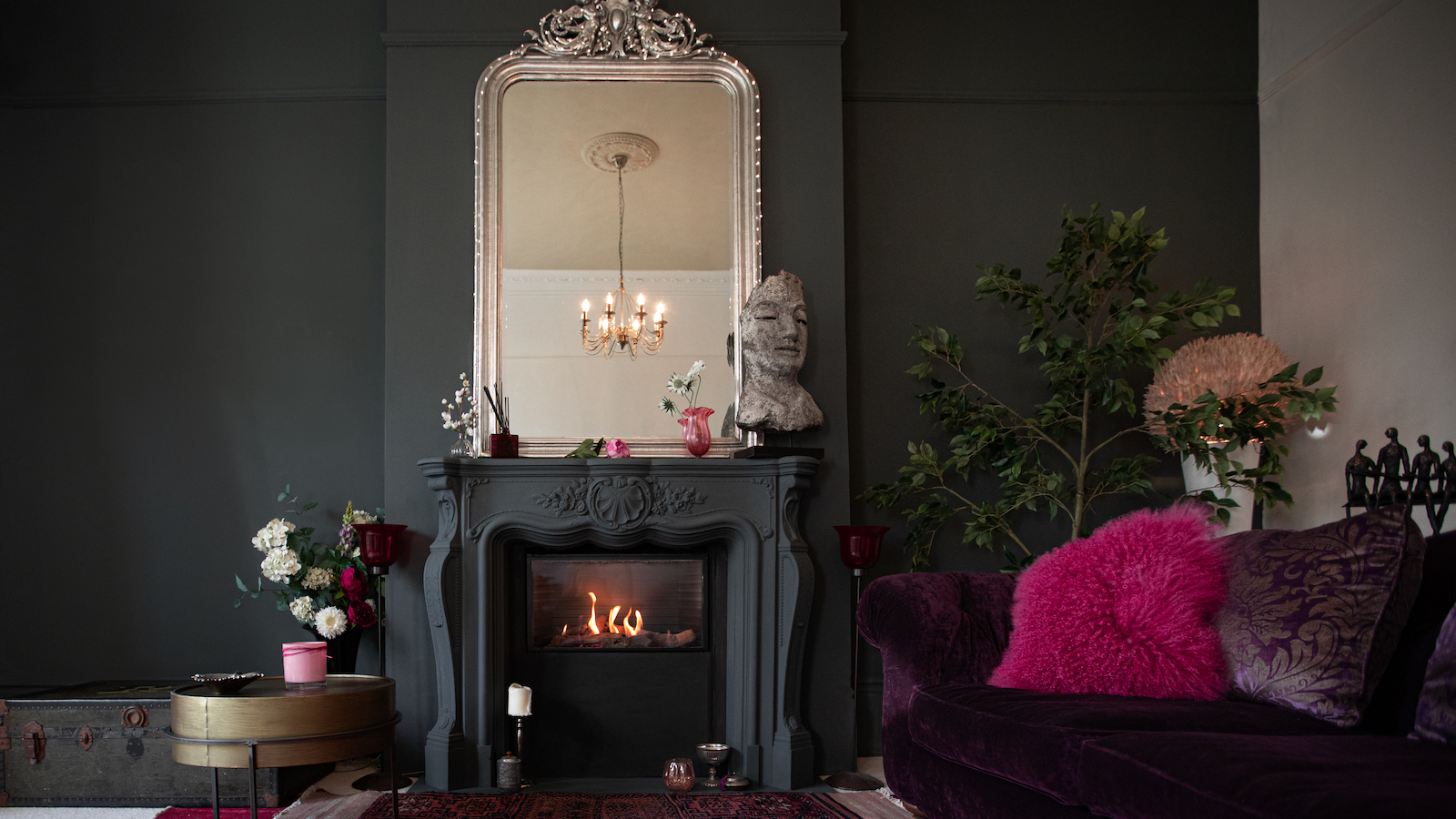
5 outdated home decor trends interior designers want you to kiss goodbye in 2024, and what to do instead

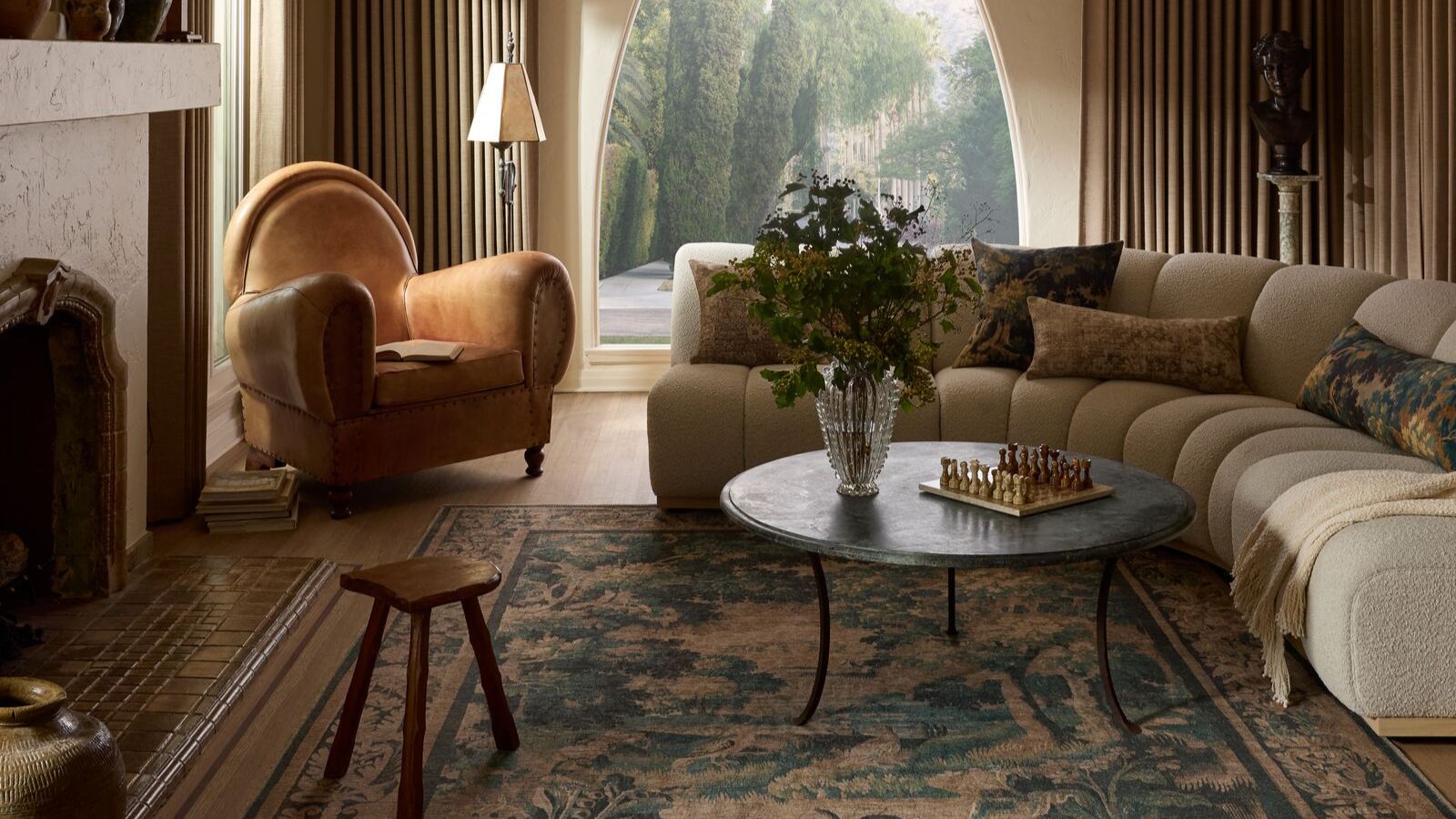
The decorating trends designers definitely want you to leave behind in 2025 – from fads to faux pas
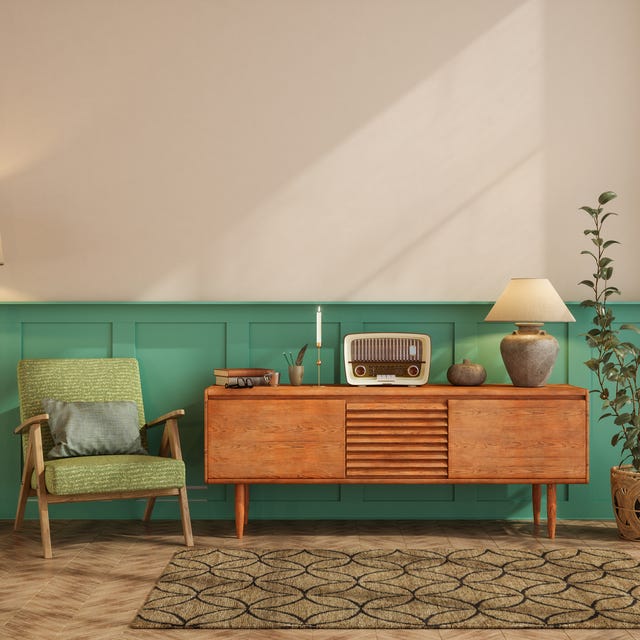
8 Tacky Home Trends That Designers Say Are TRAGICALLY Dead
The Home Trend Interior Designers Hope Never Comes Back—and What to Do Instead