1/8
7 outdated interior trends making a comeback this year
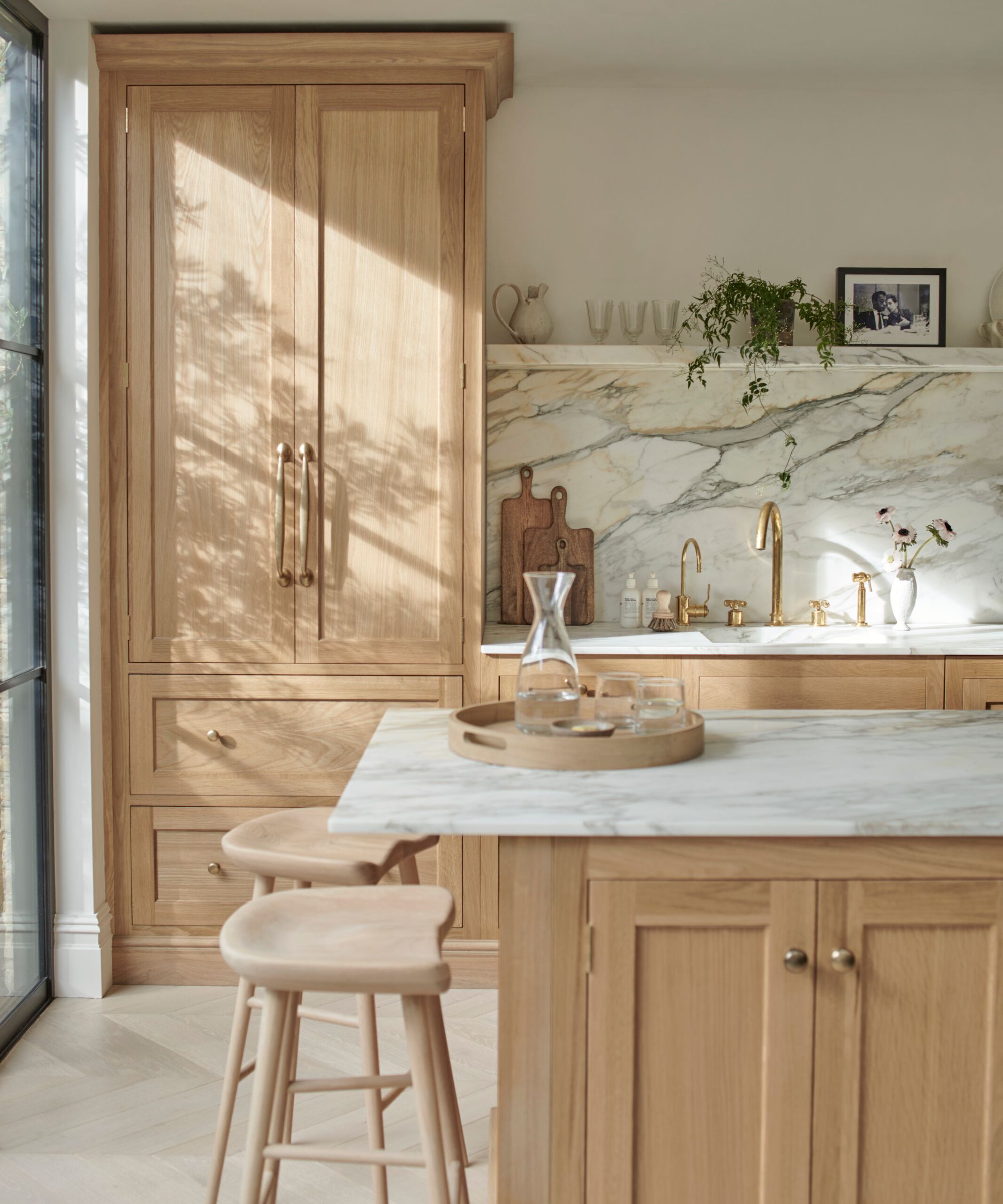
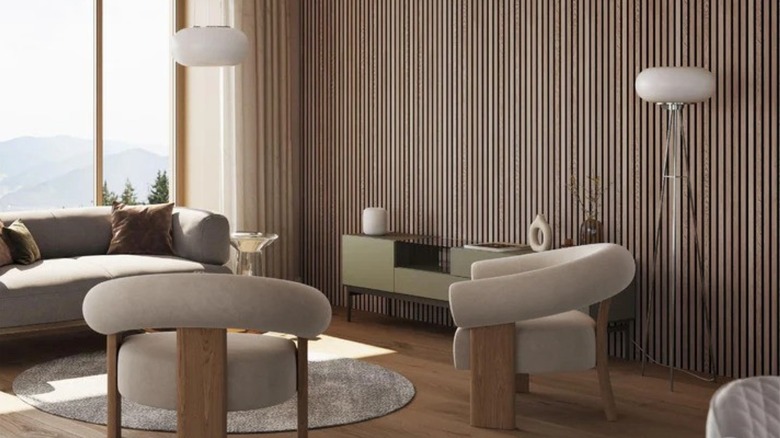
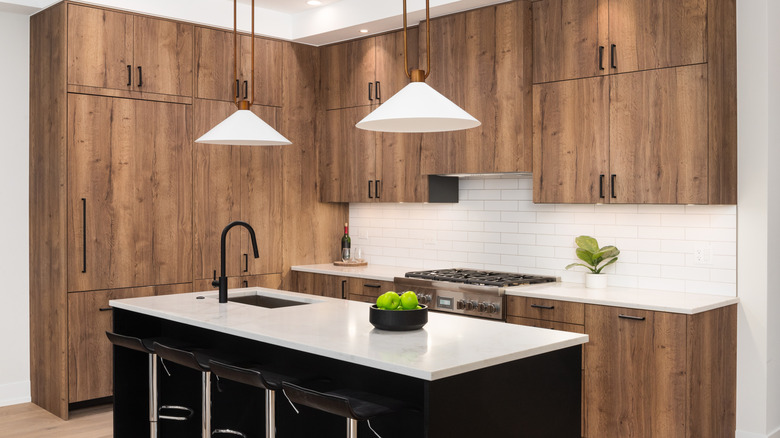
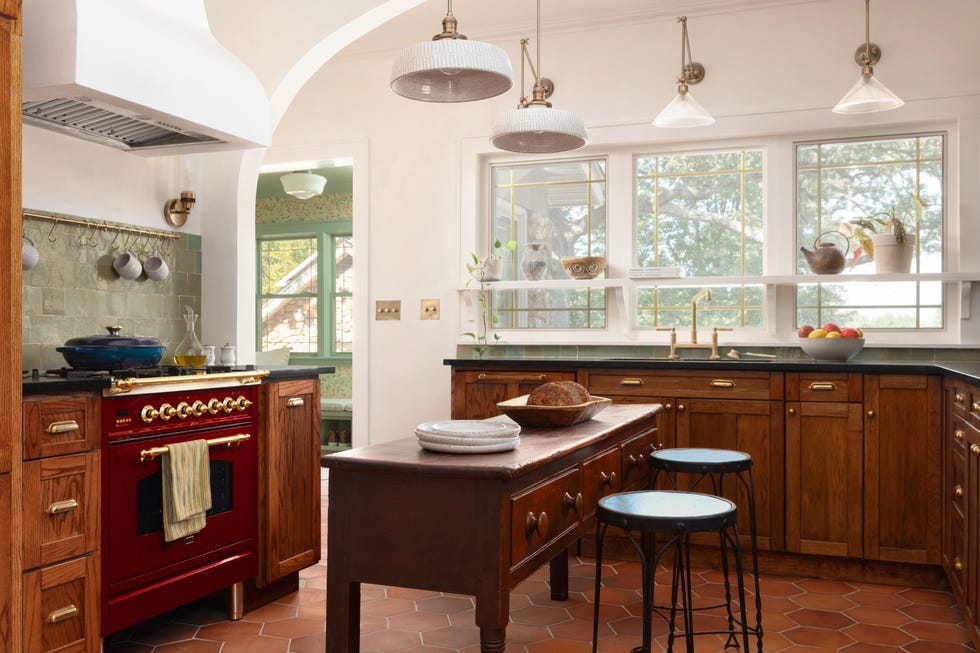
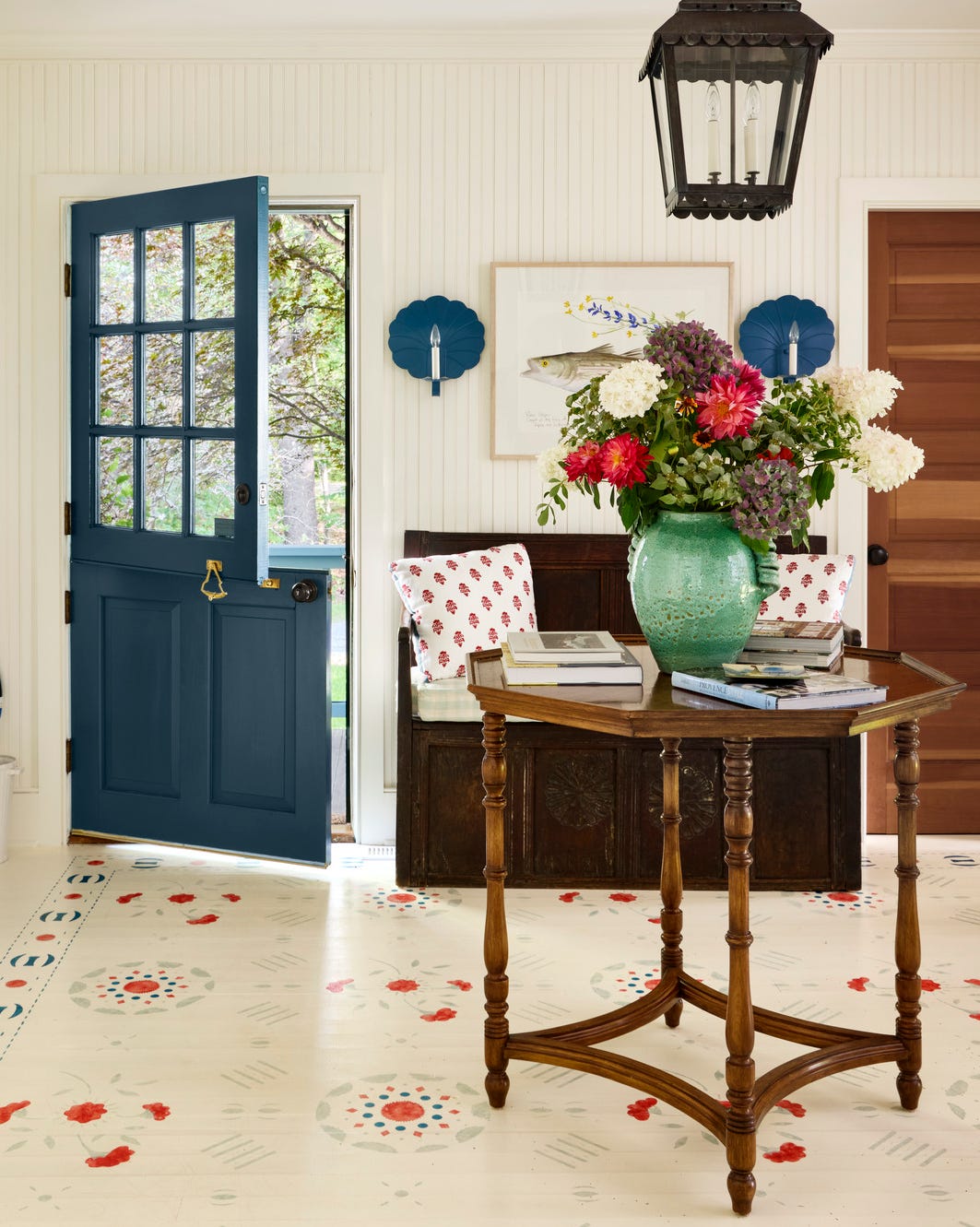
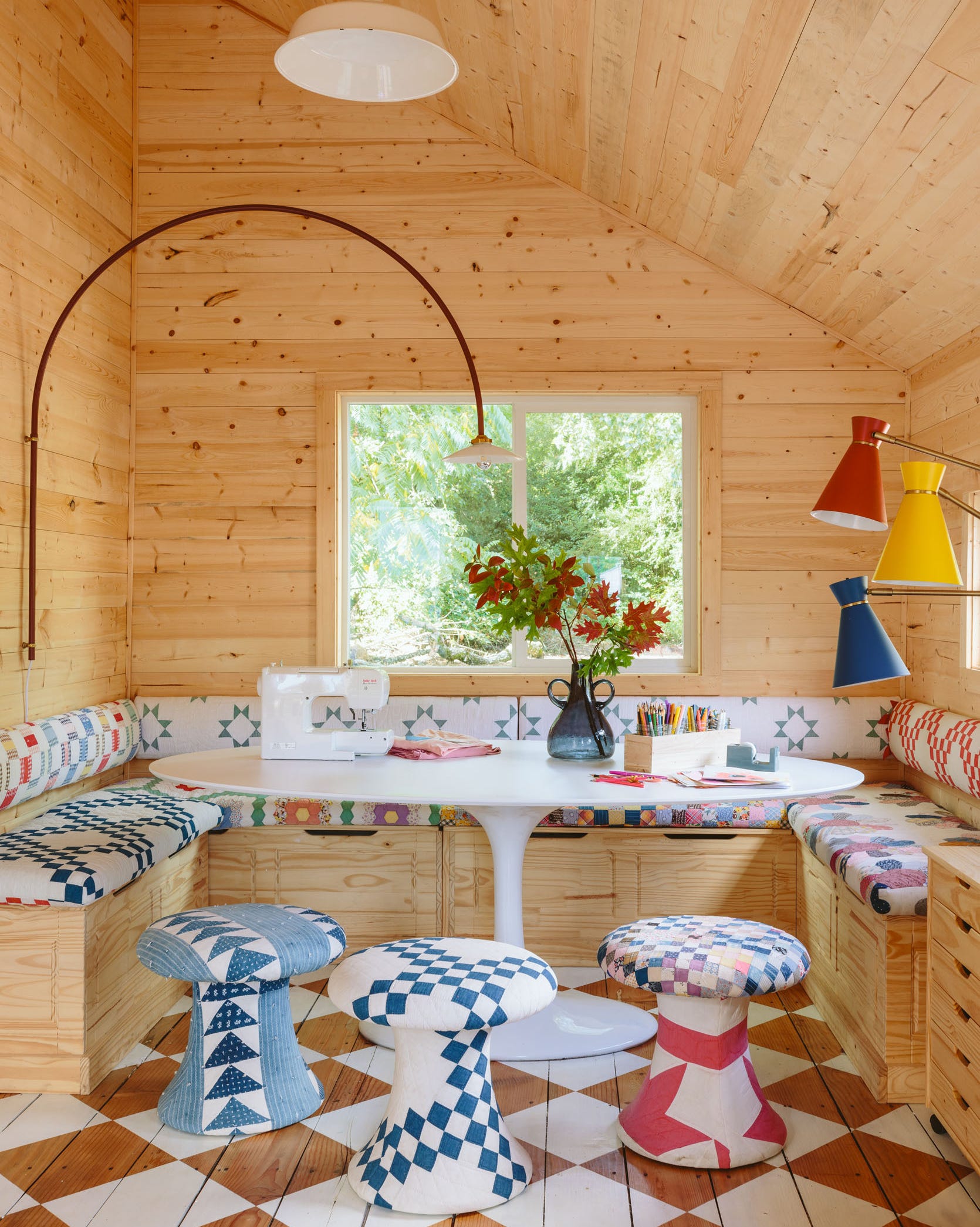
The interior design landscape in 2025 and moving into 2026 is experiencing a significant shift, moving away from a decade of minimalism towards a more maximalist, nostalgic, and tactile design ethos. This evolution sees the resurgence of styles previously considered outdated or tacky, now reinterpreted with warmth, personality, and contemporary sophistication. This re-evaluation of past trends involves integrating comfort, functionality, and aesthetic appeal in novel ways.
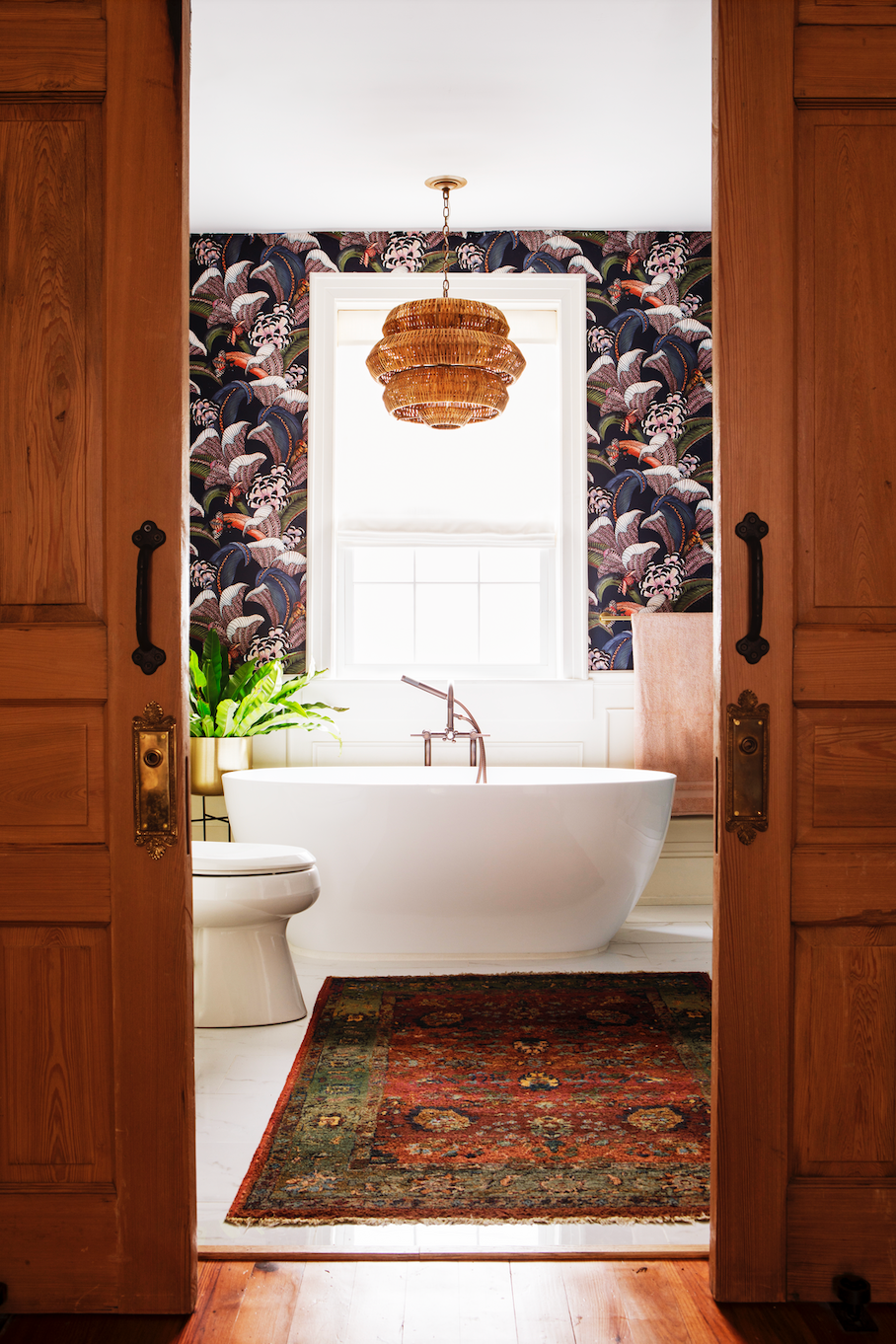
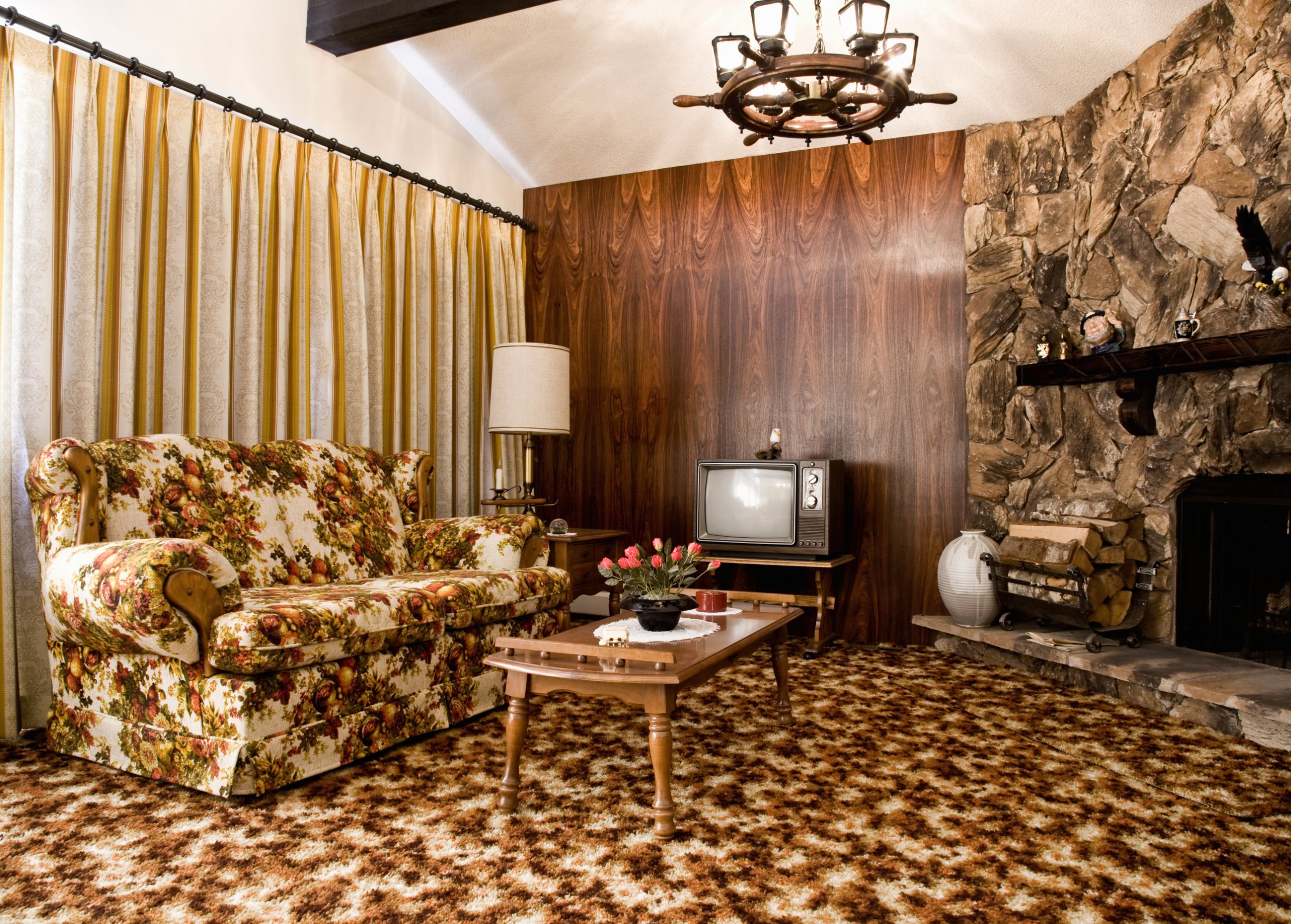
One notable trend making a comeback is carpet in bathrooms, a concept historically avoided due to moisture and hygiene concerns. Advances in water-resistant textiles, such as waterproof sisal, combined with underfloor heating, have made this a viable and stylish option. This development transforms bathrooms from sterile environments into cozy, inviting spaces, particularly suitable for period homes with proper ventilation. This trend aligns with a broader interest in plush flooring, high-pile rugs, and vintage patterns like plaid and tartan, which contribute to a snug and luxurious interior palette of earthy neutrals and vibrant colors.
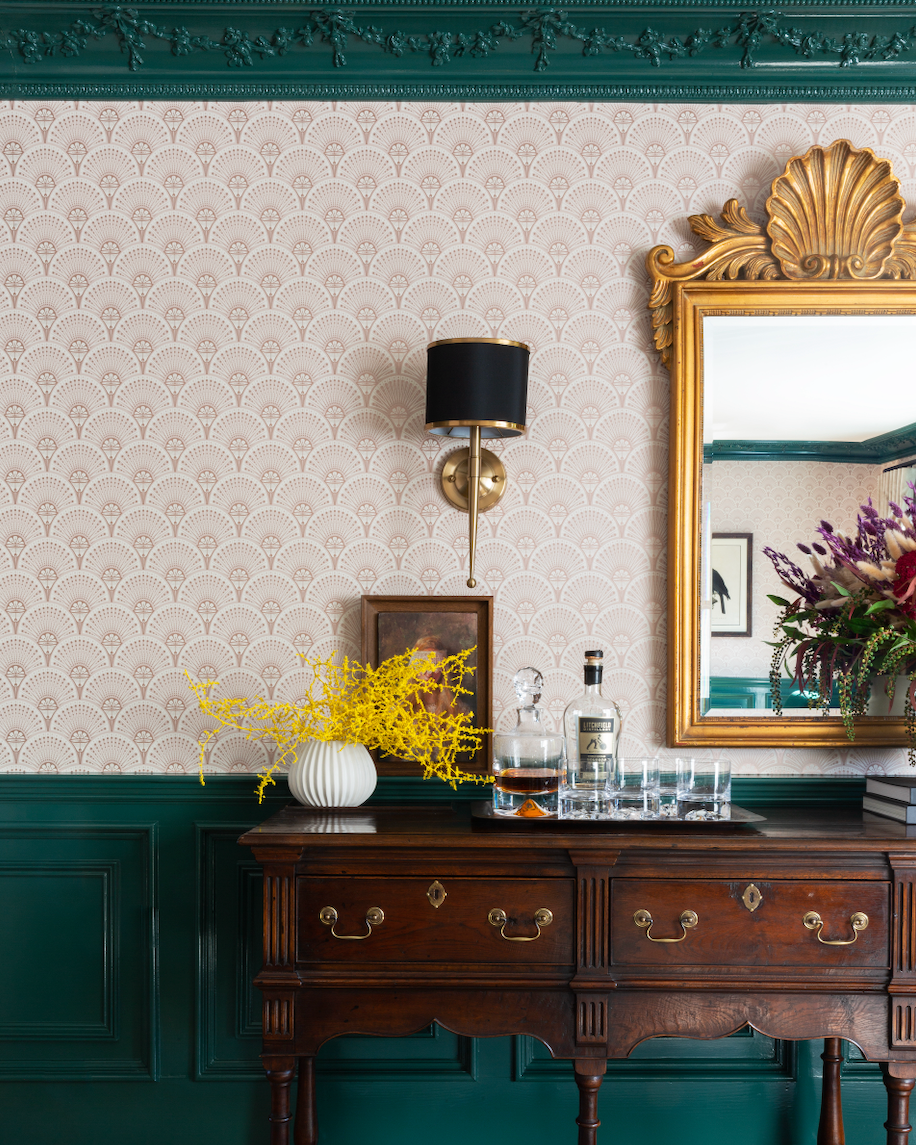
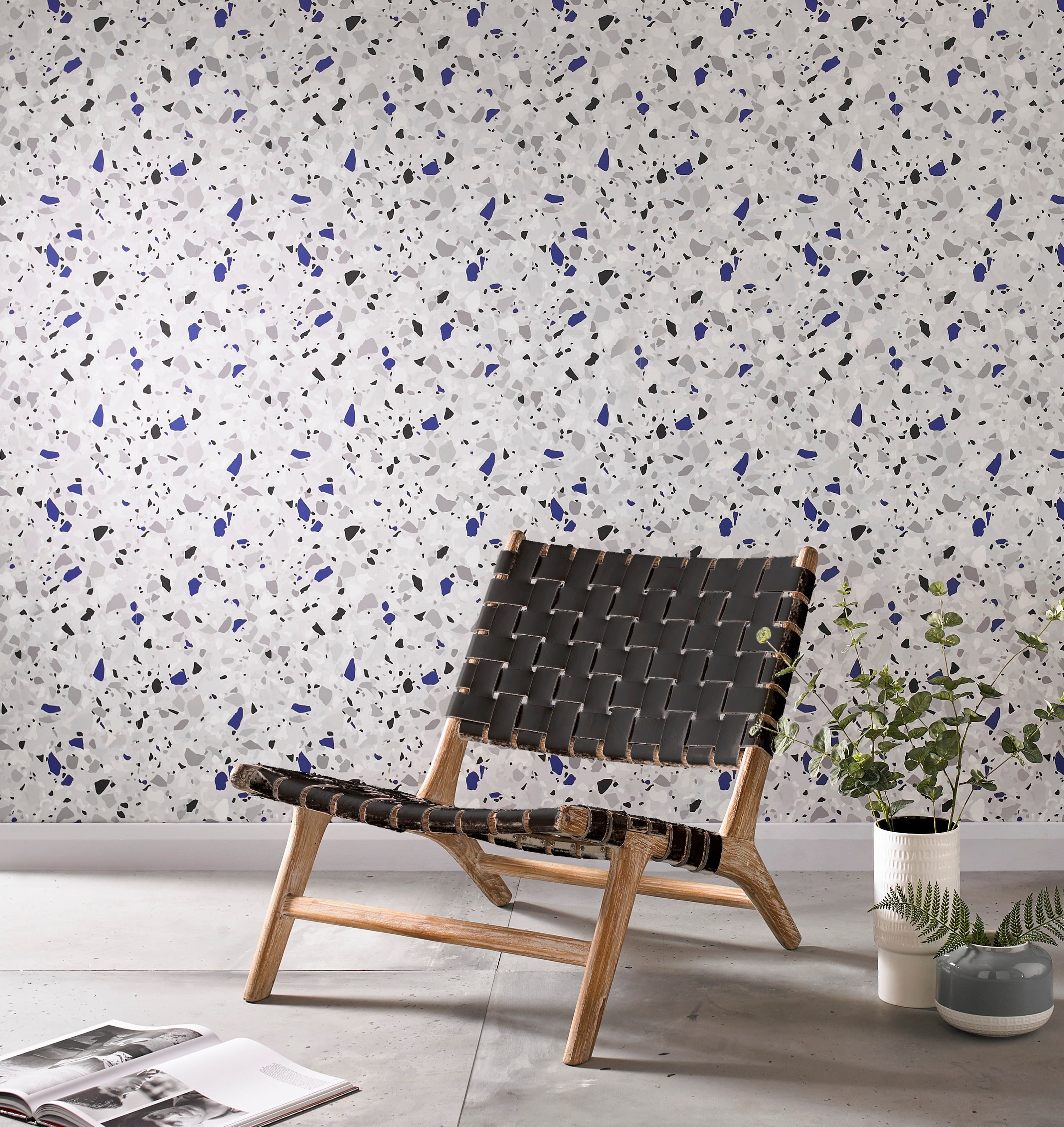
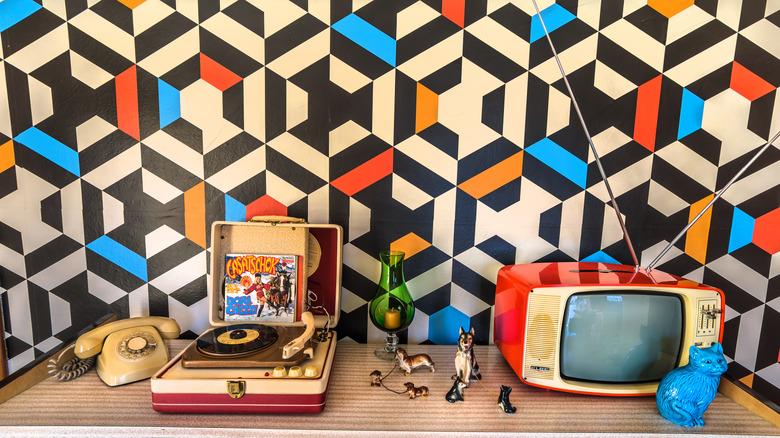
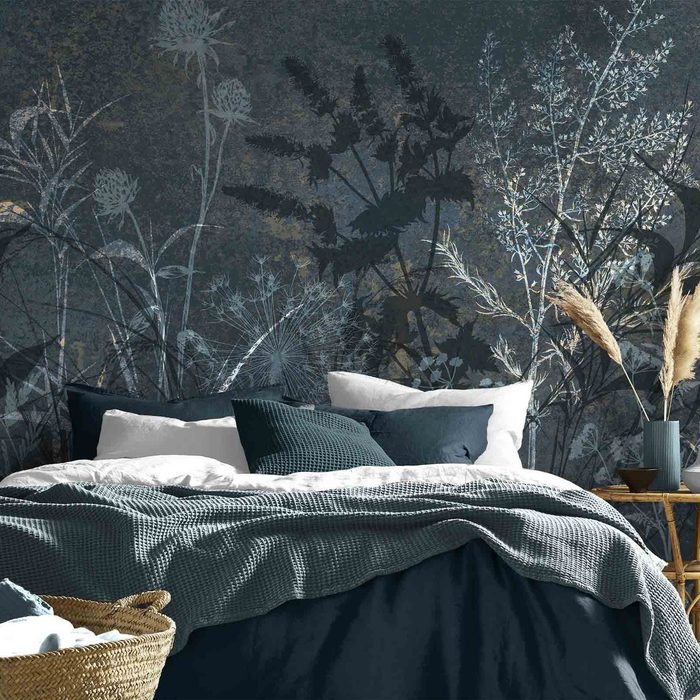
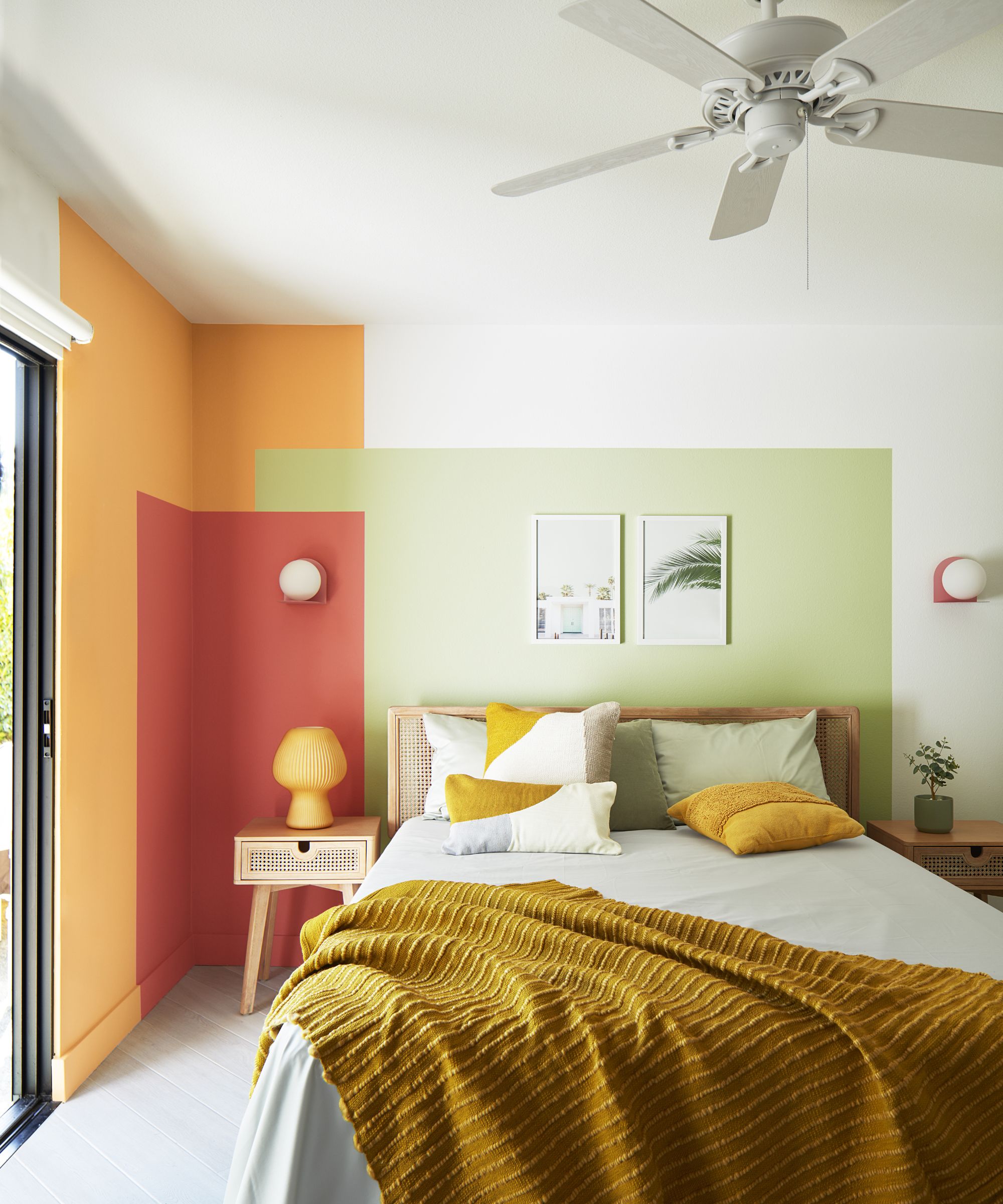
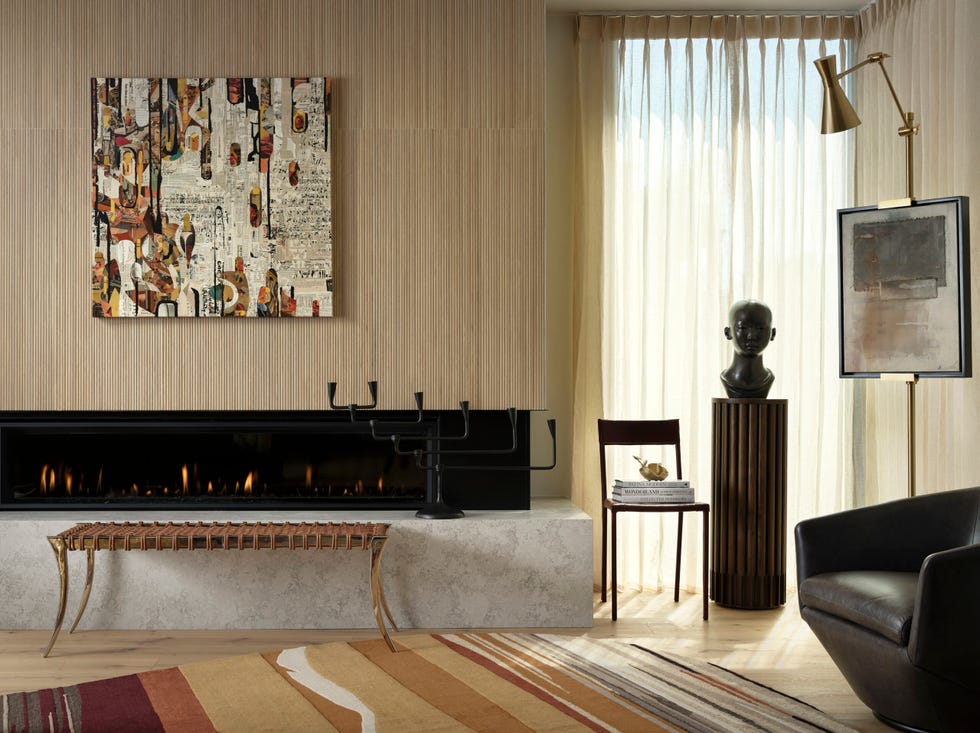
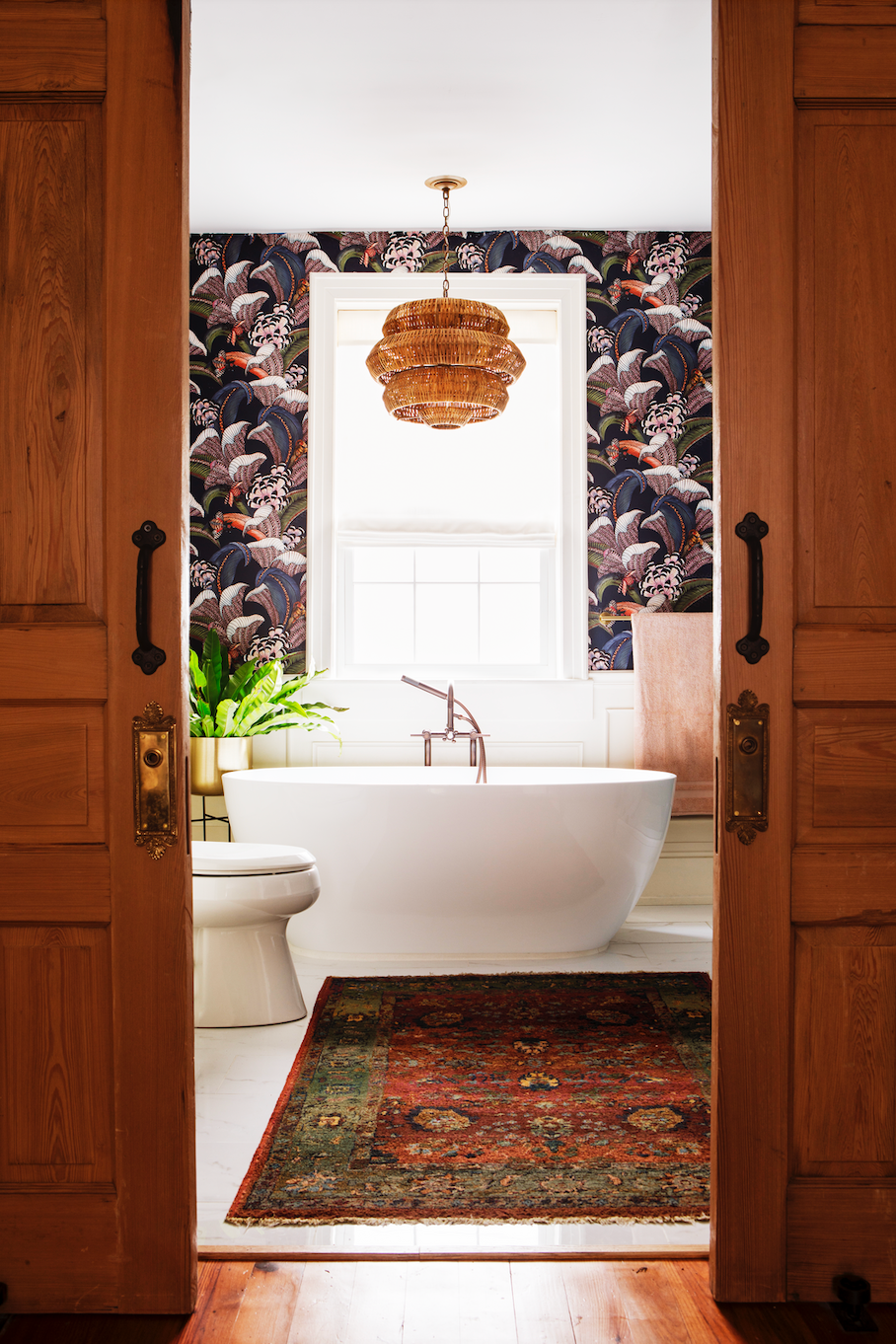
Feature walls are also undergoing a dramatic transformation. Once criticized as a simplistic design choice, they are now embraced as artistic canvases. Contemporary feature walls include hand-painted murals, oversized floral designs, and striking wallpaper installations that extend to ceilings and archways. These mural walls narrate personal stories or depict serene landscapes, abstract patterns, and intricate designs, creating focal points that are both expressive and practical due to the ease of installation and removal of mural wallpapers.
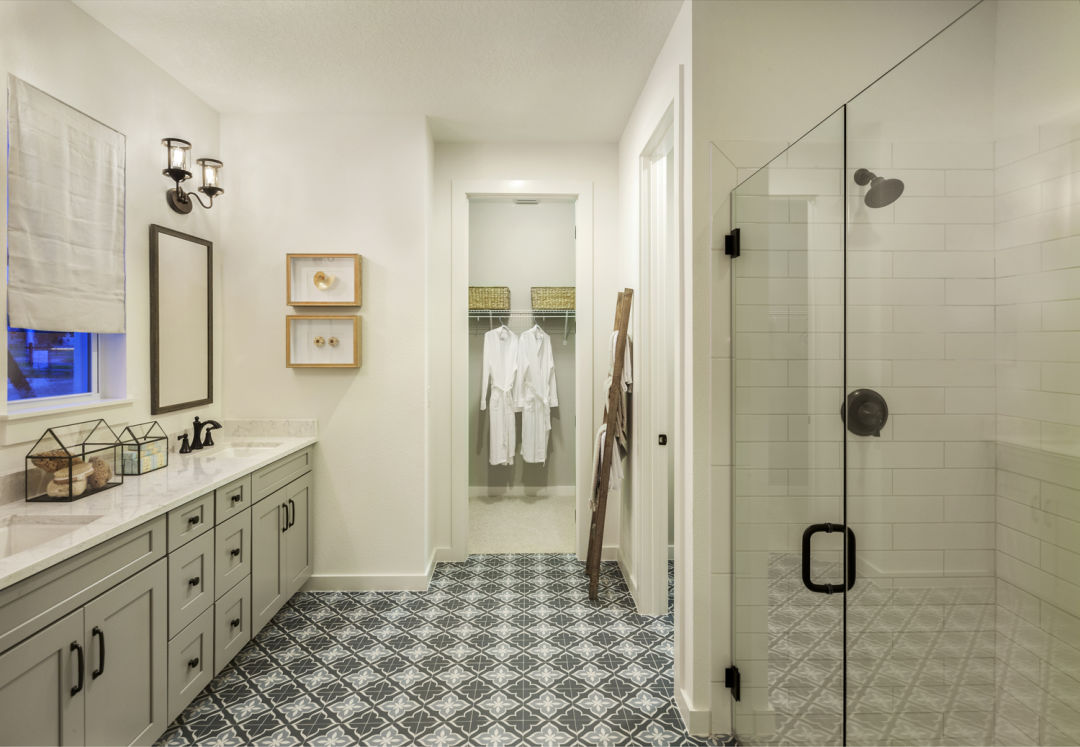
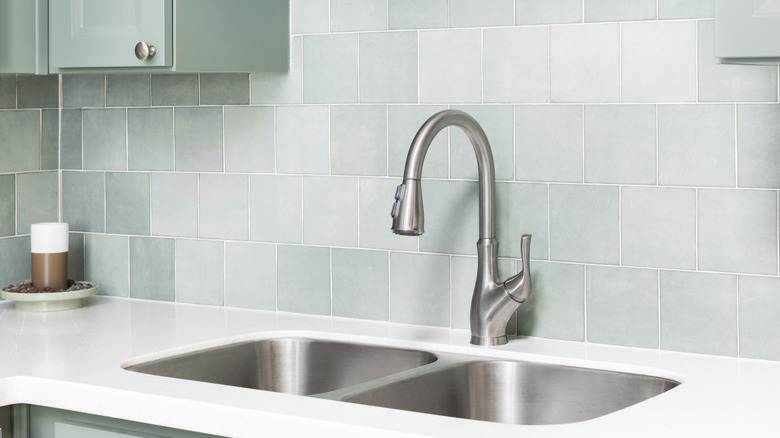
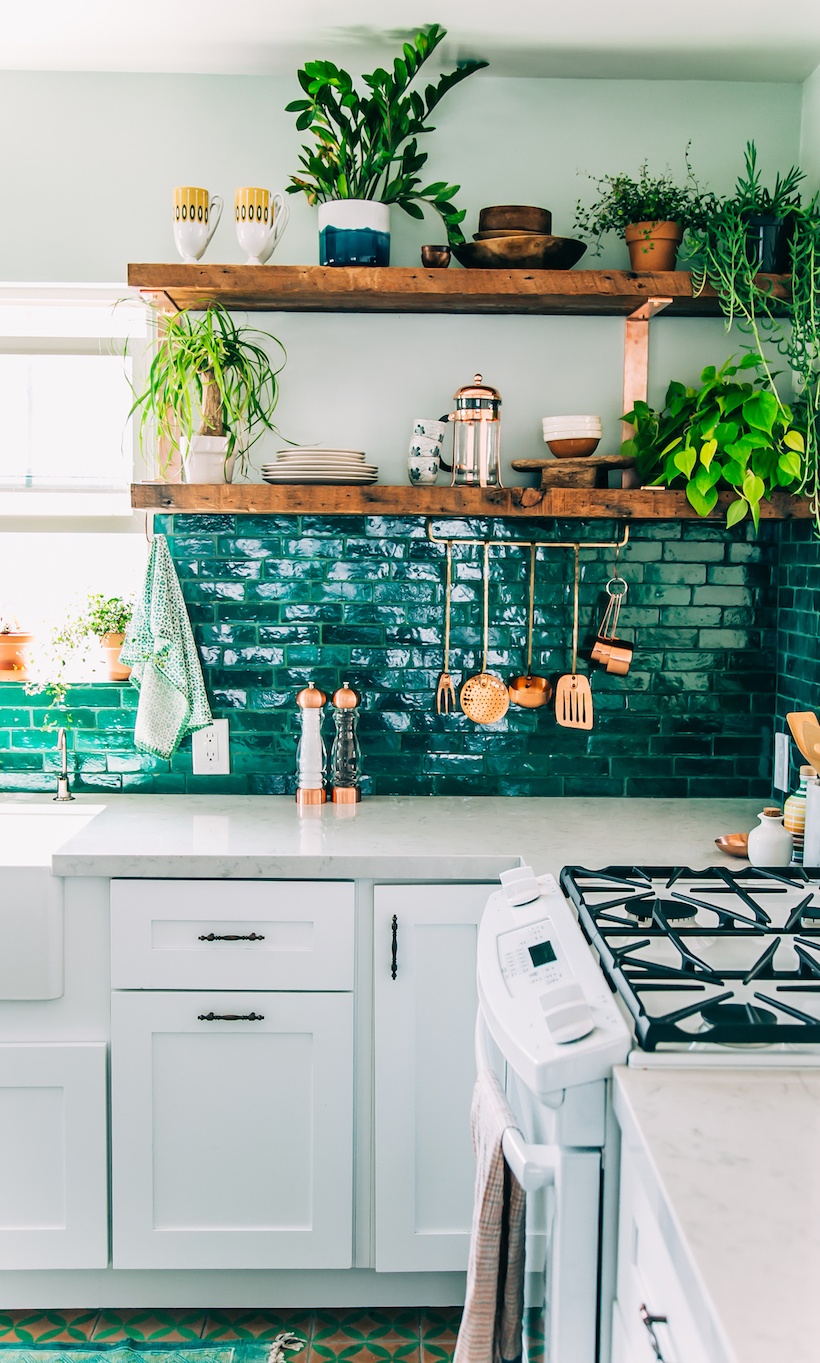
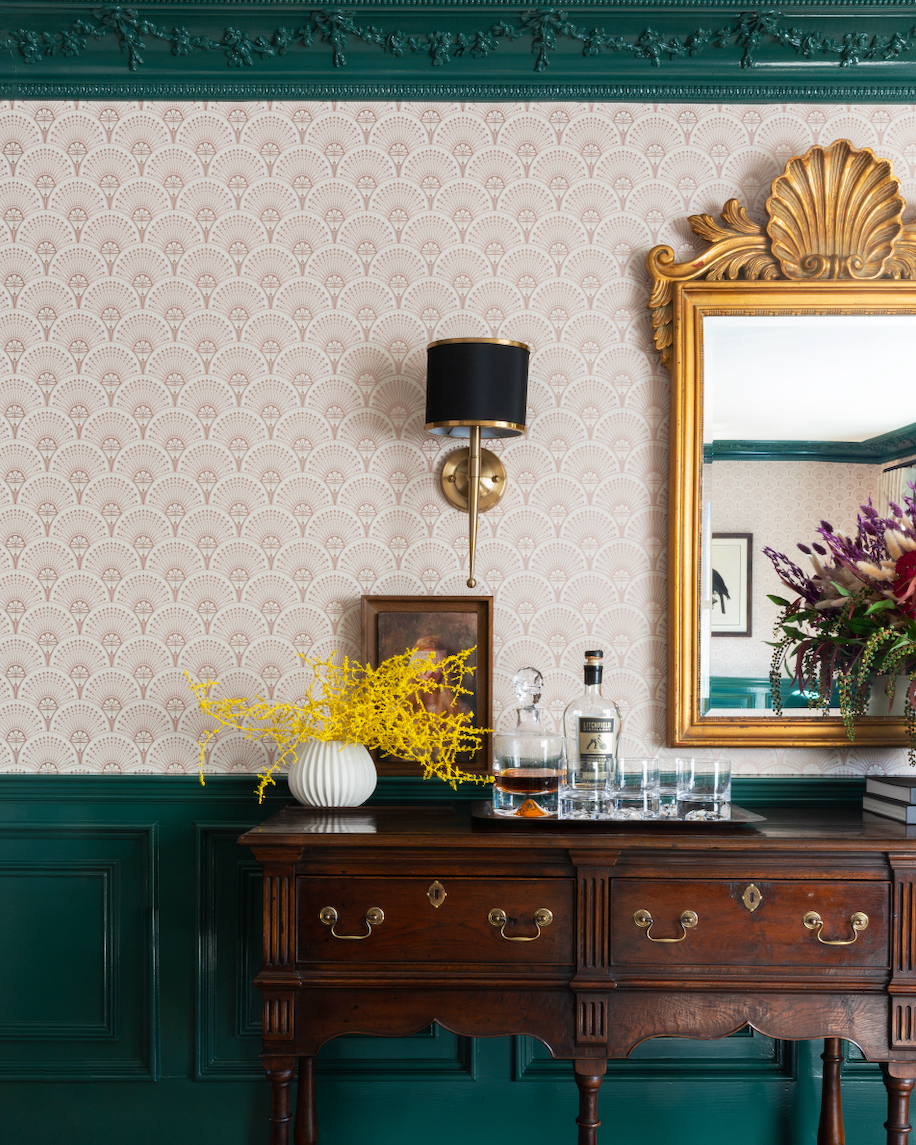
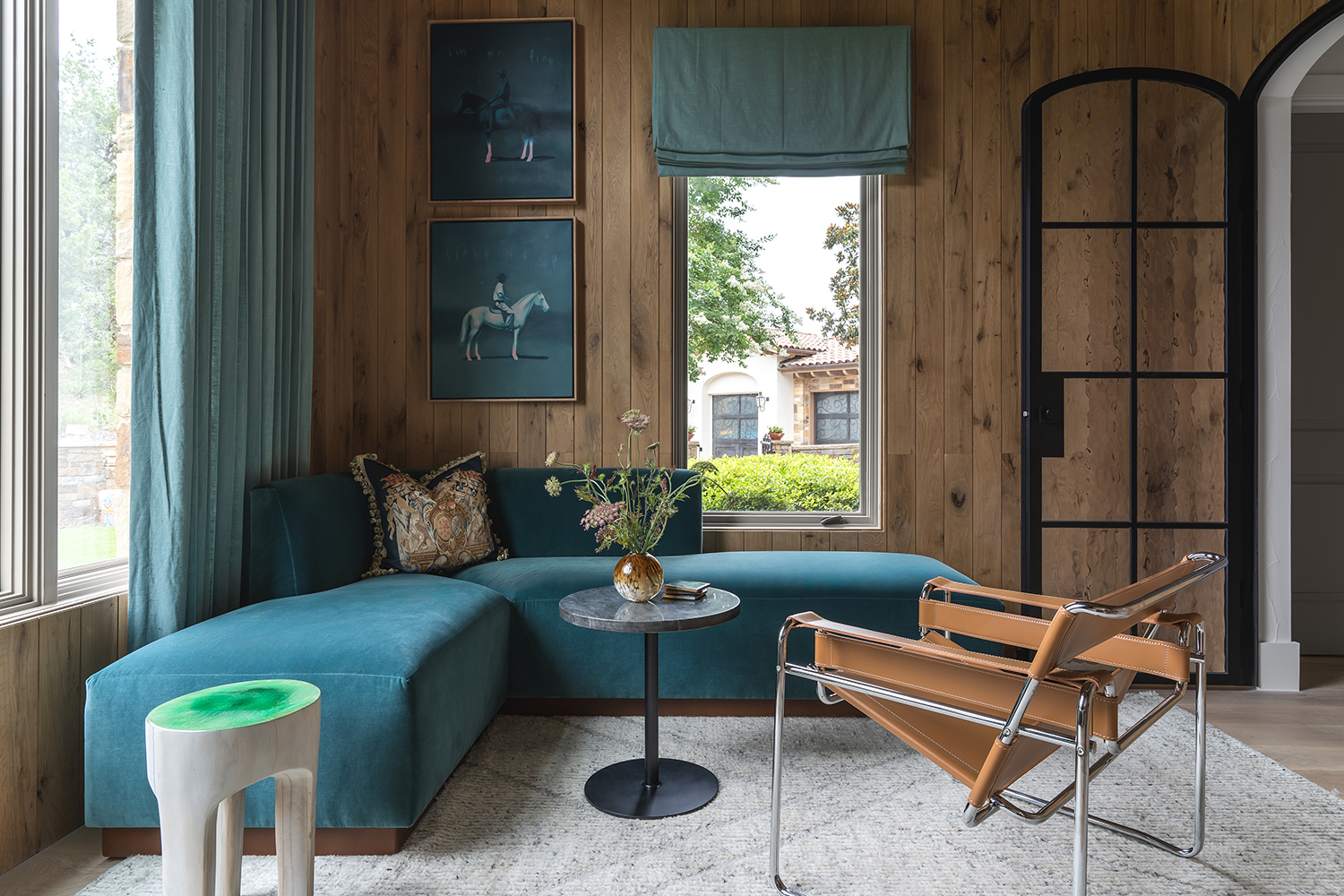
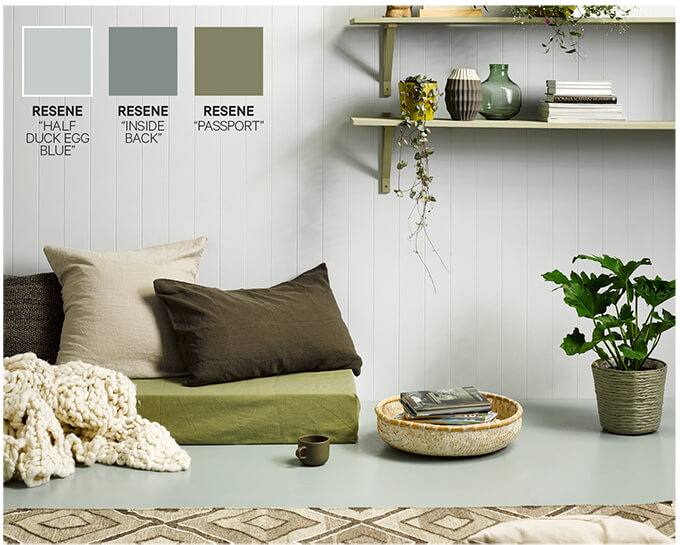
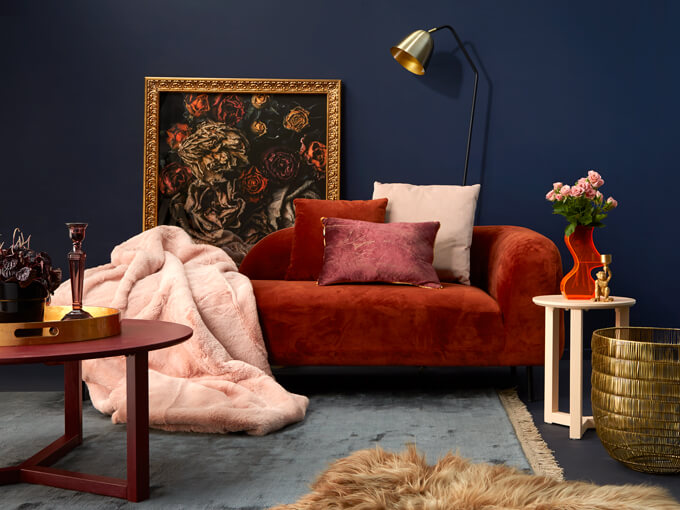
Grey interiors, which had led to widespread 'greige fatigue,' are being reinvented with deeper, chalkier shades. This new approach to grey serves as a foundation for moody, cocooning rooms, complemented by natural materials like timber, linen, and brass. Extending tonal greys across various surfaces like walls, woodwork, and ceilings creates sophisticated cohesion, often paired with softly shaded furnishings. Additionally, dark colors such as deep blacks and browns are integrated into calm, atmospheric interiors through blinds, cabinetry, or ceilings, softened by sheer fabrics or contrasted with lighter shades. Smoky teals and blue-greens are emerging as versatile neutrals within these layered decorative schemes.
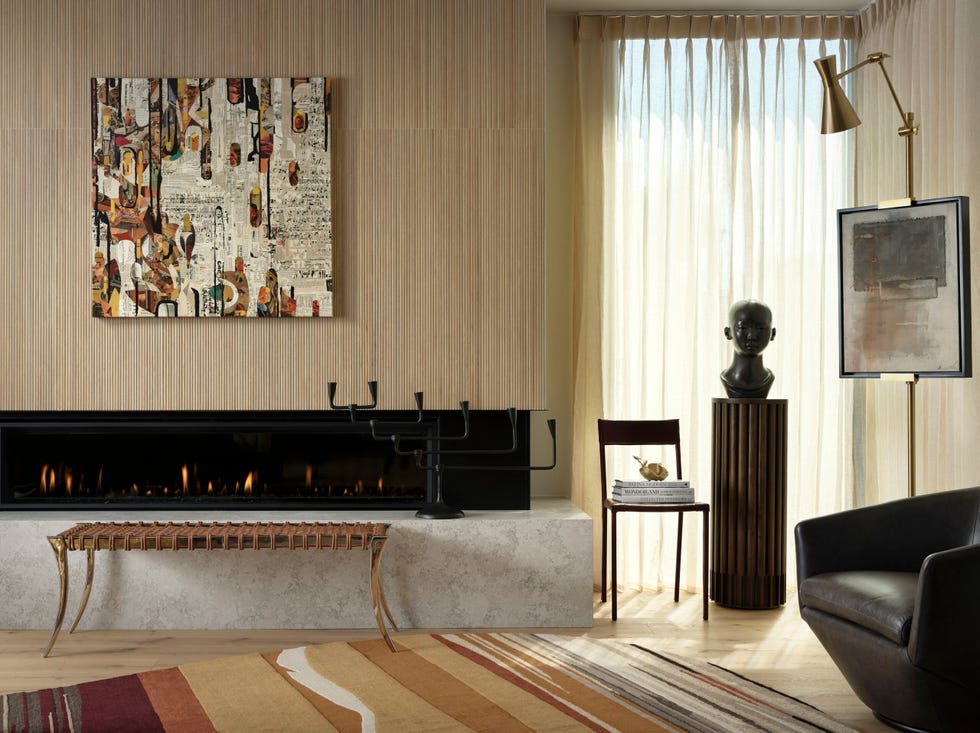
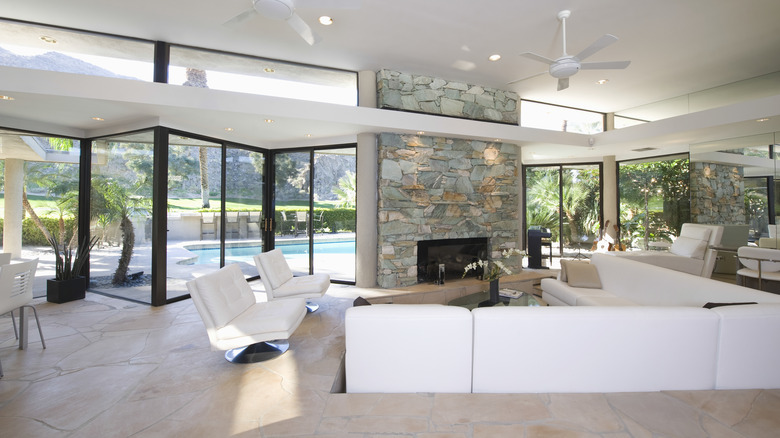
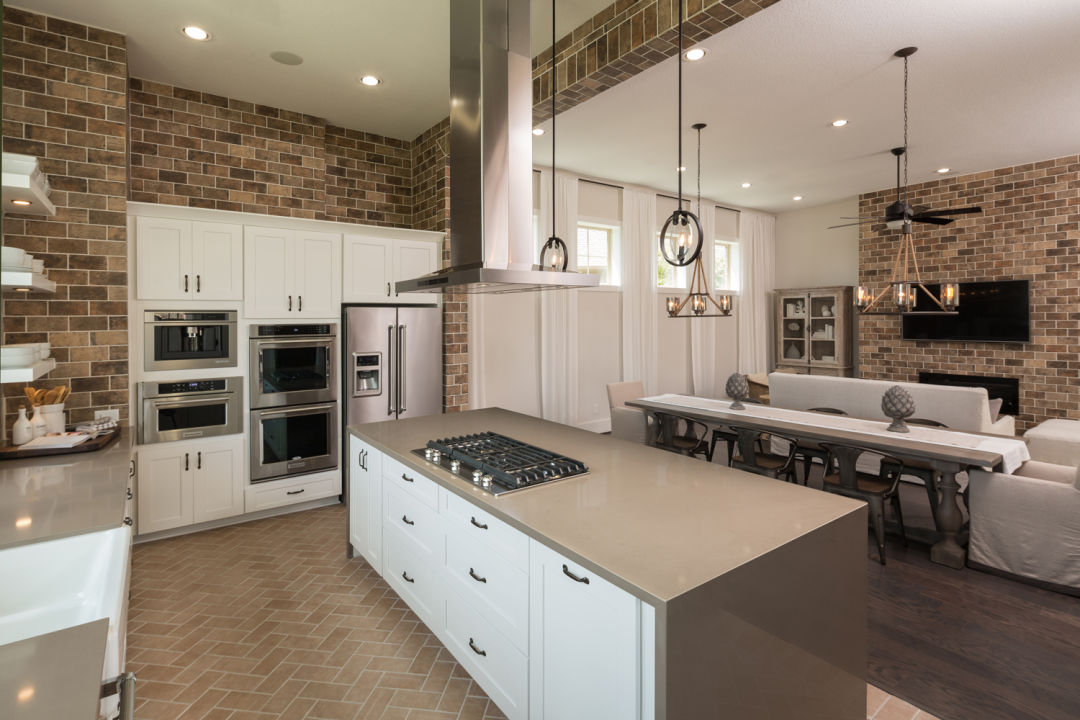
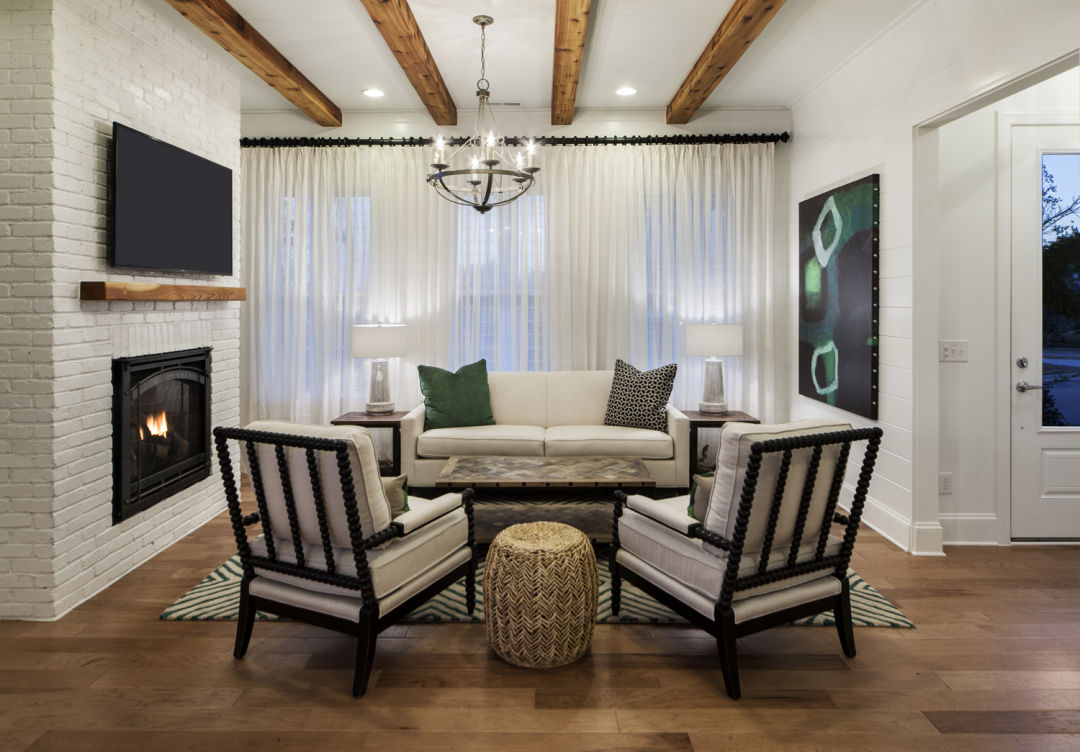
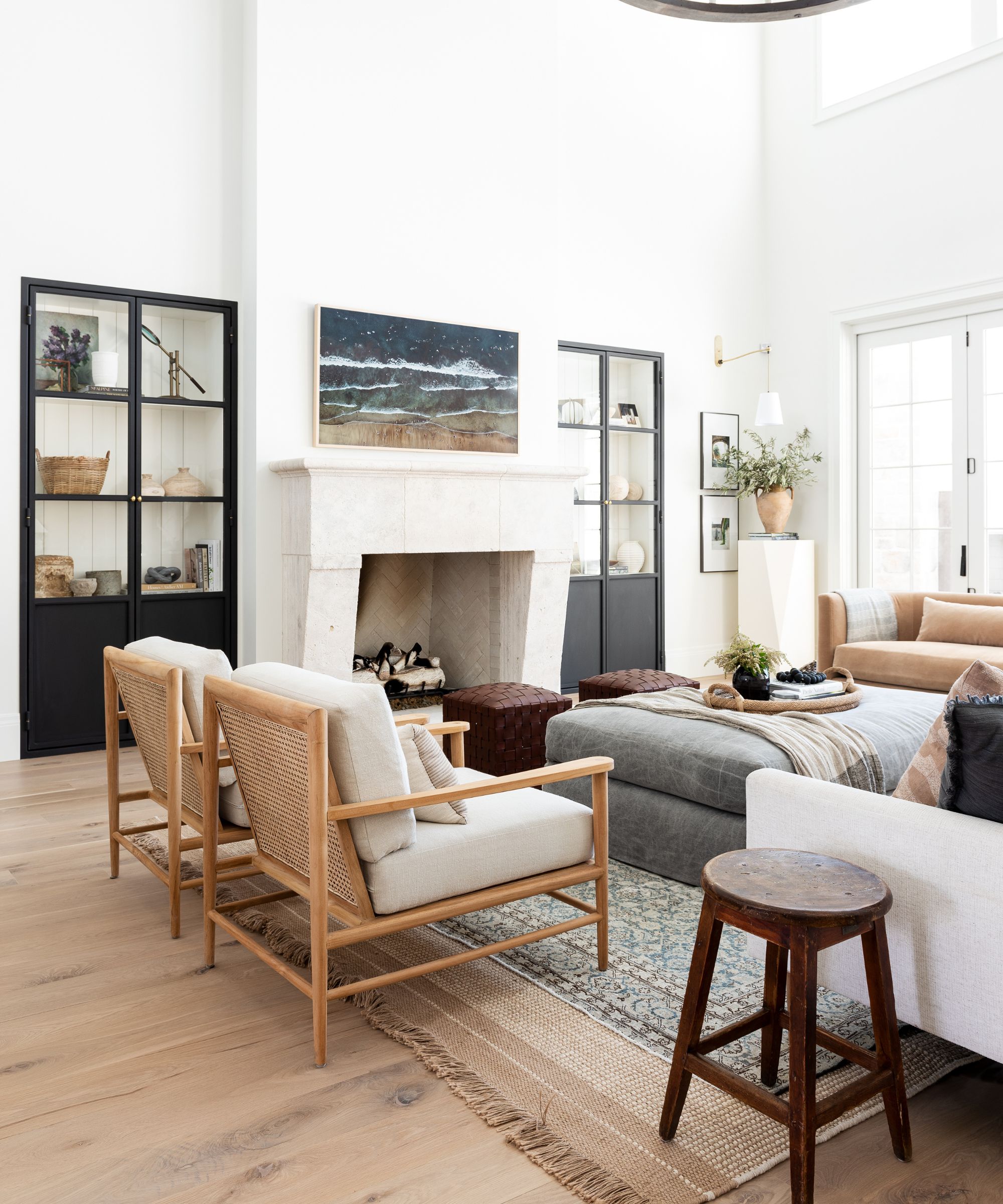
Tiled fireplaces, previously associated with outdated retro decor, are being modernized. Designers now use tiled chimney breasts to add character and texture, making the fireplace a central feature in stylish living areas. By selecting refined tiles that subtly evoke nostalgia, these fireplaces offer a textured, expressive surface that enhances even traditional hearths.
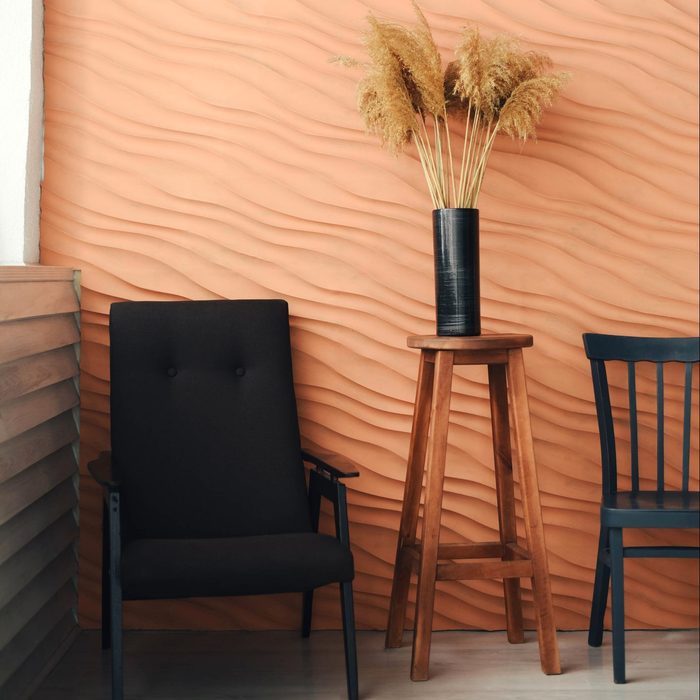
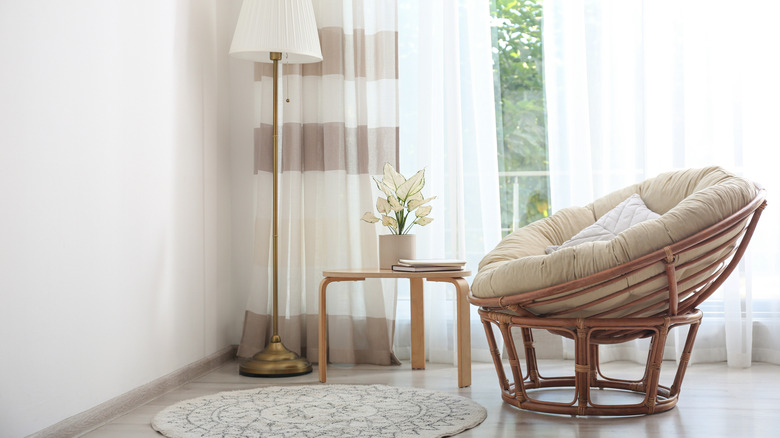
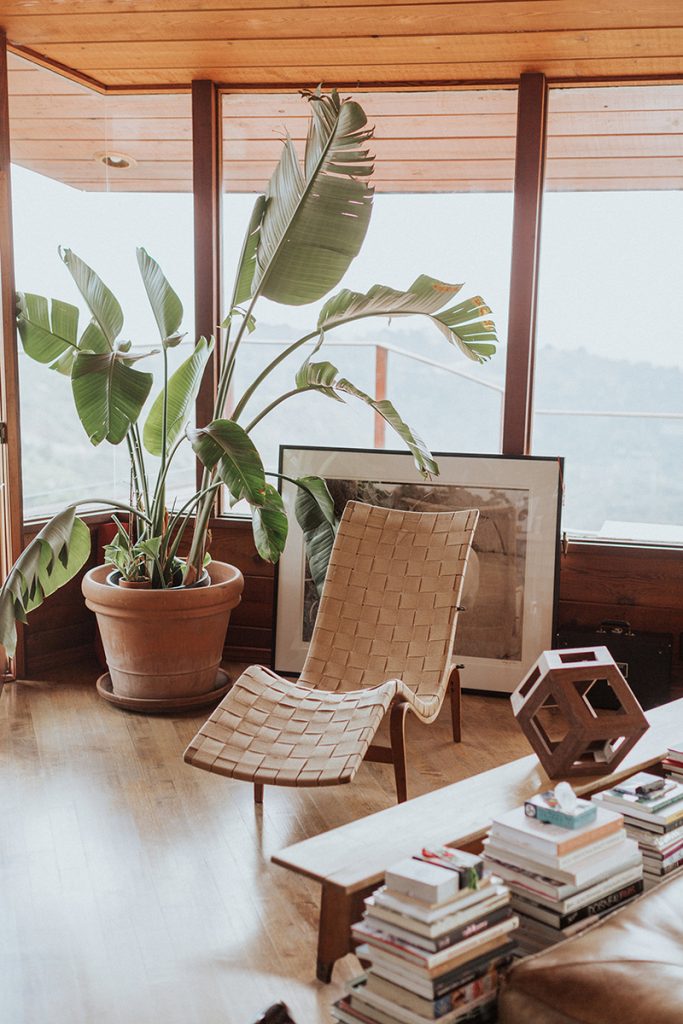
Rounded furniture, reminiscent of 1970s aesthetics, is reappearing, reinterpreted in rich fabrics like velvet and boucle to provide softness and sculptural interest that blends retro and modern sensibilities. Rattan furniture is also experiencing a renaissance, moving from being relegated to conservatories to becoming streamlined, design-led pieces that offer tactile warmth and modern versatility.
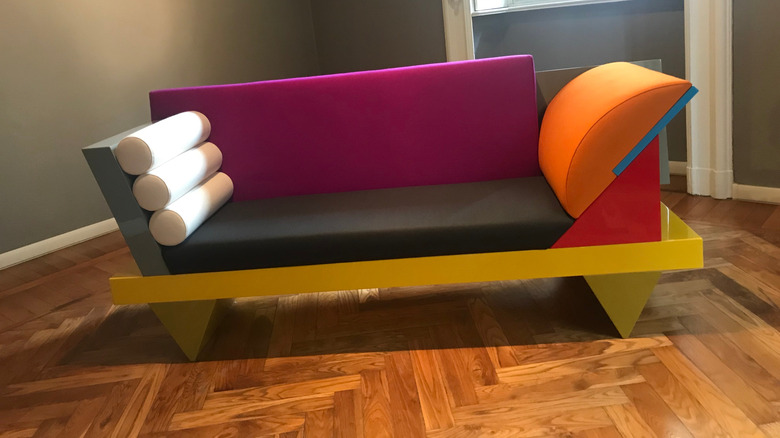
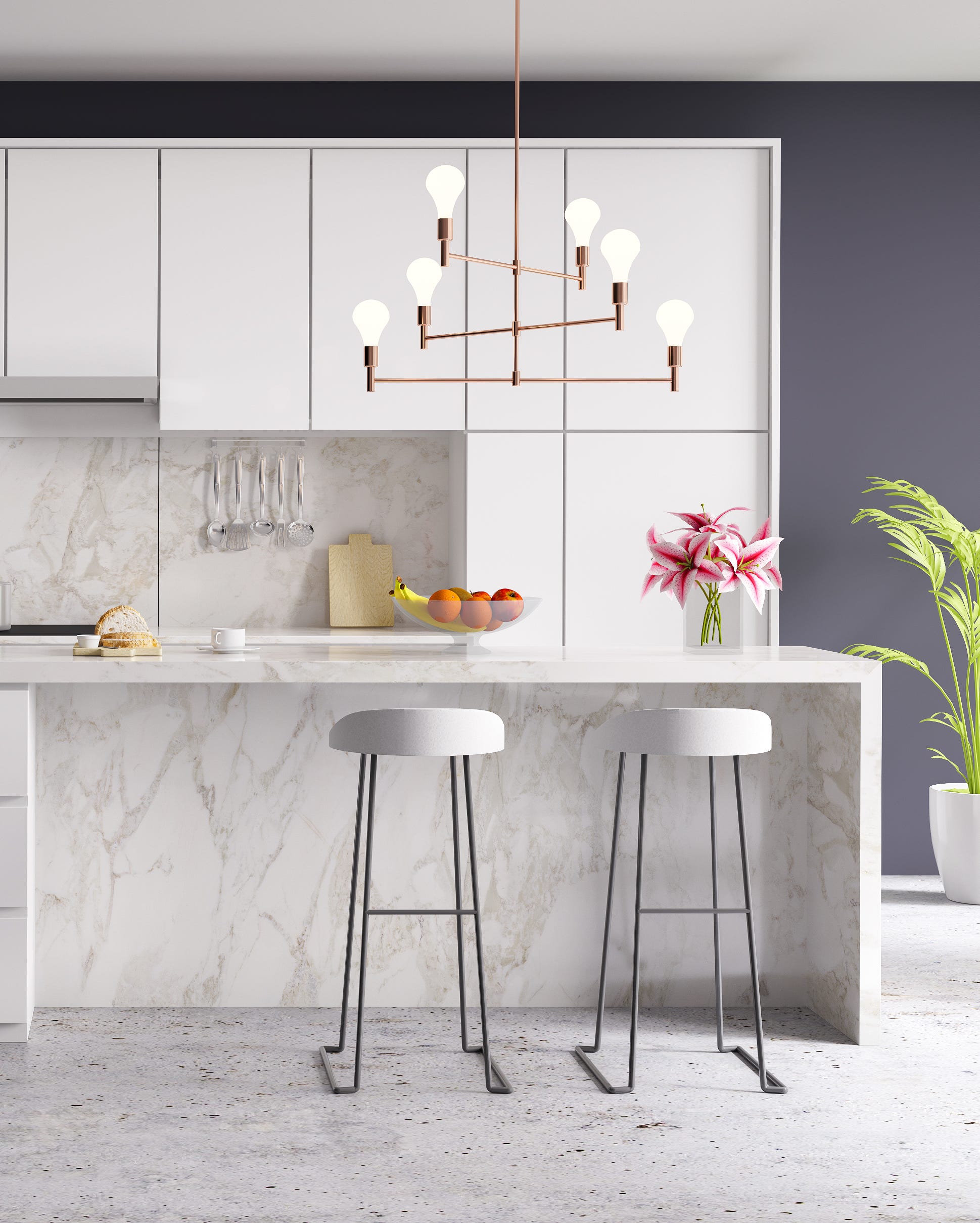
Glass blocks and mirrored accents, once indicative of disco-era clichés, are now used subtly to amplify light and add glamour without overpowering a space. This reinterpretation balances sparkle with restraint, showcasing a modern minimalist twist. Glossy surfaces, out of style since the early 2000s, are making discreet comebacks. Strategic use of lacquered cabinetry in bold colors or glossy accents interspersed with matte textures creates layered, luxurious interiors.
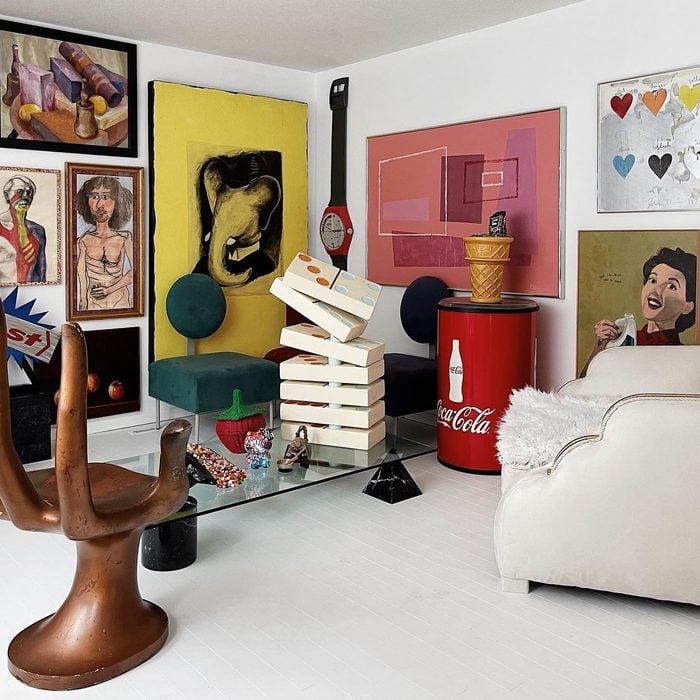
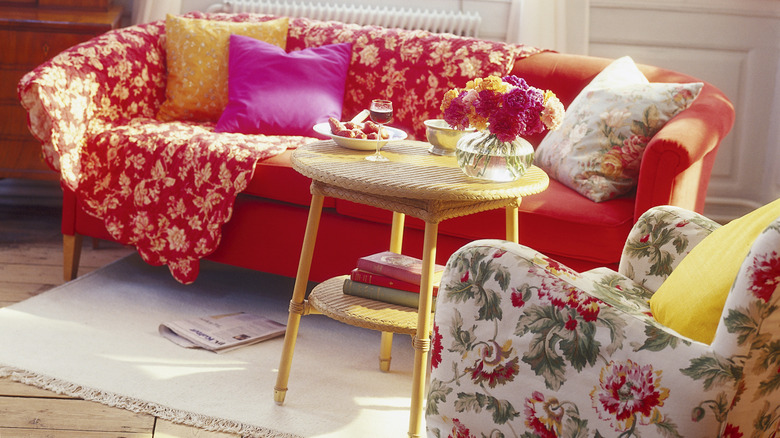
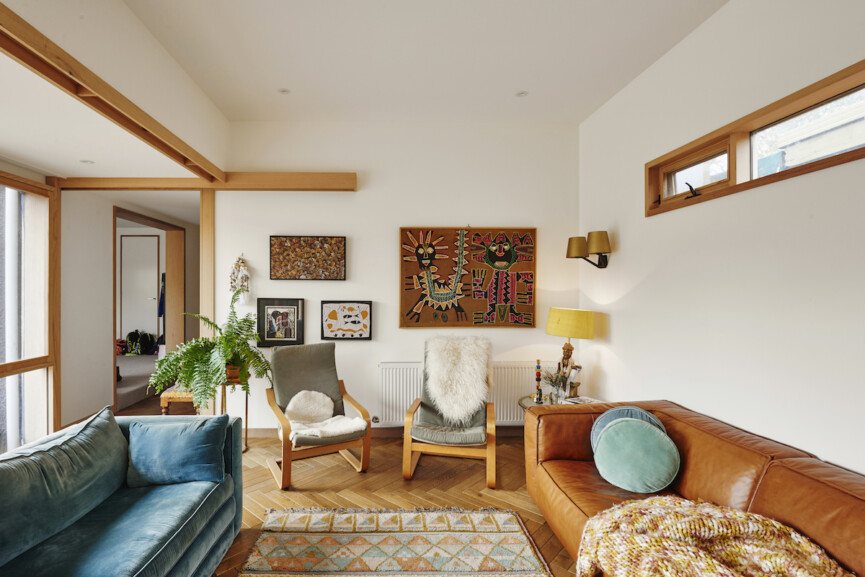
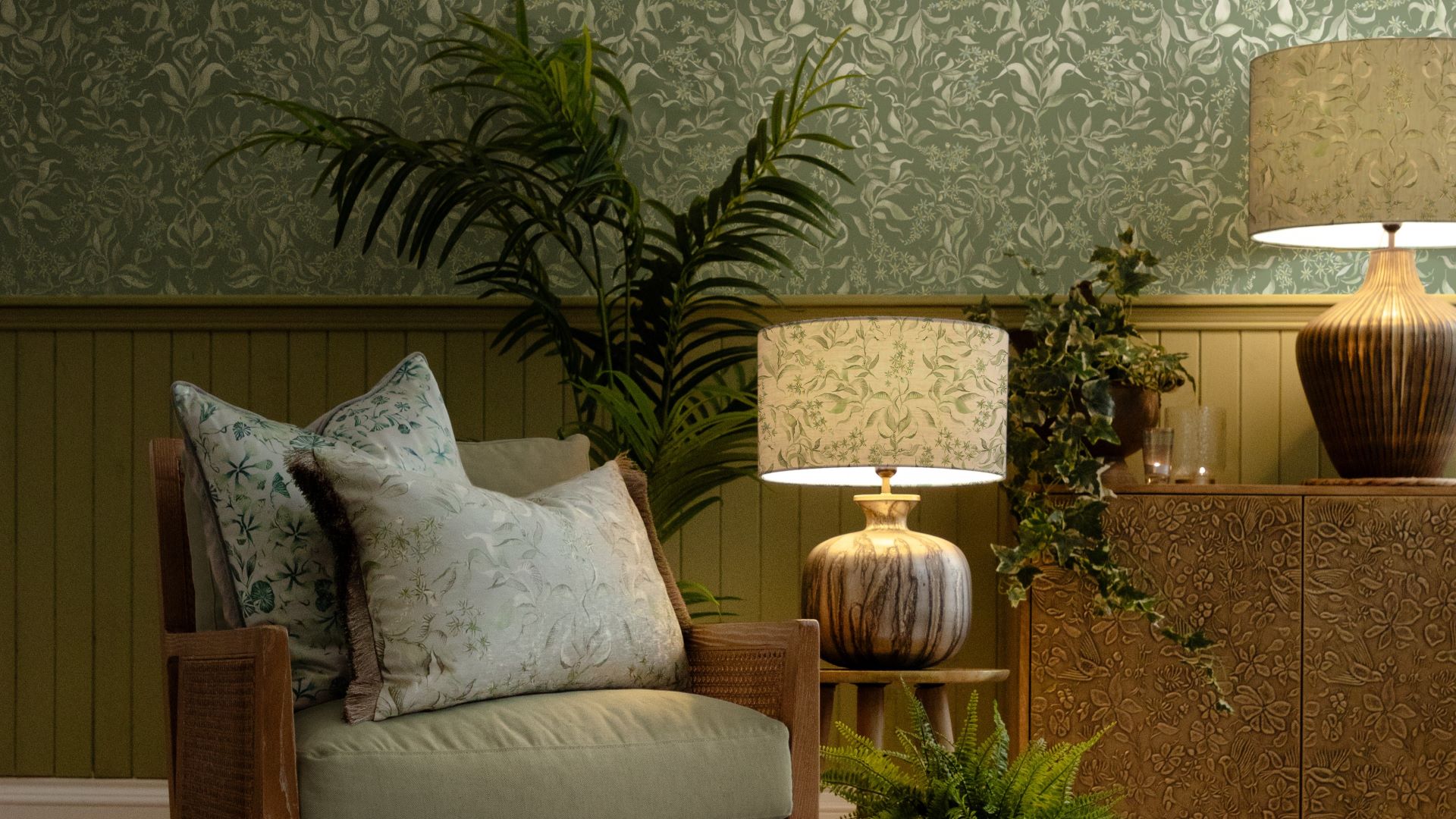
Chintz fabric, historically linked with 1980s and 1990s maximalist excess, is enjoying a modern resurgence. Today's chintz features smaller, curated floral motifs within a 'mindful maximalism' framework, where patterns and colors are thoughtfully layered. This broader trend allows designers and homeowners to move away from the 'everything must match' approach, embracing eclectic mixes of eras, textures, and influences. This extends to architectural layouts, with open plans giving way to broken or closed plans that prioritize function, privacy, and tranquility. The year 2025 is thus defined by a rediscovery and reinvention of interior design, where past trends are updated to respect tradition while embracing modernity and individuality.
#InteriorDesign #HomeDecor #DesignTrends #Maximalism #RetroRevival #ChintzFabric #CarpetedBathrooms #FeatureWalls #GreyInteriors #InteriorDesign #HomeDecor #DesignTrends #Maximalism #RetroRevival #ChintzFabric #CarpetedBathrooms #FeatureWalls #GreyInteriors
0 comment in total
 No comments yet
You may also like
7 Retro Design Trends Making a Comeback, According to Interior Designers

8 Unexpected Furniture Trends That Are Coming Back In Style
5 Outdated Home Décor Trends to Rethink in 2022


11 "Outdated" Home Decor Trends Making A Surprising Comeback In 2025

There's a new interiors trend you'll be obsessed with this year
Interior Design Trends for 2017
7 Vintage Trends That Are Everywhere Right Now, According to Interior Designers
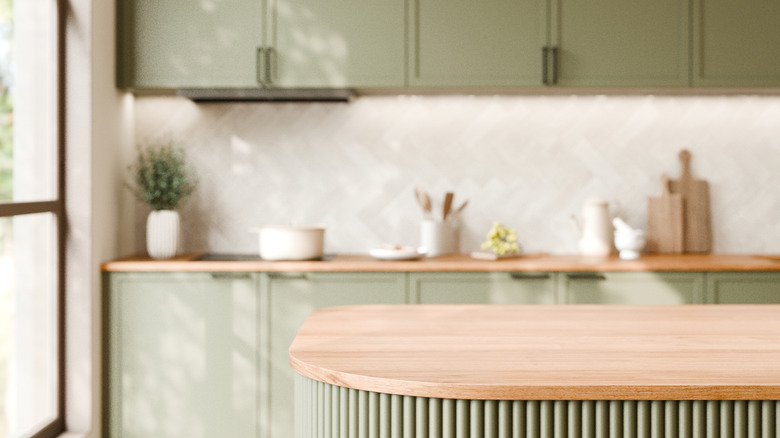
10 Outdated Kitchen Trends Making A Comeback, According To A Design Expert

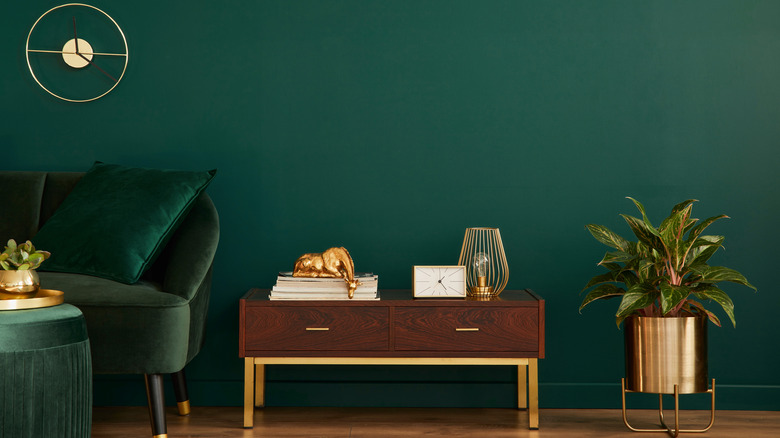
Vintage Home Design Trends That Are Making Huge Comebacks

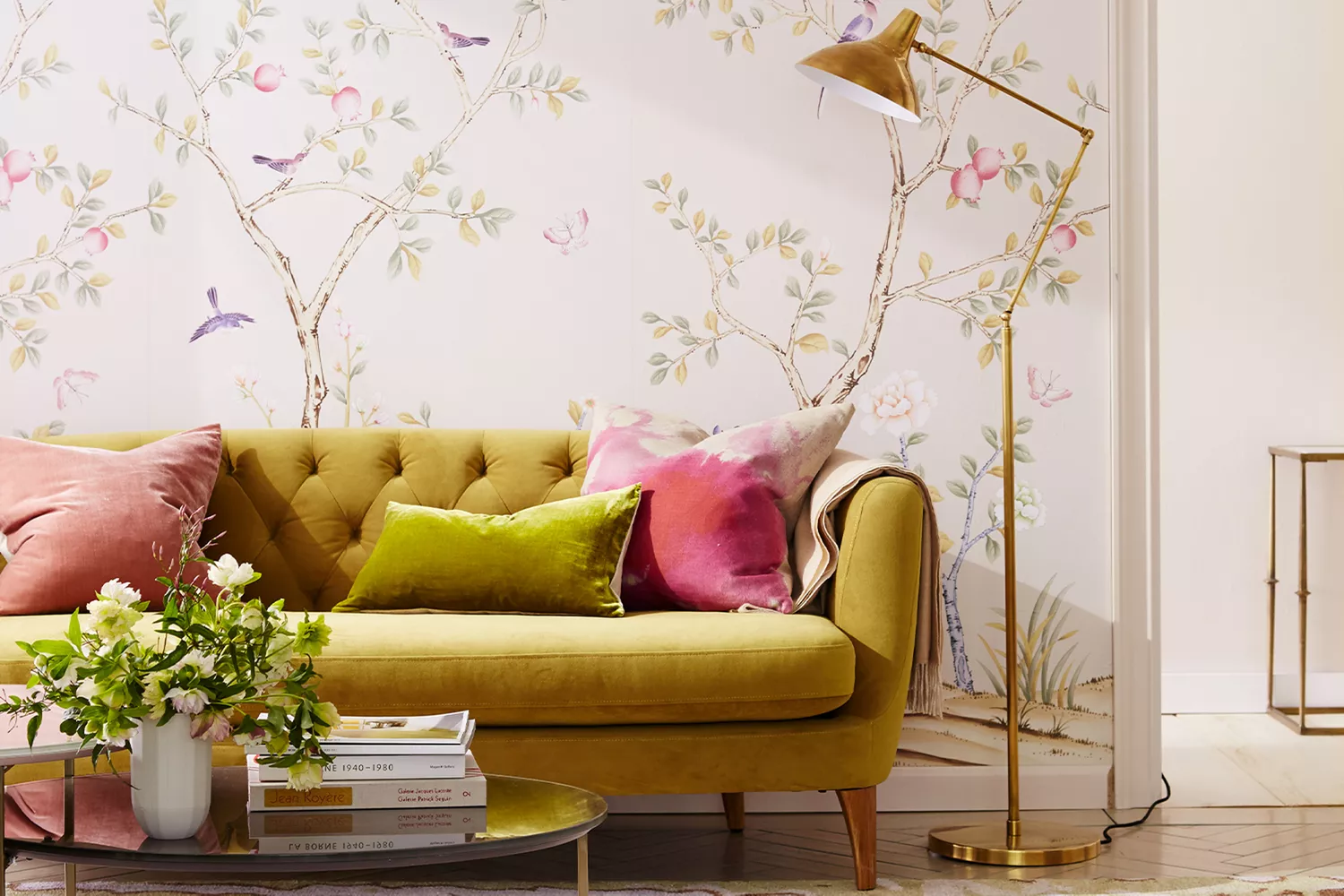
12 Vintage Trends That Are Making a Comeback, According to Interior Designers
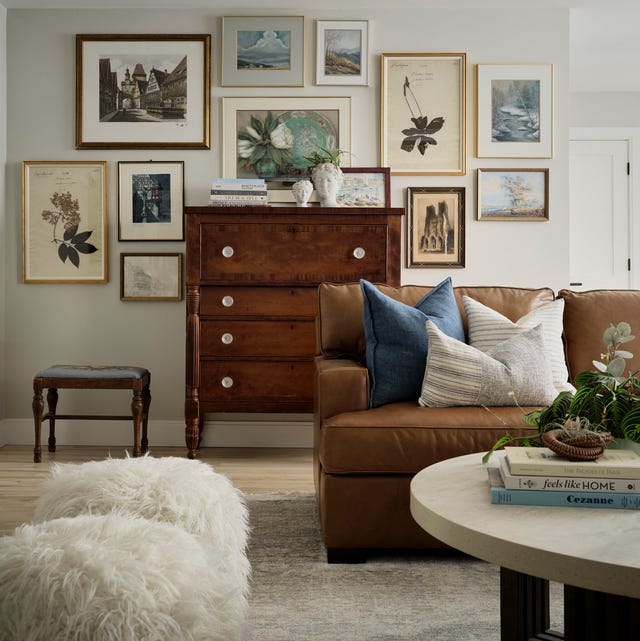
The #1 Retro Design Trend Designers Say is Making a Comeback

5 trends that look good right now but interior designers warn they won't last
6 Outdated Interior Design Trends—And 6 That Are Making A Comeback
8 outdated '60s interior design trends making a comeback in 2024

Wood Paneling and 11 More Vintage Decor Trends Making Huge Comebacks
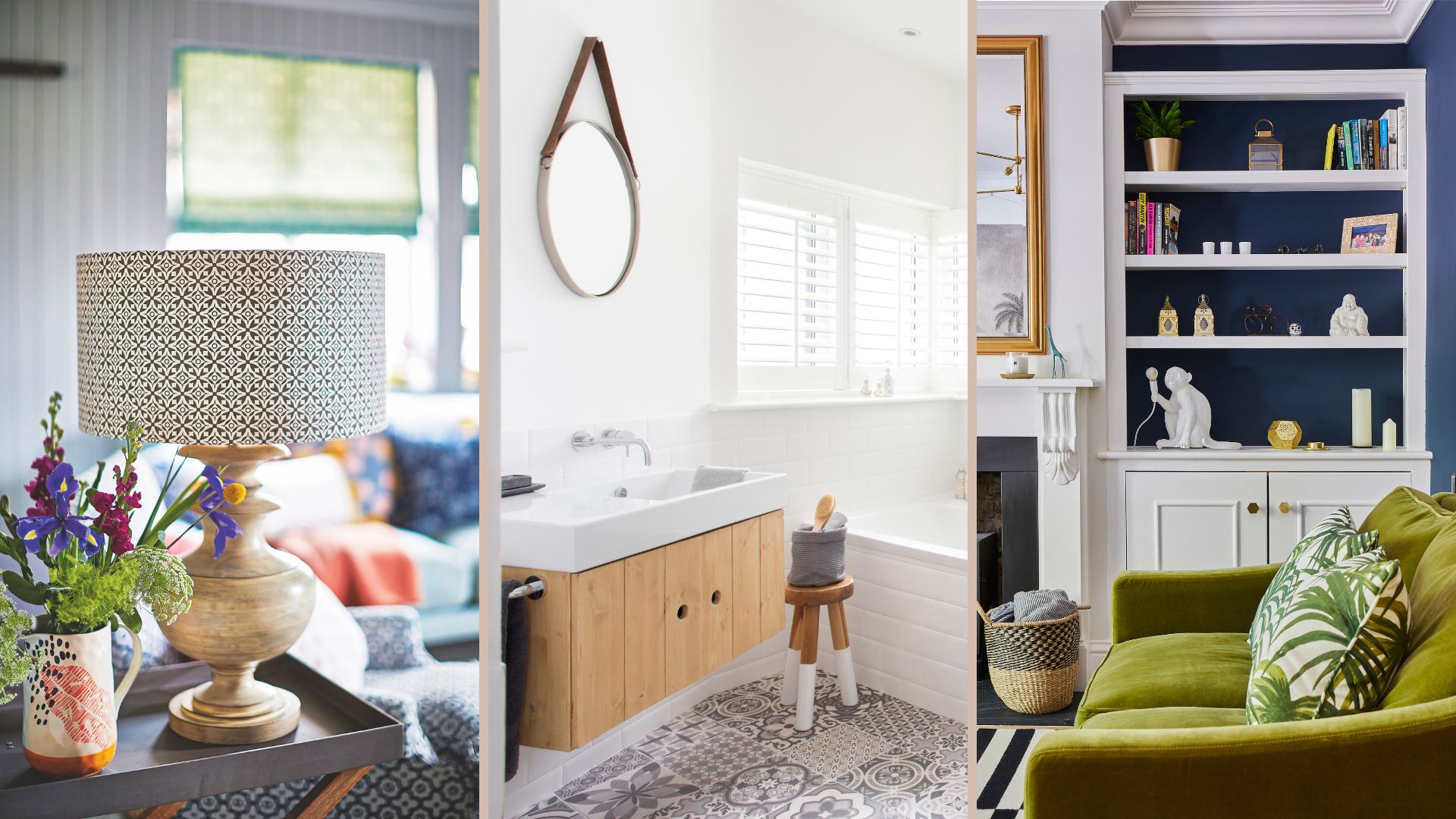
Pinterest trends: 7 of the biggest interior trends inspiring home decor right now

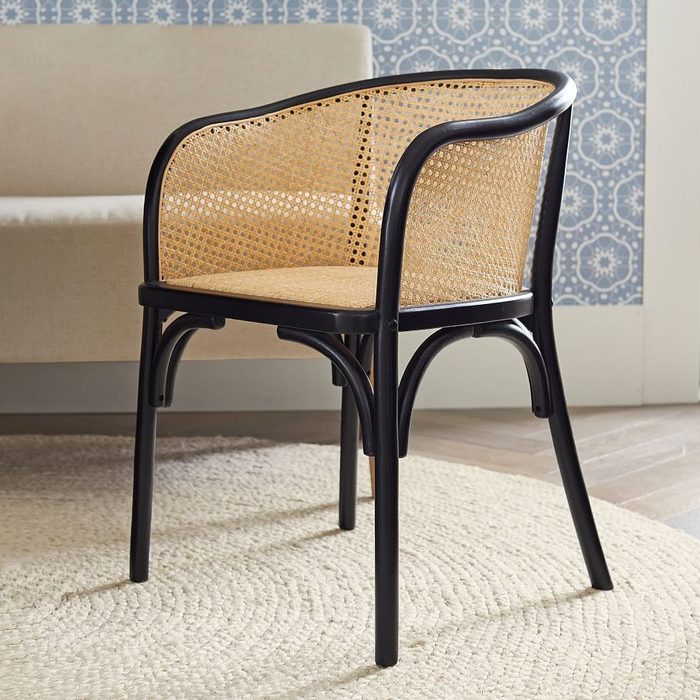
11 Vintage Home Trends That Are Making a Comeback

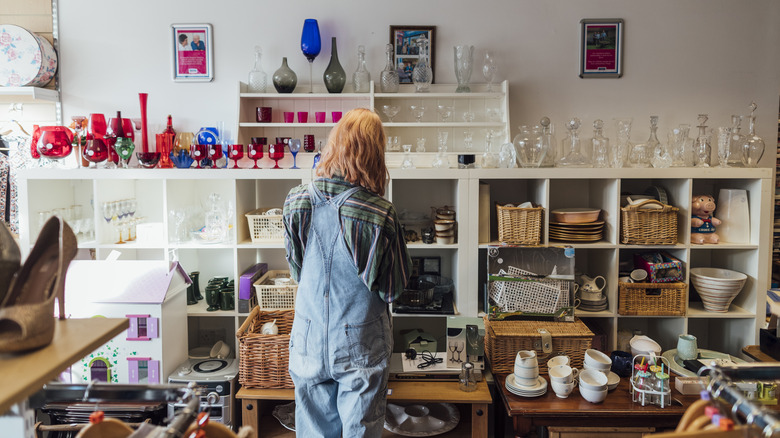
Retro Design Trends That Are Making A Comeback In 2025
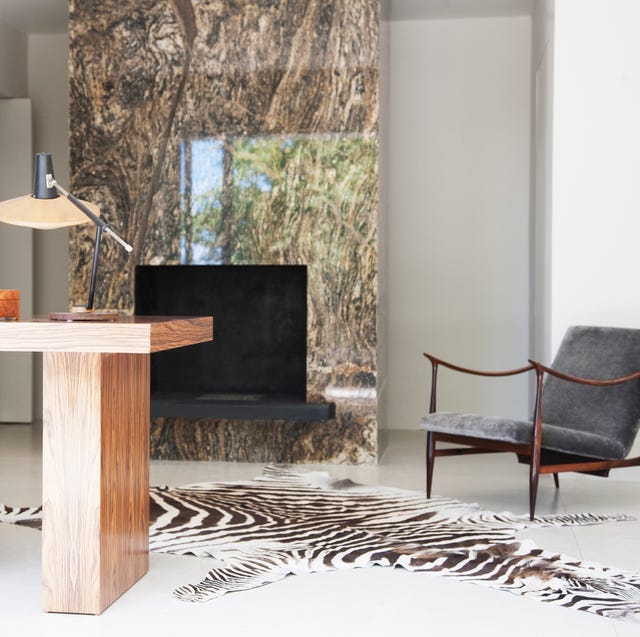
40 Outdated Home Trends We Hope Never to See Again

A taste of this year's interior design trends