The Home Trend Interior Designers Hope Never Comes Back—and What to Do Instead
The article discusses a fading interior design trend: the use of faux or imitation materials in homes. It highlights a shift in homeowner preferences towards authenticity and natural materials, emphasizing that homes now reflect a desire for genuine elements over artificial ones. This move away from faux finishes is supported by interior designers who believe these imitations lack the timeless quality of real materials and can even have negative psychological effects.
Julia Newman, founder of Julia Adele Design, explains that the trend of using faux finishes gained traction when décor costs escalated, particularly during and after the COVID-19 pandemic. Homeowners turned to cheaper imitations to achieve a high-end look on a budget. However, Newman advises against this approach, suggesting that it is better to seek out natural materials that fall within one's price range rather than settling for unconvincing substitutes.
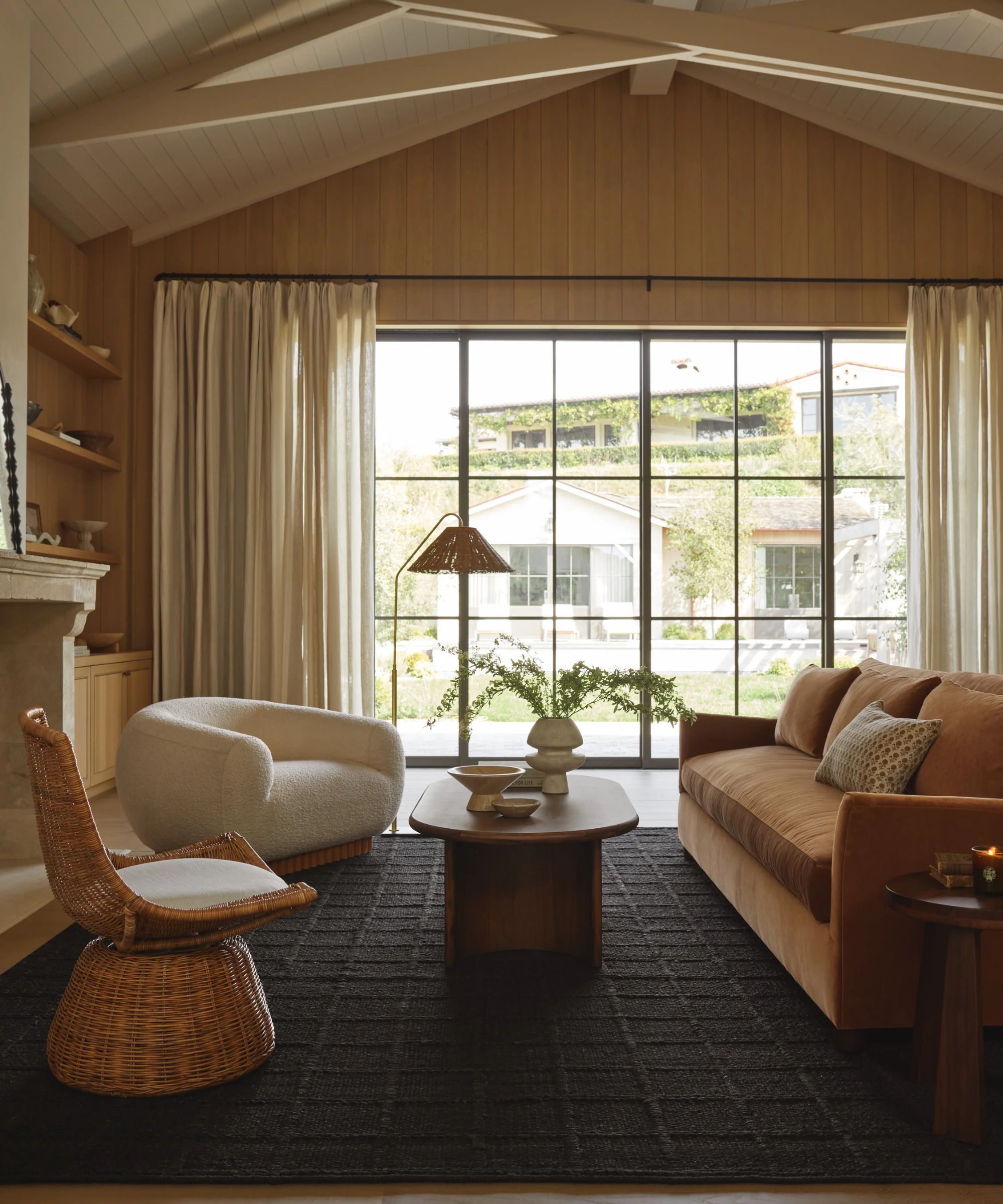
Anita Yokota, a home designer, licensed therapist, and author of "Home Therapy," provides a neuroscientific perspective on why natural materials are preferred. She states that the sensory systems respond positively to the micro-irregularities and tactile depth inherent in natural elements like real wood, stone, linen, and clay. These subtle variations activate the parasympathetic nervous system, promoting feelings of groundedness and safety. Conversely, faux materials, despite their visual similarity, create a "micro-dishonesty" in texture and temperature, leading to a discrepancy between what is seen and felt. Yokota suggests that this mismatch can induce low-grade stress over time. She views the decline of faux finishes as an integral part of a broader wellness movement, where individuals seek to create living spaces that feel "alive" and age gracefully alongside them, contributing to emotional regulation and a sense of belonging.
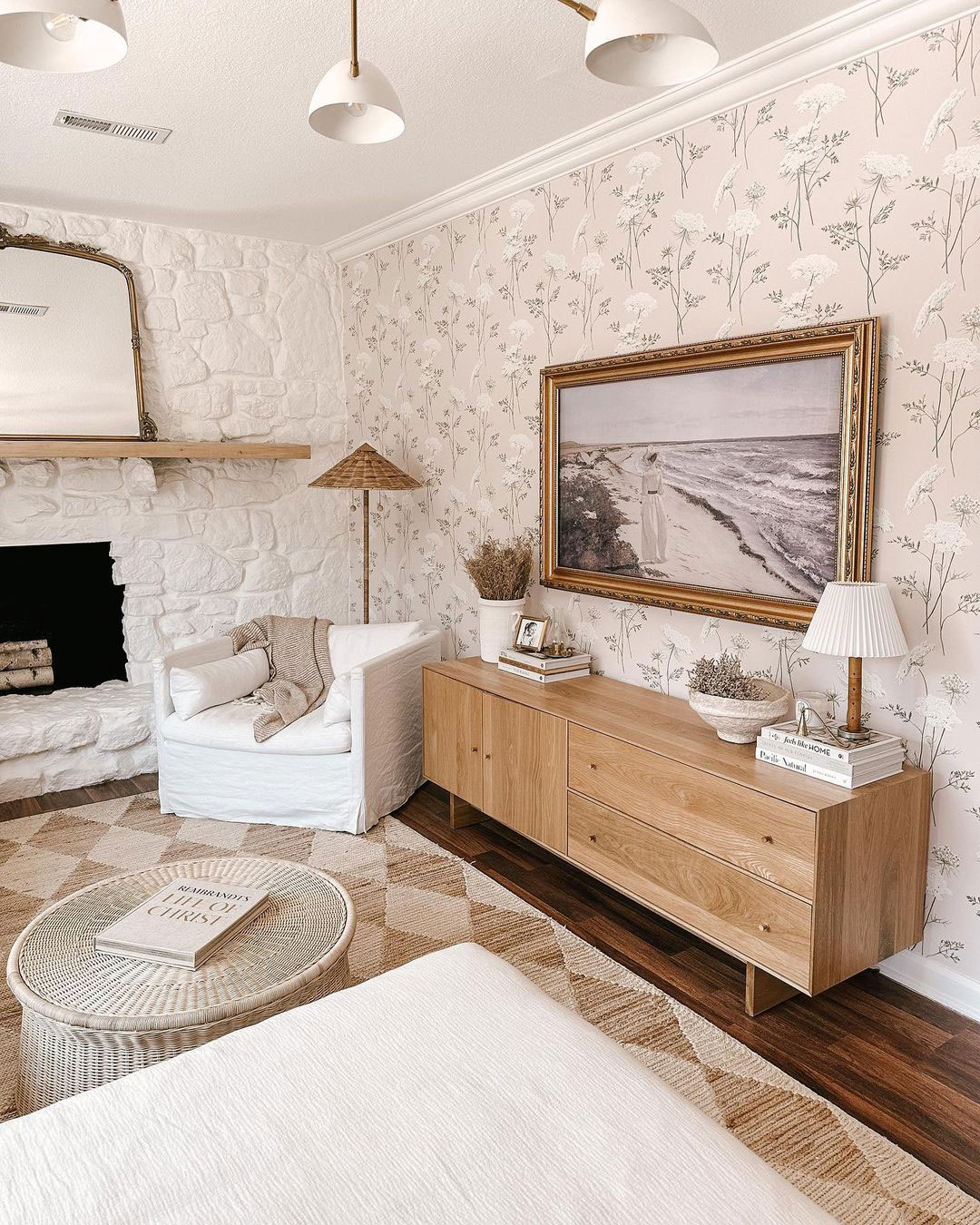
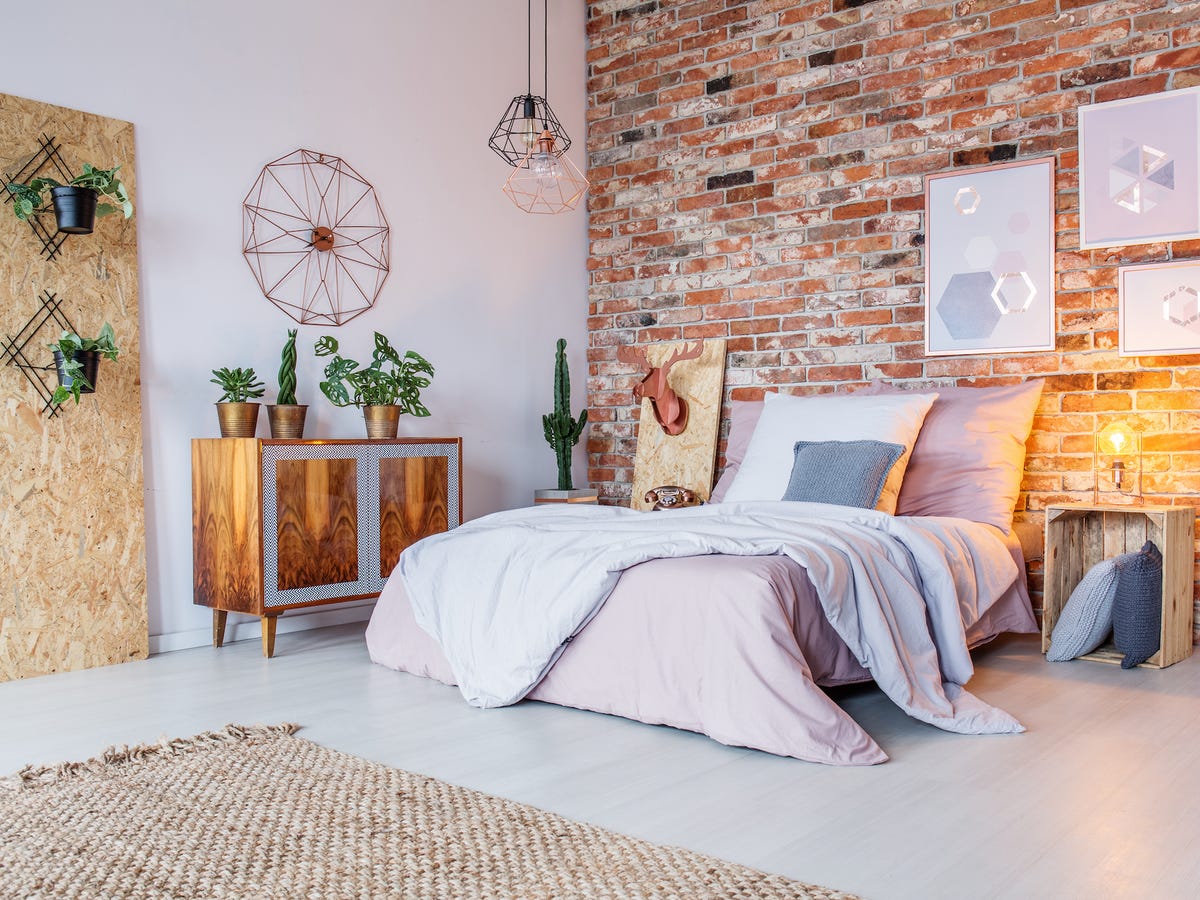
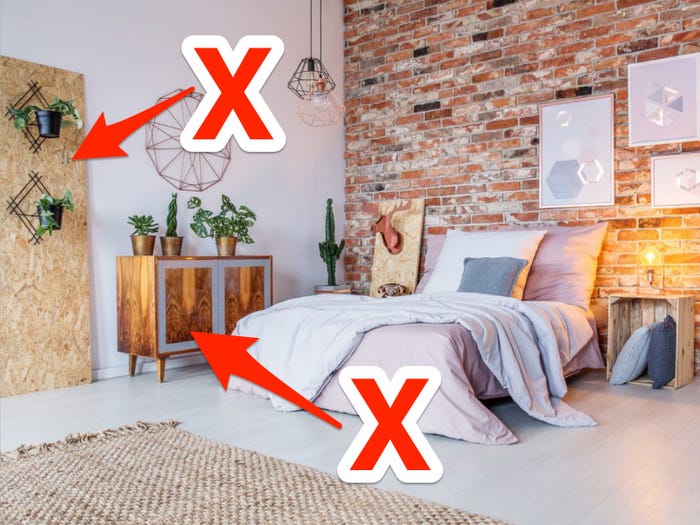
Jeanne Barber, founder of Camden Grace Interiors, strongly advocates for the permanent retirement of poorly executed imitation materials. She specifically calls out vinyl plank flooring, asserting that a significant portion of it should not be used in design projects. Barber also mentions faux brick, noting that while high-quality brick veneer can be effective, most available options appear cheap and artificial. Her guiding principle is that if a material attempts to mimic something it is not, it should be avoided. She concludes that authenticity in material selection consistently yields better results than imitation, advocating for an honest approach to design choices.
In summary, the article outlines the reasons for the decline of faux materials in interior design, attributing it to a collective yearning for authenticity, psychological comfort, and a rejection of poorly executed imitations. It features insights from industry professionals who underscore the value of natural materials for their aesthetic, tactile, and emotional benefits, urging a permanent departure from artificial substitutes.
#InteriorDesign #HomeDecor #FauxMaterials #NaturalMaterials #DesignTrends #Authenticity #Wellness #HomeImprovement #InteriorDesign #HomeDecor #FauxMaterials #NaturalMaterials #DesignTrends #Authenticity #Wellness #HomeImprovement
0 comment in total
 No comments yet
You may also like
5 trends that look good right now but interior designers warn they won't last
The #1 Home Trend You Should Avoid, According to Designers

Should you follow interior design trends? Do they create a stylish home or one that will date fast?
5 Outdated Kitchen Trends Interior Designers Hope Never Come Back

How to decorate in 2025: Skip these tired trends, interior designers say
Interior Designers are Ditching These Home Trends in 2024
The Decorating Trend We Hope Never Comes Back
People Are Defending The "Unpopular" Home Design Trends That Actually Make A Lot Of Sense In Their Own Homes

5 outdated home decor trends interior designers want you to kiss goodbye in 2024, and what to do instead

17 popular trends interior designers wish would disappear
10 Interior Design Trends Going Away In 2025

8 Decorating Trends Designers Wish Would Go Away in 2025

17 Trends That Need to Disappear Forever , According to Interior Designers


People Are Exposing The Home Decor Trends That'll "Completely Fade Out" Sooner Than You'd Think
The decorating trends designers definitely want you to leave behind in 2025 – from fads to faux pas

"It Will Go Out As Quickly As It Came In": Interior Designers Are Sharing Their Honest Takes About 2024 Home Decor Trends
9 Popular Home Trends Interior Designers Say Won't Age Well
7 home design trends to skip (and what to do instead)

Expert reveals the interior design trends that will make your home look dated
"I Regretted It After Two Weeks": Homeowners Are Revealing The Popular Home Fads That Aren't Worth Trying Out