1/2
We Asked a Pro Painter For His Secret to a Seamless Paint Job Every Time—And We’re Obsessed
Achieving a professional-looking paint job involves careful preparation, the right tools, and adherence to specific techniques, according to Ryan Beery, a franchise owner of Color World Painting. One of the first crucial steps is to assess safety requirements, especially if dealing with older homes built before 1978, which may contain lead paint. Beery strongly advises purchasing a lead test kit and consulting the EPA website for comprehensive lead safety information. Prioritizing safety before commencing any painting project is paramount.
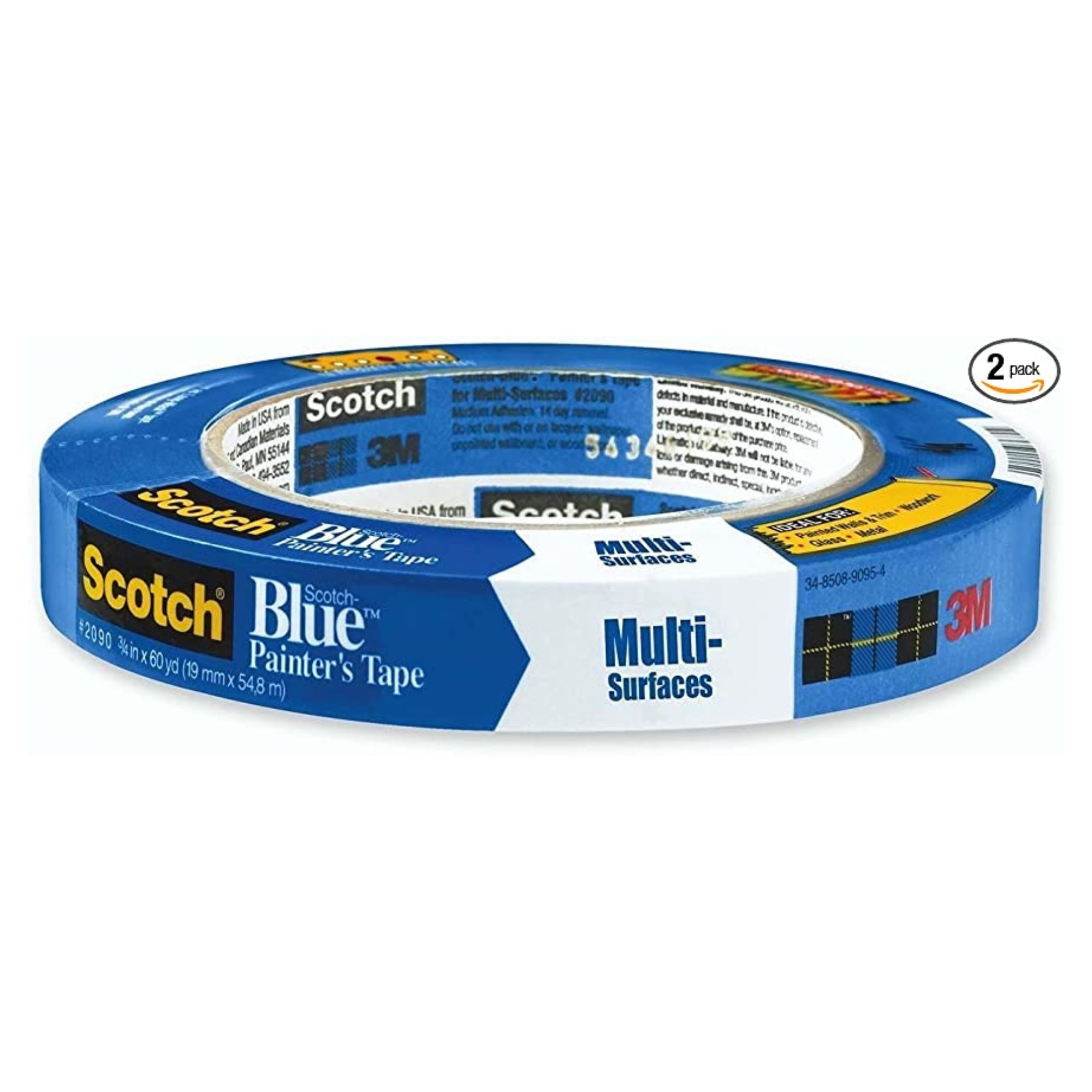
After ensuring safety, gathering all necessary supplies is essential for a seamless process. Beery recommends having painter's tape, tarps for exterior projects, and rosin paper to protect interior floors, particularly tile and hardwood. For varnished surfaces, delicate surface tape is advised. High-quality paint brushes are also crucial for a superior finish. Depending on the project's scope, additional items like sanding sponges and joint compound might be necessary. Having all supplies readily available prevents interruptions once the painting begins.
Surface preparation is another critical aspect that professionals emphasize. Beery highlights the importance of ensuring surfaces are clean, dry, and dull to promote proper paint adhesion. The method of preparation varies depending on the material. For exterior surfaces, power washing with a specialized product designed for oxidation is recommended. Areas with grease, such as kitchen walls or ceilings, should be thoroughly cleaned with a degreasing cleaner and may require shellacking or bonding. For glossy or high-sheen surfaces, sanding with an abrasive pad or a pole sander is suggested to create a texture that helps the paint adhere better.
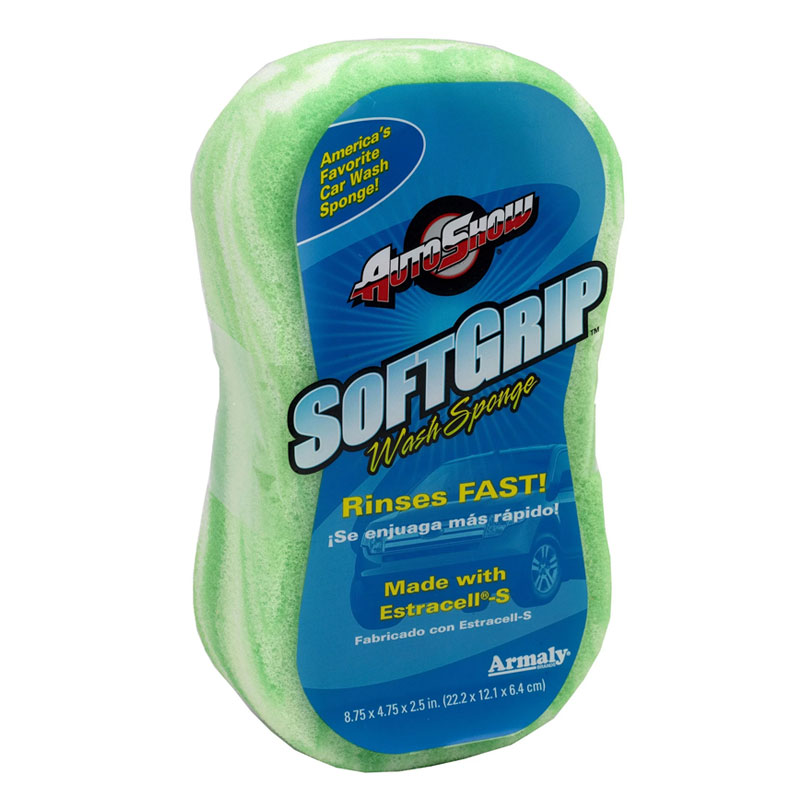
A clever hack involves using a damp sponge on tape lines to ensure the tape adheres firmly, preventing paint from bleeding underneath and resulting in crisp, clean lines when the tape is removed. For garage and entry doors, where seals can stick to fresh paint, Beery suggests applying petroleum jelly to the seals as a protective barrier. These small but effective techniques contribute significantly to a professional outcome.
Selecting high-quality paint is non-negotiable. While budget-friendly options exist, Beery advises caution, stating that premium brands like PPG or Glidden offer superior coverage. High-quality paint reduces the need for multiple coats, especially when changing colors, ultimately saving both time and money. The better pigment and formulation of quality paints contribute to a more durable and aesthetically pleasing finish.
Finally, patience is key when applying multiple coats of paint. Beery recommends an average drying time of about four hours between coats, although this can vary based on temperature and the specific product used. Rushing the application of a second coat can lead to undesirable outcomes such as brush marks, an uneven texture, or pulling of the previous coat. Adequate drying time ensures each coat cures properly, contributing to a smooth, uniform, and long-lasting finish. By following these professional insights, individuals can significantly enhance the quality and efficiency of their DIY painting projects.
#PaintingTips #DIYPainting #HomeImprovement #ProfessionalPainter #PaintPreparation #SurfacePreparation #PaintQuality #LeadSafety #HomeRenovation #PaintingTips #DIYPainting #HomeImprovement #ProfessionalPainter #PaintPreparation #SurfacePreparation #PaintQuality #LeadSafety #HomeRenovation
0 opmerkingen in totaal
 Nog geen opmerkingen
Dit vindt u mogelijk ook leuk
I’m a paint expert - the £1.25 buy pros swear by for a flawless finish on walls

Color drenching has never been simpler with this color expert's one-paint-finish approach for the whole room


BBB Tip: When to call a professional painter
I Let a Paint Professional Find My Home's "Perfect" Colors, and I Loved Every Shade

12 top interior painting tips from experts – for a flawless, fabulous finish
Professional painters reveal the secret to color matching a paint shade from an image alone
How To Conduct the Paint Inspection When You Hire a Pro

The Best White Paint Colors Experts Turn to Again and Again
An A-List Designer’s Secrets To Picking Perfect Paint Colors

8 Secrets Only Professional Painters Know

Designers Share Their Tried-and-True Shades From the Best Interior Paint Brands
9 Neutral Paint Colors Designers Constantly Reach For — "It's My Tried-and-True"

Paint tips from a pro!

When Your Client Cares About Paint as Much as Furniture, You Go Big With Opposing Colors

How to achieve beautiful paint finishes according to interior designer, Nicola Harding
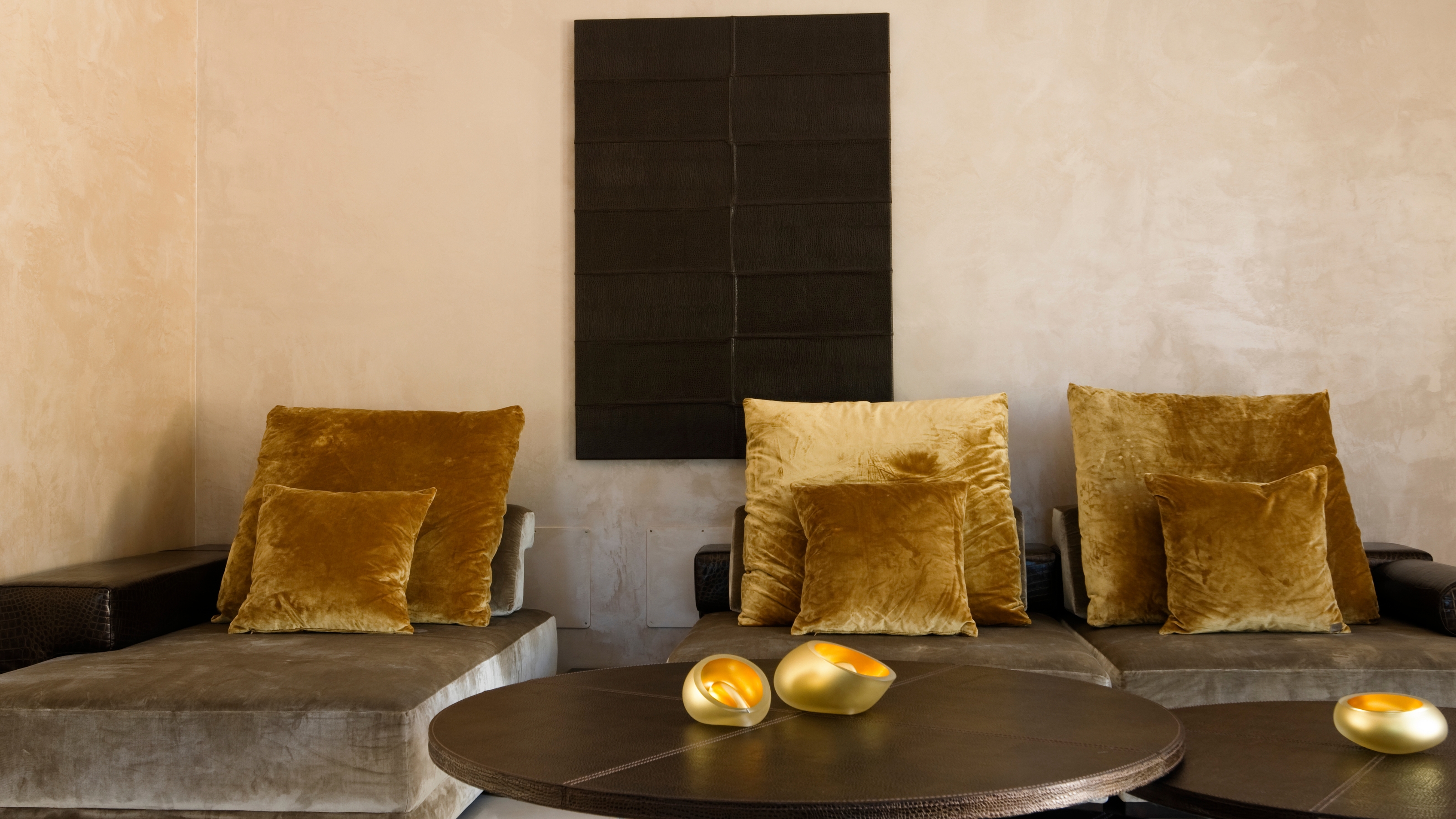
How to sponge paint a room with unique textures and patterns and unleash your inner designer, according to the pros
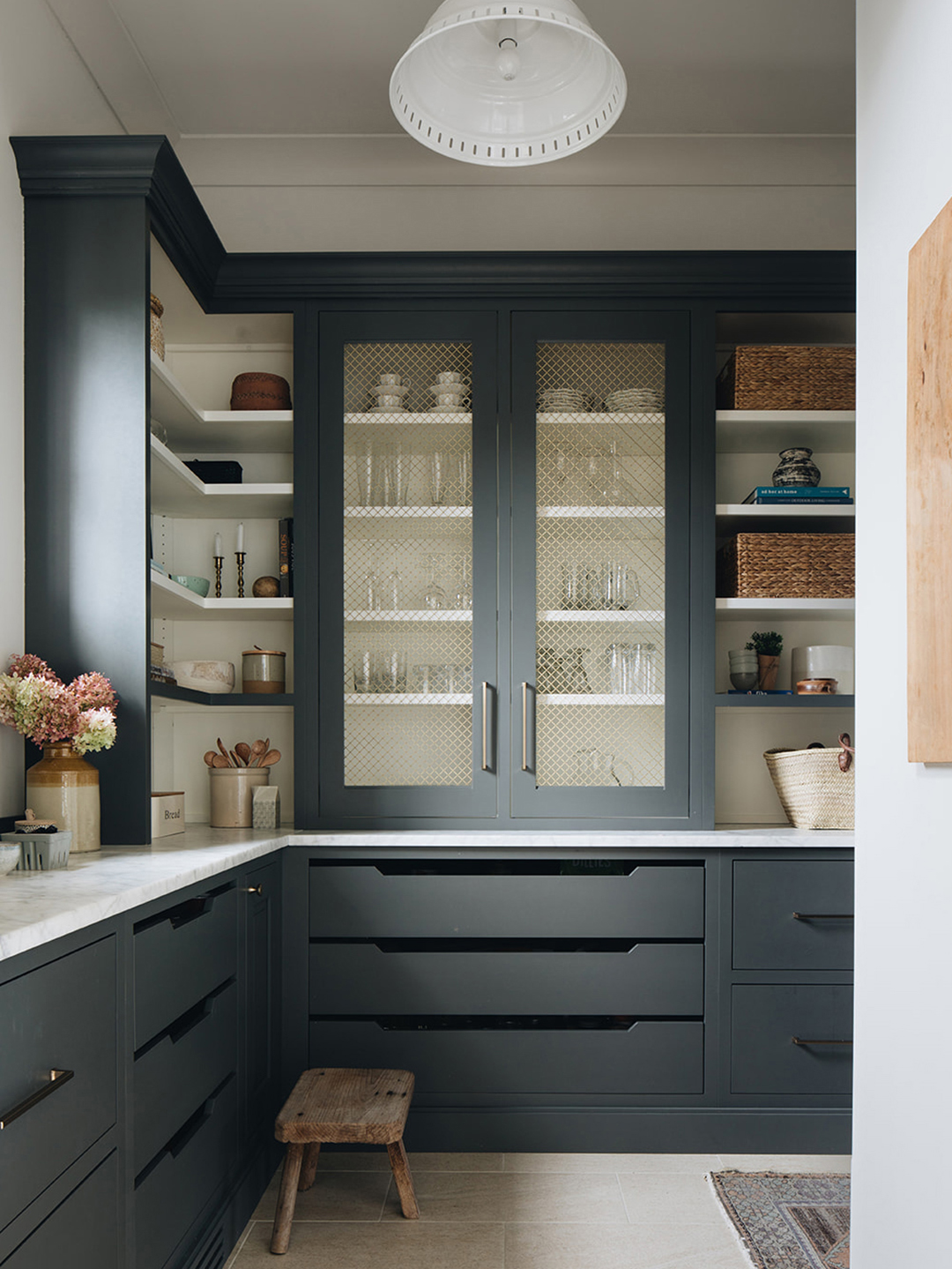
The Paint Color That All This Designer's Followers Ask About | domino

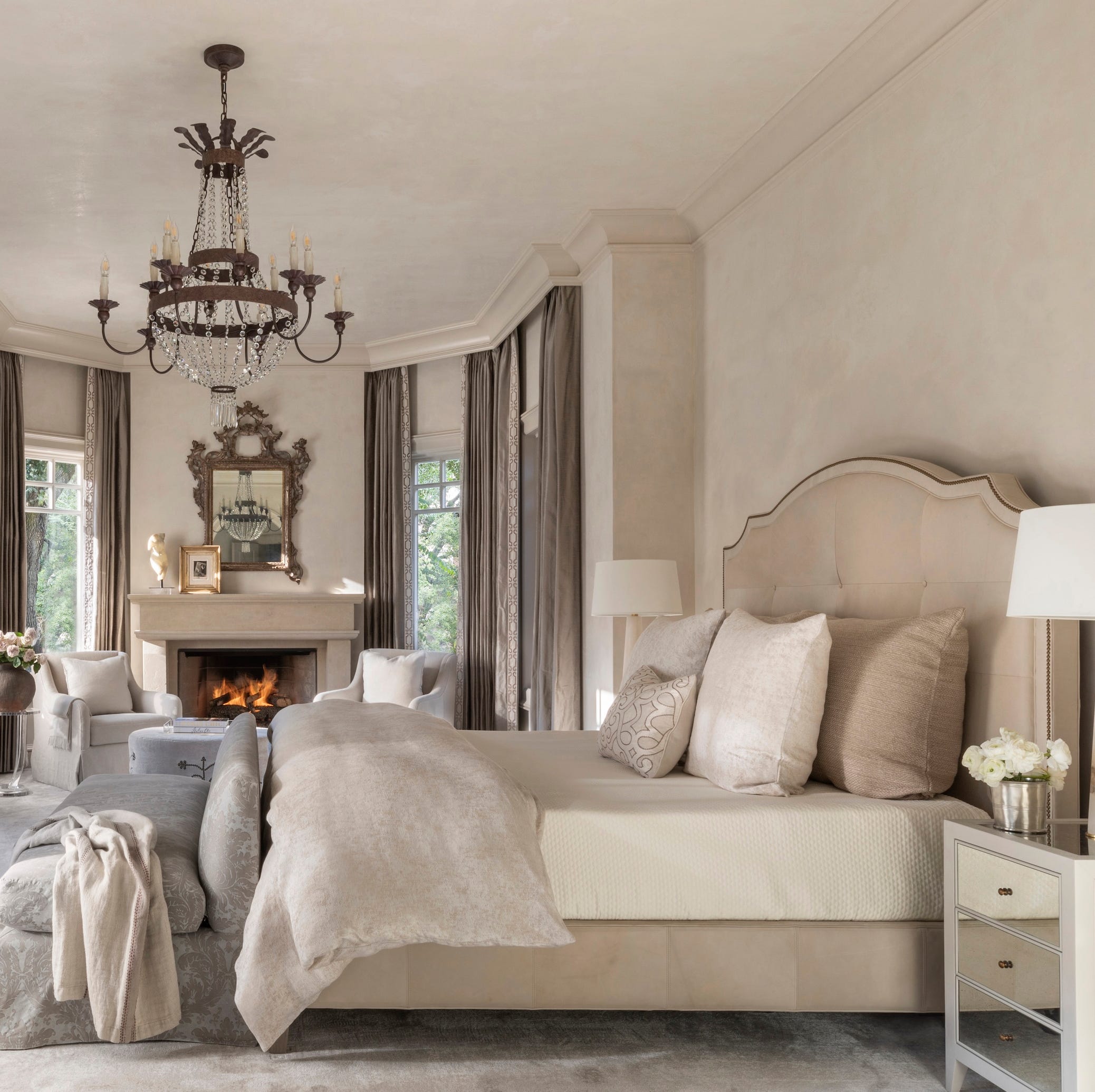
One Designer Says She's Been Using This Paint Finish for Over 40 Years: 'I Never Get Tired of It'

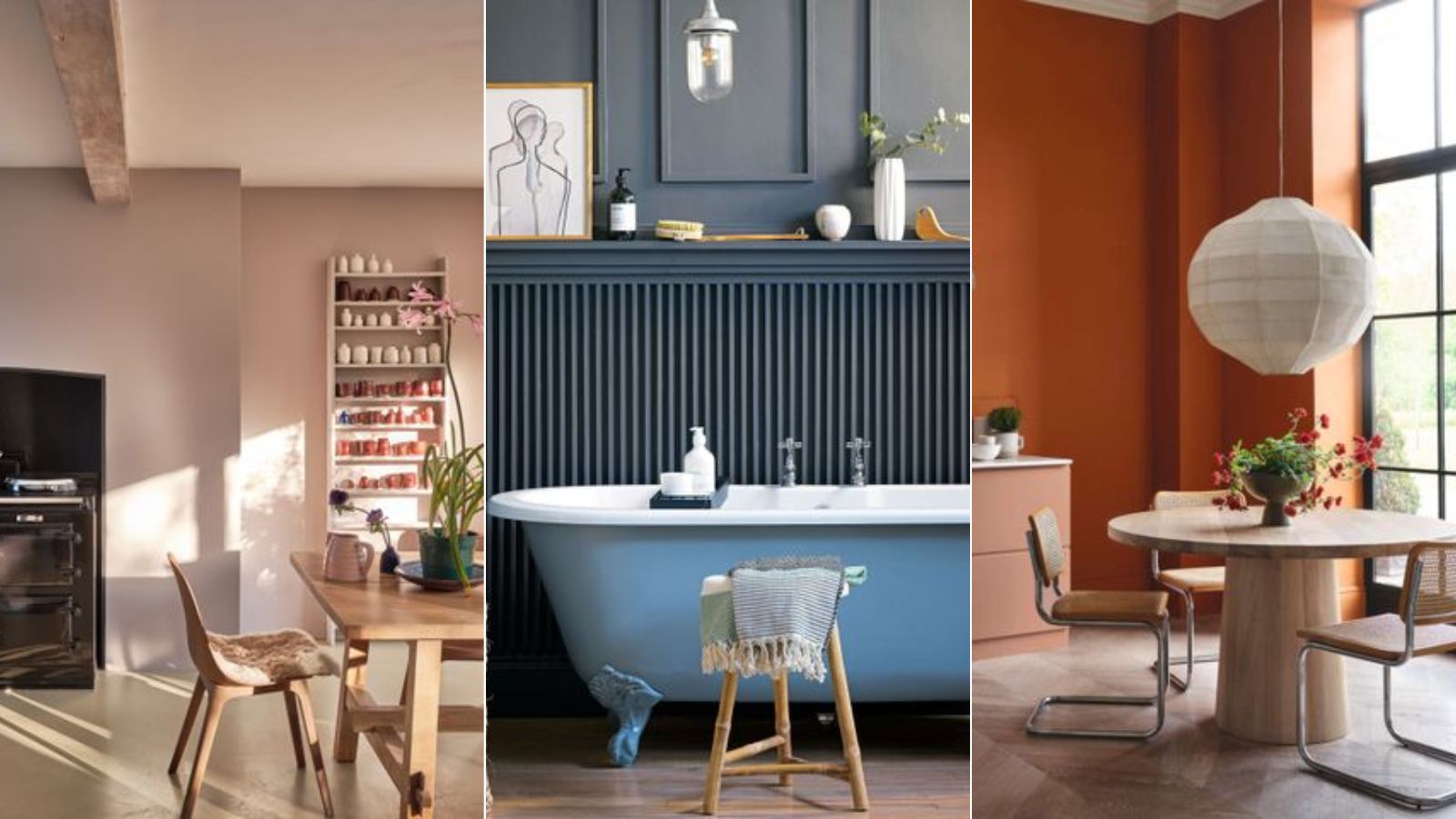
How to prolong the life of your paint job, according to painters and decorators
These 5 Simple Questions Help Designers Pick the Perfect Paint Color Every Time