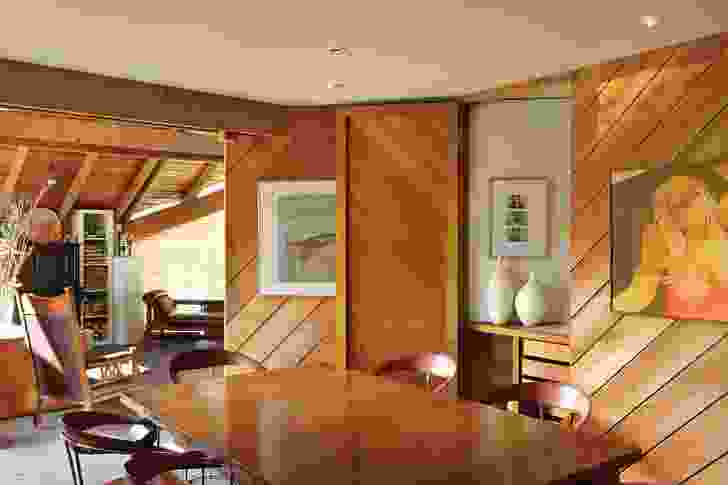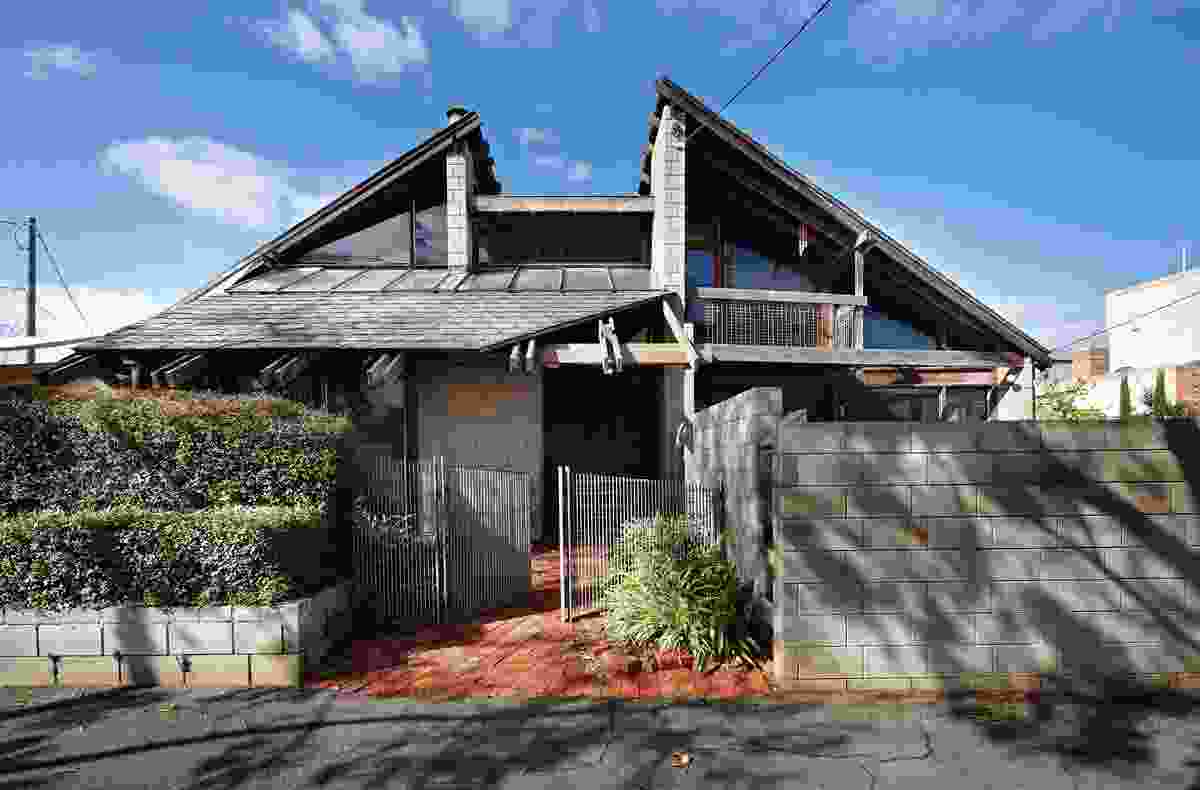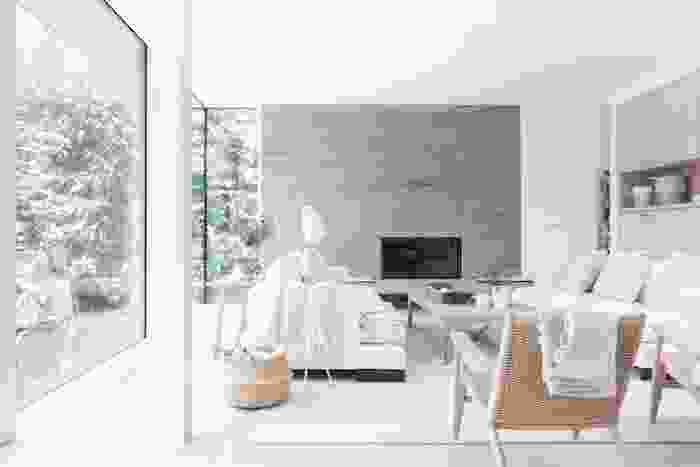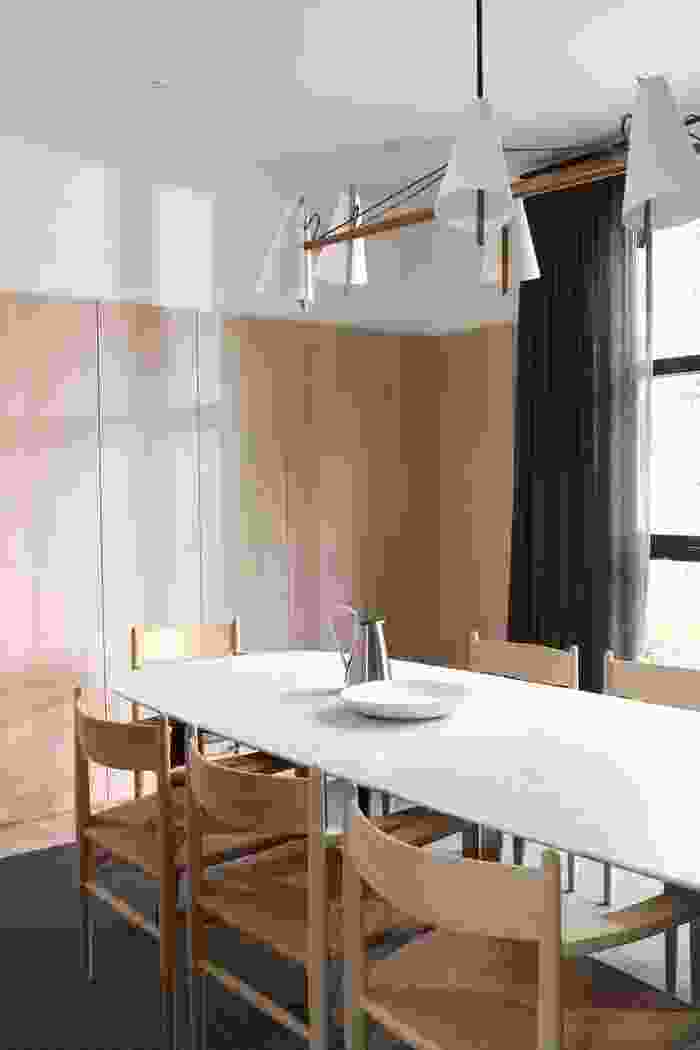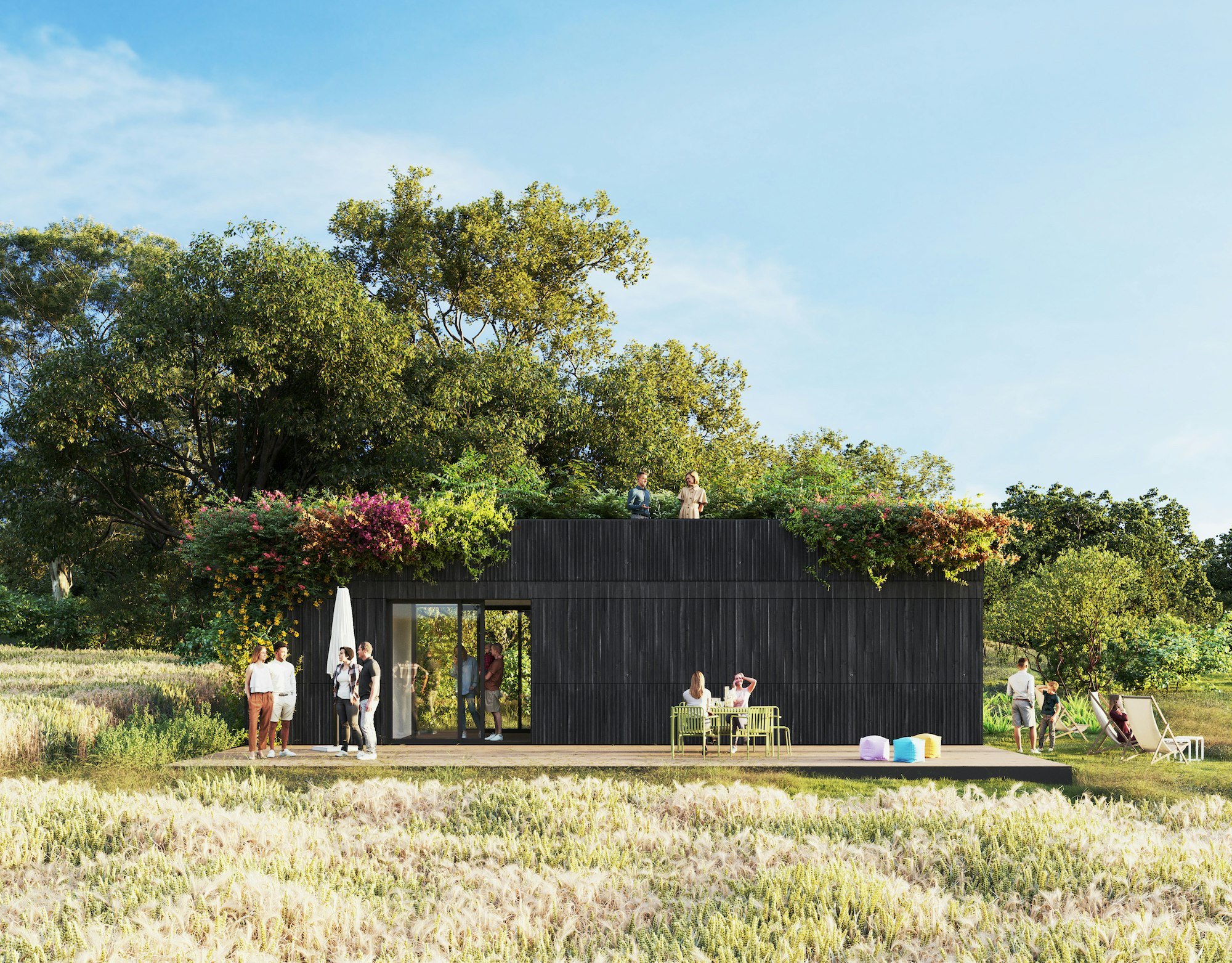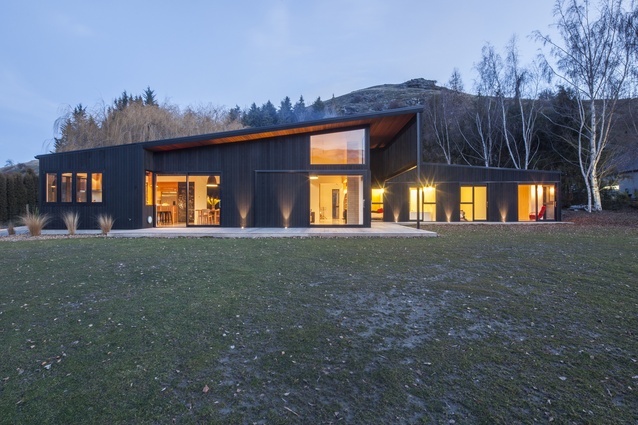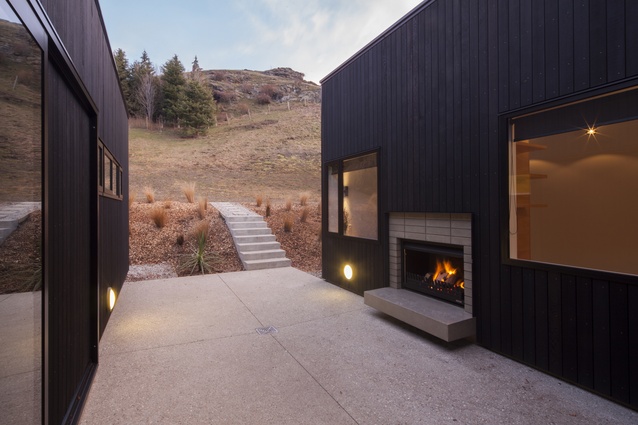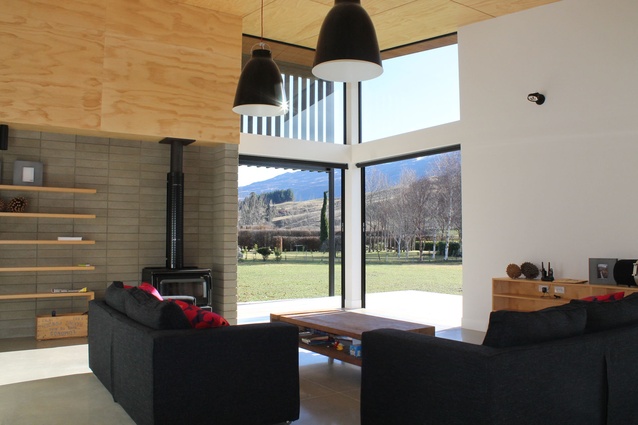
The Home Front: How Vancouver architect Cedric Burgers came to fully embrace passive house design
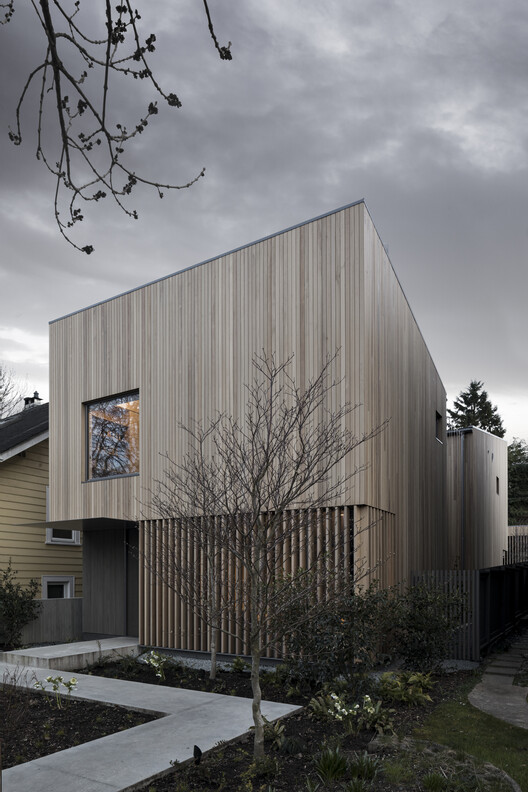
The article explores the journey of Vancouver-based architect Cedric Burgers, principal at Burgers Architecture, and his complete adoption of passive house design principles. Burgers' firm recently completed a passive house project in West Vancouver, which also serves as his family's residence, showcasing a deeply personal commitment to this sustainable building standard. Burgers Architecture has been a proponent of sustainable building for over two decades, initially exploring LEED-certified projects and other green building techniques. However, a significant shift in their philosophy occurred approximately five years ago when the firm, after extensive research, decided to concentrate exclusively on passive house design. This decision was driven by the recognition of Passive House's rigorous, performance-based standards that demonstrably reduce energy consumption and improve indoor air quality, which Burgers considers superior to other green building certifications. The passive house standard, developed in Germany, emphasizes super-insulation, airtight construction, high-performance windows, and heat recovery ventilation systems to create buildings with minimal energy requirements for heating and cooling.
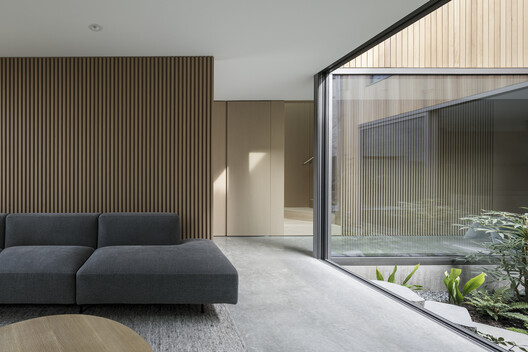
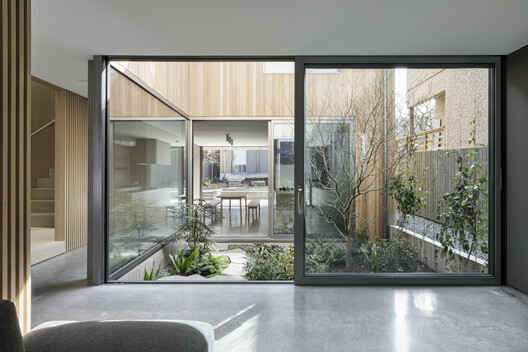
For Burgers, the move to passive house was not merely a business decision but a personal conviction. He and his family chose to build their own home to the exacting passive house standards, viewing it as a tangible representation of the future of design and the direction they wanted to steer their architectural practice. This personal investment allowed them to intimately understand the complexities and benefits of the system, from the initial design phases to the construction challenges and the lived experience. The article highlights that this hands-on approach provided invaluable insights that directly inform their client projects. The new West Vancouver home, situated on a private cul-de-sac and aligned with McDonald Creek, exemplifies these principles. While the article doesn't delve into specific technical details of the home's construction, it implies the application of core passive house elements, such as superior thermal envelopes and efficient ventilation, which contribute to a comfortable indoor environment and significantly reduced utility costs.
Burgers emphasizes that passive house design, despite its stringent requirements, does not necessitate a compromise on aesthetics or architectural creativity. His firm aims to integrate these performance standards seamlessly into aesthetically pleasing and functional designs. The article suggests that the firm's portfolio reflects this balance, demonstrating that energy efficiency and environmental responsibility can coexist with high-quality architectural design. The firm's commitment extends to educating clients about the long-term benefits of passive house, including enhanced comfort, sound attenuation, and a reduced carbon footprint, in addition to the obvious energy savings. This dedication positions Burgers Architecture as a leader in the sustainable building movement in Vancouver.
Burgers' embrace of passive house design is presented as a response to the growing need for more environmentally responsible building practices in the face of climate change and increasing energy costs. By making passive house their exclusive focus, Burgers Architecture is actively contributing to a more sustainable future for the built environment. The firm's approach is characterized by a blend of technical expertise, design innovation, and a deep-seated belief in the positive impact of high-performance buildings. This personal and professional commitment serves as a testament to the viability and desirability of passive house as a leading standard for contemporary architectural practice.
In essence, the article showcases Cedric Burgers' journey from general sustainable design to a dedicated focus on passive house, underscored by his decision to build his own passive home. This move is portrayed as a strategic and ethical choice, allowing his firm to lead by example and advocate for a building standard that offers significant environmental and personal benefits. The Vancouver project stands as a practical demonstration of these principles, reinforcing the firm's expertise and commitment to sustainable architectural solutions.
#PassiveHouse #SustainableArchitecture #CedricBurgers #VancouverHomes #GreenBuilding #ArchitecturalDesign #EnergyEfficiency #ResidentialArchitecture #PassiveHouse #SustainableArchitecture #CedricBurgers #VancouverHomes #GreenBuilding #ArchitecturalDesign #EnergyEfficiency #ResidentialArchitecture
0 opmerkingen in totaal
 Nog geen opmerkingen
Dit vindt u mogelijk ook leuk
Courtyard House / Leckie Studio Architecture + Design Inc.

Storey teller: the design tale behind Yves Béhar’s Bay Area bolthole

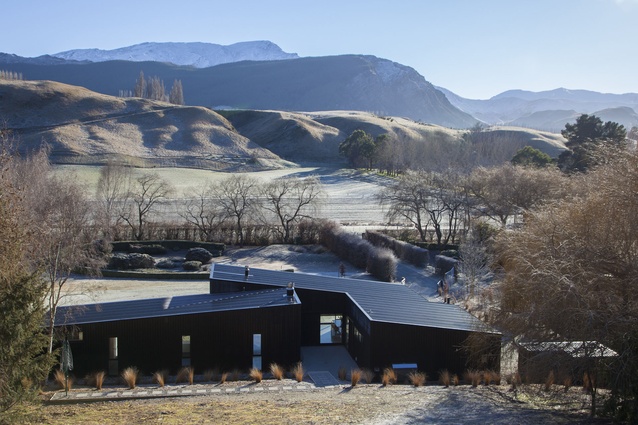
Houses revisited: Speargrass Flat house
The Reason Why People Despise Open-Concept Homes

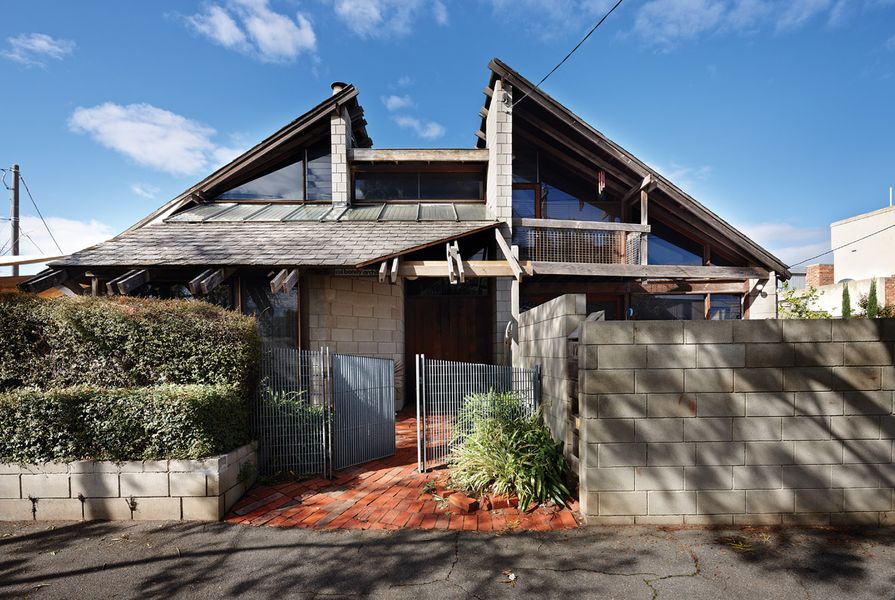
Bandy House & Studio (1974) revisited
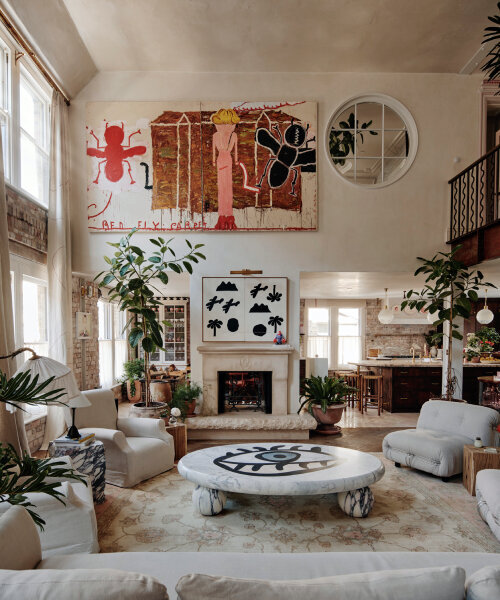
bohemian art house 'maison colbert' summons wes anderson's eclectic taste in london
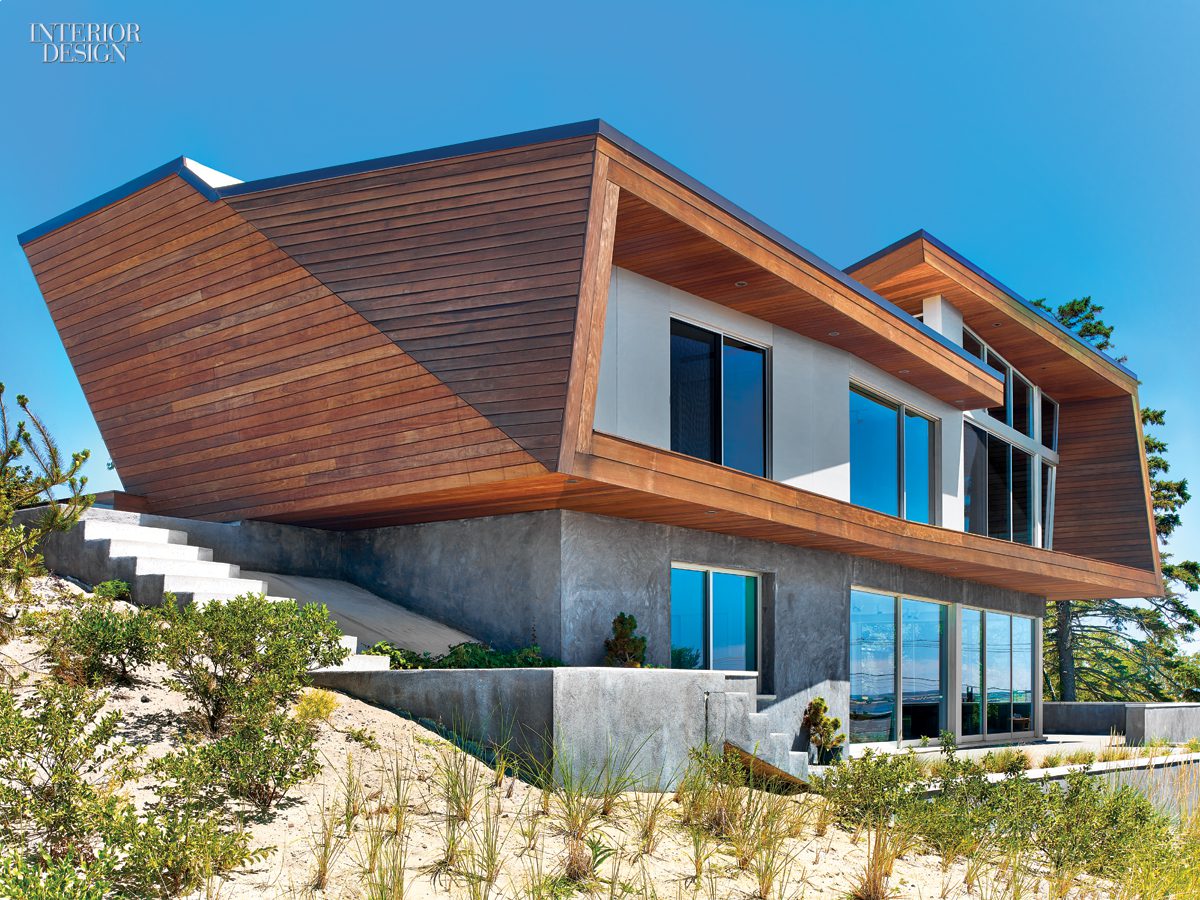
Bauhaus-Style Cape Cod House Gets A Guesthouse by Hariri & Hariri

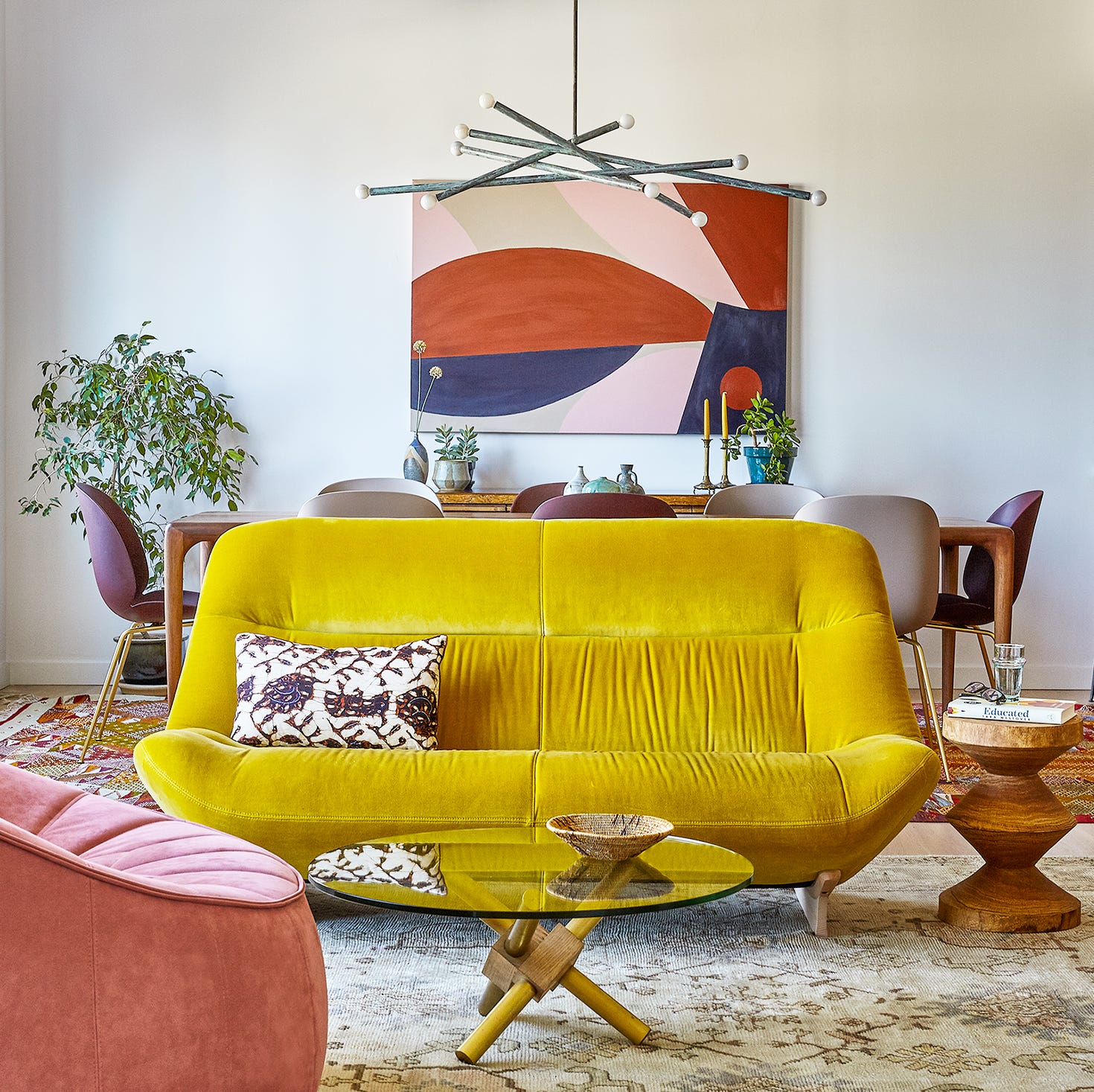
How a Designer Turned This "Modern White Box" Into a Lively—and Functional—Family Home


The Home Front: Talking interior design trends with Sophie Burke

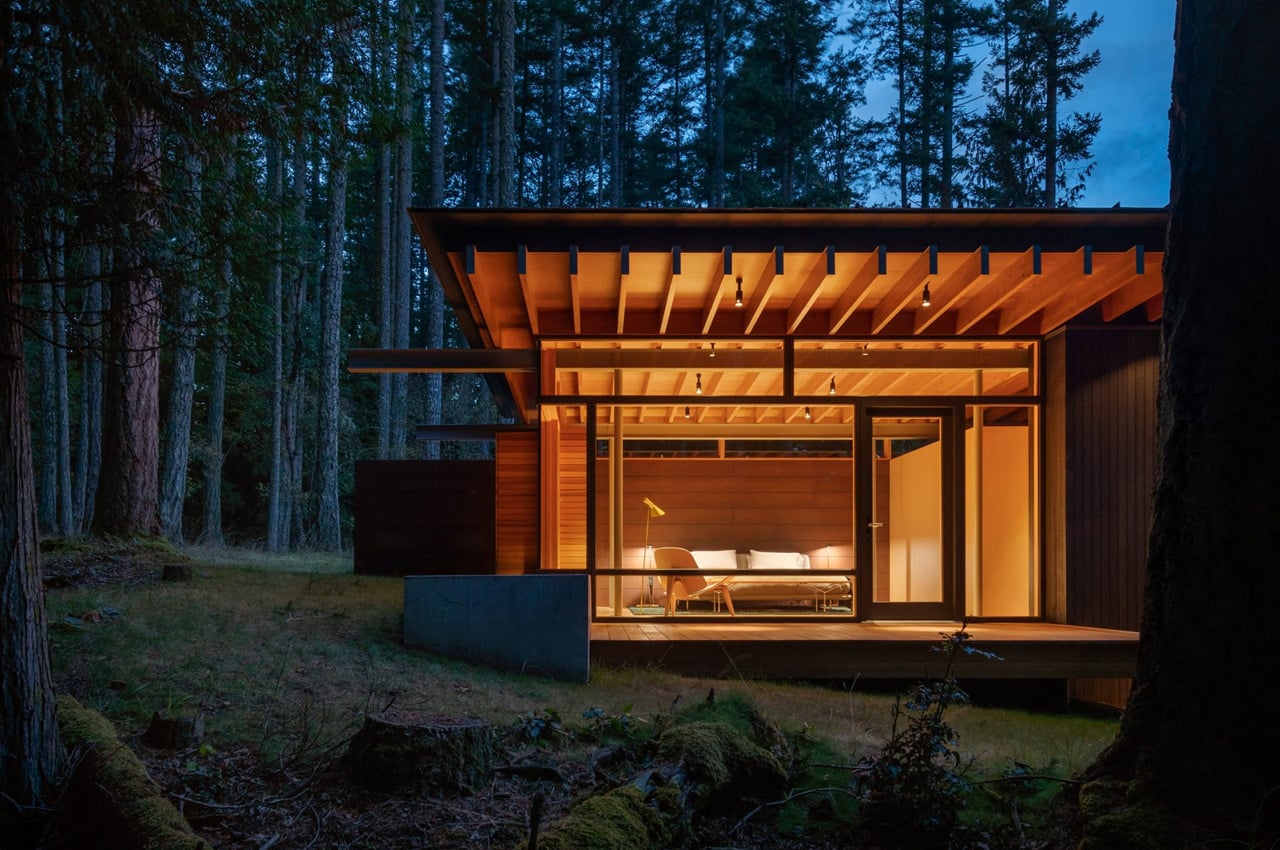
Nature-infused guesthouse features a living room that functions as a "covered porch"

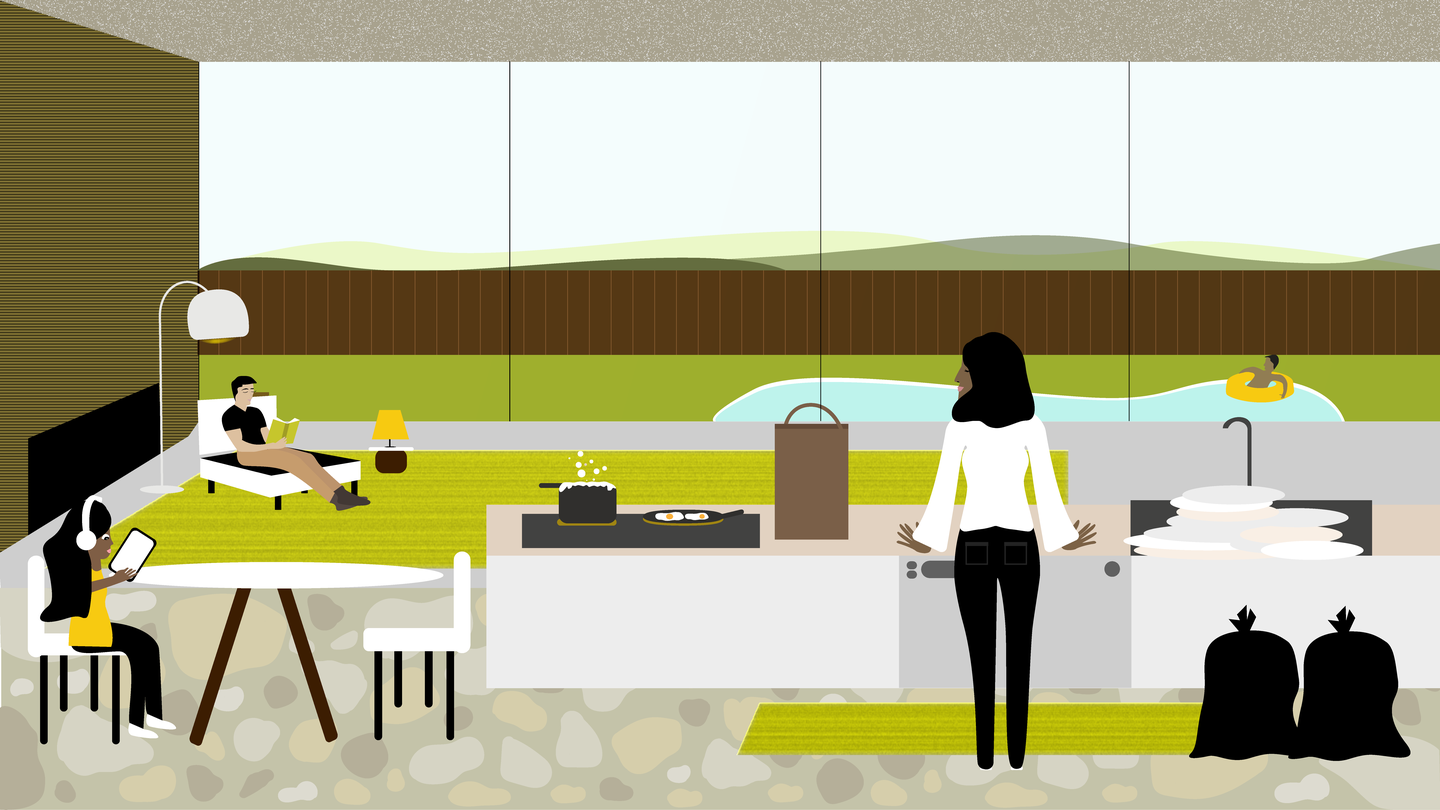
The Curse of an Open Floor Plan

Angular Australian House Fits a Family’s Active Lifestyle

In conversation with Esther Van Eeden on Passive House design


Our Best Conversation Stories of 2020

The Rise, Fall, and Return of the American Porch
Model House
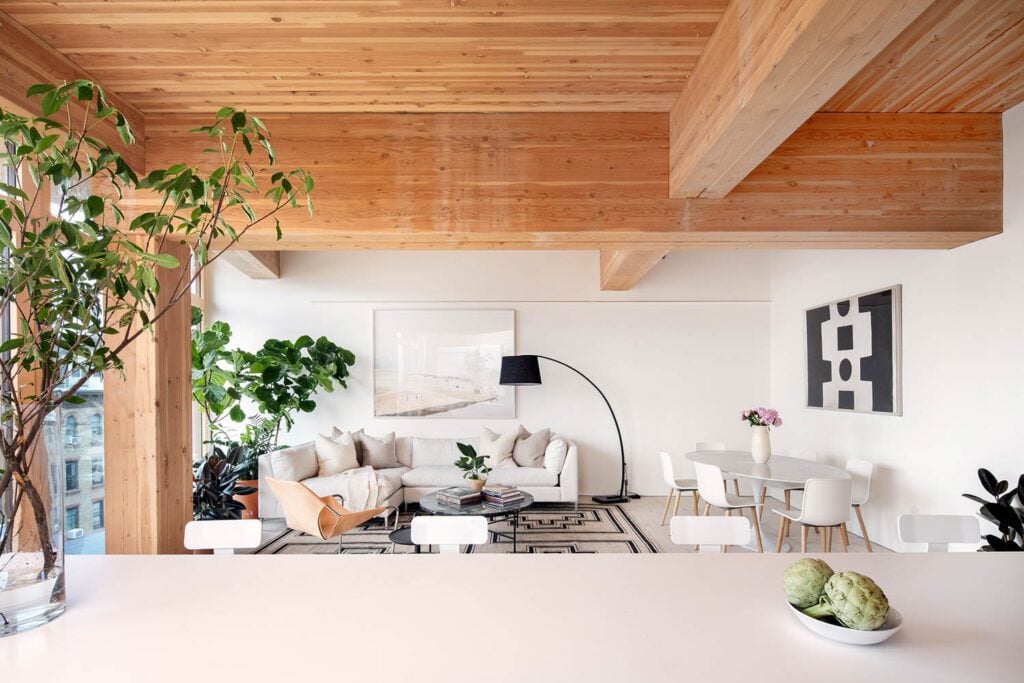
MESH Architectures and The Brooklyn Home Company Complete New York City’s First Mass Timber Condominium
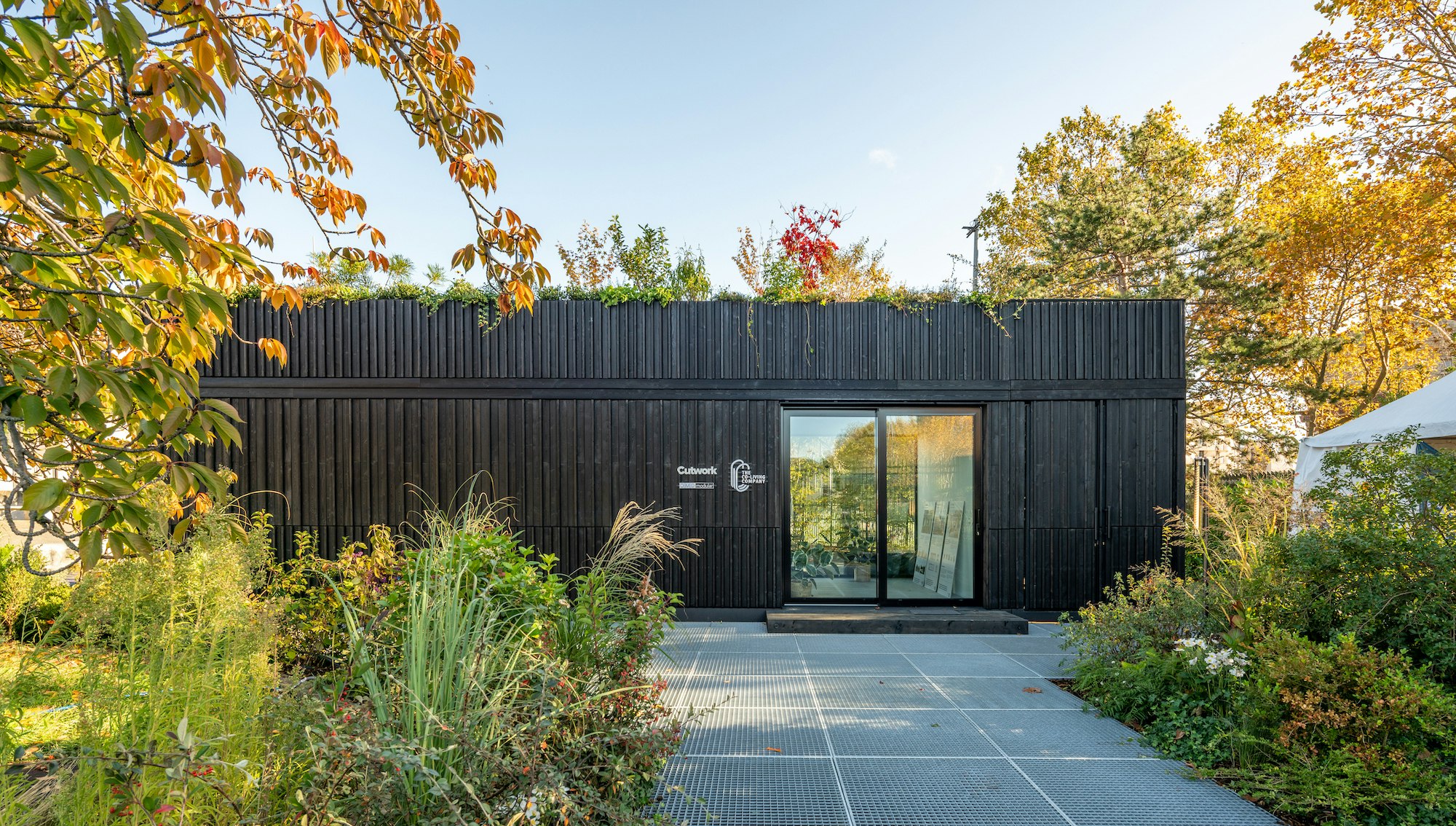
These Prefab Tiny Homes Can Be Linked to Create Entire Apartment Complexes
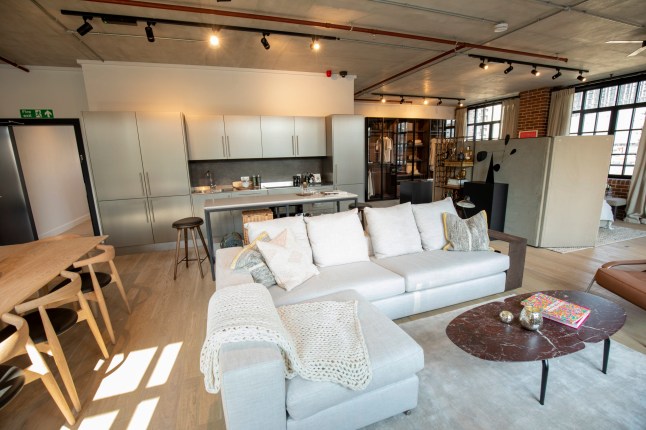
Say goodbye walls, open-plan living is the trend that's here to stay

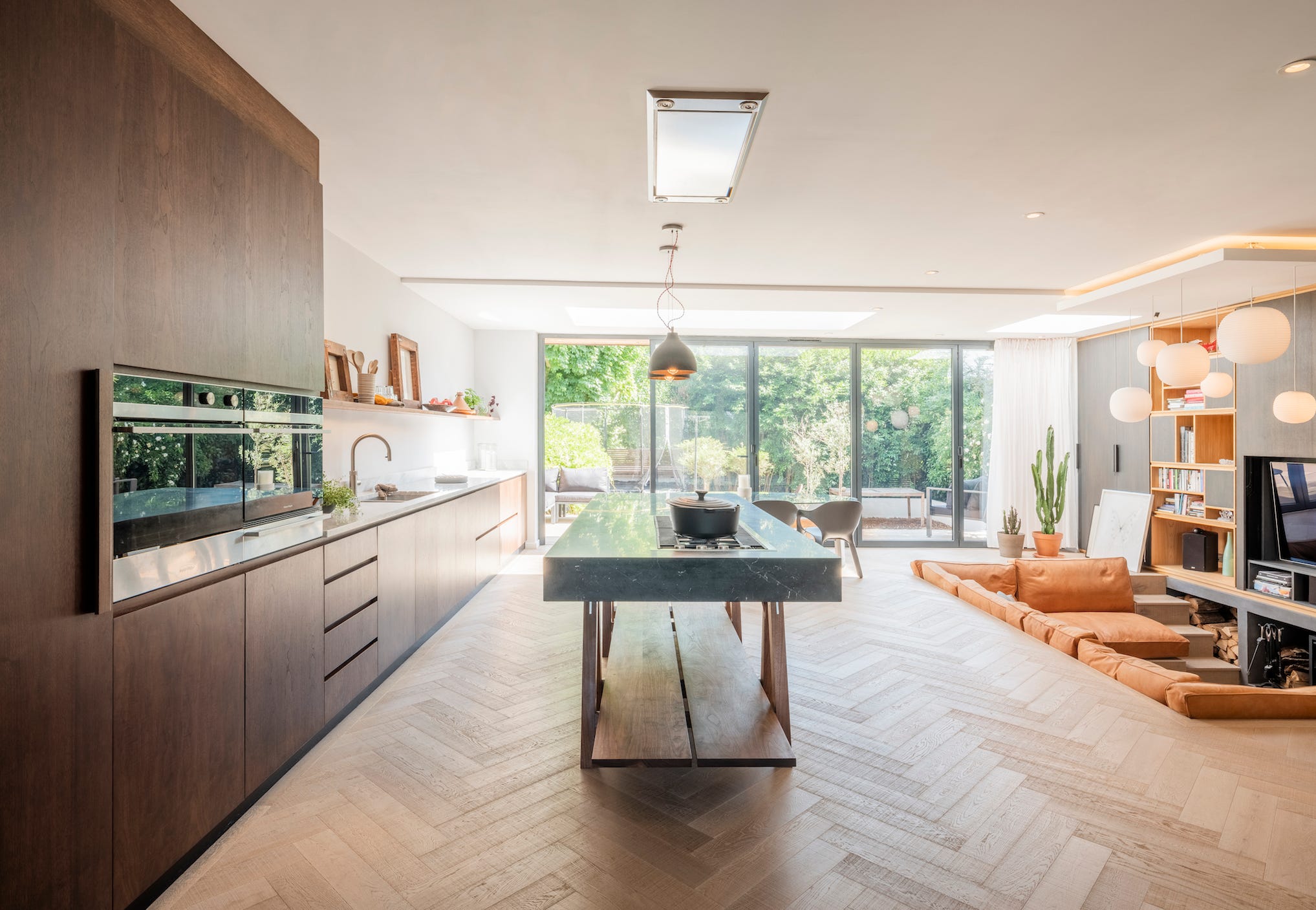
Broken-plan living: the evolution of open-plan layouts and zoning kitchen spaces