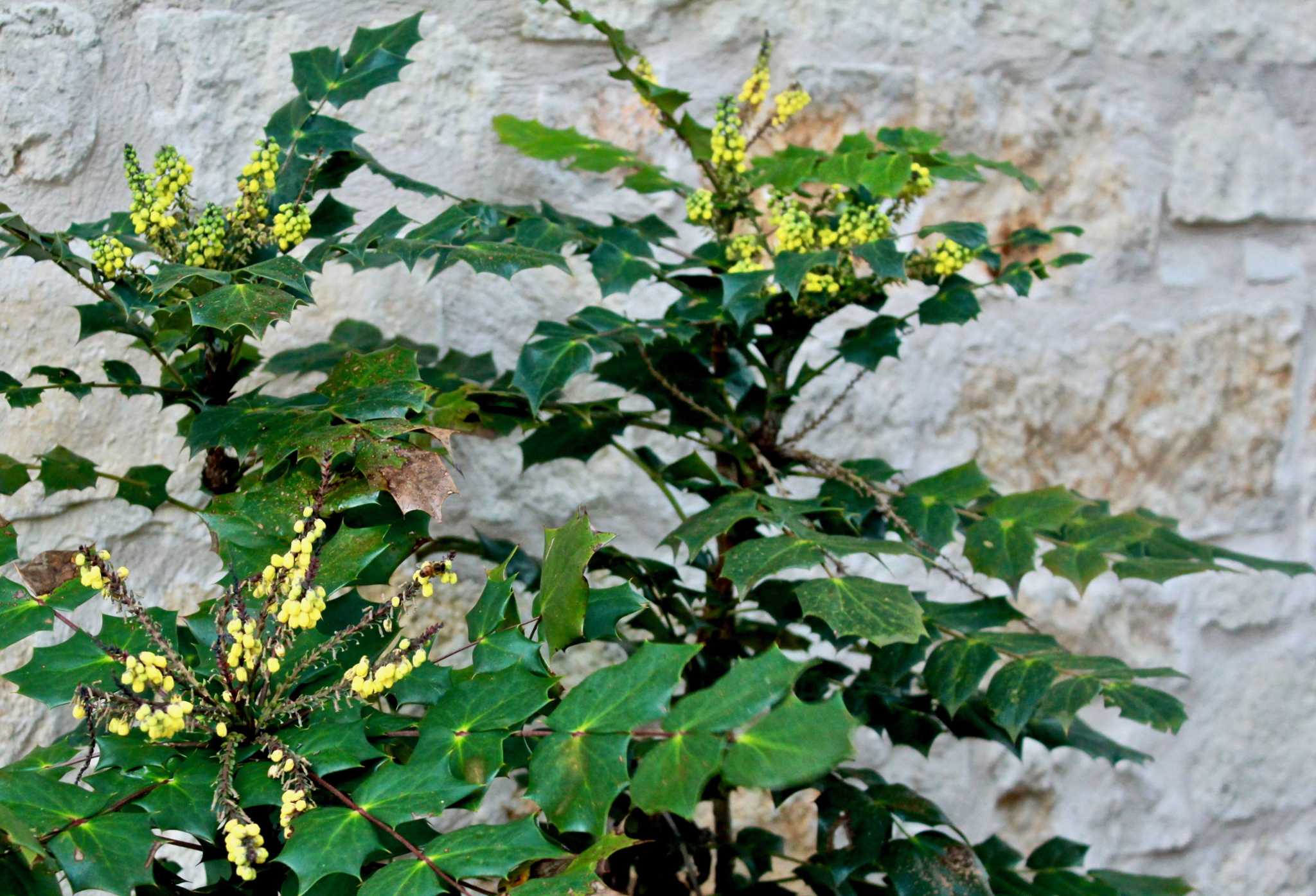
Plan and plant now for a colorful, interesting garden even in winter
Gardening in Central Texas often focuses on the vibrant blooms and robust growth from early spring through late fall. However, the winter months frequently leave gardens looking bare and stark. With careful planning and preparation, it is possible to maintain a dynamic and engaging landscape year-round, including during the colder season. Key to achieving a four-season garden is a balanced integration of both evergreen and perennial plants.
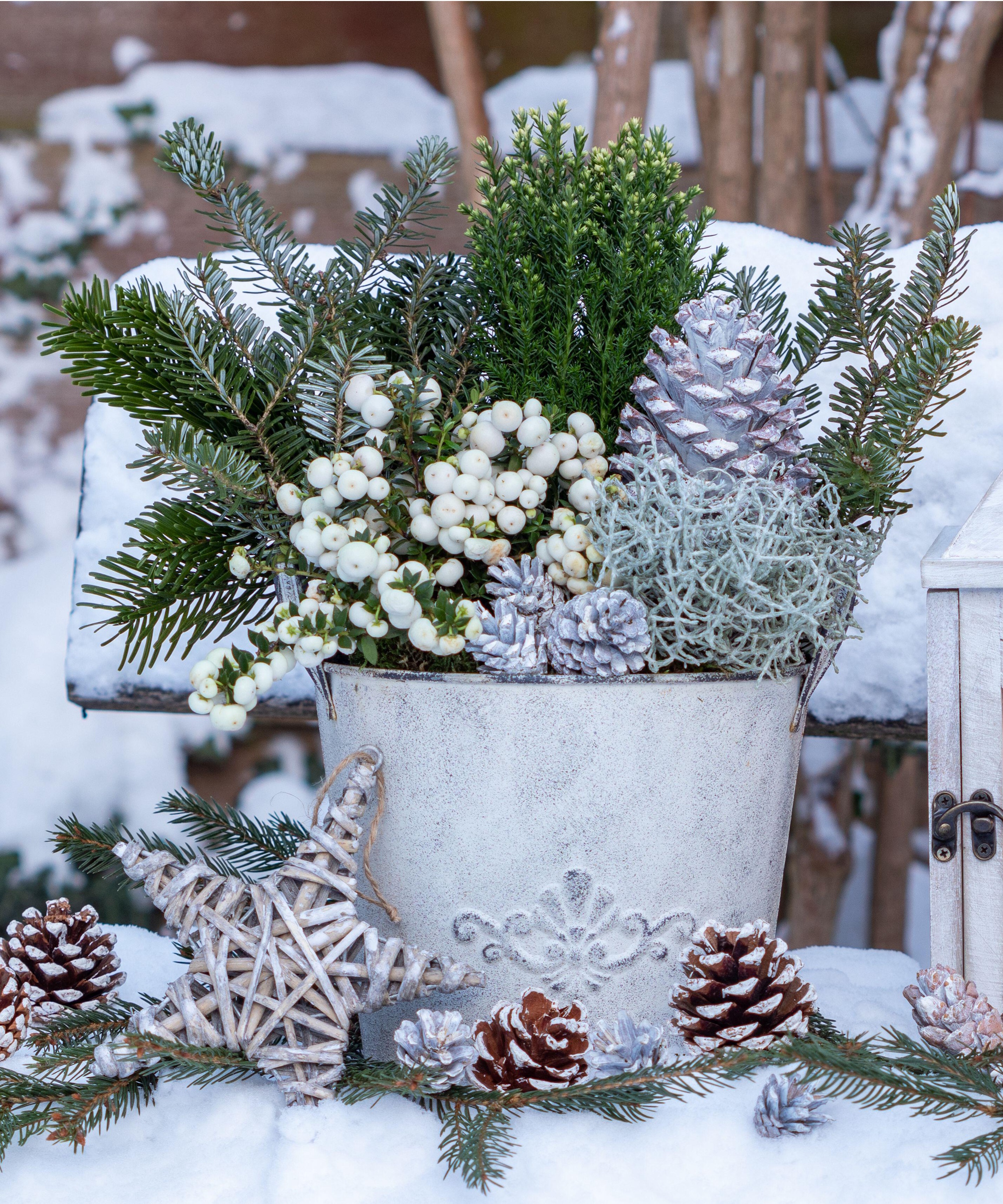
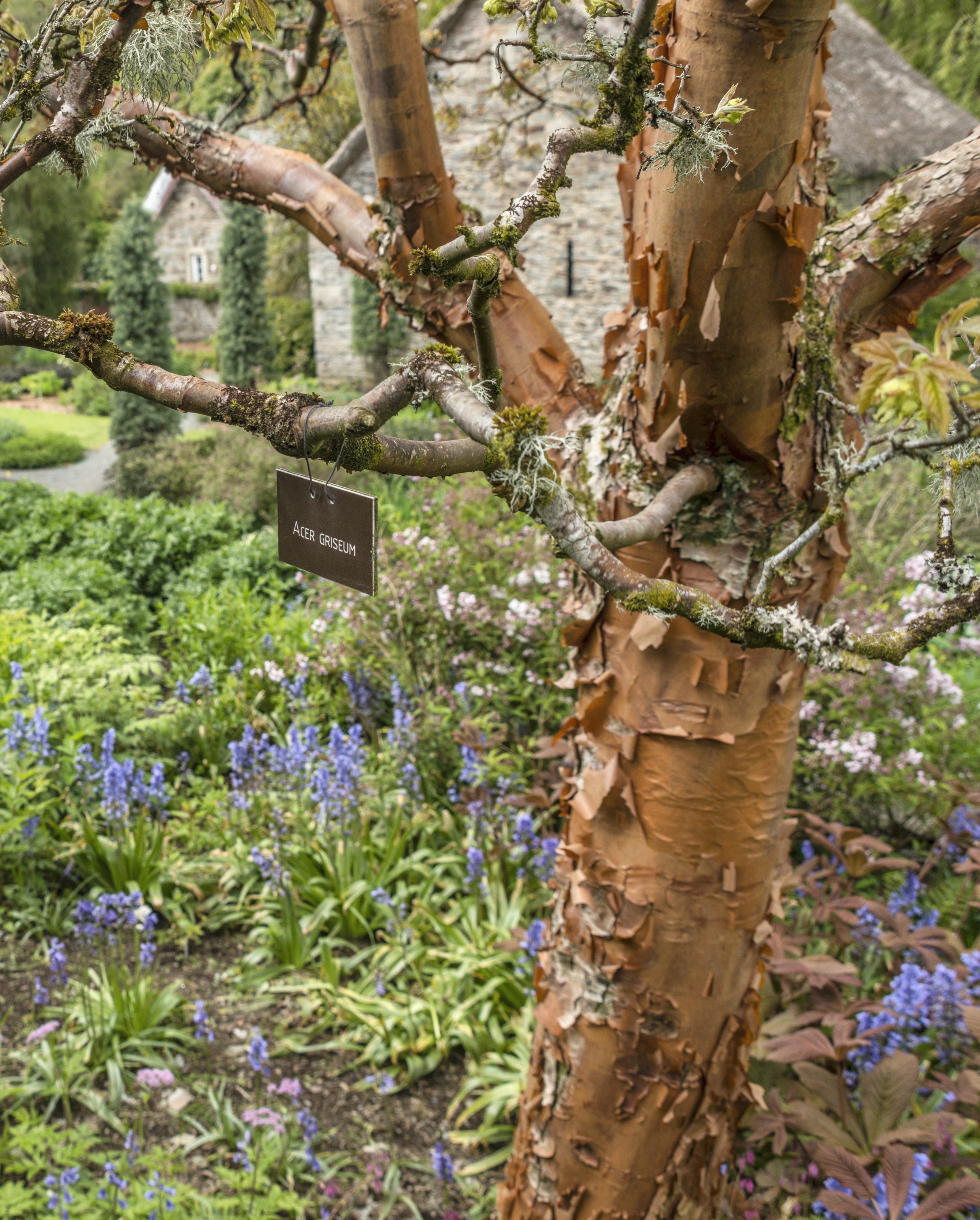
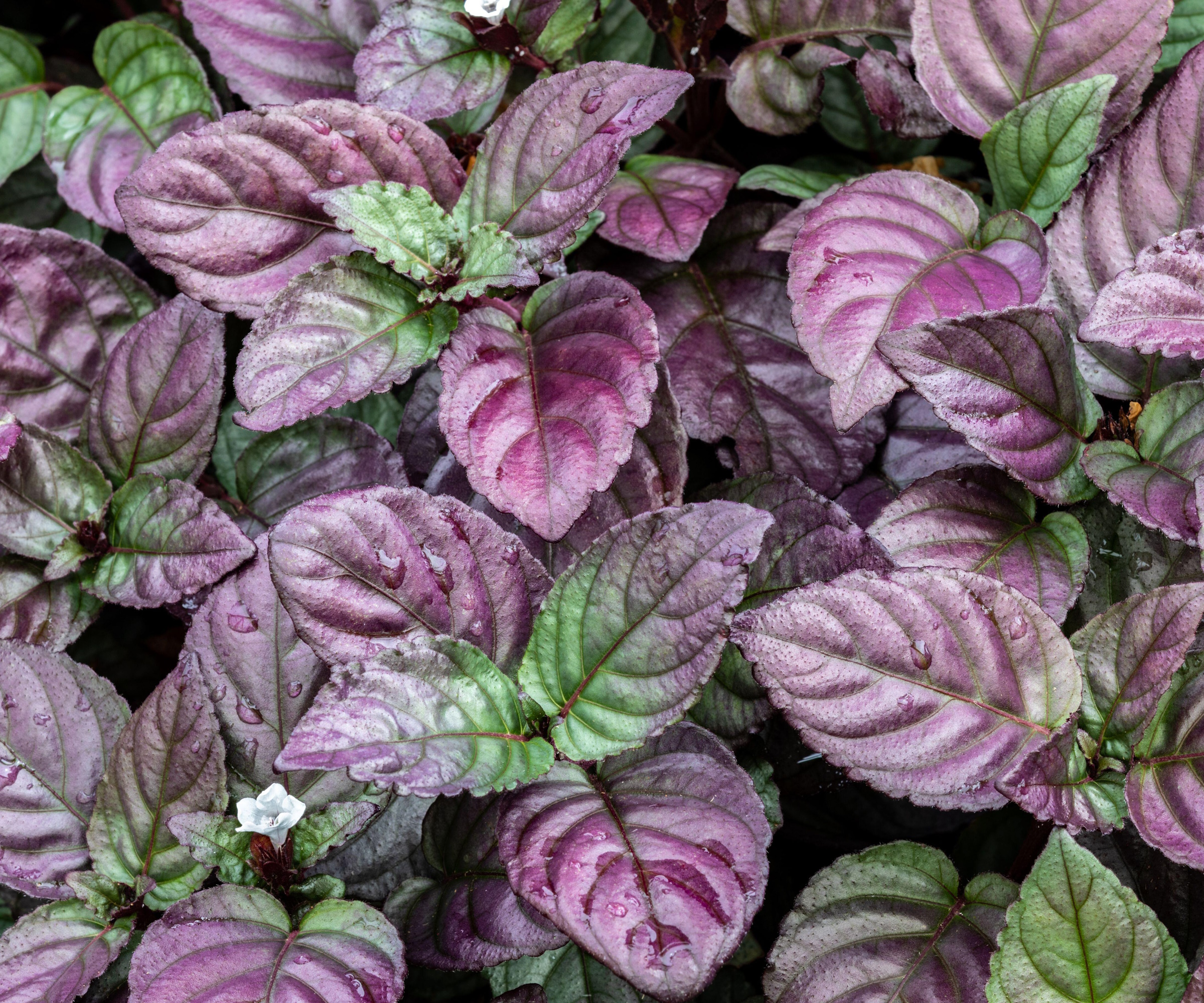
Evergreens are crucial for winter interest, and their selection should extend beyond traditional green foliage. Incorporating plants with burgundy, gray, or variegated leaves, such as fuzzy grey Jerusalem sage, waxy hunter green holly, or Twist of Lime abelia shrubs, provides continuous contrast and varied textures. Sculptural plants also contribute significantly to winter drama. Agaves, yuccas, and various grasses offer bold focal points. Examples like sculptural Agave Parryi, bright edge yucca, and big muhly grass can command attention. Trees such as Crape Myrtles and native persimmons showcase interesting trunks and bark patterns, while Japanese maples offer vibrant colors and distinctive branching year-round. Japanese flowering quince, with its gnarly, thorny branches, stands out in winter, blooming before developing delicate leaves in spring.
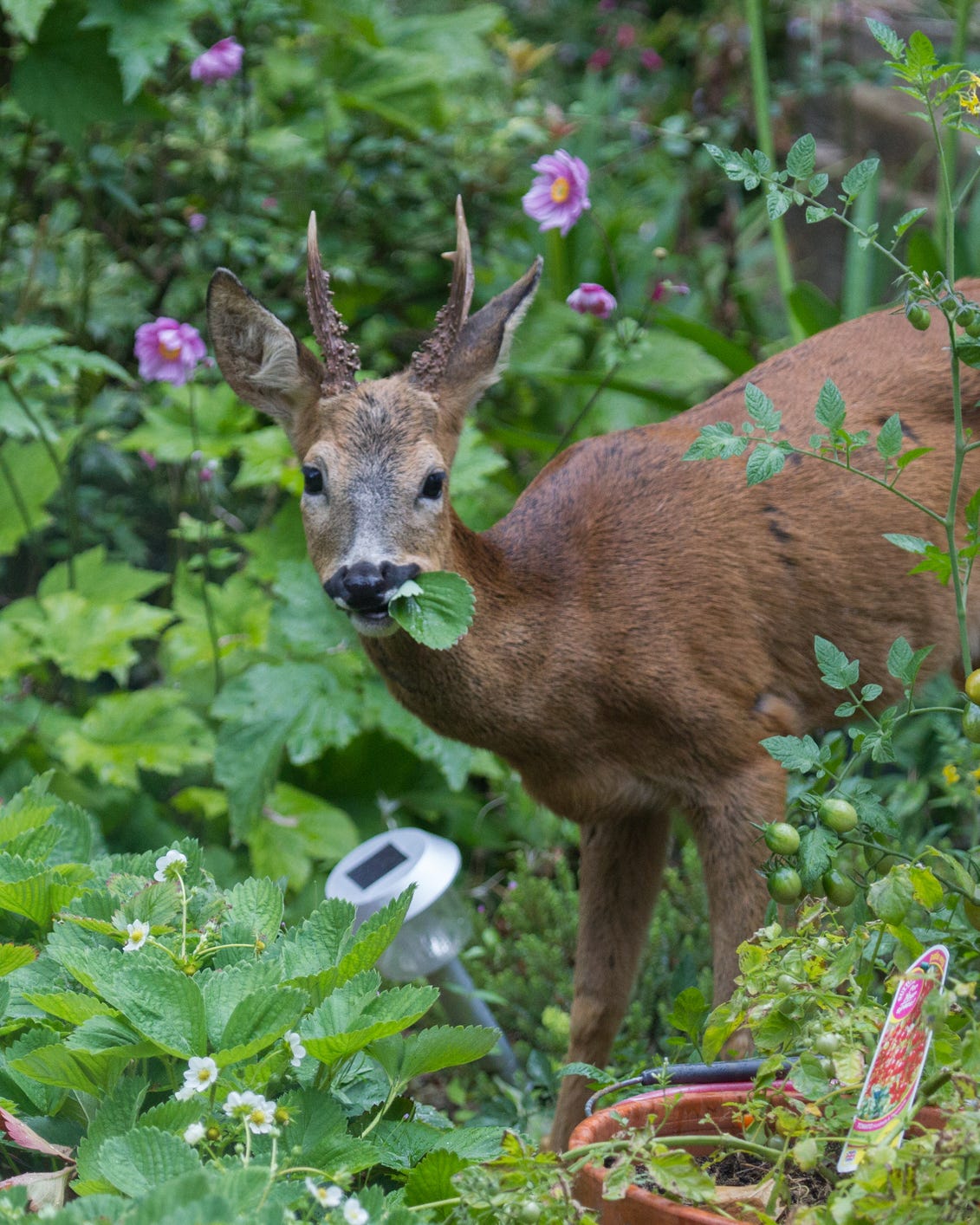
Pruning most dormant plants should be delayed until spring. Allowing branches, leaves, and seed heads to remain offers attractive contrasts in winter, transforming from verdant green to hues of wheat and gray. Uncut grasses, including feathergrass, gulf muhly, and miscanthus, provide texture, movement, and a soothing rustle. The diverse shapes of seedpods add further visual interest and dynamism. Retaining dormant plants is also vital for supporting wildlife, offering shelter and food sources like nuts, berries, foliage, fruits, sap, and seeds for birds, bunnies, and other animals. Bees, butterflies, frogs, and toads often overwinter under dormant ground cover and leaves.
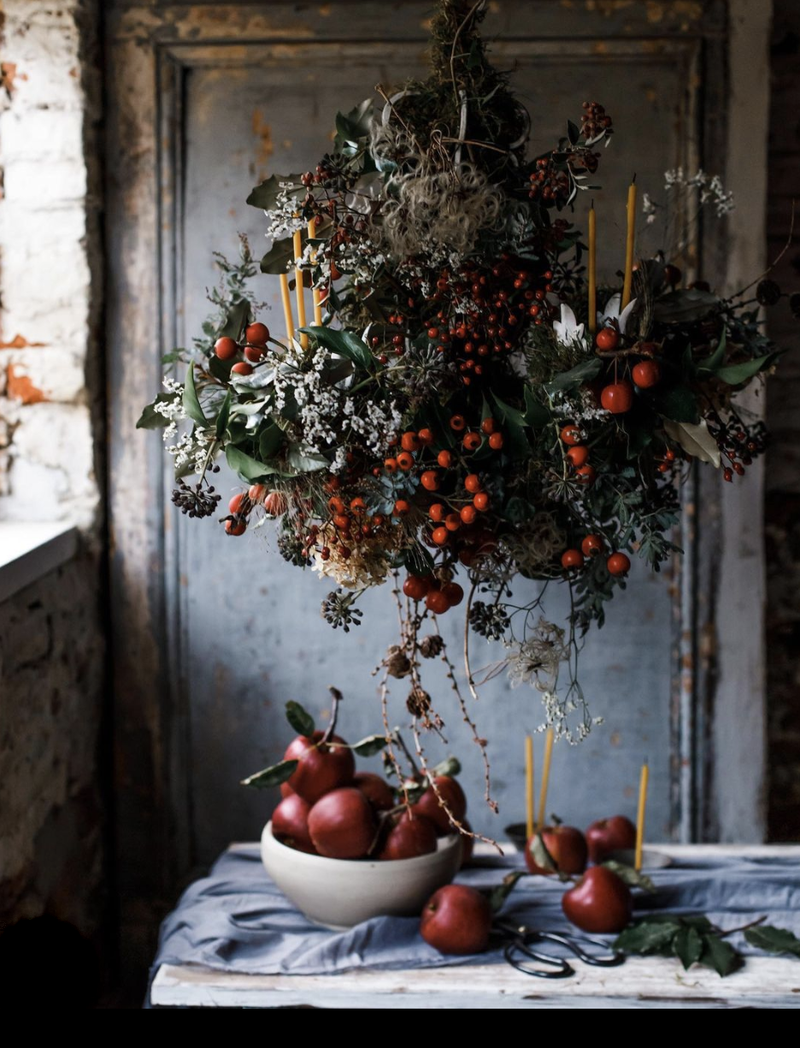
Plants like yaupon, Possumhaw holly, and American beautyberry offer striking red and fuchsia berries, respectively, during winter. Other beneficial plantings include coral berry, juniper, sumac, wax myrtle, viburnum, native Texas persimmon, and fruit trees, all of which provide both aesthetic appeal and wildlife sustenance. Frostweed, a hardy plant that thrives in partial or full shade, provides an interesting spectacle after the first freeze when its stems burst to create magical ice sculptures. Even during winter, consistent watering is essential as roots continue to grow, building strength for the upcoming spring season.
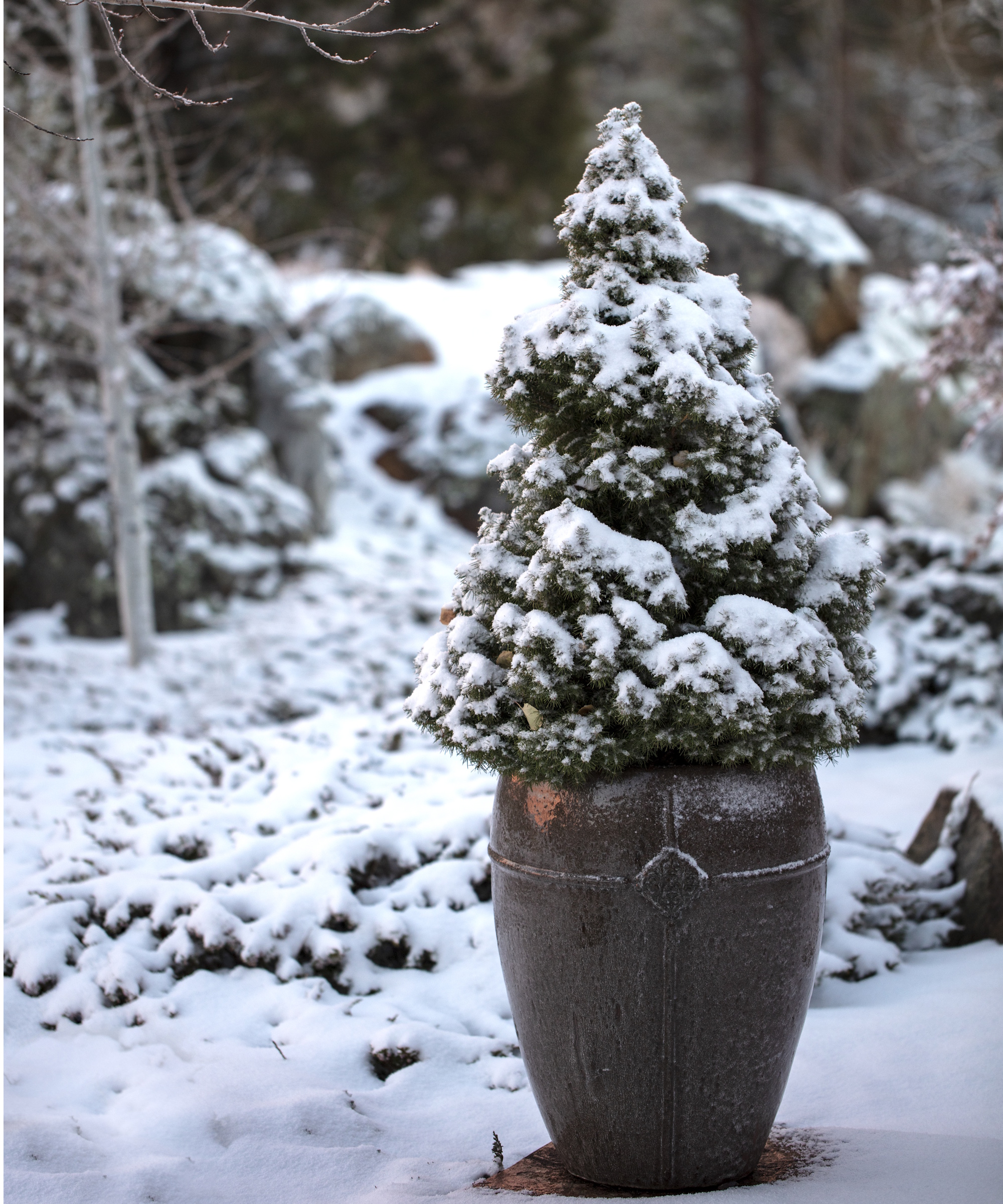
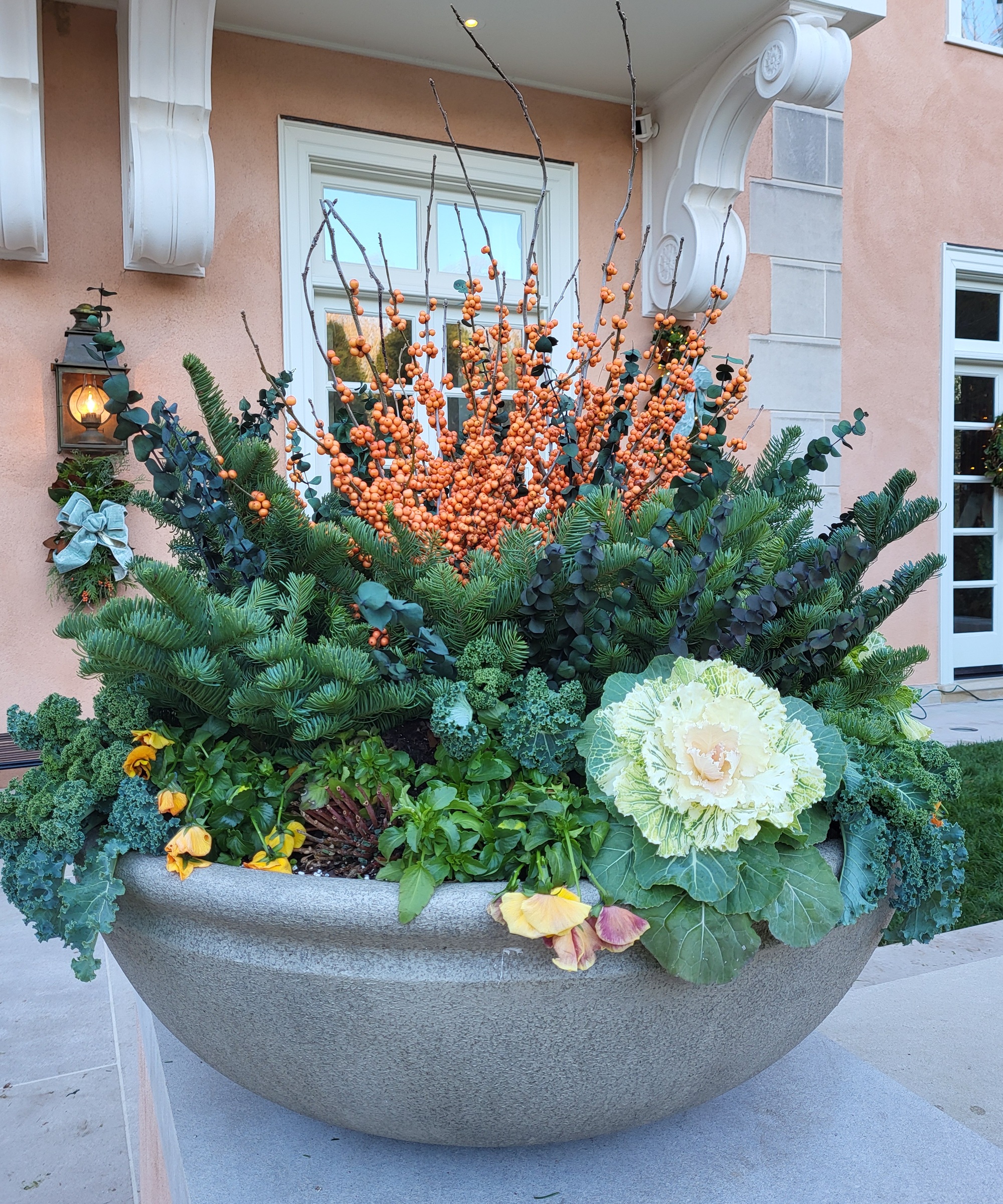
Beyond plant selection, garden art and pottery can introduce color and form into the winter landscape. Bold ceramic pots, either as single focal points or grouped, can add texture and visual interest even without plants. Water features contribute auditory appeal and serve as crucial water sources for wildlife. Sculptures, driftwood, and strategically placed seating arrangements can further enhance the garden's appeal when perennial growth is minimal. Fall is an opportune time to assess the garden and implement these changes to ensure a delightful and engaging winter landscape, even as warm-weather plants recede and the subtle grays of winter dominate.
#WinterGarden #LandscapeDesign #CentralTexasGardening #EvergreenPlants #WildlifeHabitat #SeasonalInterest #GardenPlanning #PlantSelection #WinterWatering #WinterGarden #LandscapeDesign #CentralTexasGardening #EvergreenPlants #WildlifeHabitat #SeasonalInterest #GardenPlanning #PlantSelection #WinterWatering
0 comment in total
 No comments yet
You may also like
Winter garden ideas – 20 ways to a beautiful winter backyard

Garden Designers Share Simple Yet Stylish Ways to Spruce Winter Containers

Brighten Your Home This Winter With These 30 Stunning Floral Arrangements

These winter flowers can take the cold in Central Florida | Sally Scalera
25 Colorful Winter Flowers That Actually Thrive in the Cold

Start Planning Your Ideal Garden with These Garden Plans and Ideas
Add color with foliage, not just flowers

Garden color schemes – these are the palettes landscapers lean on to make planting feel cohesive and considered

These Flowers Will Thrive in the Coldest Months of the Year

20 Flowers You Can Plant During The Winter

13 cosy garden ideas to transform your garden into an extra family room this winter
21 Winter Flower Arrangements That Might Rival Your Tree This Year
Tips for selecting an indoor plant
Nov 2017: Gone Gardenin' -- Ice plants can be enjoyed both indoors and outdoors
Best holiday houseplants – 7 plants ideal for festive decor that aren't all Christmas cacti

5 Houseplants That Just Don't Like Winter — And How to Keep Them as Happy as Possible During the Colder Months

12 early-blooming plants and flowers that will chase the winter blues away


I Spoke to Pro Designers for Secrets to Styling a Porch in Freezing Winters
15 Colorful Plants to Brighten Up Your Landscape


How to Transition From Fall Cleanup to Winter Care Tips for a Smooth Seasonal Shift