10 Retaining Wall Ideas That Add Style and Support to a Sloped Backyard
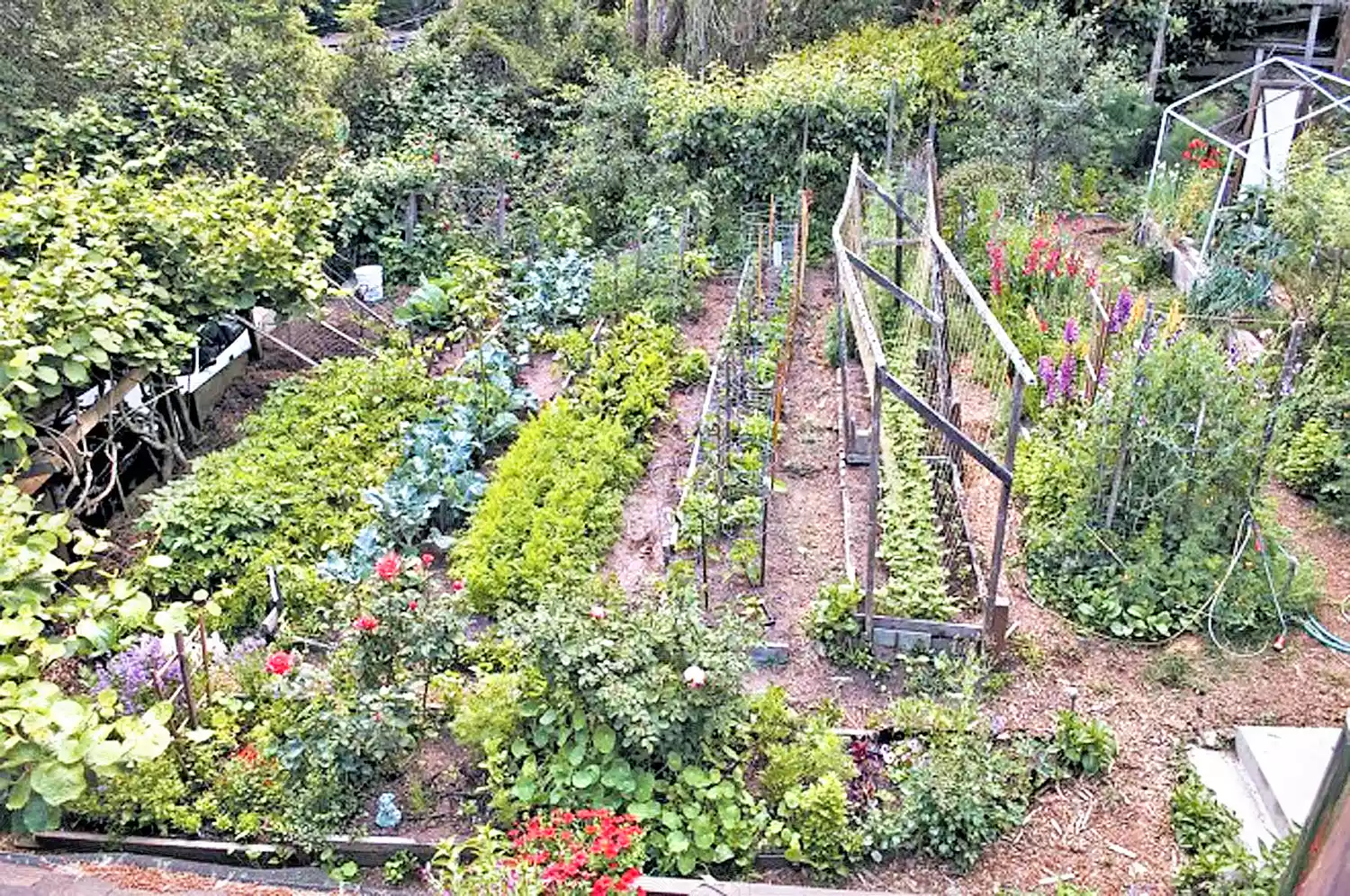
Retaining walls serve as crucial hardscaping elements, particularly in sloped backyards, where they stabilize the landscape, prevent erosion, and make challenging terrain more functional and safe. Beyond their practical benefits, these walls offer significant aesthetic potential, with a diverse range of styles to enhance the visual appeal of any outdoor space. Expert insights from landscape designer Nahal Sohbati, architect James Crisp, and landscape architect Marci Bonner highlight various approaches to incorporating retaining walls.
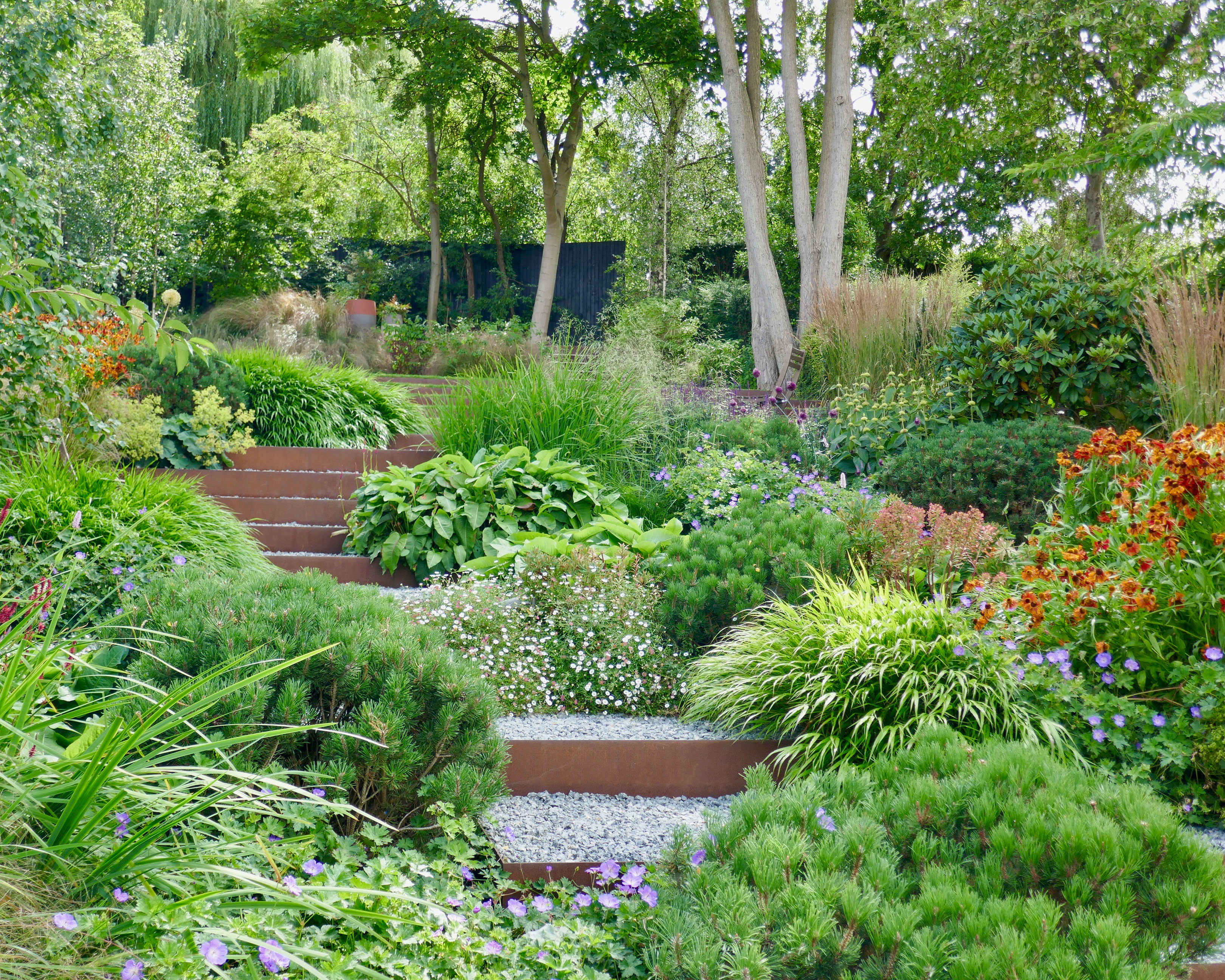
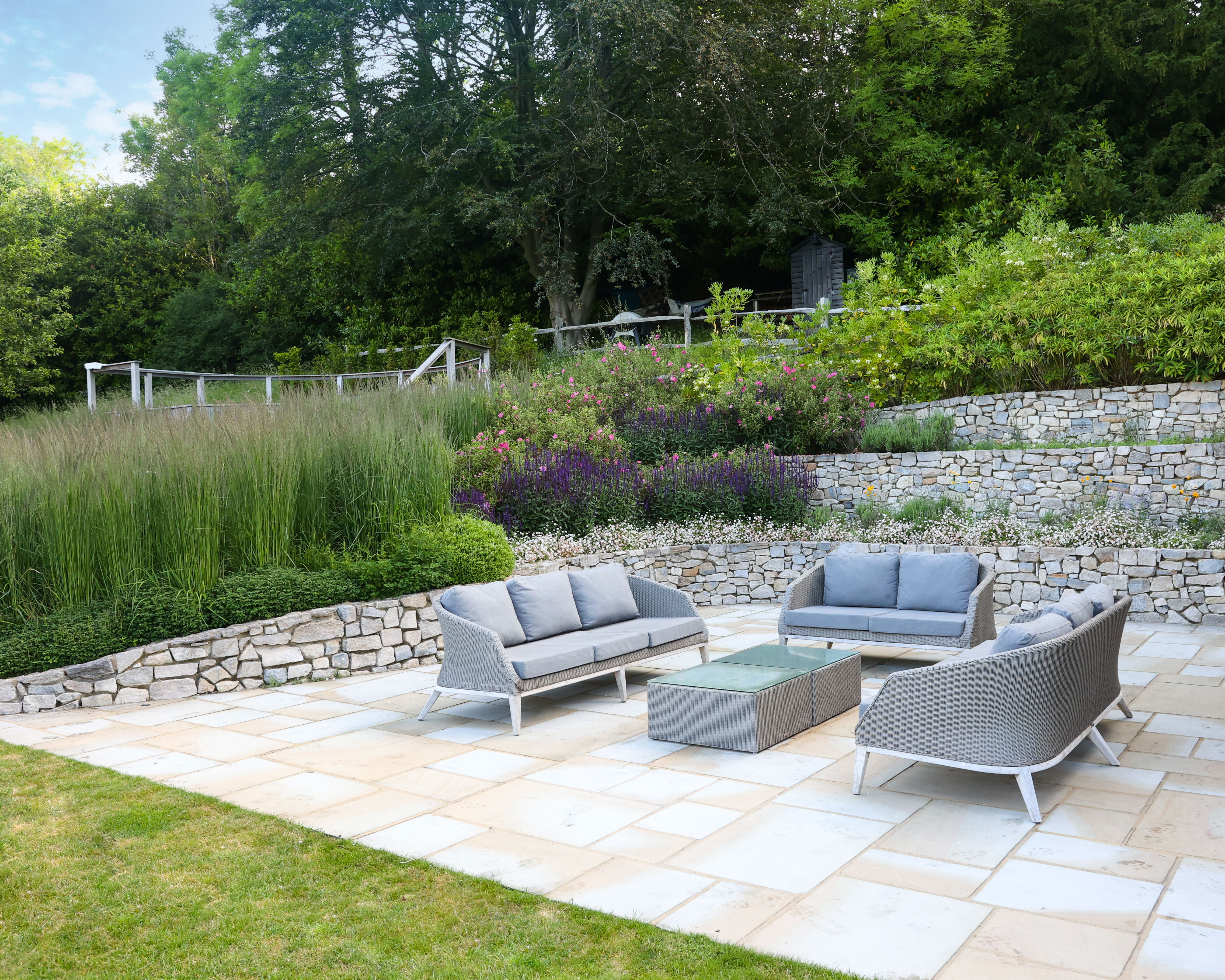
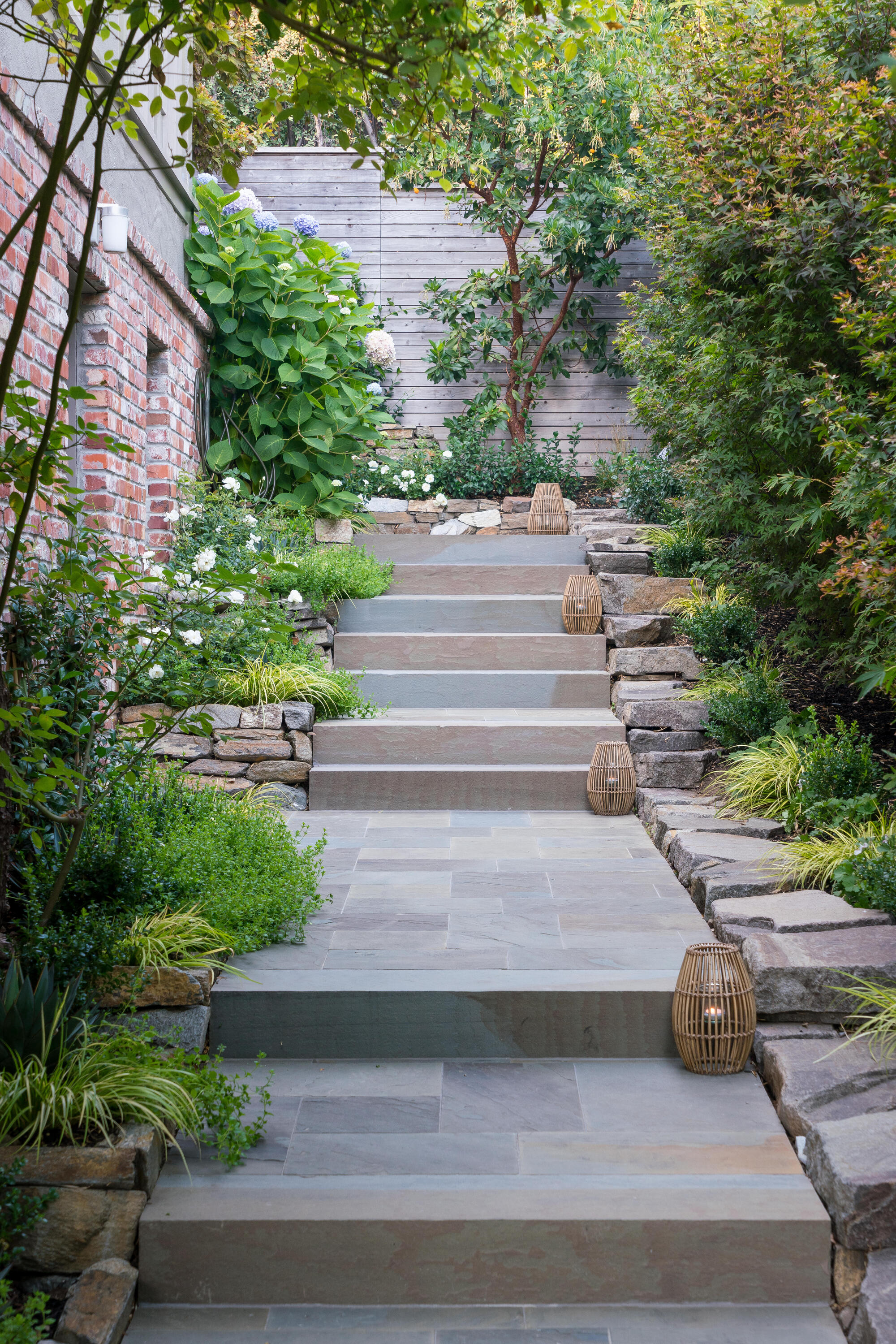
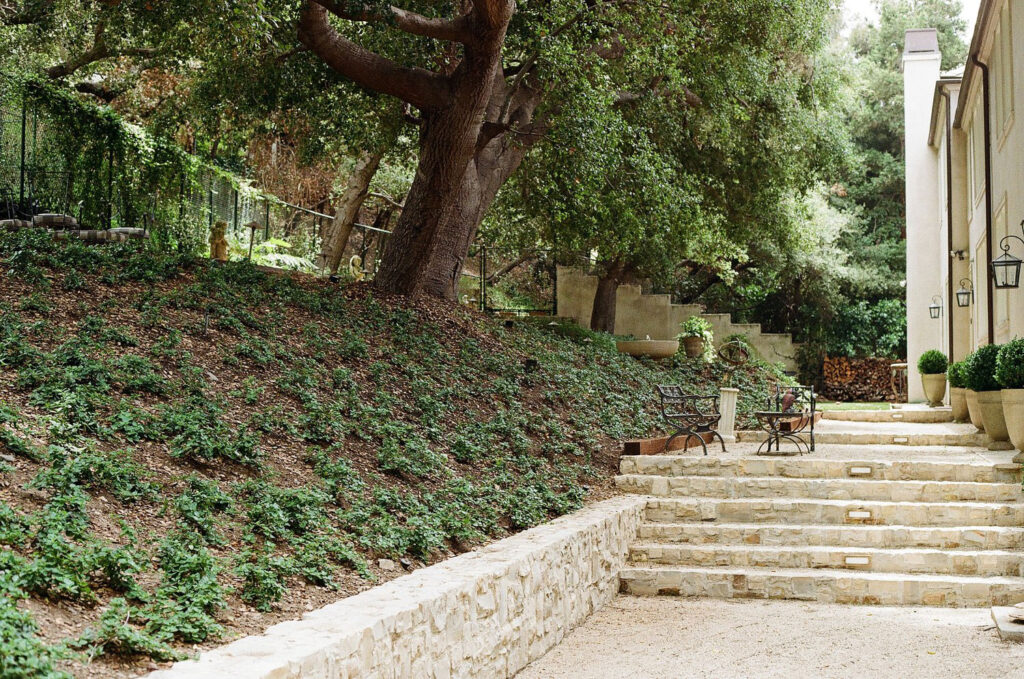
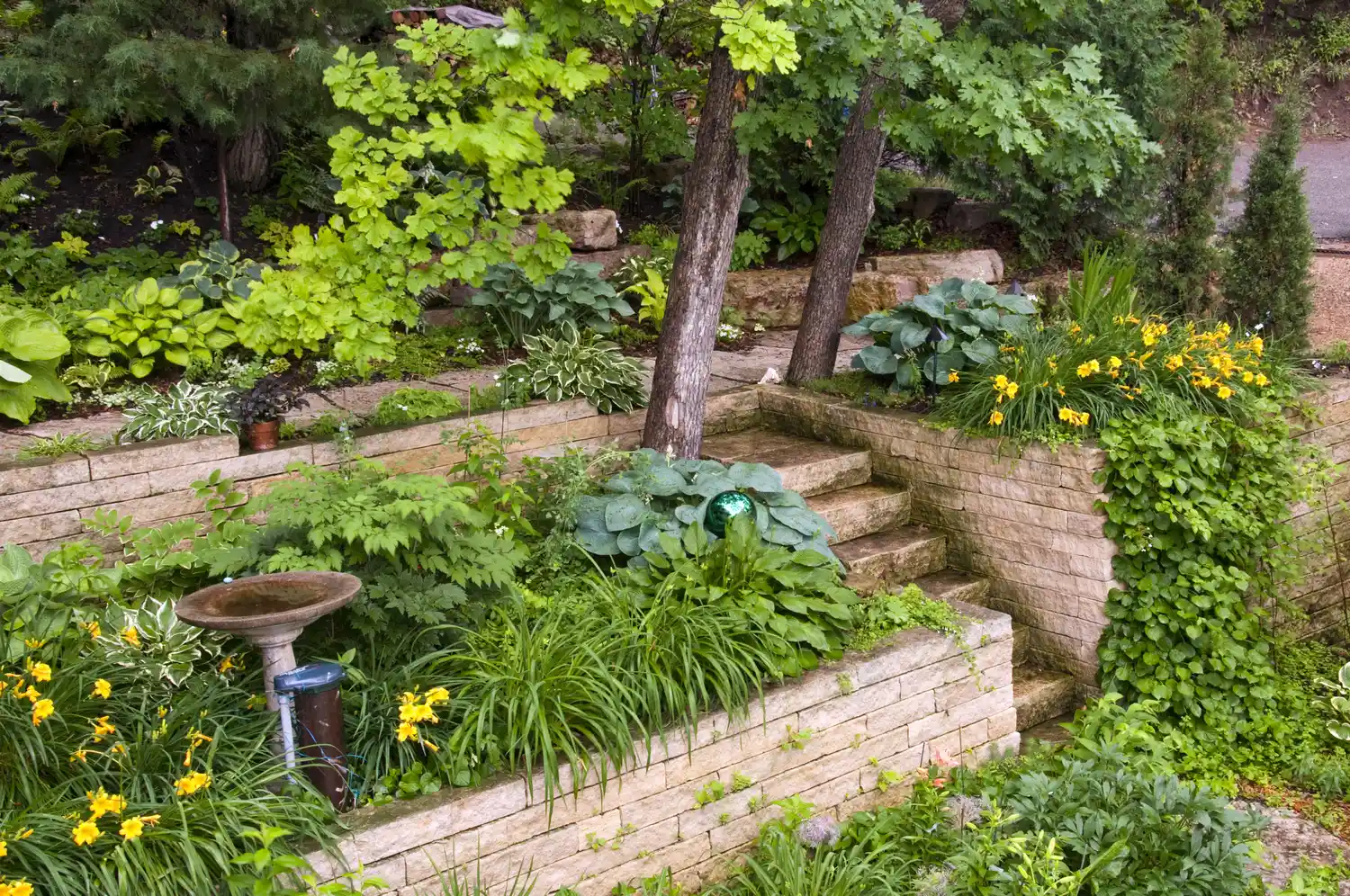
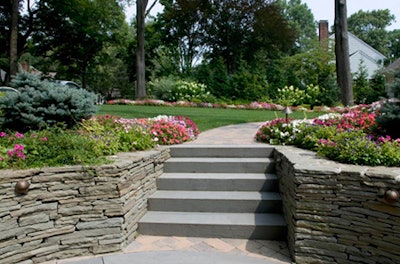
Stacked stone is presented as a classic and enduring option, providing structural integrity while maintaining a natural, integrated feel. For larger barriers, terraced walls are recommended, breaking down the structure into smaller sections that align with the natural slope. This method minimizes the need for extensive excavation and fill, promotes natural drainage, and reduces construction and maintenance costs. Concrete can be used to reinforce retaining walls, allowing for taller structures that can accommodate varying soil types while still being faced with materials like natural stone or brick for a traditional appearance.
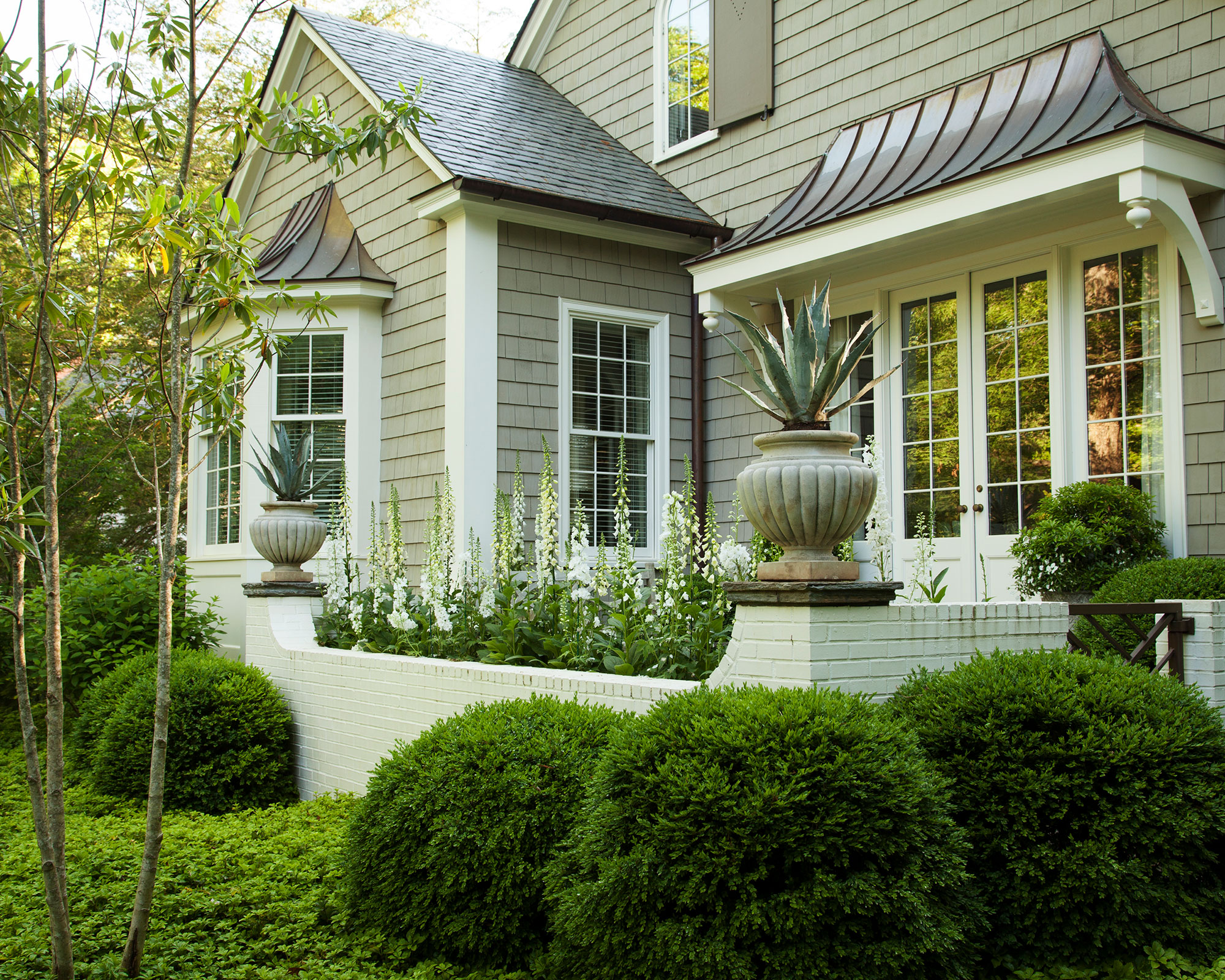
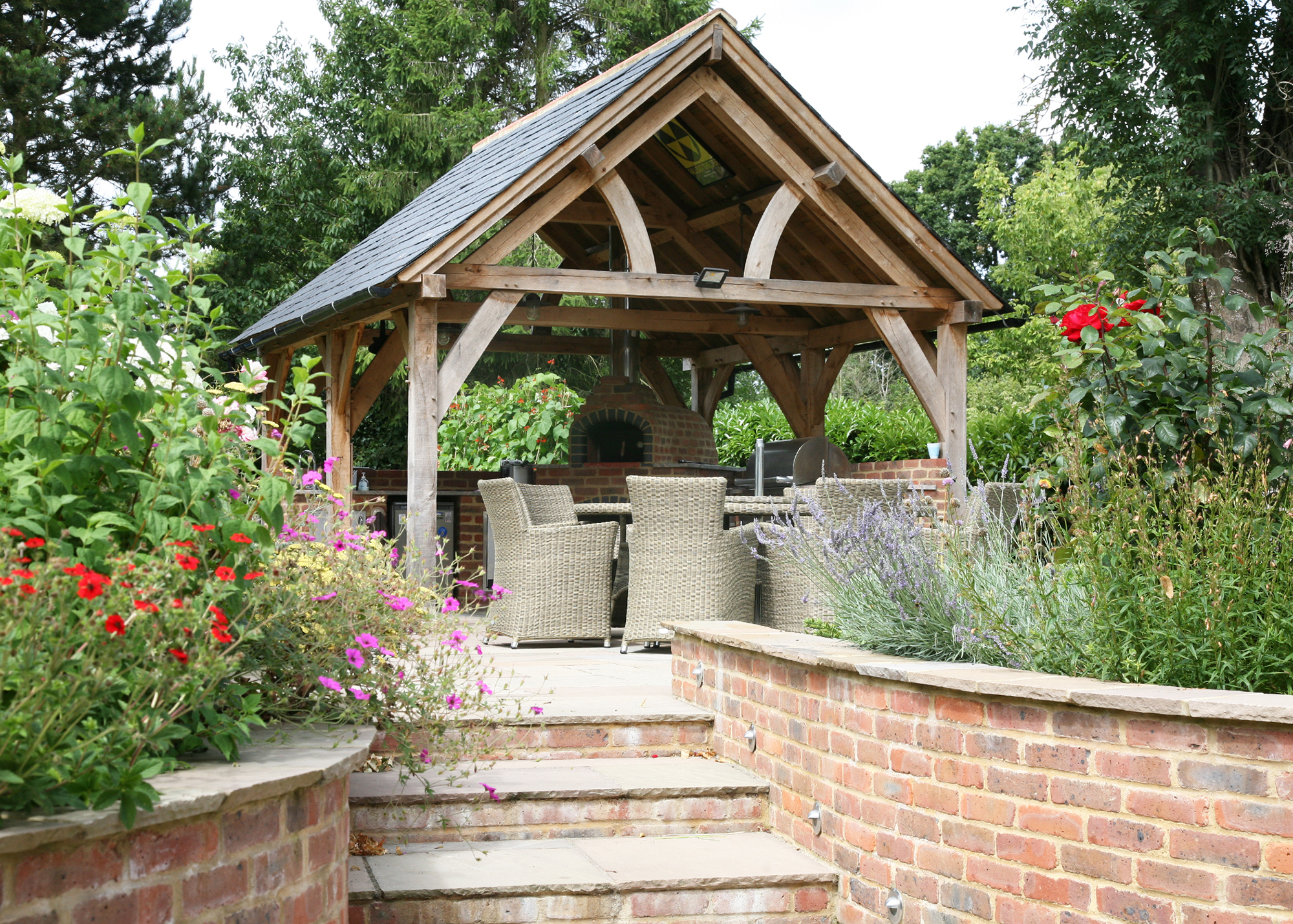
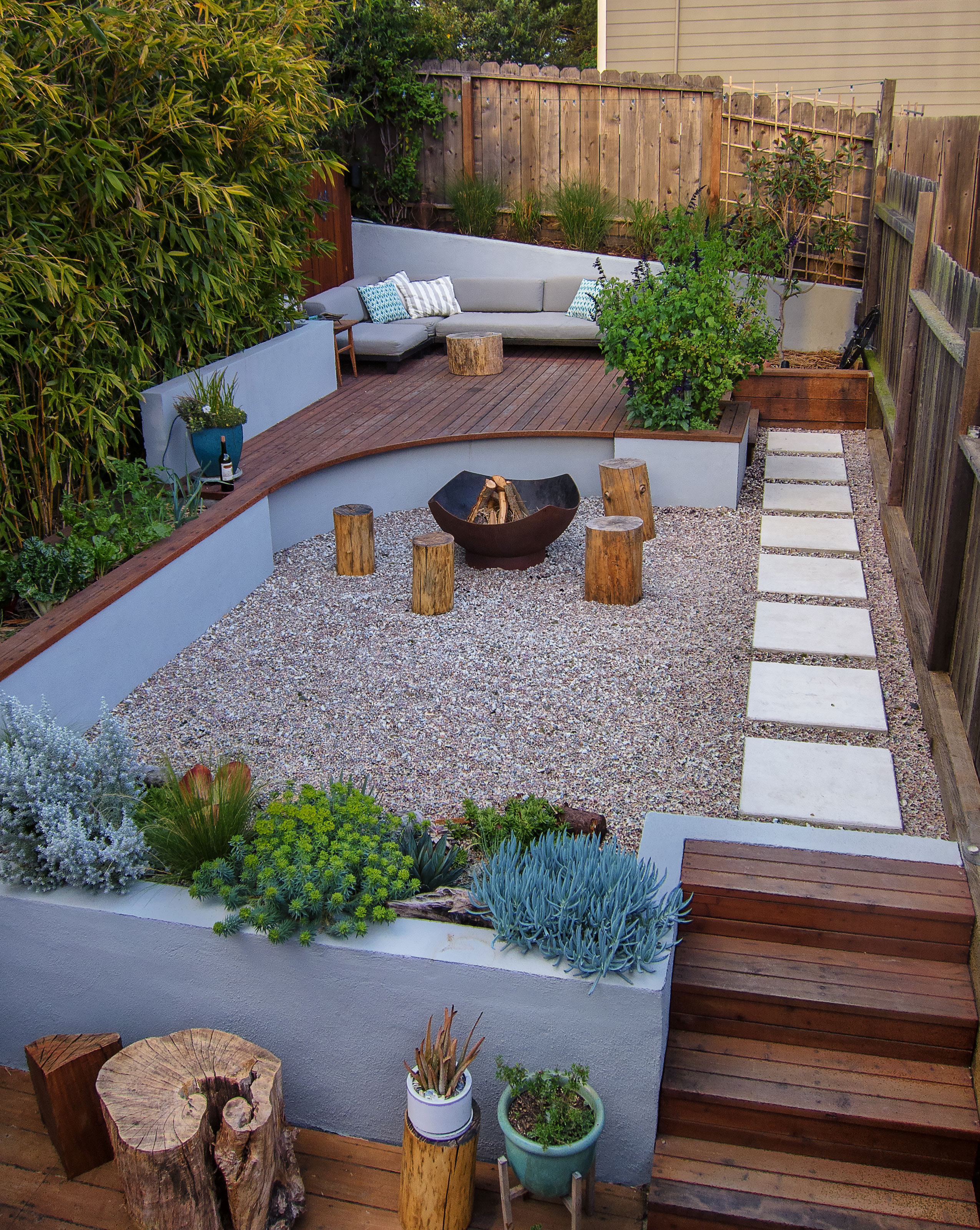
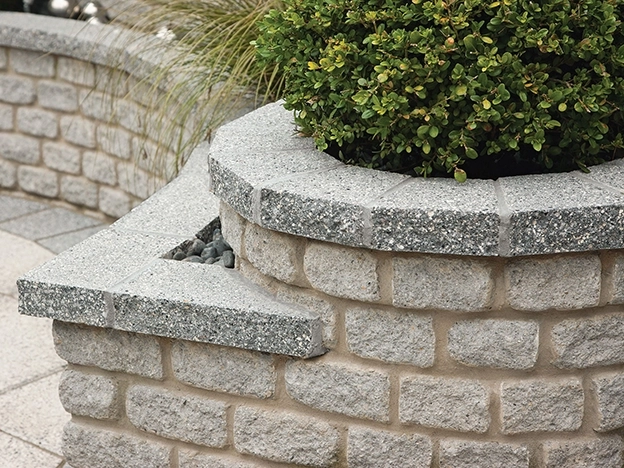
Adding a stone cap to a retaining wall offers a refined, clean-cut finish. If the wall is approximately 18 to 20 inches high, a smooth cap can also transform it into a functional seat wall, suitable for informal seating in appropriate locations. Integrating deep-rooted plants and ground covers is another effective strategy for erosion prevention, as these species naturally stabilize soil and blend with the environment, complementing the structural role of the walls.
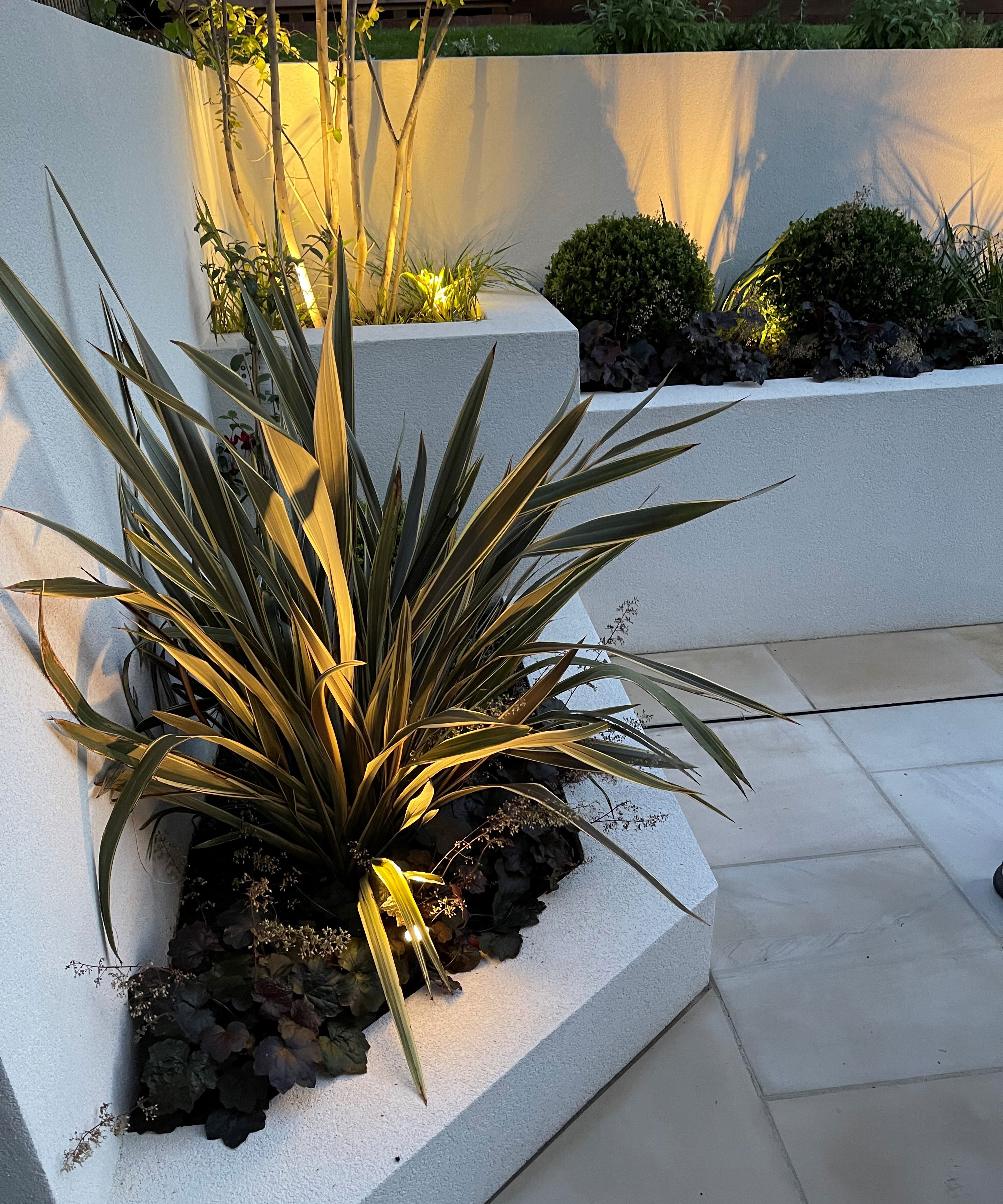
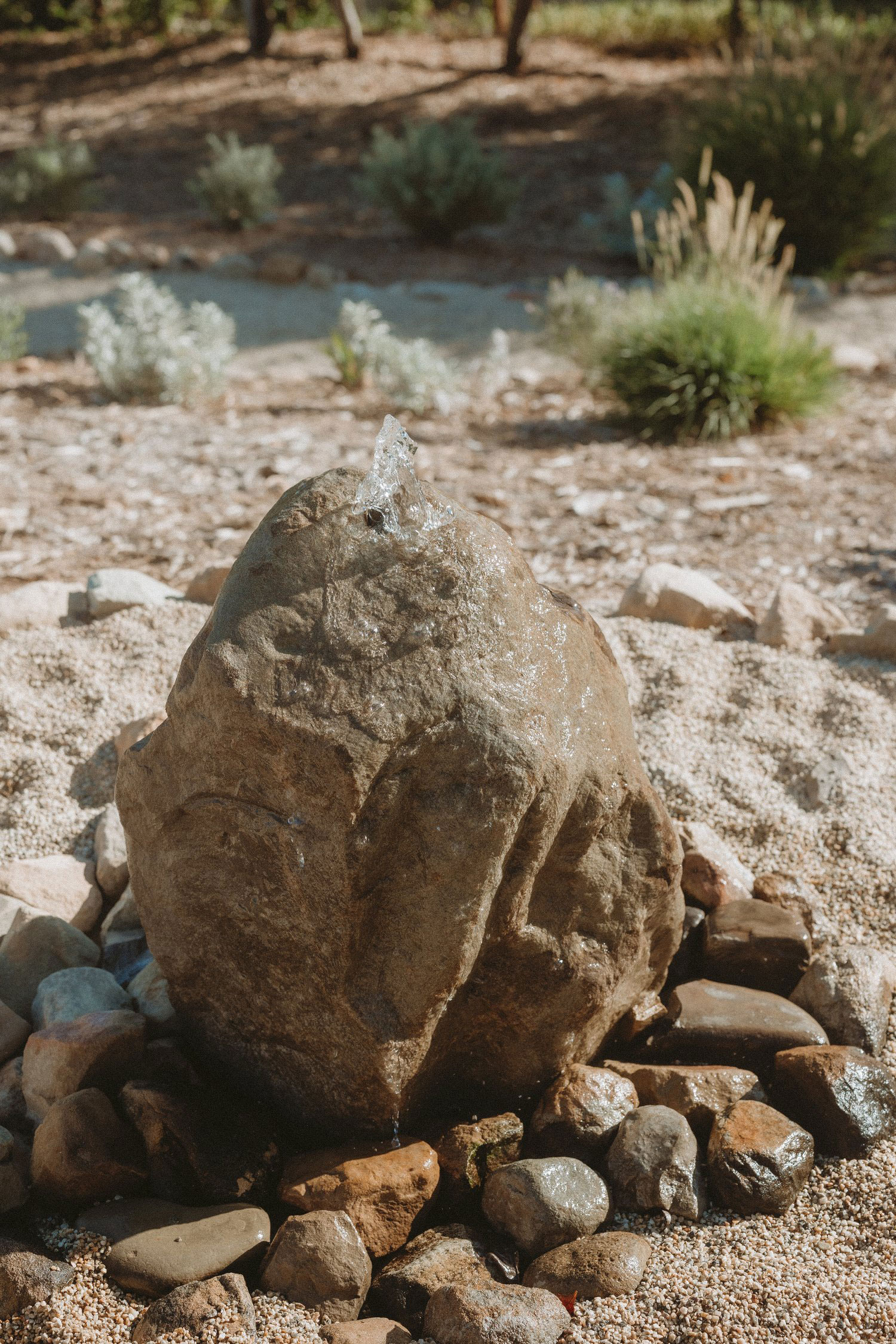
For those undergoing renovations, repurposing on-site boulders and rocks to construct retaining walls is an economical and environmentally conscious choice. This method helps preserve the natural character of the landscape, reduces costs, and minimizes the carbon footprint of the project. Pairing retaining walls with planting beds allows for further customization, with options ranging from formal hedges like boxwoods or hydrangeas to more casual and colorful mixed perennial borders, reflecting the home's style or the owner's preferences.
Dry-stacked fieldstone, known for its informal look and ability to form curves and meandering shapes, offers an interesting design alternative. Concrete can also be given texture through techniques like board-forming or scoring, or by repurposing old concrete slabs and construction waste to create unique, low-impact walls with a sense of history. Finally, timber provides a budget-friendly and space-saving alternative, although it is best concealed within plant beds due to its less attractive appearance and limited design flexibility to straight runs. Each of these approaches contributes to creating a stable, functional, and aesthetically pleasing sloped backyard.
#RetainingWalls #SlopedBackyard #LandscapeDesign #Hardscaping #ErosionControl #GardenWalls #OutdoorLiving #HomeImprovement #DIYProjects #RetainingWalls #SlopedBackyard #LandscapeDesign #Hardscaping #ErosionControl #GardenWalls #OutdoorLiving #HomeImprovement #DIYProjects
0 opmerkingen in totaal
 Nog geen opmerkingen
Dit vindt u mogelijk ook leuk
Sloped backyard ideas – 15 expert design tips for a terraced garden

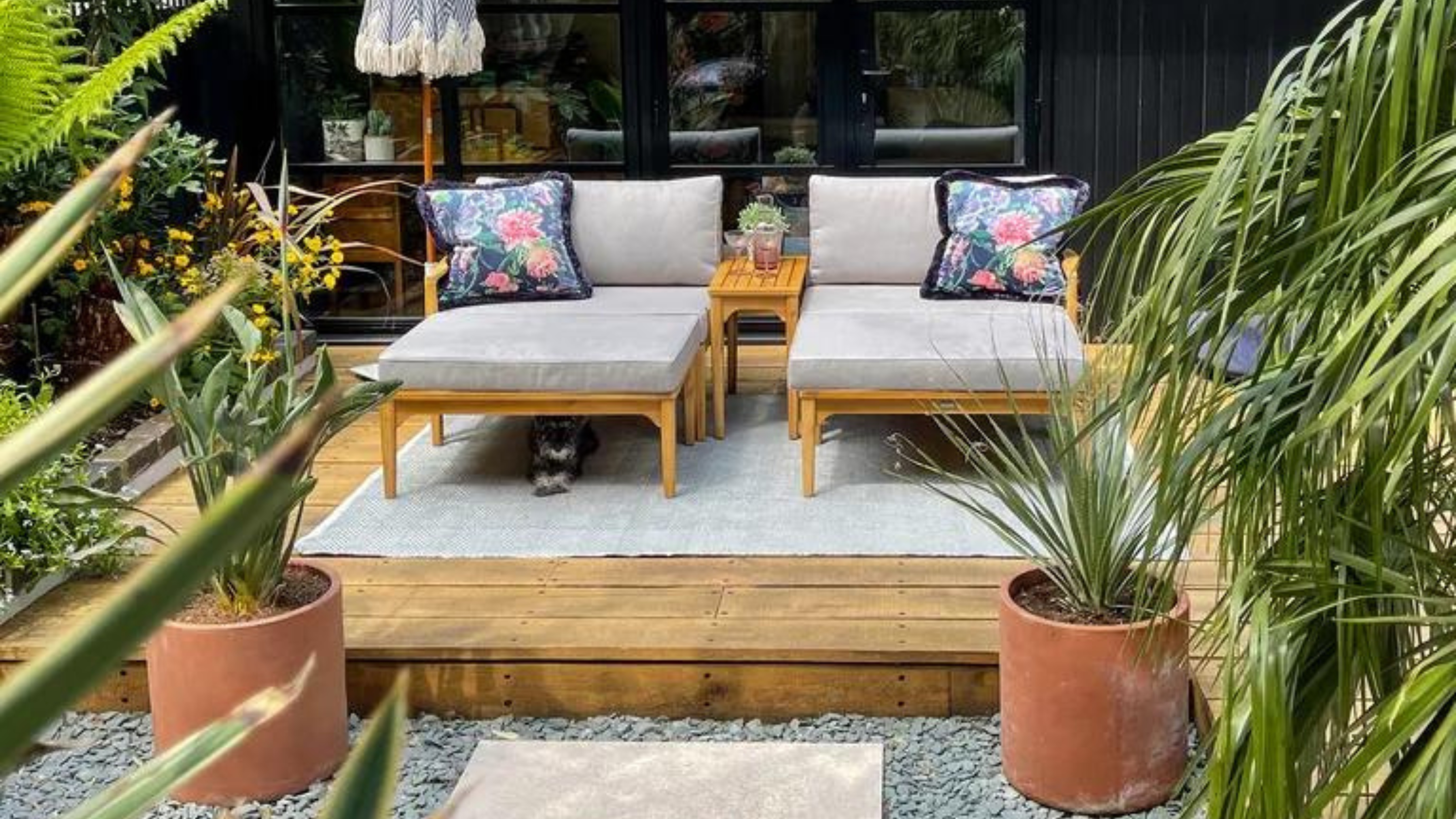
10 easy DIY landscaping ideas to elevate your backyard


How to create a plant wall in your garden

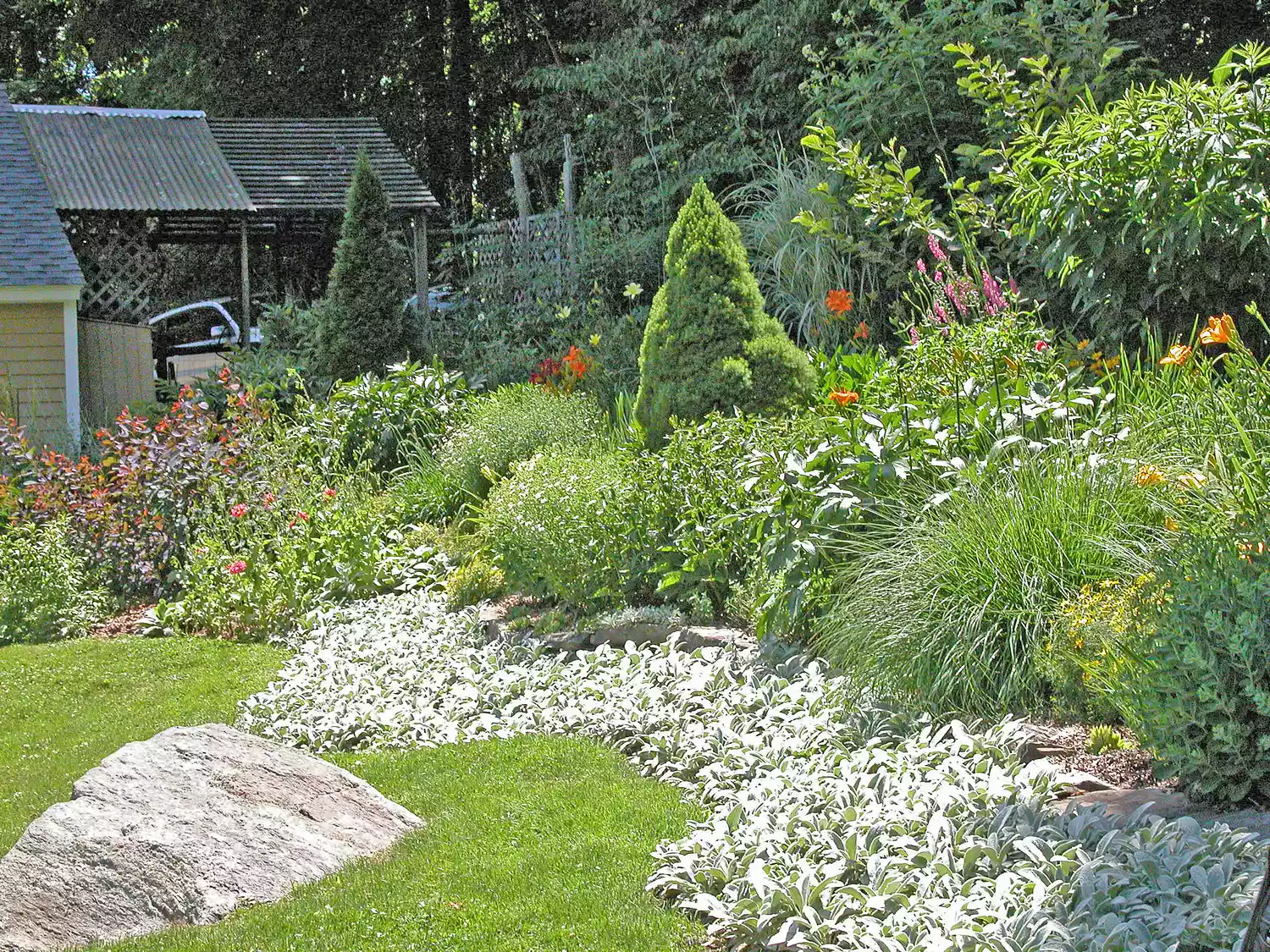
How to Landscape a Sloped Yard

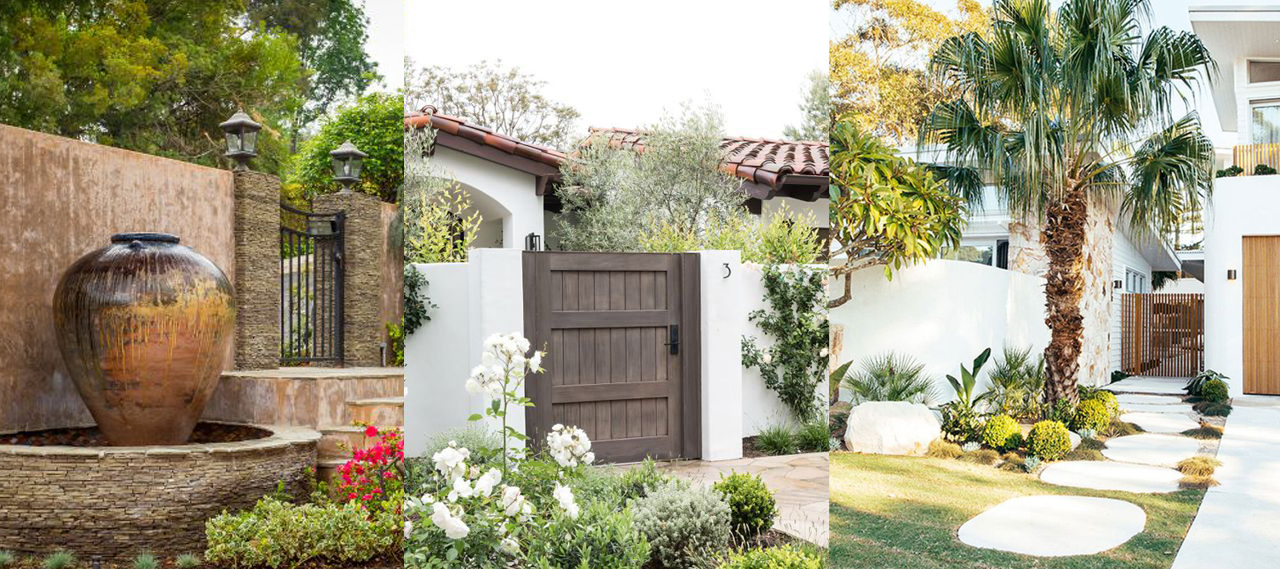
Front garden wall ideas – 10 designs to elevate your space
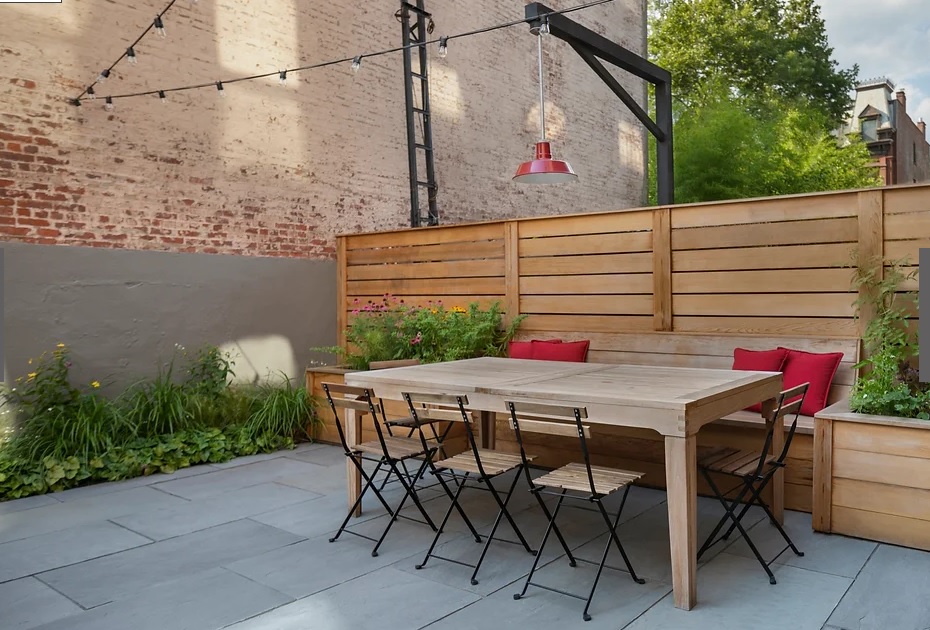
'My neighbor's built an unsightly wall, how can I hide it?' 5 ideas that will turn an eyesore into your backyard's best feature

Retaining walls: Helping overcome a multitude of obstacles

10 Decorative Fence Panels, Toppers and Trellises That Will Make Your Backyard Look a Millions Times More Beautiful
Garden wall ideas – 16 inspiring ways to define your boundaries
9 Down-Sloped Backyard Ideas That Turn a Tricky Space Into a Showpiece
Living wall ideas to create a stylish vertical garden in your space
How to Design a Backyard That Feels 10 Degrees Cooler
Don't Miss Out on Space—15 Sloped Backyard Ideas That Make the Most of Every Inch
10 gravel landscaping ideas that have me convinced this is the lawn alternative to elevate modern backyards
10 pool landscaping ideas to splash-proof your outdoor space


Garden Paving & Walling | Front Garden Paving & Block Paving Grout

12 vertical garden ideas to inspire your own plant wall

6 Easy Design Ideas to Add Height to a Backyard That Feels Flat
5 ideas for walled backyards to inspire from this small urban plot
Homeowner’s Guide To Living Walls