Why You Should Be Flushing Your Water Heater
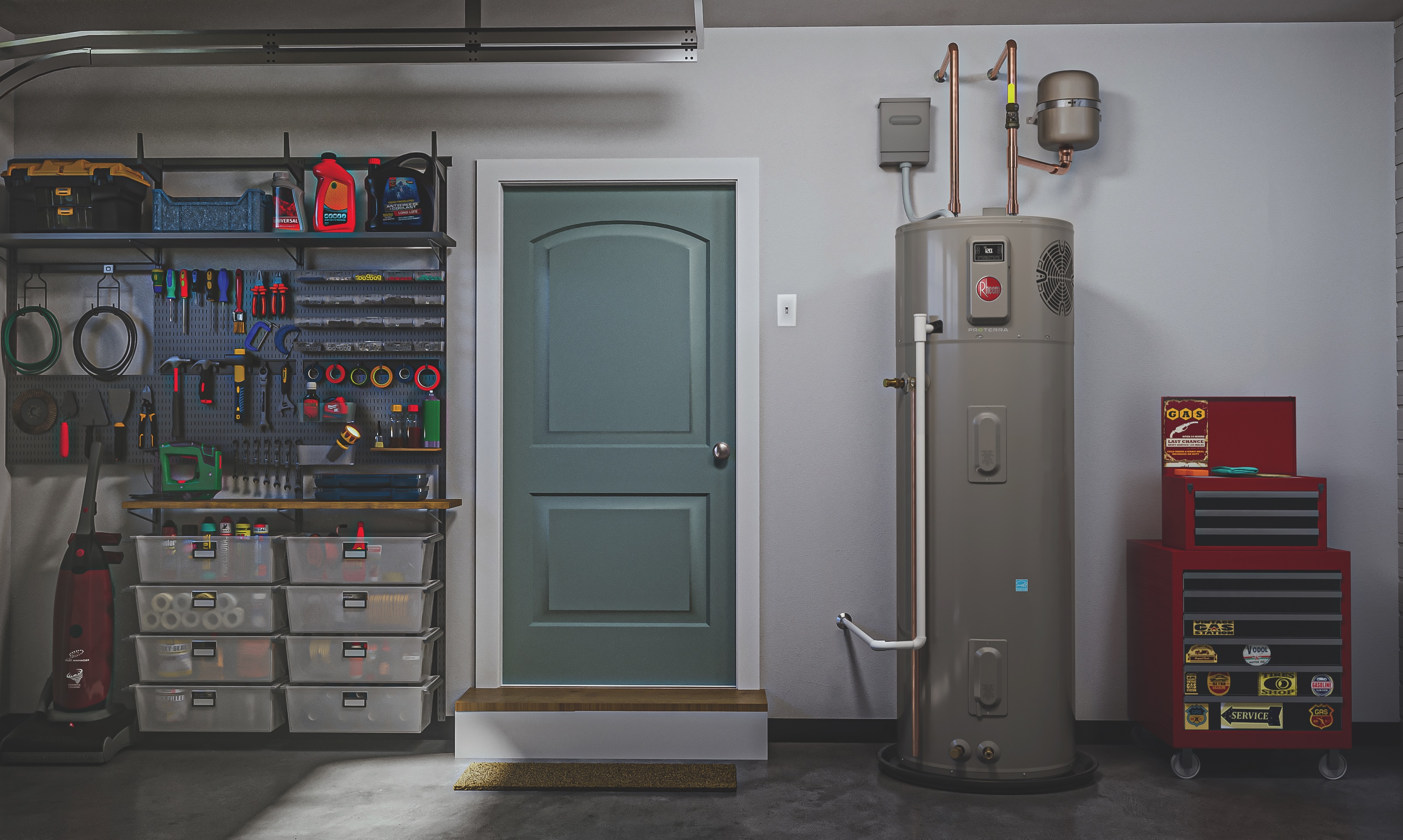
Flushing a water heater is a crucial, yet frequently overlooked, maintenance task that significantly contributes to its longevity and operational efficiency. Water heaters often operate unnoticed until a malfunction occurs, but consistent flushing can avert problems, thereby saving homeowners from expensive repairs or the necessity of a complete replacement. Given that the national average cost for installing a new water heater is approximately $3,500, the investment in regular maintenance is a worthwhile endeavor.
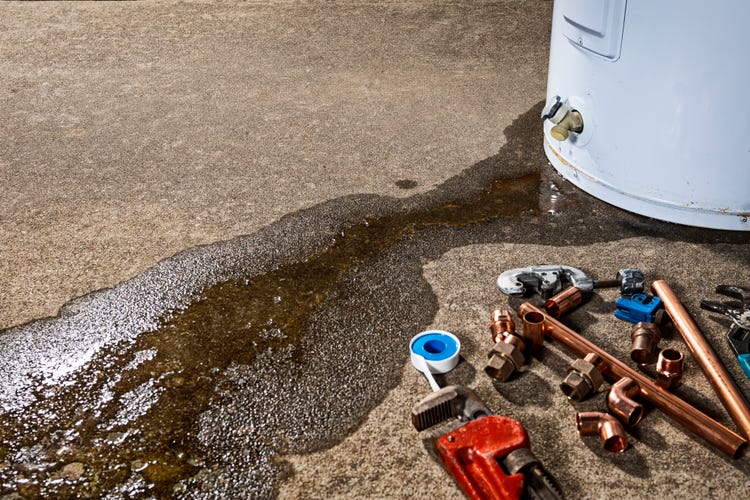
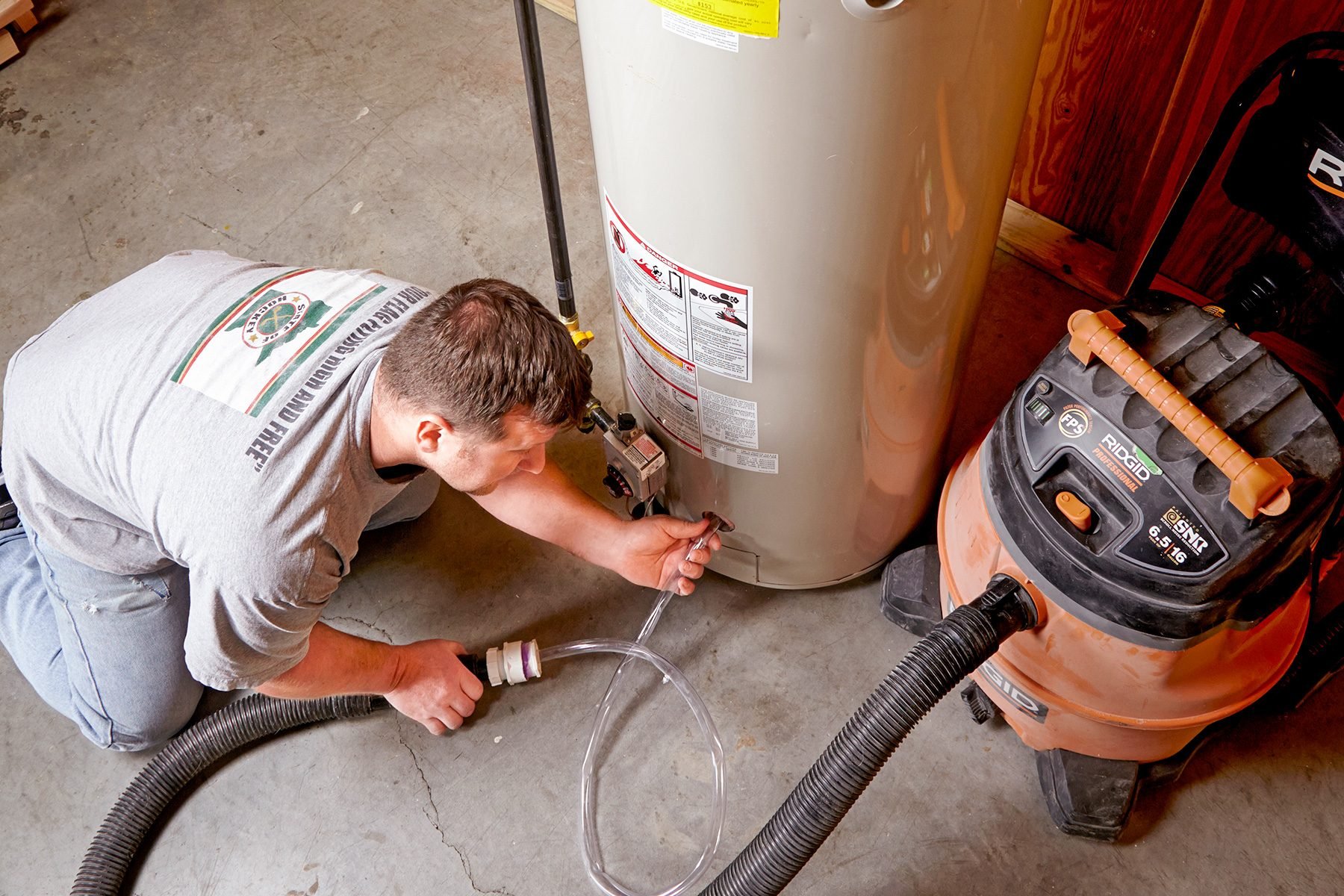
The primary function of flushing a water heater is to eliminate accumulated sediment and mineral deposits. While the anode rod within the tank is designed to attract most water impurities, preventing internal corrosion, a certain amount of sediment inevitably settles at the bottom of the tank. Flushing the water heater effectively removes these remaining deposits. Neglecting this maintenance can lead to a substantial buildup of sediment and sludge, as visually demonstrated in a TikTok video by @plumbersplunger. Such debris can corrode the tank, leading to premature leaks and eventual failure. The accumulated sediment can actively erode the tank's material, compromising its structural integrity.
Furthermore, sediment can coat the heating element, thereby reducing its efficiency and potentially causing it to overheat. However, the extent of this issue depends on the specific design of the water heater's heating element. It is important to note that if a water heater has never been flushed, or has not been flushed in over two years, initiating the flushing process might not be advisable. This is because long-standing sediment can inadvertently seal existing corrosion or small holes. Disturbing this buildup during flushing could dislodge these seals, potentially leading to new leaks.
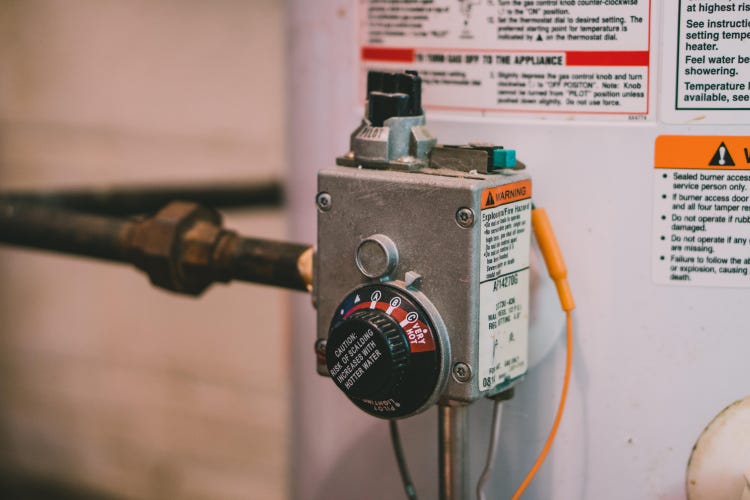
While neglecting to flush a water heater can cause significant operational problems and financial burdens, it is generally not considered dangerous. Michelle Law of Blue Frog Plumbing and Drain highlights that most people do not regularly flush their water heaters, and while this neglect leads to inefficiencies and premature failure, it rarely poses an immediate safety hazard. Beyond flushing, other vital annual maintenance tasks include checking the temperature setting, which should ideally be between 120 and 130 degrees Fahrenheit to prevent scalding and optimize efficiency, and inspecting the area around the water heater for any signs of leaks. Professional maintenance is recommended for tasks such as inspecting and replacing the anode rod, which acts as a sacrificial component to protect the tank from corrosion. Additionally, the venting system of gas water heaters should be checked regularly to ensure it is clear and unobstructed, preventing the buildup of dangerous carbon monoxide. Finally, the pressure relief valve should be tested periodically to confirm its functionality and ensure it can open when necessary.
#WaterHeaterMaintenance #Plumbing #HomeMaintenance #SedimentBuildup #ApplianceCare #DIYHome #WaterHeaterMaintenance #Plumbing #HomeMaintenance #SedimentBuildup #ApplianceCare #DIYHome
0개의 댓글이 총 표시됩니다.
 아직 댓글이 없습니다
추가로 마음에 드릴 만한 콘텐츠
Why Your Bathroom Desperately Needs Cleaning Now

How to catch a running toilet
The Most Reliable Water Heaters You Can Buy, According to Testing

Dad shares money-saving toilet-fix hack to try instead of calling a plumber: 'Anyone can do this'

Why Everyone's Suddenly Filtering Their Bathwater (& You Should, Too)
How to clean radiators inside and out – to ensure better efficiency this winter

Handyman: Make sure water heater is ready for cold days
How do I bleed my radiator? We asked a plumbing expert for their top tips
The 9 Best Water Heaters for Efficiency and Performance

K L Contractor Plumbing Inc Offers Expert Insights on Common Water Heater Issues in Latest Blog Post

Why quiet water flushes and showers are making waves in the bathroom
Man shares simple hack to fix common toilet flushing issue: 'I've been struggling ... for months'
K L Contractor Plumbing Inc Ask The Plumber Series Why Water Heaters Make Noise and What Homeowners Should Do About It
'Too hot or cold and you risk damaging the plant' – this is the ideal watering temperature for healthy houseplants

Should You Install a Water Heater Yourself? We Asked the Experts


Signs of Septic System Failure
Today's Water Heaters Aren't Built Like They Once Were—They're Better

How to stop radiators knocking and banging when they turn on - KEY tips
A plumber’s perspective on DIY vs. professional repairs | Provided by Mr. Rooter

Always Close the Toilet Lid When You Flush, Here’s Why