1/2
A plumber’s perspective on DIY vs. professional repairs | Provided by Mr. Rooter
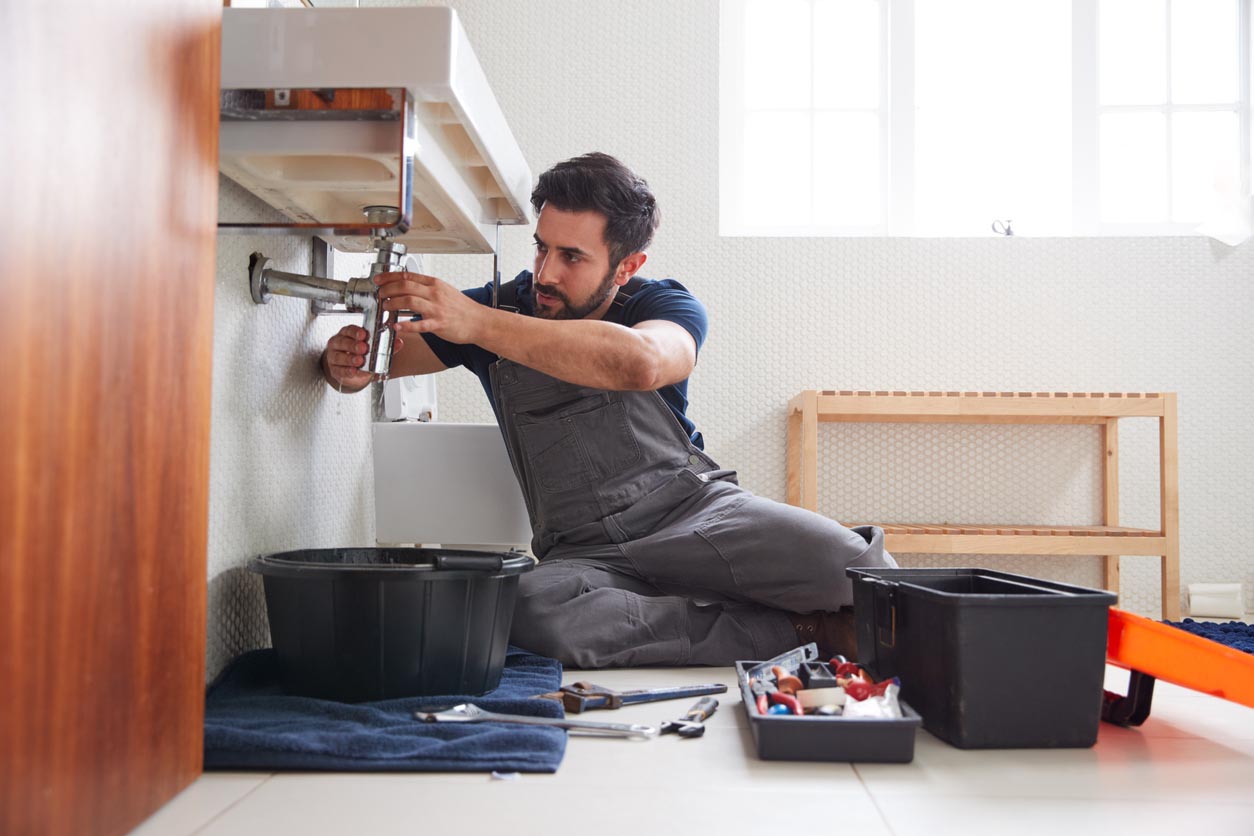
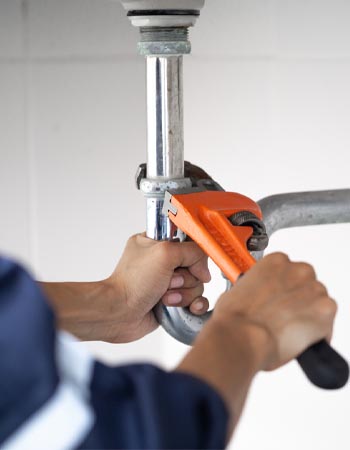
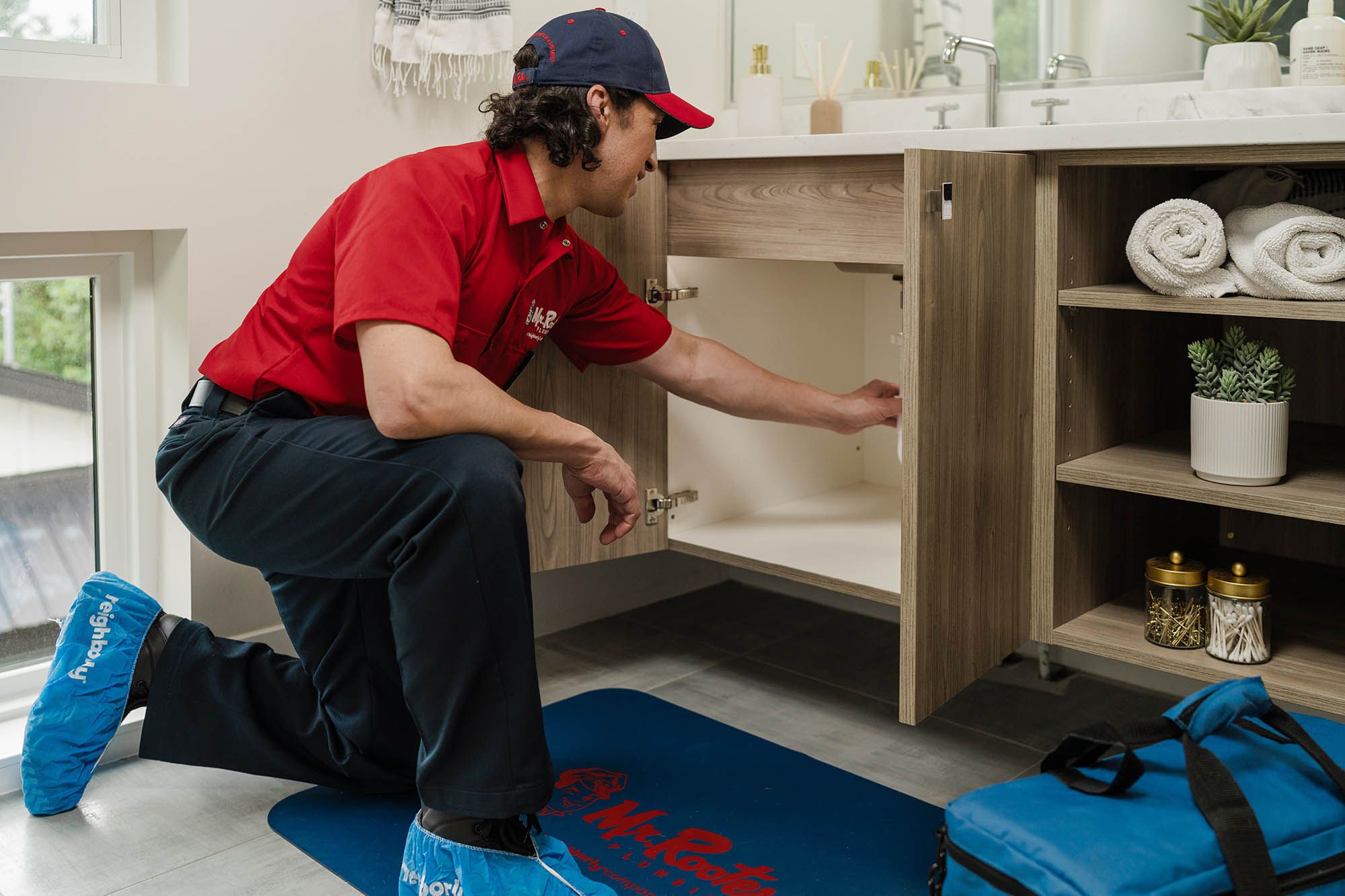
This article explores the ongoing debate between undertaking do-it-yourself (DIY) plumbing repairs and opting for professional services. Robert Miller, general manager at Mr. Rooter Plumbing in Seattle, Tacoma, Olympia, and Everett, offers expert insights into common plumbing issues and provides guidance for homeowners. He emphasizes the importance of understanding one's comfort level with repairs, having the necessary tools, and knowing the location of the main water shut-off valve to prevent larger problems.
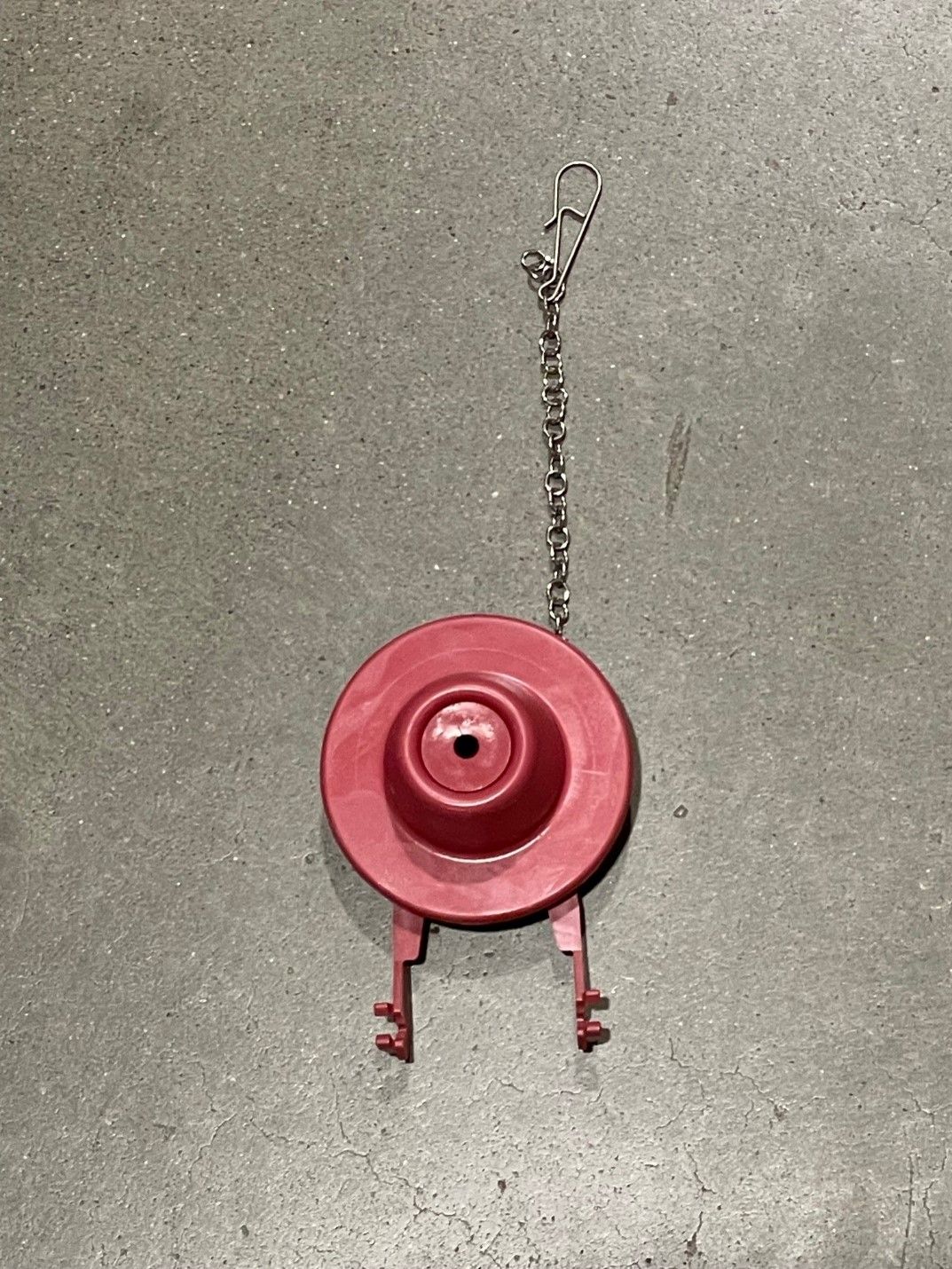
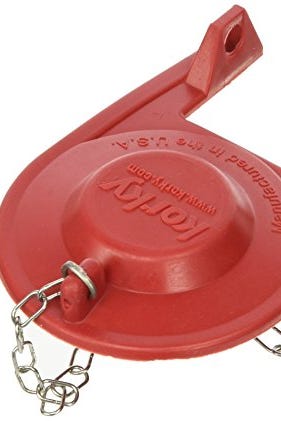
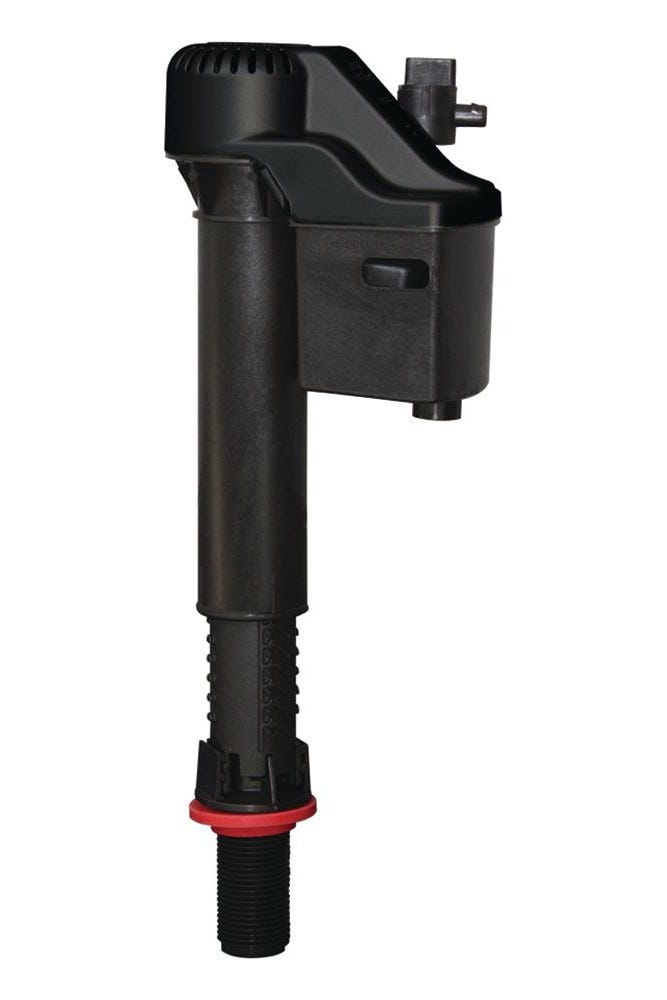
Miller highlights that minor issues, such as a faulty toilet flapper, can lead to significant financial drains if left unaddressed. A flapper, costing under $10, can prevent monthly water bill increases of $70 to $200. This repair is often the first DIY plumbing task homeowners attempt, as it is relatively simple and inexpensive to correct if a mistake occurs. However, professional plumbers typically charge around $200 for the same job, prompting the question of what other tasks homeowners can reasonably tackle themselves versus when to call a professional.
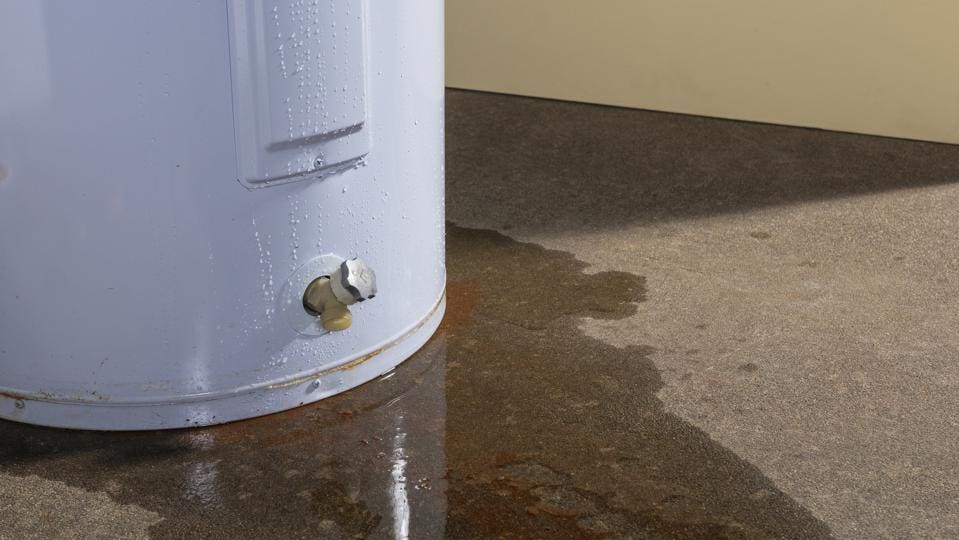
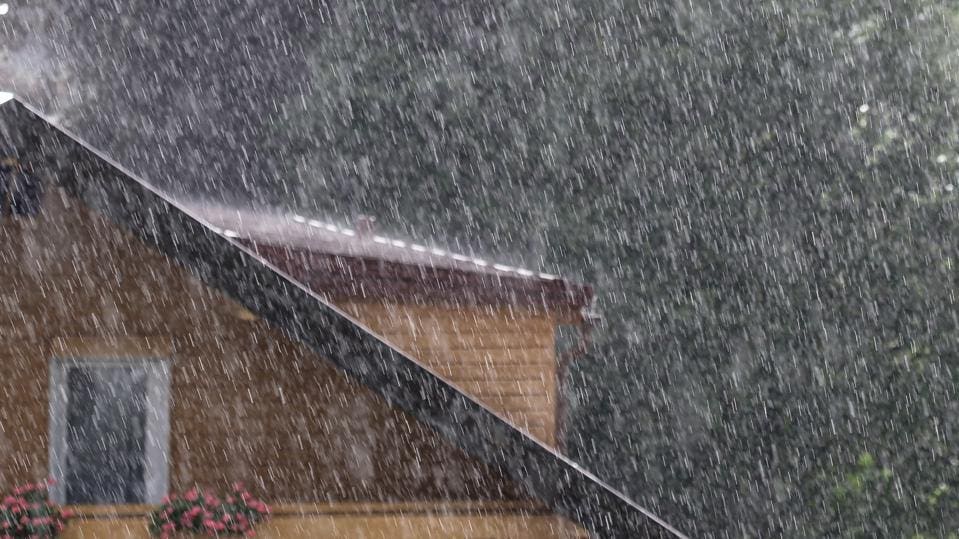
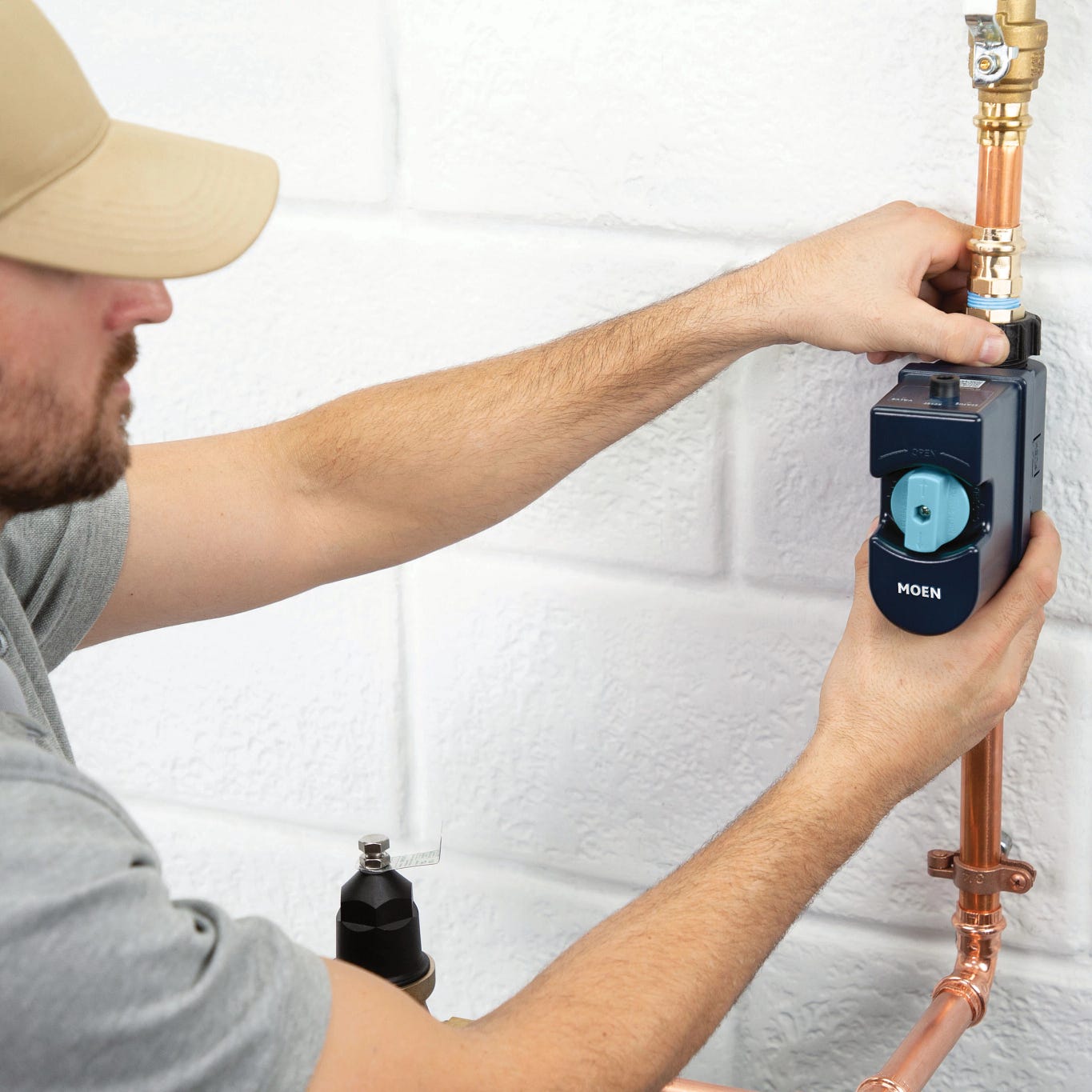
The article outlines several DIY plumbing tasks that most homeowners can manage. These include regular inspections and maintenance, such as cleaning faucet aerators, inspecting crawl spaces, testing drains, flushing standard tank-type water heaters, and checking water pressure. Miller, with 15 years of experience in the plumbing business, advises performing these tasks at least once a year to extend the life of plumbing systems and fixtures. He also stresses the critical importance of knowing the main water shut-off location for emergencies or freezing temperatures. Proactive maintenance for water heaters is particularly crucial, as annual inspections can detect early signs of corrosion, signaling potential failure. Additionally, Miller suggests walking the property after heavy use or storms to identify unexplained water or green spots on lawns, which could indicate leaks in sewer or water lines.
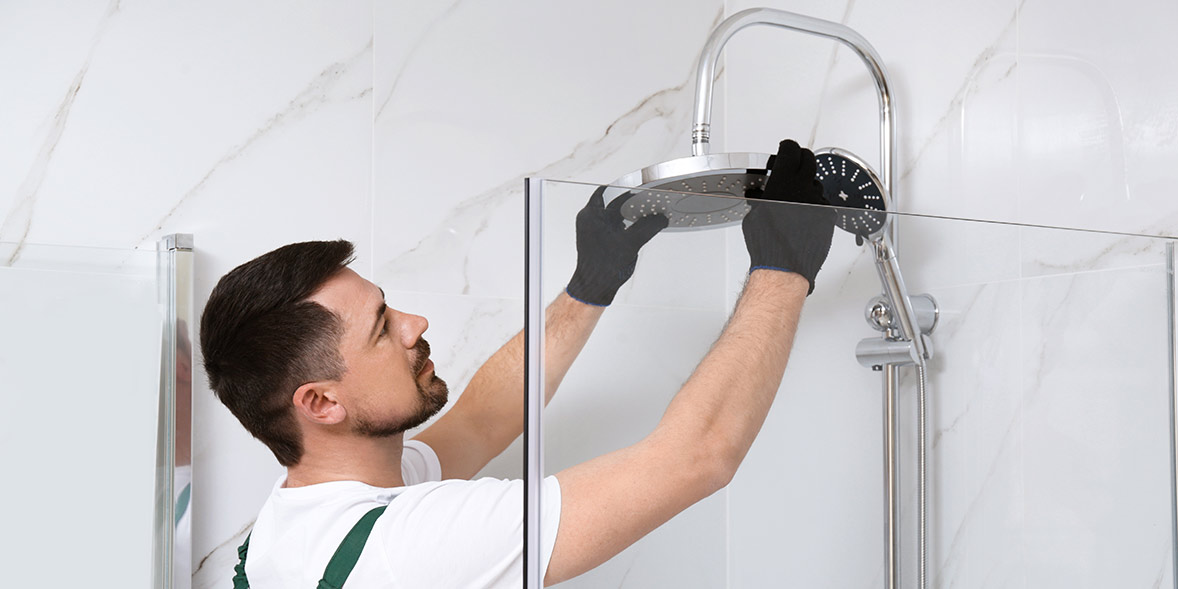
Conversely, the article delineates situations where professional assistance is indispensable. Miller advises against DIY approaches for tasks involving live running water due to the high risk of major water damage. He recommends hiring professionals for all types of waterline repairs, whether inside or outside the home, as well as for complex jobs like sewer repairs, water heater replacements, and installing new pipes. Incorrectly performed major plumbing tasks can result in substantial damages and costly repairs. To proactively manage plumbing health, Miller suggests annual inspections of both waste and water systems and periodic video inspections of sewer lines to check for damage, tree roots, or other underground issues.
The article concludes by underscoring the general tendency for homeowners to neglect plumbing maintenance until a problem arises. Miller points out that plumbing is often taken for granted until essential services like running water or hot showers are disrupted. He encourages homeowners to adopt a habit of regular seasonal inspections of water heaters, connections, and toilet flappers. While acknowledging that homeowners are quick to address issues with appliances and cars, he emphasizes that the cost of water damage from faulty plumbing can be far more significant. Setting recurring reminders for plumbing inspections and consulting licensed professionals for any concerns can prevent expensive emergencies and provide long-term peace of mind.
#DIYPlumbing #HomeMaintenance #PlumbingRepairs #WaterDamagePrevention #HomeownerTips #ProfessionalPlumbers #ToiletFlapper #WaterHeaterMaintenance #DIYPlumbing #HomeMaintenance #PlumbingRepairs #WaterDamagePrevention #HomeownerTips #ProfessionalPlumbers #ToiletFlapper #WaterHeaterMaintenance
0 comment in total
 No comments yet
You may also like
The Best Plumbing Services in America, Vetted


Bathroom installation: how to find a bathroom fitter

Rogue builders quoted over £15k for a repair job that cost £185 to fix - my lessons learnt
The Internet Is Fighting Over "Wall Chapstick"

5 Spooky Home Improvement Horror Stories That Will Send Goosebumps Down Your Spine


7 things you should repair instead of replace in your home

Options for re-glazing a bath tub?
21 of the Most Common Jobs to Add to Your Handyman Services List And Get Paid For

Fixing a garage door yourself vs calling the pros

Yoder Home Services Are Home Repair Heroes

Dealing With a Slow Drain? Here are 7 Drain Cleaners to Safely Unclog Pipes


‘Worst water heater I ever installed as a plumber for 32 years.’ – A Home Repair Expert Sounded Off Against Rheem Brand Of Water Heaters


Who Knew CX Could Make A Huge Difference In DIY Toilet Repair?

Here's How to Fix a Running Toilet Without Calling a Plumber
Podcast 563: Caulking Old Siding, Tearing Into Leaky Walls, and HVAC in Unconditioned Attics

How to regrout between tiles to keep them from looking tired in 6 simple steps
Simple home DIY projects anyone can try | Produced by Seattle Times Marketing
The BEST Ways to Protect Your Home From Water Damage, According to Experts

6 of the Best Home Renovation Contractors in America, Vetted

Homeowner shares plumber-approved hack to easily fix clogged drains: 'Interesting idea'