1/6
To Flip or Not to Flip: Have Antique Furniture Revamps Gone Too Far?
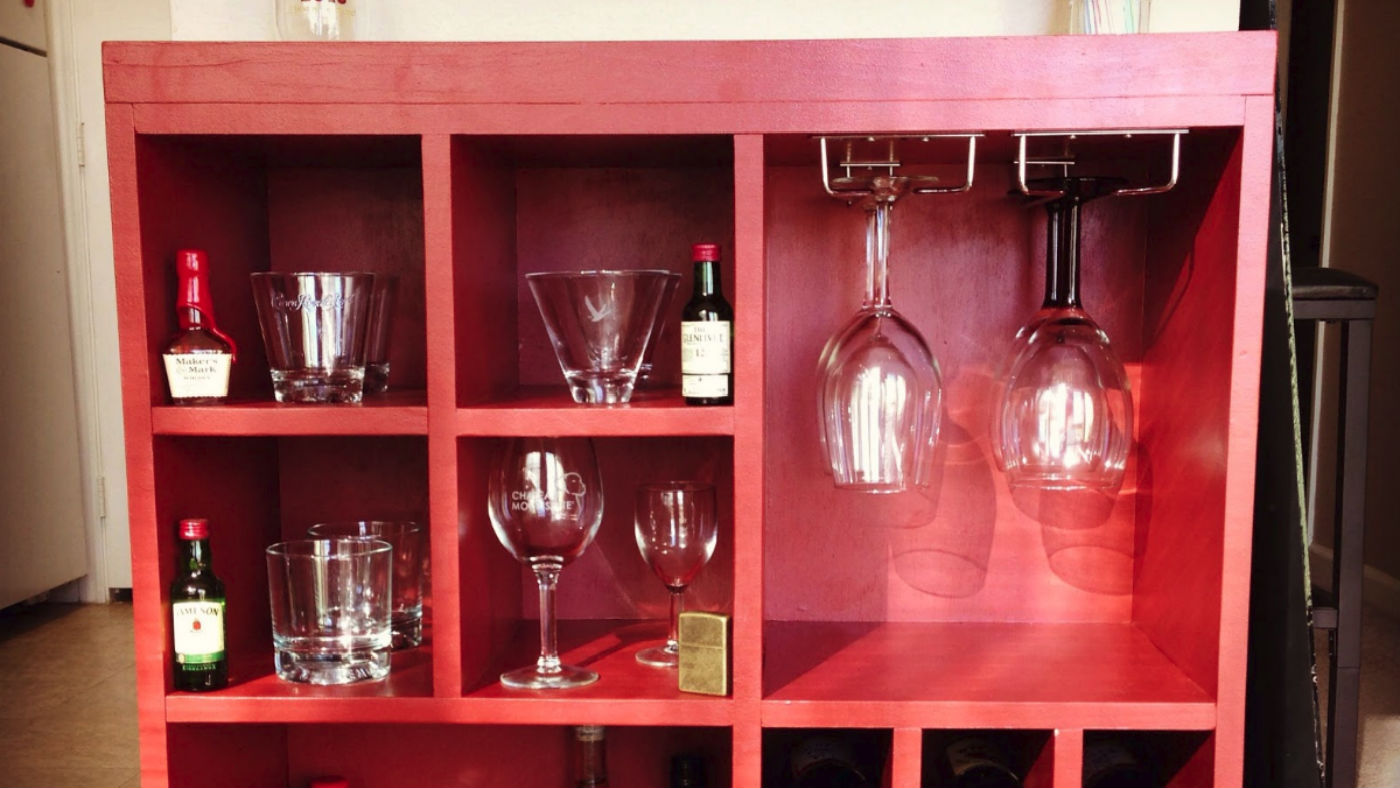
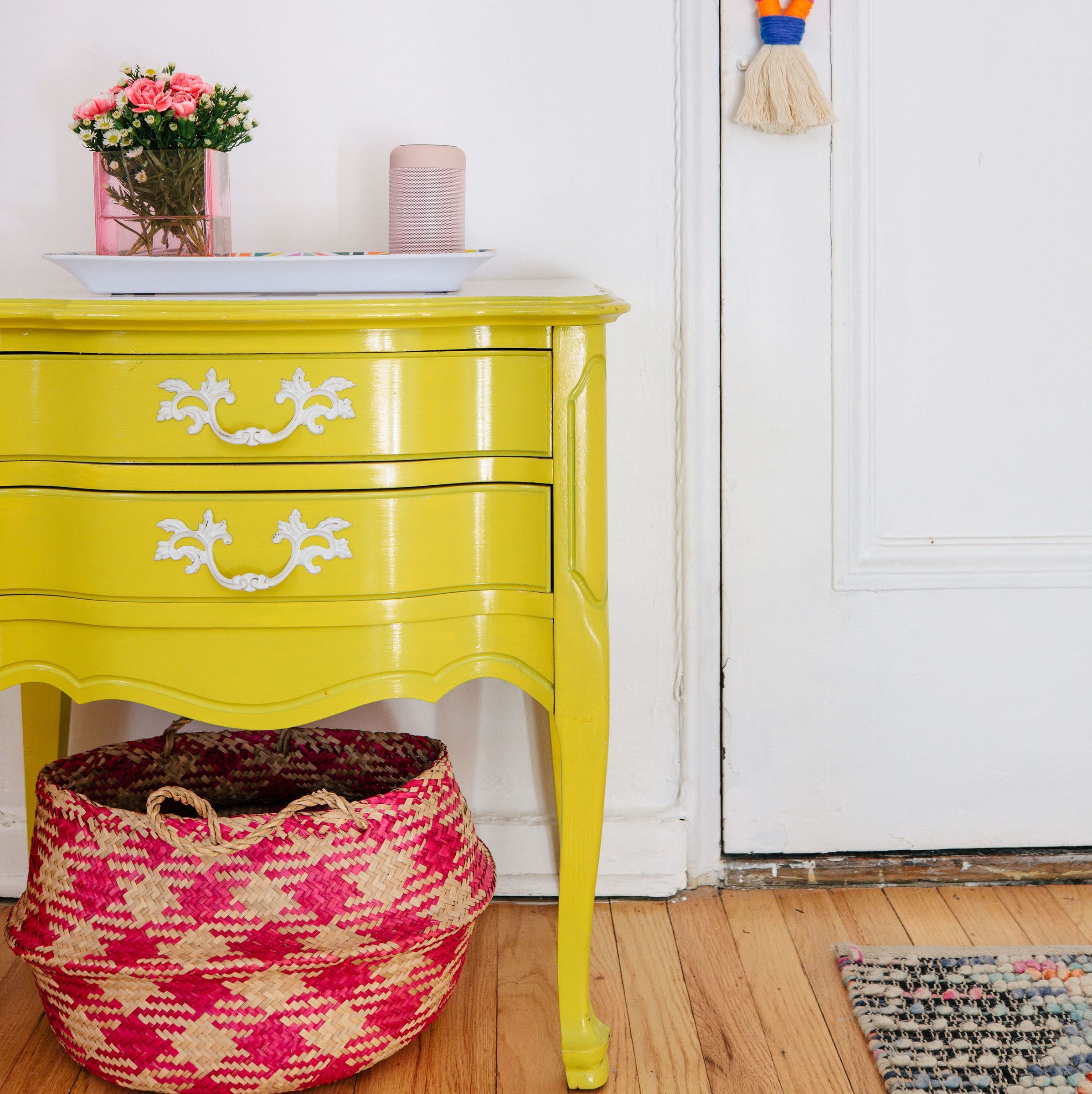
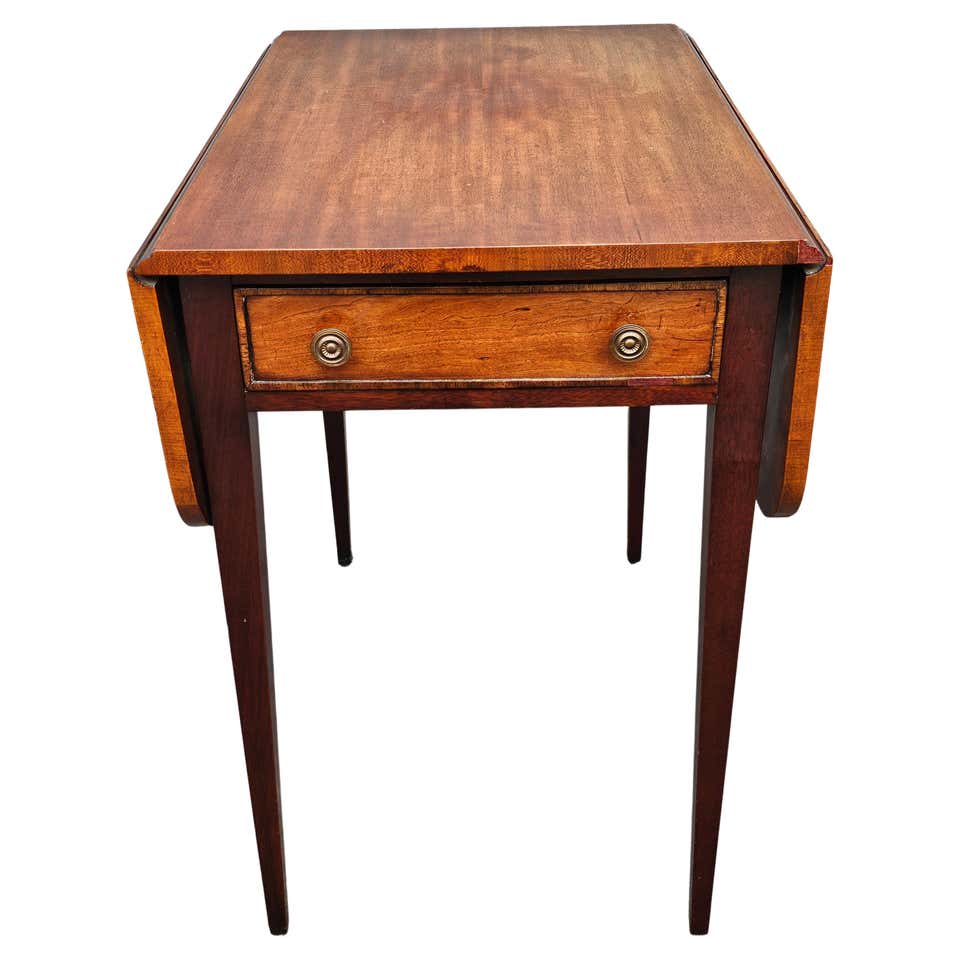
The article explores the controversial trend of furniture flipping on TikTok, examining the divide between DIY enthusiasts and critics who believe that valuable antique pieces are being ruined. TikTok videos under hashtags like #furnitureflip often showcase content creators transforming vintage furniture, sometimes by drastically altering them with paint or by cutting them into new pieces. This practice frequently draws significant backlash, with many users expressing outrage over what they perceive as the destruction of historical or valuable items.
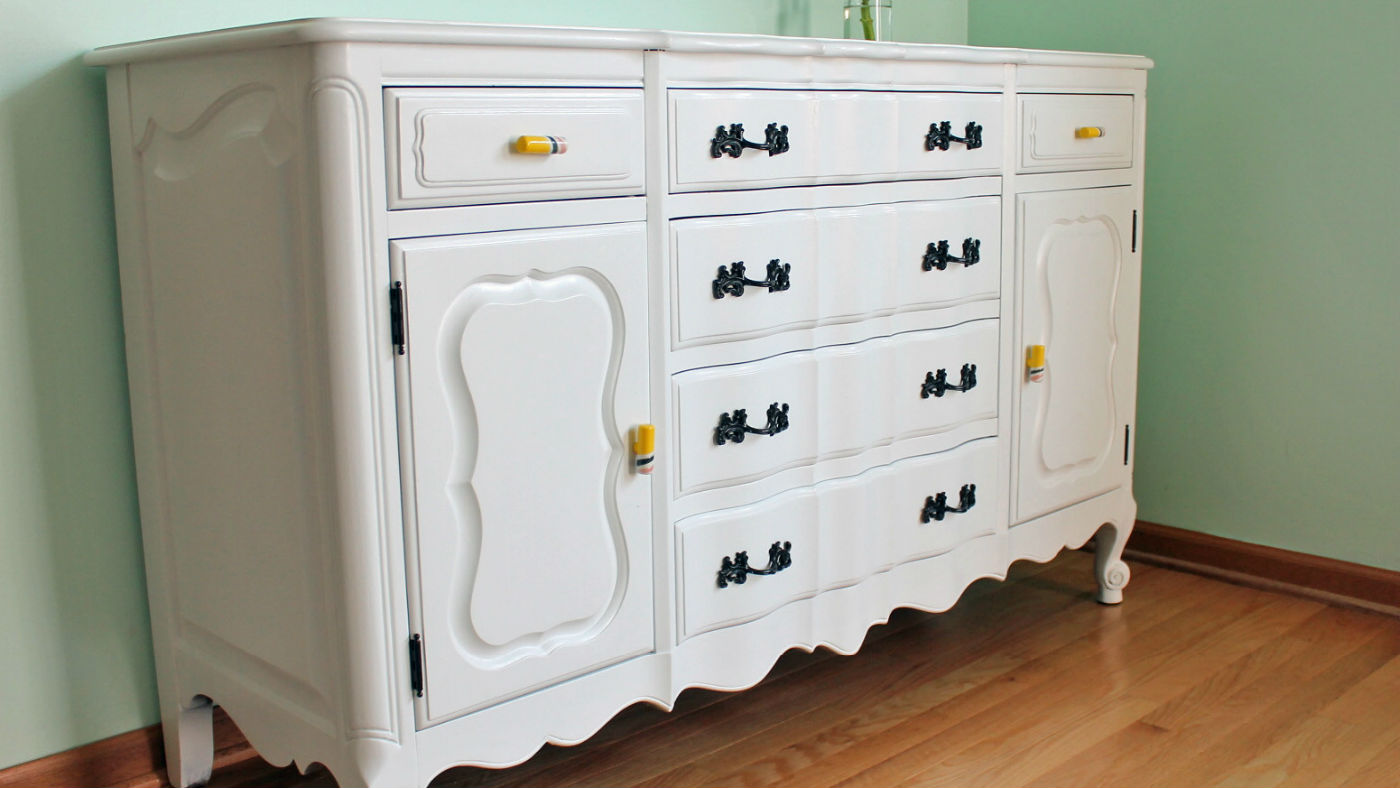
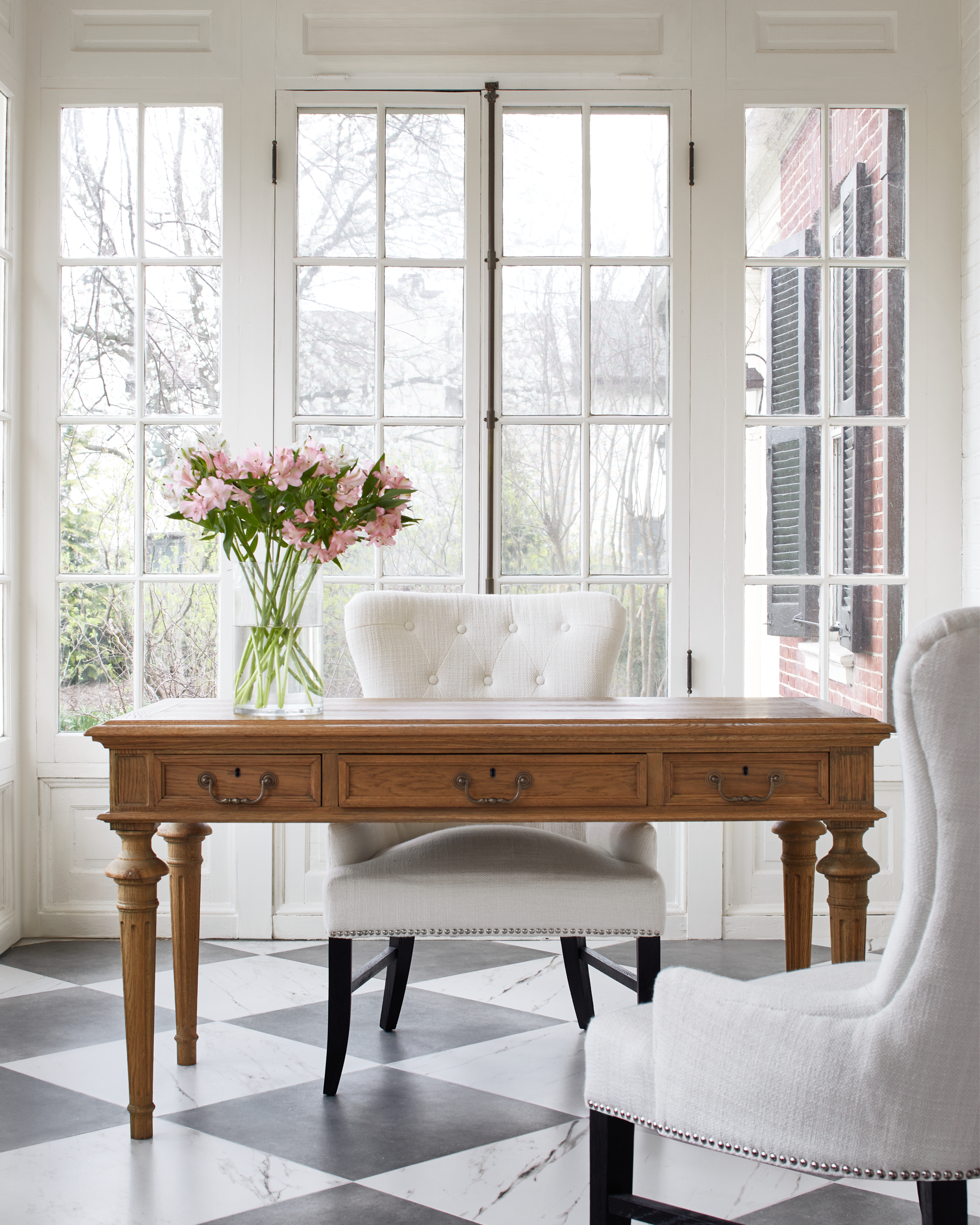
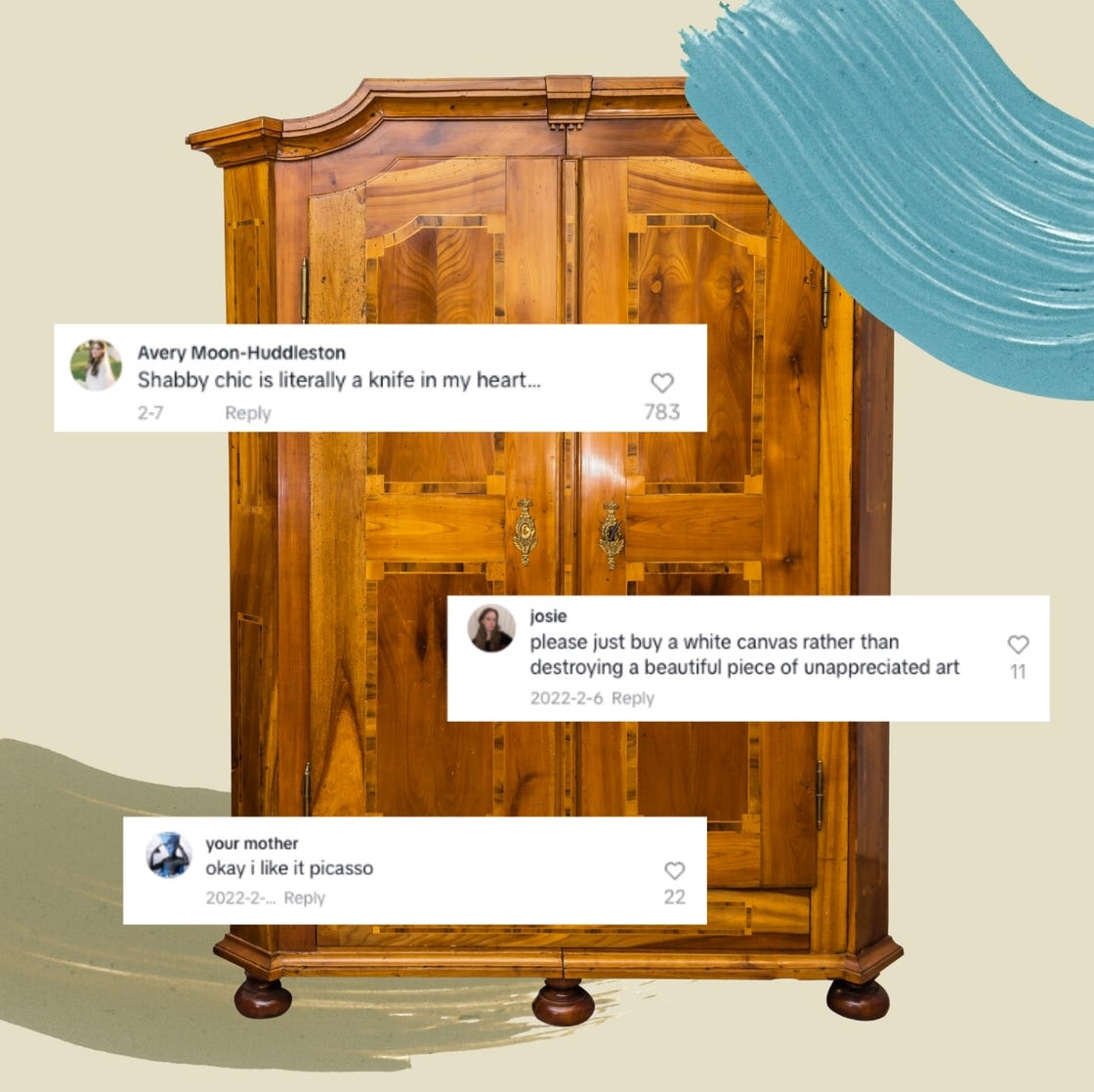
One prominent example cited is a Houston-based DIYer who cut a vintage wood desk to create nightstands and painted them white. This video sparked widespread criticism, with commenters lamenting the alteration of vintage furniture and suggesting purchasing new items instead of modifying old ones. Such negative reactions are common, leading some furniture flippers to humorously embrace the hate by starting their videos with phrases like “come with me to ruin this buffet.” The DIYer in the nightstand example later clarified that the desk was already in poor condition, allowing her to give it new life by reselling the transformed pieces. Despite the justification, the backlash prompted her to reflect on public perception.
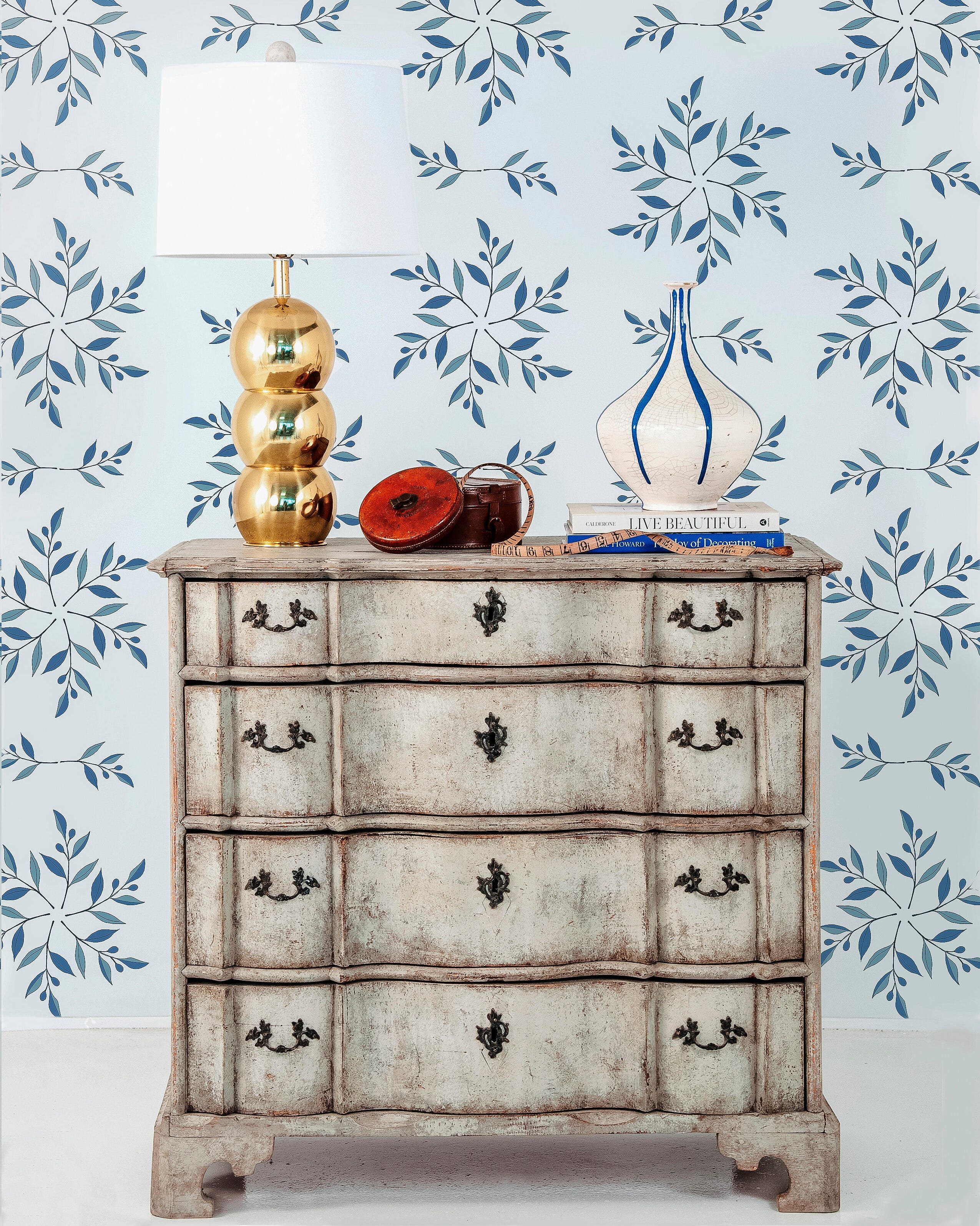
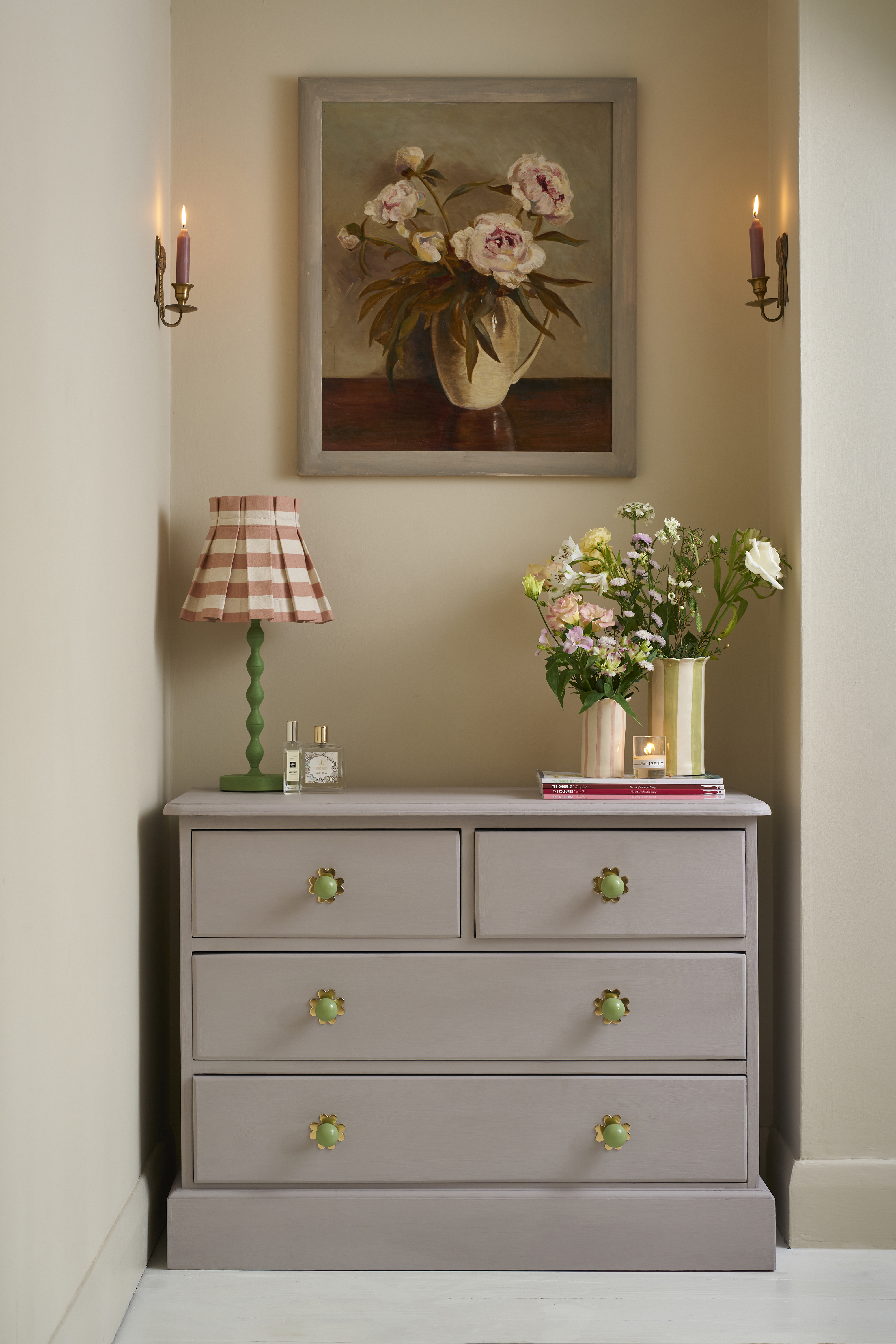
The article acknowledges that furniture upcycling is not a new phenomenon, noting its historical prevalence, such as painted furniture in the 18th and 19th centuries, Victorian-era alterations, and even ancient Egyptian practices to mimic luxury. However, it points out that modern DIY furniture trends, particularly on TikTok, often align with a more "artless, trashy pop colors" aesthetic, a sentiment echoed by Adam Hills of the ELLE DECOR A-List studio Retrouvius. Hills suggests that the term "upcycling" has acquired a negative connotation due to this perceived lack of sophisticated design.
The core of the controversy lies in whether these drastic aesthetic liberties are taken for genuine enjoyment or simply to gain viral attention, a practice known as "rage baiting." While some argue that personal happiness should dictate furniture choices, experts hold mixed views. Anna Kinsel, a Denver-based antiques dealer and TikToker, finds chalk-painting and spray-painting to be cliché modifications that detract from the original value of antiques. She advocates for preserving the rarity and value of such pieces, although she concedes that if painting brings joy to an individual, it is their prerogative.
Katja Hirche, owner of Bernd Goeckler, an antiques and collectible design shop, emphasizes the importance of professional restoration if one chooses to modify antiques. She believes that professional work will not necessarily ruin the value and hopes that the trend will encourage younger generations to appreciate antiques and adopt more sustainable consumption habits. The article concludes with practical advice for those considering upcycling: verify the item's value through research or appraisal by an auction house before making drastic changes, and for initial projects, start with low-stakes items rather than heirlooms. It also reminds readers that age alone does not guarantee an item's value, but caution should still be exercised before altering potentially significant pieces.
#FurnitureFlipping #TikTokTrends #DIYHomeDecor #AntiqueRestoration #Upcycling #InteriorDesignTrends #SocialMediaControversy #VintageFurniture #HomeDecorating #FurnitureFlipping #TikTokTrends #DIYHomeDecor #AntiqueRestoration #Upcycling #InteriorDesignTrends #SocialMediaControversy #VintageFurniture #HomeDecorating
0개의 댓글이 총 표시됩니다.
 아직 댓글이 없습니다
추가로 마음에 드릴 만한 콘텐츠
How to Modernize Antique Furniture for a Characterful and Cohesive Look

These designers source and restore vintage furniture every single day – here are their top tips for shopping and reviving
Decorating with antiques – 8 designer tips to channel the past in the chicest way
Where to Get Antique and Vintage Furniture Refinished, Repaired, Rewired and Reinvented in Calgary
‘Furniture flipping’: the next big trend in home sustainability?

How to style antique furniture for a timeless, transitional space – 9 designers share their tips
10 Furniture Styles That Instantly Make Your Home Look Outdated

These 5 Popular Antiques Are Flying Off the Shelves This Fall, According to Interior Designers

Outdated Furniture Pieces That Are Having A Comeback

Should You Really Push Furniture Against the Walls? Designers Set the Record Straight

What’s Old Is New Again: Vintage Furniture Is The Hottest Home Decor Trend
Tip: Leave the Finish Alone
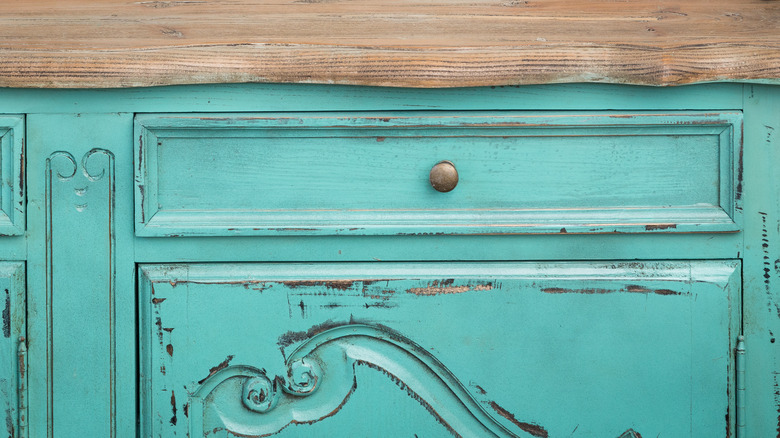
Is Distressed Furniture Going Out Of Style?
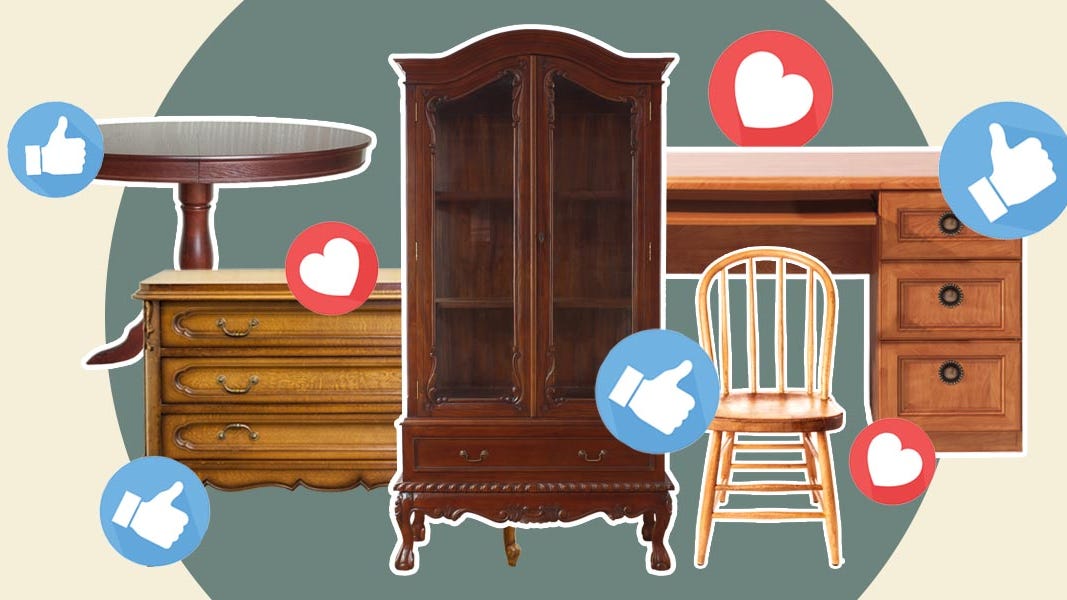
Is It a Crime to Paint Antique Furniture?

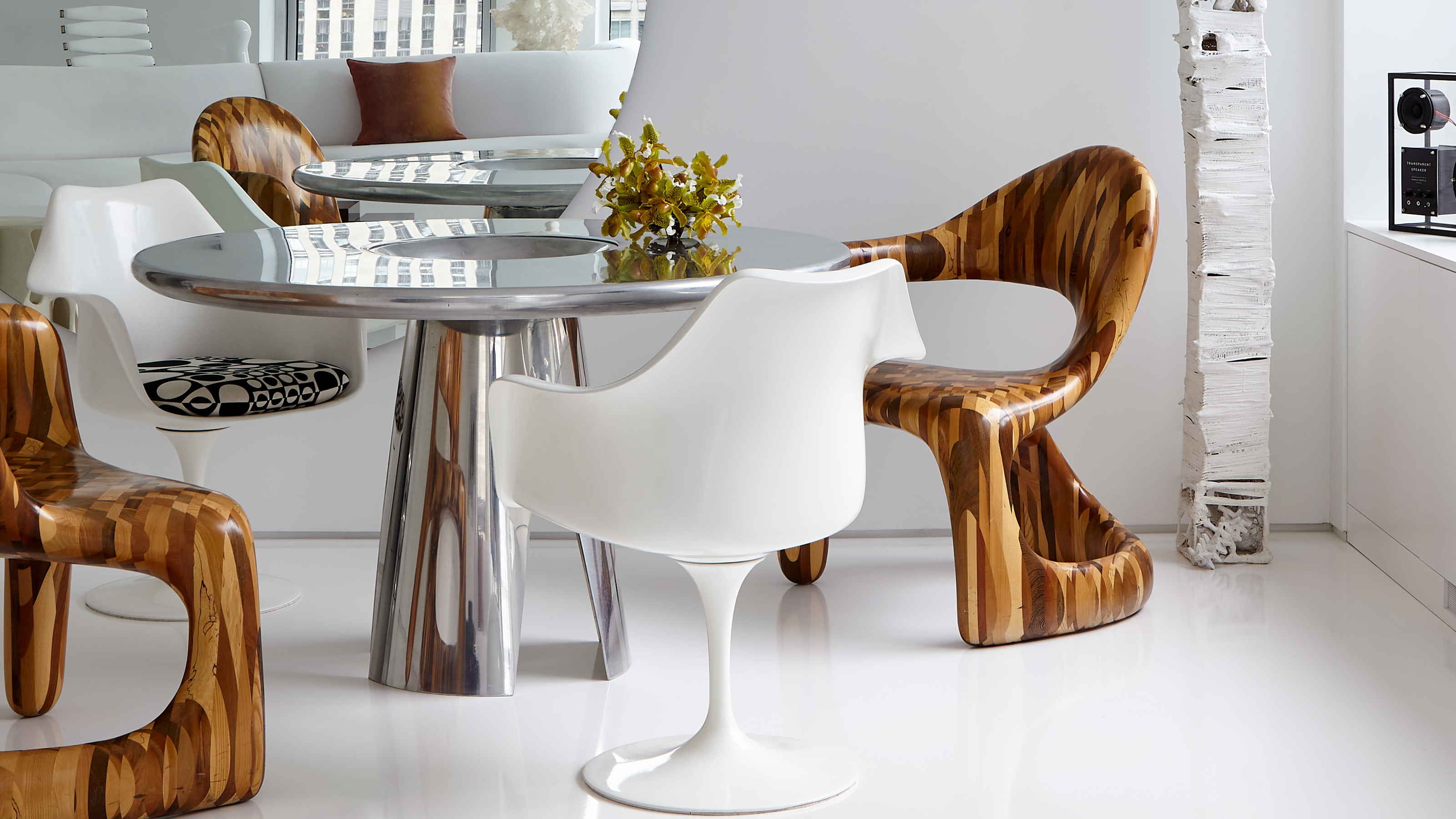
How to Flip Furniture — And Sell It for Profit, According to a 'Professional Thrifter'

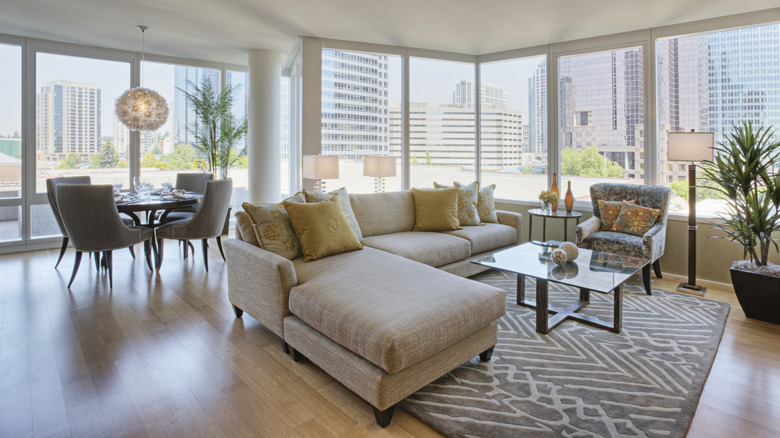
Tired Furniture Trends That Are Now Becoming A Thing Of The Past
Is it Cheaper to Reupholster Antique Furniture or Buy New? Here's Everything Designers Say You Need to Know
The 8 Best Vintage Furniture Stores to Shop in-Person and Online

How to use antique furniture in a contemporary scheme
Franklin and Irving Will Fix or Flip Your Furniture