1/19
The 9 Best Dehumidifiers for Basements to Get Ahead of Moisture Issues
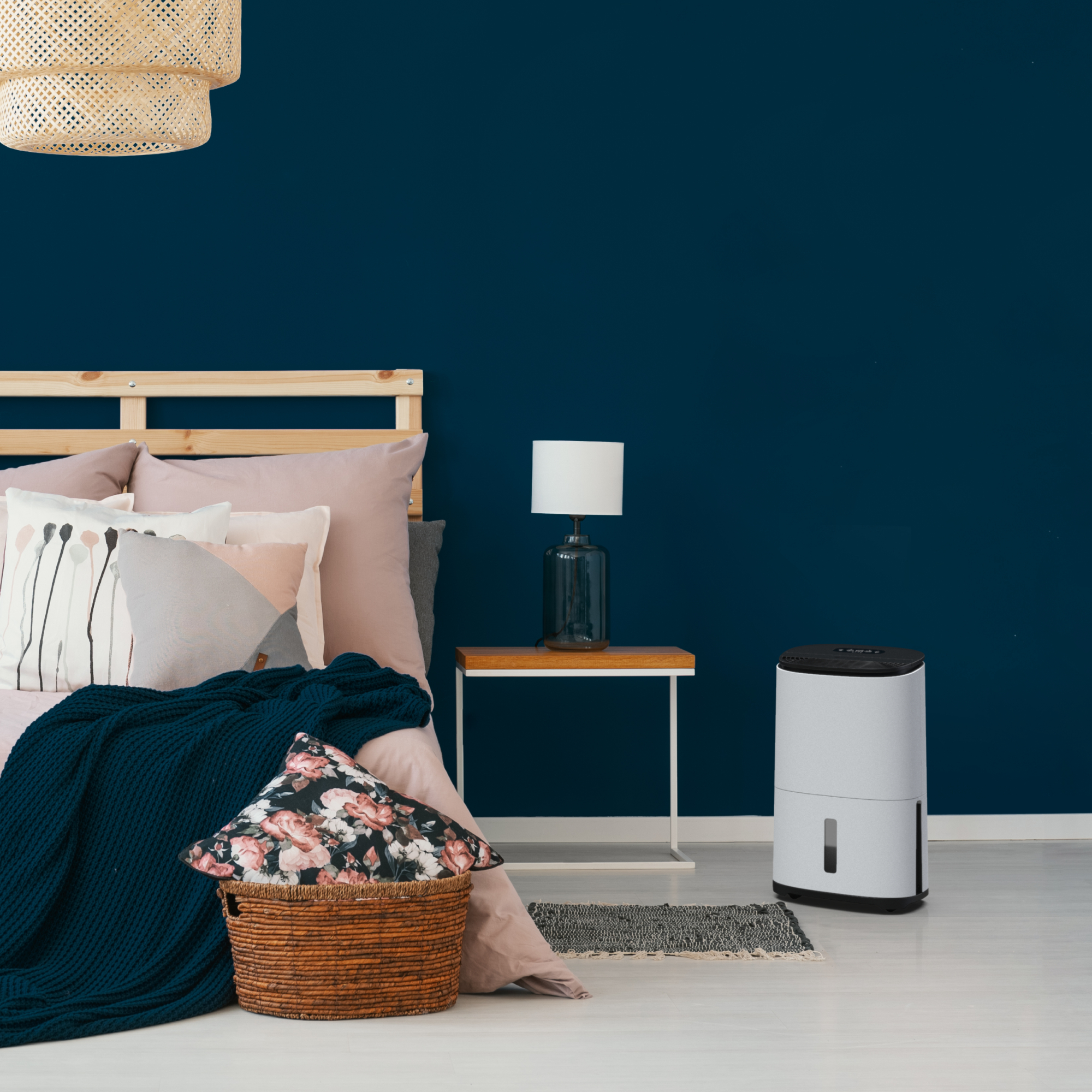
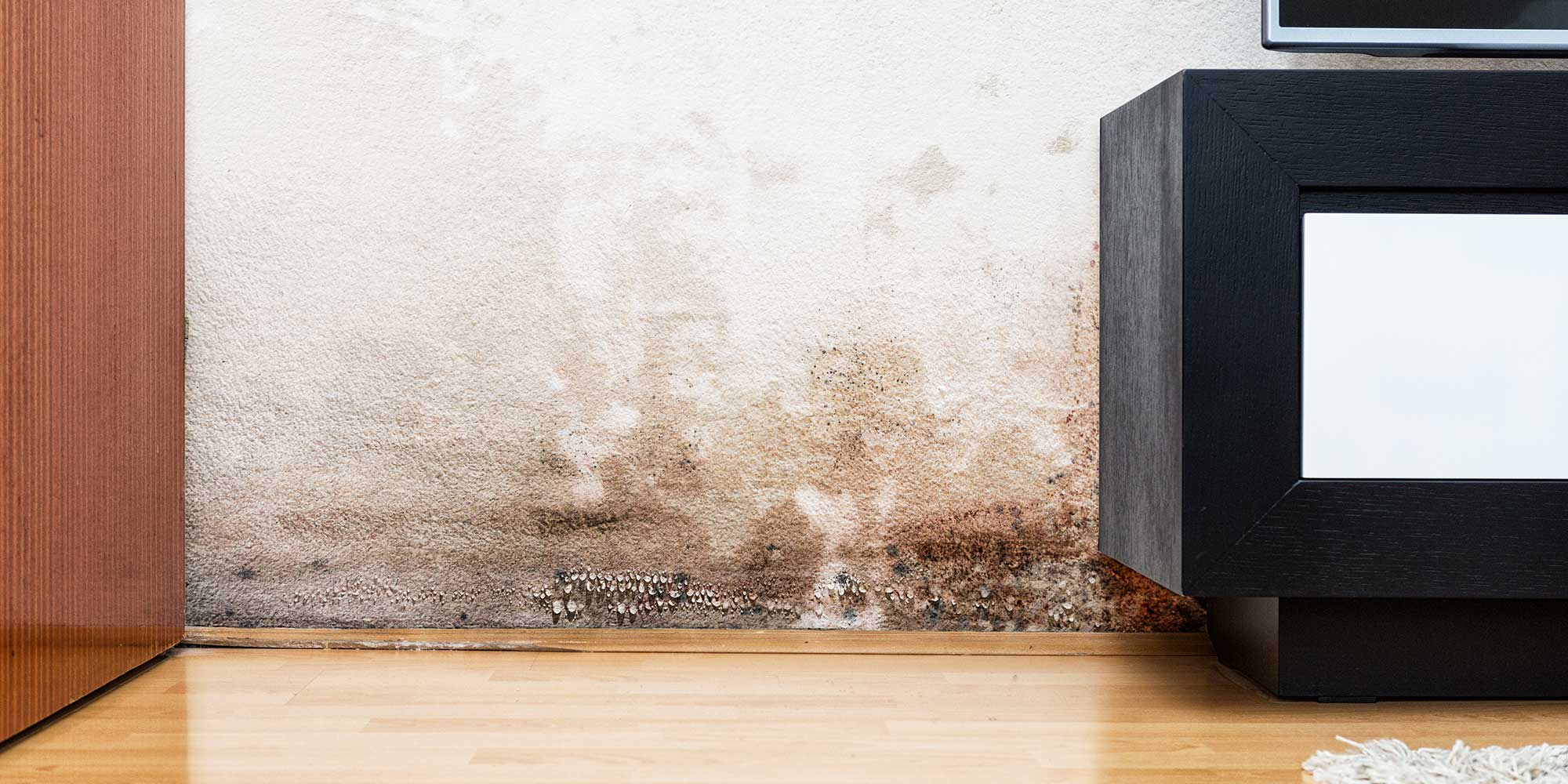
Basements are frequently susceptible to moisture problems, which, if not properly addressed, can lead to mold and mildew growth and damage to flooring. A dehumidifier is crucial for mitigating these issues by extracting excess moisture from the air, collecting it in a removable bucket or continuously draining it through a hose system. The effectiveness of a basement dehumidifier depends on its capacity to handle the area's square footage and its features catering to specific needs. When combined with other moisture control methods, such as floor sealers, vapor barriers, and waterproofing, a dehumidifier helps maintain a dry, comfortable, and safe basement environment.
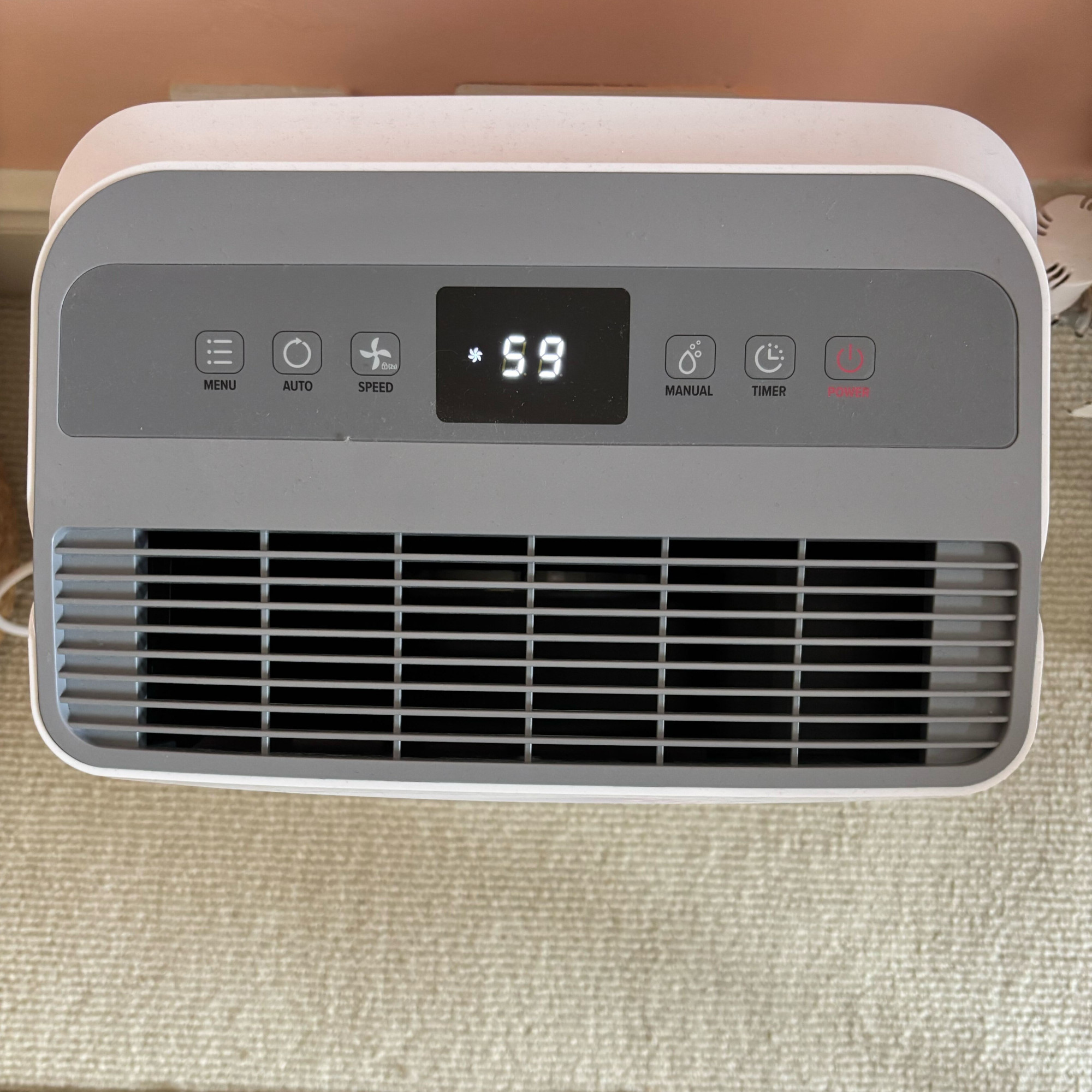
Selecting the ideal dehumidifier for a basement requires considering several factors. The size of the dehumidifier, measured in pints per 24 hours, correlates with its moisture removal capacity and effective coverage area. While manufacturers often state inflated coverage figures, a 50-pint dehumidifier typically covers about 1,200 square feet in moderate humidity or 800 square feet in extreme humidity. Tank capacity is another important consideration; larger tanks mean less frequent emptying. Modern dehumidifiers offer various features, including digital readouts, automatic timers, adjustable humidity settings, and smart features like Wi-Fi connectivity and voice control. Noise level is also a factor, with decibel ratings available for comparison, especially if the unit will be placed in a frequently used area. Drainage options are essential, including removable water reservoirs, hose hookups for continuous gravity drainage into a floor drain, or built-in pumps that can force water upwards into a sink or window. Energy Star certifications indicate that a dehumidifier meets strict energy efficiency criteria, ensuring effective operation while minimizing energy costs.
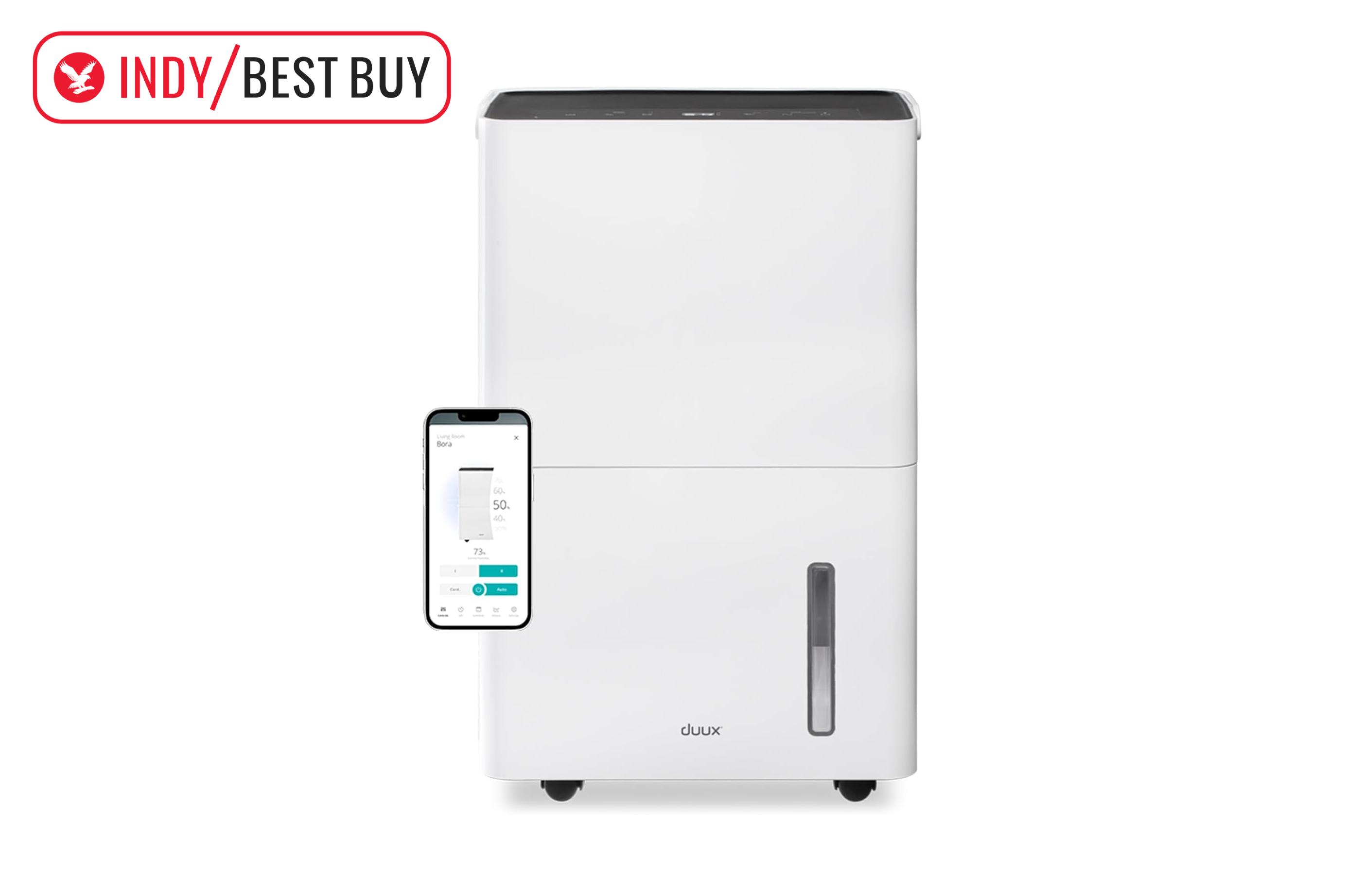
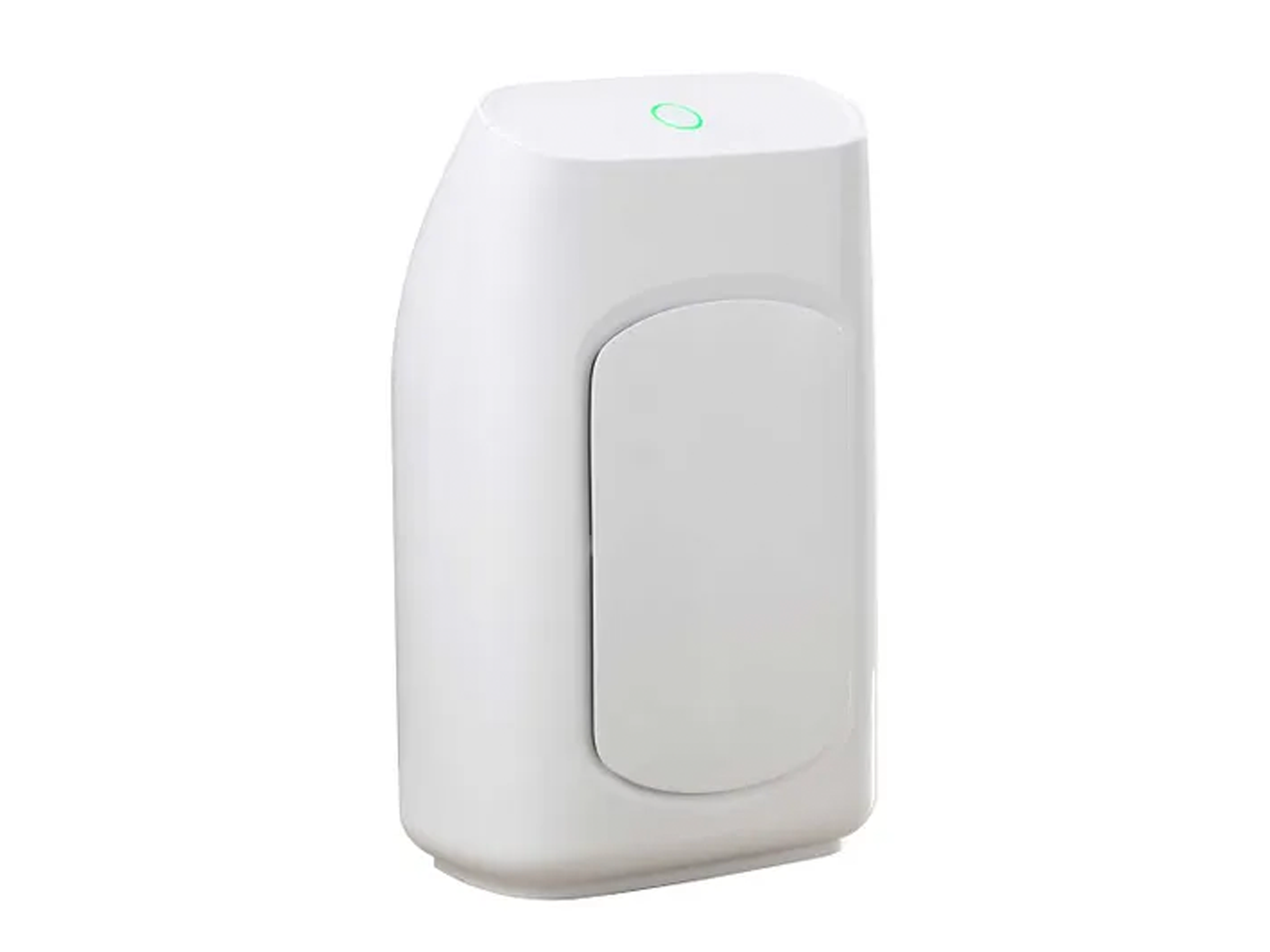
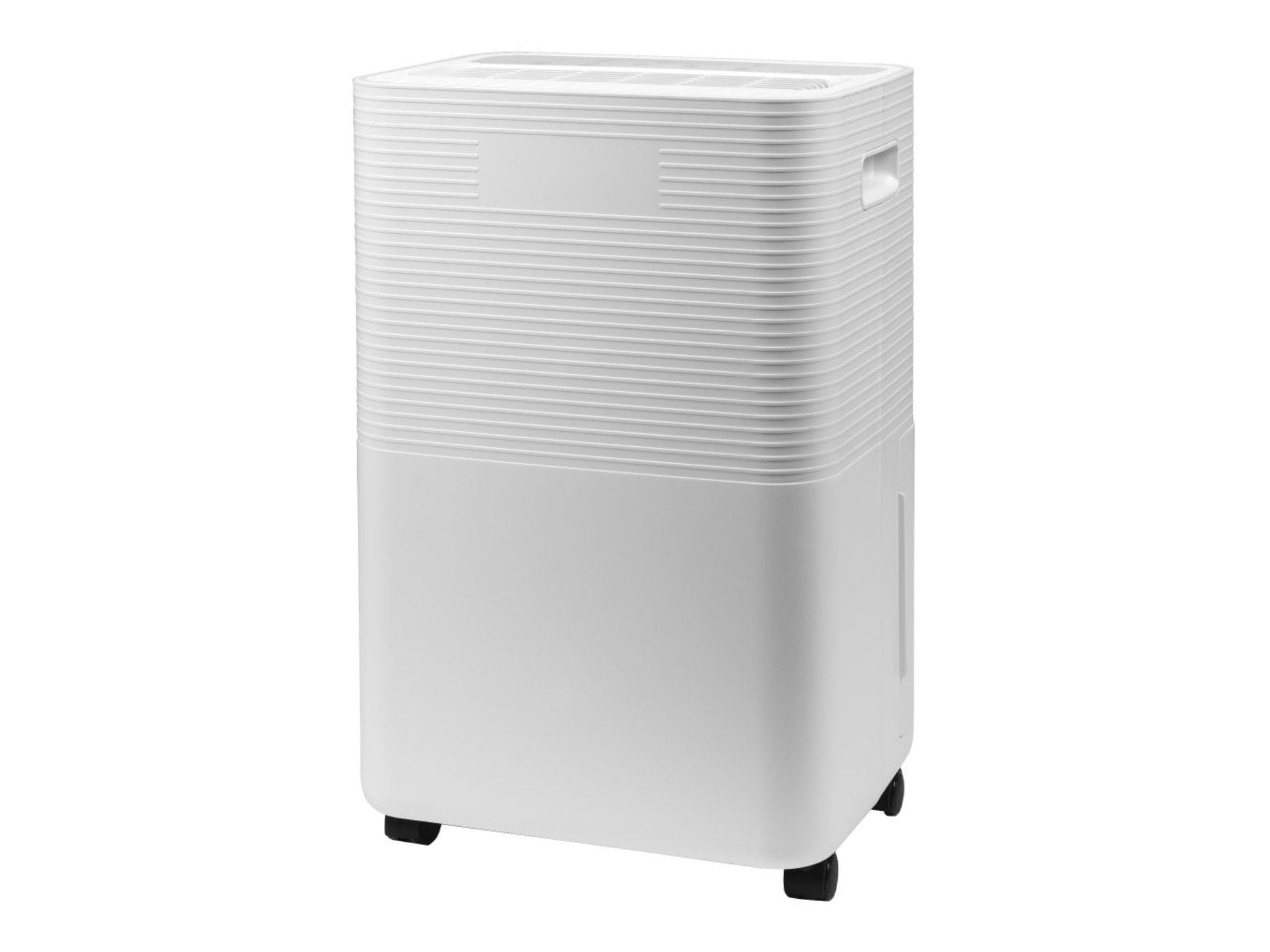
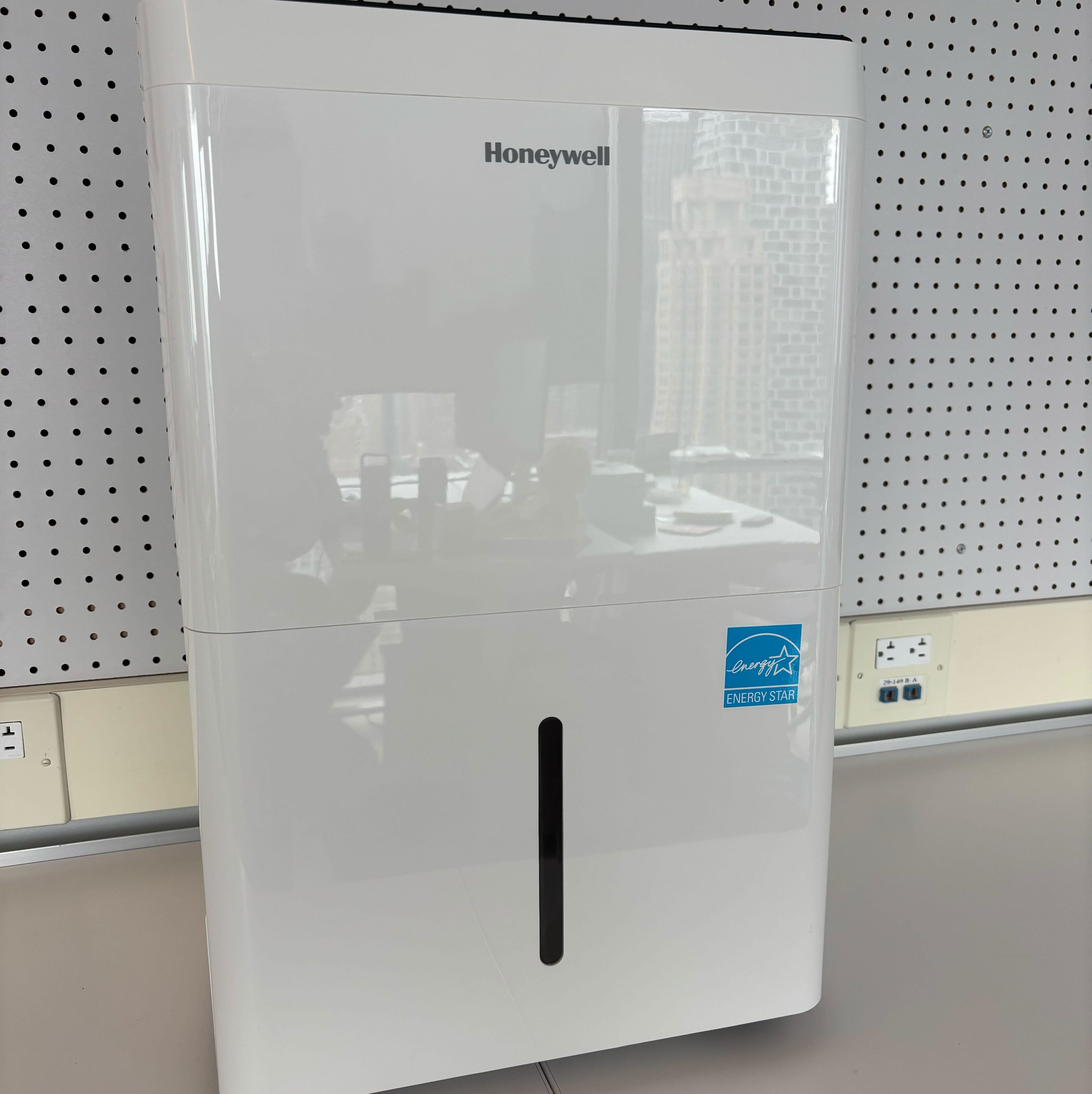
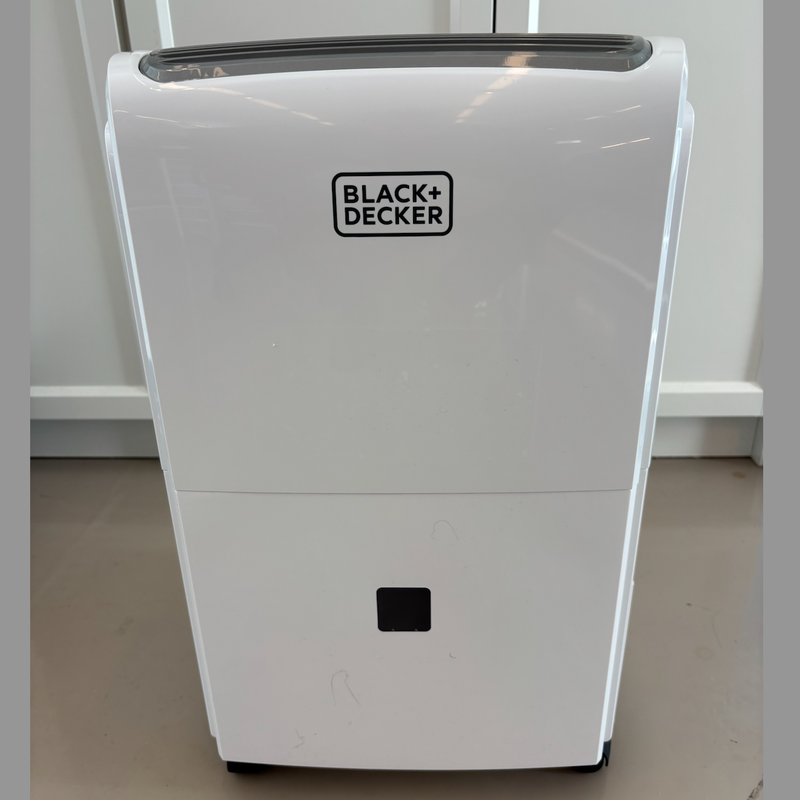
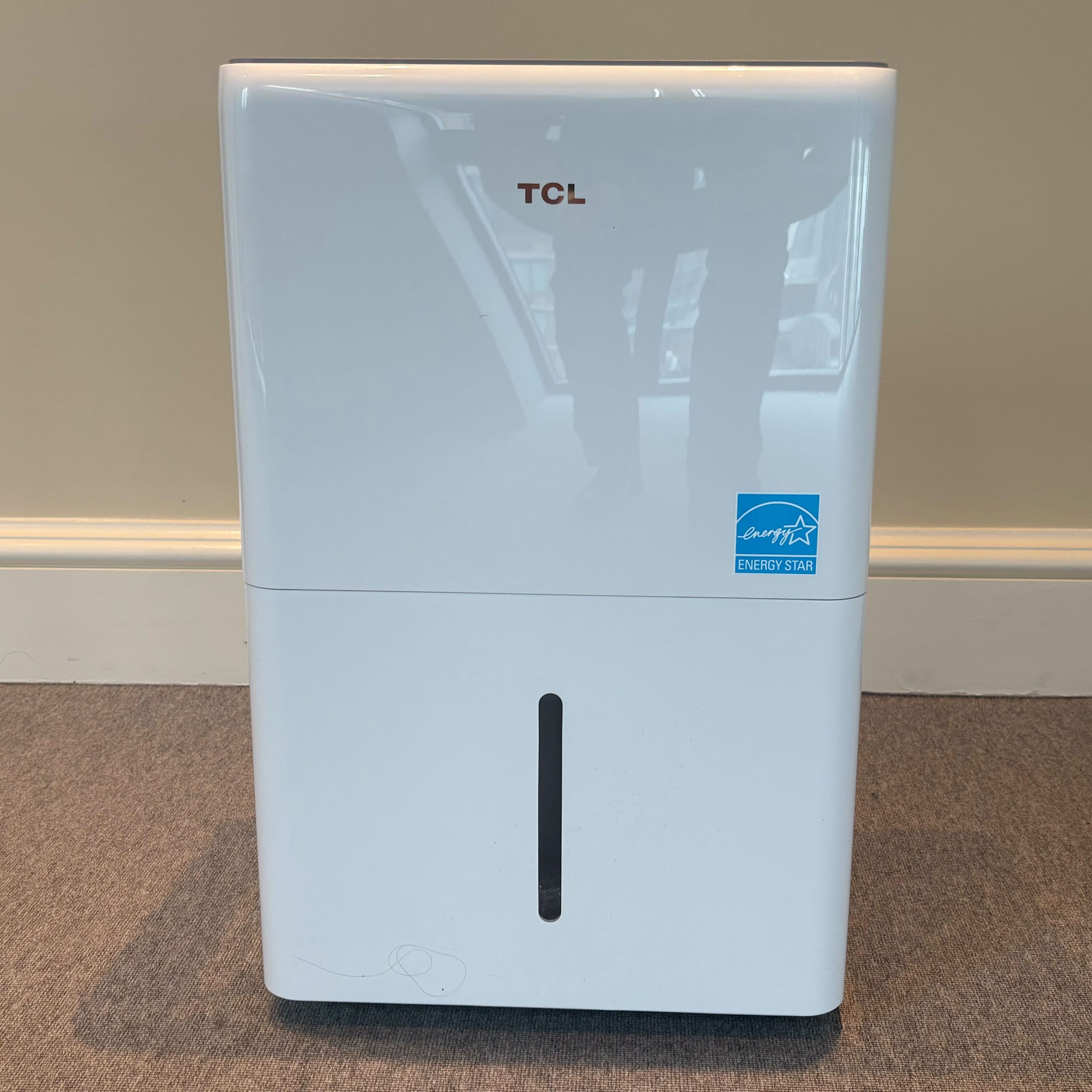
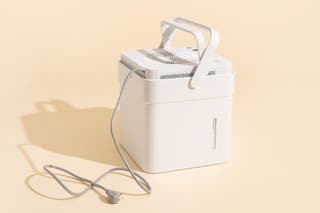
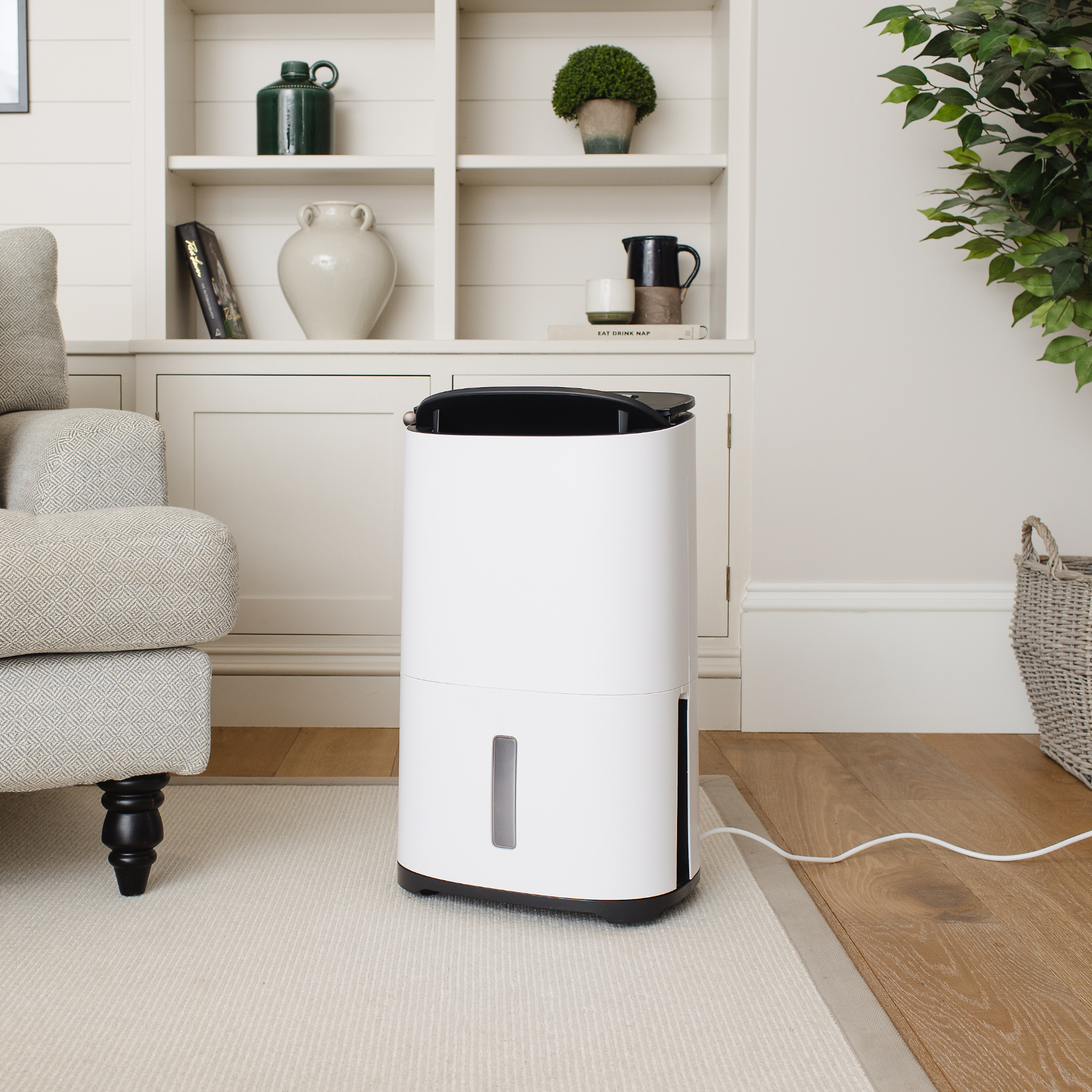
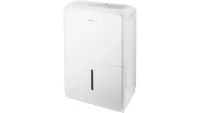
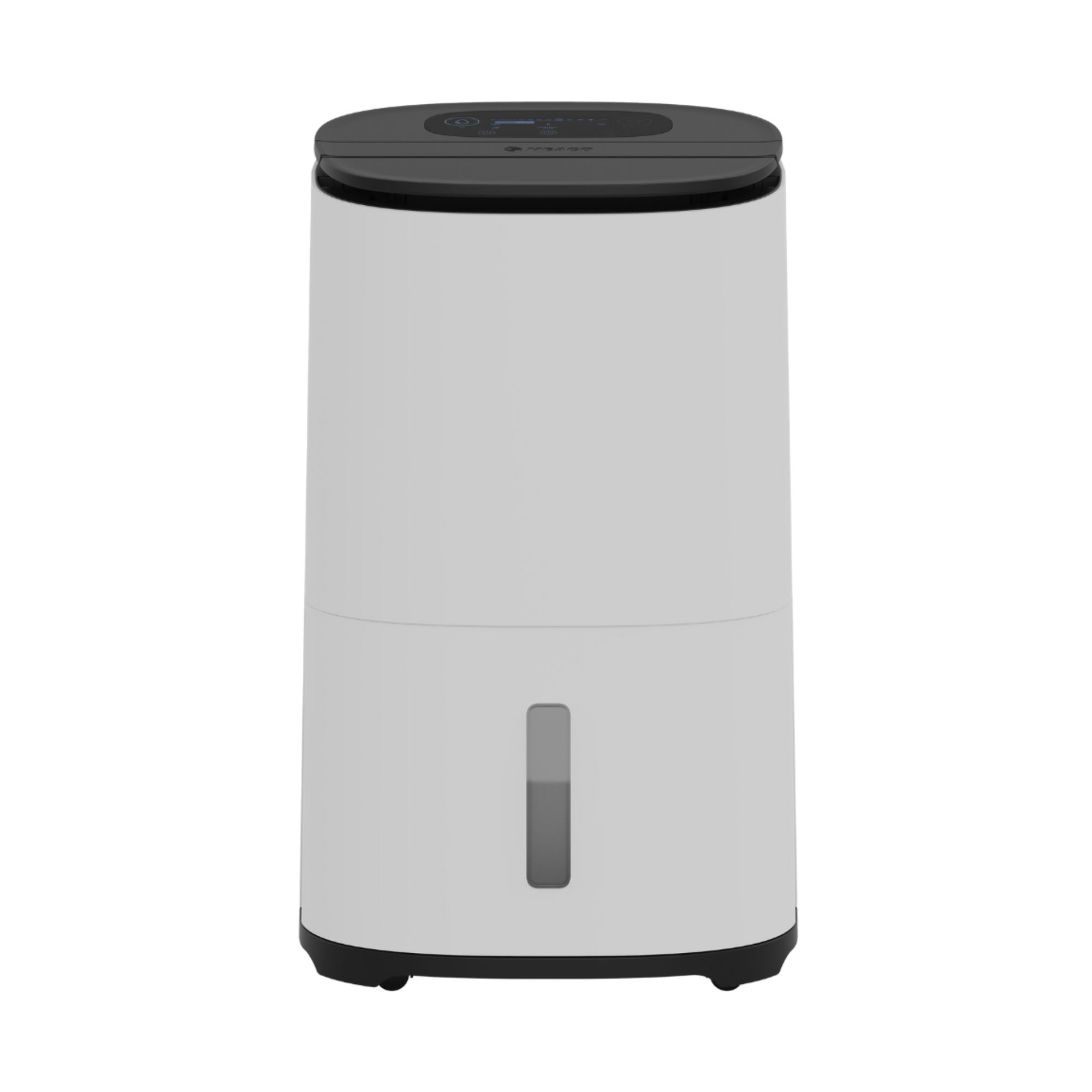
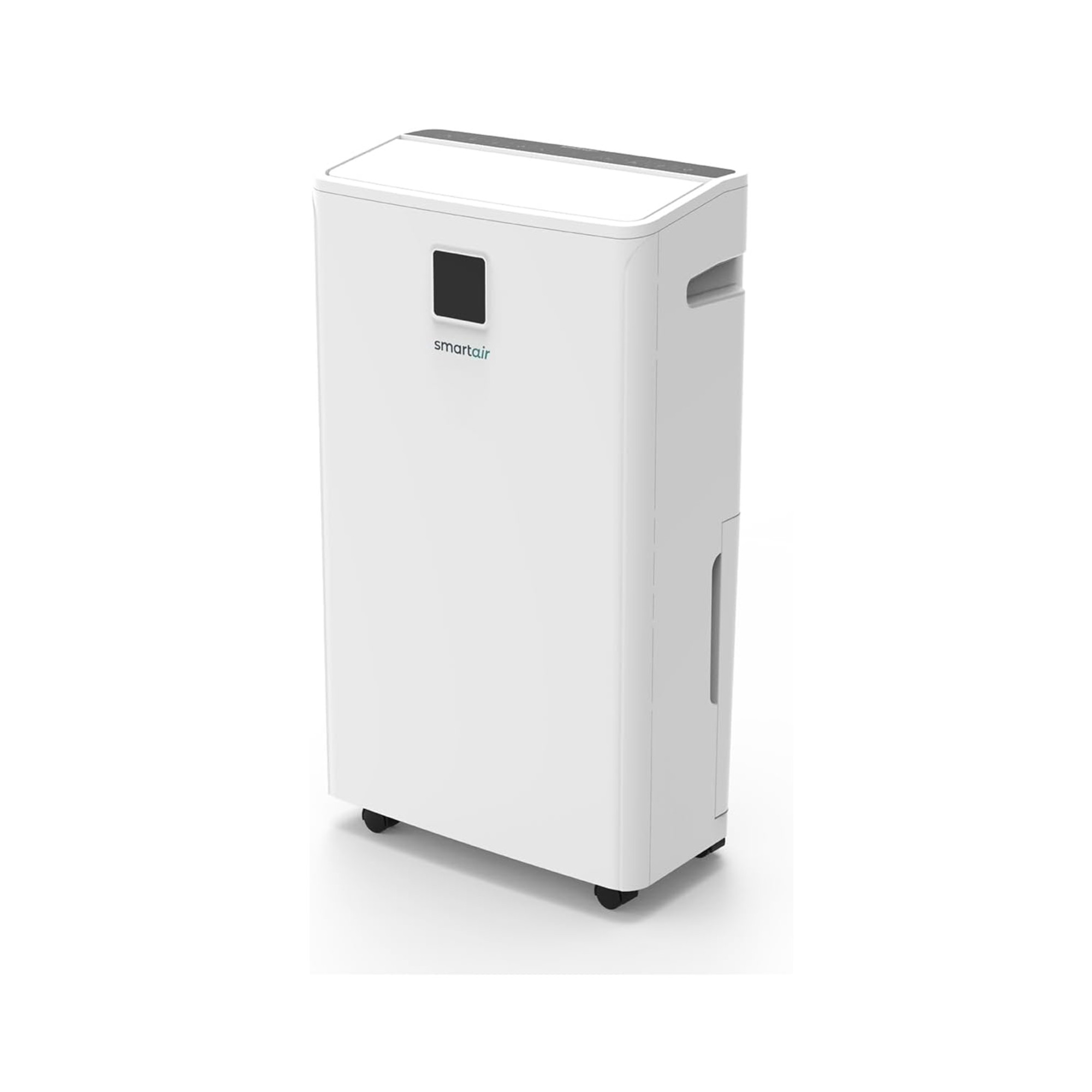
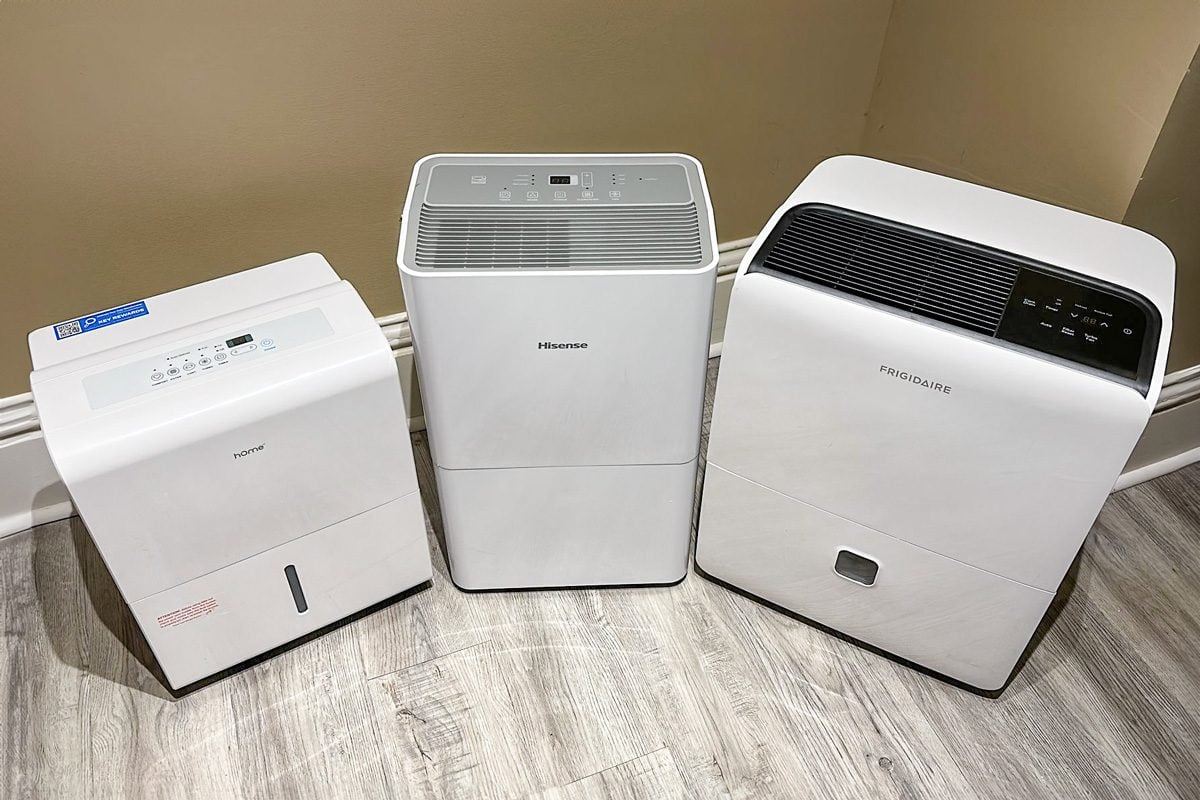
Dehumidifiers generally fall into three main types: refrigerant, desiccant, and whole-house. Refrigerant dehumidifiers, the most common type, use cooling coils to condense moisture from the air into a collection bucket. Their efficiency relies on the surrounding air being warmer than the coils, making them less effective in colder temperatures. Desiccant dehumidifiers, conversely, use an absorbent material to draw moisture from the air and can operate effectively at lower temperatures. Whole-house dehumidifiers are integrated into a home's HVAC system to control humidity throughout the entire house, though they are more expensive and typically require professional installation. The article evaluates several top models, including the Frigidaire High-Humidity Dehumidifier for overall performance, the HomeLabs Energy Star Dehumidifier as a budget-friendly option, and the Hisense Energy Star 50-Pint Three-Speed Dehumidifier for quiet operation. Other models highlighted include the HomeLabs 4500 for large basements, the Honeywell Smart Wi-Fi Dehumidifier for smart home integration, the Midea Cube 50 for extended use due to its large tank, the Midea 4500 as an efficient choice, the Ivation 13-Pint Desiccant Dehumidifier for individual rooms, and a Frigidaire 50-Pint Dehumidifier with a built-in pump for convenient drainage.
When choosing a dehumidifier, it is important to consider the specific conditions of your basement, such as size, existing humidity levels, and personal preferences for features like quiet operation or smart connectivity. The goal is to prevent structural damage and inhibit the growth of mold and mildew, which can also eliminate musty odors. A dehumidifier should not run constantly; experts recommend maintaining basement humidity levels between 20% and 60%, with most units featuring automatic shut-off to achieve this. Proper placement, away from walls and ideally near the moisture source or in the center of the basement, optimizes performance.
#BasementDehumidifiers #MoistureControl #HomeImprovement #MoldPrevention #AirQuality #EnergyEfficiency #SmartHome #DIYHome #BasementDehumidifiers #MoistureControl #HomeImprovement #MoldPrevention #AirQuality #EnergyEfficiency #SmartHome #DIYHome
0개의 댓글이 총 표시됩니다.
 아직 댓글이 없습니다
추가로 마음에 드릴 만한 콘텐츠
Best dehumidifiers 2025, tried and tested for tackling damp

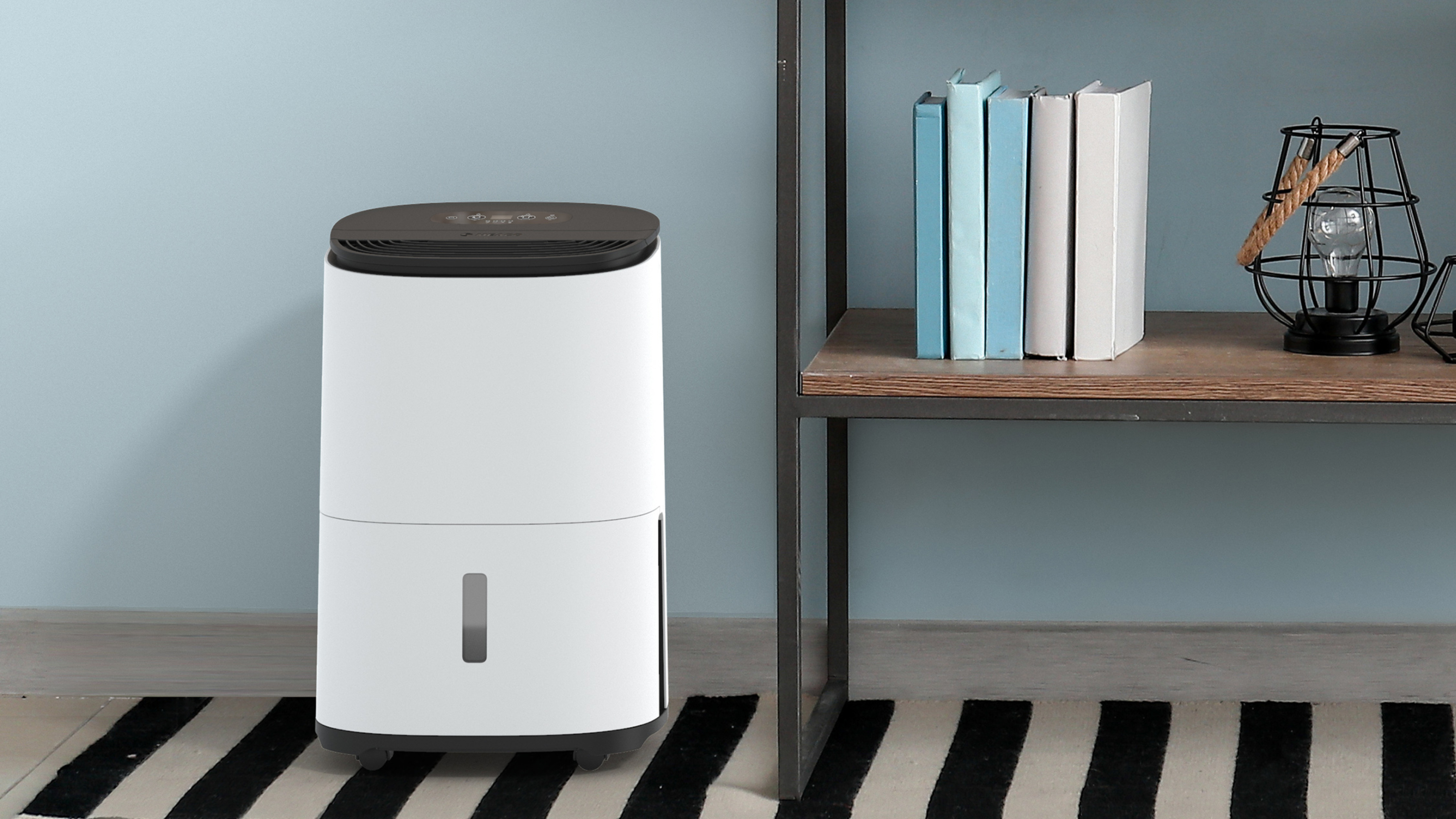
These simple mistakes could be why your dehumidifier isn't working properly – and here's how to avoid them
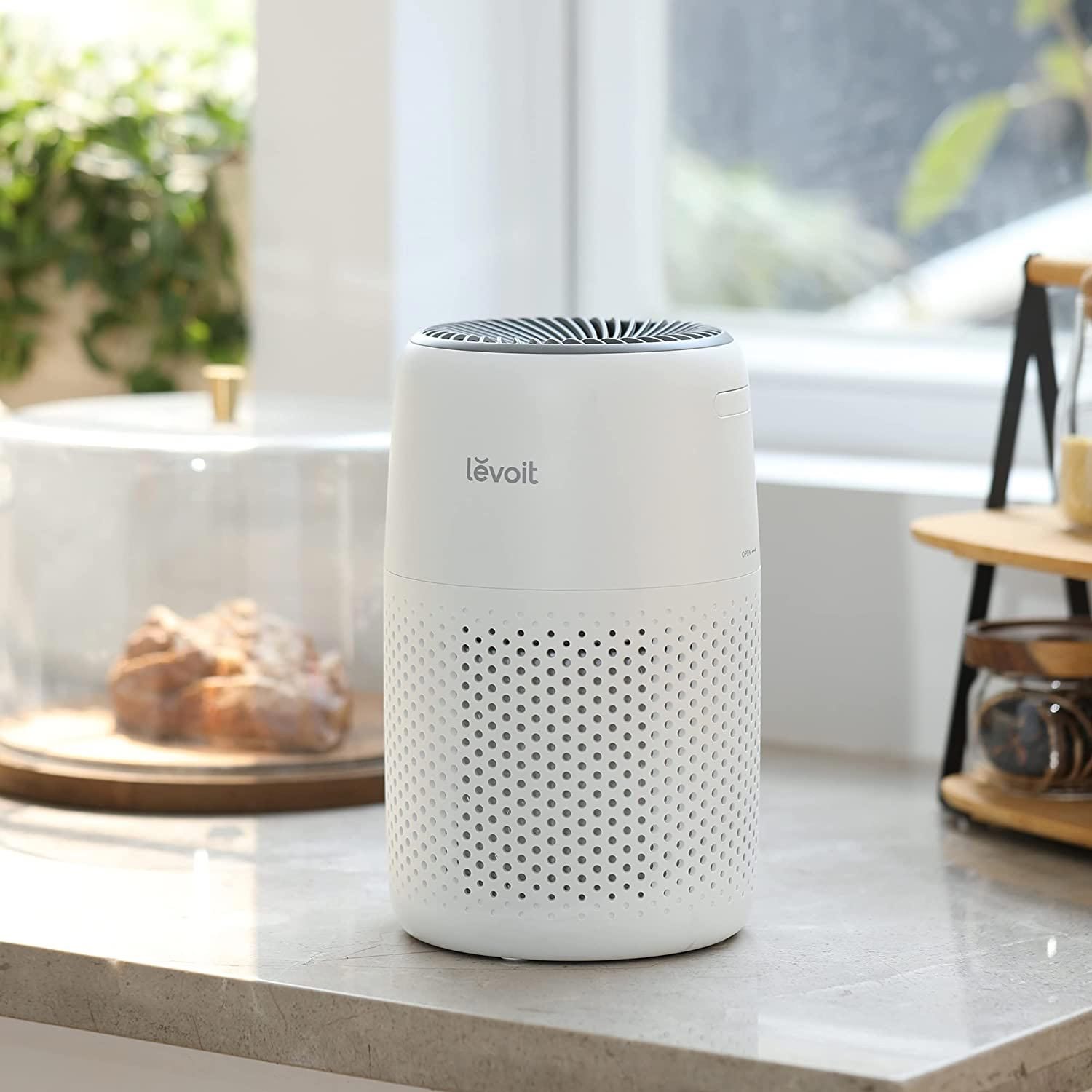
The 10 Best Air Purifiers for a Basement to Remove Dust, Allergens and Odors
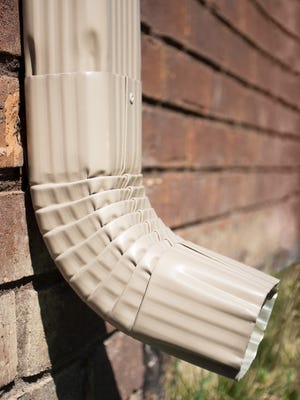
Kuffa: Simple, inexpensive solutions to a wet basement
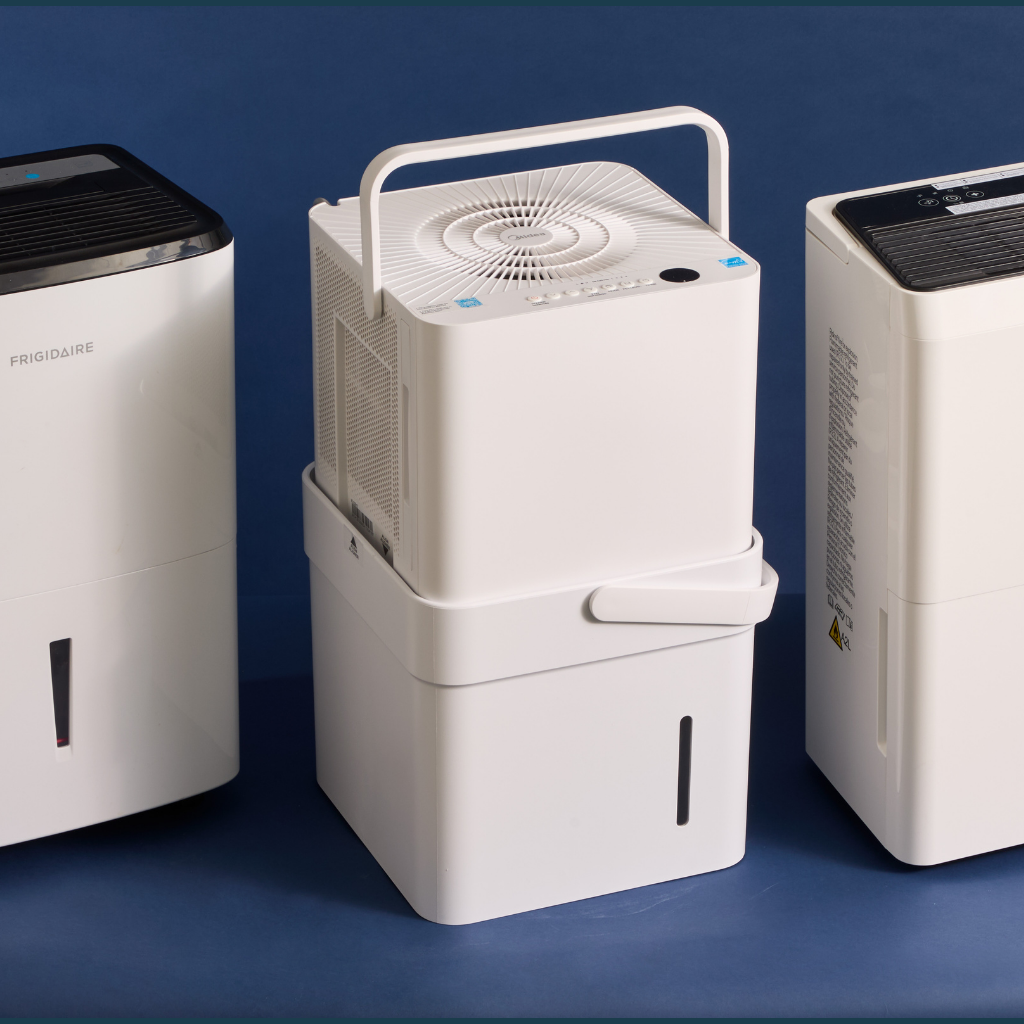
I've Tested Dehumidifiers for 25 Years: These Are the Most Reliable


How to ventilate a basement – expert tips to reduce damp and mold

How to protect your home from damp, moisture and mould

How to get rid of damp
The 3 Best Dehumidifiers of 2025 | Reviews by Wirecutter
Insulate Your Basement, Part 1

The 5 Best Basement Sealers to Waterproof Your Space
Best plants for condensation and damp – 7 moisture-absorbing plants that control humidity
You can stop worrying about damp in your home thanks to this budget appliance
The 5 Best Basement Odor Eliminator Picks for Musty Cellars 2025

The 4 simple tricks that stopped condensation from forming on my bedroom windows – I no longer have to wipe my windows down every morning
Struggling with dry air? Breathe easy with these 6 excellent humidifiers

Can a dehumidifier dry out damp walls? Expert tips you need to know to drive out unwanted moisture this winter

How to stop damp in a bedroom - 10 foolproof ways to keep mould at bay
The Best Humidifiers | Lab Tested & Ranked

How to Get Rid of That Musty Basement Smell, According to Experts