1/2
Remove silicone sealant mould with ‘100% effective’ solution ‘without causing damage’
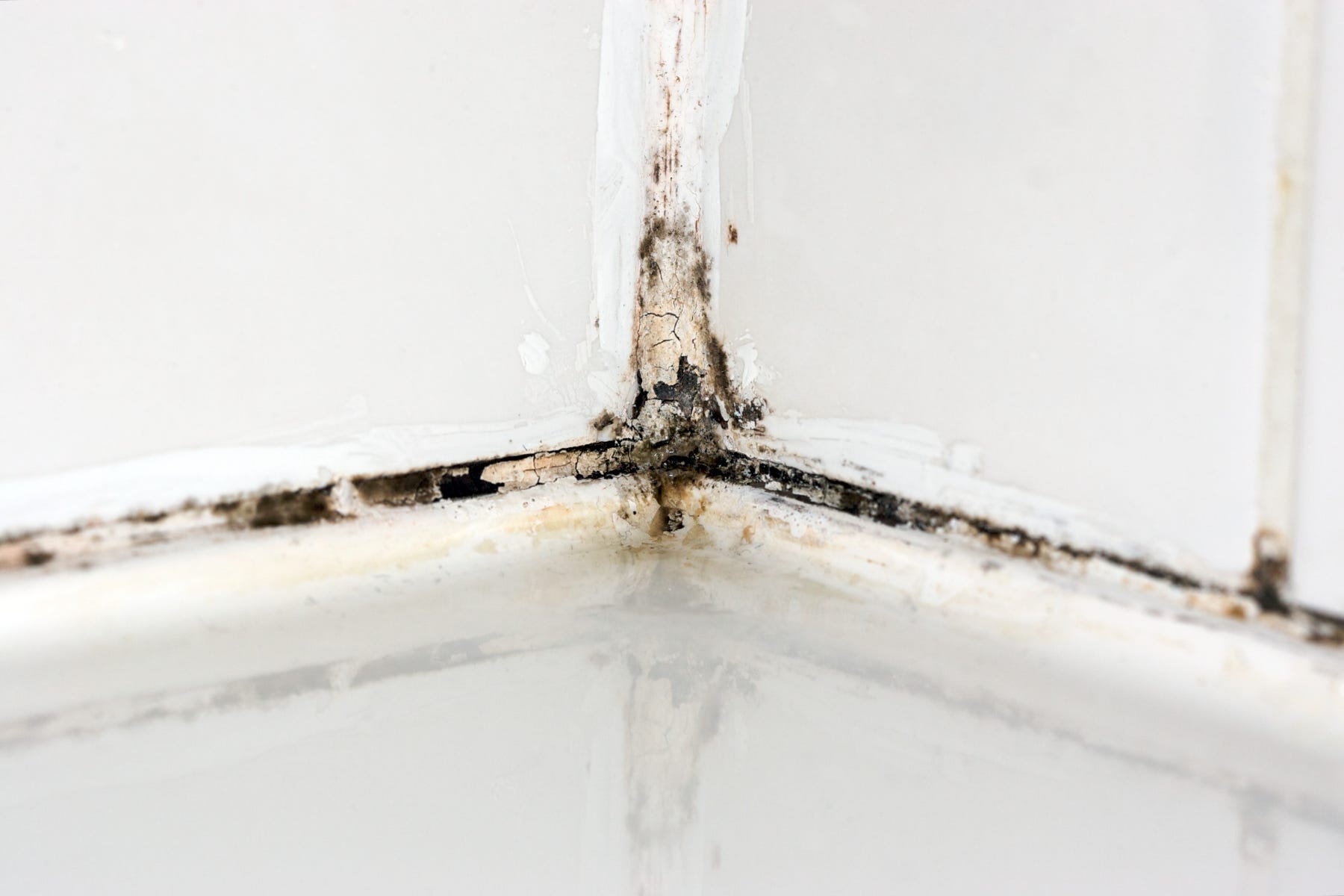
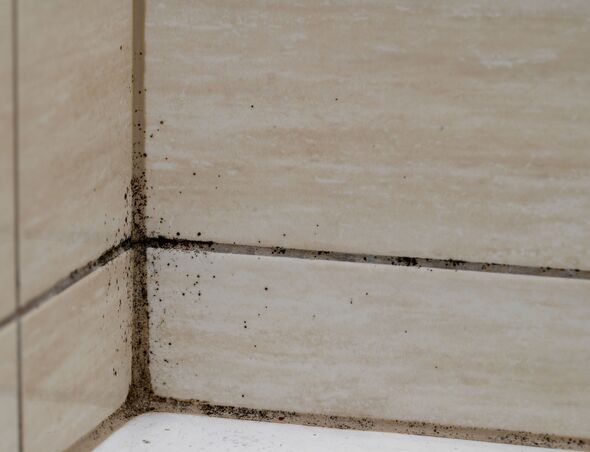
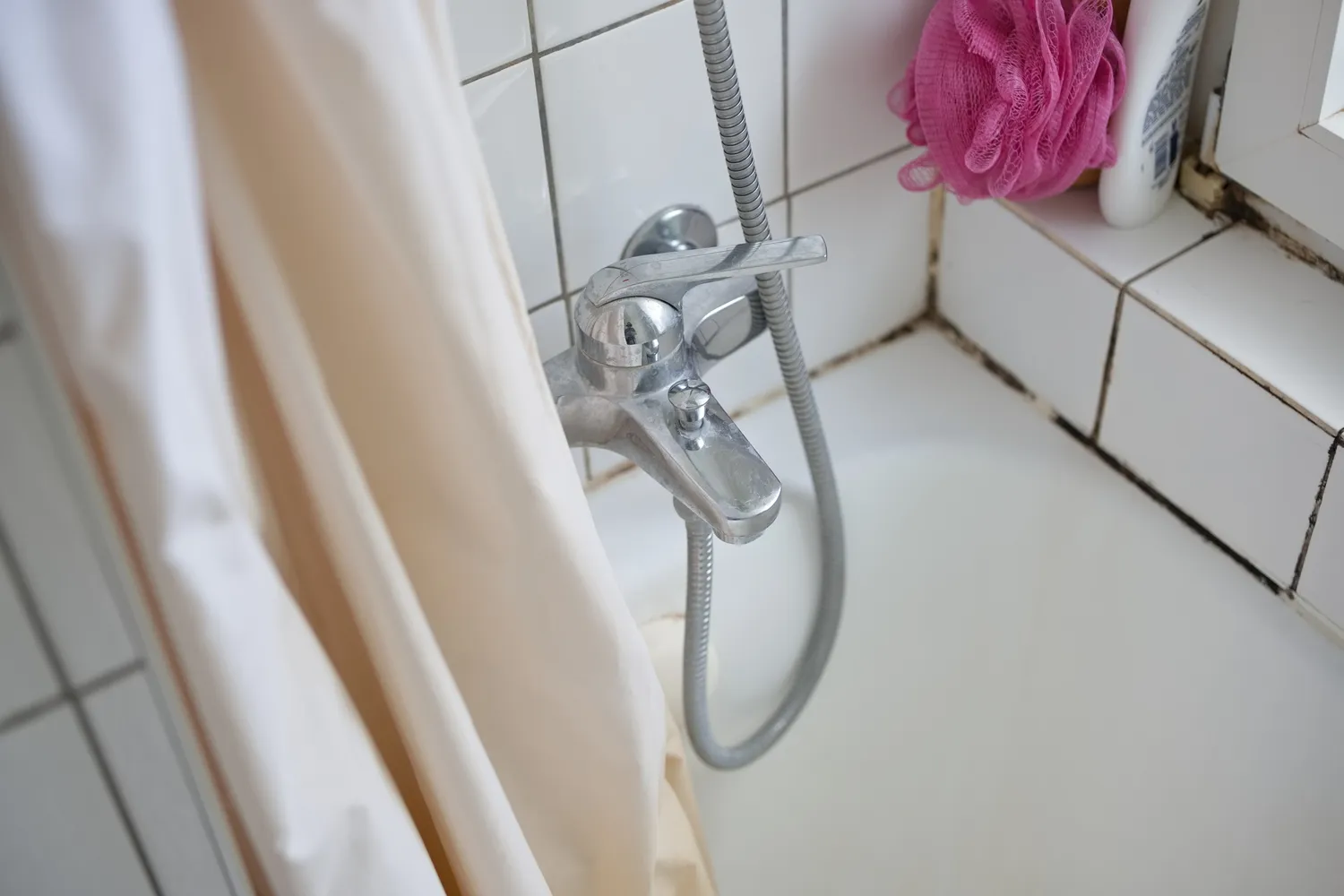
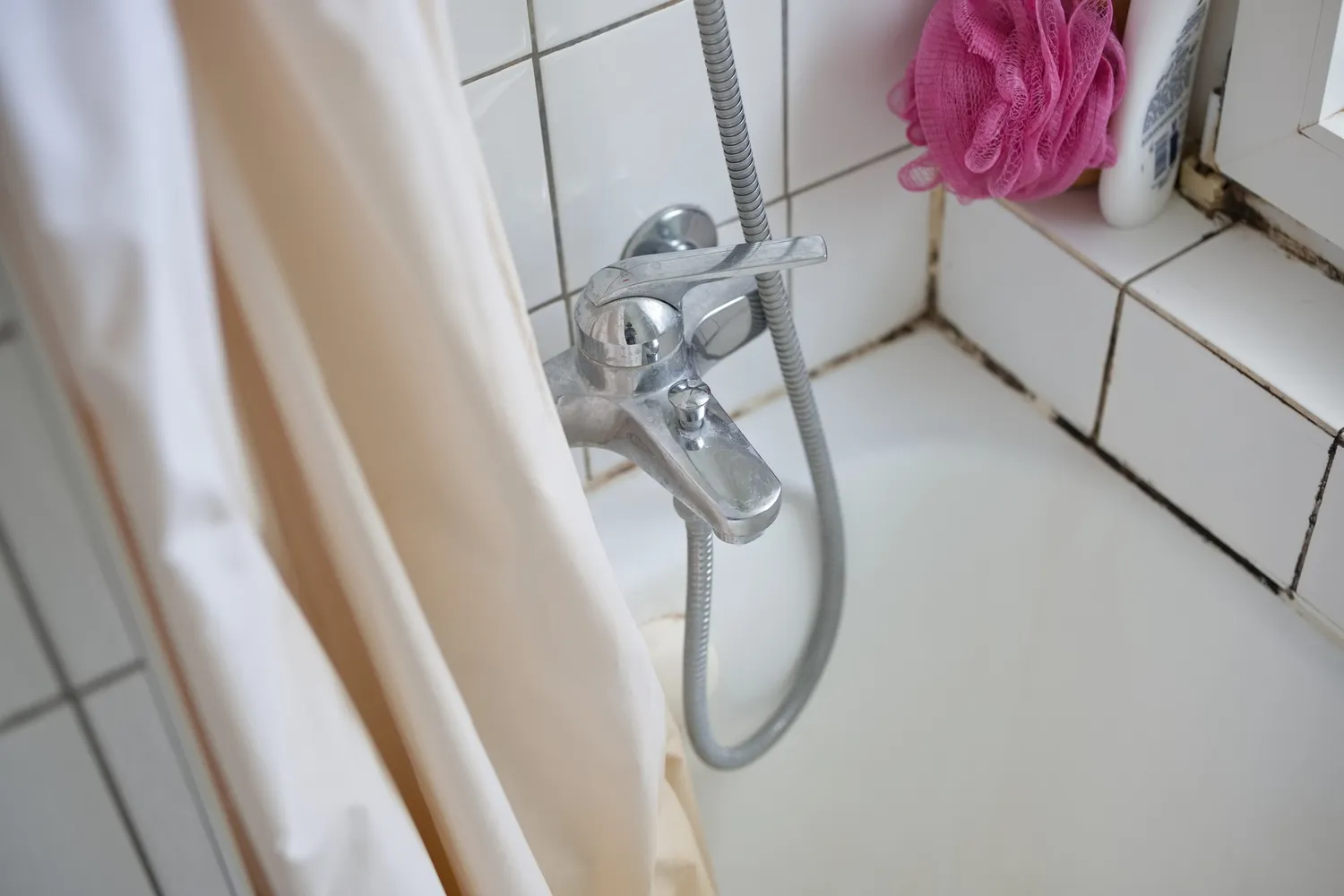
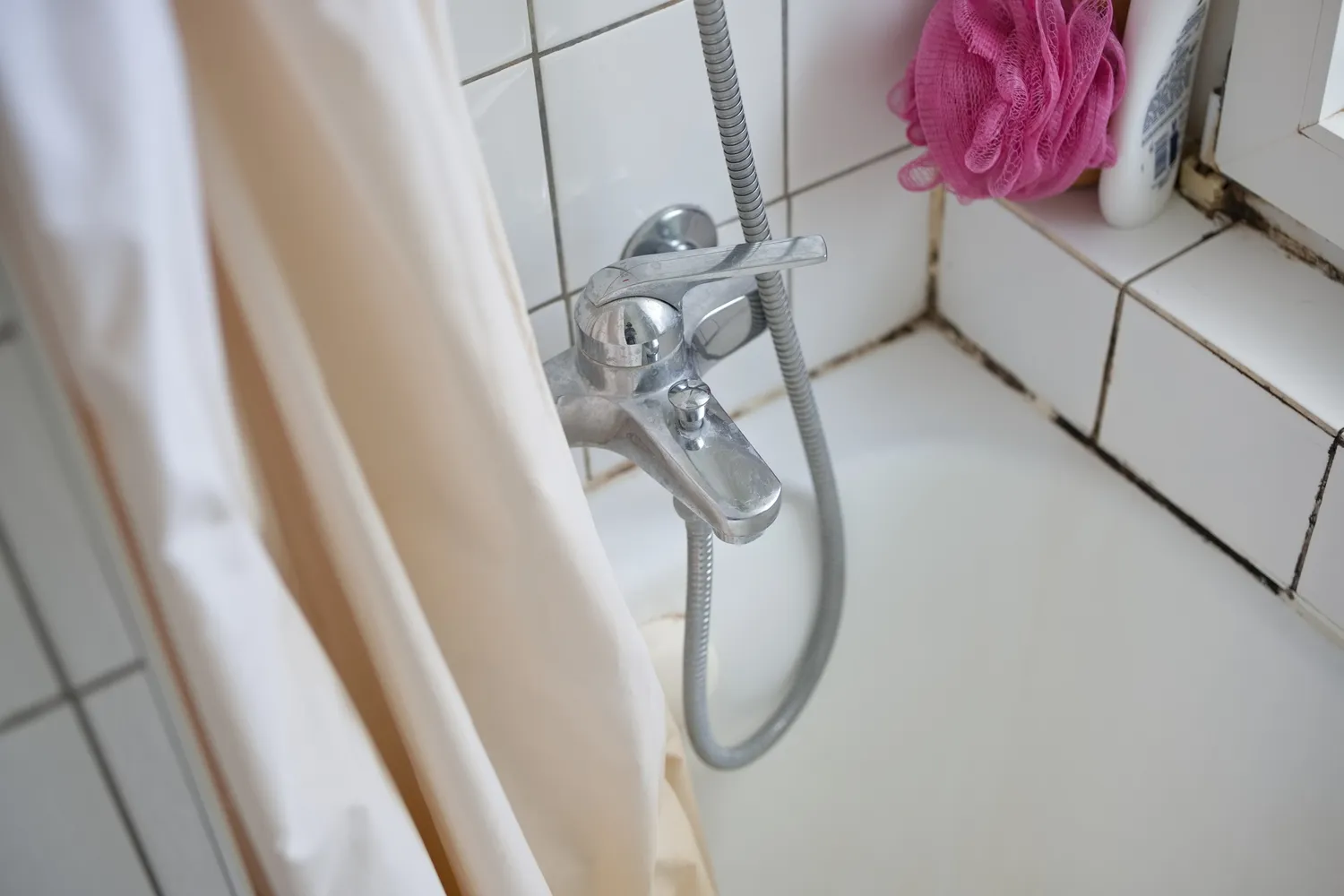
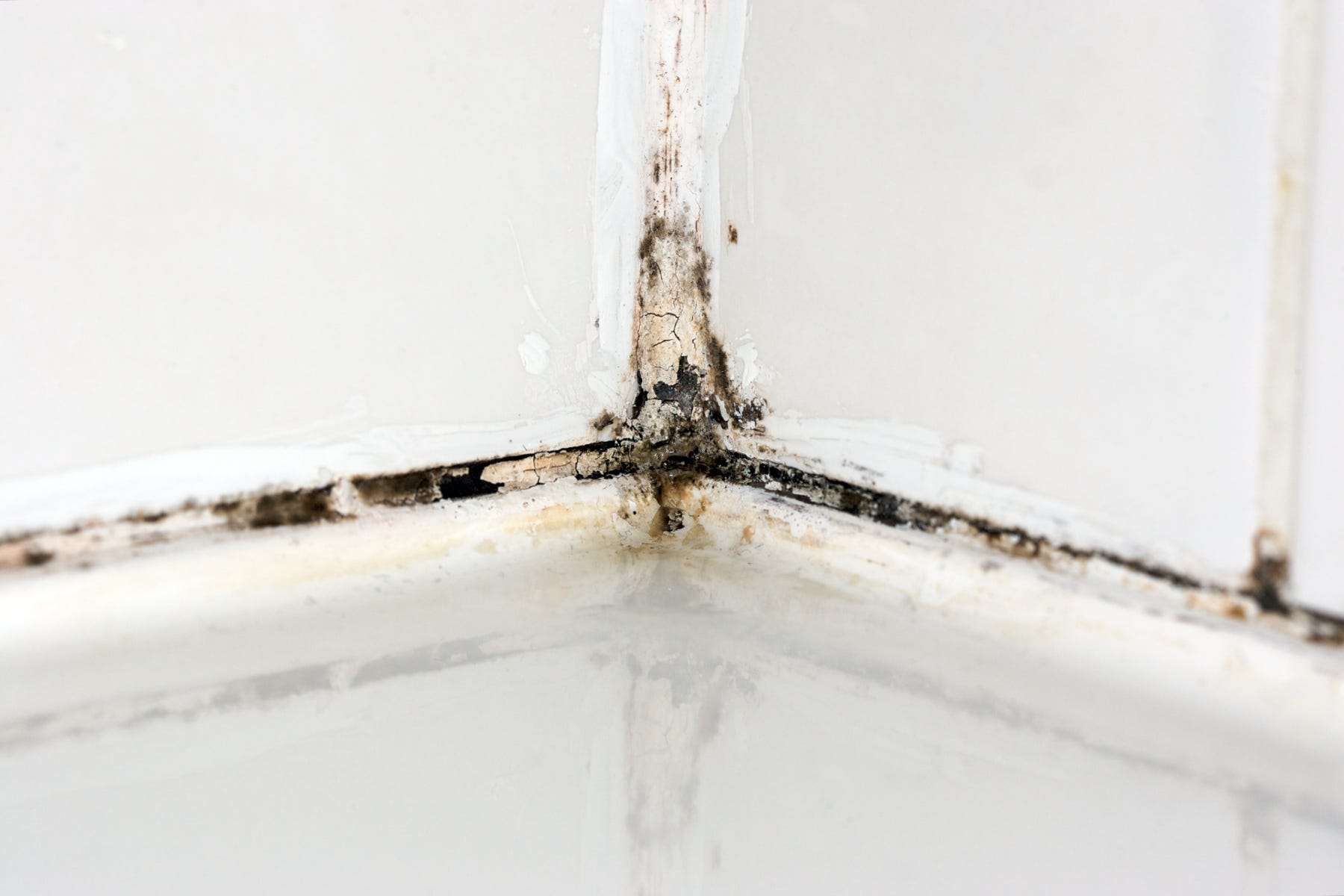
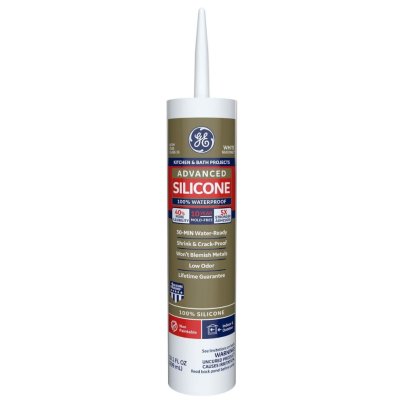
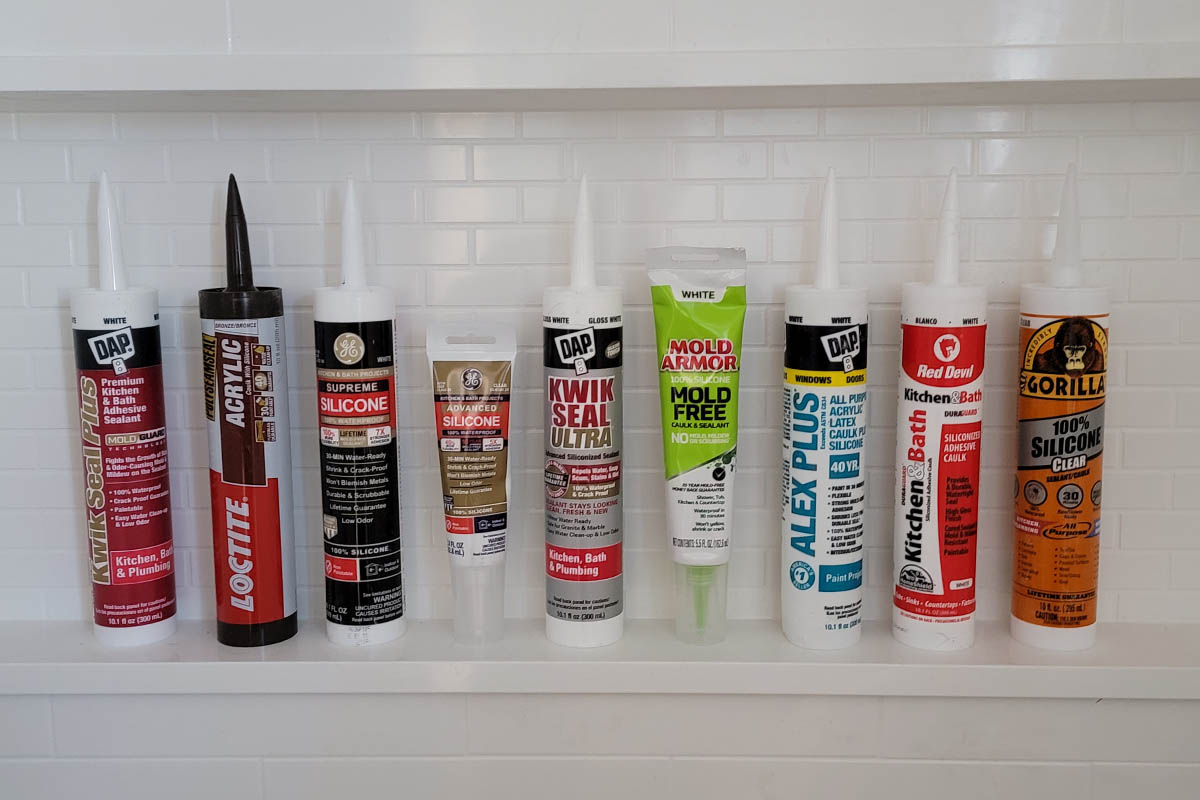
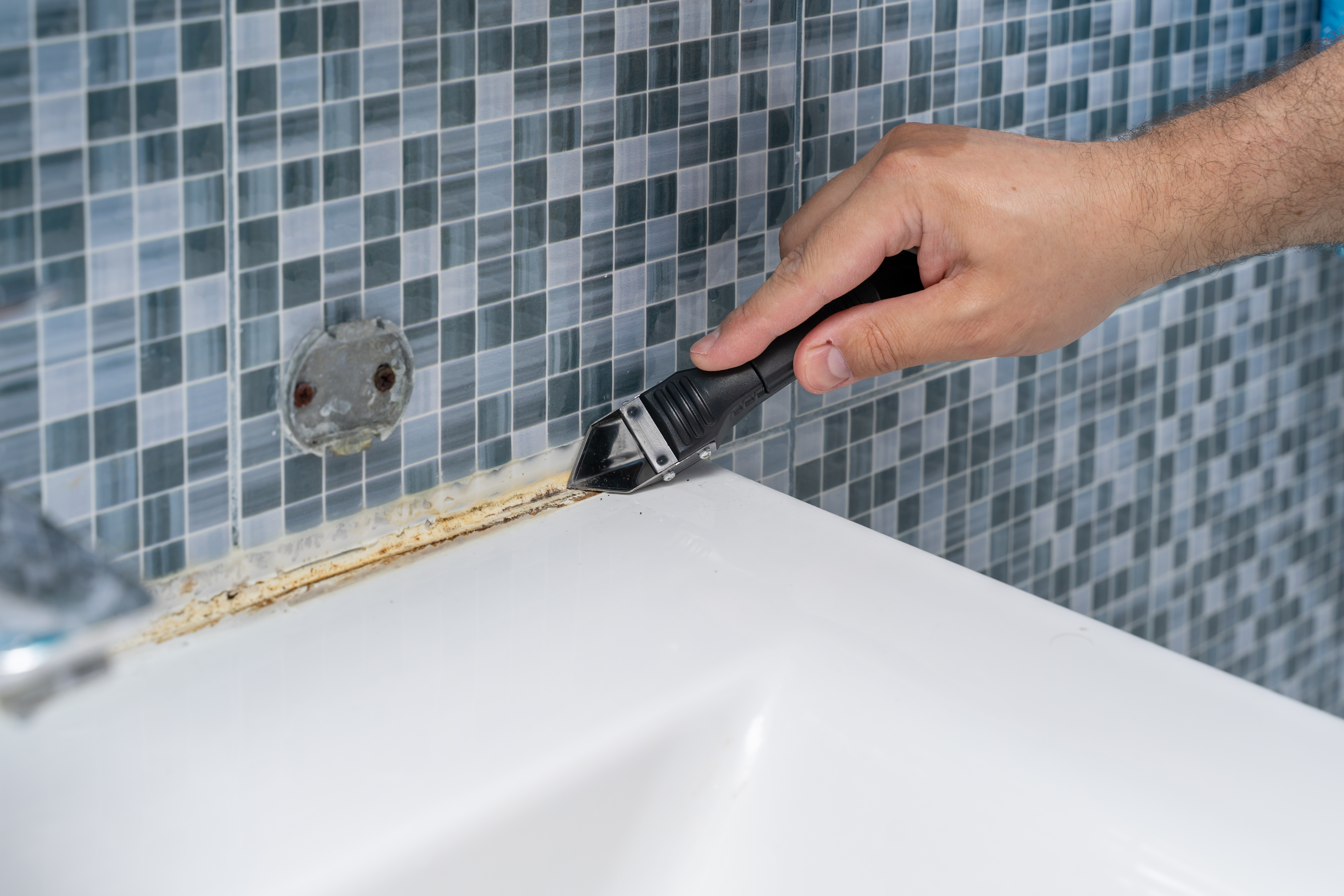
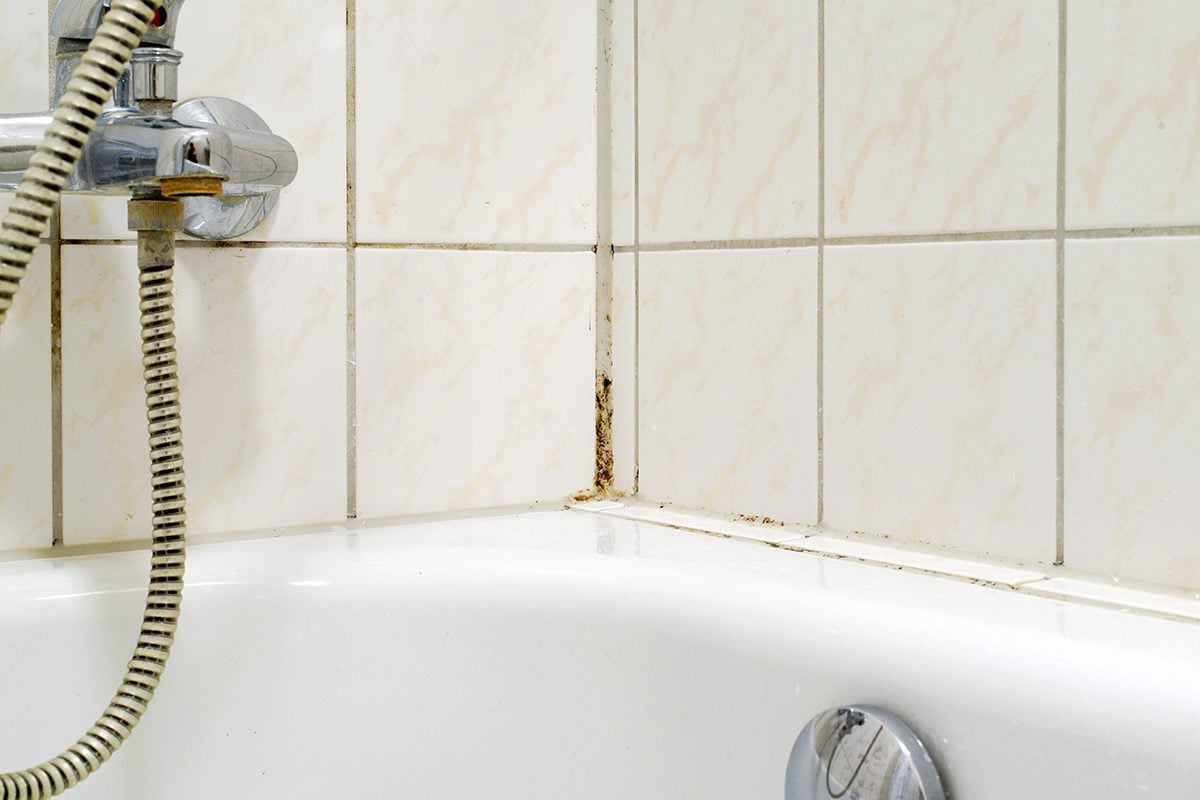
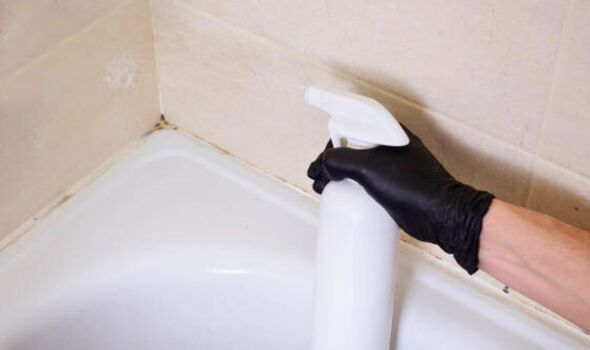
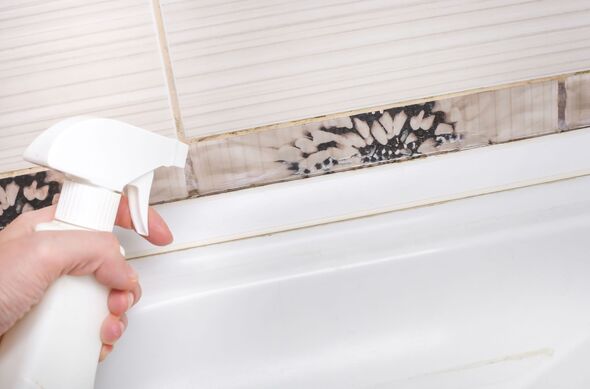
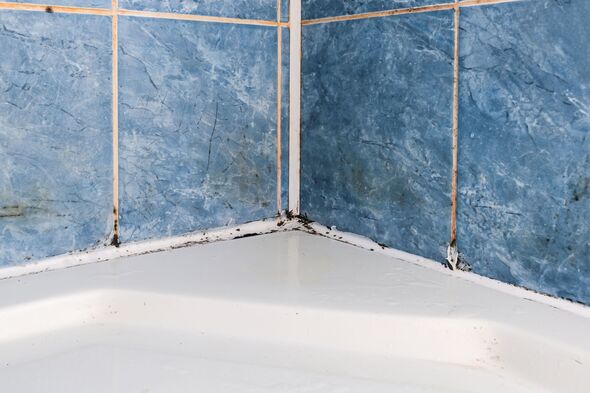
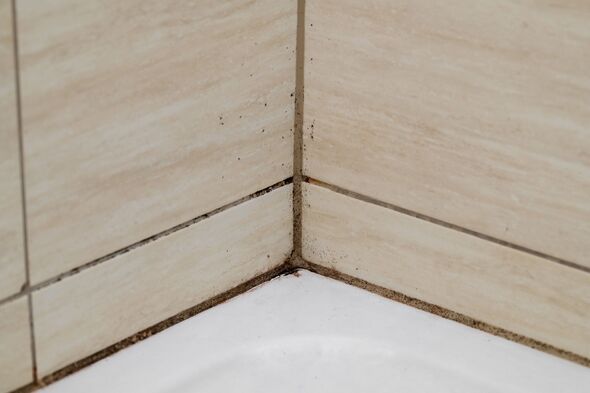
Bathrooms are prone to dampness, creating an ideal environment for moisture to settle on surfaces, particularly silicone sealants. This combination of water and steam leads to humid and warm air, facilitating mould growth. Silicone sealant, recognized for its sealing and bonding properties, is crucial for waterproofing areas like showers and sinks, thereby preventing water damage in bathrooms and other parts of the home. When households observe blackening on their silicone sealants, it indicates a mould problem that requires attention.
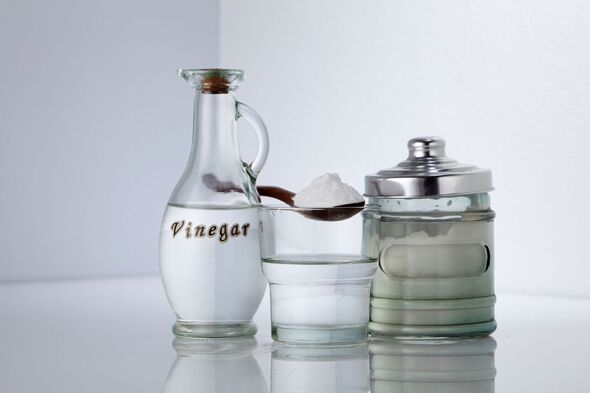
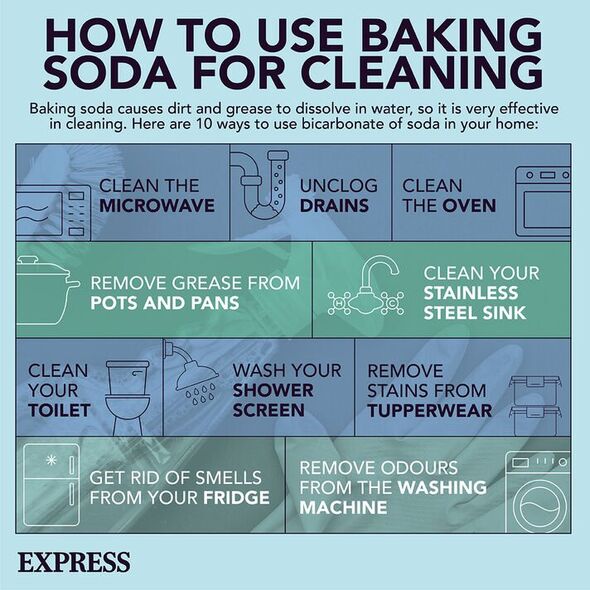
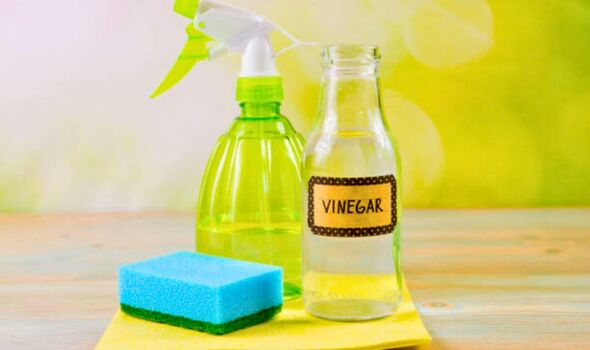
Abbas Youssefi, director at Porcelain Superstore, highlights the difficulty in cleaning silicone sealant, noting that conventional bleach-based solutions can shorten its lifespan and cause it to fail prematurely. While bleach might temporarily lighten and brighten the sealant, it often necessitates an earlier replacement. As an alternative, Youssefi suggests using two common household items—white vinegar and baking soda—to create an effective, non-damaging cleaning solution. White vinegar, containing approximately five percent acetic acid, is adept at breaking down dirt, oils, films, stains, and mould. Baking soda, being mildly abrasive, efficiently removes dirt and stains without causing damage and also functions as a deodorizer. This natural solution is not only 100 percent effective and safe but also helps preserve the sealant's integrity, extending its longevity.
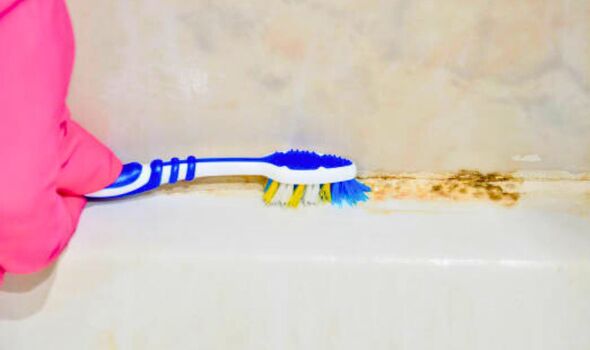
To prepare the cleaning paste, combine one cup (about 250ml) of white vinegar with three teaspoons of baking soda in a small bowl or container. Mix these ingredients with a small brush, such as an old toothbrush, until a paste forms. Apply a generous layer of this paste to the silicone sealant using the brush. Allow the paste to sit for five to 10 minutes, then use the brush to scrub along the sealant, focusing on areas with persistent mould. This agitation helps lift dirt, oils, films, stains, and mould from the sealant. After scrubbing, use paper towels and cold water to remove and rinse off the abrasive baking soda. If some problematic areas remain, the process can be repeated as needed.
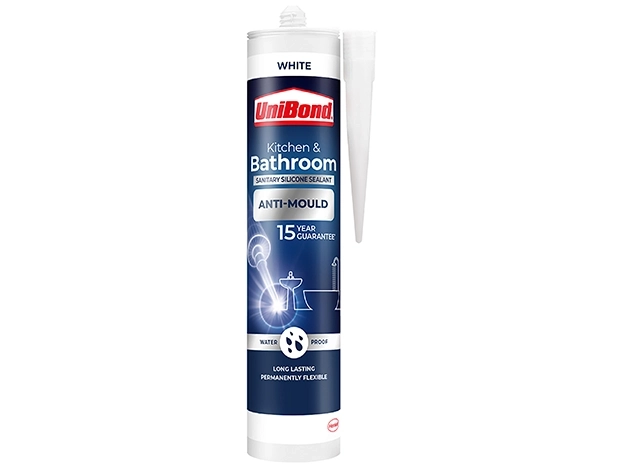
Although silicone is a durable material, it can degrade over time. Manufacturers generally advise replacing silicone sealants every 10 to 20 years. However, certain indicators suggest an earlier replacement might be necessary, including cracking, peeling, discoloration, or the formation of gaps in the sealant. Regular inspection and timely intervention with appropriate cleaning or replacement methods can help maintain the functionality and appearance of silicone sealants in the home.
#SiliconeSealant #MouldRemoval #CleaningHacks #WhiteVinegar #BakingSoda #BathroomMaintenance #HomeCare #DIYCleaning #SiliconeSealant #MouldRemoval #CleaningHacks #WhiteVinegar #BakingSoda #BathroomMaintenance #HomeCare #DIYCleaning
0개의 댓글이 총 표시됩니다.
 아직 댓글이 없습니다
추가로 마음에 드릴 만한 콘텐츠
Expert-tested mould removal tips that actually work

Kitchen & Bathroom Sealants

Fight Mold With Paperless Drywall

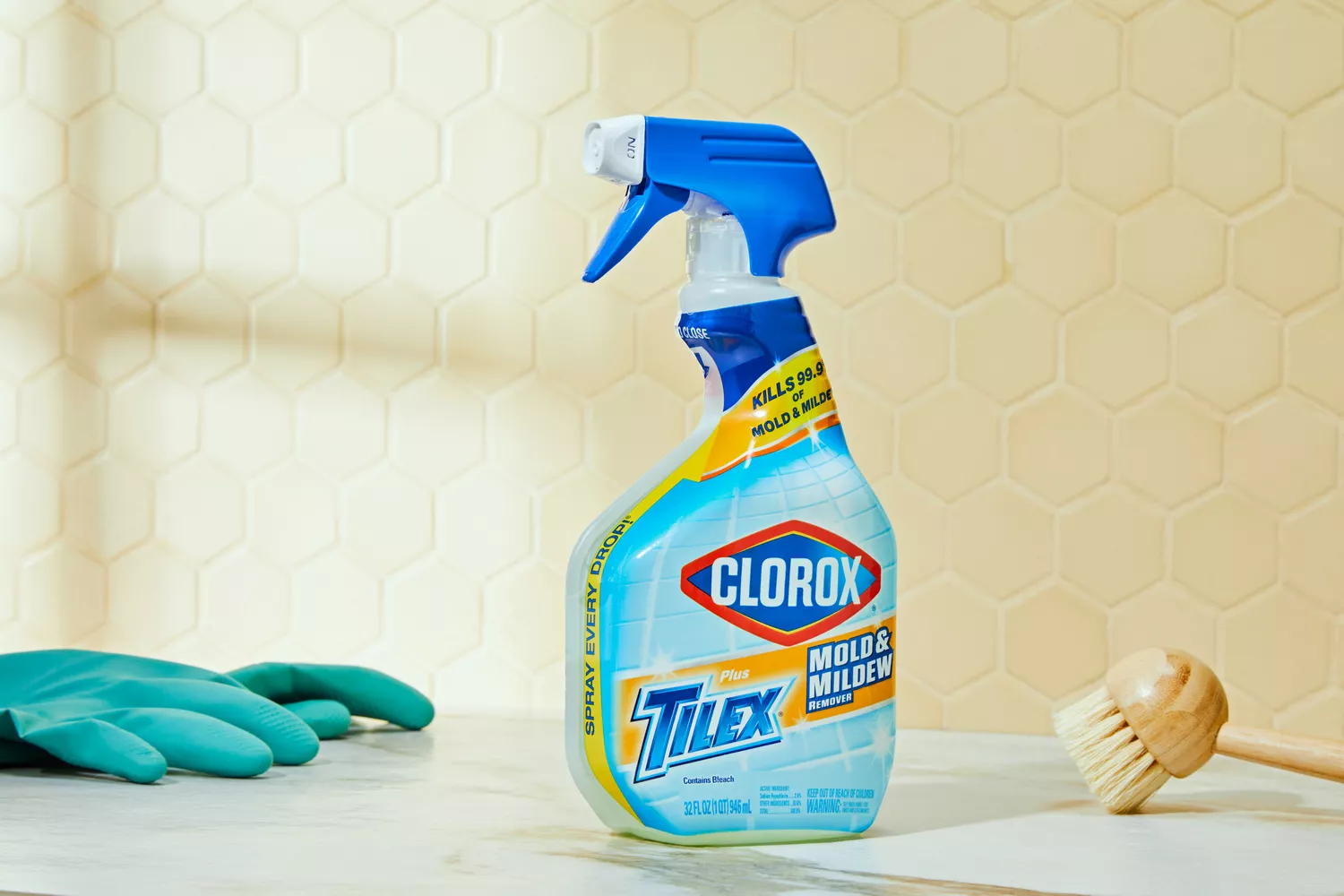
These 5 Best Mold Removing Products Will Help You Get Rid of Mold ASAP

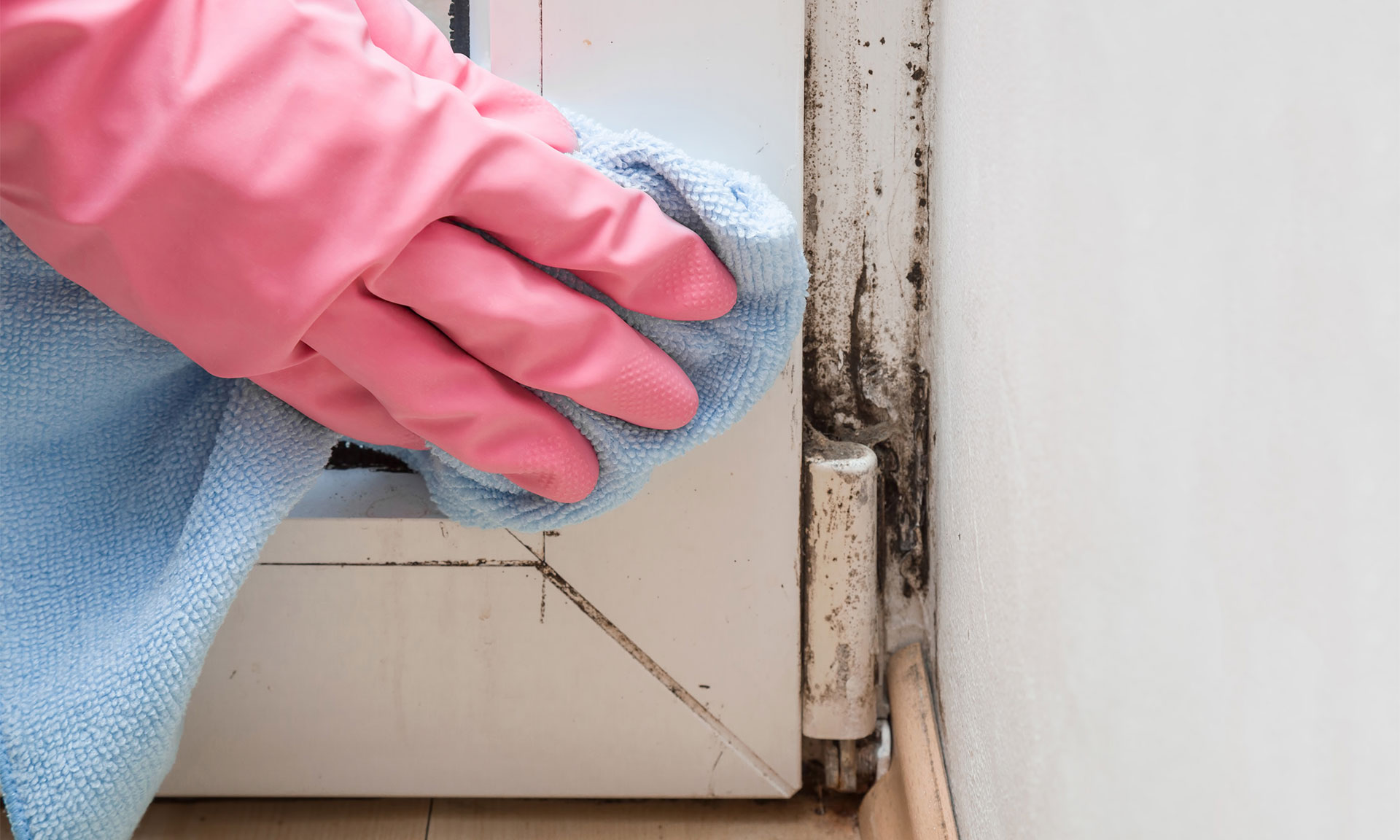
How to get rid of mould
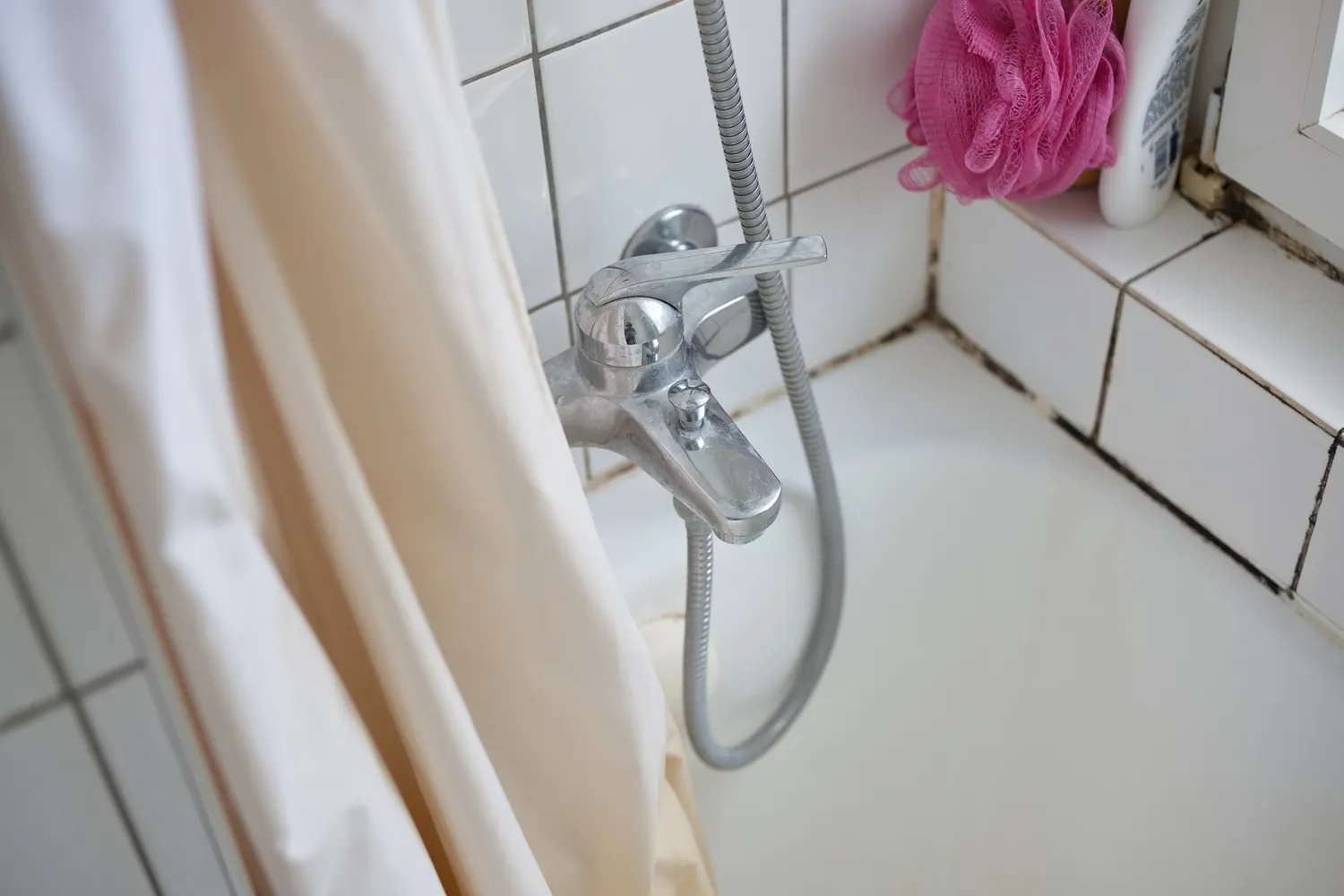
We Asked a Cleaning Pro How to Finally Get Rid of Mold in the Shower—And We're Trying This ASAP

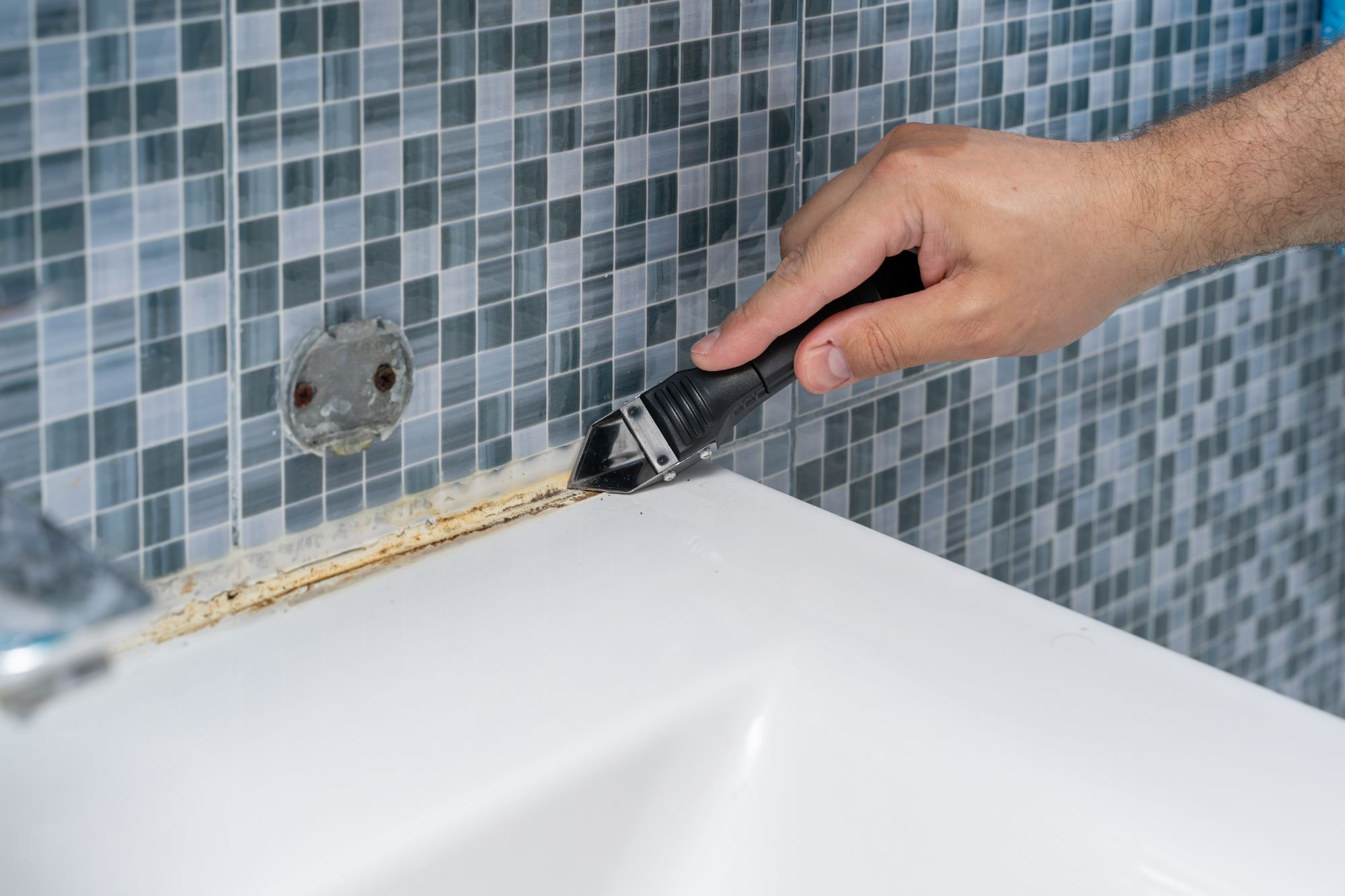
The B&M buy that melts silicone sealant mould in seconds with zero scrubbing

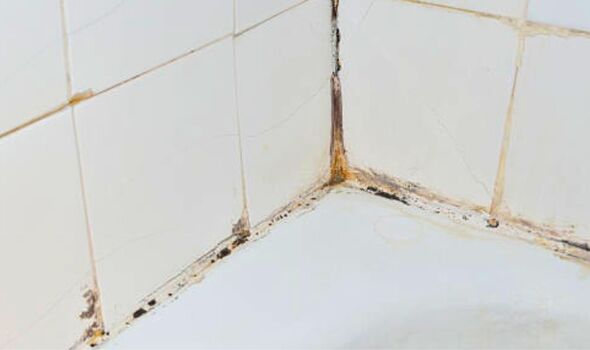
Silicone sealant mould will vanish in 15 minutes if cleaned with 1 natural item
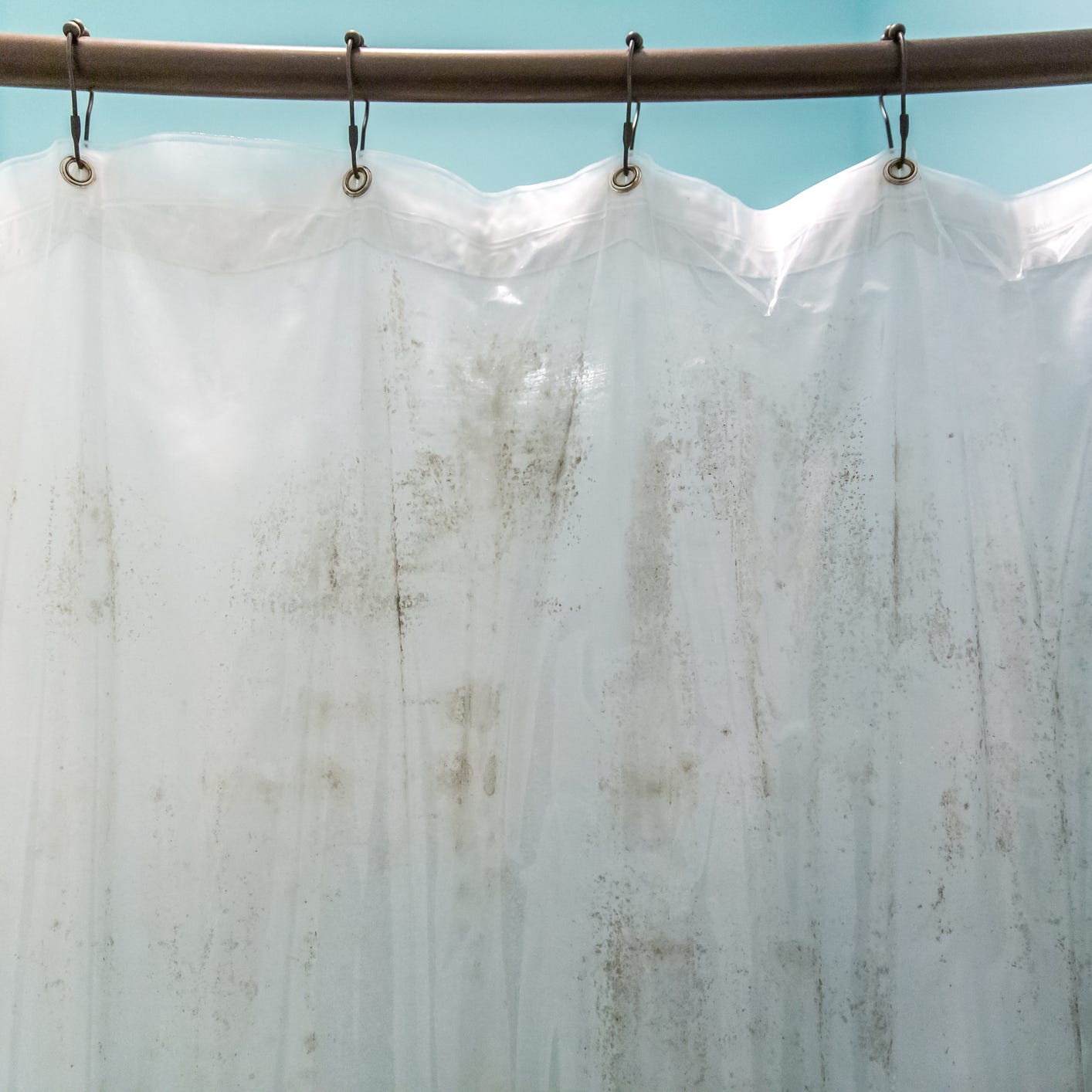
The Best Way to Remove Mildew, According to Experts

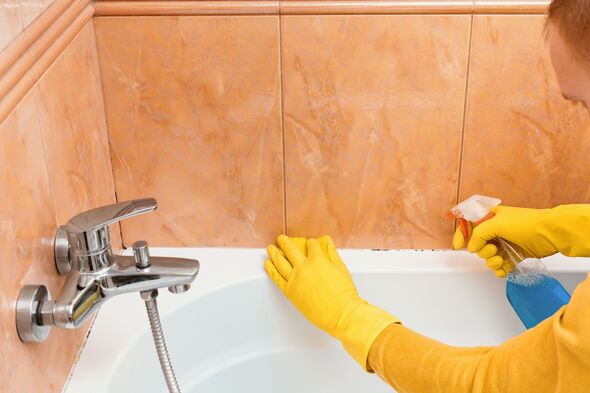
Bleach is the ‘worst’ for silicone sealant mould - cleaner’s ‘magic’ item works way better

Mold and Mildew Cleaning and Repair

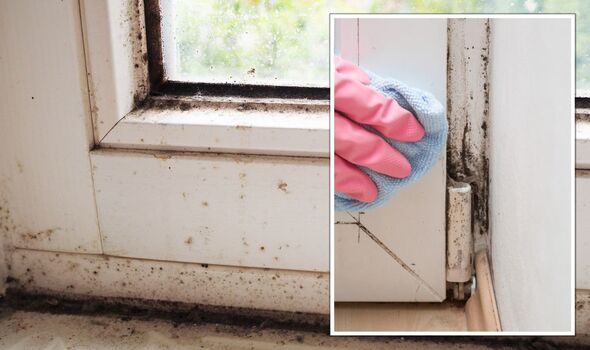
‘Fastest’ way to remove silicone sealant mould around windows - ‘100% better than bleach’
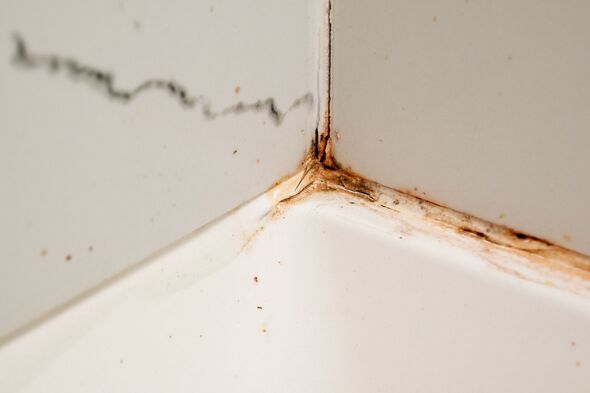
Cleaner’s ‘fantastic’ spray to ‘melt away’ silicone sealant mould in 30 minutes
Gross! Here Are the Best Ways to Remove Mildew for Good
How to get rid of mould on walls – 7 home treatments tried and tested by the experts
Remove mould from silicone sealant and bathroom tiles in 15 minutes with natural cleaner
Sealants
The Best Caulk for Perfectly Sealed Showers and Tubs


Flooring Adhesives & Sealants
Shower mould will disappear and not come back with 3-ingredient DIY cleaner