1/3
Remove mould from silicone sealant and bathroom tiles in 15 minutes with natural cleaner
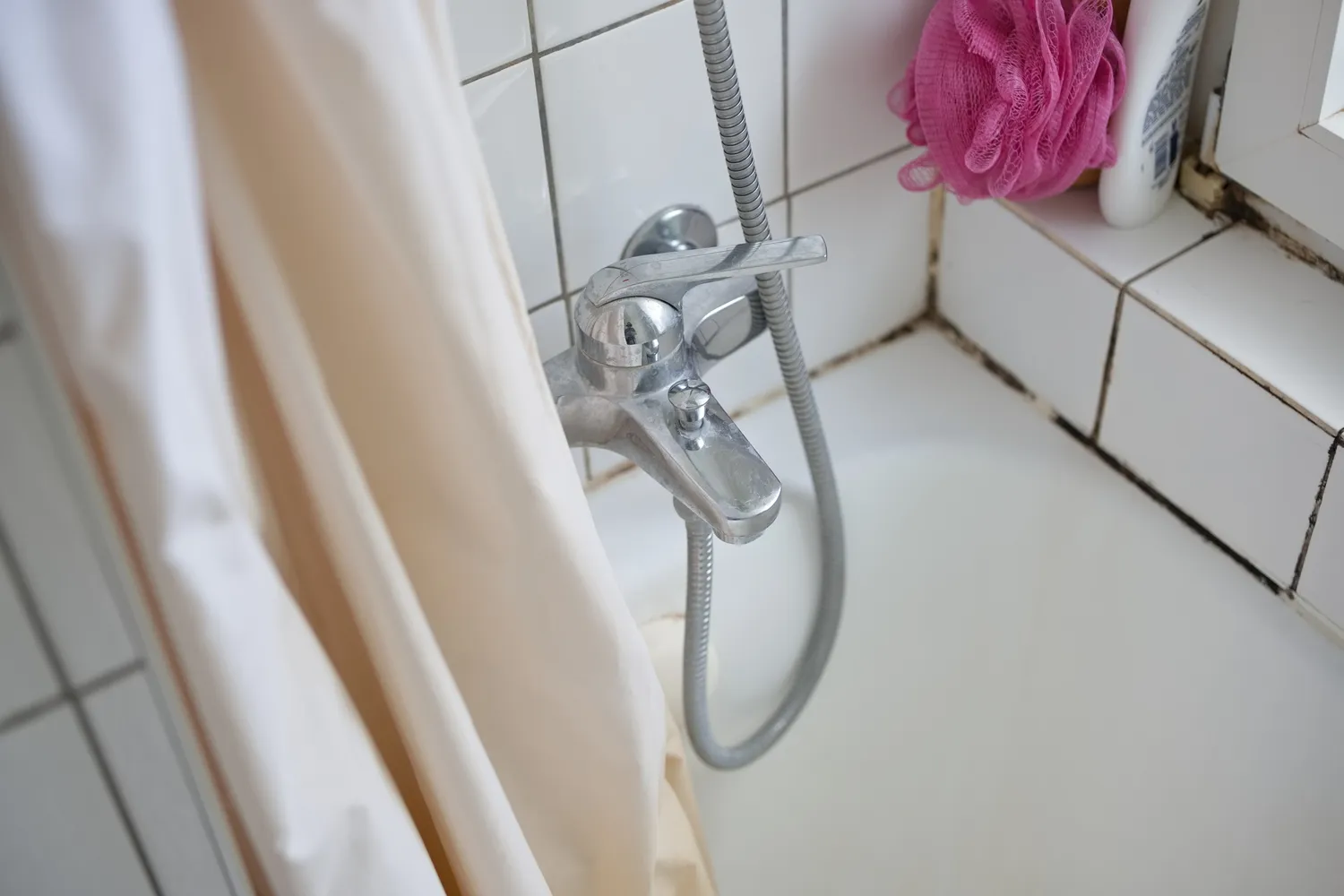
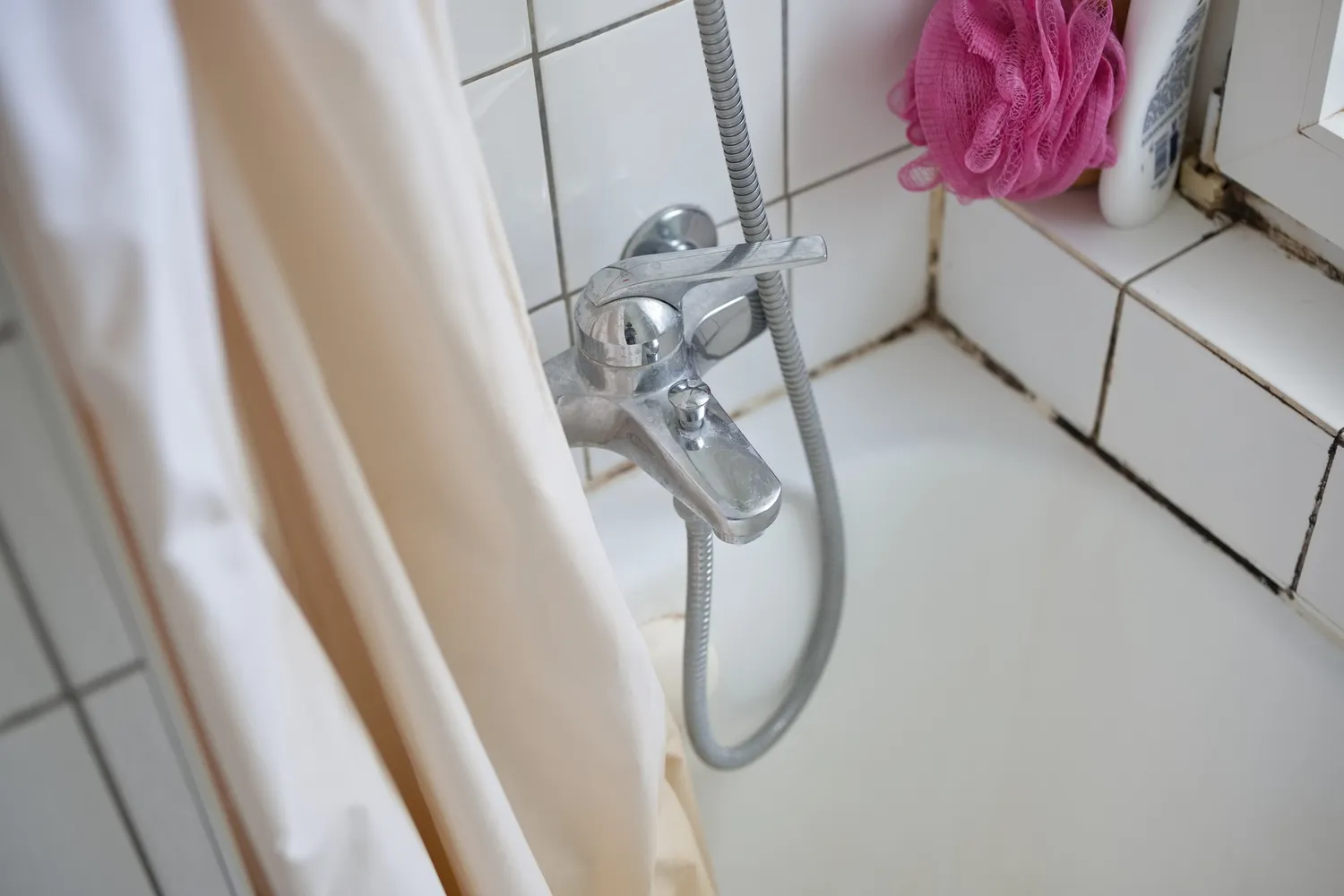
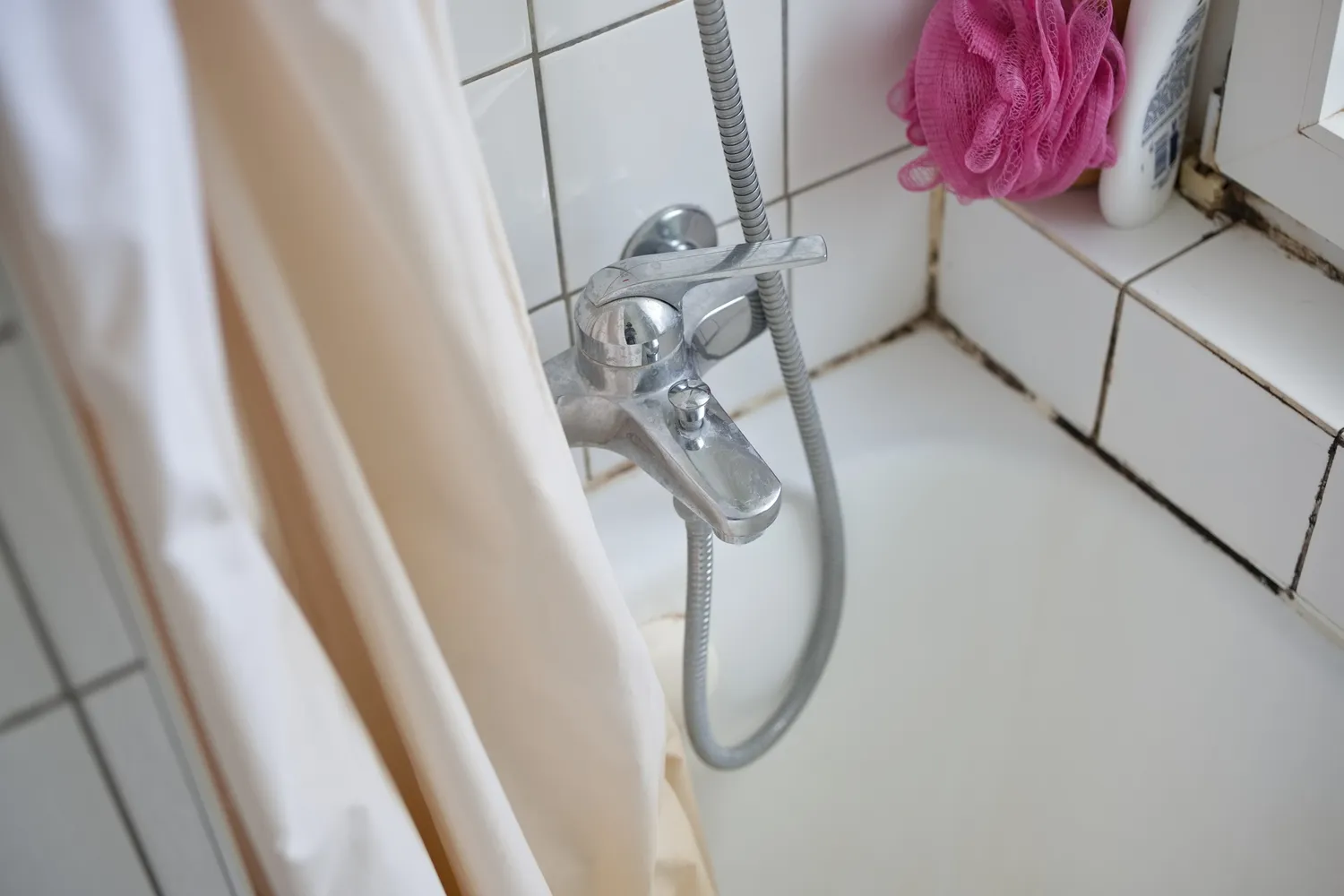
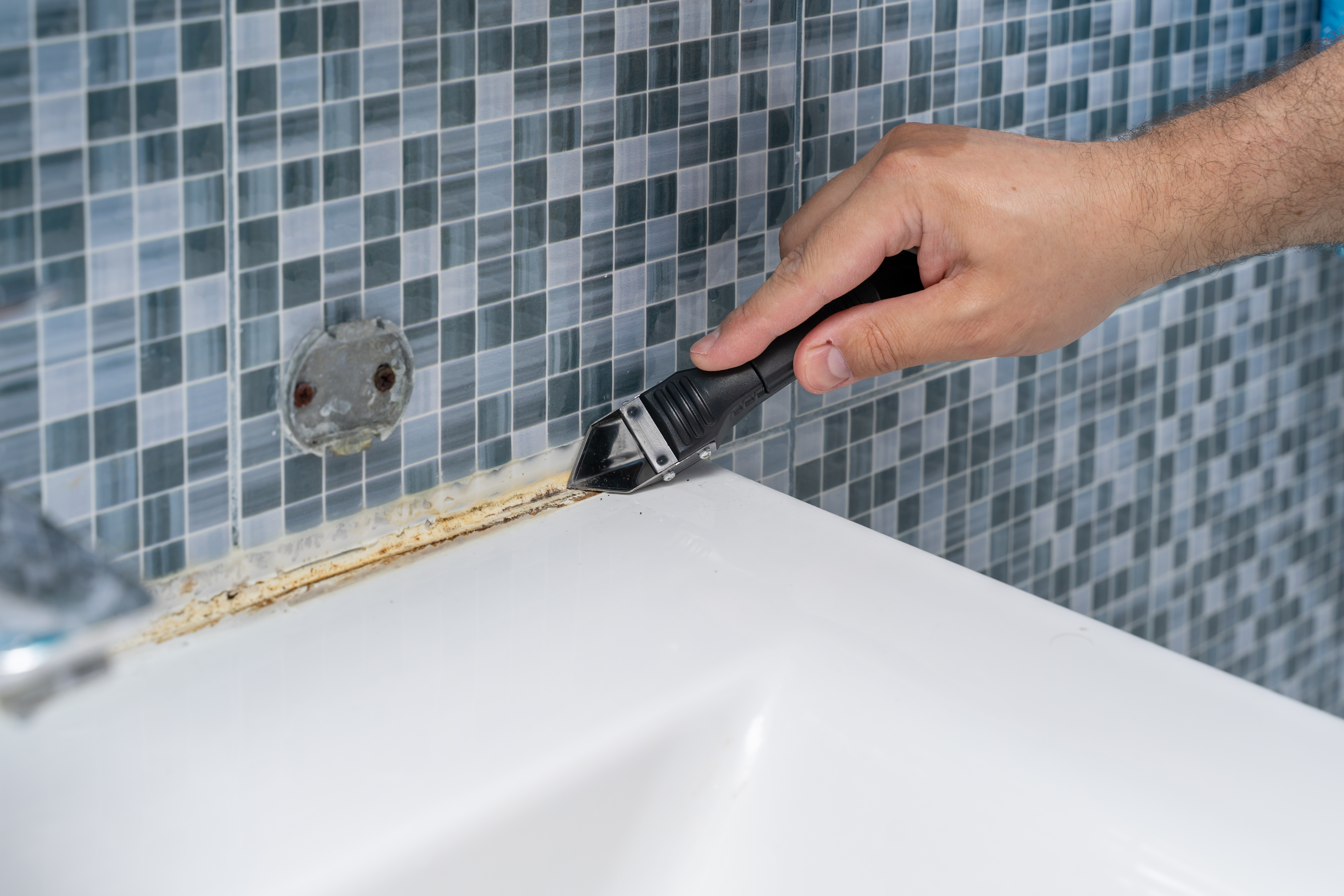
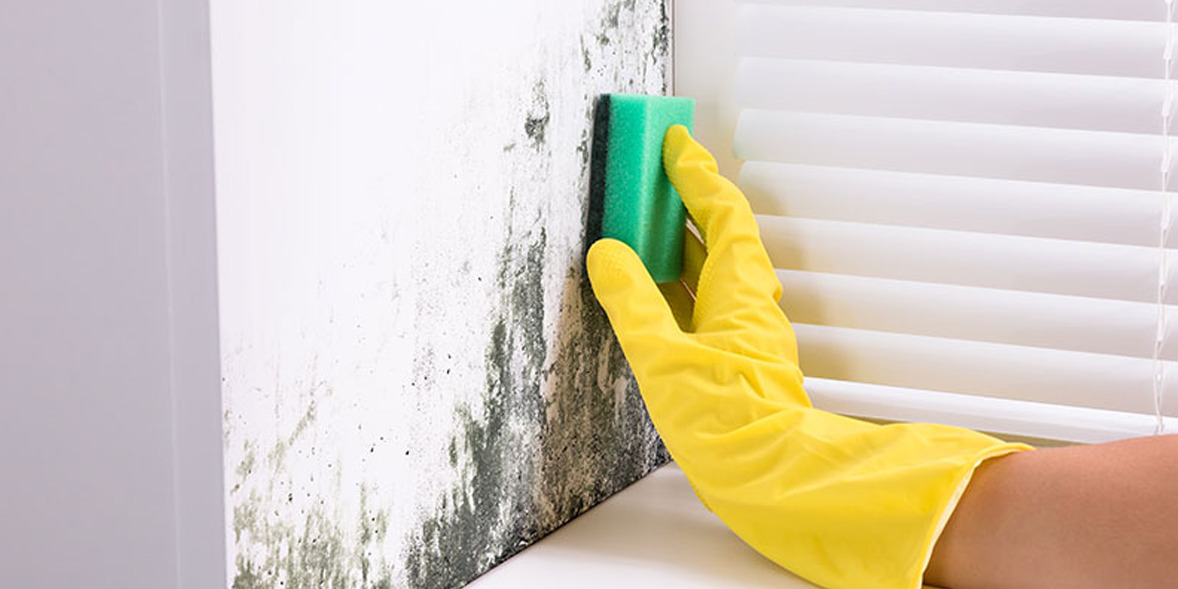
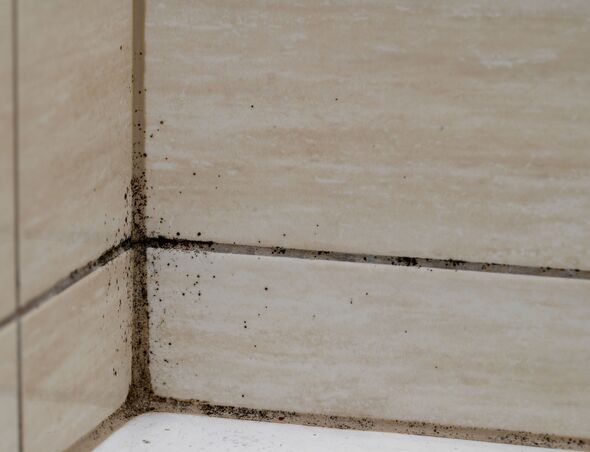
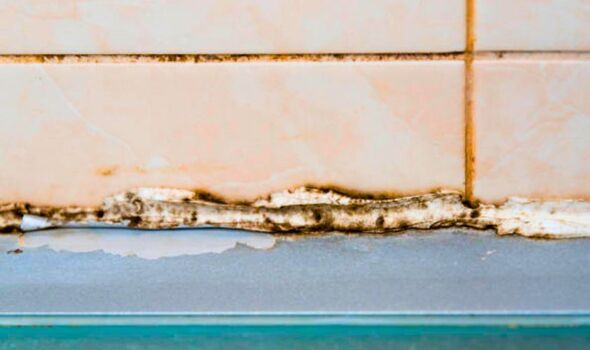
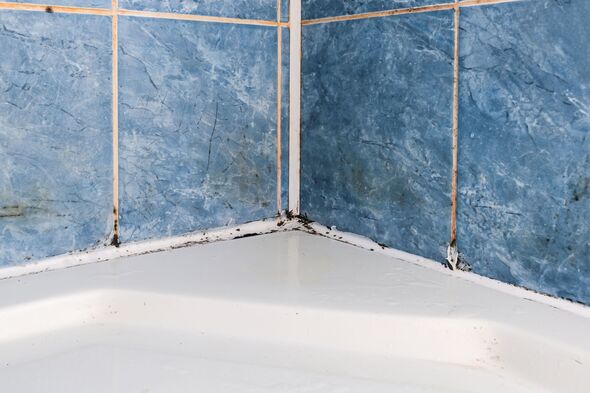
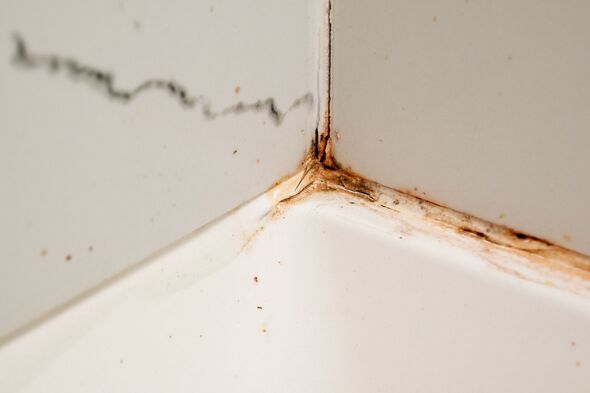
Mould often infiltrates the crevices of bathroom tiles and the edges of baths or showers, posing a challenge for removal. Traditional cleaning agents struggle against mould spores that cling to water-resistant surfaces like silicone sealant and grout. Many household cleaning products contain harsh chemicals that are not only ineffective against mould but can also damage surfaces or pose health risks.
Nancy Birtwhistle, a renowned household expert and Great British Bake Off winner, advocates against the use of bleach for bathroom mould. She explains that bleach merely discolors mould, turning it white, rather than eliminating it or preventing its regrowth. Instead, Birtwhistle champions natural, kitchen-based ingredients as a more effective and safer alternative for tackling bathroom mould.
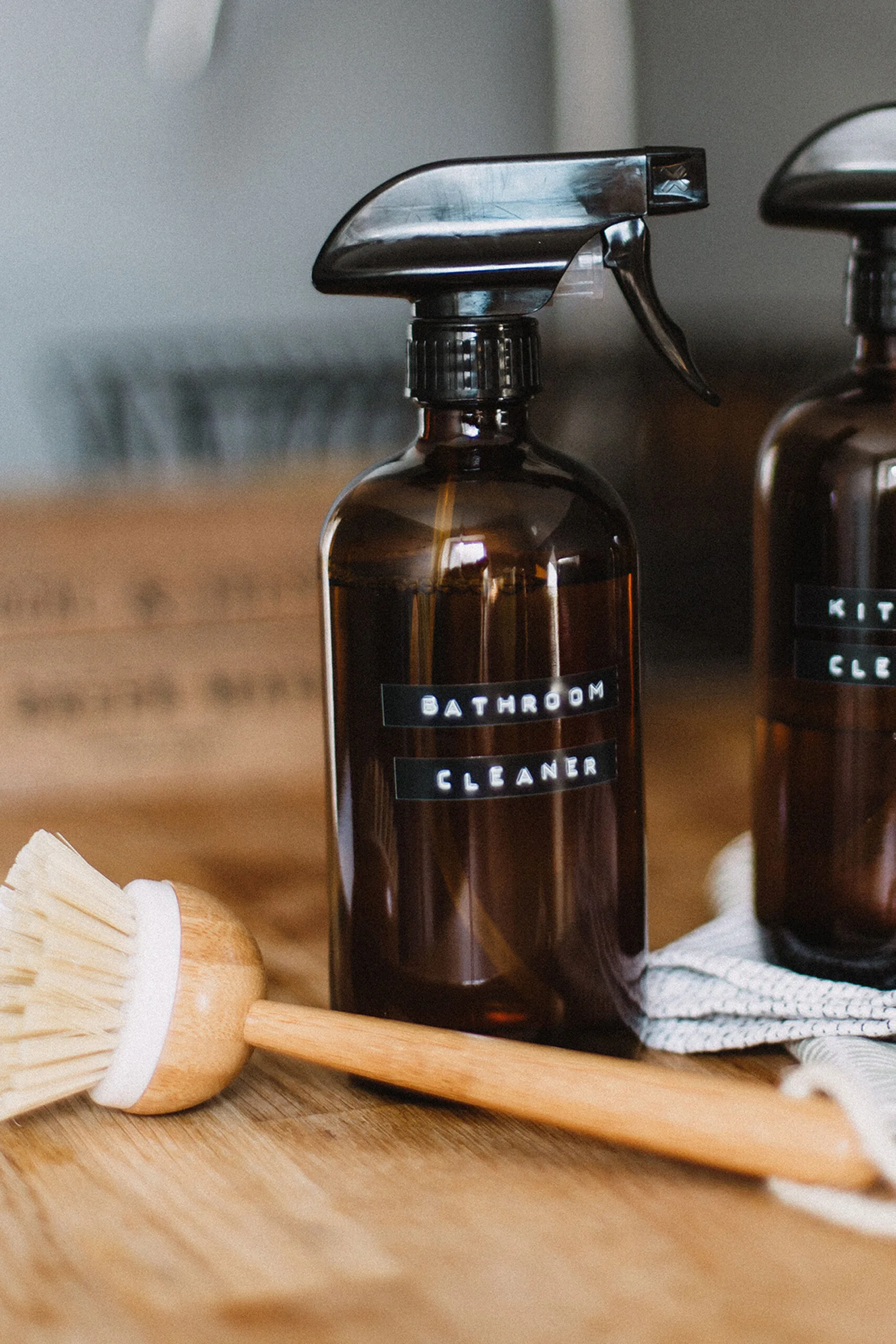
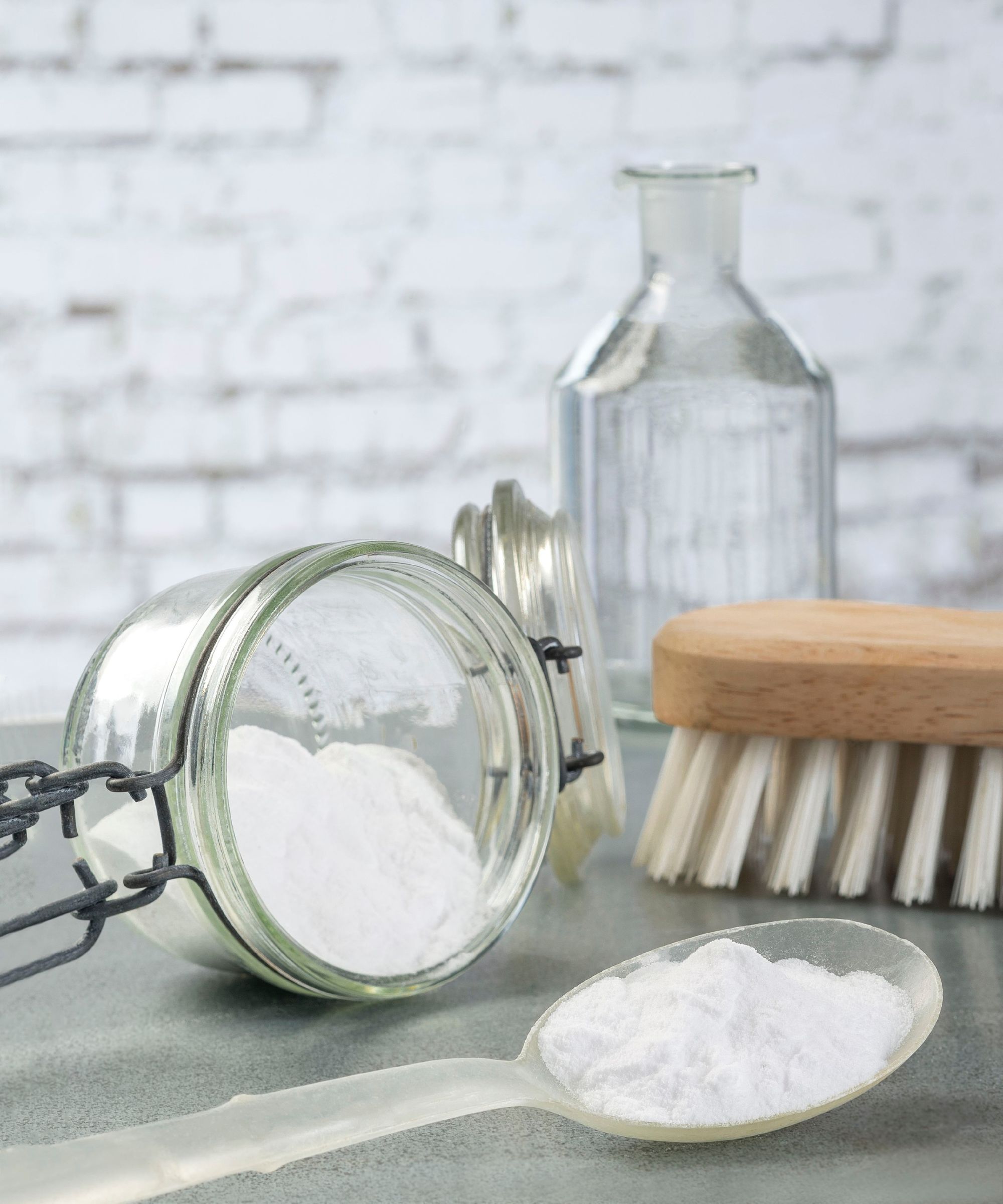
Birtwhistle proposes a homemade cleaning solution that not only eradicates existing mould but also deters future outbreaks. This solution is designed to tackle those stubborn black spots and patches, leaving surfaces sparkling clean. The recommended concoction requires 150ml of water, 60ml of white vinegar, three tablespoons of baking soda, 40ml of surgical spirit, and 20 drops of lemon essential oil. These ingredients are to be mixed in a glass spray bottle, and an old toothbrush is needed for scrubbing.
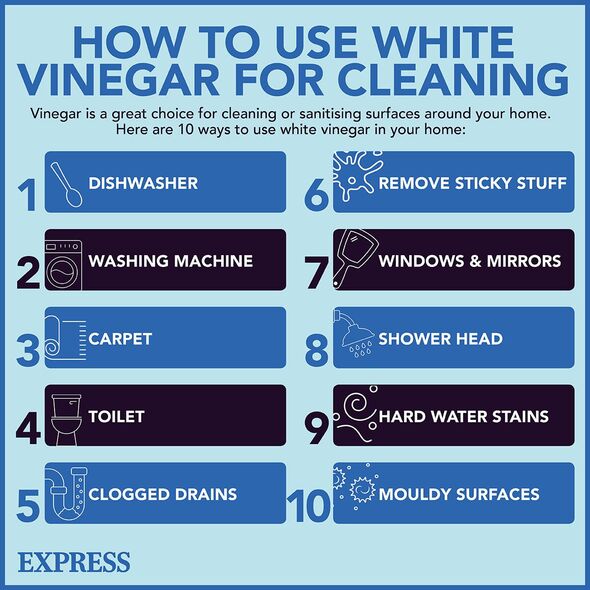
The white vinegar in the mixture is crucial for killing mould, inhibiting future growth, and dissolving limescale accumulation on grout and tiles. Surgical spirit contributes by killing germs and bacteria, while lemon essential oil provides antiseptic and germ-killing properties, in addition to a pleasant scent. This combination creates a versatile spray suitable for various bathroom surfaces, particularly effective for shining tiles and treating grout.
To apply the solution, it should be sprayed generously onto bathroom surfaces, paying close attention to corners and difficult-to-reach areas. The mixture should be allowed to sit for at least 15 minutes to penetrate and break down the mould. Following this, a clean cloth or an old toothbrush can be used to wipe away the mould.
For any remaining stubborn mould spots, a solution of hot water and a few tablespoons of baking soda can be used. By dipping a cloth or toothbrush into this mixture and gently scrubbing, the alkaline and absorbent properties of baking soda help to further break down mould and absorb moisture, preventing its spread. The abrasive nature of baking soda also aids in physically scrubbing away mould without causing damage to surfaces. The process is described as quick, effective, and satisfying, resulting in a sparkling clean bathroom without the need for chlorine bleach.
#MouldRemoval #NaturalCleaning #BathroomCleaning #EcoFriendlyHome #DIYCleaner #HomeMaintenance #CleaningHacks #MouldRemoval #NaturalCleaning #BathroomCleaning #EcoFriendlyHome #DIYCleaner #HomeMaintenance #CleaningHacks
0 comment in total
 No comments yet
You may also like
We Asked a Cleaning Pro How to Finally Get Rid of Mold in the Shower—And We're Trying This ASAP

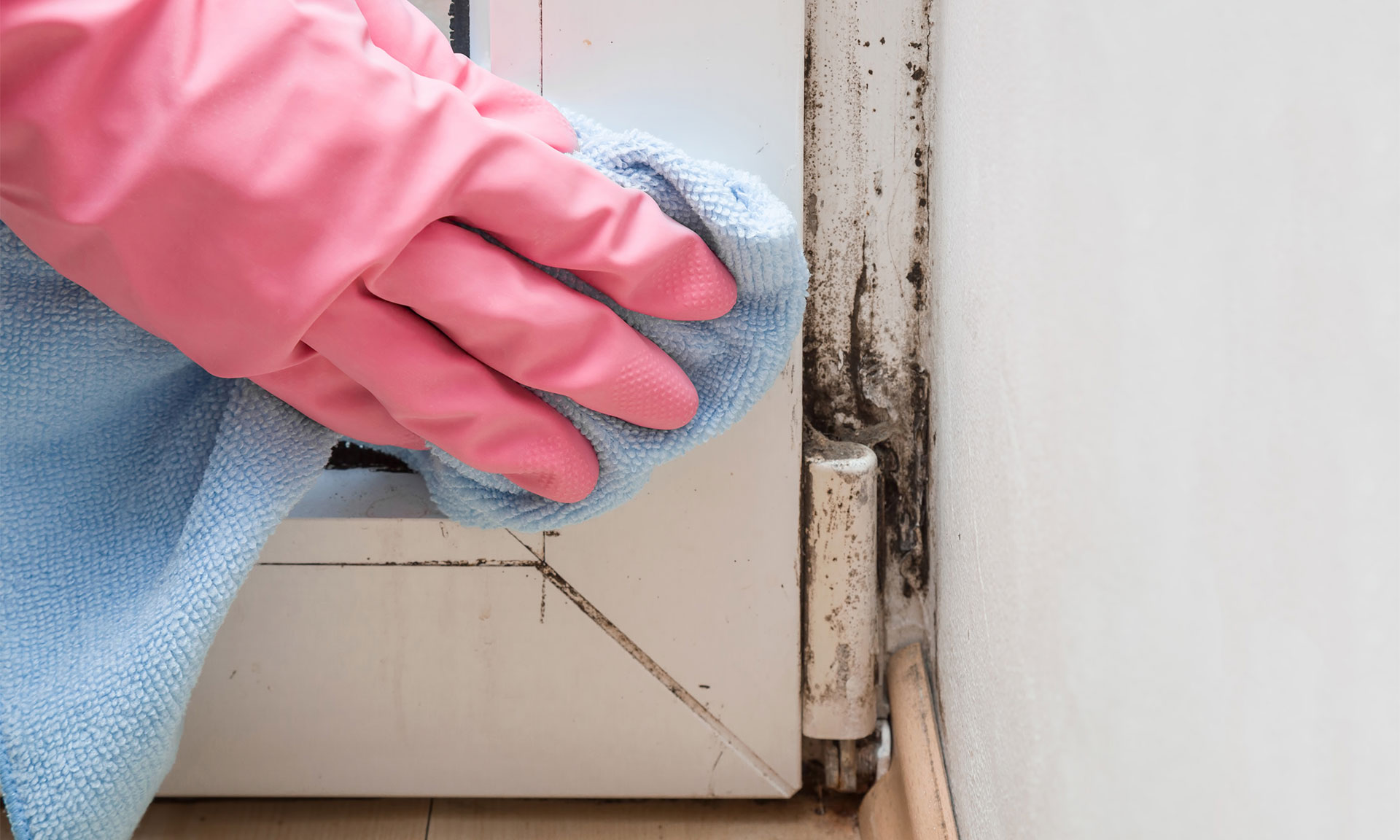
How to get rid of mould
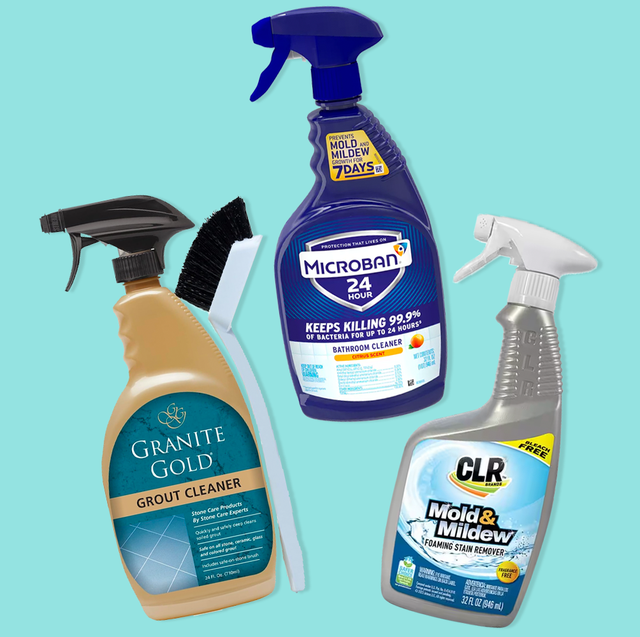
7 Best Grout Cleaners for a Brilliant Bathroom

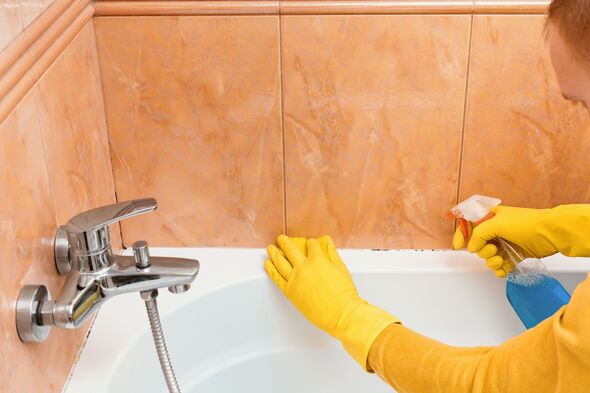
Bleach is the ‘worst’ for silicone sealant mould - cleaner’s ‘magic’ item works way better
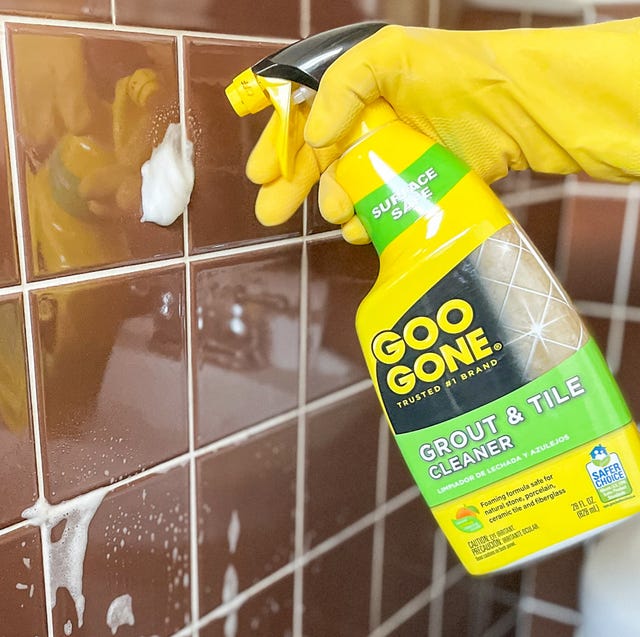
The Best Grout Cleaners for Pristine Tiles in Every Room
6 Best Grout Cleaners for a Brilliant Bathroom

Remove silicone sealant mould with ‘100% effective’ solution ‘without causing damage’
Expert-tested mould removal tips that actually work

How to get rid of mould on walls – 7 home treatments tried and tested by the experts
Cleaner’s ‘fantastic’ spray to ‘melt away’ silicone sealant mould in 30 minutes
The 7 Best Grout Cleaners of 2025


Squeegee Every Time You Shower — and More Bathroom Cleaning Hacks | Reviews by Wirecutter
The B&M buy that melts silicone sealant mould in seconds with zero scrubbing

7 ways to clean your shower (and keep it that way) using natural products
Professional cleaners do these 4 things to remove rust from bathtubs – here's how to replicate the results

The Best Shower Tile Cleaner for a Sparkling Shower, Tested

We Tested 14 of the Best Grout Cleaners—See Which 7 We Recommend
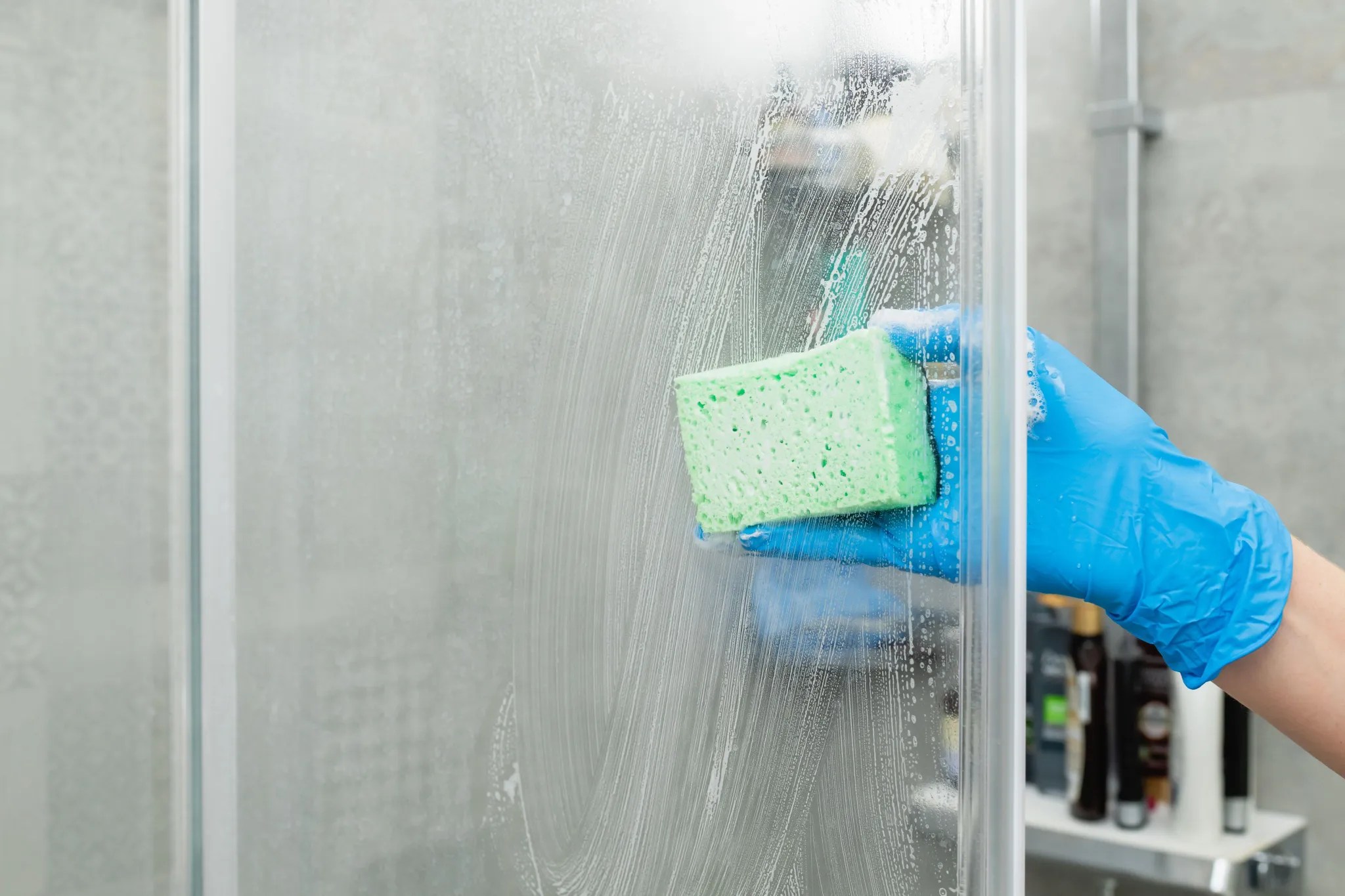
Chemical engineer insists a kitchen staple removes all water stains from shower doors - only a teaspoon is needed

6 Best Grout Cleaners of 2026, Tested and Approved by Cleaning Experts
Say Goodbye to Moldy Shower Caulk with These 3 Easy Fixes