How to Install Deck Footings with Spread Base
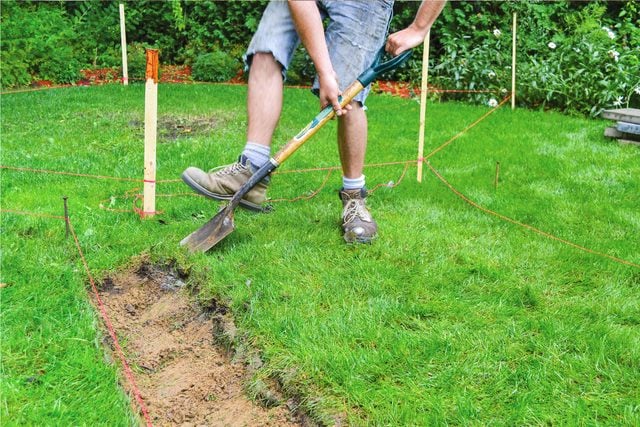
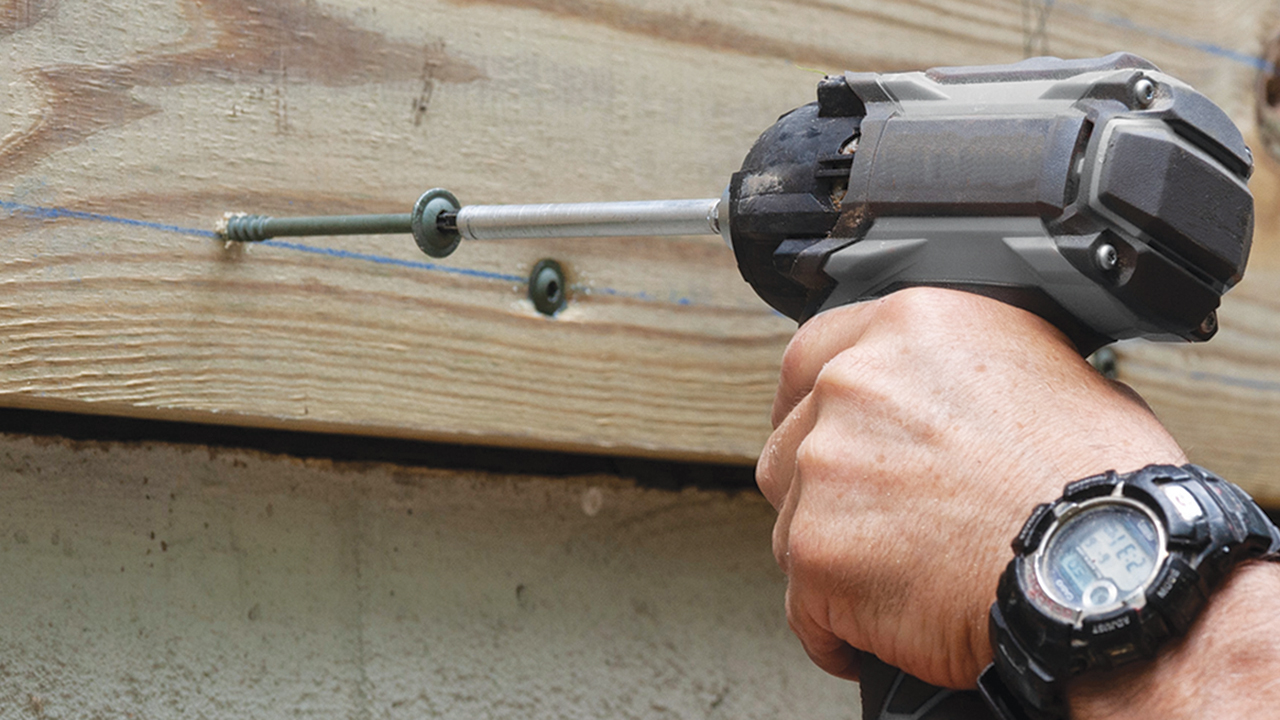
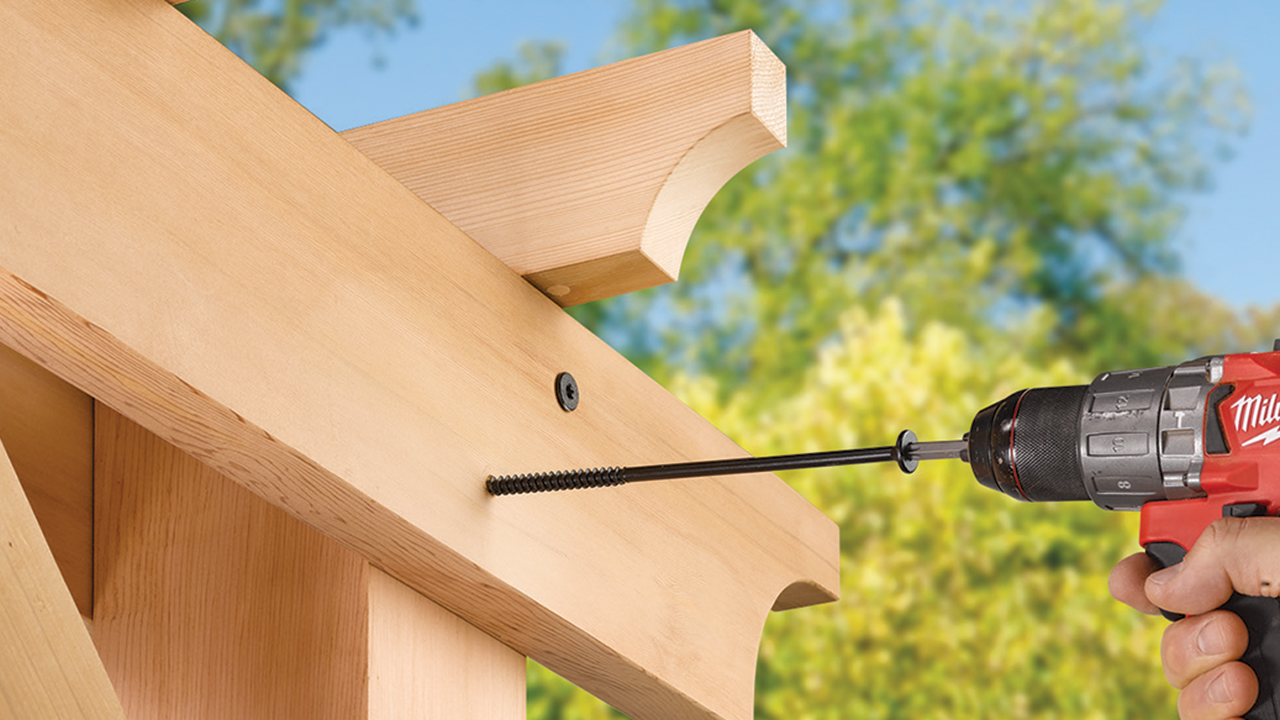
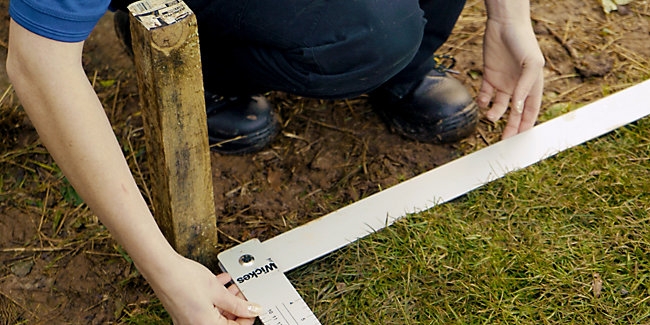
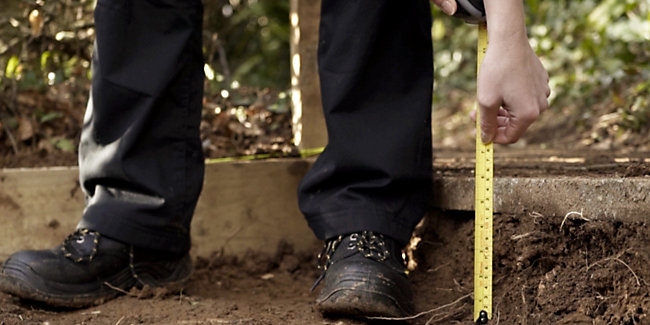
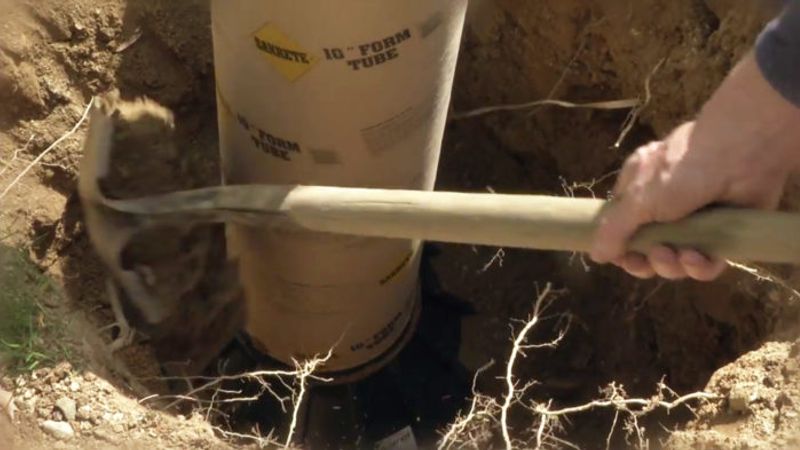
Installing a spread-base deck footing involves several crucial steps, beginning with the excavation of the hole. The hole must be wide enough to accommodate the spread base and sufficiently deep to reach or exceed the frost depth in the specific geographical area, preventing frost heave. After excavation, the bottom of the hole is tamped flat to create a stable surface for the footing. The next step involves preparing the tube form and the spread base. The tube is placed on the base to determine the contact position, and any excess rings are cut from the base. The tube form is then securely attached to the spread base using screws, and the assembled unit is carefully positioned into the excavated hole. It is essential to ensure that the tube is plumb, meaning perfectly vertical, throughout this process. To maintain its position and provide stability, the hole is progressively backfilled with soil, with a tamper used periodically to compact the backfill as it is added.
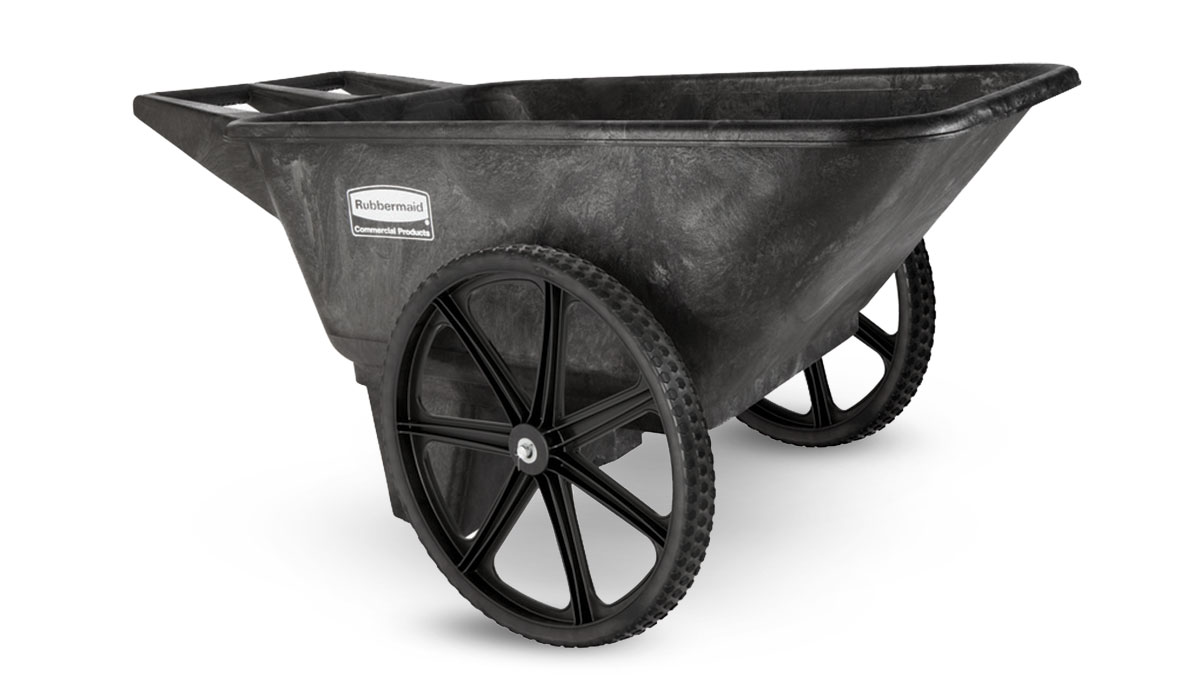
Once the backfilling is complete and the tube is securely in place, the tube is cut to the desired final height. The process then moves to mixing and pouring the concrete. To manage the concrete efficiently, it is recommended to load two 80-pound bags of concrete mix into a mixer at a time. Water is added while the mixer is running, aiming the hose towards the back of the mixer to prevent the formation of dry clumps and ensure an even consistency. The concrete is mixed until it is wet enough to hold together without dry spots, yet still folds over on itself as the mixer spins, indicating the correct workability. The mixed concrete is then transported using a wheelbarrow and shovel to fill the footing. The total number of concrete batches required will vary based on the size of the form; for this specific footing, eight bags of concrete are needed.
As the tube fills with concrete, a technique called "rodding" is employed. This involves plunging a length of wood into the concrete within the form to help settle it and eliminate any air voids or pockets, ensuring a dense and uniform footing. Finally, the form is filled slightly above its edges, and the top surface of the concrete is flattened using a mason’s float to create a smooth and level finish. This method ensures a robust and stable foundation for a deck, adhering to practices that aim for durability and structural integrity.
#DeckFootings #DeckConstruction #ConcretePouring #HomeImprovement #DIYDeck #FoundationWork #BuildingCodes #ConstructionTechniques #DeckFootings #DeckConstruction #ConcretePouring #HomeImprovement #DIYDeck #FoundationWork #BuildingCodes #ConstructionTechniques
0개의 댓글이 총 표시됩니다.
 아직 댓글이 없습니다
추가로 마음에 드릴 만한 콘텐츠
How to Install a Paver Patio Base


7 signs you need to replace your wooden deck – the red flags to look out for in your garden
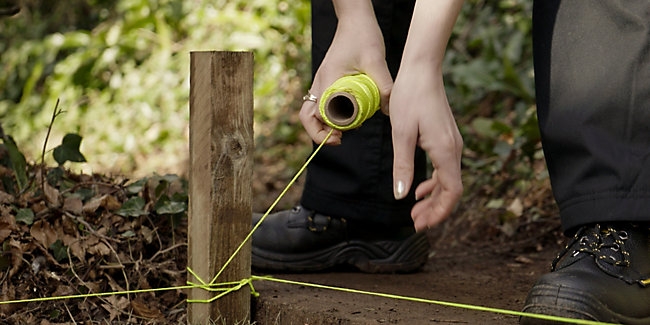
How to lay a patio


Decking Balustrades & Posts

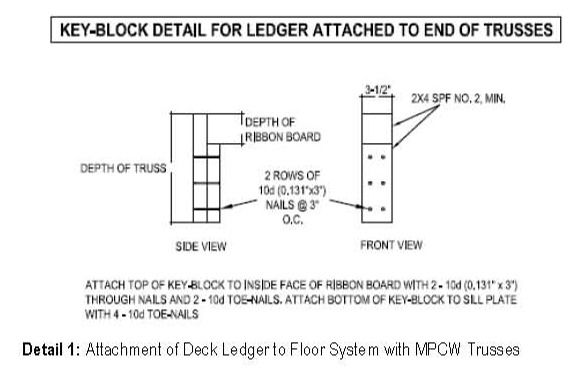
Attaching a Deck Ledger to Floor Truss
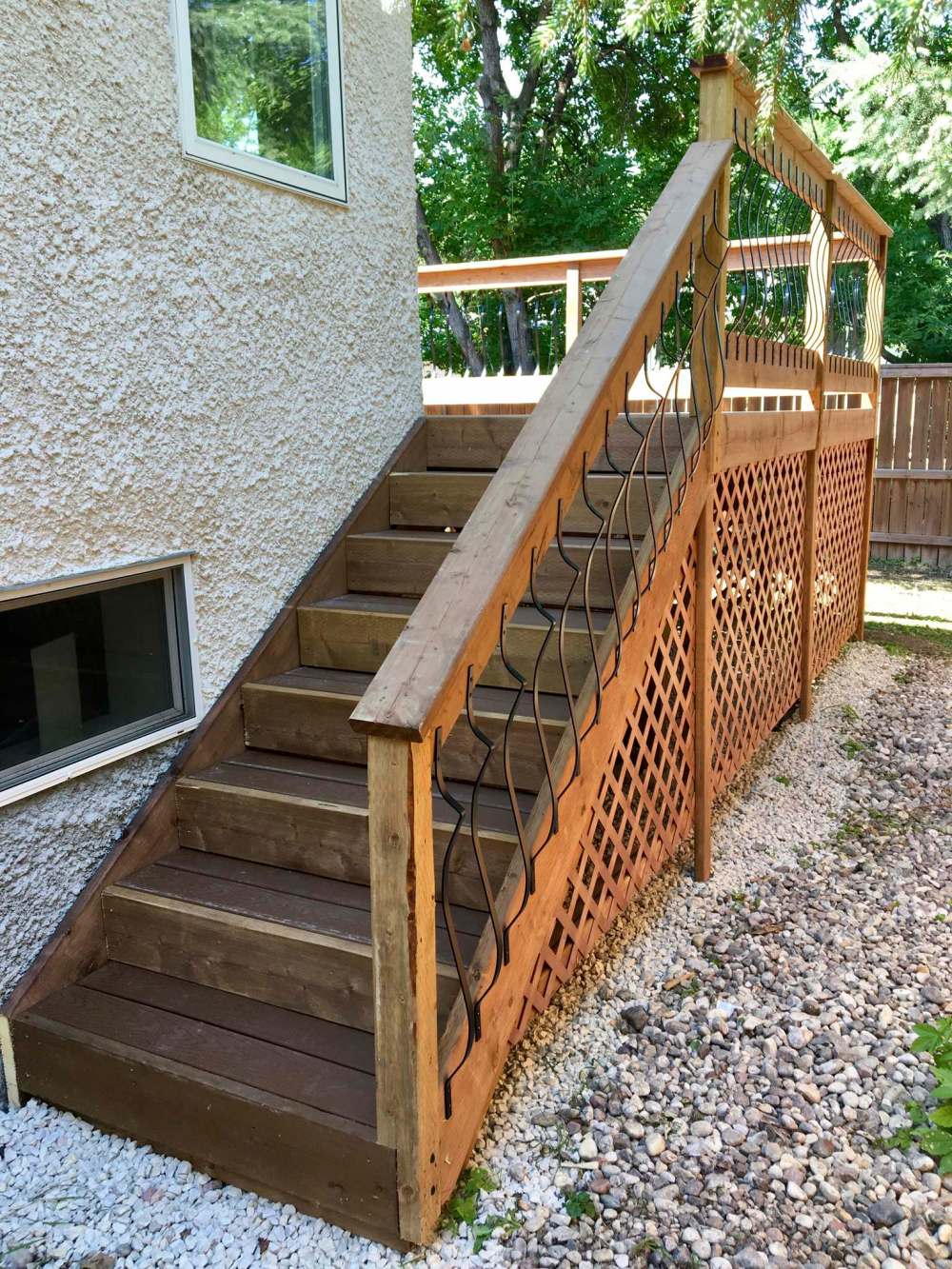
Jul 2018: Old meets new in backyard deck reno

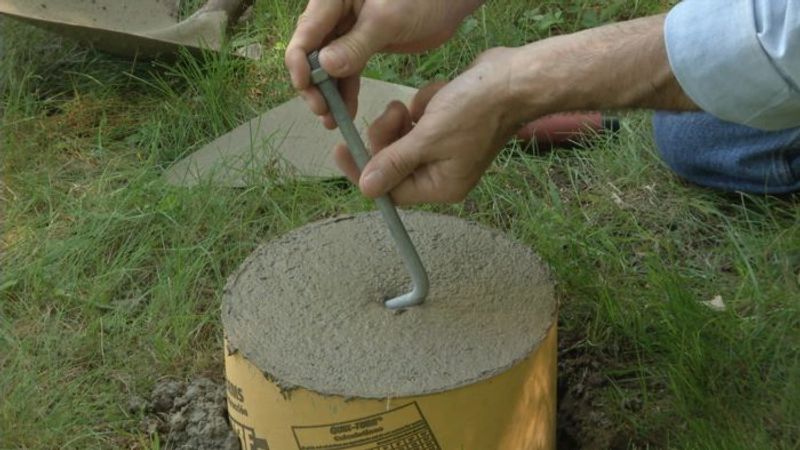
How to Set Anchor Bolts in Concrete Piers

19 Creative DIY Deck Plans and Design Ideas


Best base for a gazebo – landscaping experts reveal their top tips for your garden structures
How to Install and Flash a Deck Ledger
A Deck Builder’s Tool Kit
How to add drainage to a deck that is already built – decking experts reveal how to do it without ripping up all the boards

Installing Deck Joists

Decking Screws

A Hardwood Floor Where You Can Actually Remove One Piece at a Time


Ask The Builder: Nothing beats built-in deck bench seating


Scotia Beading
In Depth: Deck Fasteners


How to install wooden panelling
Installing ZIP System Sheathing: Sheathing-to-Foundation Connection