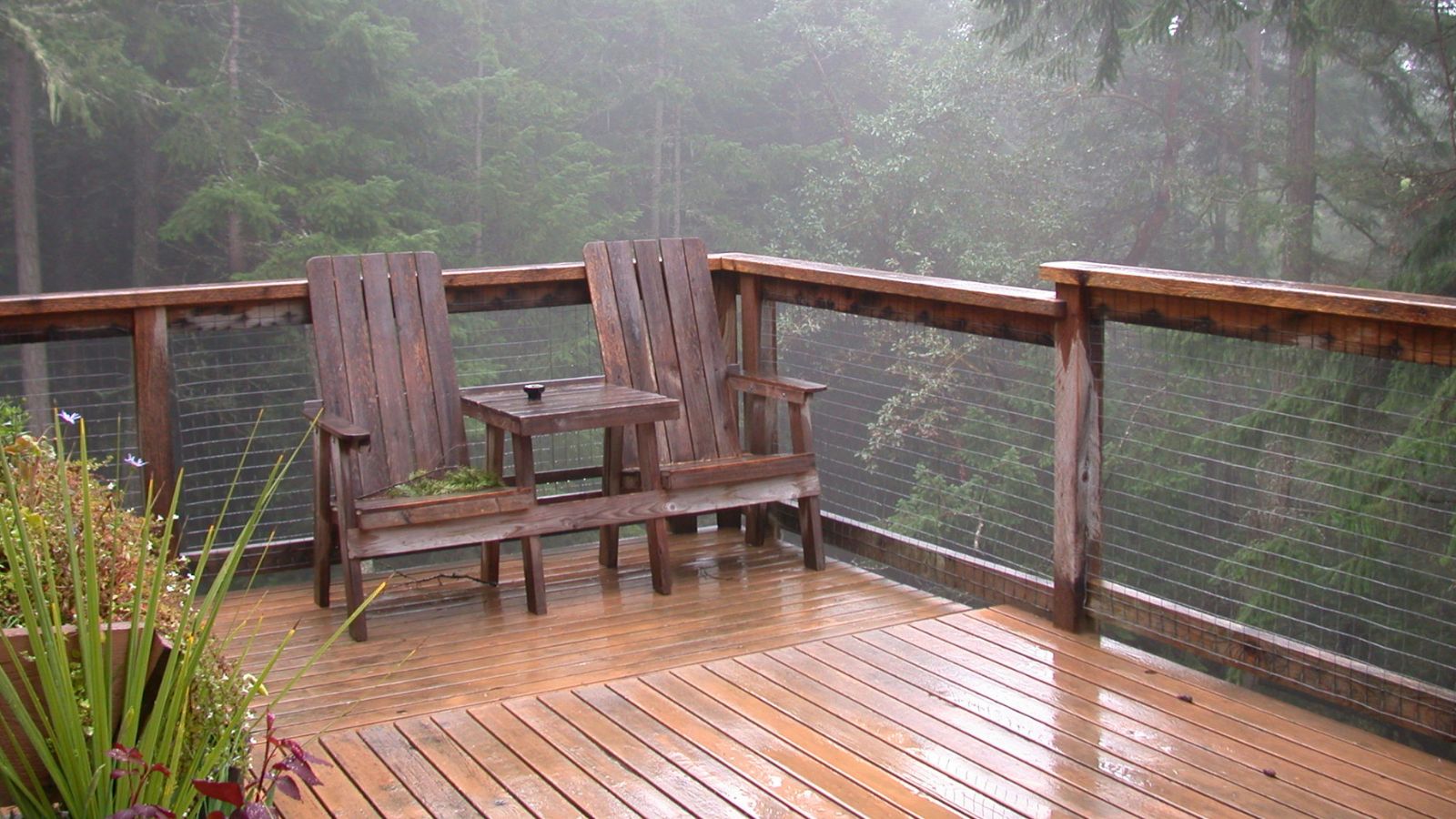
1/5
How to add drainage to a deck that is already built – decking experts reveal how to do it without ripping up all the boards
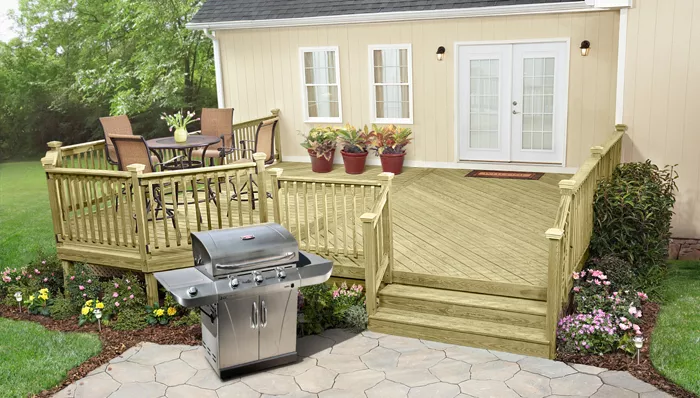
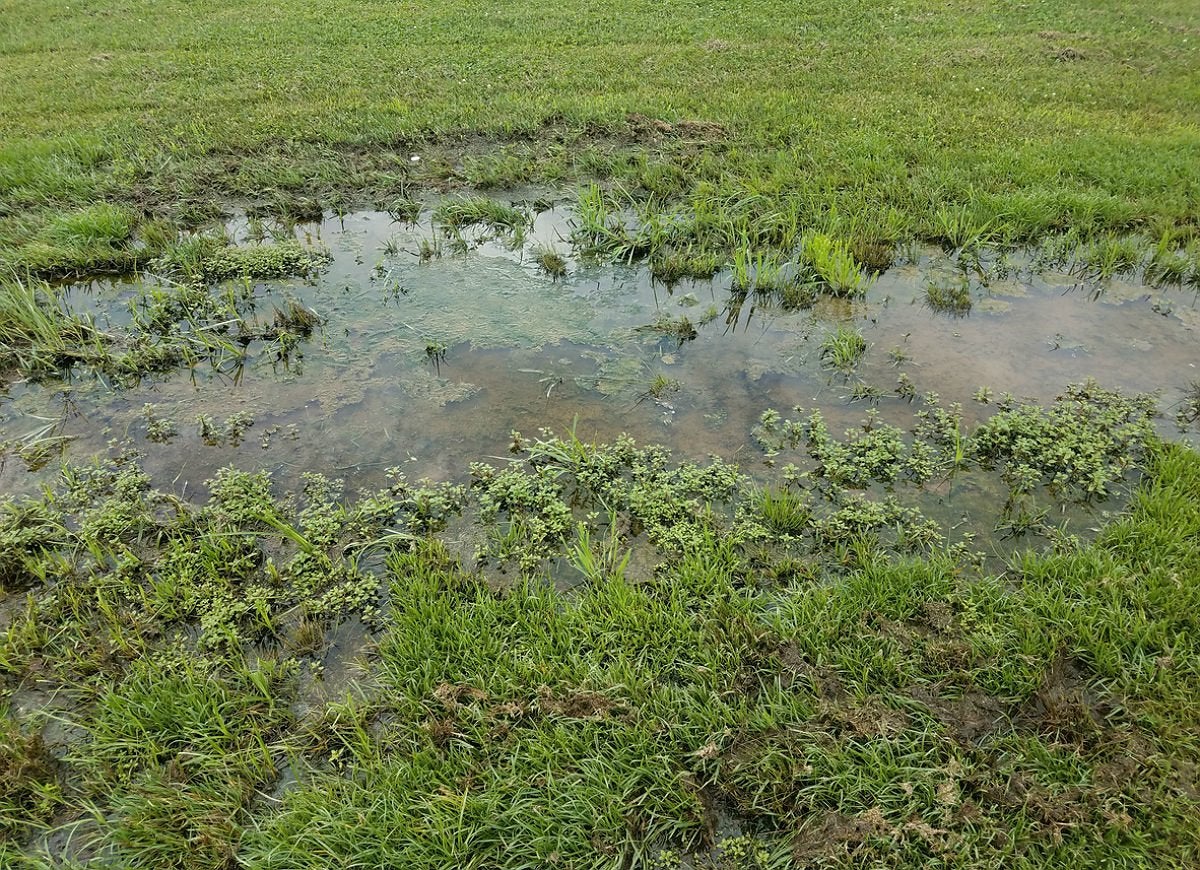
Poor deck drainage poses a significant problem for homeowners, leading to wood rot and potential deck destruction. While improper installation often necessitates extensive renovations, there are effective strategies to add drainage to an existing deck without a complete overhaul. The initial step involves assessing the extent of the necessary modifications, which rarely requires removing the entire deck. Targeted retrofits, such as integrating drainage channels into the existing framework, can prevent water pooling without the time and cost associated with a full rebuild. A common issue is a lack of proper slope; decks should ideally have a slight incline of 1/4 inch per 12 horizontal feet to facilitate water runoff away from the house. Correcting this often means removing all deck boards, though the underlying frame can usually be preserved.
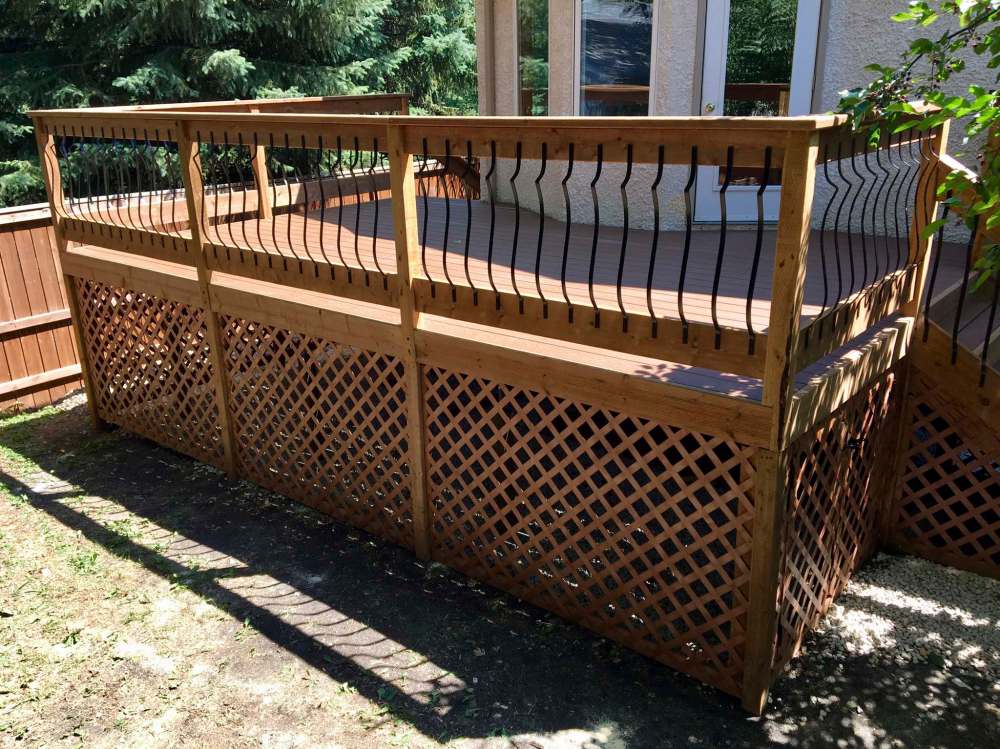
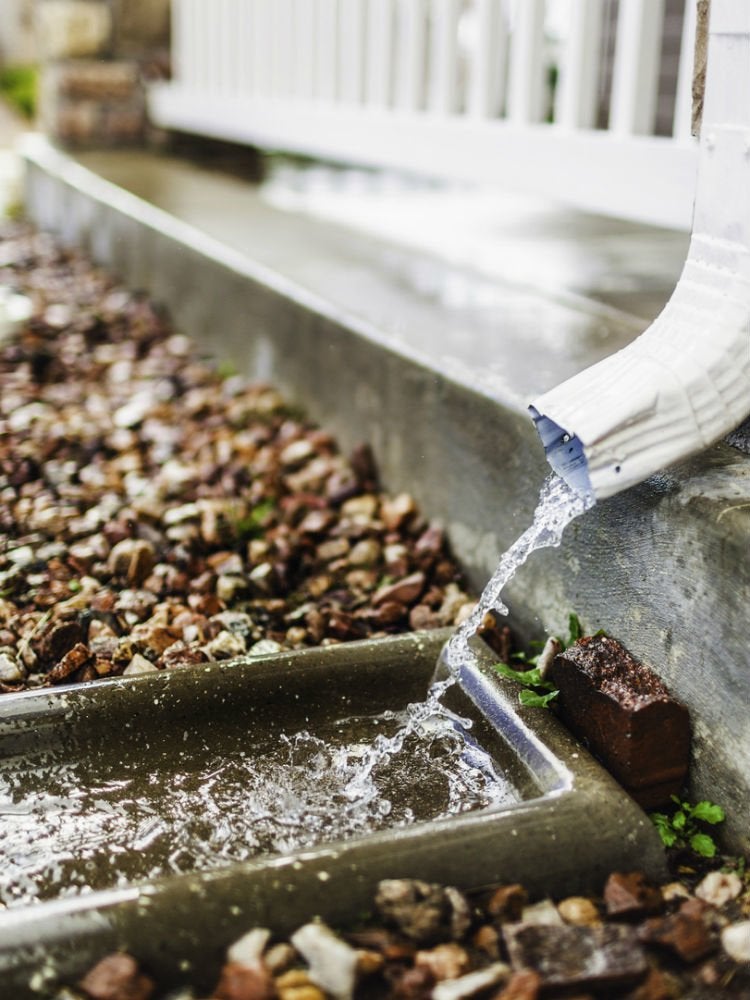
For elevated decks situated above the ground, undermount drainage systems are the most suitable solution. These systems involve hidden channels or perforated panels installed beneath the deck boards, designed to collect water and direct it away from the structure. This method is generally easier to implement than overmount drainage because it does not require the removal of existing deck boards. The drainage panels are securely attached to the joists underneath the deck, guiding water towards a downspout that channels it away from the home's foundation. The installation process typically involves preparing and cleaning the area beneath the deck, setting up support tracks or hangers for the joists, and then attaching the drainage panels at an optimal slope angle. Finally, gutters are installed at the low end and connected to downspouts to ensure efficient water diversion, preventing foundational damage.
Conversely, ground-level decks necessitate overmount drainage, which is a more complex undertaking. Overmount drainage systems integrate drainage elements directly onto the deck surface, usually through concealed channels or gutter systems positioned above the joists. Accessing these joists requires the removal of all deck boards, making this method more labor-intensive and potentially expensive. The process includes removing deck boards to expose the joists, measuring the area to determine the required amount of waterproof membrane or drainage panels, and installing the membrane over the joists. Crucially, a proper slope must be created to direct water to designated drainage points, where gutters and downspouts are then installed. Afterward, the deck boards are reinstalled over the membranes, and all holes are sealed with a waterproof sealant. Due to its complexity, overmount drainage demands extensive planning and can involve significant modifications to the deck.
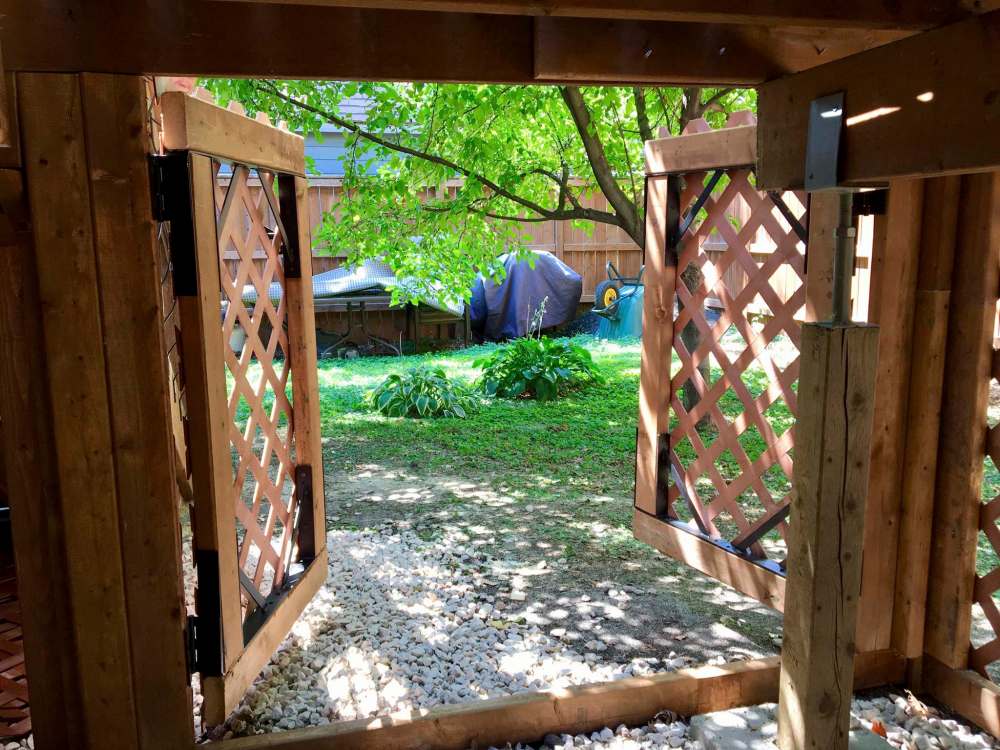
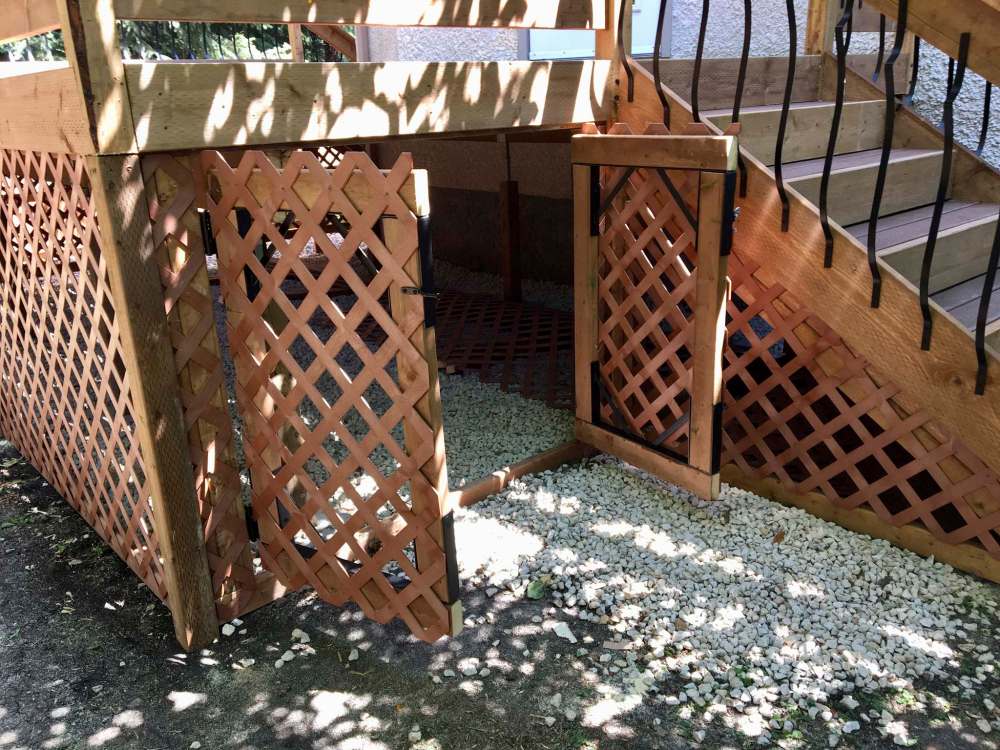
An additional option for ground-level decks is external drainage, which involves creating drainage solutions around the deck rather than within its structure. This can be achieved by installing a gravel bed underneath the raised deck, combined with adjustable deck supports to control water flow. Another approach is to establish a gravel trench or French drain along the perimeter of the deck to absorb excess moisture. While external drainage can be labor-intensive, it offers an alternative that avoids the need to remove and reinstall deck boards. These methods highlight that effective deck drainage can be implemented through various strategies, depending on the deck's elevation and existing structure, ultimately preserving its integrity and functionality.
#DeckDrainage #HomeImprovement #OutdoorSpace #GardenMaintenance #ConstructionTips #UndermountDrainage #OvermountDrainage #ExternalDrainage #DeckDrainage #HomeImprovement #OutdoorSpace #GardenMaintenance #ConstructionTips #UndermountDrainage #OvermountDrainage #ExternalDrainage
0 comment in total
 No comments yet
You may also like
Giving Your Deck a New Life Doesn’t Have to be a Chore Thanks to This Product

This Simple Upgrade Will Turn Your Deck or Balcony into a Garden Oasis
6 Smart Ways to Prevent a Soggy Yard with Every Rain Shower
How to Stain a Wood Deck: Instructions and Materials List
19 Creative DIY Deck Plans and Design Ideas

Best decking paint and decking stain

Prep Your Backyard Deck for Summer With These 9 Low-Lift Tips From Reno Experts

Solved! Why Is Water Seeping Through My Basement Floor?

7 signs you need to replace your wooden deck – the red flags to look out for in your garden
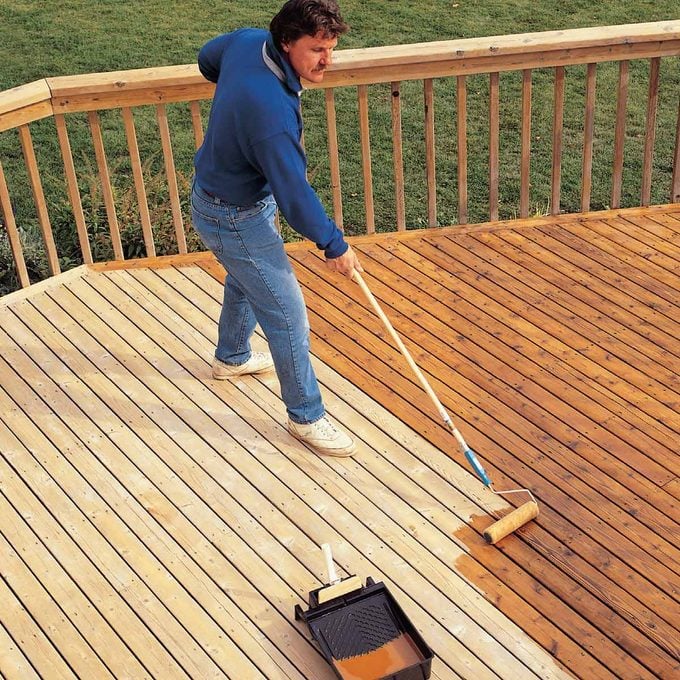
How to Choose the Best Deck Finish

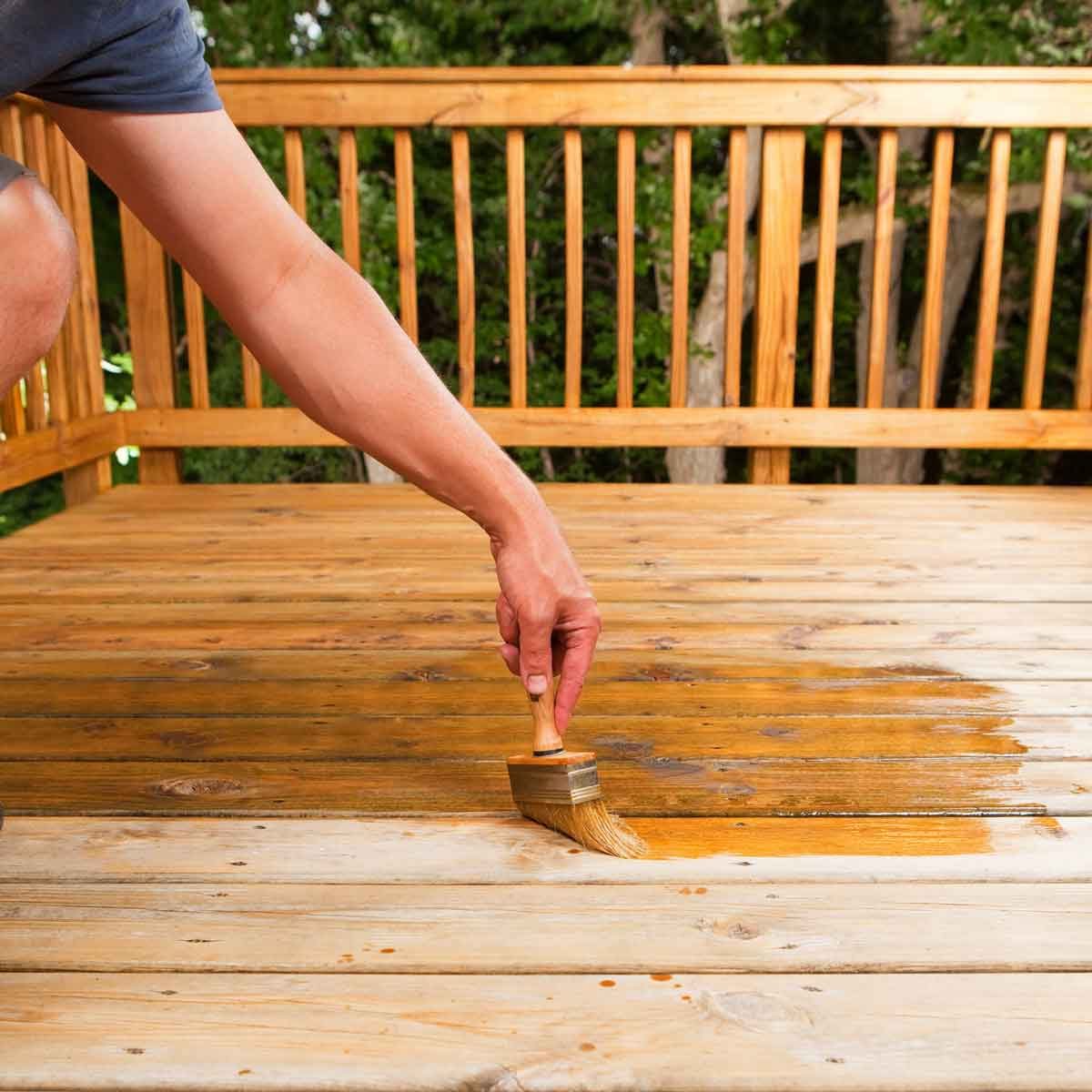
Best Deck Paints and Stains for 2025

31 Ways to Give Your Pool Deck a Makeover

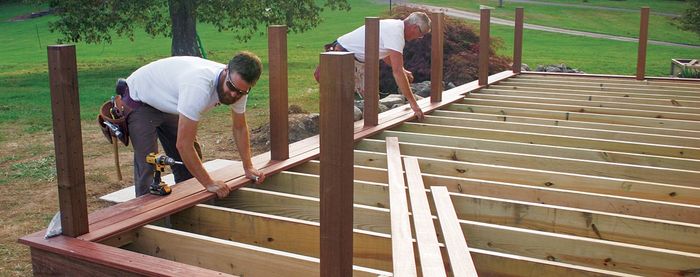
Project: Site-Built Under-Deck Drainage System


How to waterproof a basement – 5 steps from experts to safeguard this space
The Best Solid Deck Stains to Protect and Revitalize, Tested

Deck ideas – 16 stylish looks to take your backyard to the next level
How to make your deck look expensive - 7 ways to turn a deck into your favourite area of the garden
Jul 2018: Old meets new in backyard deck reno

The Best Deck Stains of 2026

How to build a deck – 9 expert tips and step-by-step advice